Protected Places Of The Past
Across the world, history hides behind locked gates, laws, and living beliefs. Some places are too sacred or fragile to disturb, leaving archaeologists to study humanity’s past from a careful distance and restraint.
 Nevit Dilmen, CC BY-SA 3.0, Wikimedia Commons, Modified
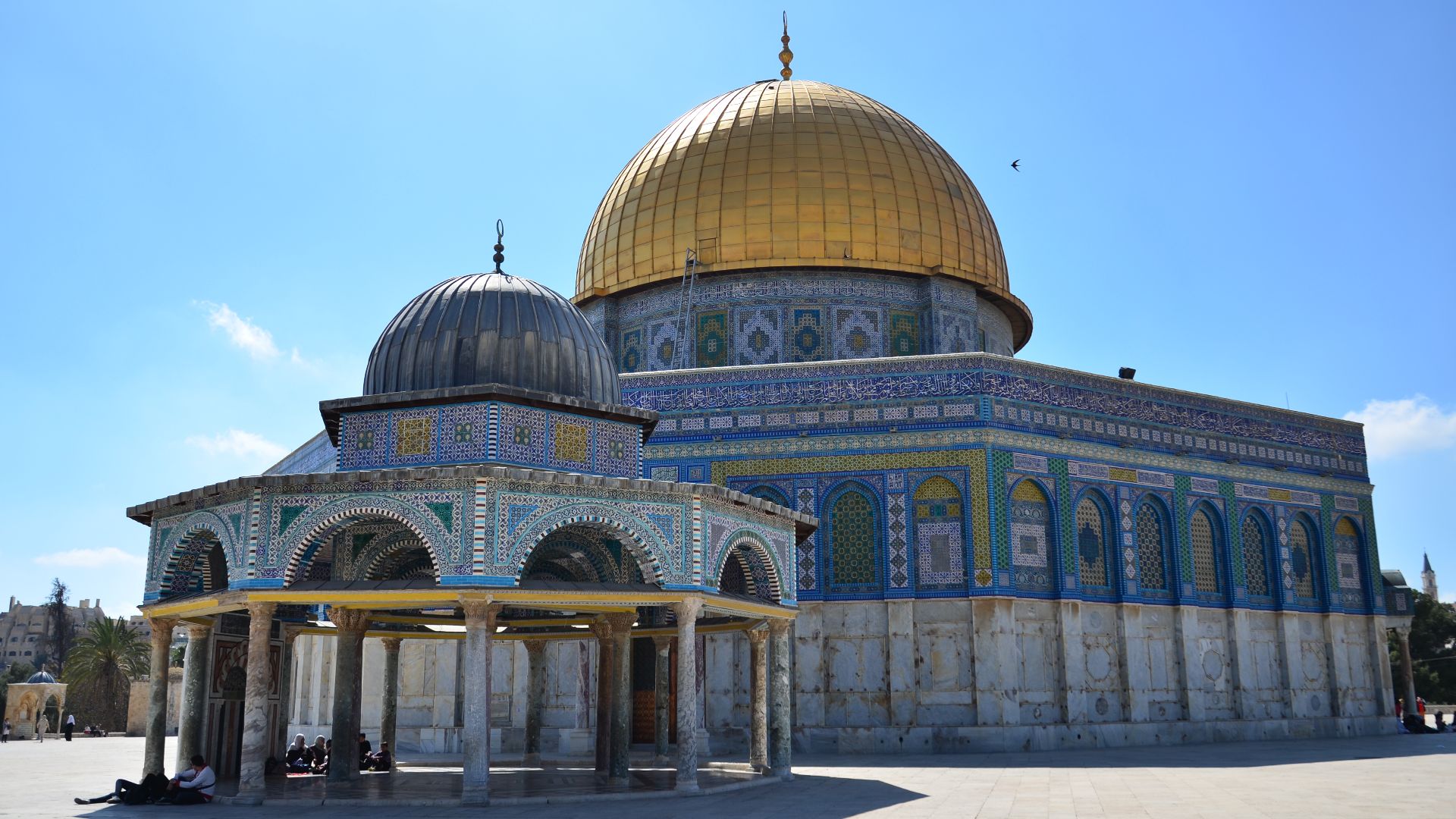
Temple Mount/Haram Al-Sharif, Jerusalem
Jerusalem's most contested religious site operates under a delicate status quo agreement that strictly limits archaeological work. The Jordanian Waqf manages daily operations while Israel handles security, but no full-scale modern excavations have ever occurred on the platform itself. One wrong dig could trigger international conflict across three major religions.
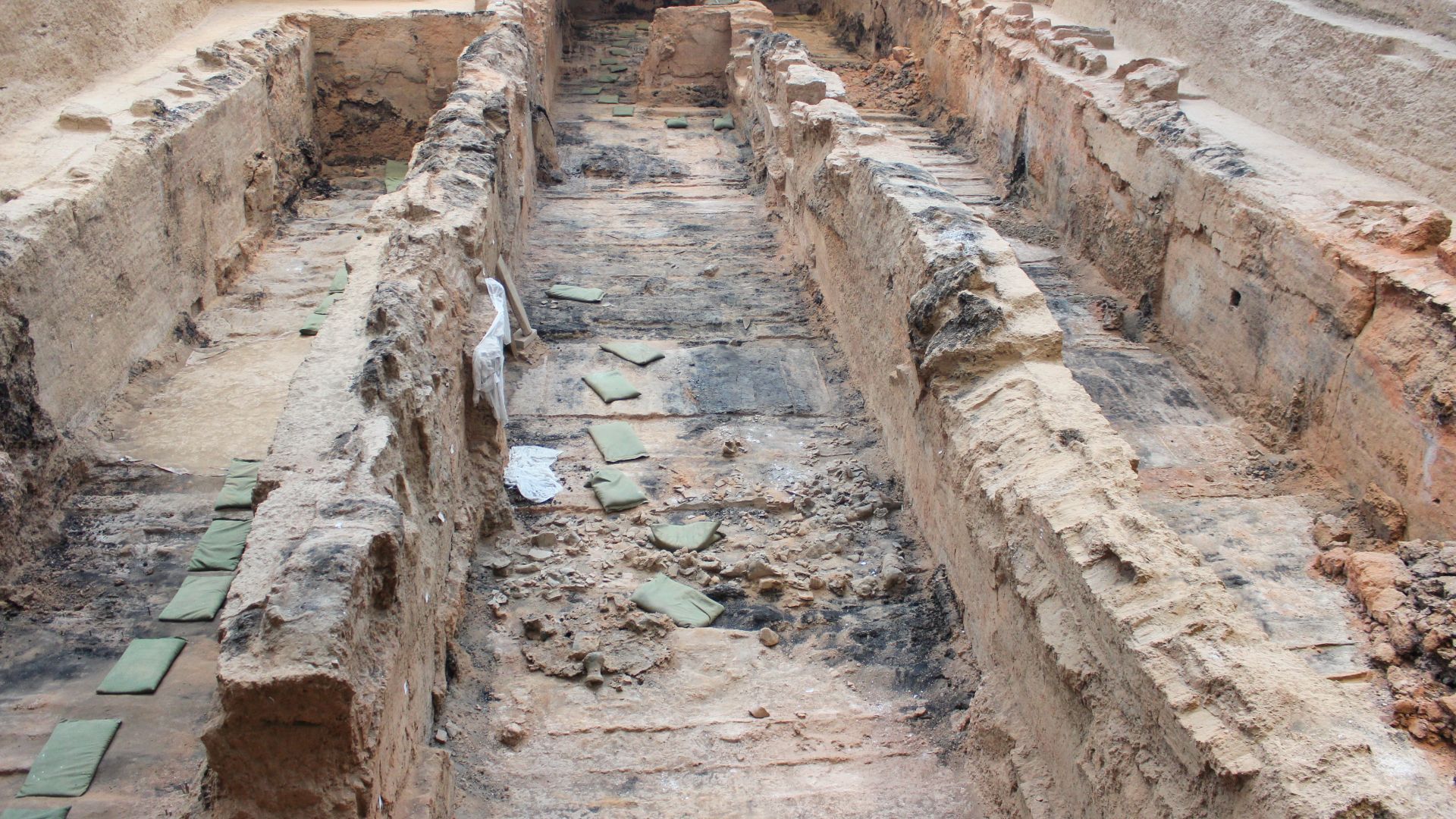
Tomb Of Qin Shi Huang (Inner Chambers), China
China refuses to open the first emperor's burial chamber despite knowing it's there beneath a massive earthen mound. Ancient historian Sima Qian described rivers of mercury flowing inside, and modern tests confirm dangerously high mercury levels in the soil. Current technology can't guarantee safe preservation, so the tomb stays sealed.
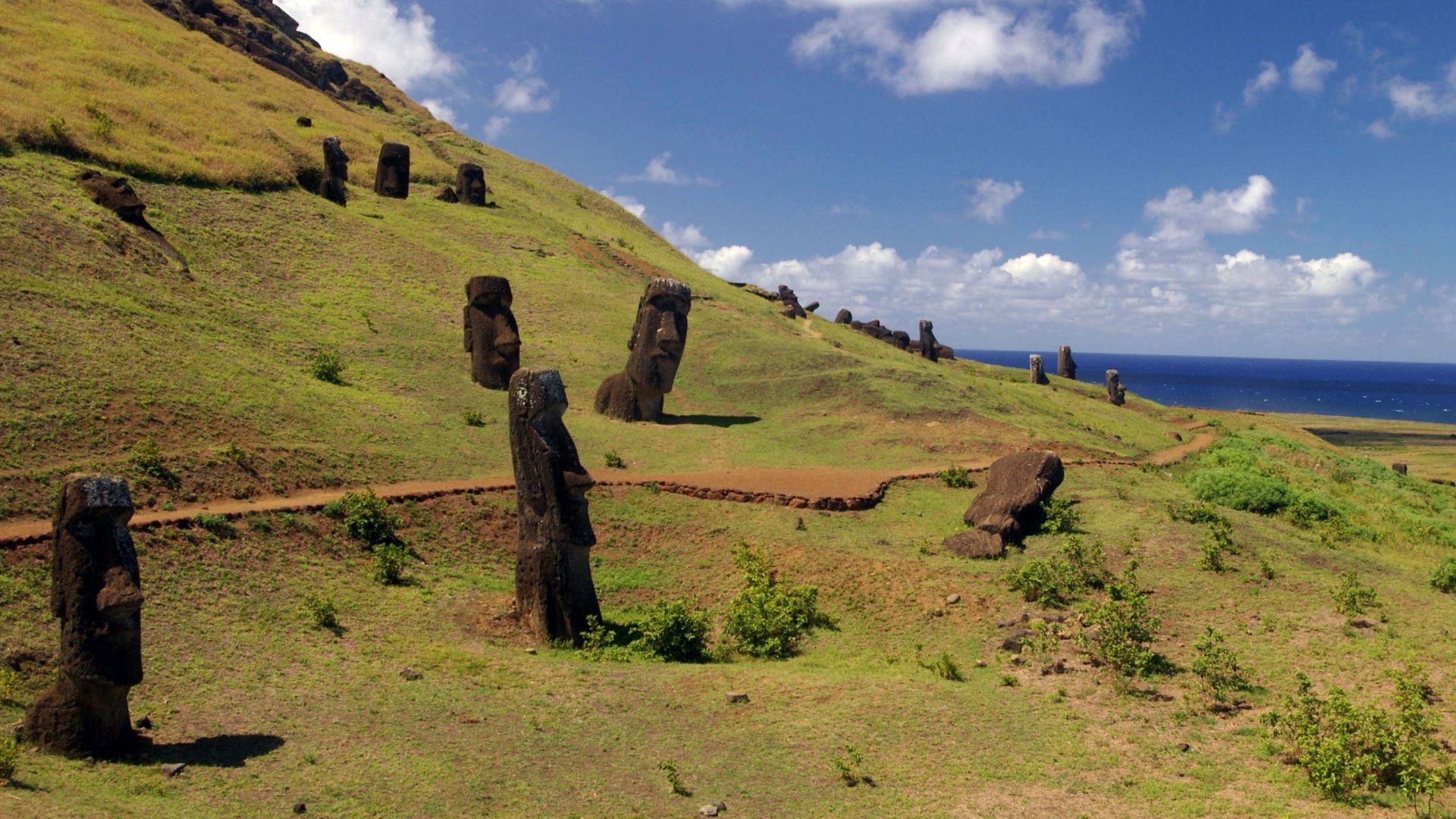
Easter Island Moai Quarry Restricted Zones, Chile
Rano Raraku's volcanic crater contains nearly 1,000 moai in various stages of carving, but the steep slopes make it too dangerous for general access. The unfinished statues remain frozen in time where ancient sculptors abandoned them. A high-resolution 3D model now lets people explore virtually without risking erosion.
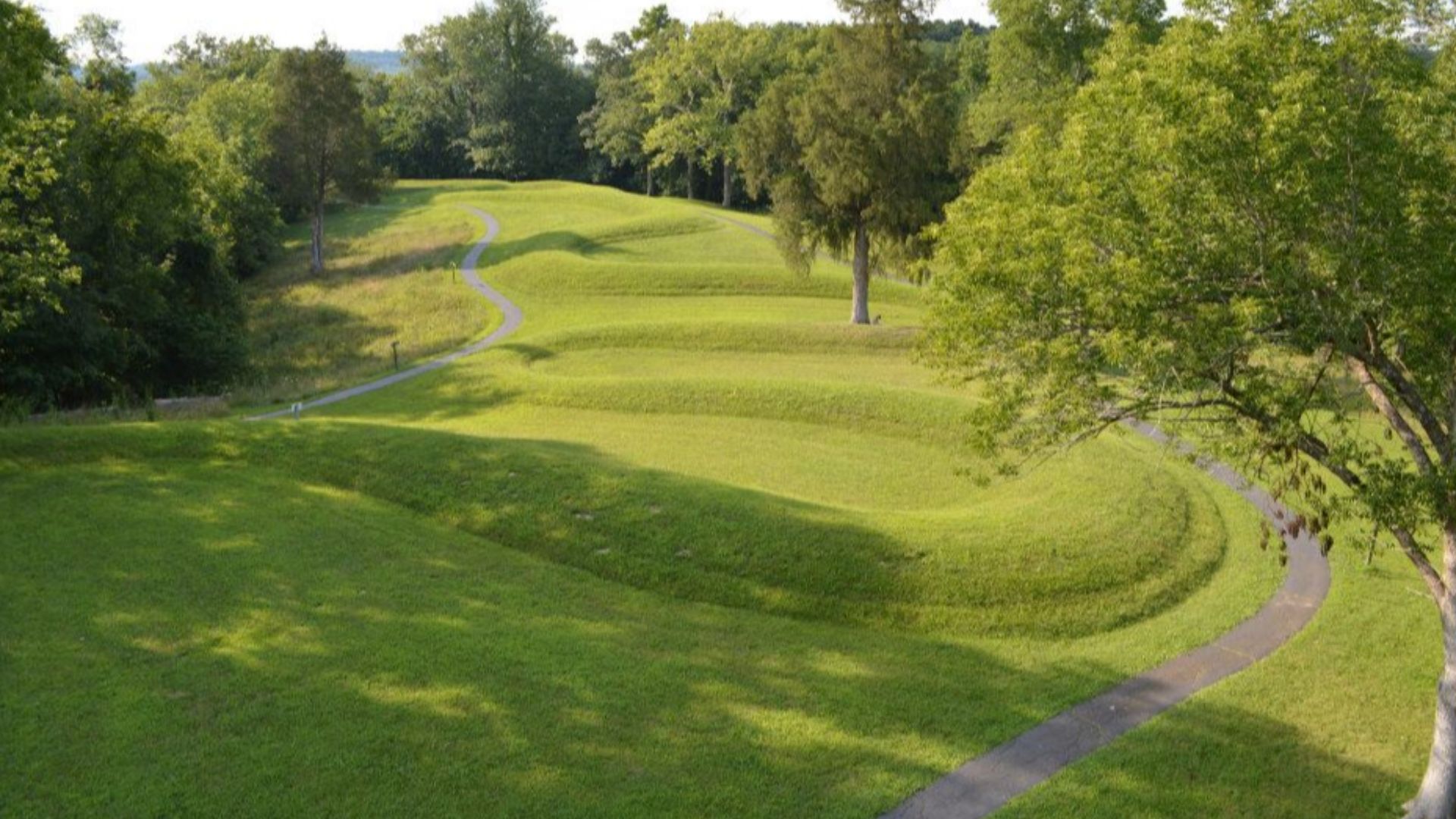
Serpent Mound Burial Sites, Ohio
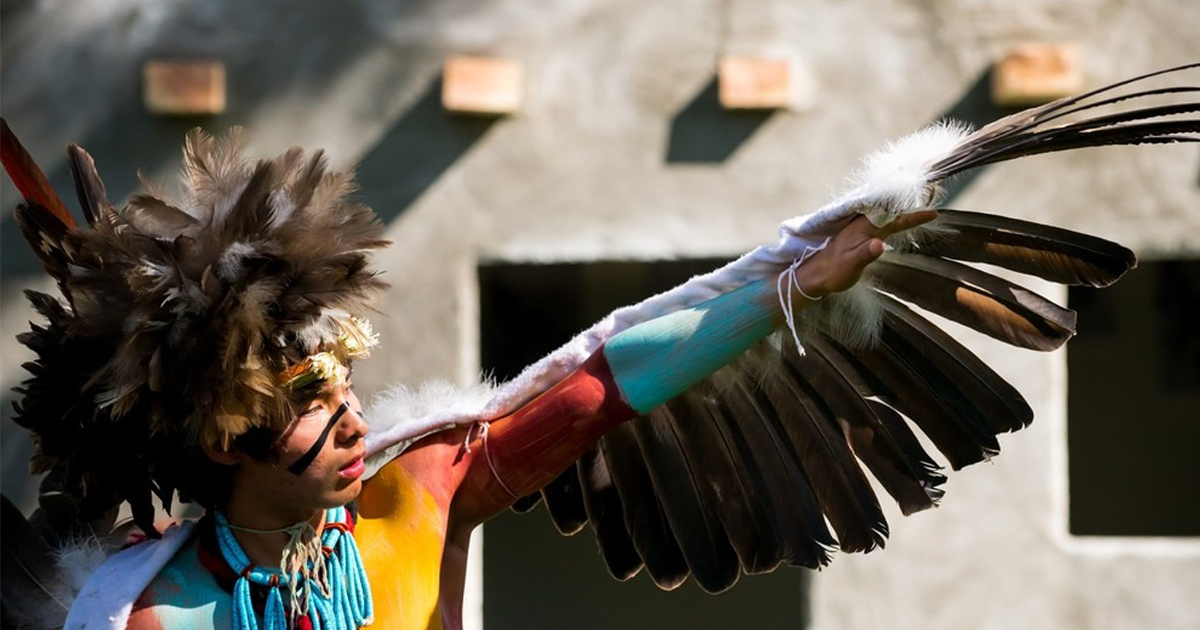
The Ohio History Connection controls access to this massive snake-shaped earthwork aligned with celestial events. Nearby conical burial mounds were excavated historically, but modern access to sensitive areas is heavily restricted. As a sacred Indigenous site, certain zones remain protected out of cultural respect.
 Stephanie A. Terry, Wikimedia Commons
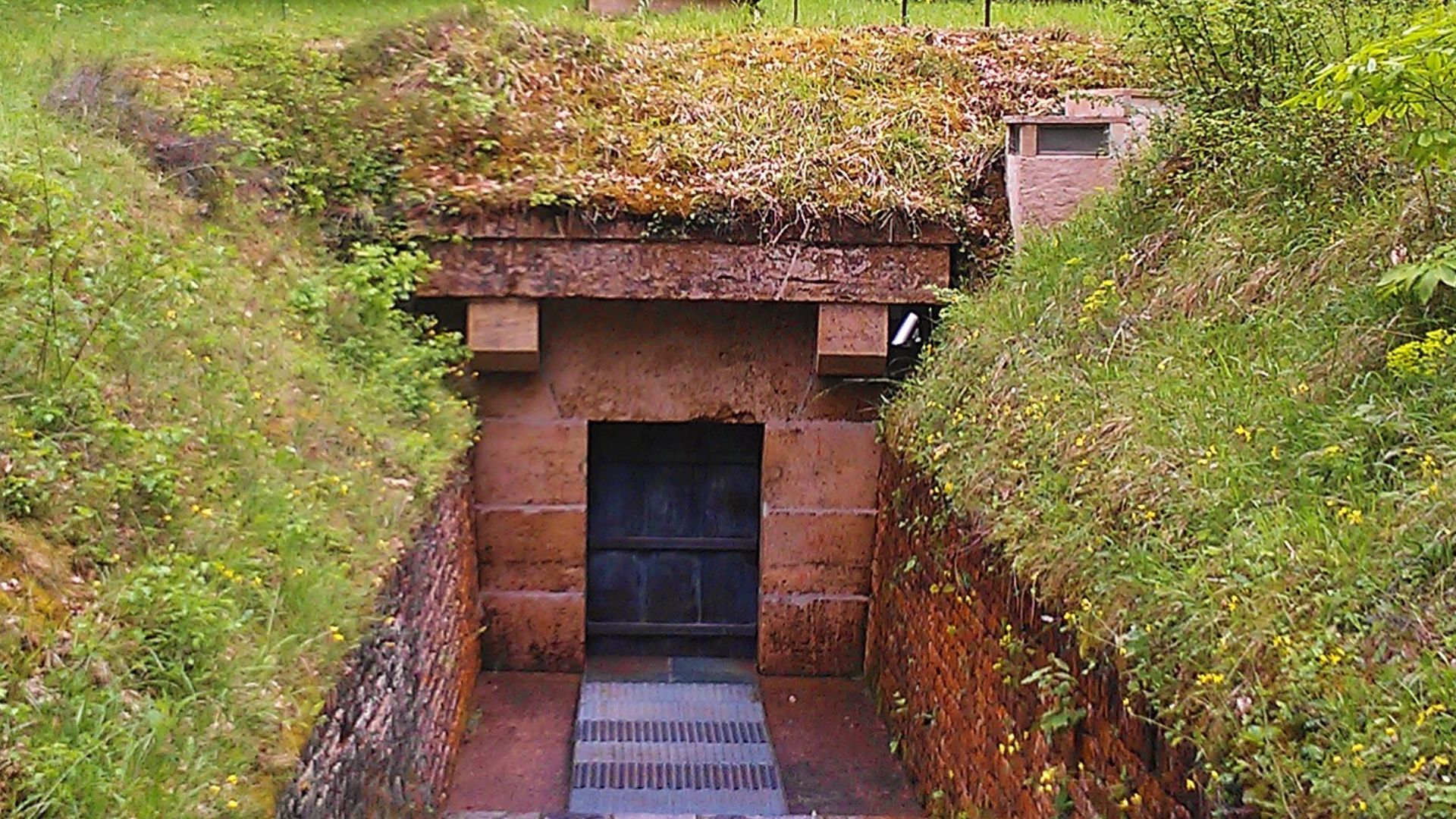
Lascaux Cave, France
Teenagers following their dog discovered this prehistoric treasure in 1940, but mass tourism nearly destroyed it. Algae, fungi, and carbon dioxide from overcrowding damaged the 17,000-year-old paintings so badly that the cave closed in 1963. Only a handful of scientists enter now under strict conditions.
 Ethan Doyle White, Wikimedia Commons
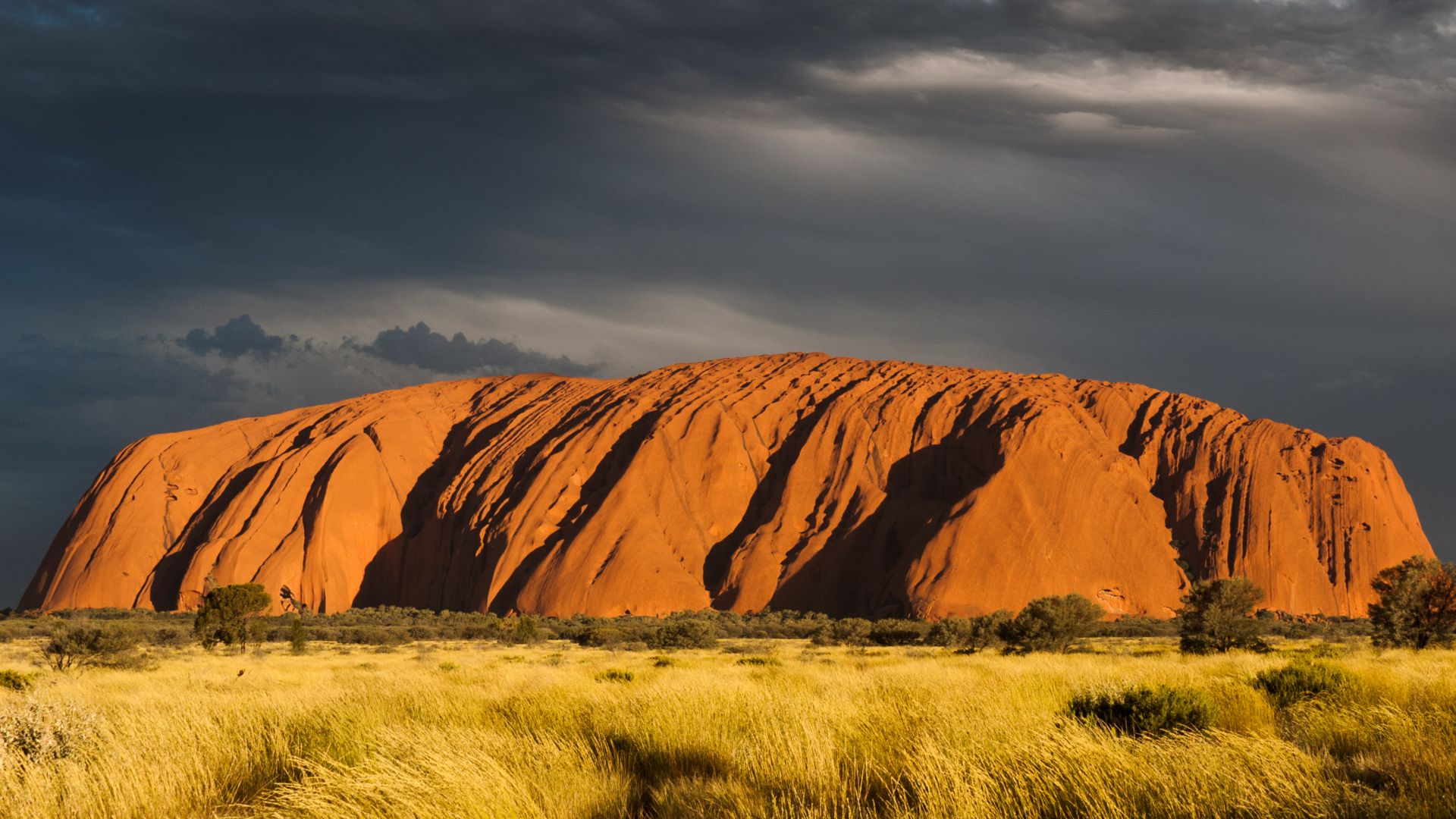
Aboriginal Sacred Sites, Uluru Region, Australia
Climbing Uluru ended permanently in 2019 after decades of Anangu traditional owners requesting respect for their Tjukurpa law and culture. Certain sacred zones around the massive rock and nearby Kata Tjuta remain completely off-limits. The site is co-managed with Indigenous custodians who prioritize spiritual significance.
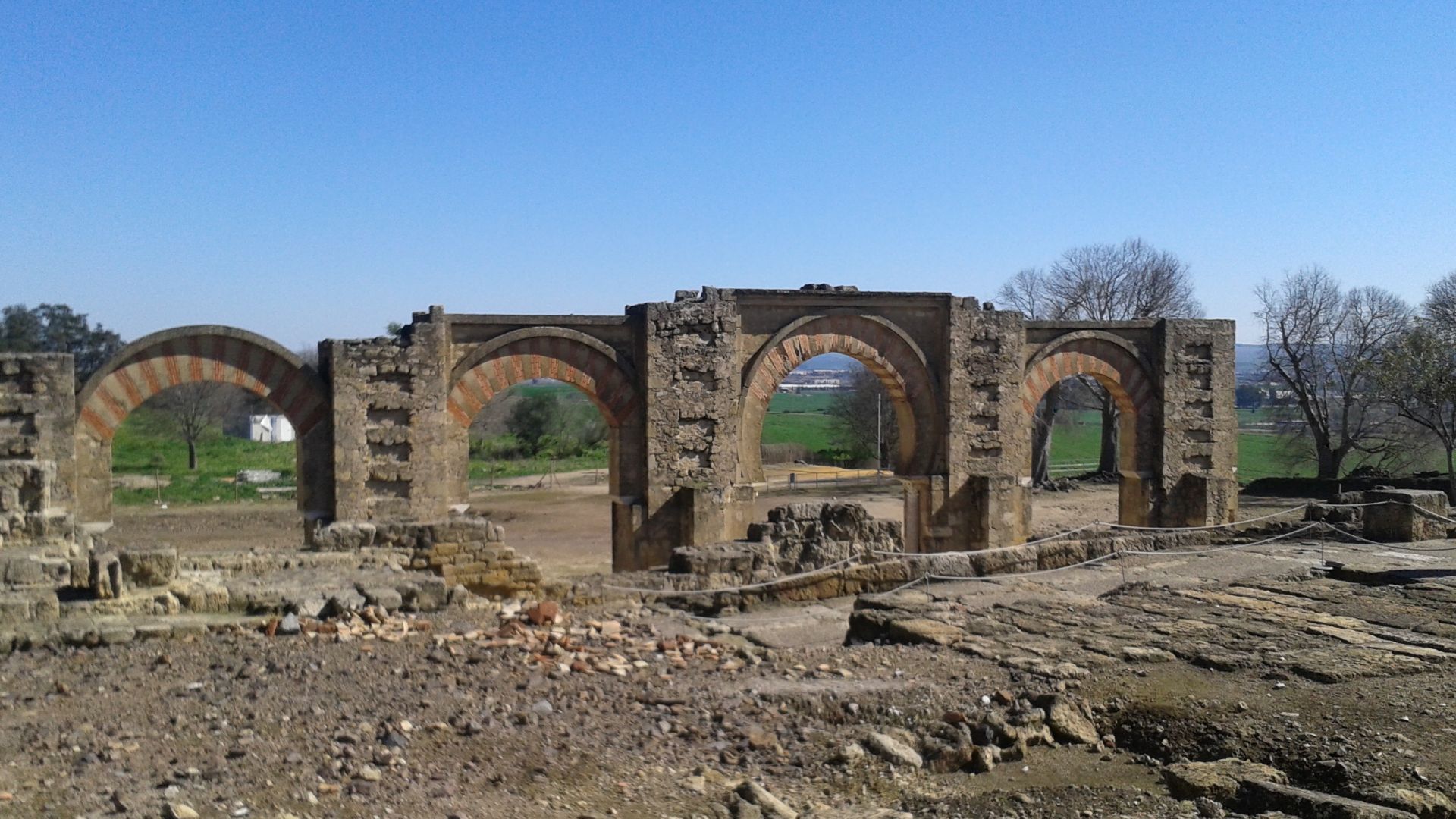
Mecca And Medina Archaeological Zones, Saudi Arabia
Non-Muslims are absolutely prohibited from entering Mecca entirely, per Quranic verse and Saudi law protecting the holy city's sanctity. Medina allows non-Muslim entry to some areas but restricts the Prophet's Mosque zone. Only around 18 documented non-Muslims have ever entered Mecca in modern history.
 Axel Coton Gutierrez, Wikimedia Commons
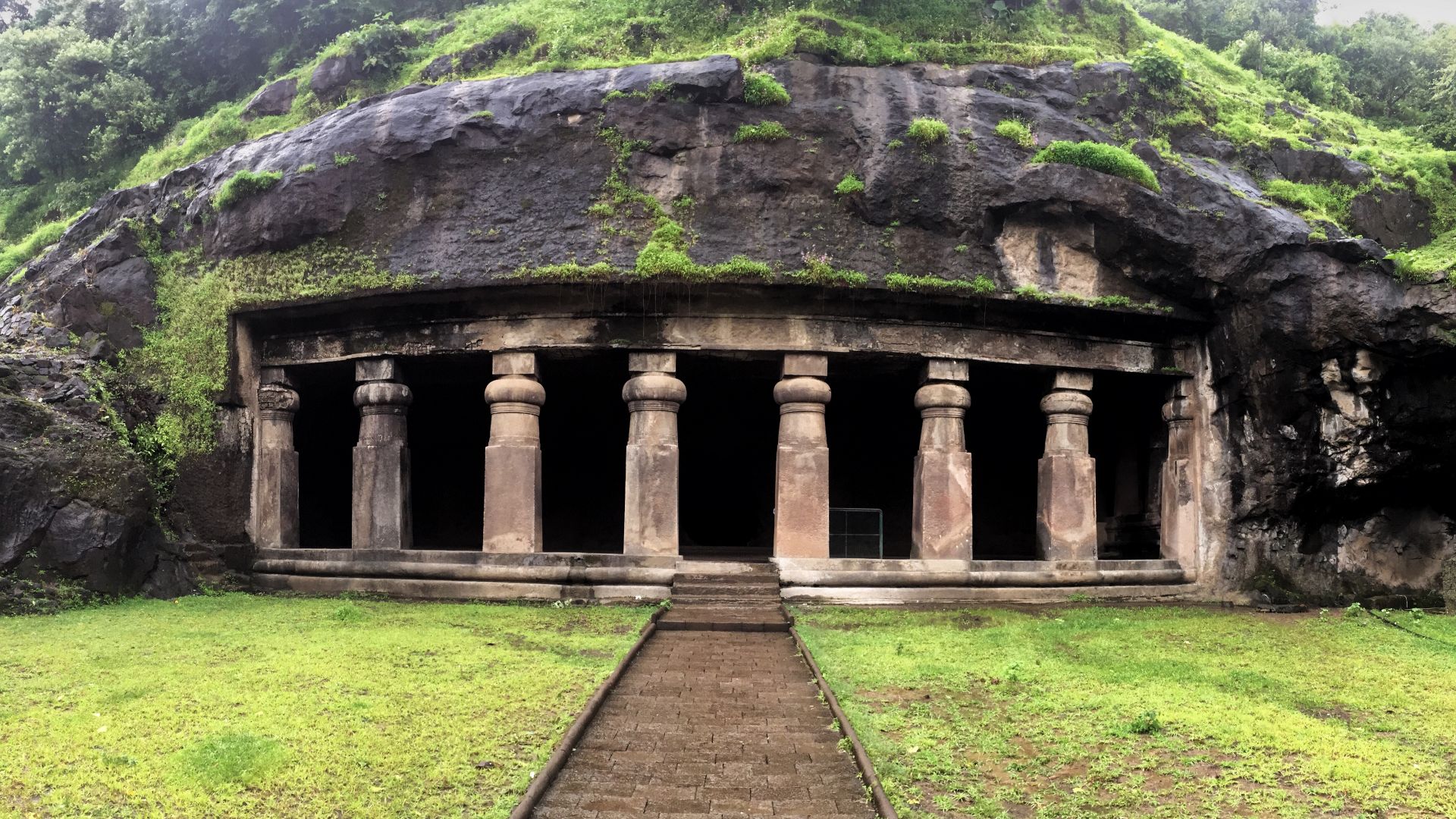
Elephanta Caves Sealed Sections, India
A 0.6‑mile prohibited buffer zone from the shoreline protects this UNESCO island site from damage or looting. Certain unfinished or damaged cave sections remain sealed for conservation by the Archaeological Survey of India. Mining or excavation near the massive rock-cut Shiva sculptures is completely banned.
 Athul Shaji, Wikimedia Commons
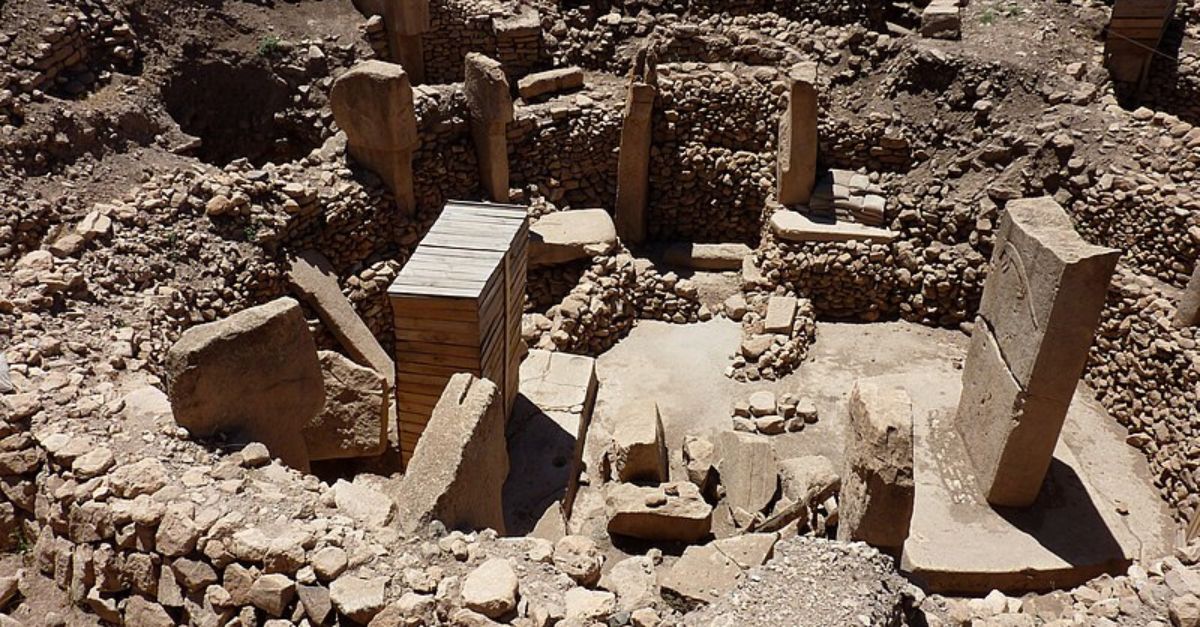
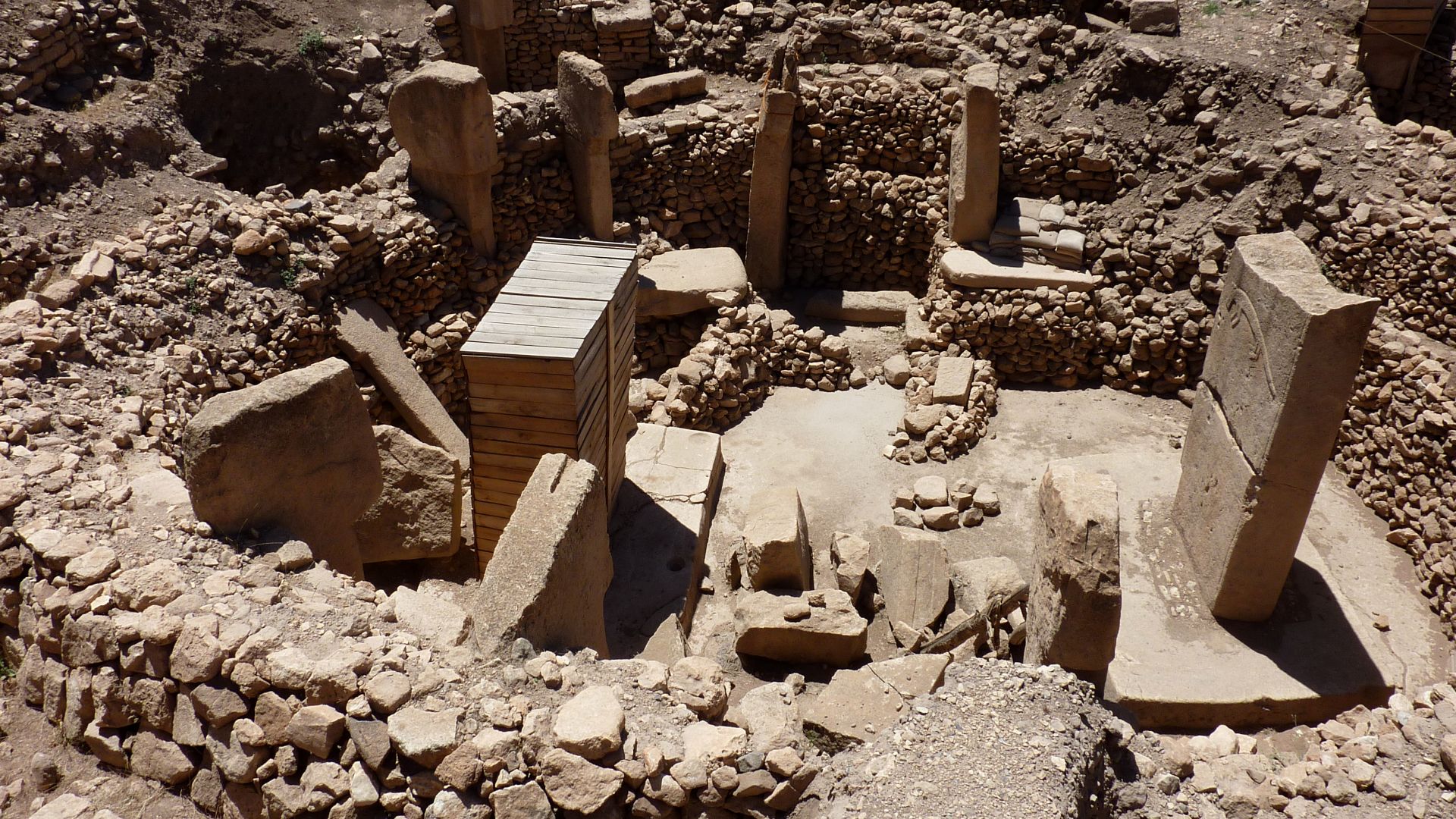
Gobekli Tepe Restricted Excavation Zones, Turkey
Only 10% of this 12,000-year-old site has been excavated despite geophysical surveys revealing at least 20 stone enclosures below ground. The rest stays intentionally covered to protect structures older than Stonehenge for future study. Protective shelters now guard exposed areas from weather damage.
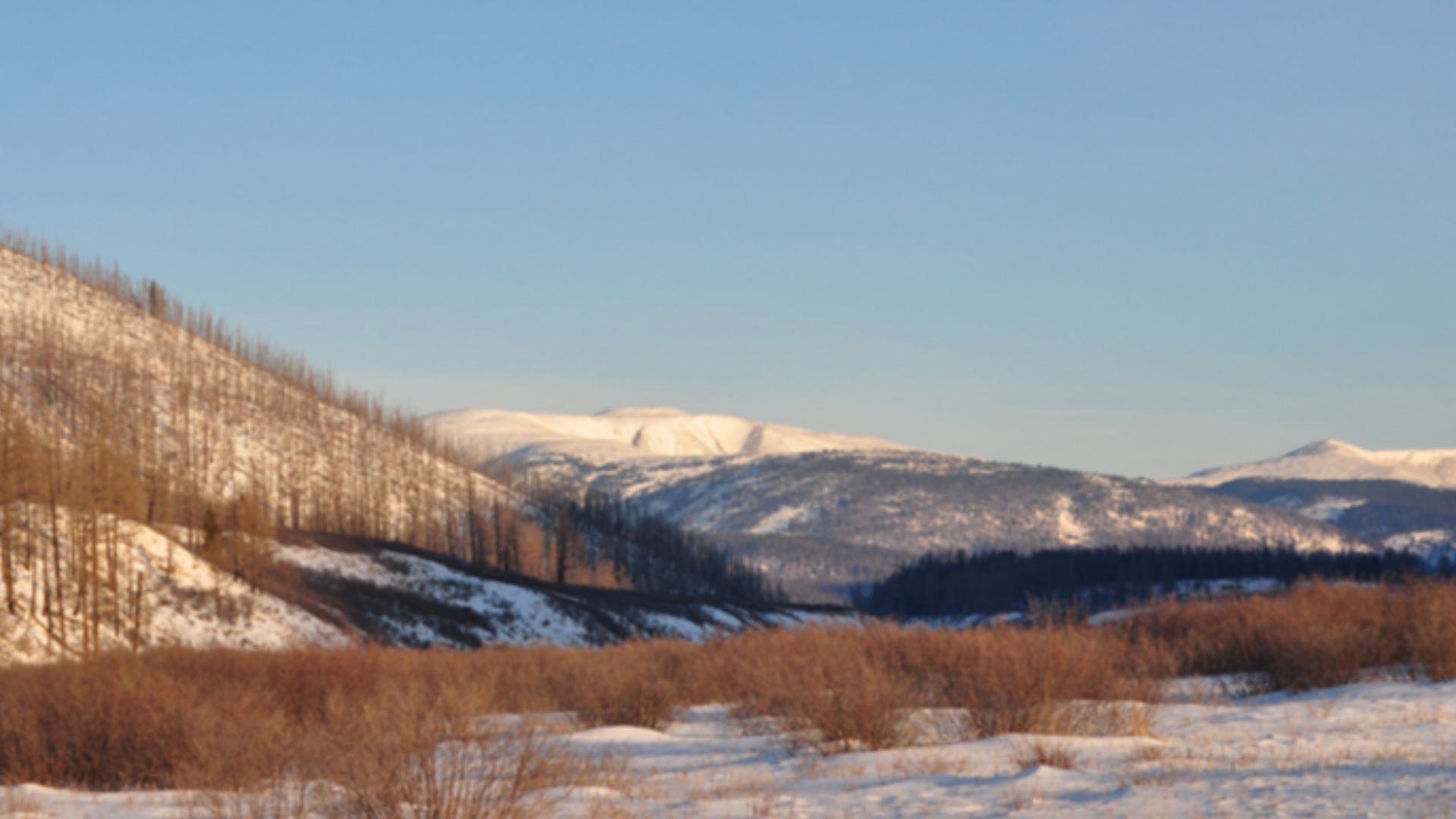
Tomb Of Genghis Khan, Mongolia
Nobody knows where the great conqueror was buried, though Burkhan Khaldun mountain seems likely based on tradition. The Khan Khentii Strictly Protected Area restricts access to guard the potential site and honor Mongolian cultural taboos. Folklore claims witnesses were killed and horses trampled the grave to hide it forever.
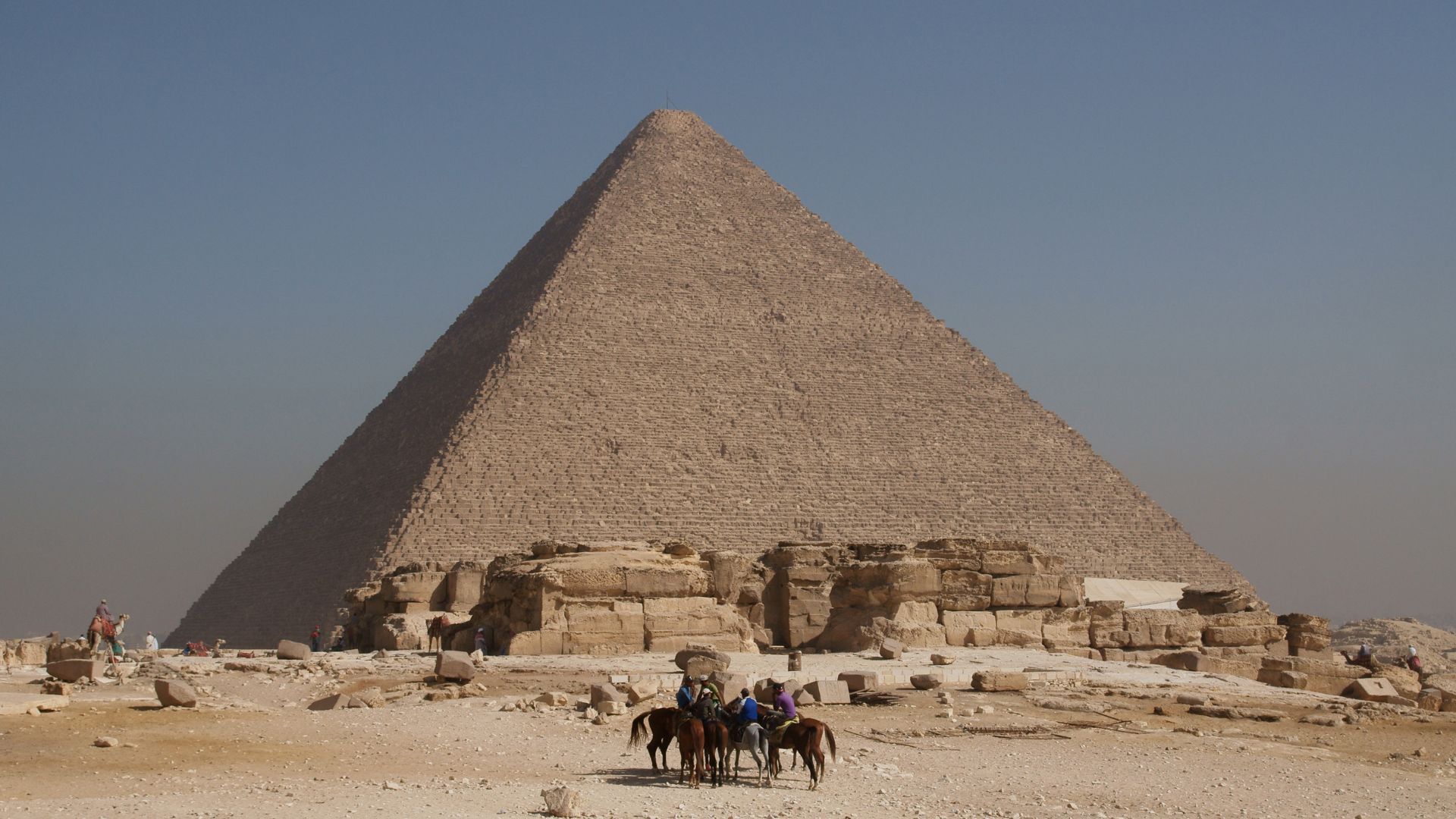
Great Pyramid Of Giza Internal Shafts, Egypt
The narrow air shafts from the King's and Queen's Chambers are too small for humans, so robots do the exploring. Some shafts contain mysterious blocking stones and align perfectly with stars like Orion's Belt and Sirius. Egyptian authorities restrict access to protect the pyramid's structural integrity.
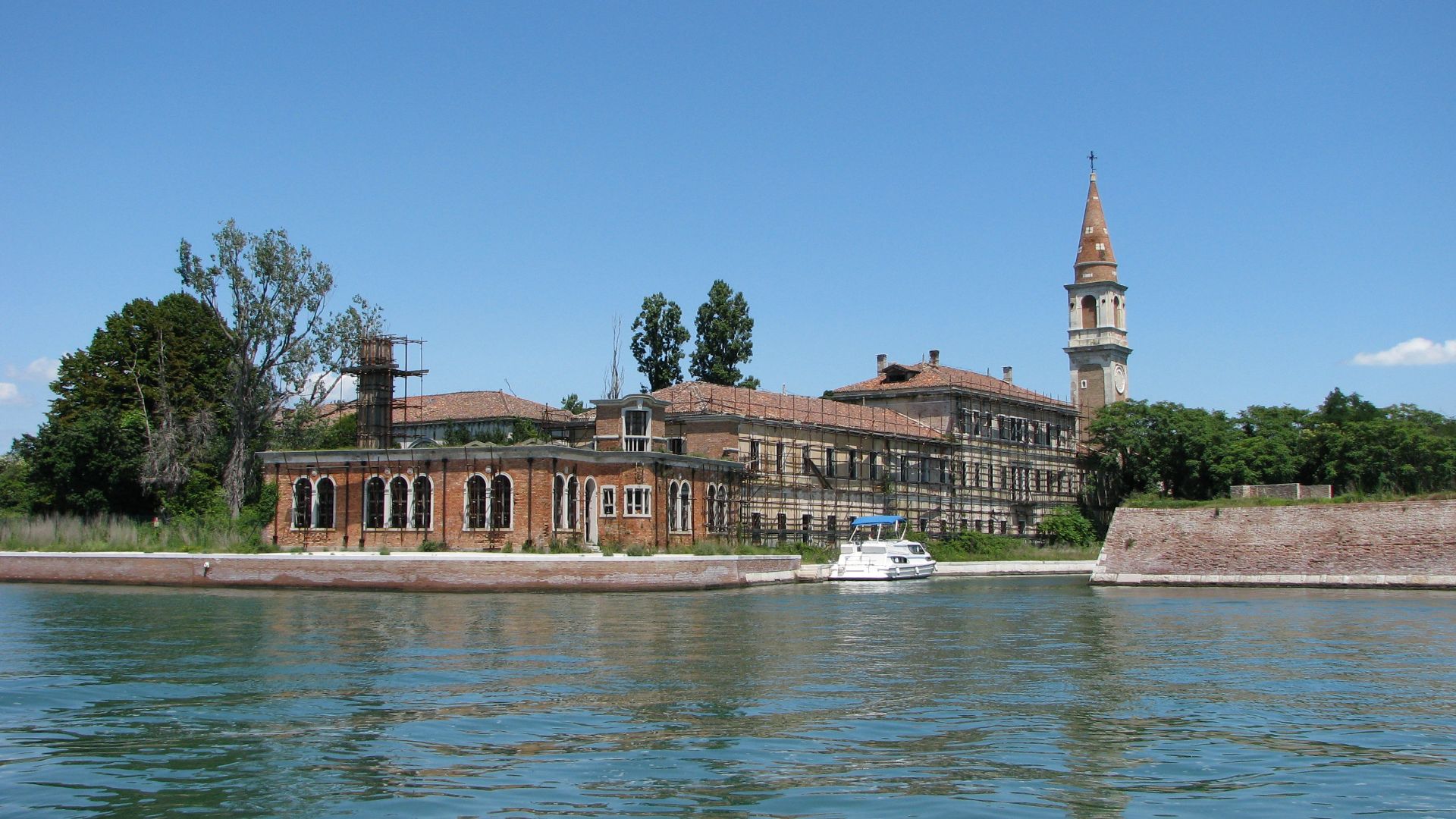
Poveglia Island Plague Pits, Italy
This Venice lagoon island is completely off-limits due to unsafe buildings from its time as a plague quarantine site and later asylum. The Municipality of Venice prosecutes unauthorized visits because dilapidated structures pose a serious danger. Mass graves where victims were burned supposedly make human ash a major soil component.
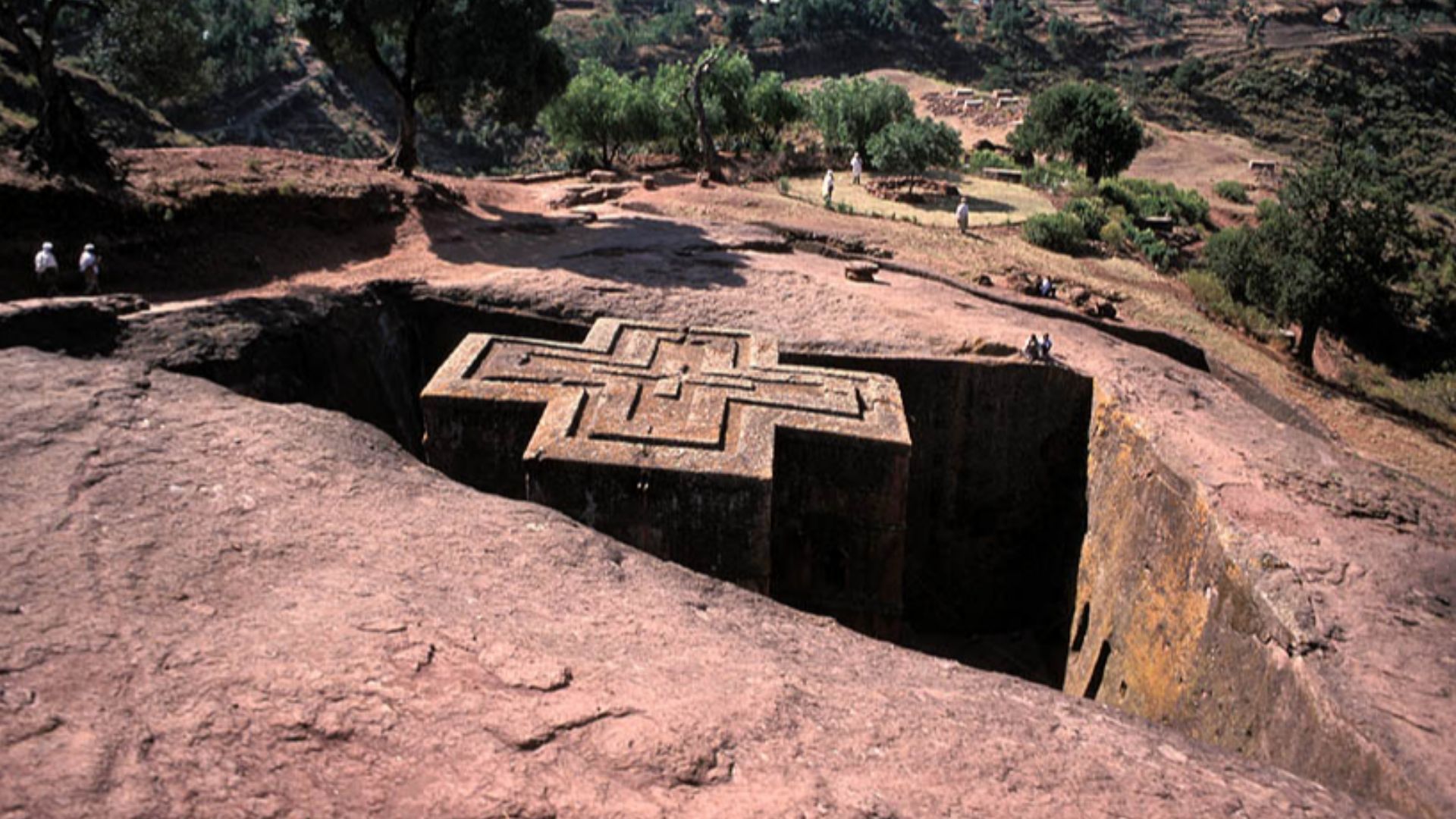
Lalibela Underground Structures, Ethiopia
These rock-hewn churches, carved as Ethiopia's "New Jerusalem," allow visitors, but certain sacred areas—such as parts of Biete Golgotha Mikael—restrict women under Ethiopian Orthodox tradition. Some subterranean passages and rumored hidden rooms also stay closed for religious reasons. One church shaped like a cross is visible only from above.
 Jialiang Gao www.peace-on-earth.org, Wikimedia Commons
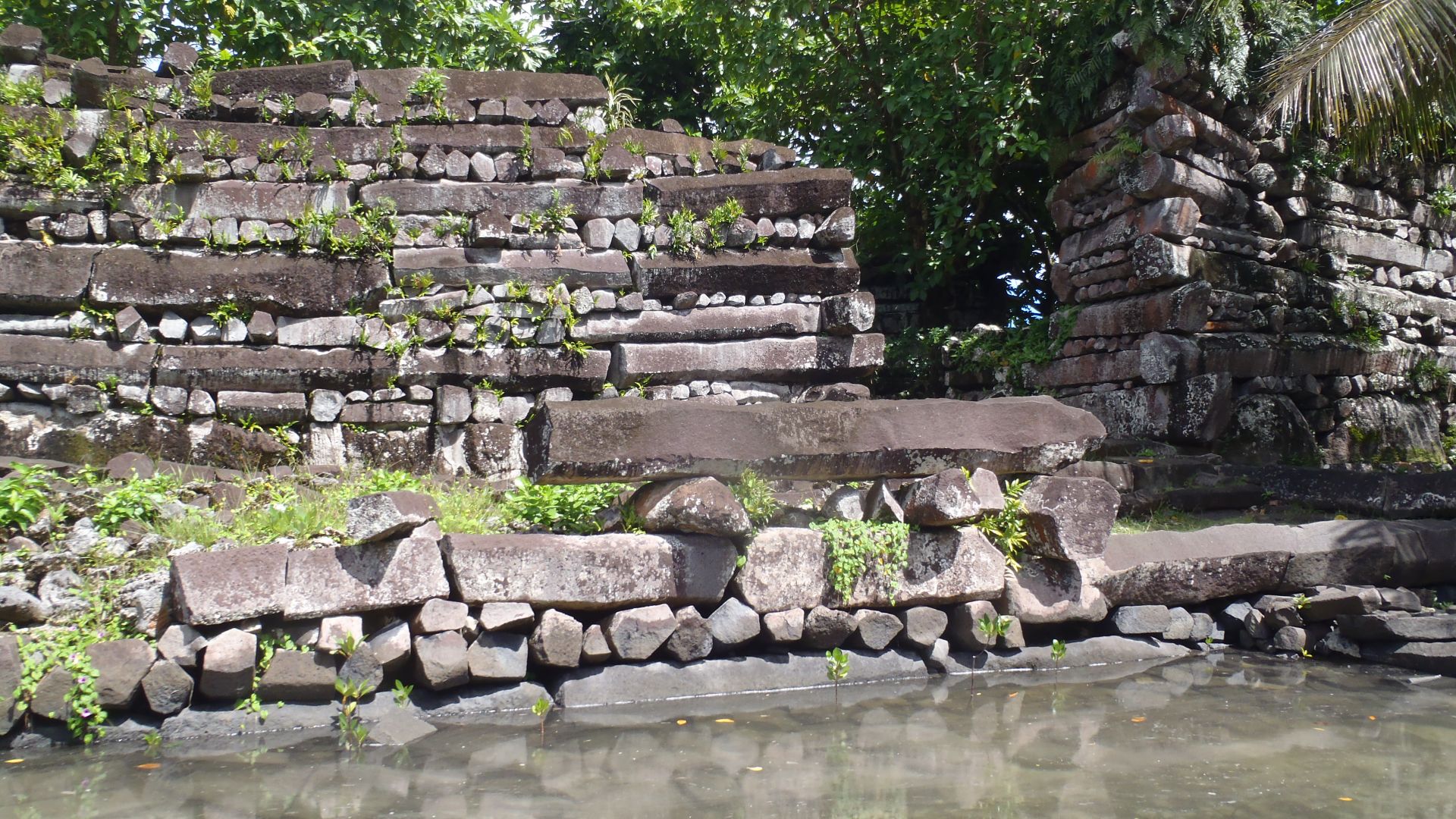
Nan Madol Forbidden Sections, Micronesia
Traditional Pohnpeian governance still manages this sacred ceremonial center built on nearly 100 artificial islets using massive basalt logs. Certain sections require special permission due to spiritual importance to local clans. Legends claim ancient priests flew the multi-ton stones into place through magic or levitation.
 Patrick Nunn, Wikimedia Commons
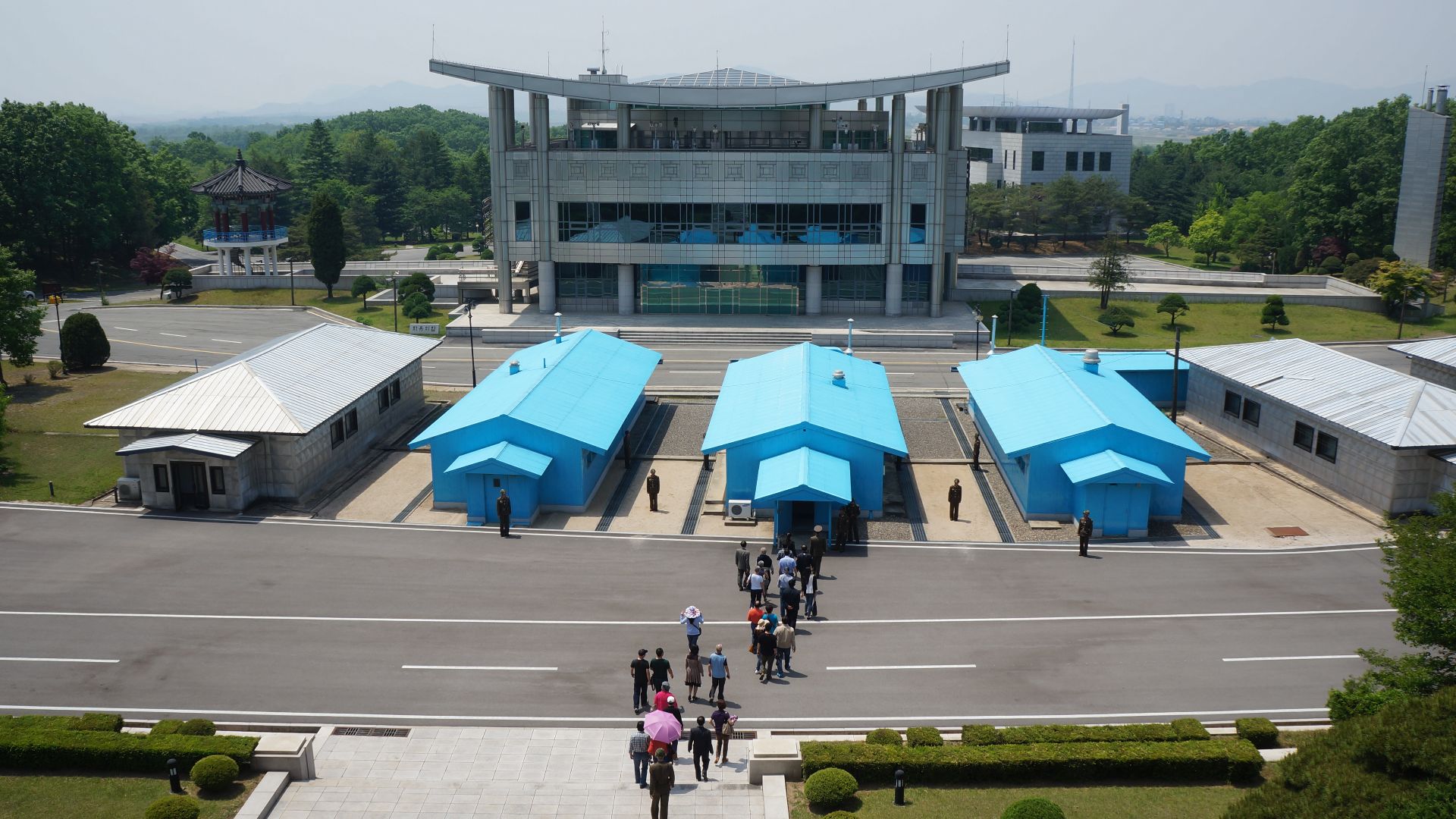
Demilitarized Zone Archaeological Sites, Korean DMZ
Ancient ruins, including the Taebong capital and Gung Ye's castle, lie buried in the 2.5‑mile‑wide buffer zone filled with landmines. Civilian access is prohibited except for limited guided tours in specific safe areas. The accidental wildlife sanctuary between the two Koreas protects rare species and forgotten history.
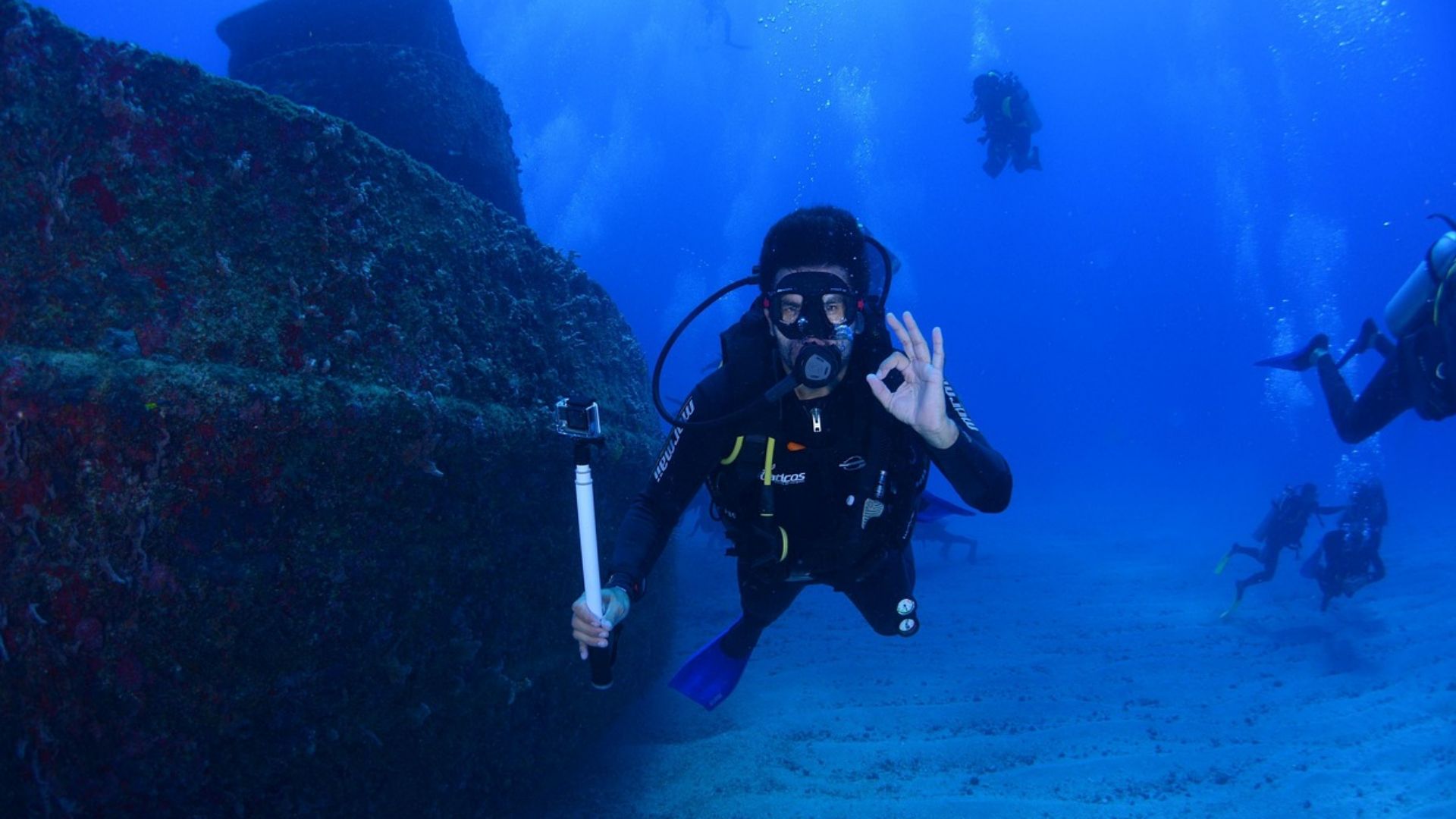
Cleopatra's Palace, Alexandria (Underwater)
The submerged Eastern Harbor ruins are partially accessible, but only through licensed, guided scuba dives with Egyptian permits. Independent diving is completely prohibited to protect fragile artifacts like sphinxes, statues, columns, and blocks from the famous Pharos Lighthouse.
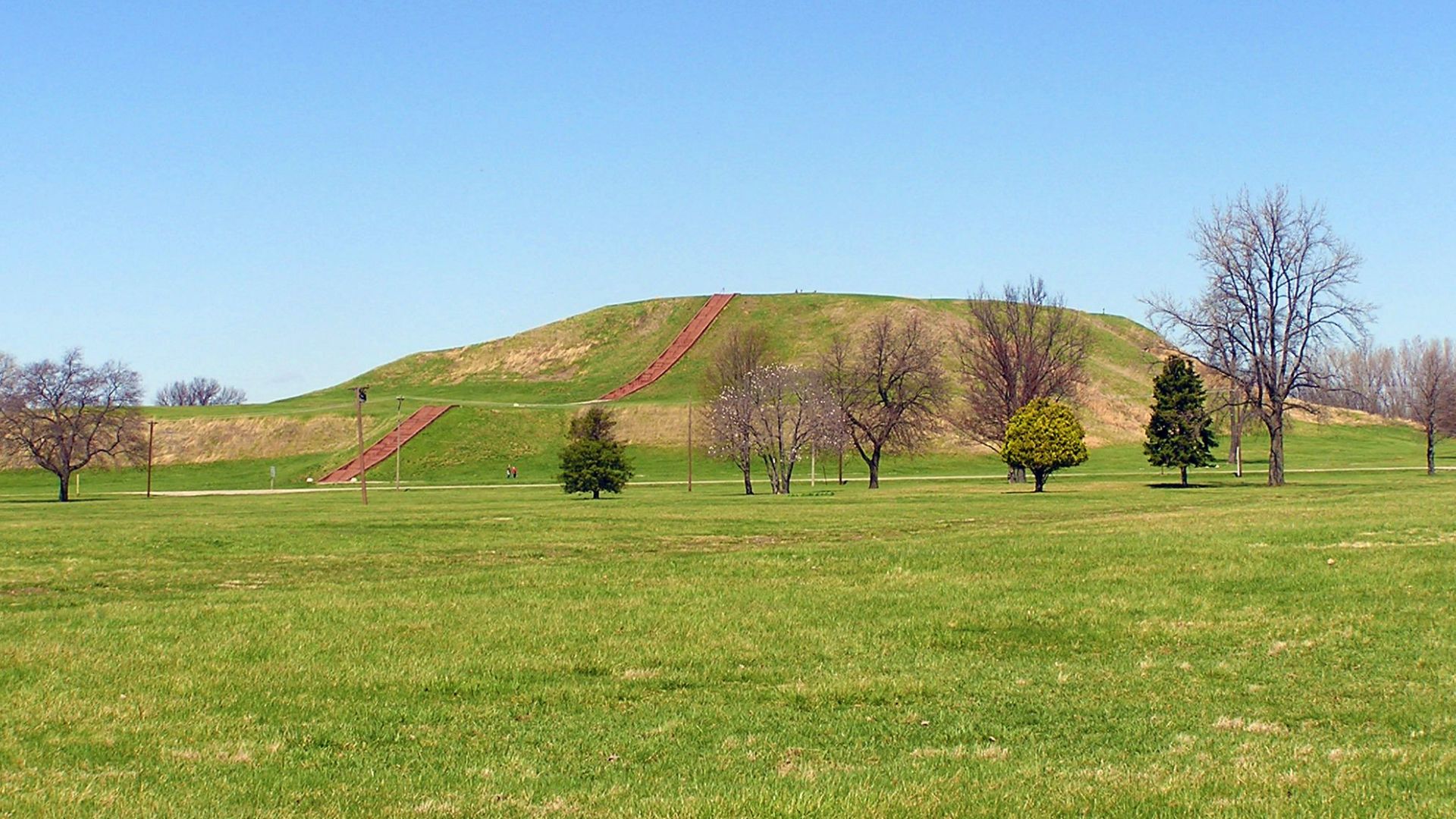
Cahokia Mounds Burial Areas, Illinois
Direct access to burial mounds is restricted within this state historic site to preserve Native American cultural significance and archaeological integrity. At its peak around 1100 CE, Cahokia was larger than contemporary London, and Monks Mound remains the largest prehistoric earthwork in the Americas.
 Wisconsin Denizen, Wikimedia Commons
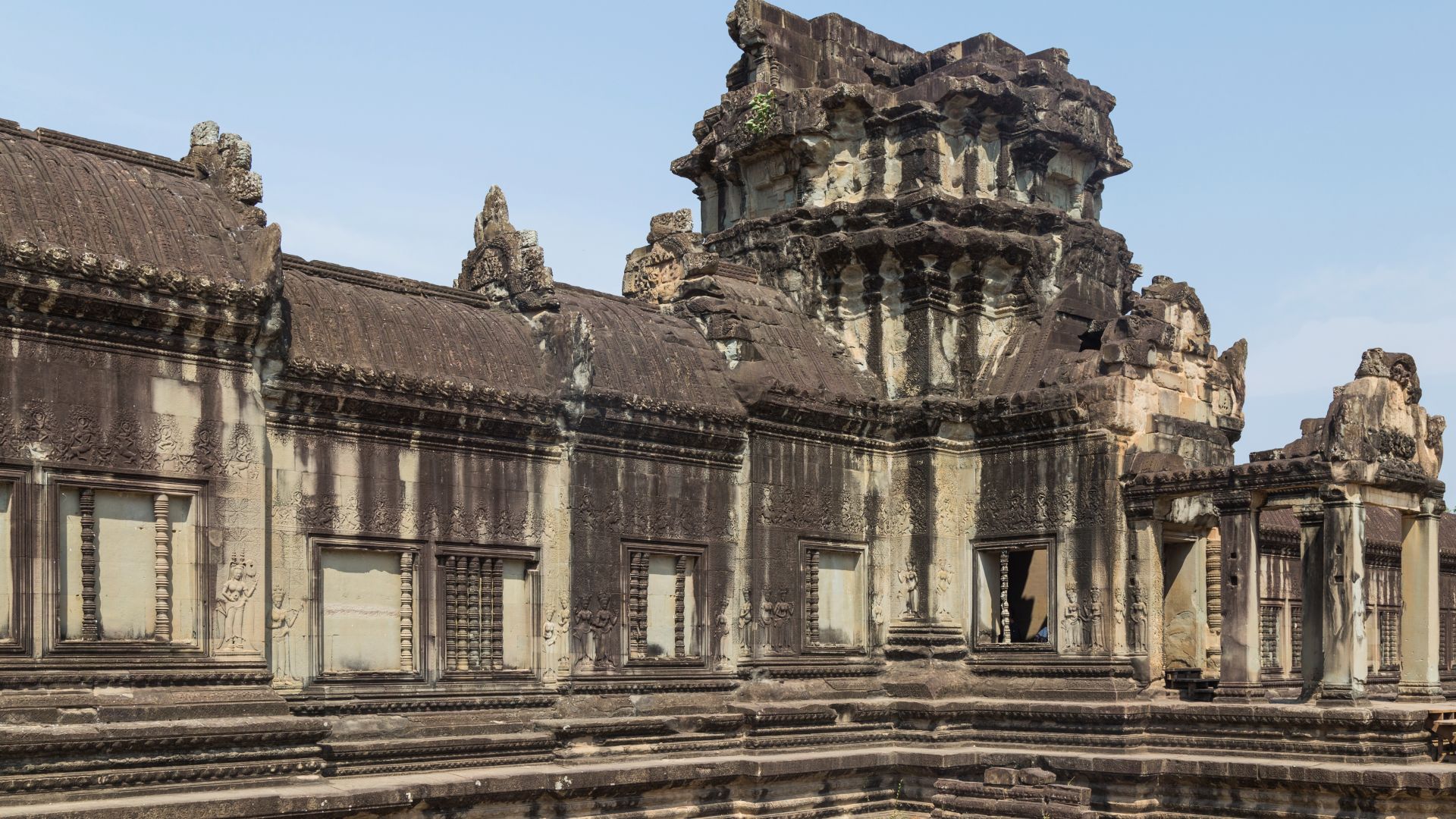
Angkor Wat Restricted Temple Chambers, Cambodia
The central tower's Bakan Sanctuary chambers have strict timed access with dress codes and age restrictions that often prohibit children under 12. Certain upper levels, steep stairs, and inner shrine areas stay closed to prevent damage from overcrowding, and certain areas, particularly the Bakan Sanctuary chambers, are often restricted.
 Marcin Konsek, Wikimedia Commons
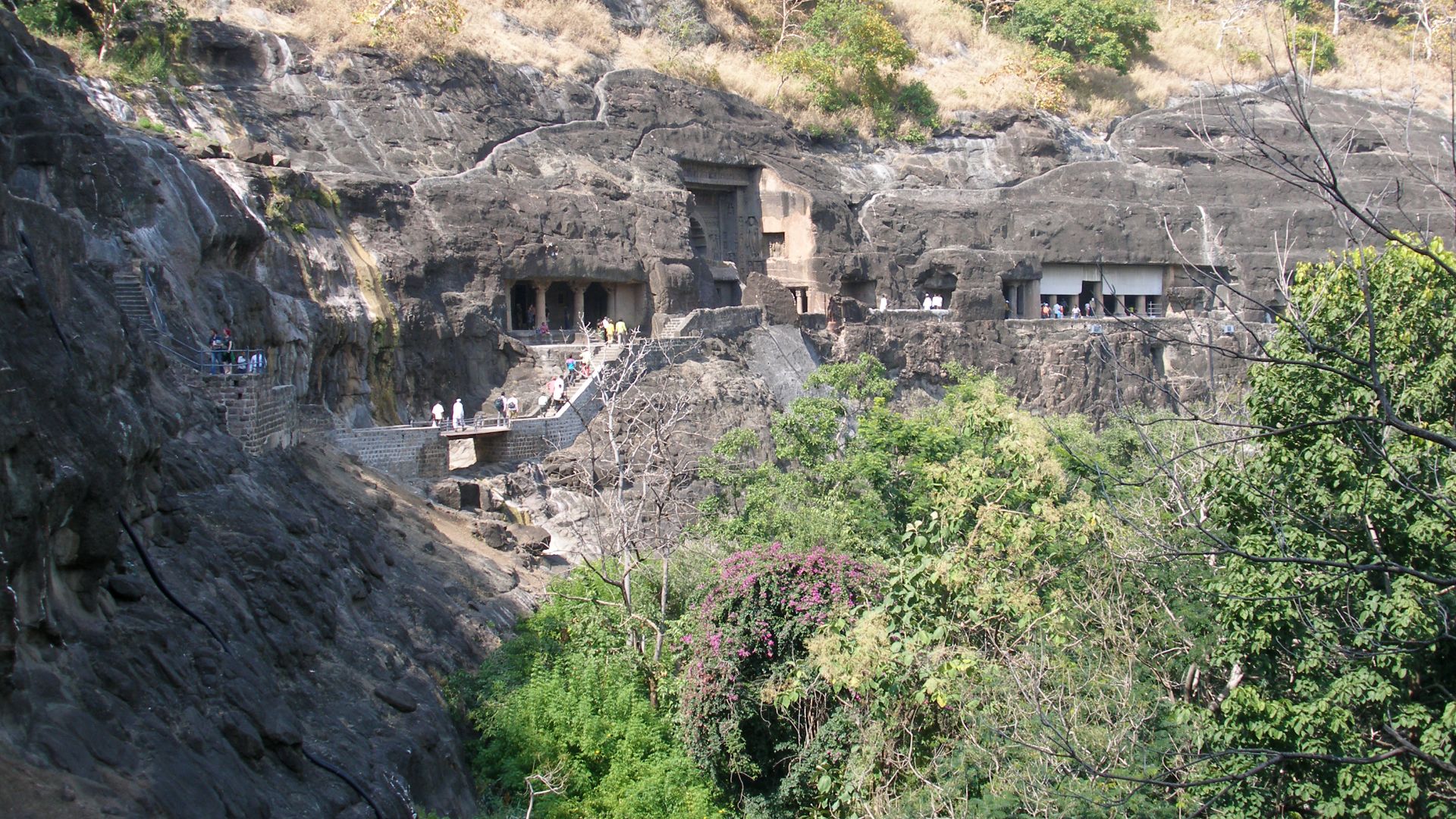
Ajanta's "Hidden" Caves, India
Several unfinished or fragile caves beyond the main 29 accessible grottos are completely closed to everyone, including researchers. Vibrations from footsteps, moisture from breath, and light exposure actively damage the ancient Buddhist murals inside. Preservation requires leaving some treasures untouched rather than risking their destruction through study.
 Vyacheslav Argenberg, Wikimedia Commons
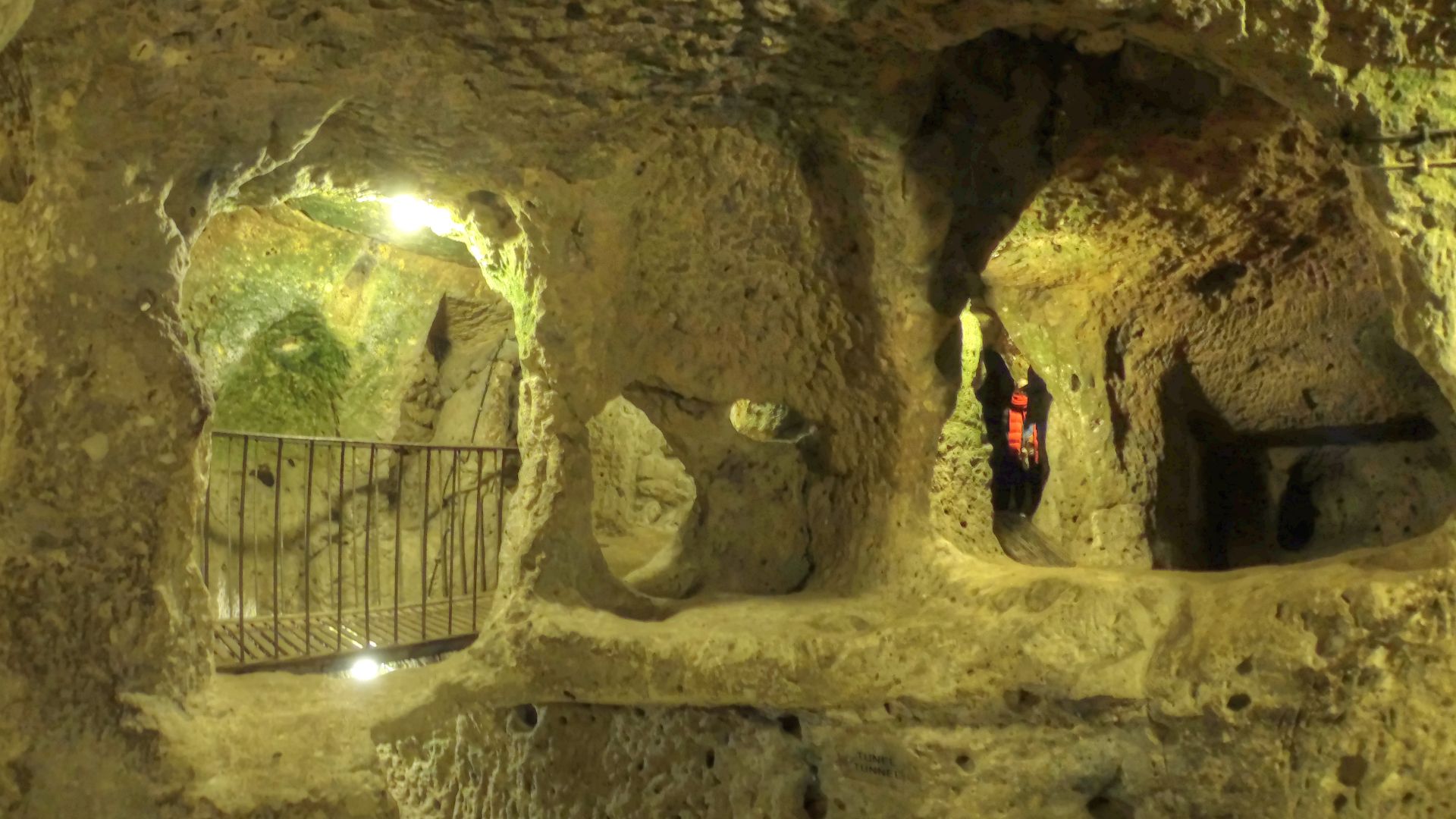
Derinkuyu Underground City Lower Levels, Turkey
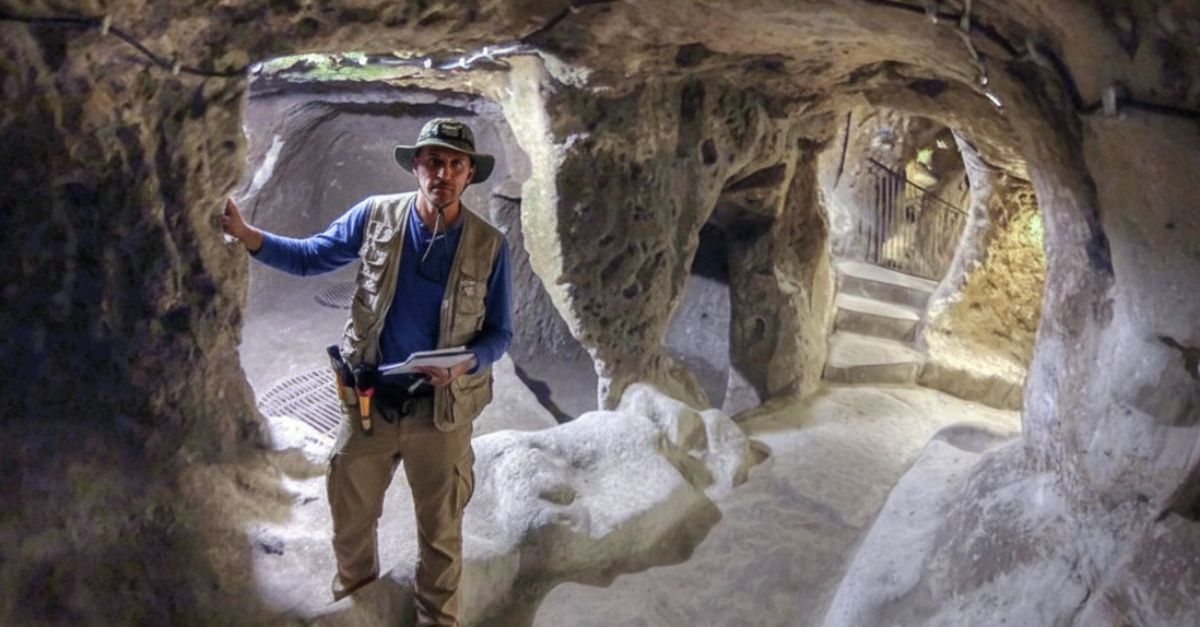
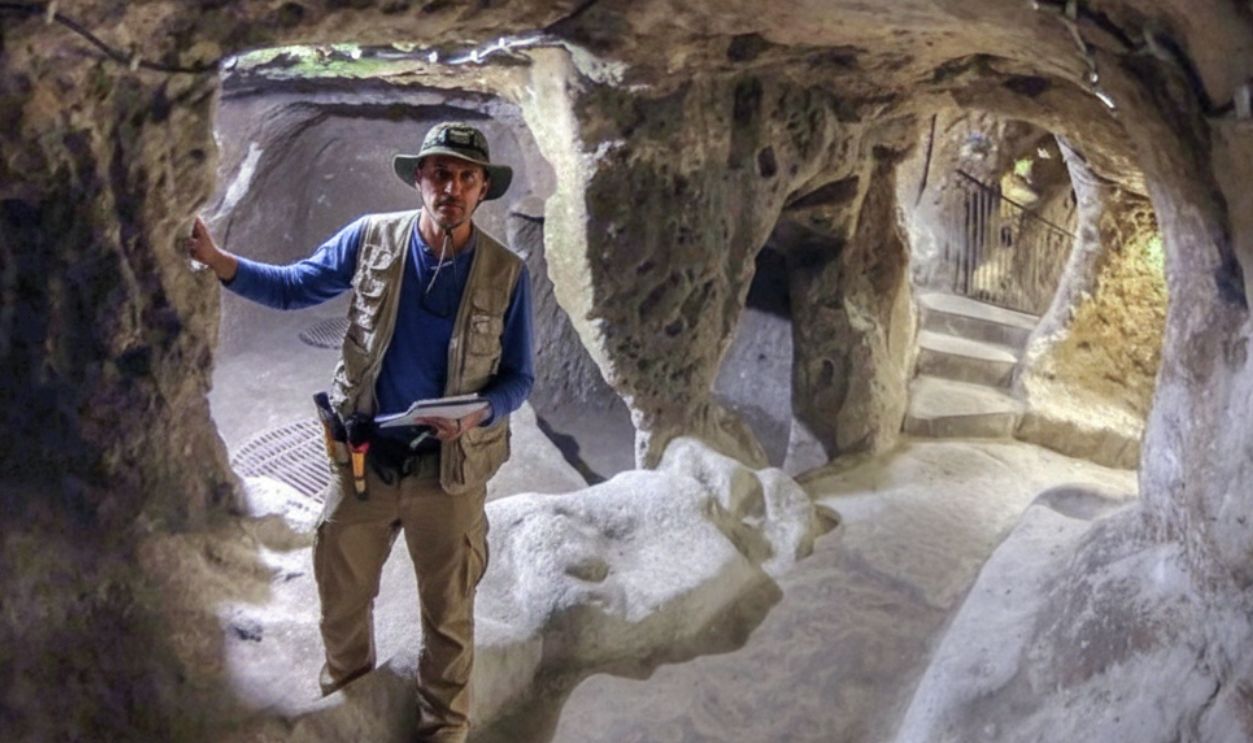
Only 8 of potentially 18 levels are open to the public in this massive refuge that once housed 20,000 people. Deeper levels remain unexcavated or restricted because narrow tunnels, steep stairs, and ventilation shafts make access physically challenging. The site was used for centuries, including during Byzantine times.
 Nevit Dilmen (talk), Wikimedia Commons
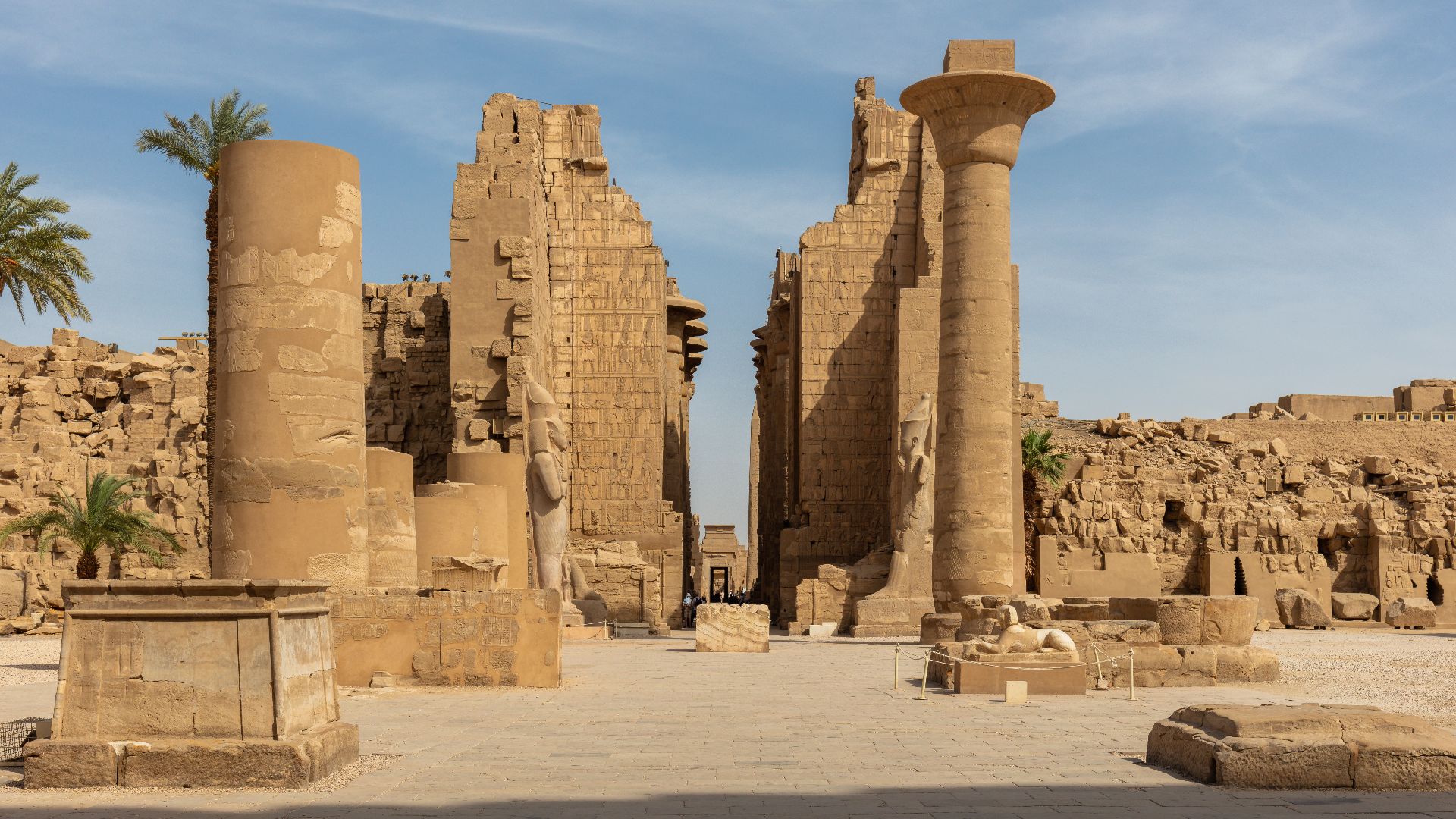
Karnak Temple Restricted Sections, Egypt
Dozens of pharaohs expanded Karnak over 2,000 years of continuous construction. Now, certain inner sanctuaries and hypostyle halls require special research permits due to their sacred value and ongoing conservation needs. As part of one of the largest temple complexes ever built, zones are cordoned off to manage crowds.
 Diego Delso, Wikimedia Commons
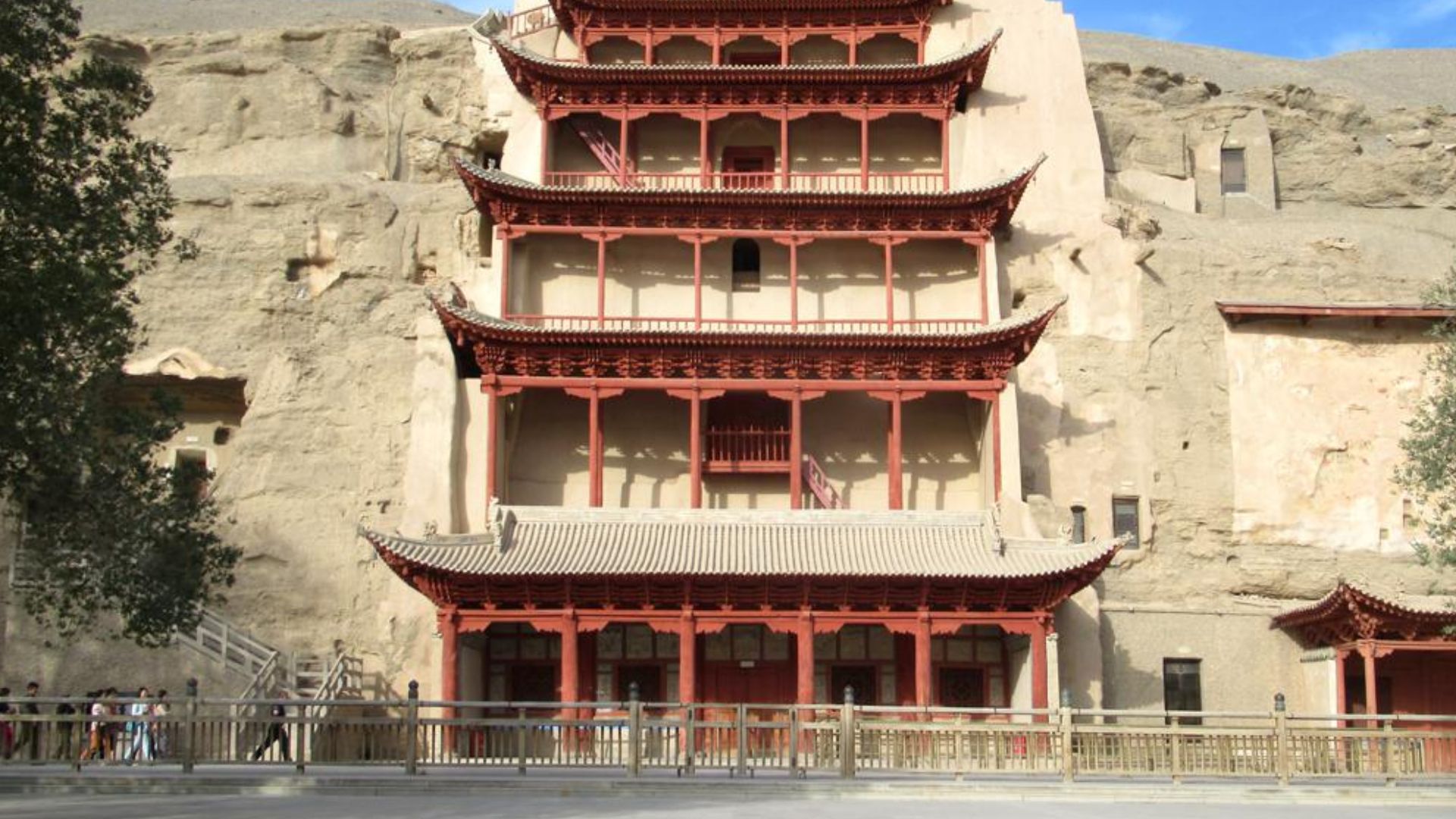
Mogao Caves Sealed Grottoes, China
This site holds over 45,000 square meters of Buddhist wall paintings. Many of the 492 caves stay sealed to preserve fragile murals, sculptures, and the thousands of ancient manuscripts discovered in the Library Cave. Access is limited for both the public and archaeologists.
 David Stanley from Nanaimo, Canada, Wikimedia Commons
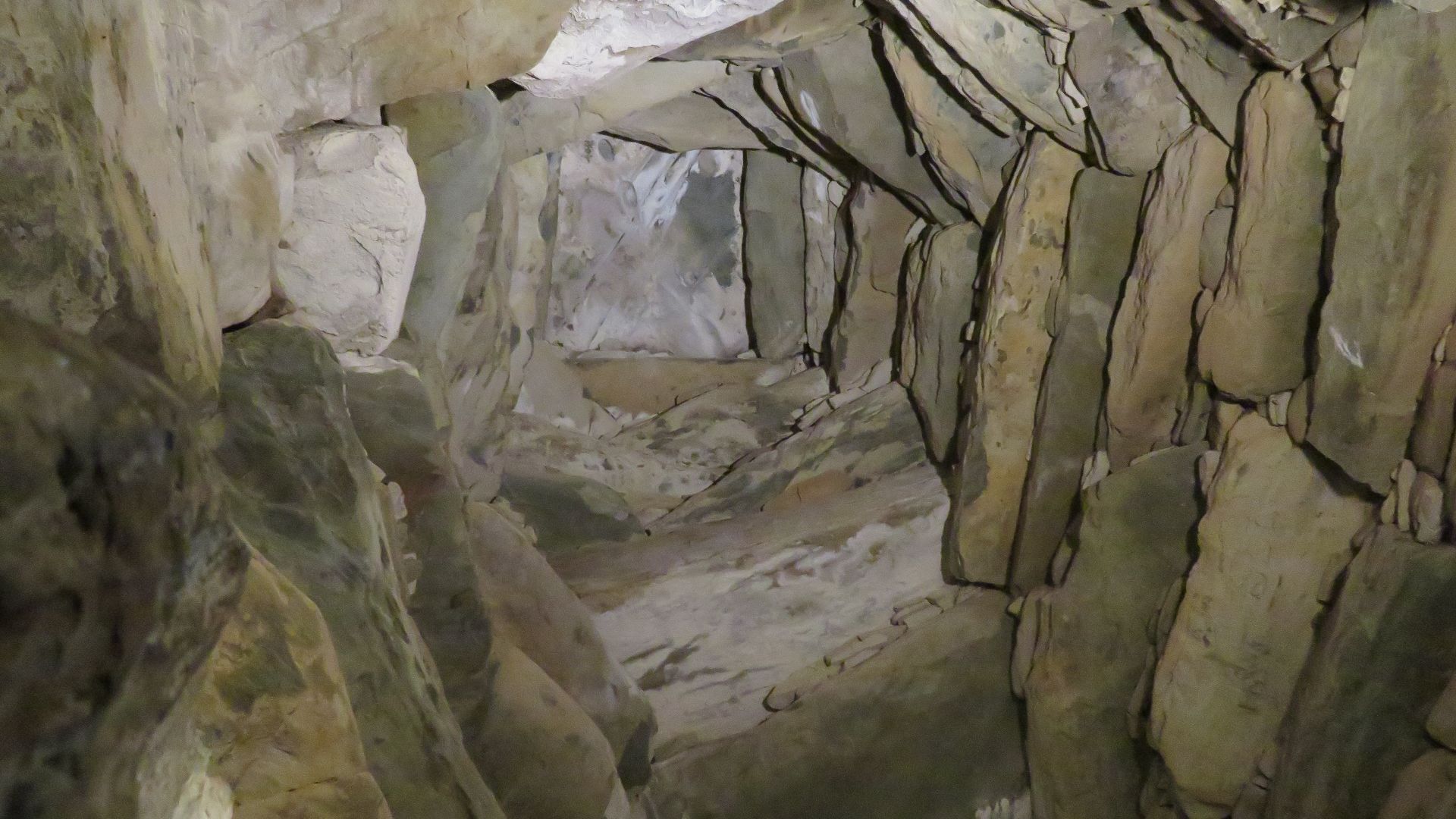
Newgrange Inner Chamber Access, Ireland
The inner chamber of this 5,200-year-old passage tomb is accessible only during the winter solstice sunrise lottery or via limited guided tours. On the solstice, sunlight penetrates 19 meters to illuminate the back stone for about 17 minutes. Strict controls protect the engineered alignment from visitor damage.
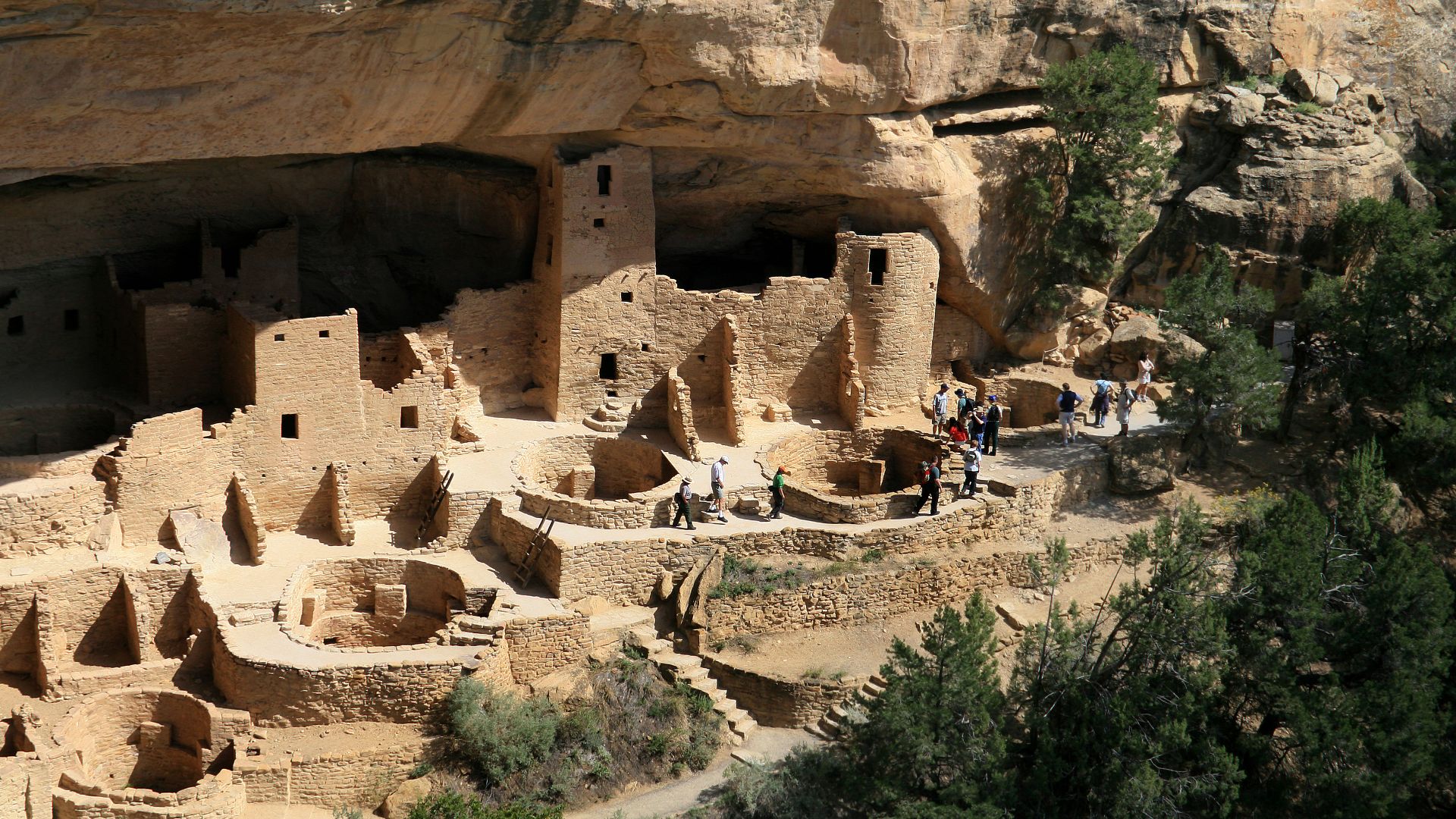
Mesa Verde Cliff Dwelling Backrooms, Colorado
Many backrooms and interiors of cliff dwellings built by Ancestral Puebloans around 600–1300 CE are completely closed to protect fragile structures. Access is limited to ranger-guided tours for select dwellings to prevent vandalism and erosion. The mysterious abandonment possibly resulted from drought or social changes nobody fully understands.
 Andreas F. Borchert, Wikimedia Commons
Padmanabhaswamy Temple Vaults, Kerala, India
Five vaults opened in 2011 revealed billions of dollars in gold, jewels, and artifacts accumulated over centuries. Vault B remains permanently sealed because religious authorities believe sacred guardians protect it per Hindu spiritual traditions. Even the Supreme Court can't force entry when faith and archaeology collide this dramatically.
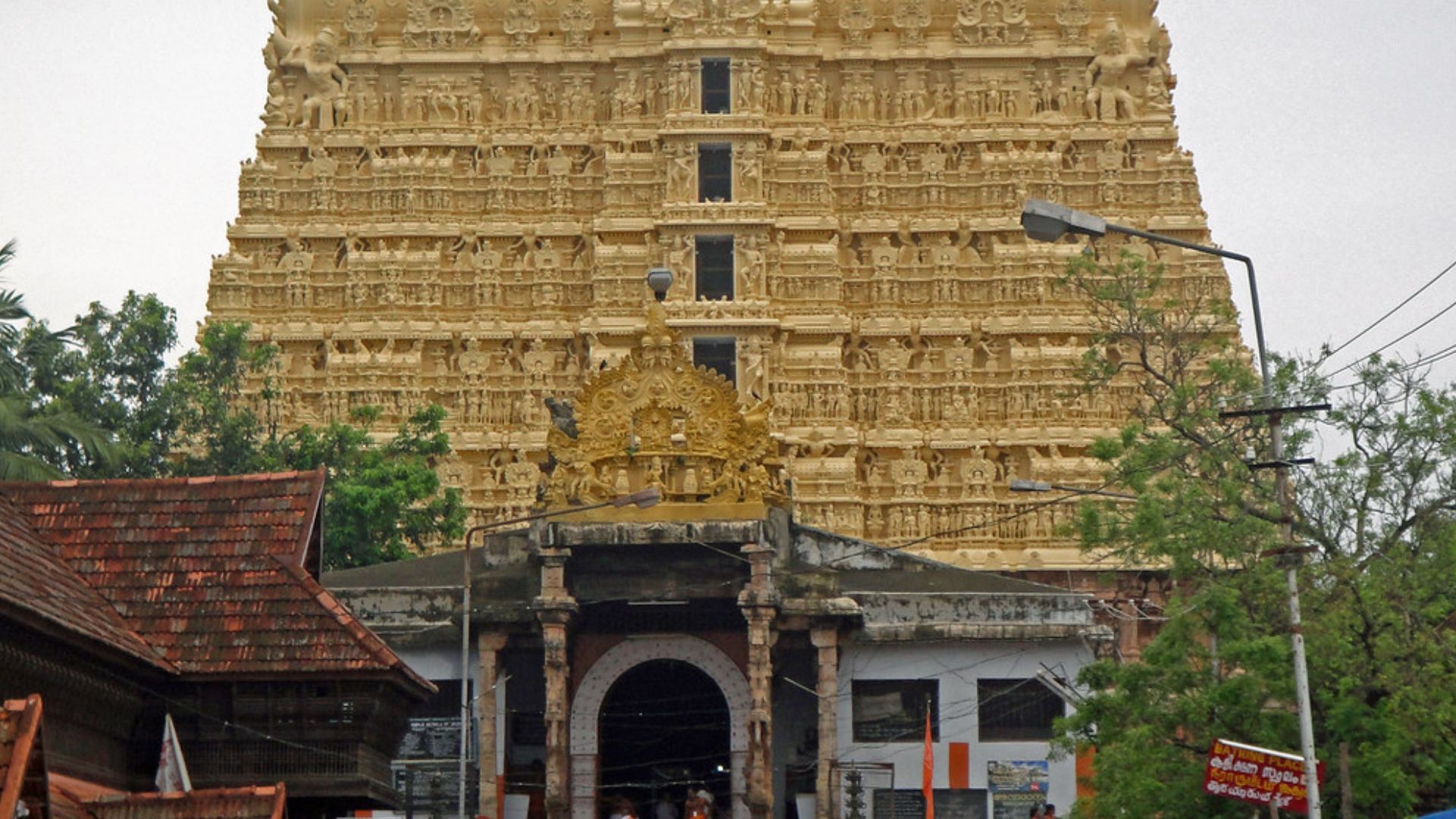 Alaison bennny, Wikimedia Commons