A Routine Flight Into Thin Air
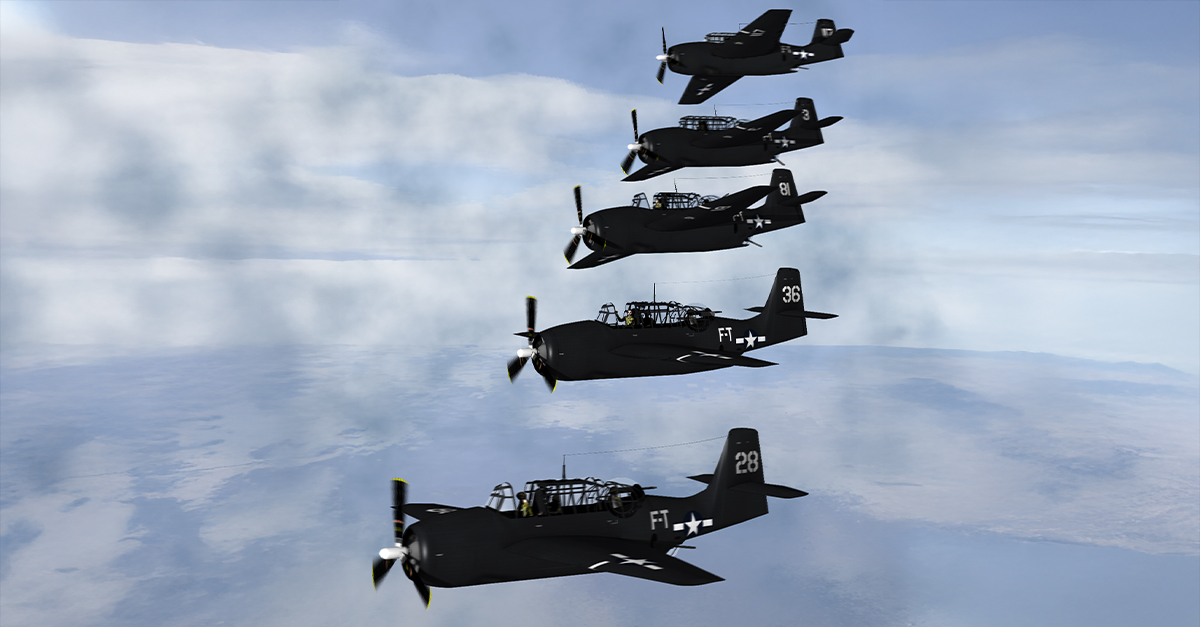
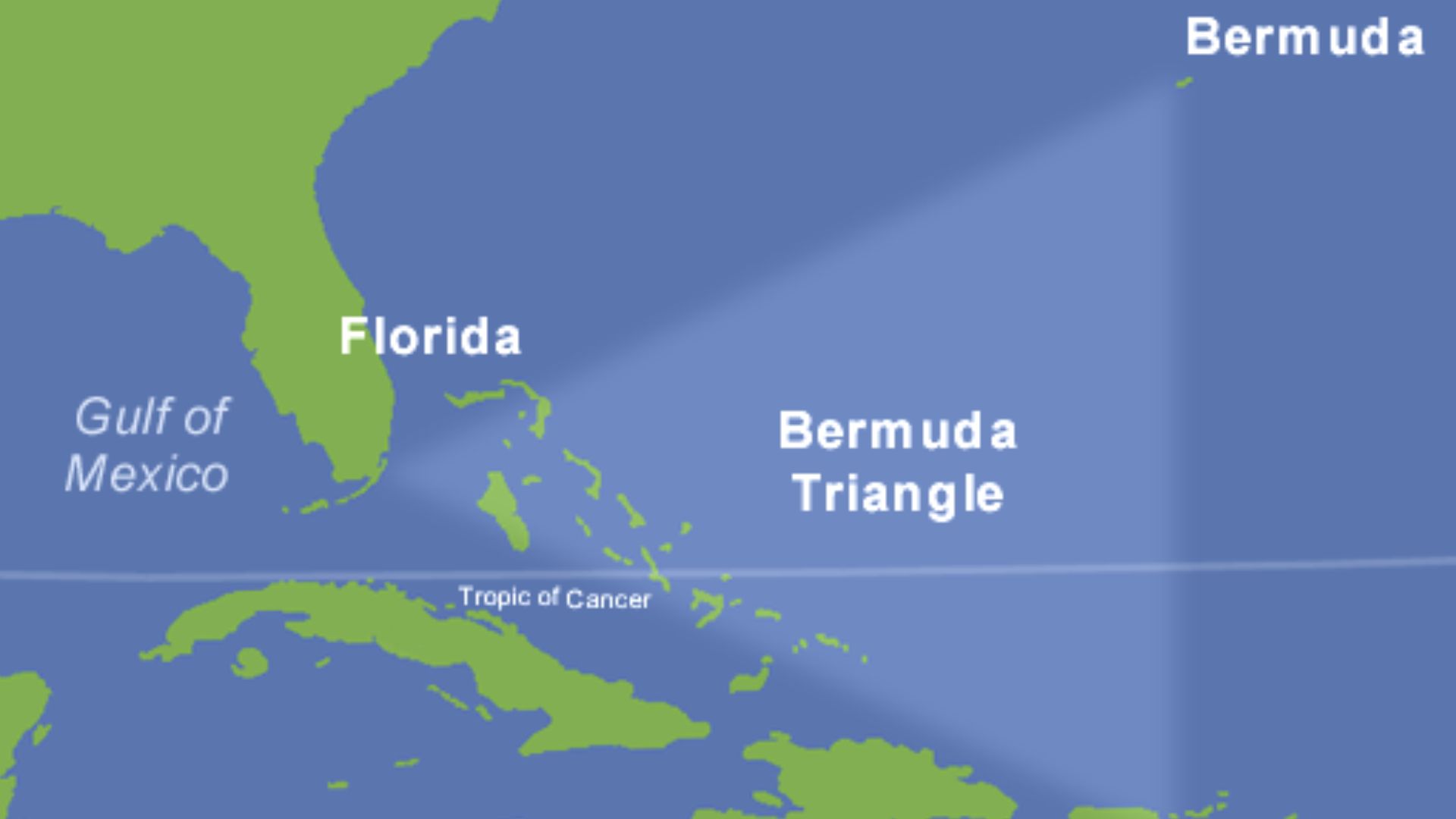
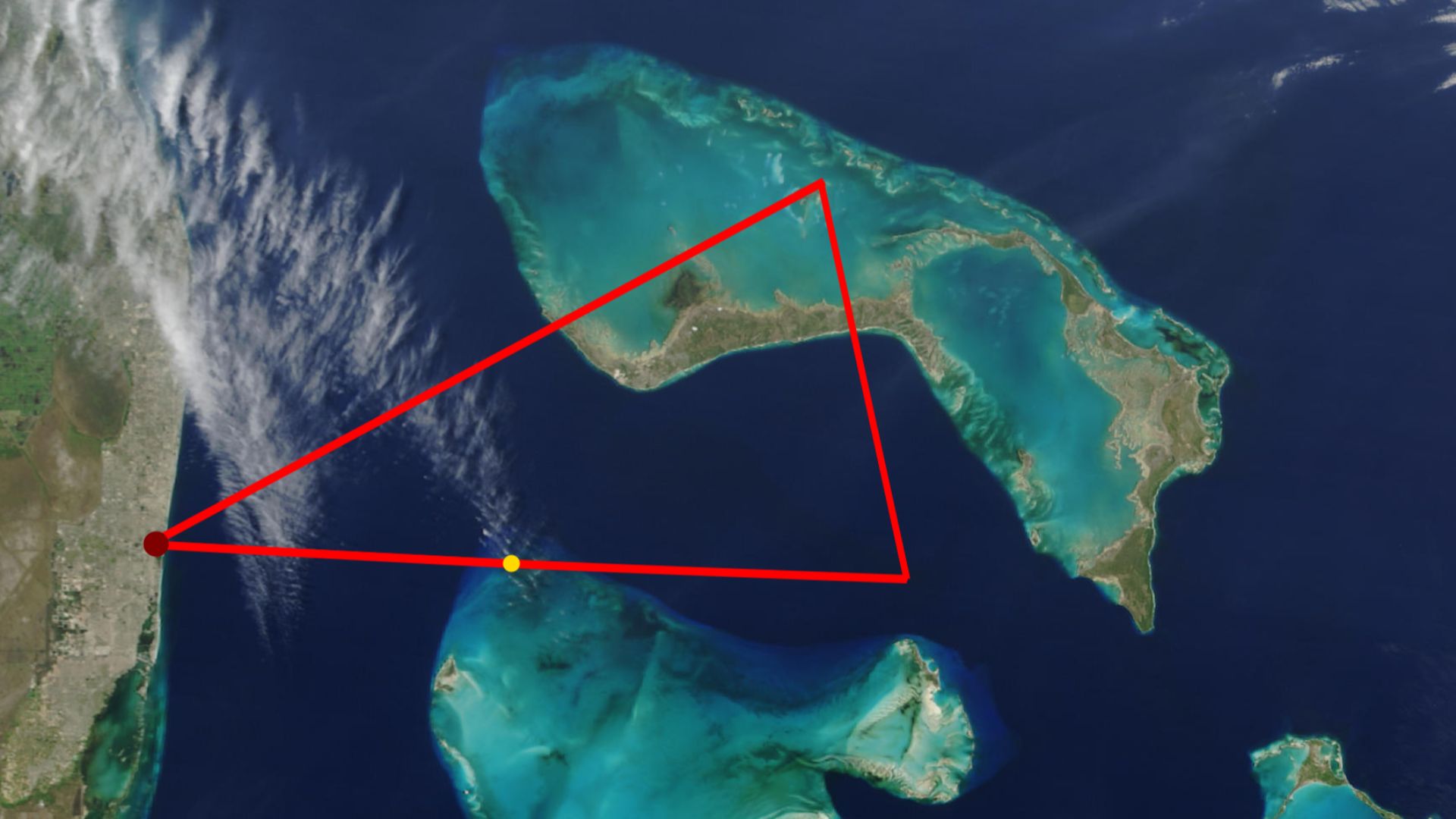
On December 5, 1945, five U.S. Navy training planes vanished during a routine training flight over the Atlantic. Known as Flight 19, their disappearance is still to this day one of aviation’s most baffling unsolved mysteries. With no trace of wreckage ever recovered, the incident helped to spark public fascination with the Bermuda Triangle and raised lasting questions about navigation, human error, and the limits of technology.

The Mission Started Out Normally
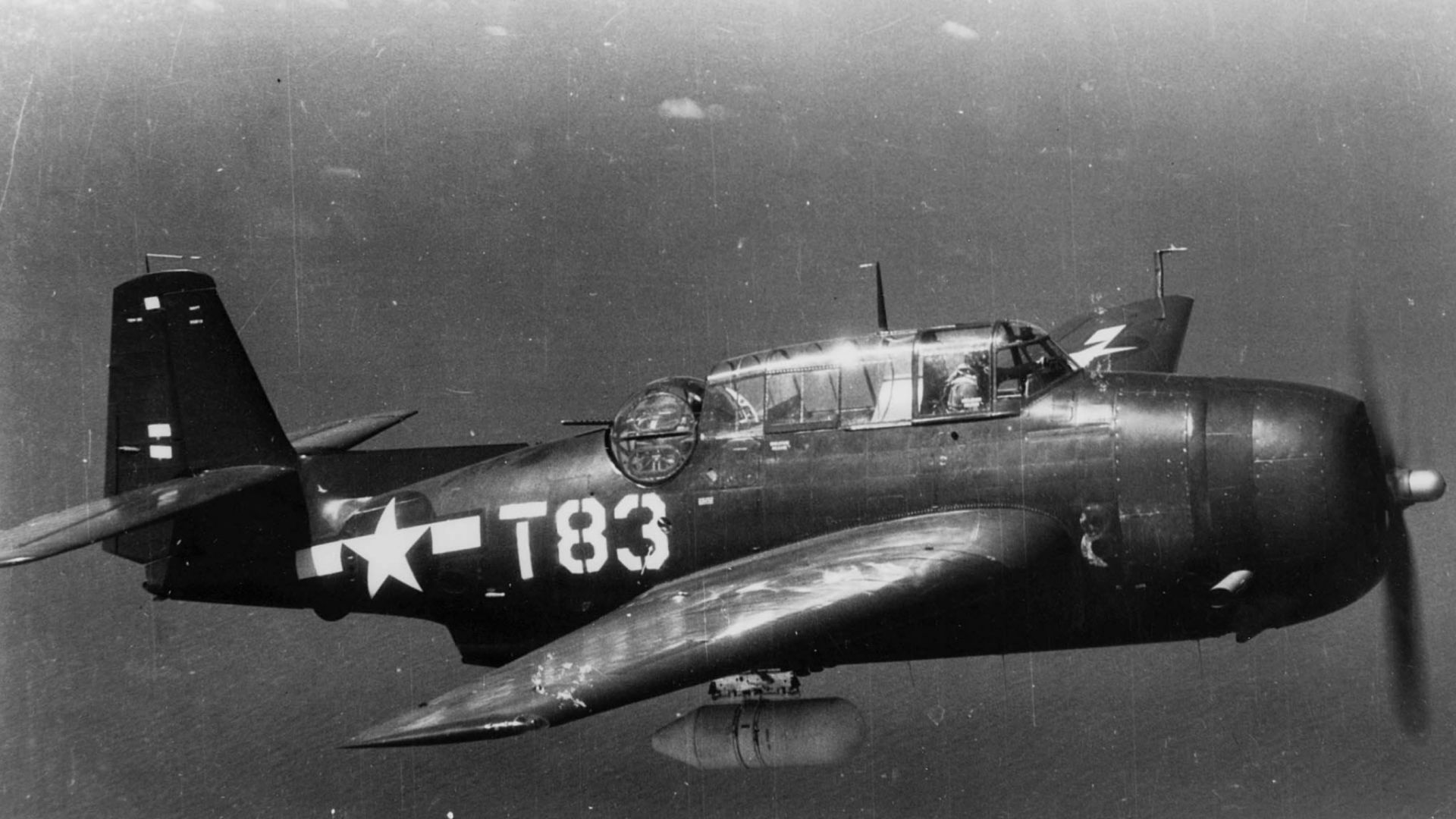
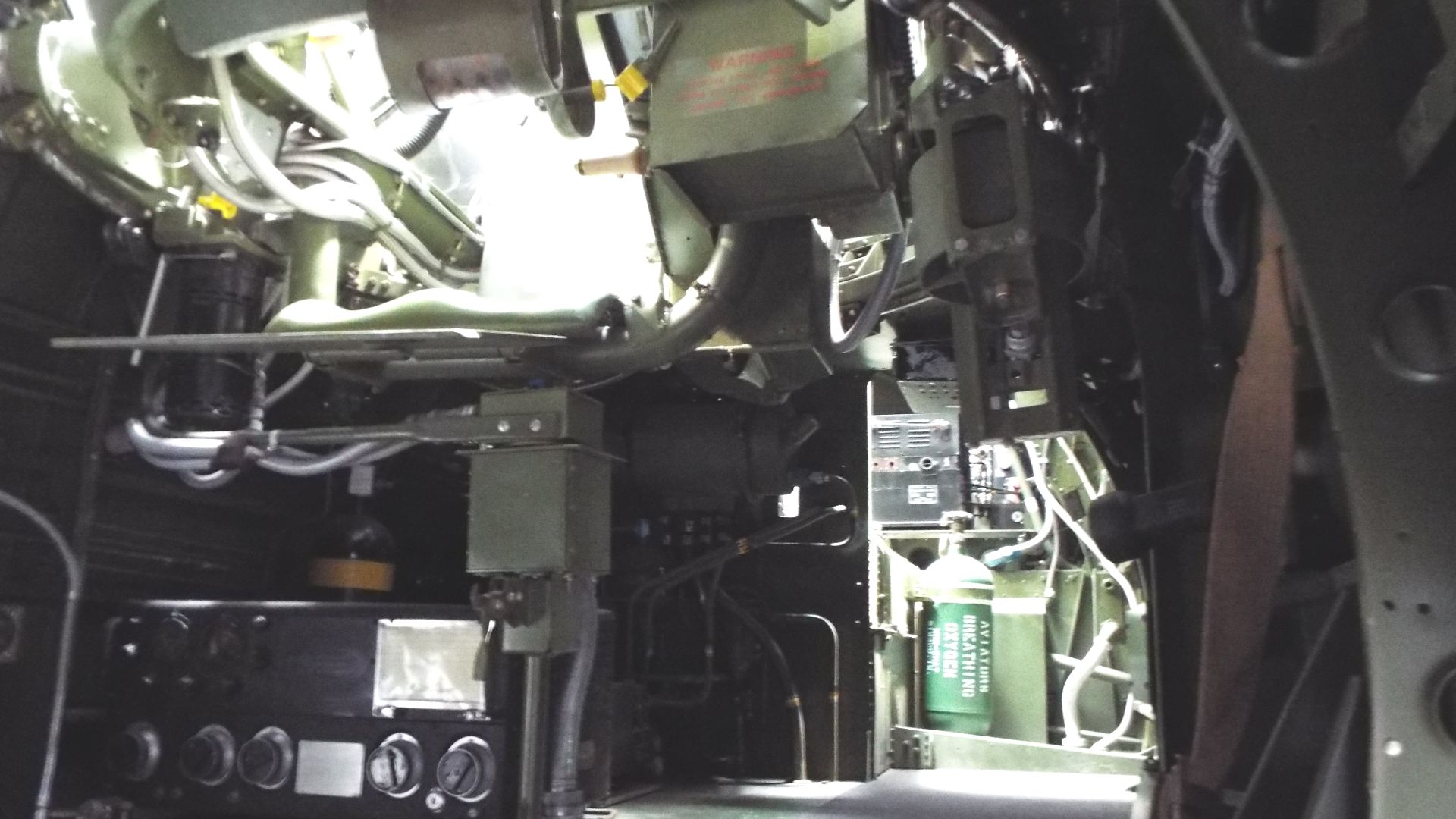
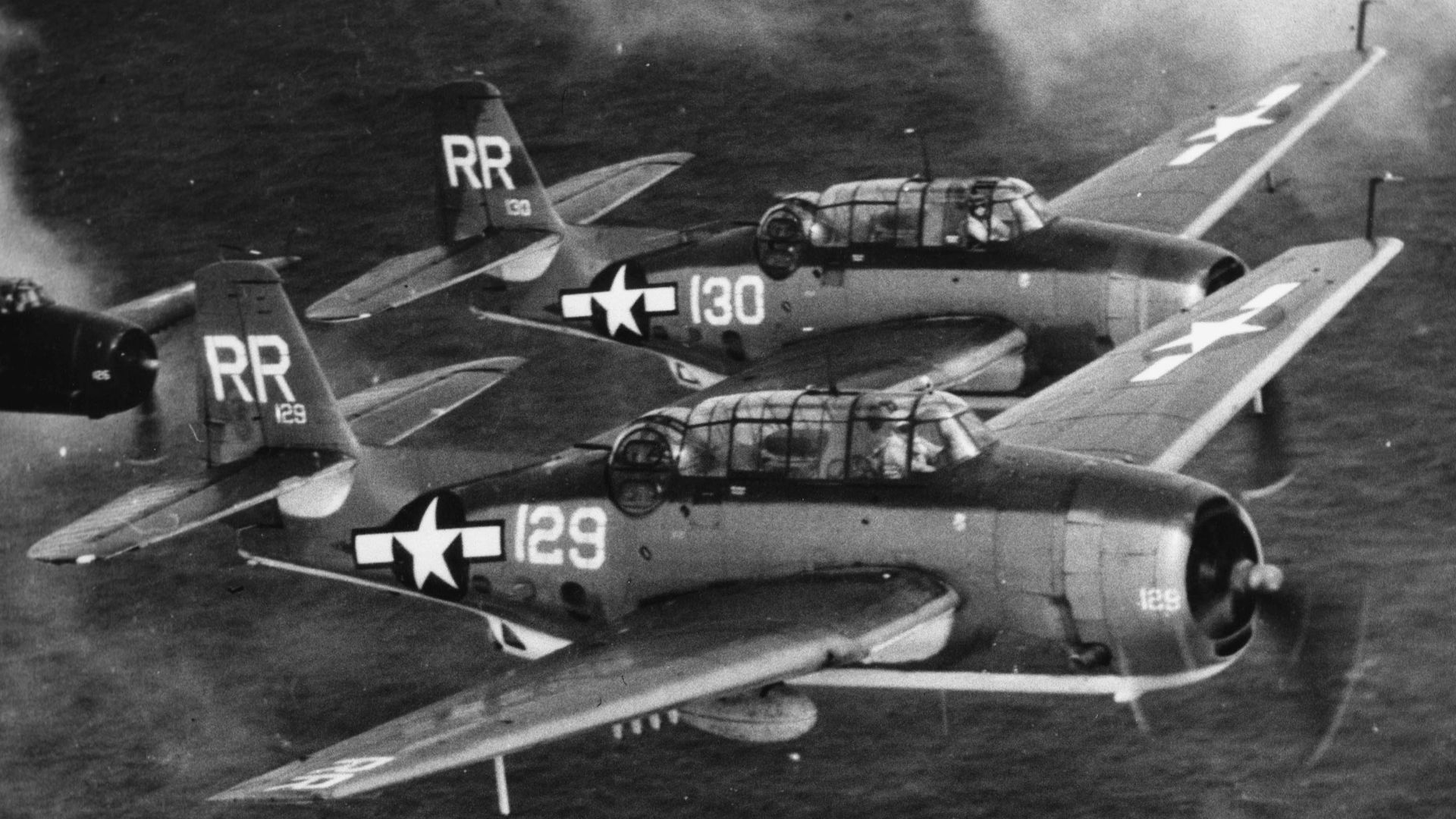
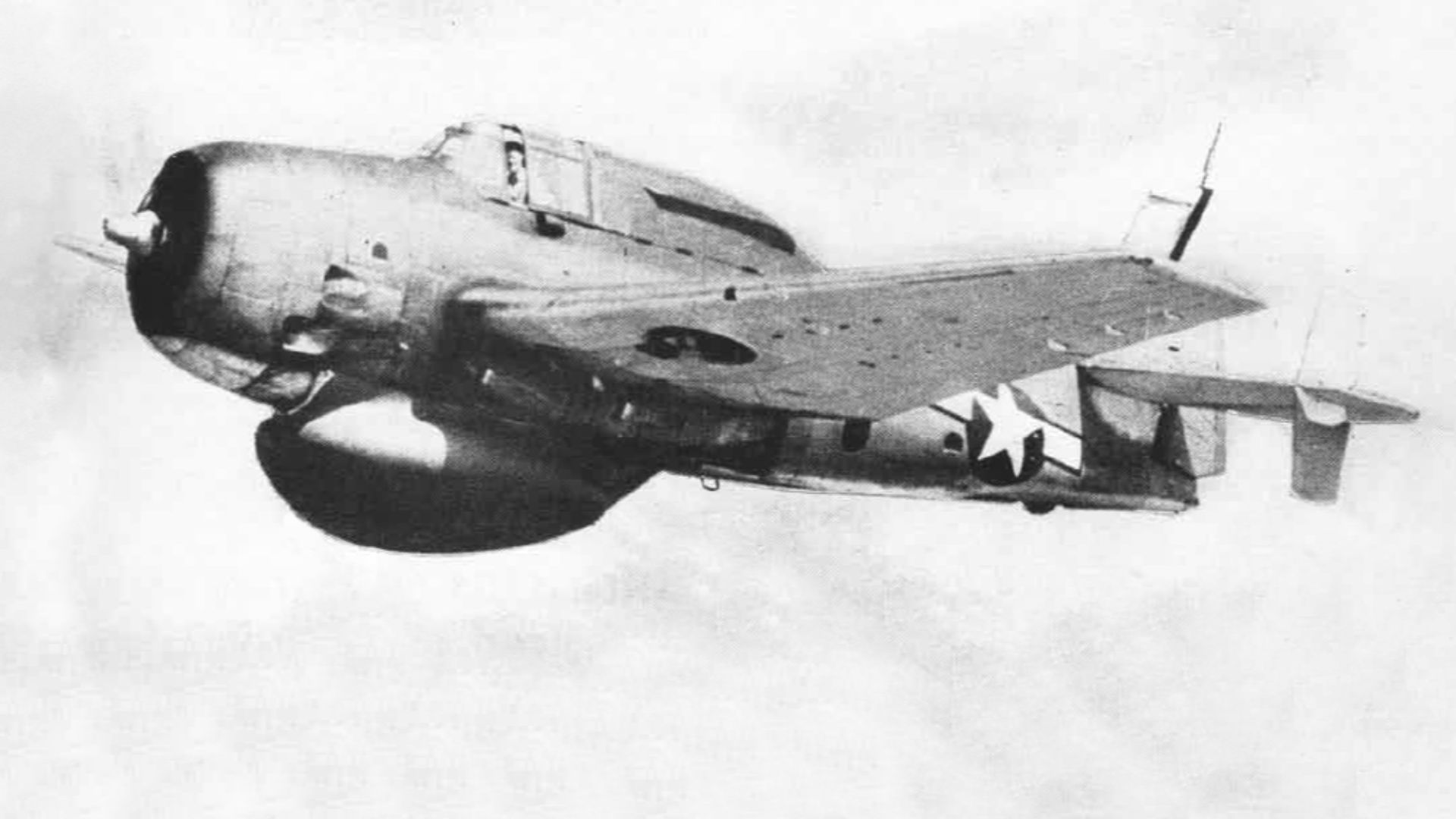
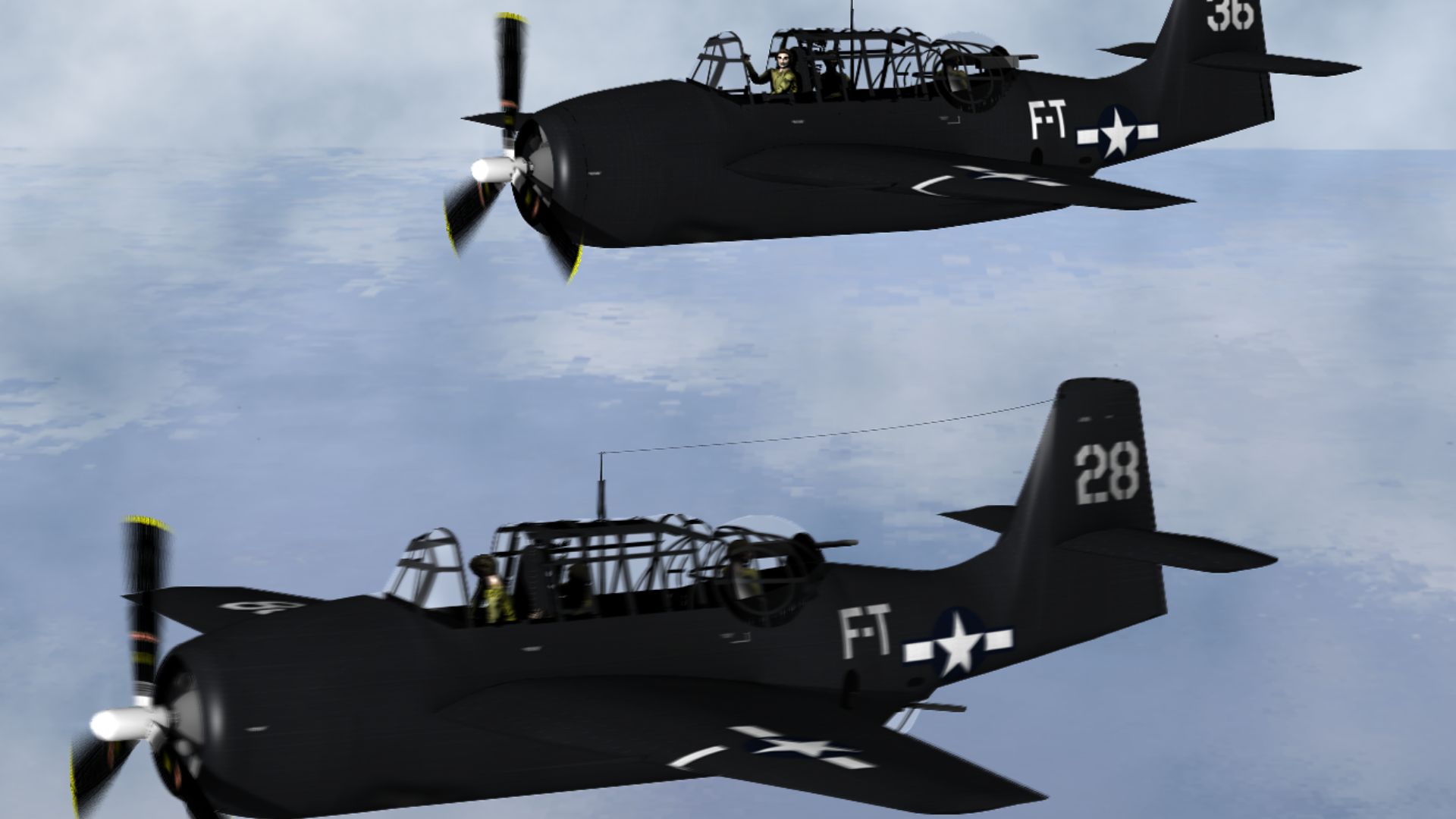
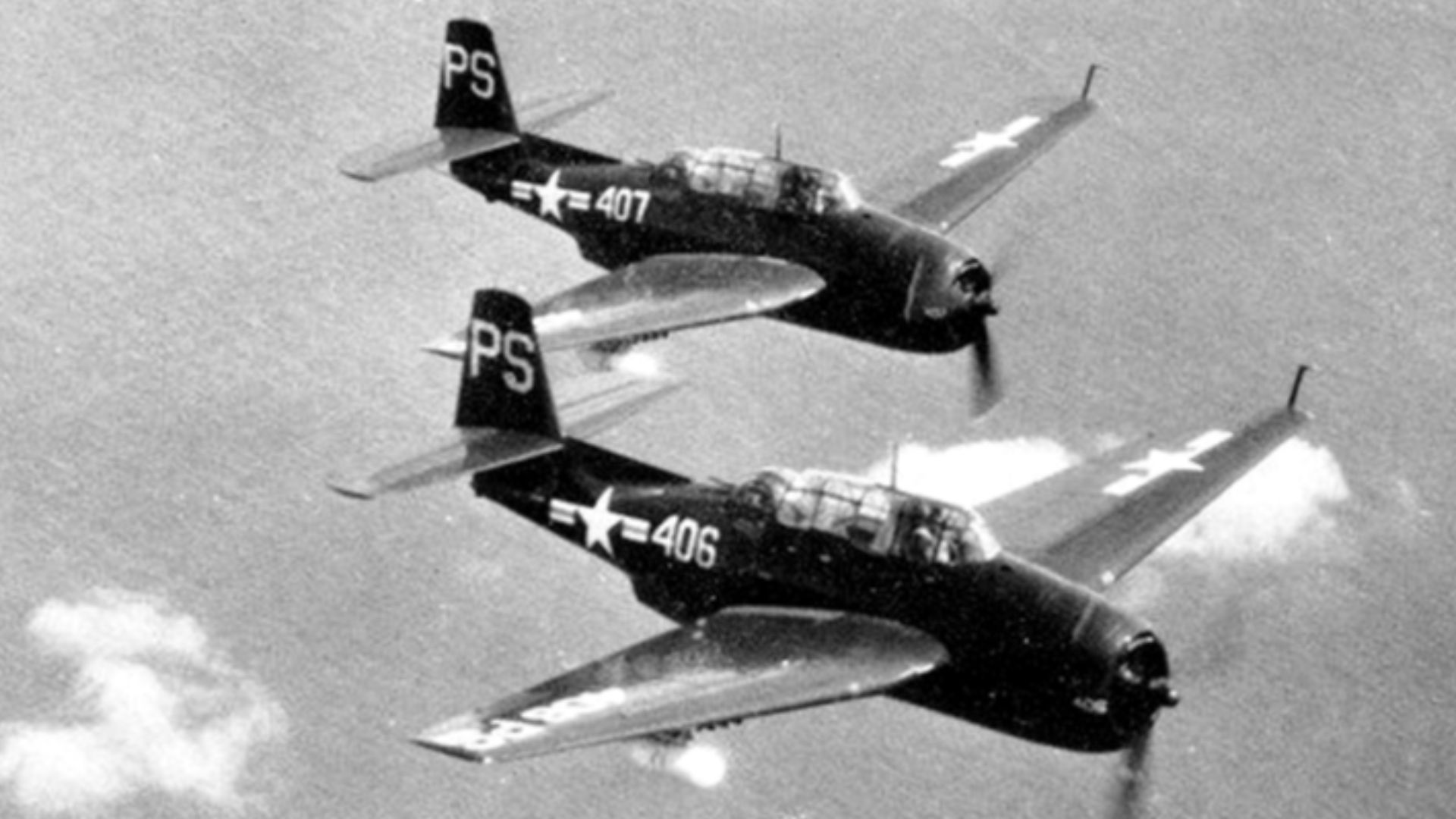
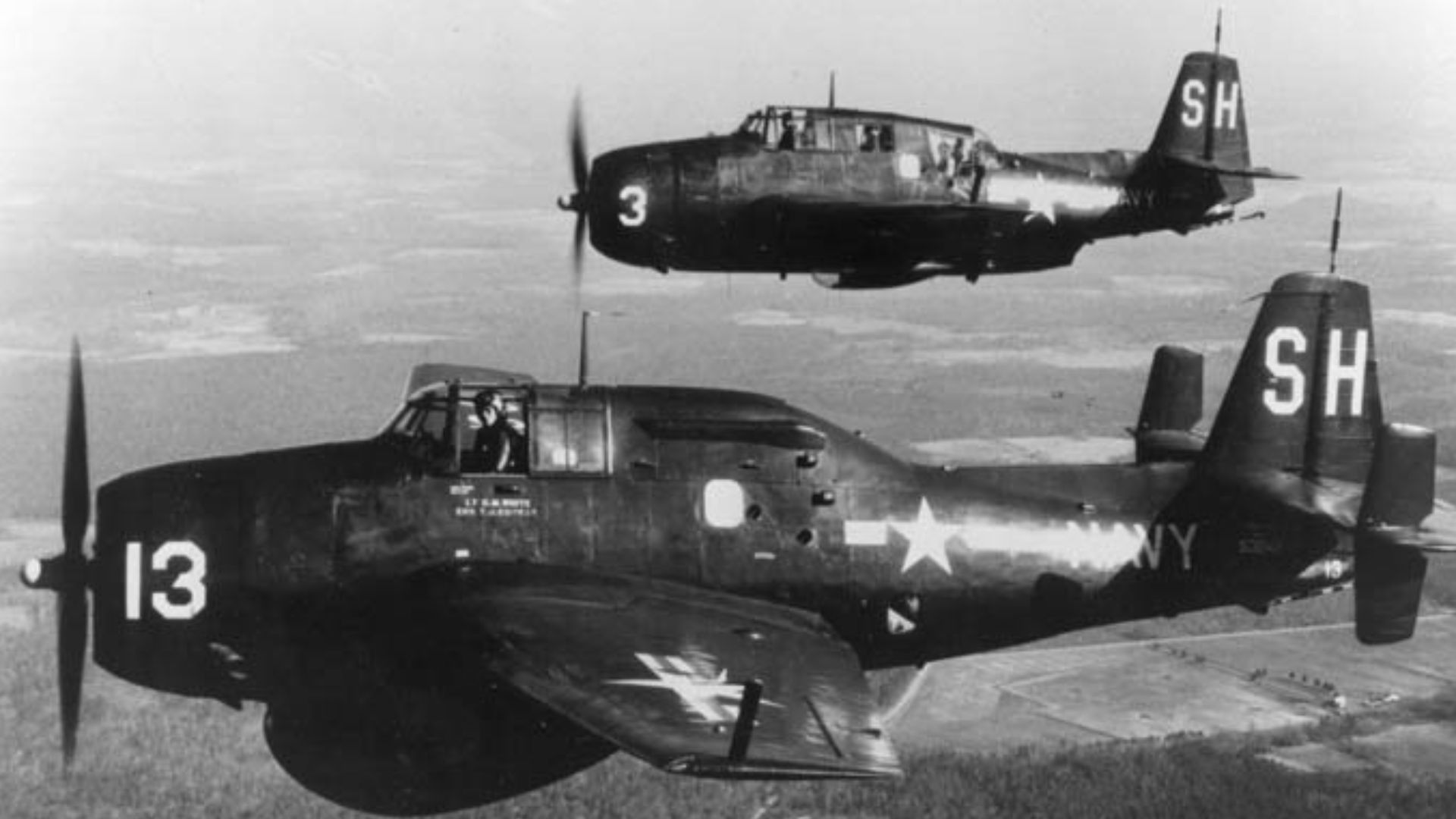
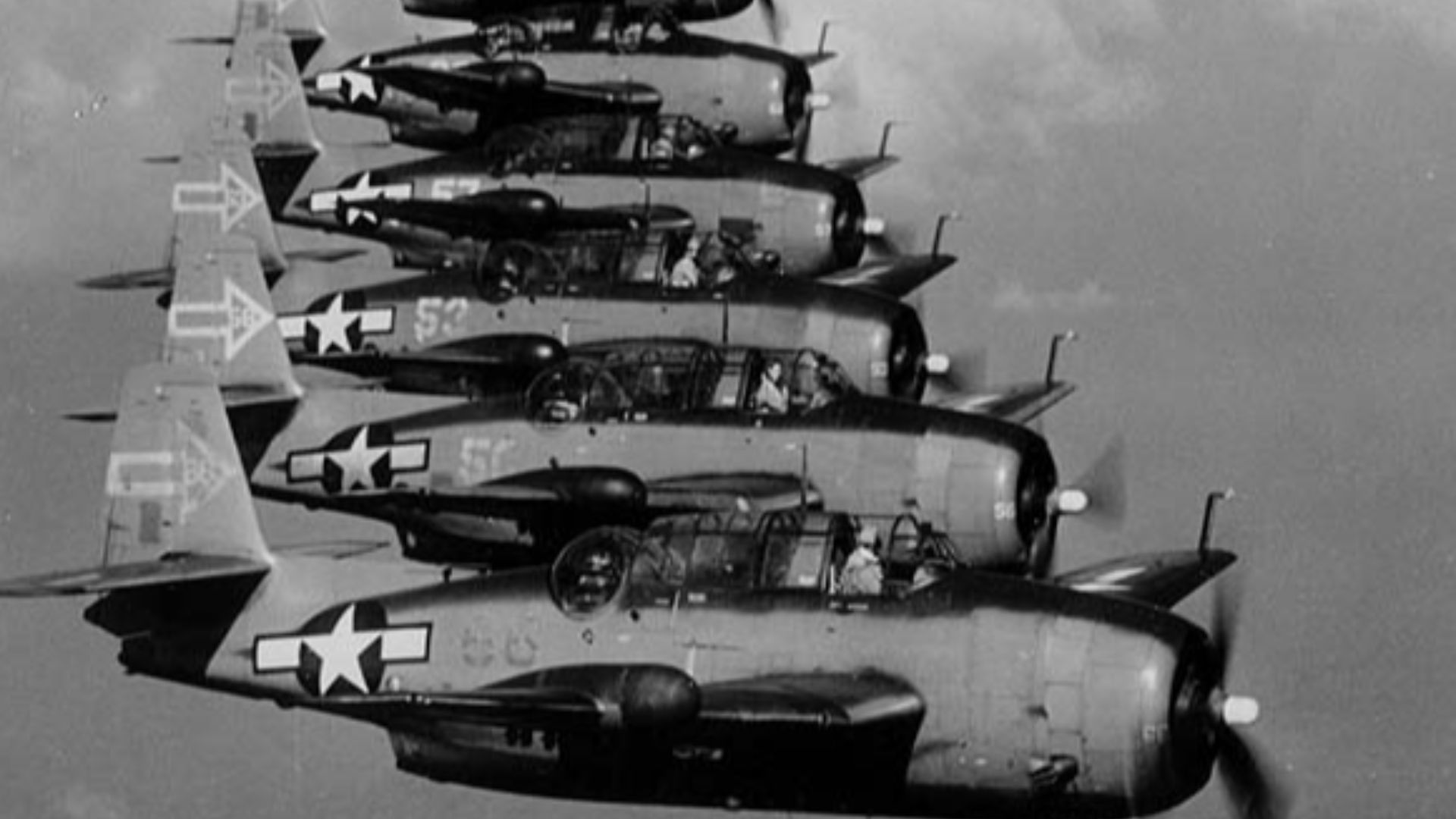
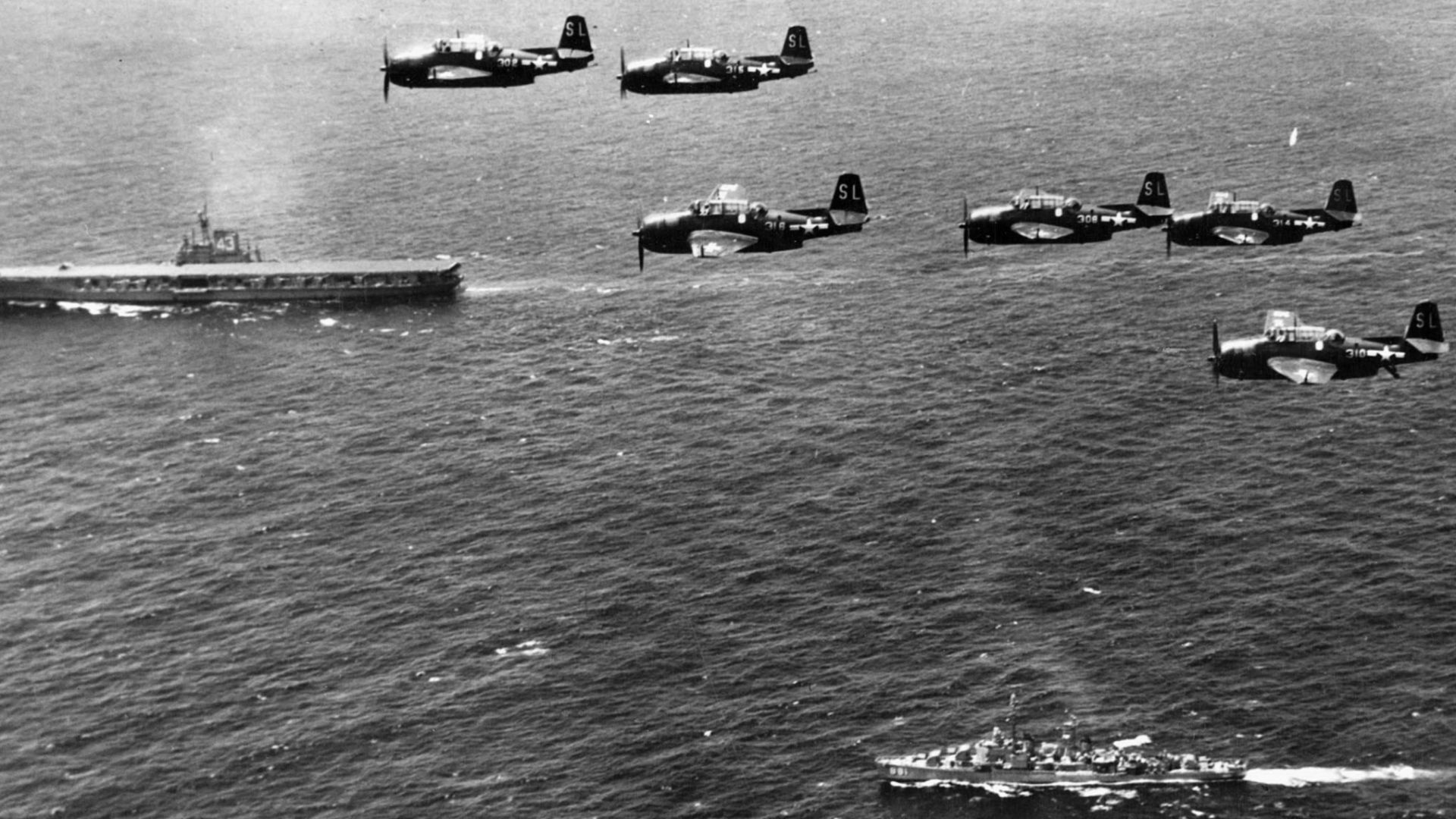
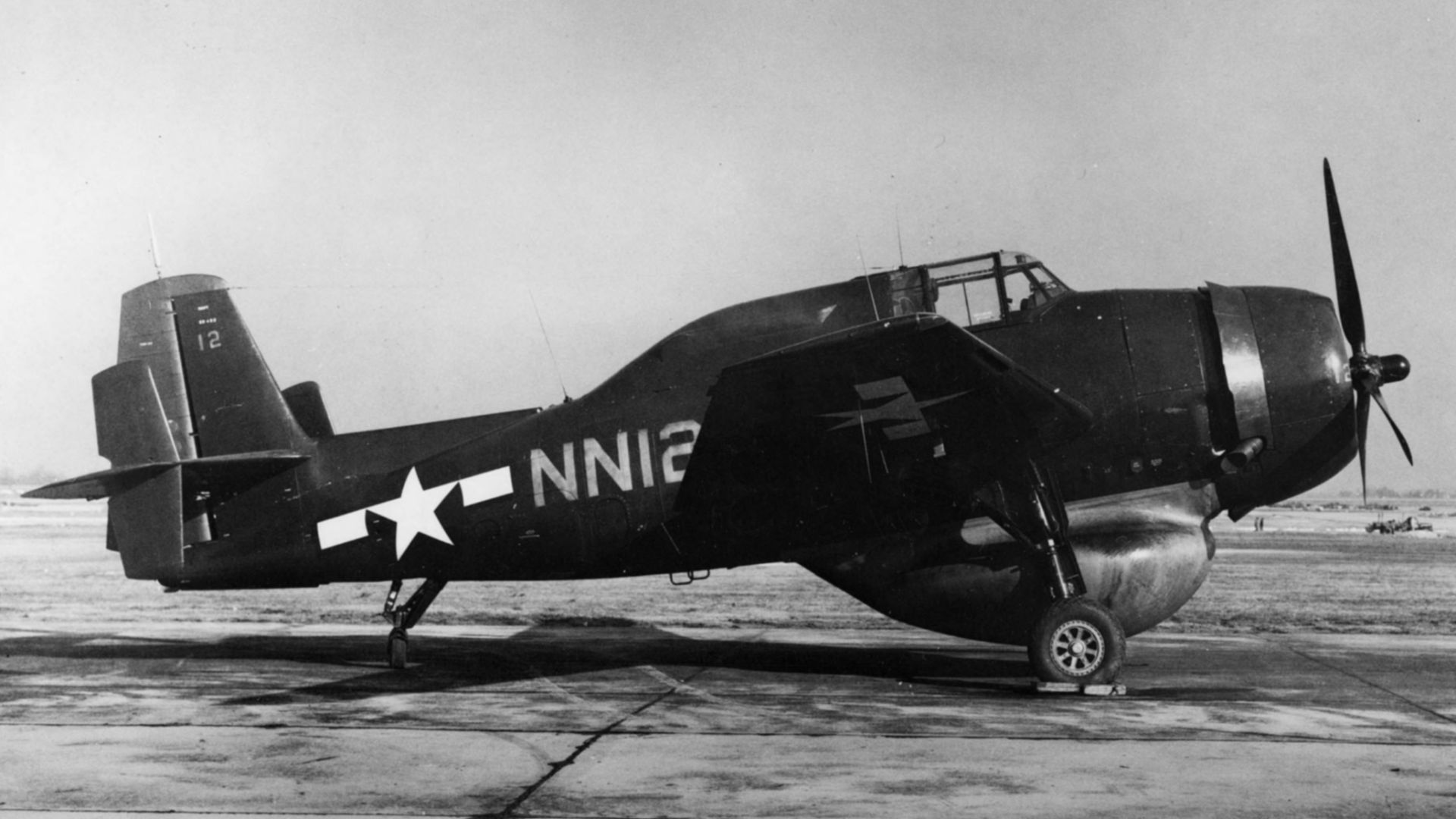
Flight 19 consisted of five TBM Avenger torpedo bombers departing from Naval Air Station Fort Lauderdale. The training mission, known as Navigation Problem No. 1, was set up to simulate a bombing run followed by a triangular navigation route. The weather was by all indications favorable, and the experienced instructor leading the group inspired initial confidence among the trainees.
Trouble With Navigation
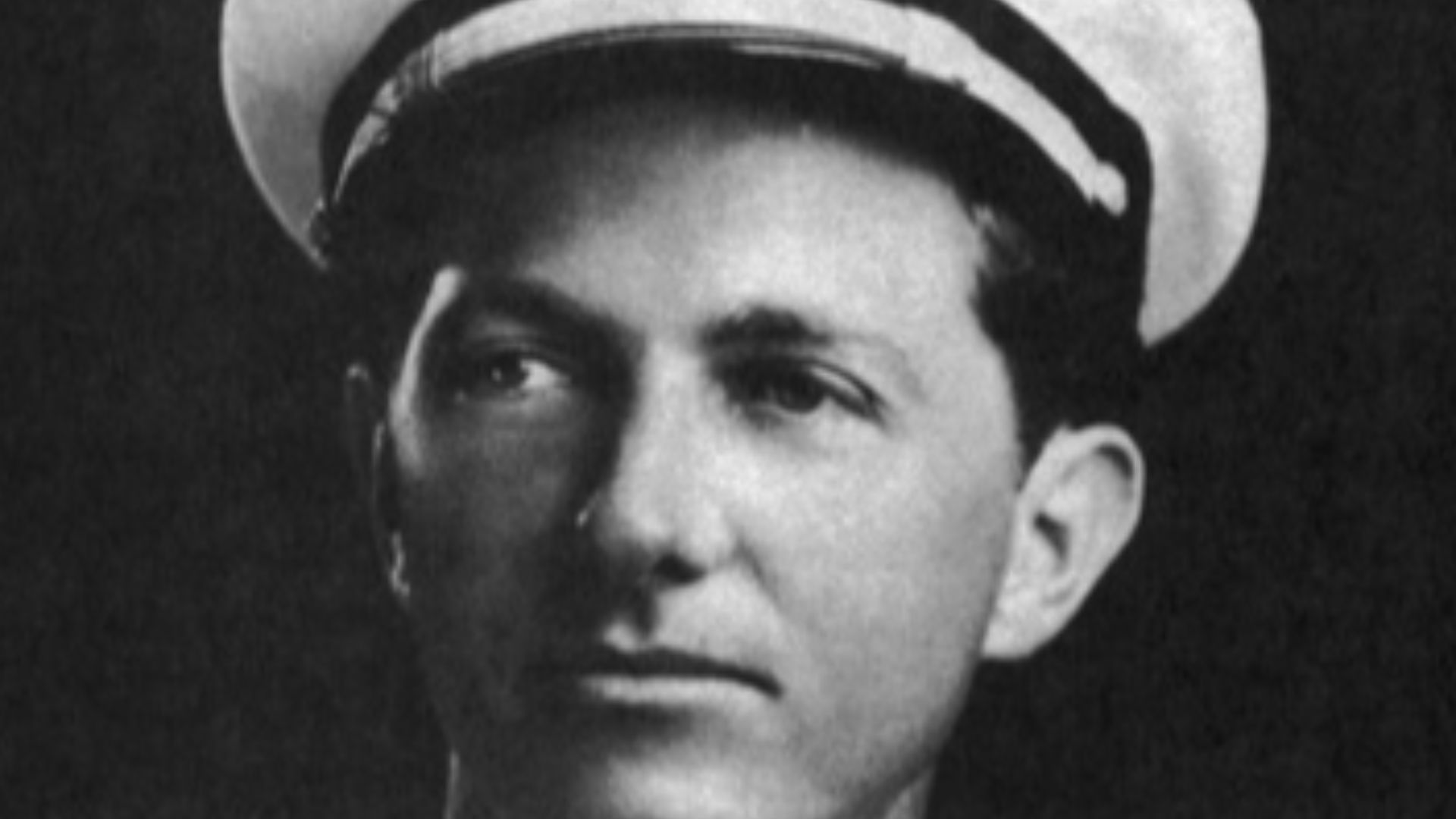
Not long into the flight, confusion began to set in. The squadron’s leader, Lieutenant Charles Taylor, reported that his compasses were malfunctioning. Believing he was flying over the Florida Keys when he was actually over the Bahamas, Taylor had made a major navigational error. The misjudgment was the first onset of the squadron’s gradual disorientation.
 NAS Fort Lauderdale, Wikimedia Commons
Conflicting Instructions And Rising Panic
Radio transmissions from Flight 19 revealed a growing uncertainty. Taylor instructed the group to fly northeast, thinking it would lead them back to Florida. In reality, this course pushed them farther out into the Atlantic. Some trainees questioned his decisions, but military protocol and the chaos of the situation stifled any effective dissent.
 Marine 69-71, Wikimedia Commons
Weather Conditions Begin To Deteriorate
As the afternoon went on, weather conditions started to deteriorate. Visibility declined, and rough seas formed below. While this wasn’t initially that extreme, the changes only magnified the navigational confusion. Without reliable instruments or any clear visual references, the pilots struggled to determine their exact location, increasing the likelihood of a final catastrophic mistake.
Fuel Levels Critical
By late afternoon, Flight 19’s fuel reserves were running dangerously low. The aircraft had limited endurance, and repeated course changes only burned up more of the precious fuel. Pilots started to discuss ditching their aircraft in the ocean, a maneuver that was risky even under the best of conditions, let alone the increasingly rough waters they were flying over.
The Final Radio Transmission
The last known communication from Flight 19 suggested an imminent disaster. Taylor instructed his men to prepare for a coordinated ditching once the first aircraft ran out of fuel. After that, silence fell. No distress signals or confirmed crash locations were ever recorded, leaving investigators with only choppy fragments of frantic radio chatter.
The Search Swings Into Action
The U.S. Navy launched a massive search-and-rescue operation shortly after Flight 19 was reported missing. Aircraft and ships scoured the Atlantic Ocean’s waves, hoping to see any signs of the squadron. Given the relatively confined search area, authorities initially thought that recovery would be possible within a matter of days.
The Loss Of The Rescue Plane
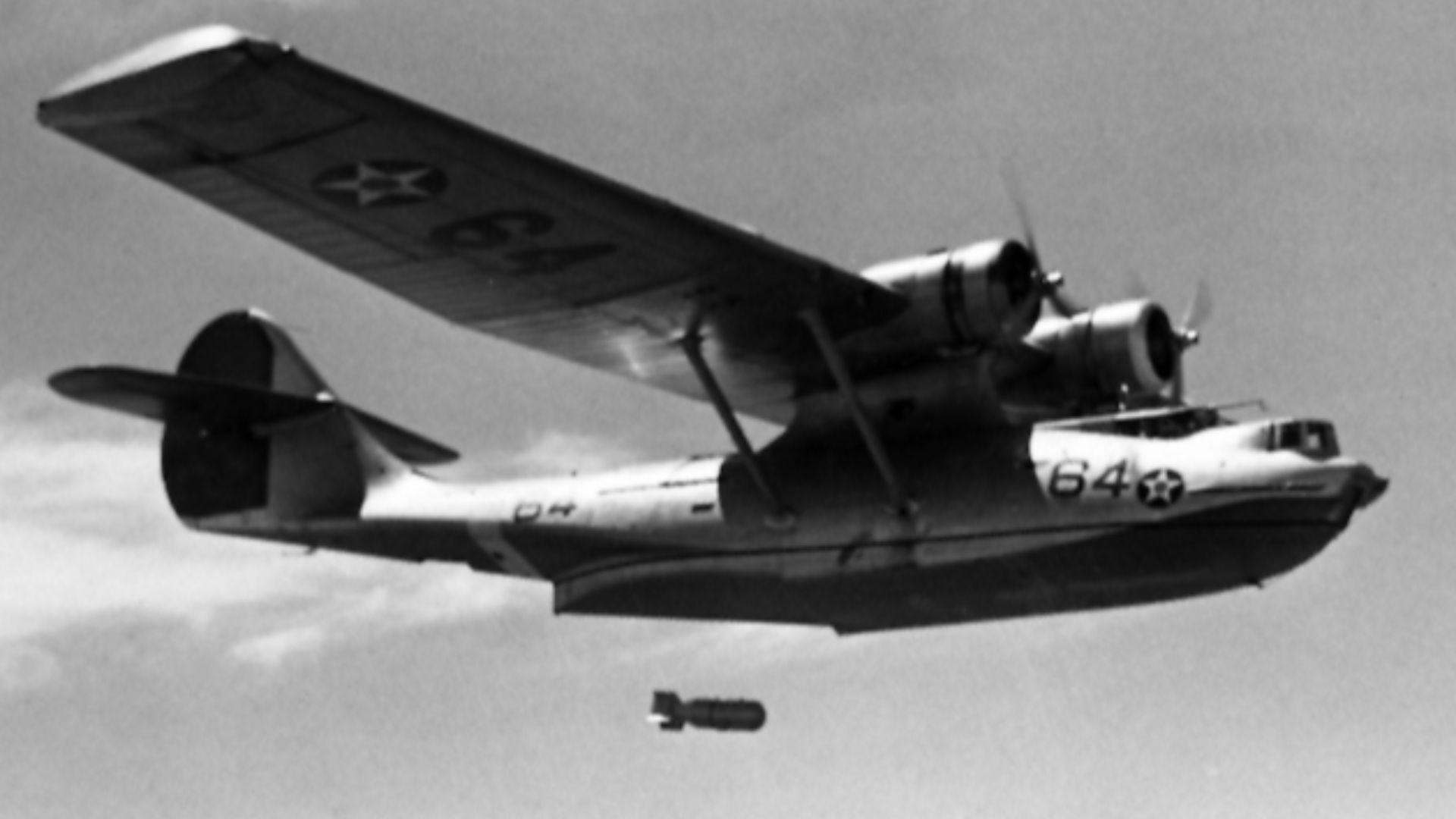
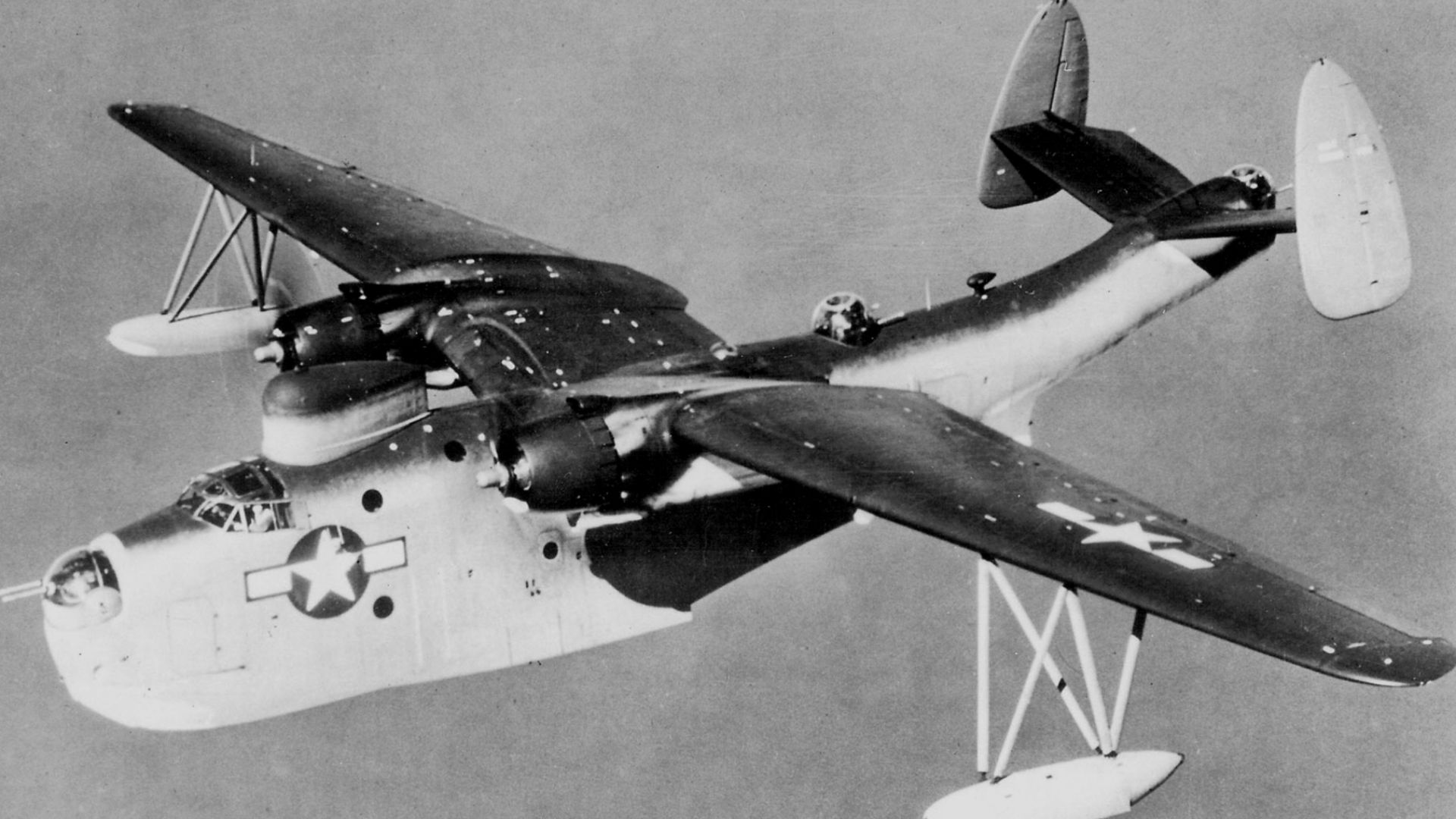
Tragically, the search effort itself suffered a devastating blow. A PBM Mariner flying boat dispatched to locate Flight 19 exploded in mid-air shortly after takeoff. All 13 crew members aboard were lost. Witnesses reported seeing a fireball in the sky, most likely caused by a fuel vapor explosion, adding another layer of tragedy to the grim situation.
A Double Mystery Takes Shape
With six aircraft and 27 men lost in a single day, the incident quickly took on an almost mythical quality. The disappearance of both the training squadron and the rescue plane fueled speculation that something unusual, even supernatural, might be going on in the region.
Early Investigations Point To Human Error
Initial Navy investigations focused on navigational errors and what might have caused them. The evidence suggested that Lieutenant Taylor became disoriented and misidentified geographic landmarks. His incorrect assumptions led the squadron deeper into the ocean. While it was tragic, this explanation fit best with the known risks of overwater navigation at the time.
Why Was No Wreckage Ever Found?
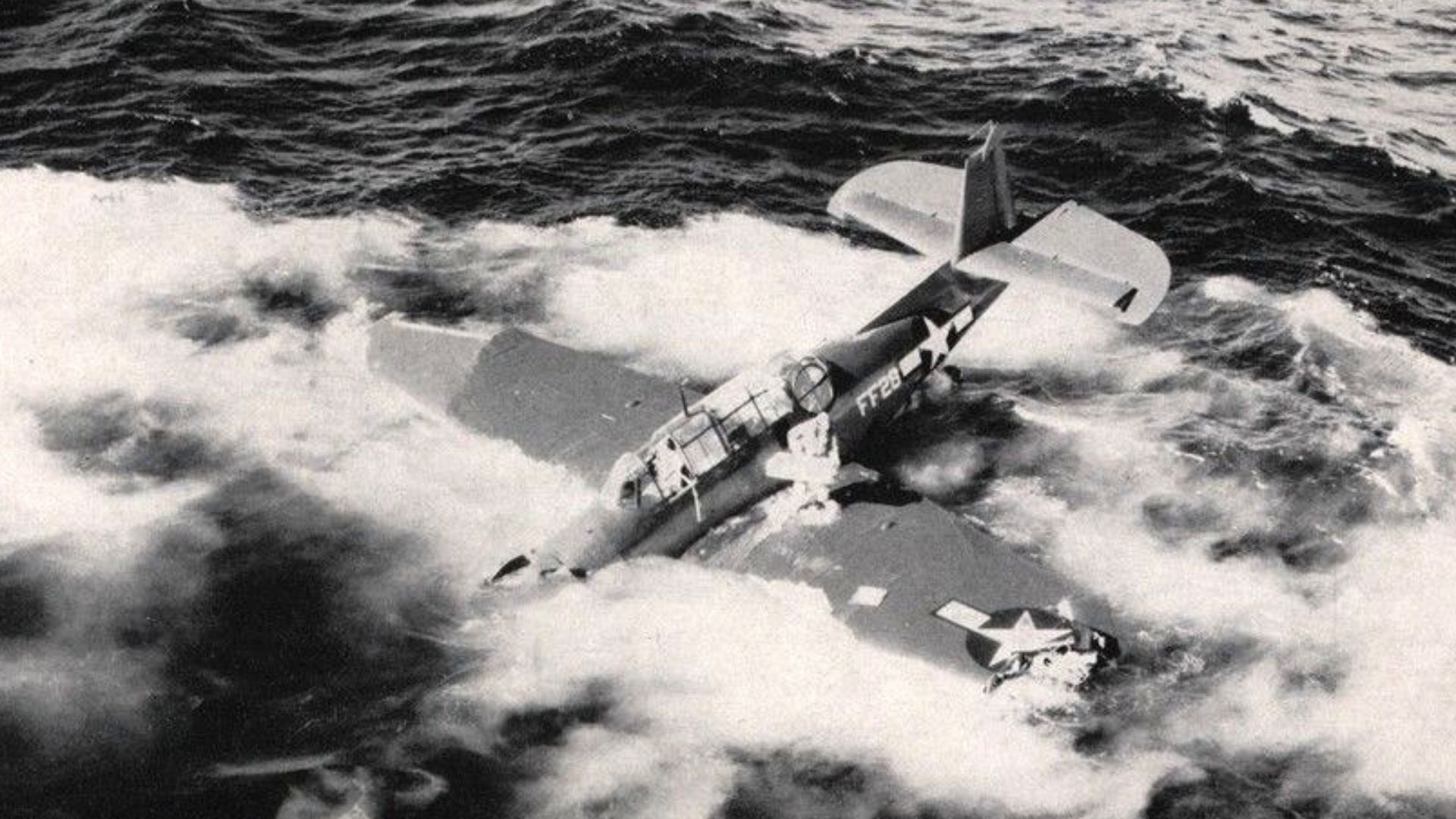
Despite extensive searches, no confirmed debris from Flight 19 was ever recovered. The huge expanse of the Atlantic Ocean, combined with strong currents and deep waters, makes locating wreckage an extremely difficult proposition. Aircraft that ditch at sea can break apart and sink quickly, leaving little trace, especially with the technology in use back in 1945.
The Ocean As A Relentless Force
The region where Flight 19 disappeared includes deep ocean trenches and powerful currents like the Gulf Stream. These conditions can scatter debris over wide swathes of territory or even bury it beneath shifting sands. Even today, finding wreckage in such an environment as this remains a complex and expensive endeavor.
The Bermuda Triangle Myth Gains Momentum
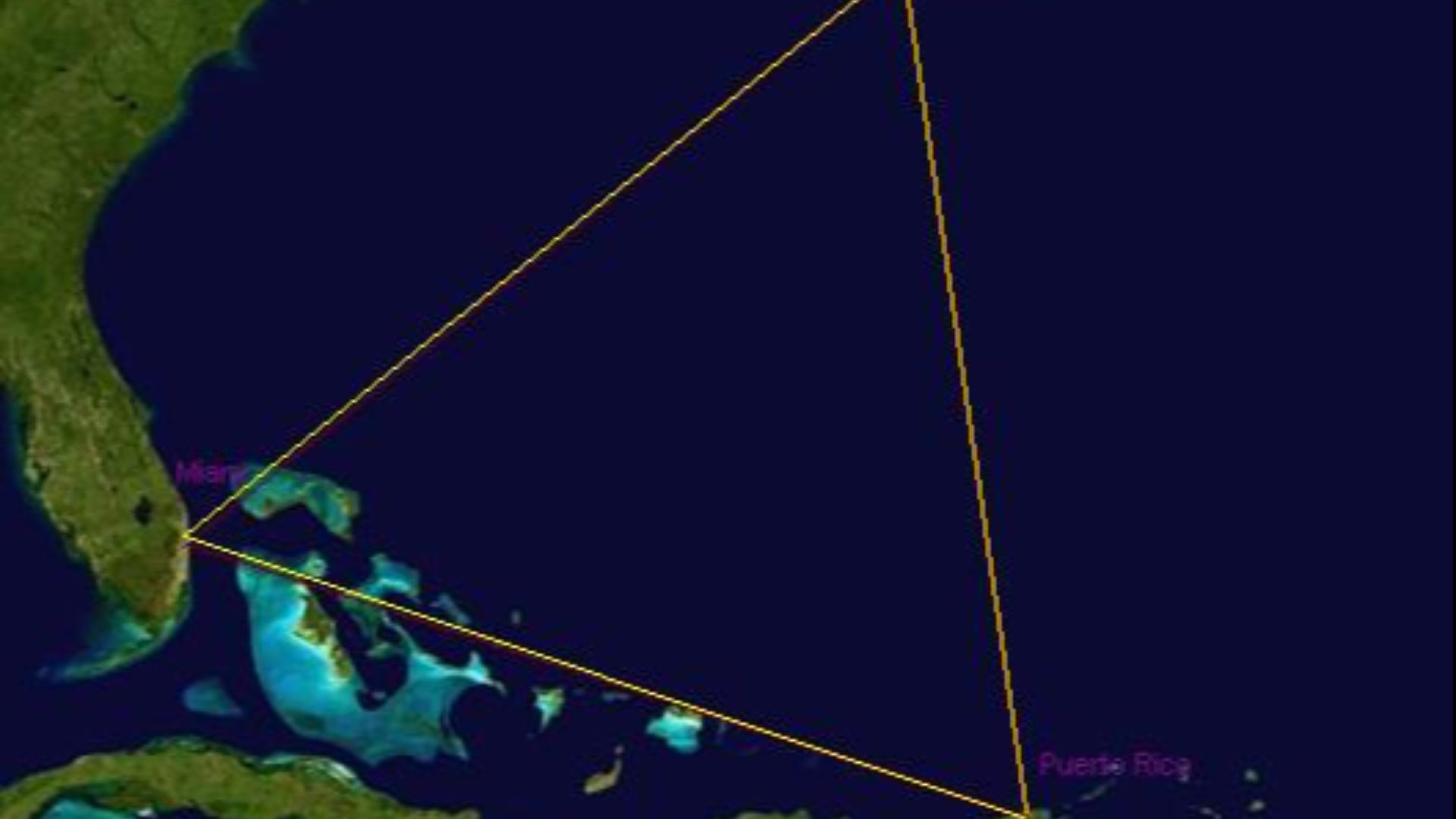
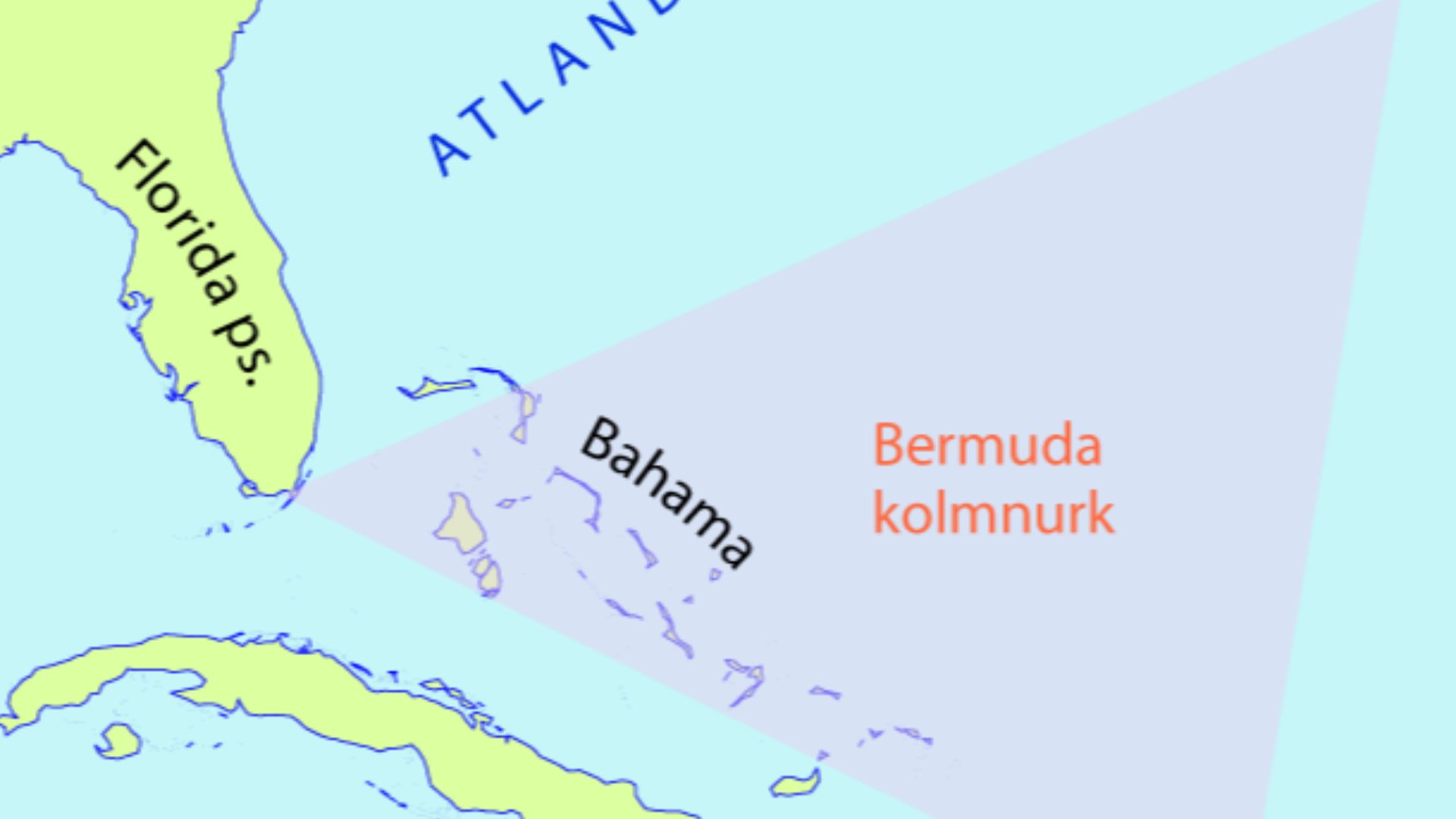
In the years and decades that followed the disappearance, writers and media outlets started linking Flight 19 to the so-called Bermuda Triangle. Stories of vanishing ships and planes were woven together, creating a narrative of a mysterious zone where conventional rules seemed to fail, despite a lack of scientific evidence.
Media Sensationalism And Public Fascination
By the 1950s and 60s, popular articles and books amplified the mystery. Flight 19 became a centerpiece in discussions of unexplained phenomena. Sensationalized accounts often ignored or downplayed the navigational errors and environmental challenges that most likely lay behind the tragedy.
 Mr Cup / Fabien Barral, Unsplash
Getting Lost Wasn’t Uncommon
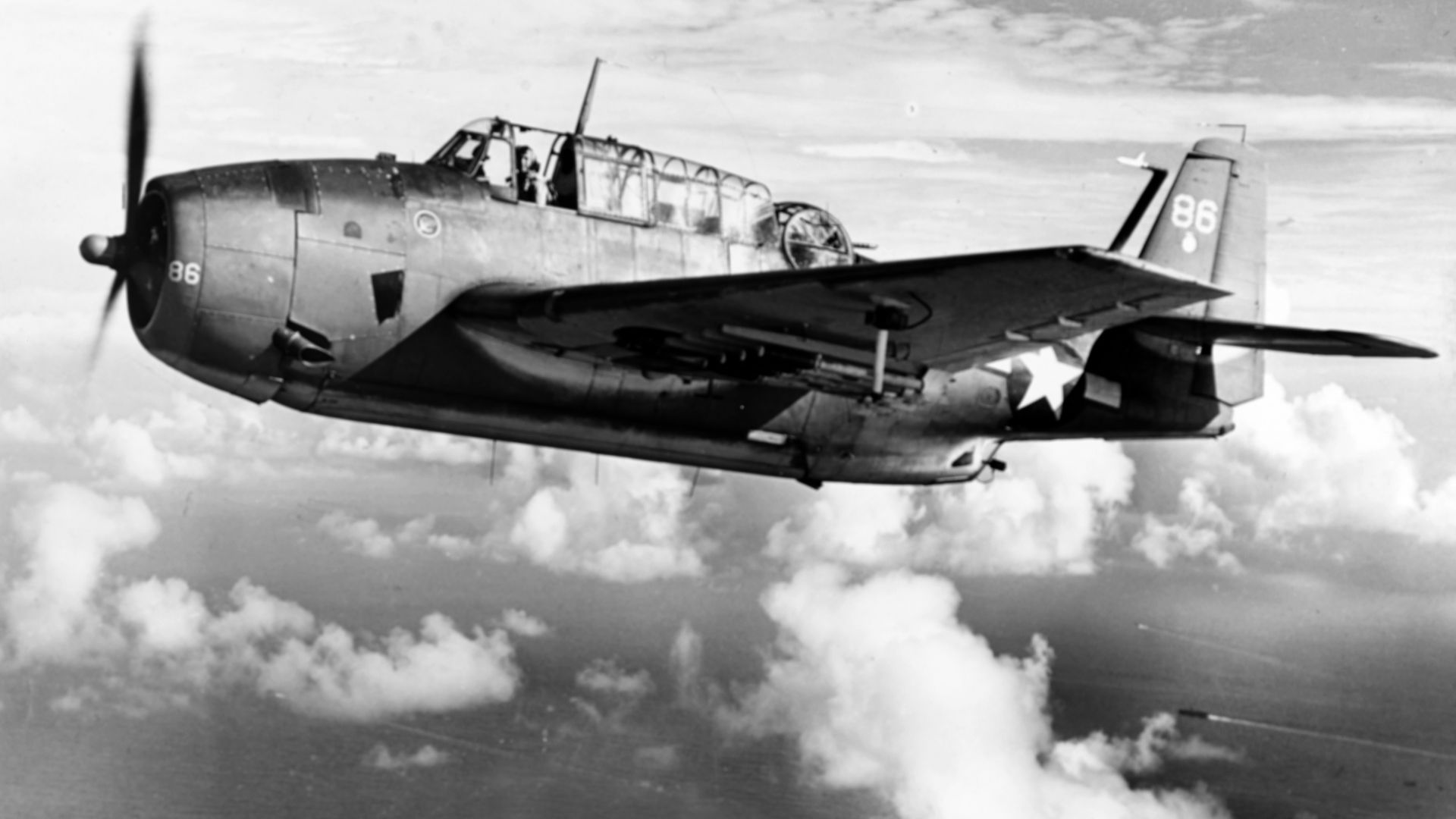
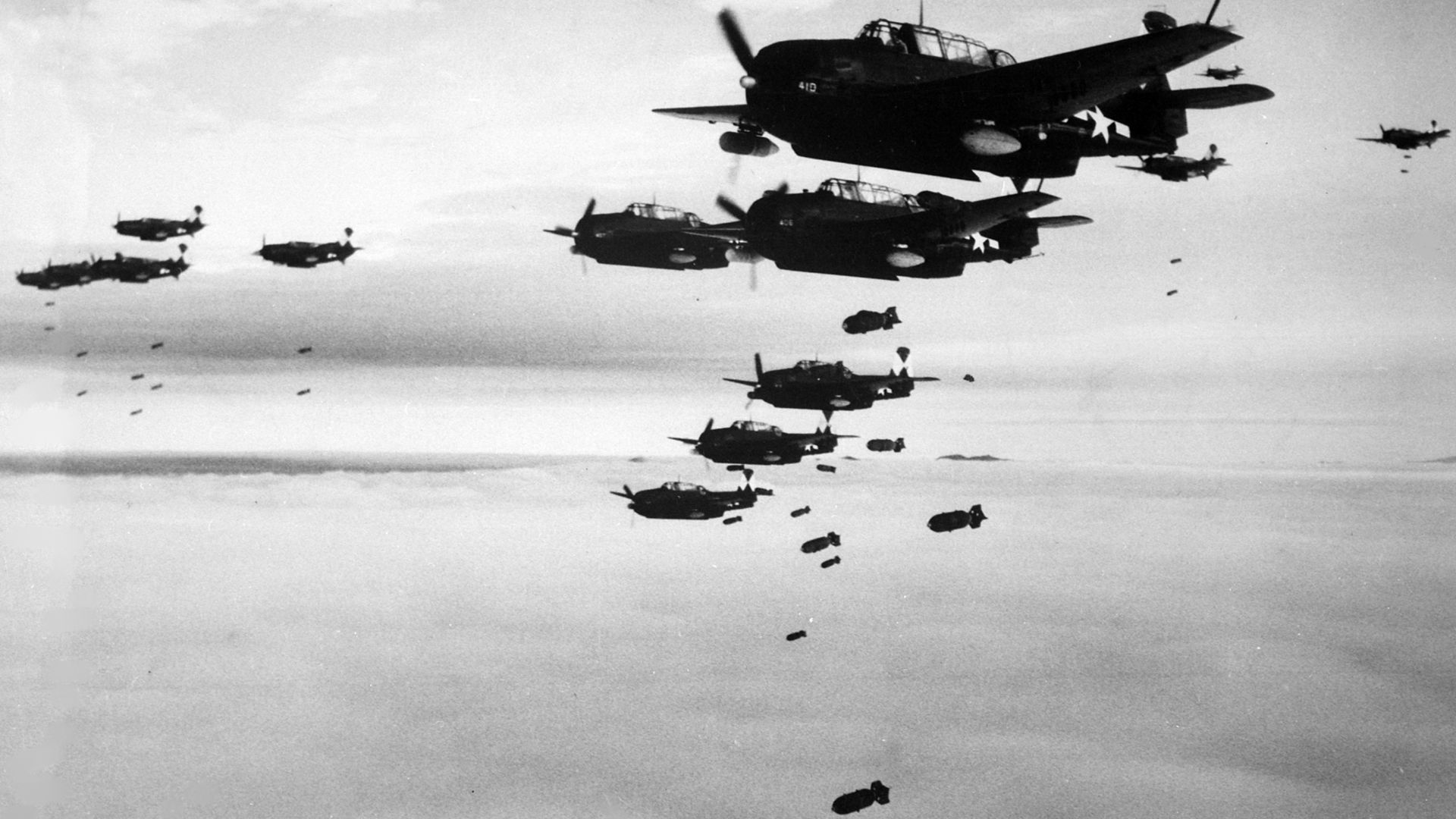
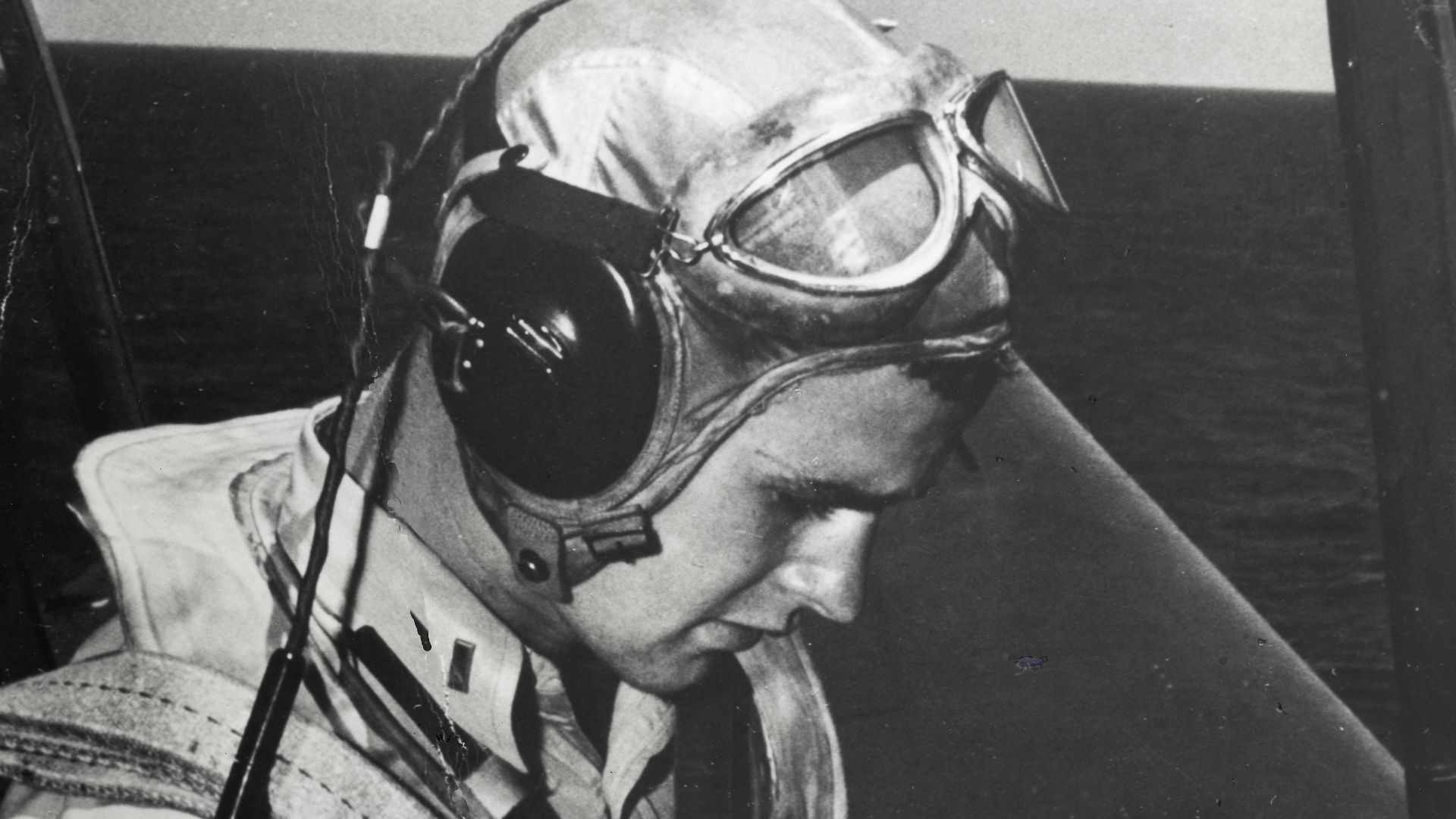
During World War II and its immediate aftermath, navigational technology was far less advanced than it is today. Pilots relied heavily on compasses, dead reckoning, and visual cues. Over open water, especially in poor conditions, disorientation was not an uncommon event, even for experienced aviators.
 William T. Barr, photographers mate, USN, Wikimedia Commons
Instrument Limitations Of The Time
The compasses used in 1945 were prone to errors, especially if they weren’t properly calibrated. Without modern GPS or radar tracking, pilots had major limitations on their ability to confirm their position. A single faulty reading could cascade into a series of compounding incorrect decisions, as likely happened with Flight 19.
New Theories In Recent Years
In the past decade, researchers have revisited the Flight 19 mystery using improved historical analysis and environmental modeling. Most modern theories reinforce the earlier conclusions, emphasizing navigational error, worsening weather, and fuel exhaustion rather than supernatural phenomena tied to the Bermuda Triangle.
 Bermudan_kolmio.jpg: Alphaios derivative work: -Majestic- (talk), Wikimedia Commons
The Role Of Spatial Disorientation
One increasingly discussed factor is something called spatial disorientation. Over featureless ocean landscapes, pilots can completely lose all sense of direction, especially under stress. This phenomenon may have been what contributed to Taylor’s confusion and the squadron’s total inability to correct course despite the ongoing radio communication.
 U.S. Navy (photo 80-G-490232), Wikimedia Commons
Advances In Ocean Mapping
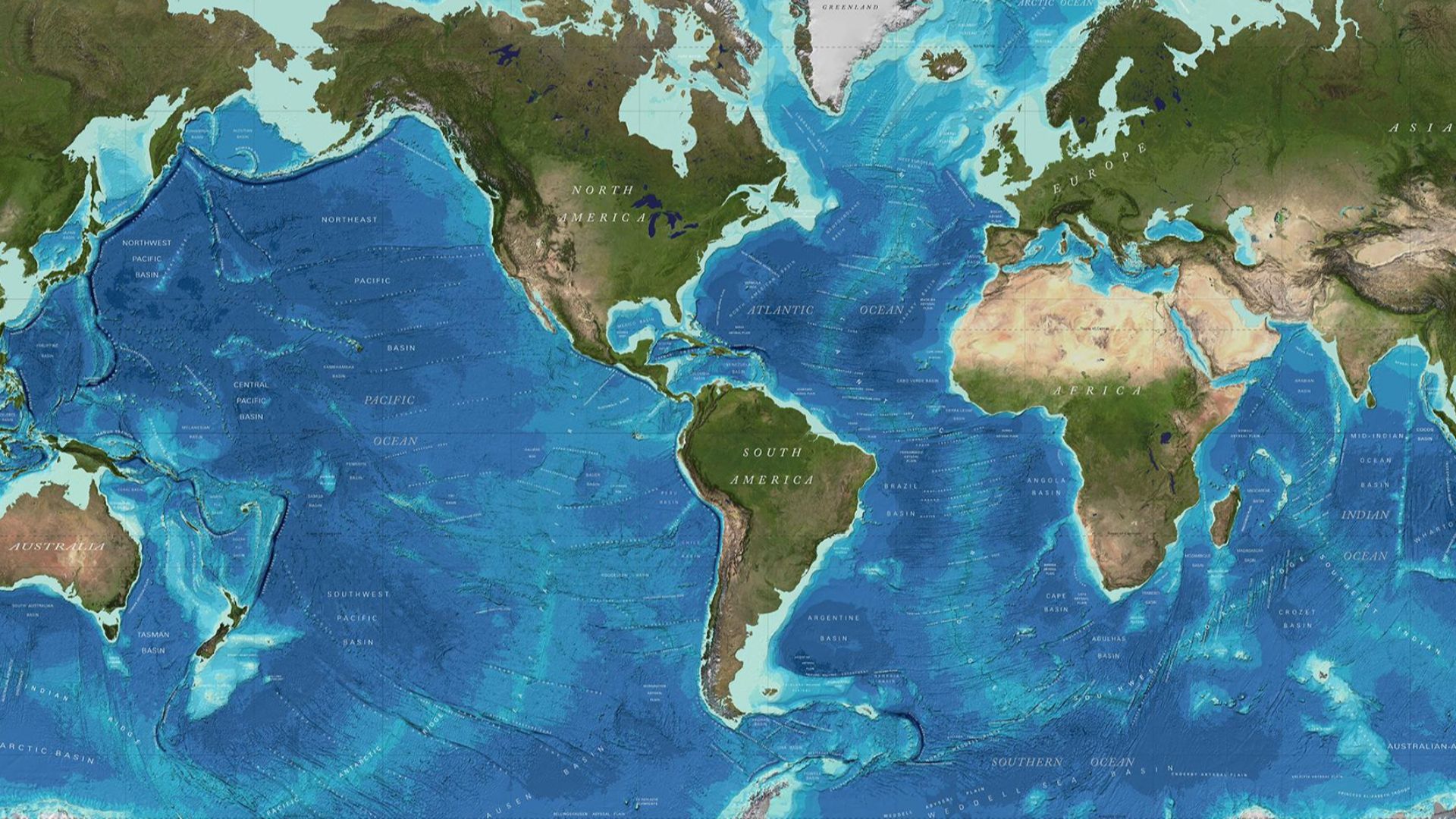
Modern sonar technology and ocean mapping have dramatically improved our seafloor exploration capabilities. Autonomous underwater vehicles and high-resolution imaging systems can detect wreckage that would have been impossible to locate in the 1940s, and this is one thing that offers us hope for a potential discovery of the lost flight and other future discoveries.
 GEBCO world map 2014 (public domain), Wikimedia Commons
Could Flight 19 Still Be Found?
While it’s a challenge, it’s still possible that the wreckage of Flight 19 could one day be located. Advances in deep-sea exploration have already led to the discovery of long-lost shipwrecks and aircraft. However, the search area is vast, and precise coordinates of where they went down are still unknown.
Lessons Learned From The Incident
Flight 19 showed the dangers of overwater navigation and the importance of reliable instruments and training. The tragedy led to improvements in aviation safety, including better navigation systems, standardized procedures, and updated communication protocols.
Separating Myth From Reality
Although the Bermuda Triangle continues to mesmerize public imagination, most experts have formed a consensus that Flight 19’s disappearance can be explained by known factors. Human error, environmental conditions, and technological limitations are more than enough to offer a grounded and evidence-based understanding of the event.
The Enduring Power Of Mystery
Despite logical explanations, the story of Flight 19 persists because of its unanswered questions. The lack of physical evidence will always leave room for speculation. Into this vacuum rush experts and amateurs alike to take part in a wide-ranging discussion involving history, science, and popular culture in the unending search for answers.
 Unknown authorUnknown author, Wikimedia Commons
Tragedy Remembered
Ultimately, the disappearance of Flight 19 was a human tragedy involving the shocking loss of 27 lives. While myths and theories abound and continue to evolve, the event is a lesson in the risks faced by aviators and the importance of ongoing advances in safety and navigation technology.
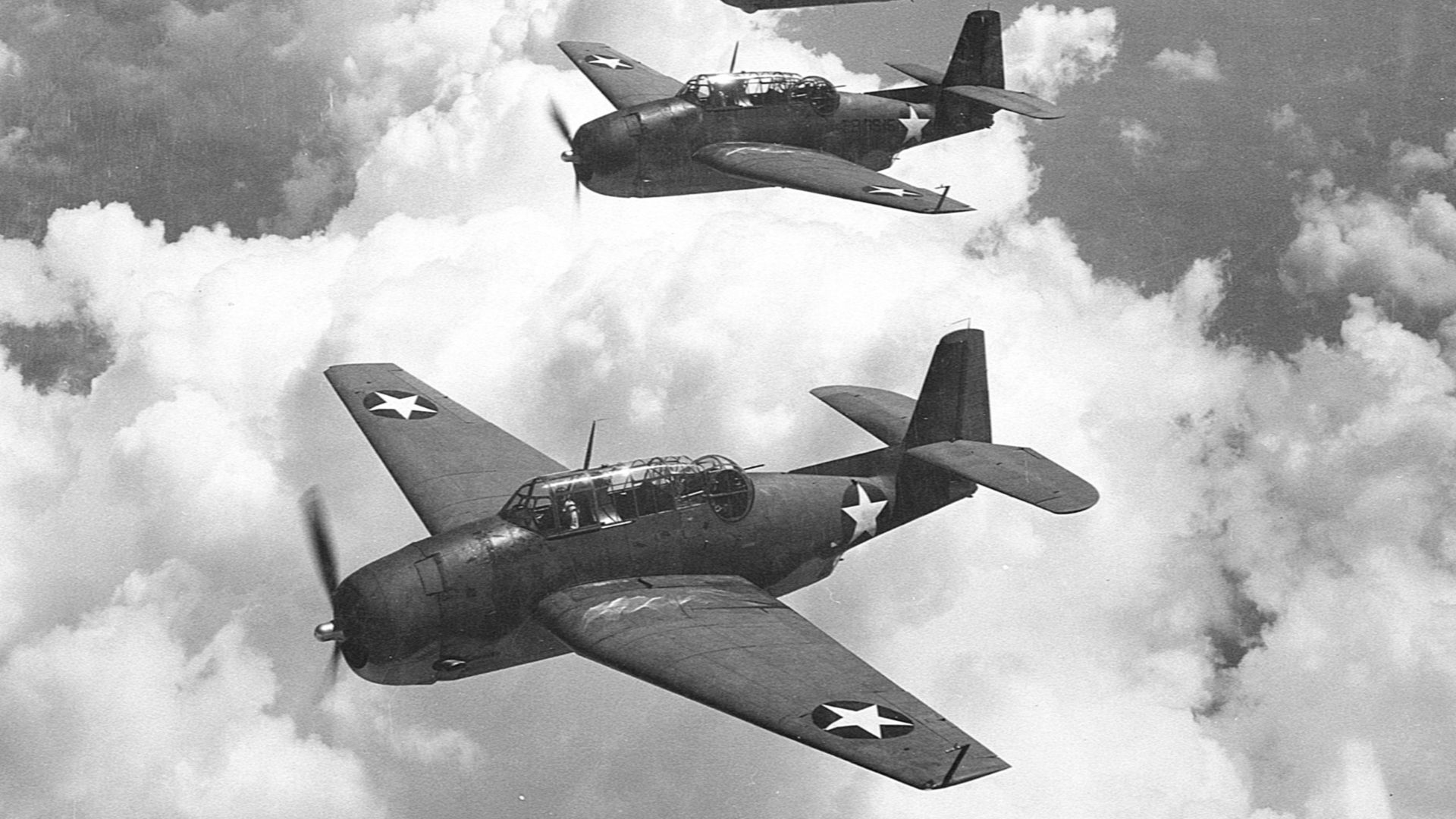 Lt. Comdr. Horace Bristol, U.S. Navy photo 80-G-427475, Wikimedia Commons
You May Also Like:
Eerie Facts About The Spookiest Places On Earth