

No Room For Ordinary
The ancient Egyptians didn't really do understatement. Whether they were building monuments or crafting everyday objects, everything seemed designed to impress. Even their smallest creations have a way of commanding attention, revealing new details the longer you stare at them.
 Gorodenkoff, Shutterstock Images
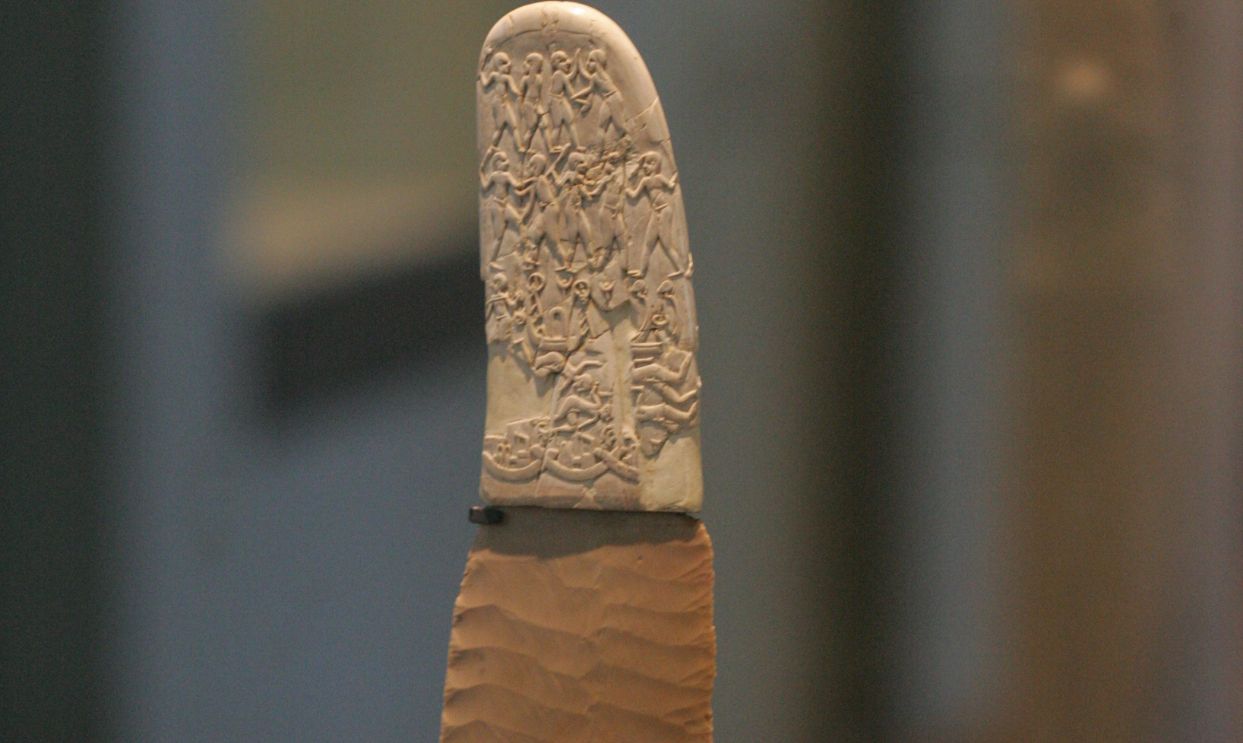
Gebel El-Arak Knife
The Gebel El-Arak Knife, dated around 3400 BCE, marries war with art. Its ivory handle bursts with imagery—Mesopotamian-style combat scenes and lions wrangling with warriors. That’s not something your average dagger pulls off. It blends Egyptian and foreign artistic elements, suggesting early cultural exchanges long before the pyramids rose.
 Louvre Museum, CC BY-SA 2.0 FR, Wikimedia Commons
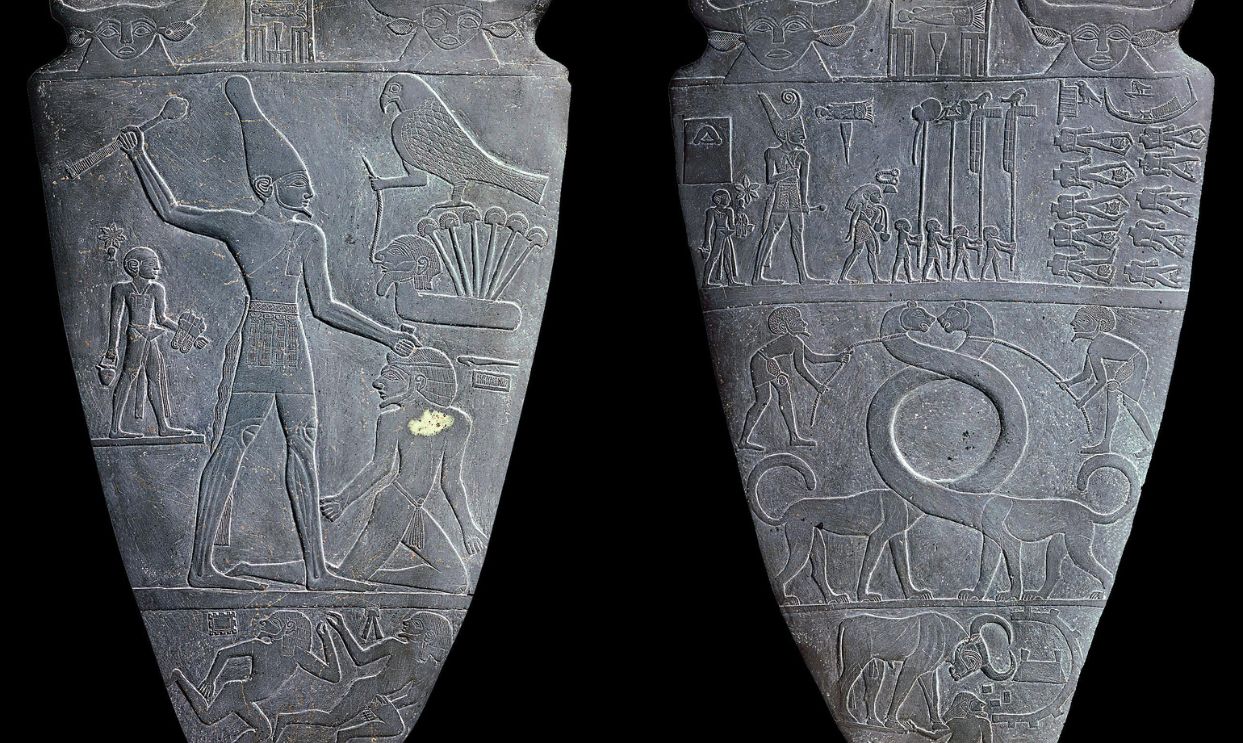
Narmer Palette
Think of it as Egypt’s original press release. Carved around 3100 BCE, this two-sided siltstone slab celebrates Narmer, the king who likely unified Upper and Lower Egypt. With symbolic force, he’s shown smiting his enemy on one side and marching in a regal procession on the other.
 Egyptian Museum, Wikimedia Commons
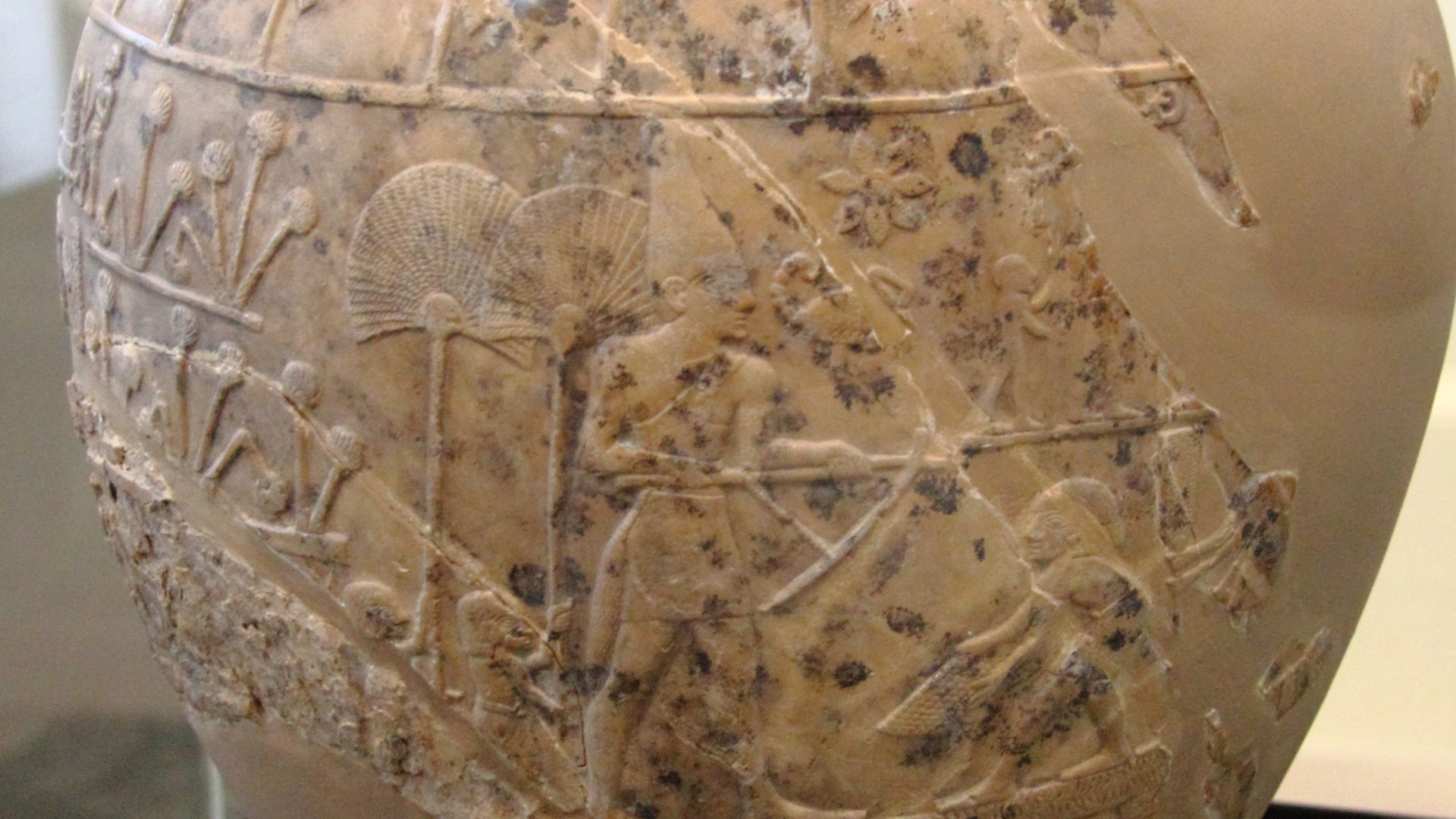
Scorpion Macehead
King Scorpion II’s ceremonial macehead, unearthed in Hierakonpolis, depicts the ruler with a gardening tool, possibly inaugurating a canal. Now, that’s symbolic governance. Rich with iconography—white crown, rows of standard bearers, falcons—it sets the template for centuries of royal imagery.
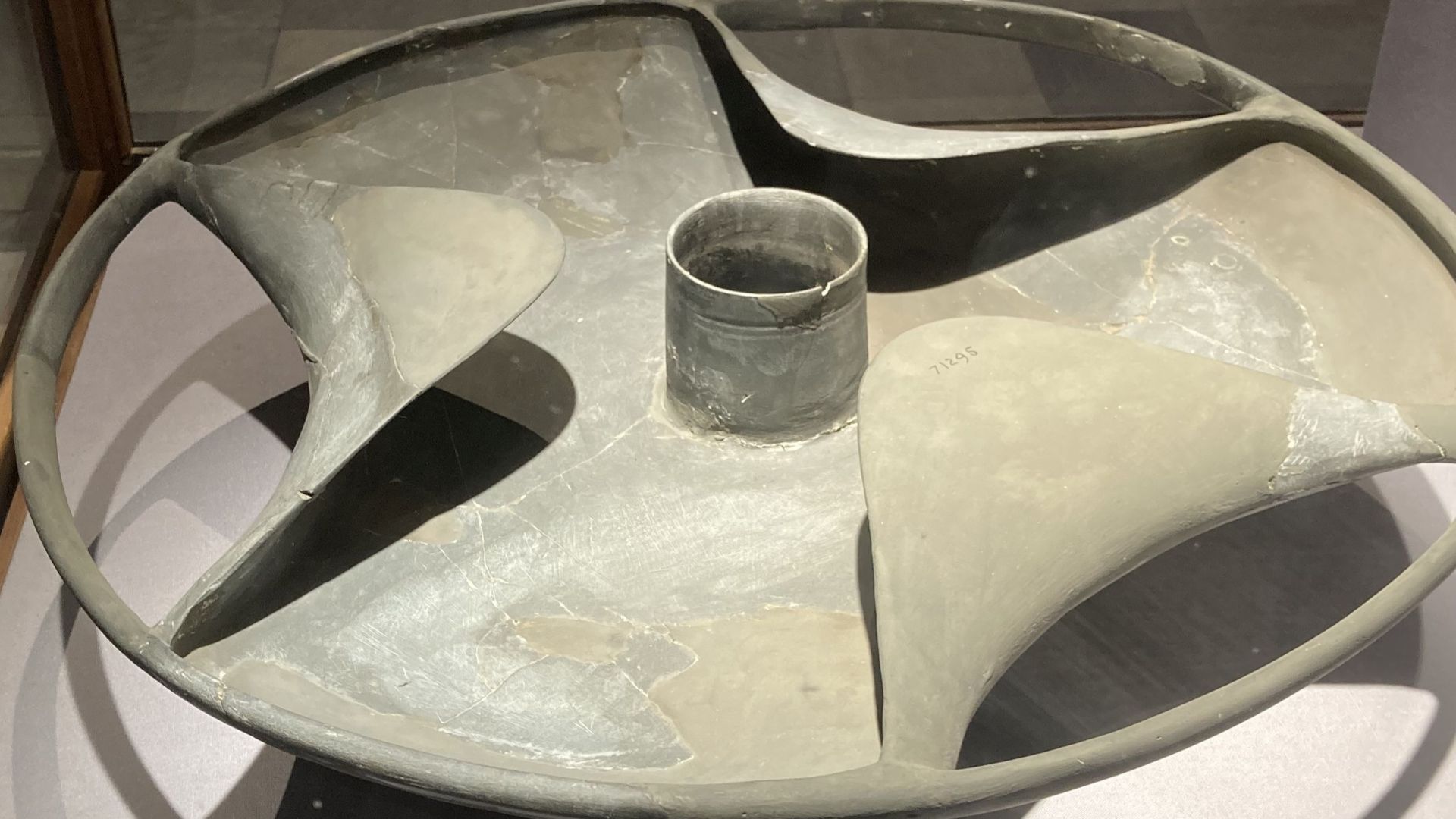
Sabu Disk
Cut from schist around 3000 BCE, this object looks eerily modern. Scholars scratch their heads: ceremonial, utilitarian, or just decorative? Its symmetrical, curved design reveals a refined mastery over brittle stone. Found in the tomb of Prince Sabu, it hints at technological prowess you wouldn’t expect from pre-dynastic artisans.
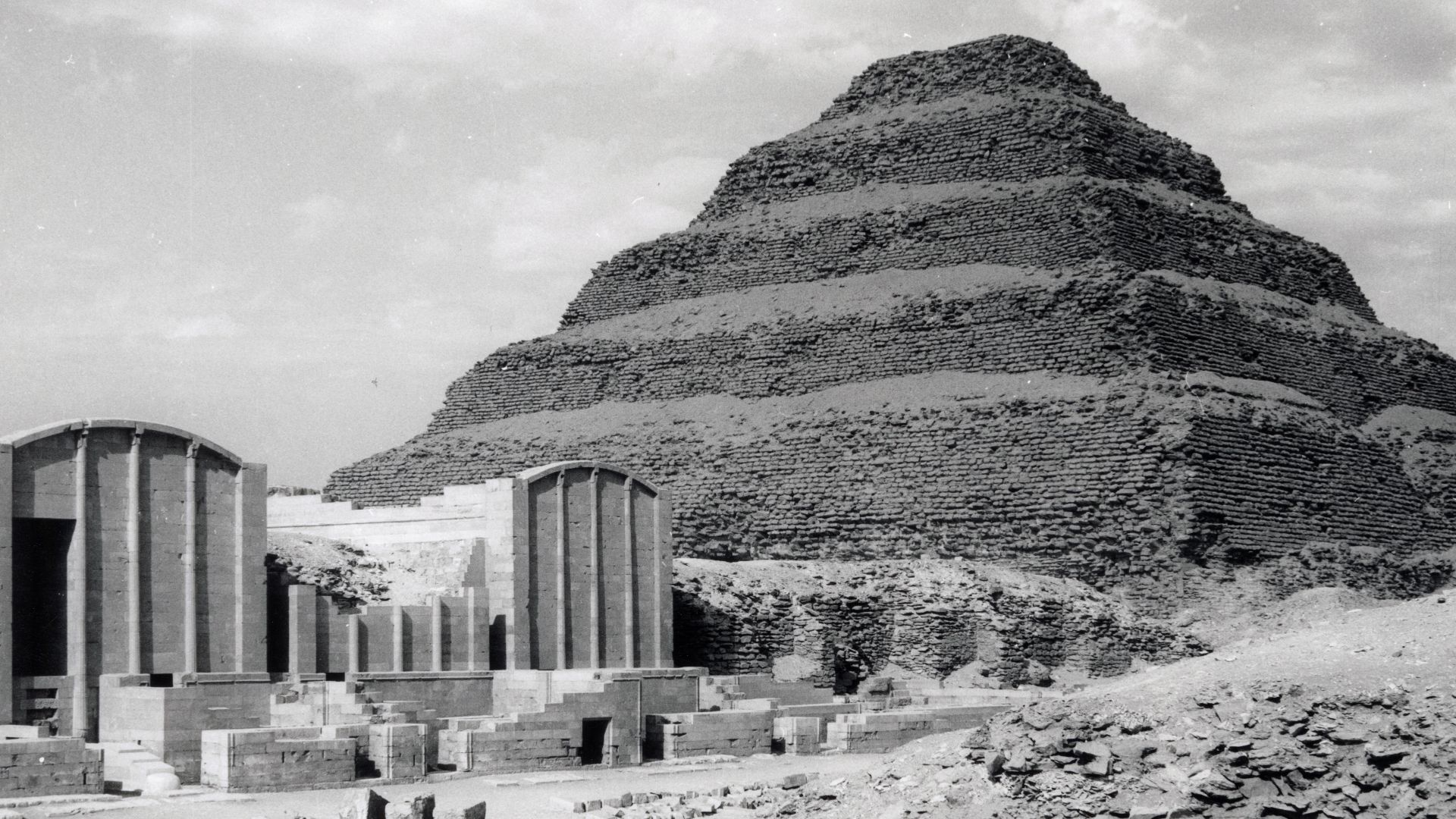
Djoser’s Step Pyramid
What starts as a stack becomes a statement. Designed by Imhotep, the Djoser’s Step Pyramid marked Egypt’s leap from mudbrick to limestone. Layered like a cake, each “step” lifted the soul closer to the gods. And here’s the kicker: it kicked off the entire pyramid-building trend.
 Marco Chemello (WMIT), Wikimedia Commons
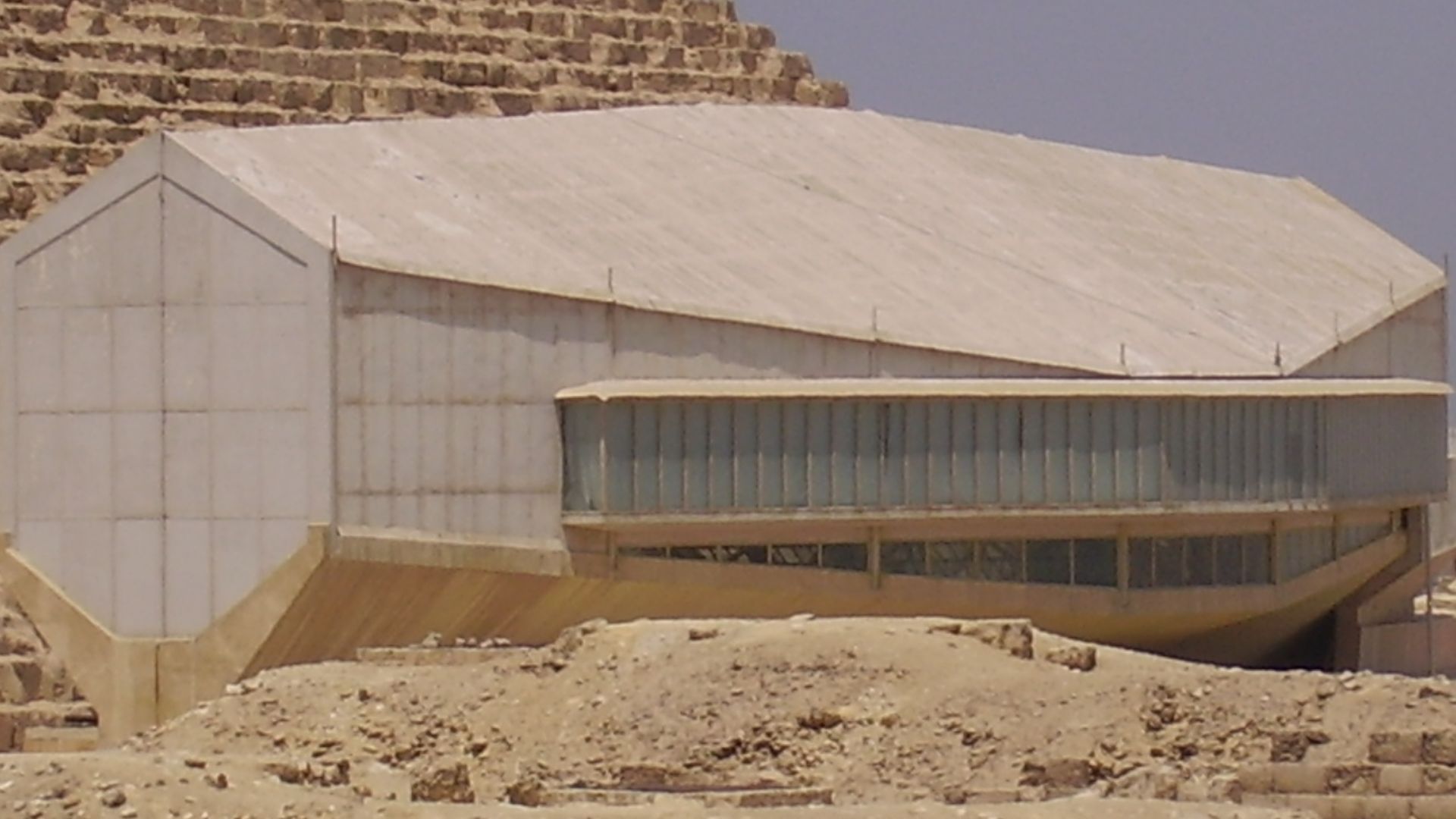
Khufu’s Solar Boat
Buried next to the Great Pyramid, the Khufu Solar Boat stretches 144 feet of cedar and still smells faintly of divine intent. Crafted around 2500 BCE, it was meant to carry the pharaoh through the heavens with Ra, the sun god. Builders used no nails, just ropes and pegs.
Khafre Enthroned Statue
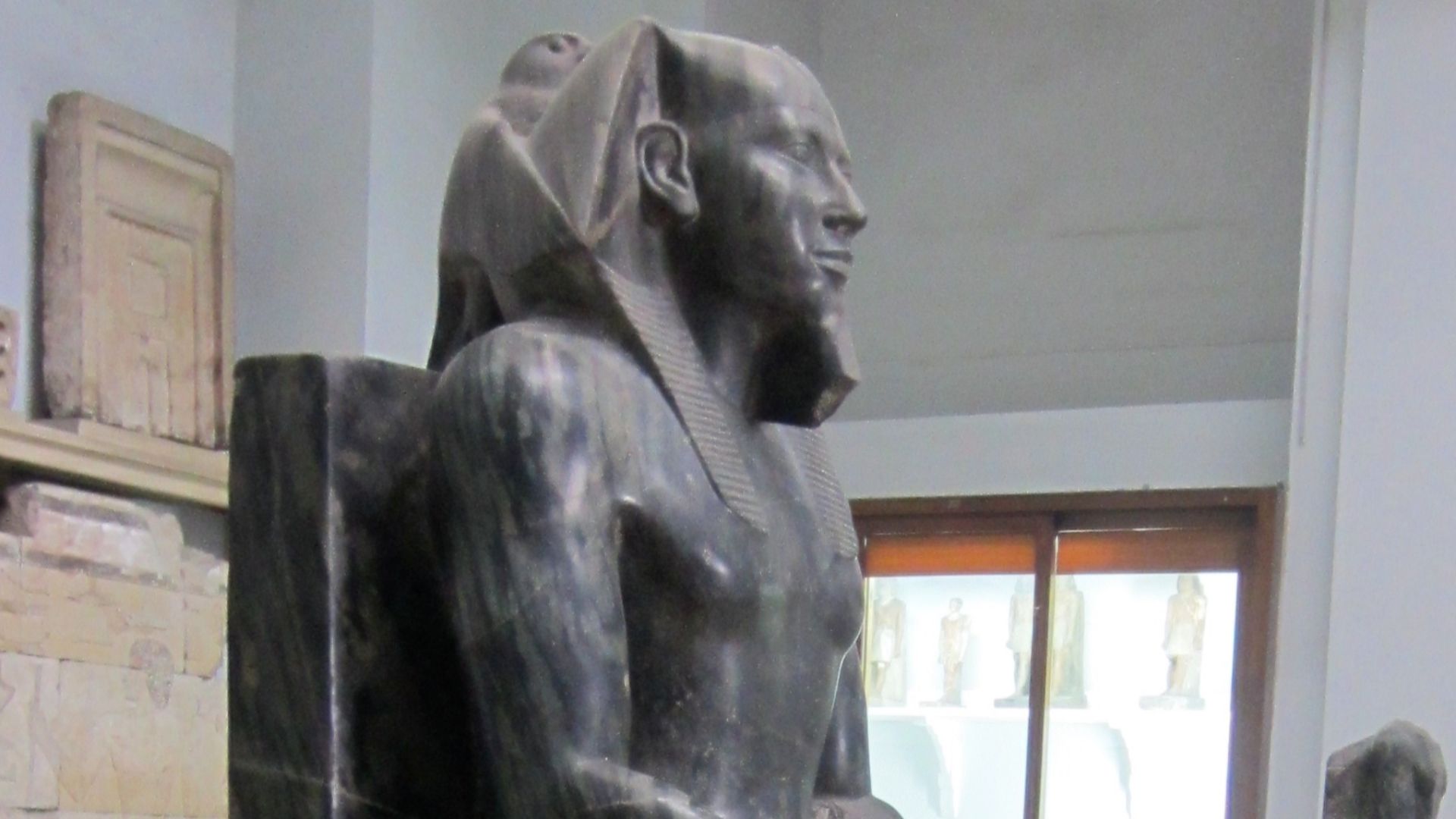
With his piercing gaze and near-perfect symmetry, Khafre looks every bit the god-king he was meant to be. Carved around 2570 BCE, this iconic statue was discovered in the valley temple of his pyramid complex. Behind his head, the falcon god Horus spreads protective wings, reinforcing Khafre's divine authority. From the carefully sculpted muscles to the throne adorned with papyrus and lotus plants—symbols of a united Egypt—every detail was designed to project power, order, and permanence.
Great Sphinx Of Giza
Lion’s body, human face. Built to intimidate or protect? Probably both. The Great Sphinx, sculpted around 2500 BCE, crouches at 240 feet long and whispers secrets of Khafre—or perhaps Khufu. Theories abound. Despite the erosion, its expression endures, challenging you to guess its purpose.
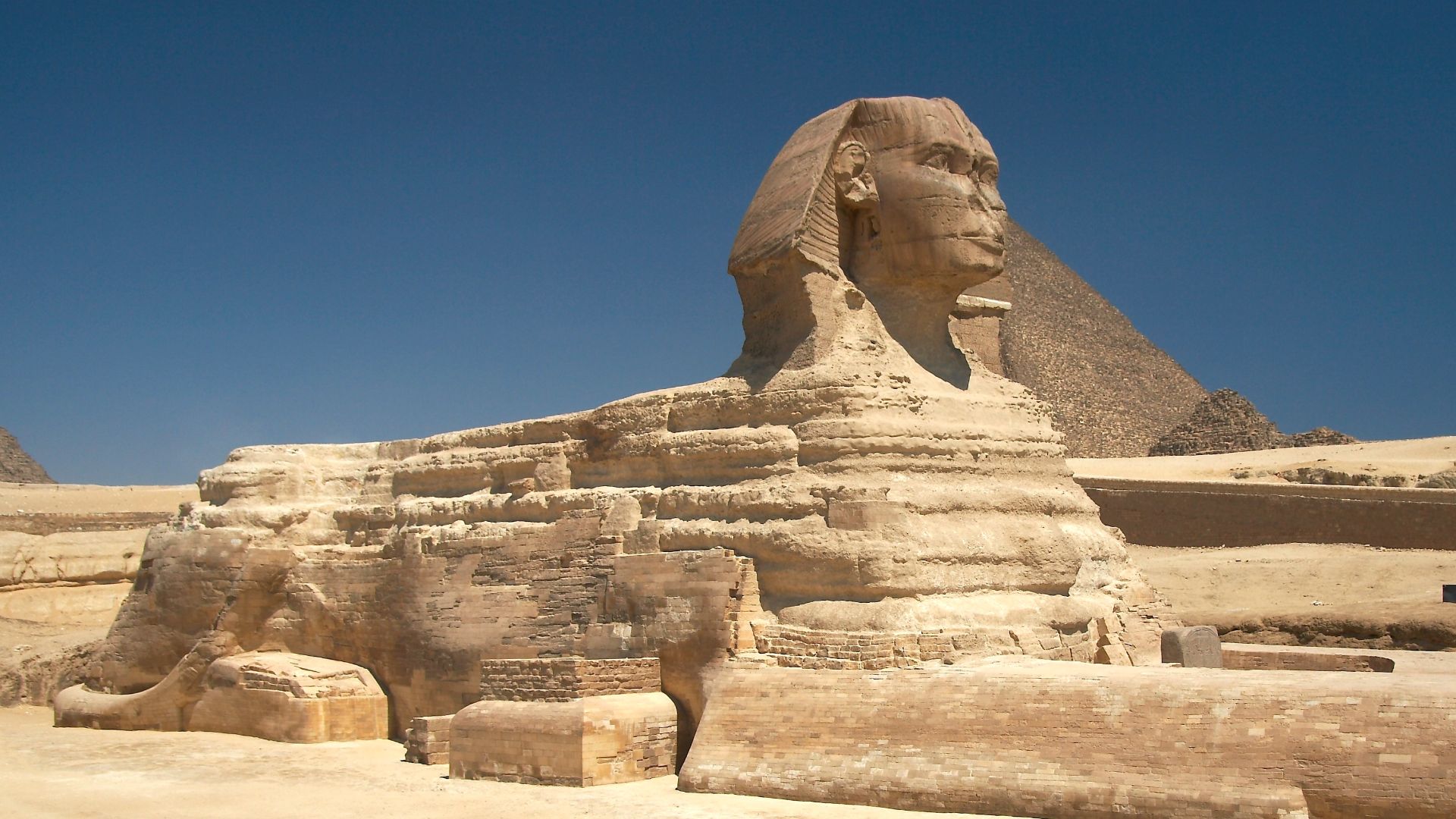 Taken by the uploader, w:es:Usuario:Barcex, Wikimedia Commons
Menkaure And Queen Khamerernebty II Statue
Side by side, shoulder to shoulder, this double statue from 2490 BCE breaks the mold. Pharaoh Menkaure stands strong, fists clenched, while his queen gently rests her arm around him. Scholars believe this piece fused political might with marital harmony, something seldom shown in rigid Egyptian art.
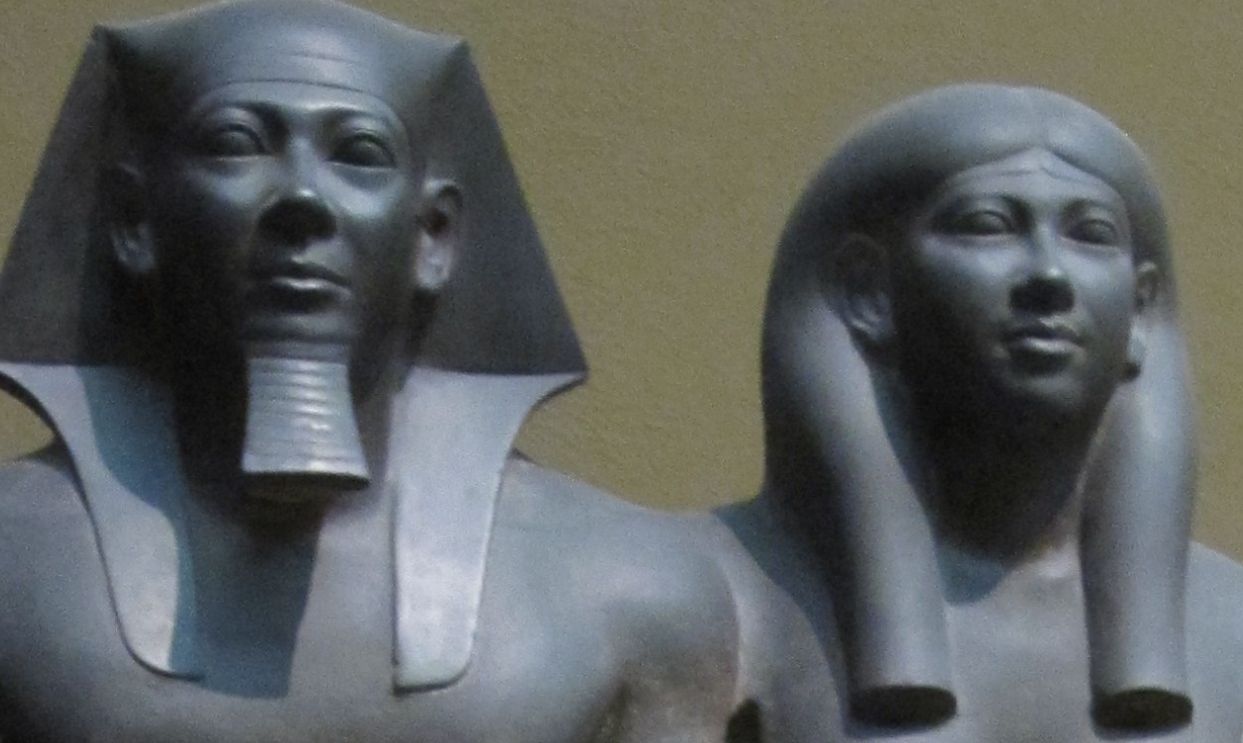 Unknown carver. Photo by Jen, CC BY-SA 3.0, Wikimedia Commons
Seated Scribe Statue
Forget marble Adonises—this guy has belly folds, crossed legs, and a gaze that follows you. The Seated Scribe humanizes a figure typically overlooked. His eyes, inlaid with rock crystal and copper, glitter with intelligence. Found near Saqqara, carved around 2400 BCE, the statue represents literacy’s power in the kingdom.
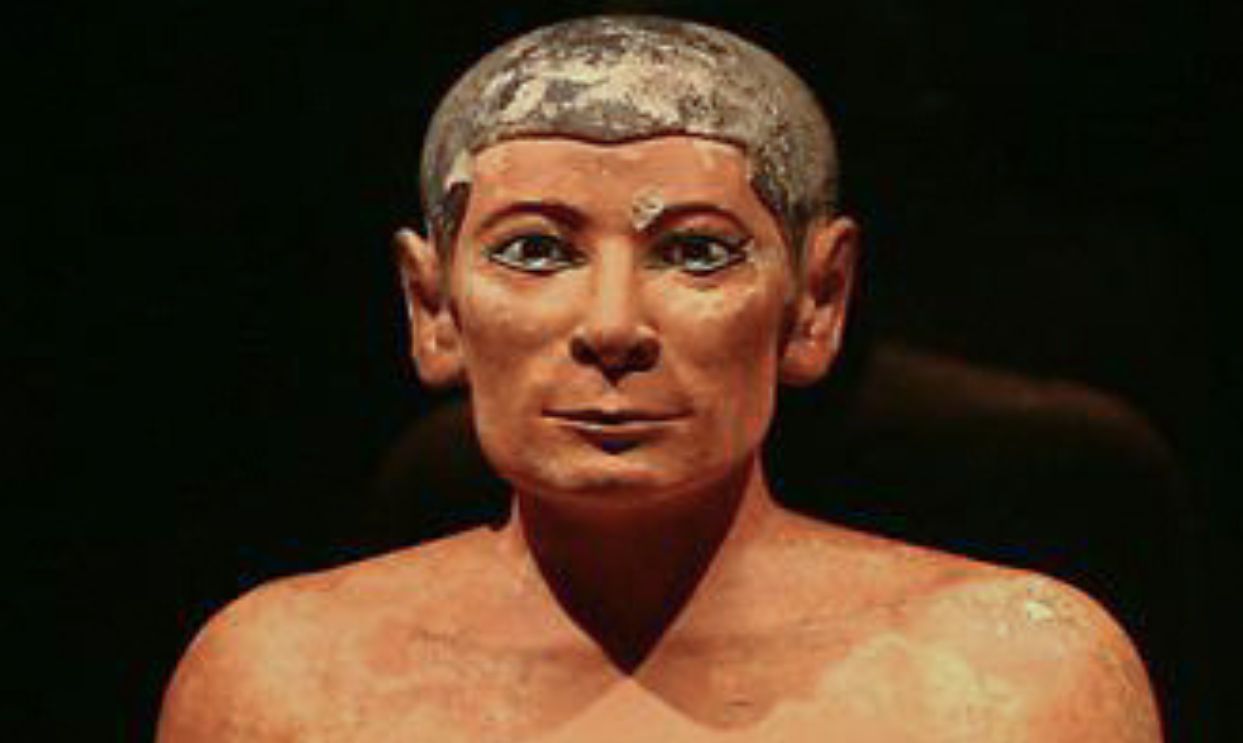 Louvre Museum, CC BY-SA 2.0, Wikimedia Commons
Senusret III’s Colossal Statue
This Middle Kingdom ruler’s granite colossus, dating around 1850 BCE, shows a pharaoh worn by duty. Forget serene idealism; here’s emotional realism. His eyes seem haunted, maybe by war, maybe by wisdom. You’ll notice the broad shoulders and powerful build, but look closer: that face tells another story.
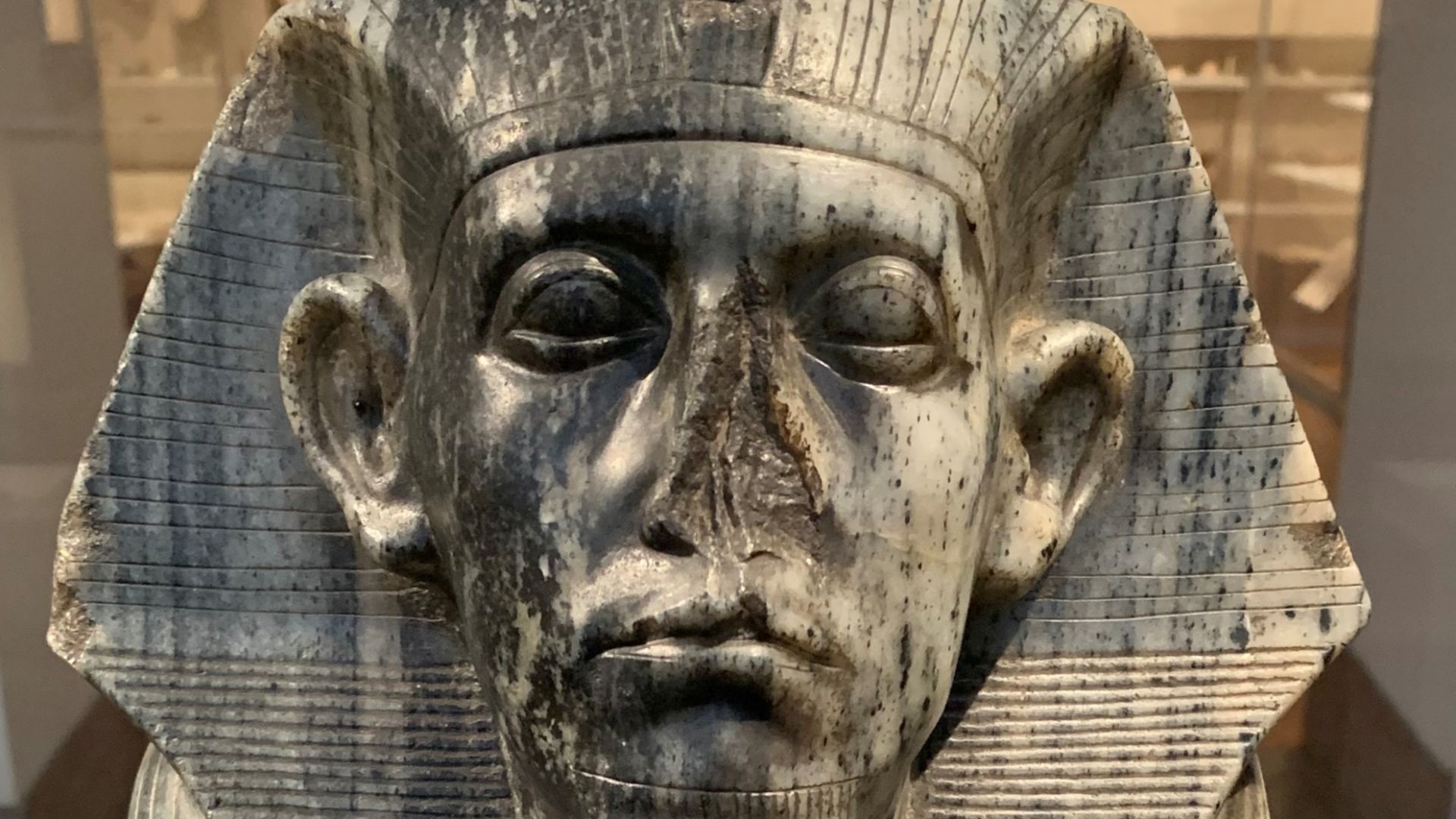 EditorfromMars, Wikimedia Commons
Pectoral Of Mereret
The Pectoral of Princess Mereret, forged in the 12th Dynasty, glows with gold, carnelian, and turquoise. It’s compact, maybe palm-sized, but its meaning towers. Cartouches, cobras, falcons; it’s all here, embedded in filigree so fine it looks laser-cut. This isn’t just jewelry. It’s a political symbol and a fashion flex.
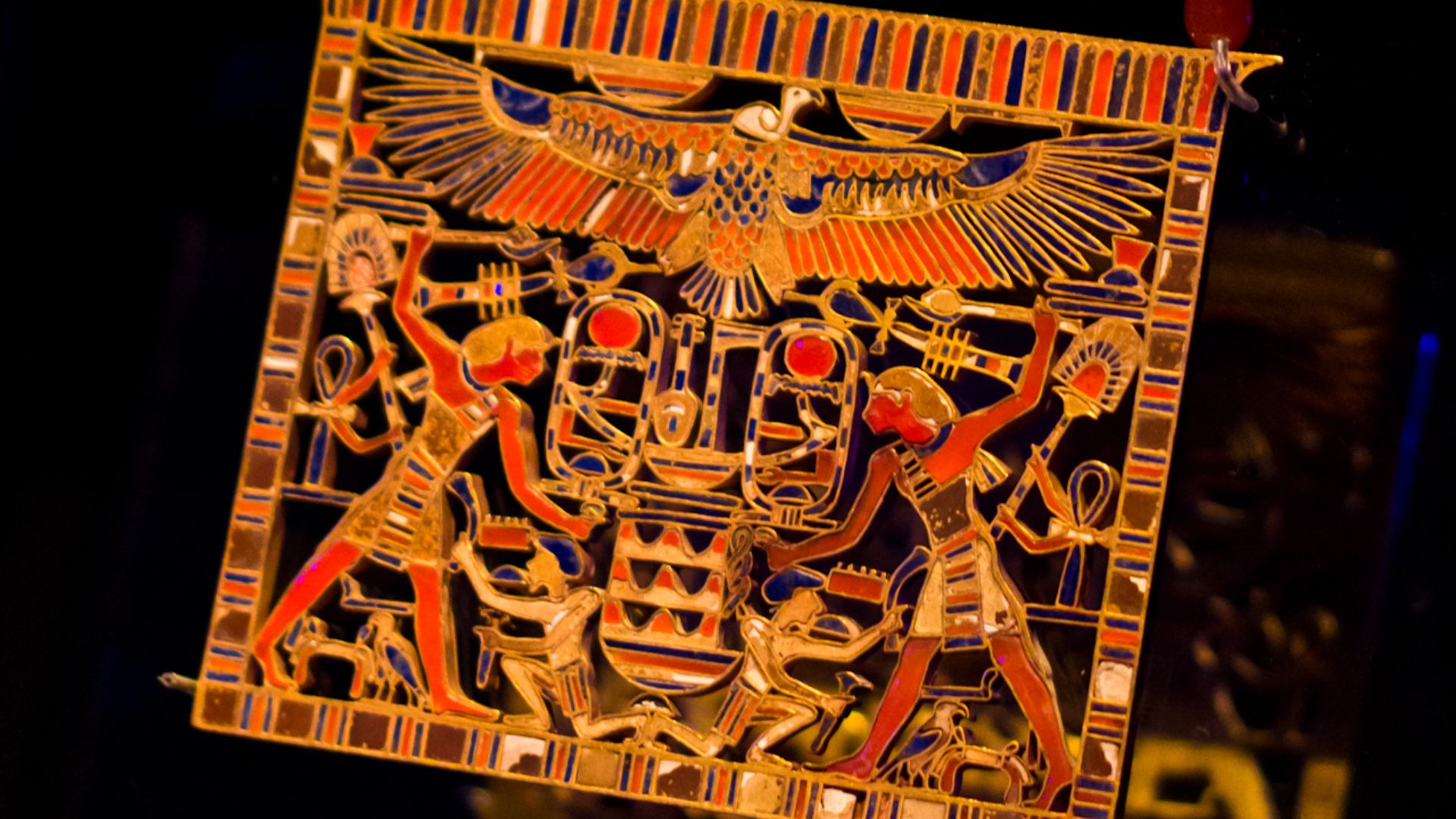 ddenisen (D. Denisenkov), Wikimedia Commons
Coffin Of Khnum-Nakht
This one’s got stories layered. The wooden coffin of Khnum-Nakht, from around 1800 BCE, bursts with painted gods and geometric borders. The priest inside is part of the “Two Brothers” mystery—a famous case in ancient DNA. But the box alone deserves the spotlight. Every inch spells identity and elite status.
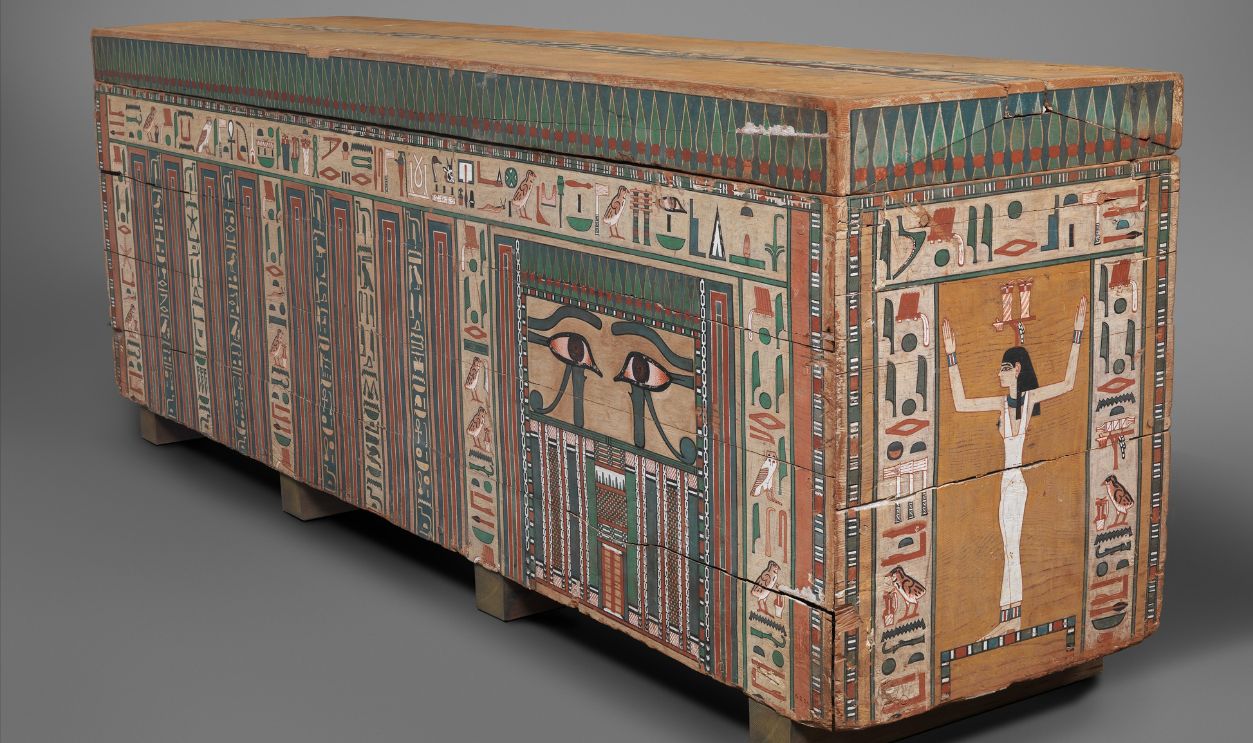 Metropolitan Museum of Art, CC0, Wikimedia Commons
Canopic Jars Of Senebtisi
These four alabaster canopic jars weren't decorative containers—they were an essential part of Lady Senebtisi's journey to the afterlife. Crafted during Egypt's 12th Dynasty, each jar protected one of her preserved organs: the liver, stomach, intestines, or lungs. Standing guard were the Four Sons of Horus, represented by lids carved into distinctive forms—a jackal, a human, a baboon, and a falcon. Together, they transformed a practical burial custom into a striking display of religious belief and artistry.
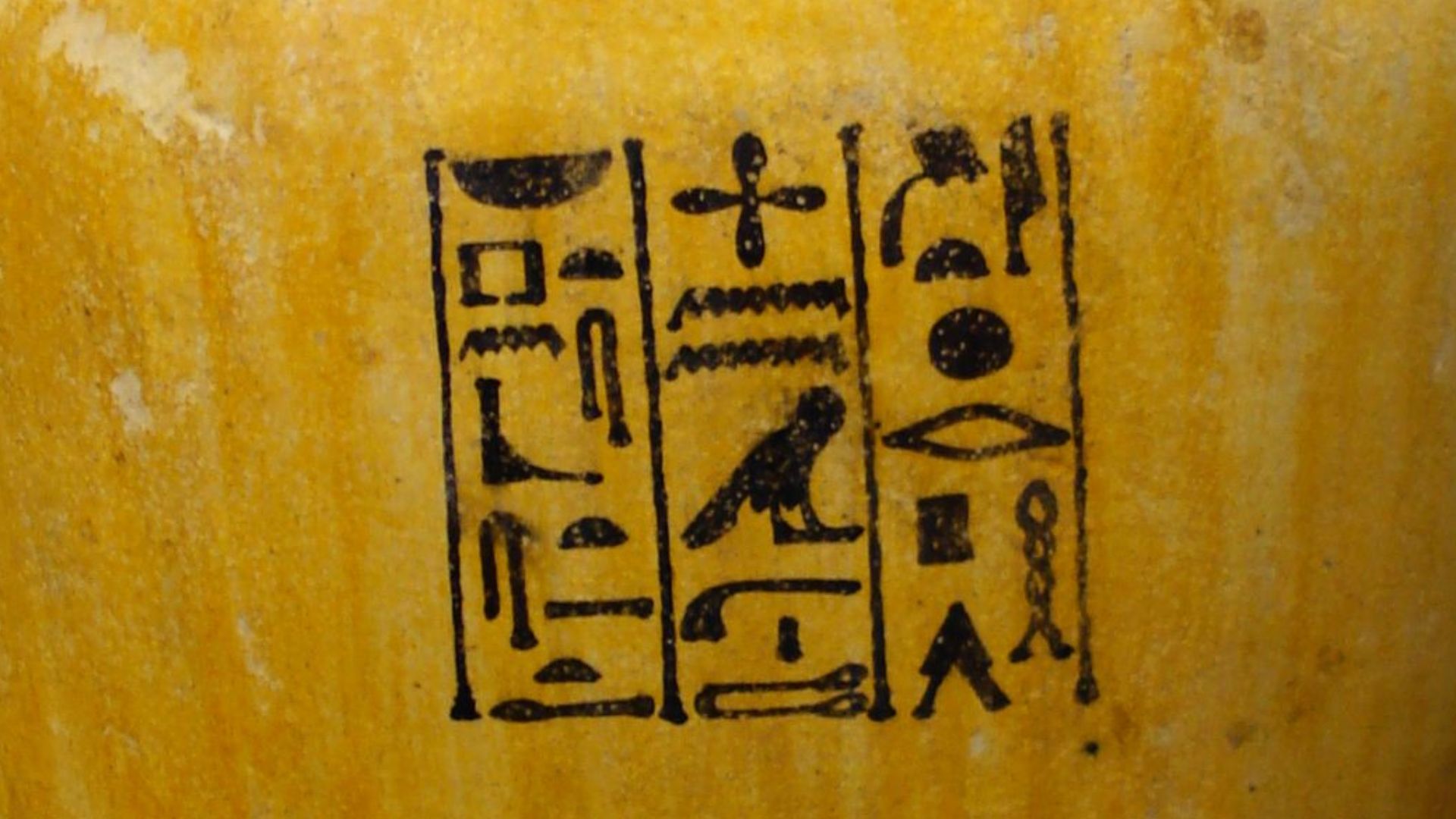 One dead president, Wikimedia Commons
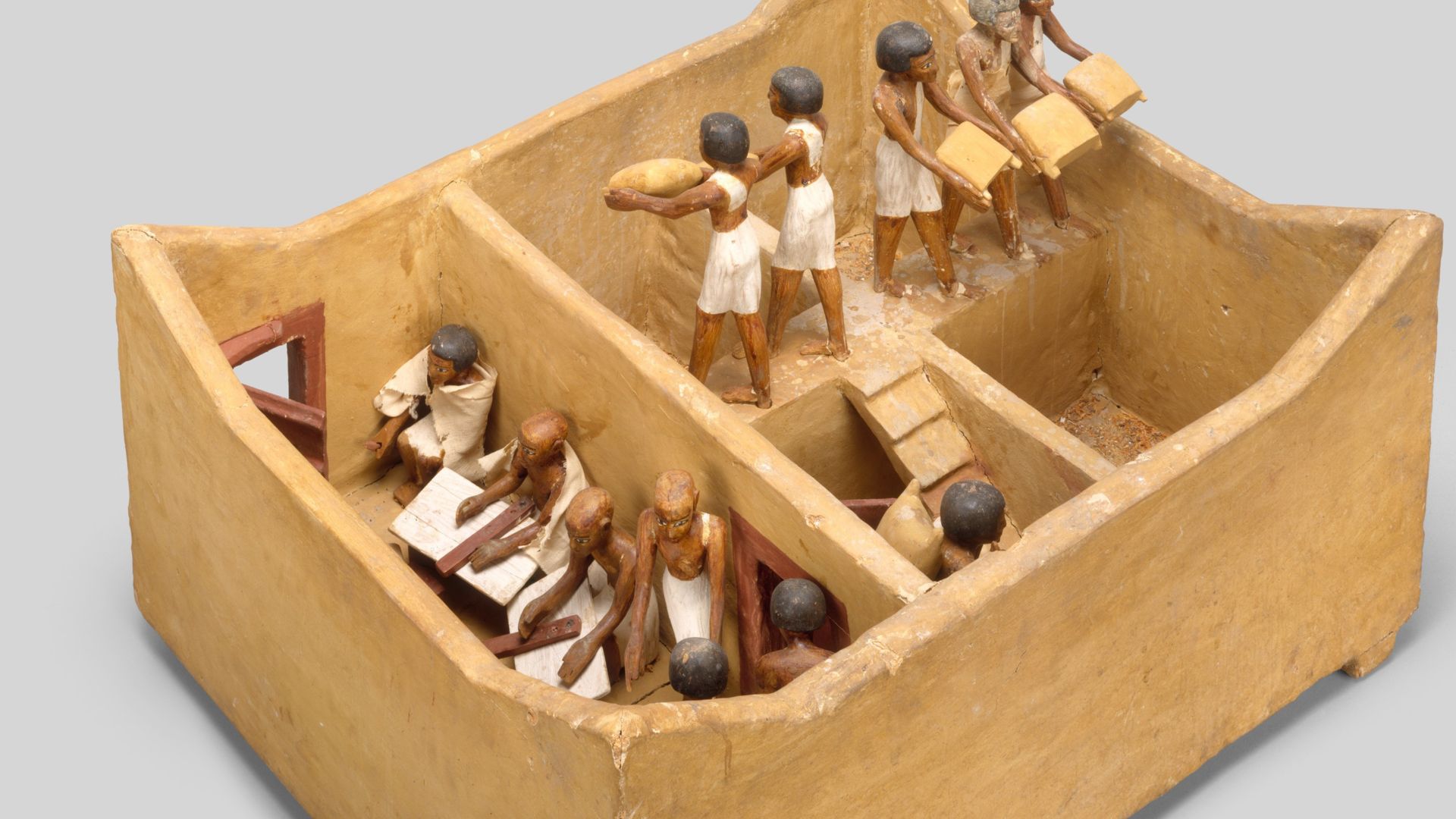
Wooden Model Of A Granary
This painted wooden model, tucked in Middle Kingdom tombs, served a magical function: feeding your spirit in the afterlife. It shows workers hauling sacks and even door guards—basically, a tiny bureaucratic utopia in 3D. Egyptians believed that if you had a model, the real thing would exist beyond death.
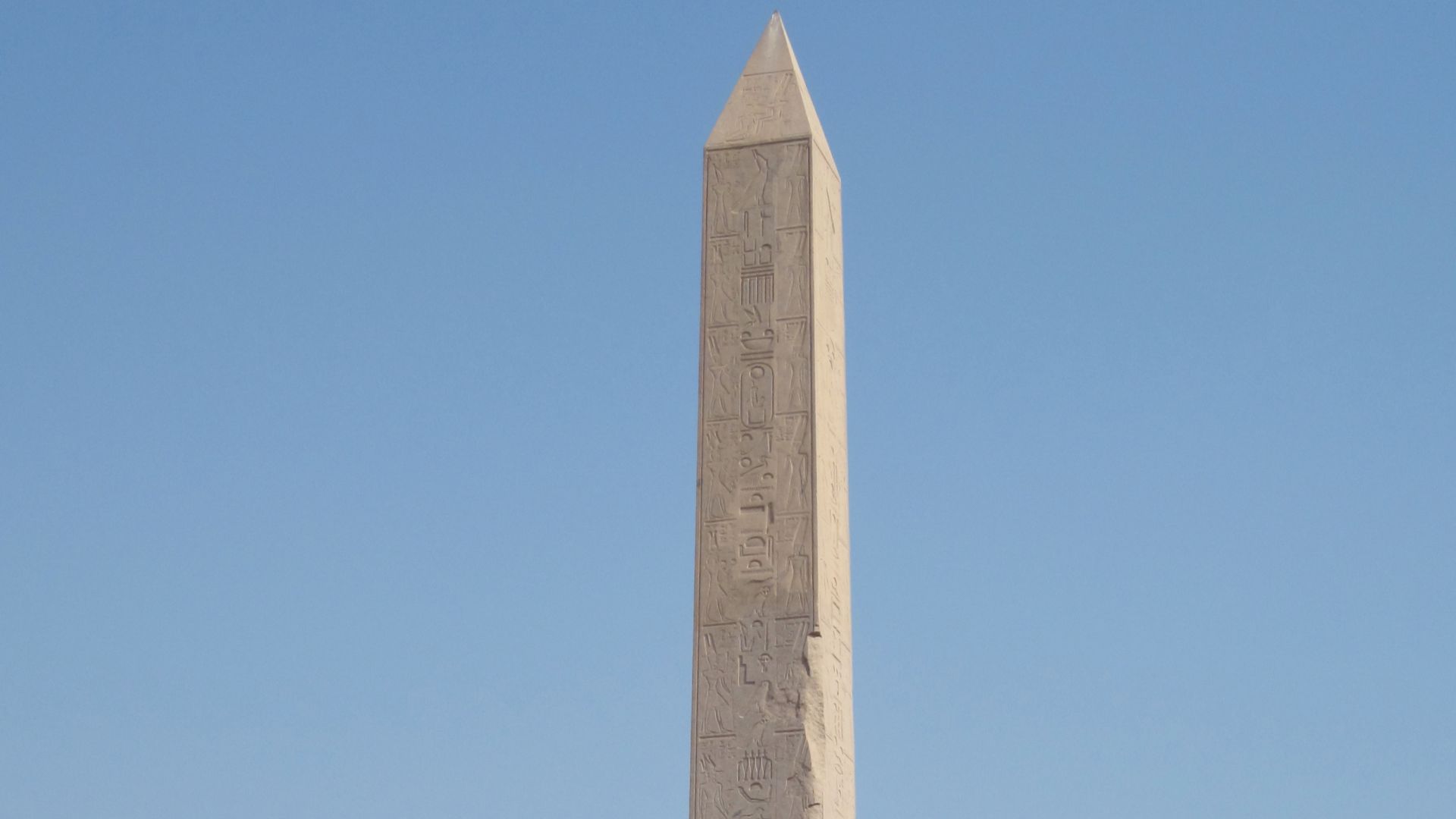
Hatshepsut’s Obelisks
Towering elegance carved in pink granite, Hatshepsut’s obelisks at Karnak were bold declarations. “I did this as a woman,” they scream silently. One still stands tall, over 97 feet, the tallest from antiquity. Hieroglyphs run vertically like divine emails to Amun.
 Olaf Tausch, Wikimedia Commons
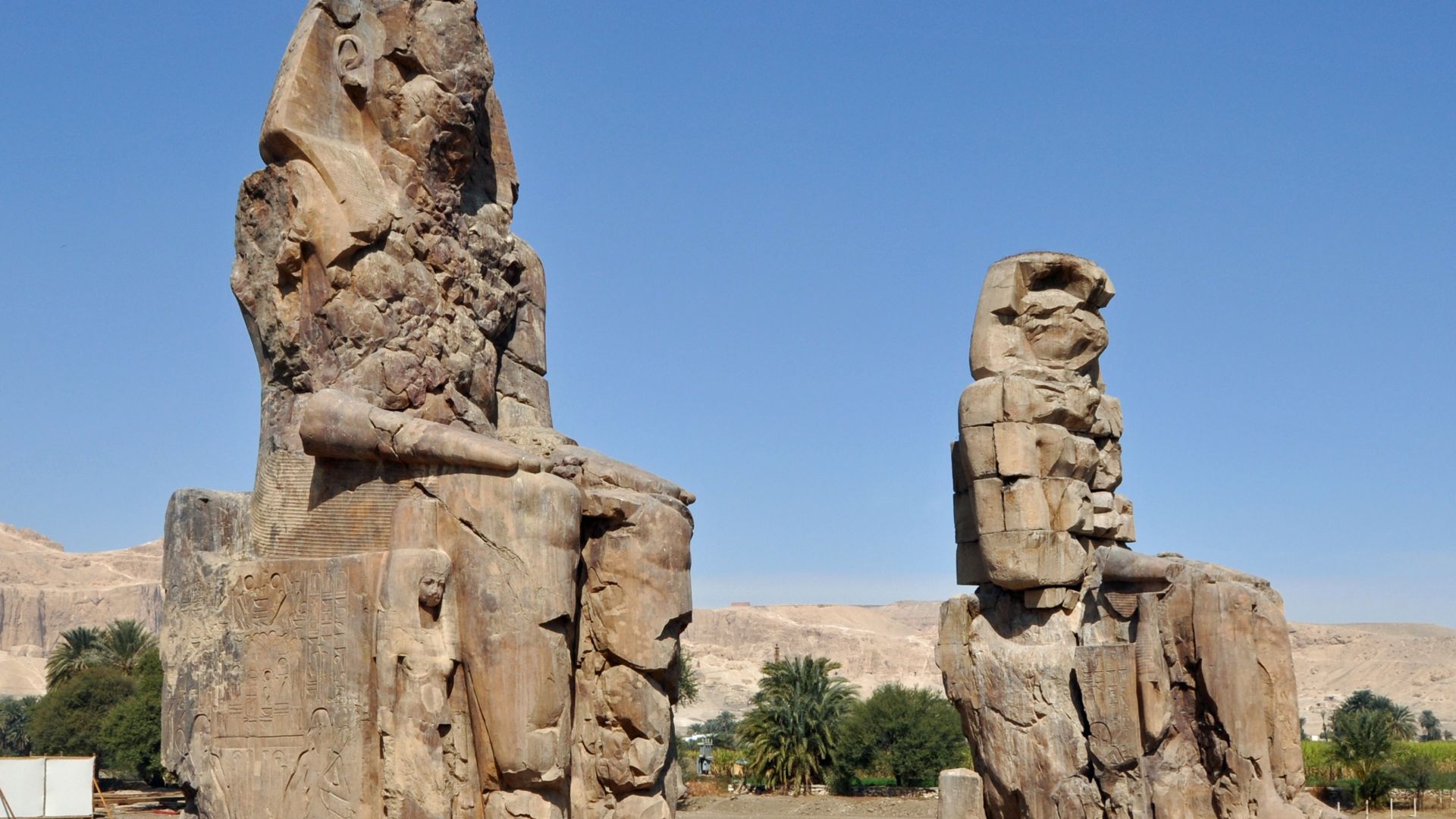
Colossi Of Memnon
Guarding the Theban necropolis, these twin statues of Amenhotep III stretch 60 feet high. Built around 1350 BCE, they once fronted a massive mortuary temple, now mostly gone. One famously “sang” at dawn, emitting whistling sounds due to heat-cracked stone. Tourists flocked for the miracle; Roman emperors left graffiti.
 Marc Ryckaert (MJJR), Wikimedia Commons
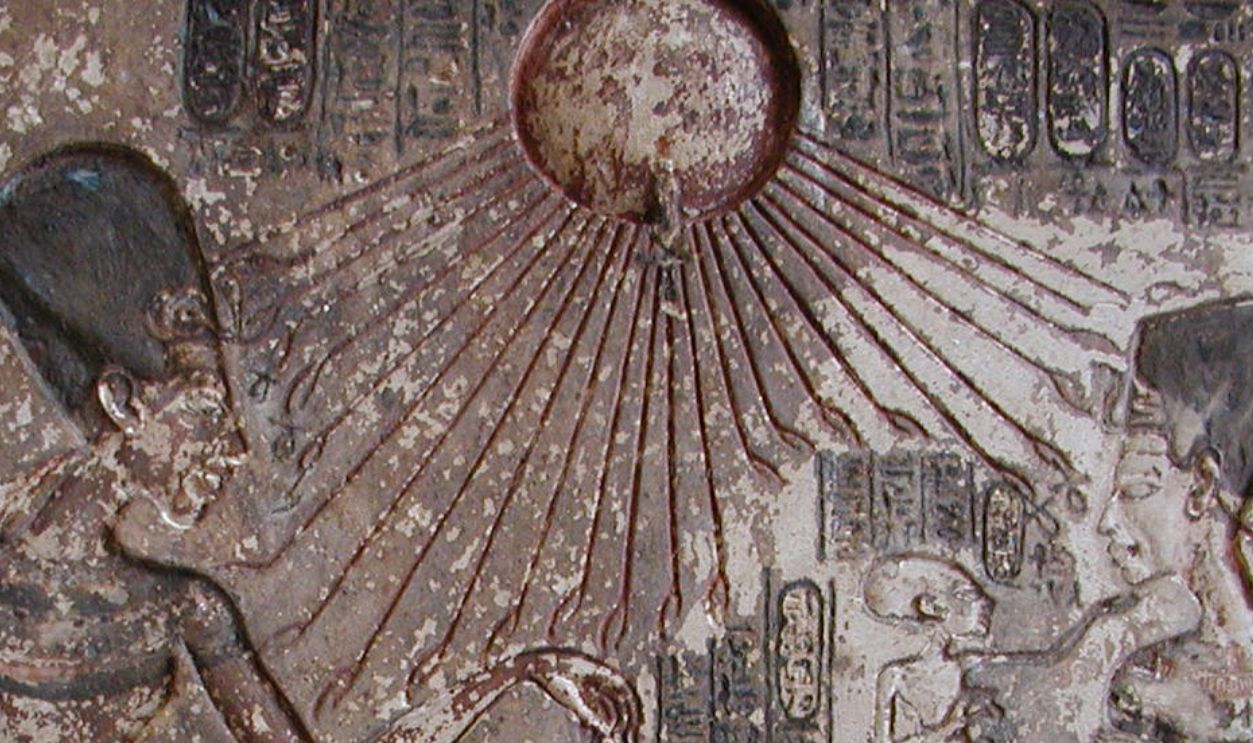
Akhenaten’s Stelae
Akhenaten’s boundary stelae at Amarna break the mold. The king’s chin is long, his stomach paunchy, and the sun disc Aten beams down with fingers instead of rays. These redrew religion and self-image. Planted to mark his experimental capital, each stone buzzes with theological revolution.
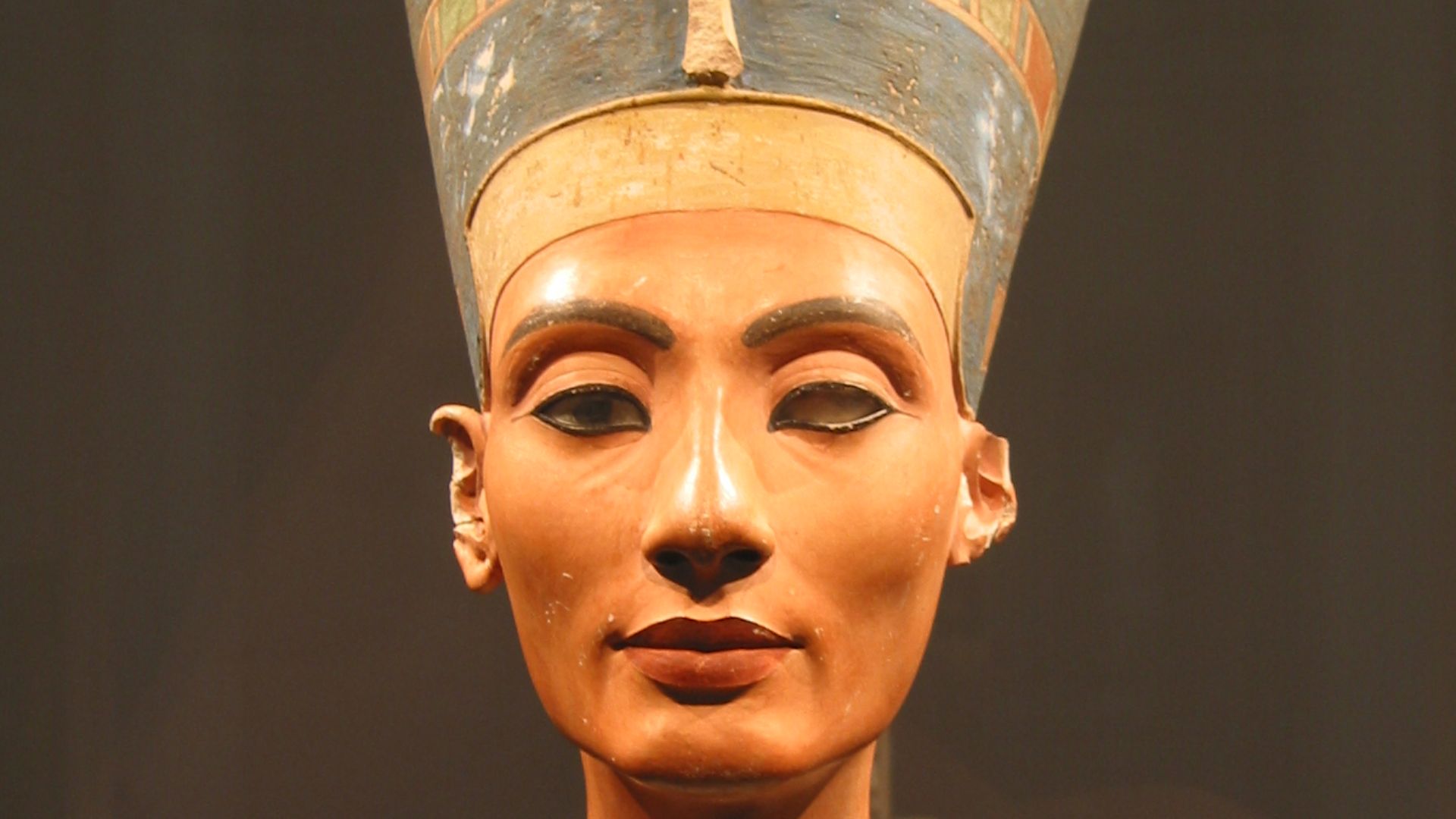
Nefertiti Bust
Still flawless after 3,300 years, the painted limestone bust of Queen Nefertiti holds a presence that outshines time itself. Discovered in Amarna in 1912, this bust is beautiful. One eye unfinished, skin-like polished alabaster, and a headdress that pulls the room’s focus. She’s not just remembered—she’s immortalized.
 Magnus Manske, Wikimedia Commons
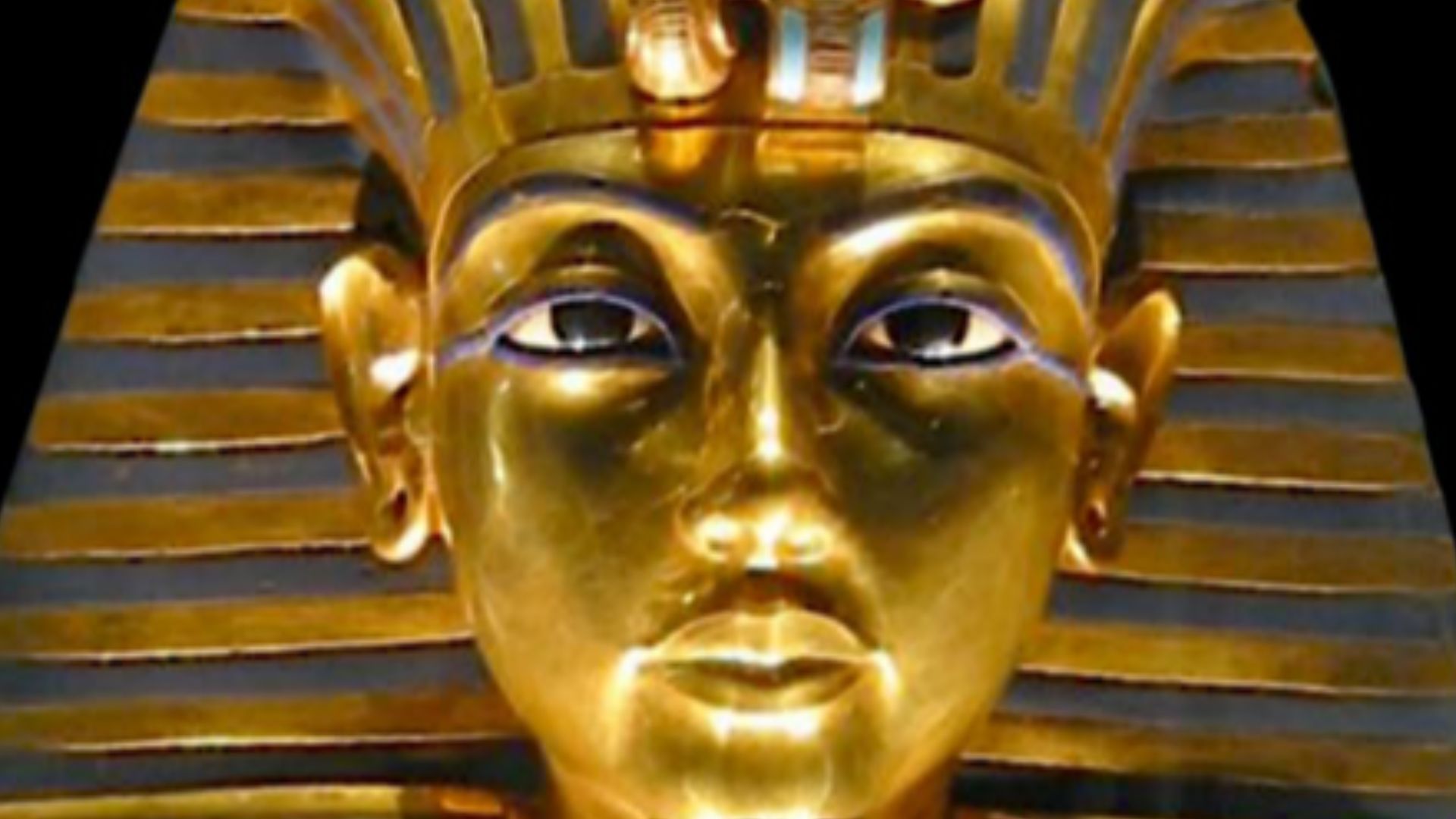
Tutankhamun’s Gold Mask
Gold, glass, obsidian, lapis lazuli—Tutankhamun’s death mask screams craftsmanship on overload. Forged to fit his young face, it weighs over 22 pounds and rests as the most iconic relic ever unearthed. Dating to 1323 BCE, it blends godhood with boyish beauty.
 en:User:MykReeve, Wikimedia Commons
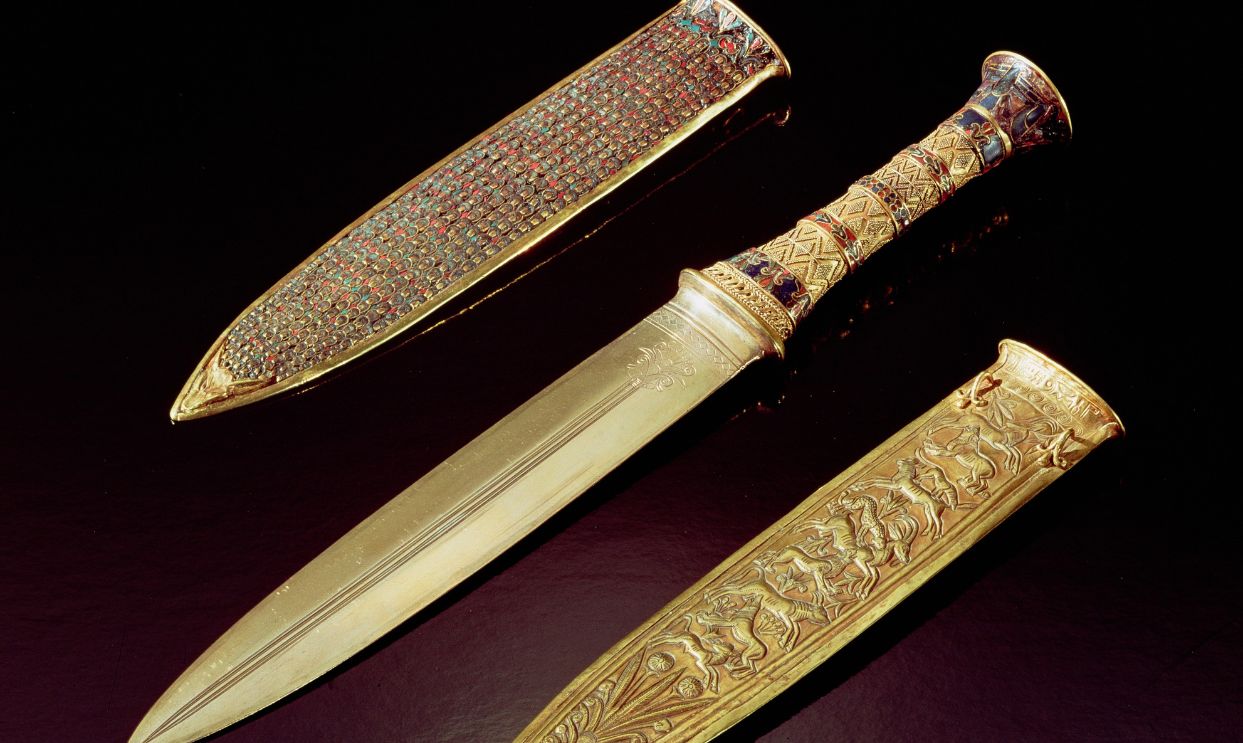
Tutankhamun’s Dagger
Found among King Tut’s burial goods, the blade is made from meteoritic iron from space. Crafted around 1323 BCE, it proves that ancient Egyptians valued material not just for beauty but also for cosmic symbolism. Its celestial origin speaks of a king armed for both the mortal and immortal world.
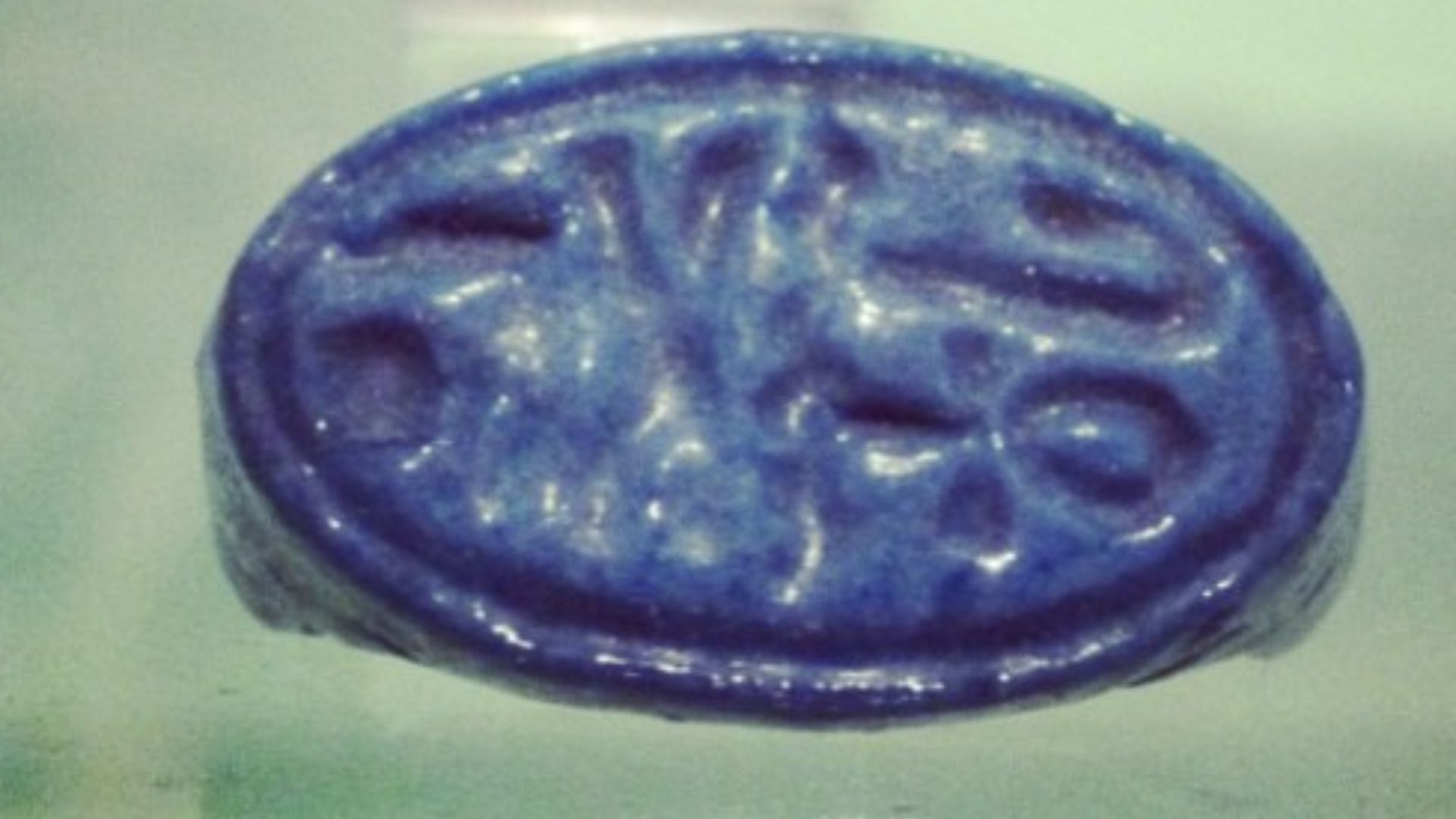
Ankhesenamun’s Ring
More than a piece of jewelry, this golden ring served as a public declaration of both love and power. Engraved with the cartouches of Tutankhamun and his queen, Ankhesenamun, it symbolized a union that was as political as it was personal. Discovered near Thebes, the ring offers a rare glimpse into one of ancient Egypt's most famous royal couples. Thousands of years later, its delicate design remains a touching reminder of a partnership meant to endure for eternity.
 akhenatenator, Wikimedia Commons
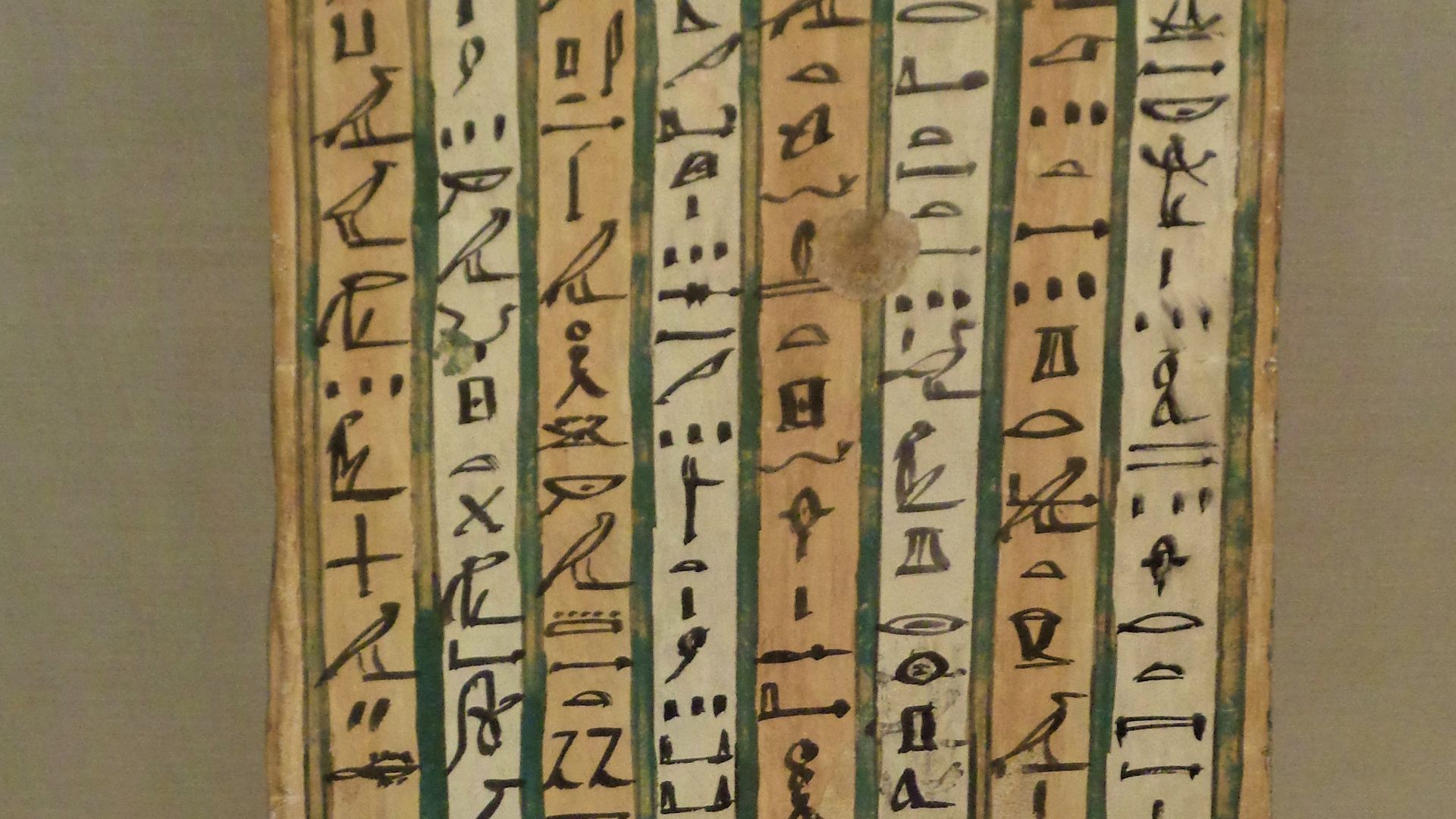
Book Of The Dead Papyrus
Don’t think of it as a book; think of it as a map to immortality. The Book of the Dead, painted on scrolls like this one from the 19th Dynasty, laid out how to move through the perils of the afterlife. Here, you’ll find spells for protection and more.
 Alanscottwalker, Wikimedia Commons
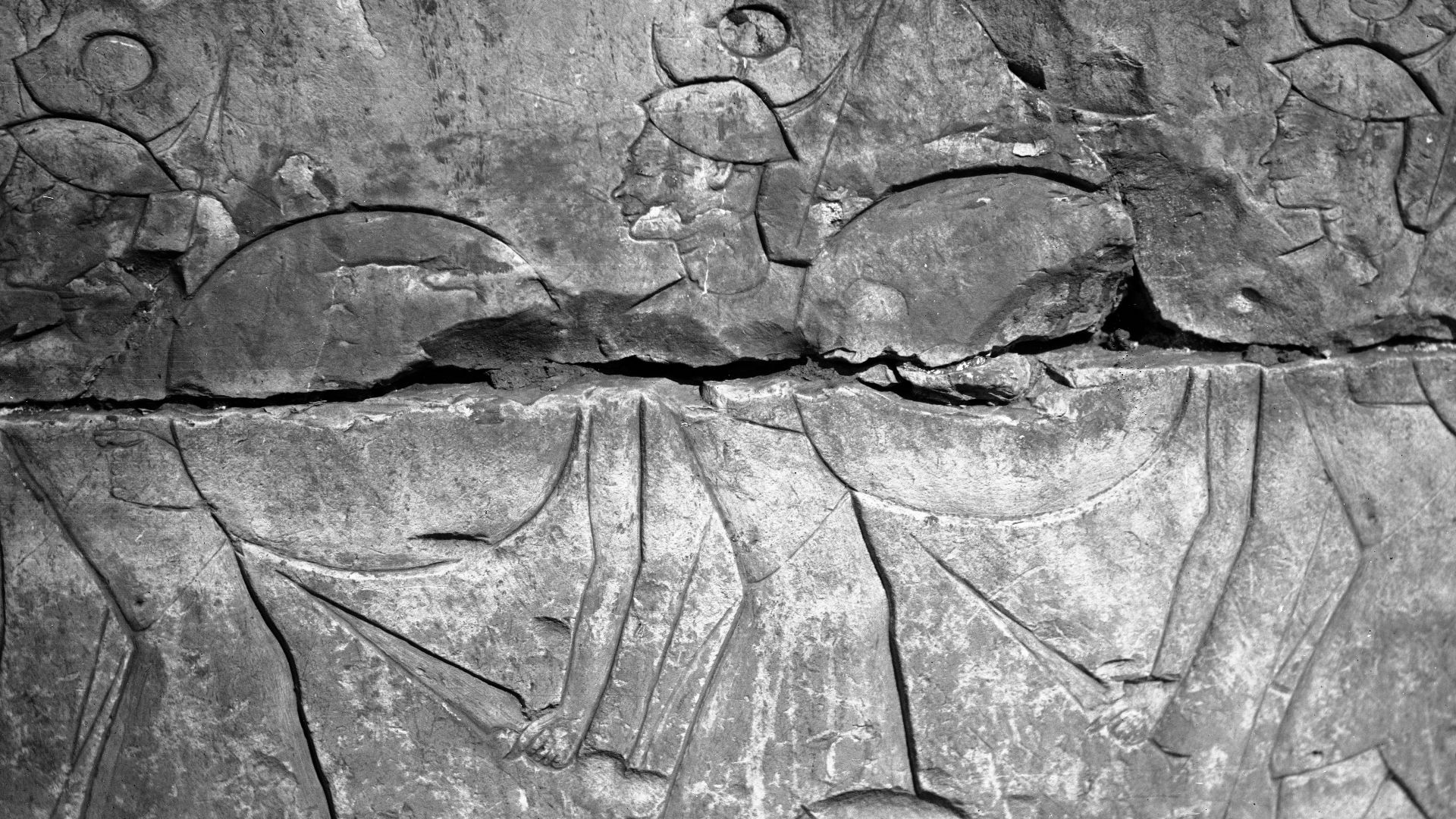
Ramesses II’s Battle Reliefs
Carved deep into the temples of Luxor and Abu Simbel, Ramesses II’s battle reliefs glorify his supposed triumph at Kadesh. Horses gallop, arrows fly, armies stand strong, and enemies tumble in waves. Was it a PR spin? Probably. But these carvings scream confidence and spectacle.
 Marco Chemello (WMIT), Wikimedia Commons
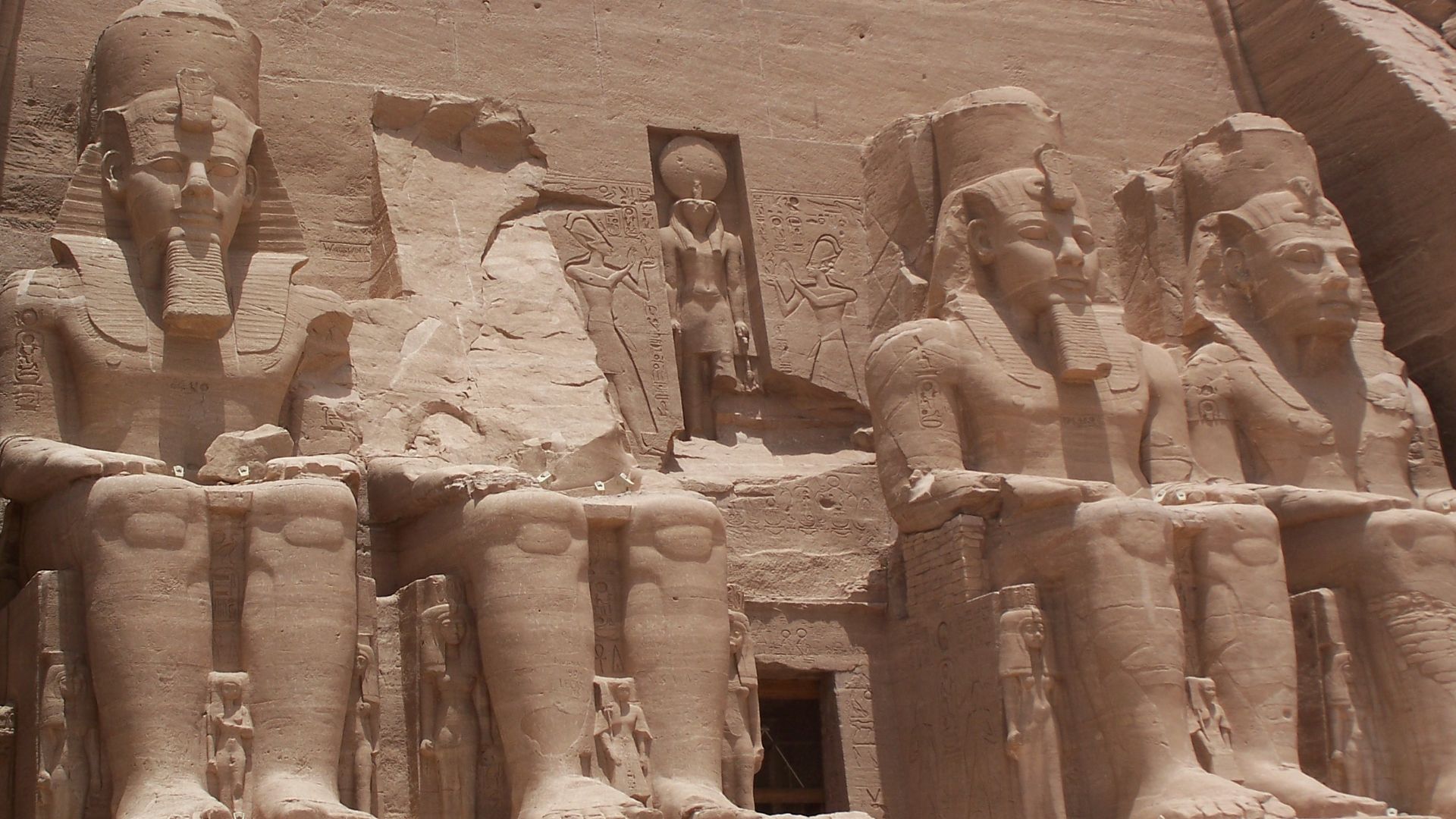
Abu Simbel Temples
Nothing whispers ‘power’ quite like moving mountains. Ramesses II built Abu Simbel by carving it into cliffs facing Nubia to awe neighbors and gods alike. Four colossi of the king glare outward, each over 60 feet tall. Twice a year, sunlight pierces the temple’s core, illuminating statues within.
 Than217 at English Wikipedia, Wikimedia Commons
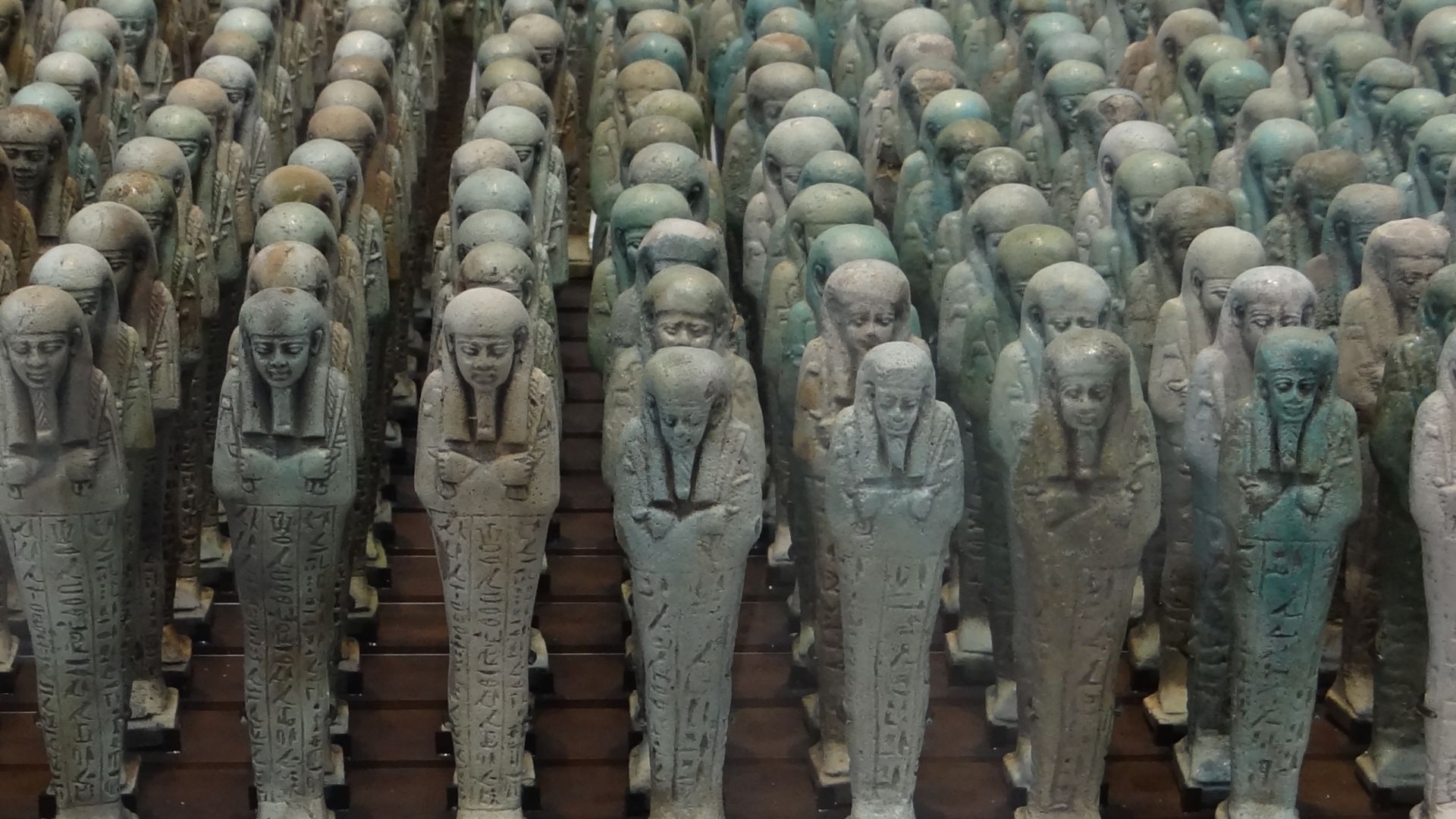
Shabti Figurines
Who wants to work in the afterlife? Not the elite. That’s why they packed Shabti figurines—miniature servants carved from faience, wood, or stone—into tombs. Each held a tool or basket, ready to do their divine chores. The more you had, the less you labored. Ramesses IV stuffed in over 400.
 Serge Ottaviani, Wikimedia Commons
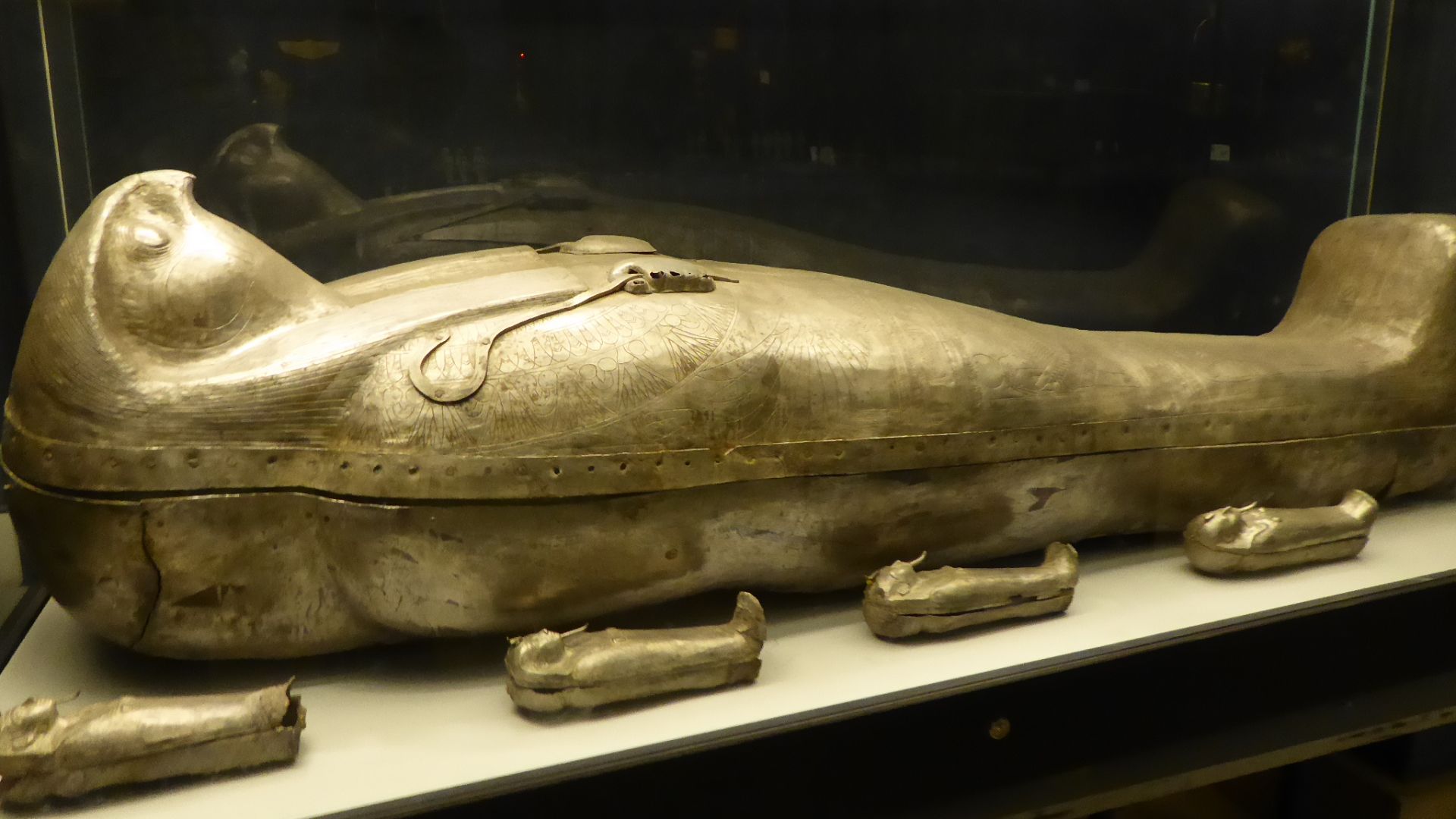
Tanis Silver Coffins
Gold gets the fame, but silver was rarer in Egypt. The royal necropolis at Tanis revealed gleaming silver coffins, especially that of Pharaoh Psusennes I. Carved with care, inlaid with lapis and covered in hieroglyphs, these coffins reflect a forgotten era of brilliance. Humidity helped preserve them better than Tut’s.
 Aidan McRae Thomson, Wikimedia Commons
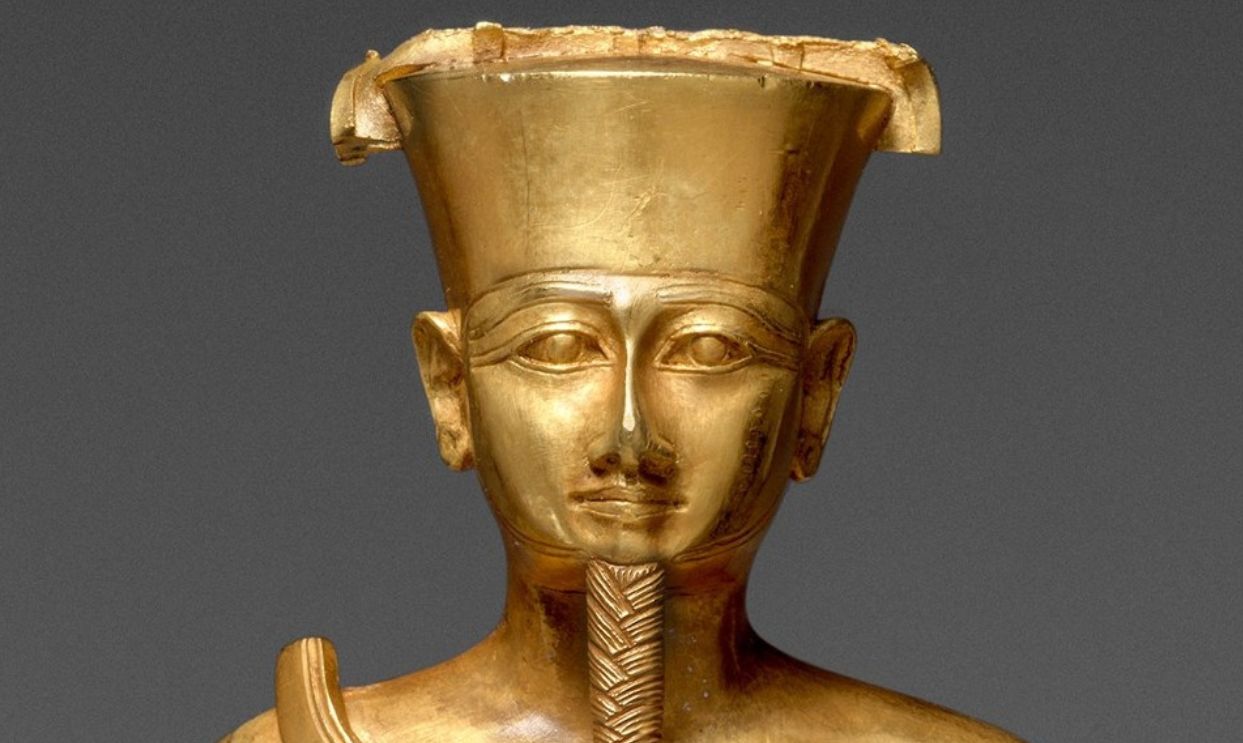
Amun-Ra Gold Shrine
Portable yet lavishly decorated, this shrine of Amun-Ra was designed to bring the king of the gods beyond the temple walls. Covered in gold leaf, it functioned as both a sacred altar and a ceremonial object carried by priests during religious processions. As incense filled the air and chants echoed through the crowds, the shrine became the focal point of devotion. Its surfaces are packed with intricate carvings, including falcons, cobras, and other powerful symbols linked to divine protection and authority.
 Metropolitan Museum of Art, CC0, Wikimedia Commons
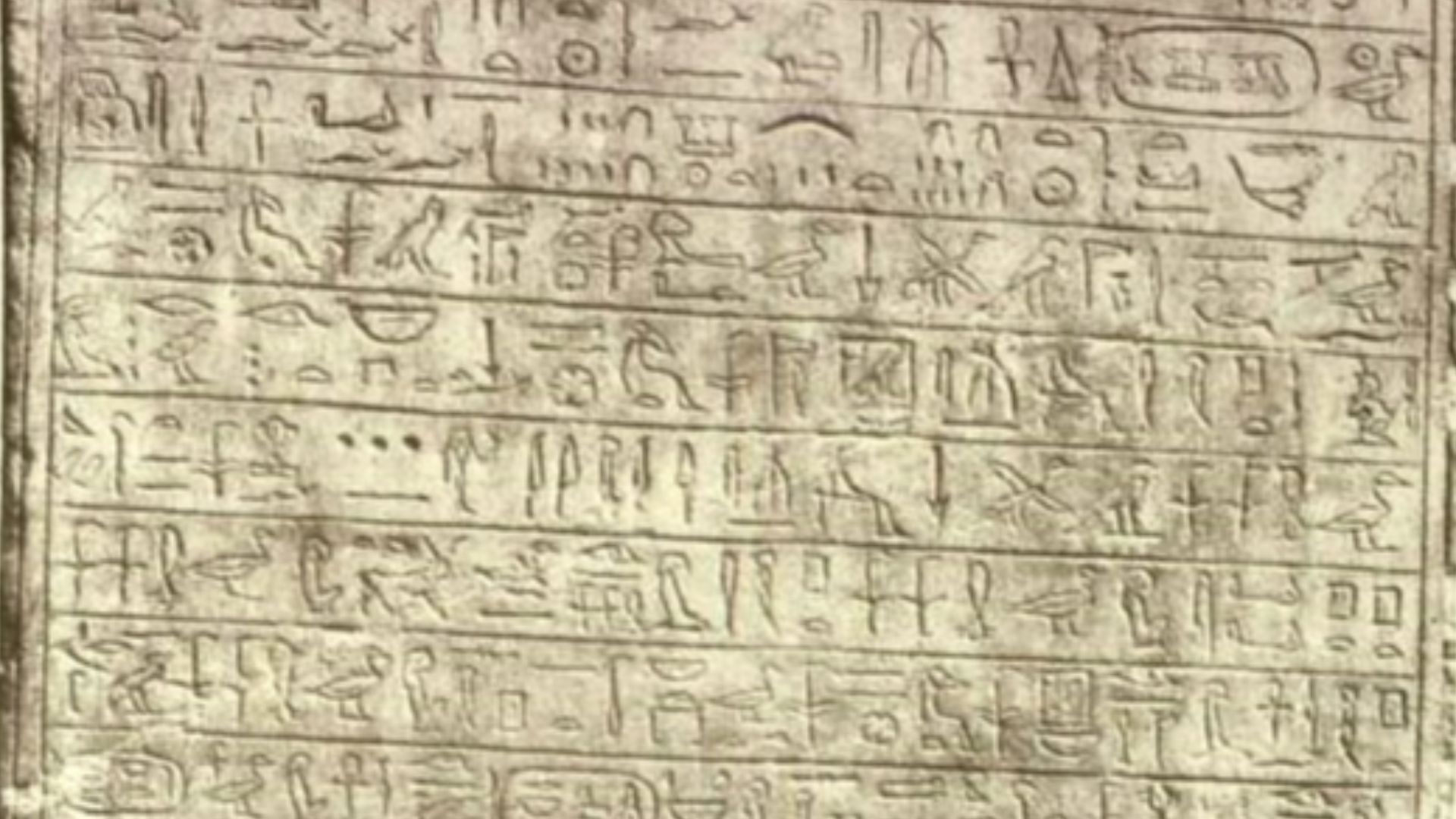
Libyan Period Stelae
These stelae from the Libyan period speak volumes in stone. They record offerings, lineage claims, and prayers, often topped with sun discs and ankhs. Made during political fragmentation, they served as personal declarations of loyalty to Egyptian gods and rulers. You’ll even spot hybrid scripts—hieroglyphs mingling with local styles.
 Auguste Mariette (1821-1881), Wikimedia Commons
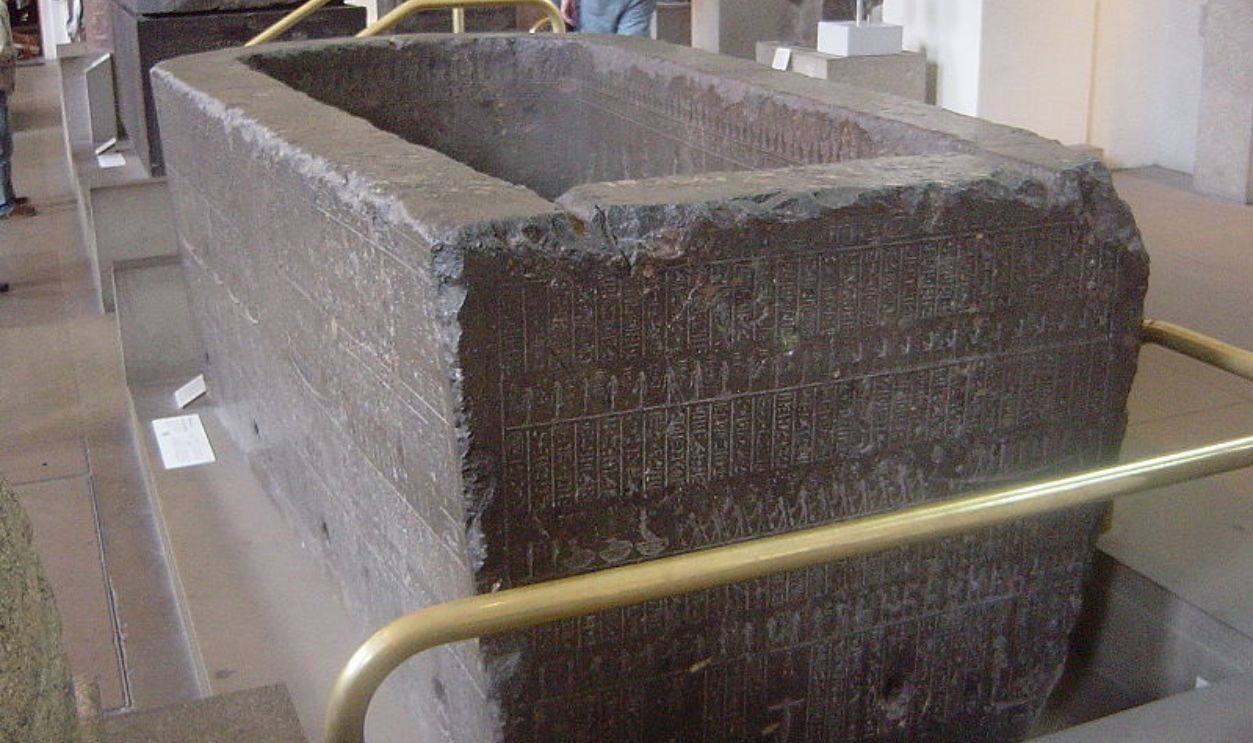
Nectanebo II’s Sarcophagus
The last native Egyptian pharaoh didn’t go out quietly. Nectanebo II’s massive granite sarcophagus radiates defiance. Covered in dense protective texts, it’s essentially a spell-locked safe for his body. The lid alone weighs tons, and beneath it, you’d find stars etched into the ceiling—an echo of heaven protecting the king.
 Markh at English Wikipedia, CC BY 3.0, Wikimedia Commons
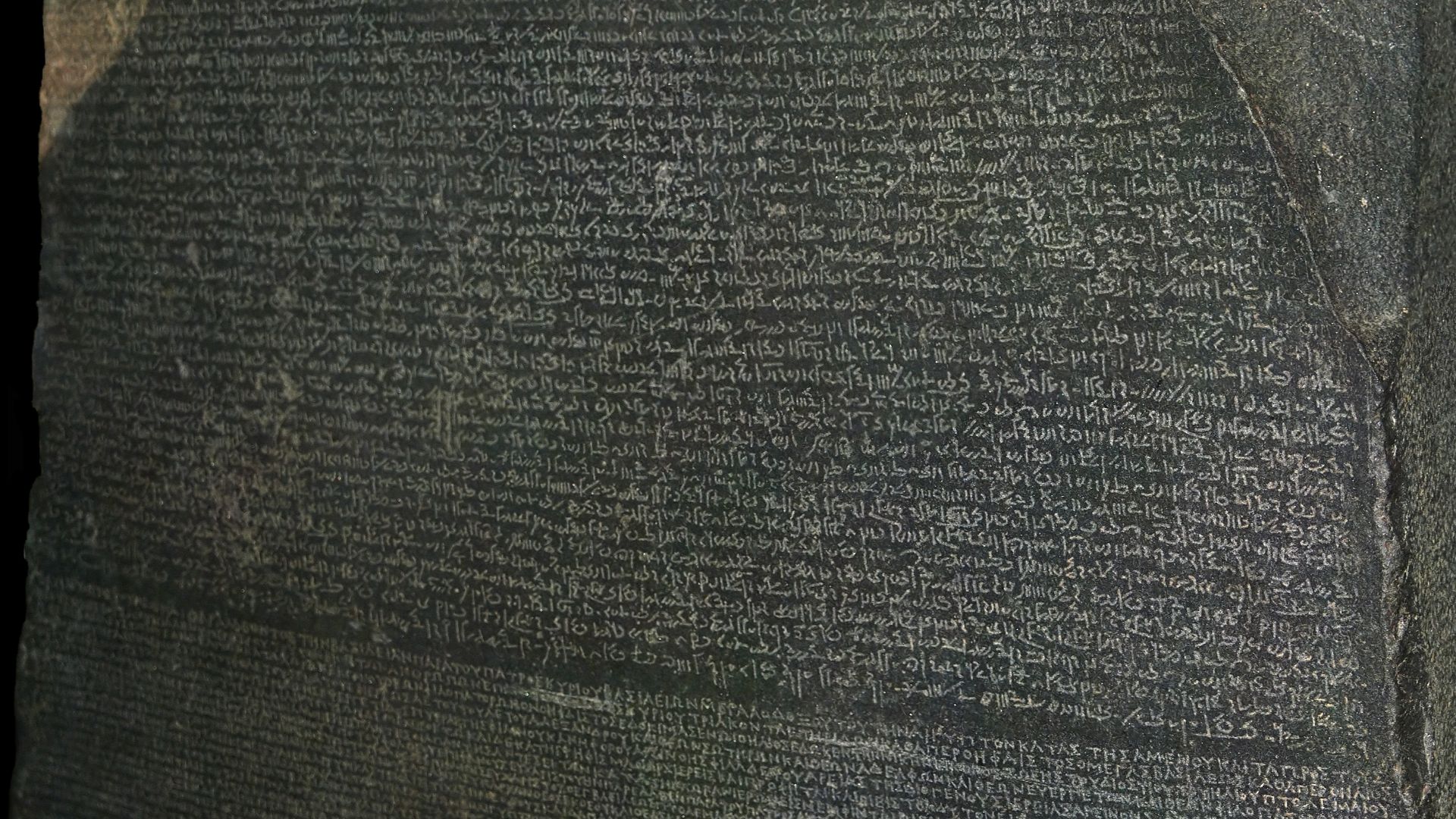
Rosetta Stone
One slab. Three scripts. Infinite impact. The Rosetta Stone cracked open ancient Egypt’s secrets after being rediscovered in 1799 near the town of Rosetta. Inscribed in hieroglyphic, Demotic, and Ancient Greek, this 112-centimeter chunk of granodiorite allowed scholars to finally decipher the language of pharaohs.
 Hans Hillewaert, Wikimedia Commons
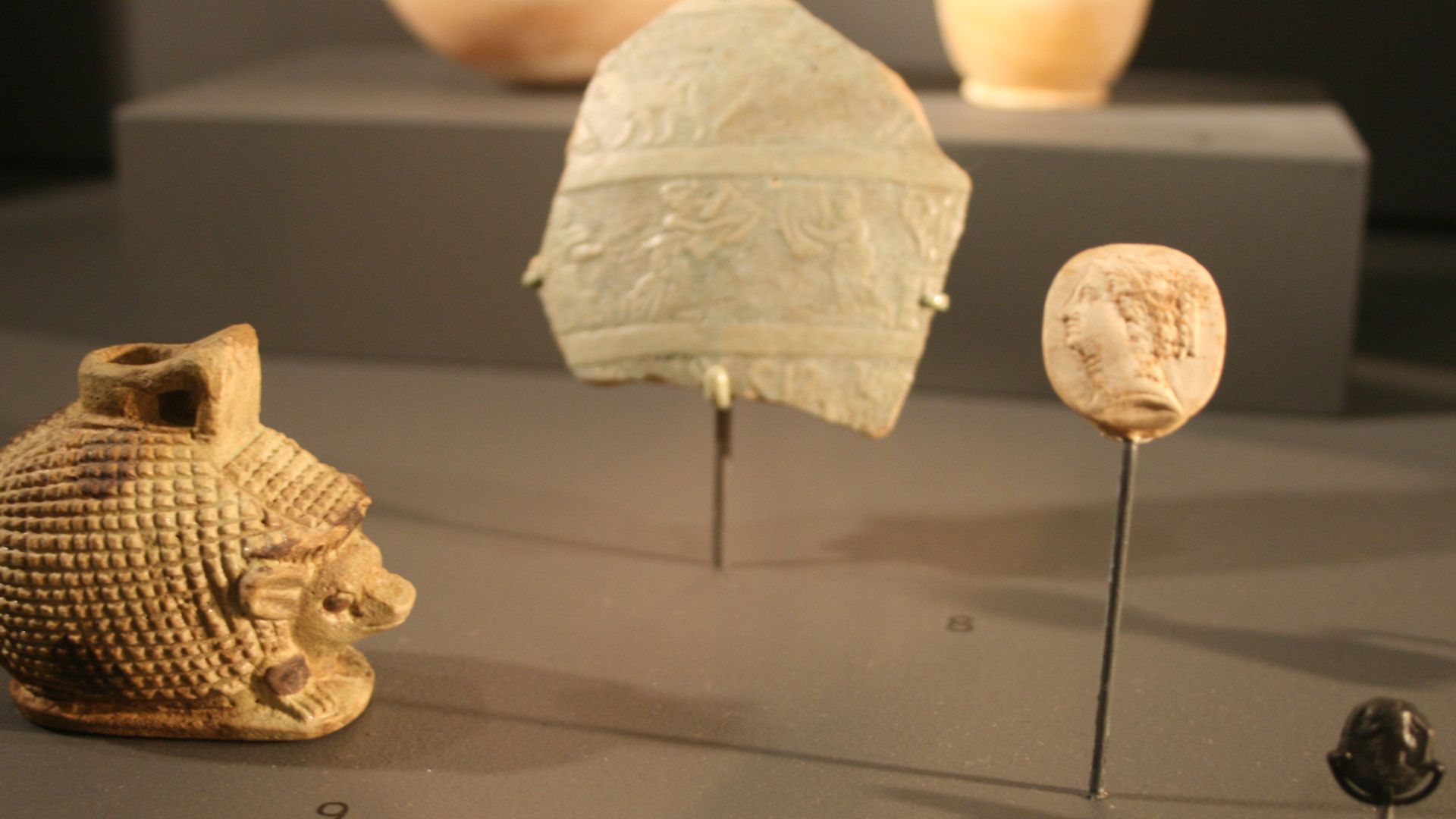
Cleopatra VII’s Coinage
Hold one of these coins and hold history’s most debated queen in your palm. Cleopatra’s face graced silver tetradrachms minted in Alexandria, where realism trumped flattery. Her hooked nose and strong chin defied ideal beauty but screamed political clout. Even Julius Caesar and Mark Antony didn’t dare ignore that profile.
 Gary Todd from Xinzheng, China, Wikimedia Commons
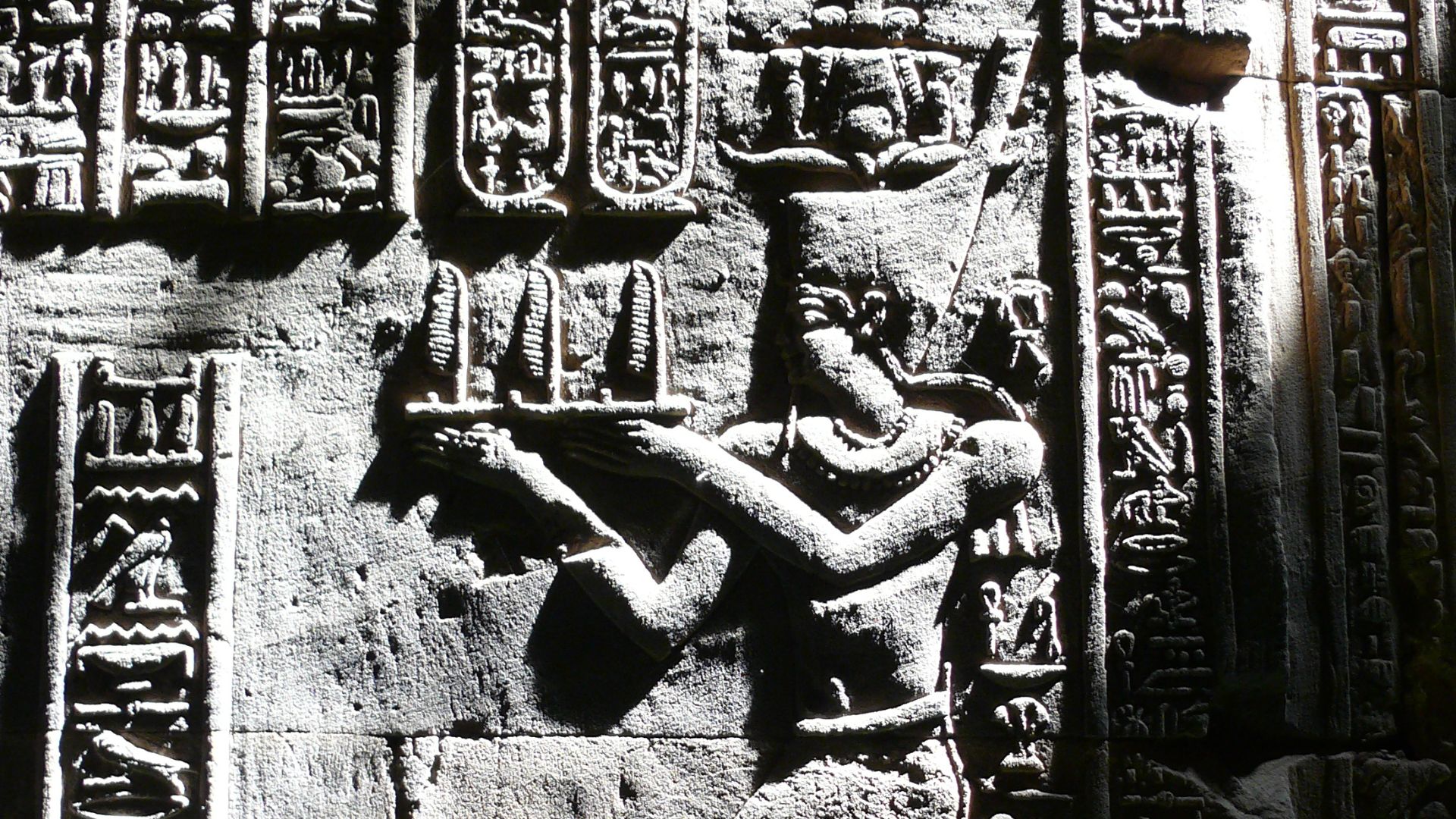
Temple Of Horus At Edfu Reliefs
Don’t just look at the walls—read them like ancient comic strips. The reliefs at the Temple of Horus in Edfu, constructed between 237 and 57 BCE, tell vivid tales of divine battles and rituals. Every surface beams with symbology: falcon-headed Horus triumphing over Set, priests chanting beside incense burners.
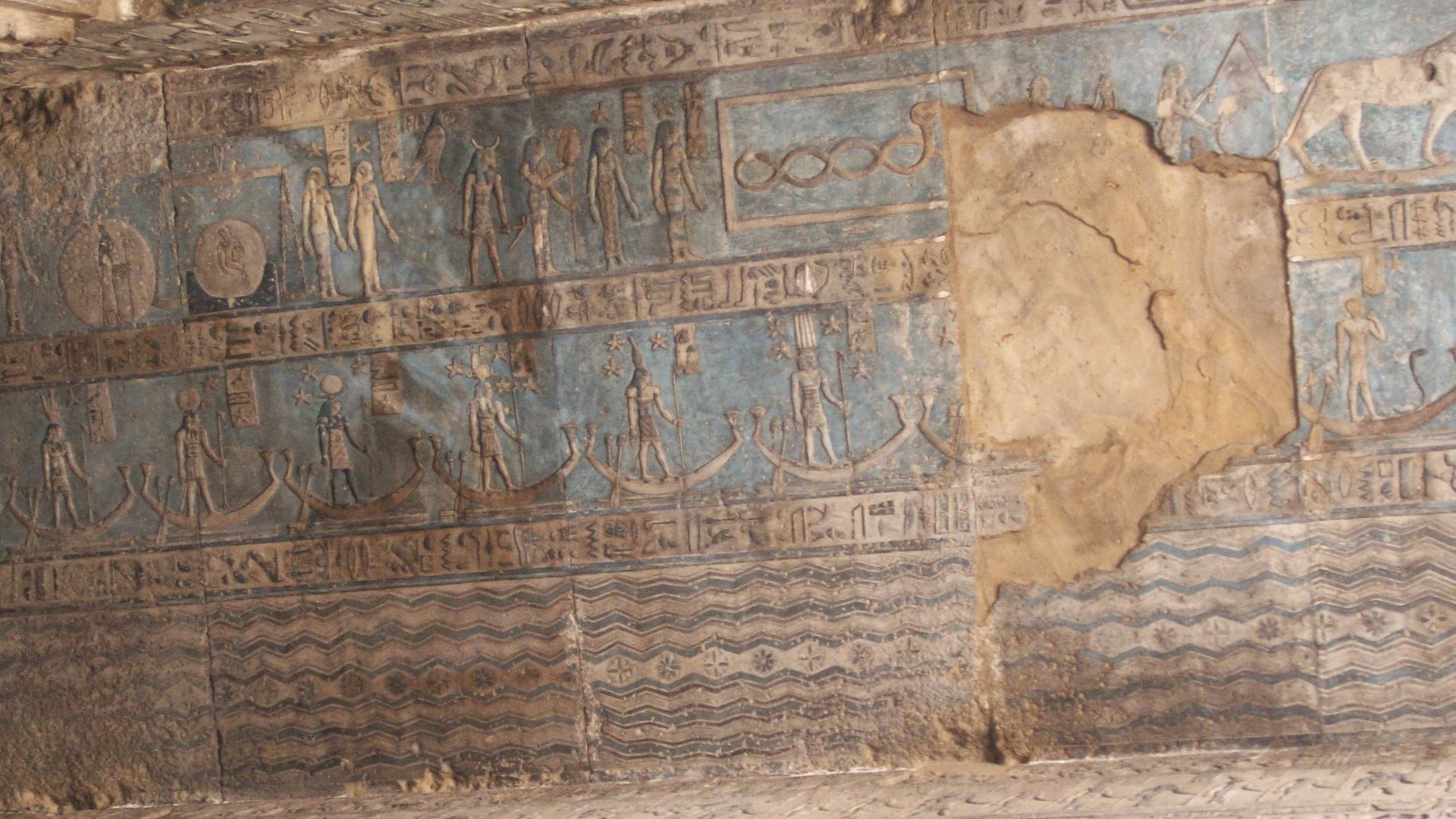
Dendera Zodiac Ceiling
Tilt your gaze skyward at Dendera and get a lesson in starlore. This ceiling panel, sculpted in the Hathor Temple around the 1st century BCE, maps the night sky as a swirling dance of gods and constellations. You’ll spot Taurus, Leo, and even planetary alignments.
 Institute for the Study of the Ancient World, Wikimedia Commons
Faiyum Mummy Portraits
Faiyum portraits, painted on wooden panels from the Roman period, replaced traditional mummy masks. With lifelike gaze and delicate detail, they resurrect the individual: young women with pearl earrings and men with trimmed beards. Unlike stiff pharaonic art, these faces breathe.
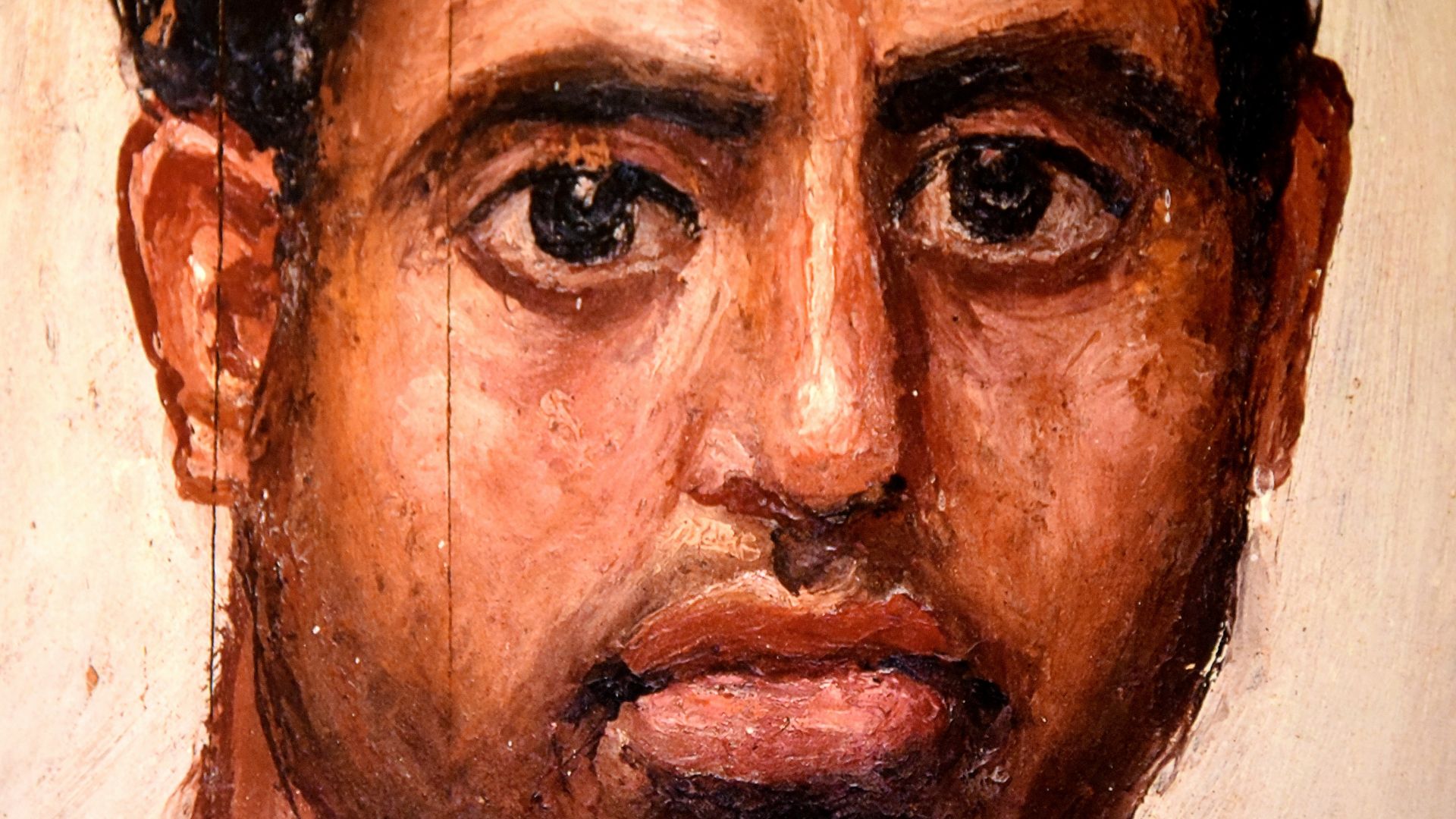 Osama Shukir Muhammed Amin FRCP(Glasg), Wikimedia Commons
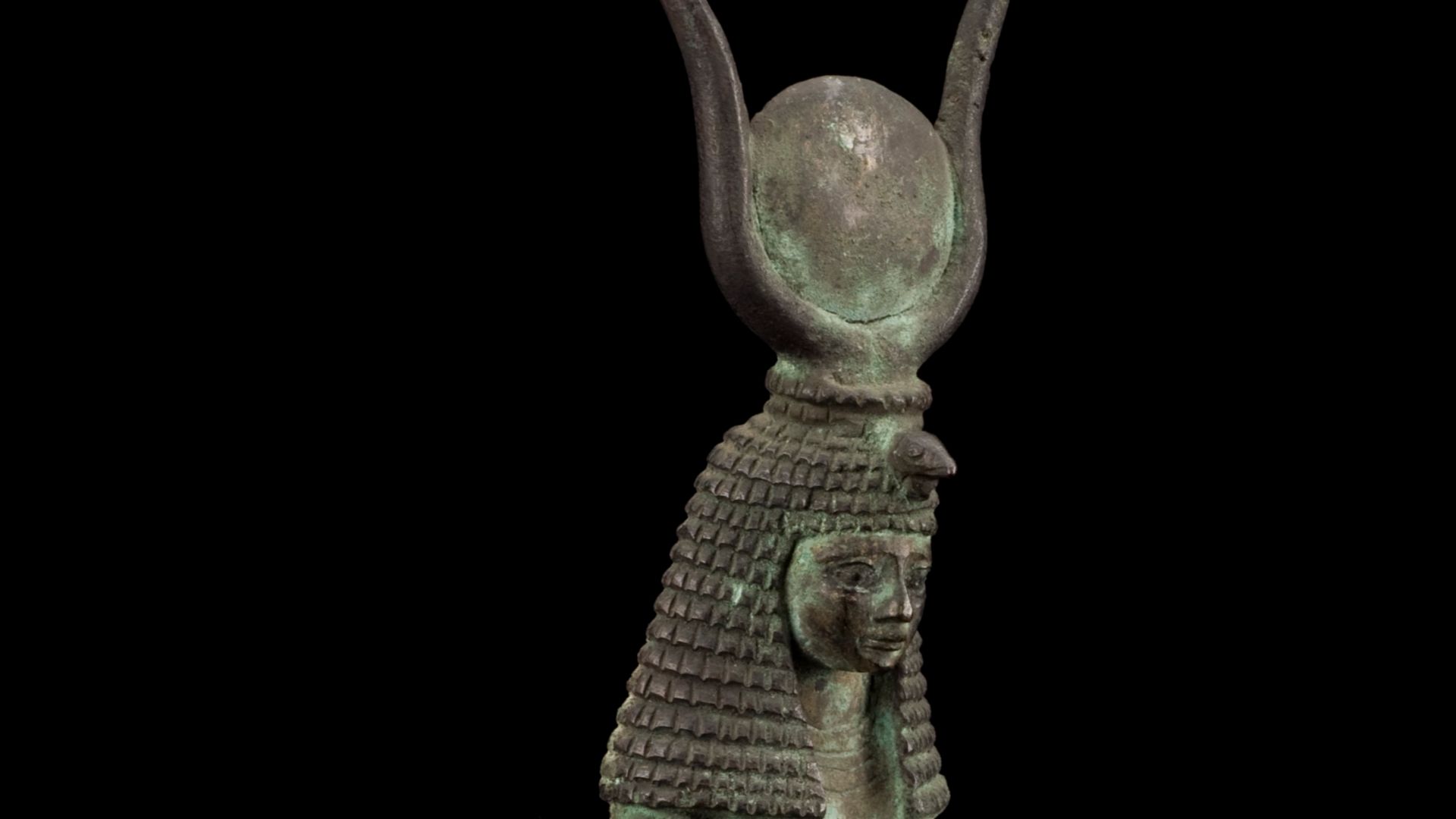
Isis Nursing Horus Statue
Nurture as power—this bronze icon captures that blend perfectly. Isis, seated gracefully, cradles the infant Horus at her torso, symbolizing divine protection and motherhood. Crafted during the Late Period, the piece is political. Pharaohs likened themselves to Horus, raised by a goddess.
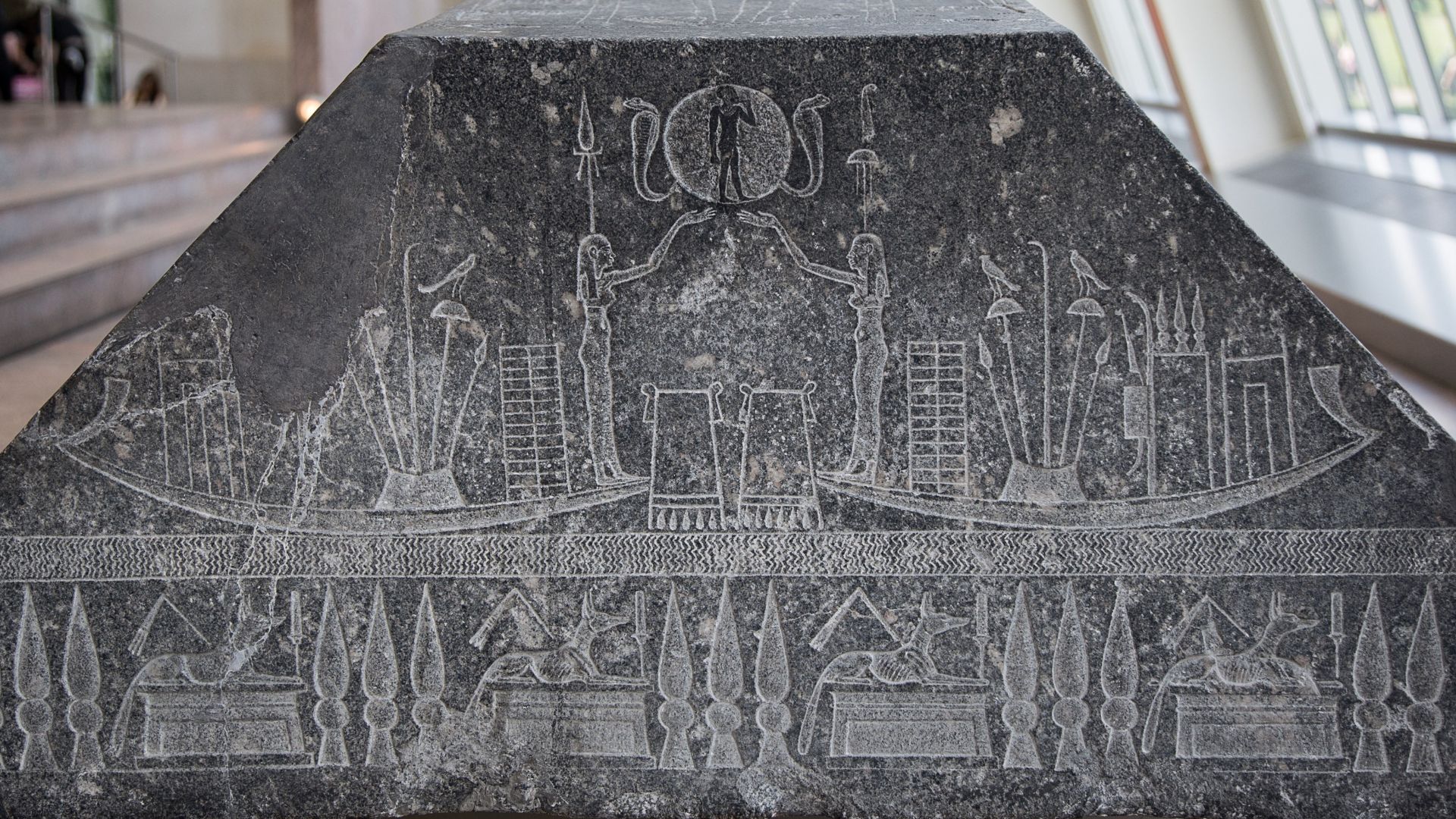
Sarcophagus Of Wereshnefer
This artifact, dating from the late 30th Dynasty to the early Ptolemaic Period, is a massive limestone sarcophagus from Saqqara. Its exterior and interior are adorned with polychrome decorations, including blue and gold accents, depicting the sun god’s journey through the netherworld.
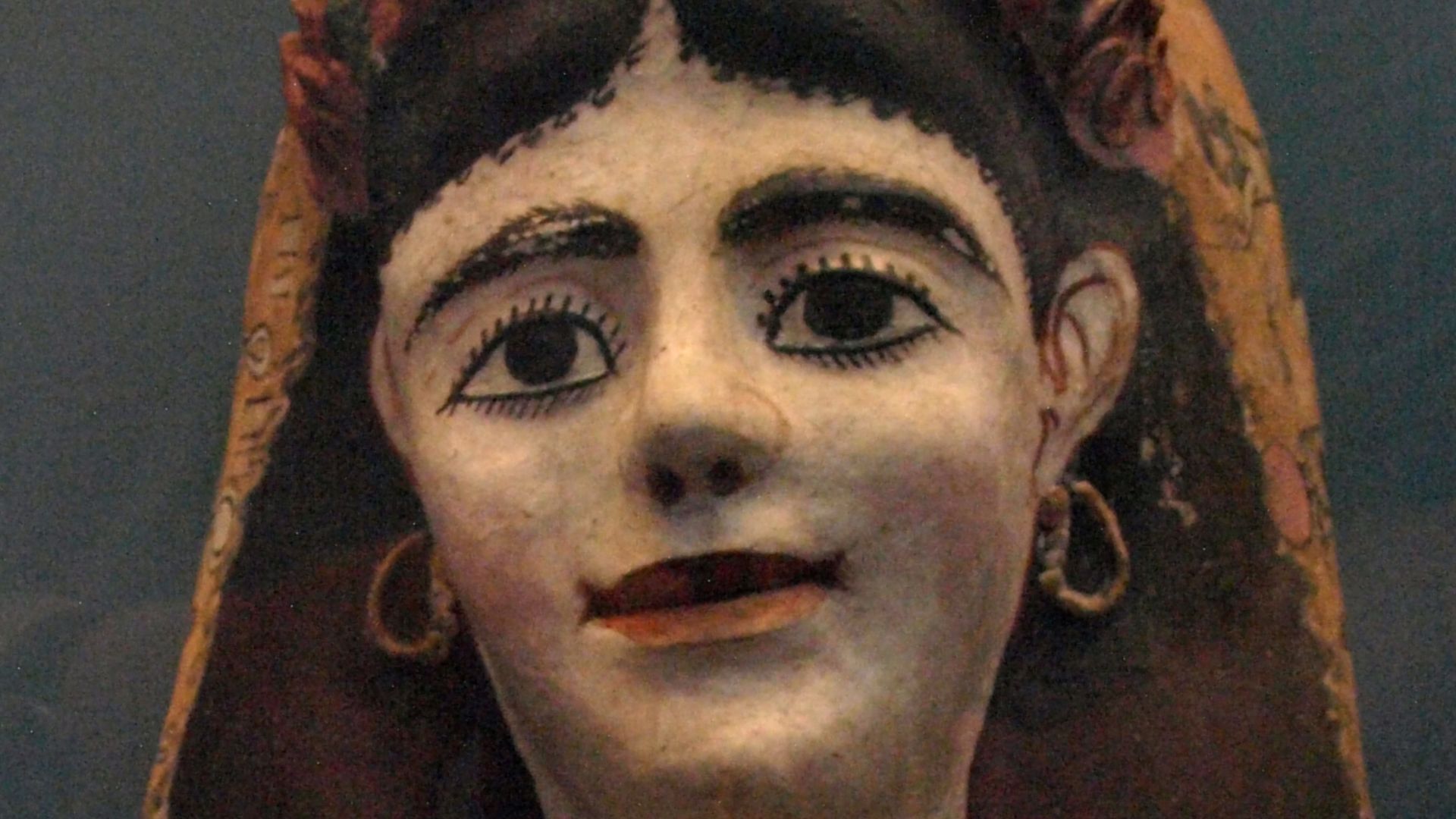
Cartonnage Mask Of A Roman-Egyptian Mummy
Cartonnage, a material of linen and plaster, molded the face of the deceased into a serene afterlife version. Lips are soft, eyes wide, brows arched. This mask didn’t just cover the departed, it introduced them to eternity in style. If vanity had a sacred form, it’d wear this.
Emperor Hadrian As Pharaoh Relief
No Roman emperor embraced Egyptian flair quite like Hadrian. In temple reliefs, he wears the double crown, wielding crooks and flails like a native son. It’s theatrical, yes, but strategic too. Depicting himself as pharaoh helped cement imperial control in the region.
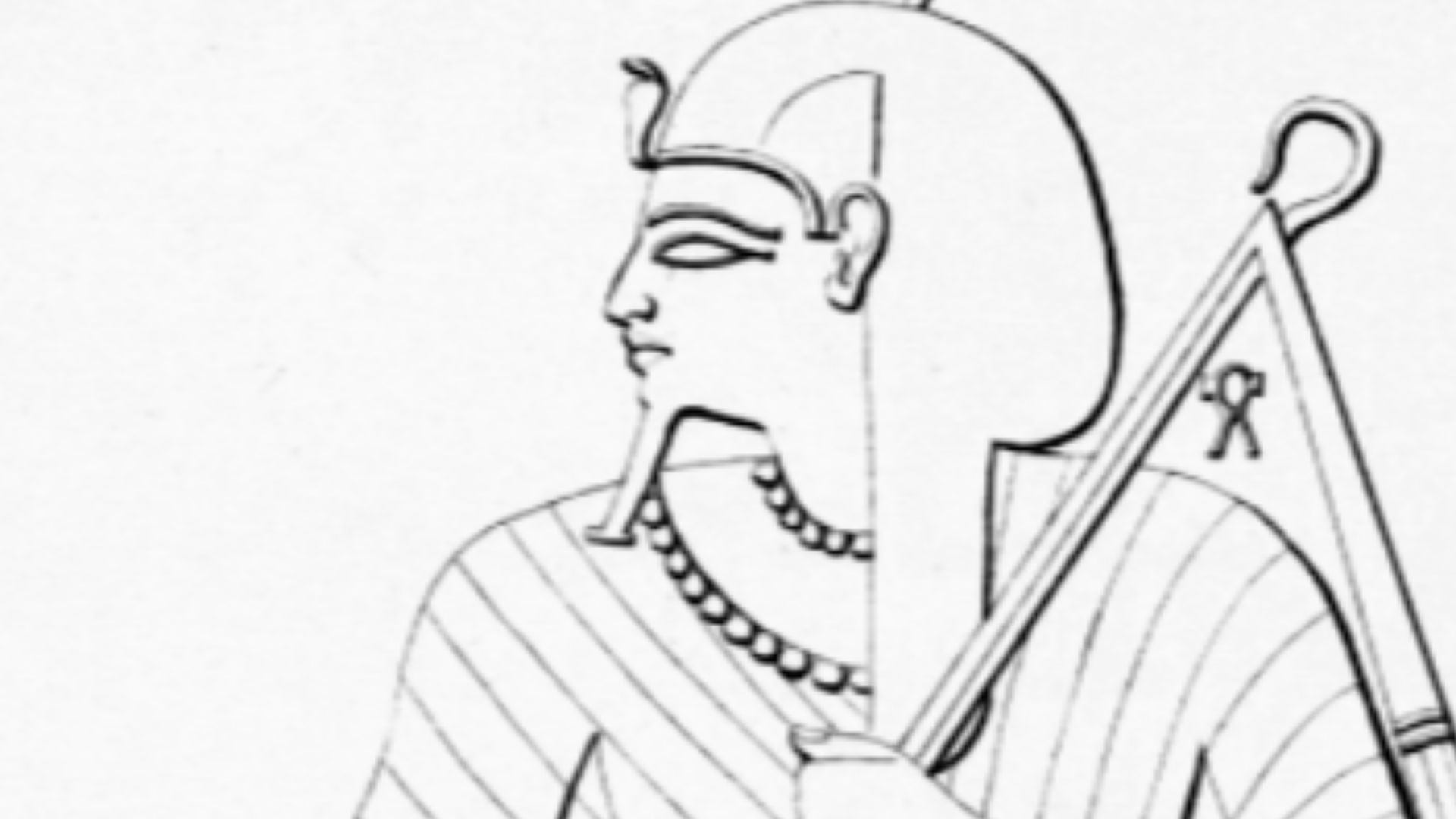 Scan by NYPL, Wikimedia Commons
Temple Of Kom Ombo Surgical Instruments Relief
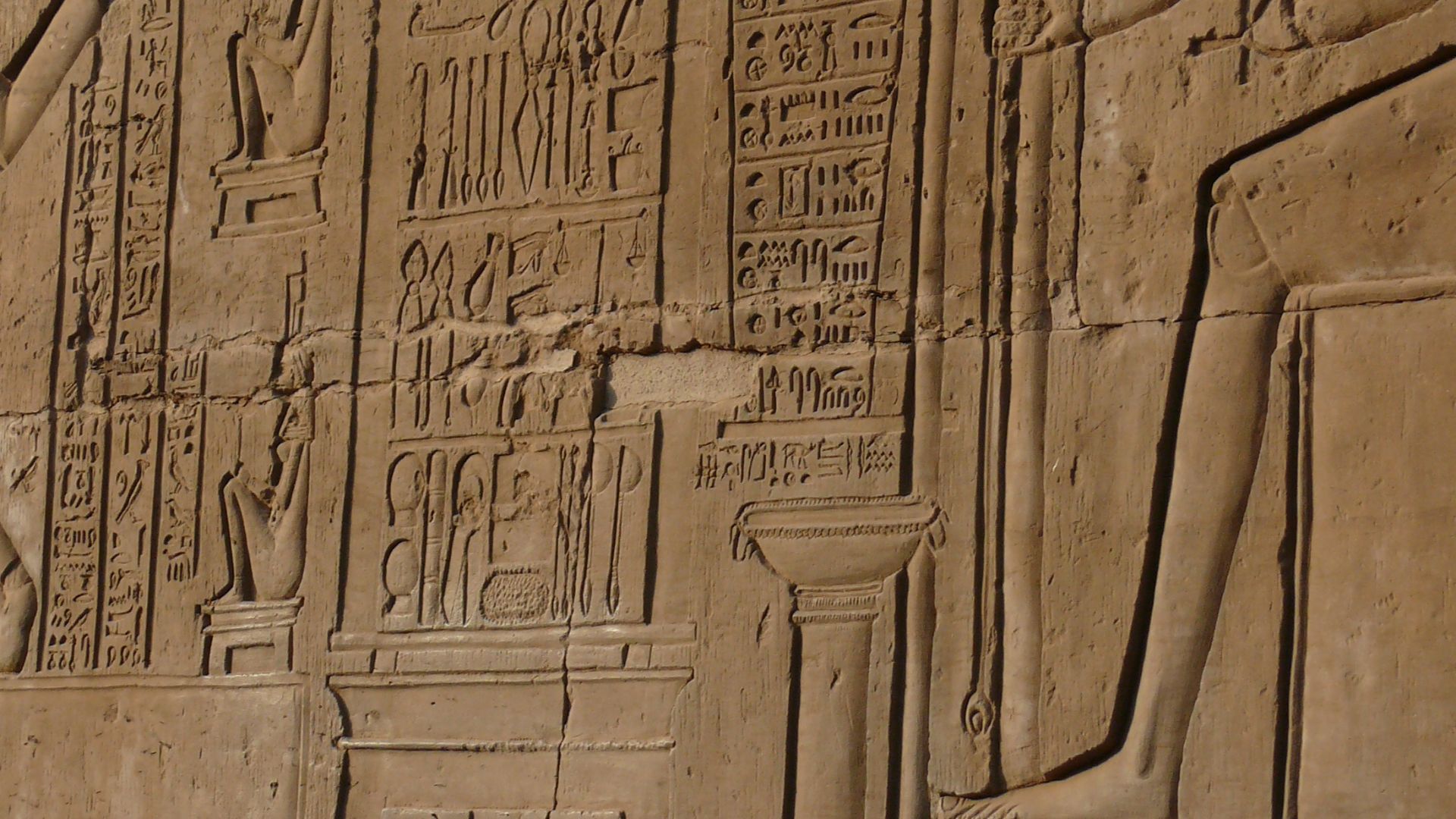
Take a walk through Kom Ombo, and you’ll find a stone surgical tray carved into the wall. Scalpels, forceps, scissors—they’re all there, tool by tool, detailed in stone as if waiting for use. Egyptians practiced advanced medicine, and this relief proves it.
Book Of Breathing Papyrus
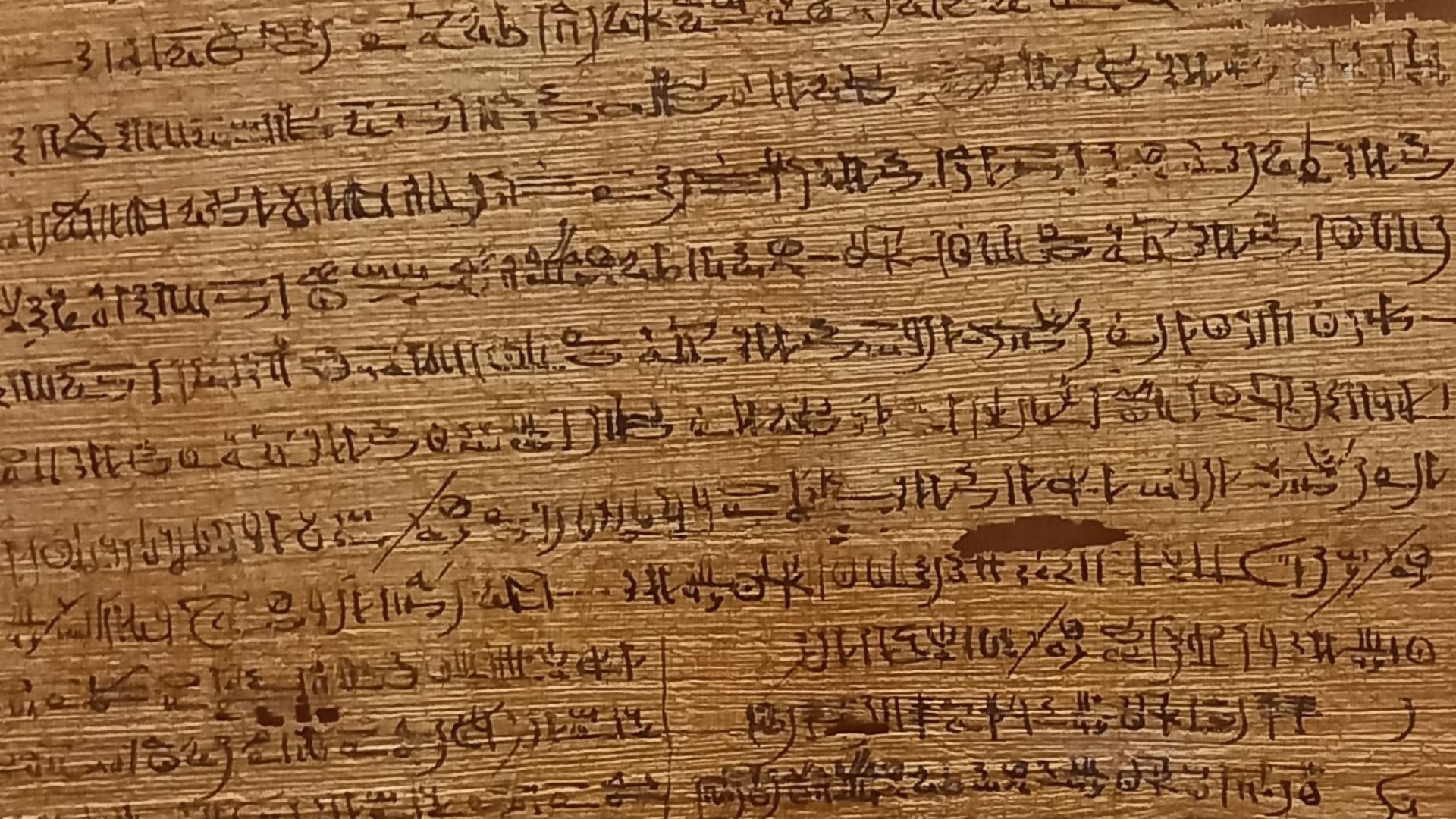
Imagine penning your afterlife strategy. That’s what the Book of Breathing achieved for elite Egyptians in the Late Period. Written in vibrant ink on papyrus, it contained spells ensuring safe passage through judgment and rebirth. Unlike the older Book of the Dead, this version went straight to the essence of brevity.
Osiris Bronze Statuette
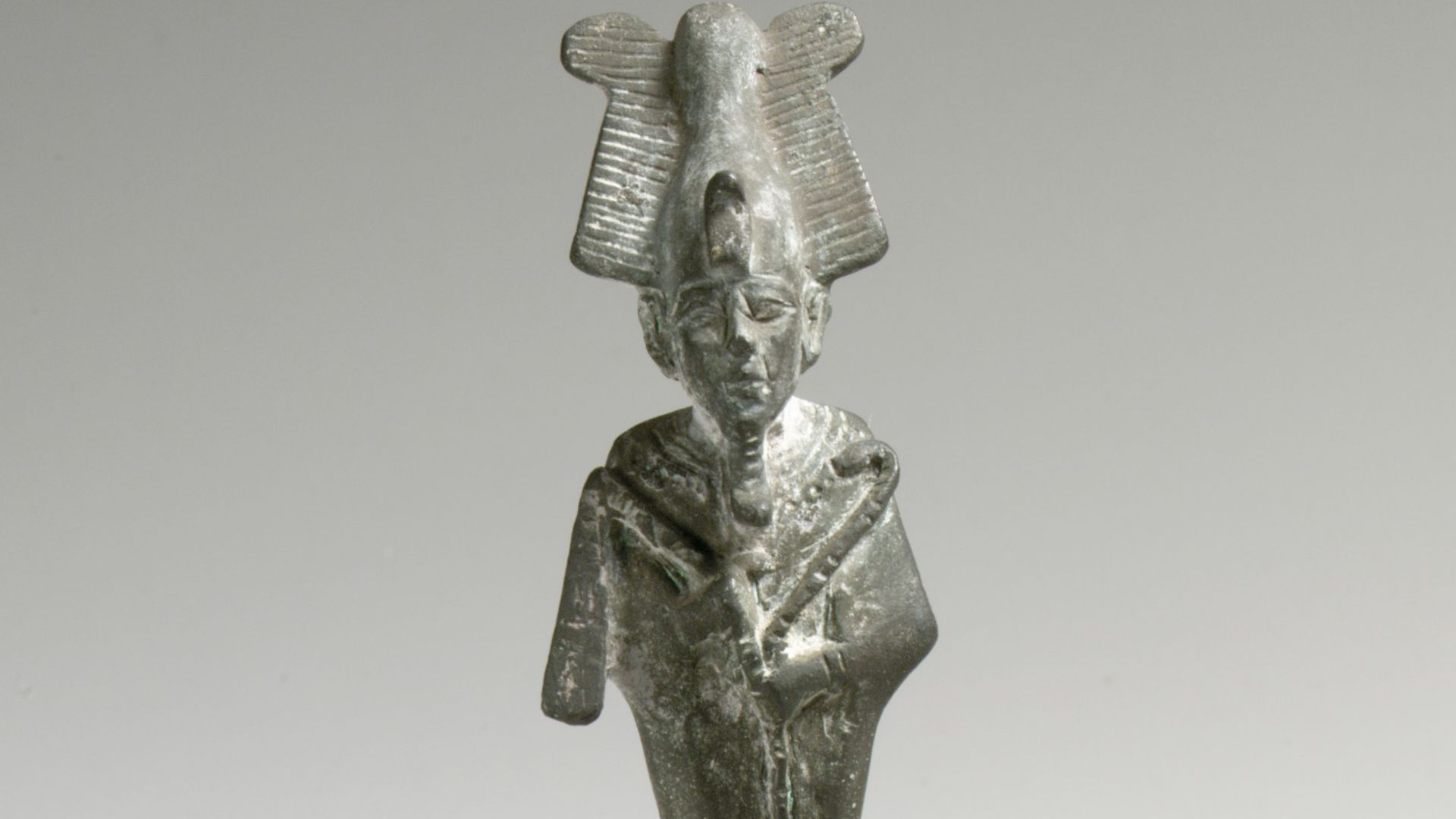
This statuette, forged in bronze and crowned with the atef, glows with eyes of polished stone. Worshippers placed such figures in temples or tombs, believing they served as spiritual anchors. Osiris, lord of the departed, stood calmly wrapped in his funeral linens, crook and flail crossed over his chest.
Crocodile Mummies From Kom Ombo
Yes, mummified crocodiles. Kom Ombo’s temple unearthed dozens, each wrapped meticulously and buried with reverence. Why? They honored Sobek, the crocodile god of strength and fertility. Some even wore masks or a gold leaf because plain clothes just wouldn’t do. Priests reared these reptiles and, after death, offered them as living gods reborn.
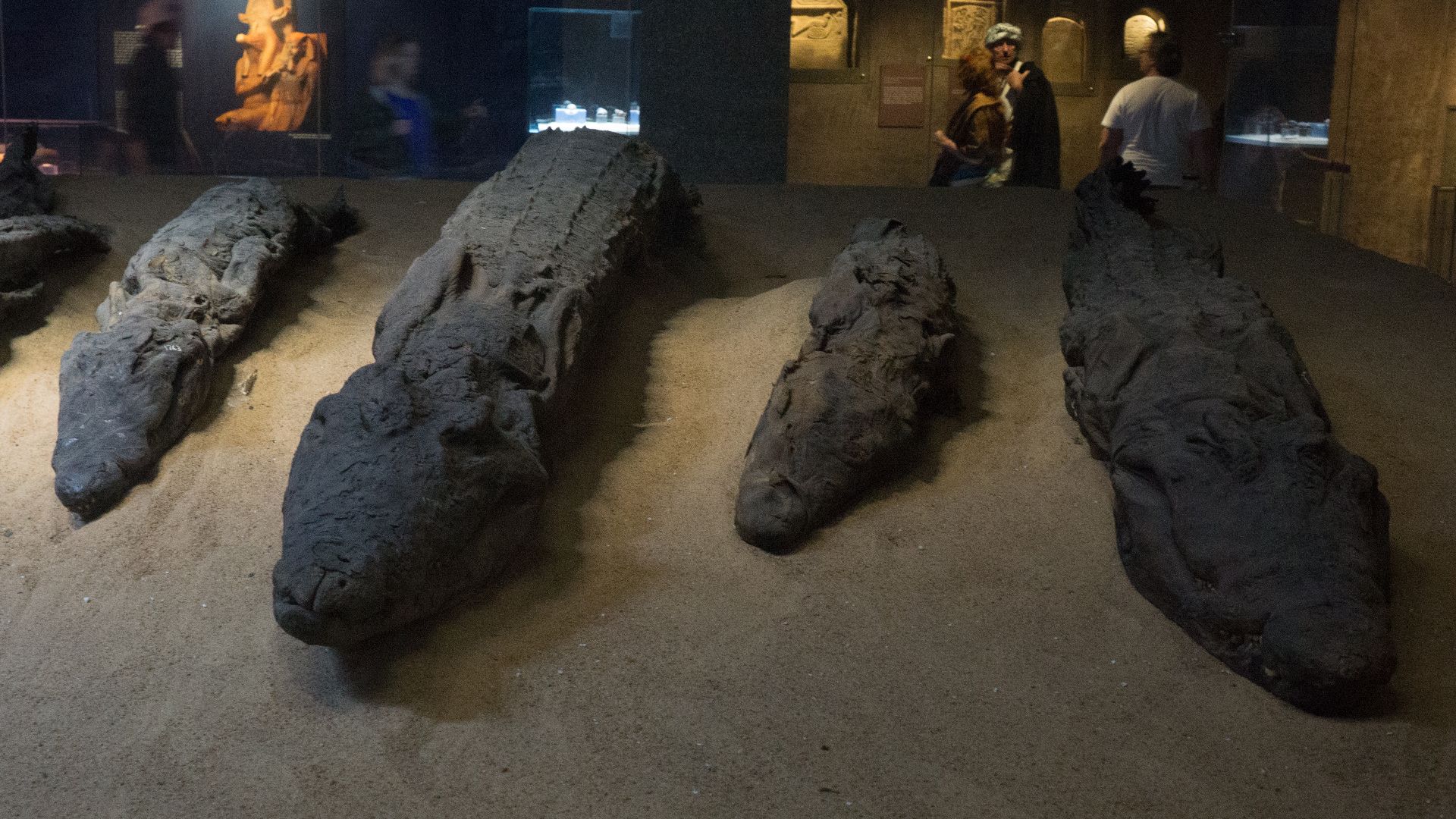 Fanny Schertzer, Wikimedia Commons
Golden Boy
Yes, this relic is real—and it’s unforgettable. Nicknamed the “Golden Boy,” this mummy was unearthed in southern Egypt in 1916 from a cemetery used between 332 and 30 BCE. Dozens of gold amulets, each placed precisely, adorned his body, while a gilded wreath crowned his head like a divine halo.
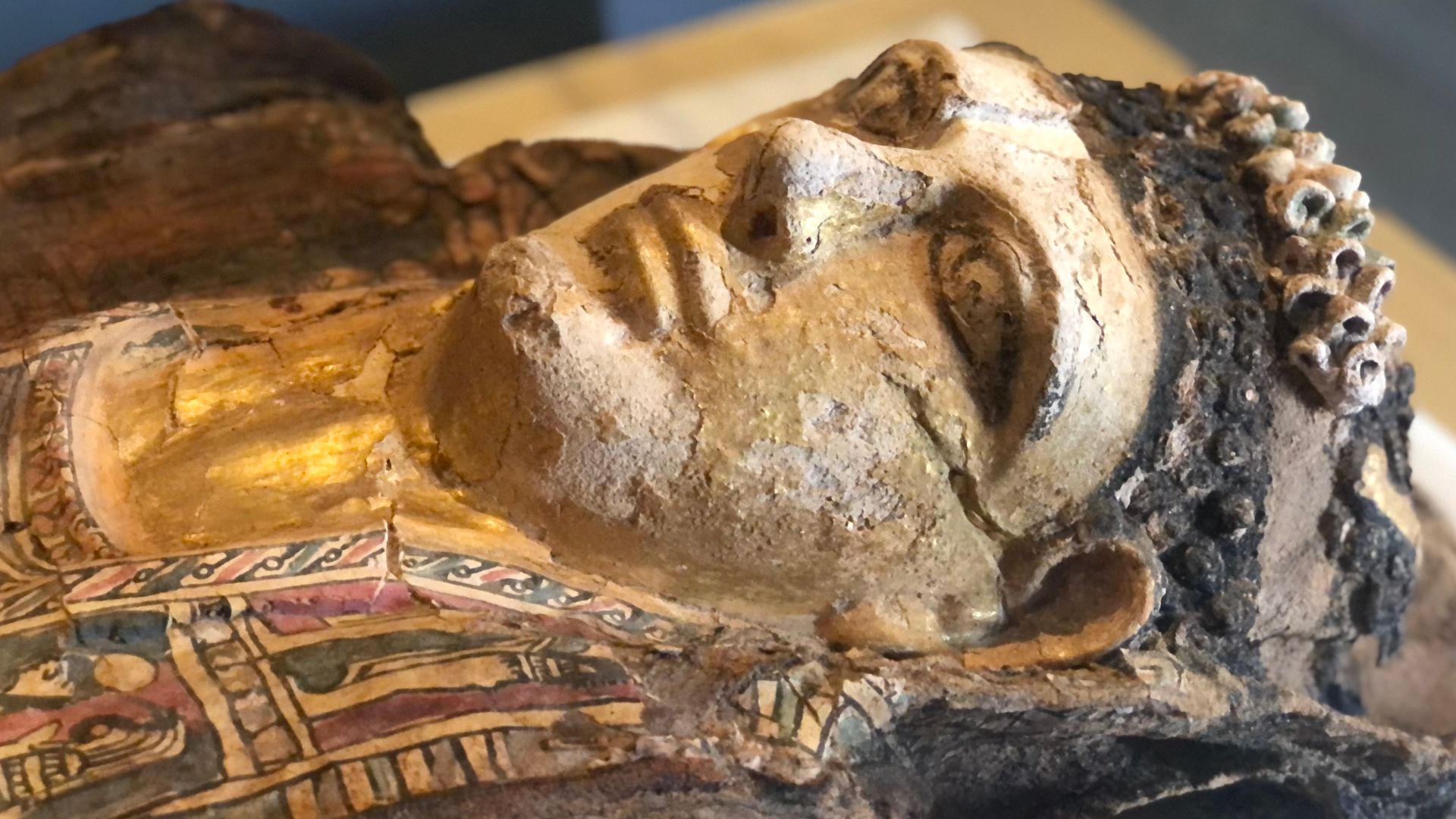 Viktor Lazic, Wikimedia Commons







_and_queen.jpg)


