A Book No One Alive Today Can Read
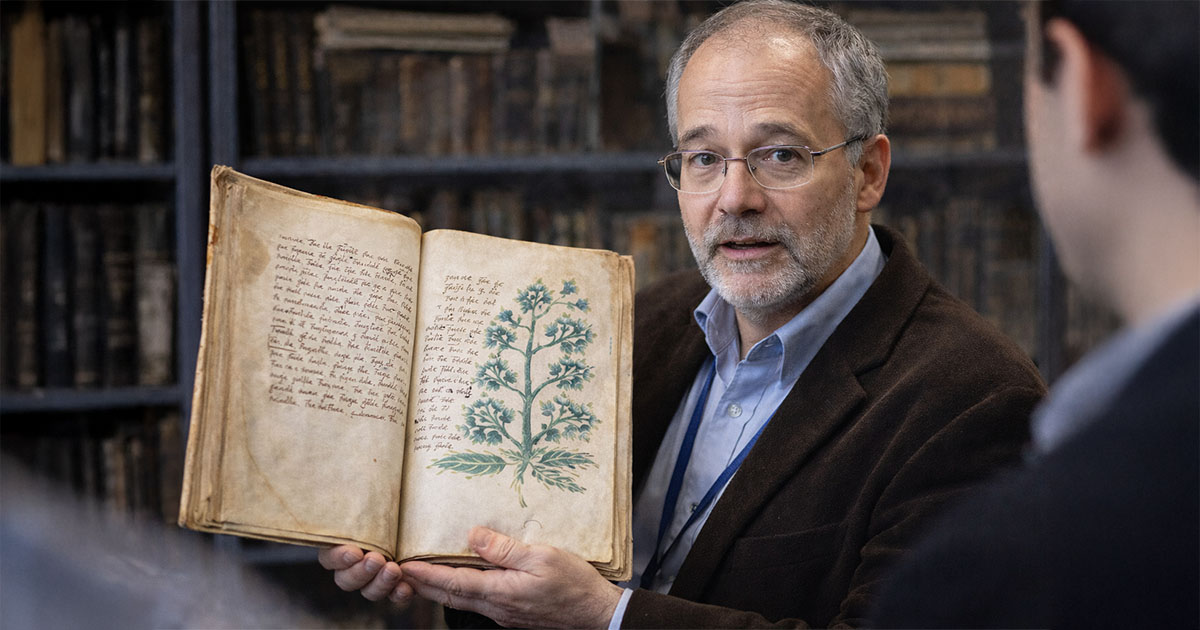
For centuries, the Voynich Manuscript has resisted every attempt to explain it. Its strange symbols, impossible illustrations, and unreadable text have left experts guessing. For more than six centuries, the Voynich Manuscript has refused to explain itself. Now, a new theory emerging in 2026 suggests we may have been looking at this book the wrong way all along.
A Manuscript That Defies Explanation
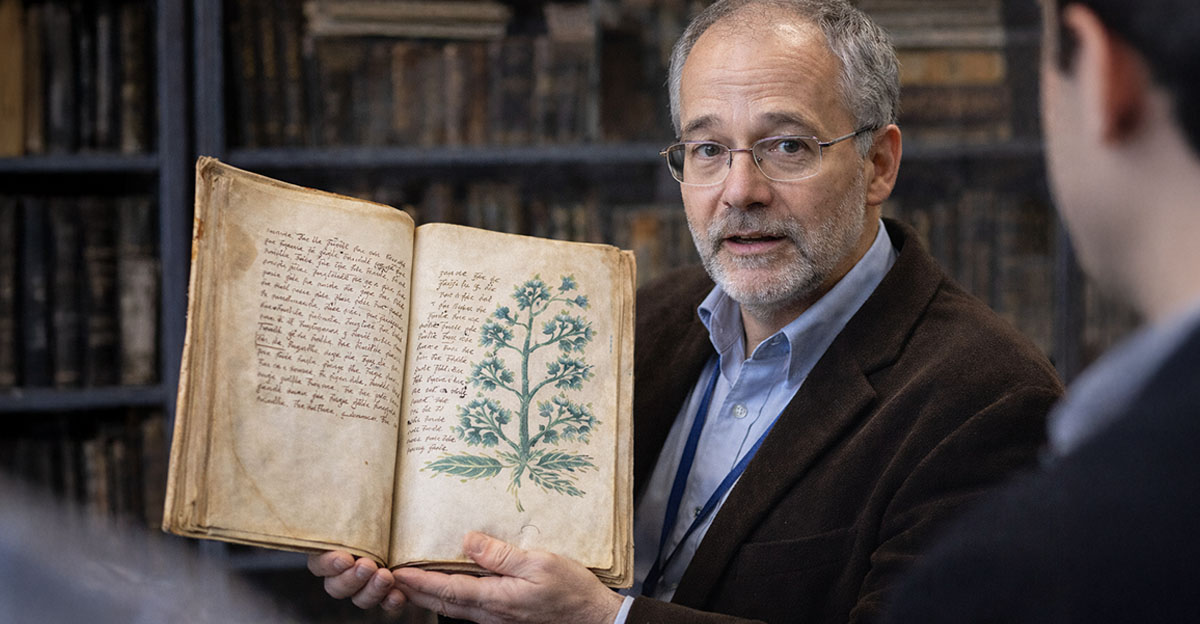
The Voynich Manuscript is made of vellum, a type of parchment created from animal skin. Around 240 pages survive today, though some are clearly missing. Every page is carefully written, suggesting the author knew exactly what they were doing. The problem is that no one knows what any of it means.
 Unknown authorUnknown author, Wikimedia Commons
Proof That It Is Truly Old
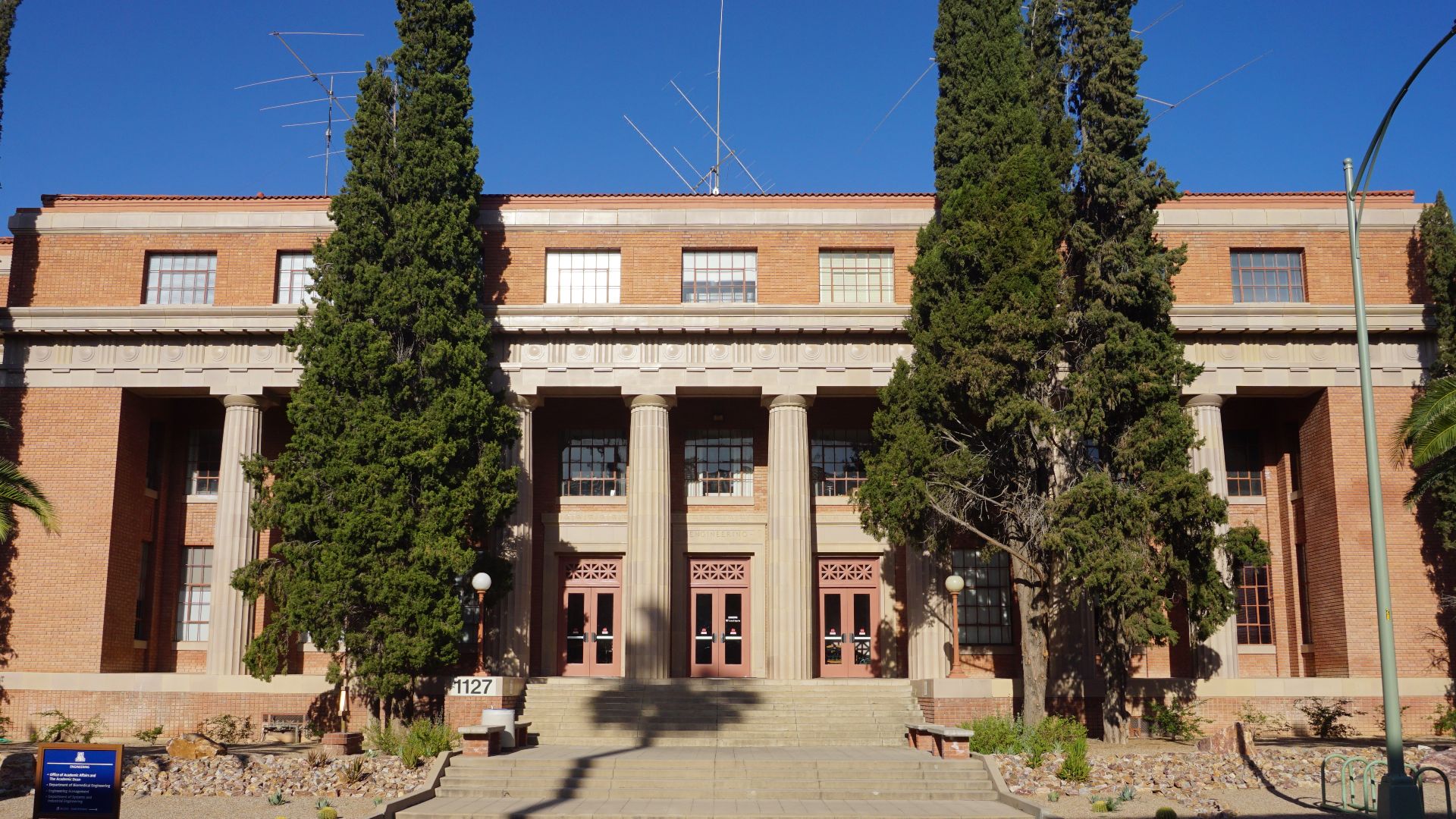
For a long time, people suspected the manuscript might be a hoax. That idea began to fall apart in 2009, when scientists at the University of Arizona tested the parchment. Radiocarbon dating showed the pages were made between 1404 and 1438. The book is genuinely medieval, not a modern trick.
 Michael Barera, Wikimedia Commons
A Language That Looks Real
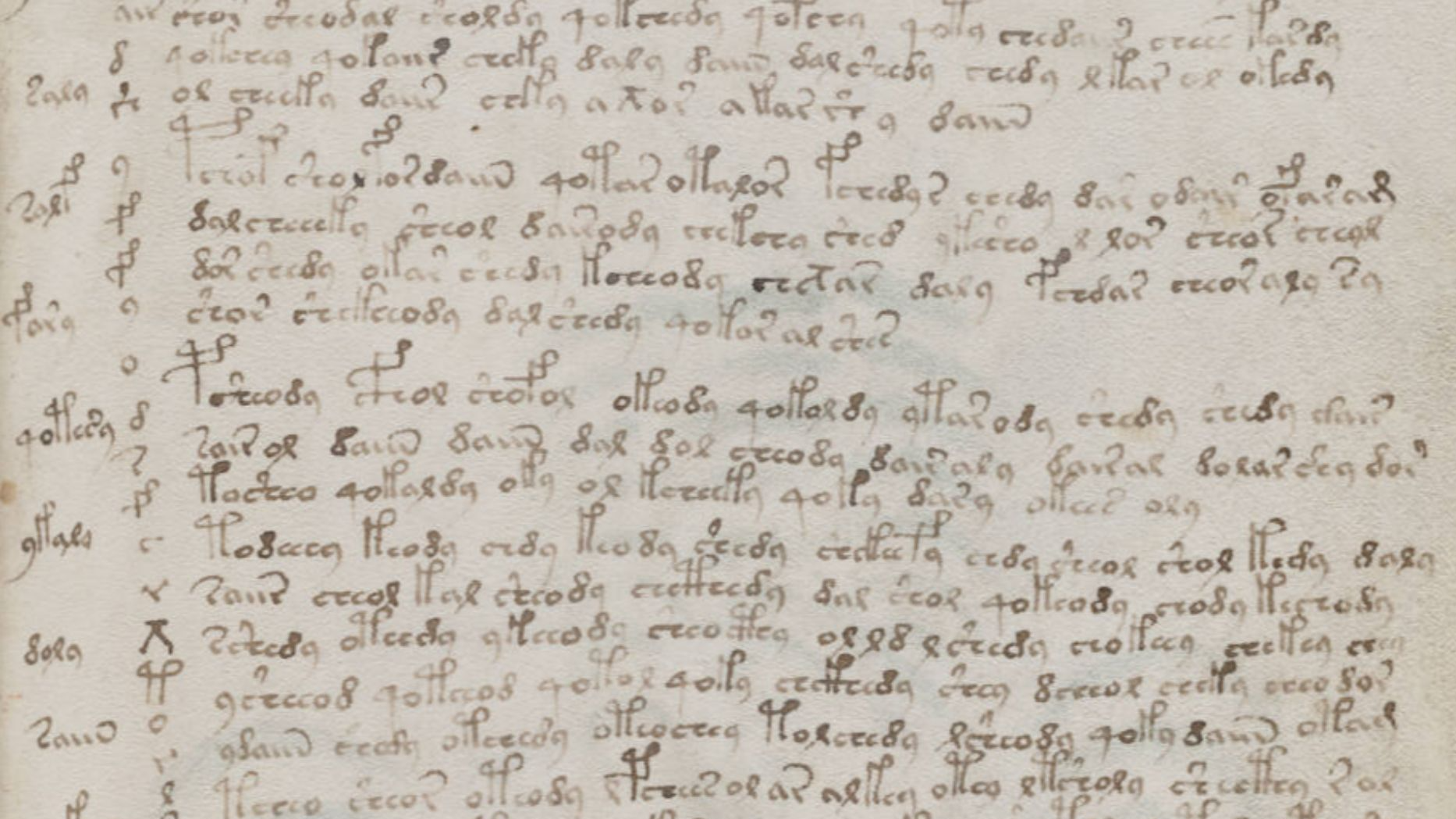
The symbols in the manuscript repeat in consistent patterns. Words have similar lengths. Sentences seem to follow rules. Linguists studying the text have noted that it behaves like real language. Physicist Marcelo Montemurro once said the writing shows “the same statistical structure as human language.”
 Unknown authorUnknown author, Wikimedia Commons
Letters From Nowhere
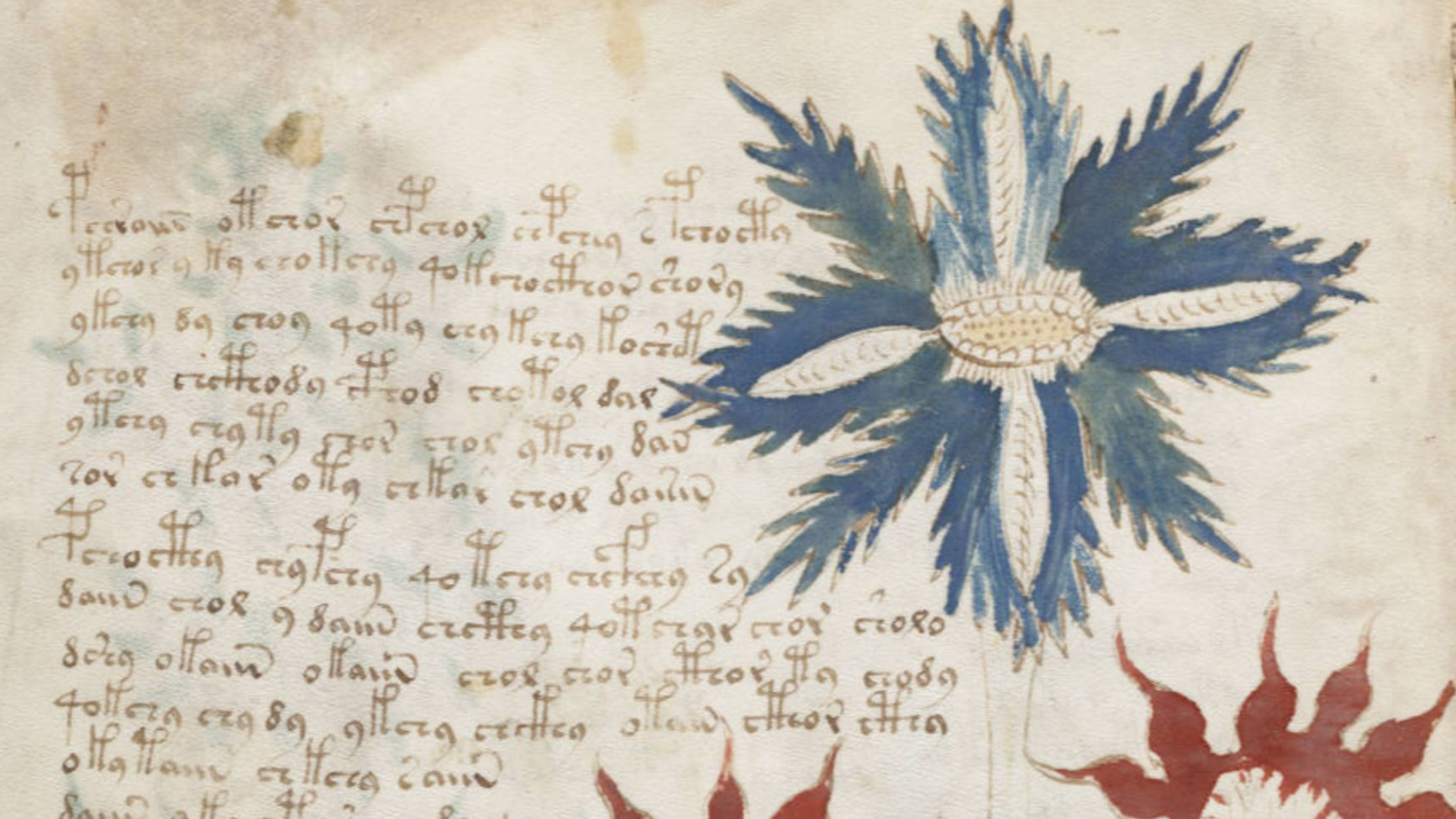
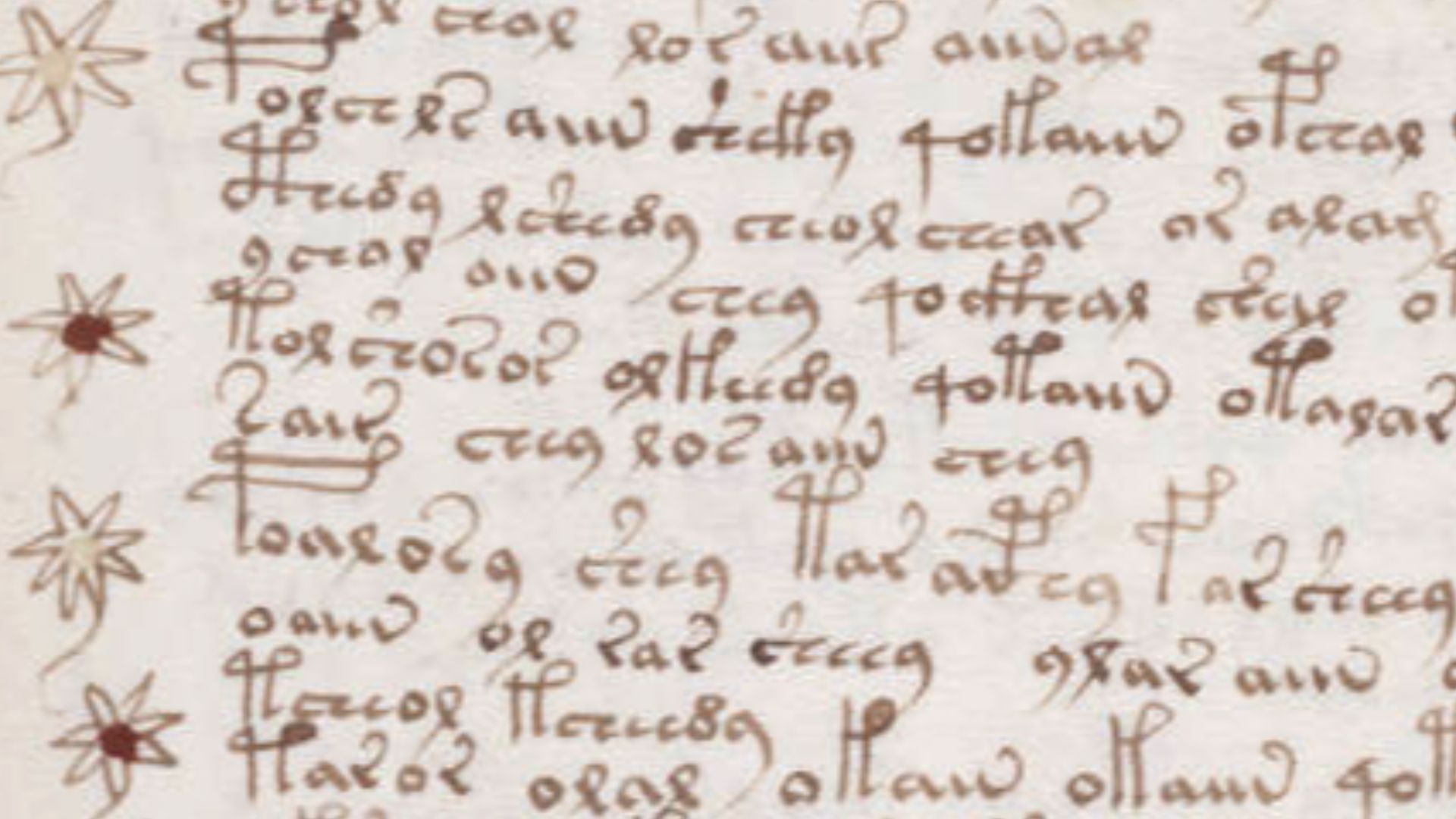
The alphabet itself is unknown. About 20 to 30 characters appear again and again, written from left to right. No known language matches it exactly. It does not resemble Latin, Greek, Arabic, or any known medieval script. And yet, it does not look random either.
Plants That No Botanist Can Name
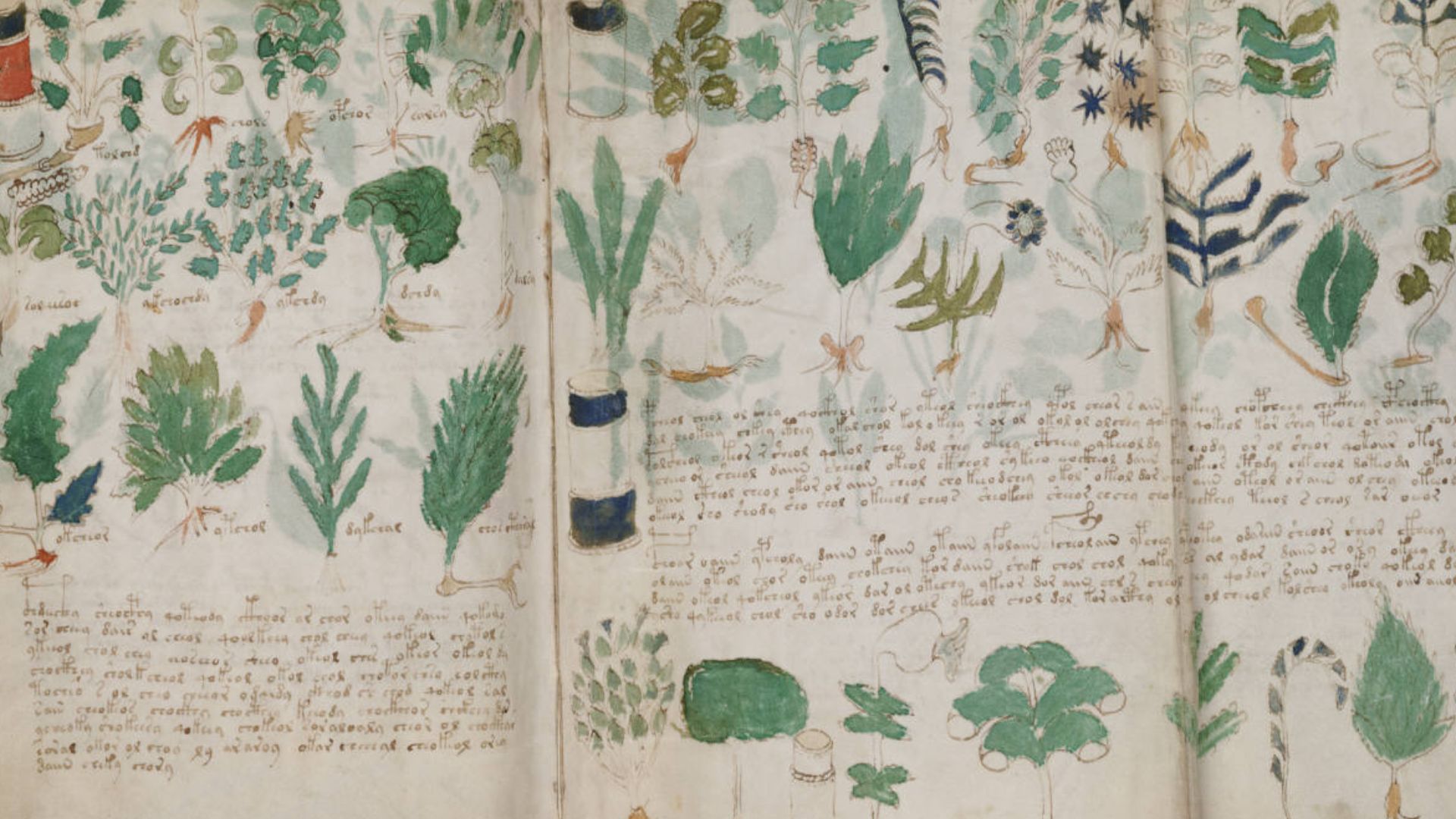
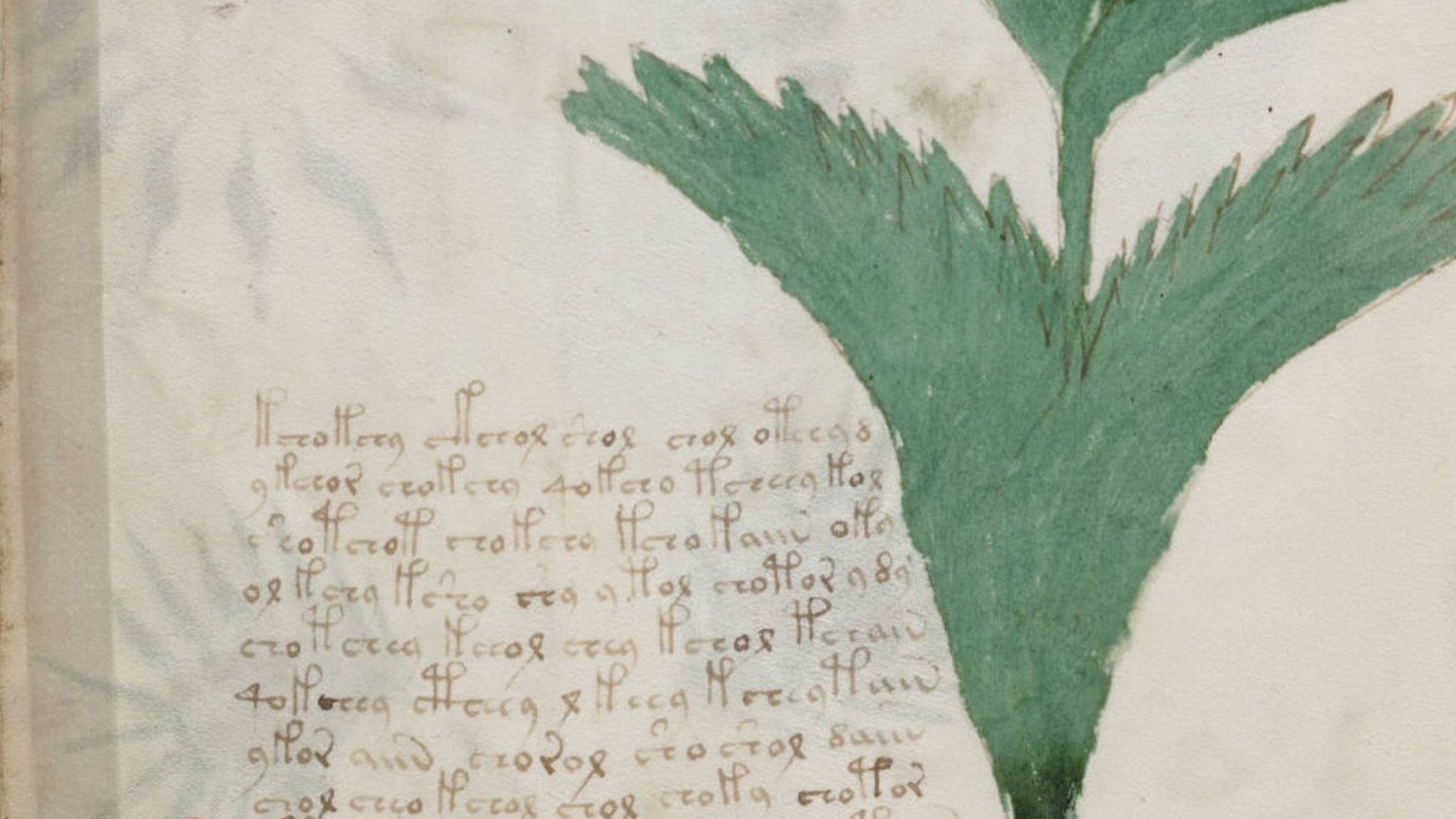
One large section of the manuscript is filled with drawings of plants. At first glance, they look like herbal illustrations. But botanists quickly noticed something was wrong. The roots, stems, and leaves don’t match any known species. Some plants seem stitched together from different real ones.
 Unknown authorUnknown author, Wikimedia Commons
Medicine or Imagination?
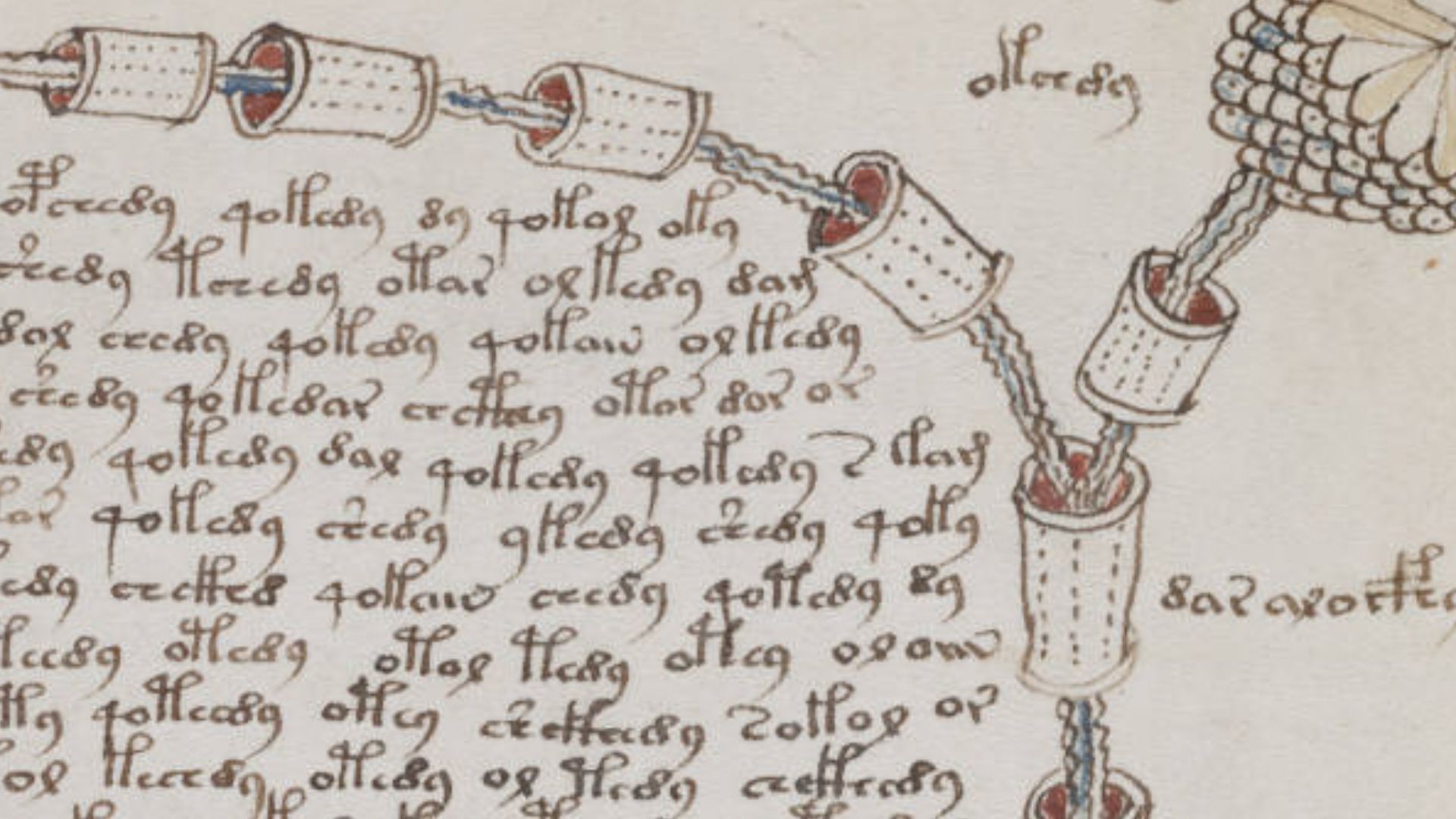
These strange plants may have been used for medicine. Some pages show jars and vessels, possibly for mixing remedies. Others argue the plants are symbolic, not real. If they represent medical knowledge, it may be knowledge that has been completely lost.
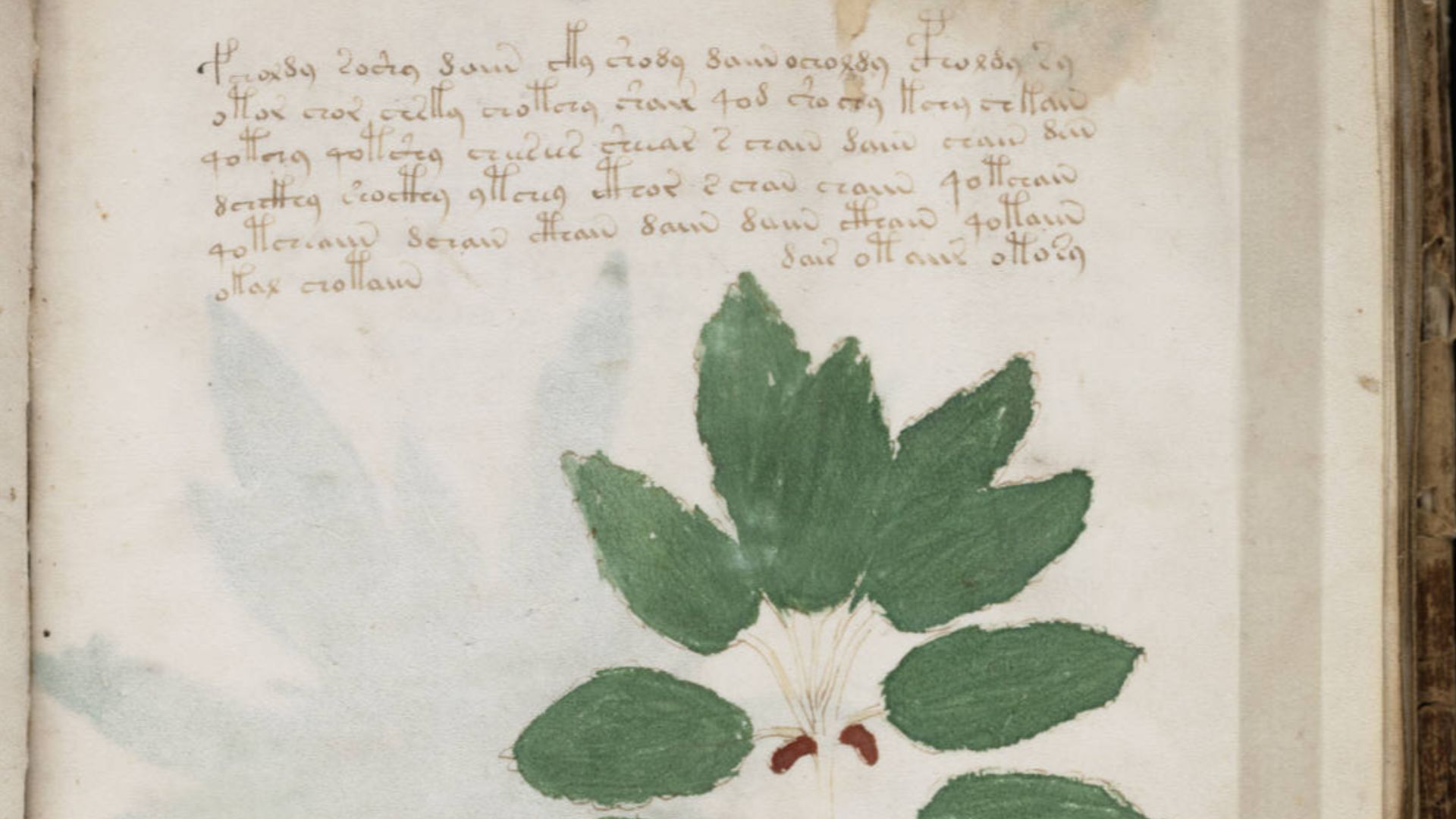 Unknown authorUnknown author, Wikimedia Commons
Women in Strange Baths
Another section shows unclothed women bathing in green liquid, connected by tubes and channels. Some appear to float through the diagrams. The imagery is unlike anything seen in other medieval books. Scholars debate whether this represents anatomy, childbirth, healing, or symbolic ideas we no longer understand.
A Book About the Sky
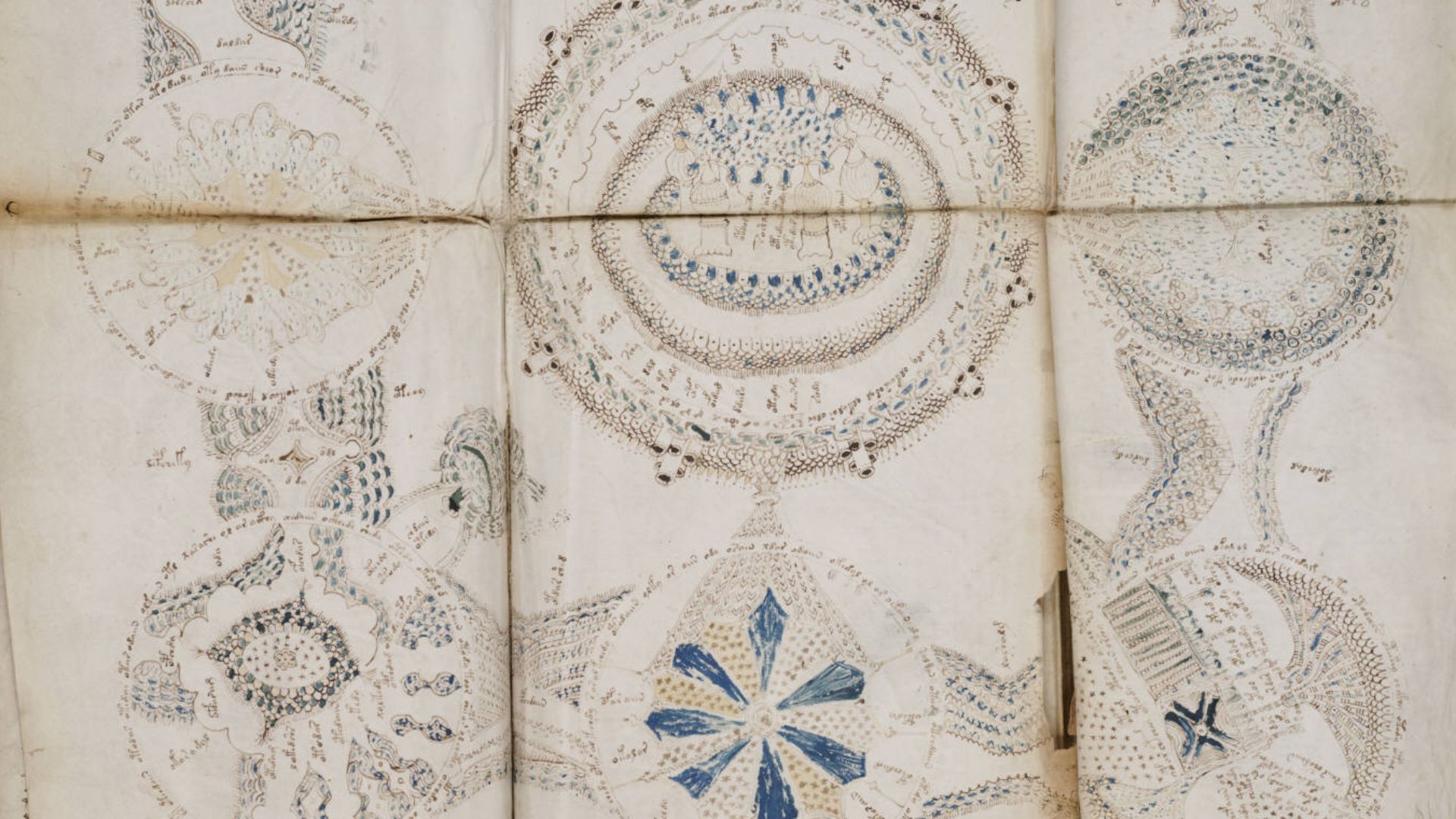
Several pages focus on astronomy and astrology. Zodiac signs like Aries and Pisces appear, along with circular star charts. Medieval medicine often linked health to the movement of the stars, so this section may connect celestial events to the human body.
 Unknown authorUnknown author, Wikimedia Commons
A Clear Structure
Despite the confusion, the manuscript appears organized. Sections seem to focus on plants, astronomy, biology, pharmaceuticals, and recipes. Yale librarian Raymond Clemens has pointed out that the book feels planned. “It doesn’t look like nonsense,” he said. “It looks intentional.”
 Unknown authorUnknown author, Wikimedia Commons
A Mysterious Early Owner
The first known owner of the manuscript was Georg Baresch, a 17th-century alchemist living in Prague. Baresch spent years trying to decode the book and failed. He believed it contained ancient knowledge and wrote letters begging scholars to help him understand it.
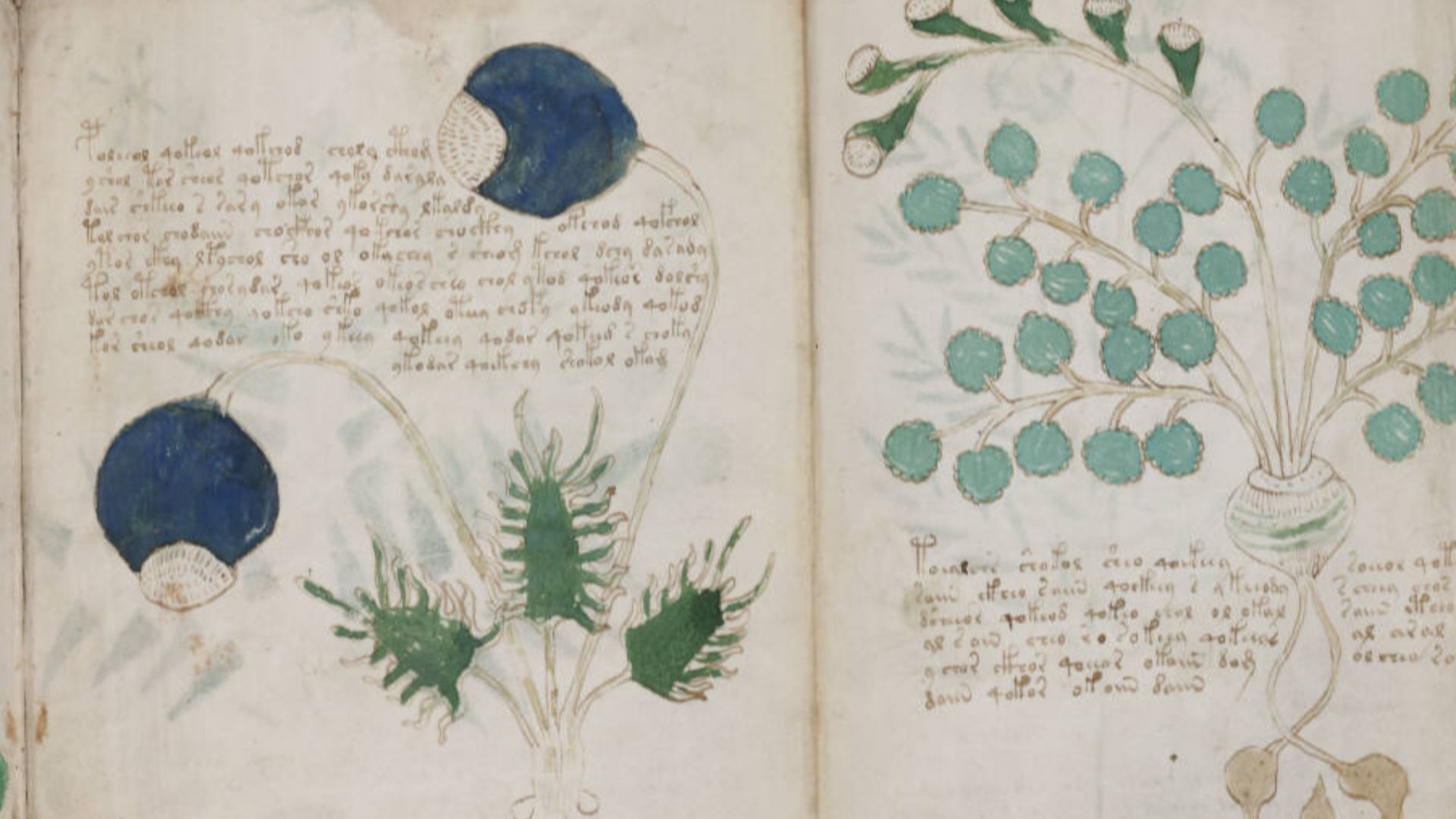 Unknown authorUnknown author, Wikimedia Commons
A Letter to a Famous Scholar
Baresch eventually contacted Athanasius Kircher, a Jesuit scholar known across Europe. Kircher claimed he could read Egyptian hieroglyphs, so Baresch hoped he could solve the mystery. Kircher never cracked the manuscript, but his interest made the book famous.
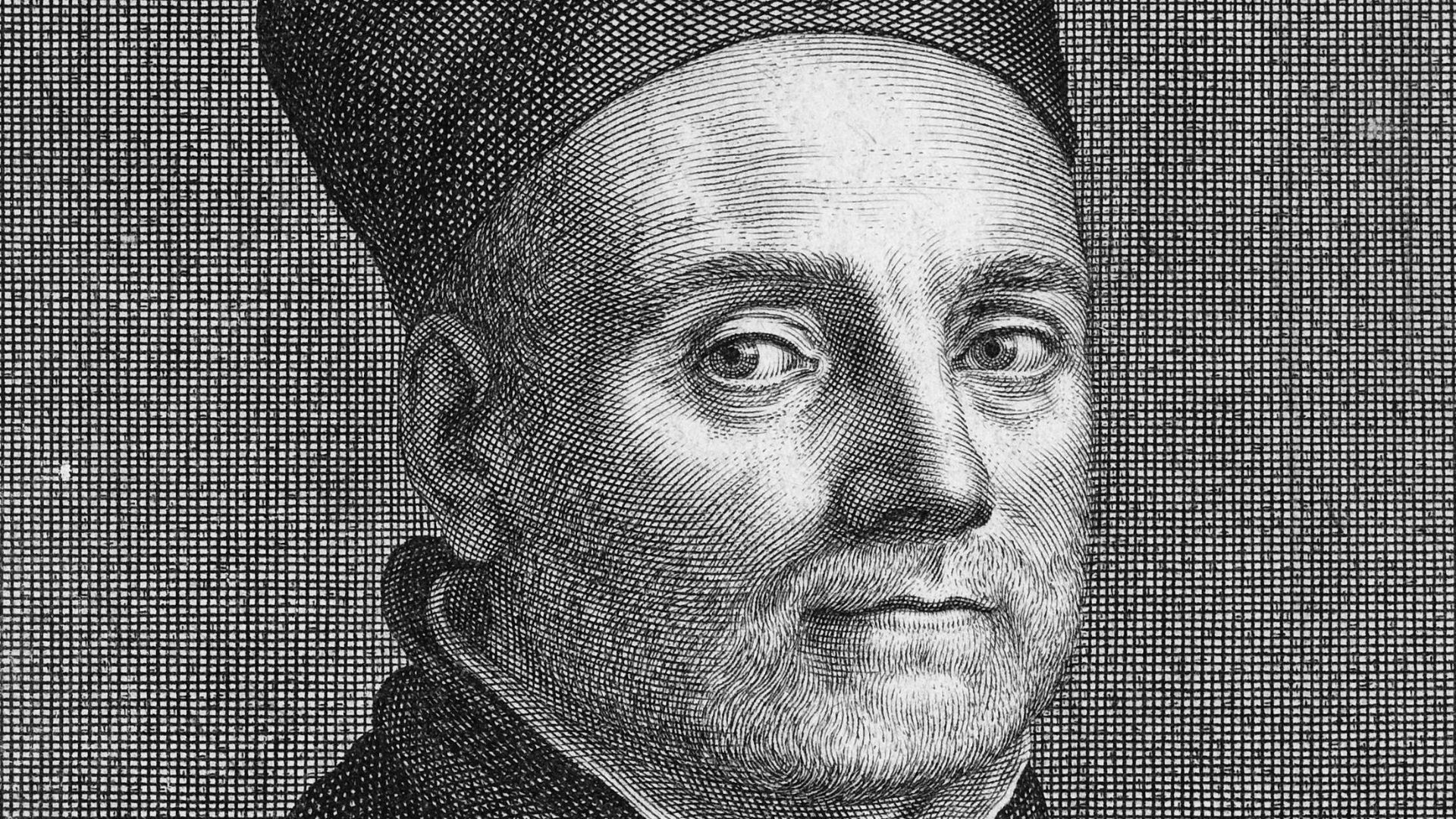 Cornelis Bloemaert, Wikimedia Commons
Enter Wilfrid Voynich
In 1912, book dealer Wilfrid Voynich purchased the manuscript from a Jesuit collection near Rome. Voynich believed the book was written by Roger Bacon, a medieval English philosopher. Although this theory has been rejected, Voynich’s name stuck.
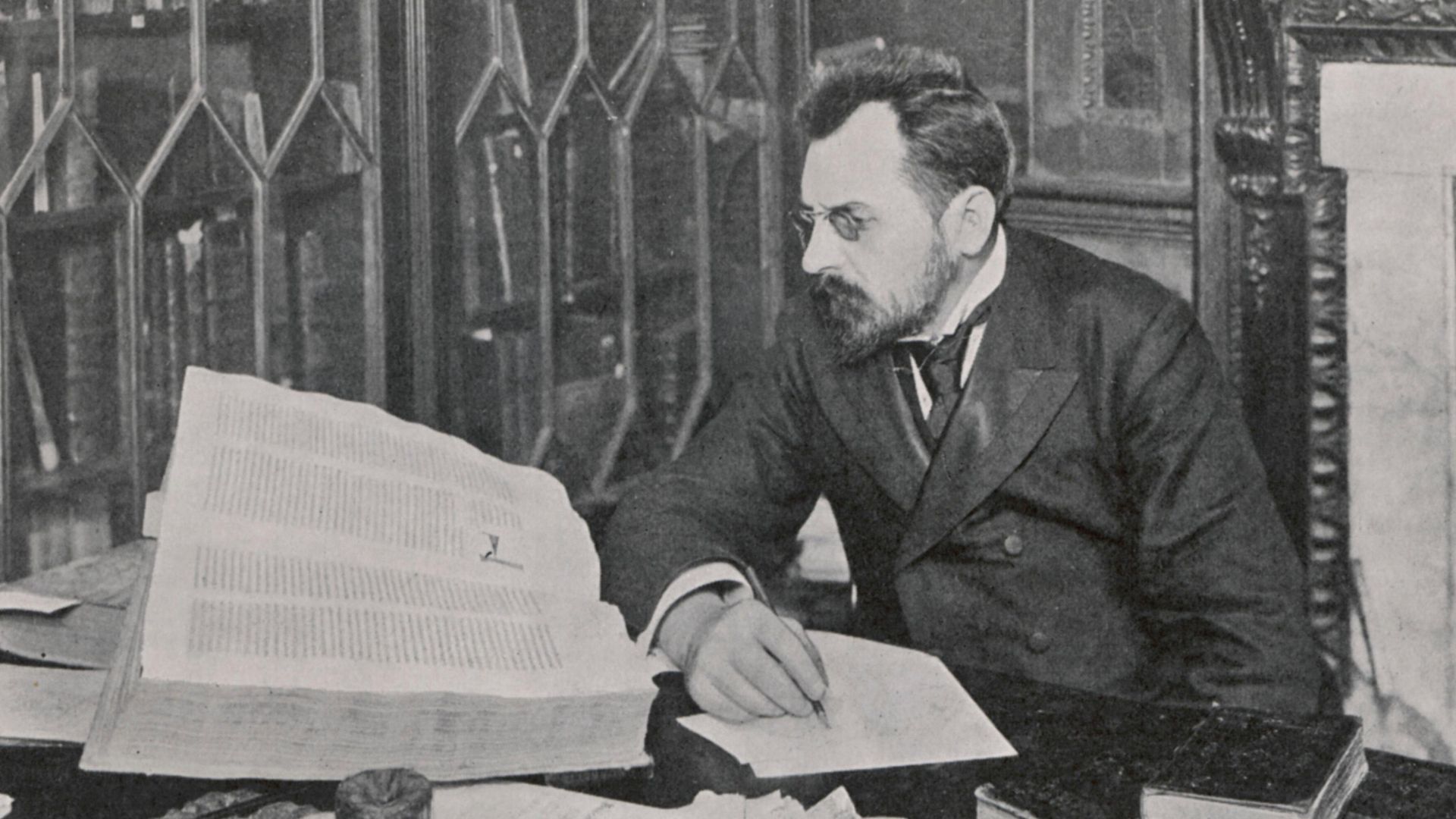 Unknown authorUnknown author, Wikimedia Commons
Codebreakers Take Over
During the 20th century, some of the world’s best codebreakers tried to solve the manuscript. One of them was William Friedman, who helped break Japanese codes during World War II. After decades of effort, Friedman admitted defeat.
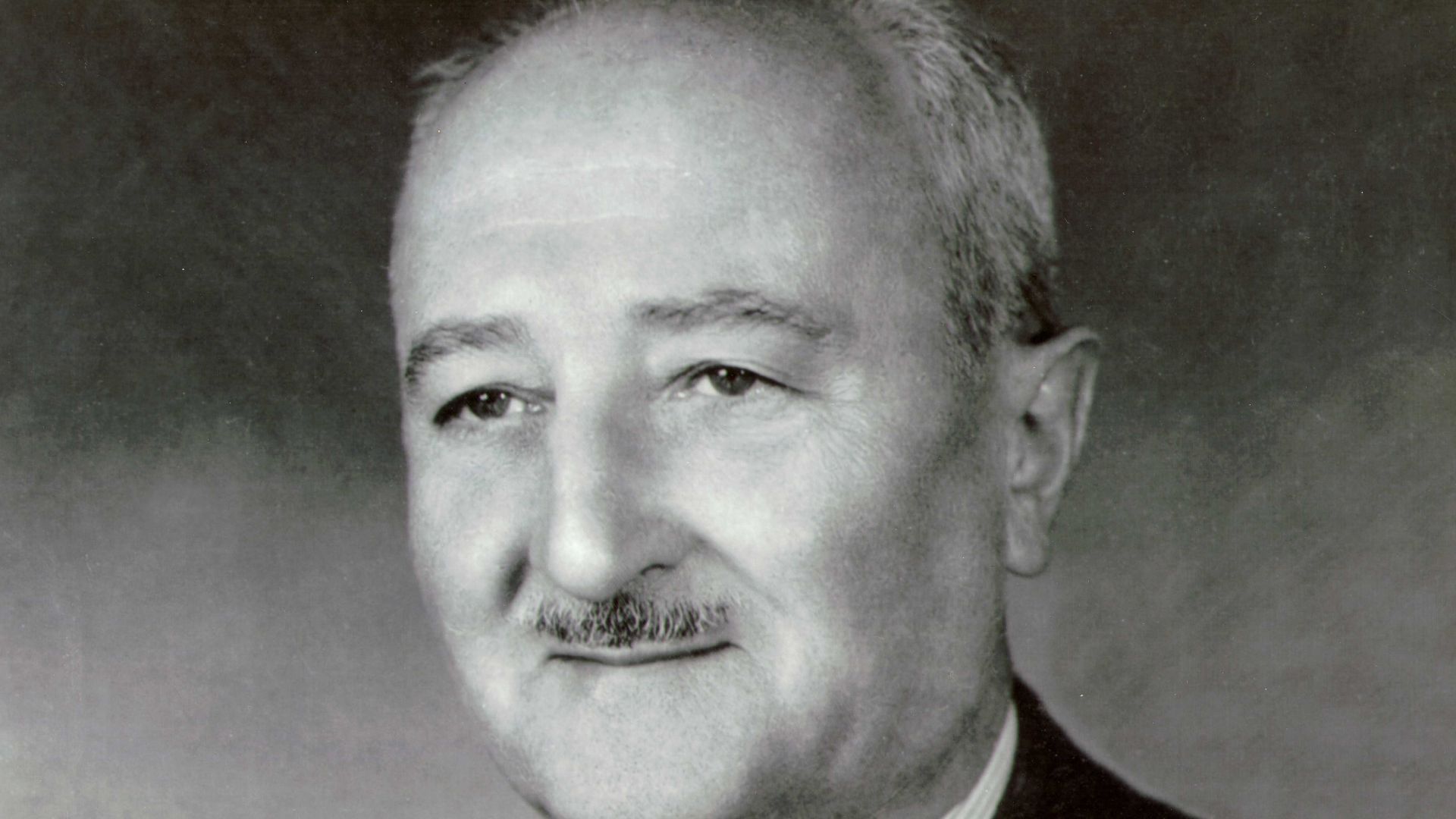
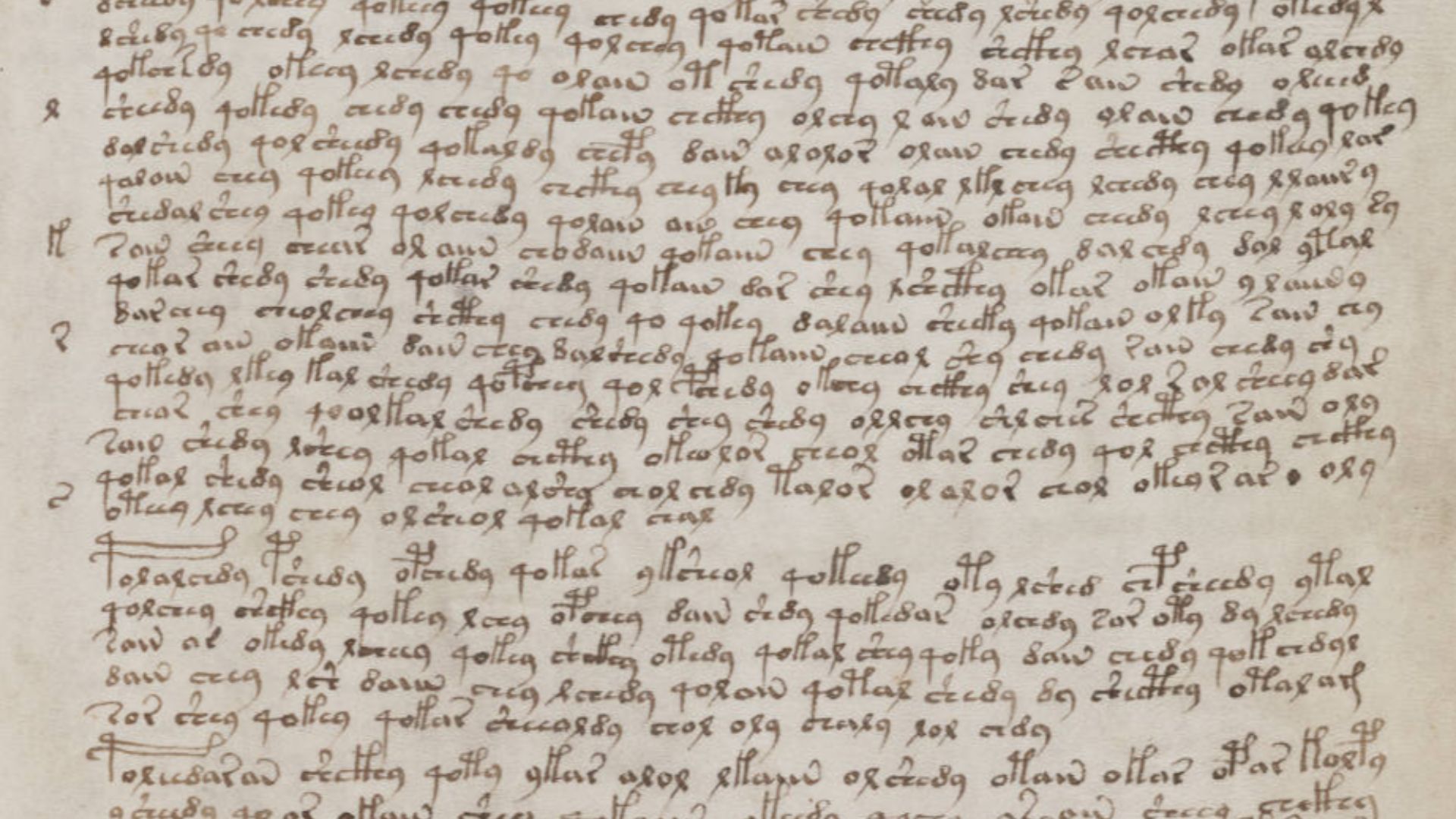
Is It an Encrypted Text?
Many experts believe the manuscript is encrypted. But if so, it uses a system unlike any known medieval cipher. There is no obvious key and no clear substitutions. Friedman once said that if it is a cipher, “it is one without precedent.”
 Unknown authorUnknown author, Wikimedia Commons
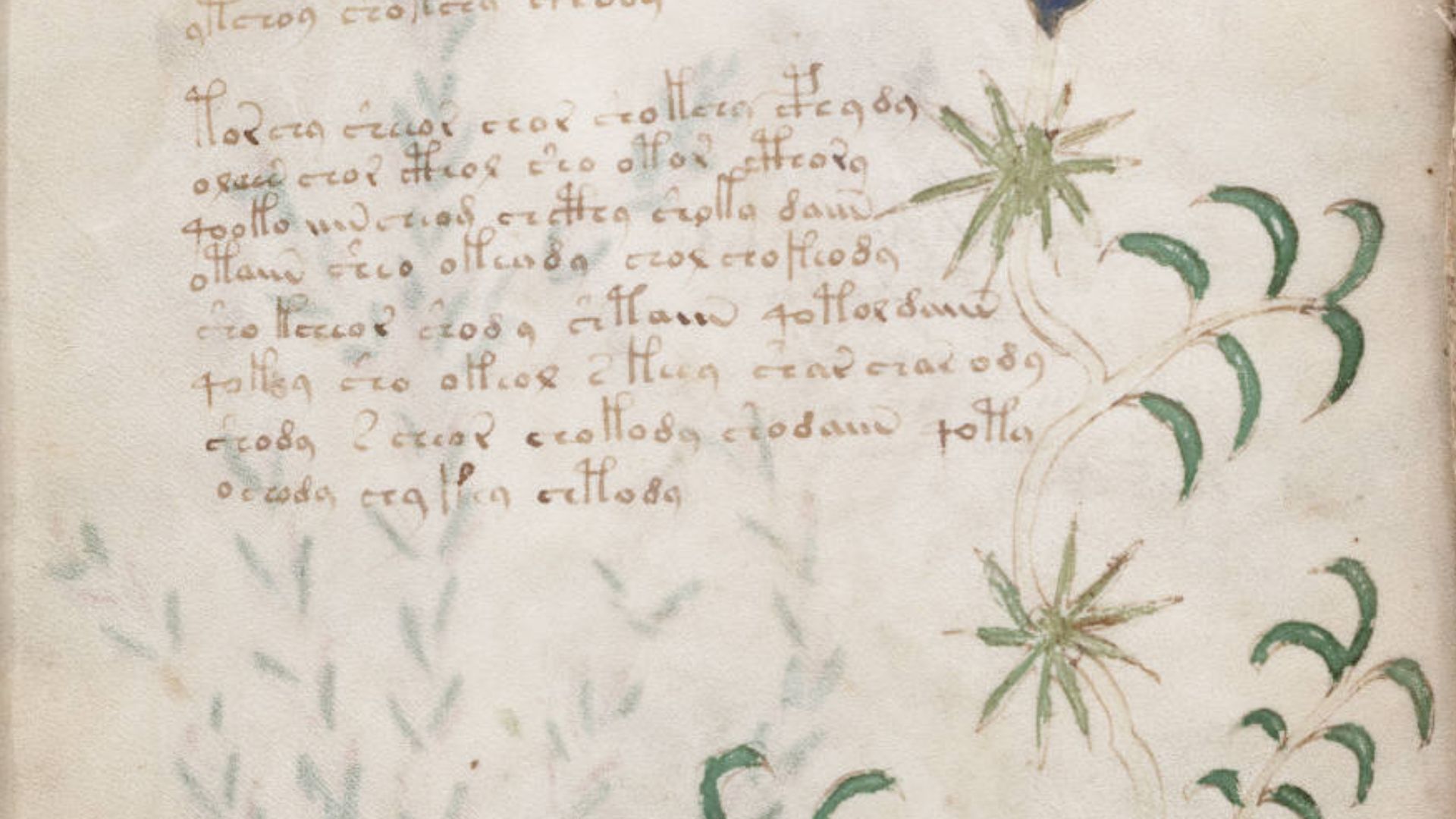
A Lost Language Instead
Others think the manuscript is written in a real language that no longer exists. It could be a phonetic shorthand or an early form of a European dialect. The problem is that no known language fits all the evidence.
 Unknown authorUnknown author, Wikimedia Commons
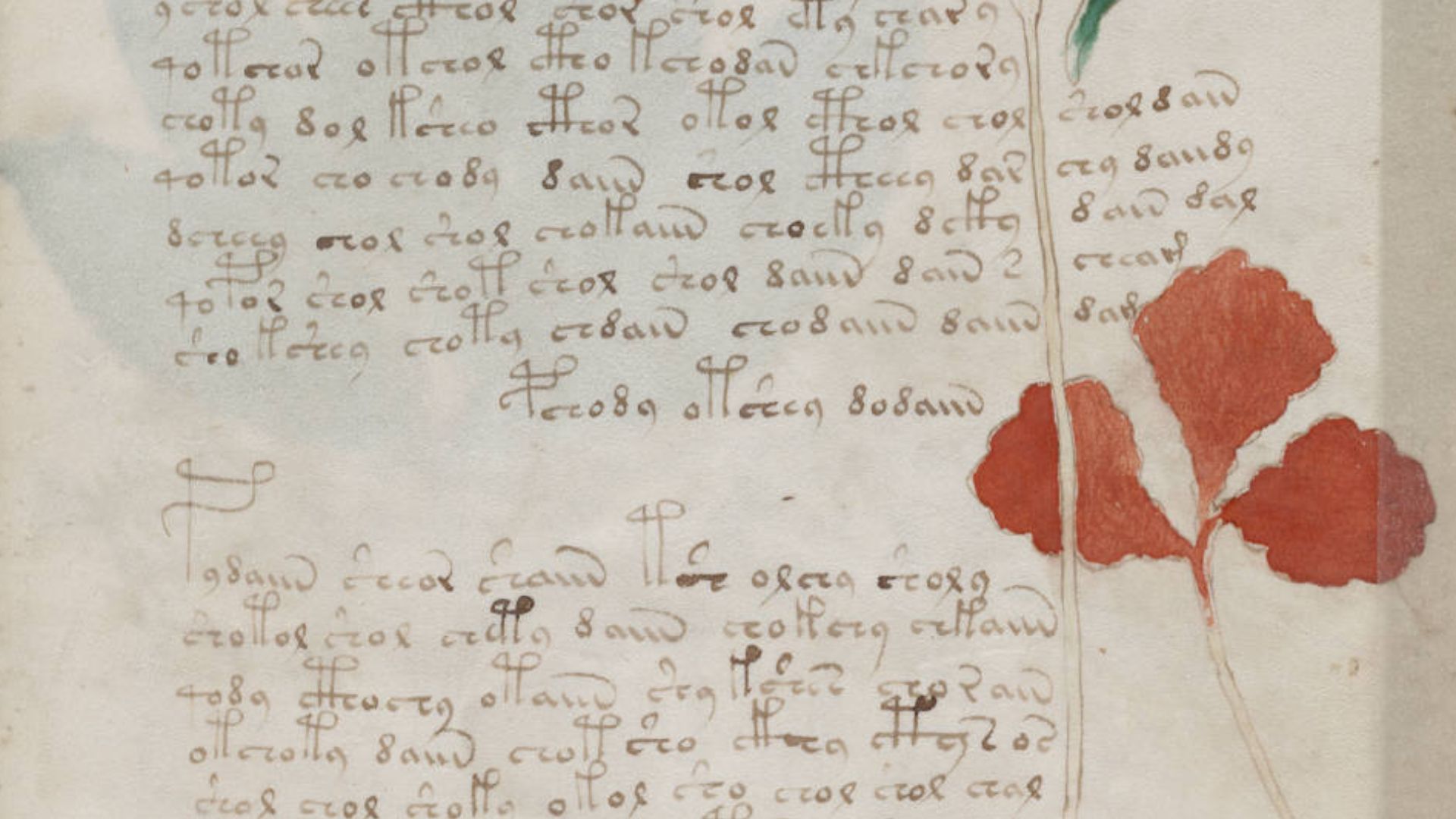
Computers Join the Hunt
In recent years, researchers have turned to artificial intelligence. Some computer models suggest the text may resemble Hebrew or Latin patterns. Others caution that statistical similarity does not equal understanding. Computer scientist Kevin Knight warned that patterns alone are not proof.
 Unknown authorUnknown author, Wikimedia Commons
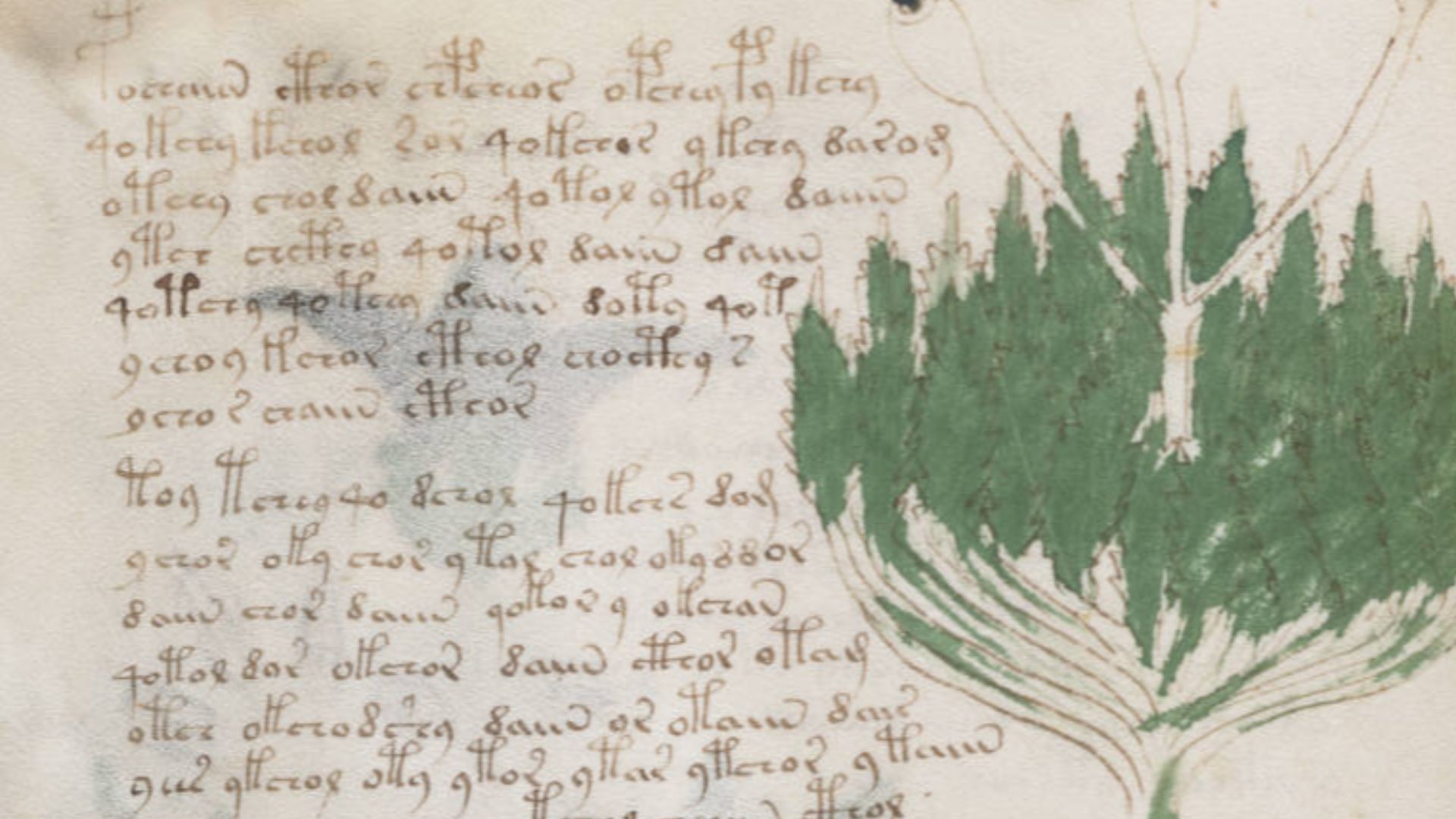
The Hoax Question Returns
A small number of skeptics still argue the manuscript could be an elaborate fake. But creating hundreds of pages of structured nonsense would require incredible effort. Most scholars agree that if it is a hoax, it is one of the most complex ever created.
 Unknown authorUnknown author, Wikimedia Commons
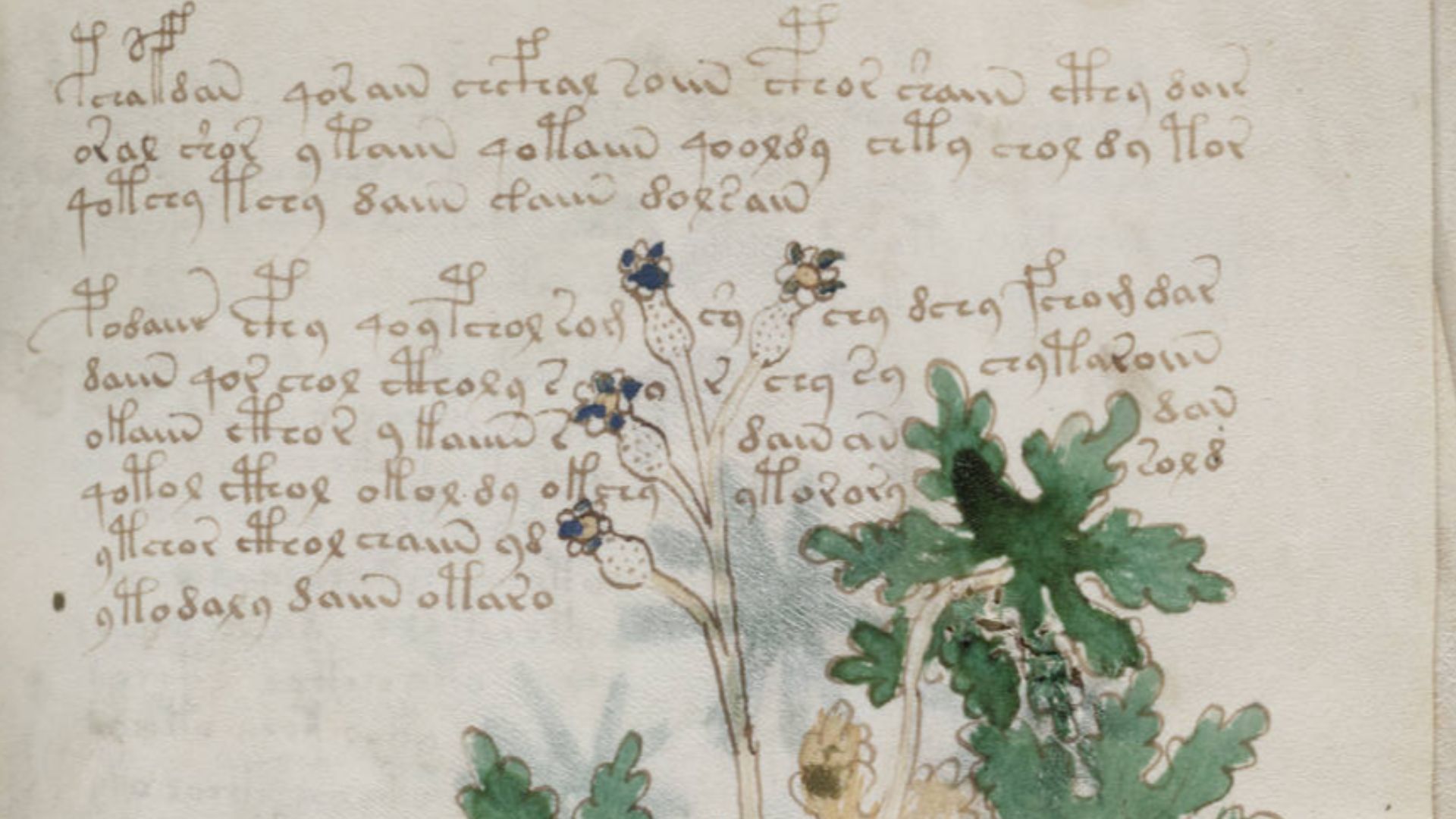
Could a Woman Have Written It?
Some researchers believe the author may have been a woman, possibly a healer or midwife. The focus on plants, medicine, and female bodies supports this idea. However, there is no direct evidence to confirm it.
 Unknown authorUnknown author, Wikimedia Commons
Monk, Alchemist, or Scientist
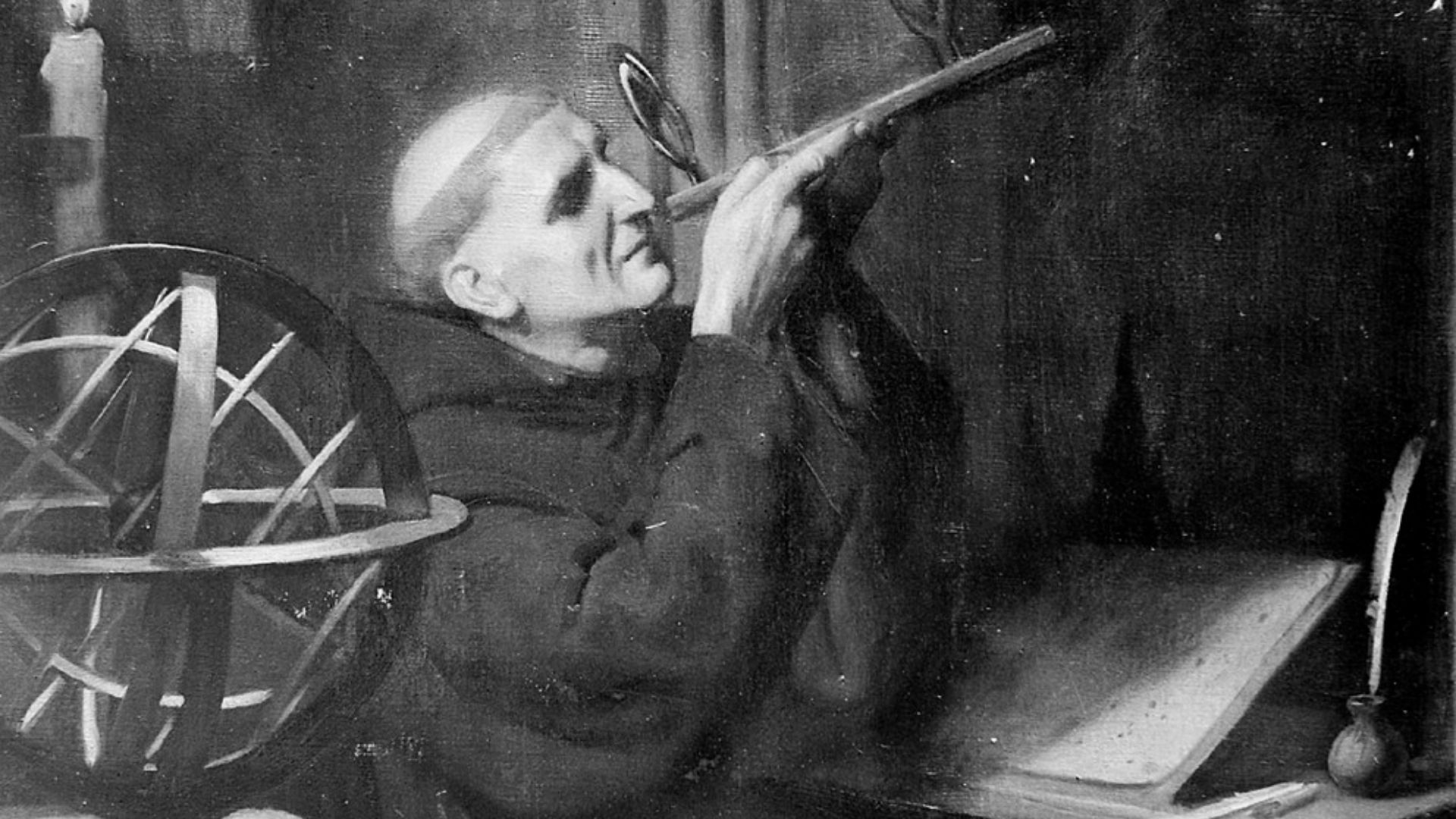
Others believe the author was a monk or an alchemist working in secrecy. The manuscript may hide ideas that were considered dangerous or forbidden. Its strange symbols could have been meant to protect knowledge from outsiders.
An Unfinished Work
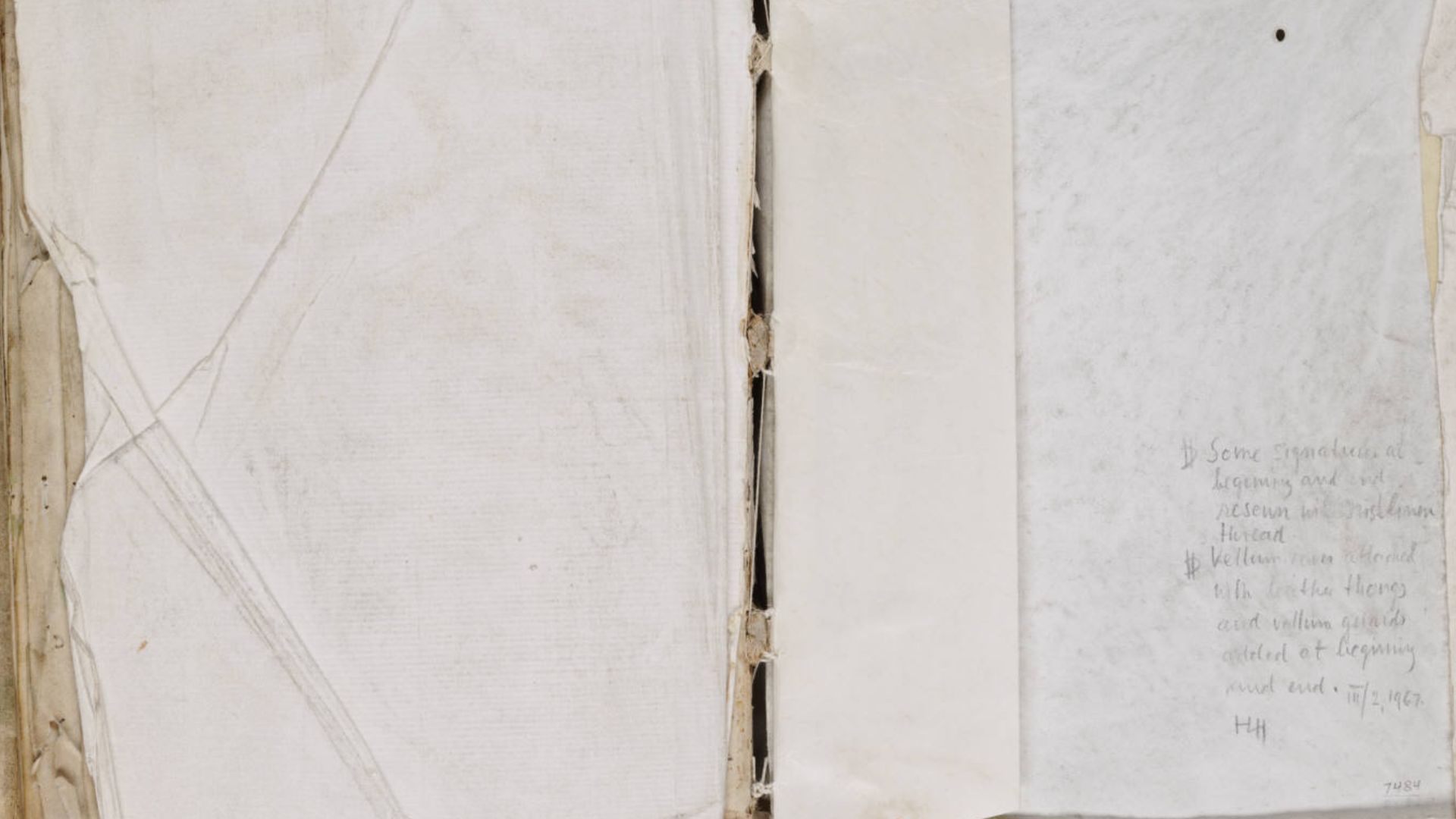
Some pages appear rushed. Others are missing entirely. This suggests the manuscript may never have been completed. Why the work stopped remains another unanswered question.
 Unknown authorUnknown author, Wikimedia Commons
Why the Mystery Still Matters
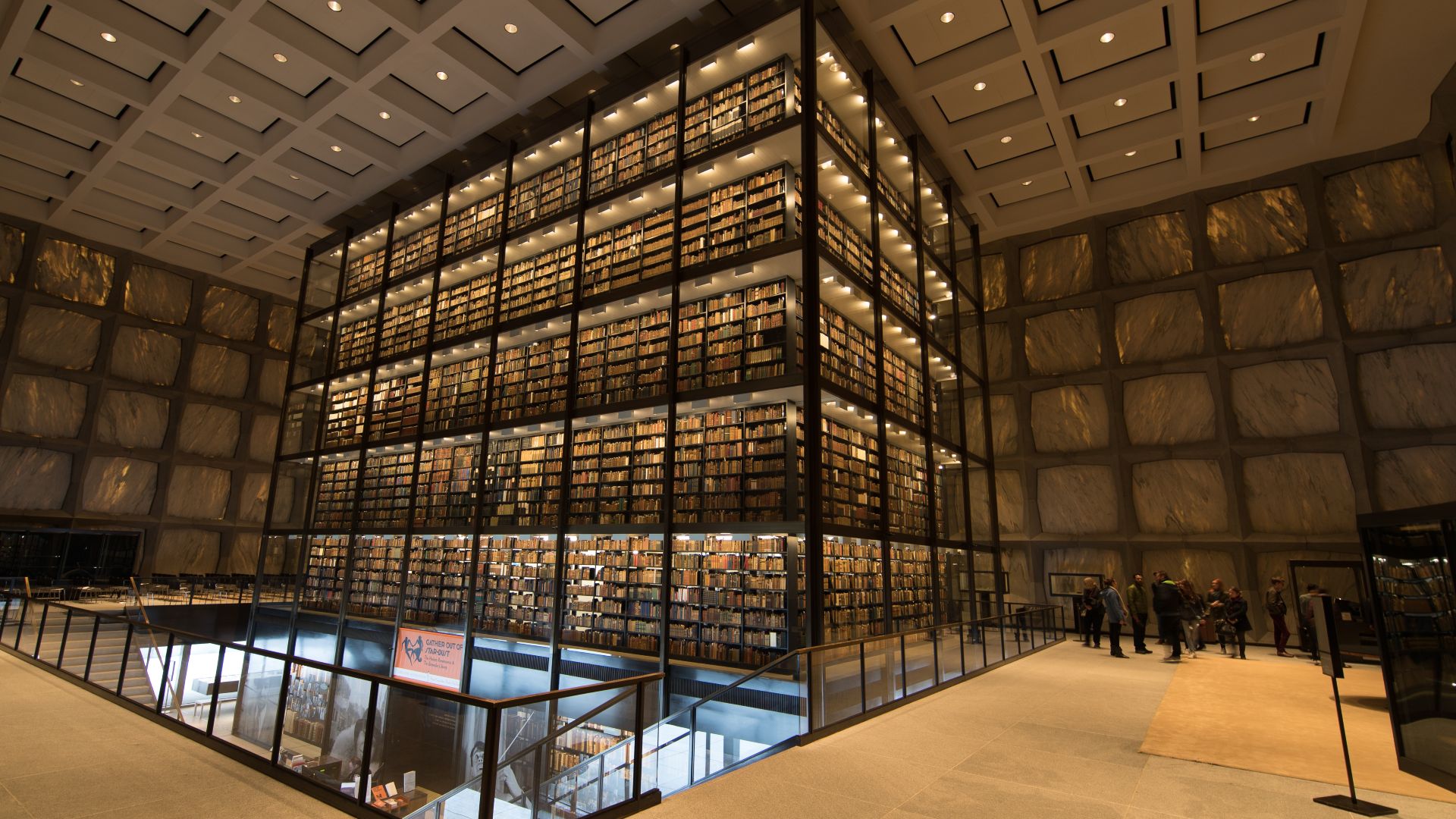
Today, the Voynich Manuscript is housed at Yale University’s Beinecke Rare Book Library. It has been digitized and studied by thousands of people. Still, no one has produced a verified translation.
But a new theory has emerged…and it’s interesting, to say the least.
 Michael Kastelic, Wikimedia Commons
A 2026 Theory Reopens the Cipher Debate
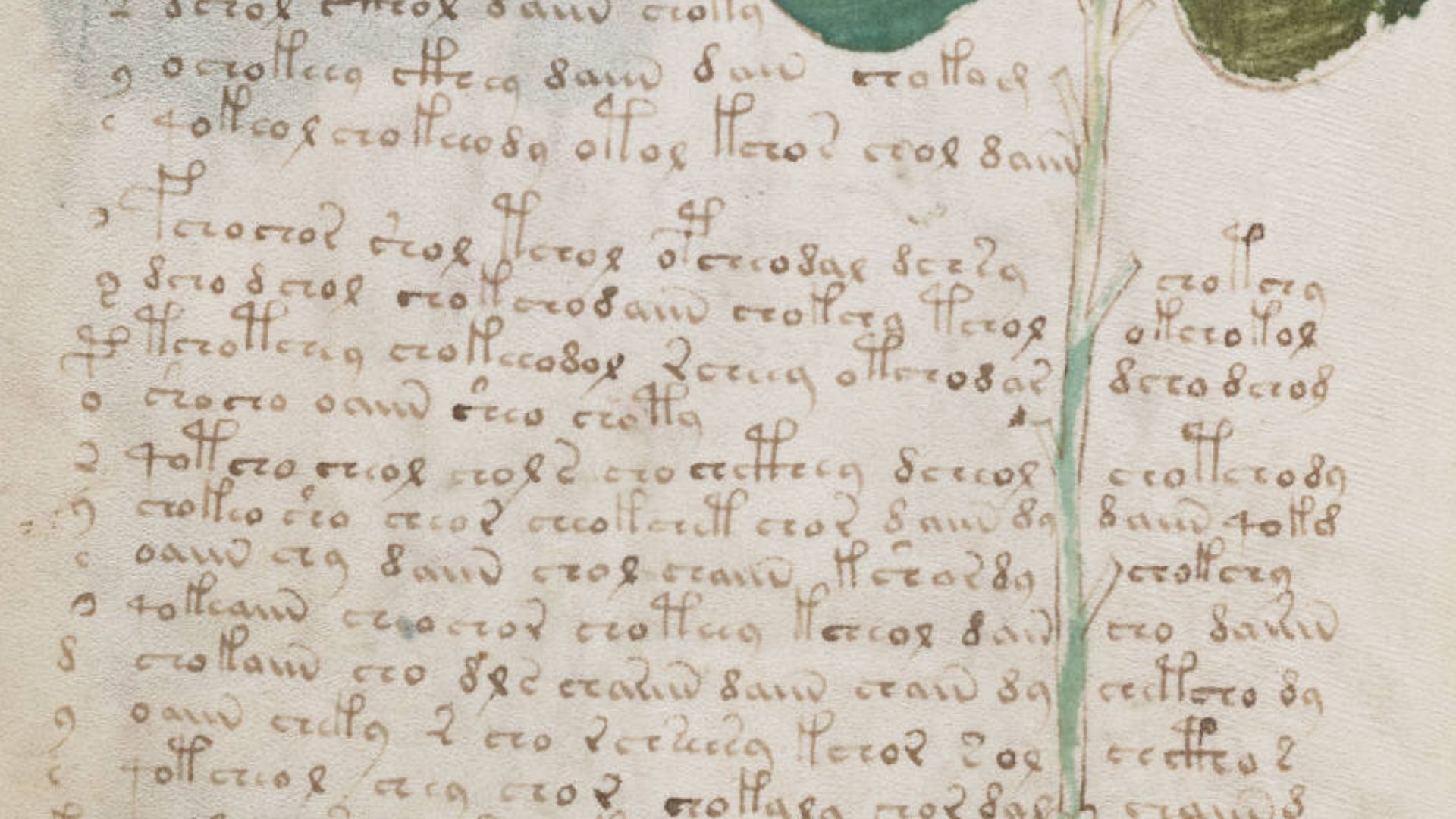
In January 2026, a new theory revived the idea that the Voynich Manuscript may be encrypted. Writing in Archaeology Magazine, journalist Michael Greshko described research suggesting the text could be a deliberate medieval cipher rather than a lost or invented language.
And its inspiration is surprising.
 Unknown authorUnknown author, Wikimedia Commons
The Naibbe Cipher Shows How It Could Work
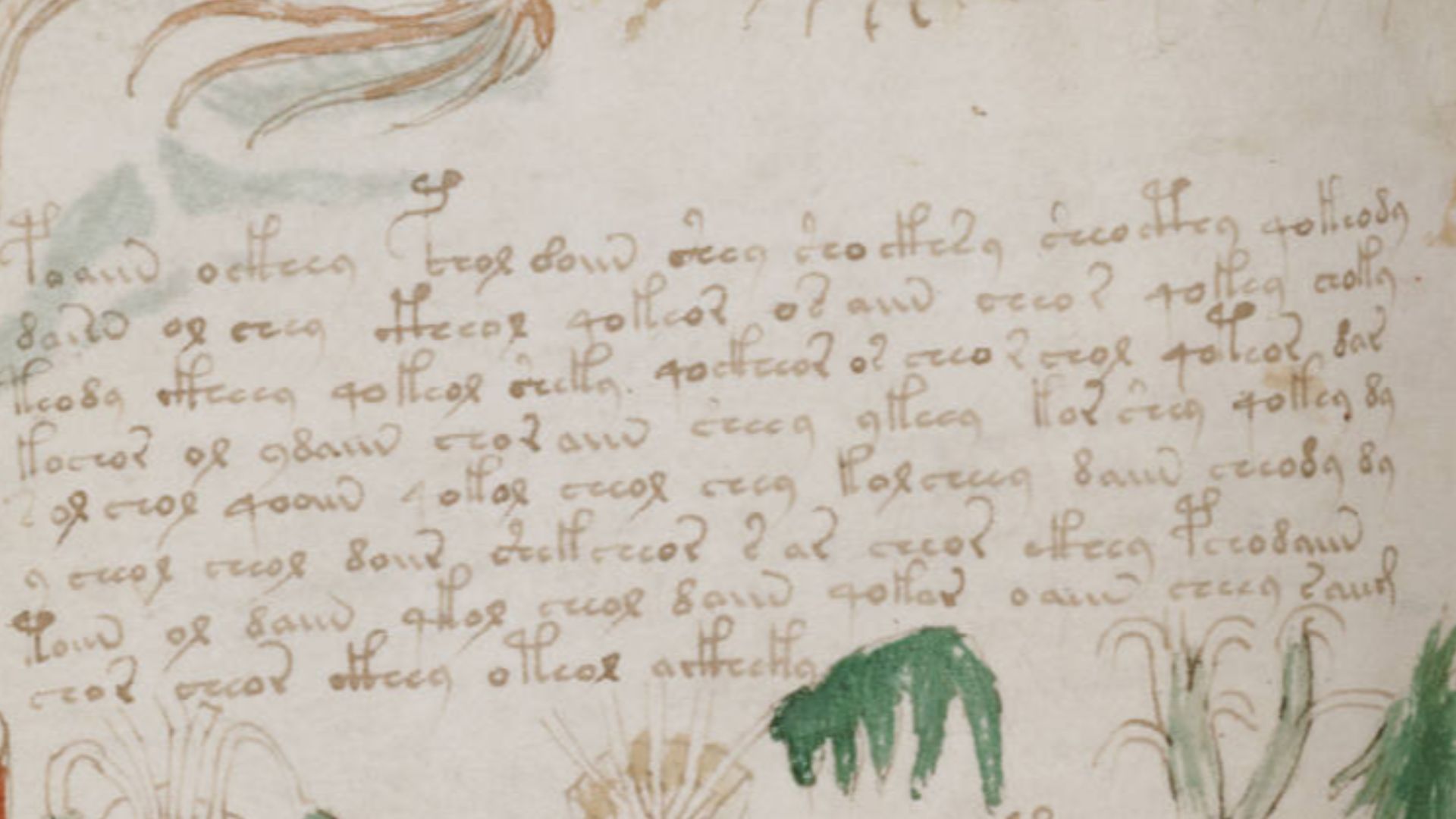
The theory introduces the Naibbe cipher, inspired by a 14th-century Italian card game. Using simple rules, it transforms Latin or Italian into symbols that closely match Voynich patterns, including word length, repetition, and structure, without requiring advanced mathematics.
 Unknown authorUnknown author, Wikimedia Commons
Why This Matters, Even Without a Translation
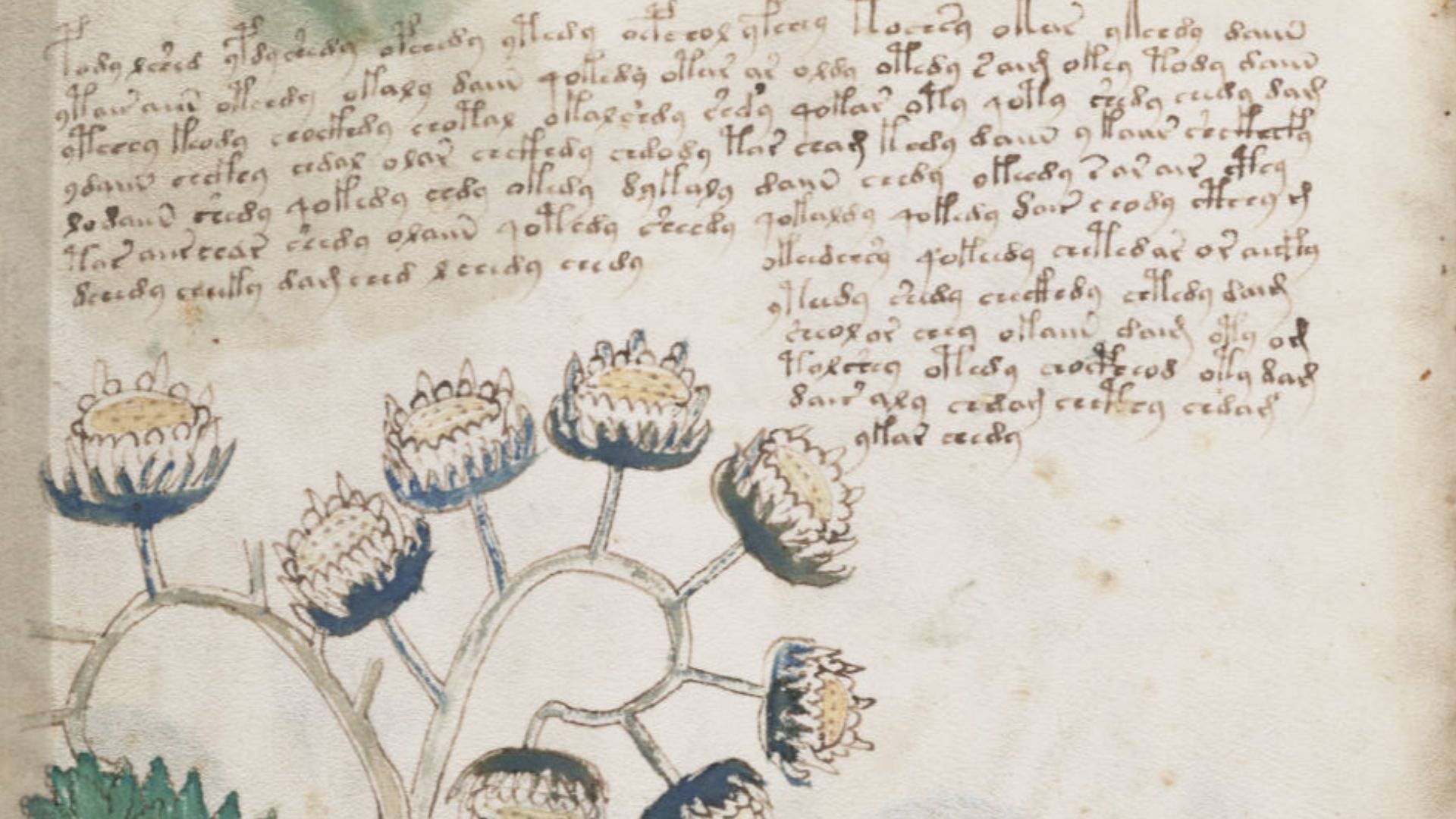
The Naibbe cipher does not decode the manuscript, but it proves a medieval cipher could create Voynich-like text. Researchers say this keeps the cipher theory alive and shows the manuscript may hide real meaning, even if that meaning remains out of reach.
 Unknown authorUnknown author, Wikimedia Commons
You May Also Like: