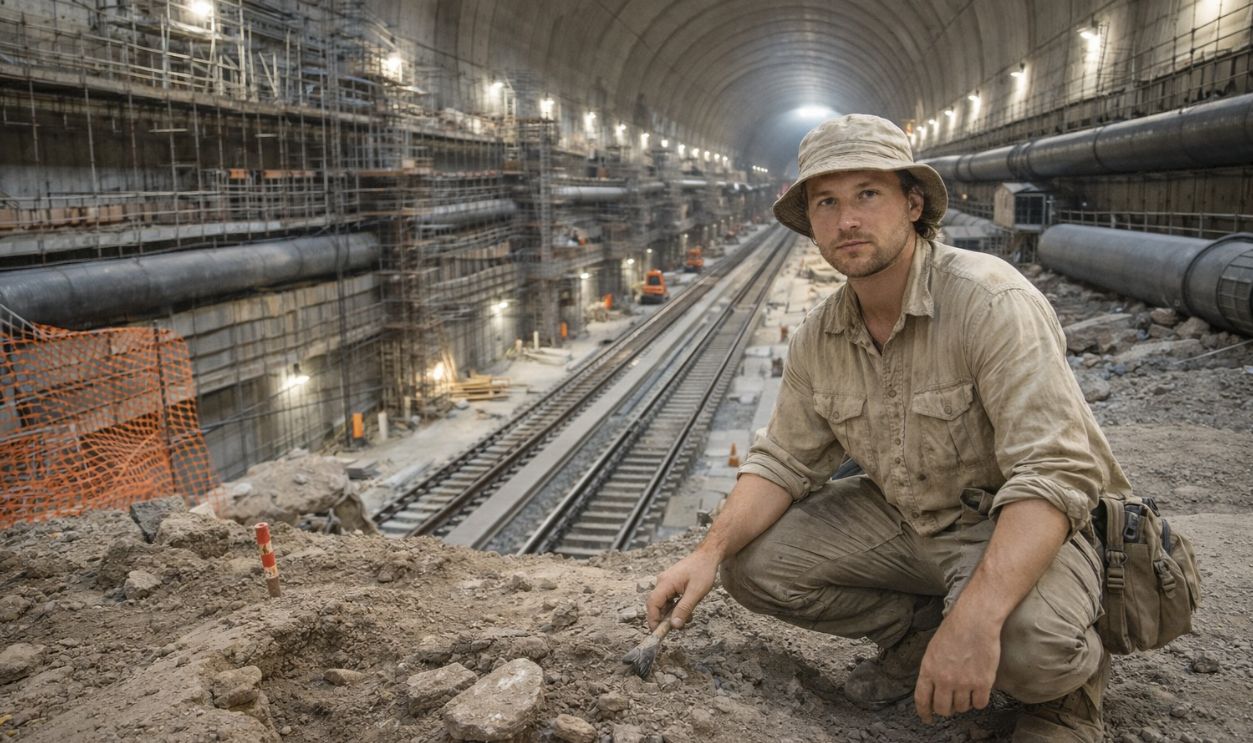
Construction crews building a new section of Milan’s subway line have uncovered an unexpected window into the city’s ancient past. While lowering deep concrete tunnels beneath the modern streets, archaeologists uncovered the remains of a Roman horreum—a large warehouse used in antiquity for storing grain and other essential goods. Facilities like these served a key function in the economy of the Roman Empire, securing and distributing food supplies and commodities to urban centers. The discovery in Milan, ancient Mediolanum, offers new evidence of how this northern Italian hub was connected to broader trade networks, including routes across the fertile Po Valley that linked communities and markets throughout the empire.
Ancient Warehouses And Roman Logistics
In the Roman world, horrea were purpose-built storage facilities important to the empire’s economic backbone. These warehouses stored grain, olive oil, wine, and other goods necessary for feeding urban populations and provisioning armies. The Latin term horreum literally connects to grain, reflecting its central function in food storage and logistics. Archaeological studies show horrea were common in cities and military sites throughout the empire. They often featured thick walls for security, raised floors to protect against moisture and pests, and multiple compartments for different commodities.
In Rome itself, the scale of horrea was immense; for example, the Horrea Galbae covered extensive ground with more than 140 rooms and stored not only grain but olive oil and other foodstuffs. Horrea were not only practical storage spaces—they reflected the complexity of Roman supply systems. The state and private owners managed these facilities to ensure that cities and markets had steady access to essential goods. Without such structures, large urban populations and military campaigns would have been far harder to sustain. Their presence also symbolized state authority, economic stability, and Rome’s ability to manage abundance as well as scarcity.
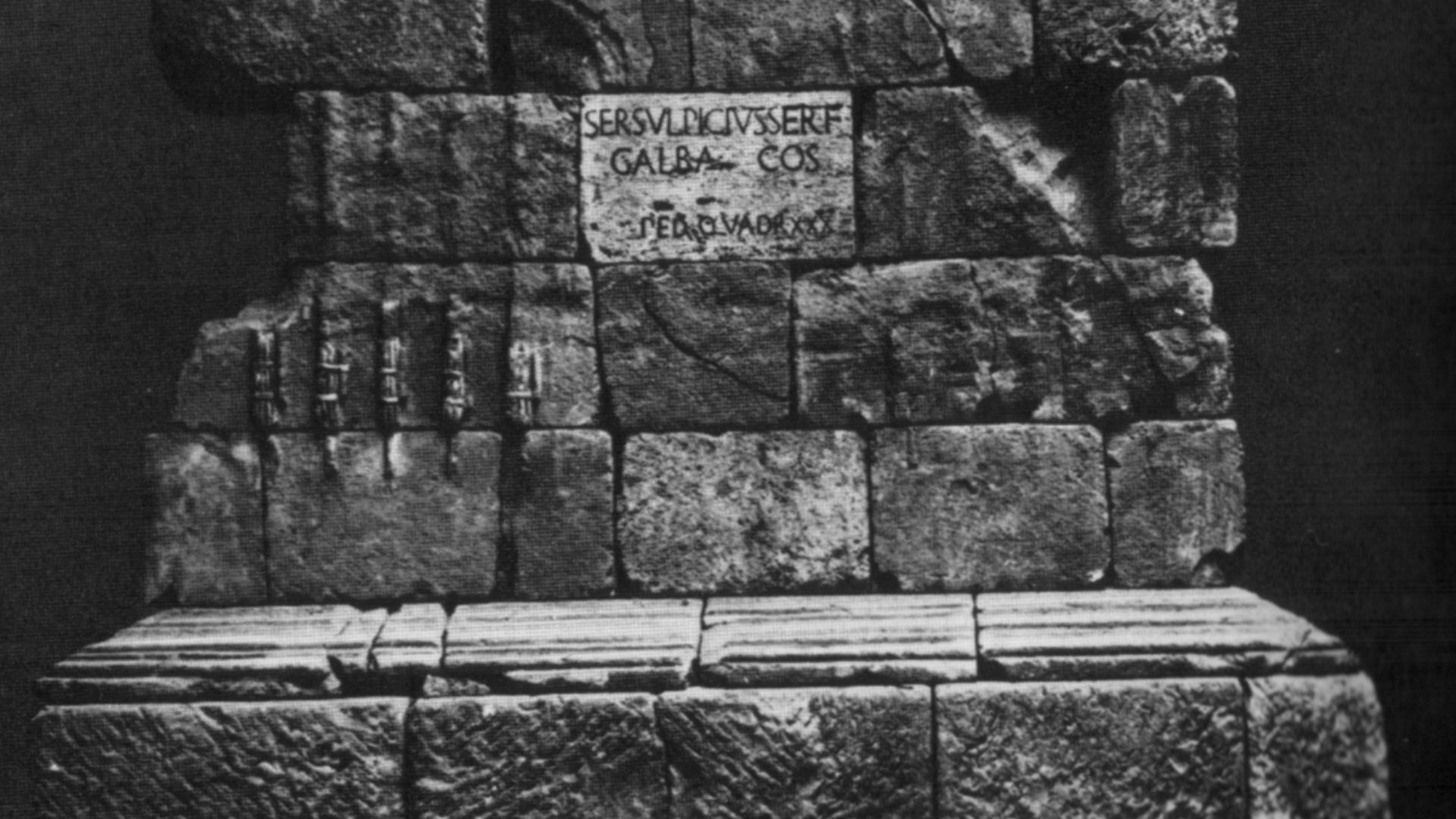 Unknown authorUnknown author, Wikimedia Commons
Milan’s Roman Past And Urban Importance
Milan, known as Mediolanum in antiquity, was a major city in northern Italy and an important administrative and commercial center in the Roman Empire. Its strategic position in the heart of the Po Basin made it a hub for land and river routes by linking it to other cities and regions of the empire. Roads leading out of Mediolanum connected it to Alpine passes and Mediterranean trade routes, facilitating the movement of goods and people. Archaeological evidence from prior subway excavations in Milan has revealed traces of Roman city walls, canals, and everyday objects, which show the depth of ancient urban life beneath the modern metropolis.
Some of these finds are exhibited at the city’s Archaeological Museum in Via Magenta, where visitors can see material culture uncovered during metro construction. The newly uncovered horrea site likely sat within this broader framework of Roman infrastructure. In a city that grew to house tens of thousands under imperial rule, secure storage for foodstuffs would have been essential for maintaining civic stability and economic growth. Such facilities also signal active engagement in regional and long-distance commerce, as stored goods often moved along established routes across northern Italy.
Trade Networks And The Po Valley Connection
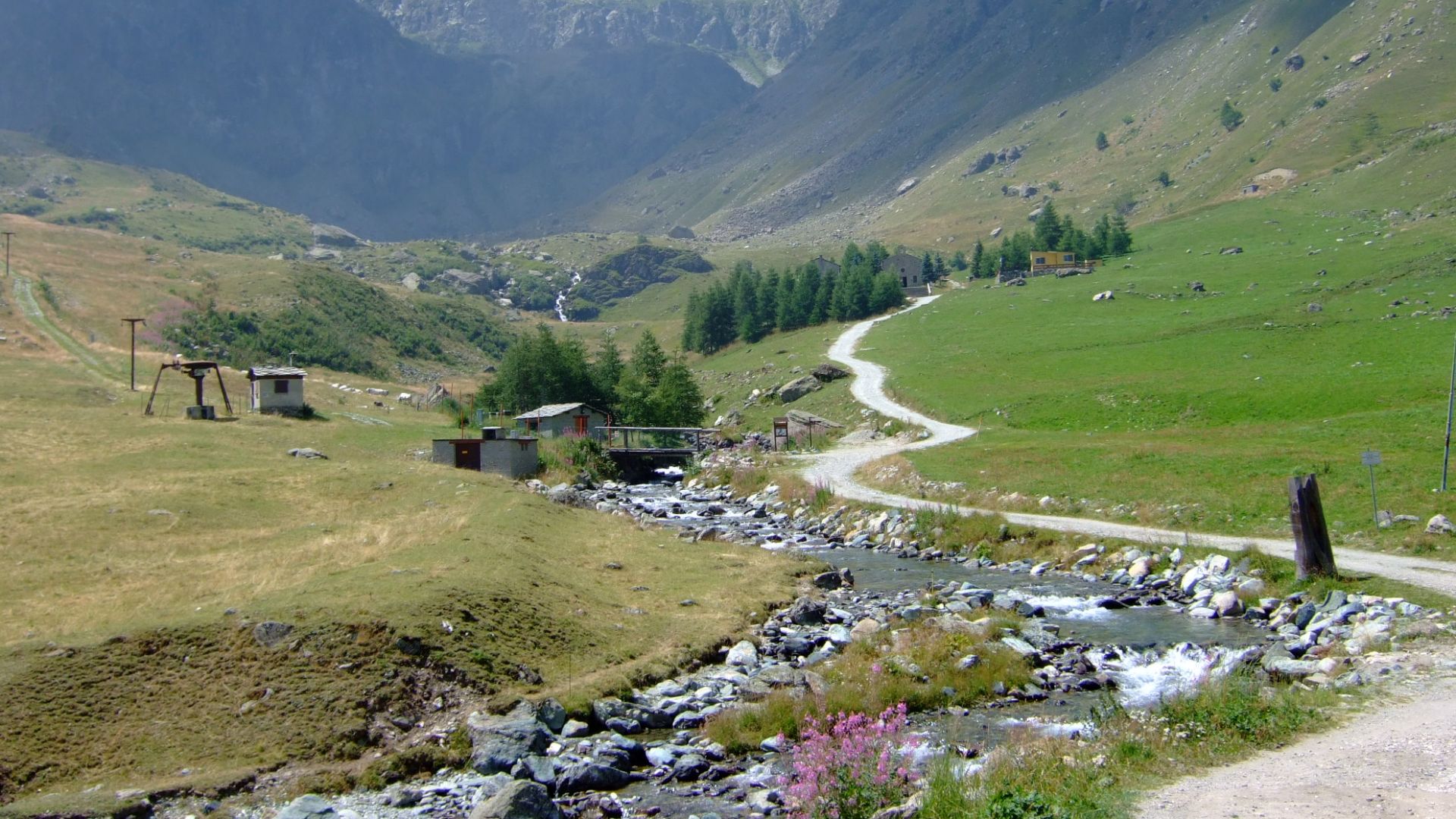
The Po Valley of northern Italy, stretching from the Alps to the Adriatic, was one of the empire’s most agriculturally productive areas. Its fertile plains supported abundant grain and crop production, making it a key supplier to cities like Mediolanum and beyond. The valley’s flat terrain also facilitated transport by road and river, which created natural corridors for moving goods. Roman trade networks combined extensive overland roads and waterways to connect producers with markets across the empire. These routes were essential in moving grain, wine, olive oil, and other staple goods, especially during times of scarcity or military need.
Milan’s location at the crossroads of these networks meant it could serve both as a consumption center and a redistribution point for goods coming from the Po Valley and further afield. The inscriptions and details emerging from the recently found horrea may offer clues about the origins of the stored grain, hinting at connections to farms and producers across northern Italy. Such evidence, once fully analyzed and published by archaeologists, could deepen understanding of how Roman trade and logistics operated in this part of the empire. As excavation continues, the Milan horrea find is already reshaping views of how everyday goods were stored and moved in ancient times, linking a modern transport project to the long history of trade and urban life in Italy’s Po Valley.