The Skeletons That Didn’t Add Up
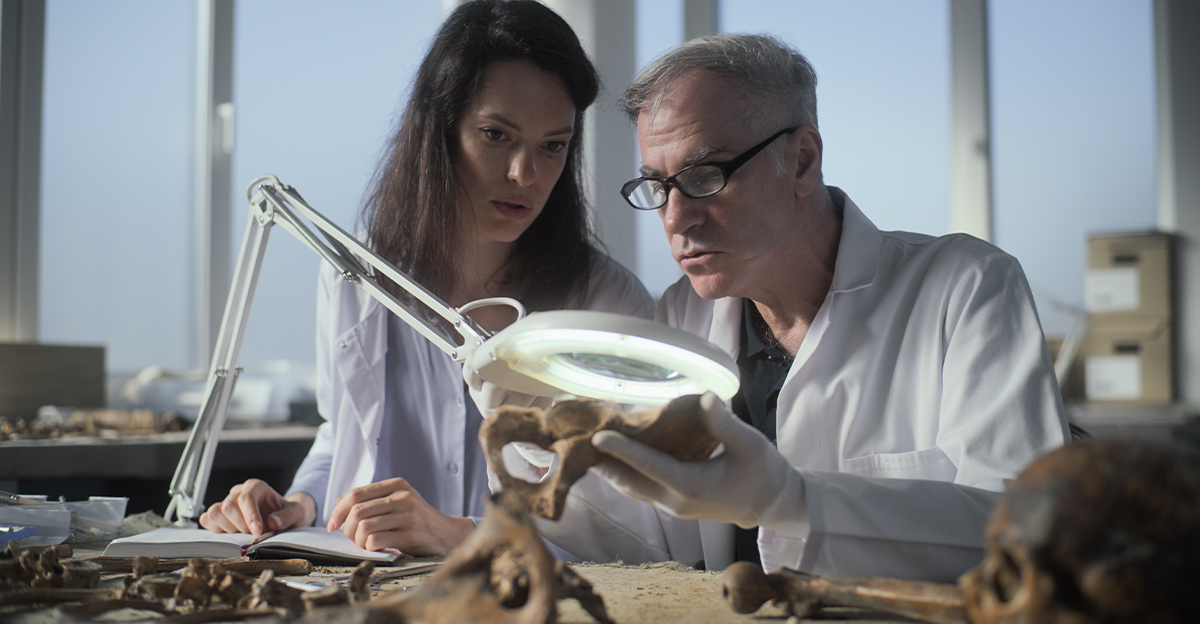
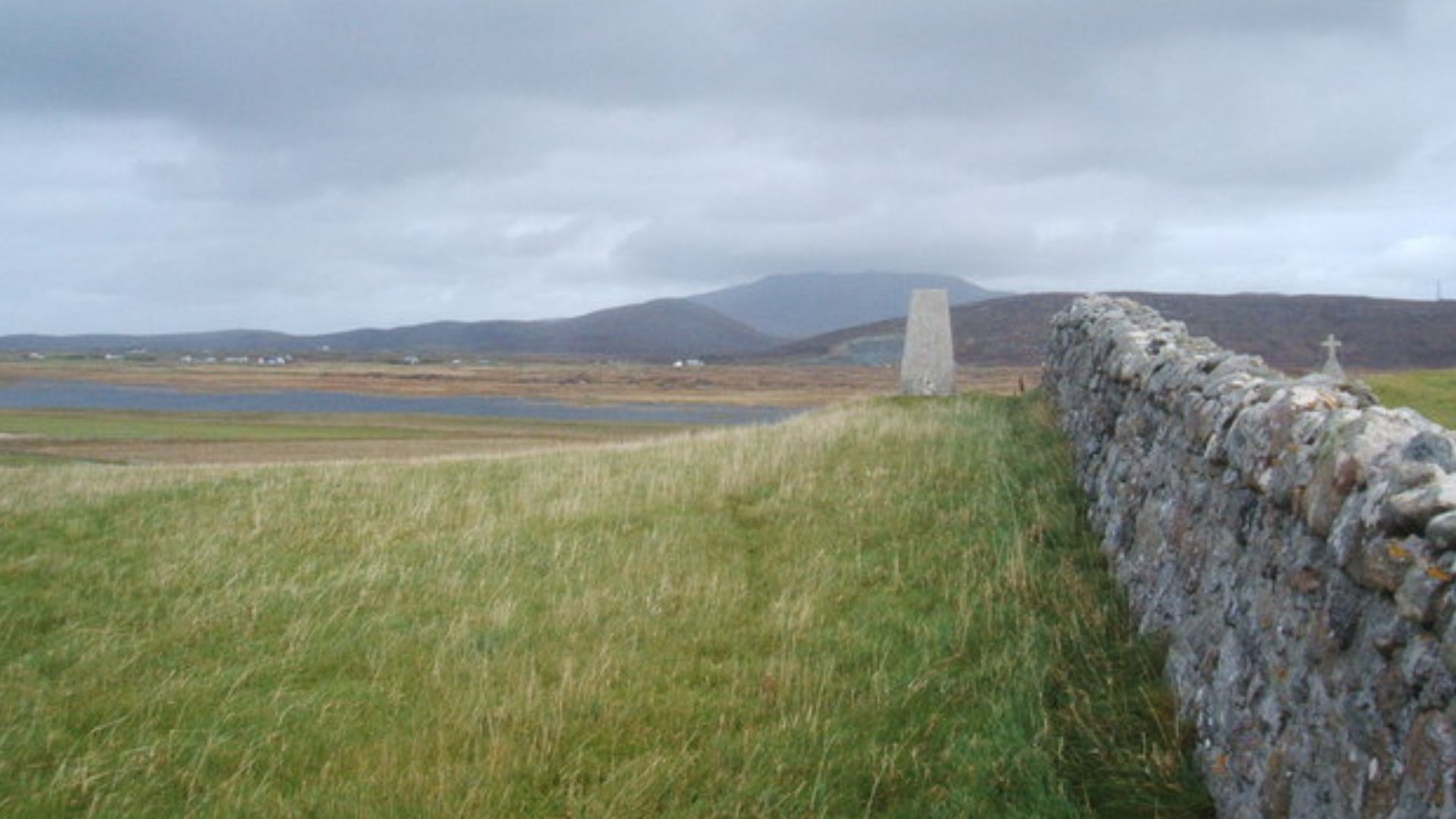
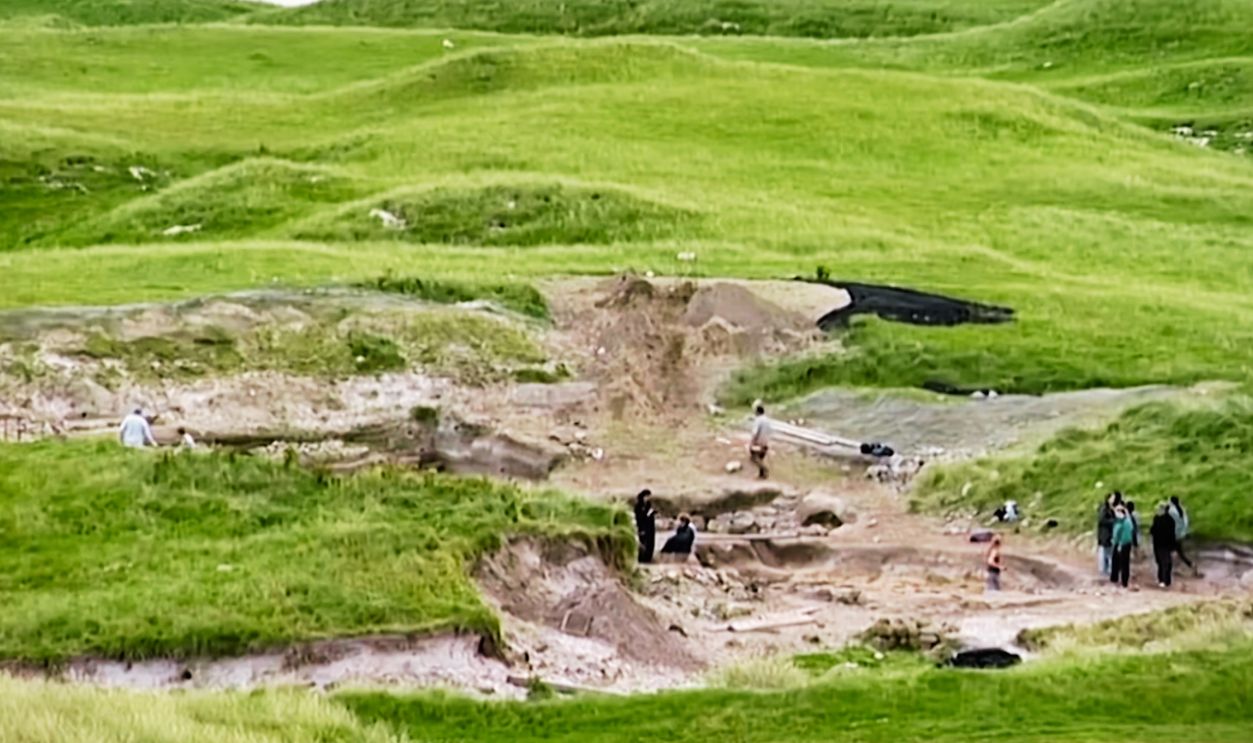
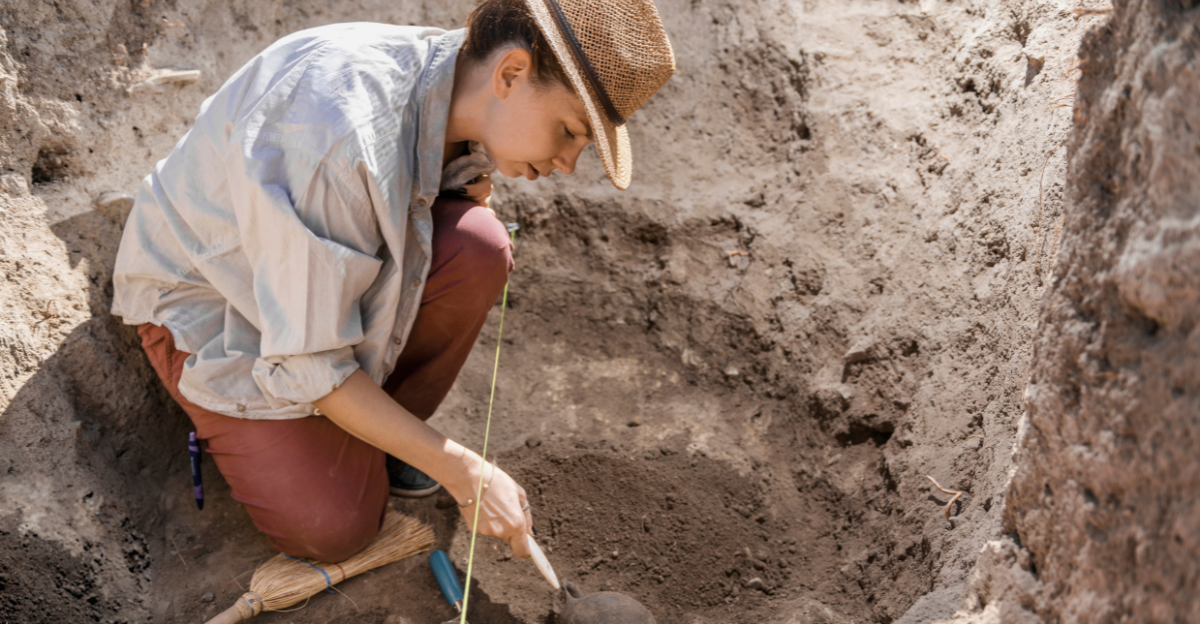
In 2001, archaeologists digging at a quiet Bronze Age site in South Uist, Scotland uncovered two ancient skeletons. At first, it seemed like a routine discovery. But something about these remains felt… off. And it only got stranger.
 Frame Stock Footage, Shutterstock
A Peaceful Place With a Dark Secret
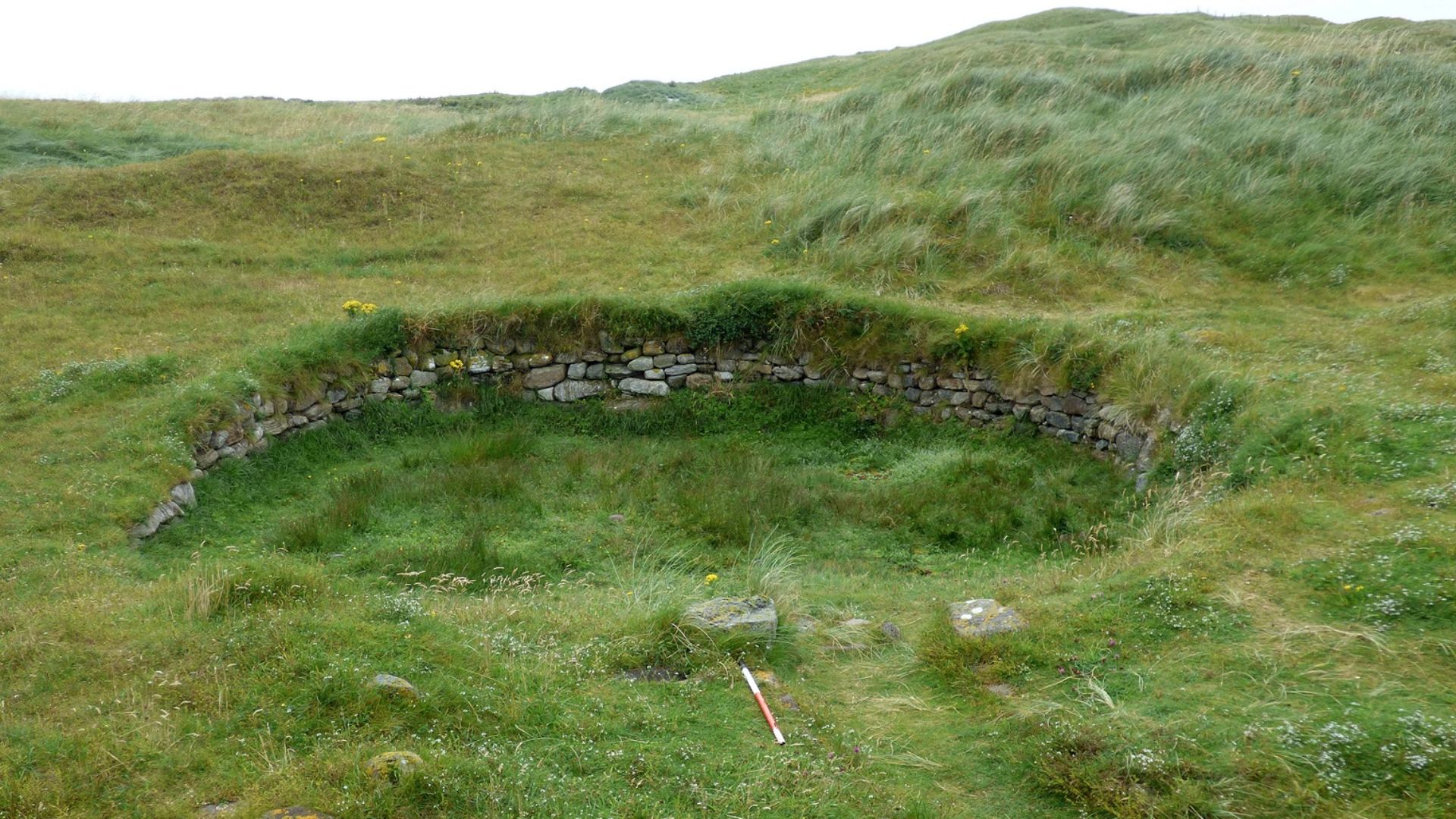
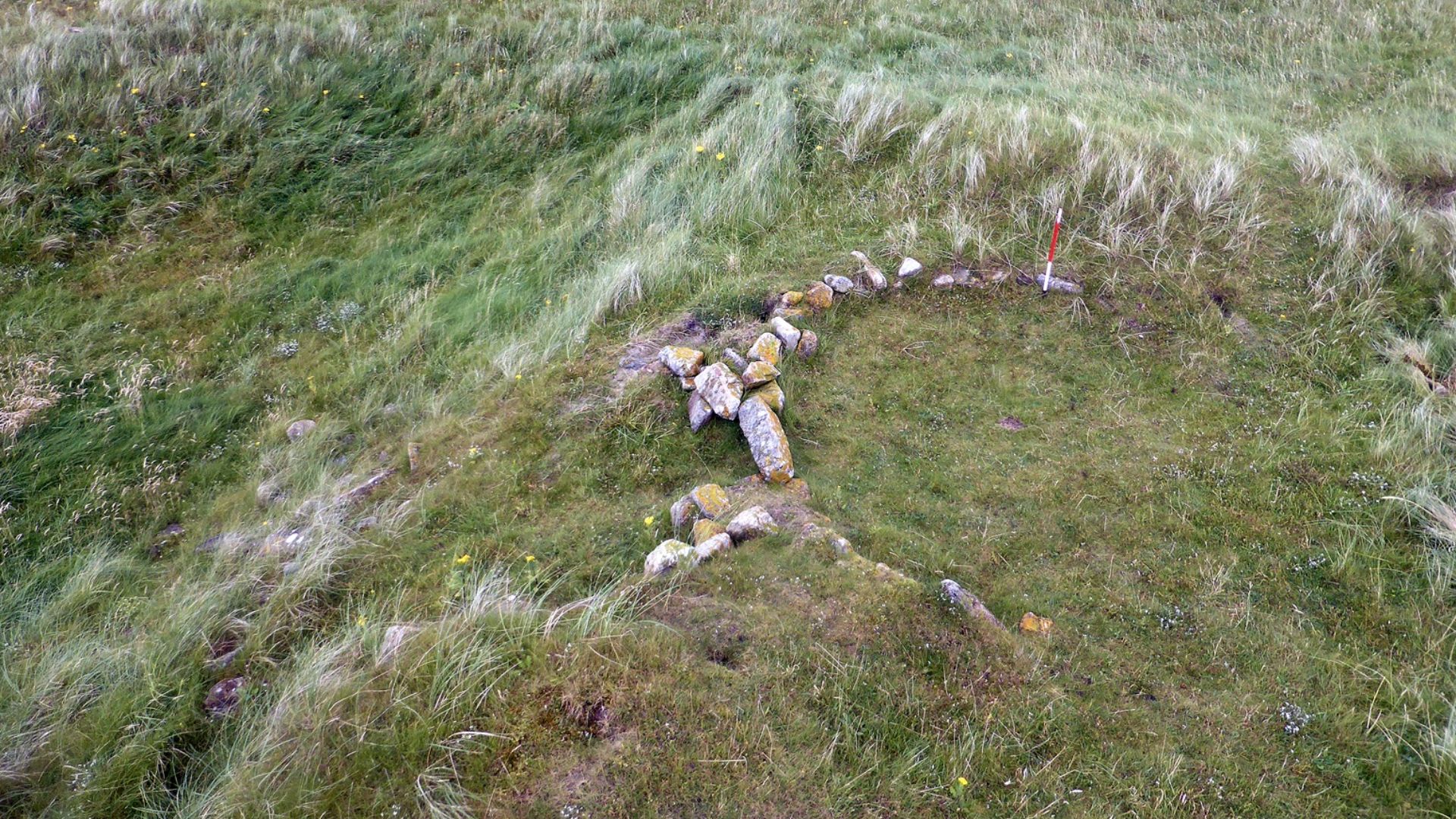
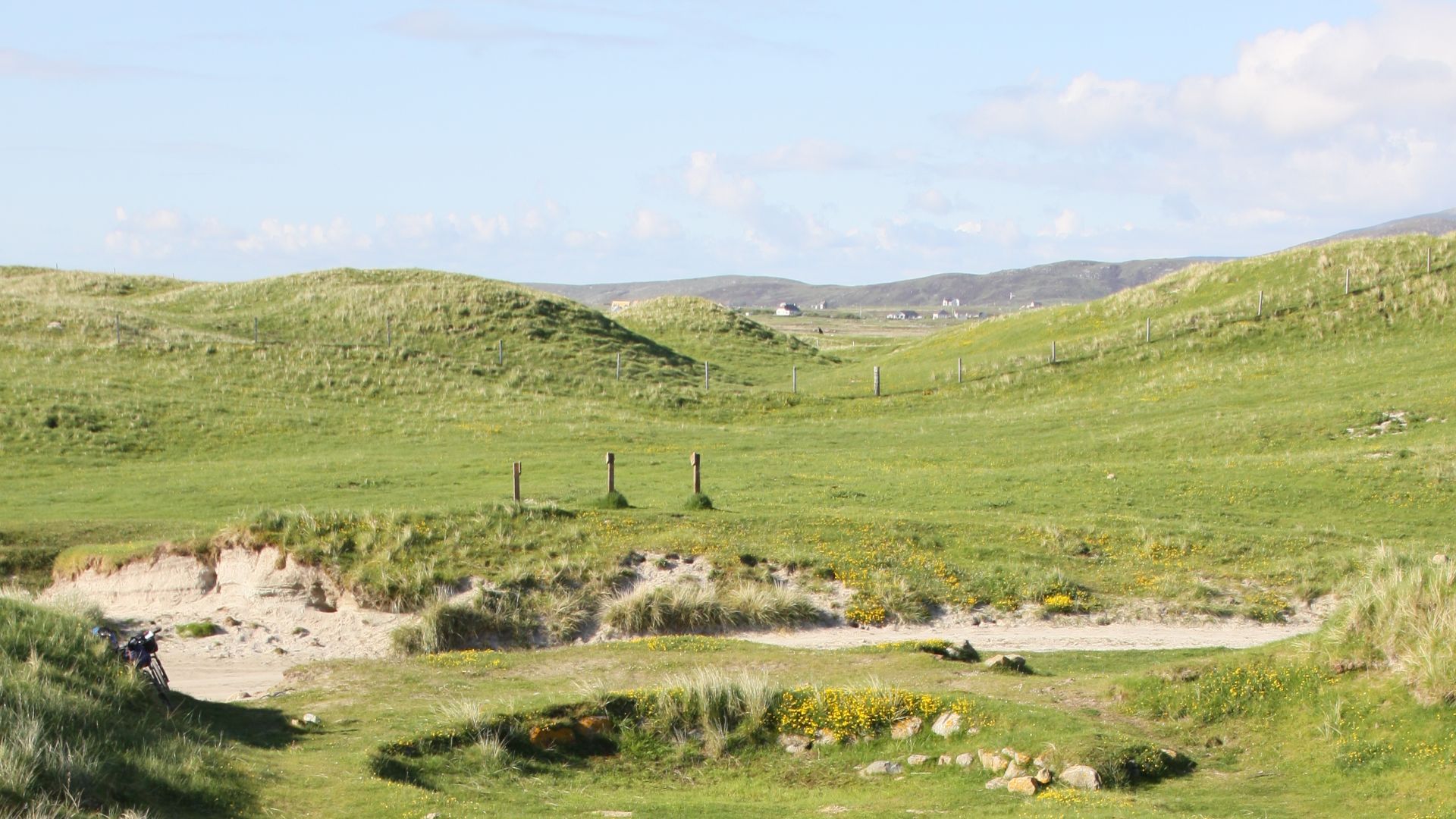
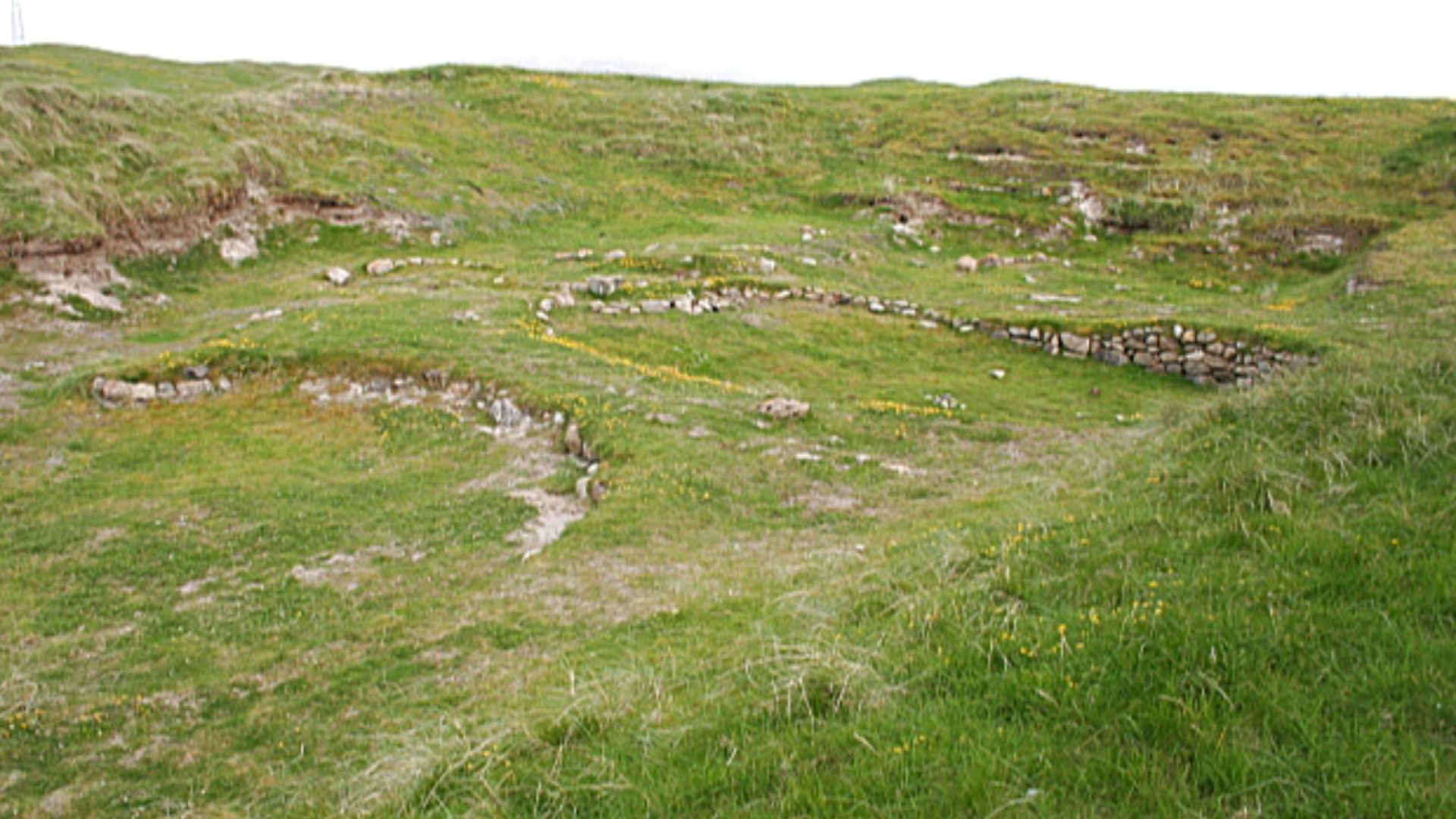
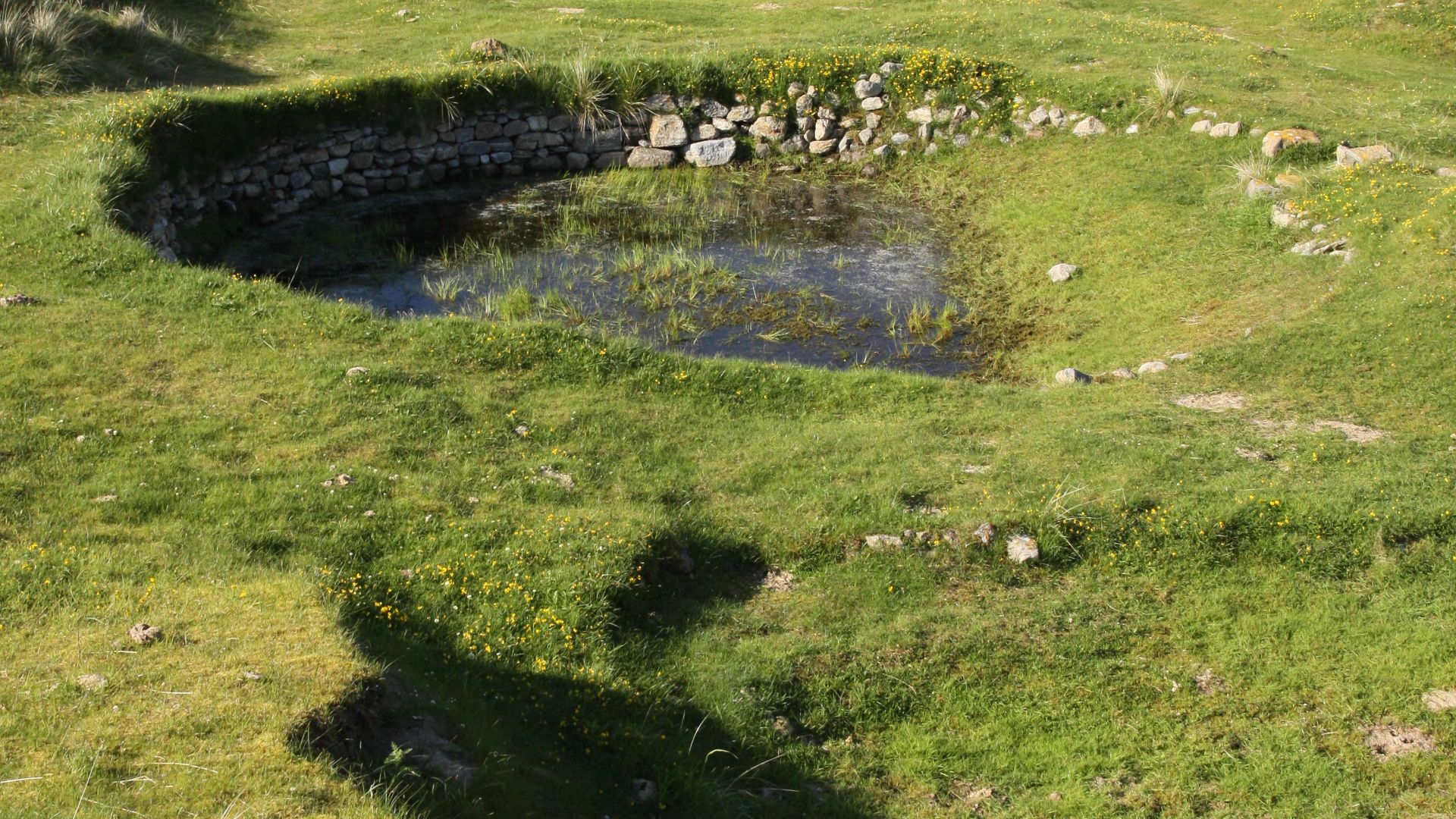
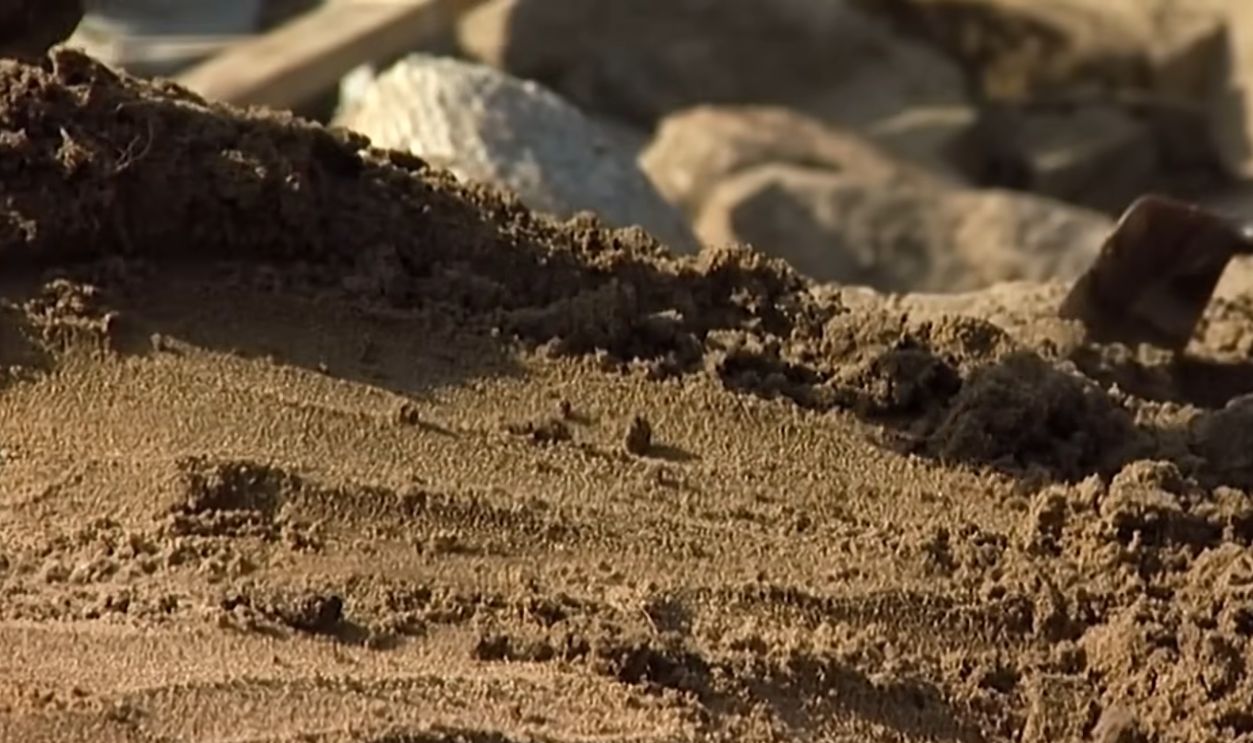
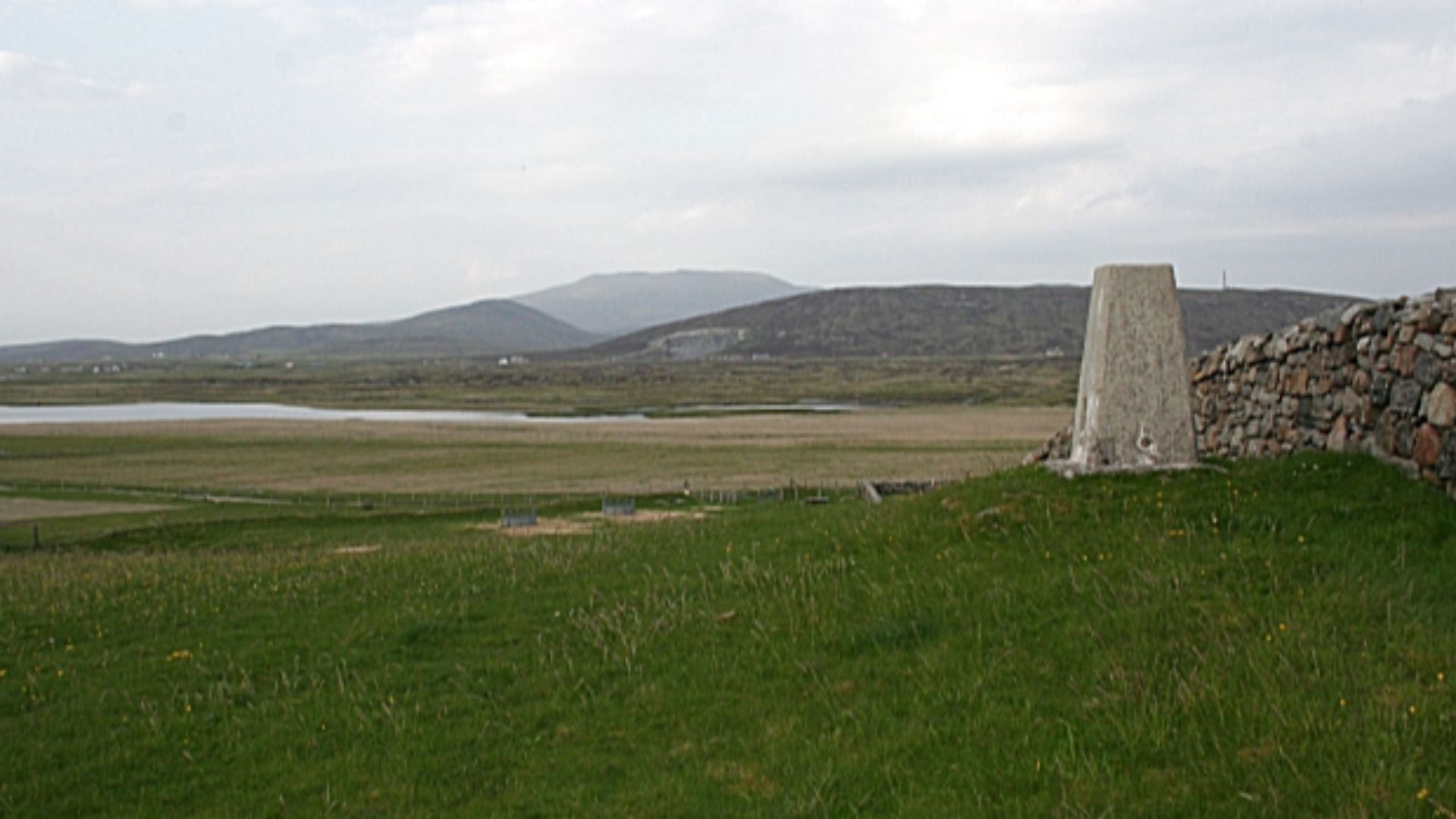
The site, known as Cladh Hallan, looked like a typical prehistoric settlement. It had roundhouses, tools, and signs of everyday life. Nothing about it suggested anything unusual—until the skeletons were found buried beneath the floors.
 Sandy Gerrard , Wikimedia Commons
Buried Beneath the Living
Unlike most ancient burials, these bodies were placed inside homes, beneath living spaces. That alone raised questions. Why would people live directly above the dead? It hinted at rituals or beliefs archaeologists didn’t fully understand yet.
Two Bodies, One Story
The remains belonged to a man and a woman, both dating back roughly 3,000 years to the Bronze Age. They appeared carefully buried, positioned with intention. At first glance, everything seemed normal—at least by archaeological standards.
 Screenshot from Meet the Ancestors, BBC Two (1998–2004)
Something Strange About the Preservation
These skeletons weren’t just old—they were remarkably well preserved. In fact, they showed signs of having been mummified, which is not something commonly seen in prehistoric Britain. That immediately caught researchers’ attention.
 Sandy Gerrard , Wikimedia Commons
Not Your Typical Mummies
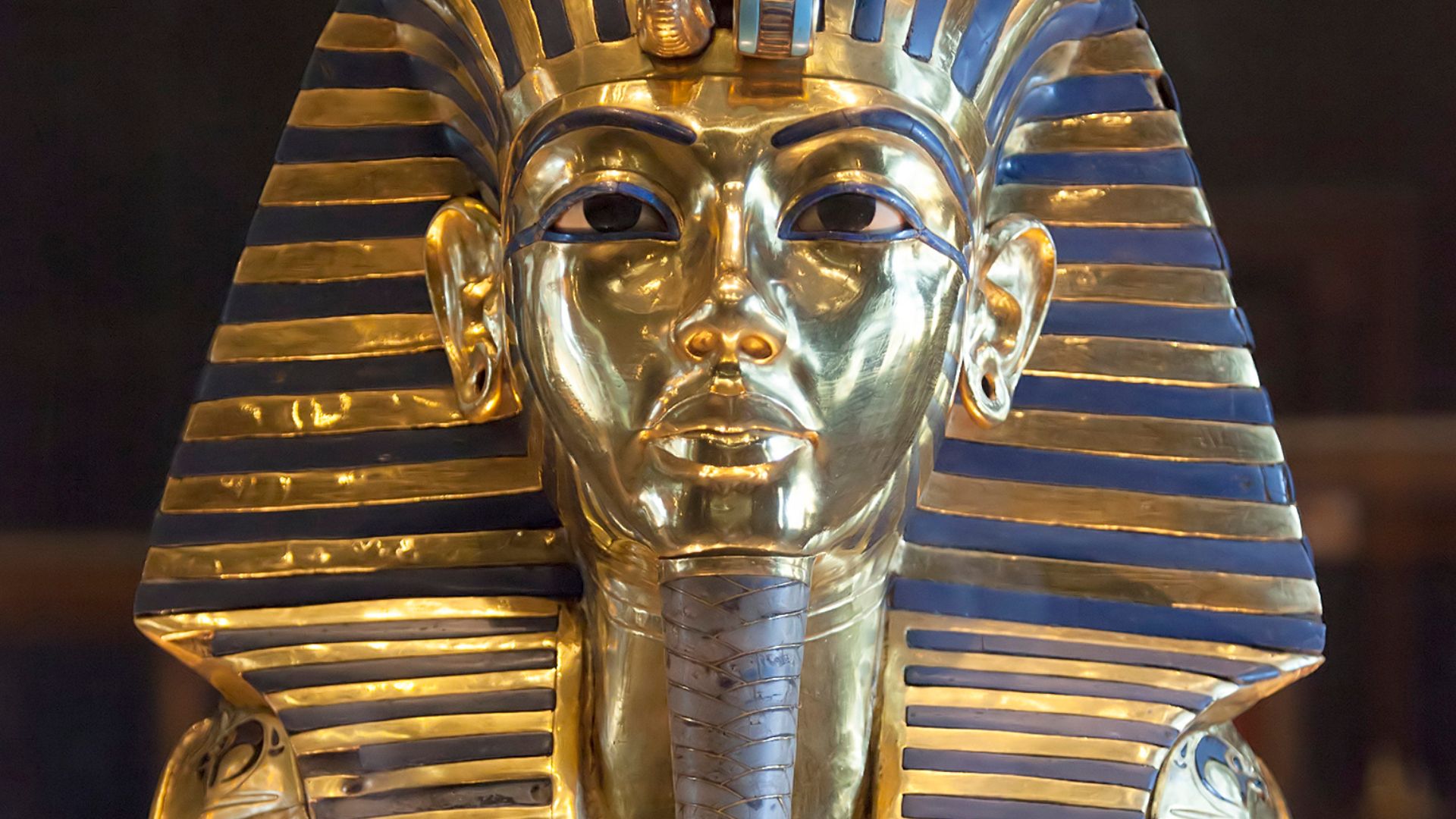
Unlike Egyptian mummies wrapped in linen, these bodies had likely been preserved using peat bogs. The acidic, low-oxygen environment slows decomposition, essentially freezing the body in time. It was a clever, if slightly unsettling method.
 Roland Unger, Wikimedia Commons
A Timeline That Didn’t Quite Match
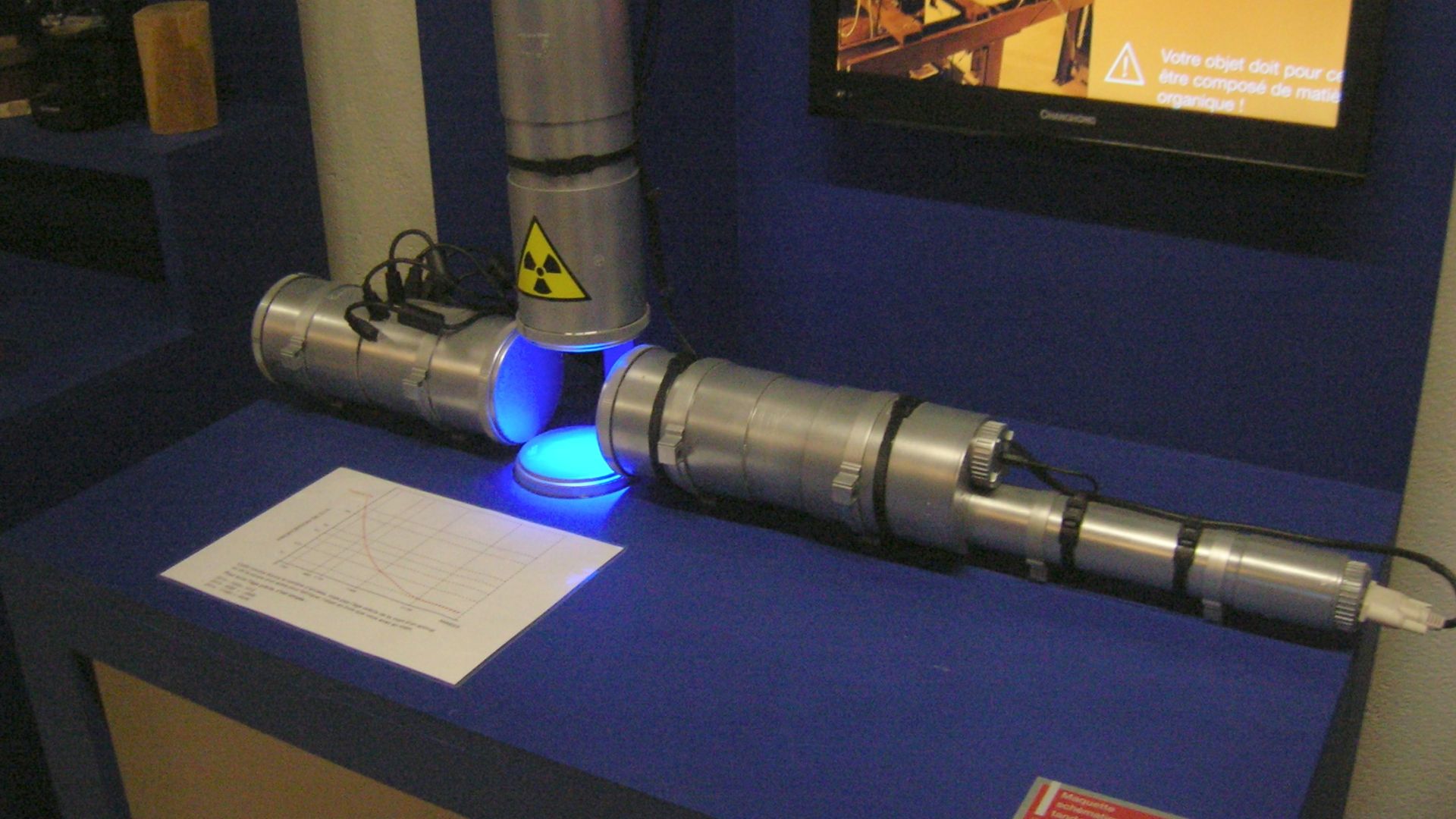
Radiocarbon dating revealed something odd. The bodies had been preserved long before they were buried. In fact, they may have been kept for hundreds of years before finally being placed beneath the homes.
Stored… Then Buried?
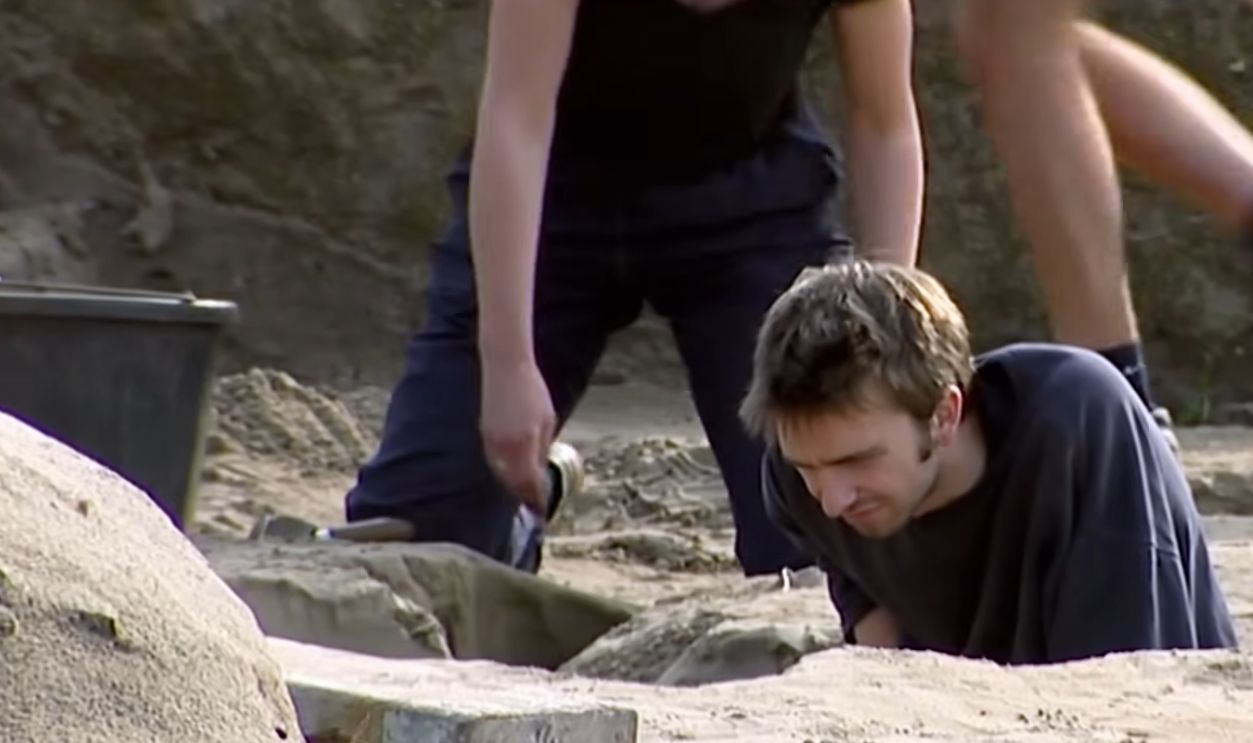
This raised an uncomfortable question. Were these bodies being stored and reused before burial? Archaeologists began to suspect these weren’t simple burials. Something more deliberate—and possibly symbolic—was happening here.
 Screenshot from Meet the Ancestors, BBC Two (1998–2004)
Enter the Experts
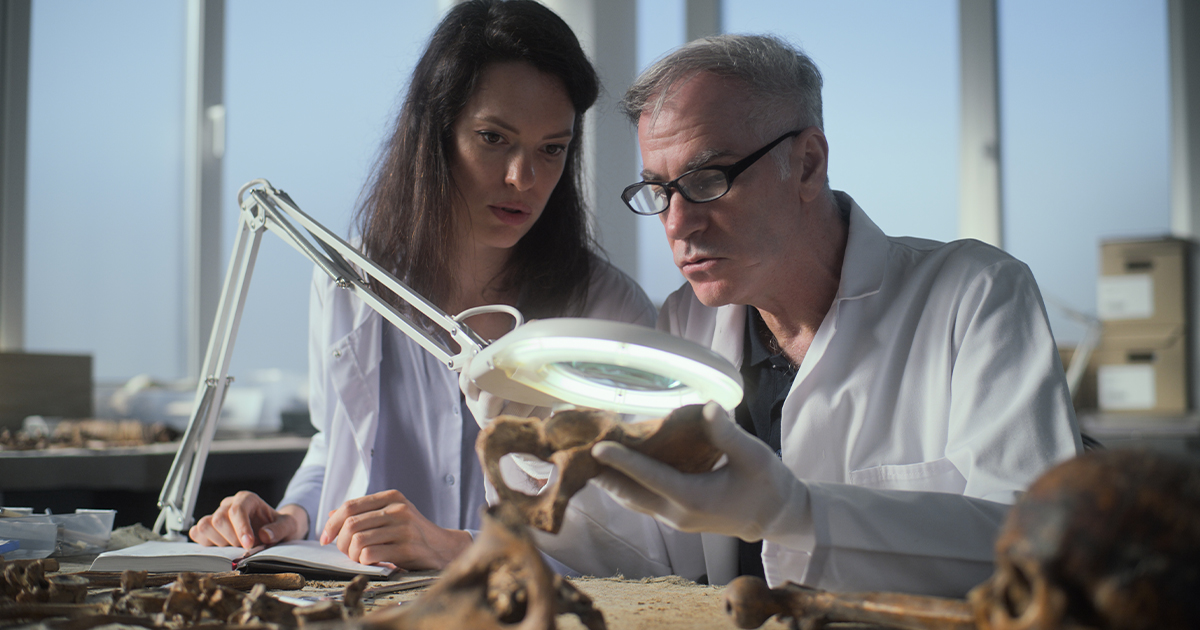
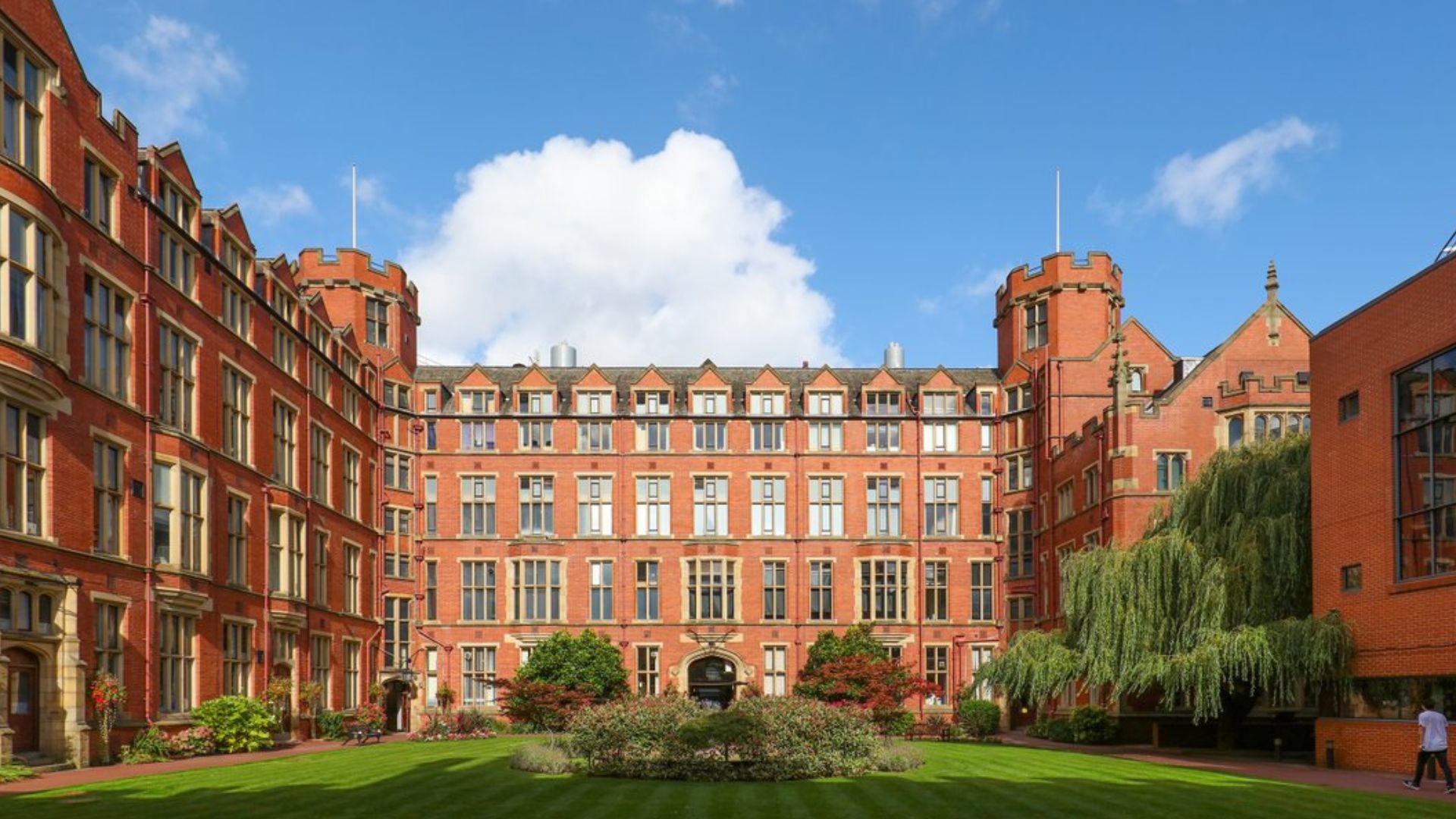
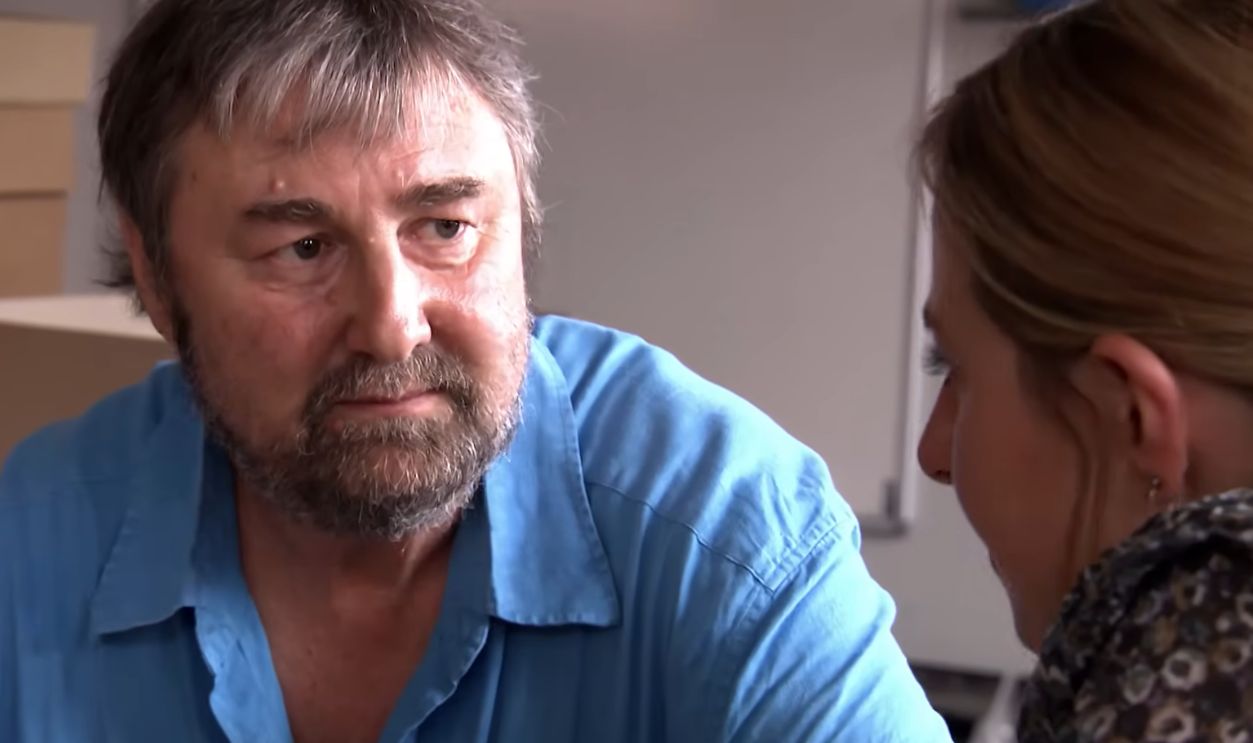
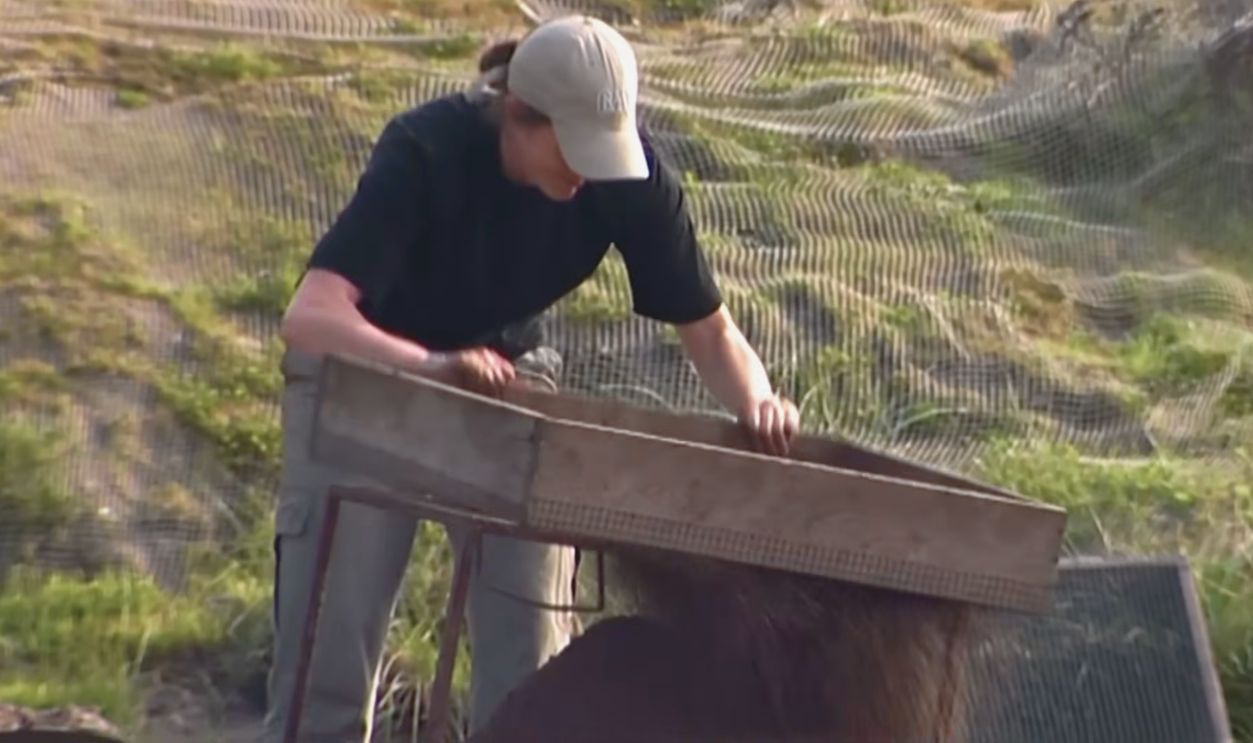
A team led by Professor Mike Parker Pearson from the University of Sheffield took a closer look. His team began analyzing the bones more carefully, searching for clues that could explain the unusual preservation and timing.
Looking Closer at the Details
At first, the bones seemed consistent with what you’d expect from two individuals. But small inconsistencies began to appear. Subtle differences in structure and wear patterns suggested something wasn’t quite lining up.
 Screenshot from Meet the Ancestors, BBC Two (1998–2004)
Bones With Different Stories
Some bones looked older than others. Some showed different signs of aging or stress. It was almost as if parts of the skeletons had lived different lives. That idea didn’t make sense—at least not at first.
Testing the Impossible
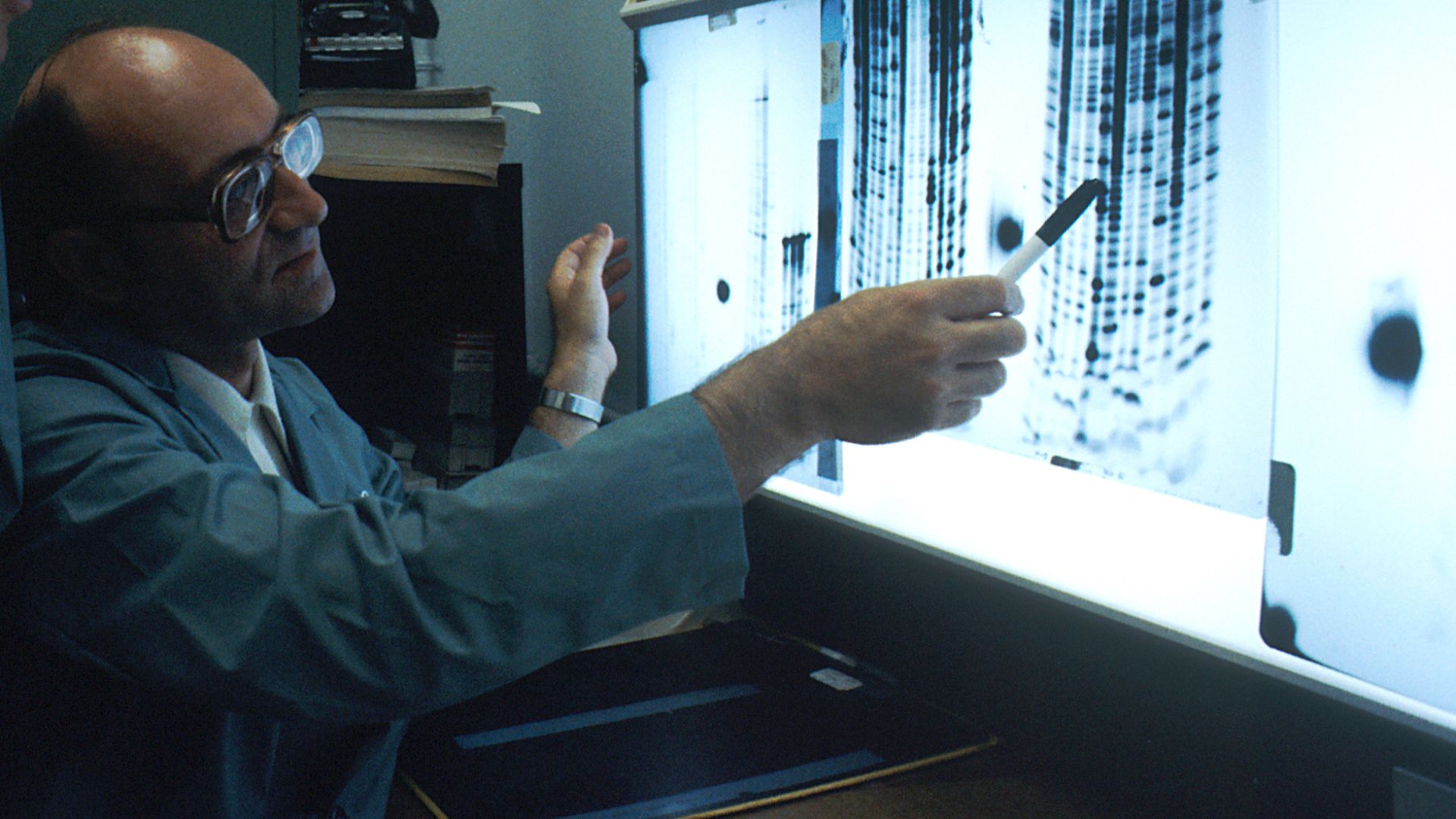
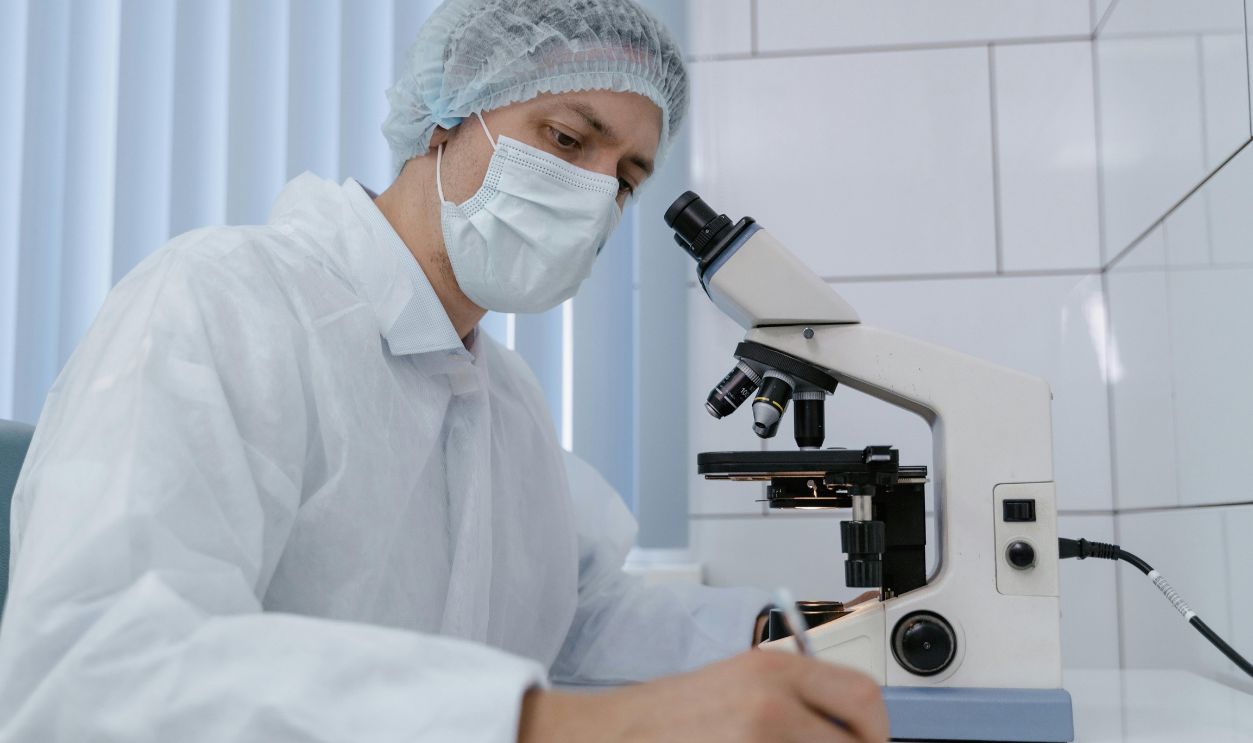
To investigate further, researchers turned to DNA analysis. This would confirm whether the bones truly belonged to single individuals. It was expected to be routine. Instead, it opened the door to something far stranger.
The Results No One Expected
When the DNA results came back, they didn’t match what scientists were expecting. Instead of confirming two individuals, the results raised more questions than answers. The skeletons weren’t as simple as they seemed.
 National Cancer Institute, Unsplash
A Puzzle Begins to Form
Piece by piece, the researchers started putting together what they were seeing. The inconsistencies weren’t random. They pointed to something deliberate. Something that had been carefully done thousands of years ago.
 Screenshot from Meet the Ancestors, BBC Two (1998–2004)
Rebuilding the Past
As the analysis continued, it became clear that the skeletons had been modified after death. But not in a typical way. This wasn’t damage or decay. This was intentional reconstruction.
 Linda Bartlett (Photographer), Wikimedia Commons
The First Realization
The team realized that the bones didn’t all belong to the same person. That alone was shocking. But it was only the beginning of what they were about to uncover.
 Screenshot from Meet the Ancestors, BBC Two (1998–2004)
The Woman That Wasn’t One Person
The skeleton believed to be a woman turned out to be something else entirely. Her skull belonged to a male, her torso to a female, and her arm came from another individual altogether.
 Anne Burgess, Wikimedia Commons
The Man With Too Many Histories
The male skeleton was no less unusual. It was made up of bones from at least three different men, all combined into a single body. This wasn’t an accident. It was carefully constructed.
A Human Jigsaw Puzzle
What archaeologists had uncovered was essentially a human jigsaw puzzle. Bodies had been taken apart, preserved, and then reassembled into entirely new individuals. And no one knows exactly why.
 Screenshot from Meet the Ancestors, BBC Two (1998–2004)
Why Would Anyone Do This?
Researchers have proposed several theories. Some believe it may have been a way to combine ancestors, symbolically linking families or communities. Others think it could have had spiritual or ritual significance.

A Practice Lost to Time
There are no written records explaining this behavior. Whatever the reason, it was important enough for people to carefully preserve bodies, store them, and later reconstruct them with precision.
“Unlike Anything We’ve Seen”
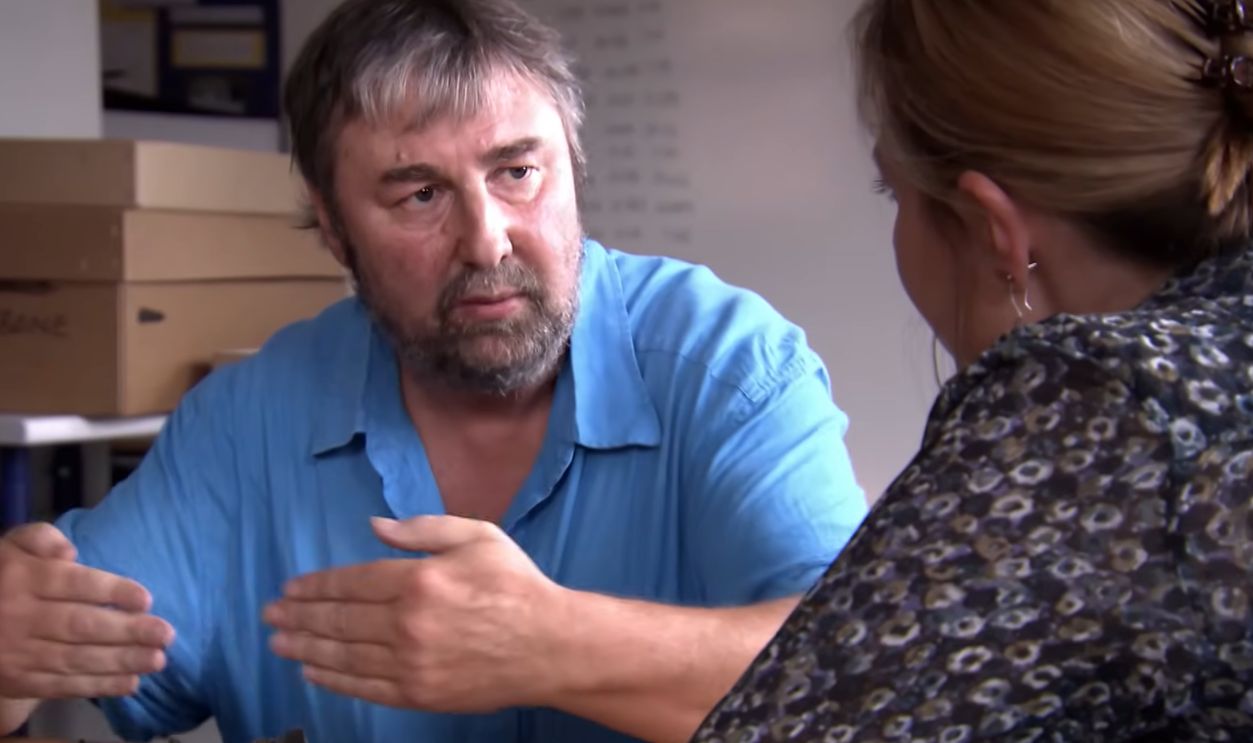
Professor Mike Parker Pearson described the discovery as unlike anything we’ve seen before in prehistoric Britain. It challenged long-held assumptions about how ancient people treated their dead.
 Screenshot from Meet the Ancestors, BBC Two (1998–2004)
The Mystery Still Remains
Even with modern science, the full meaning behind these composite skeletons is still unknown. The careful effort suggests purpose, but the reasoning has been lost to time.
A Story That Still Feels Unfinished
What began as a routine excavation turned into one of the strangest archaeological discoveries ever made. Two skeletons, buried beneath homes, hiding a secret no one expected.
 Screenshot from Meet the Ancestors, BBC Two (1998–2004)
The Past Is Stranger Than Fiction
In the end, the most unsettling part isn’t just what was done—but how carefully it was done. Thousands of years later, we’re still trying to understand why someone would rebuild a human body… piece by piece.
 Anne Burgess, Wikimedia Commons
You May Also Like: