

Paint, Stone, And Faith
A forgotten wall speaks again. Buried art in Turkey offers a rare glimpse into how early believers expressed devotion when faith lived quietly, and symbols mattered more than words.
 Haluk Comertel, CC BY 3.0, Wikimedia Commons, Modified
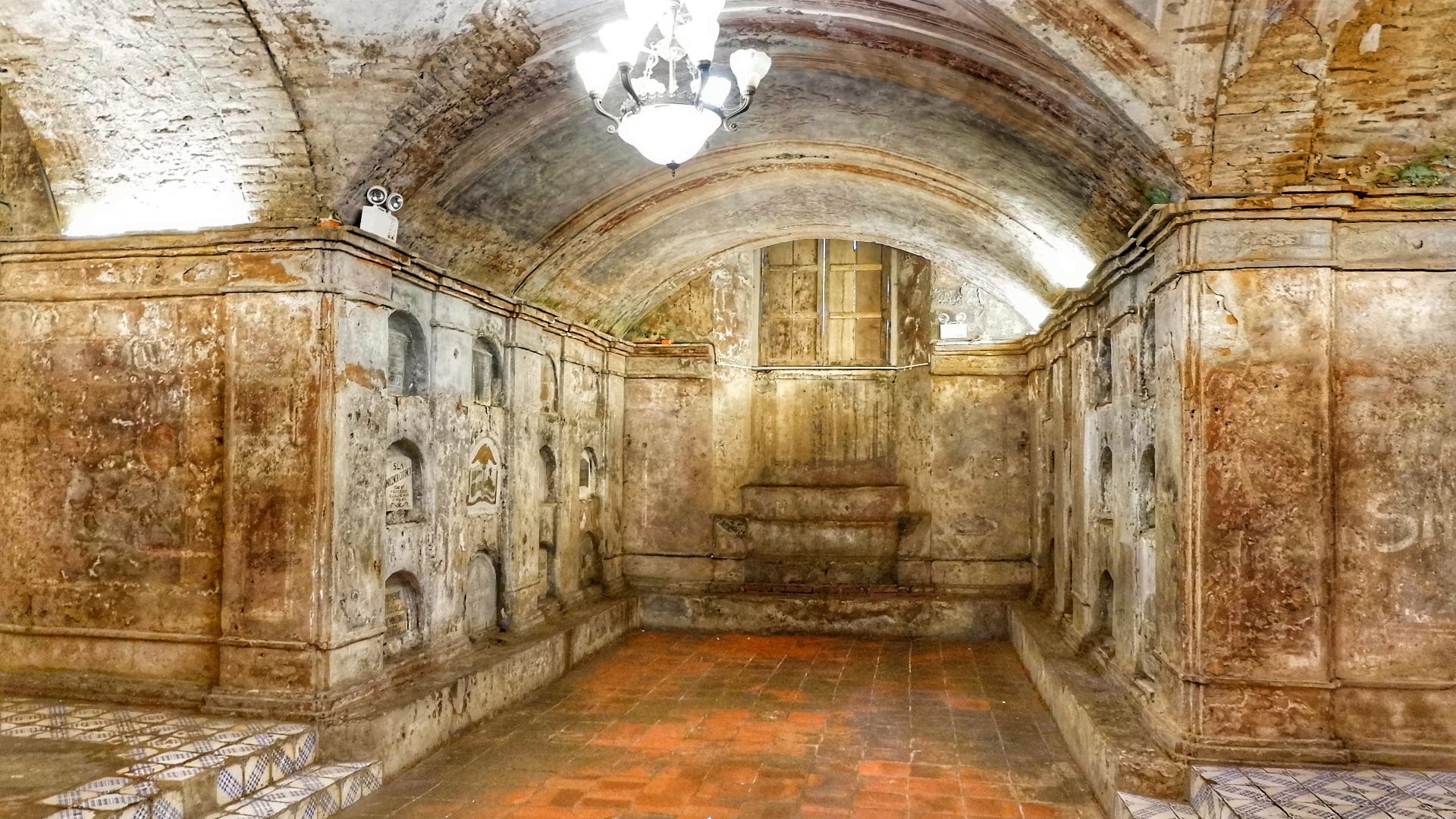
Discovery Inside An Underground Burial Chamber
Stone steps led archaeologists into a chamber meant for memory. Early Christian burial spaces often stayed hidden, shaped by Roman customs that valued privacy. Faith settled underground here, preserved by silence and the belief that remembrance did not need an audience.
 Lucidoadrian, Wikimedia Commons
Fresco Dated To The Early Christian Era
The painting’s style places it within the earliest centuries of Christianity, a period characterized by restraint. Images carried belief quietly across communities, to offer meaning through shared understanding. Art became a trusted language when public declarations carried risk and familiarity mattered.
 Unknown authorUnknown author, Wikimedia Commons
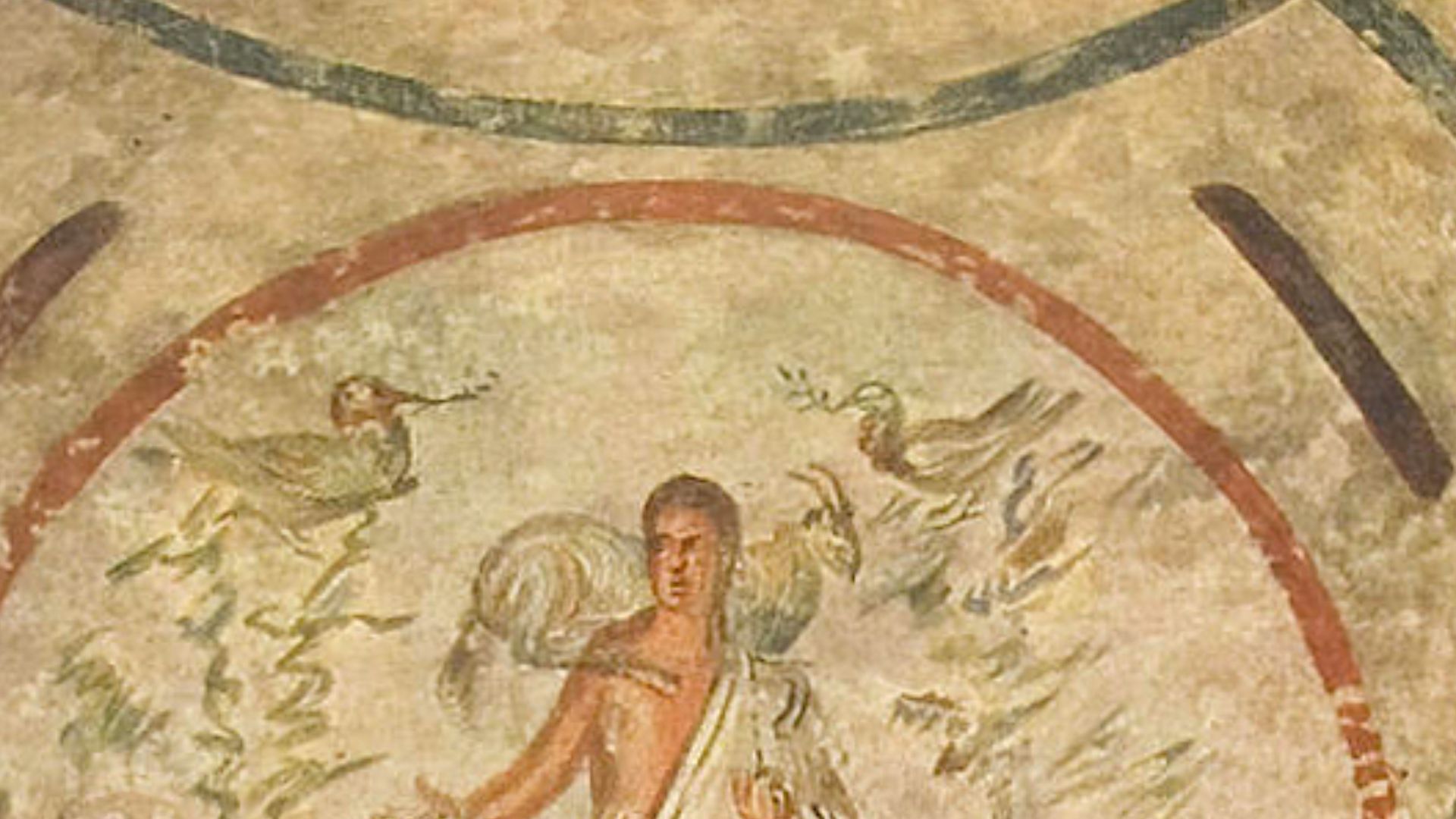
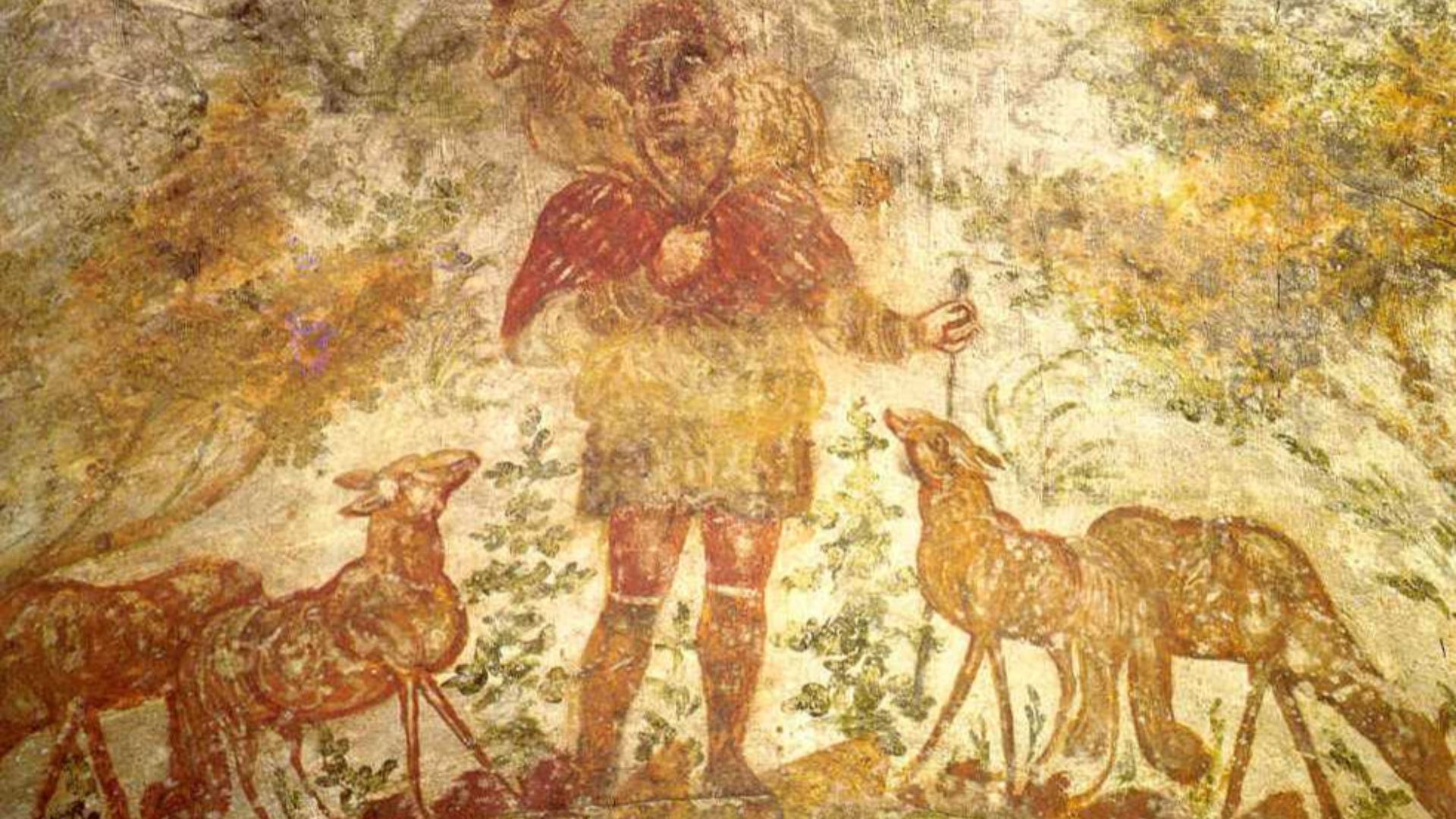
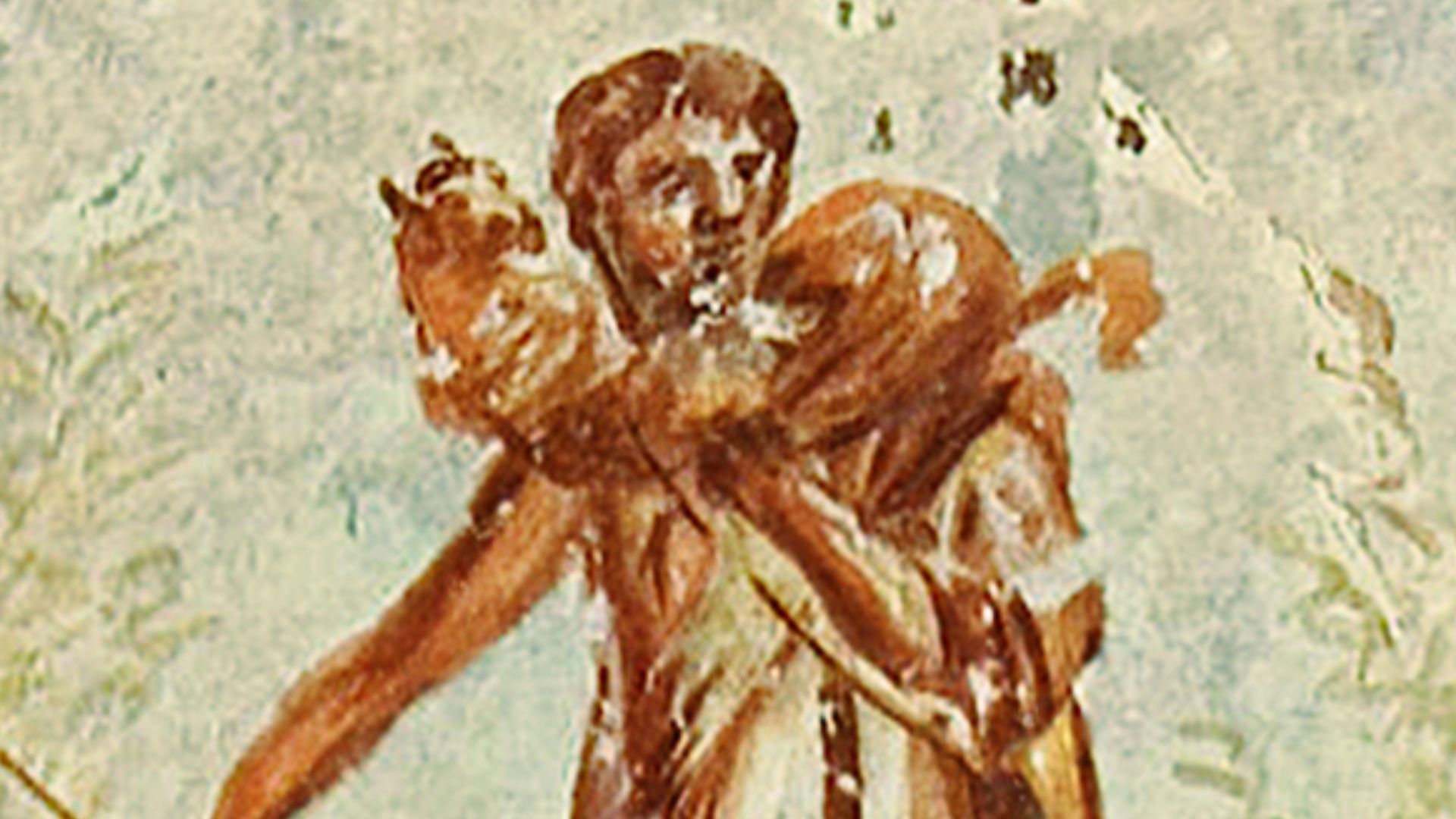
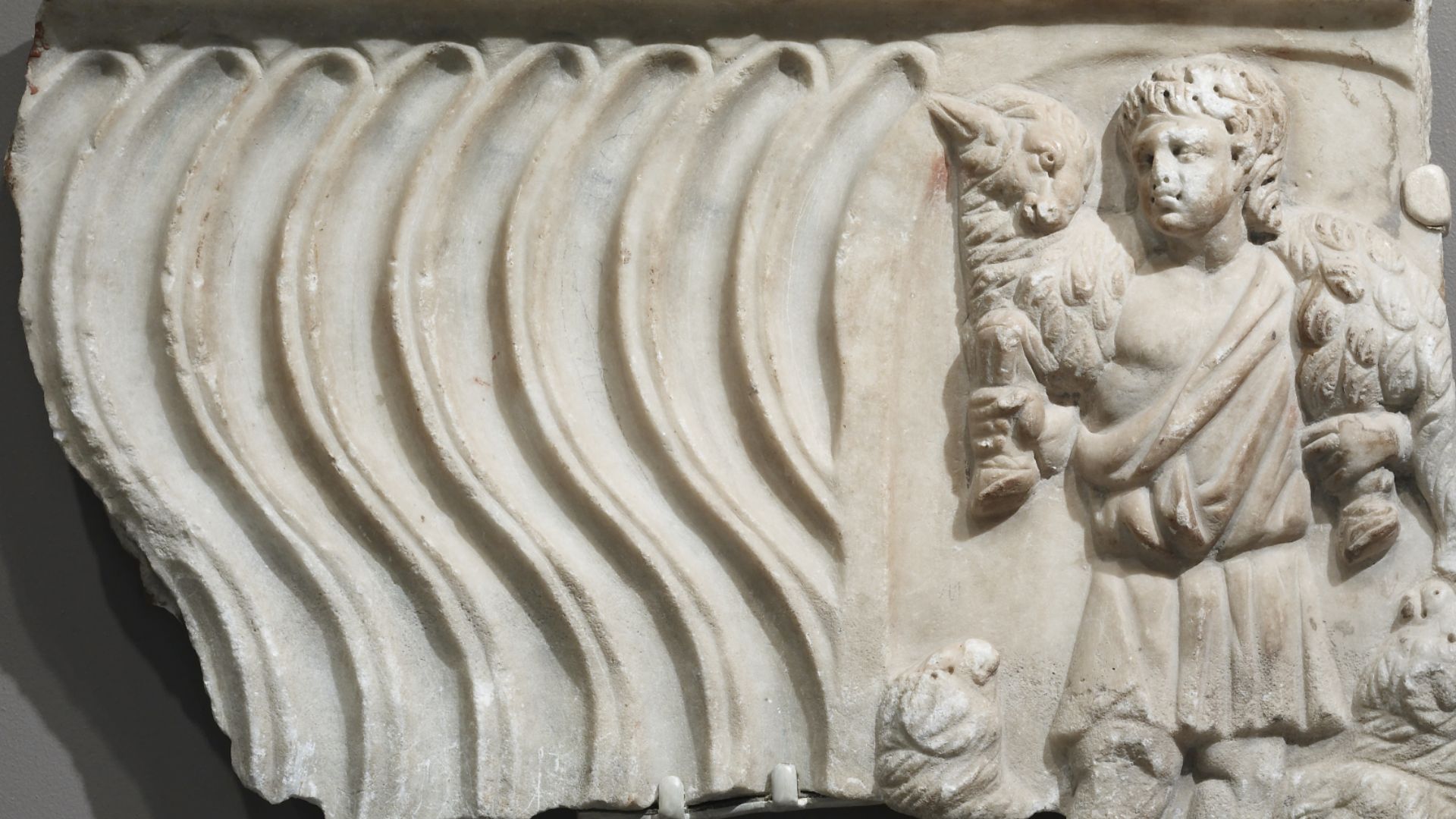
Jesus Shown As The Good Shepherd
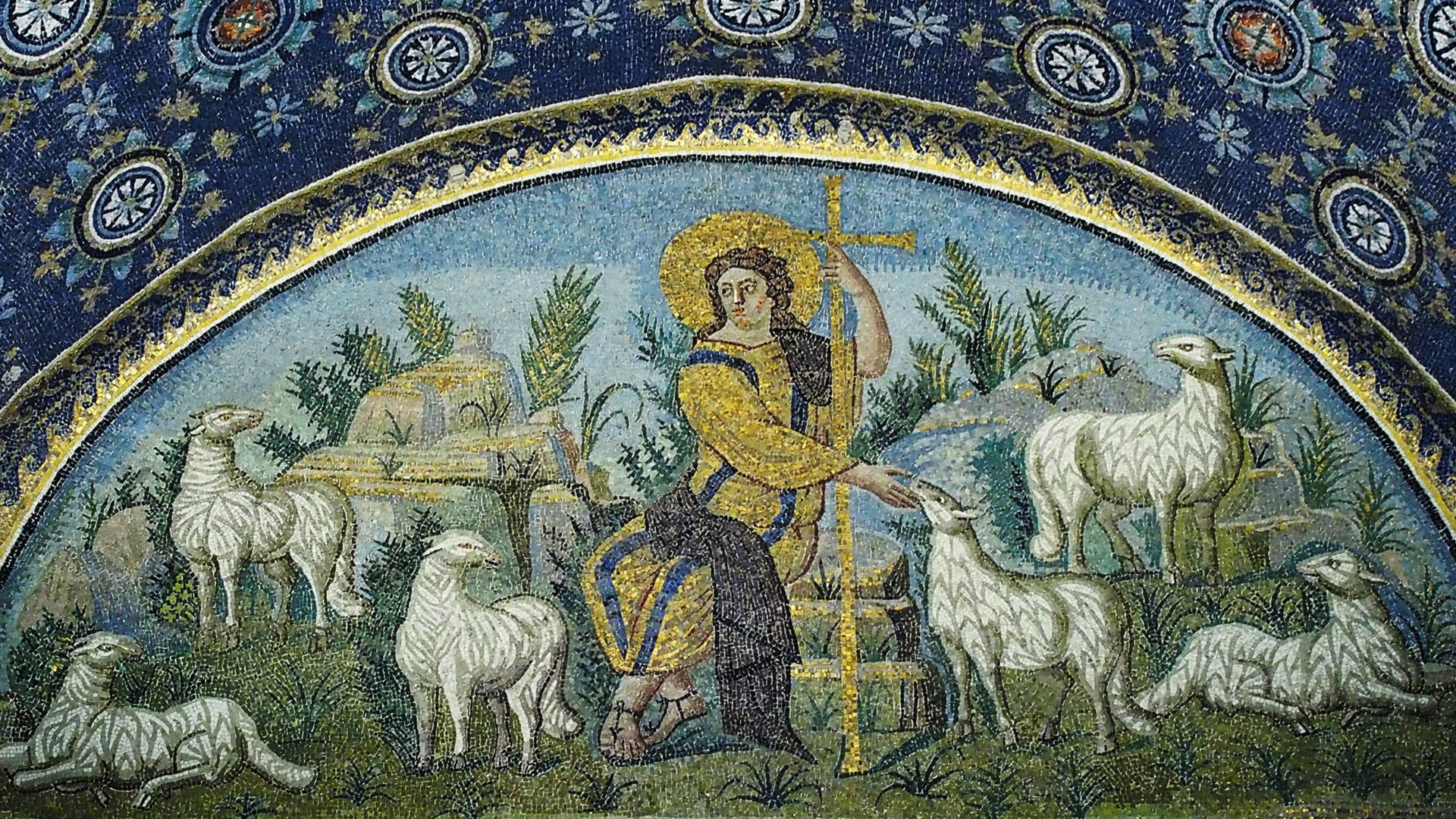
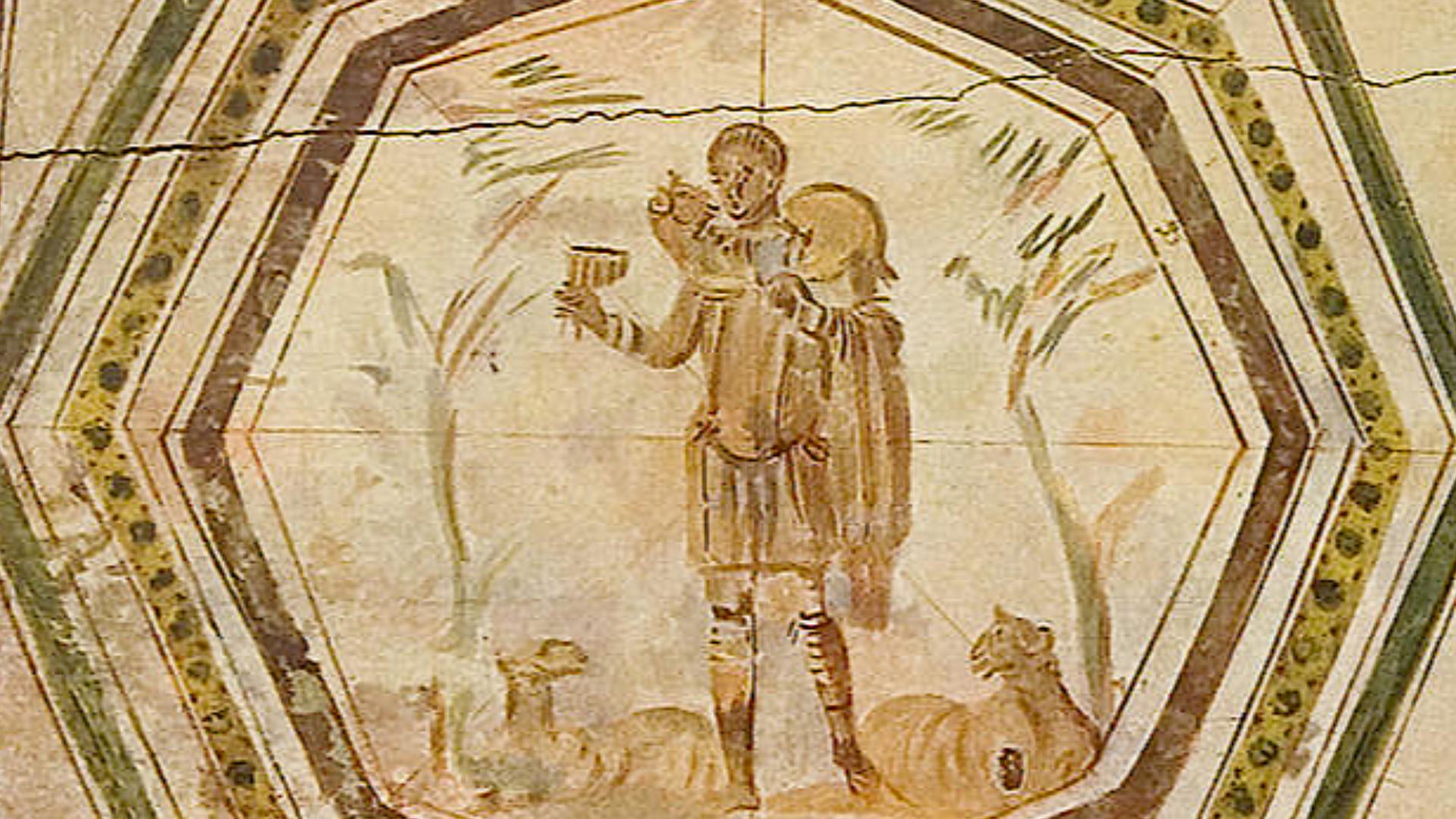
The central figure carries a goat across his shoulders, drawn from everyday pastoral life. Early Christians recognized this image immediately. Care, guidance, and protection mattered more than authority, and that choice shaped how Jesus appeared on walls meant for remembrance.
 unknown artist, Rome, mid-4th century A.D., Wikimedia Commons
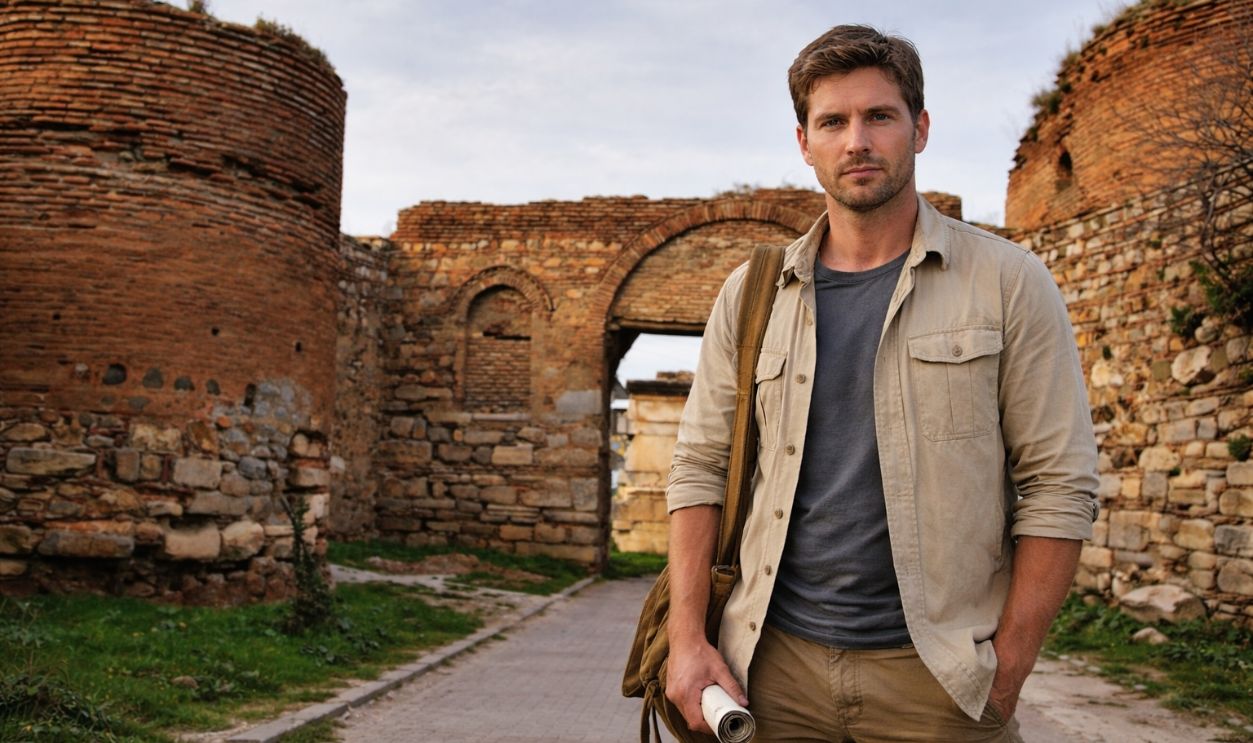
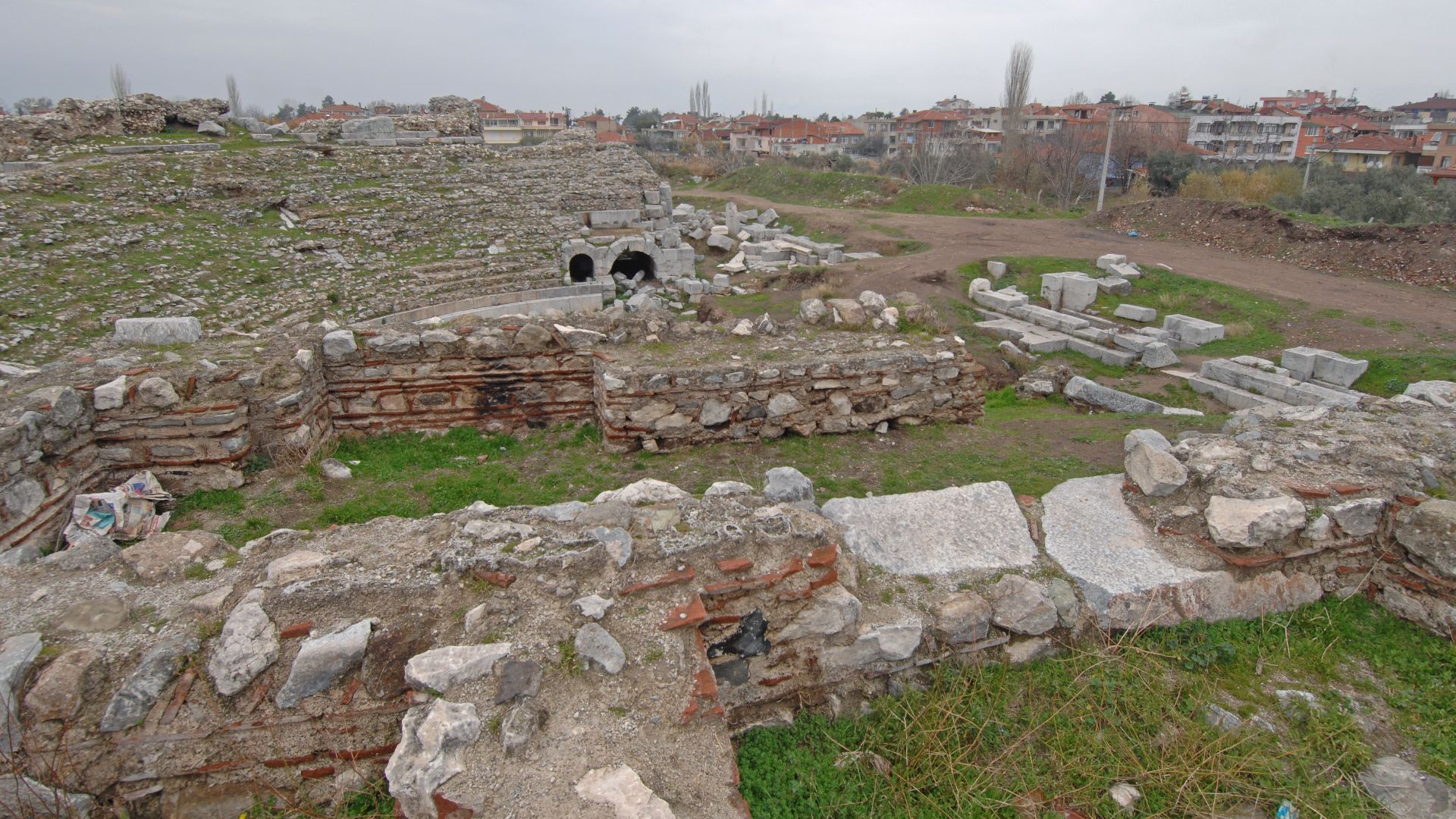
Location Near Ancient Nicaea
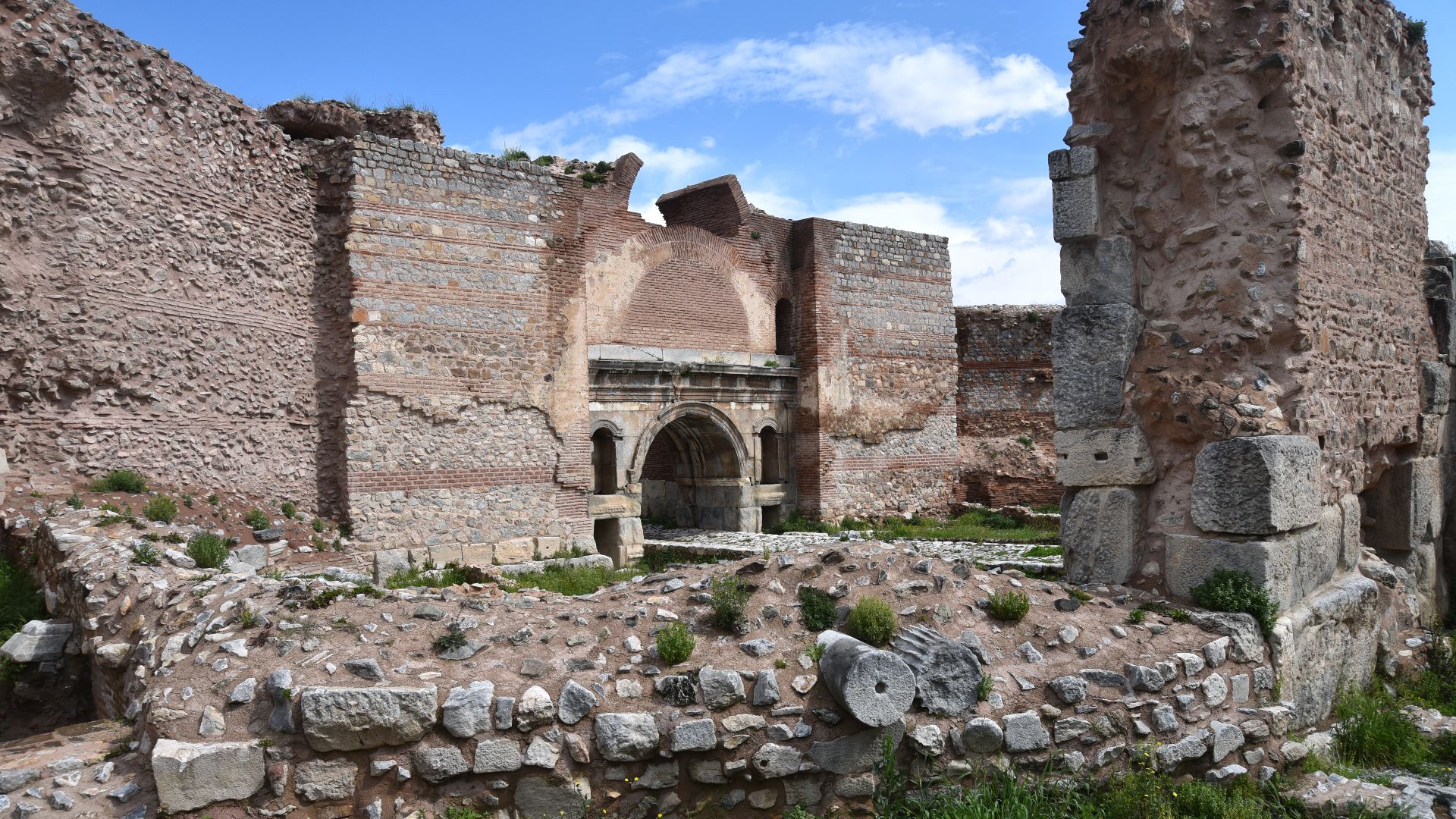
This tomb lies near a city that later became central to Christian belief. Long before councils and formal language, faith circulated locally through shared space. Visual cues helped communities connect belief to place, grounding spiritual ideas in familiar surroundings.
Use Of Symbolic Imagery Instead Of The Cross
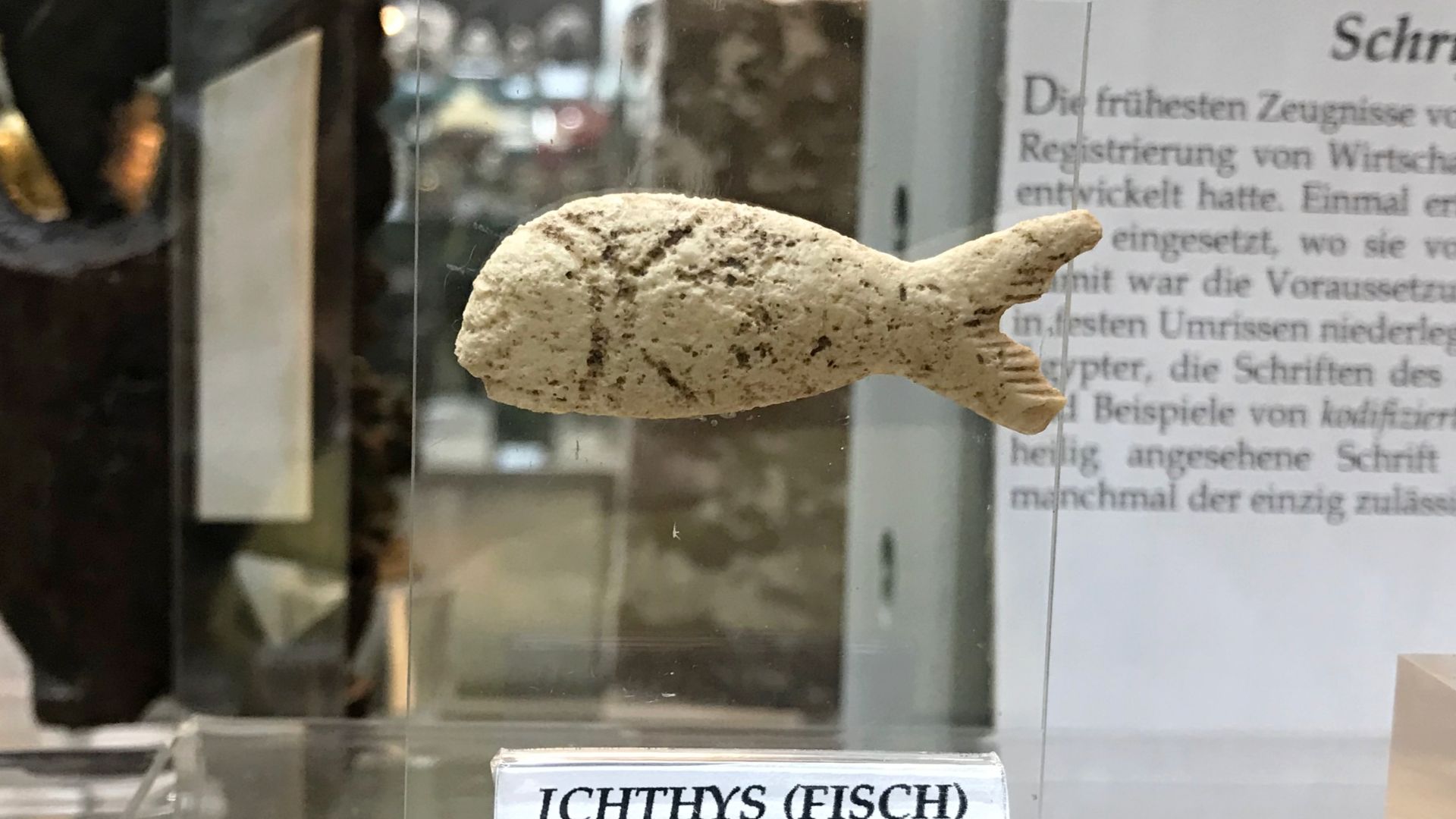
Early Christian art avoided direct symbols that might stand out. Shared imagery allowed belief to move quietly through Roman spaces, readable to insiders while blending into everyday surroundings. Meaning traveled through recognition, never announcement, during uncertain times.
Youthful Depiction Of Jesus
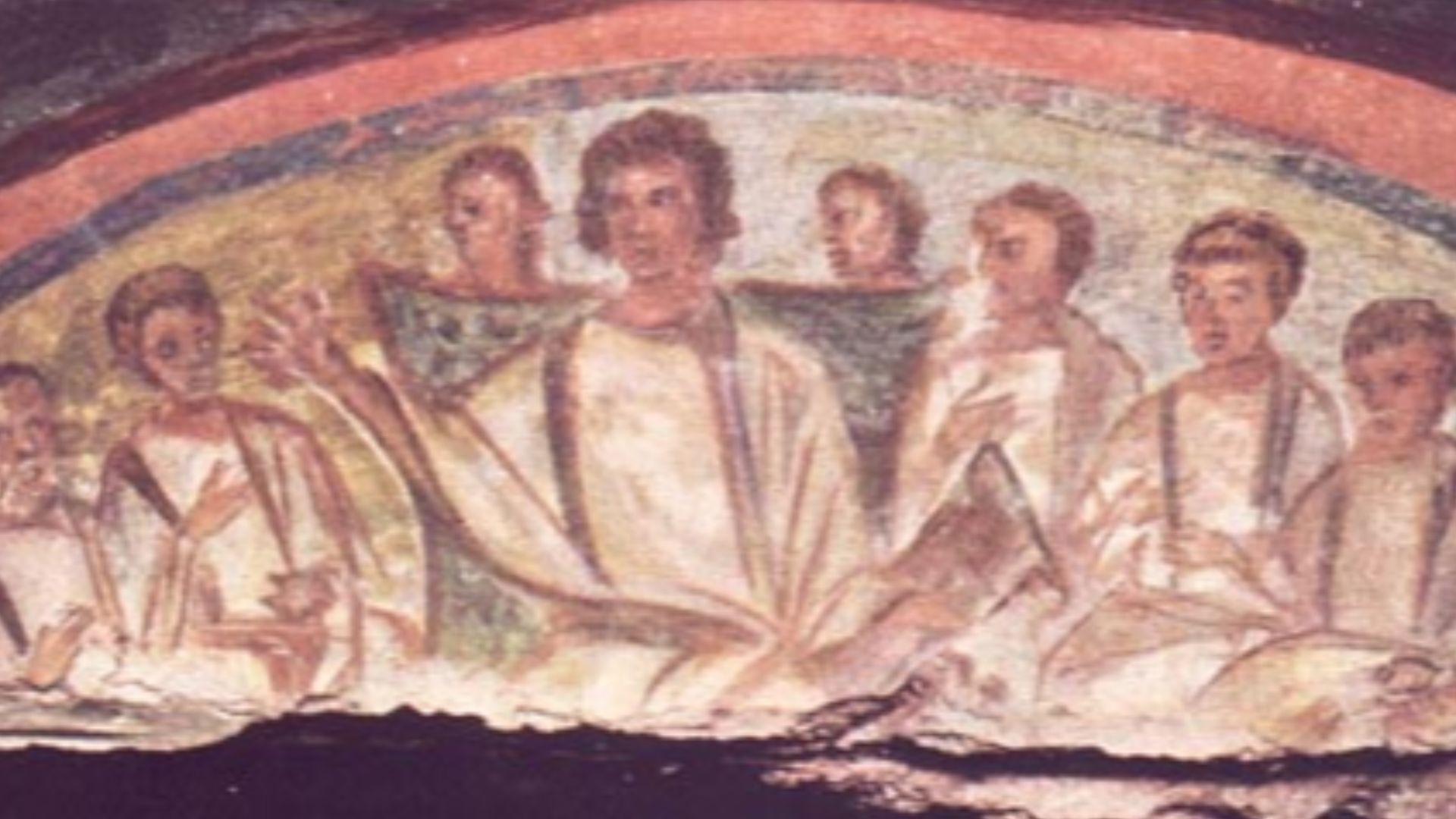
The figure appears young, without markers of rank or power. Early believers preferred closeness over distance by shaping images that felt familiar and present. This version of Jesus belonged to daily life, and that choice shaped how devotion was visually expressed.
 Unknown authorUnknown author, Wikimedia Commons
Roman Artistic Influence On The Painting
Clothing, posture, and composition follow Roman artistic norms common across the empire. Artists worked within known visual systems and embedded belief inside trusted forms. Familiar style helped sacred meaning feel natural rather than separate from everyday experience.
 unknown artist, Rome, 3rd century A.D., Wikimedia Commons
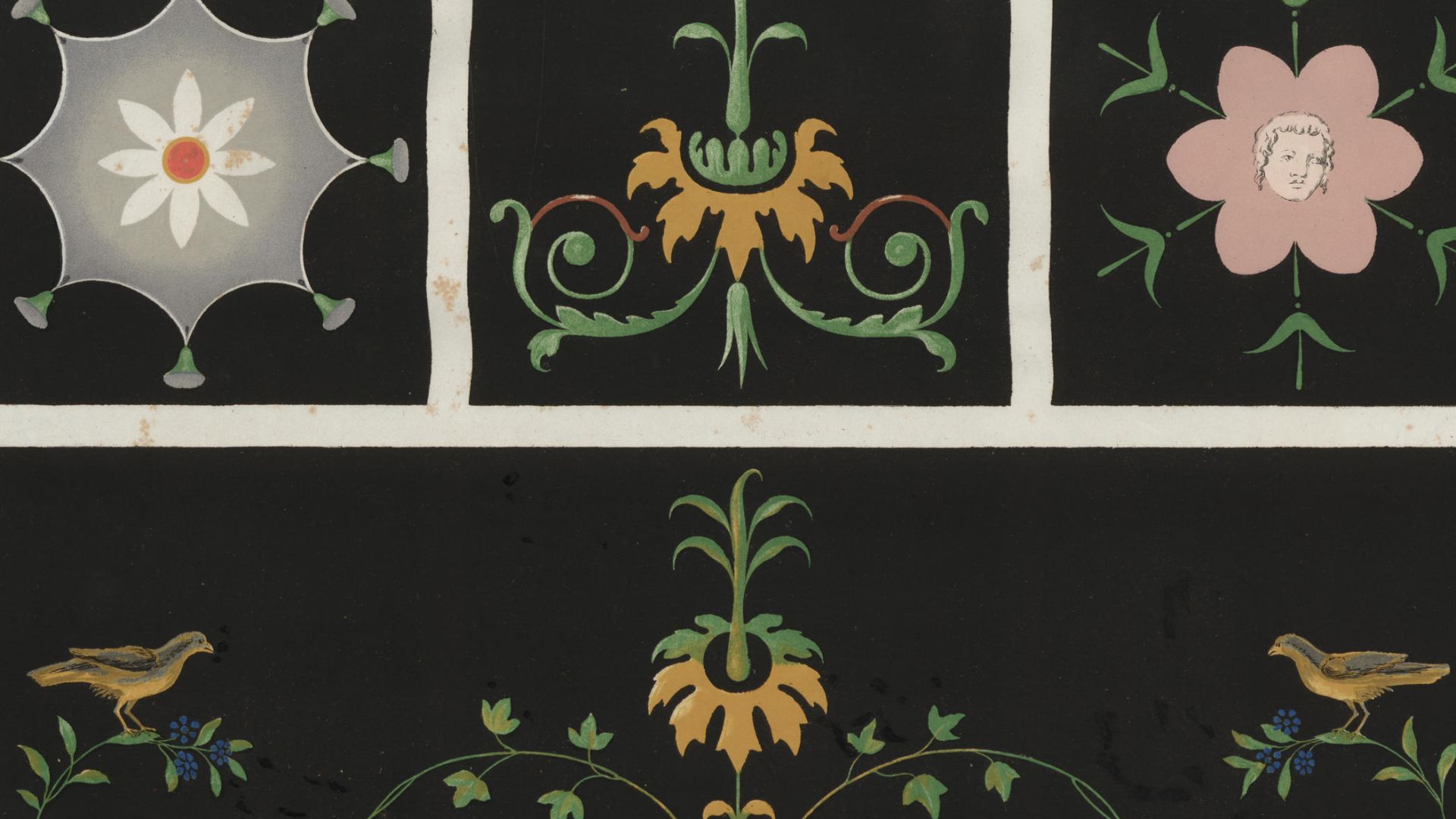
Fresco Technique And Pigments Used
Mineral pigments pressed into wet plaster bonded color directly to the stone. That durable method allowed images to survive where spoken memory and fragile materials often failed. Walls became long-term storytellers, holding belief steady across centuries of change.
 Wilhelm Johann Karl Zahn, Wikimedia Commons
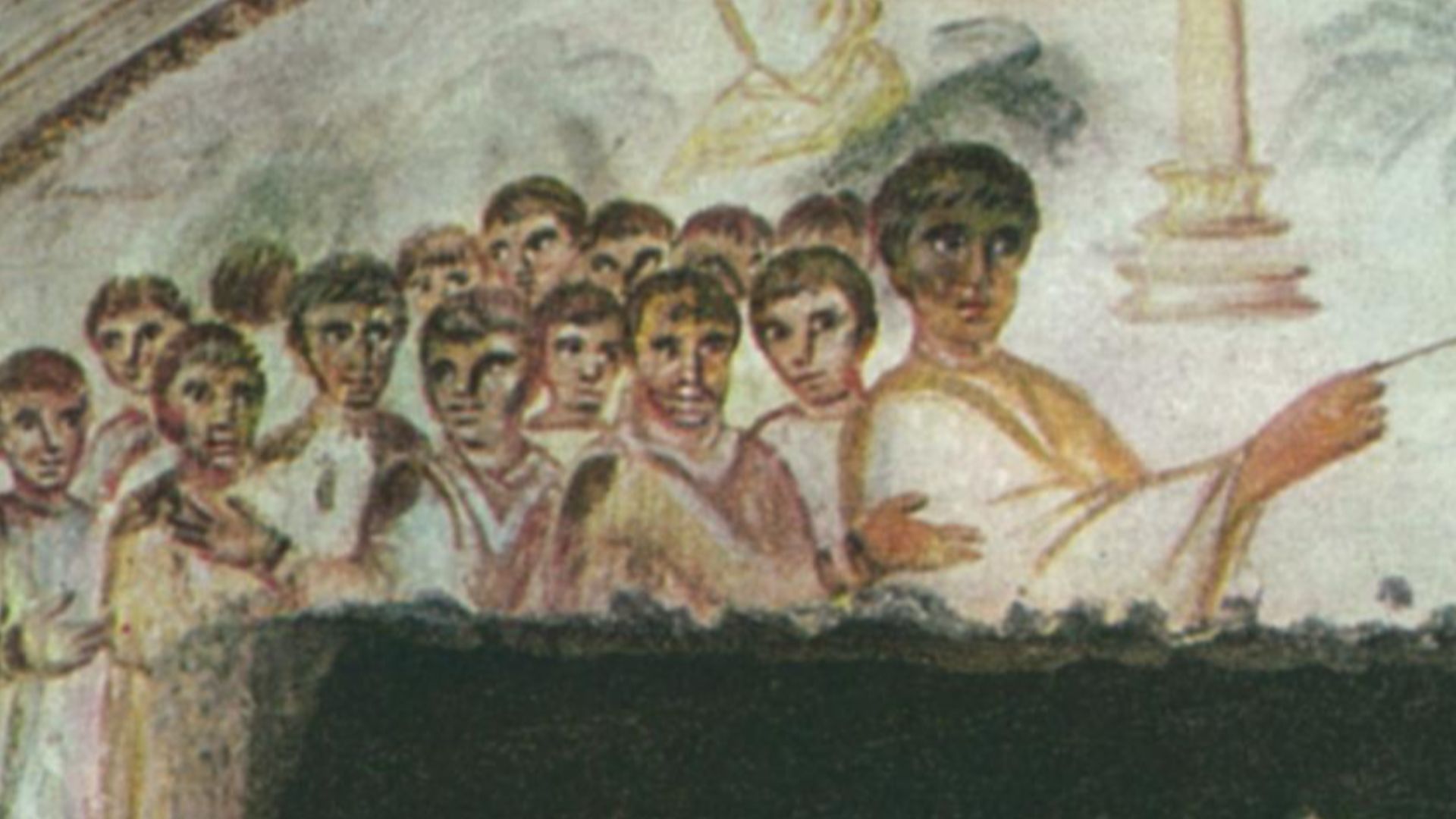
Preservation Due To Sealed Tomb Conditions
The chamber’s sealed environment protected the artwork from air, light, and moisture. Underground spaces often decay naturally. Time passed above while details below remained intact, and it turned forgotten burial rooms into accidental archives of early faith.
 Unknown authorUnknown author, Wikimedia Commons
Christian Symbolism Hidden Within Funerary Art
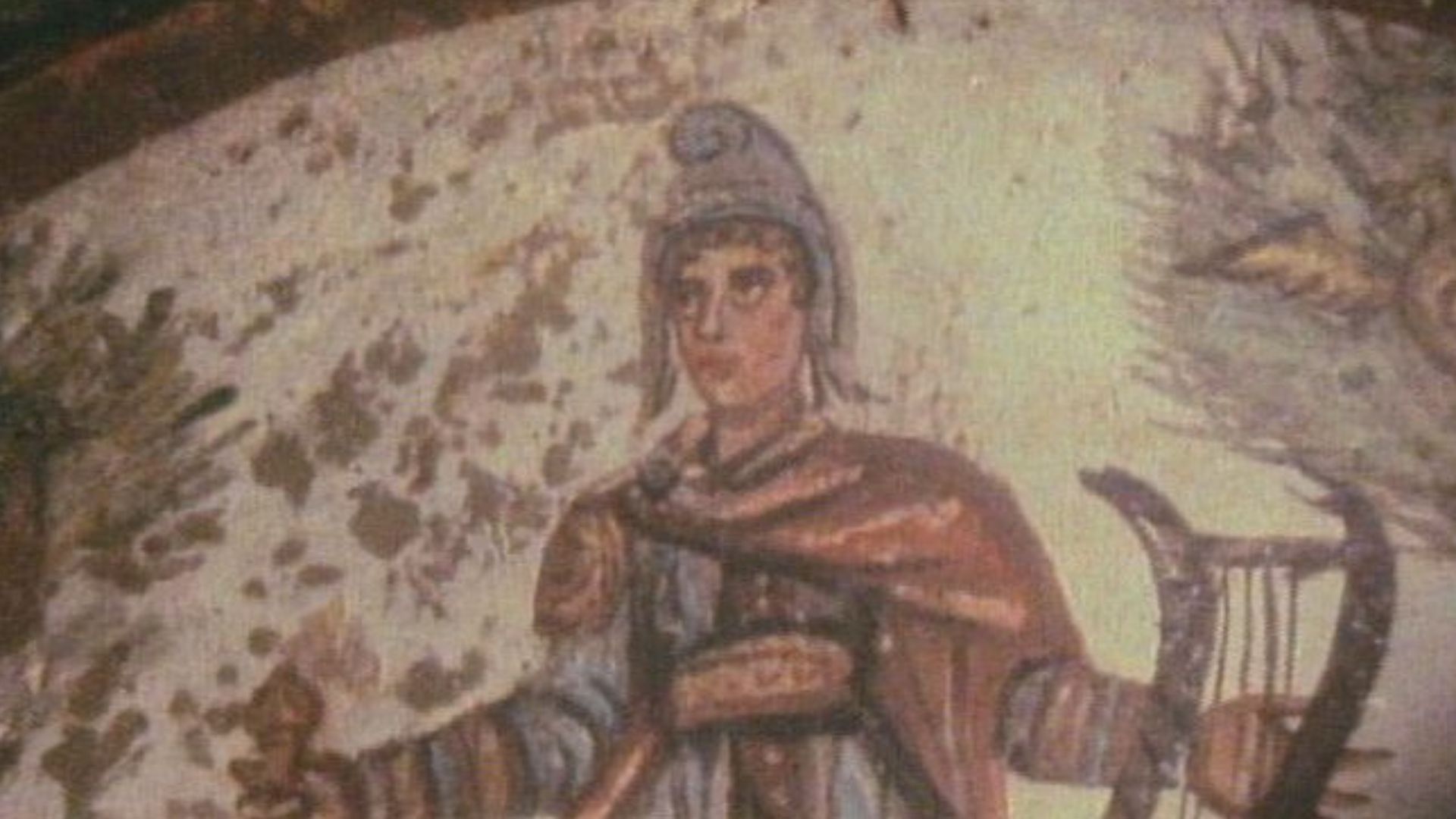
Birds and natural motifs surround the central figure and form a visual language that early viewers understood without explanation. In Christian funerary art, nature symbolized continuity, care, and belief in life beyond death, allowing meaning to pass through shared culture.
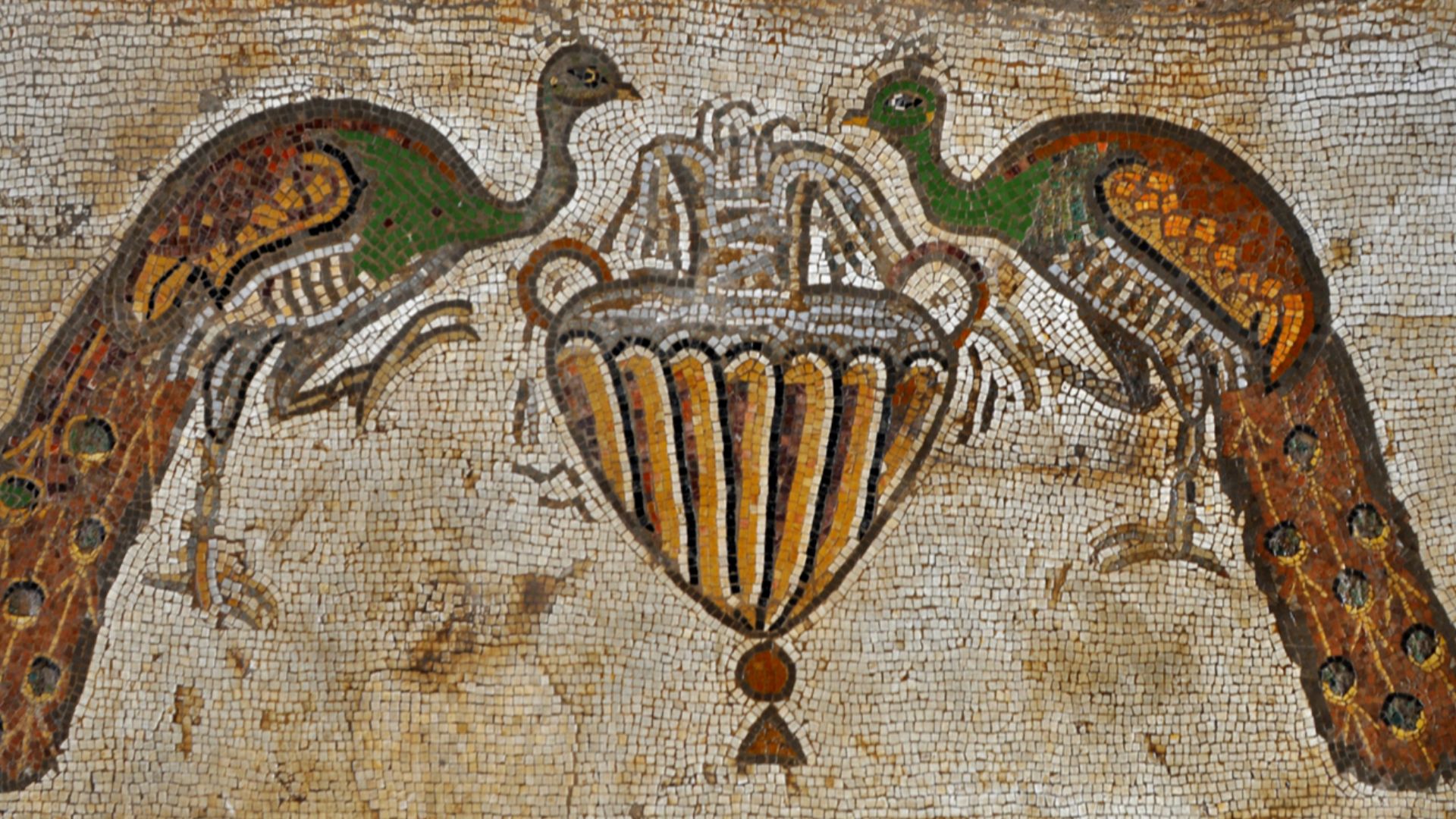 Photo: David Mosseri, photo processing: Elad Hershkowitz, Photo Lazar Nahariya, Wikimedia Commons
Relationship Between Pagan And Christian Imagery
Early Christian artists worked within visual traditions already present across the Roman world. Familiar decorative elements facilitated acceptance to allow new beliefs to coexist within established artistic language without disrupting the surrounding cultural terrain.
 Unknown authorUnknown author, Wikimedia Commons
Burial Practices Of Early Christians
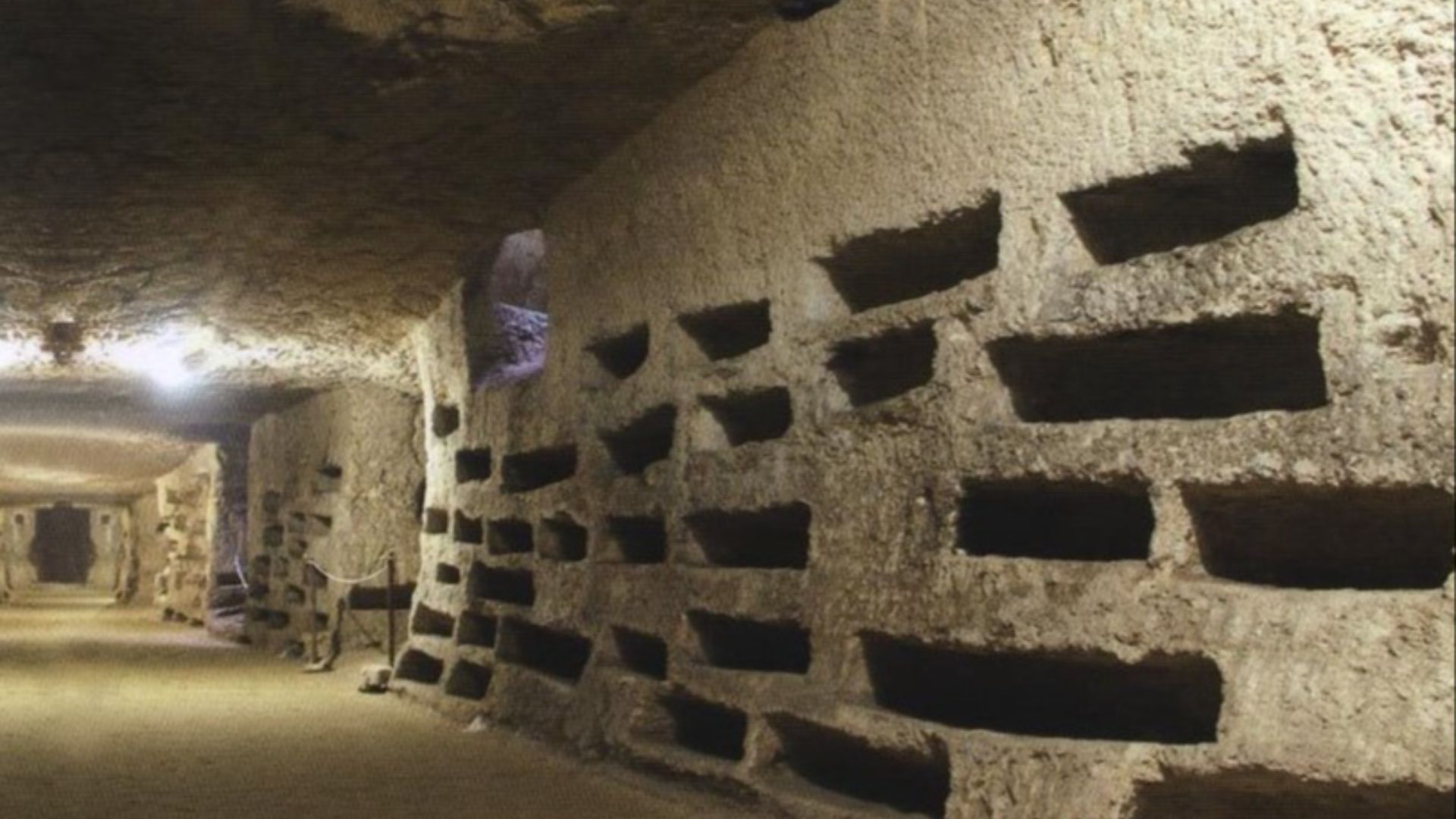
Tombs served as places of memory and quiet expression. Families used burial spaces to communicate their beliefs through images, trusting walls, and placement to speak across time as visits and rituals repeated across generations.
Importance Of Nicaea In Christian History
The nearby city later shaped formal Christian doctrine, yet belief had existed locally long before the councils convened. Art and practice carried ideas forward and grounded theology in lived experience well before written definitions.
 Carole Raddato, Wikimedia Commons
Artistic Simplicity Of Early Christian Visuals
Early Christian images favored clarity. They also preferred approachability. Clean lines and recognizable scenes facilitated rapid connection, and they leveraged visual familiarity to reinforce shared values within close-knit communities.
 Petar Milošević, Wikimedia Commons
Absence Of Later Iconographic Elements
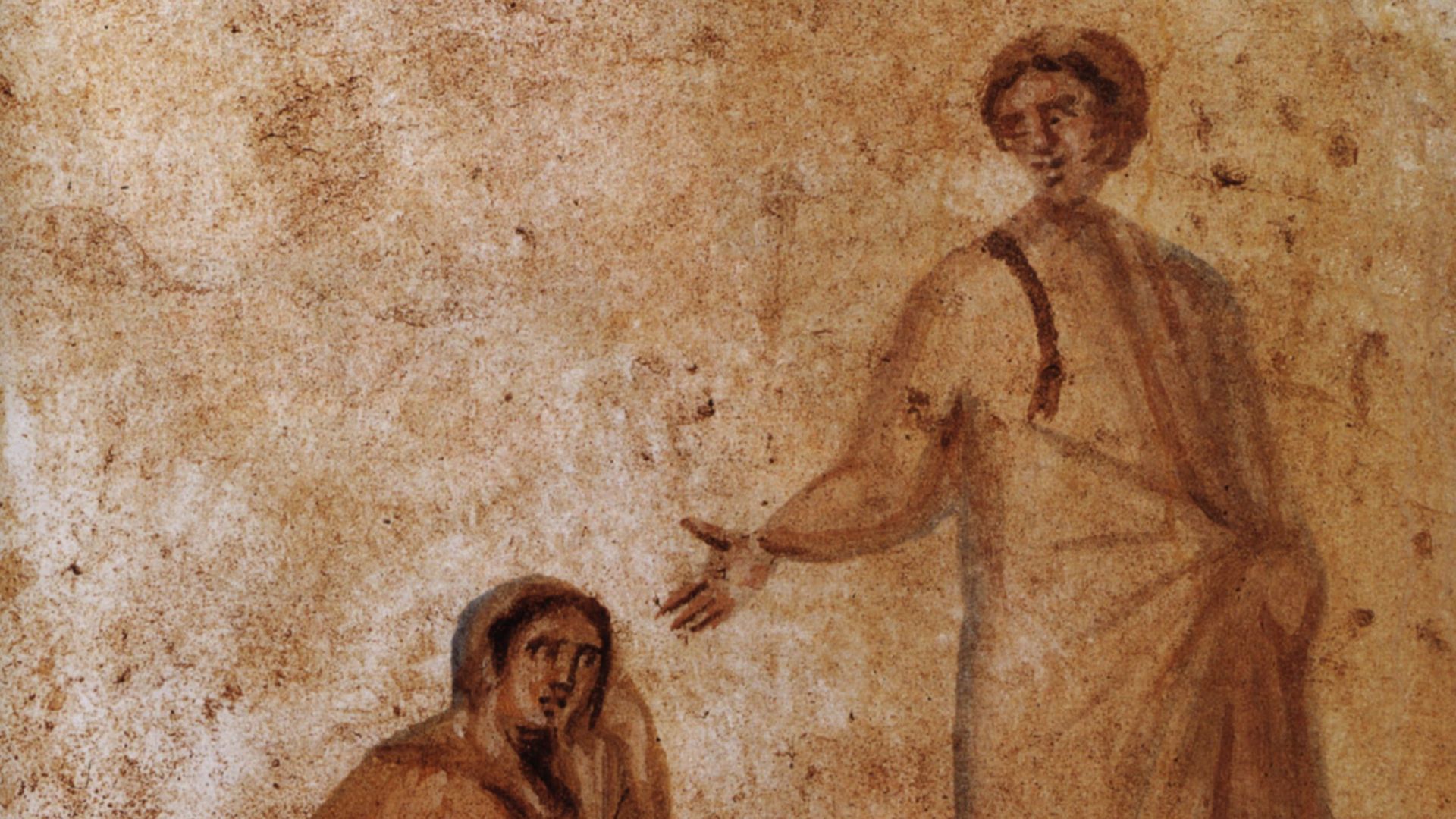
Another thing to note is that the painting lacks symbols common in later centuries. Early imagery focused on narrative scenes that conveyed meaning through action and posture. They emphasized familiarity over abstraction during Christianity’s formative years.
 Unknown authorUnknown author, Wikimedia Commons
Evidence Of Christian Communities In The Region
This fresco confirms active Christian life in the area during the early centuries. Artistic investment inside burial spaces points to organized communities with shared beliefs, traditions, and visual language rooted firmly in local soil.
Use Of Pastoral Imagery For Spiritual Meaning
Shepherd imagery carried familiar meaning across the ancient world. Communities tied to land and livestock understood scenes of guidance and care. That shared experience made pastoral images effective tools for expressing belief within burial spaces closely tied to daily life.
 David Macchi, Wikimedia Commons
Rarity Of Early Jesus Depictions In Anatolia
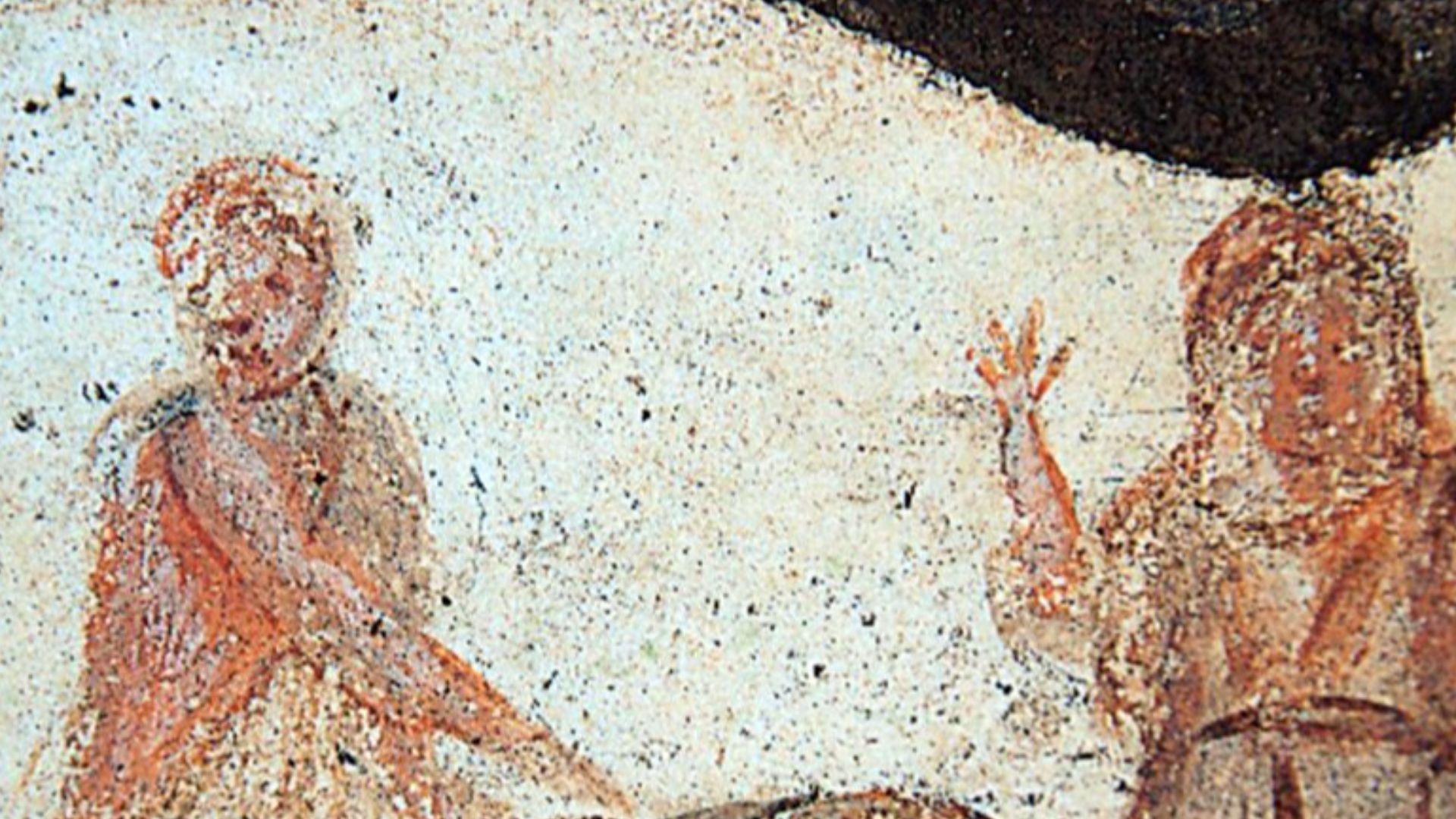
Early portrayals of Jesus remain scarce in Anatolia compared to other regions. Each surviving image offers valuable context, and they reveal how local communities adopted Christian visuals while belief spread quietly through towns shaped by Roman influence and regional tradition.
 Unknown authorUnknown author, Wikimedia Commons
Transition From Symbolic To Narrative Christian Art
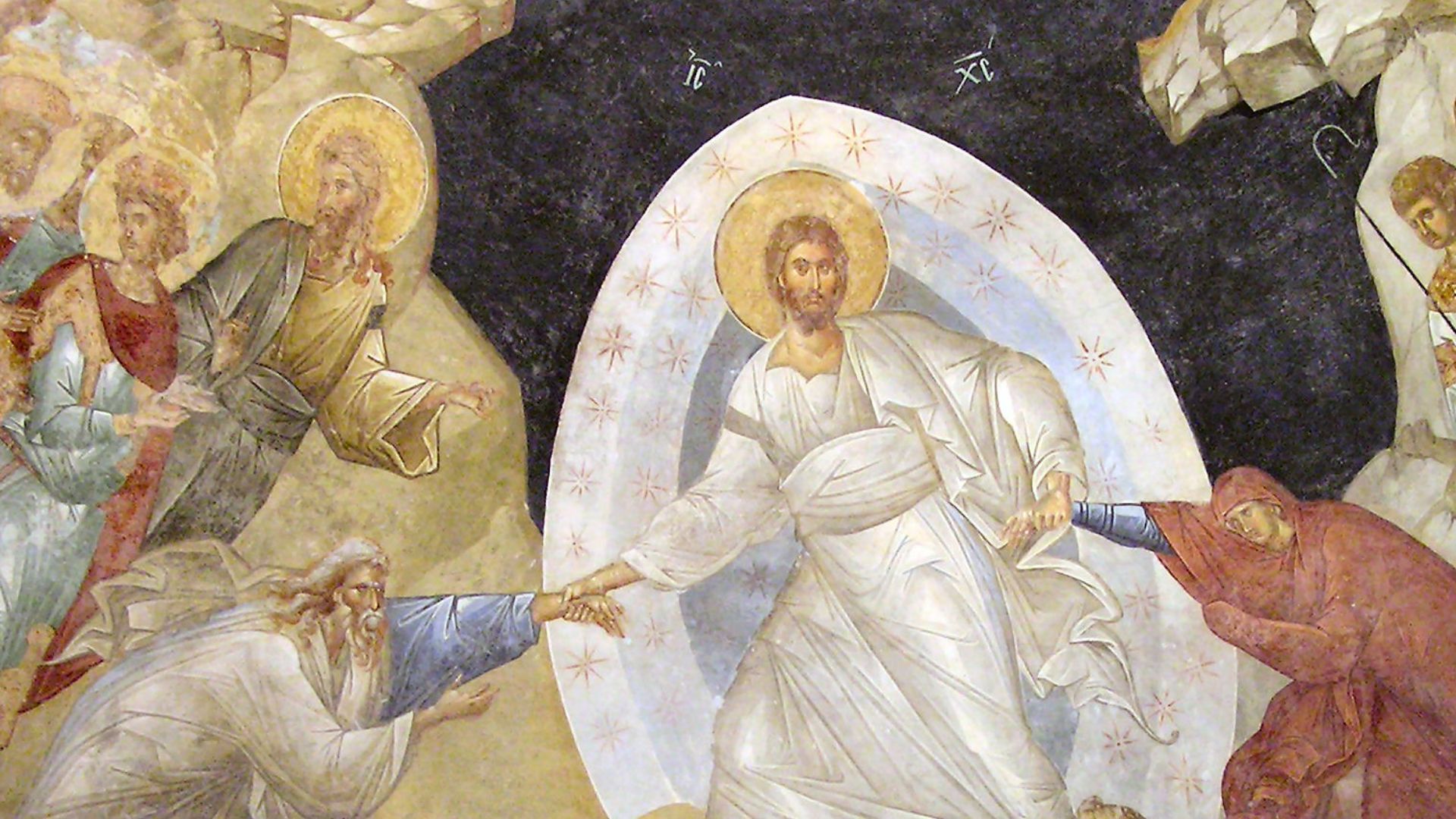
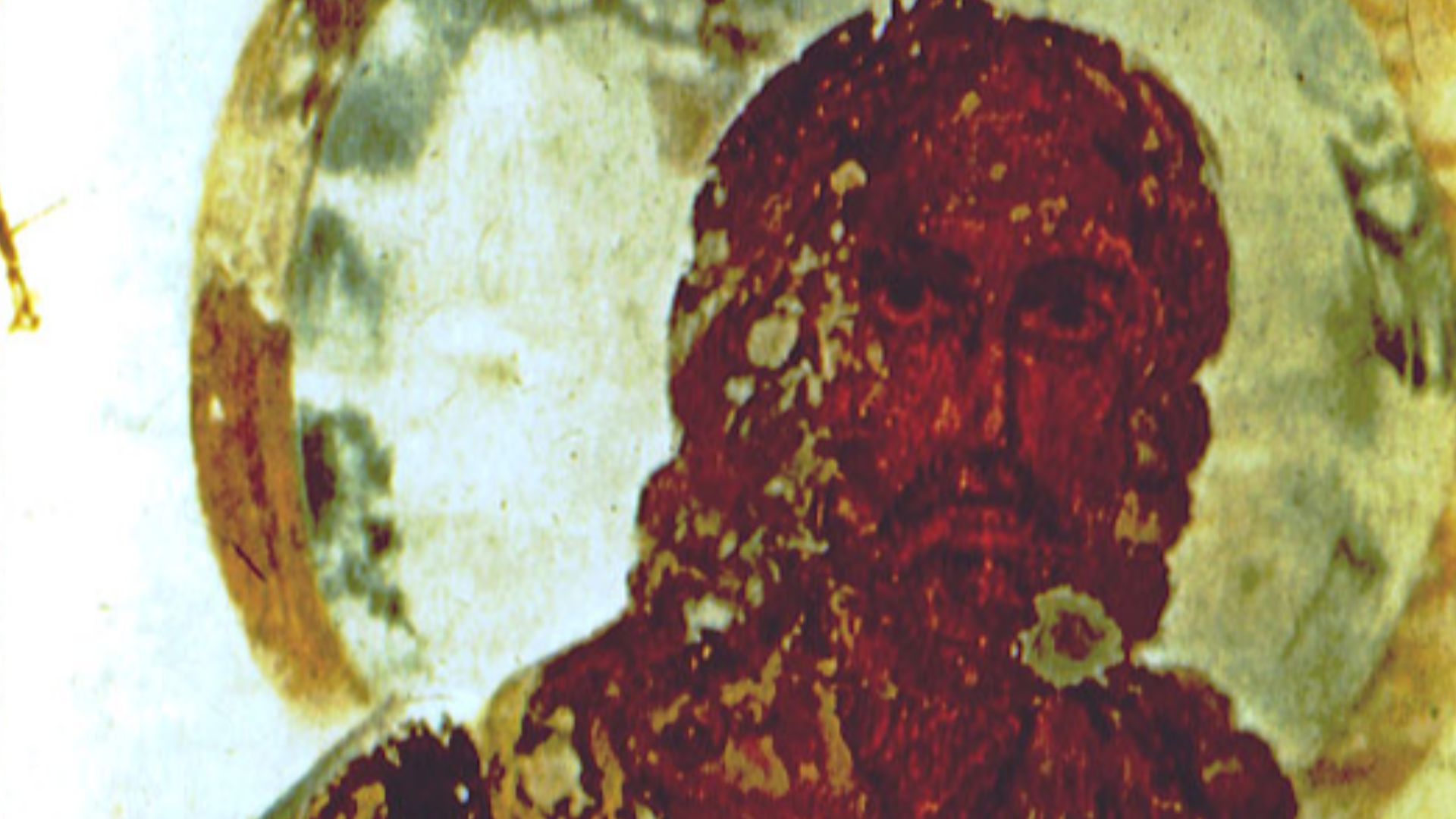
Christian art evolved toward clearer storytelling during its early centuries. This fresco uses recognizable figures alongside symbolic cues that place it within a period when images began guiding viewers through scenes instead of relying solely on shared symbols.
 unknown artist, Rome, 4th-5th century A.D., Wikimedia Commons
Archaeological Methods Used During Excavation
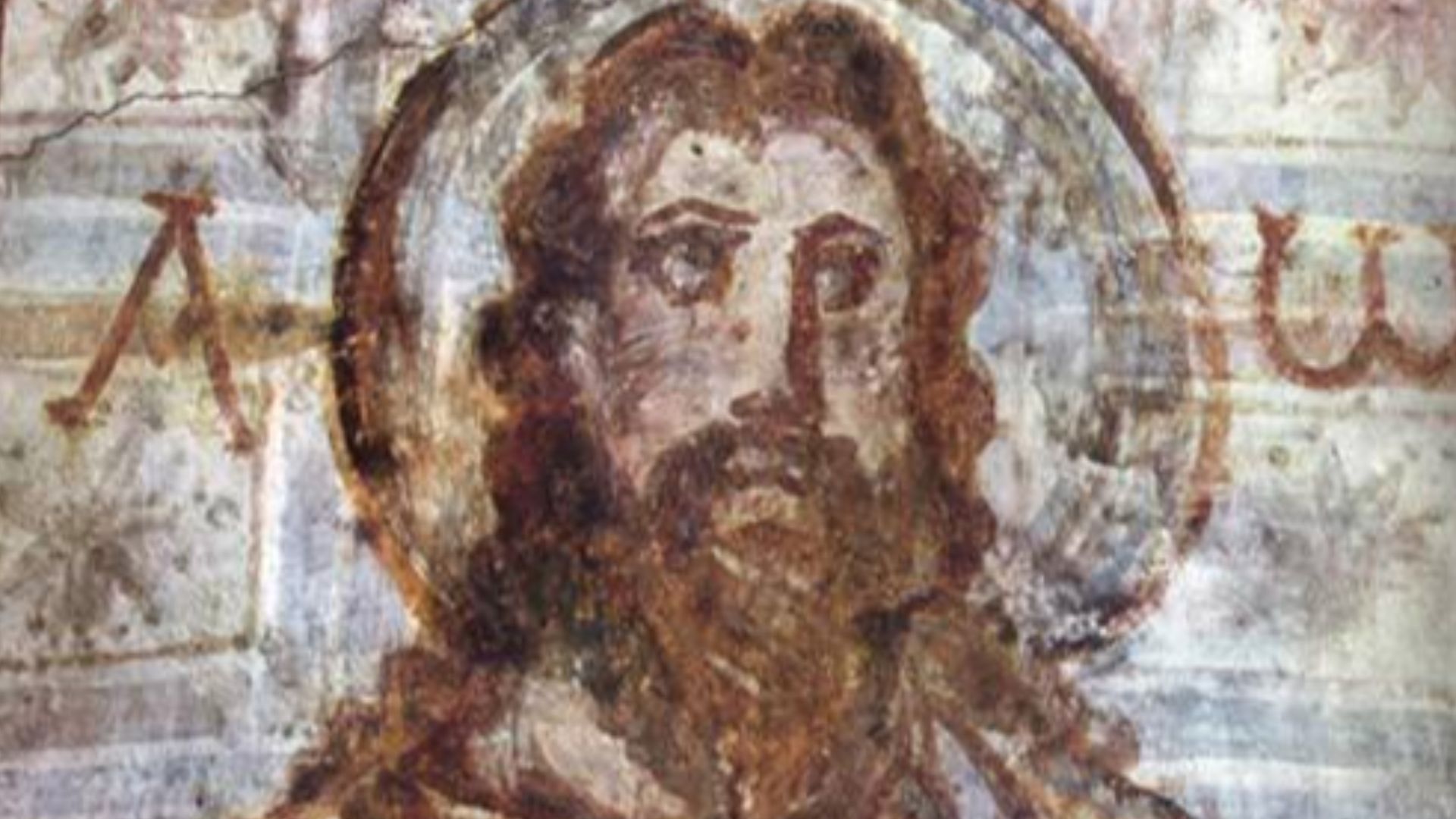
Careful hand tools guided the excavation to protect fragile surfaces hidden beneath compact soil. Archaeologists documented every layer and treated walls like pages in a book. The patience observed here preserved pigment, texture, and placement, thereby keeping the story intact for later study.
 Sebastian Wallroth, Wikimedia Commons
Interpretation Challenges Of Early Christian Art
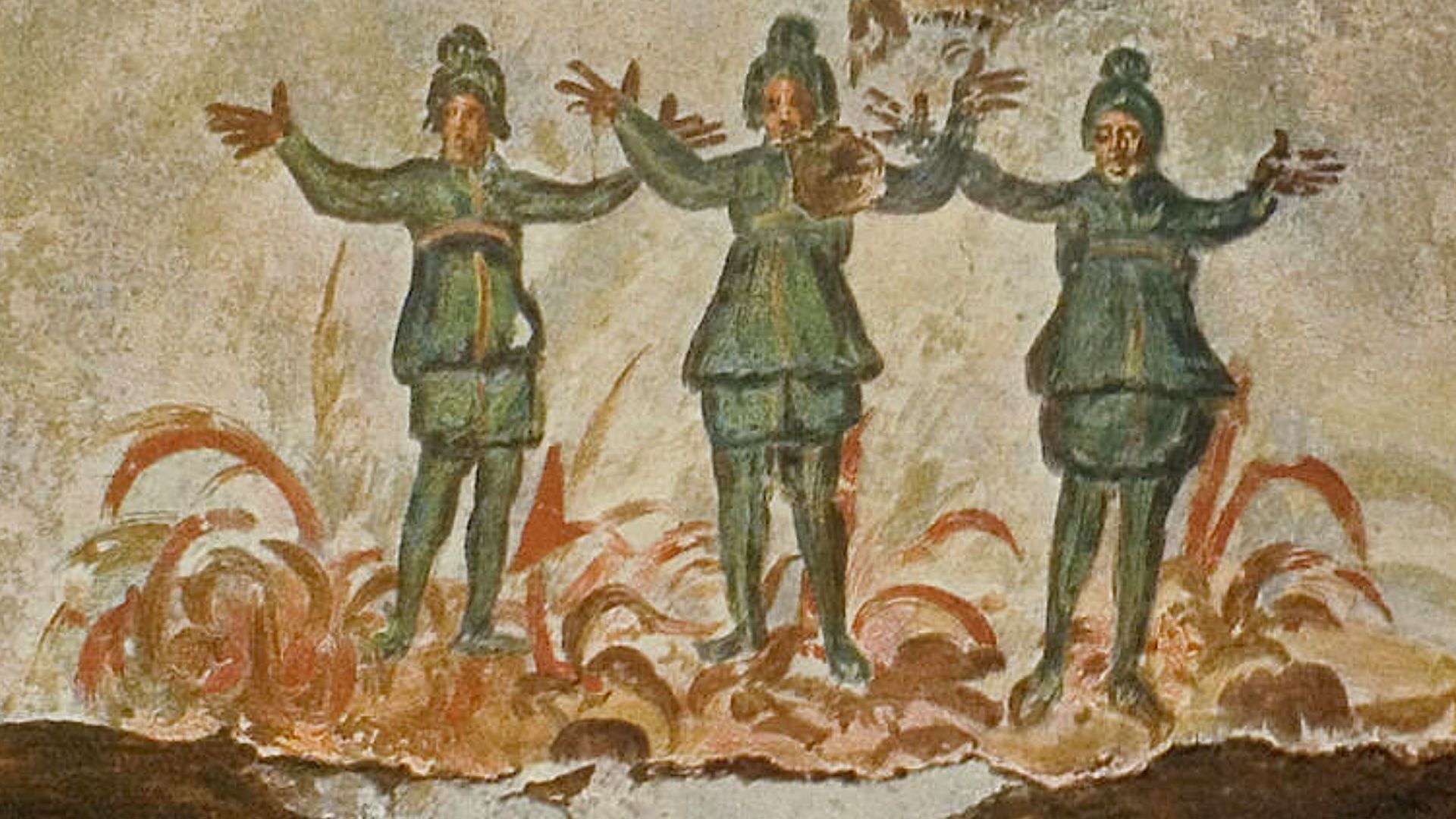
Early Christian imagery rarely comes with labels. Archaeologists rely on context and visual language shared across the Roman world. Understanding these paintings demands cultural fluency and close attention to symbols that carried meaning for ancient viewers.
 unknown artist 3rd century A.D., Rome, Wikimedia Commons
Fresco’s Condition At Time Of Discovery
Upon removal, much of the paint still adhered to the wall. Colors appeared muted yet legible, with outlines remaining distinct. Burial conditions shielded the surface, turning a fragile image into a rare survivor from Christianity’s earliest visual period.
 Christian Georg Schütz, Wikimedia Commons
Relationship Between Art And Belief Under Roman Rule
Art offered a quiet outlet for belief within Roman society. Wall paintings in tombs expressed devotion without public display, and this kept faith present in daily rituals associated with burial, remembrance, and family tradition.
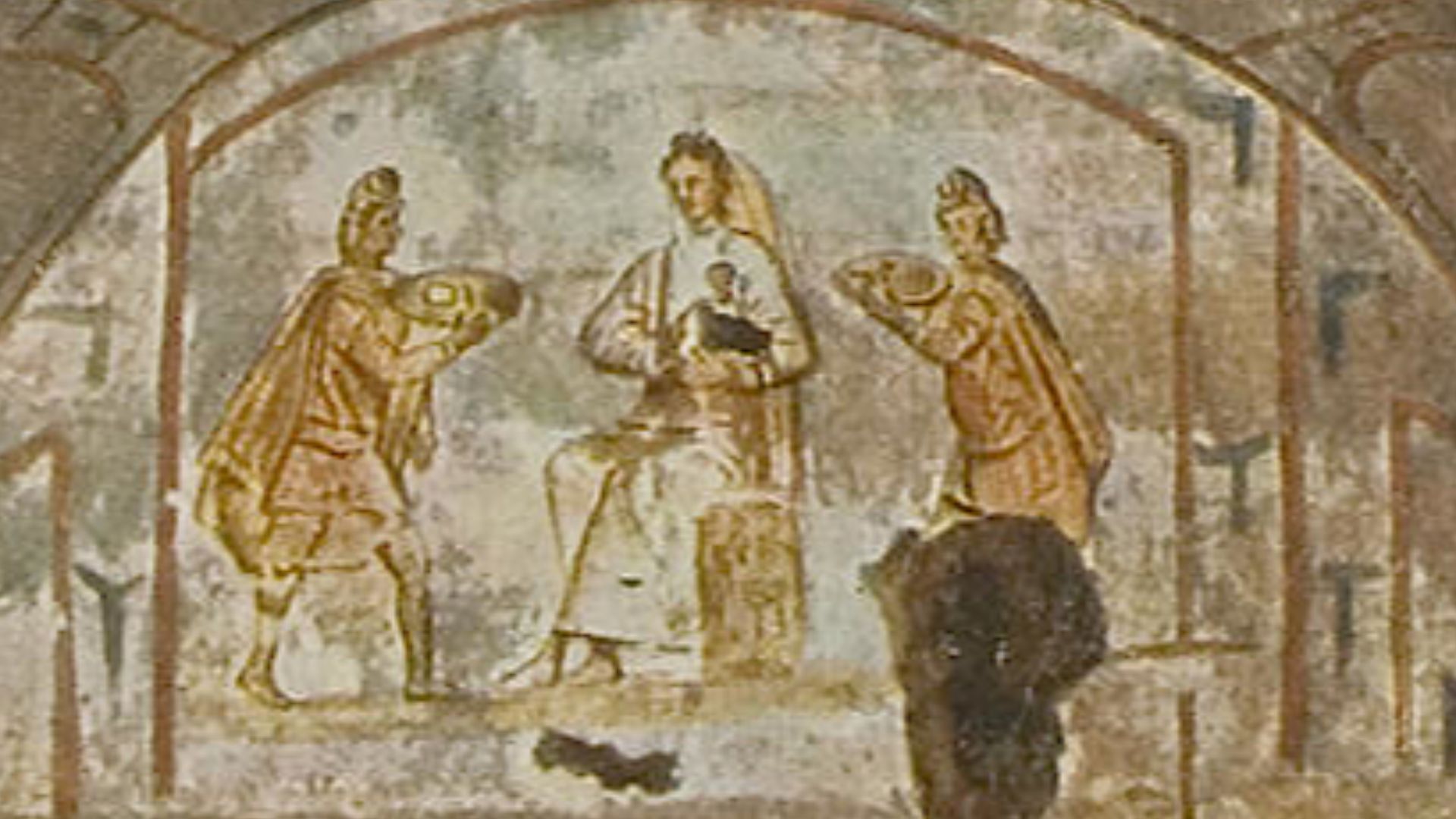
Comparison To Roman Catacomb Imagery
Similar scenes appear in Roman catacombs, where early Christians used shared symbols underground. The Turkish fresco fits that broader pattern by connecting communities across distances through shared visual practices and a common spiritual vocabulary.
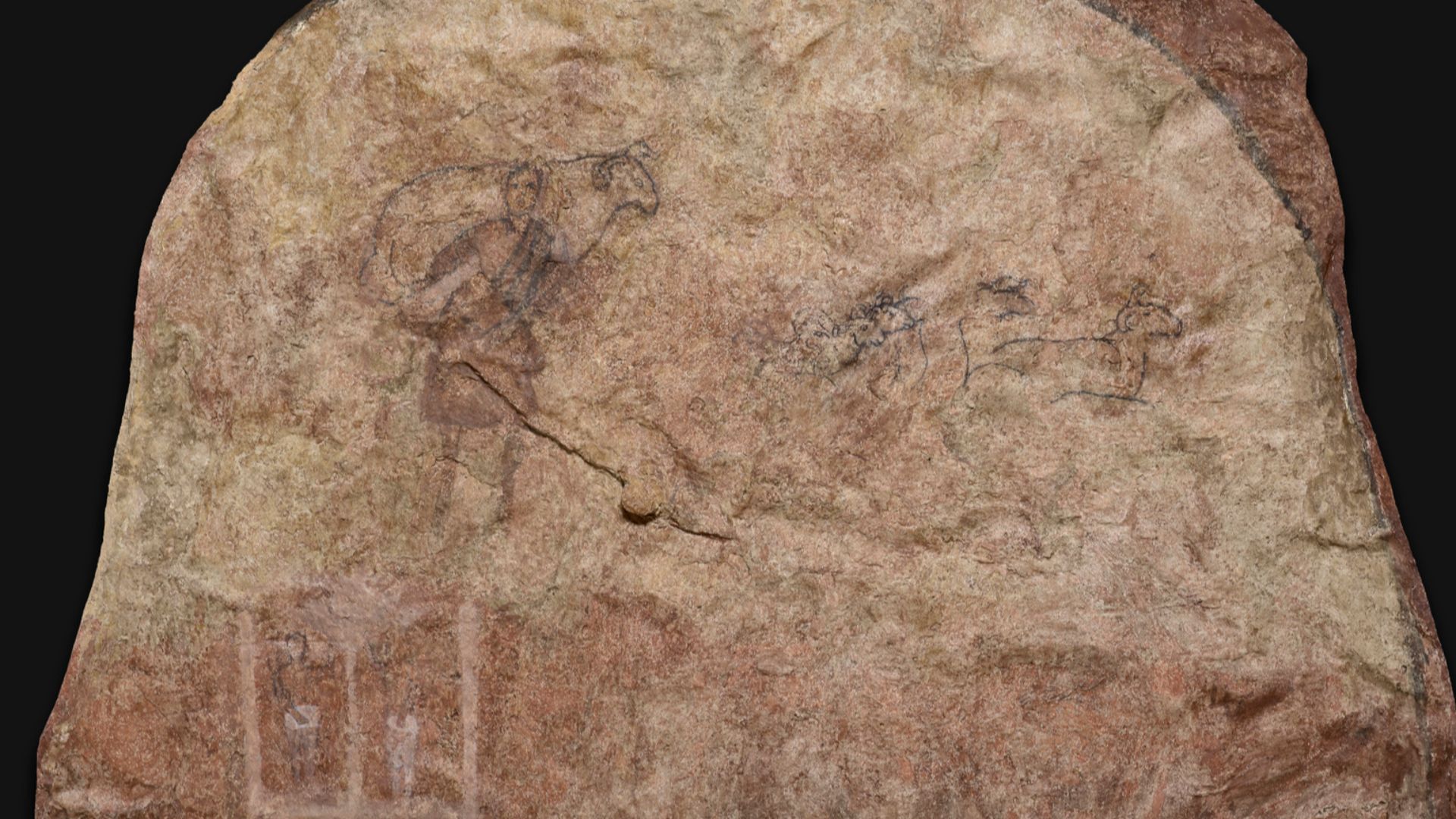
Contribution To Understanding Christianity’s Visual Origins
This fresco joins a small group of early images that shape knowledge of the beginnings of Christian art. Each detail adds clarity to help modern viewers trace how belief first took visible form on stone walls beneath the earth.
 Anonymous (Category:Roman Empire)Unknown author, Wikimedia Commons




_-_Painting_-_NG.M.00055_-_National_Museum_of_Art,_Architecture_and_Design.jpg)