Time Capsule Unearthed
A dusty rock shelter in Oregon changed everything we thought we knew about ancient America. Archaeologists found camel teeth and stone tools buried under volcanic ash. The date? A staggering 18,250 years ago.
Initial Discovery
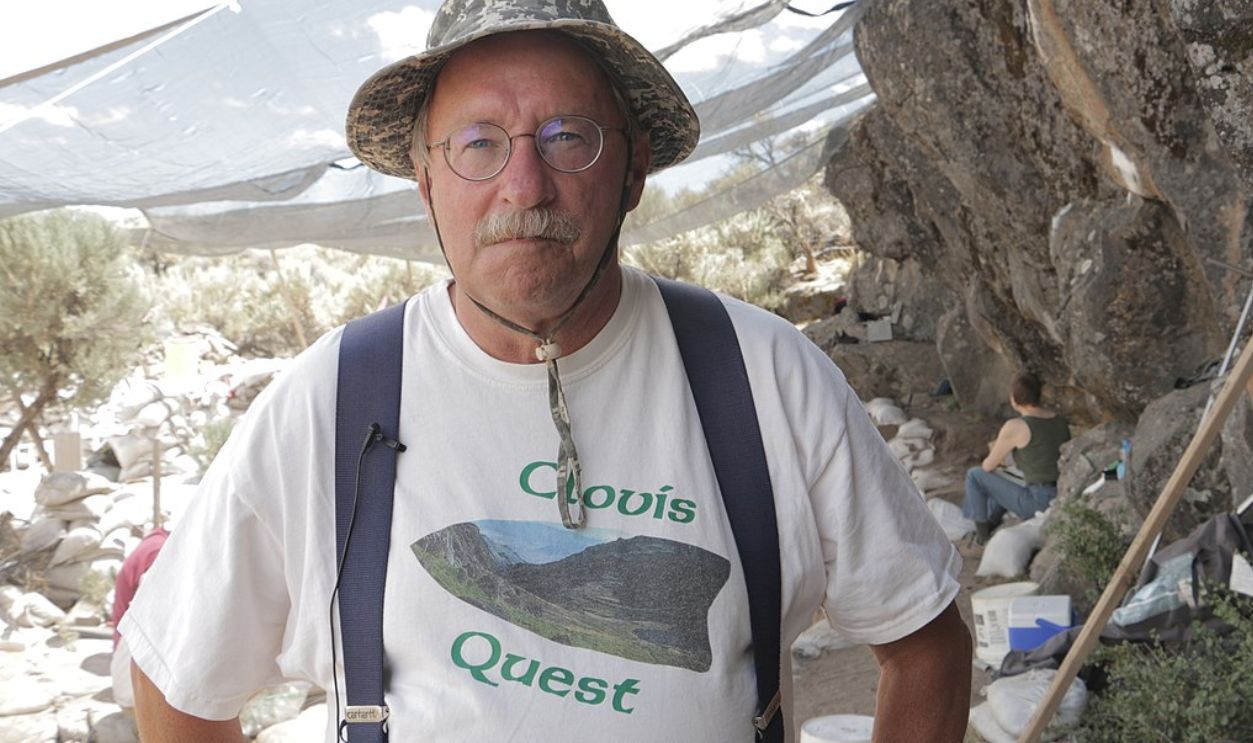
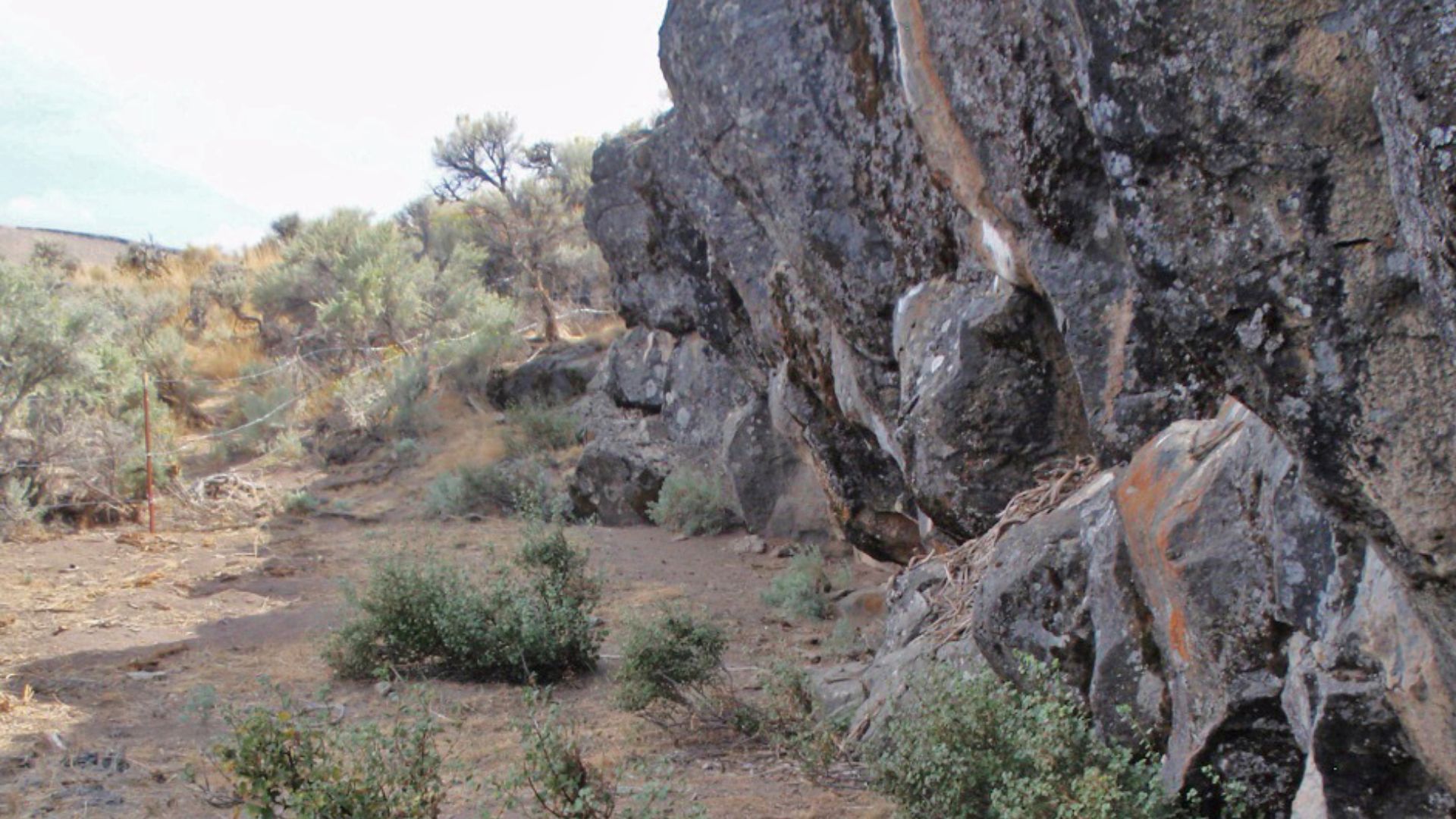
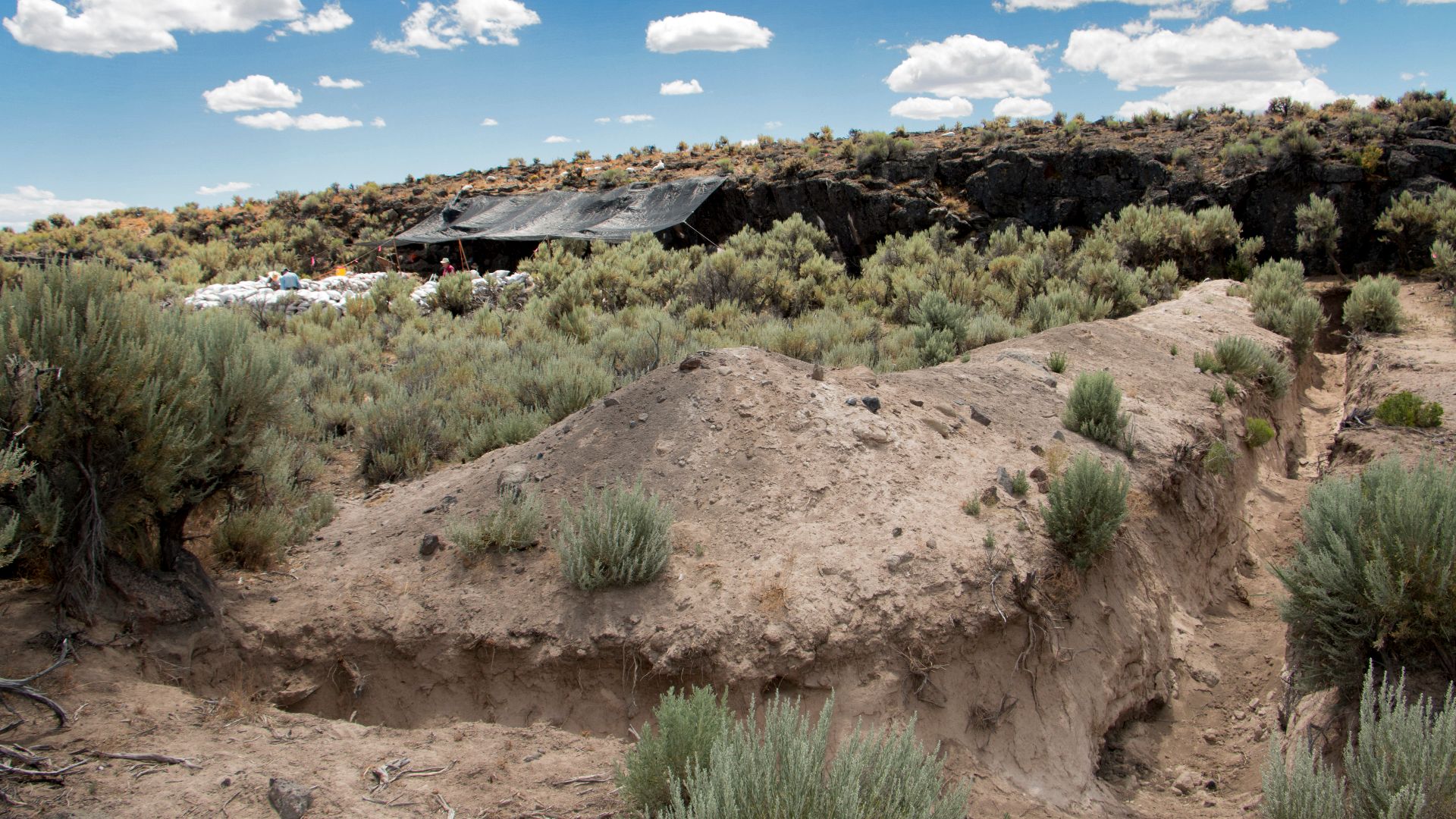
Back in 2009, BLM archaeologist Scott Thomas was driving through Oregon's high desert when something caught his eye. It was an unusually tall sagebrush near a basalt outcrop, hinting at deep, moisture-rich sediments below. He found an obsidian-stemmed point lying in the open.
 Bureau of Land Management Oregon and Washington from Portland, America, Wikimedia Commons
Riley Location
The rockshelter sits approximately 10 miles northwest of Riley in Harney County, southeastern Oregon—a remote expanse of sagebrush steppe where the Northern Great Basin meets volcanic rimrock formations. This isn't the lush Oregon of coastal rainforests; it's high desert country at 4,520 feet in elevation.
 Bureau of Land Management, Wikimedia Commons
BLM Partnership
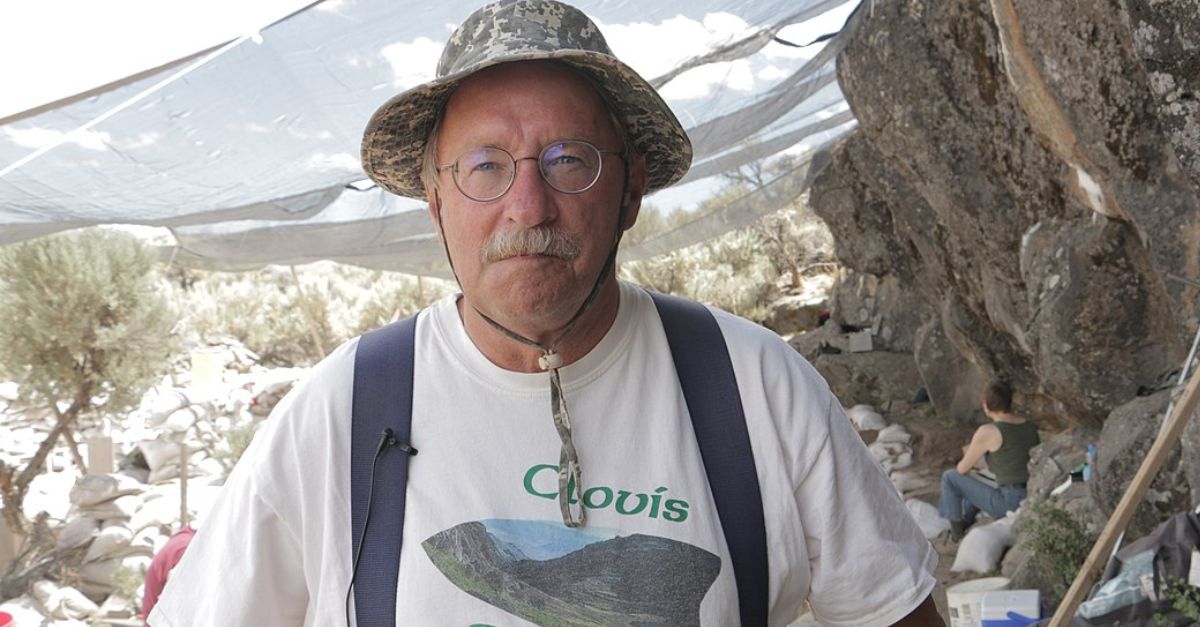
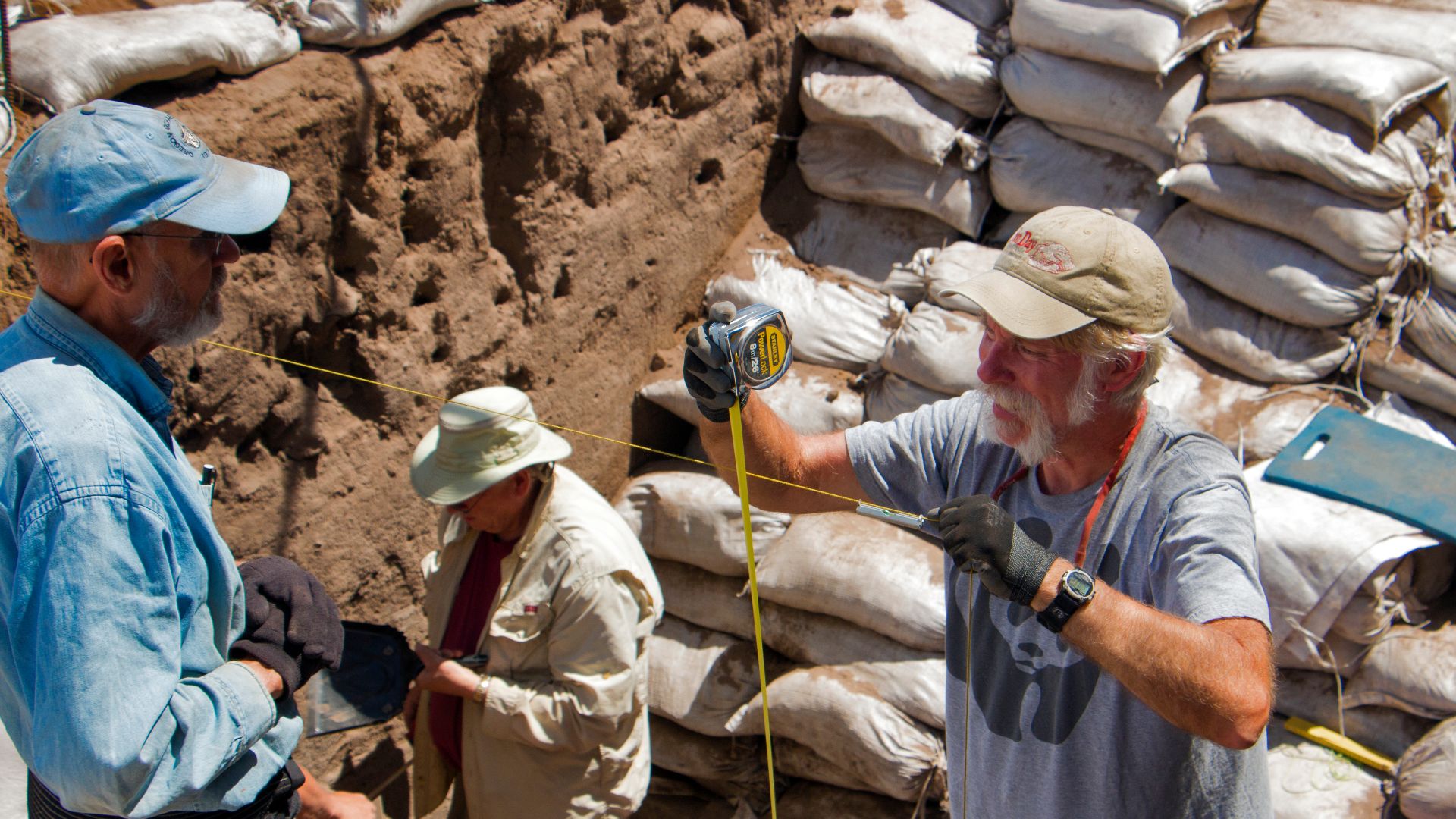
In 2011, recognizing the site's potential, the Bureau of Land Management partnered with the University of Oregon's Museum of Natural and Cultural History to begin systematic investigation. This collaboration brought together federal land managers who'd been running the innovative "Clovis Quest" program.
 Bureau of Land Management Oregon and Washington from Portland, America, Wikimedia Commons
First Excavations
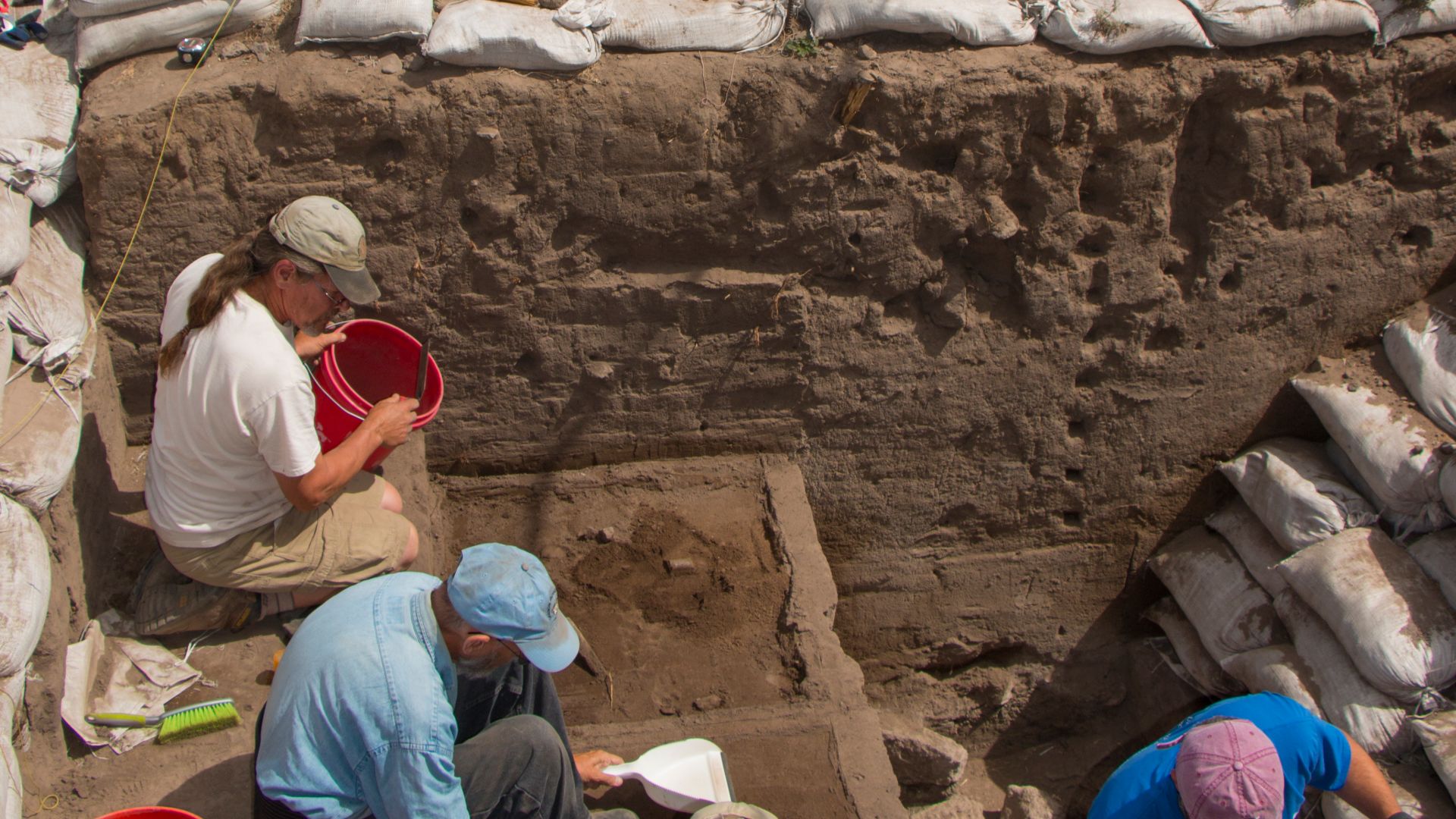
During September 2011, the team dug their first test units, carefully removing sediment in controlled layers to assess whether Rimrock Draw warranted a full-scale field school. What emerged from those initial six-foot-deep pits were intact stratigraphic deposits extending down two meters.
 Bureau of Land Management Oregon and Washington from Portland, America, Wikimedia Commons
2012 Breakthrough
The pivotal moment came in 2012 when Patrick O'Grady's University of Oregon field school uncovered camel tooth fragments buried beneath a distinctive gray layer. Volcanic ash from Mount St Helens, dated to over 15,000 years ago, had blanketed the rockshelter during an eruption.
 Bureau of Land Management, Wikimedia Commons
Volcanic Layer
Mount St Helens' Set S tephra layer, identified through its distinctive mineralogical signature and dated to approximately 15,600 calibrated years before present, became the excavation's critical chronological anchor. This wasn't the famous 1980 eruption but a Pleistocene-era blast that sent ash drifting eastward across hundreds of miles.
 Bureau of Land Management Oregon and Washington from Portland, America, Wikimedia Commons
Tooth Fragments
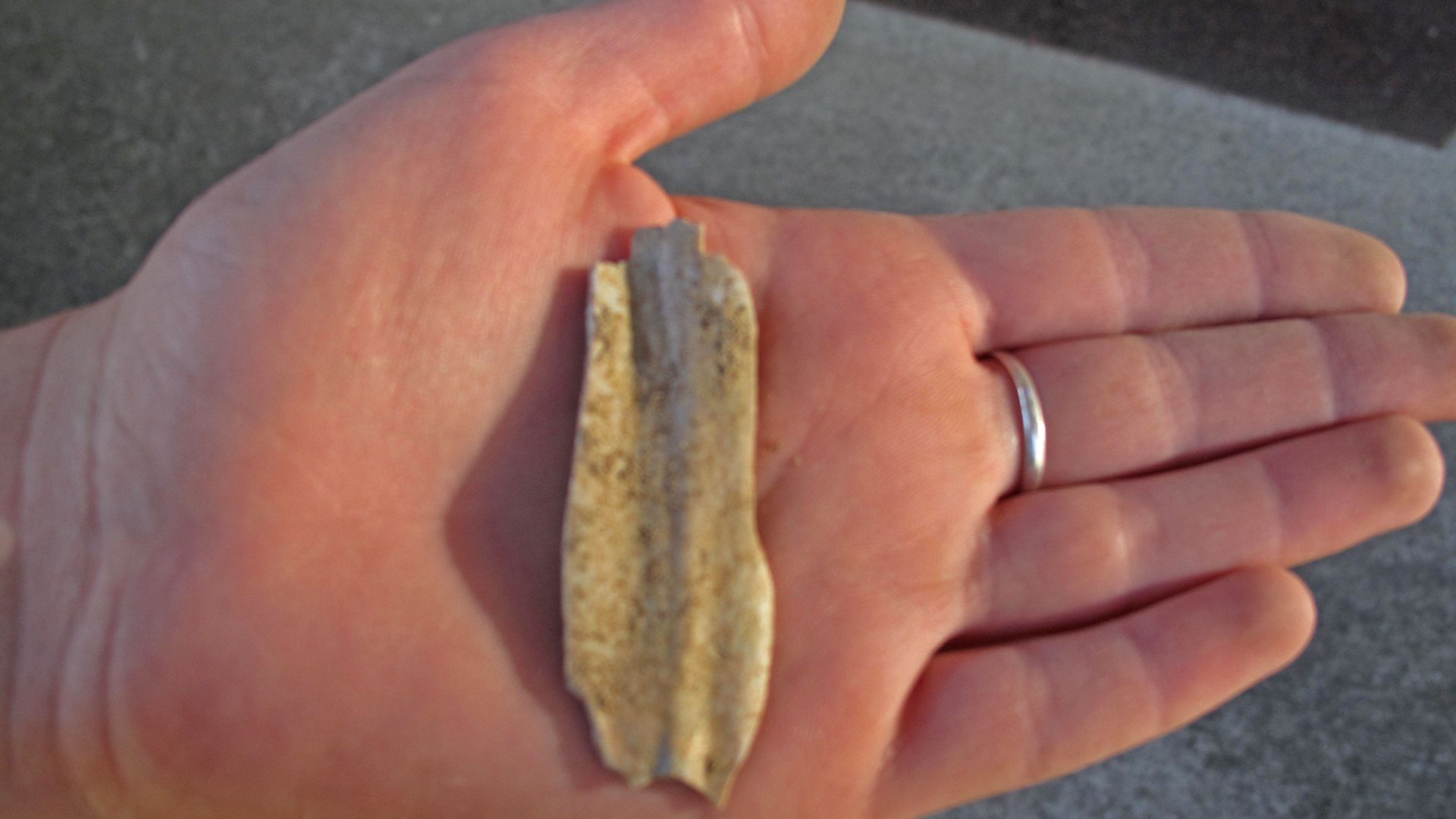
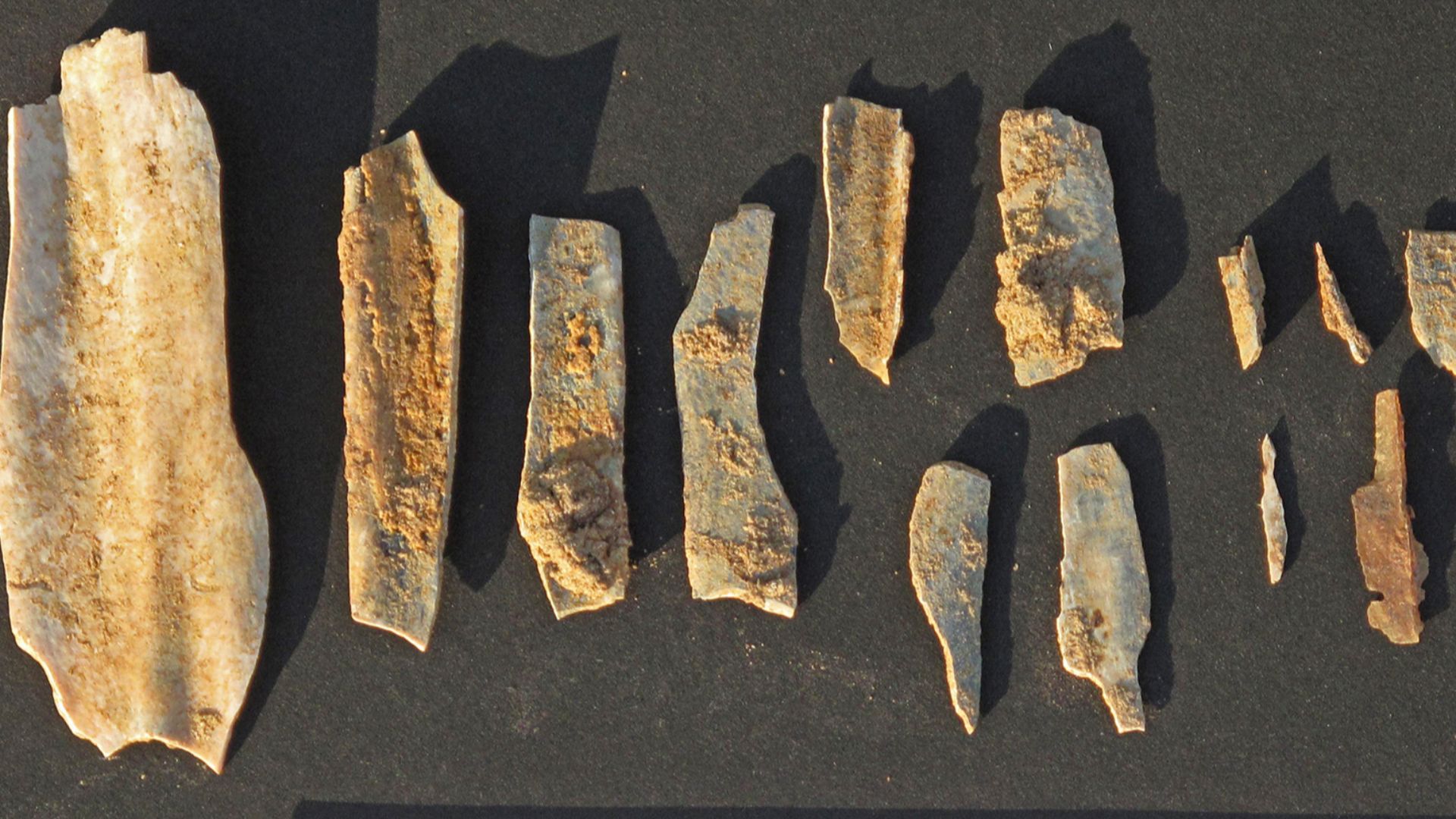
Excavators recovered tooth enamel fragments from two extinct Pleistocene species: Camelops (an ancient camel that stood seven feet tall at the shoulder) and Bison antiquus (a larger ancestor of modern buffalo with horn spans exceeding six feet). The fragments appeared in direct association with stone flakes and tools.
 Bureau of Land Management, Wikimedia Commons
Dating Process
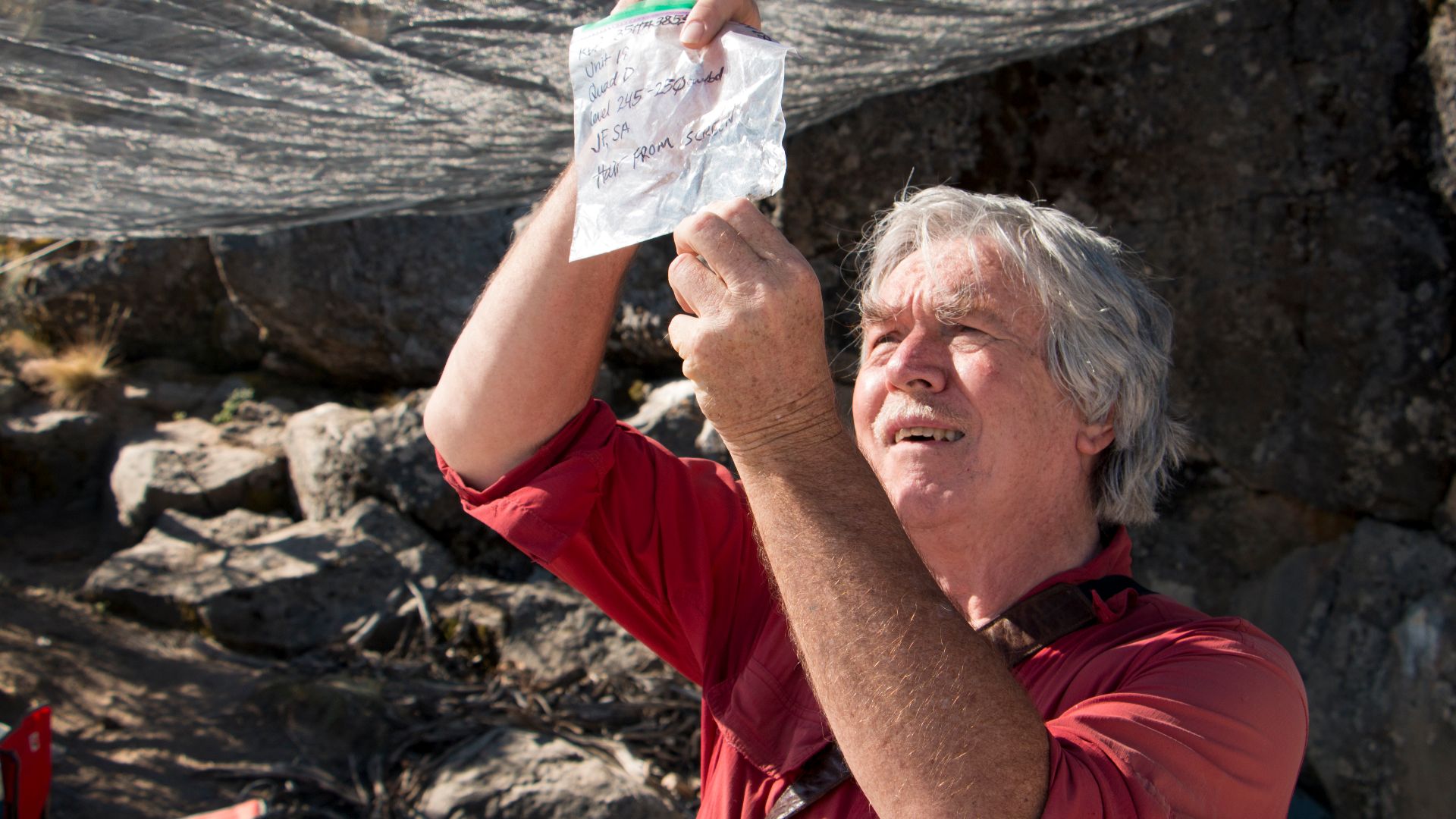
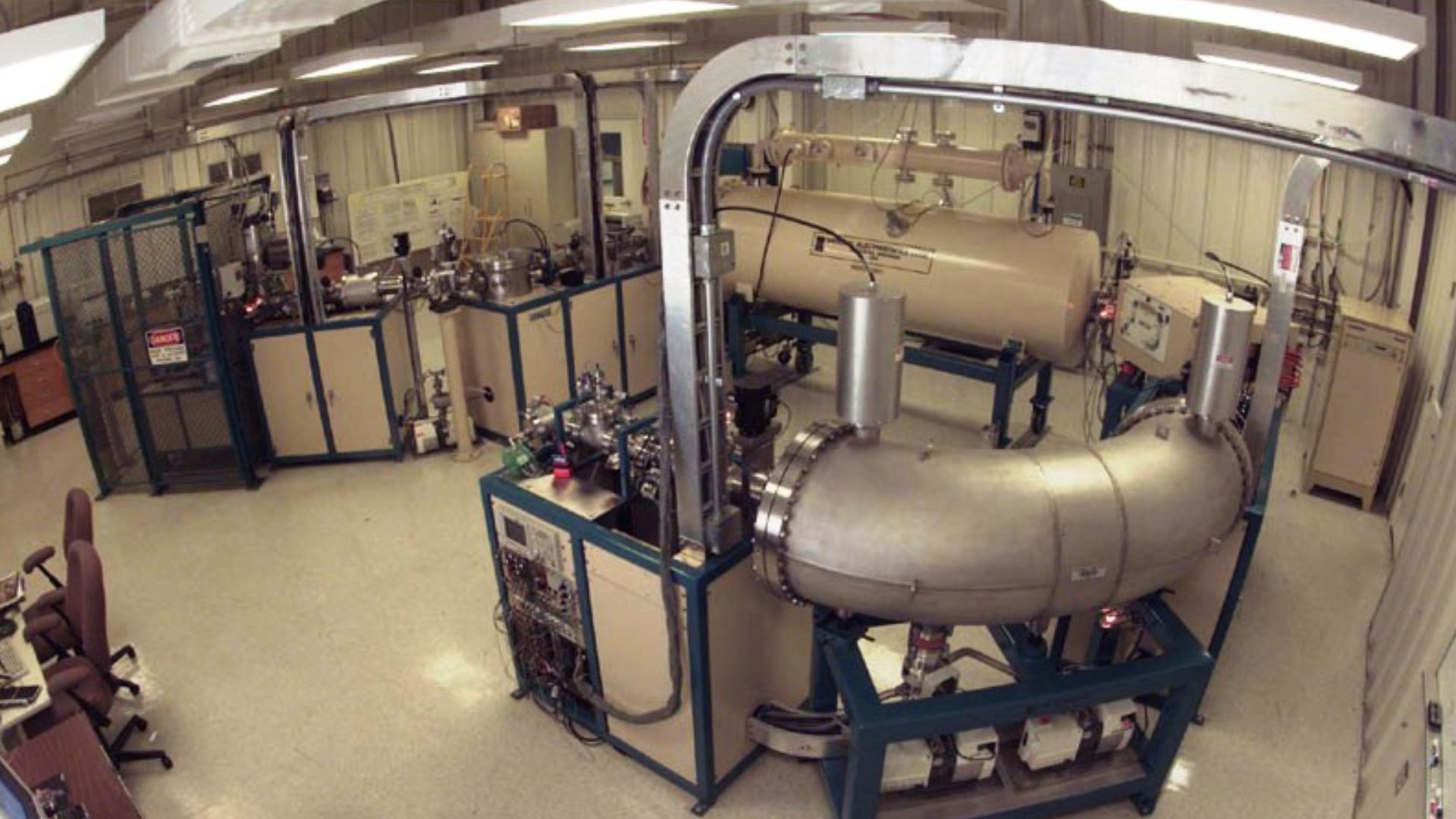
Dr Thomas W Stafford Jr of Stafford Research and Dr John Southon at UC Irvine conducted radiocarbon analysis on the tooth enamel using accelerator mass spectrometry, a technique that measures carbon-14 decay in microscopic samples. They tested the enamel multiple times between 2018 and 2023.
18,250 Years
The radiocarbon dates returned 14,900 radiocarbon years before present, which calibrates to 18,250 calendar years when adjusted for past atmospheric carbon-14 variations. Radiocarbon years measure isotope decay, while calendar years account for fluctuations in atmospheric radiocarbon production over time, giving us the actual age.
 RadekSlowik, Wikimedia Commons
Scientific Verification
The research team didn't rely on a single dating method. Instead, they built multiple lines of evidence that cross-validated each other. Stratigraphic analysis confirmed tools and flakes lay below the dated animal teeth, meaning human artifacts were demonstrably older than 18,250 years.

Orange Scrapers
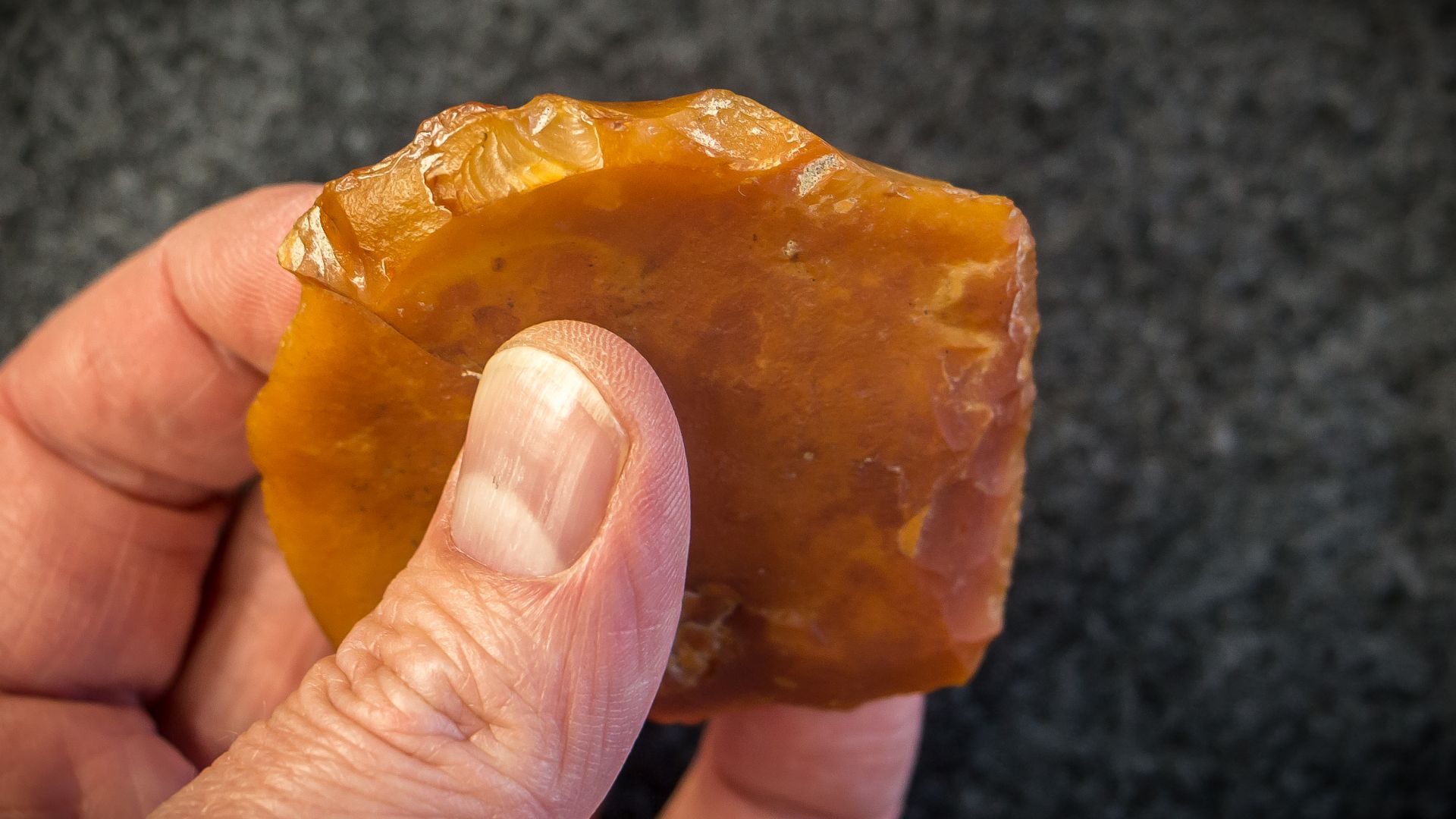
Among the most striking artifacts were two exquisitely crafted scrapers made from orange agate, a translucent cryptocrystalline silicate that likely came from sources miles away. These were finely worked tools showing controlled flaking patterns that required skill and planning to produce. The first scraper was discovered in 2012.
 Bureau of Land Management Oregon and Washington from Portland, America, Wikimedia Commons
Bison Blood
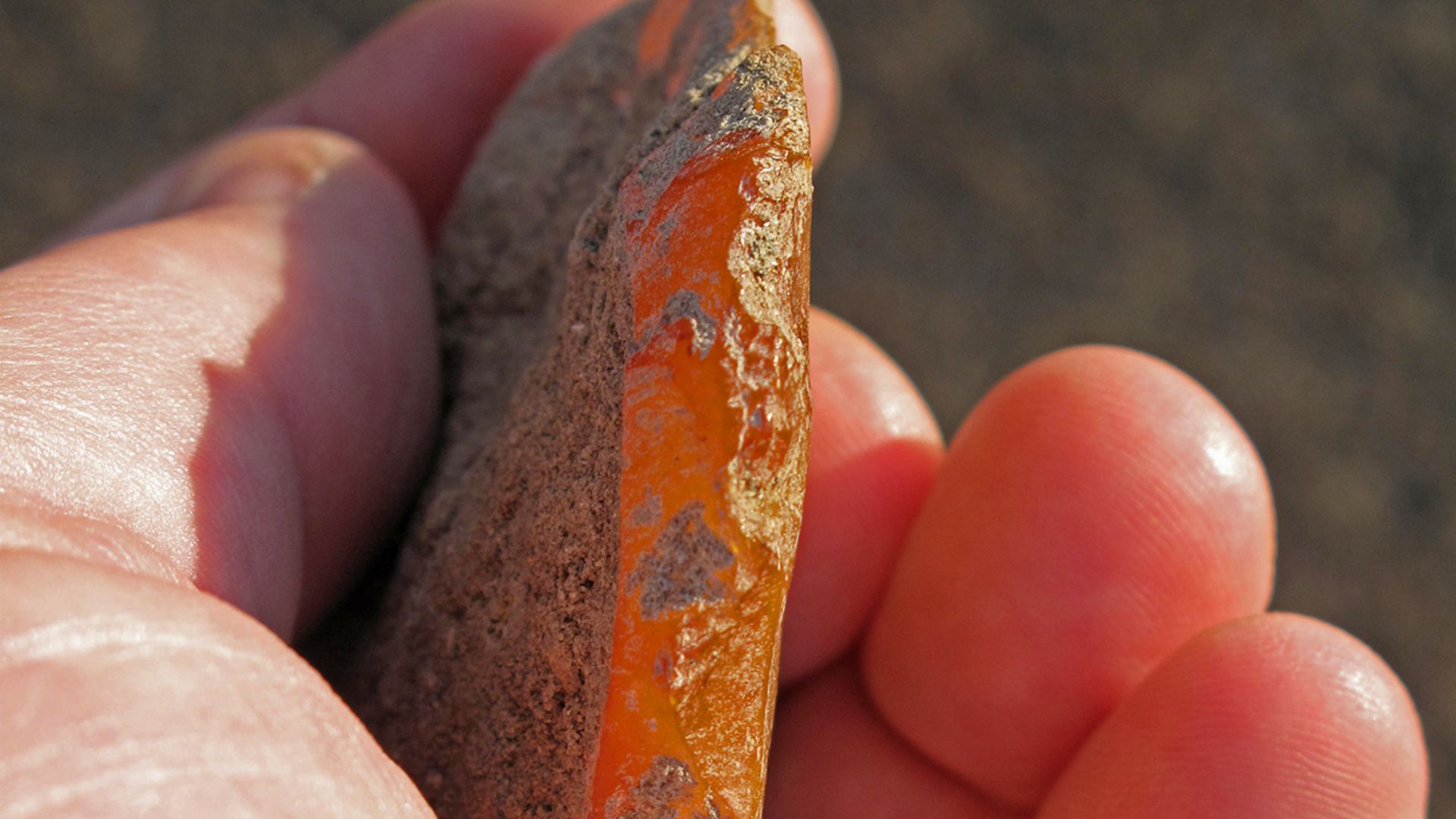
Protein residue analysis on the 2012 scraper revealed preserved blood from Bison antiquus, an extinct species that vanished from North America roughly 10,000 years ago. The blood survived because it had penetrated deep into microscopic cracks in the stone's surface.
 Bureau of Land Management, Wikimedia Commons
Stone Flakes
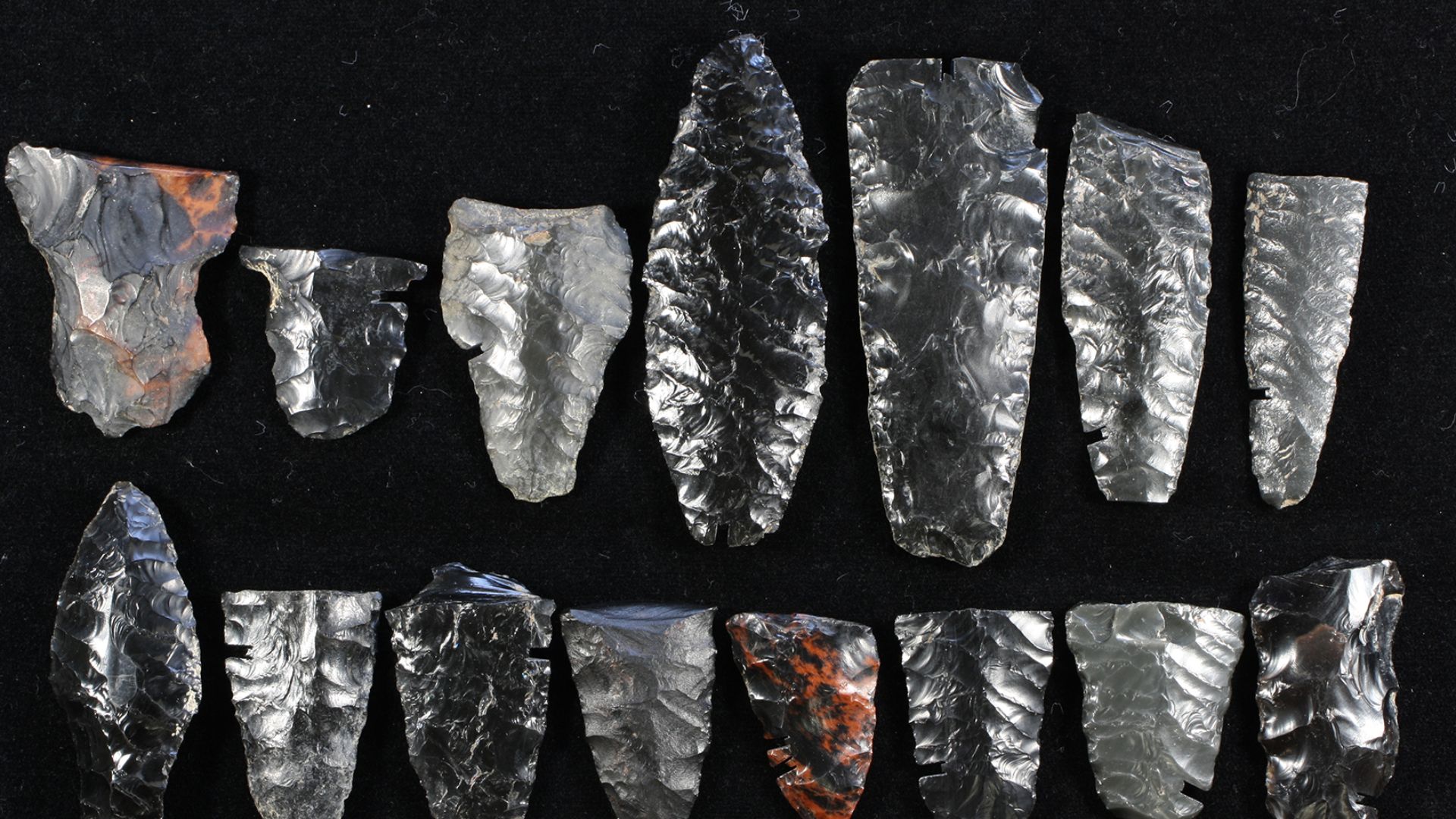
Scattered throughout the excavation layers, archaeologists recovered hundreds of obsidian and cryptocrystalline silicate flakes. These flakes tell stories about ancient technology: their shapes reveal whether toolmakers used direct percussion with hammerstone strikes or pressure flaking with bone or antler tools. Some flakes exhibit use-wear on their edges.
 Bureau of Land Management, Wikimedia Commons
Obsidian Tools
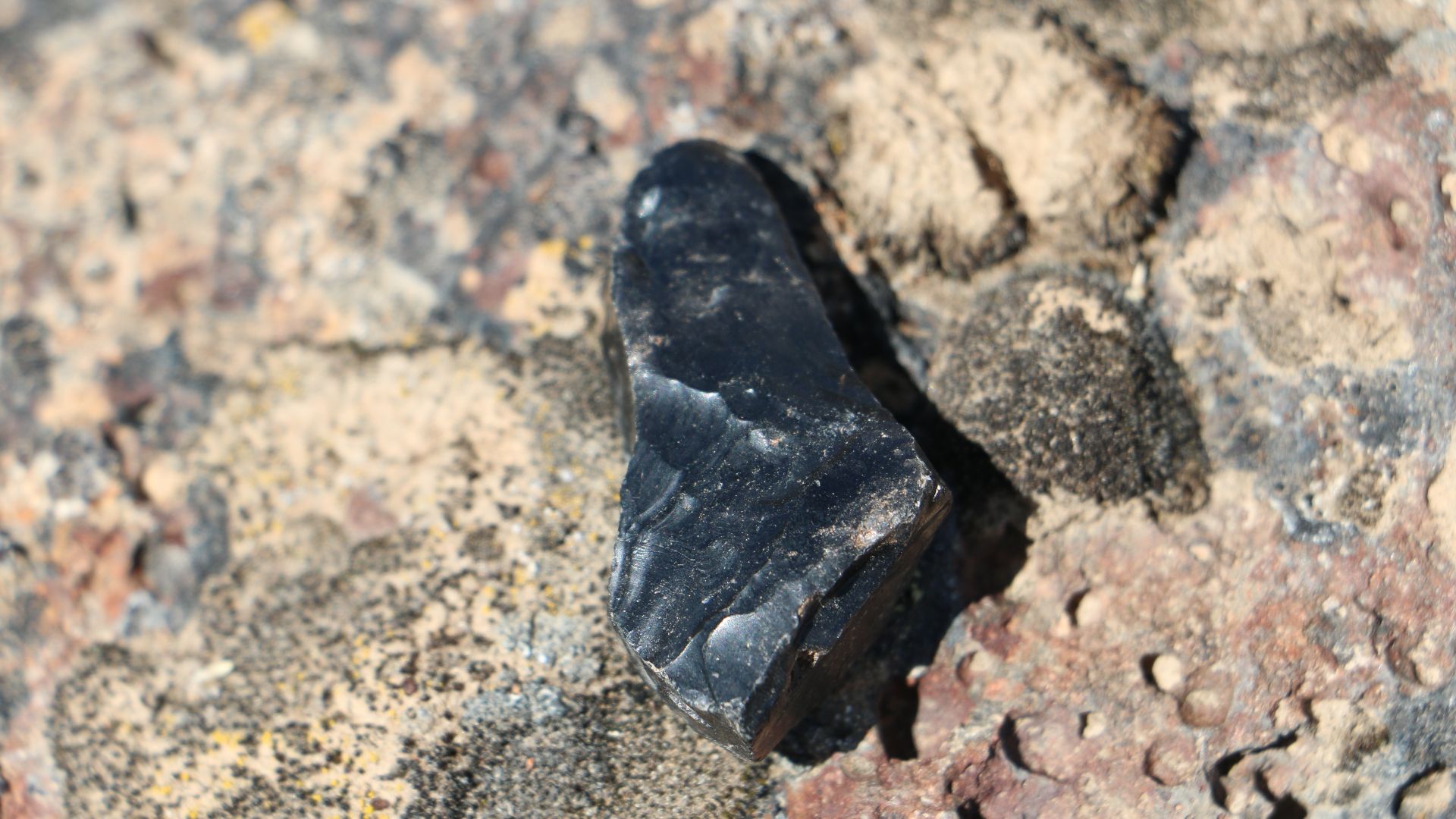
Obsidian artifacts dominate the stone tool assemblage, and geological sourcing analysis revealed the volcanic glass came from multiple quarries scattered across central and eastern Oregon, some located over 50 kilometers away. This black volcanic glass fractures into razor-sharp edges, sharper than surgical steel.
 Bureau of Land Management Oregon and Washington from Portland, America, Wikimedia Commons
Cooking Remains
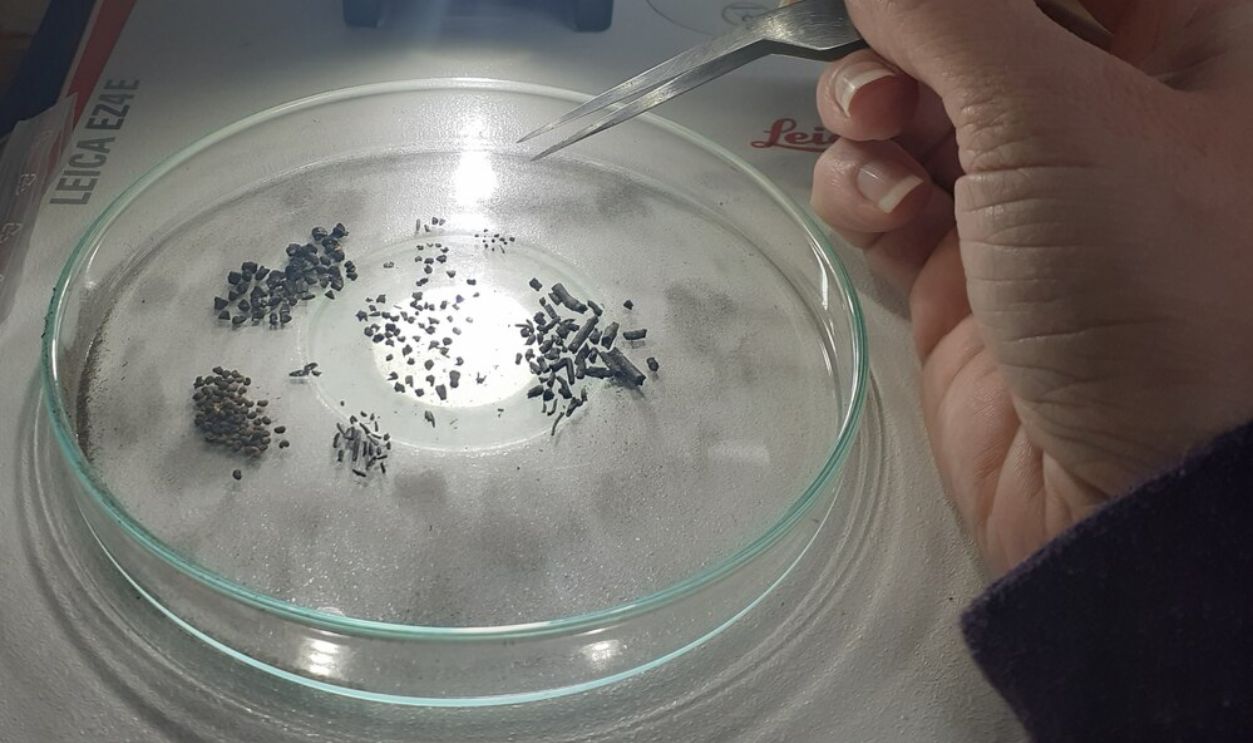
Archaeobotanists studying plant materials from the site identified charred seeds, burned wood fragments, and food residues from ancient cooking fires, preserved in darkened sediment layers rich with charcoal. These organic remains are currently undergoing detailed analysis to determine exactly what plants early inhabitants harvested and consumed.
Ancient Camels
The camel teeth fragments came from Camelops hesternus, a species that evolved in North America and stood approximately seven feet tall at the shoulder. North America was actually the birthplace of the camel family as they evolved here 40 million years ago before migrating to Asia and South America.
 Sergiodlarosa, Wikimedia Commons
Pleistocene Bison
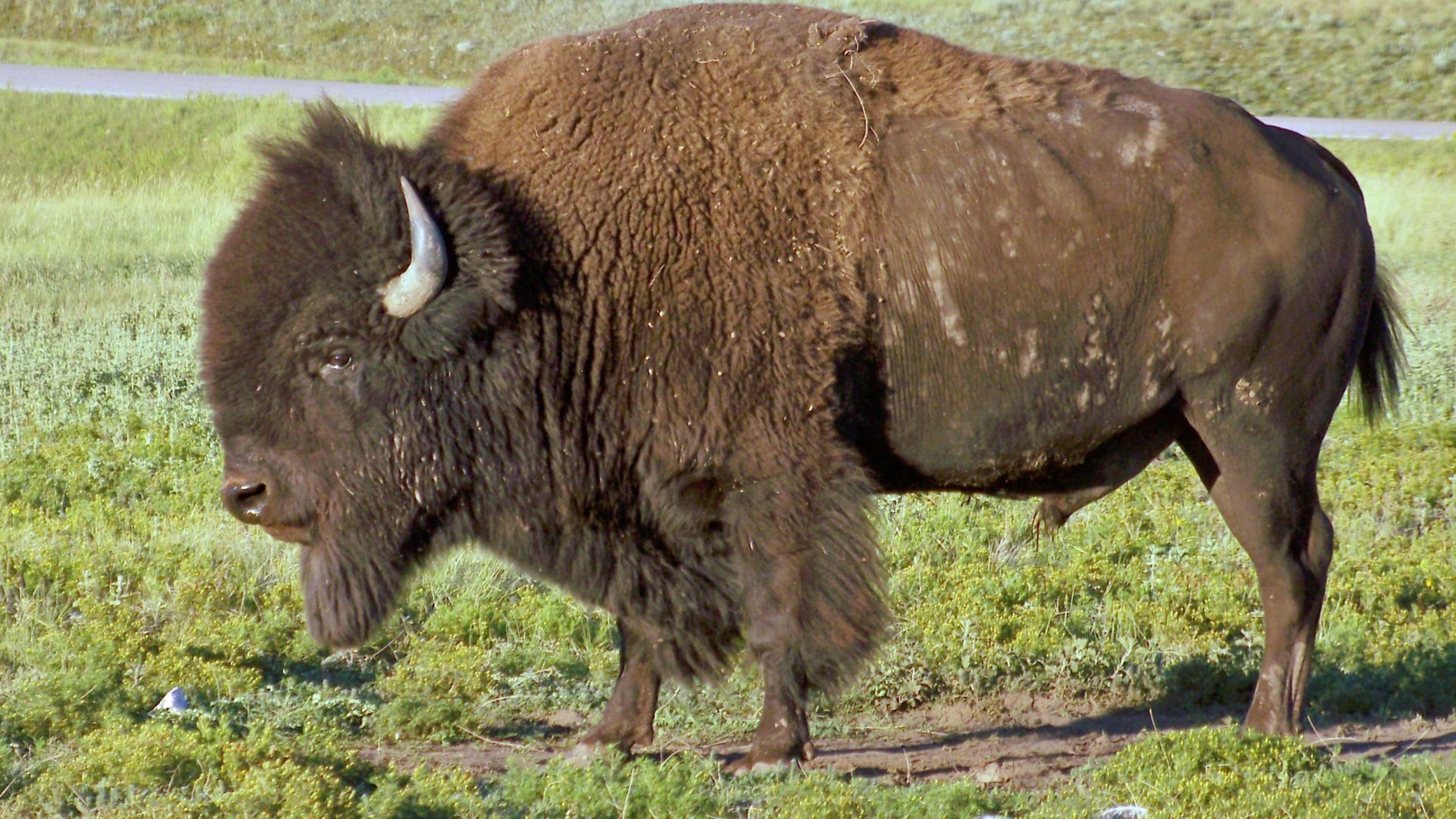
Bison antiquus fragments found at the site represent an animal significantly more massive than modern American bison, with bulls weighing up to 3,500 pounds and sporting horn cores spanning over six feet from tip to tip. These Ice Age bison roamed the Great Basin in herds.
 James St. John, Wikimedia Commons
Megafauna Era
Rimrock Draw's faunal assemblage captures a snapshot of North America's Pleistocene megafauna. Besides camels and giant bison, the broader regional fauna would have included mammoths, mastodons, ground sloths, saber-toothed cats, dire wolves, and American lions prowling a landscape utterly different from today.
 Flying Puffin, Wikimedia Commons
Pre-Clovis Evidence
For most of the 20th century, the Clovis culture, characterized by distinctive fluted spear points dating to around 13,500 years ago, was considered North America's earliest human presence, a theory so dominant it became known as “Clovis First”. Rimrock Draw's 18,250-year date demolishes this hypothesis.
 Tim Evanson, Wikimedia Commons
Migration Theories
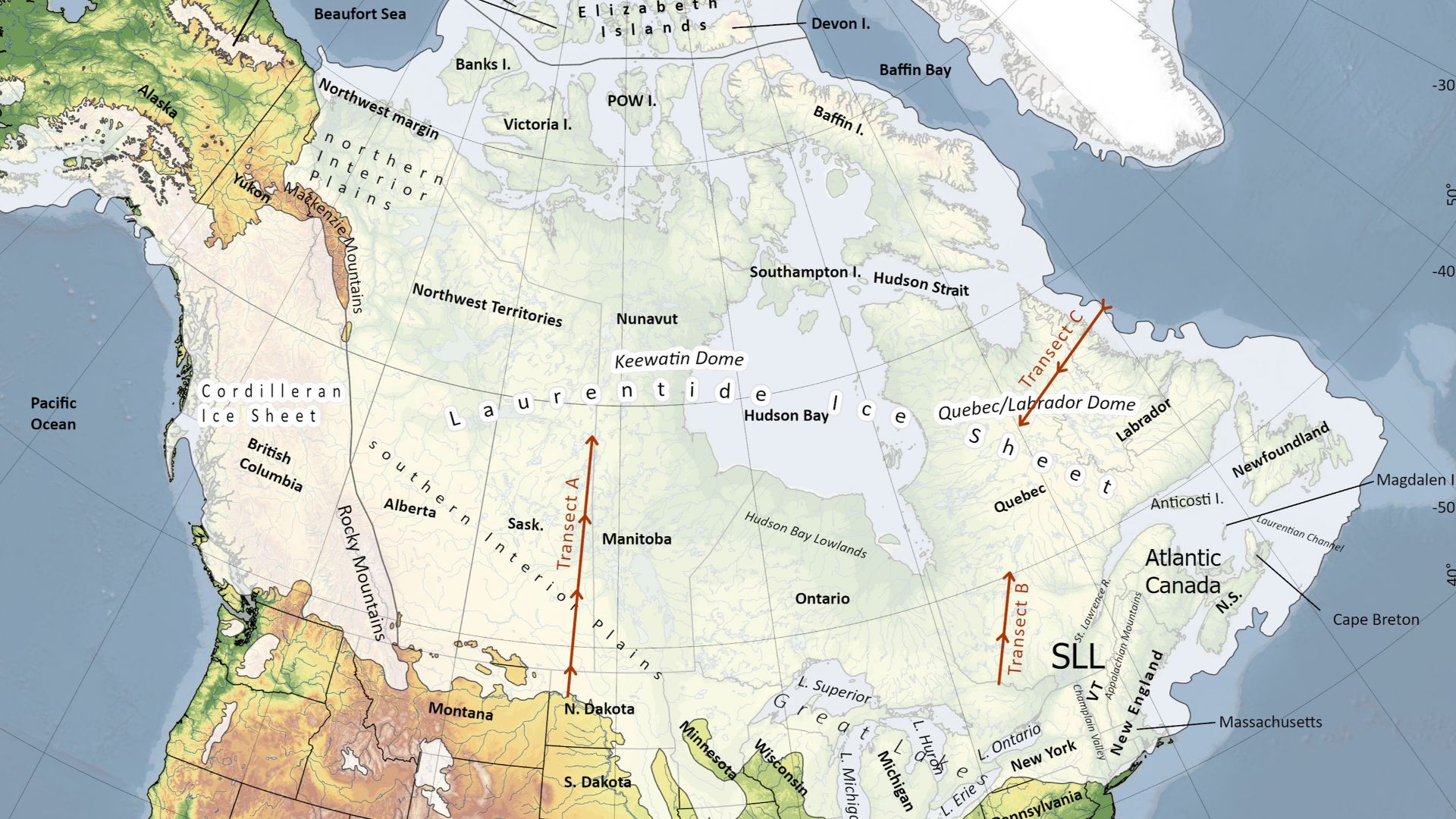
The Rimrock Draw dates carry profound implications for understanding how humans first reached the Americas. The site was occupied during a period when massive ice sheets—the Laurentide covering eastern Canada and the Cordilleran blanketing British Columbia—still blocked interior migration routes from Alaska southward.
 April S. Dalton, Chris R. Stokes, Christine L. Batchelor, Wikimedia Commons
Coastal Route
Well, the Pacific coastal migration theory suggests seafaring peoples traveled down the western edge of North America during the Last Glacial Maximum, hugging shorelines rich with kelp forests that supported abundant marine life. Unlike the frozen interior, this coastal corridor remained ice-free and biologically productive even during peak glaciation.
 Richard Webb, Wikimedia Commons
Regional Comparisons
Cooper's Ferry in western Idaho has yielded radiocarbon dates between 16,560 and 15,280 years ago, making it slightly younger than Rimrock Draw but still definitively pre-Clovis. Oregon's Paisley Caves produced human coprolites (fossilized feces) containing DNA dated to 14,300 years ago.
Tribal Connections
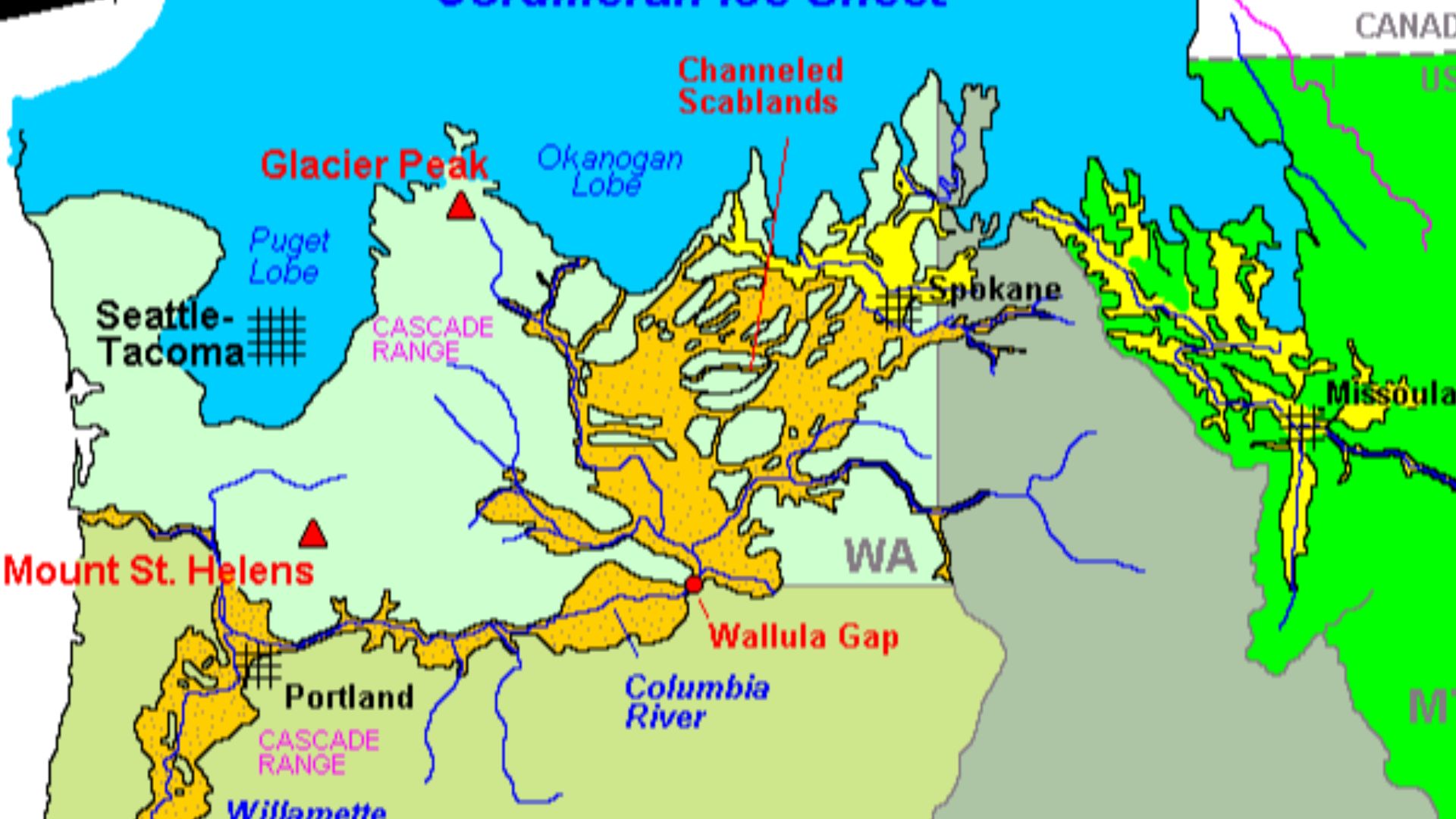
David Lewis, an anthropologist at Oregon State University who received his doctorate from the University of Oregon, emphasizes that the 18,250-year date “aligns well with the oral histories of the tribal nations in the region, many of whom have stories about witnessing geological events like the Missoula floods”.
Field School
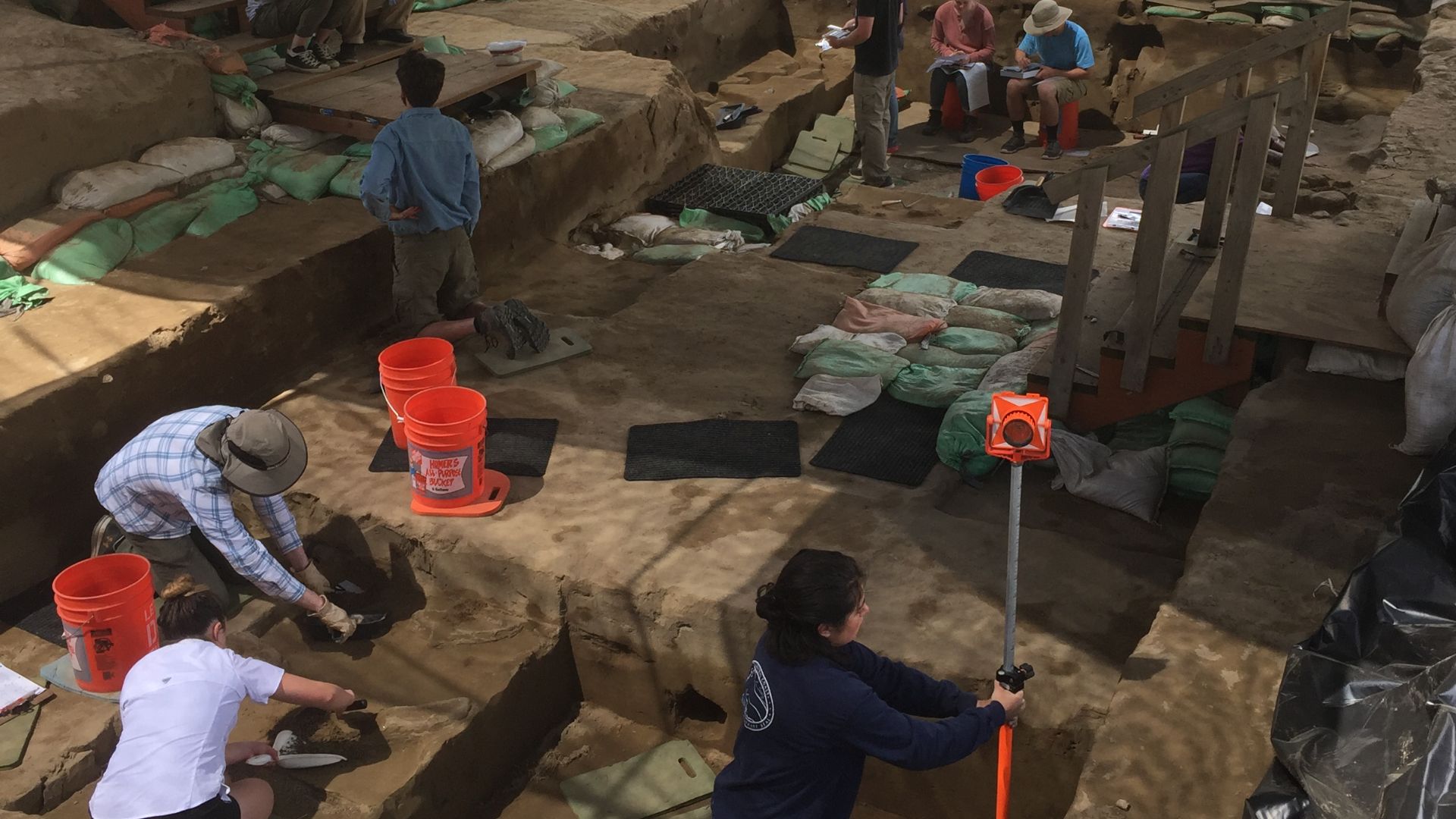
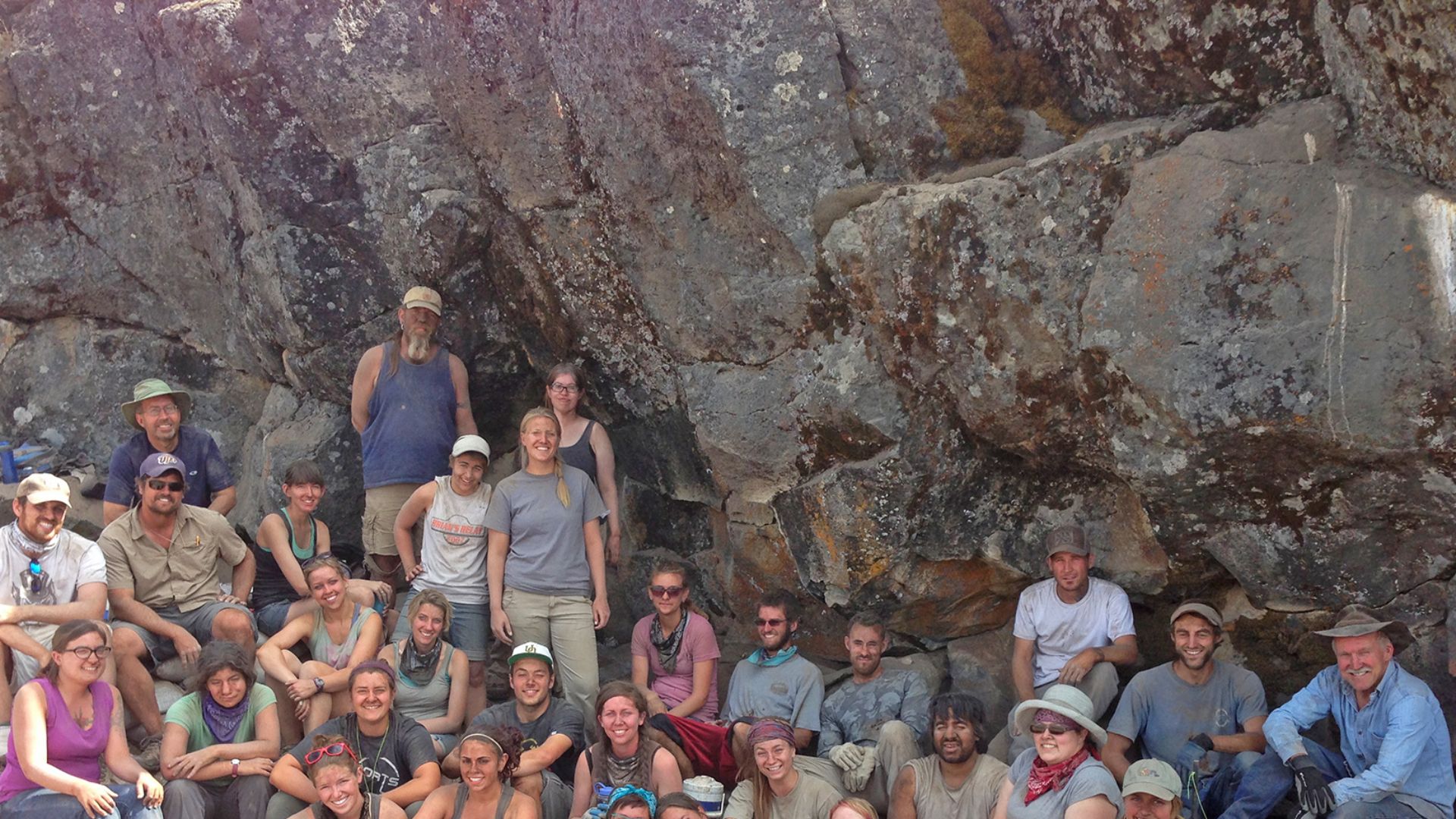
Since 2012, the University of Oregon has run annual six-week archaeological field schools at Rimrock Draw, training undergraduate and graduate students in professional excavation techniques while advancing research at this site. Students spend their first week learning regional context through visits to nearby Paleoindian sites.
 Bureau of Land Management, Wikimedia Commons