When The Terminal Became Home
In August 1988, a quiet man carrying a few bags arrived at Paris’s Charles de Gaulle Airport. He was there to catch a flight, just like everyone else. But when his papers were deemed invalid, a routine stop turned into something unimaginable. He would not leave the airport for nearly two decades.
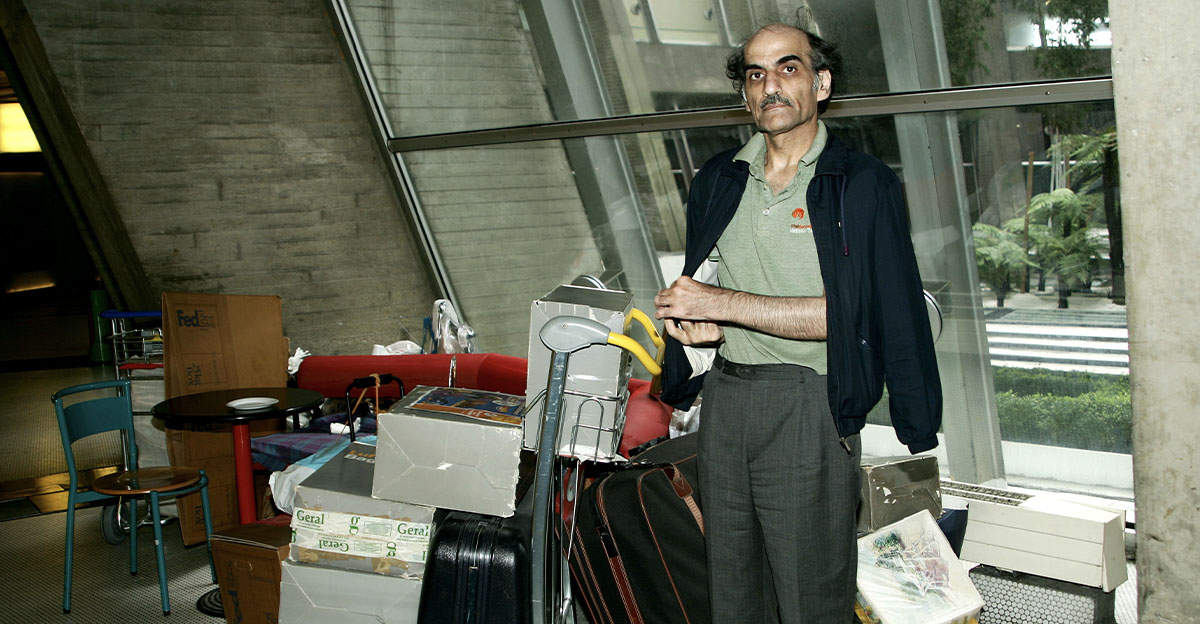 Eric Fougere / Contributor via Getty Images
A Life Already in Motion
Mehran Karimi Nasseri was born in 1945 in Khorramabad, Iran. His early life was shaped by political upheaval and displacement. In the 1970s, Nasseri left Iran amid unrest, eventually seeking asylum in Europe. He traveled between countries, relying on refugee documents that allowed limited movement but offered little stability.
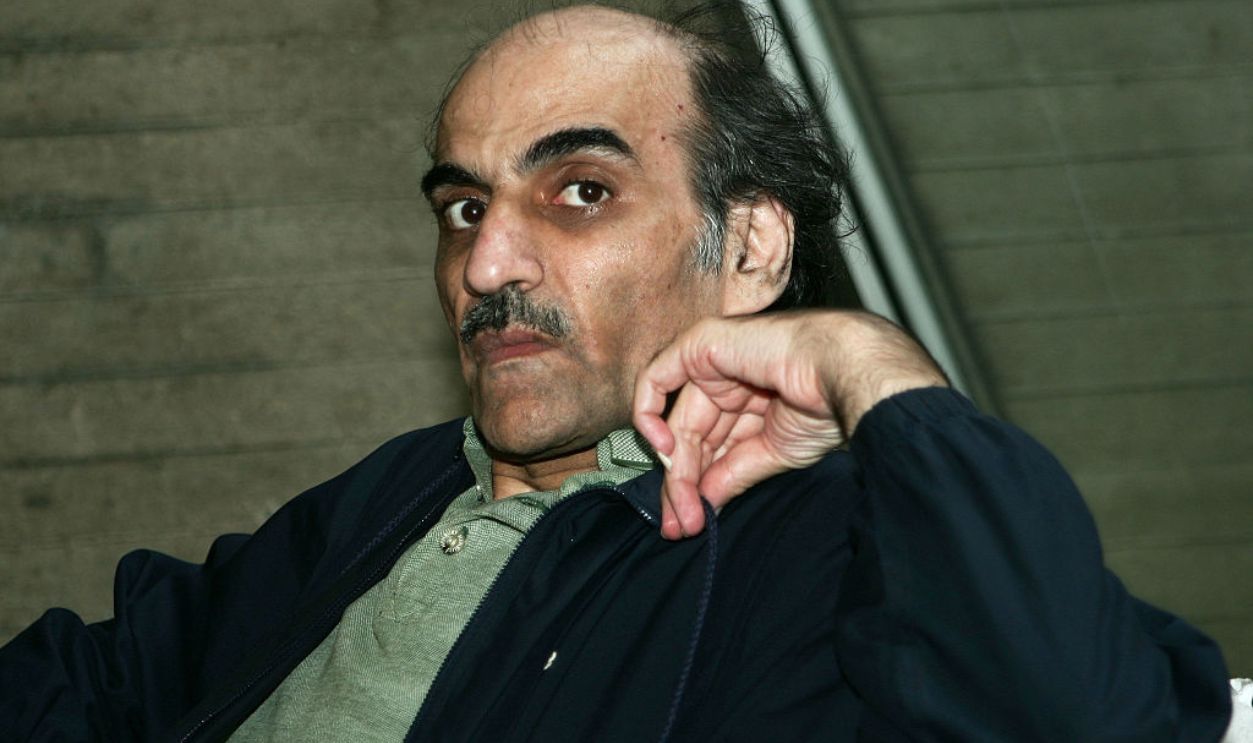
Searching for Safety
He believed Europe would provide safety and permanence. Instead, it gave him limbo. Each country offered temporary passage but no real home. Nasseri continued moving, hoping one border crossing would finally end the uncertainty.
 Christophe Calais, Getty Images
The Day Everything Stopped
On August 26, 1988, Nasseri arrived at Charles de Gaulle Airport intending to travel onward to the United Kingdom. Somewhere between check-in and boarding, officials discovered a problem. His papers were incomplete. Some accounts say they were lost. Others suggest they were confiscated earlier.
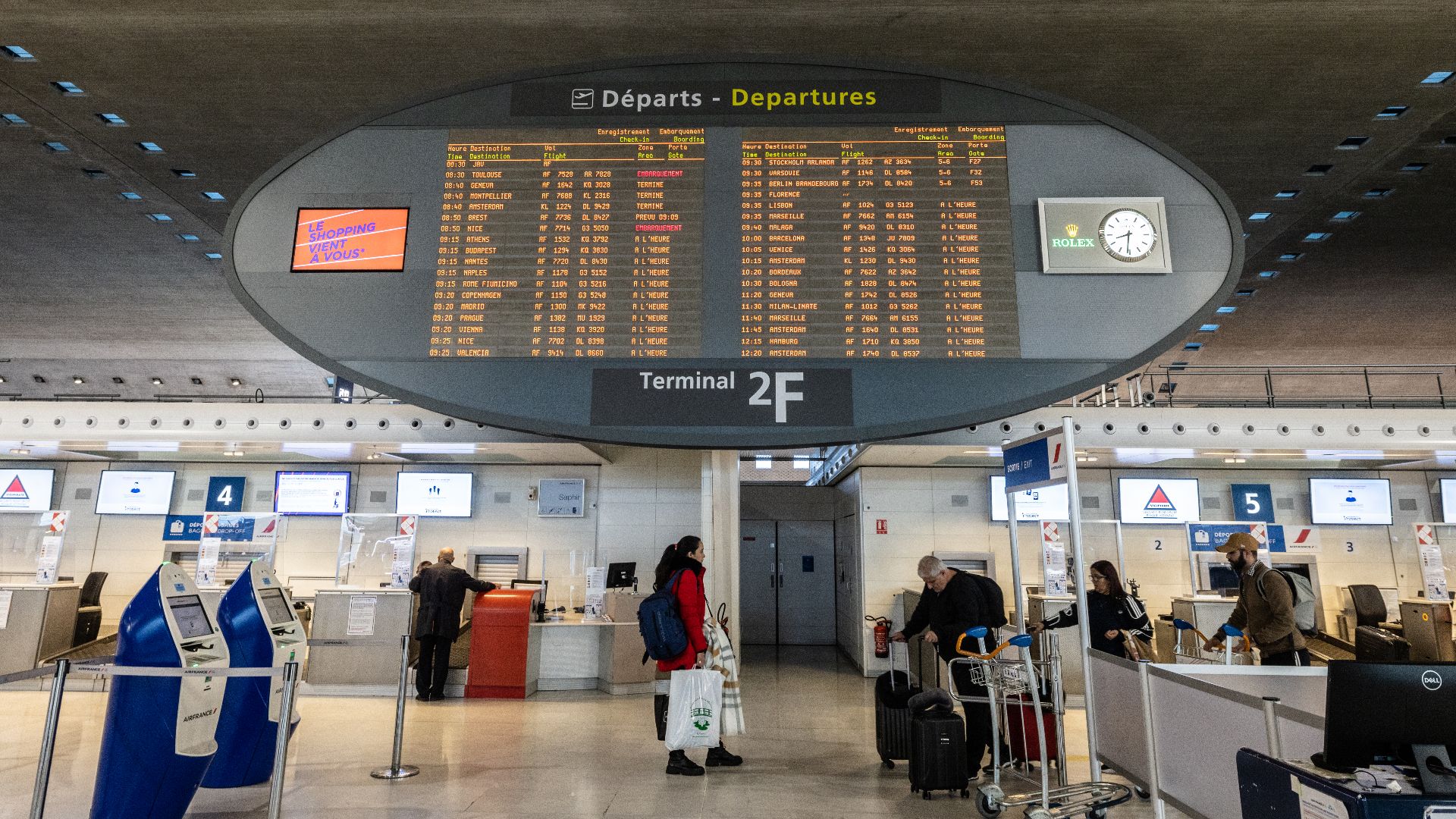 Arne Museler, Wikimedia Commons
Trapped by Paperwork
What mattered was the result: he could not board the plane. More troubling was what came next. Without valid documents, French authorities could not legally allow him to enter France. And without proof of nationality, no other country would accept him back.
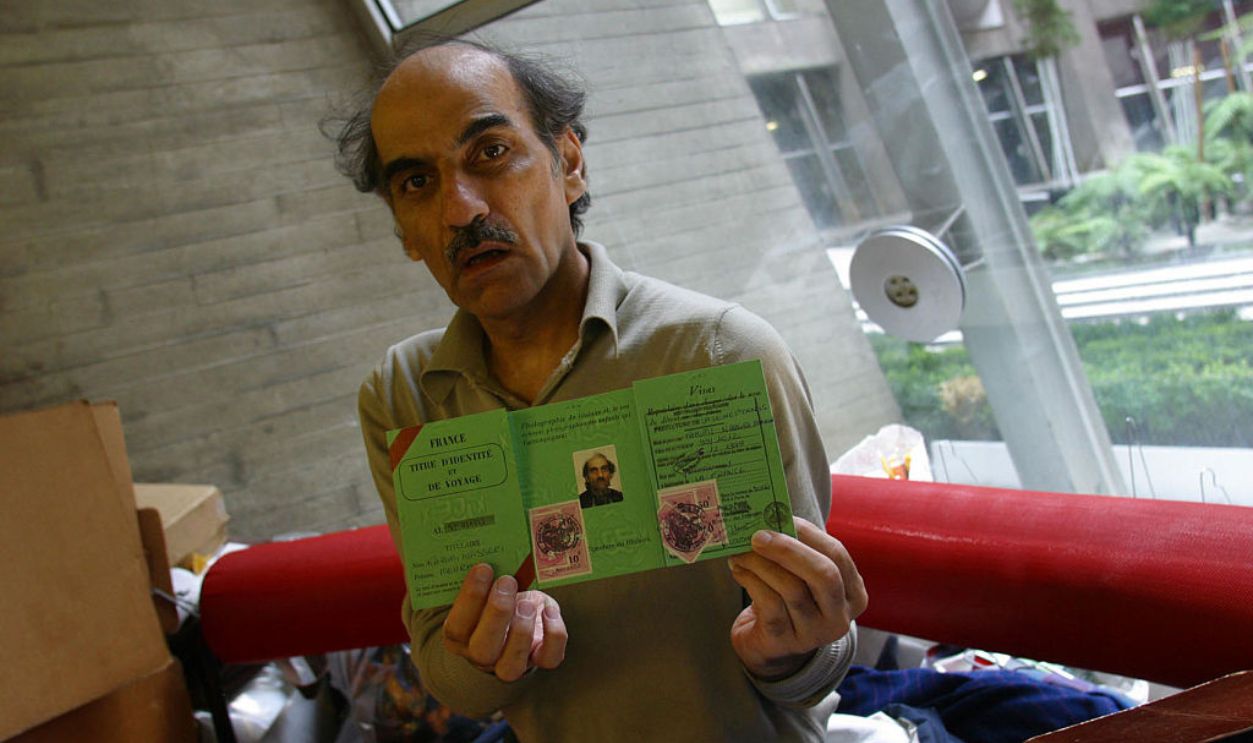 Christophe Calais, Getty Images
A Place That Was Not a Country
Nasseri was trapped in the one place that did not technically count as a country at all. The airport terminal existed outside normal borders and laws. It became a legal gray zone where time passed, but resolution never came.
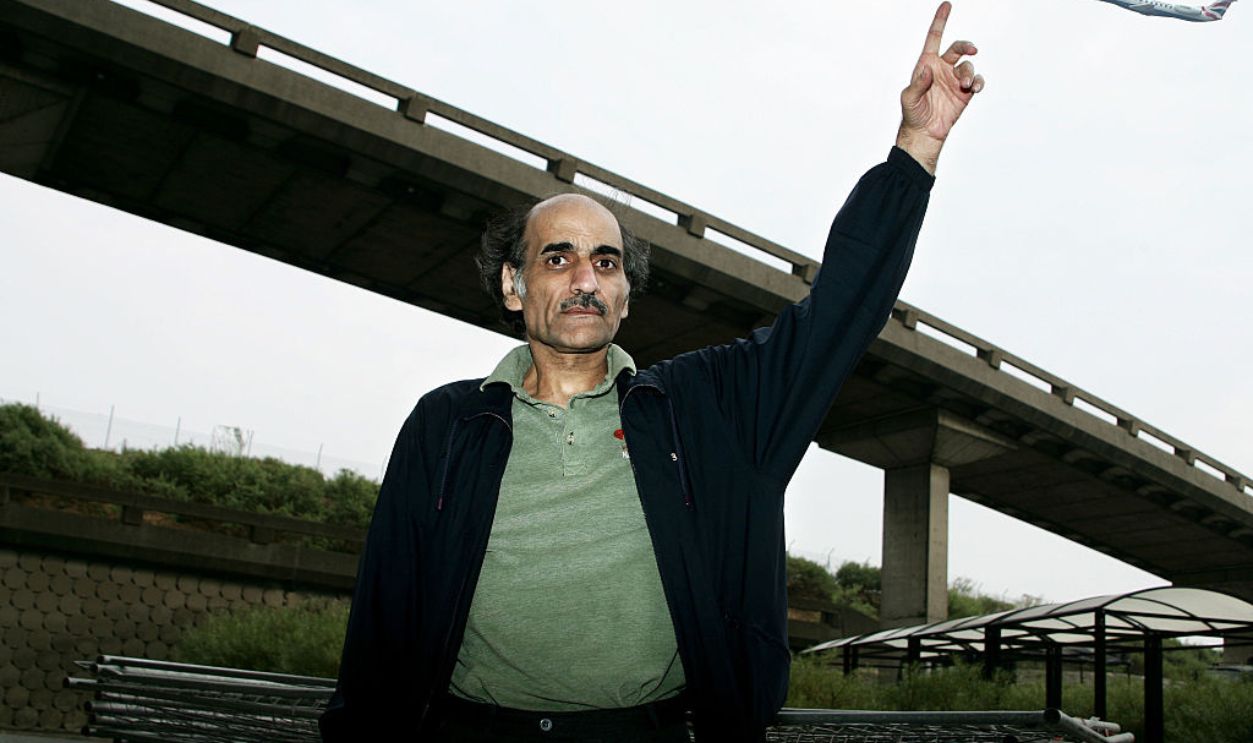
A Terminal Becomes a World
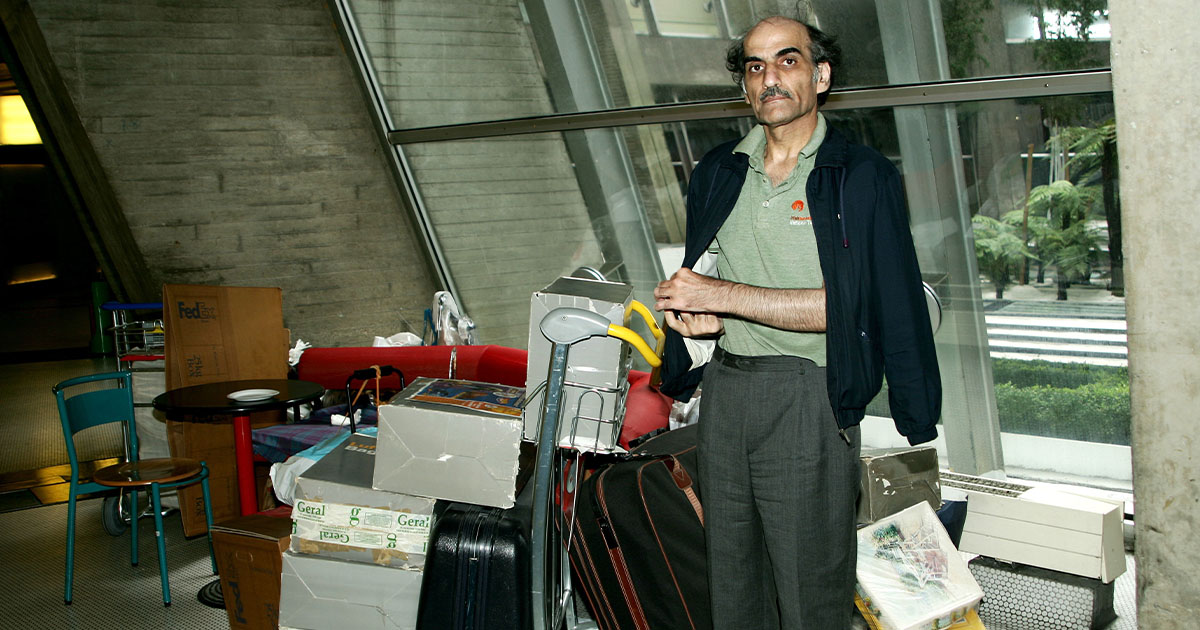
Nasseri settled into Terminal 1, a circular concrete structure filled with echoes, announcements, and constant movement. He slept on a red plastic bench. He washed in airport restrooms. He stored his belongings in a small pile nearby.
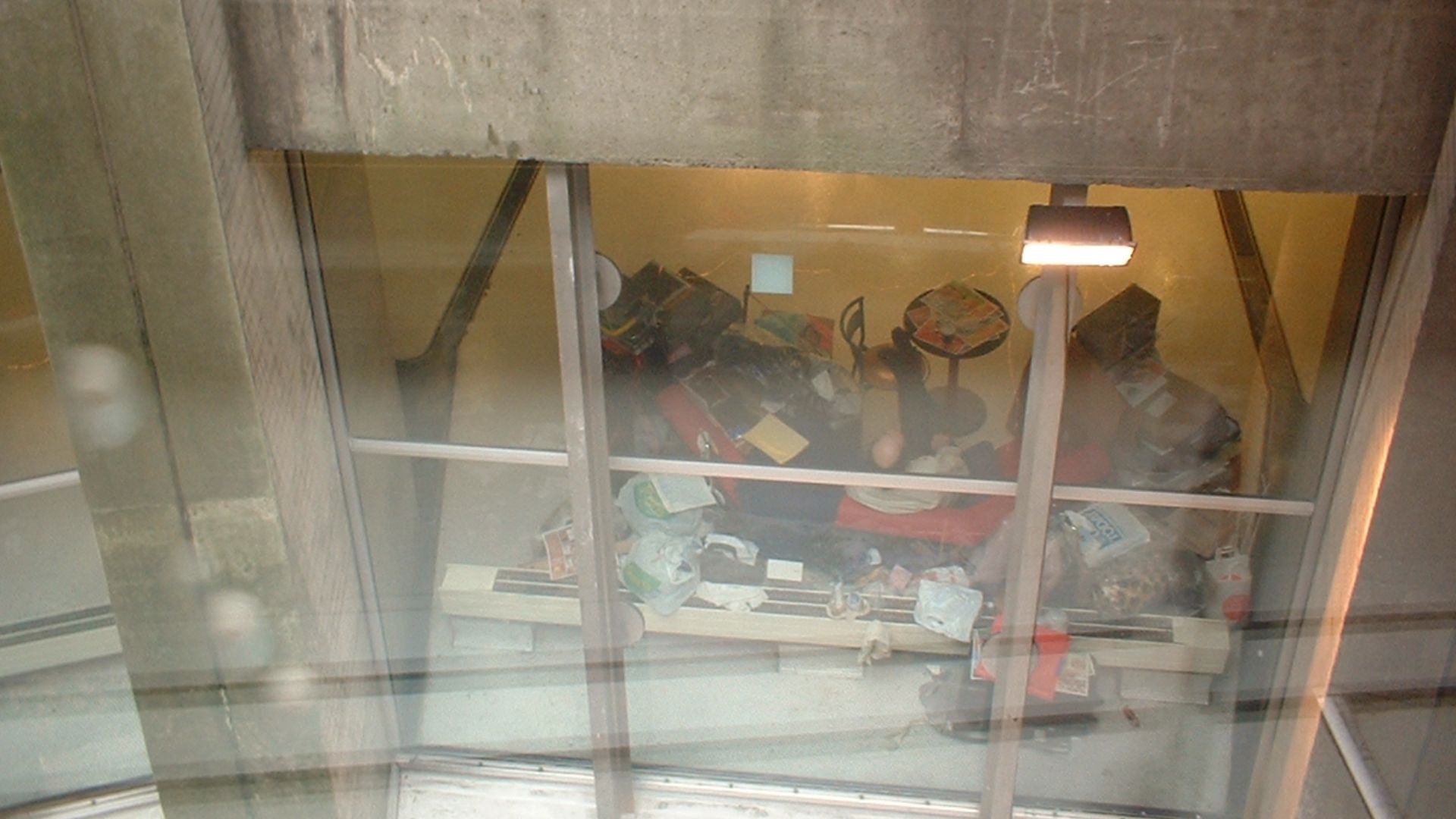
Becoming Part of the Landscape
Over time, airport staff stopped seeing him as a curiosity and started seeing him as part of the landscape. His presence became familiar. He blended into the rhythm of the terminal as naturally as flight announcements and rolling luggage.
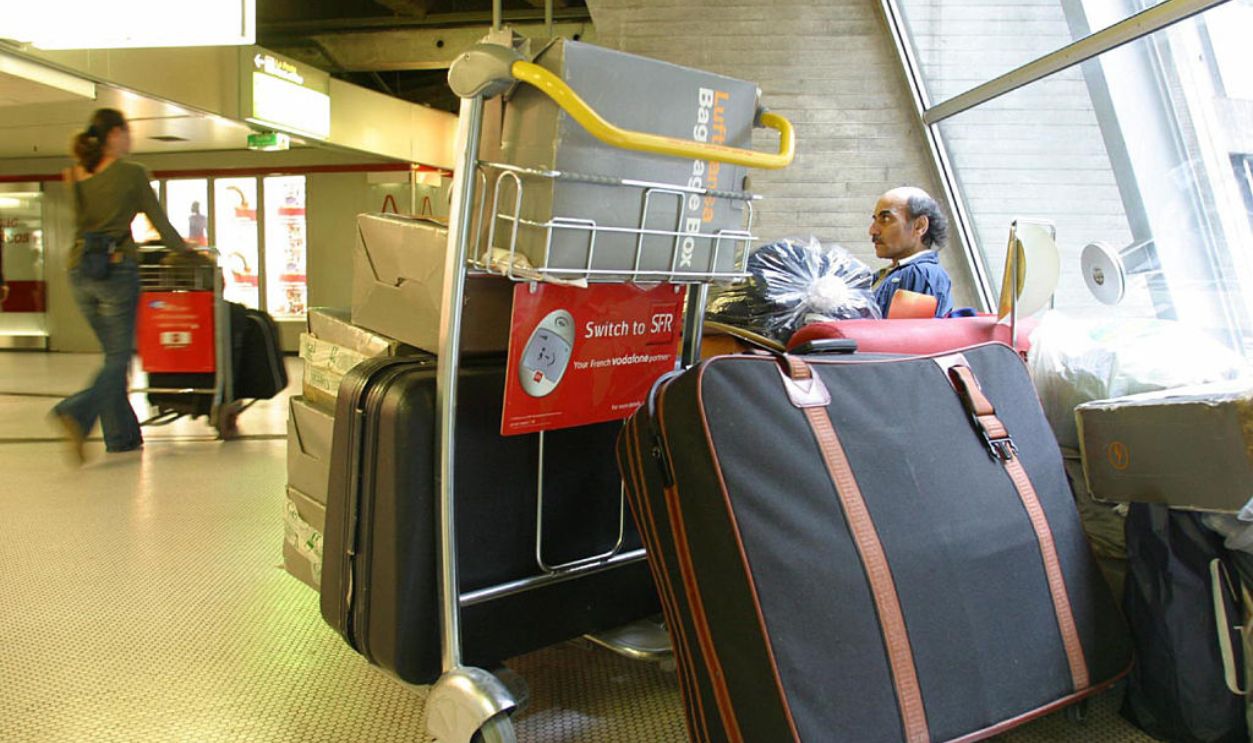 Christophe Calais, Getty Images
Sir Alfred
He introduced himself as “Sir Alfred,” a name he adopted over time. He spent hours reading newspapers and writing in journals, documenting daily events, thoughts, and fragments of memory. His routine was precise, almost ceremonial.
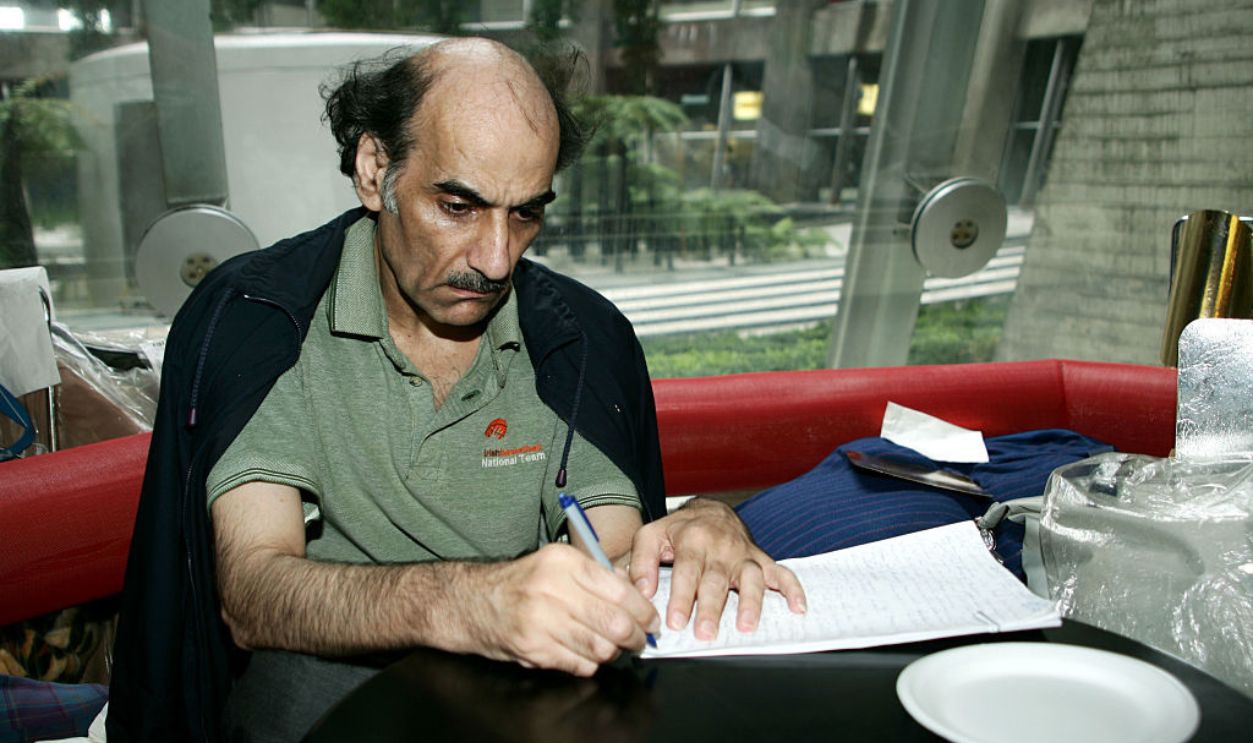
Friendships in Passing
Despite the transient nature of airport life, Nasseri formed connections. Employees brought him food. Security guards checked on him. Shop workers greeted him by name. Travelers occasionally stopped to ask questions, assuming he was part of an art installation or a publicity stunt.
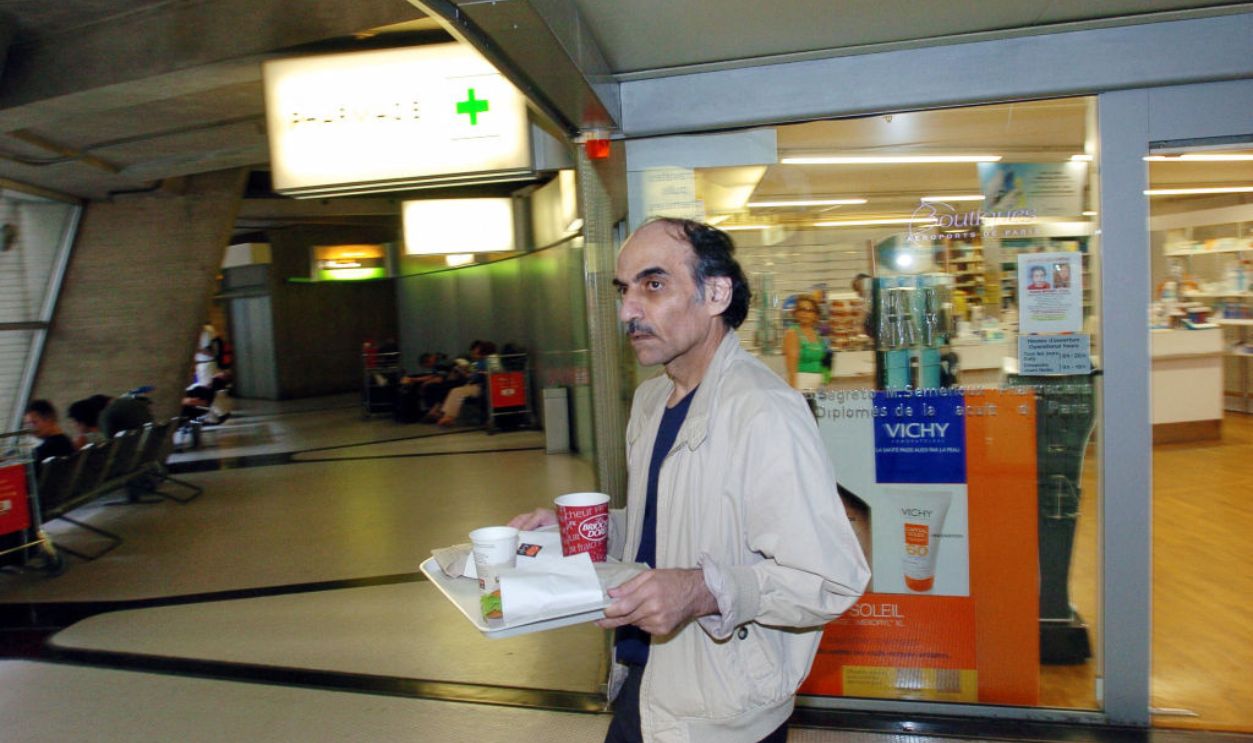 STEPHANE DE SAKUTIN, Getty Images
A Gentle Presence
He was polite, reserved, and articulate. He spoke about philosophy, politics, and identity. Many who met him later said the strangest part was not how long he stayed, but how calmly he accepted it.
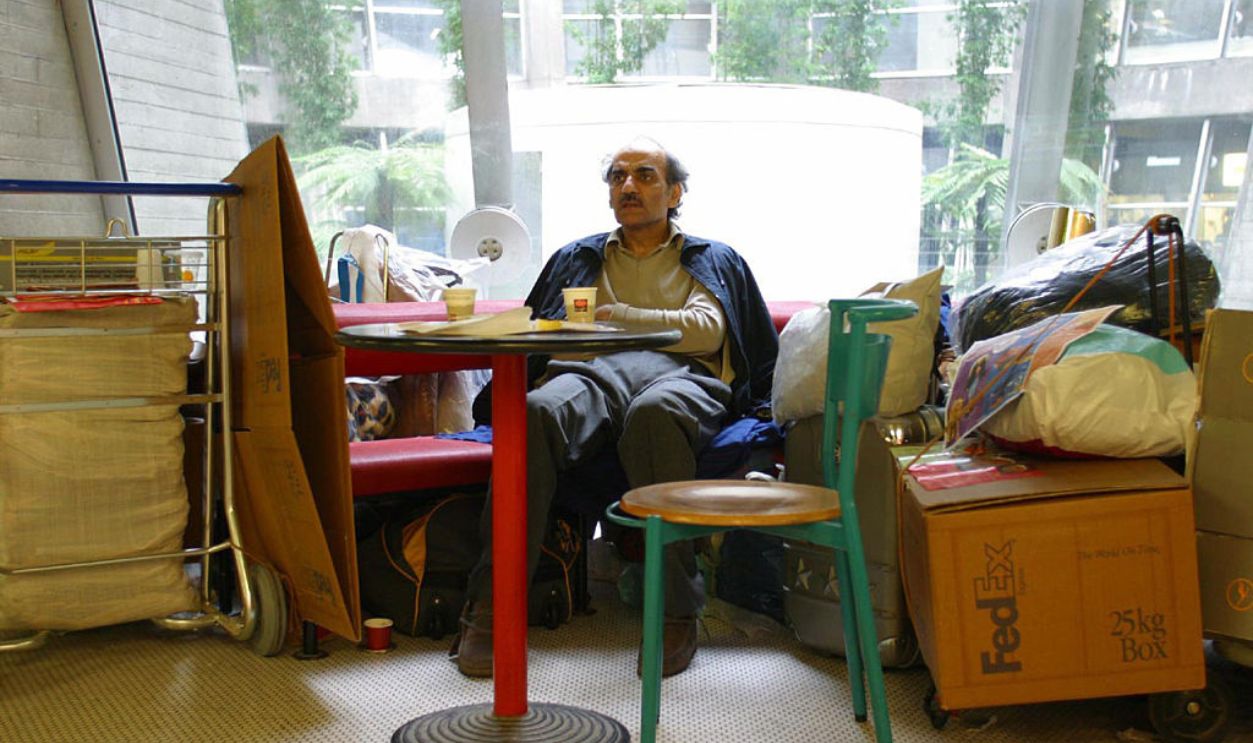 Christophe Calais, Getty Images
A Bureaucratic Maze
Lawyers and human rights groups tried to help. In 1992, French courts granted Nasseri refugee status. In theory, this meant he could leave the airport. On paper, his situation was finally resolved.
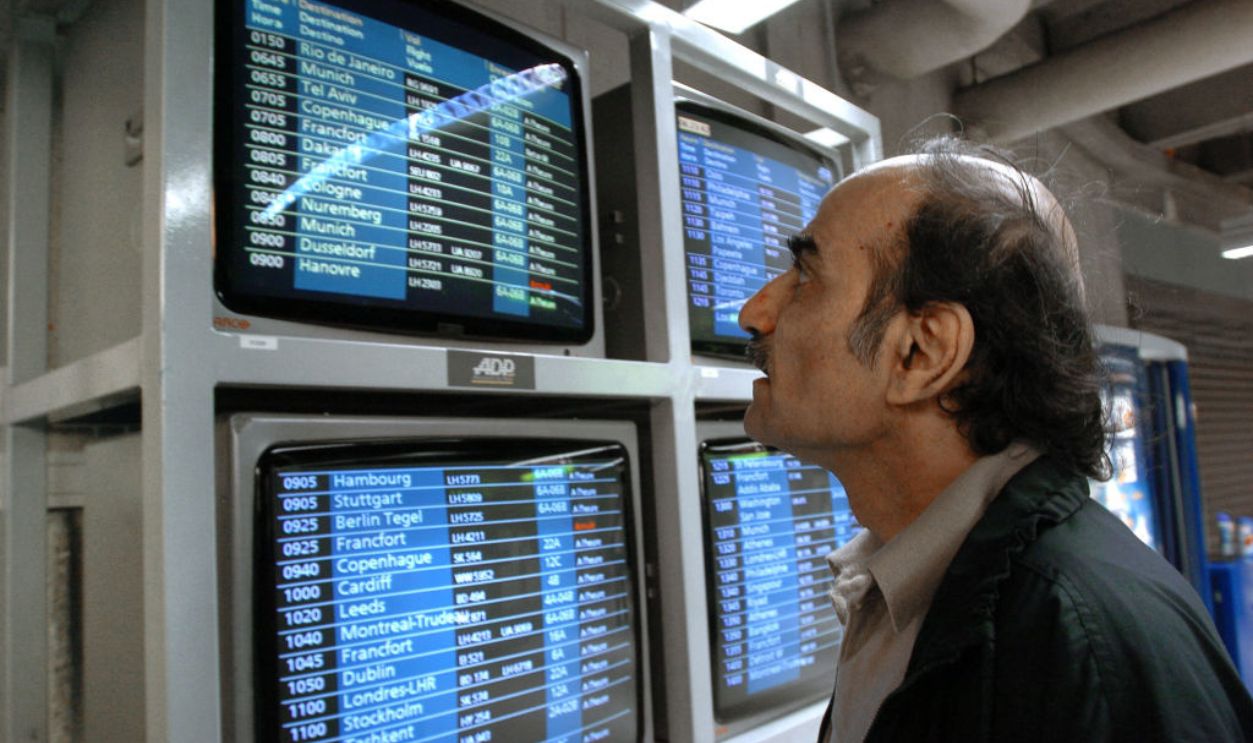 STEPHANE DE SAKUTIN, Getty Images
Why Freedom Never Came
But the paperwork required him to present himself to authorities outside the terminal. By then, Nasseri refused. Some said he feared making another mistake. Others believed the terminal had become the only place where his identity felt intact.
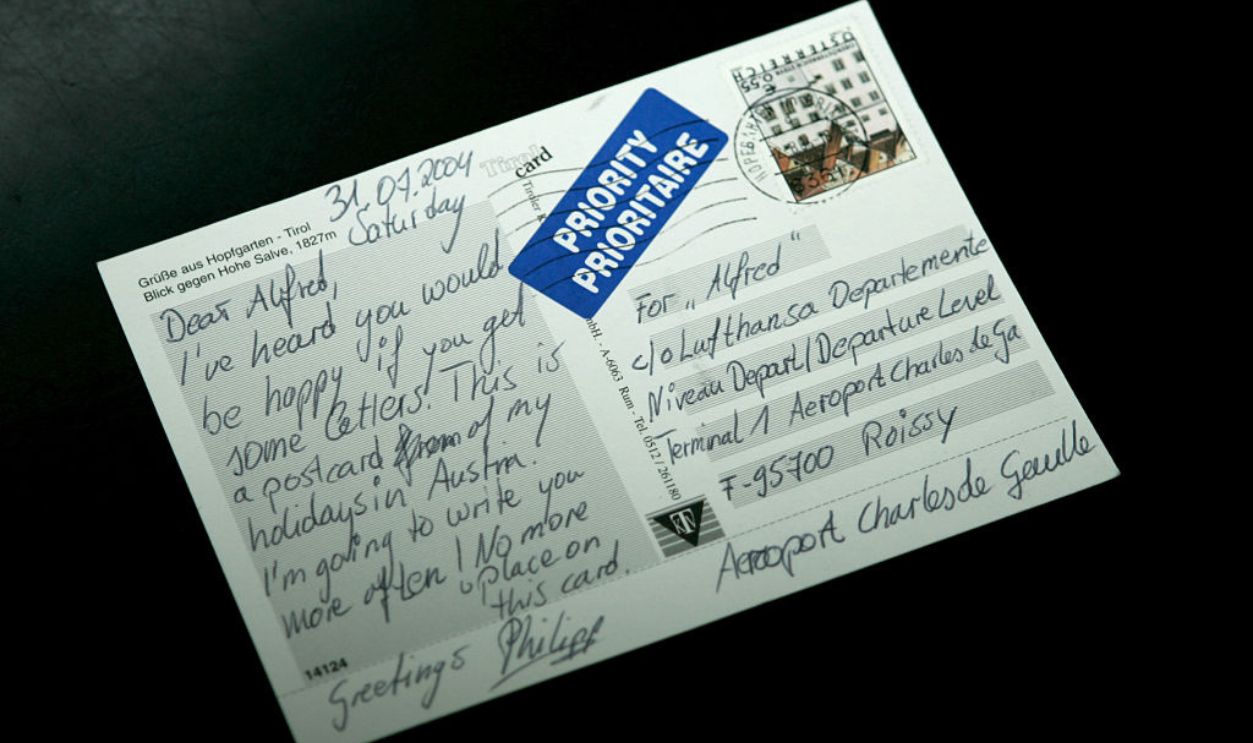
Refusing the Wrong Name
Nasseri himself insisted that the documents listed the wrong name. He believed accepting them would mean accepting a life that wasn’t his. For him, identity mattered as much as freedom.
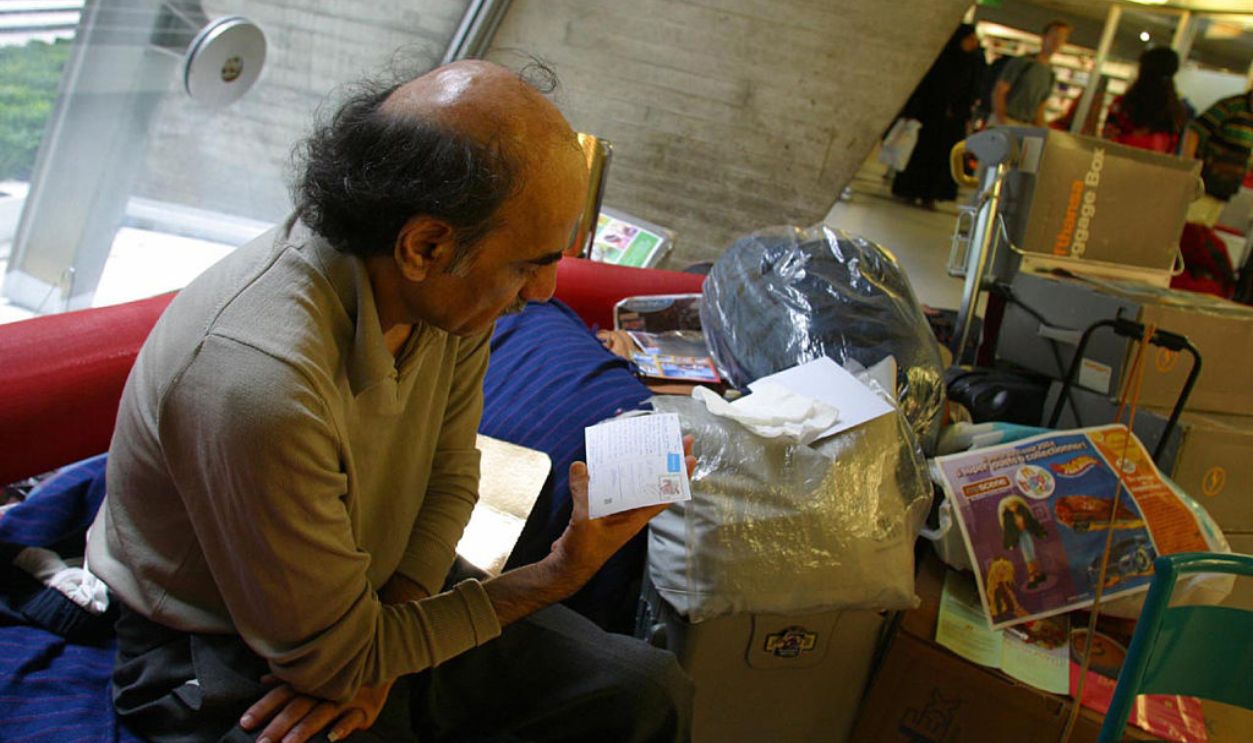 Christophe Calais, Getty Images
Fame Finds the Forgotten
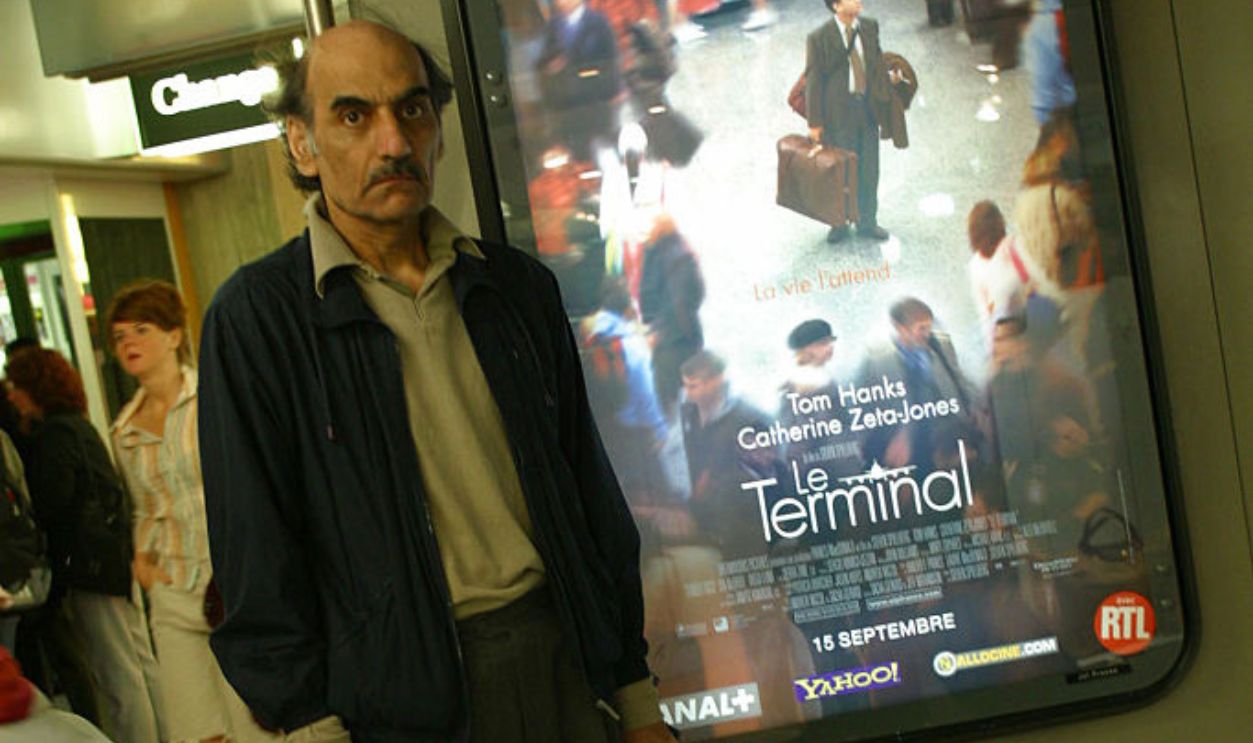
As the years passed, Nasseri’s story spread. Journalists wrote about him. Filmmakers called. His life inspired characters and plots, most famously influencing Steven Spielberg’s The Terminal. Nasseri received money from these projects, though his daily life changed little.
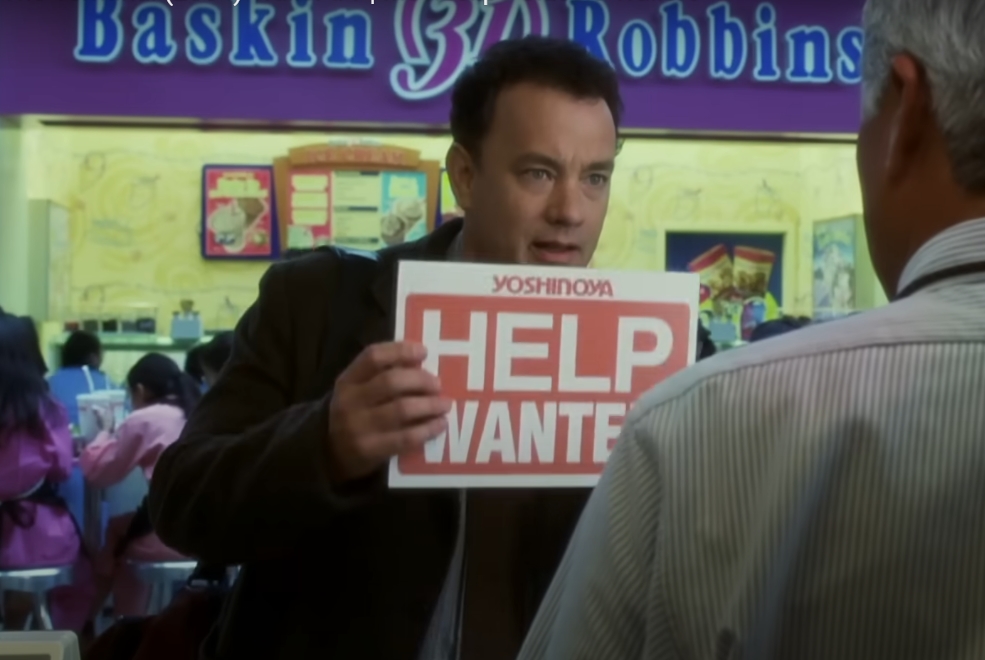 Screenshot from The Terminal, DreamWorks (2004)
Why He Stayed
Fame did not free him. It simply added another layer to the myth surrounding the man who never left. The terminal remained his anchor, even as the outside world tried to claim him.
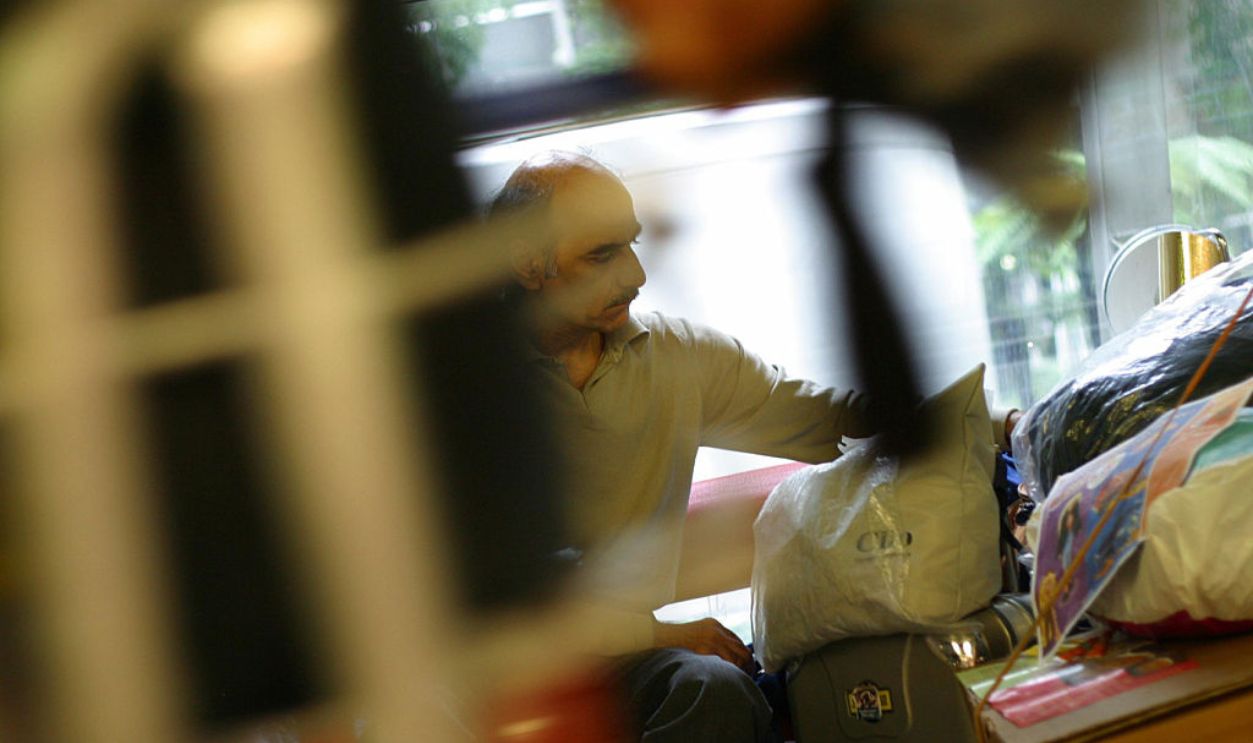 Christophe Calais, Getty Images
The World Moves On Without Him
Airports modernized. Security tightened. Terminals were renovated. Nasseri remained. Travelers aged, returned, forgot him, and came back again to find him still there.
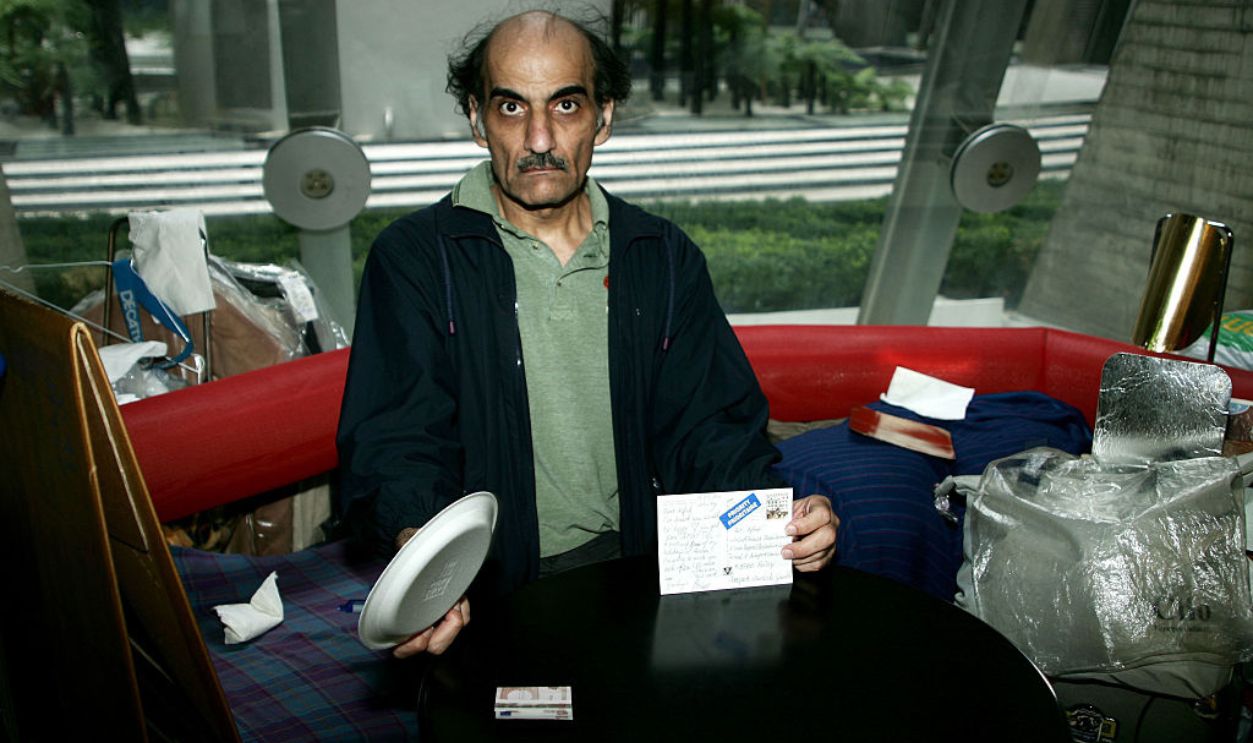
The Ending No One Expected
In 2006, Nasseri was hospitalized and later moved into a shelter. For the first time in years, the red bench was empty. Most assumed the story had ended. But it had not. In 2022, Mehran Karimi Nasseri returned to Charles de Gaulle Airport.
No one expected what was about to happen next.
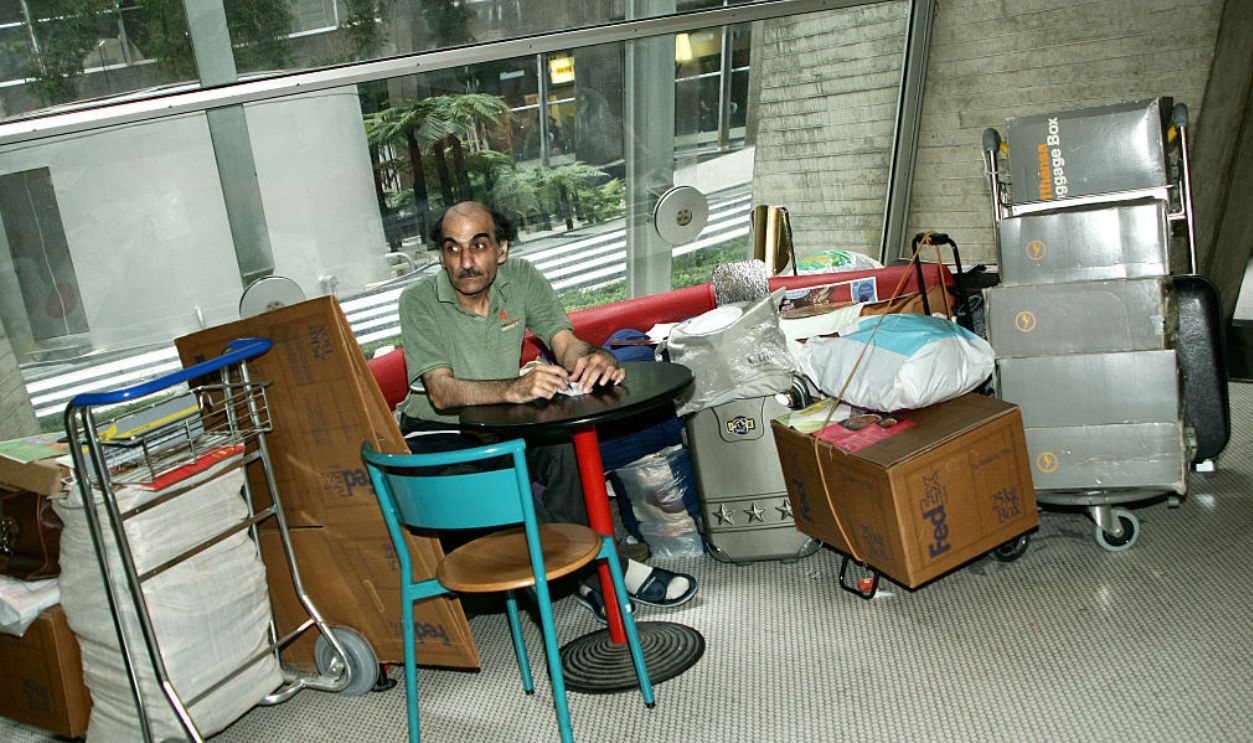
He Booked a Flight That He Never Boarded
On November 12, Nasseri died there of a heart attack, just steps from the place that had defined his life. He was 76 years old. He had arrived for a flight in 1988. He never boarded. And in the end, the terminal that once refused to let him leave became the place where his journey finally stopped.
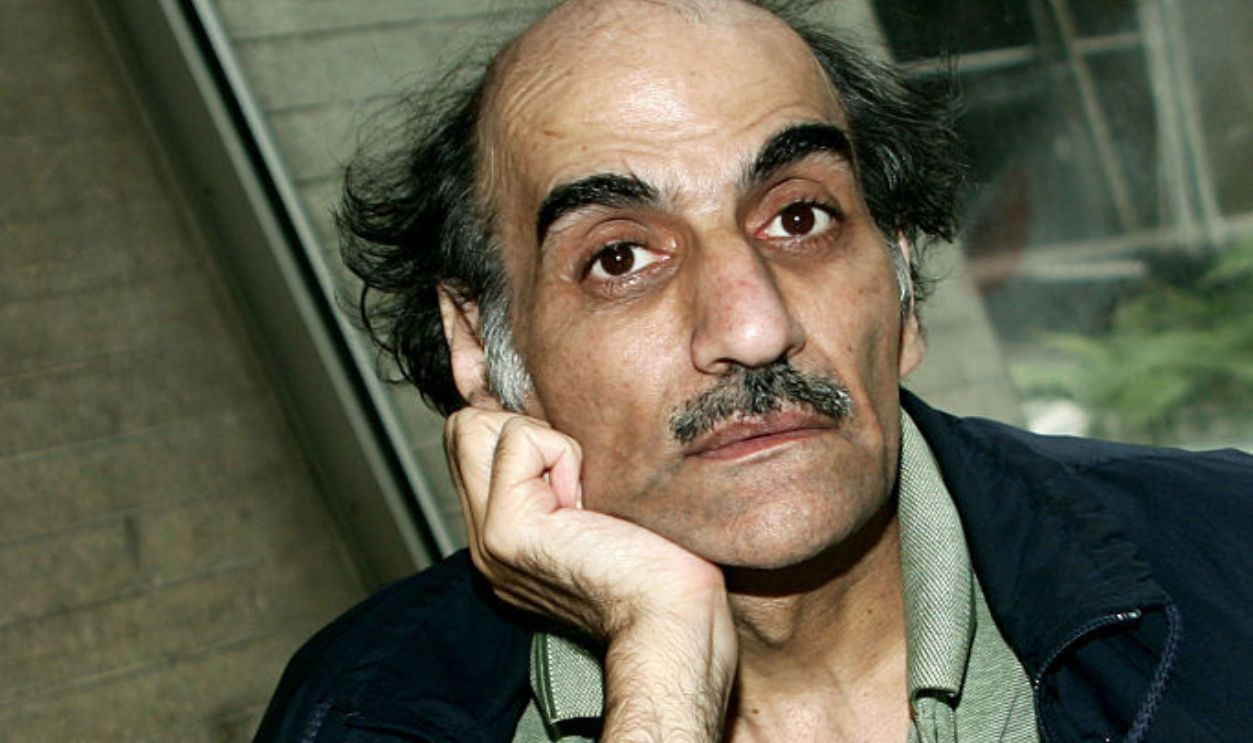
You May Also Like:
The Tongan Castaways: A Real Life Survival Story
Photos of the Last Two Surviving Members of the Piripkura Tribe
Ranking The Top 50 Airports In The World, According To Travelers