A Vessel Frozen In Time
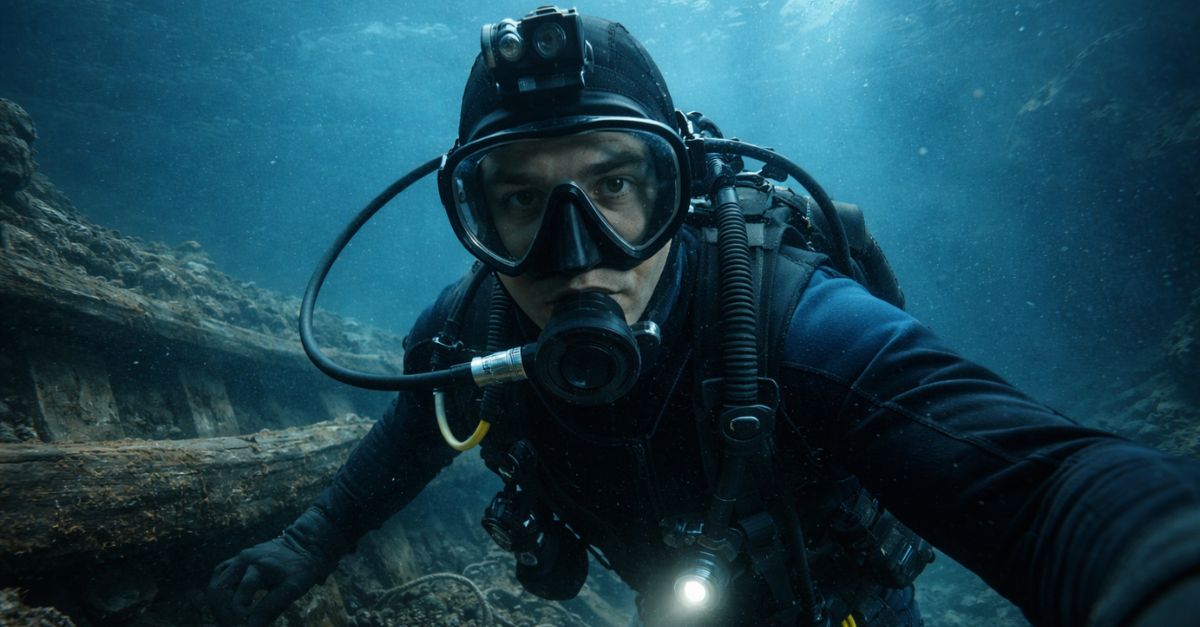
In Copenhagen's harbor, archaeologists discovered something remarkable beneath the seabed. A massive wooden ship had rested there since approximately 1410 AD—over 600 years untouched. What they found would rewrite our understanding of medieval maritime capabilities.
Medieval Europe In Transition (1000–1500 AD)
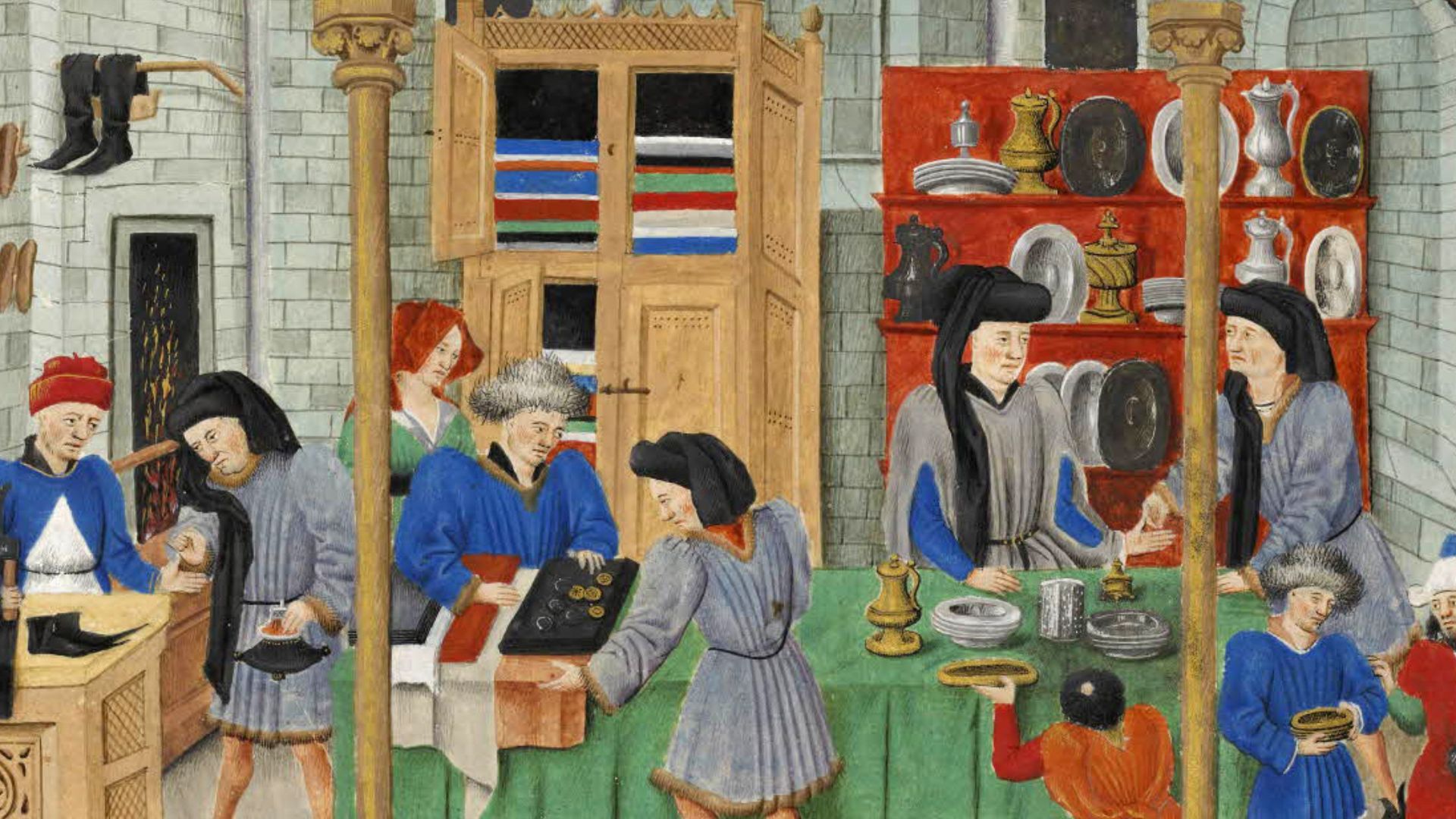
Between 1000 and 1500 AD, Europe transformed dramatically. Populations surged from approximately 35–40 million to 70–80 million. Cities expanded rapidly as people moved to urban centers. This growth created unprecedented demand for goods, which fueled the rise of organized trade networks.
The Birth Of Long-Distance Trade
Medieval Europe's expanding cities needed resources from distant regions, like the Scandinavian timber and Eastern European grain. Local production couldn't meet demand. Merchants established long-distance trade routes connecting markets across the continent to build Europe's first international economy.
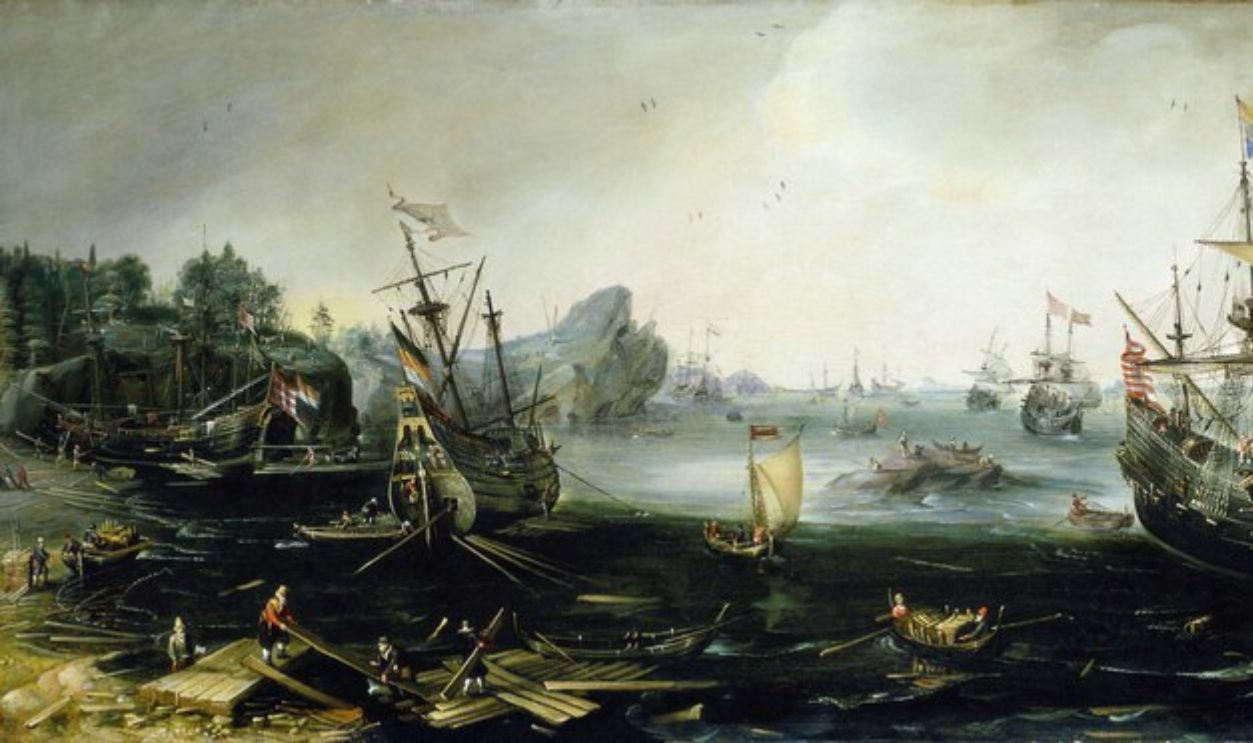 Andries van Eertvelt, Wikimedia Commons
Northern Europe's Trade Empire
The Hanseatic League emerged as medieval Europe's dominant commercial force. Nearly 200 merchant cities and settlements formed this powerful confederation. They controlled trade from Portugal to Russia. Four major trading posts—Novgorod, Bruges, London, and Bergen—anchored their network. The confederation operated successfully from the 12th through the 17th centuries.
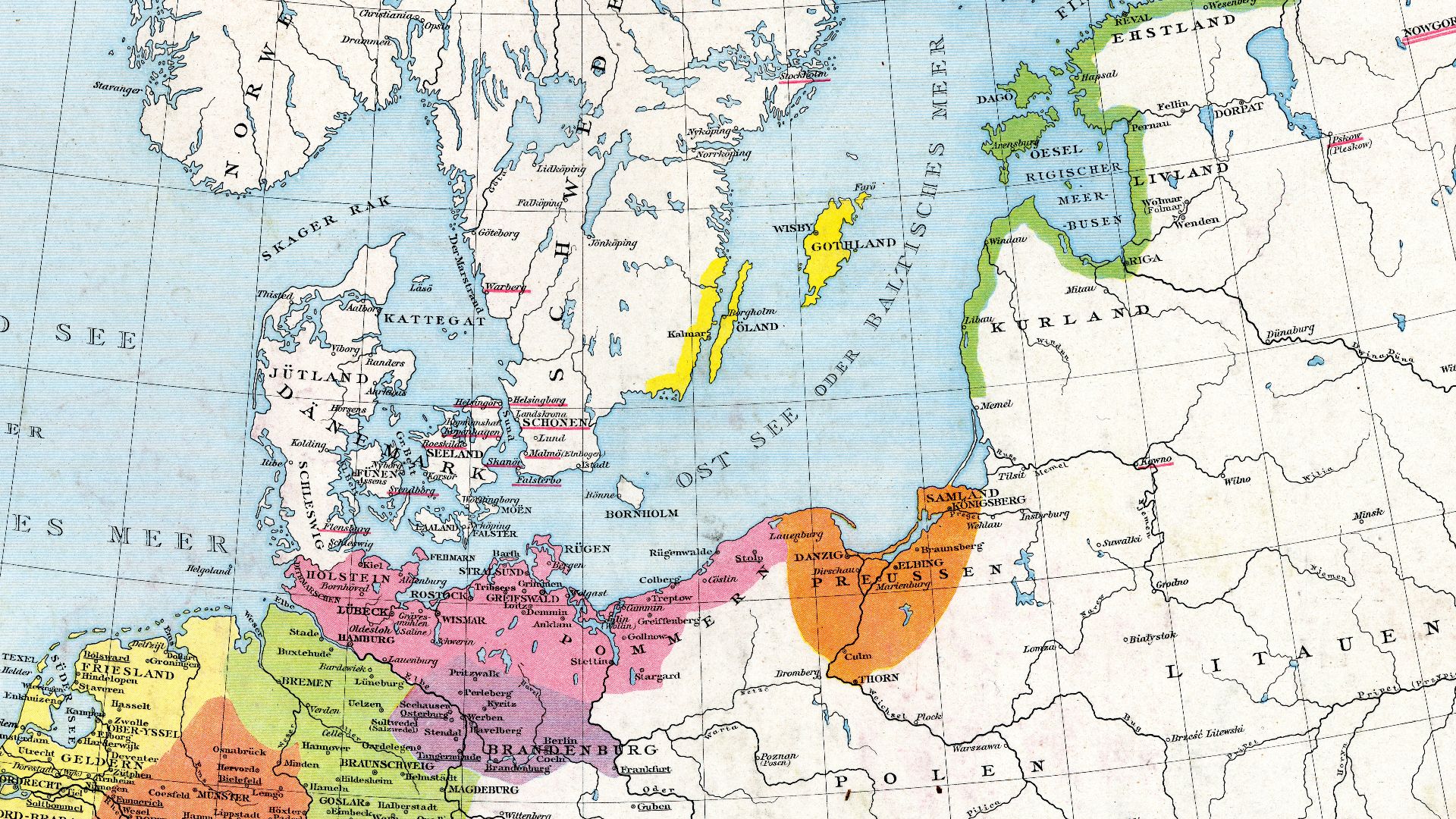 Droysen/Andrée, Wikimedia Commons
What Did The Hanseatic League Trade
The League moved staggering quantities of goods: beeswax, furs, timber, honey, and grain from the east; manufactured cloth westward; Swedish copper and iron; Norwegian stockfish; Luneburg salt. Transporting these bulk commodities efficiently required a revolution in ship design, with vessels built to carry unprecedented cargo capacity.
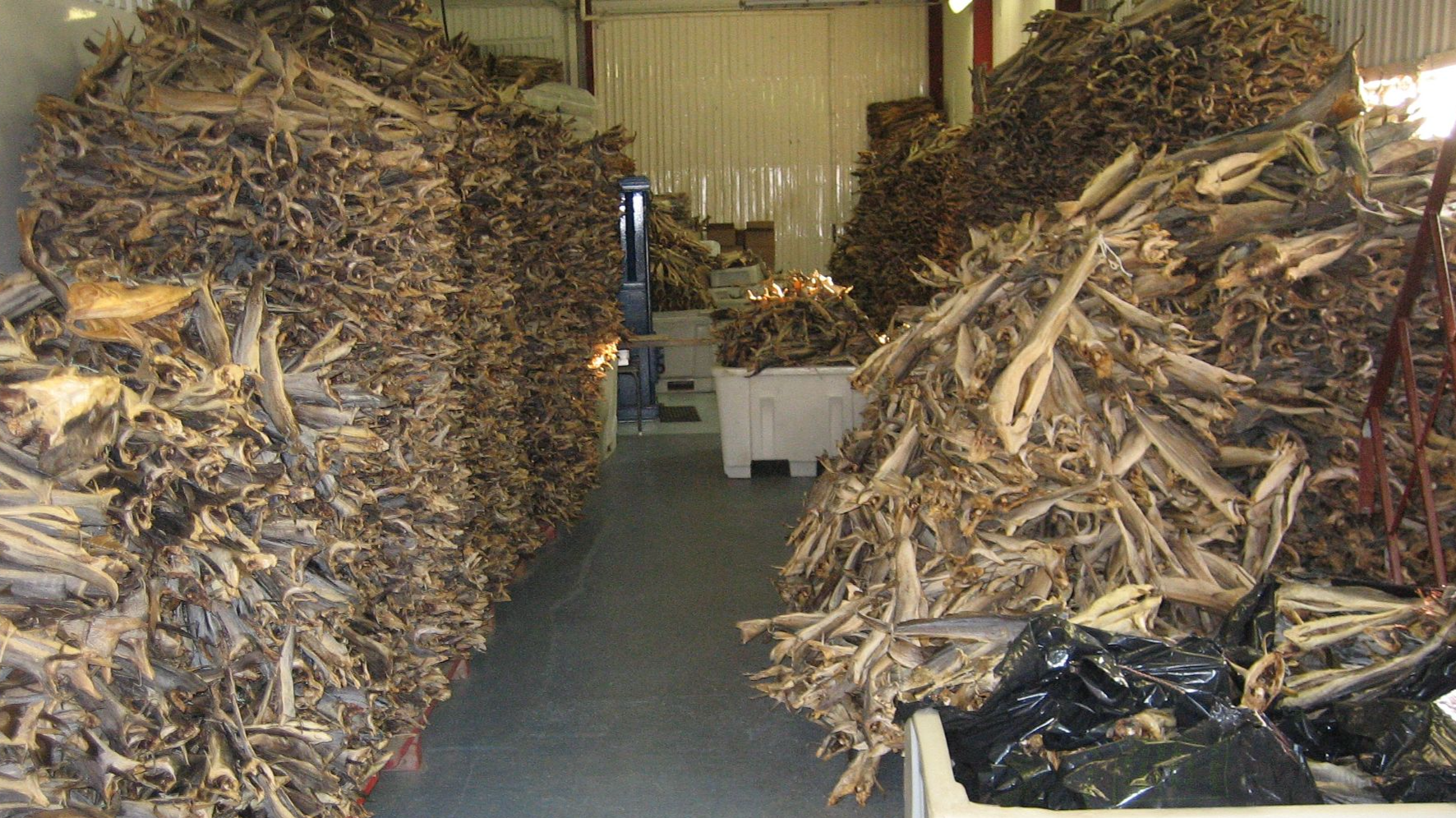 Manxruler at English Wikipedia, Wikimedia Commons
The Cog Revolution (10th–12th Century)
The cog emerged along Frisian coasts between the 10th and 12th centuries. When northern Jutland's Limfjord passage was blocked, ships had to navigate the dangerous Cape Skagen route around Denmark's northern tip, as the route had strong currents. The challenge drove shipbuilders to develop larger, more seaworthy vessels capable of handling rough open waters.
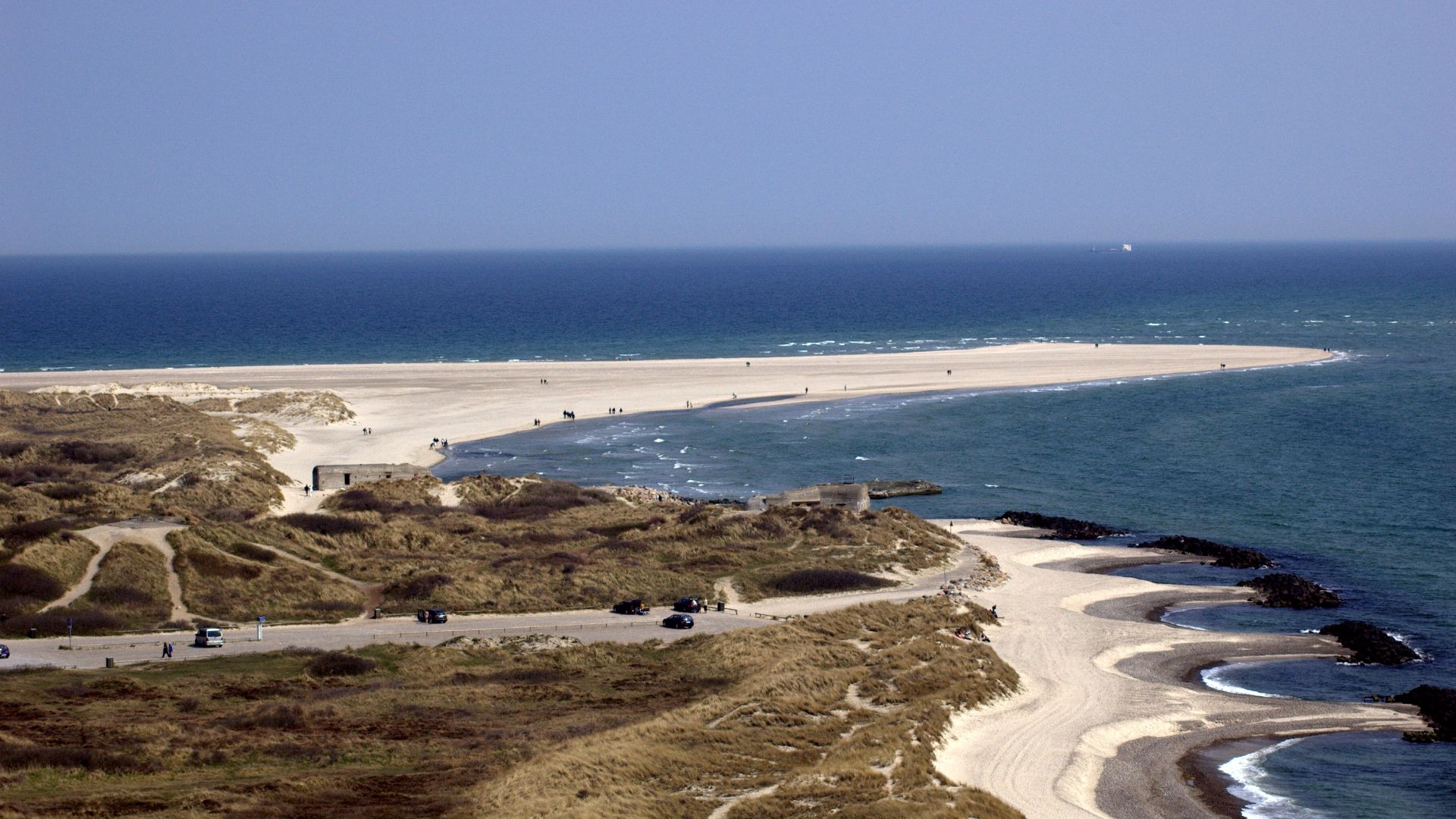 Martin Olsson (mnemo on en/sv wikipedia and commons, [email protected])., Wikimedia Commons
Anatomy Of A Cog
Cogs featured distinctive construction: clinker-built oak hulls with overlapping planks, flat bottoms for shallow harbors, single square sails, and stern rudders. Typical dimensions ranged from 50 to 82 feet long and 16 to 26 feet wide. They were designed to carry 33 to 220 short tons of cargo. One sailor operated every 10 tons.
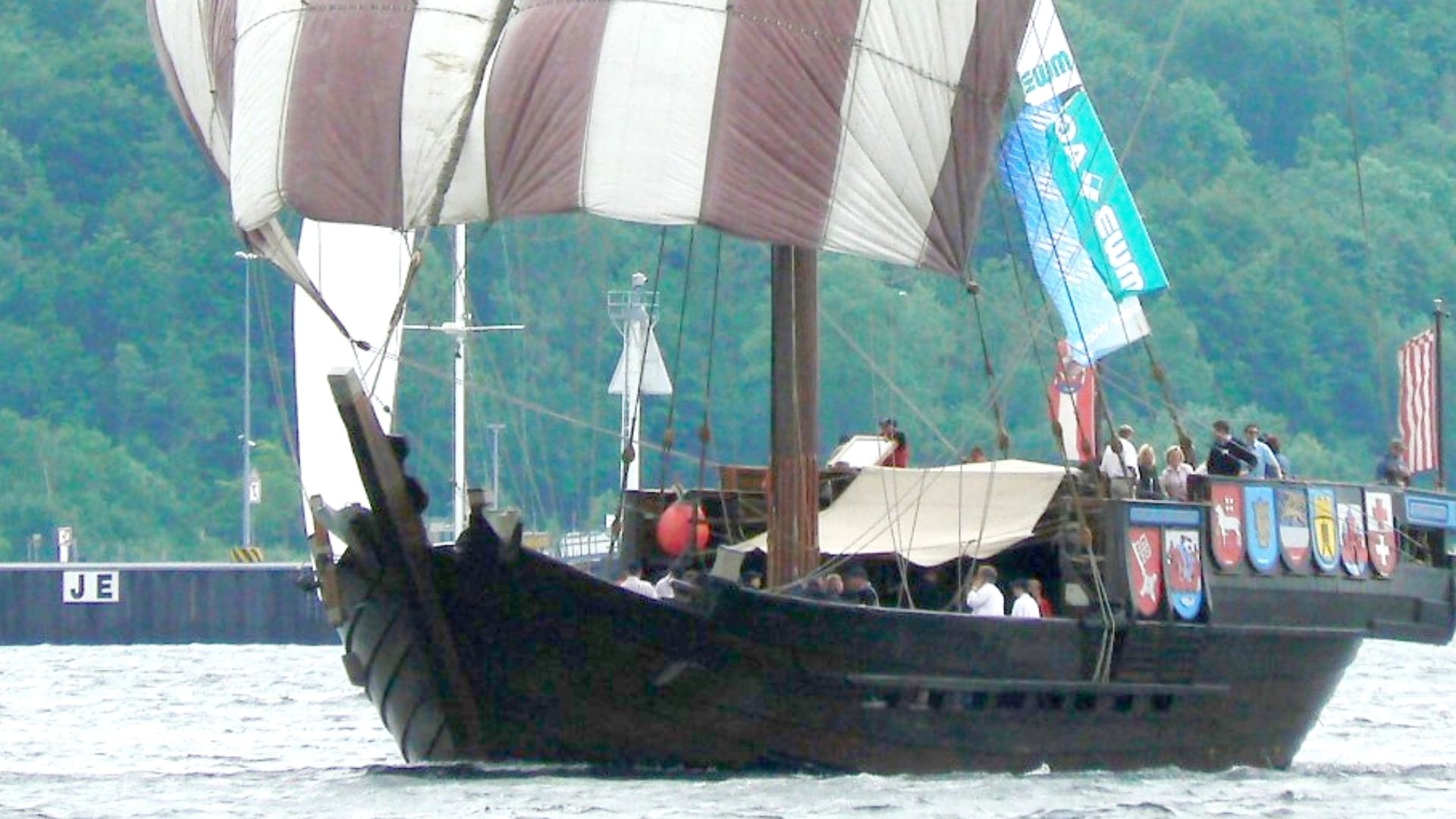 VollwertBIT, Wikimedia Commons
Why Cogs Dominated Medieval Seas
They revolutionized maritime trade by offering several practical advantages. Their massive cargo holds moved bulk goods efficiently, while small crews kept operating costs low. At the same time, flat bottoms allowed access to shallow ports Viking ships could not reach, and they could easily convert into warships when necessary.
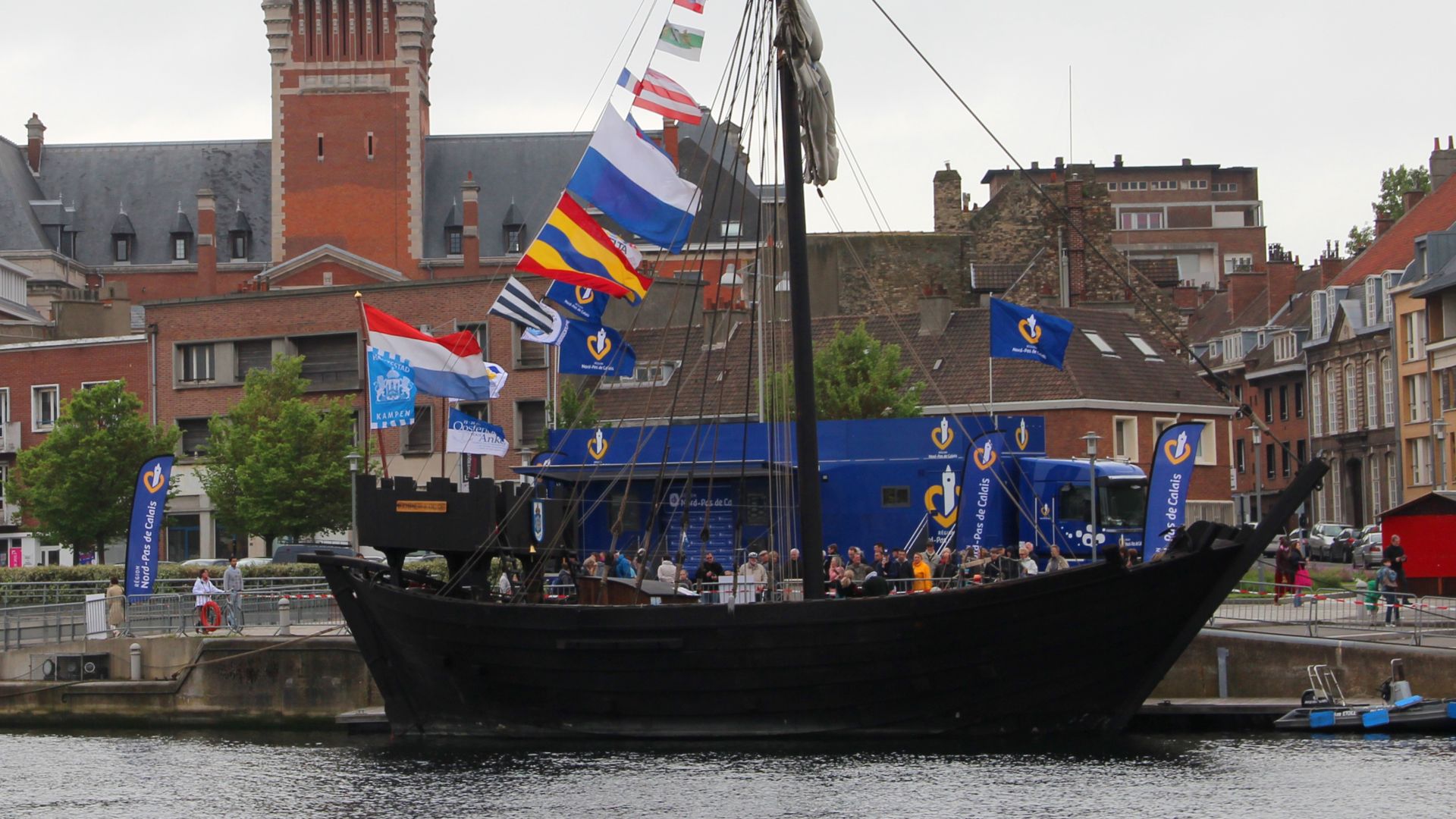 Jean-Pol GRANDMONT, Wikimedia Commons
The Economics Of Cog Construction
Building a cog required substantial investment. Construction costs typically emphasized substantial investments in labor (around 40%), timber (over 40%), ironwork (about 10%), and other materials. These percentages reveal the organized financing structures medieval merchants developed to fund large-scale shipbuilding projects and secure profitable returns.
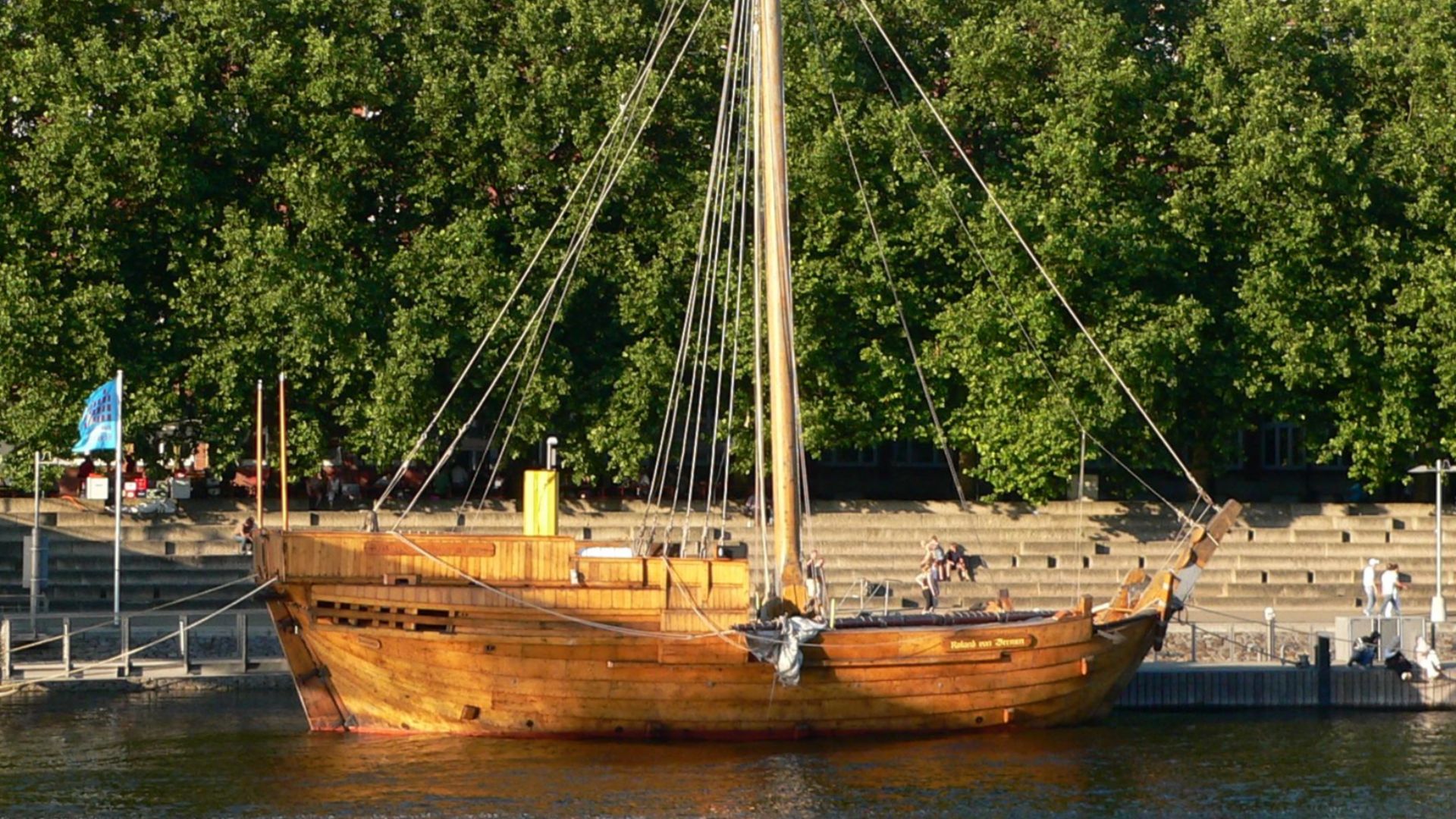 Eva K. / Eva K., Wikimedia Commons
Previous Record Holder
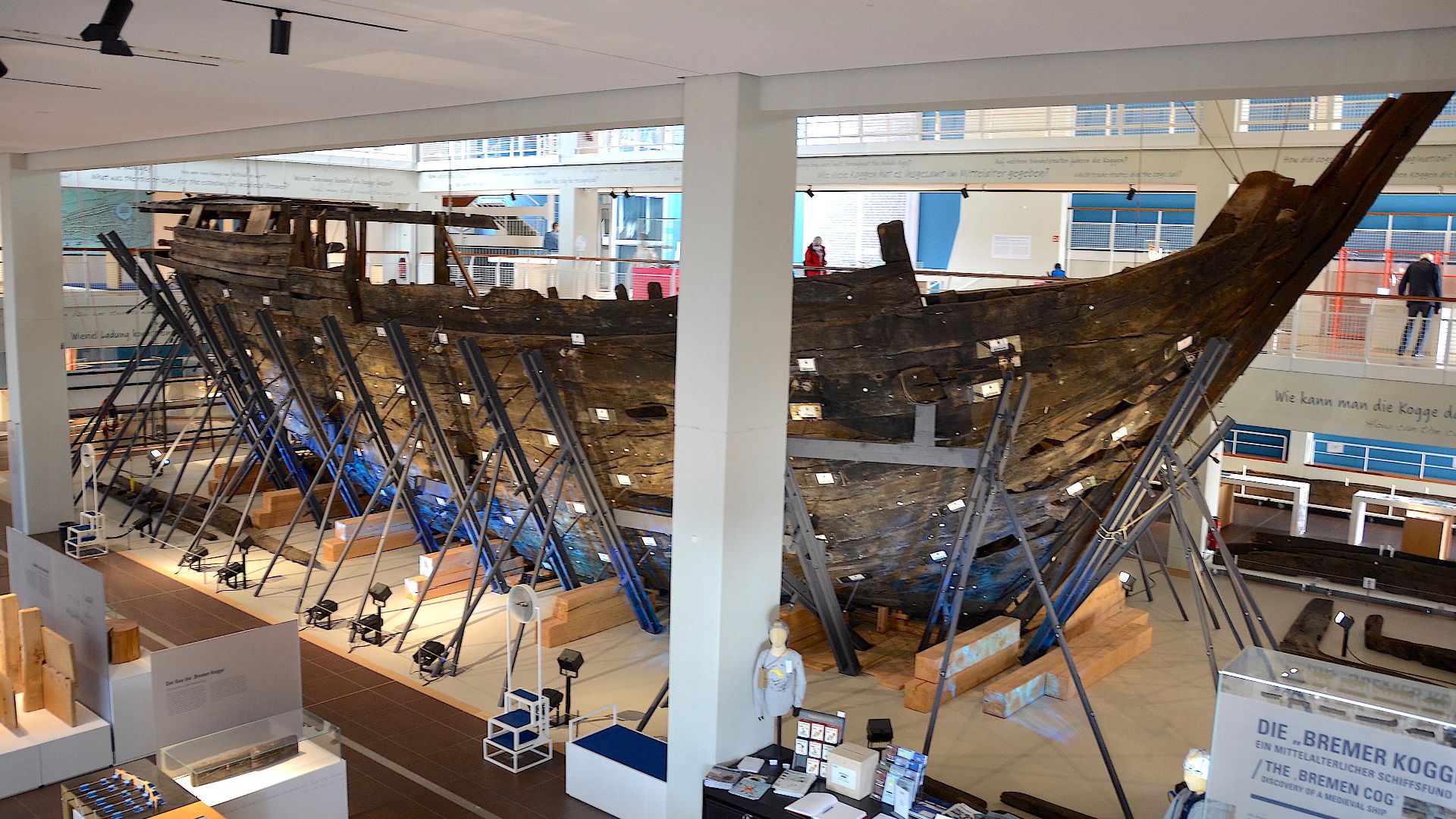
In 1962, archaeologists discovered the Bremen cog, built around 1380. For decades, it held the title of the world's best-preserved medieval merchant ship and the largest known cog. Researchers used it as the definitive example of medieval shipbuilding.
Strategic Medieval Gateway
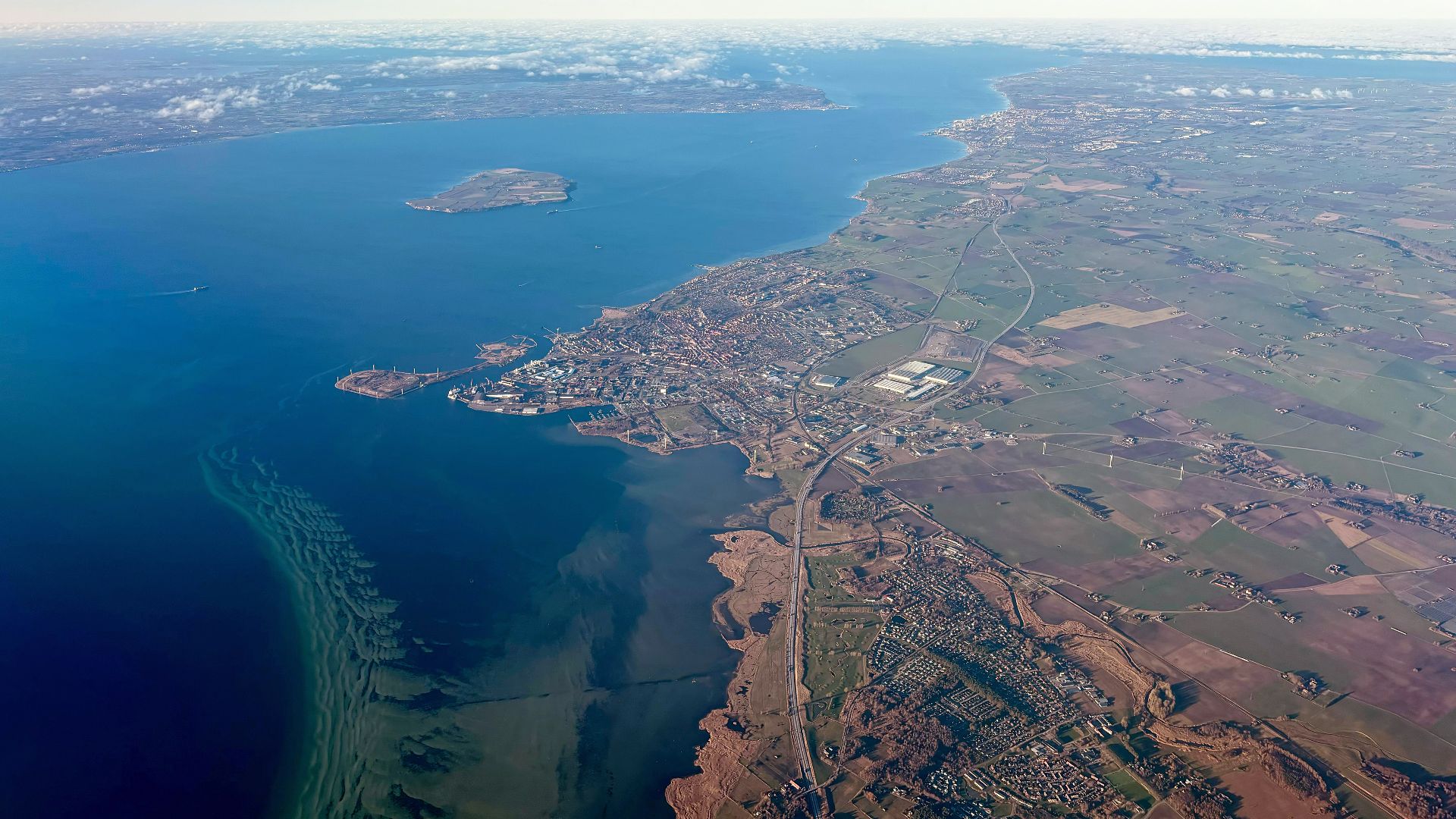
The Sound—a narrow strait separating Denmark and Sweden—served as medieval Europe's most critical maritime bottleneck. Every ship traveling between the North Sea and the Baltic Sea had to pass through this channel. Control this waterway, and you control northern European trade.
Copenhagen's Role In Medieval Trade Networks
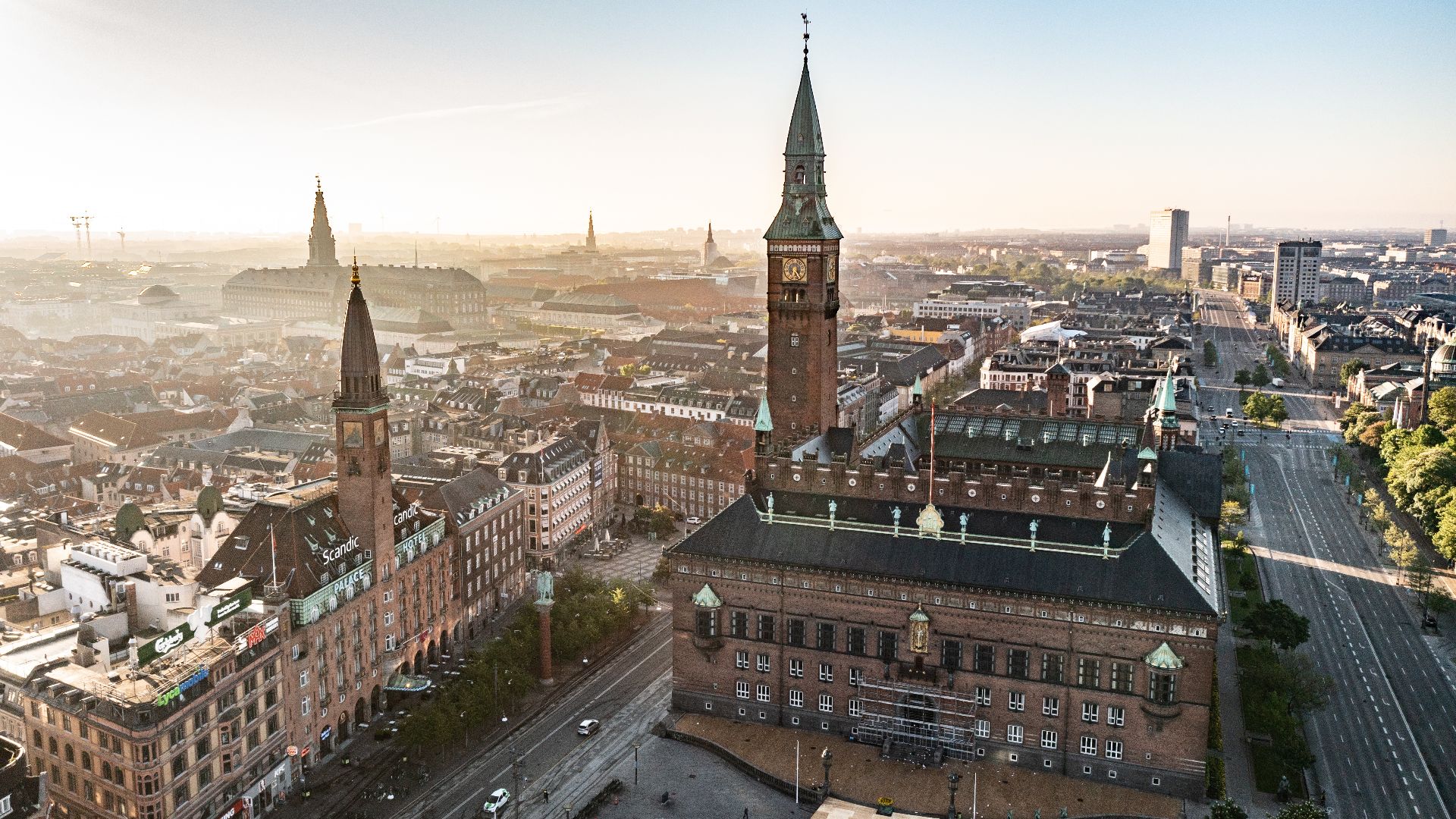
Copenhagen's location on the Sound made it strategically invaluable. The city functioned as a natural checkpoint where merchants paid tolls and traded goods. Heavy maritime traffic passed constantly with various goods. It explains why such a massive merchant vessel ended up in these particular waters.
 European Commission / Joshua Andrew Gross, Wikimedia Commons
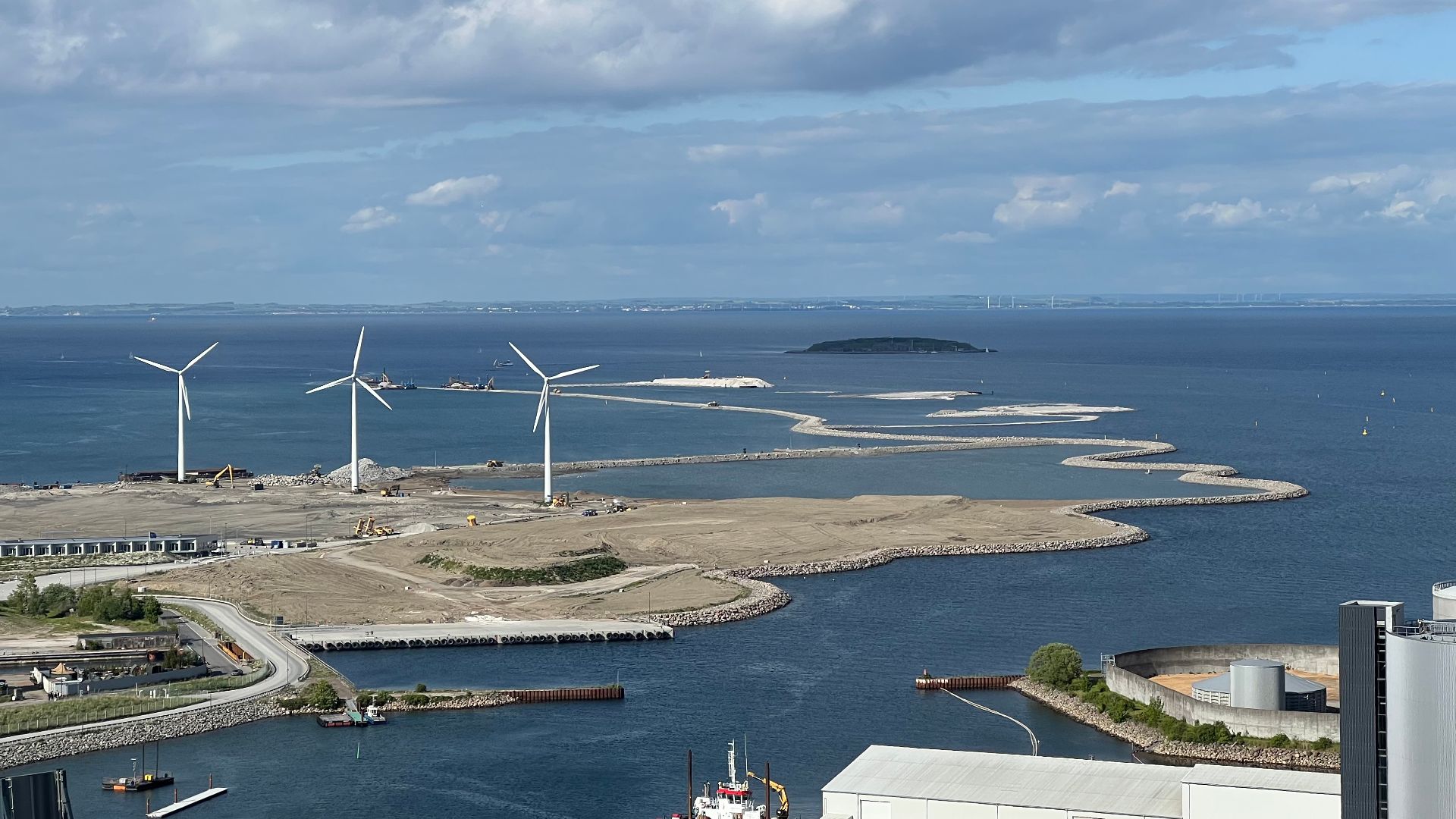
The Lynetteholm Project
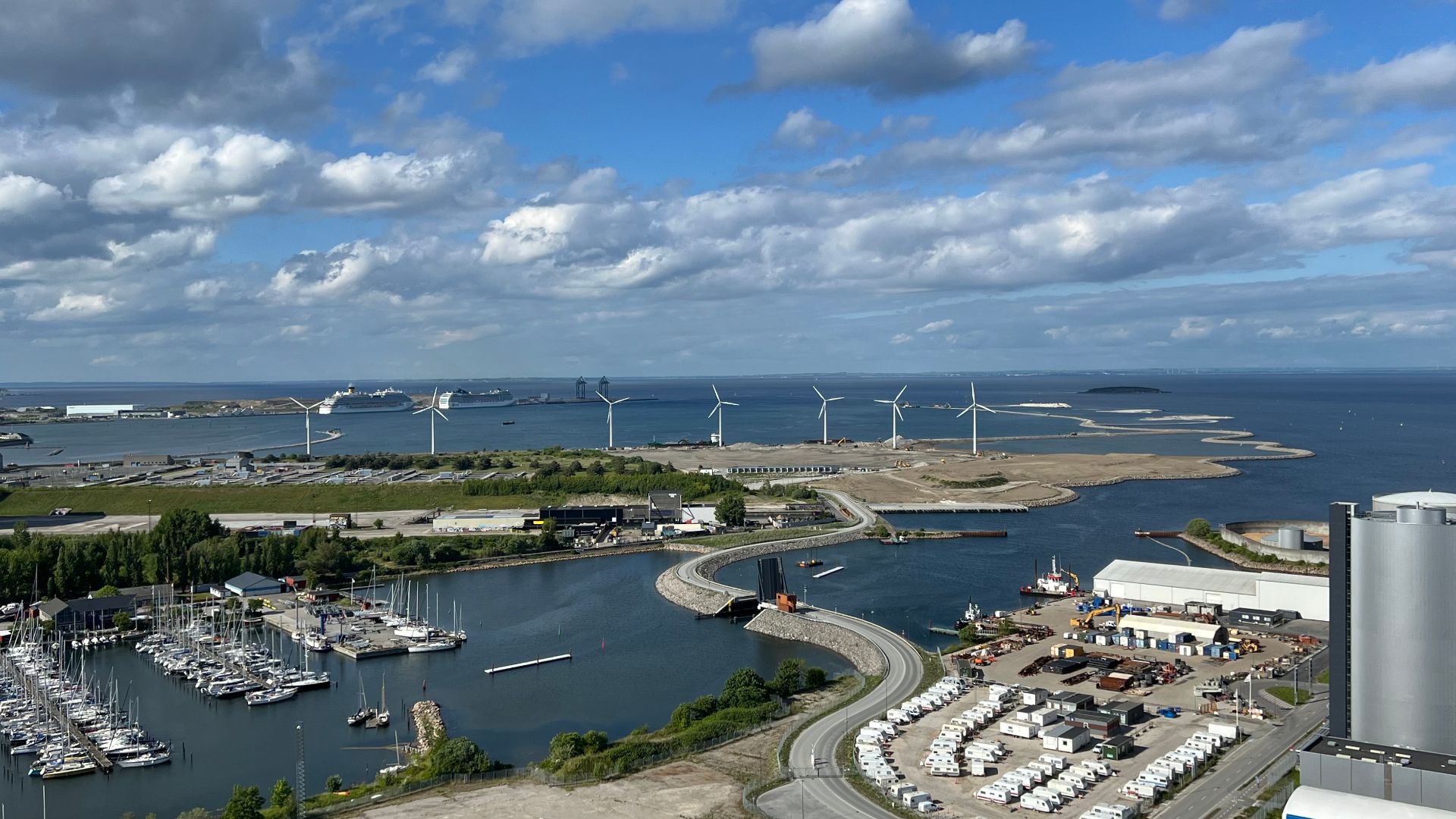
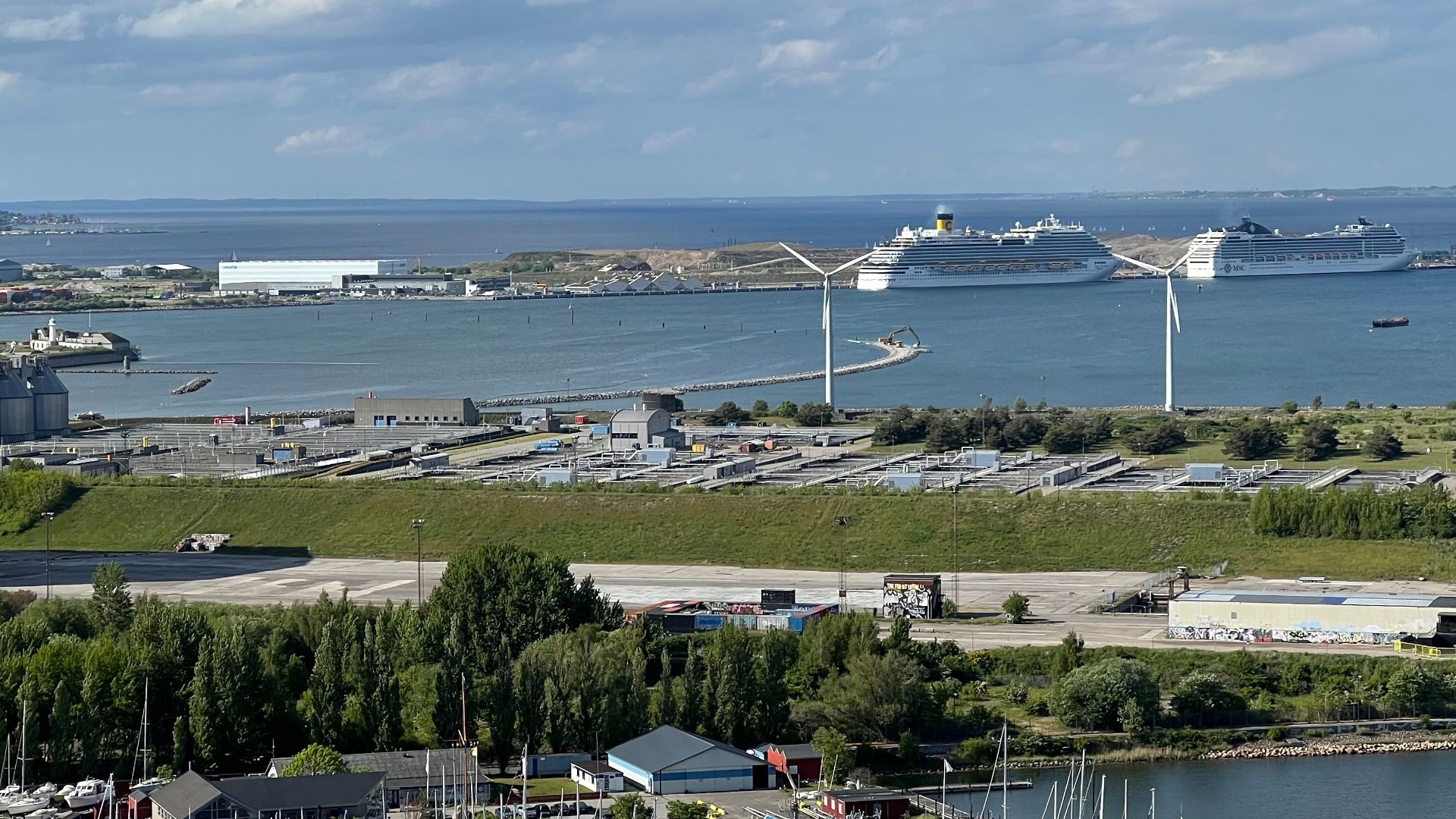
In the 2020s, Copenhagen began the Lynetteholm coastal development project, a new urban district requiring extensive construction. Danish law mandates archaeological surveys before major seabed disturbance. What seemed like a routine bureaucratic procedure became the catalyst for one of maritime archaeology's most significant discoveries in decades.
First Dive
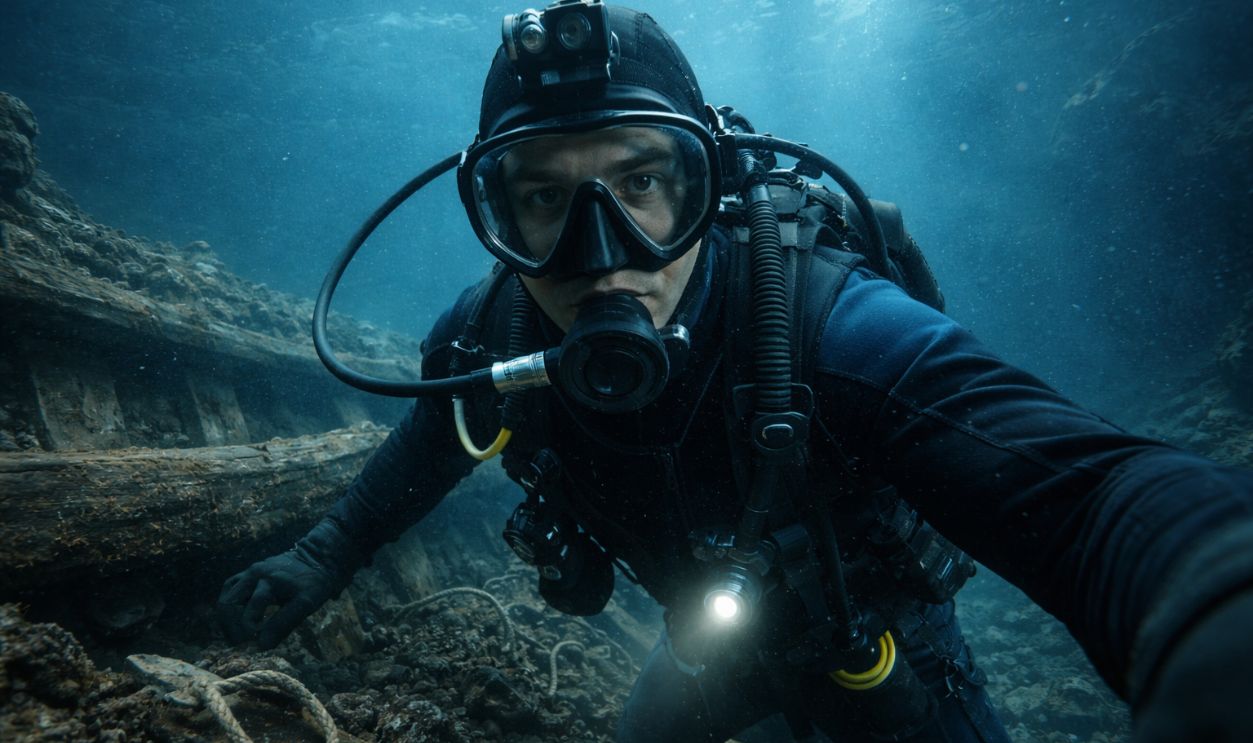
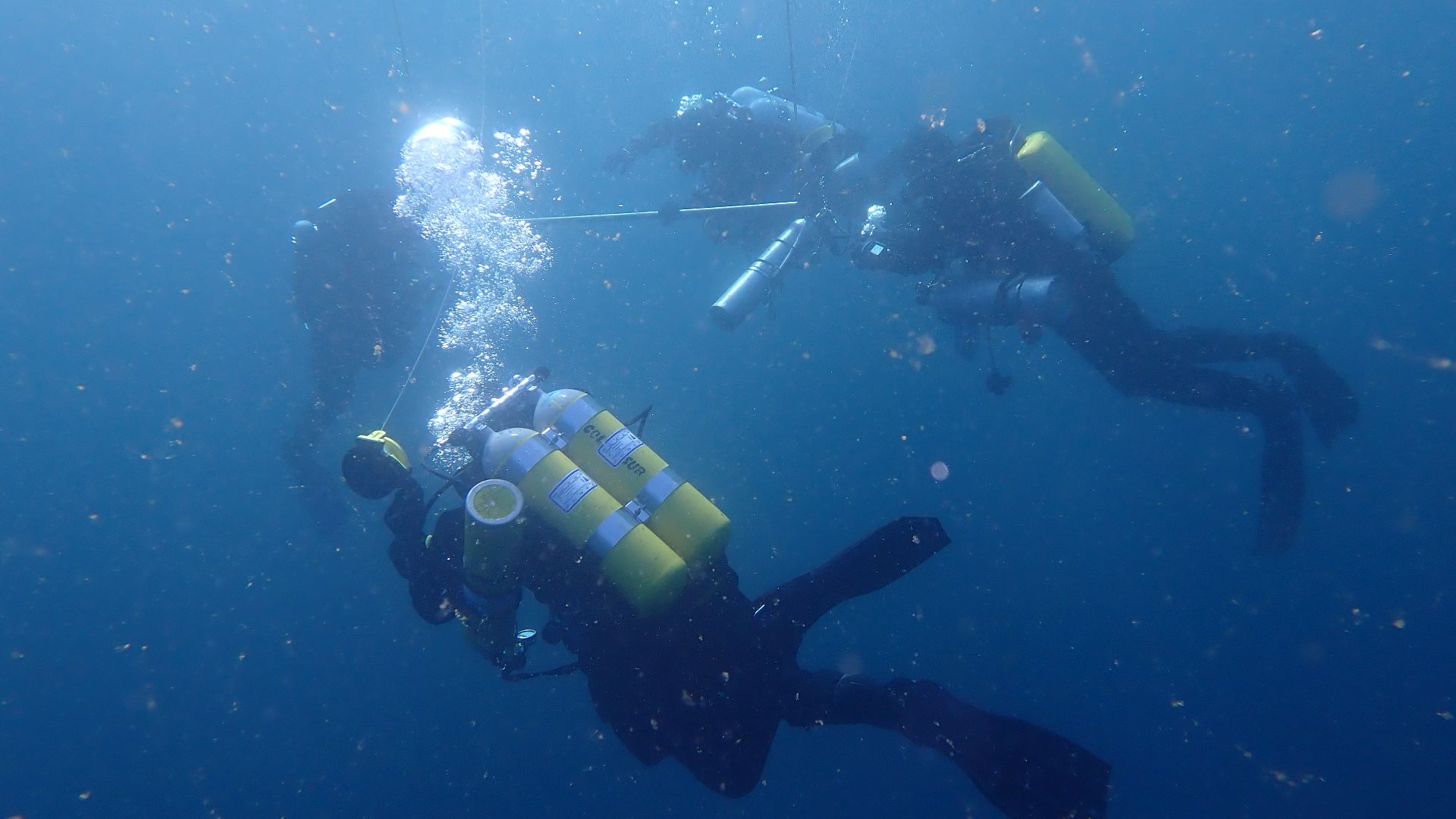
When Viking Ship Museum archaeologists descended to the site, they immediately sensed something unusual. As they carefully removed layers of sand and silt, the scale became apparent. The timber remains stretched far beyond typical wreck dimensions. Their excitement grew with each dive; this was no ordinary medieval vessel.
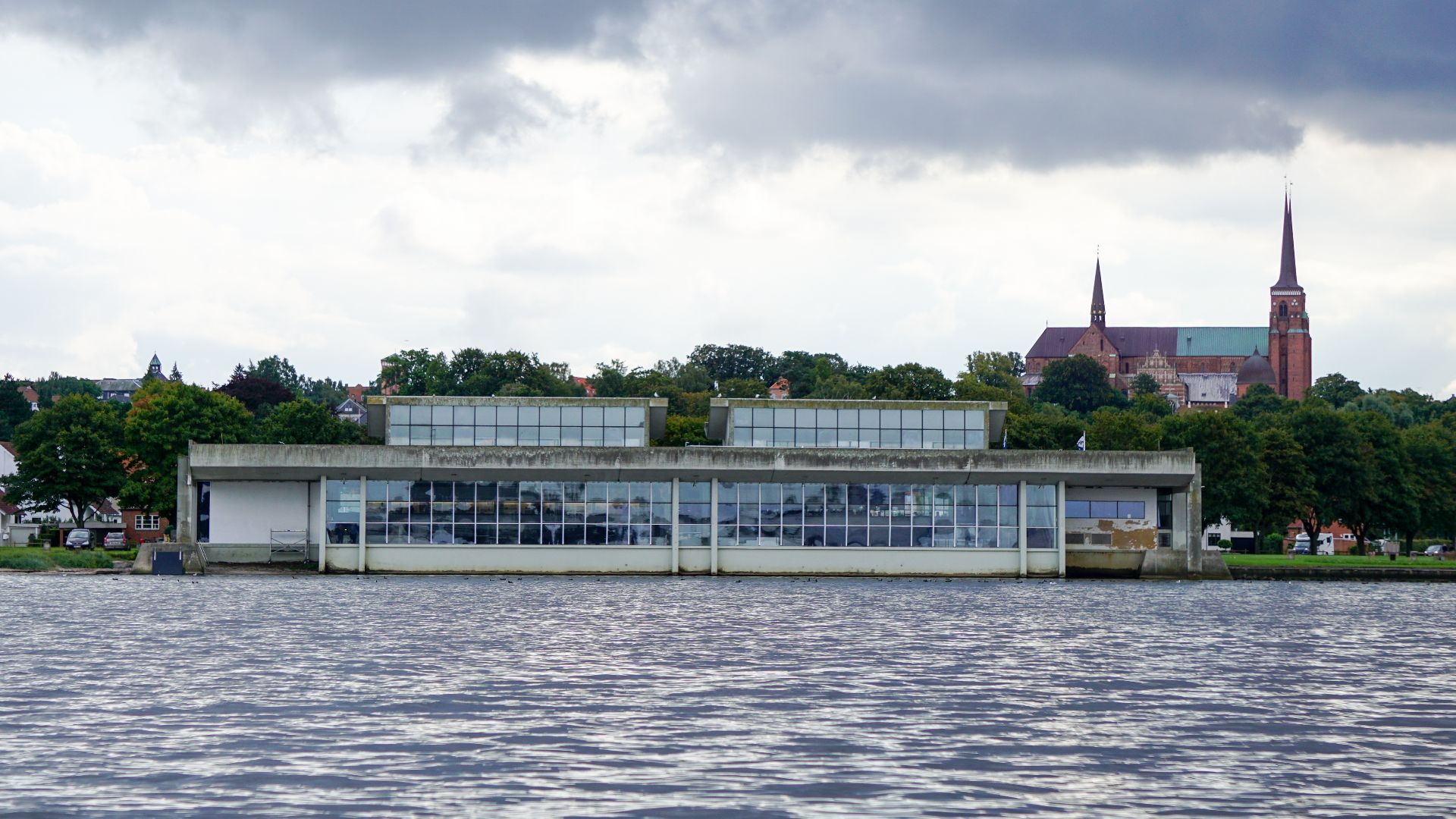
The World's Largest Cog
The ship measured 92 feet long, longer than two school buses parked end‑to‑end. It was 30 feet wide and 20 feet high, with a staggering 330 short‑ton cargo capacity. Named Svaelget 2 after the channel where it rested, this vessel shattered every previous record for cog size.
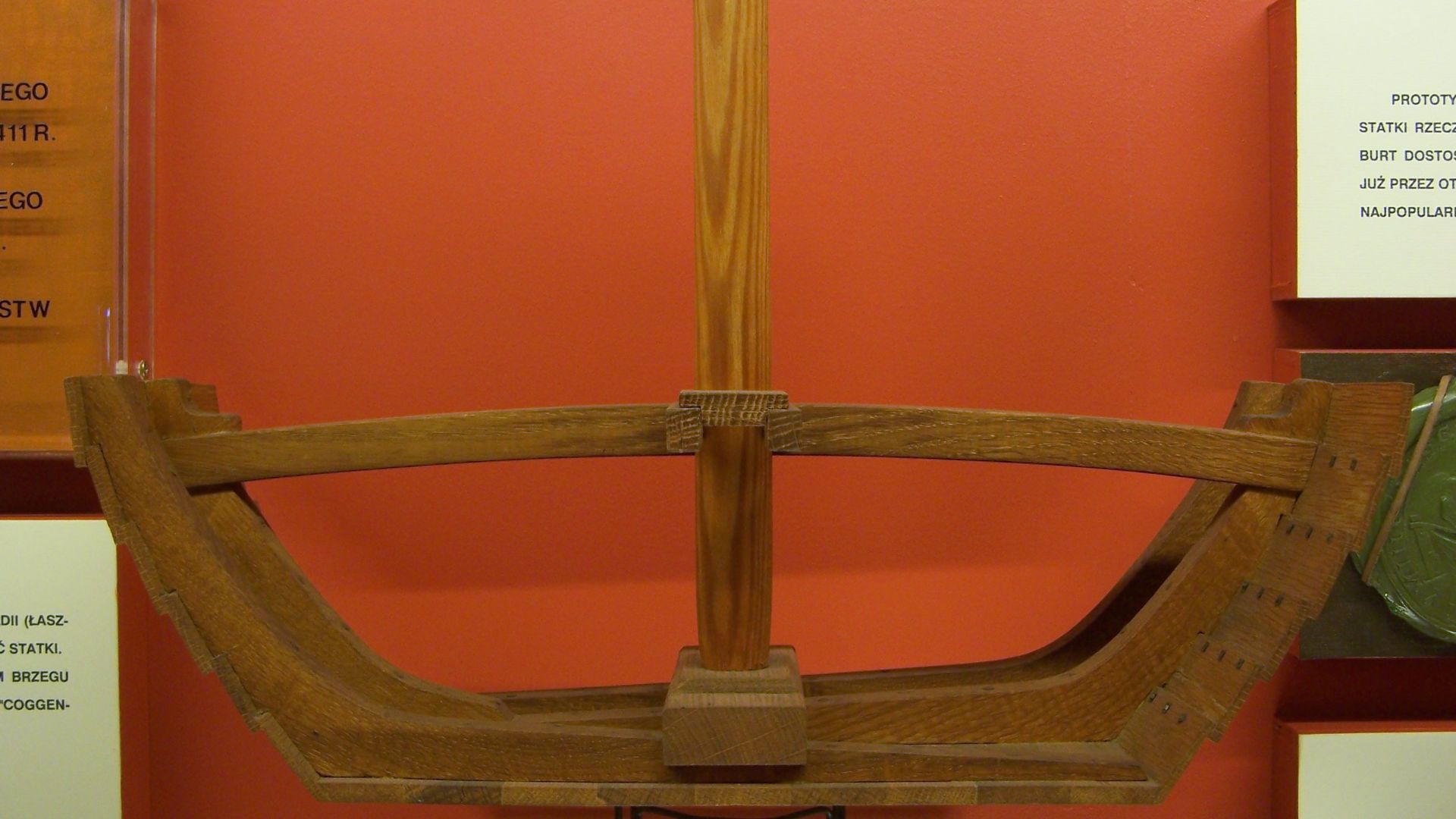
The Evolution
By 1400, shipbuilders were pushing boundaries further. The hulk design emerged to carry up to 550 short tons—nearly double the typical cog's capacity. It places Svaelget 2 at a crucial moment: the absolute peak of cog development, which represents the maximum size these vessels could achieve.
 Lestat (Jan Mehlich), Wikimedia Commons
A Preservation Miracle At 43 Feet Deep
The wreck lay 43 feet below the surface, protected by accumulating sand layers over six centuries. Remarkably, the entire starboard side survived intact, from keel to gunwale. No other cog excavation had ever recovered such complete upper structures. The preservation allowed archaeologists unprecedented access to normally lost components.
 Kristoffer Trolle from Copenhagen, Denmark, Wikimedia Commons
Dating And Origin
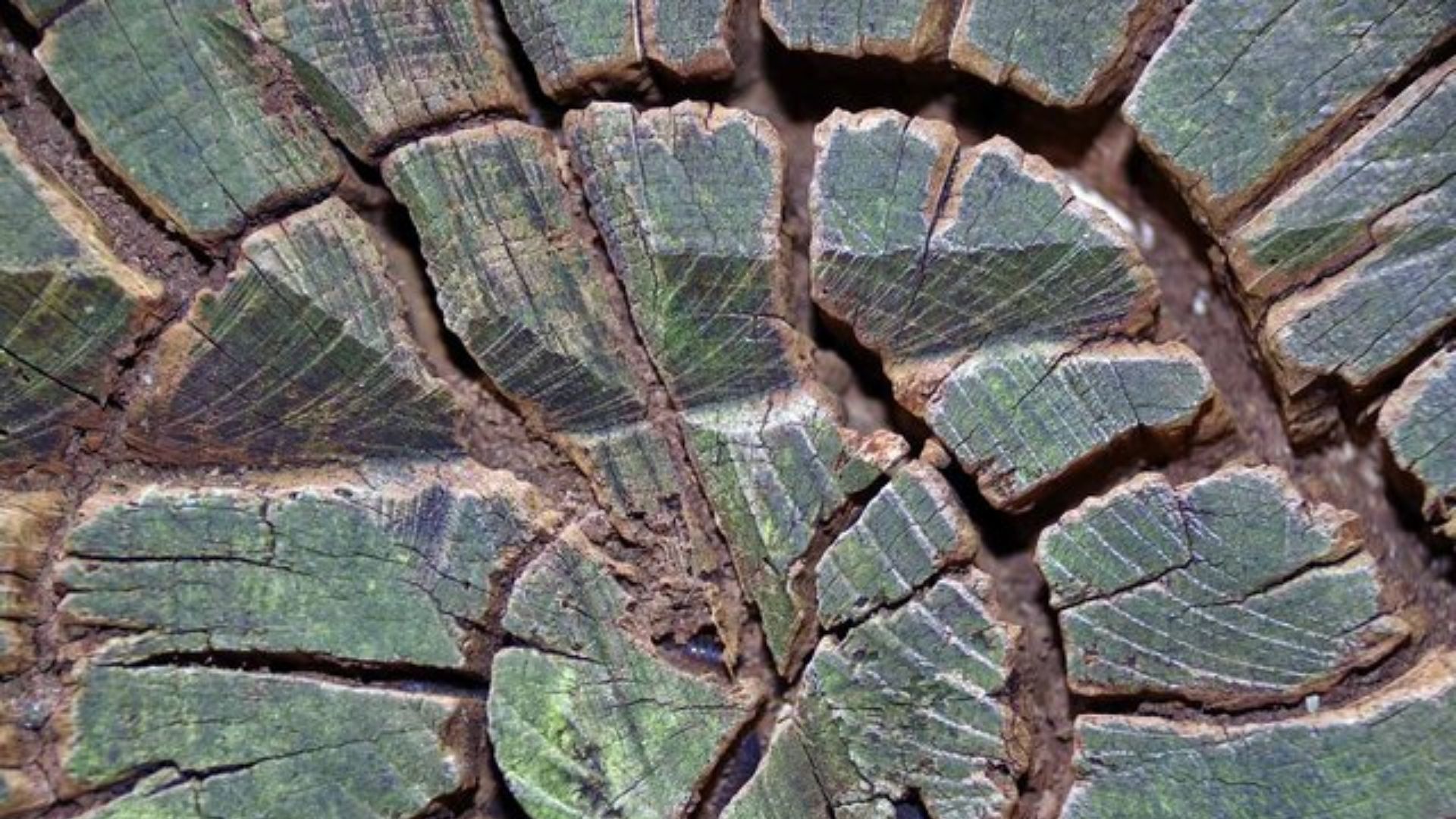
Dendrochronological analysis, studying tree ring patterns, dated the ship's construction to approximately 1410 AD. The hull planking came from Pomeranian forests in modern Poland. Frame timbers originated in the Netherlands. This international timber sourcing reveals sophisticated medieval supply chains and highlights Dutch shipbuilding expertise dominating the era.
 Glyn Baker , Wikimedia Commons
The Rigging Discovery
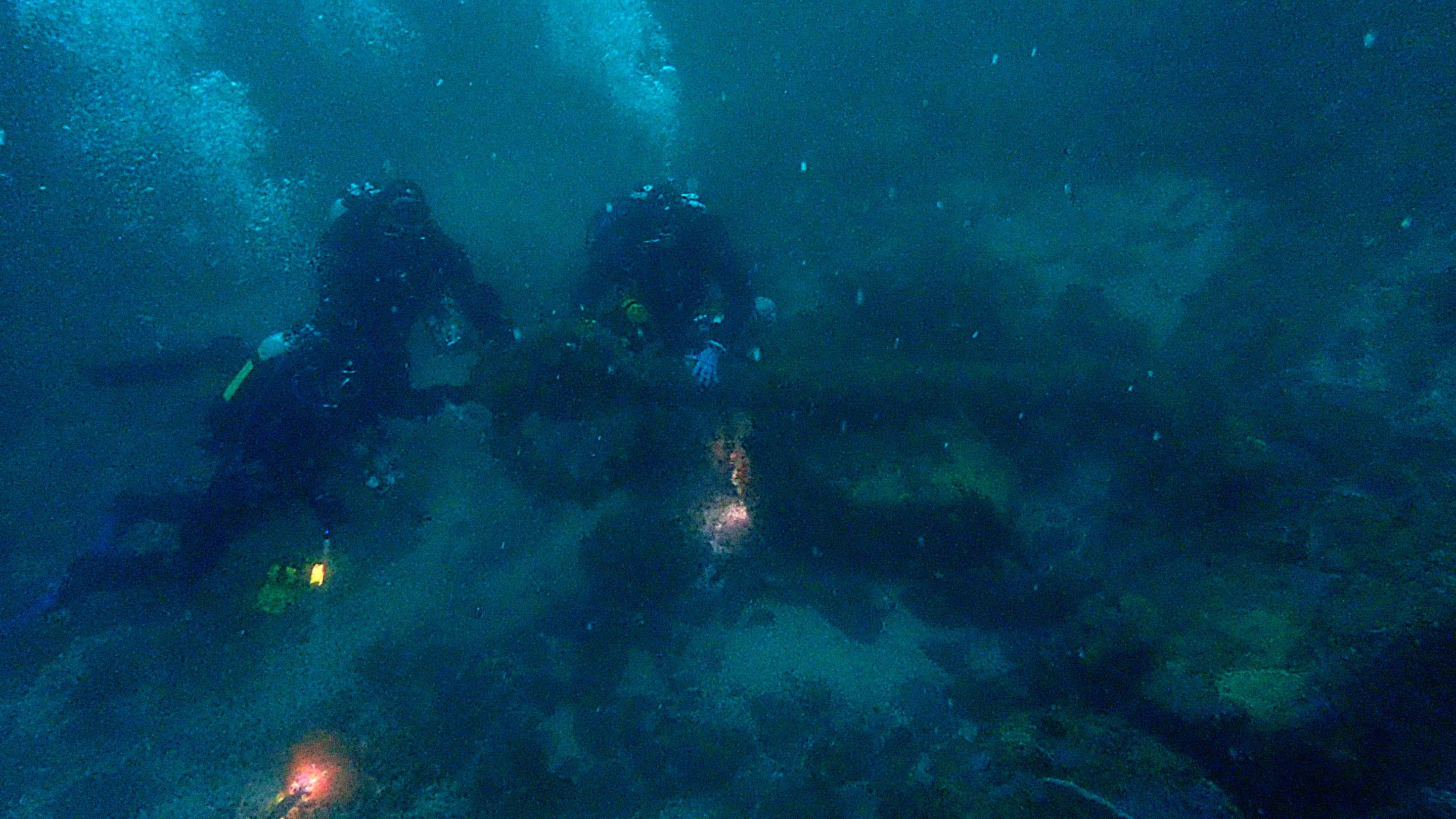
Archaeologists found extensive rigging elements still attached to the hull. It includes dead eyes (wooden blocks for securing ropes). No cog excavation had ever recovered rigging before. These components revealed precisely how medieval crews controlled massive sails and kept hundreds of tons of cargo stable during voyages.
 Peter Southwood, Wikimedia Commons
Castles Confirmed
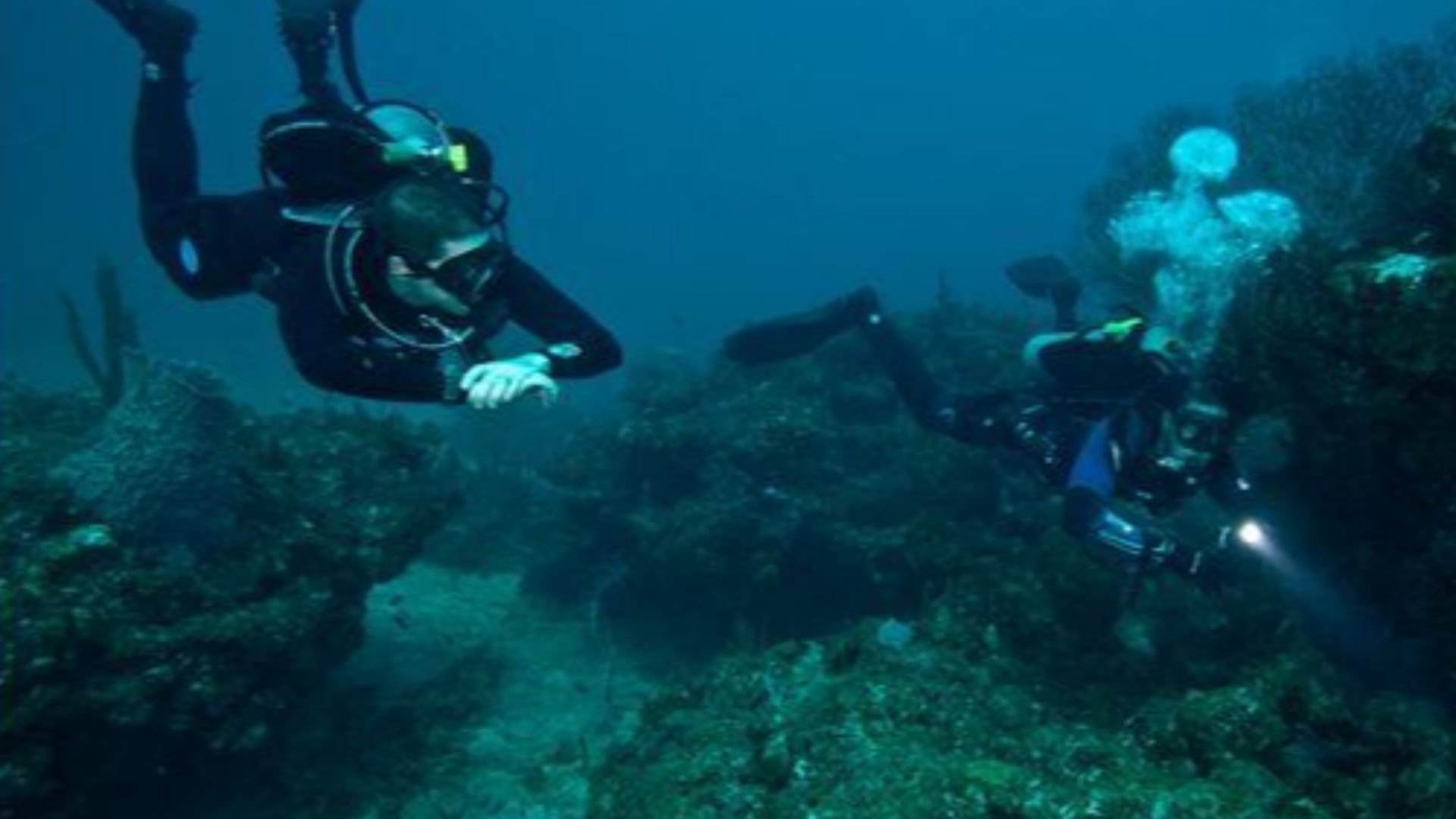
Medieval seals and illustrations depicted raised "castles" at bow and stern, but physical evidence never existed, until now. Svaelget 2 contained the first archaeological proof of these timber-built structures. The stern castle remains included 20 times more material than any previous find. It was proof of covered deck space for the crew shelter.
 Sandra Edwards; Dan Volker, Wikimedia Commons
The Brick Galley
Approximately 200 bricks and 15 tiles formed an onboard galley where crews cooked over open flames. It was the earliest example of such a structure found in Danish waters. Unlike Viking Age vessels with exposed decks, this galley demonstrated remarkable comfort and organizational sophistication for medieval seafaring.
Provisions
Near the galley, archaeologists uncovered bronze cooking pots, ceramic bowls, barrel staves, and finely cut sticks used for preserving stockfish. Remains of fish and meat revealed the crew's diet. These artifacts paint a detailed picture of daily meal preparation aboard massive medieval trading vessels.
 Peter Southwood, Wikimedia Commons
The Crew's Belongings
A lot of personal items also emerged from the wreck. These intimate objects reveal how sailors transferred land-based routines to sea. One researcher noted: "The sailor brought his comb to keep his hair neat and his rosary to say his prayers," maintaining personal dignity amid harsh conditions.

The Missing Cargo Mystery
The ship's hold lay uncovered, and crucially, no ballast remained. It obviously meant that the vessel was fully loaded when it sank. The actual cargo, likely salt, timber, bricks, or basic foodstuffs in barrels, had floated away centuries ago. Whatever valuable goods this ship carried are lost to history forever.

Built For Profit, Not Longevity
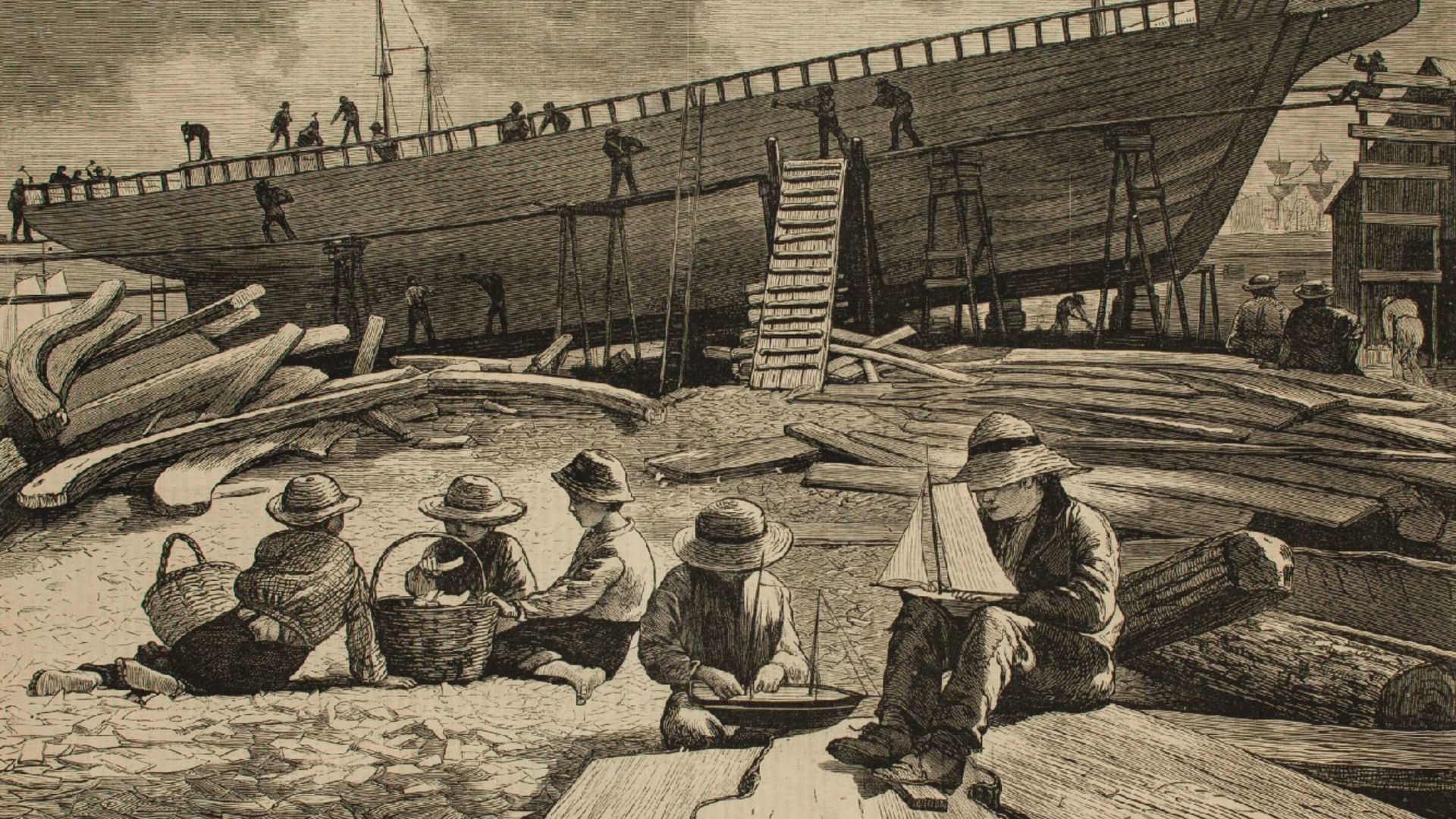
Examination revealed varying-quality planks, some with imperfections from construction. Medieval shipbuilders prioritized vessels that could yield quick returns while maintaining seaworthiness for multiple voyages. It reflected calculated commercial priorities. Quick returns mattered more than durability, which revealed sophisticated medieval business practices.
 Winslow Homer, Wikimedia Commons
Conservation And Legacy
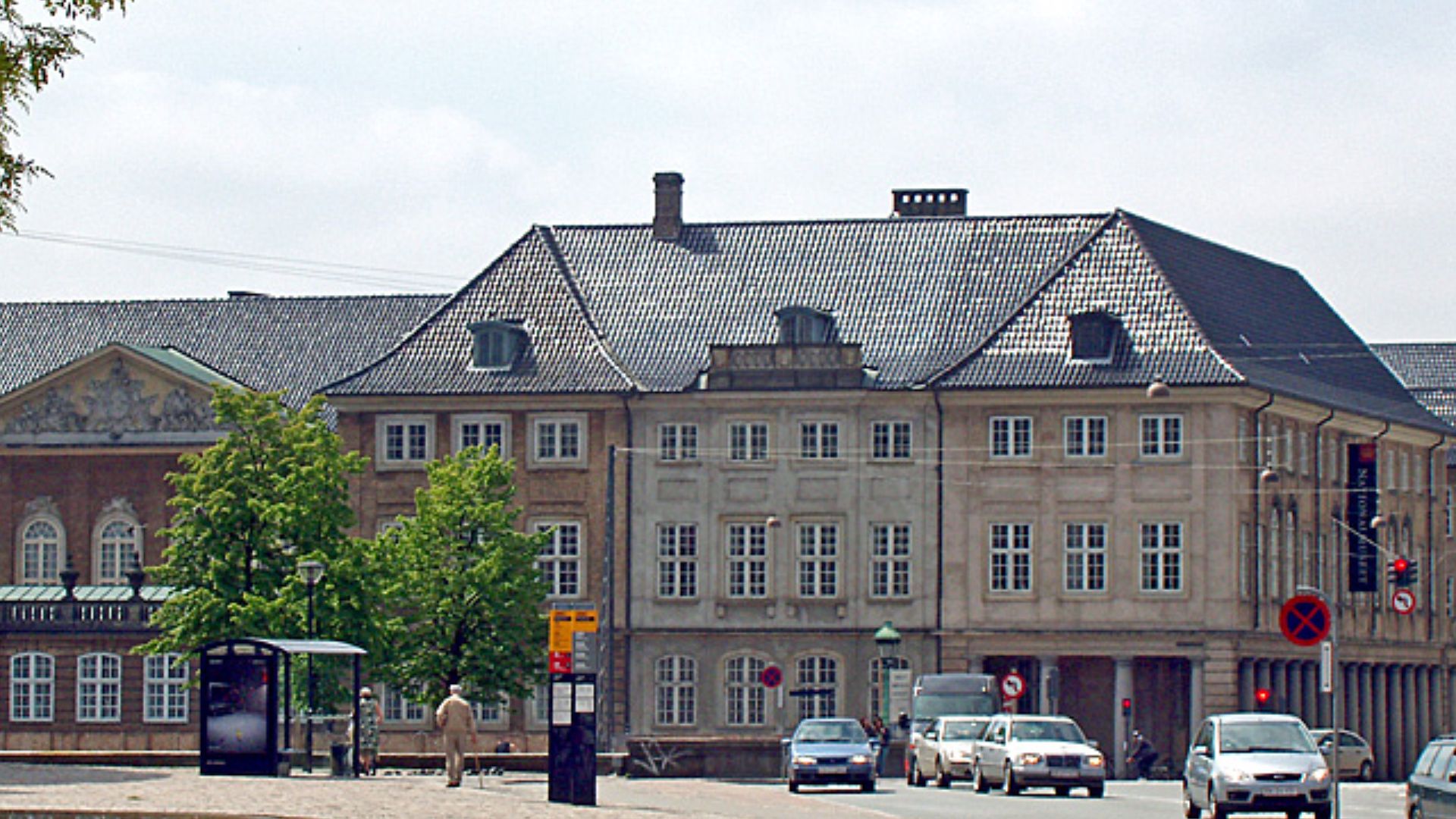
Ship components now undergo conservation at Denmark's National Museum in Brede. The Viking Ship Museum offers special exhibitions and guided tours. By & Havn financed the excavation for the Lynetteholm project. DR Television documented the recovery in "Gaden i Dybet". The discovery permanently reshapes our understanding of medieval maritime technology.
 No machine-readable author provided. Nico-dk assumed (based on copyright claims)., Wikimedia Commons