Talent Echoing Across Centuries
A single carved surface or forged edge can feel like a direct handshake across time, charged with skillful intent. Even now, these objects radiate a level of mastery that reshapes how we picture the hands and minds behind them.
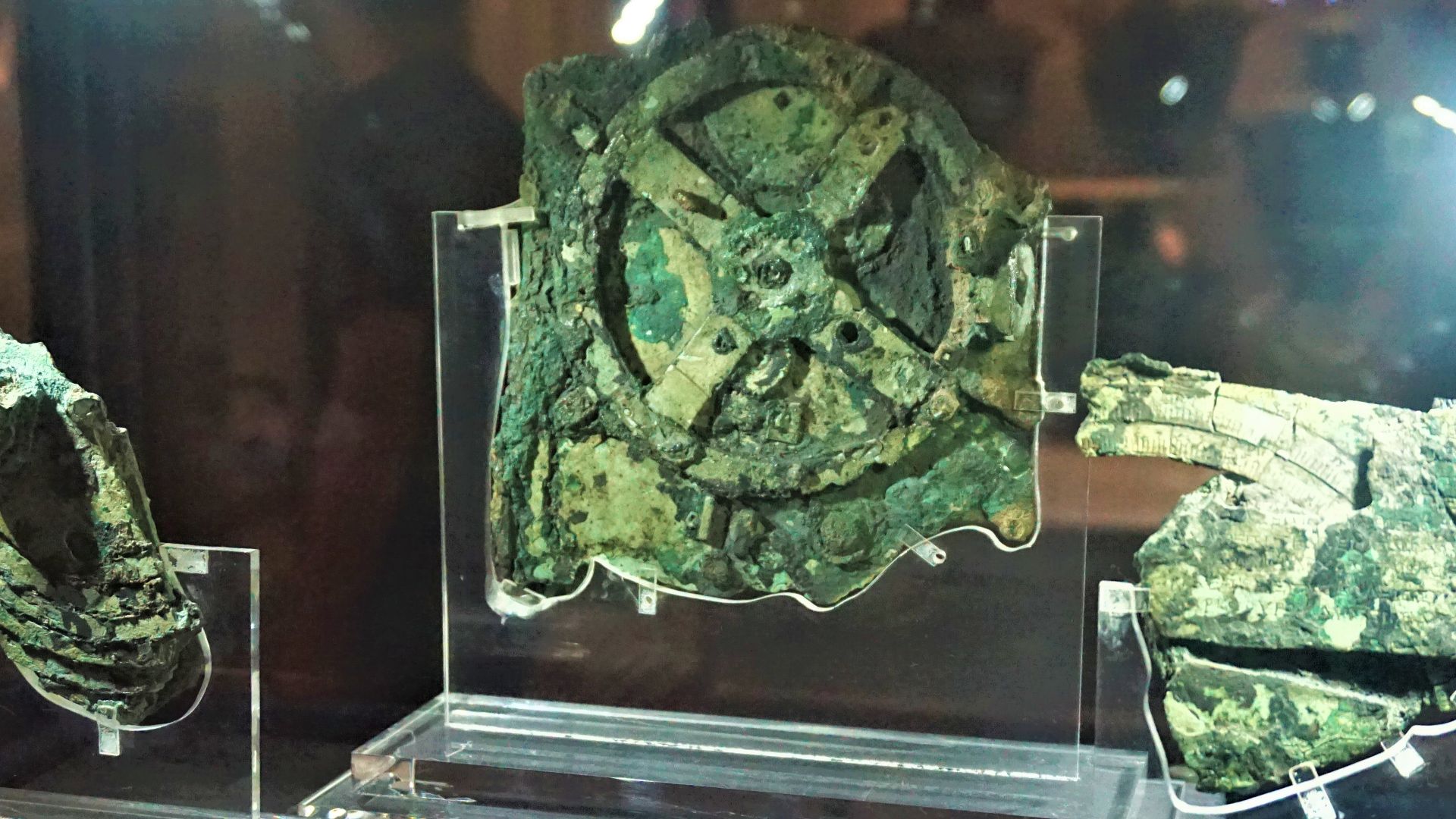
Antikythera Mechanism
A corroded bronze box pulled from a Greek shipwreck revealed a gear system able to predict eclipses and track lunar cycles. Dozens of tiny gears fit together in it with striking accuracy to create a device that feels surprisingly modern for something built more than two thousand years ago.
 Joyofmuseums, Wikimedia Commons
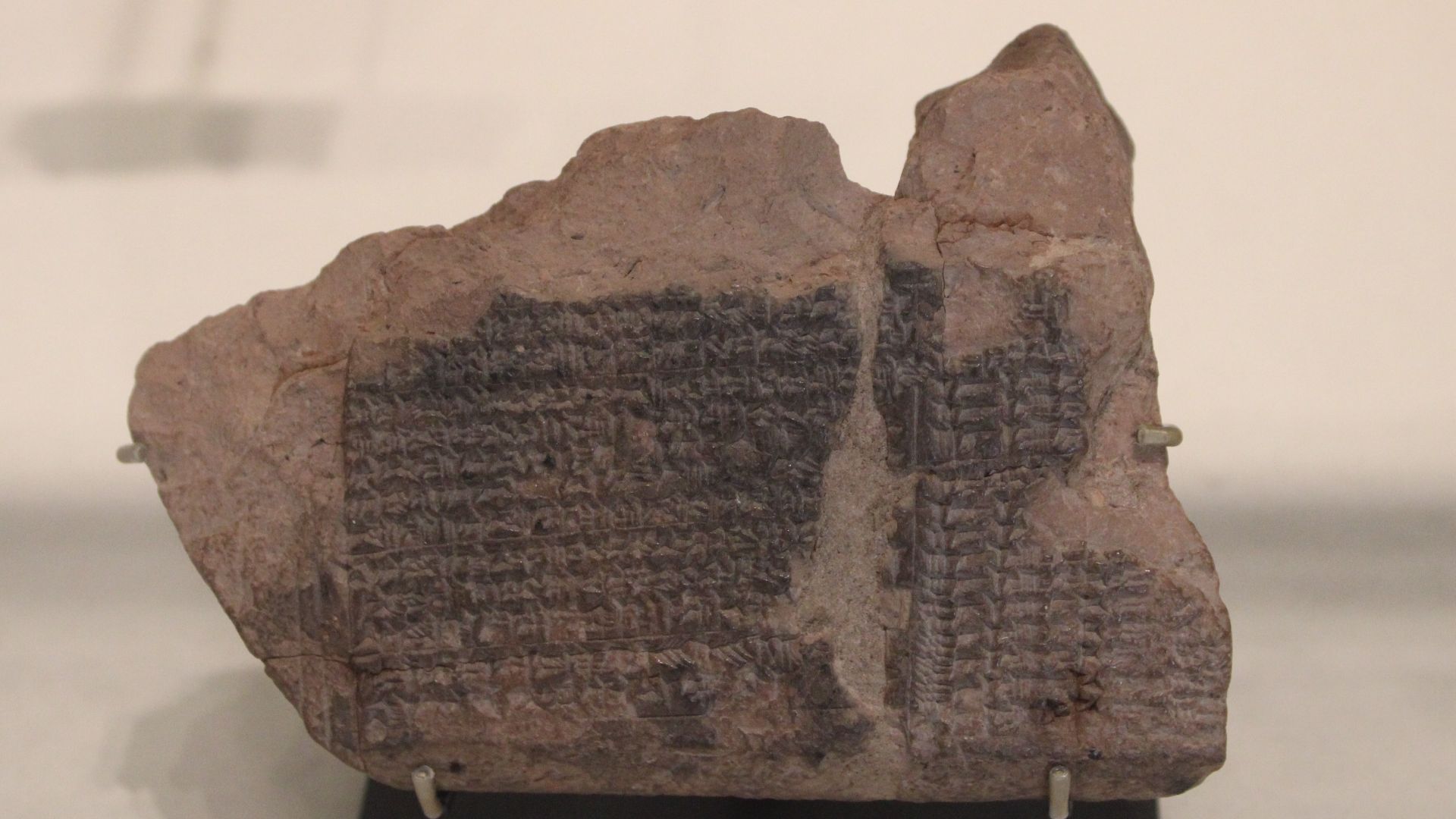
Babylonian MUL.APIN Tablets
The MUL.APIN set contains star lists, seasonal markers, and instructions tied to long-term observations. Each section reflects steady tracking of sunrise positions, constellations, and shifting weather cycles. These tablets gave ancient planners reliable information that shaped calendars across Mesopotamian life.
Phaistos Disc
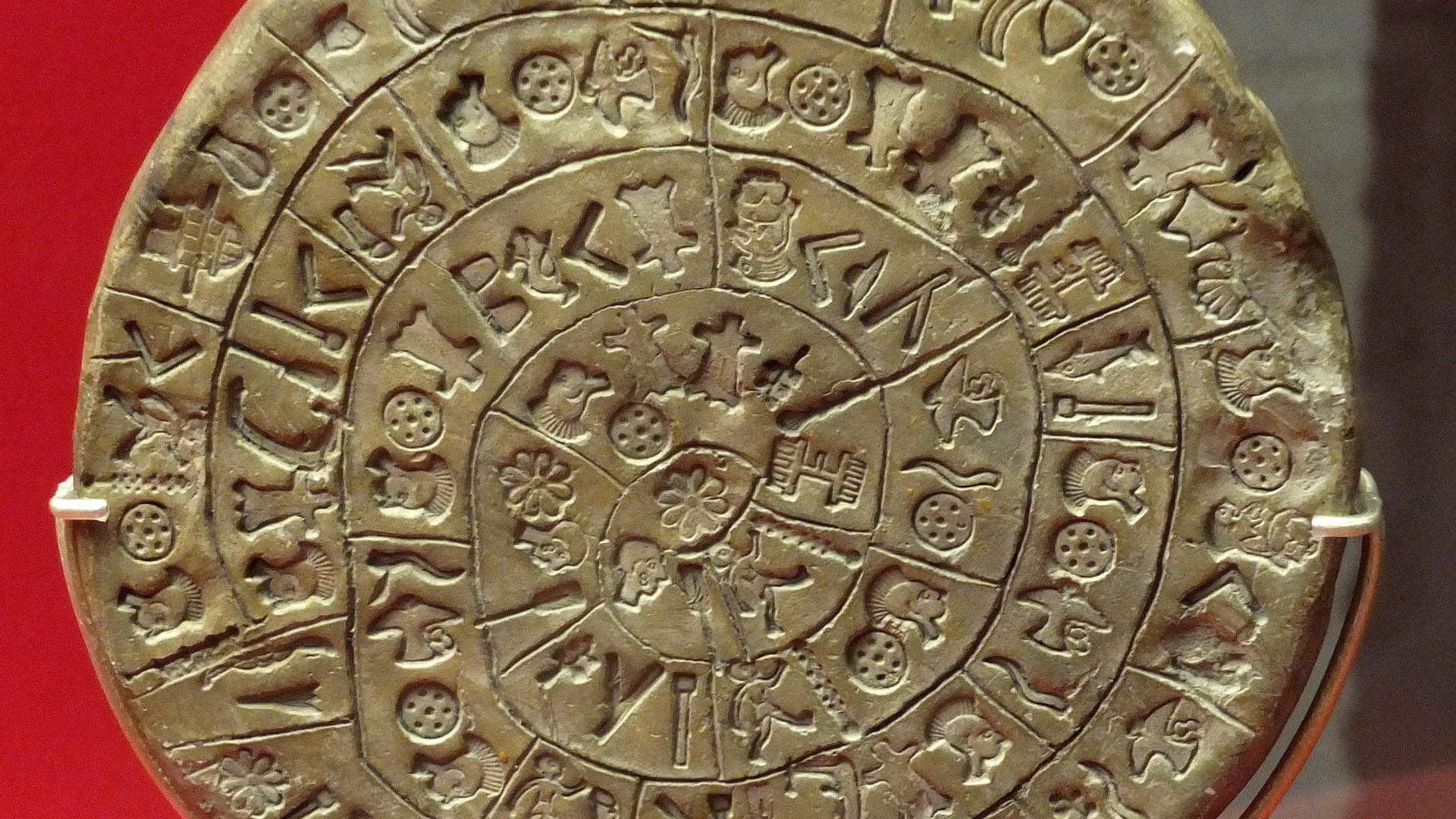
A baked clay disc discovered on Crete carries stamped symbols arranged in a spiral path. Each symbol was pressed with a small seal to give the disc an early printing-like style. The script remains undeciphered, leaving a carefully crafted record that still resists clear explanation.
Roman Concrete
Roman builders mixed volcanic ash with lime to create a material that strengthens as minerals form within tiny cracks. Coastal structures made with this blend have survived waves and salt for centuries. Modern engineers still study its chemistry to understand how it holds together so well.

Nazca Lines
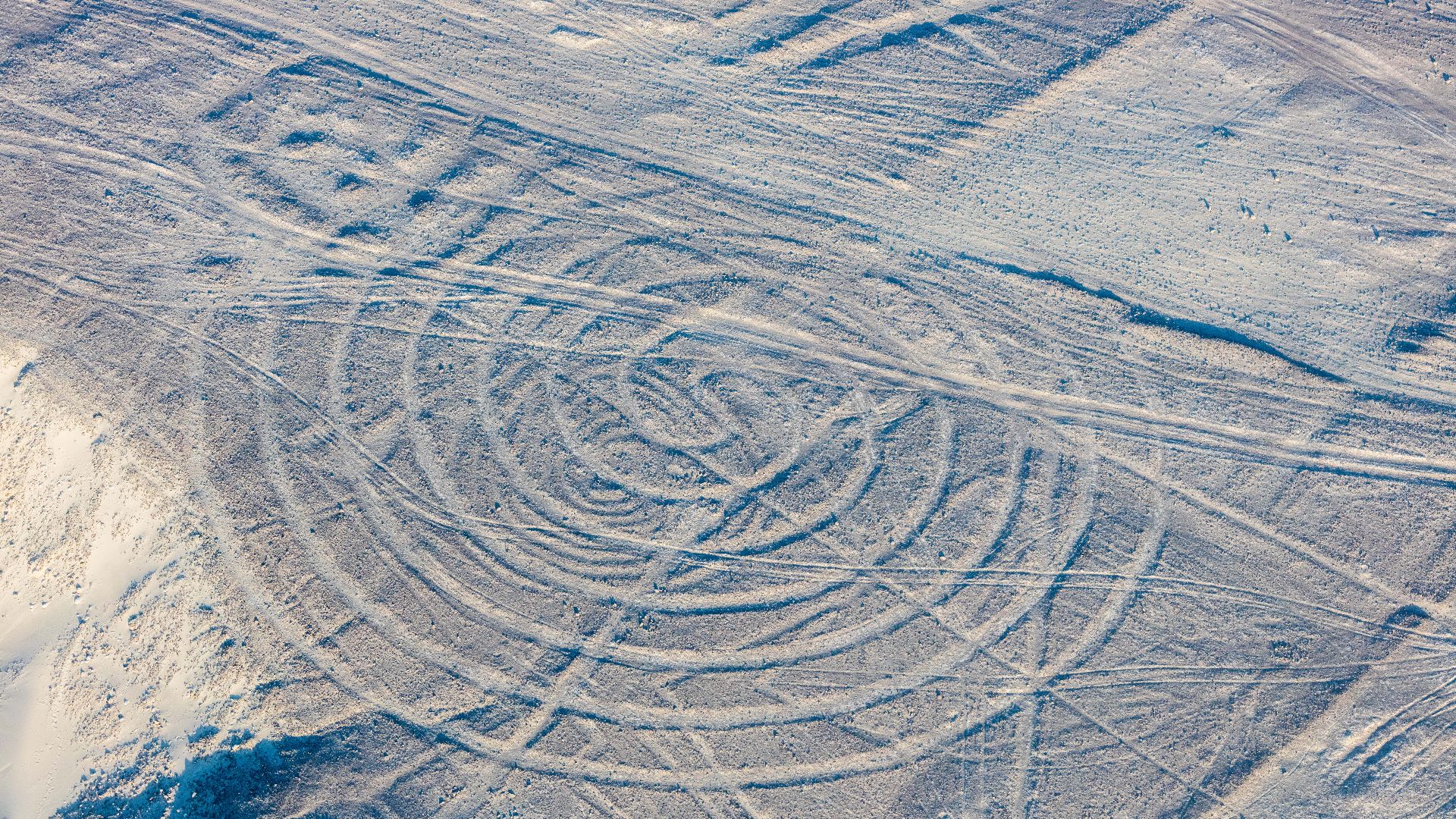
Across Peru’s dry plateau, enormous figures were shaped by clearing dark stones to reveal pale soil. Many stretch longer than a football field, yet the outlines stay straight and geometric. Such a scale required planning, coordination, and a clear grasp of how to map wide open land.
 Diego Delso, Wikimedia Commons
Stone Spheres Of Costa Rica
Hundreds of nearly perfect stone spheres appear across Costa Rica, some larger than a person. Many were carved from hard igneous rock and shaped with remarkable balance. Their smooth surfaces and consistent proportions reveal a clear sense of geometry within the Diquis culture.

Nimrud Lens
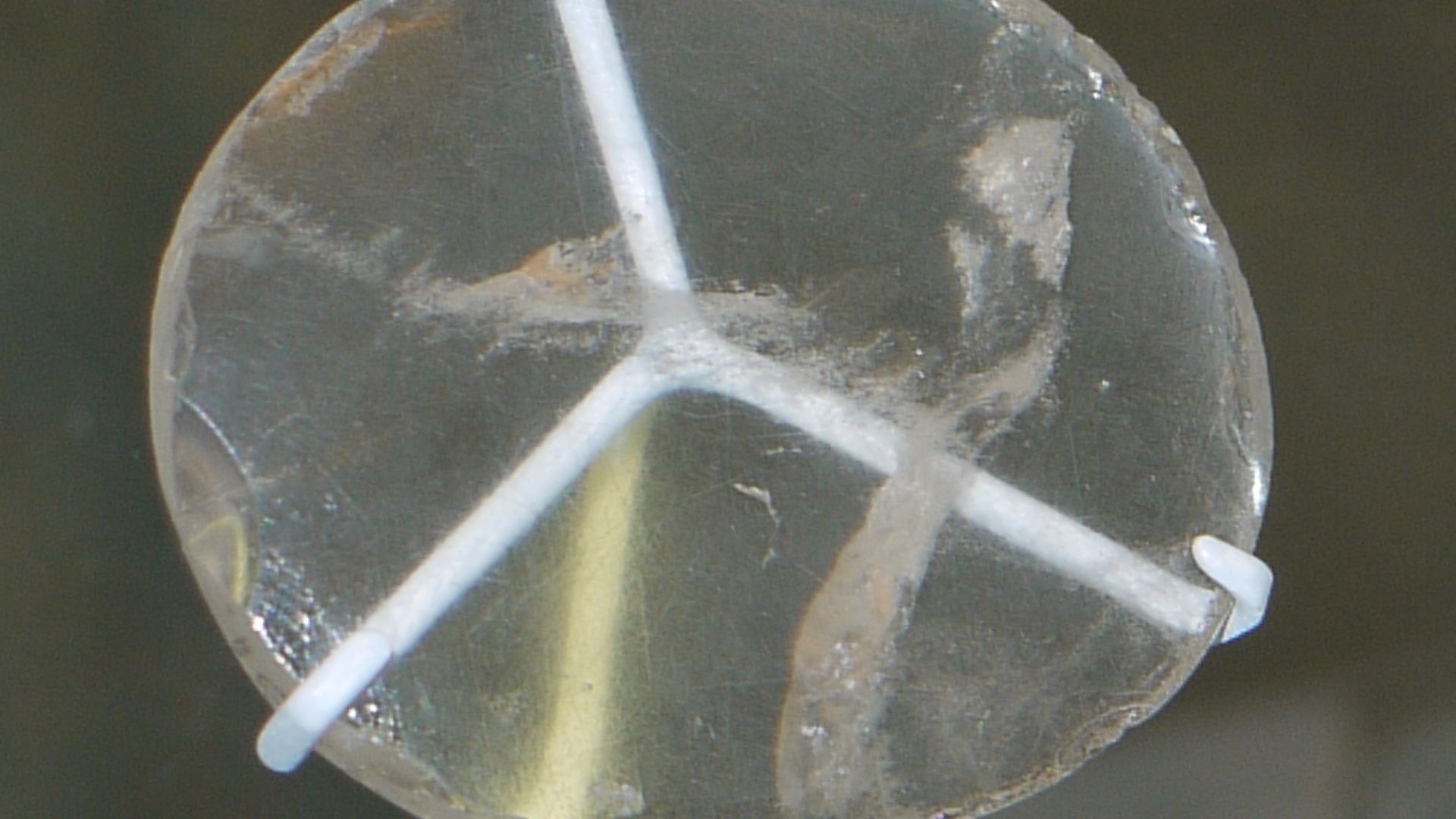
A small crystal piece found in an Assyrian palace works like a simple magnifier when placed near the eye. It enlarges whatever sits in front of it, suggesting people relied on close inspection for tasks that demanded sharp attention to tiny details.
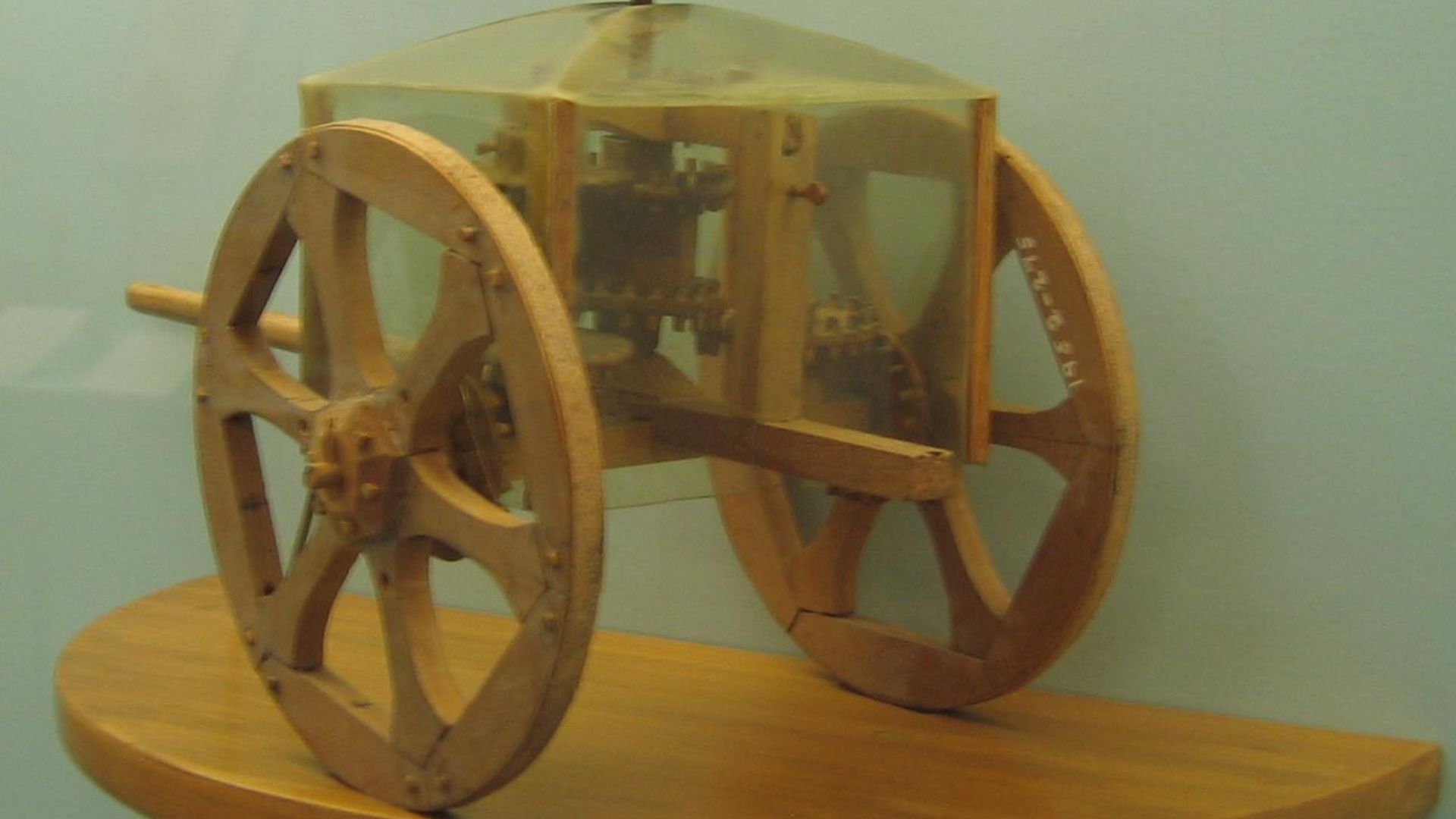
Chinese South-Pointing Chariot
This wooden cart kept a figure aimed south while the vehicle moved in any direction. Interlocking gears made the pointer stay aligned without magnets. This helped travelers gain a consistent sense of direction across unfamiliar lands.
 Andy Dingley, Wikimedia Commons
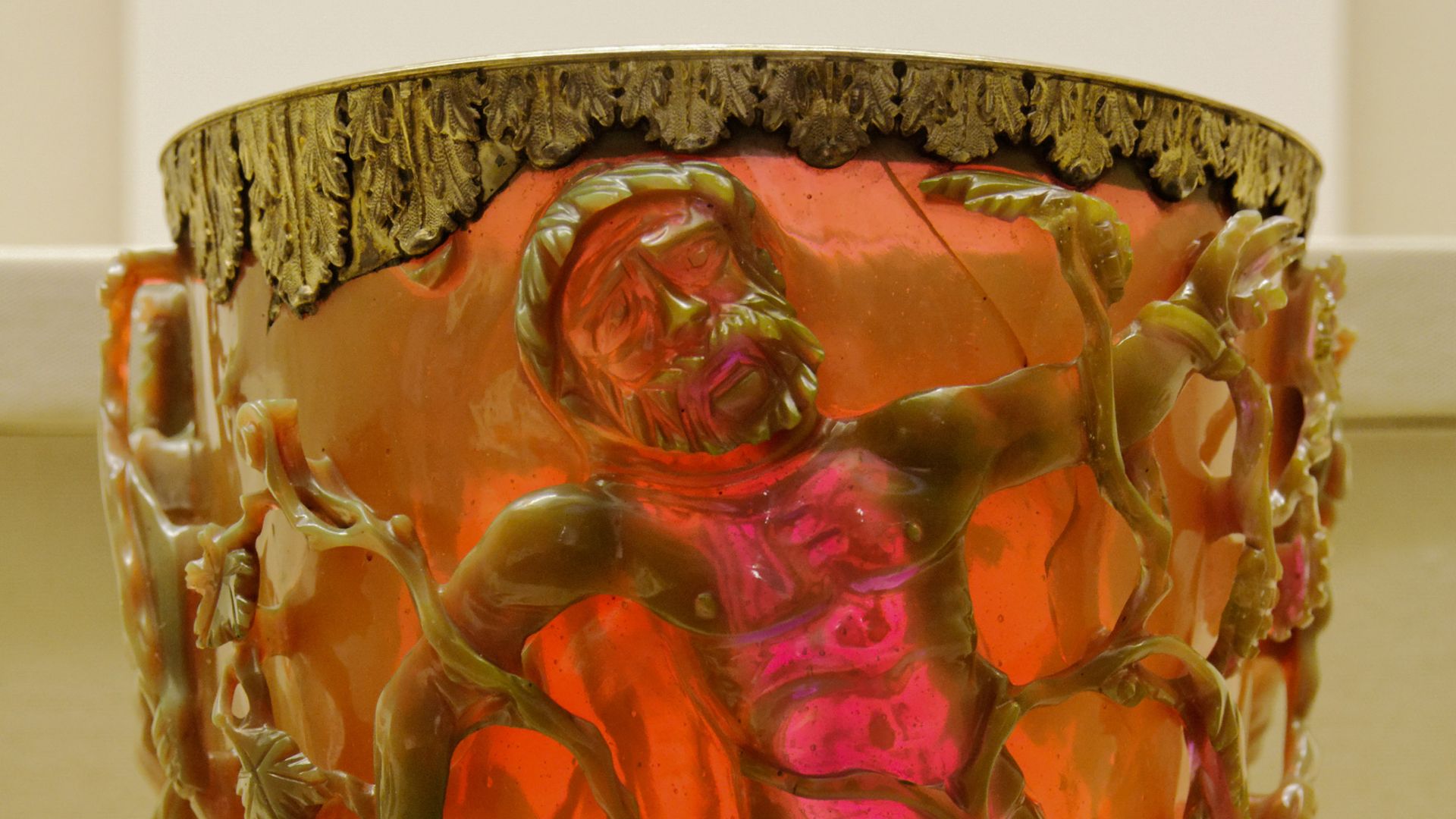
Roman Lycurgus Cup
This glass cup shifts color under changing light because microscopic particles of gold and silver sit inside the glass. Under illumination, the surface glows green or red. That optical effect shows precise control over materials and a surprising understanding of how light interacts with tiny particles.
 Unknown artistUnknown artist, Wikimedia Commons
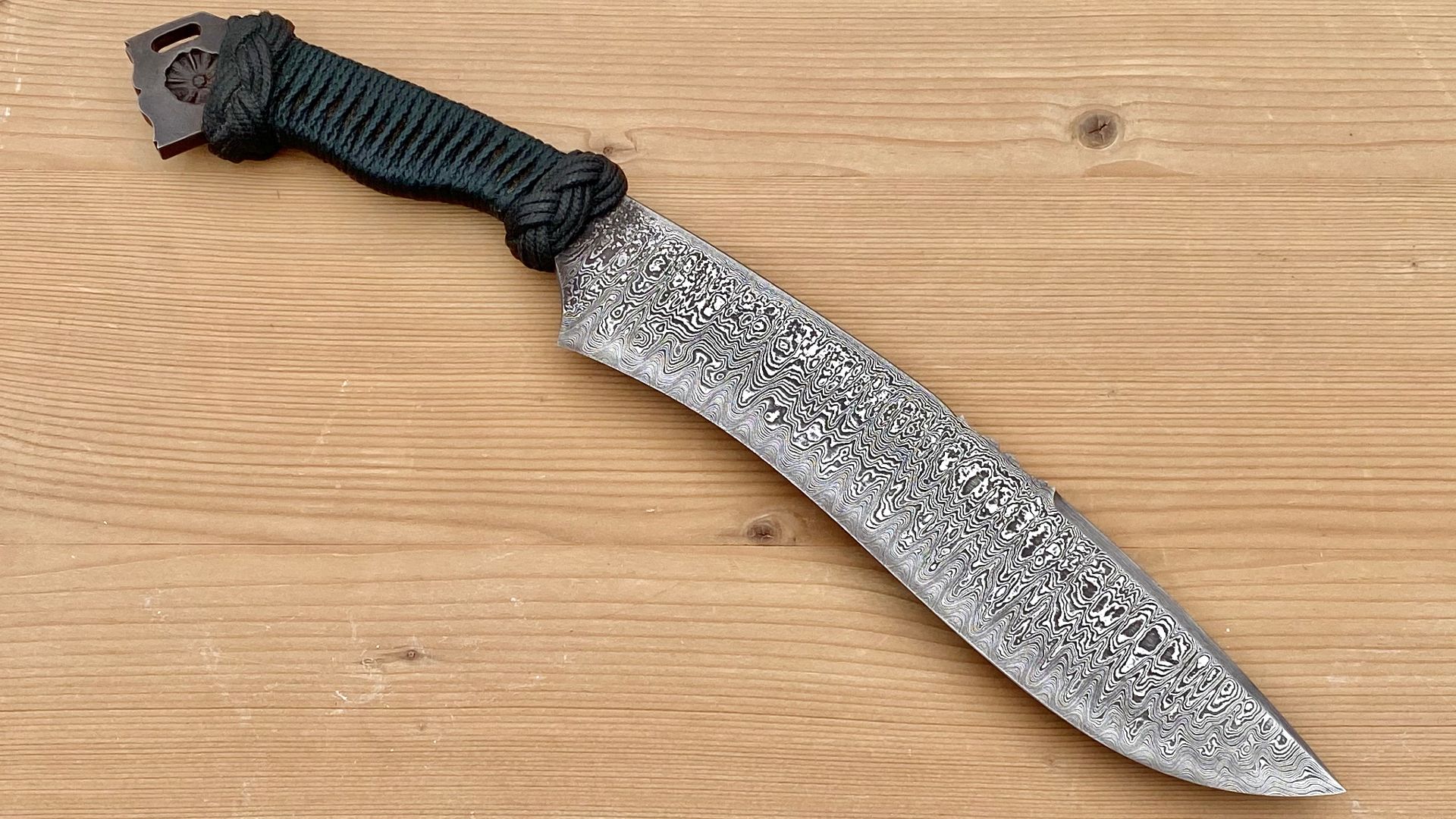
Damascus Steel Blades
Blades made with Damascus steel display rippling patterns created through careful cycles of heating and carbon control. Their edges kept their bite through long battles, giving them a serious advantage. Many centuries later, the surviving pieces still carry an intensity that feels unmistakable.
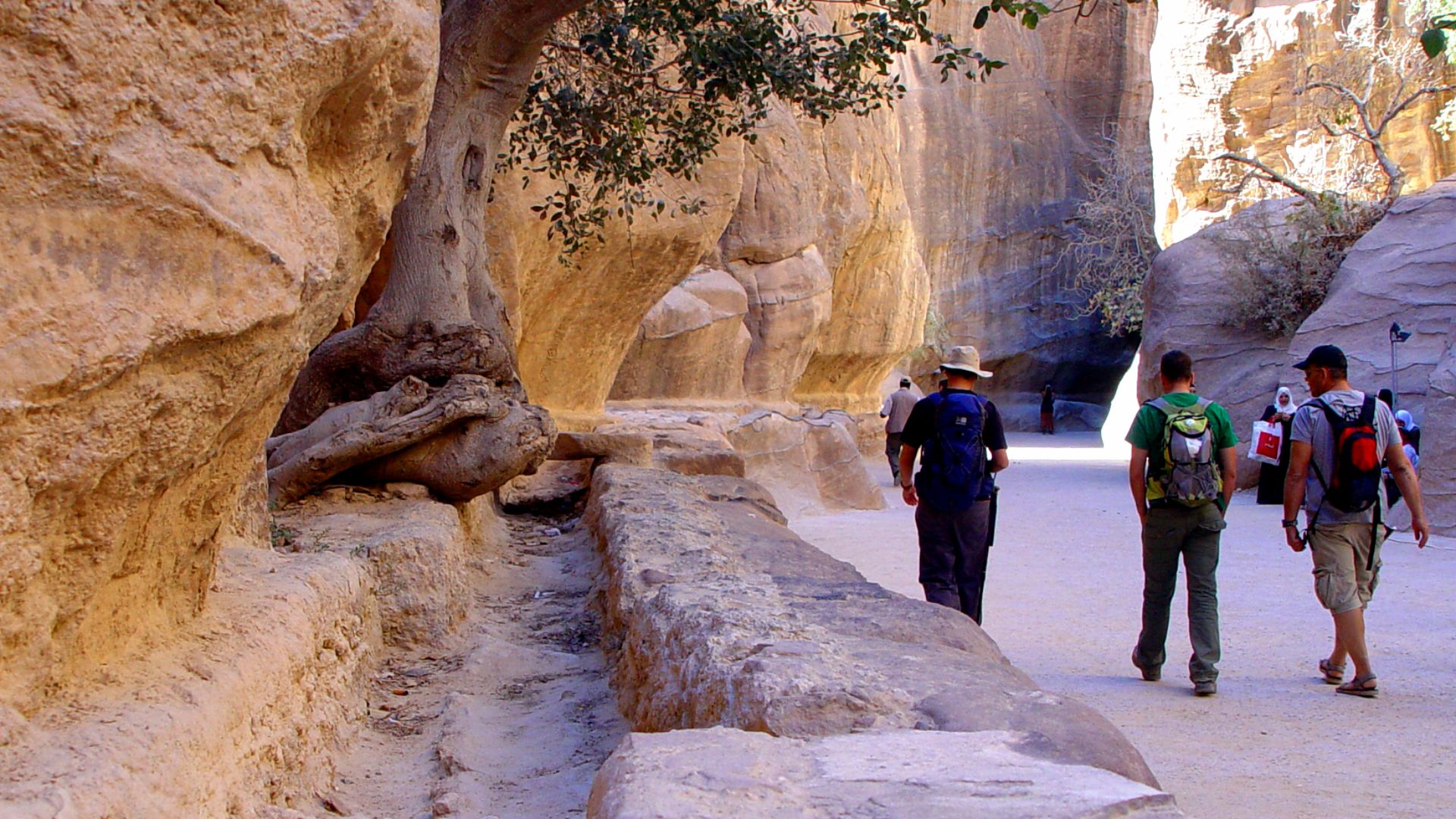
Nabatean Water Systems (Petra)
Petra’s channels guided water through narrow rock passages toward storage areas carved into the cliffs. These routes allowed the city to handle dry periods and sudden rain. The entire setup created a stable supply for people living in harsh desert surroundings.
 Etan J. Tal, Wikimedia Commons
Mayan Astronomical Codices
Ancient books created in the Mayan civilization hold eclipse charts, Venus cycles, and precise calendar entries. Each page reflects long-term observation added across generations, and communities used these records to organize planting seasons and ceremonial dates with reliable guidance.
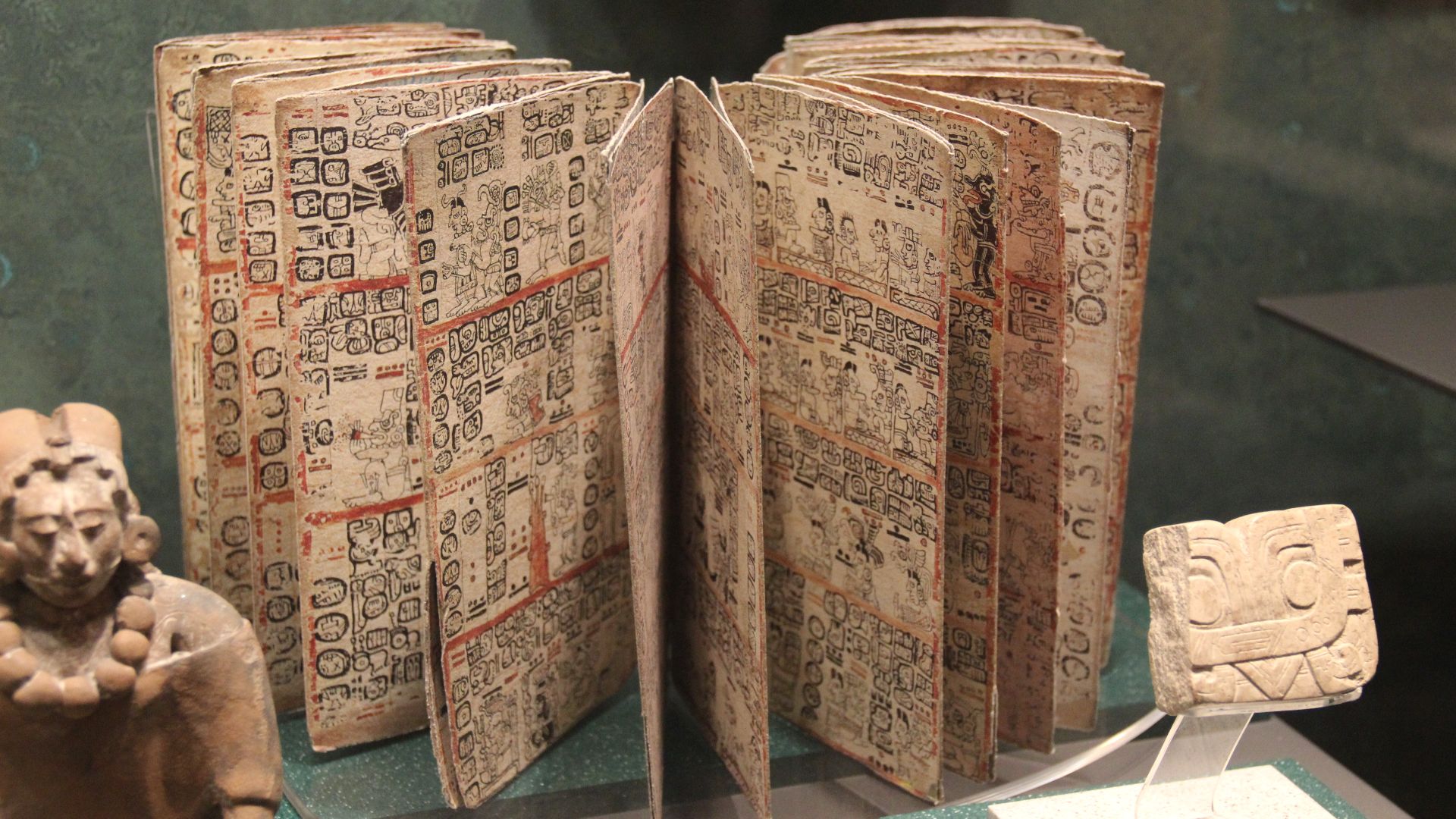 Gary Todd from Xinzheng, China, Wikimedia Commons
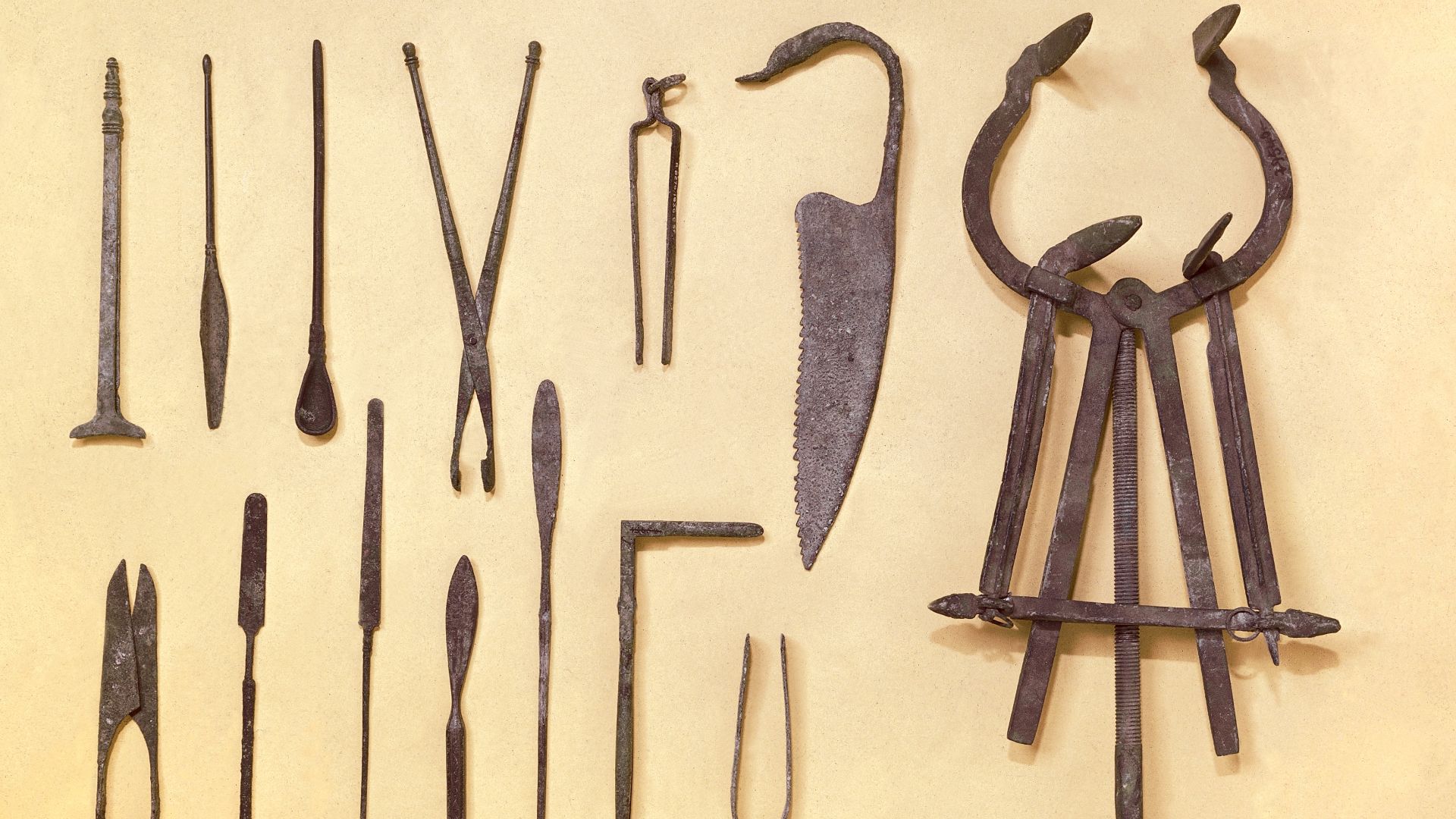
Roman Surgical Tools
Roman medical sets include metal instruments shaped for particular tasks, and some resemble tools still used today. Their forms also match the procedures described in early writings. Together, they point to a world where treatment relied on steady hands and practiced technique.
Harappan City Grids
Indus Valley cities followed clean lines that guided movement through well-planned neighborhoods. Builders used standardized bricks, and drainage tunnels carried waste away beneath the streets. Daily life unfolded in an environment designed to stay orderly even as large populations shared the same space.
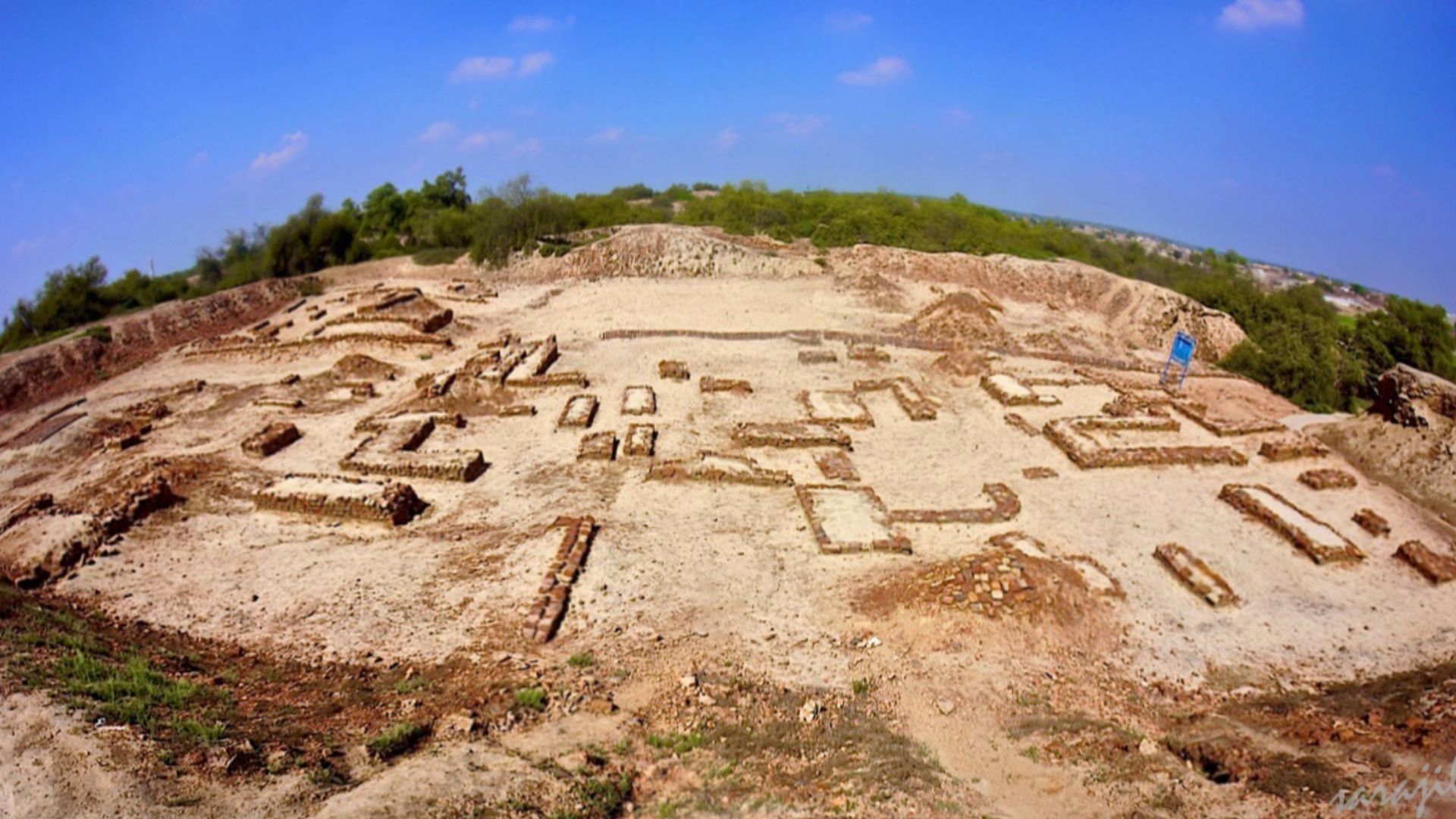 Sara jilani, Wikimedia Commons
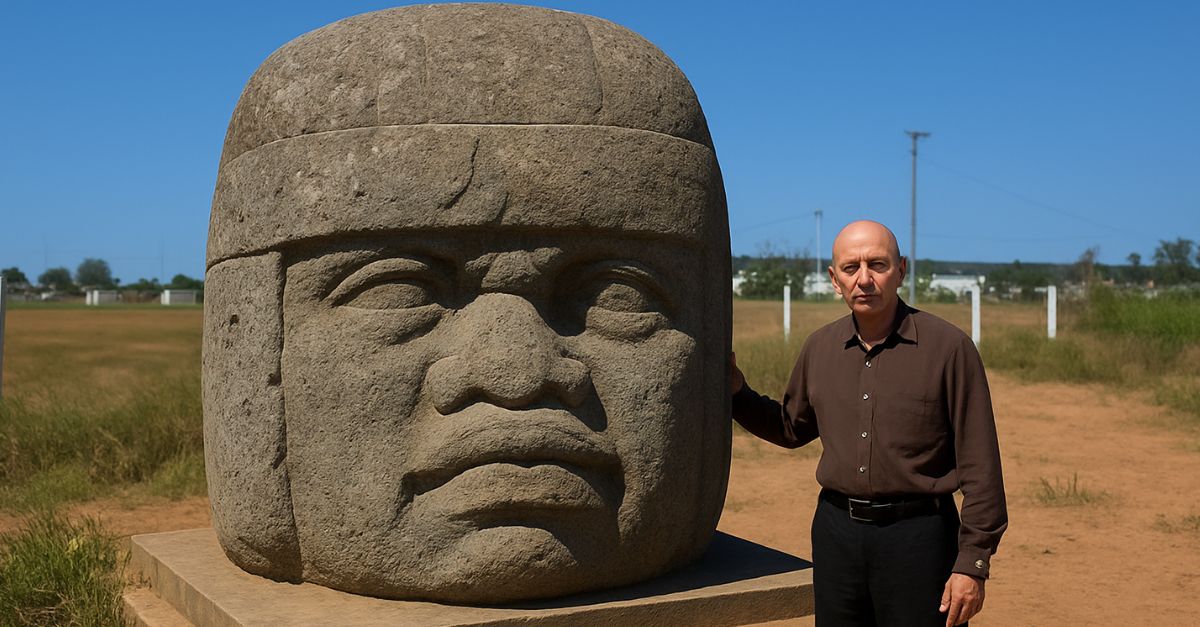
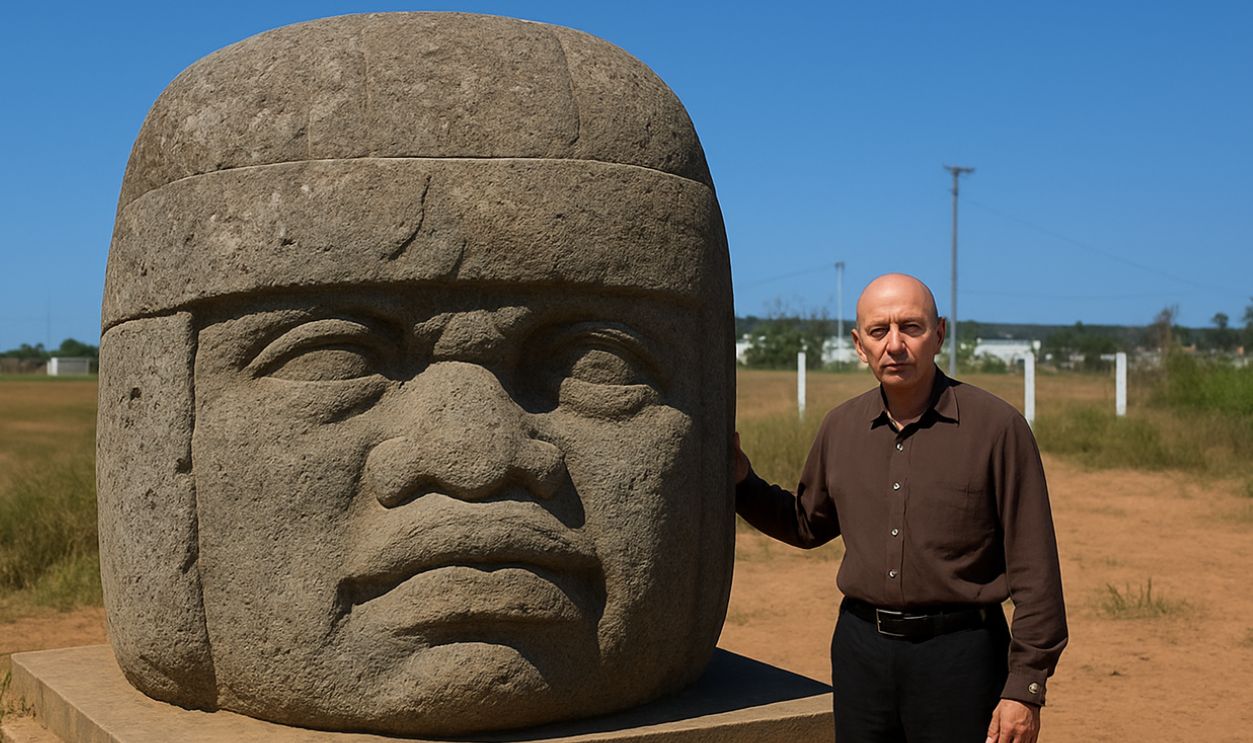
Olmec Colossal Heads
Massive basalt heads, some taller than an adult, sit with faces carved in striking detail. Moving each stone required long transport routes and steady coordination. Their scale suggests leaders who wanted their presence remembered long after daily life in those settlements faded from view.
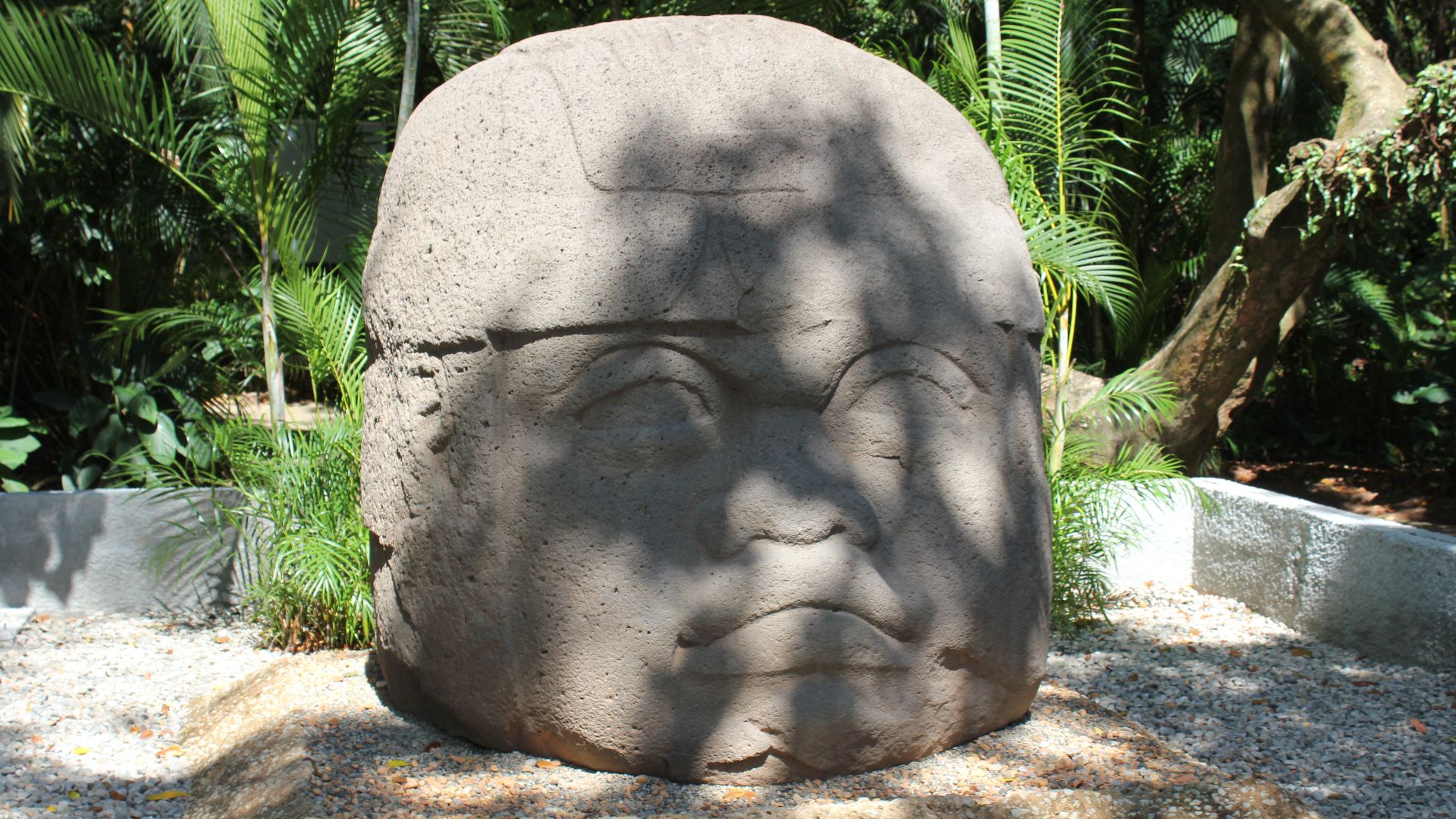 Arian Zwegers from Brussels, Belgium, Wikimedia Commons
Greek Fire Projectors
Byzantine forces used a pressurized device that launched a burning liquid capable of clinging to ships and spreading fast across decks. The exact formula remains unknown, yet the equipment shows a level of battlefield engineering that gave its users a sudden edge on open water.
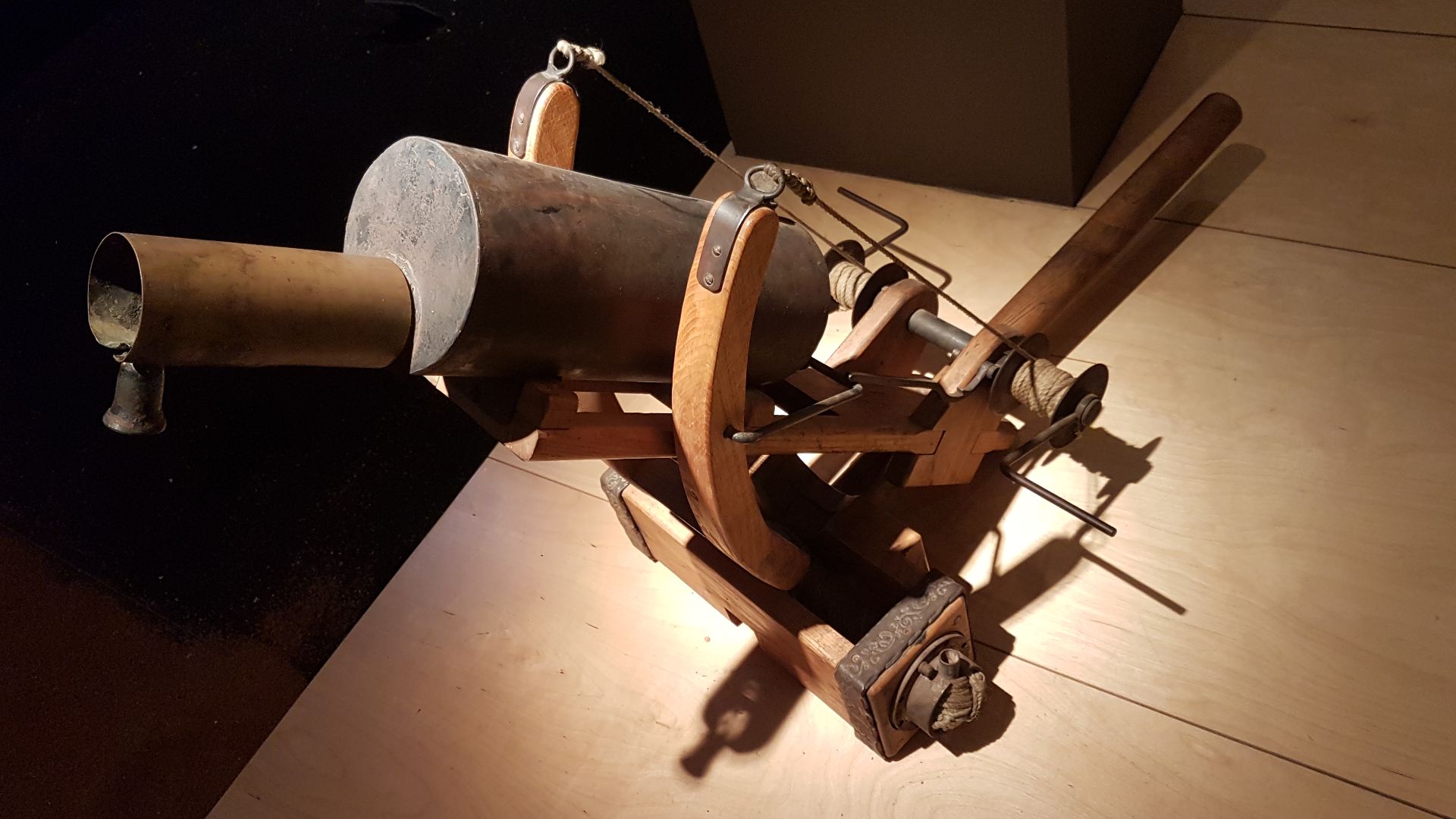
Pyramid Air Shafts
Deep inside the Great Pyramid, thin passages cut upward at precise angles toward specific stars. The builders placed these shafts inside heavy limestone blocks with careful attention to direction. Their exact purpose remains debated, yet the accuracy speaks to an unusual level of planning.
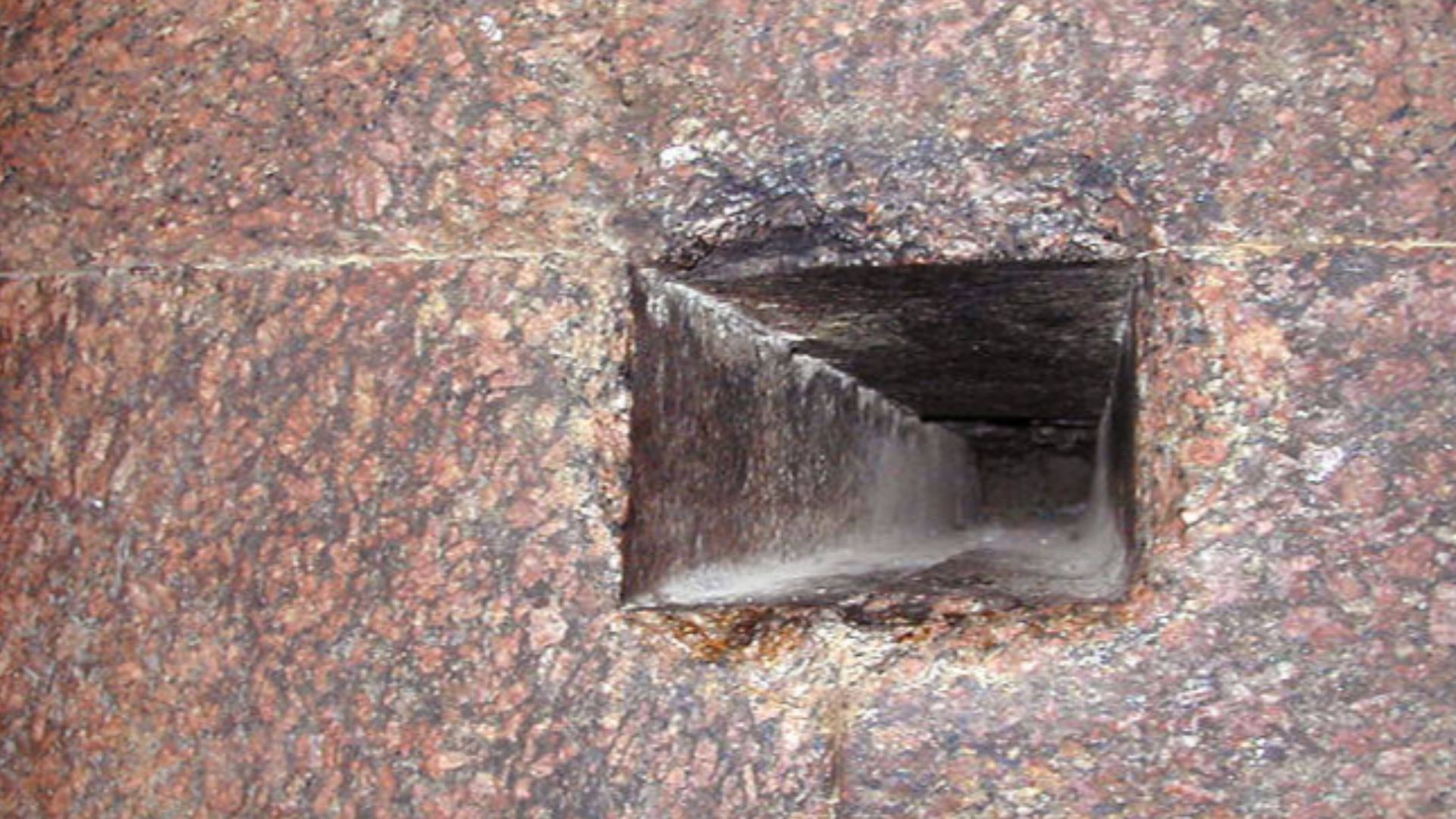 Vincent Brown, Wikimedia Commons
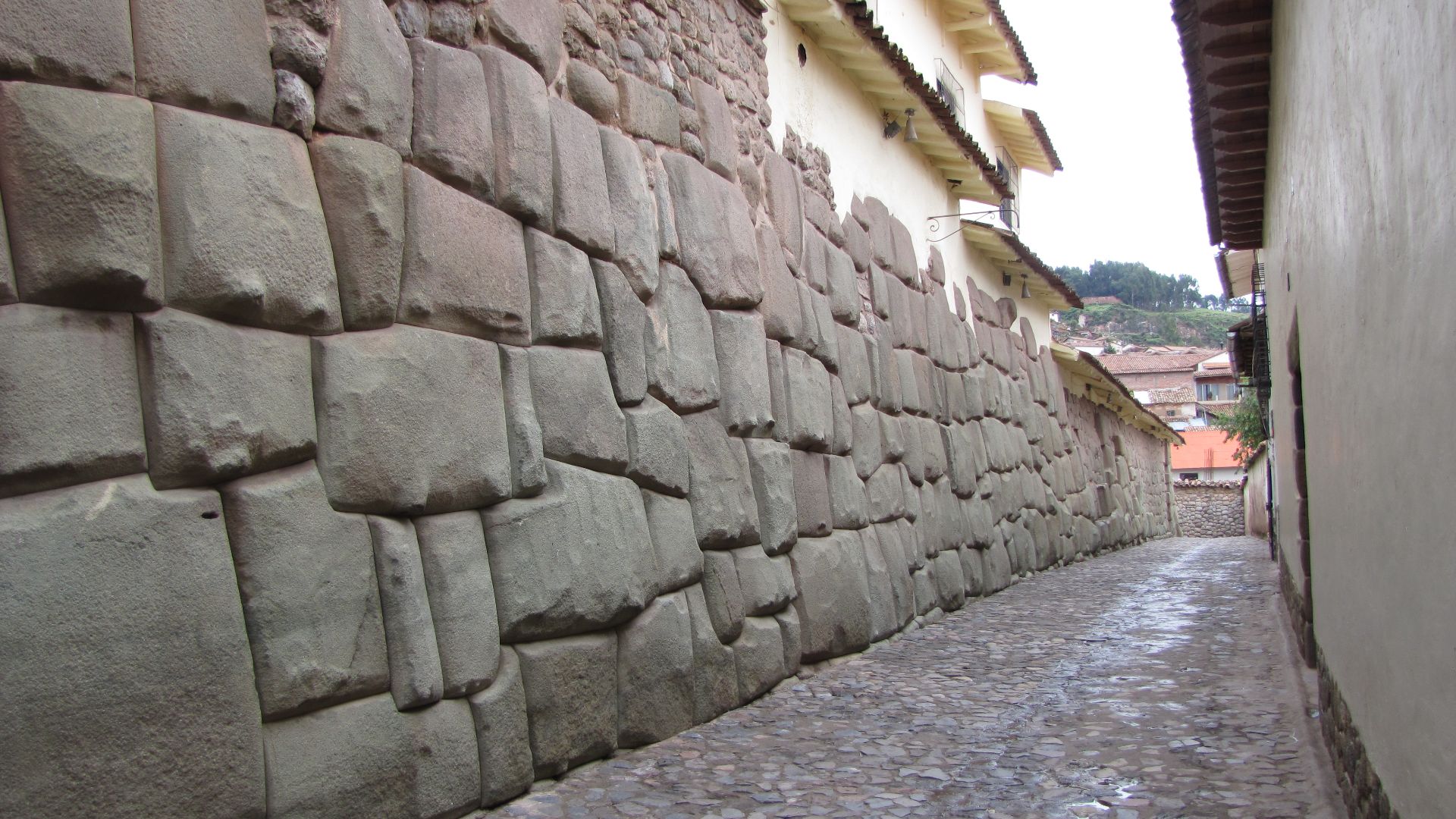
Inca Polygonal Masonry
Walk along old Inca walls, and the stones appear to lock together like pieces shaped for a single design. Each block fits tightly without mortar, forming rows that keep their balance. Many of these structures survived earthquakes that shattered buildings around them.
Paracas Textiles
Some of the most detailed ancient fabrics come from Peru’s dry coastal burials, where Paracas textiles stayed remarkably intact. The threads hold rich colors and tiny figures that repeat across entire panels. Every surviving piece hints at communities that treated cloth as an important art form.
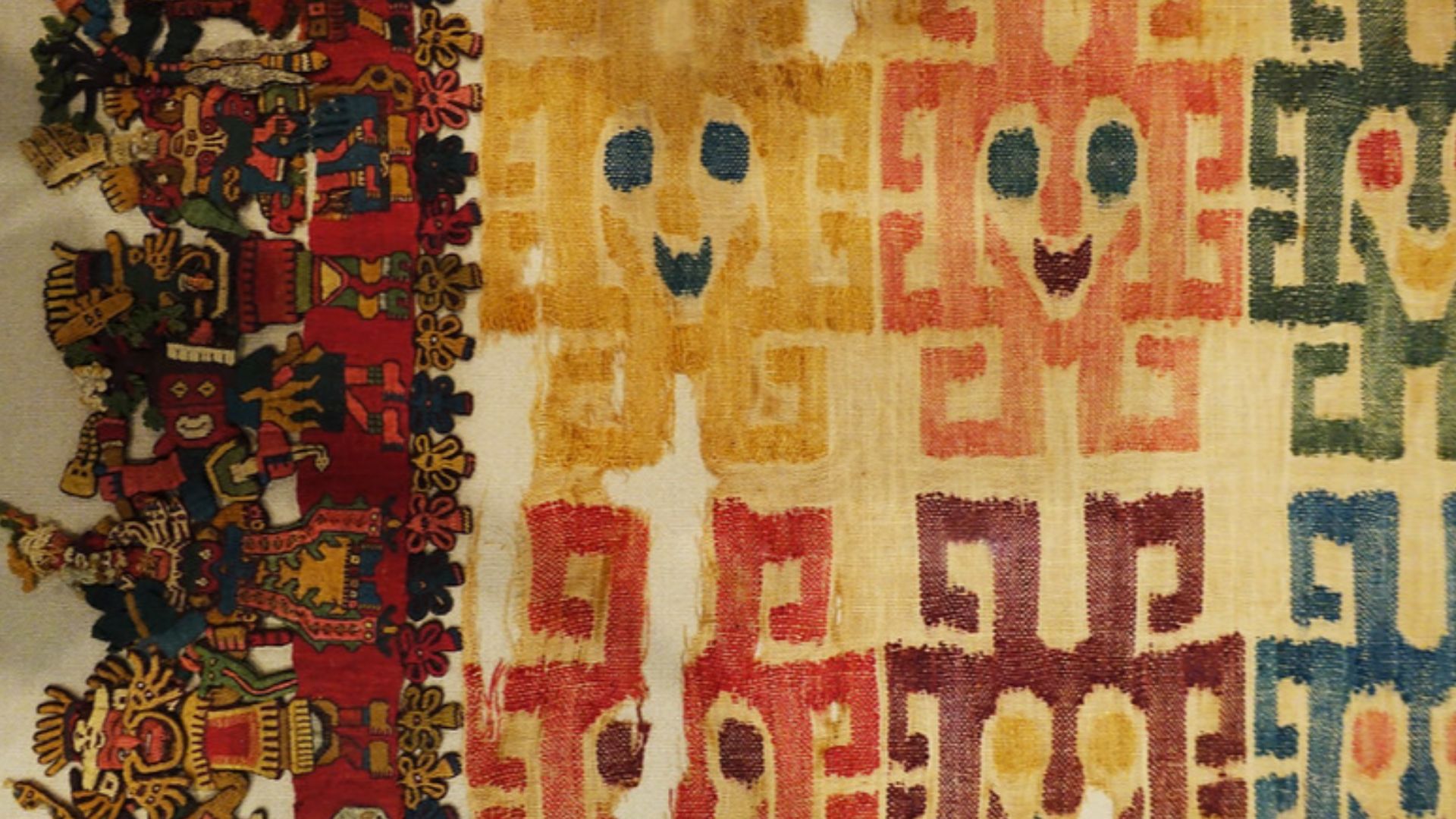 Unknown creatorUnknown creator, Nasca Culture, Peru, Wikimedia Commons
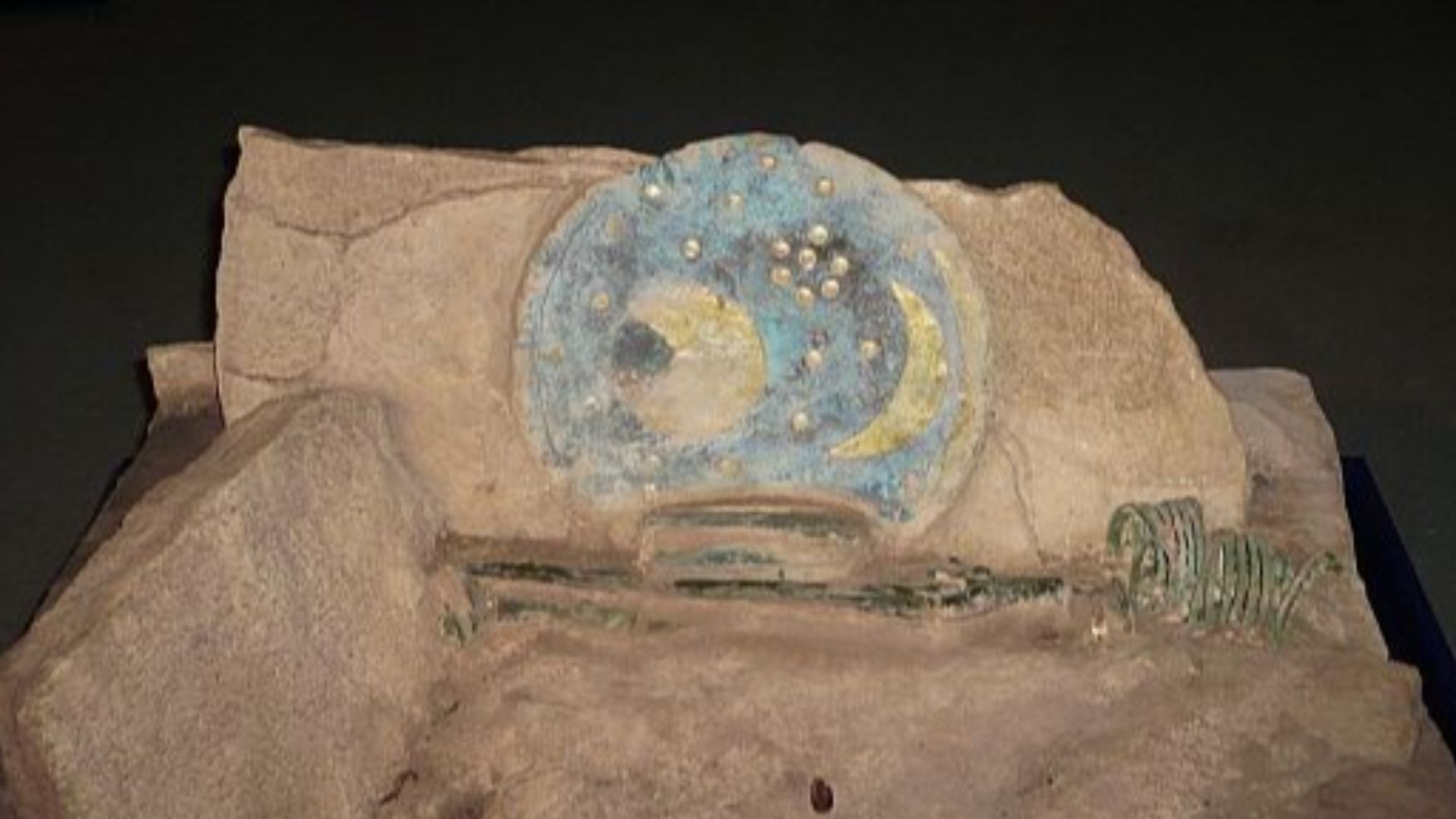
Nebra Sky Disk
A bronze disk uncovered in Germany carries gold shapes that represent the Sun, Moon, and star clusters. Its layout matches real celestial positions from the Bronze Age. The combination of metalwork and astronomy makes it one of the earliest known sky maps.
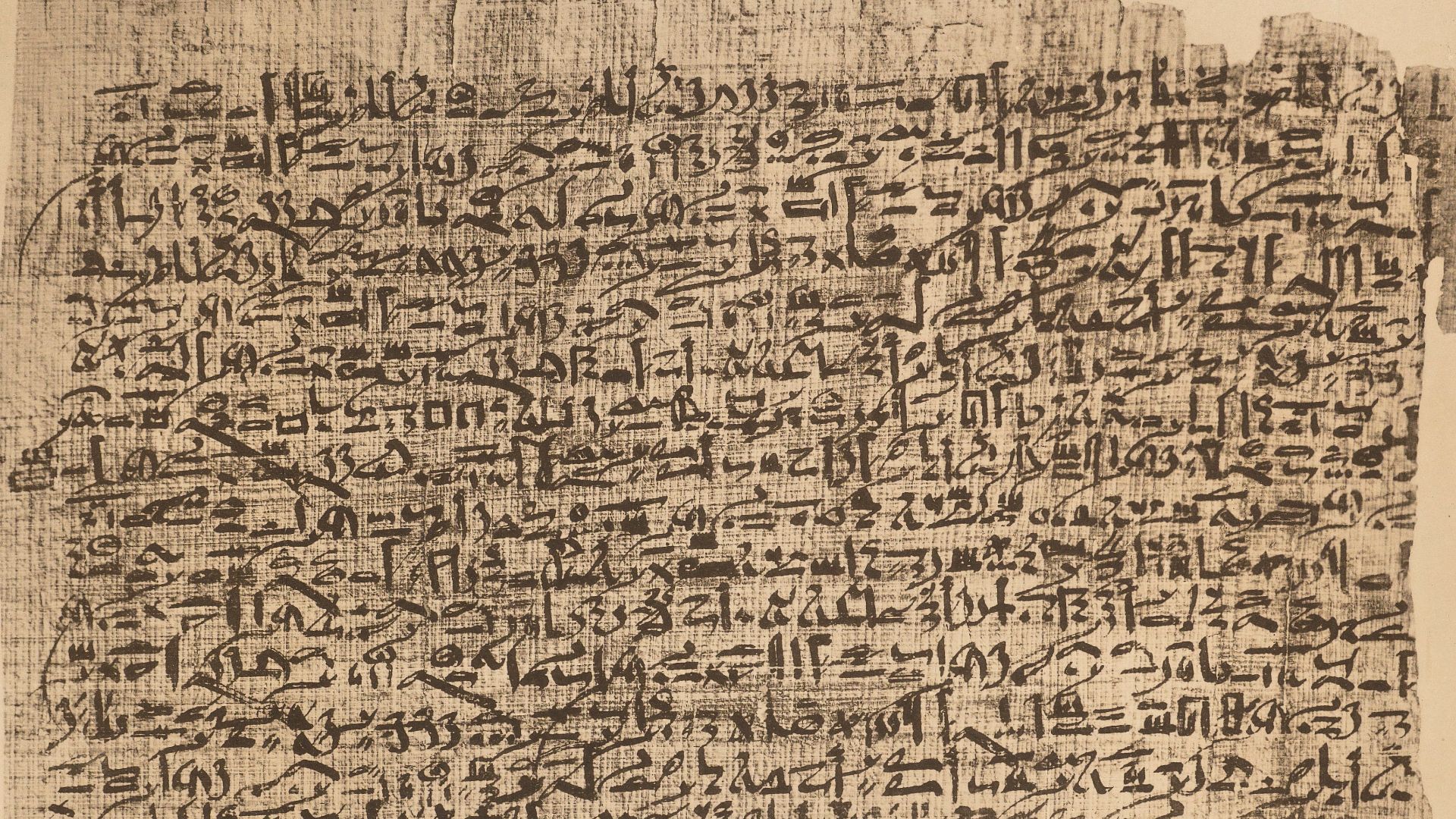
Edwin Smith Medical Papyrus
This Egyptian text describes treatments for injuries to the head, spine, and chest with step-by-step observations. The writer organized each case by symptoms and possible outcomes, creating a structured approach rarely seen in documents that old. It remains a landmark in early scientific thinking.
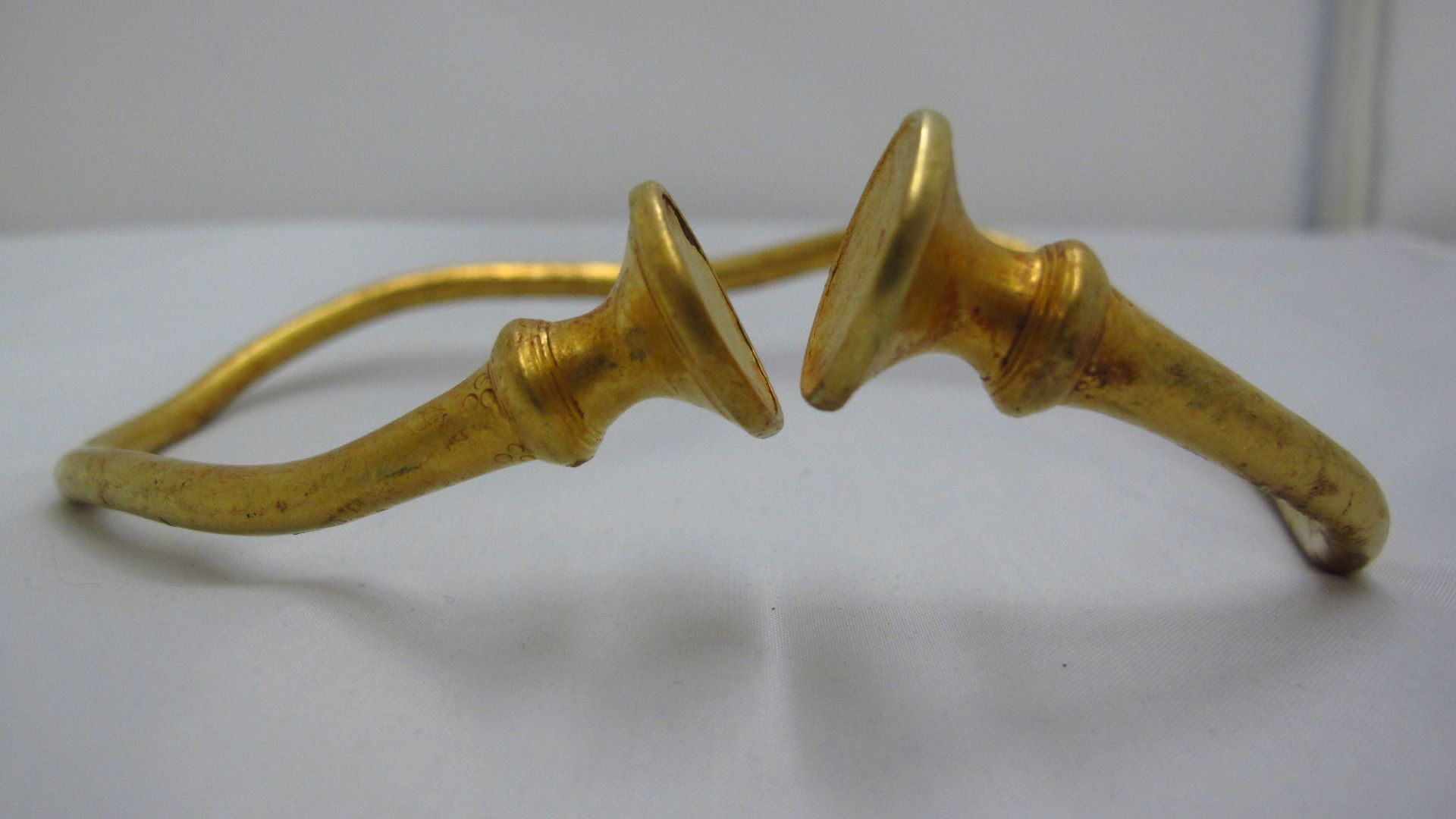
Celtic Gold Torcs
Across Iron Age Europe, gold torcs served as status pieces shaped with twisting designs and detailed terminals. Metalworkers produced consistent curves through repeated heating and hammering that guided the shape. These heavy ornaments signaled rank and skill within communities spread across wide territories.
 Birmingham Museums Trust, Teresa Gilmore, 2017-03-14 11:59:39, Wikimedia Commons
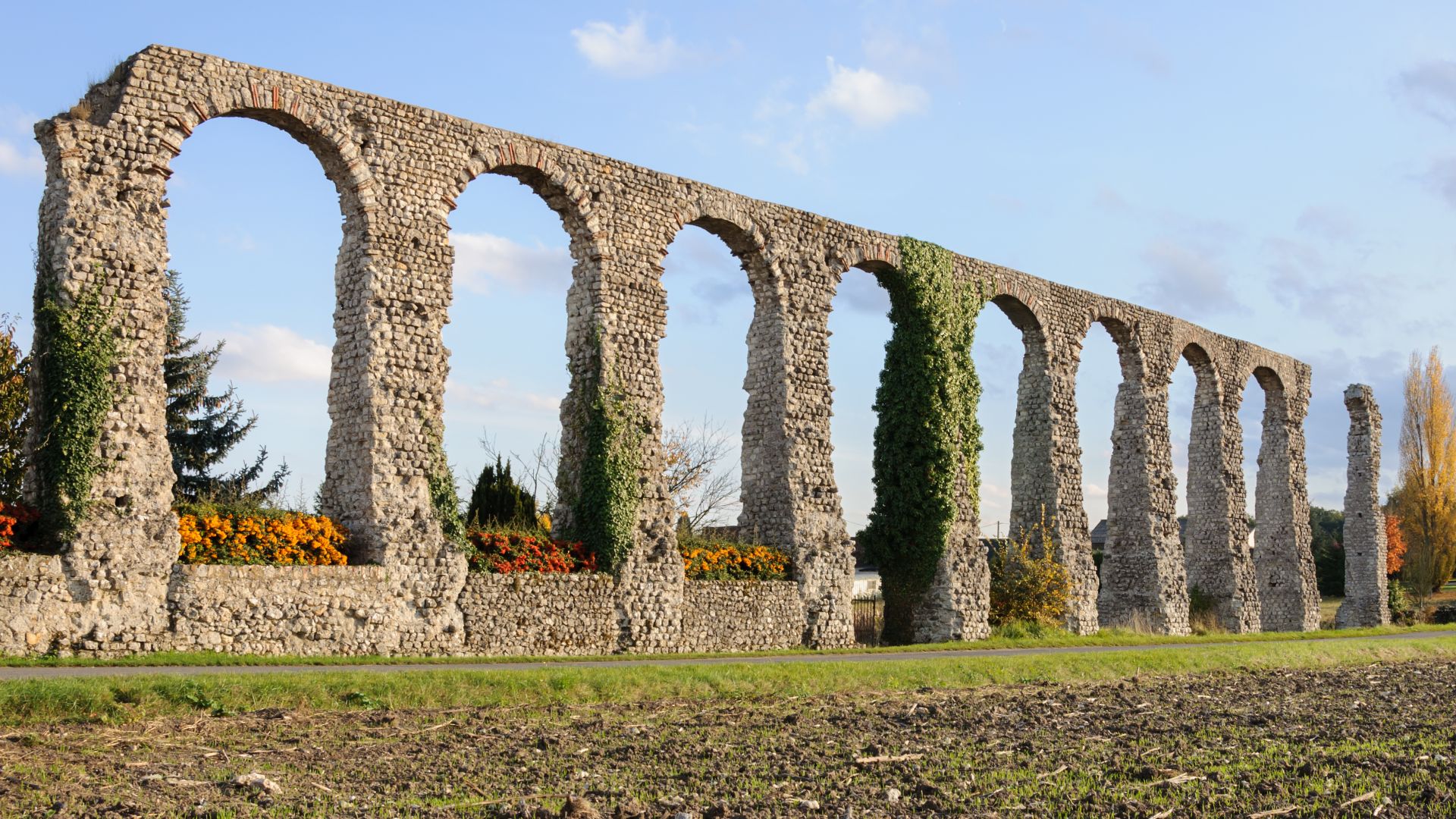
Roman Aqueduct Inverted Siphons
Some Roman aqueducts relied on sealed pipes that carried water downhill, built pressure, and then pushed the flow back uphill. This method allowed cities to move supplies across uneven countryside without losing speed. The design proved that hydraulic planning could overcome difficult terrain.
Plimpton 322 Tablet
A clay tablet from Mesopotamia lists number sets that match ratios used in advanced geometry. Scholars found that many of these values align with right-triangle relationships. Its entries show a working knowledge of mathematics long before similar ideas appeared in later cultures.
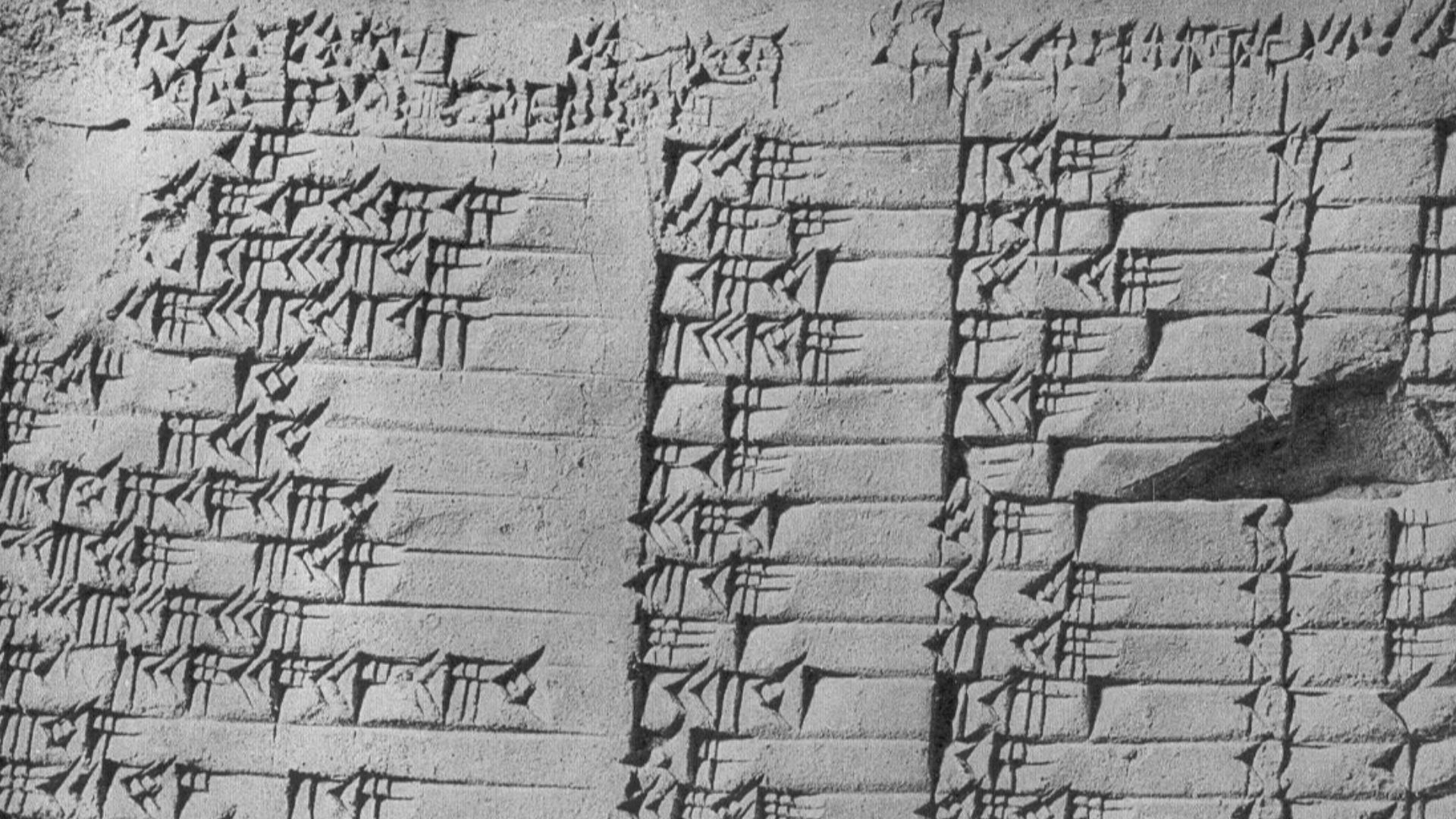 photo author unknown, Wikimedia Commons
Derinkuyu Underground City
Beneath central Turkey lies a multi-level city carved through soft volcanic rock, complete with ventilation shafts, food stores, and deep passageways. Families could shelter for long periods without losing access to air or water. The scale suggests planning that reached far beyond simple hideouts.
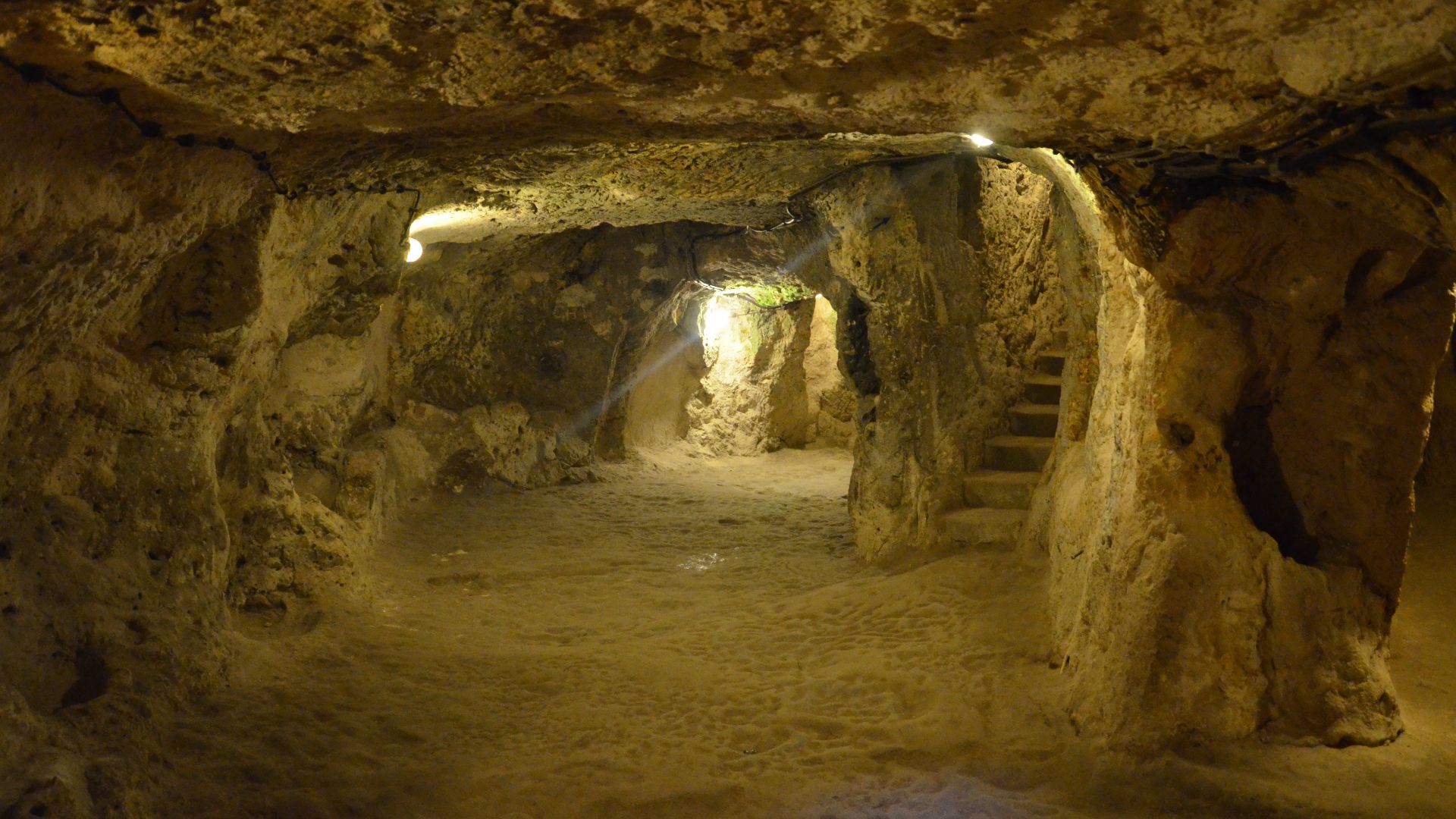 Ahmet KAYNARPUNAR, Wikimedia Commons