WWII’s Most Famous Submarine Has Finally Been Found
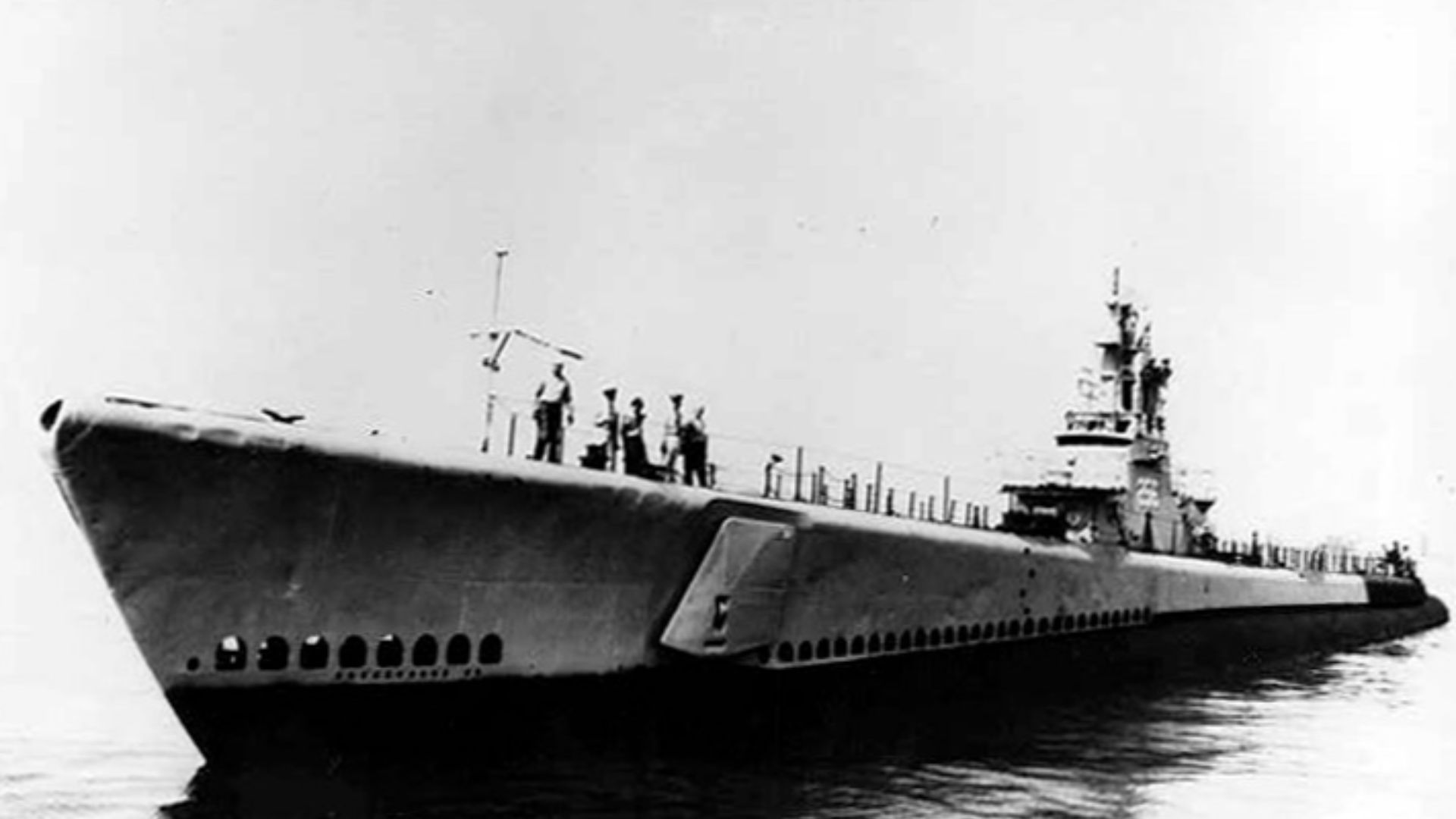
For nearly 80 years, the final resting place of the famous USS Harder, a Gato-class WWII submarine, and her 70 sailors has been a mystery.
She was sunk by the Japanese on August 24, 1944, somewhere in the South China Sea. Due to a vast and unforgiving sea, and a lack of technology at the time, locating the wreckage was believed to be impossible. But on May 22, 2024, eight decades later, a group of underwater archeologists finally did the impossible—and it was more incredible than anyone could have imagined.
She Was A Force To Be Reckoned With
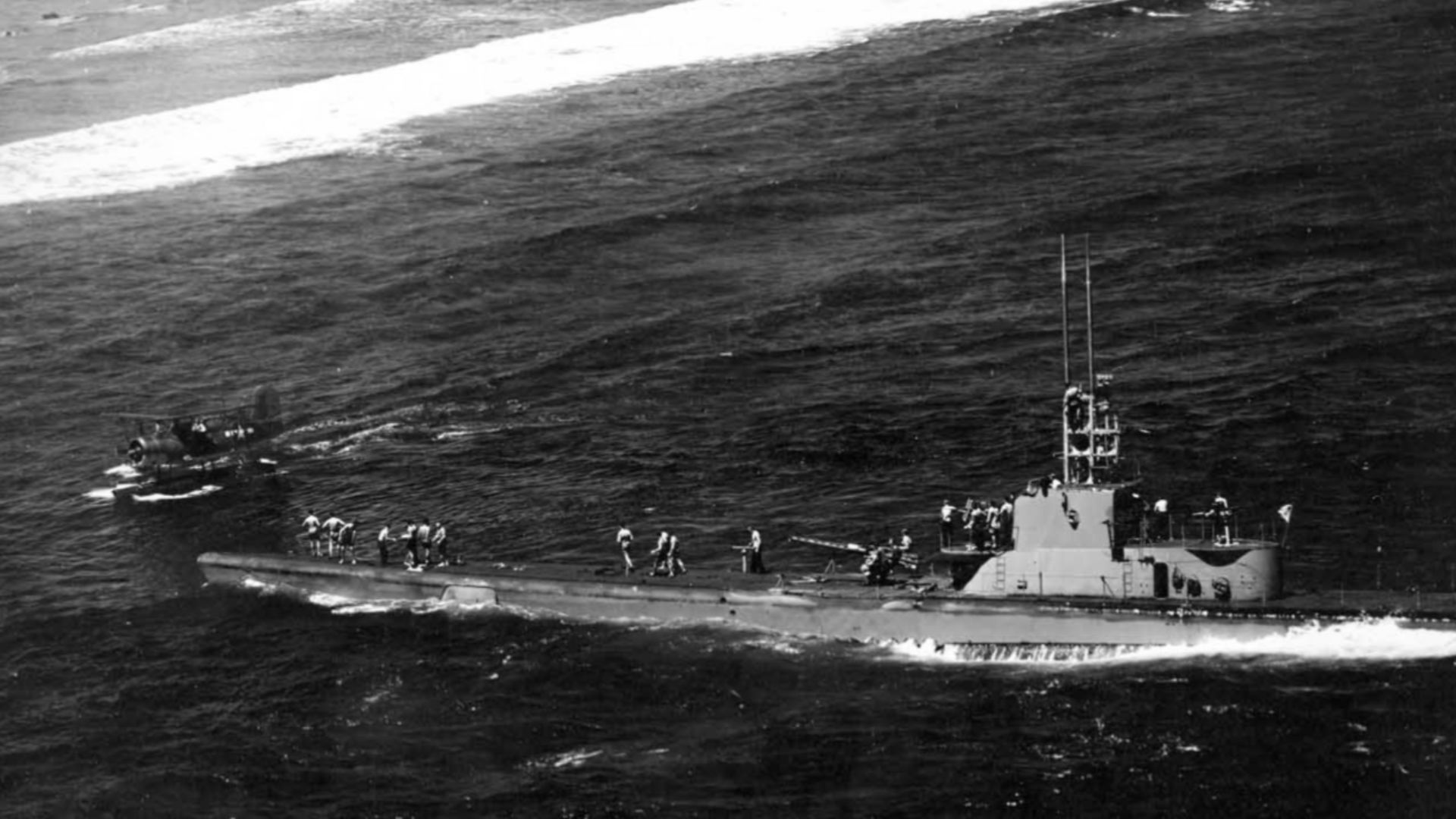
The USS Harder (SS-257) was a Gato-class submarine that served in WWII. In fact, she didn’t just serve, she was actually one of the most famous submarines of WWII, receiving the Presidential Unit Citation.
And her commanding officer was just as noteworthy.
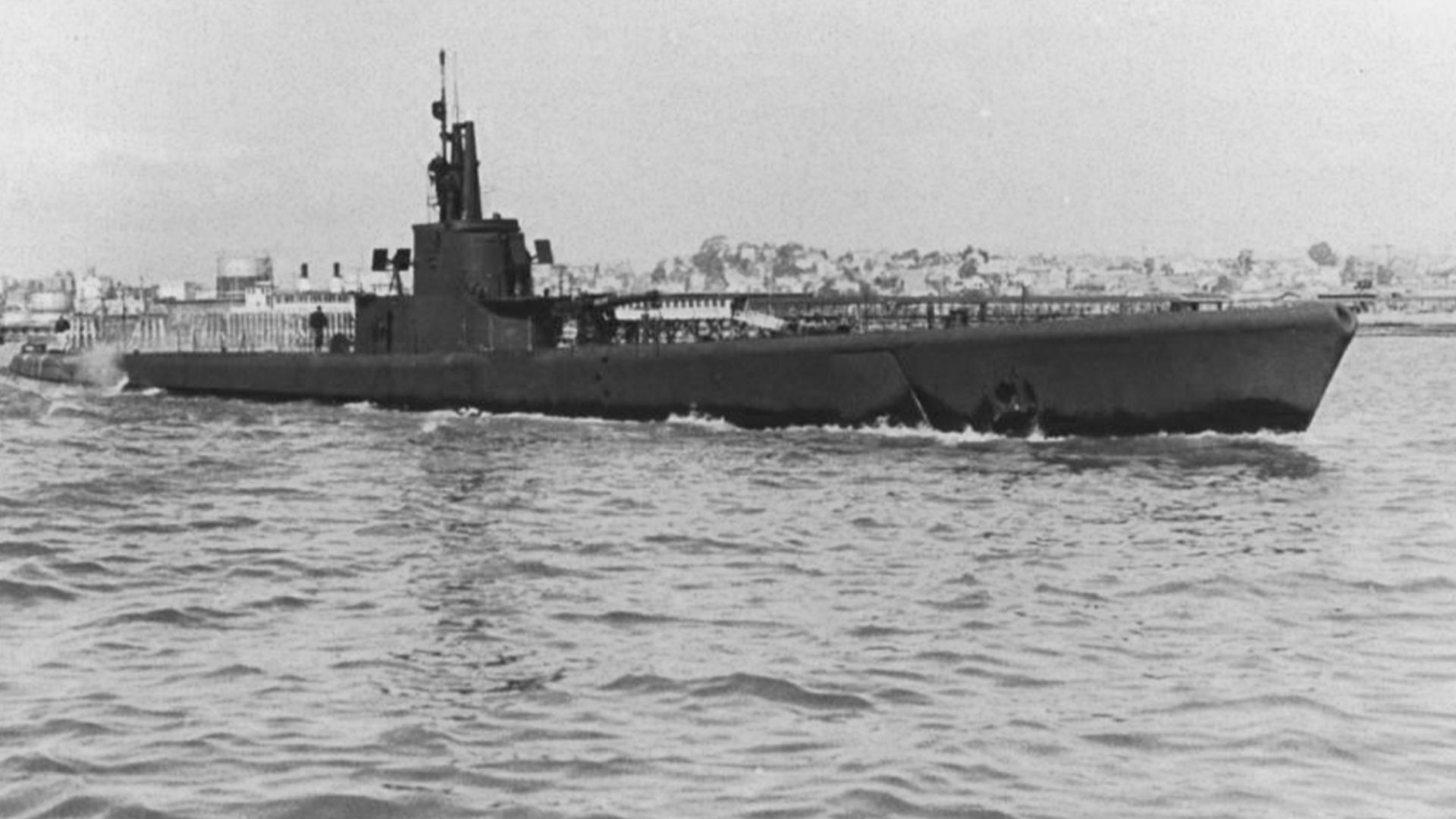 US Navy photo # MI-1148-44, Wikimedia Commons
Her Skipper Was Legendary
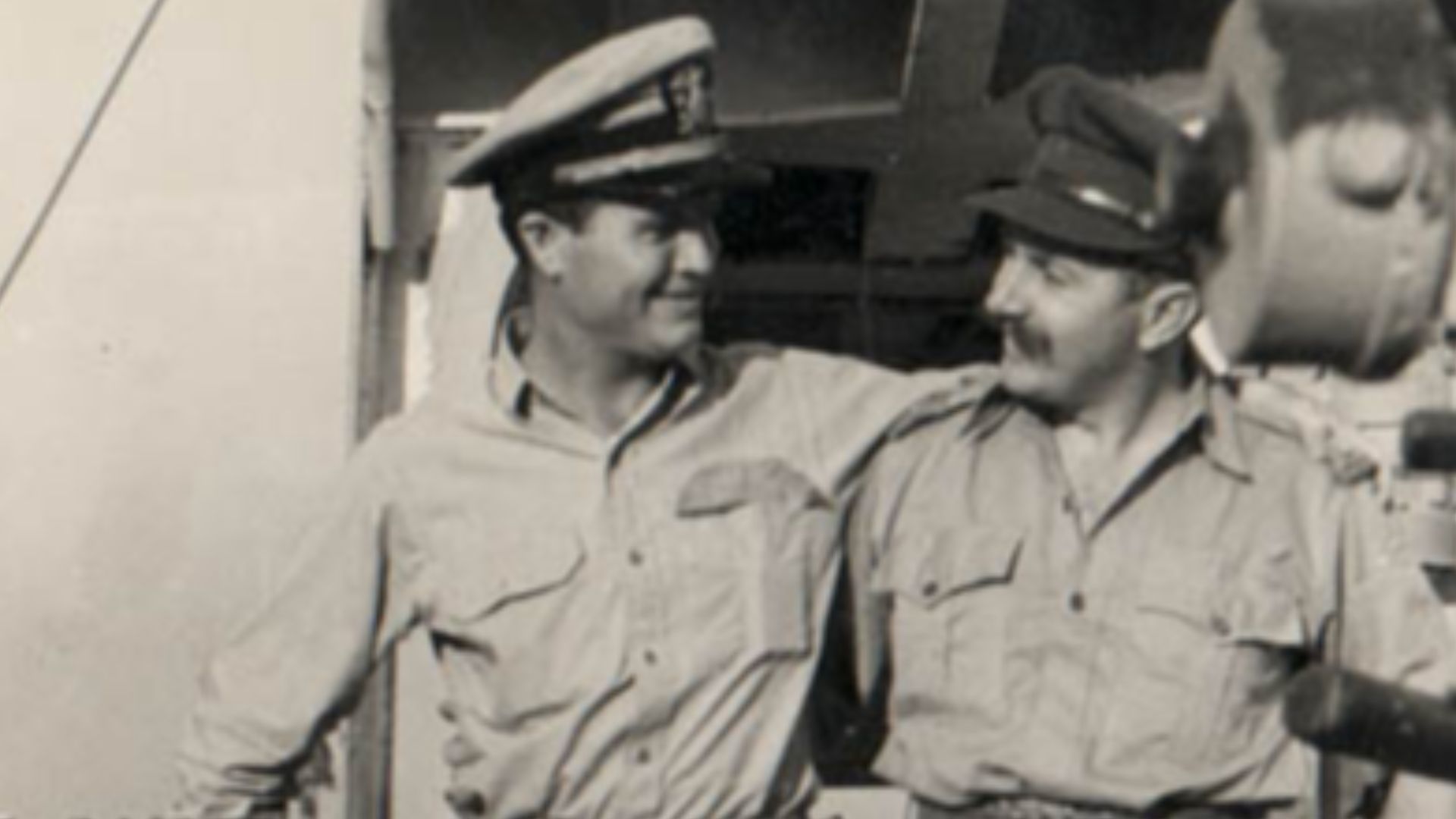
Commander Samuel D Dealey is among the most decorated for valor during war, receiving the Medal of Honor, the Navy Cross, the Army Distinguished Service Cross, and the Silver Star for his service on the USS Harder.
Dealey was with Harder from her inception to her tragic end.
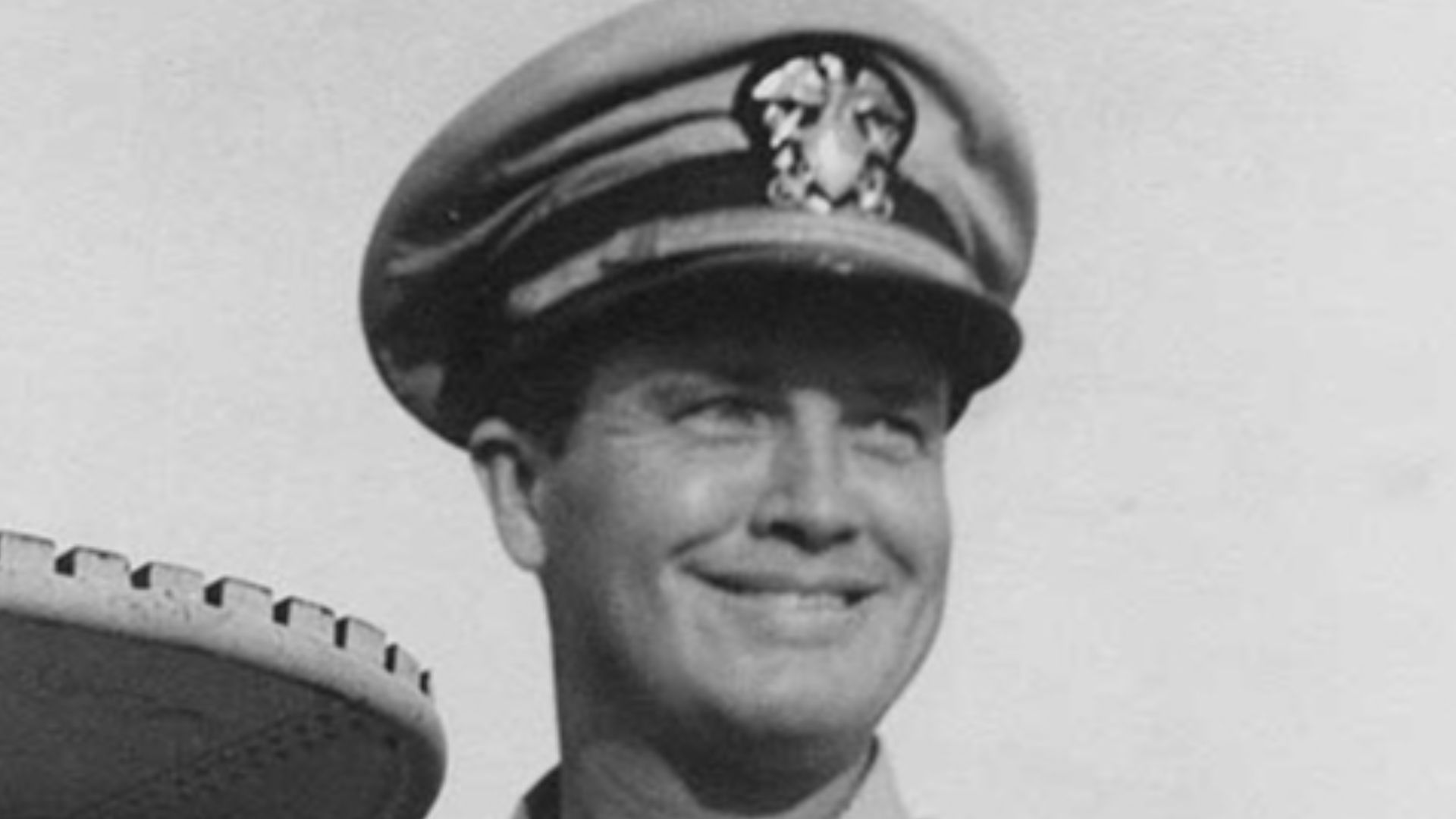 US Naval History & Heritage Command, Wikimedia Commons
She Only Knew Success
Harder was commissioned on December 2, 1942 and served on six patrols during WWII—all of which were designated successful, earning her six battle stars and the Presidential Unit Citation for her service.
While all six patrols were effective, her fifth patrol was the most legendary.
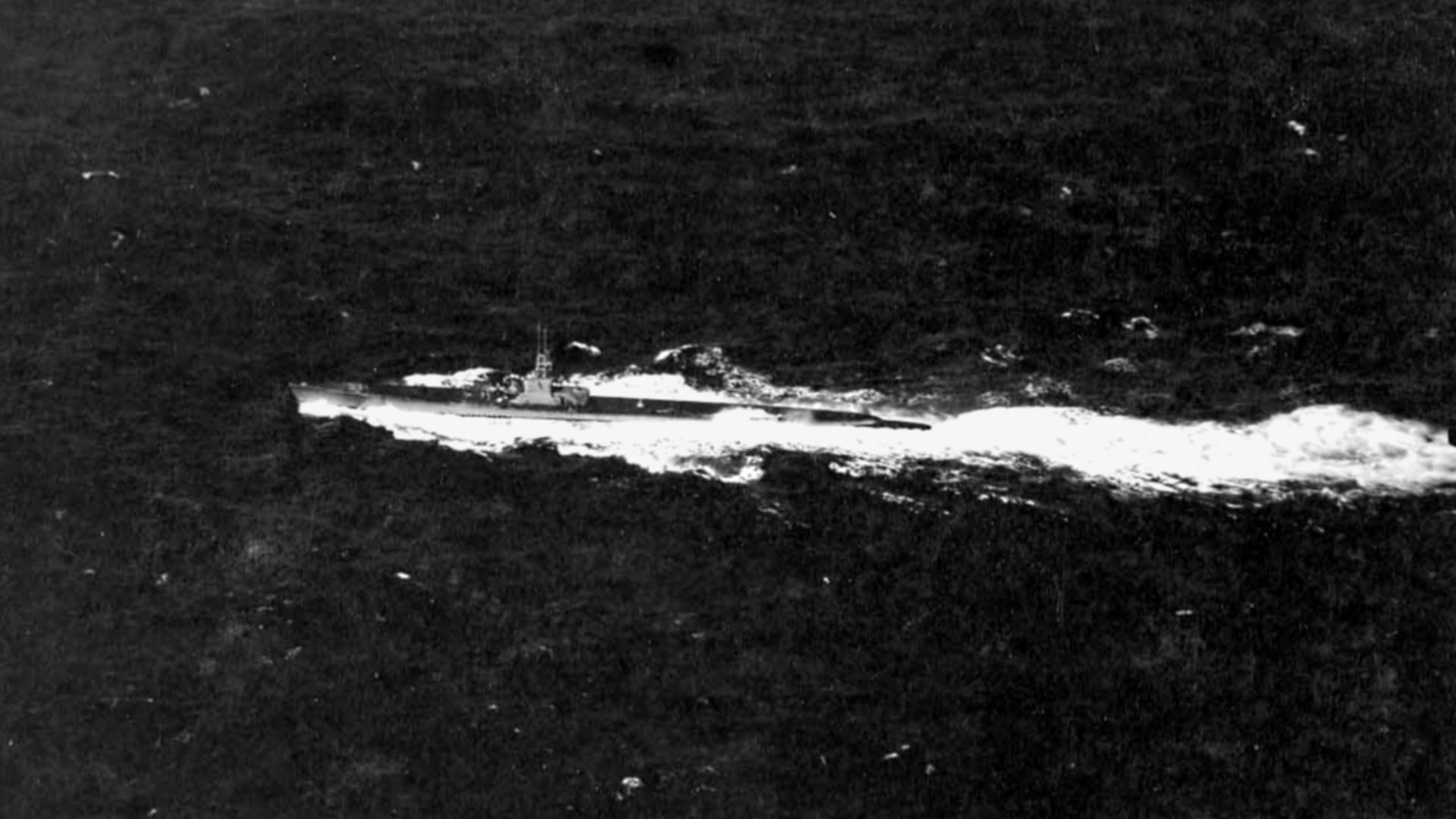
 Air Group Commander Andrew Jackson, U.S. Navy, Wikimedia Commons
She Was Sly
Harder and her crew had a knack for sinking unsuspecting enemy ships and sneaking past escort ships undetected. She managed to evade enemy depth charge attacks, sinking to incredible depths—that sometimes drained her batteries to dangerous levels.
But her most impressive feat happened after she joined the all-out hunt against Japanese destroyers—once considered the most dangerous of foes.
Four Days Of Utter Destruction
In March of 1944, Commander Dealey set off on Harder’s fifth patrol—and he went all in. Within only four days, the USS Harder sank three Japanese destroyers and heavily damaged two others.
This patrol is considered one of the most successful and brilliant of the entire war as it significantly impacted Japanese battle plans, delaying their carrier force.
This incredible feat earned Harder a rather catchy nickname, too.
She Was Known To Wreak Havoc
During all six patrols, Harder sank a total of six Japanese destroyers—the most warships ever sunk by a US submarine in history. In addition, she sank two frigates and 20.5 tankers. With a number of incredible achievements under her belt, the USS Harder became famously known as “Hit ‘Em Harder”.
After her aggressive daring exploits wreaked havoc among Japanese shipping, Harder took a short break before embarking on her sixth—and final—patrol.
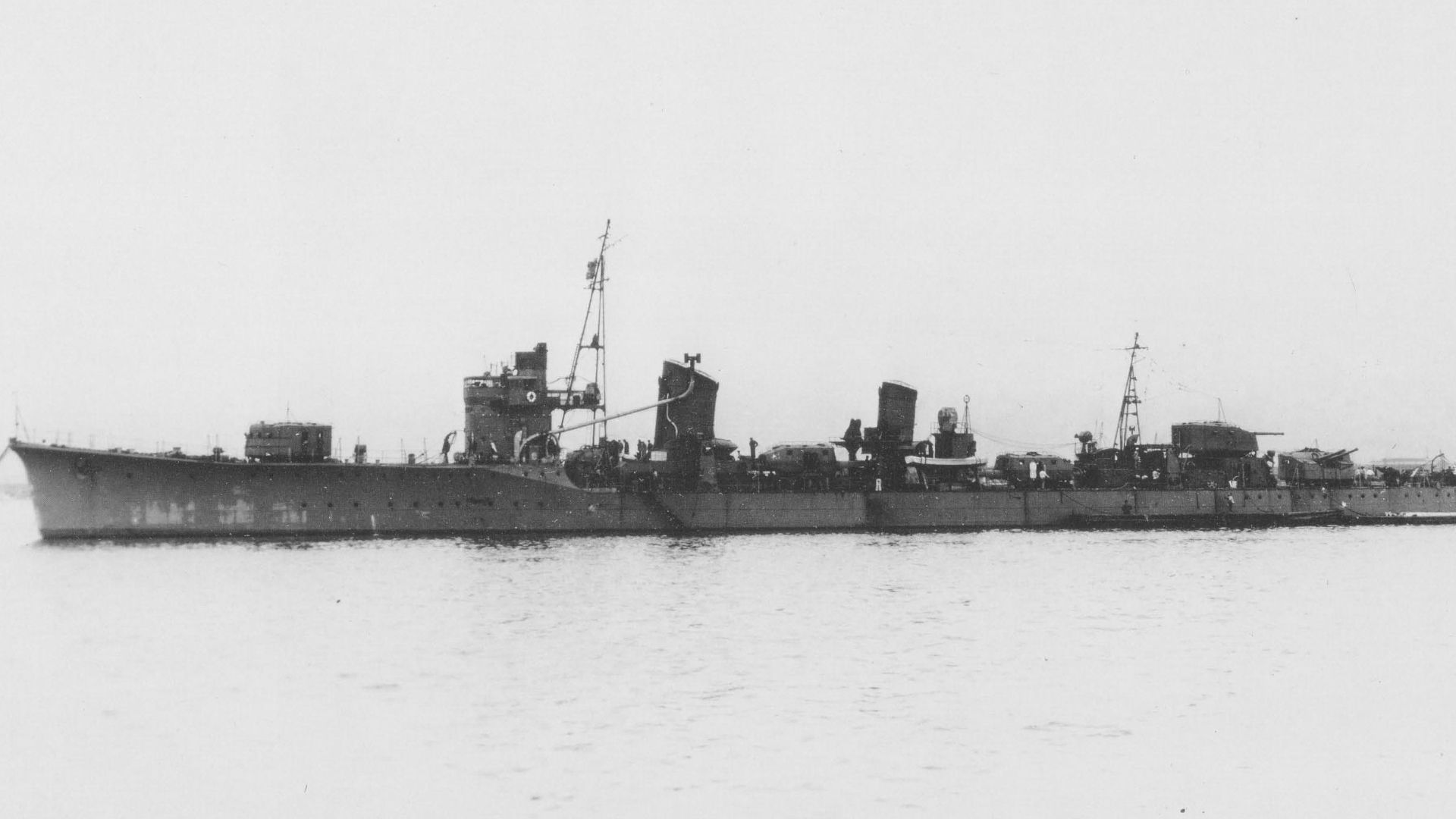 Shizuo Fukui, Wikimedia Commons
The Battle Of Dasol Bay
In August 1944, Harder joined a few other US submarines in the Battle of Dasol Bay. At one point, it was Harder and another sub called Hake. When Hake turned to avoid an approaching Japanese destroyer, she went deep and into stealth mode. Unfortunately, Harder wasn’t quick enough.
While down in the dark depths of the ocean, Hake’s crew heard something that will haunt them forever.
 Unknown author, Wikimedia Commons
They Lost Connection
At 07:28, Hake’s crew heard 15 rapid depth charges explode in the distance astern. Afterward, the USS Harder was lost. Hake had no choice but to continue on, evading further attack, but returned to the area later to scope things out.
There Was No Sight Of Harder
After sweeping the area at periscope depth, Hake’s crew found only a ring of marker buoys covering a radius of one half-mile. The Japanese went on to report that the attack resulted in “much oil, wood chips, and cork” floating in the vicinity.
The forceful depth charge attack had sunk Harder with all hands, never to be seen again. Well, until now.
 USN photo # 919-44, Wikimedia Commons
Eight Decades Later…
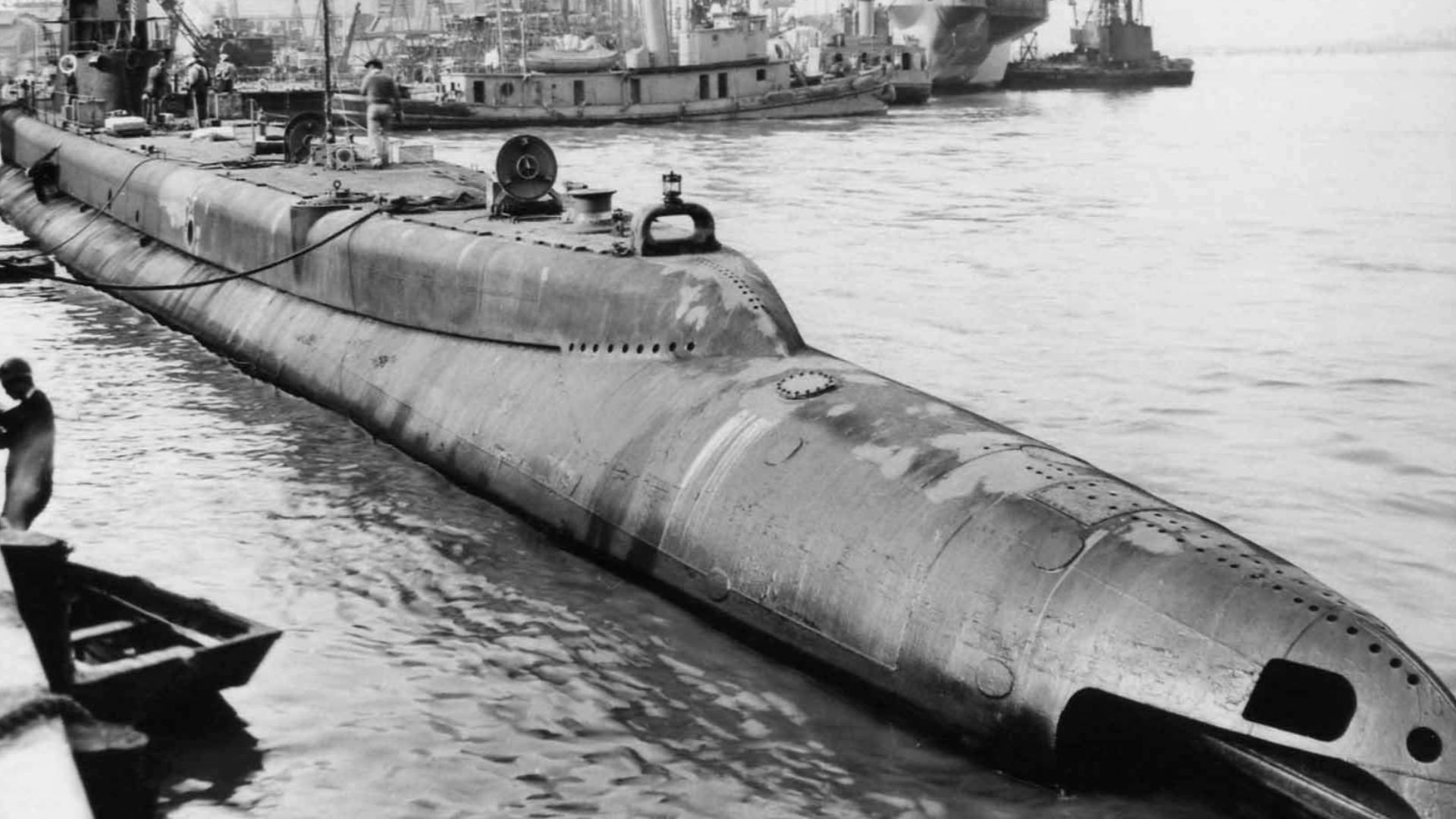
The Lost 52 Project is a private organization that does research specifically on the 52 US Navy submarines lost on patrol during WWII. On May 22, 2024, founder Tim Taylor announced that after decades of treacherous searching for the USS Harder, they finally found something.
 USS Grayback discovered 75 years later, ABC News
Thanks To Modern Technology
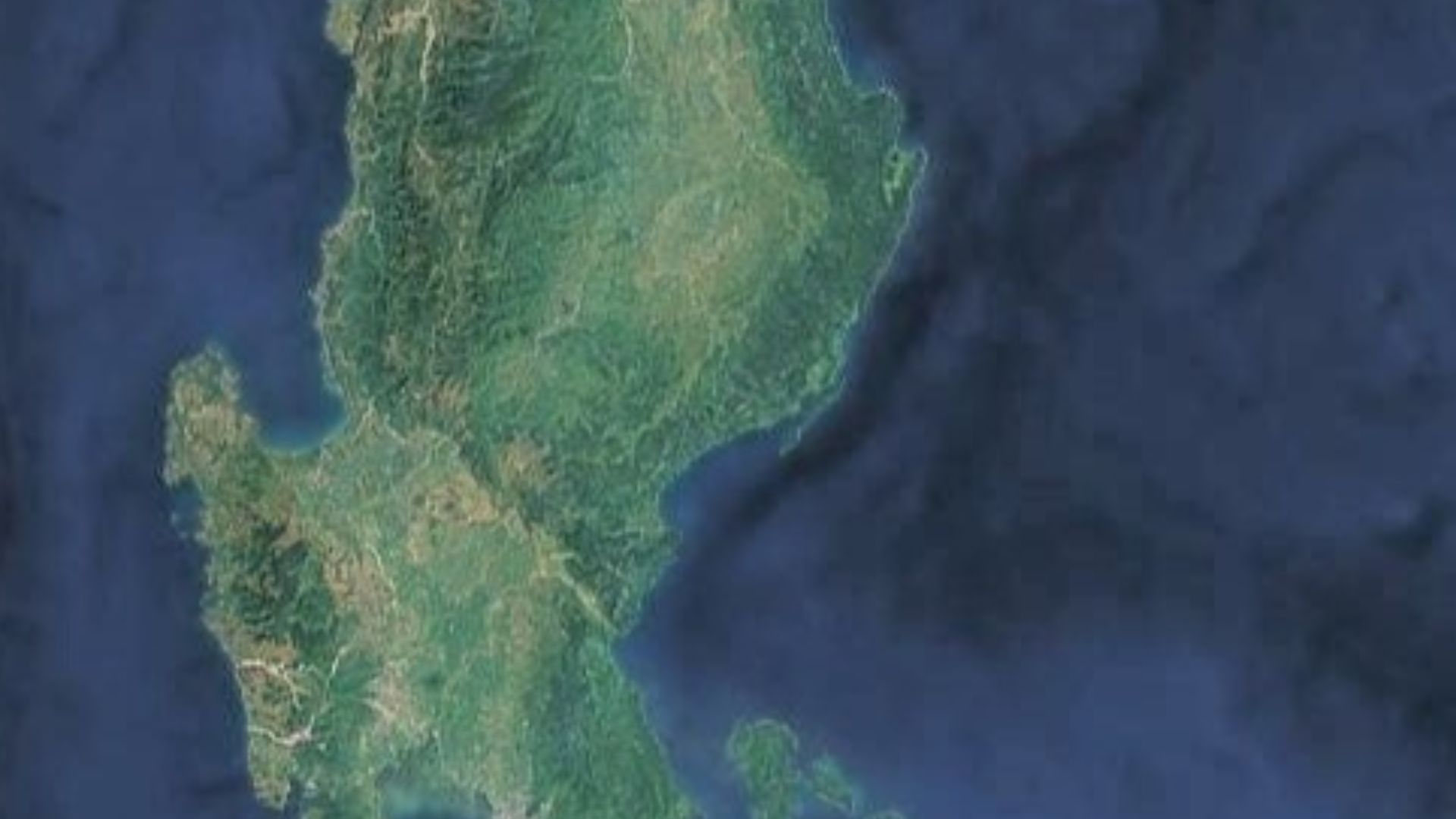
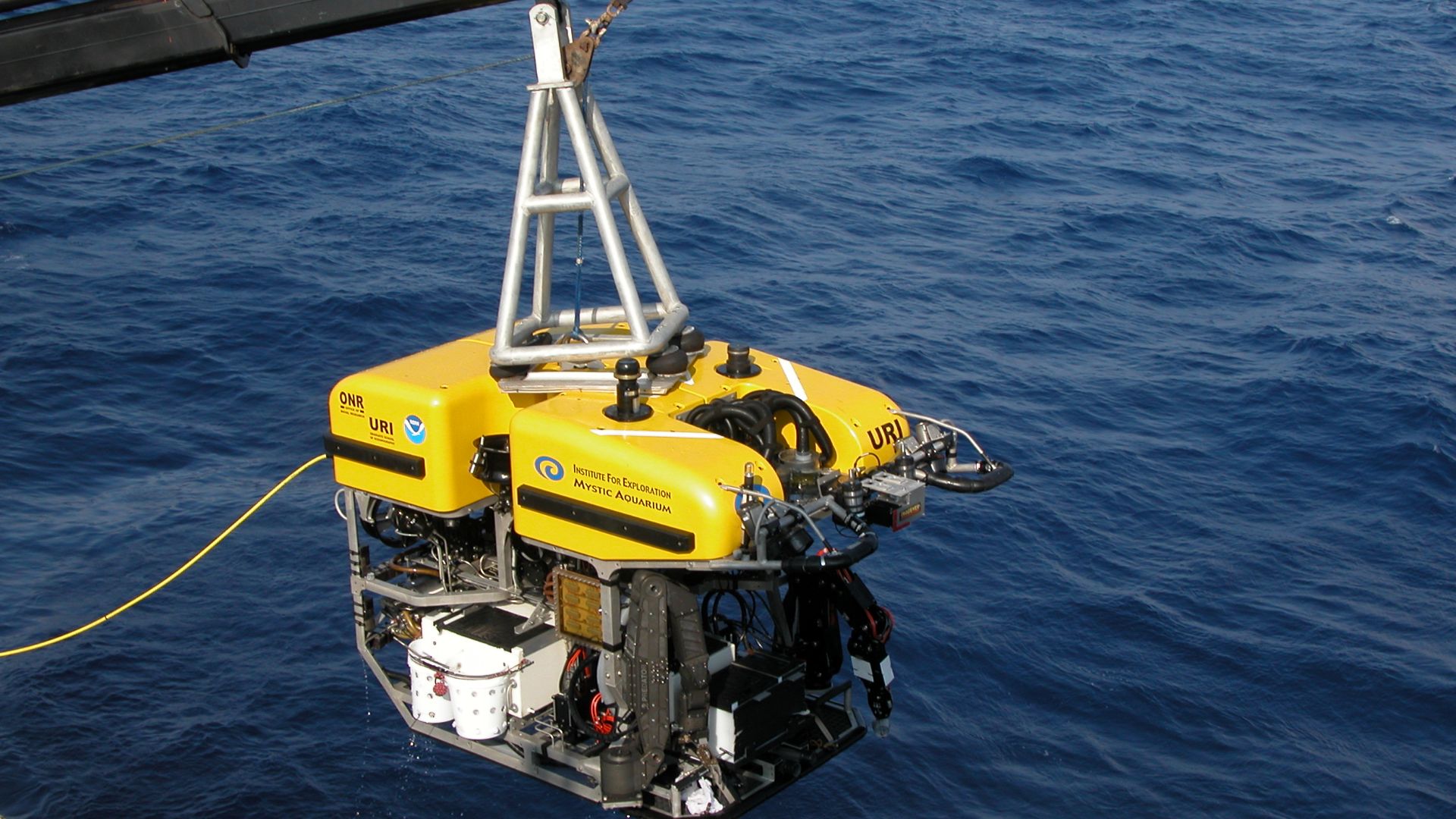
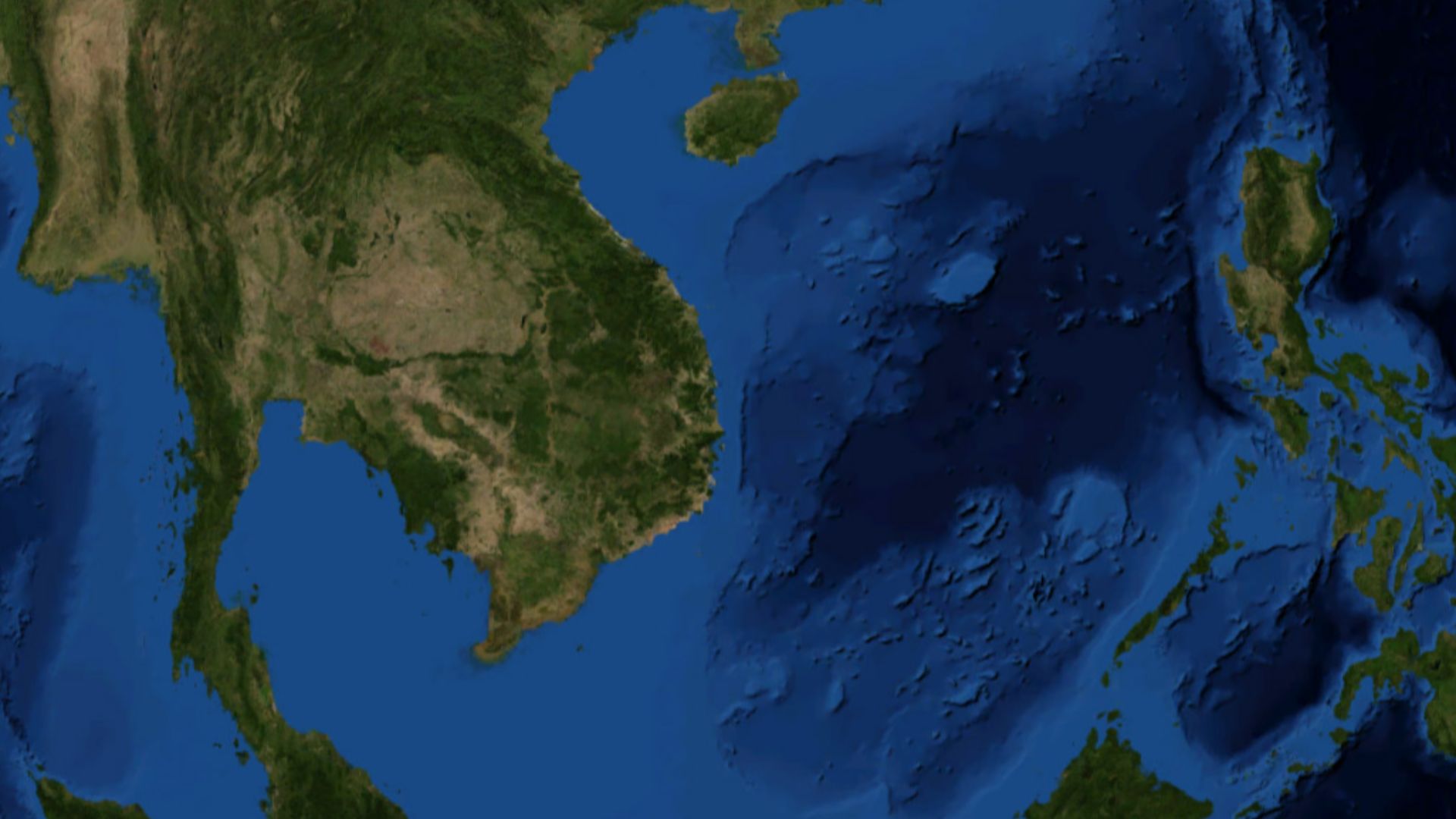
After carefully studying historical records to pinpoint possible locations, the Lost 52 Project located the USS Harder off the northern Philippine Island of Luzon. They then used a combination of impressive modern technology to piece together the puzzle, including sonar detection, deep-water autonomous underwater vehicles (AUVs), remotely operated vehicles (ROVs), and advanced 4D photogrammetry.
 Brennanphillips at English Wikipedia, Wikimedia Commons
Into The Deep
Once found, they stitched together images to create a multi-dimensional model that can be used to further study and explore the site—considering it was thousands of feet down into the dark, unforgiving sea.
But when they found the USS Harder, they found something incredible.
 Cdr Andrew Jackson/ US Navy, Wikimedia Commons
An Incredible Find
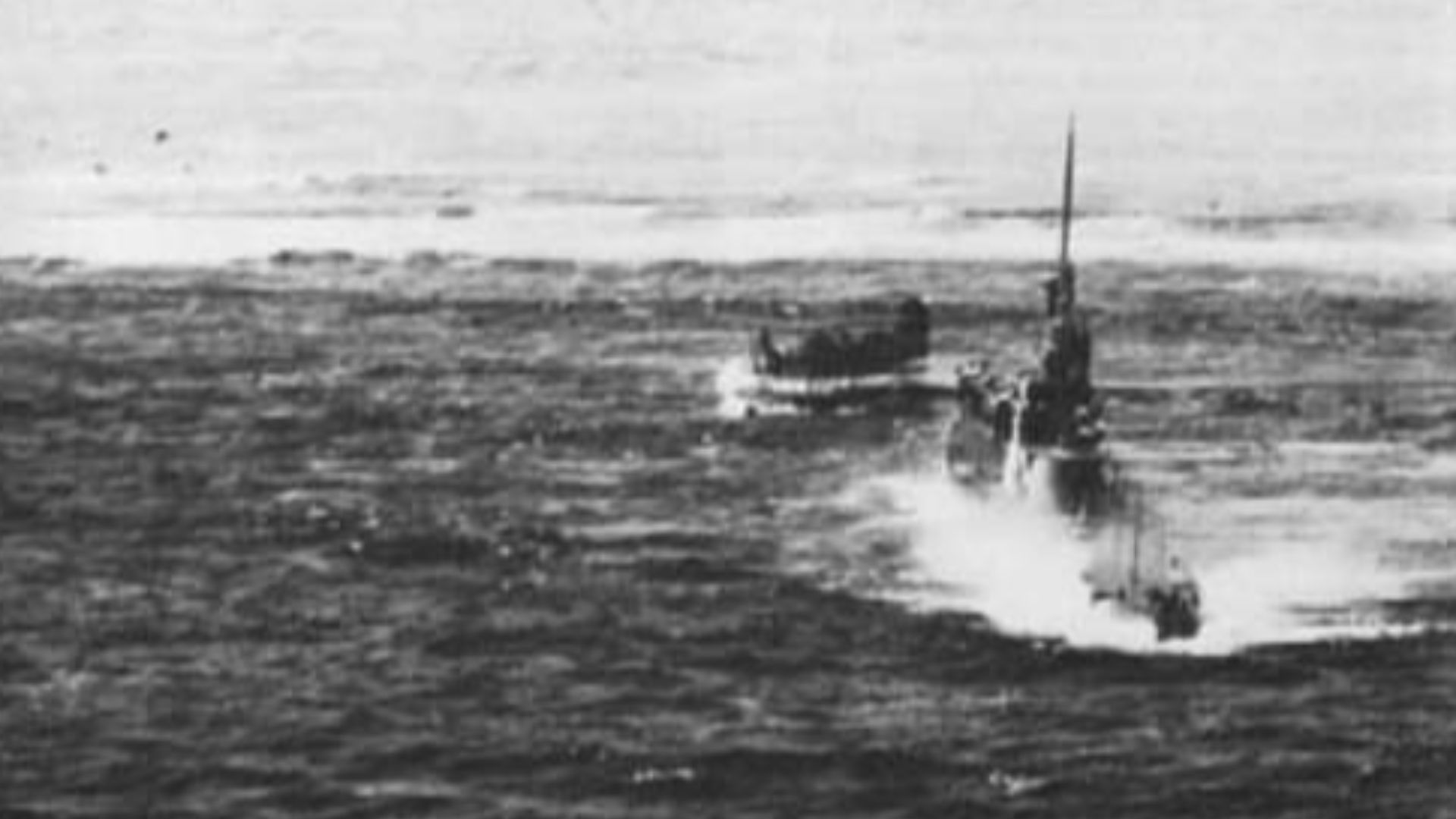
At over 3,000 feet deep, the USS Harder was found in remarkable condition, sitting upright with its keel “relatively intact”. According to the Navy, the only significant damage was to the hull behind the conning tower.
Once an integral part of the US Navy’s submarine force, she now sits at the bottom of the ocean—with a different, but equally as important job.
 U.S. Navy photo illustration/Released, Wikimedia Commons
The Final Resting Place
The wreck of USS Harder has now been designated a war grave. It is a sacred site that will be extensively protected as it is also the final resting place for the 79 incredibly brave sailors who fought tirelessly with her throughout her WWII career.
Forever Thankful
The US Navy has expressed their eternal gratitude to the Lost 52 Project for their incredibly hard work leading to the once-impossible discovery. So far, the Lost 52 Project has discovered seven US Navy submarines—with Harder being one of the most significant.
 U.S. Navy Photo by Chief Musician Stephen Hassay, Wikimedia Commons
She Is Remembered
Retired US Navy Admiral Samuel J Cox said it perfectly, “We are grateful that Lost 52 has given us the opportunity to once again honor the valor of the crew of the ‘Hit ‘em Harder' submarine that sank the most Japanese warships—in particularly audacious attacks—under her legendary skipper, Commander Sam Dealey”.
You May Also Like:
The Discovery Of The Antikythera Shipwreck
The U.S. Navy Has Finally Uncovered One Of Their Most Tragic Warships: The USS Ommaney Bay
The Discovery Of A Sunken Japanese "Hell Ship"