The Hurricane That Didn’t Just Pass Through
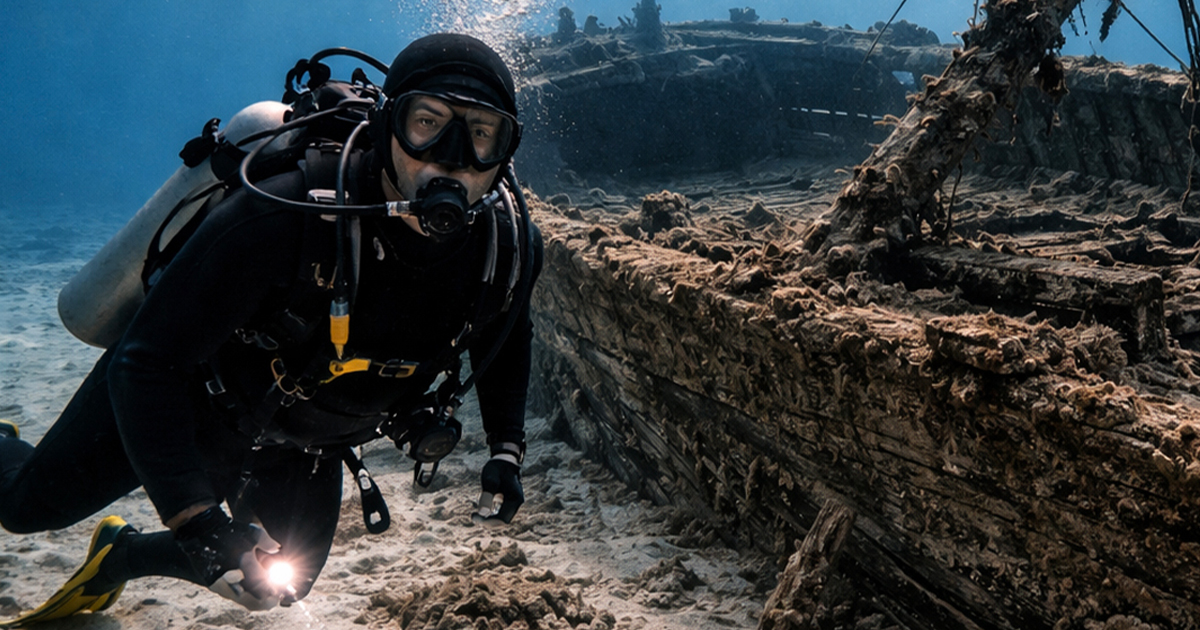
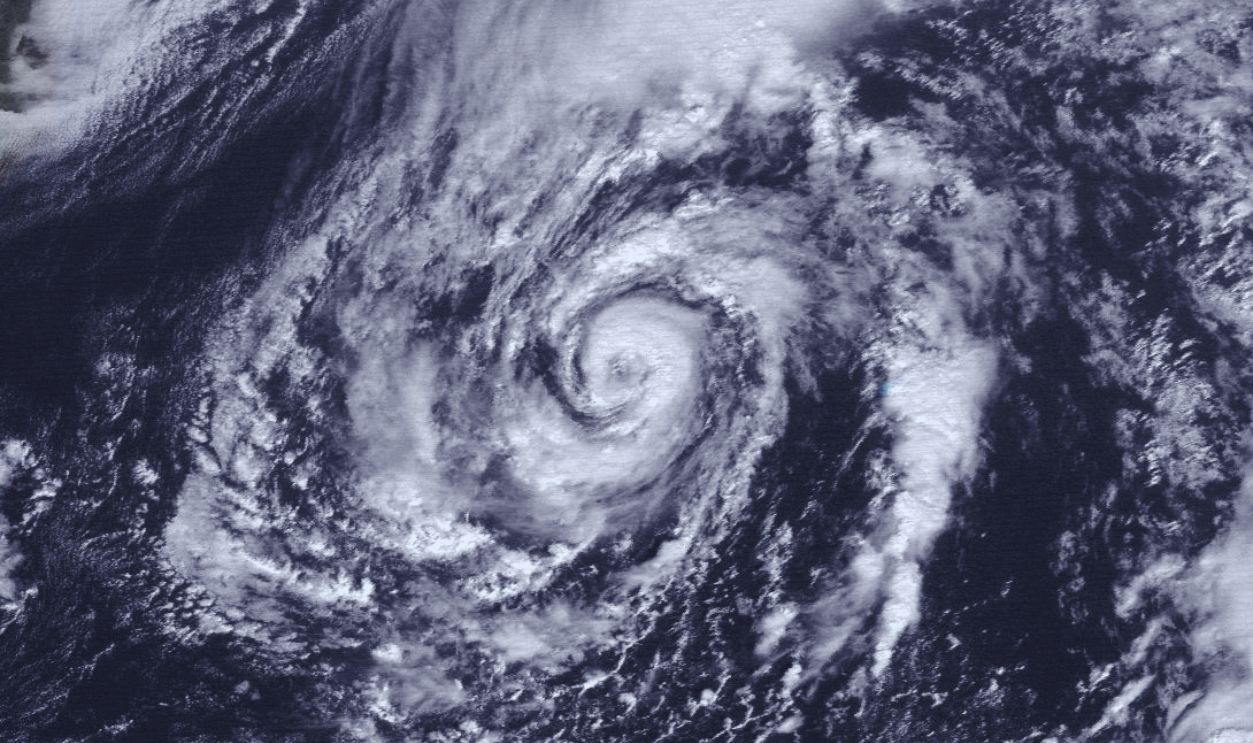
In the summer of 2009, a hurricane rolled through Bermuda and did what hurricanes usually do. It brought heavy rain, strong winds, and waves that looked like they were trying to rearrange the island. But this one left behind something a little unusual. Instead of just damage, it left a mystery sitting quietly beneath the water.
A Coastline Changed Overnight
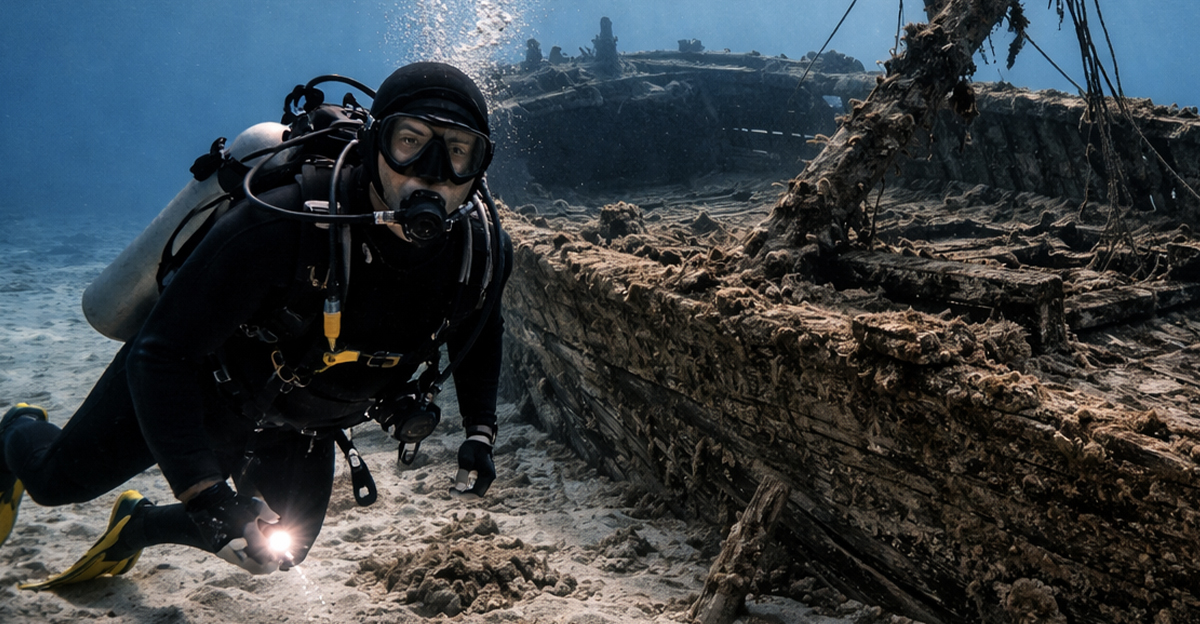
After the storm moved on, people headed back to the shoreline to see what had changed. And it had definitely changed. Sand had shifted, shallow areas looked clearer, and parts of the seabed that hadn’t been visible in years were suddenly exposed. It was like the ocean had done a quick cleanup and accidentally uncovered something it forgot to hide.
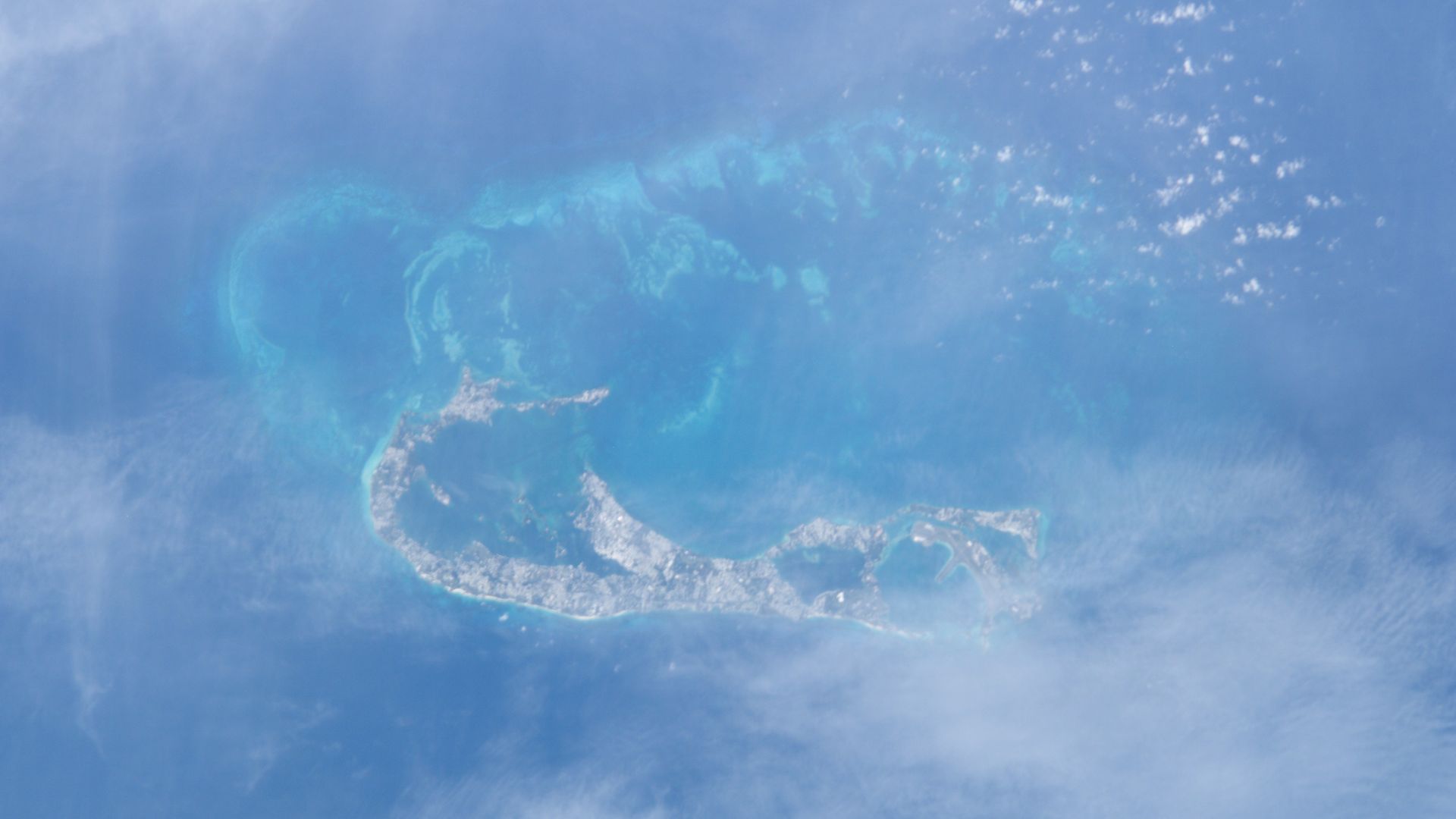 Earth Science and Remote Sensing Unit, Lyndon B. Johnson Space Center, Wikimedia Commons
Something Strange Beneath the Water
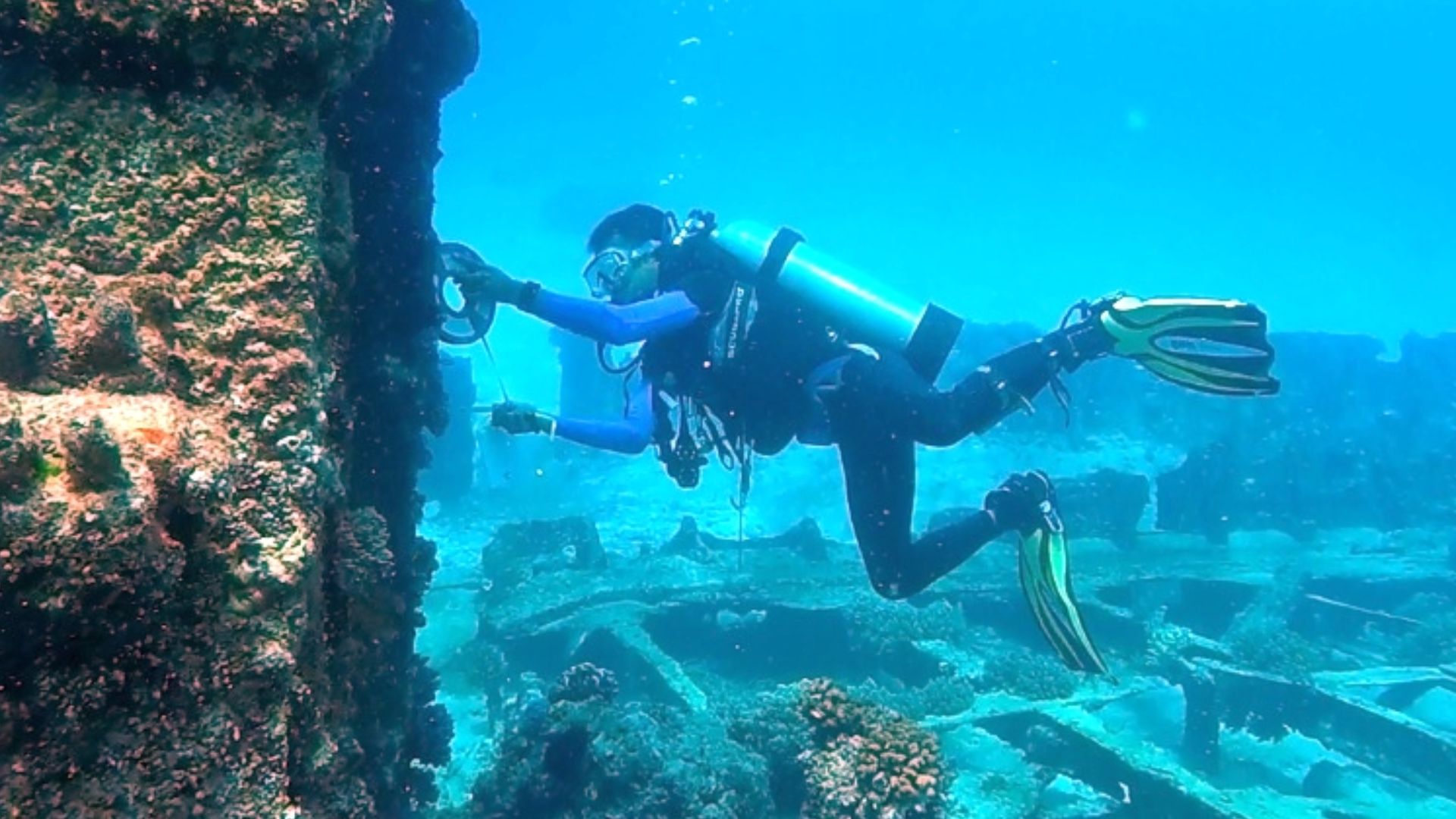
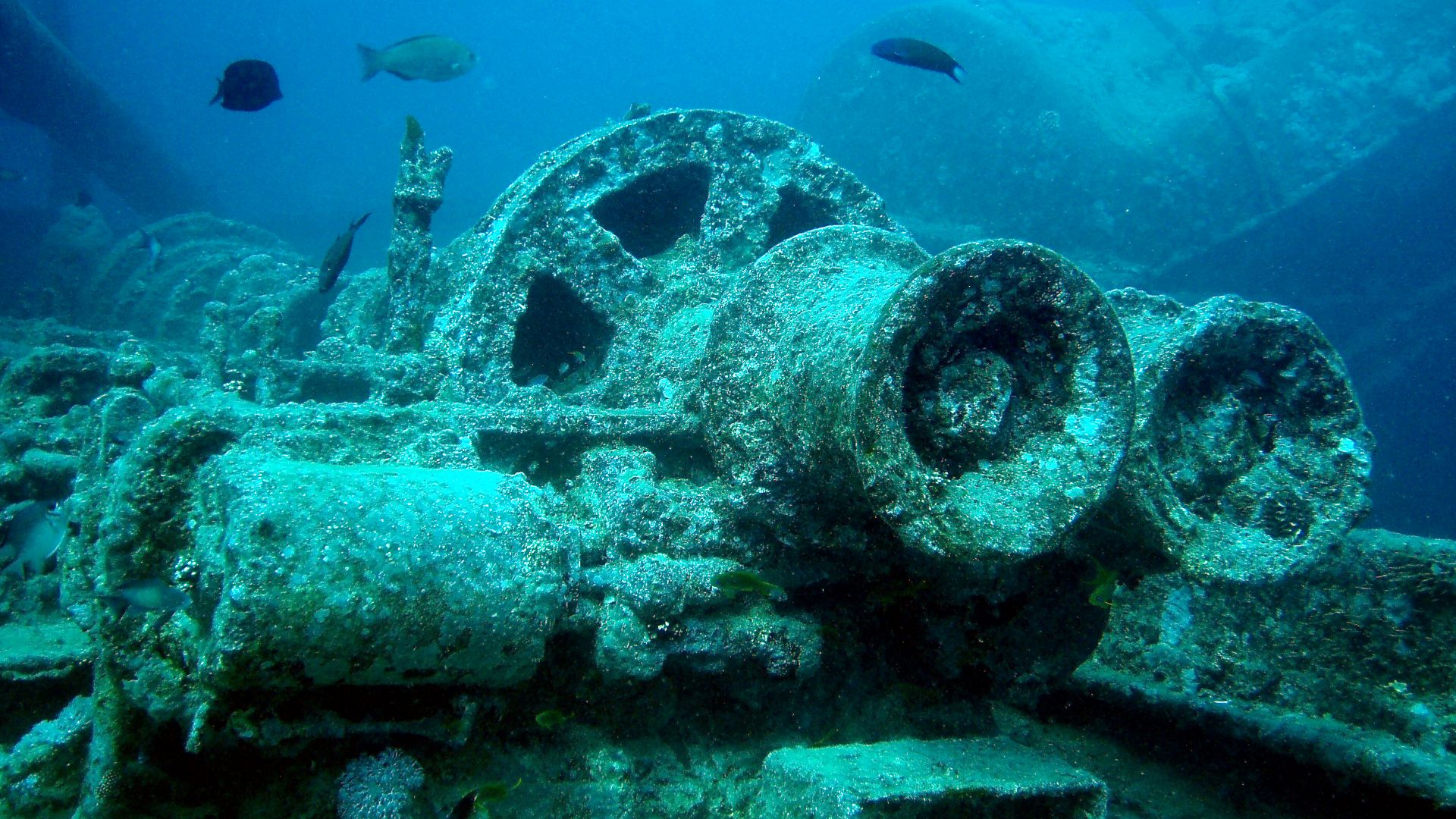
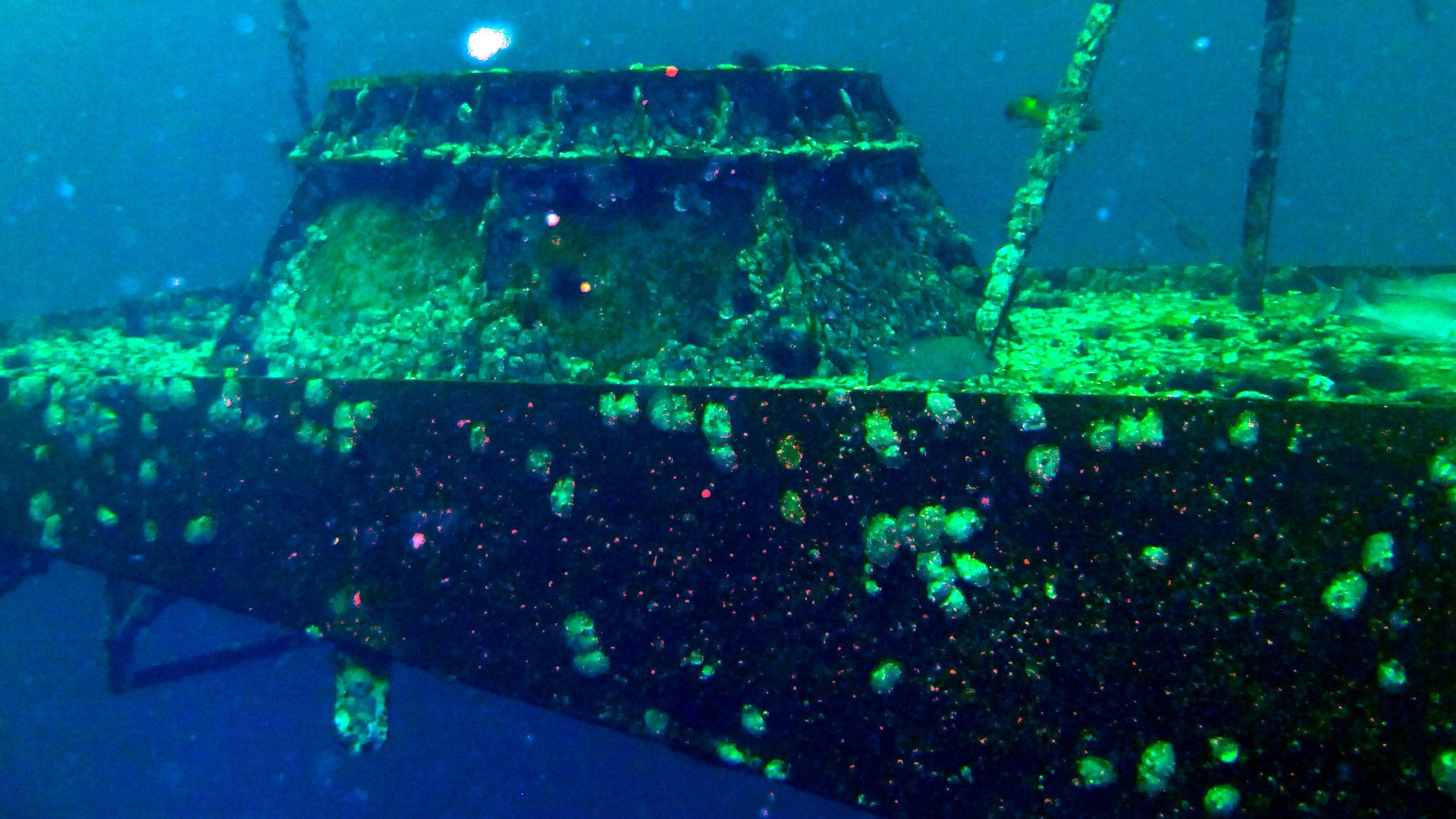
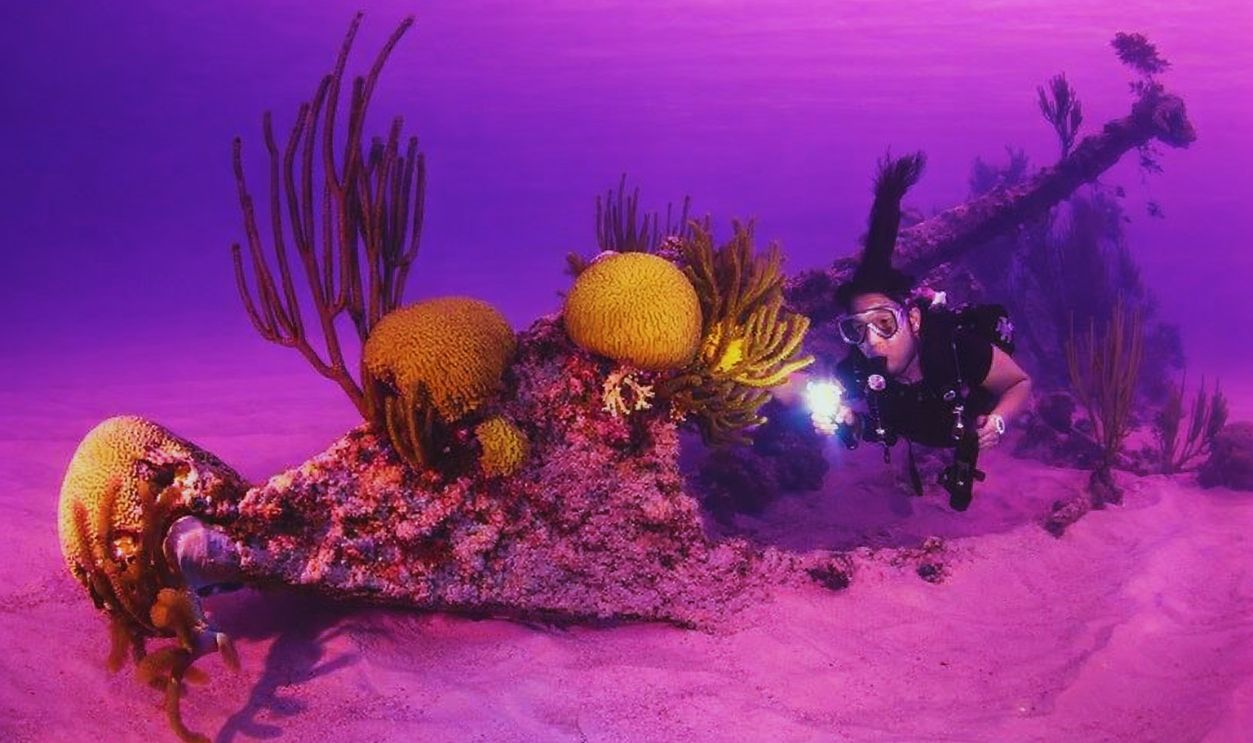
Divers didn’t have to look very hard before they noticed something odd. There were shapes under the water that didn’t look natural. At first, it seemed like random debris, maybe leftovers from the storm. But the more they looked, the more it started to look organized. Straight lines don’t usually happen by accident underwater.
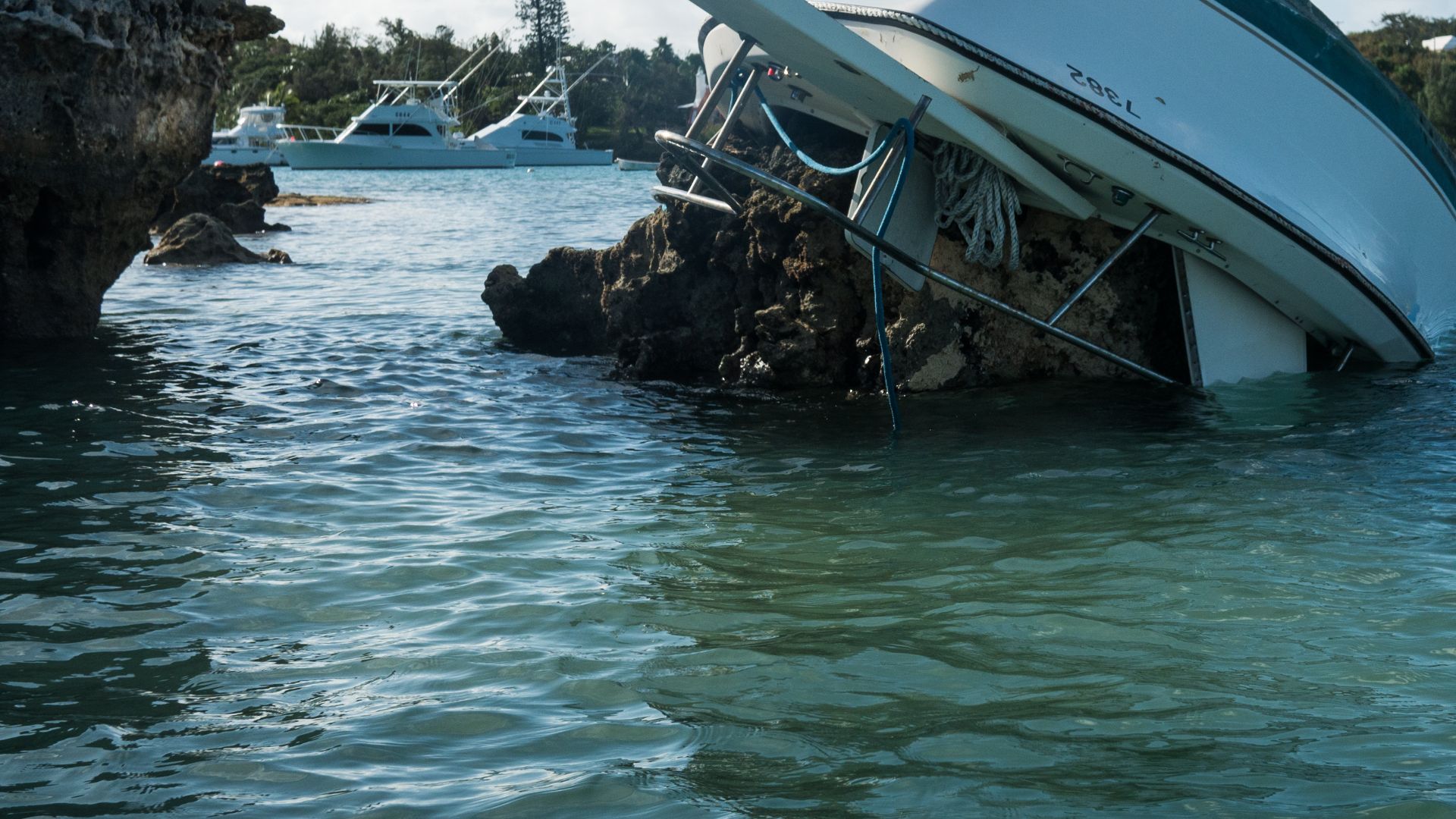 chadsellers, Wikimedia Commons
Not Just Another Shipwreck
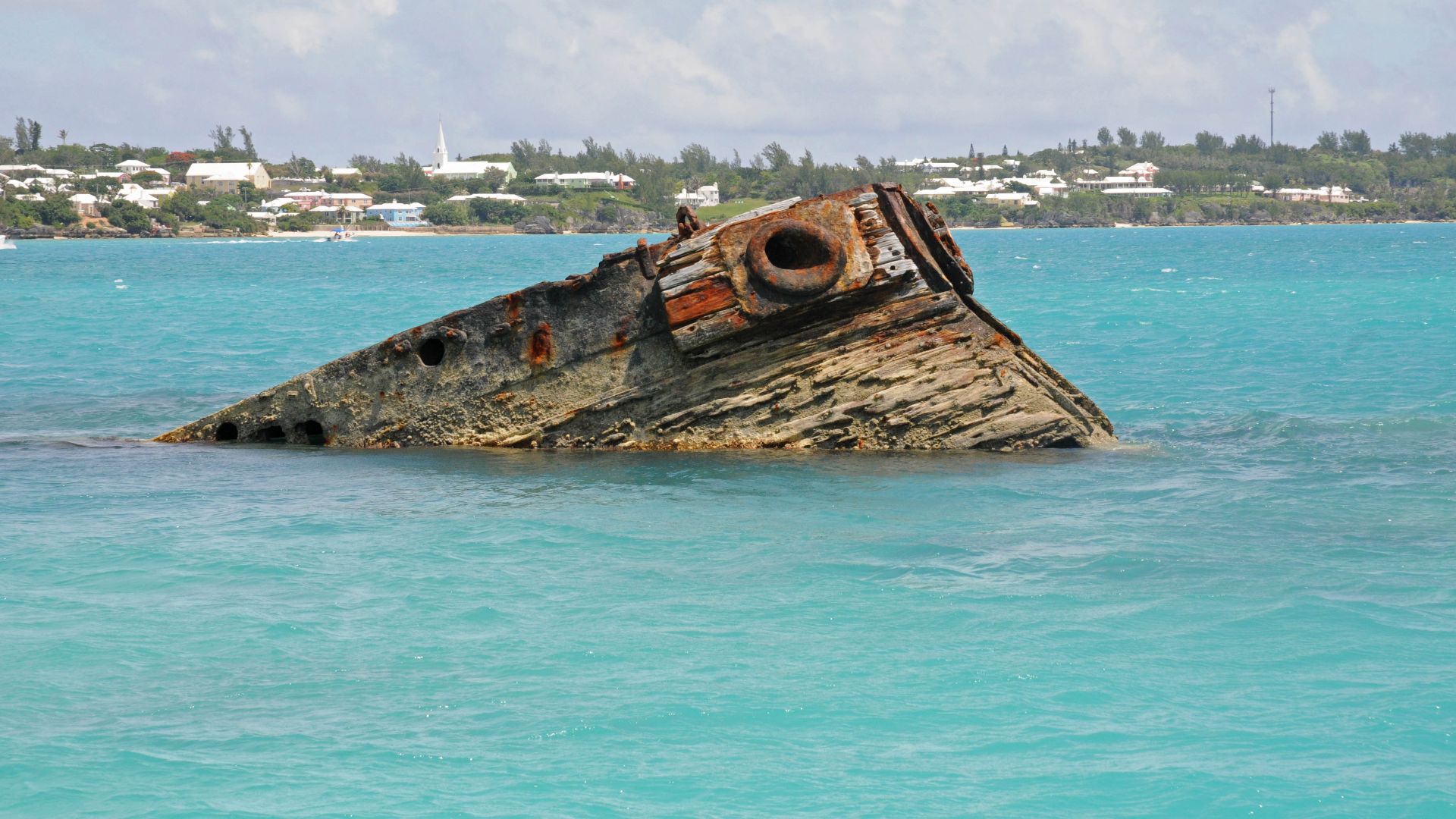
Now, finding shipwrecks in Bermuda isn’t exactly rare. The island is surrounded by them. There are more than 300 wrecks in the area, which sounds impressive until you realize that means most discoveries are just added to a very long list. But this one looked different right away. It wasn’t scattered or broken apart. It looked like it had been sitting there, quietly waiting.
 David Broad, Wikimedia Commons
Enter the Archaeologists
That’s when the experts stepped in. Dr Philippe Rouja, Bermuda’s Custodian of Historic Wrecks, took one look and knew this wasn’t just another routine find. He had seen plenty of wrecks before, and this one stood out. It had structure, detail, and most importantly, potential.
 Dwi sumaiyyah makmur, Wikimedia Commons
The Name That Surfaced From the Past
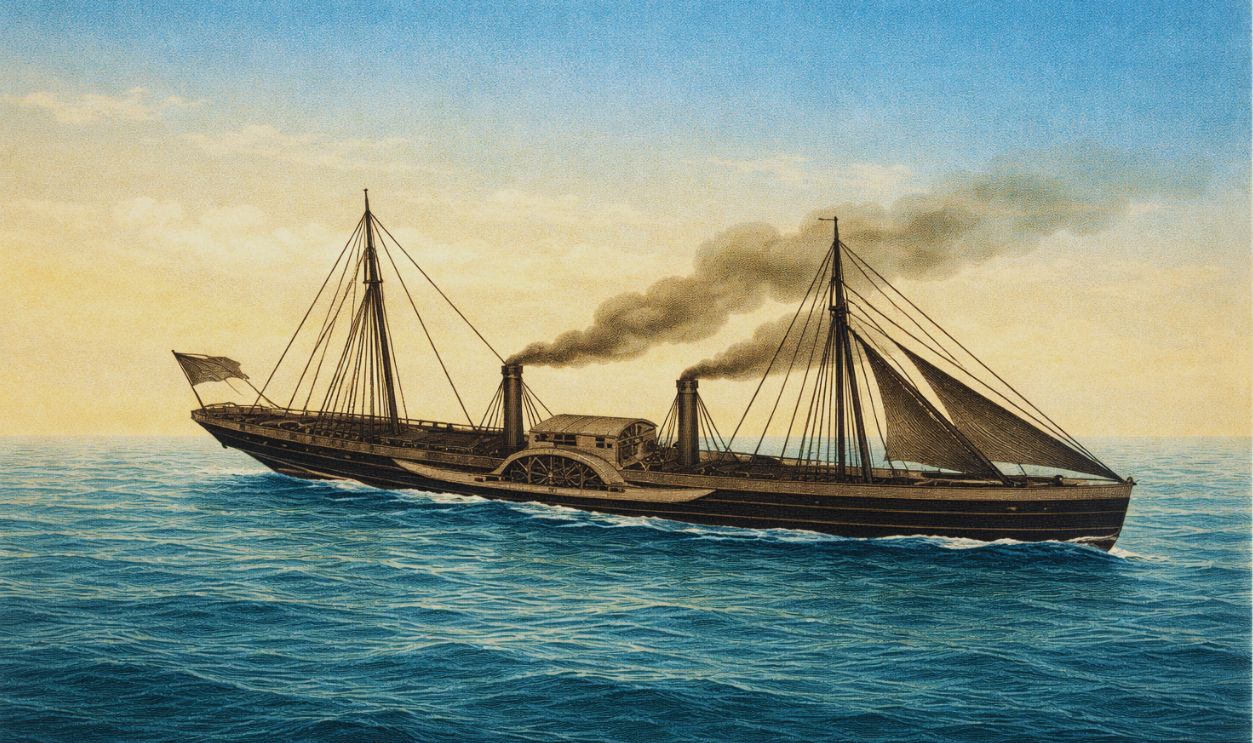
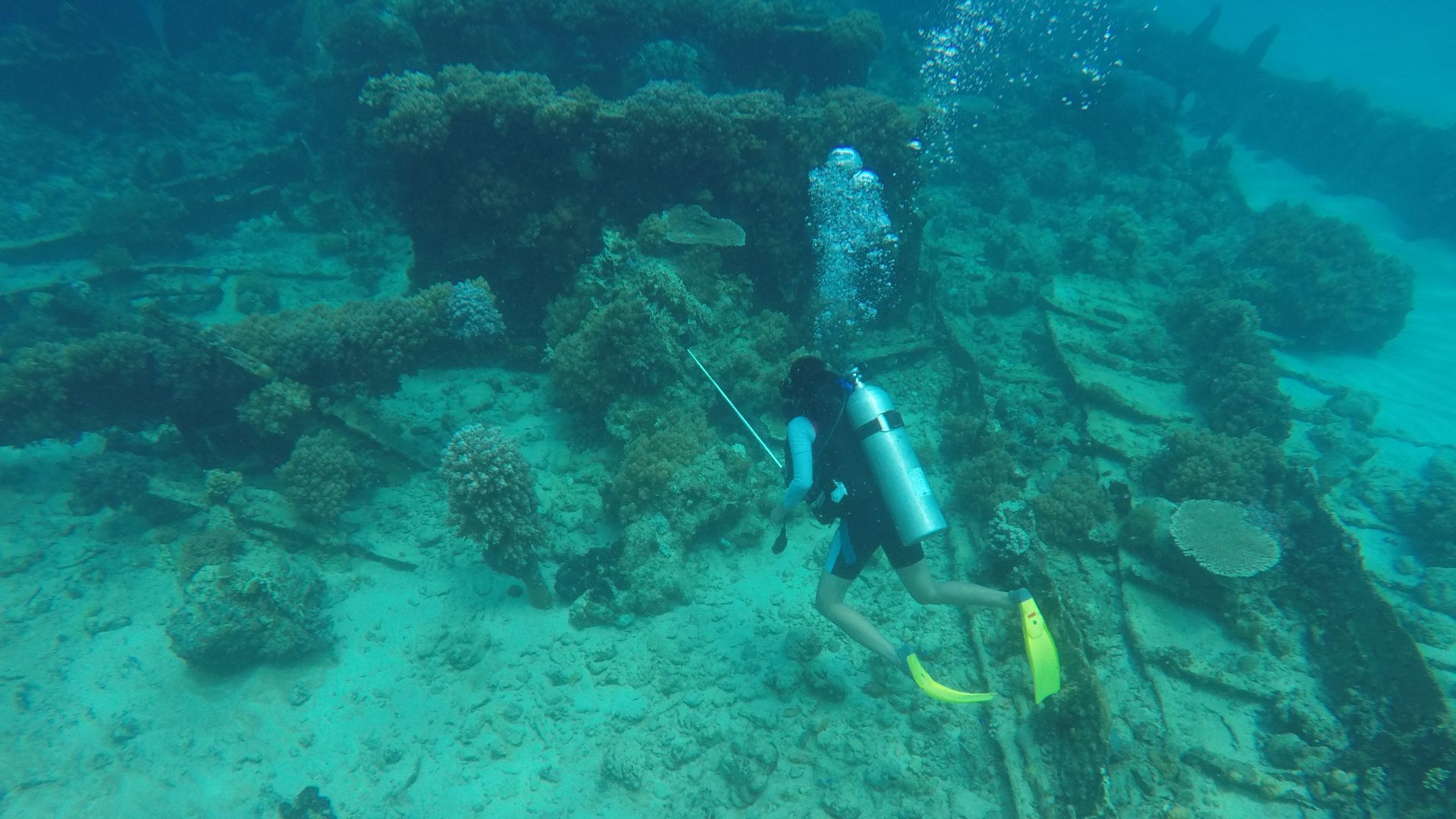
After studying the wreck, archaeologists identified it as the Mary Celestia, a Civil War-era blockade runner that sank in September 1864. For over a century, it had been hidden under layers of sand, minding its own business.
A Ship With a Risky Job
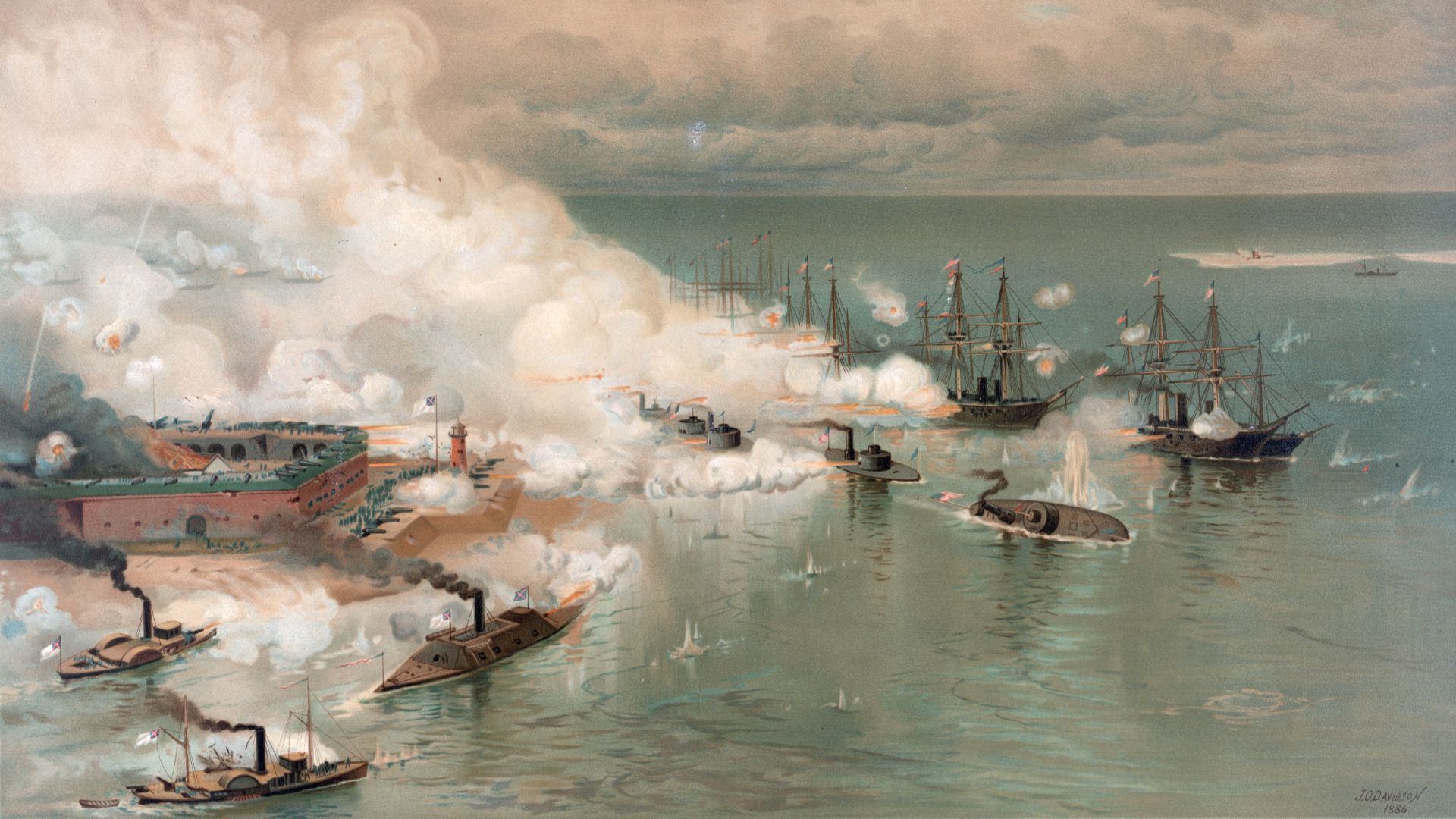
The Mary Celestia wasn’t just cruising around for fun. It was built for speed and stealth, designed to sneak past Union naval blockades during the American Civil War. Basically, it was doing one of the most stressful jobs possible at the time.
 Julian O. Davidson, Wikimedia Commons
What Was It Carrying?
When it sank, the ship was loaded with rifles, ammunition, and supplies. But it also carried things that feel a little unexpected for a war mission, like wine bottles, perfume, and personal items. Because apparently, even during wartime, people still wanted to smell nice.
 Dwi sumaiyyah makmur, Wikimedia Commons
The Night It Went Down
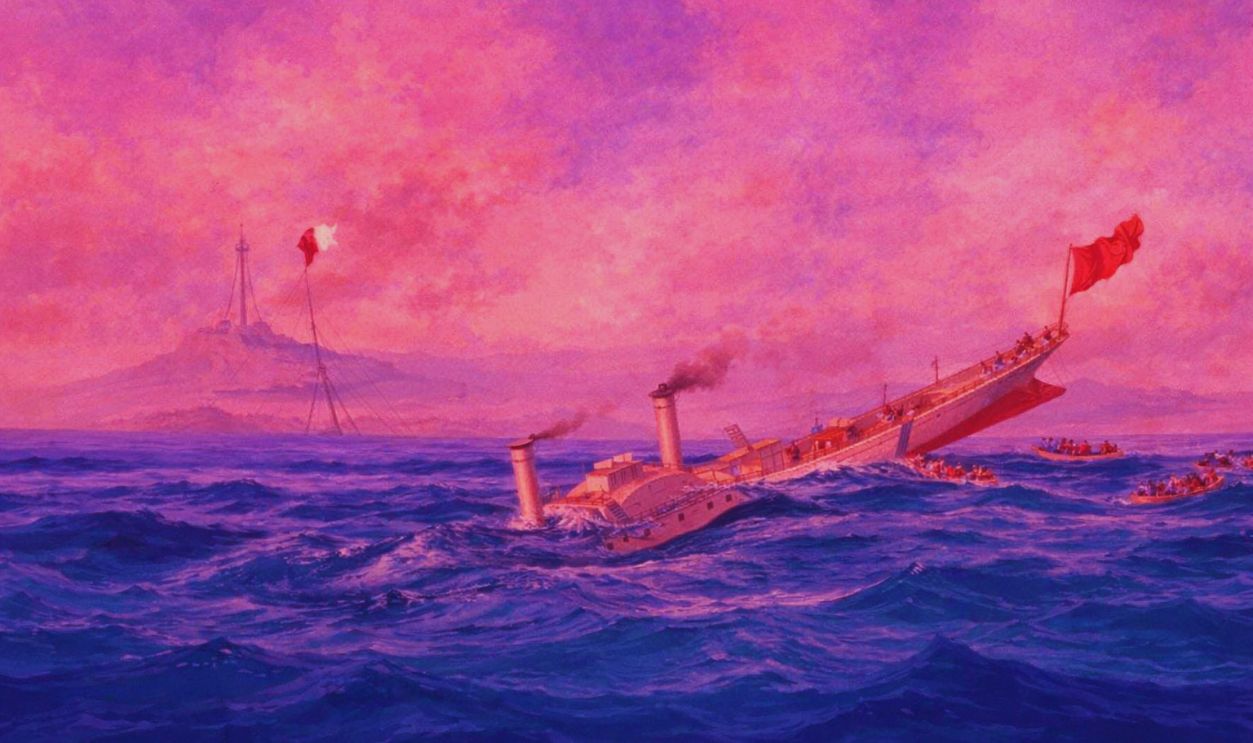
On September 6, 1864, the ship hit a reef near Bermuda. No dramatic chase. No battle scene. Just a navigation error in the dark. The crew made it out safely, but the ship didn’t. It slipped beneath the surface and stayed there.
Lost, Then Forgotten
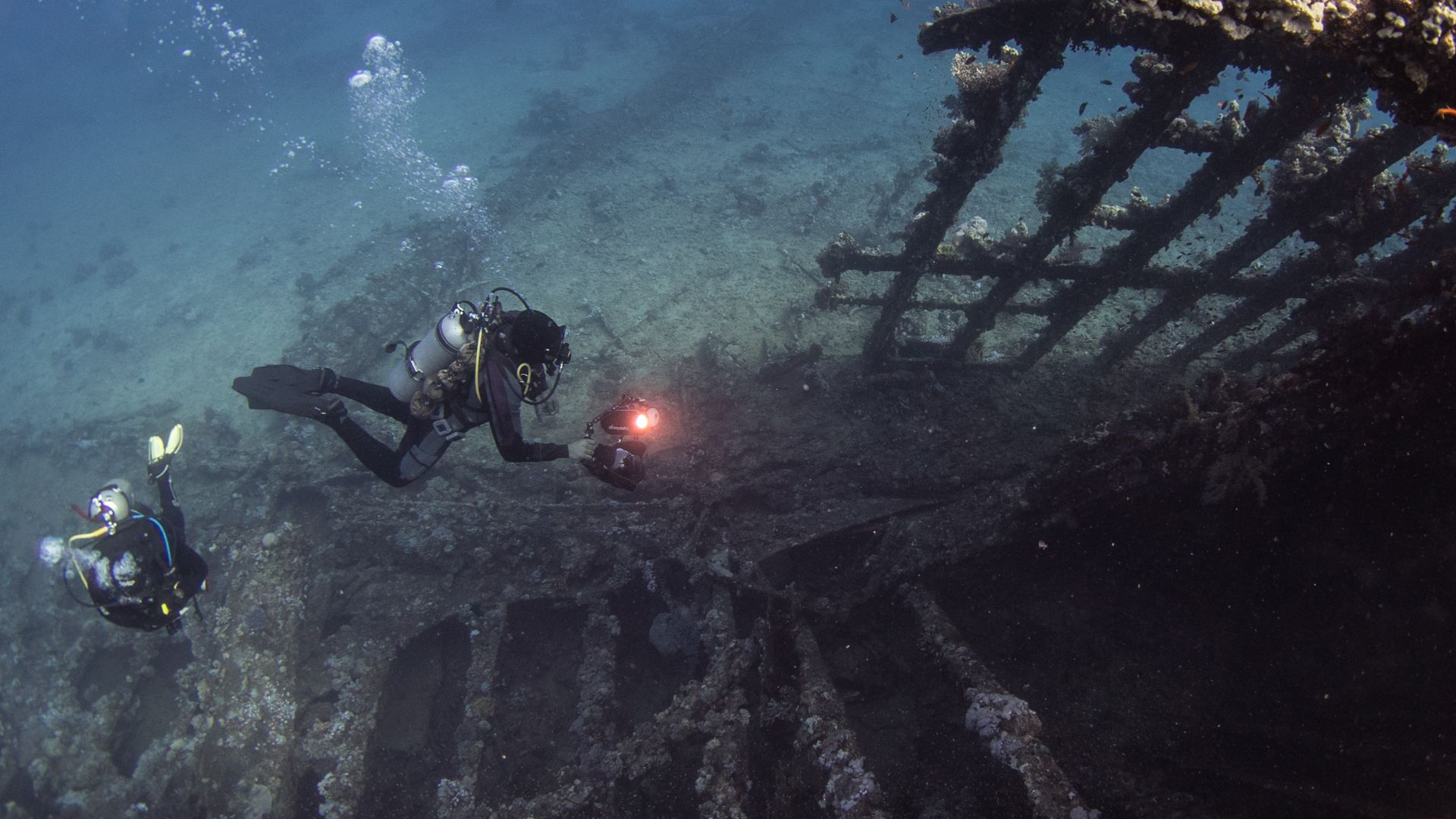
For a while, people knew roughly where the wreck was. But over time, sand covered it up again. Slowly, it disappeared from view and from memory. It became one of those somewhere out there stories.
 W.Strickling, Wikimedia Commons
Until the Hurricane Hit
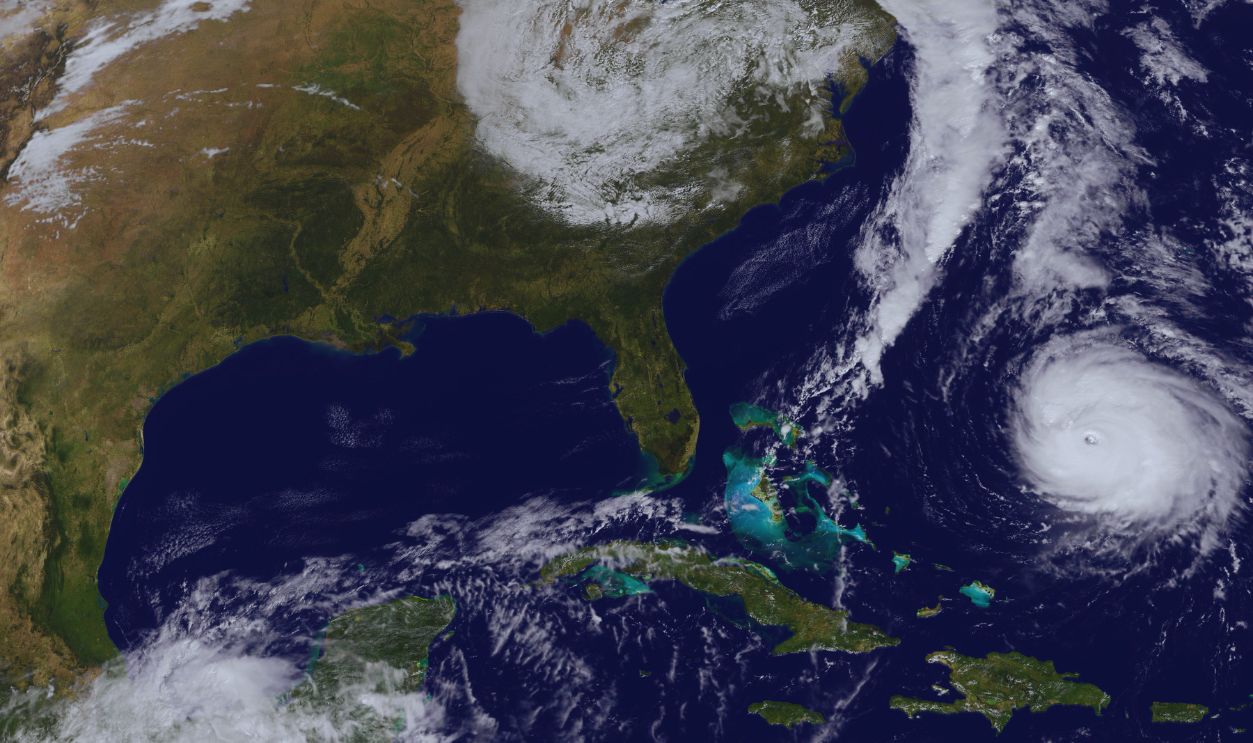
Then came 2009. The hurricane rolled in, stirred everything up, and stripped away the sand that had been hiding the wreck. In just a short time, parts of the ship that hadn’t seen daylight in over 100 years were suddenly visible again.
 NASA Goddard Space Flight Center from Greenbelt, MD, USA, Wikimedia Commons
A Ship Frozen in Time
What surprised everyone was how intact the wreck looked. It wasn’t just pieces scattered around. You could actually see how the ship was built. It looked less like ruins and more like something paused mid-story.
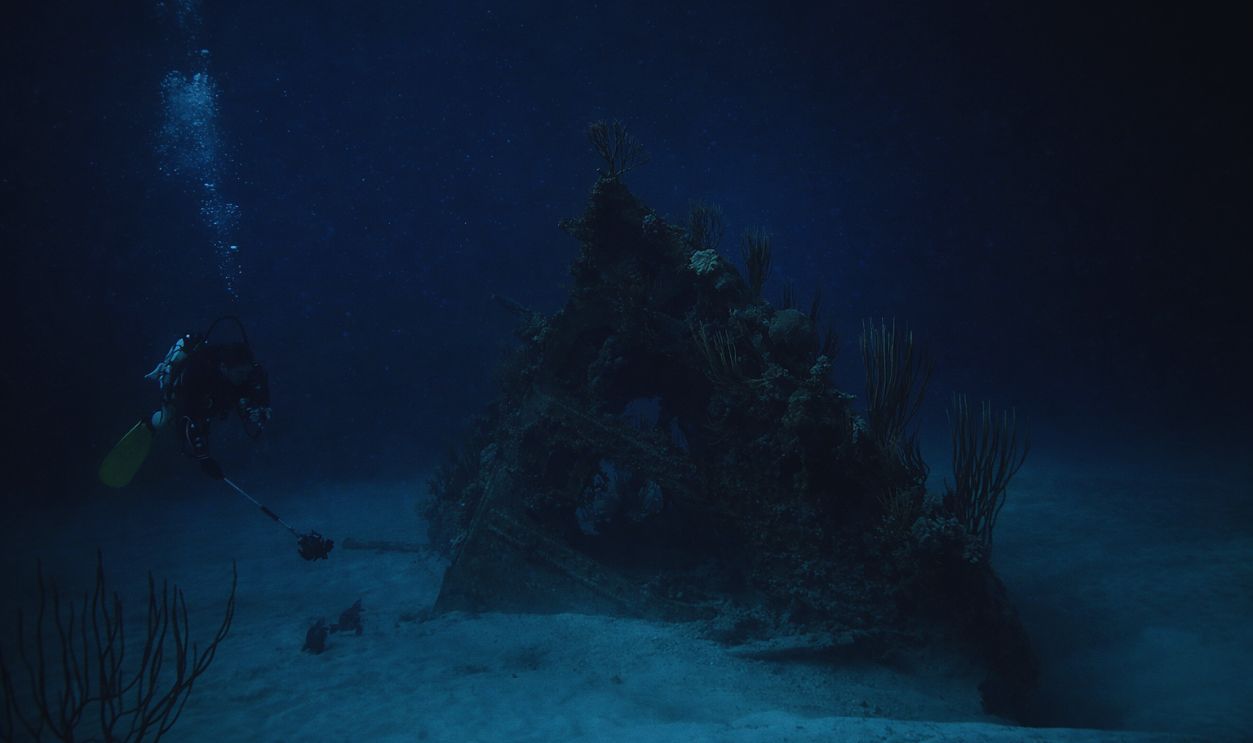
The Items That Shouldn’t Still Exist
As divers explored the wreck, they started finding objects that really shouldn’t have survived that long underwater. Glass bottles, delicate items, and personal belongings were still there. It felt less like a wreck and more like someone had sealed everything up and walked away.
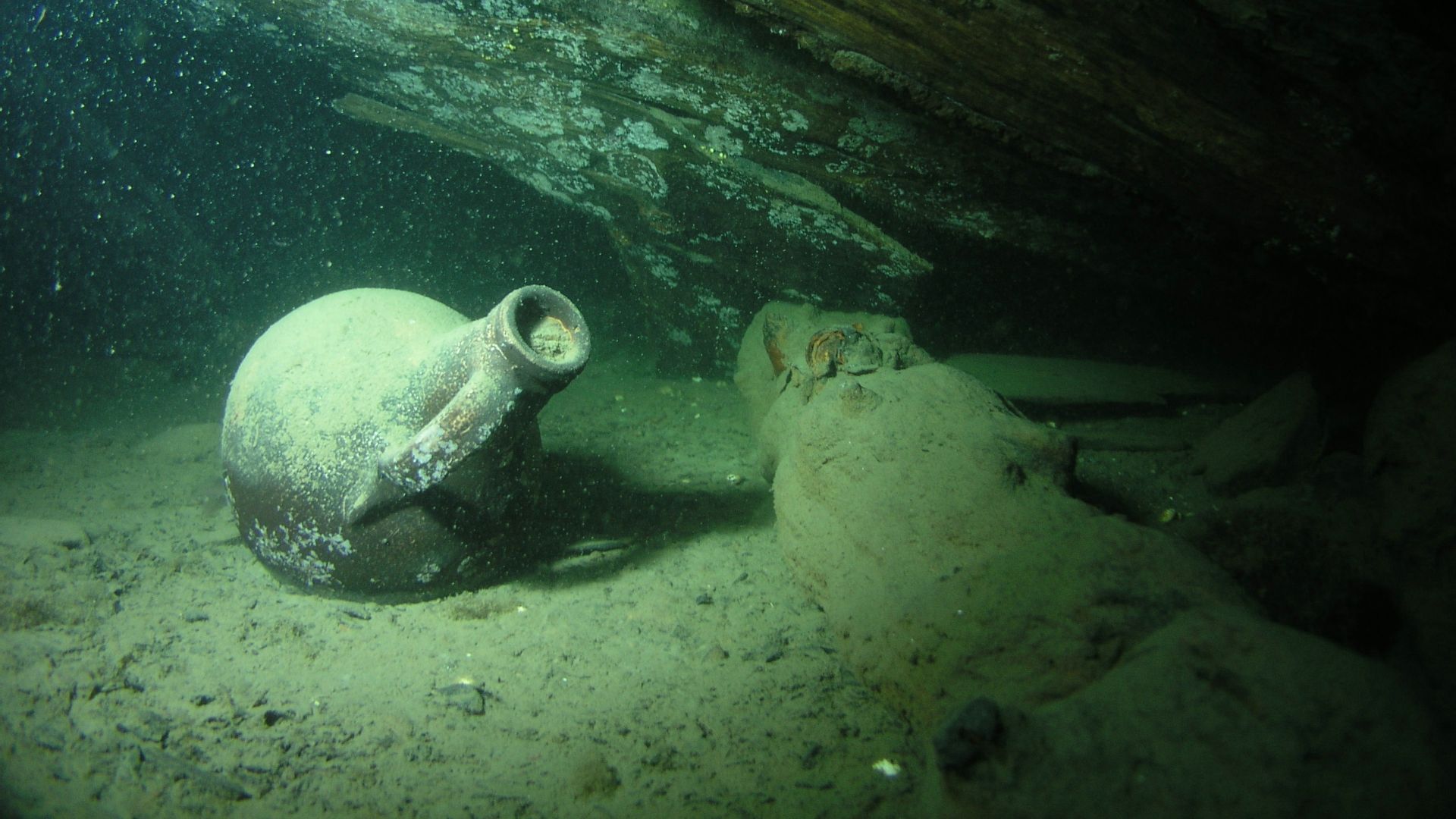 Jens Lindström (Statens maritima museer), Wikimedia Commons
The Perfume That Made Headlines
Then came the discovery that got everyone talking. Perfume bottles, still sealed after more than a century underwater. Researchers even worked to recreate the scent, which is probably the closest anyone has come to time-traveling through smell.
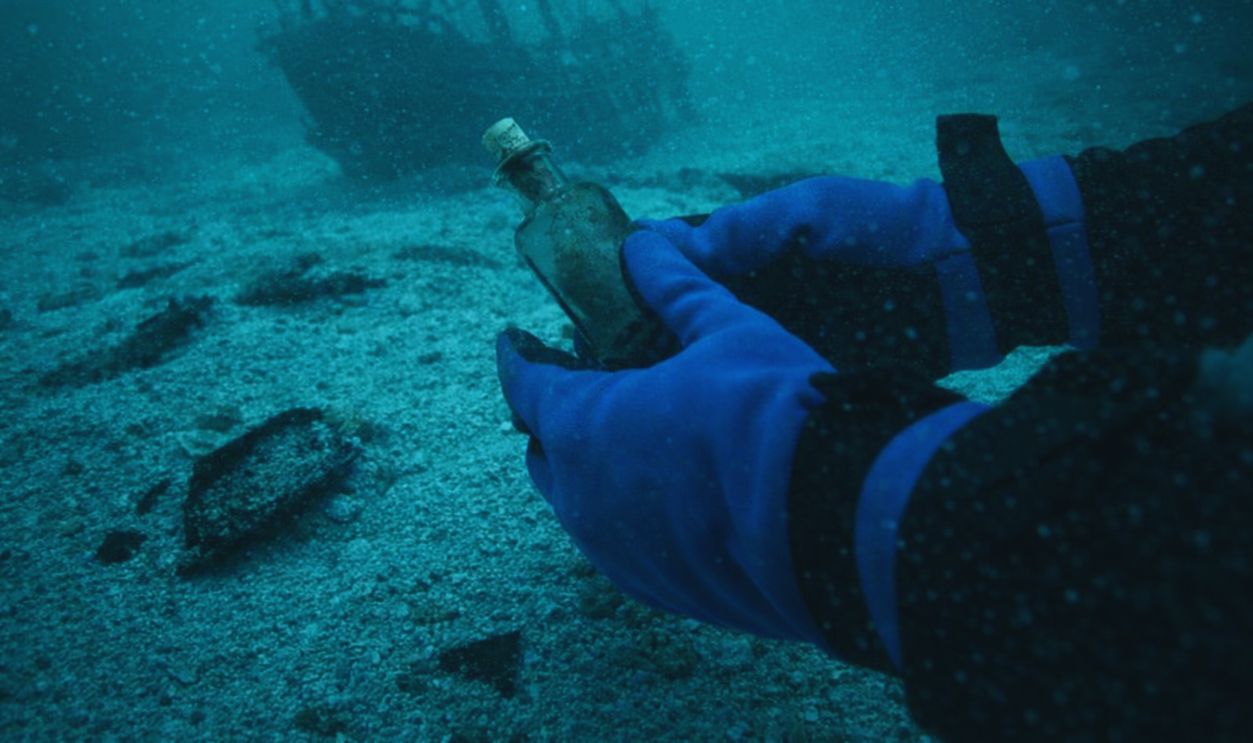
Not Everything Was About War
The mix of cargo told an interesting story. Yes, there were weapons and supplies. But there were also everyday items that made it clear this wasn’t just about war. It was about people living their lives, even in the middle of it.
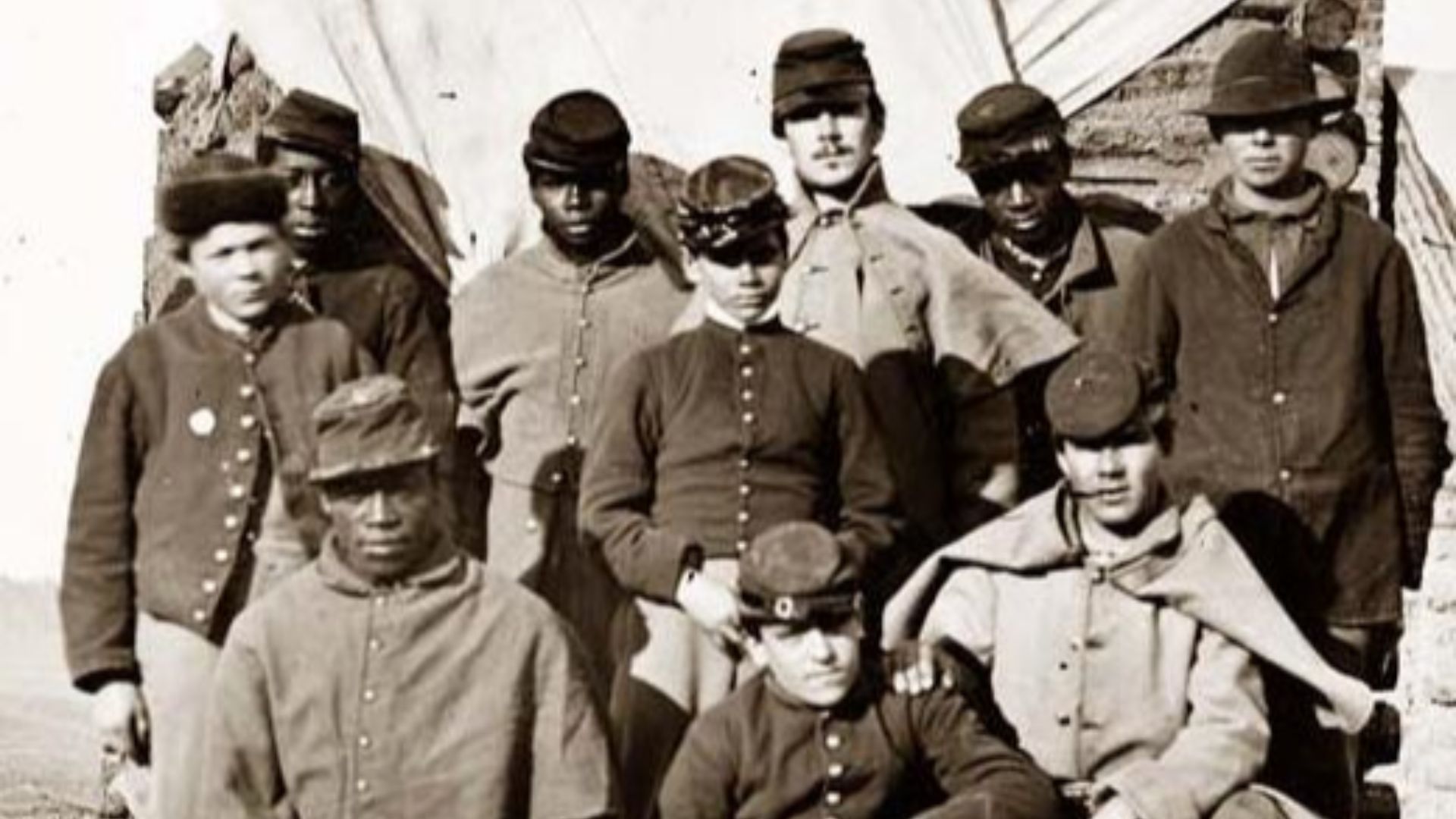 Unknown authorUnknown author, Wikimedia Commons
Carefully Lifting the Past
Recovering the artifacts wasn’t as simple as just picking them up. Once these items were exposed to air, they could start falling apart quickly. Each piece had to be handled carefully, treated, and preserved before it could survive outside the water.
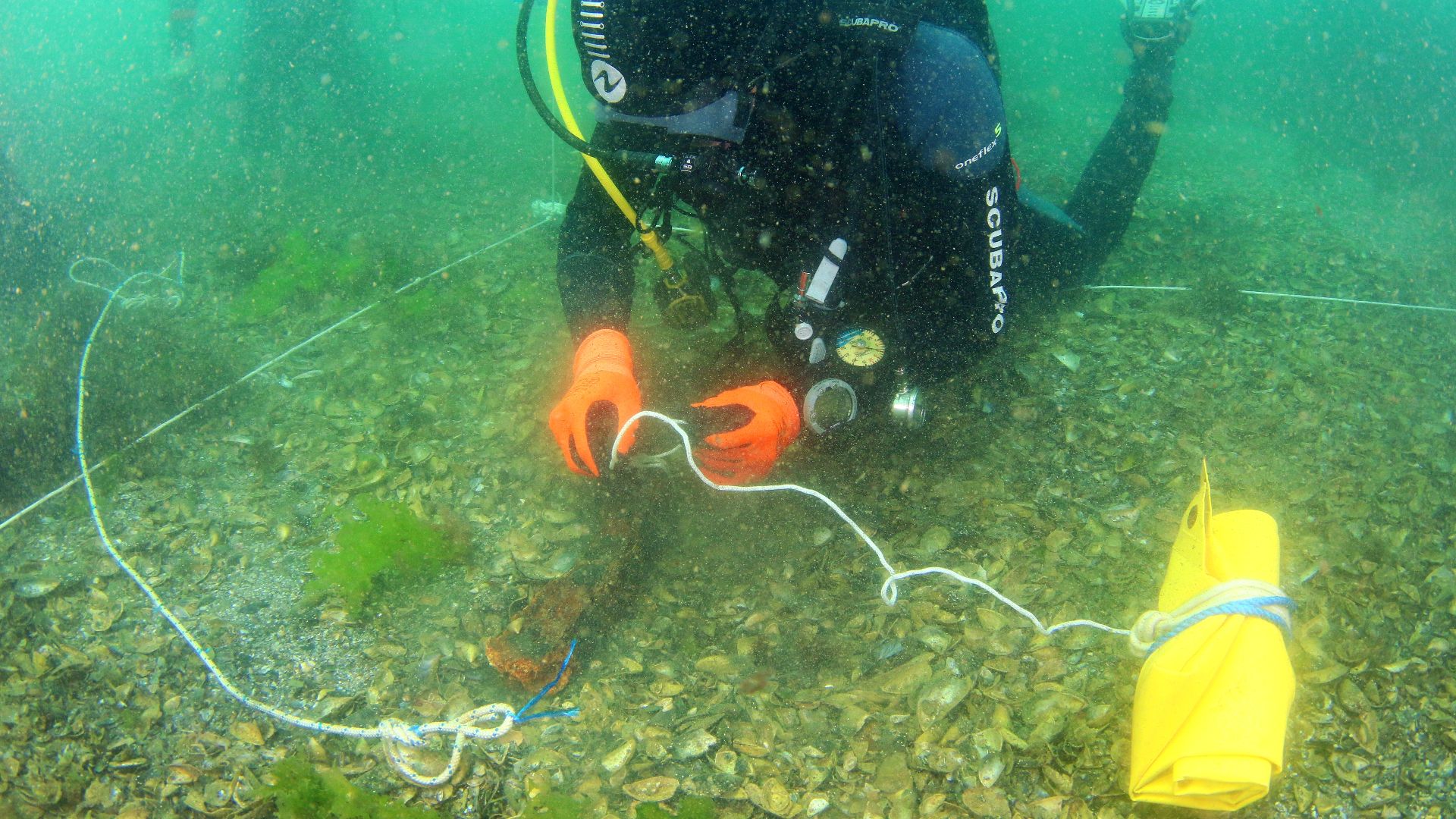
A Rare Kind of Shipwreck
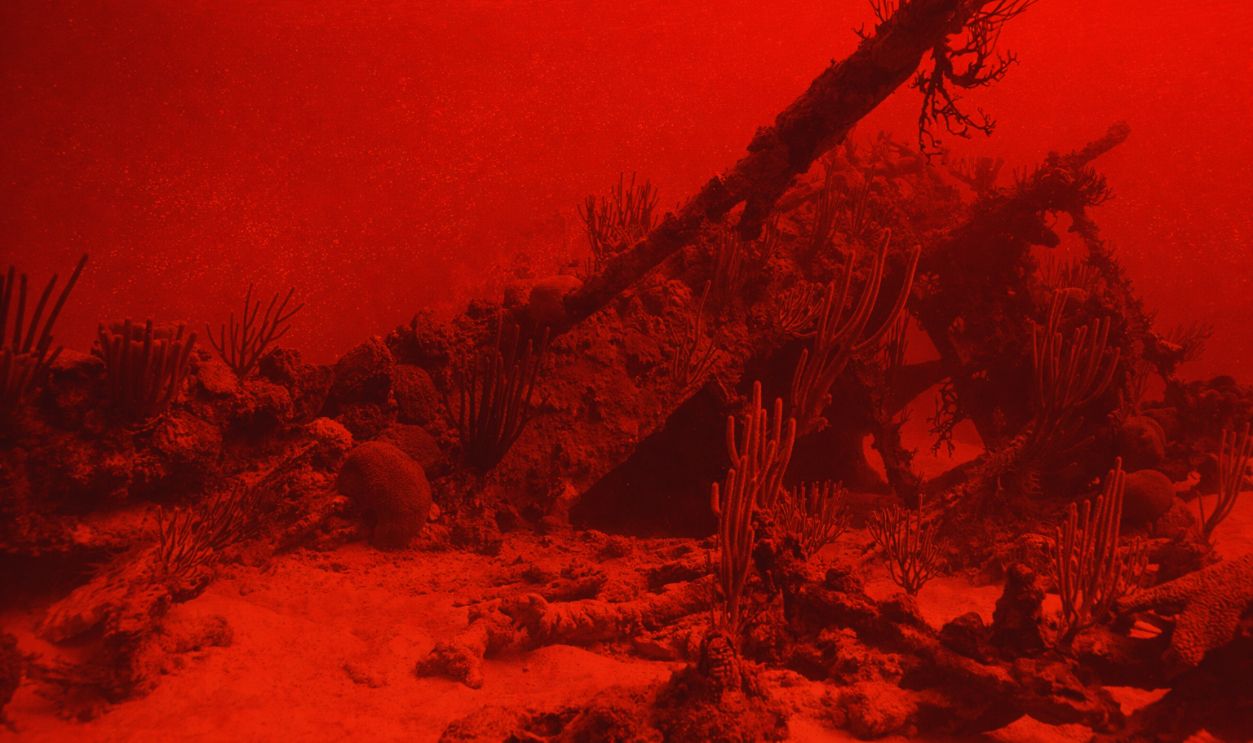
Most shipwrecks don’t look like this. They’re usually broken, scattered, and worn down by time. The Mary Celestia was different. It held together, giving researchers a much clearer picture of how everything once looked.
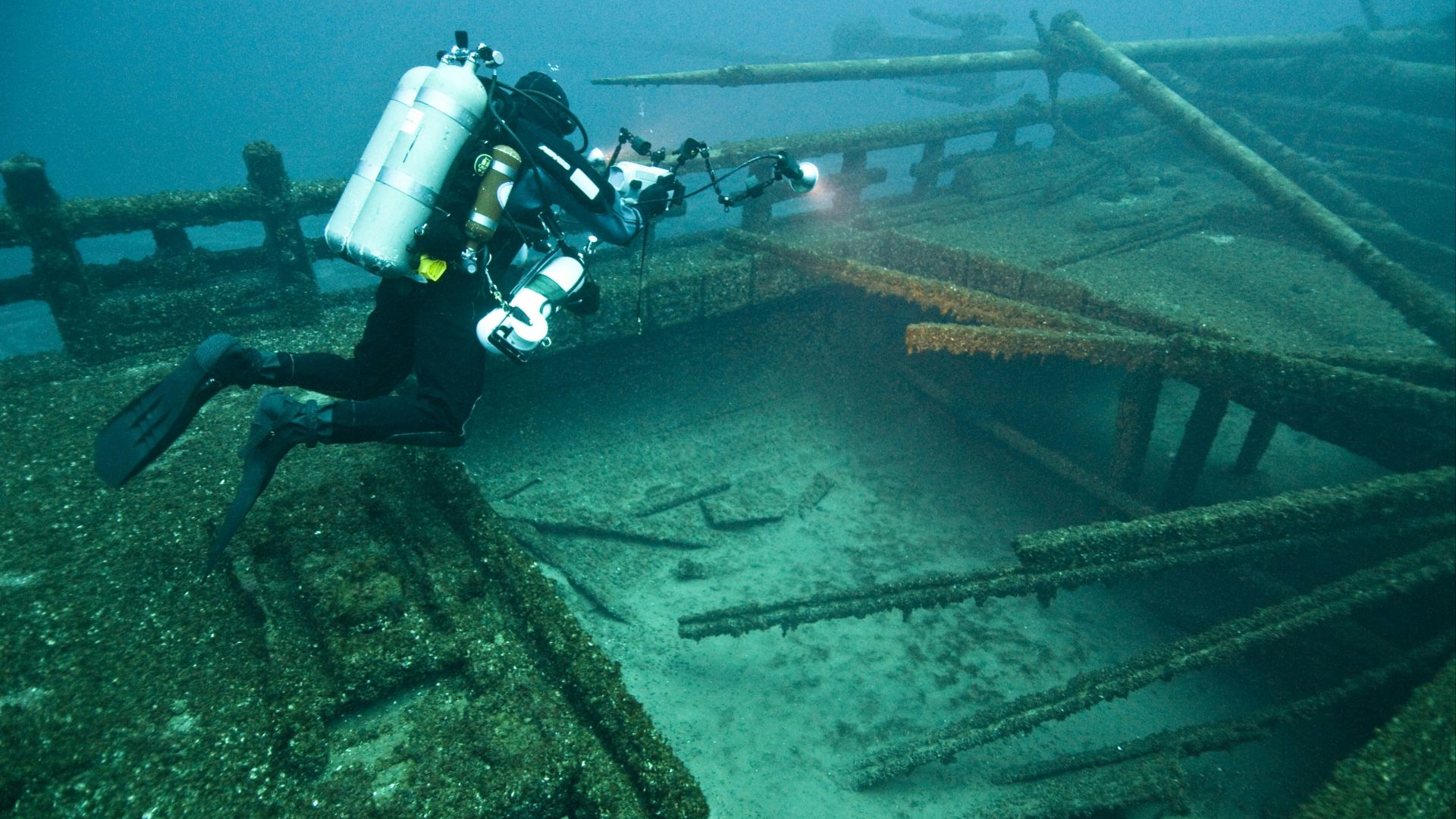
Bermuda’s Role in the War
Bermuda wasn’t just a random stop. It played an important role during the Civil War as a hub for blockade runners. Ships like the Mary Celestia relied on it, which makes this discovery even more meaningful.
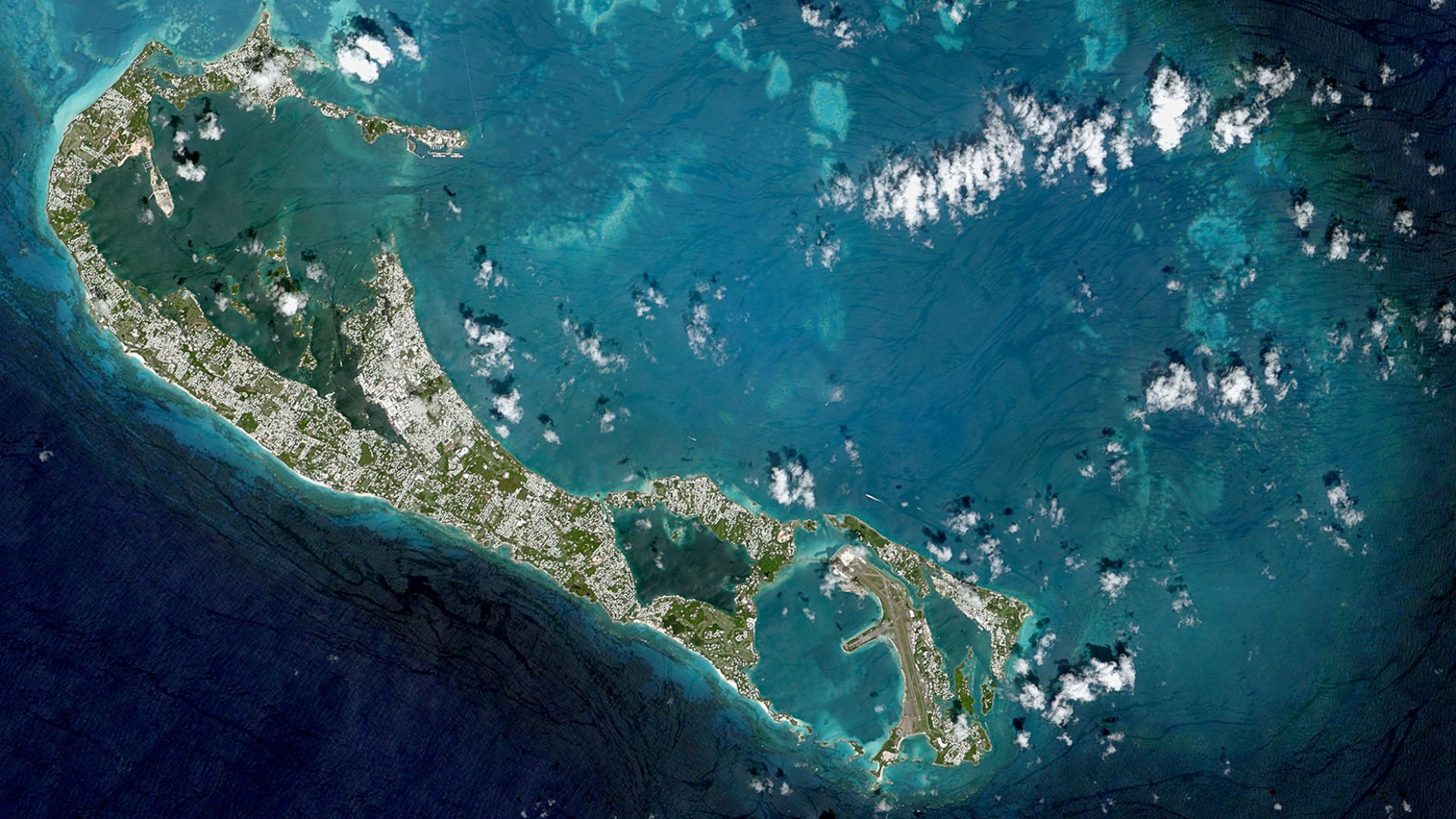 Axelspace Corporation, Wikimedia Commons
Why This Discovery Matters
This wasn’t just about finding a ship. It was about understanding how people moved goods, took risks, and survived during a major conflict. Every object helped fill in part of that story.
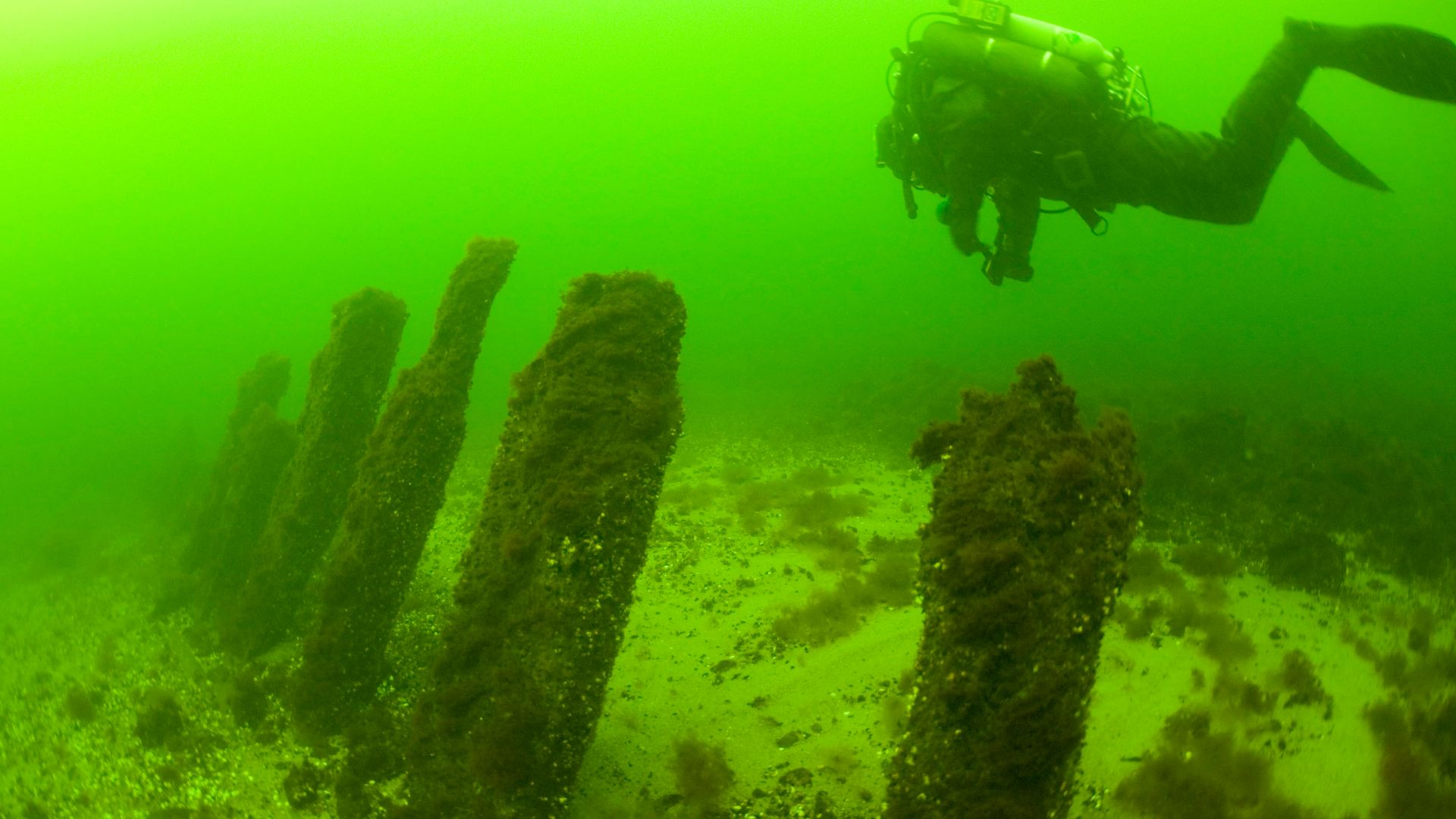 Tuukritööde OÜ, Wikimedia Commons
A Storm That Became an Archaeologist
No one planned this discovery. The hurricane basically did the excavation first. It cleared away years of sand in a matter of hours, doing work that would normally take a very long time.
What Else Is Still Hidden?
If one storm could uncover something like this, it makes you wonder what else is still buried out there. How many other stories are sitting just beneath the surface?
A Discovery That Could Have Been Lost Again
Here’s the part that almost didn’t happen. The same forces that revealed the wreck could have easily destroyed it again. If people hadn’t acted quickly, much of it could have disappeared for good.
 Greg Grimes, Wikimedia Commons
The Story Beneath the Surface
The Mary Celestia isn’t just a shipwreck. It’s a story about people, movement, and survival during a complicated time in history. And somehow, it managed to stick around long enough for us to find it again.
The Value We’re Still Uncovering
What was uncovered off the coast of Bermuda is still being studied today. Its importance keeps growing as more details come to light. And the full value of what was found, both historically and otherwise, is something we’re still figuring out.
You May Also Like: