The Tunnel That Became a Death Trap
In the ancient Syrian city of Dura-Europos, archaeologists uncovered a horrifying scene hidden underground for nearly 2,000 years. Deep inside collapsed tunnels, the bodies of Roman soldiers were found piled together beside evidence suggesting something terrifying: they may have been killed by one of history’s earliest chemical weapons.
 Gianfranco Gazzetti / GAR, Wikimedia Commons
A Forgotten City on the Edge of Empire
Dura-Europos sat along the Euphrates River in what is now modern-day Syria. Founded around 300 BCE, the city became an important military and trading hub where different cultures, languages, and armies constantly crossed paths.
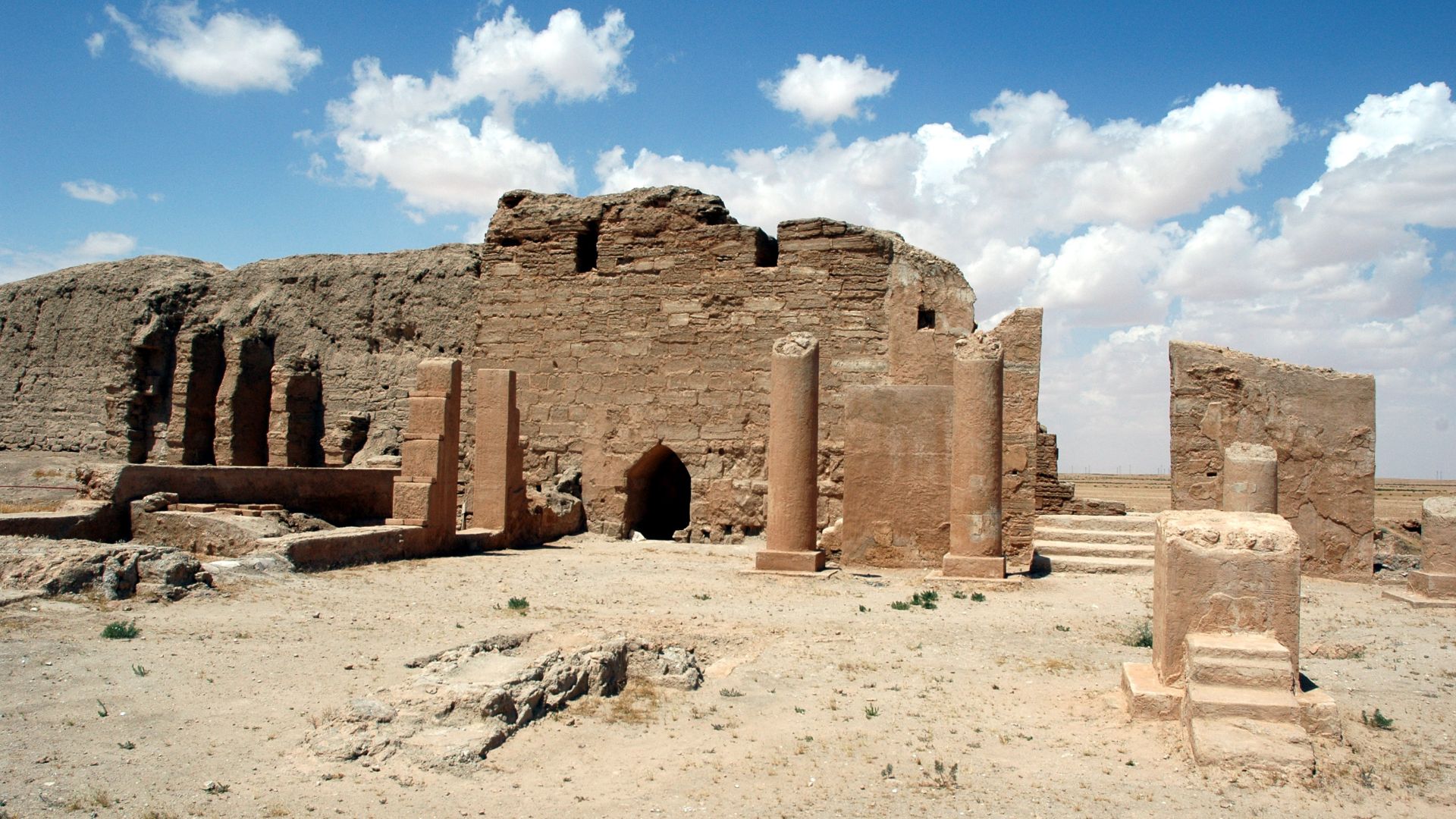 Gianfranco Gazzetti, Wikimedia Commons
Rome vs. Persia
By the mid-third century CE, the city had become part of the Roman Empire. Unfortunately for the Romans living there, the powerful Sasanian Persian Empire wanted the city badly. And in 256 CE, things got very ugly.
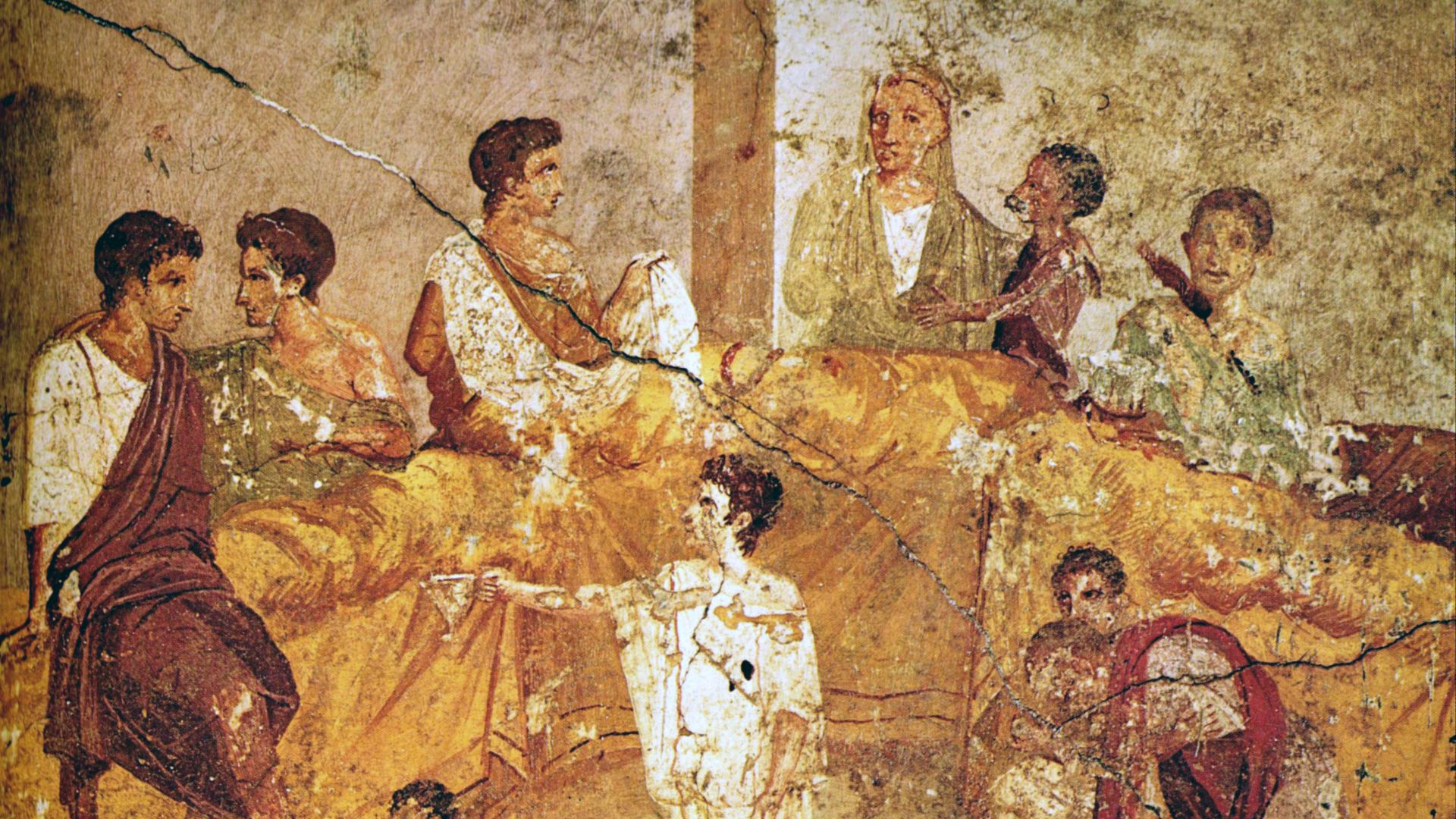 Unknown artistUnknown artist, Wikimedia Commons
The Siege Begins
The Persian army surrounded Dura-Europos and began attacking the city walls. Sieges in the ancient world were brutal enough already, but this one quickly turned into something far stranger than ordinary warfare.
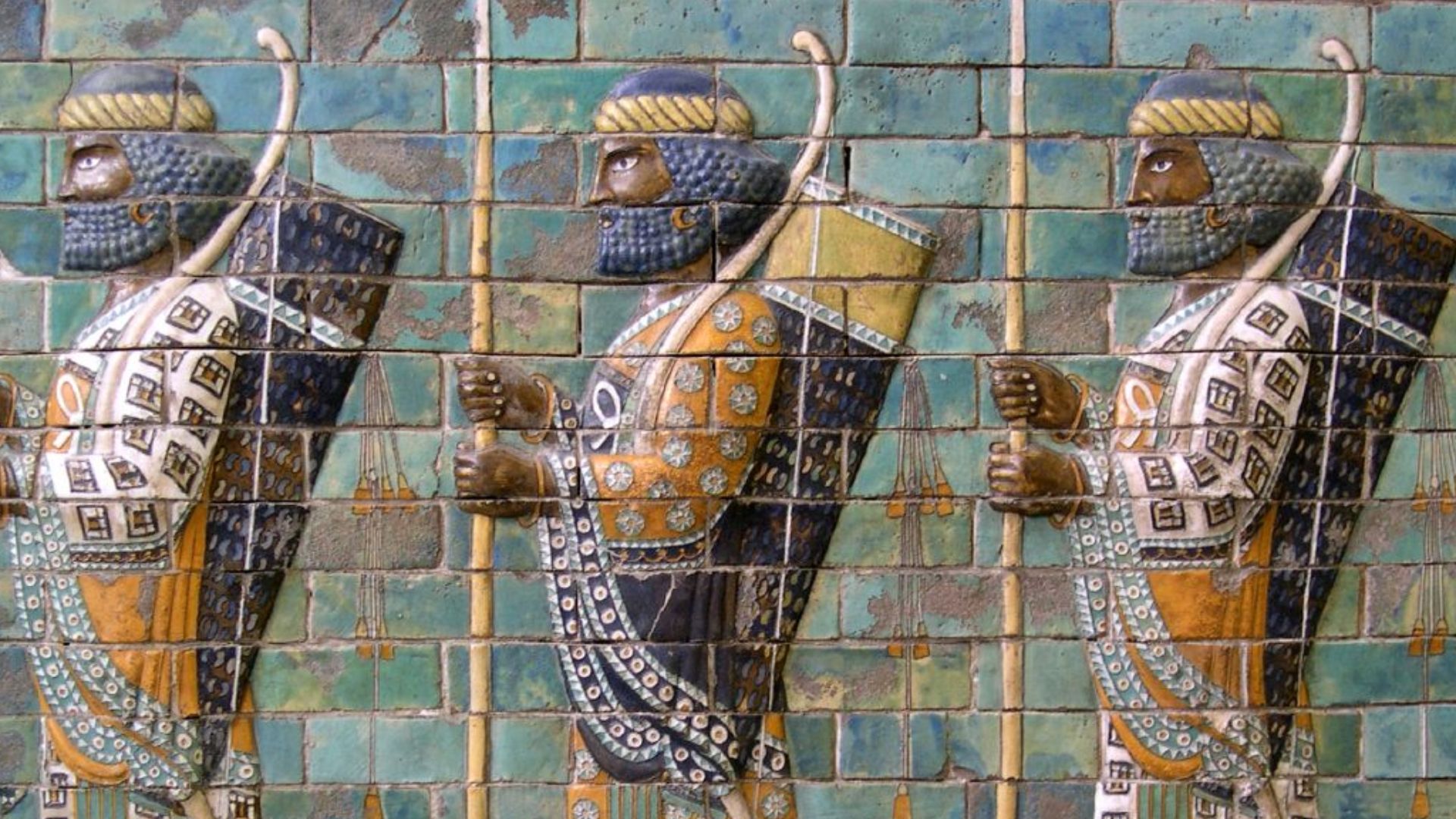 photo by mshamma, Wikimedia Commons
Digging Under the Walls
Instead of simply charging the gates, Persian forces started digging tunnels beneath the city’s defenses. This process, known as mining, allowed attackers to weaken walls from below until sections collapsed.
The Romans Fight Back Underground
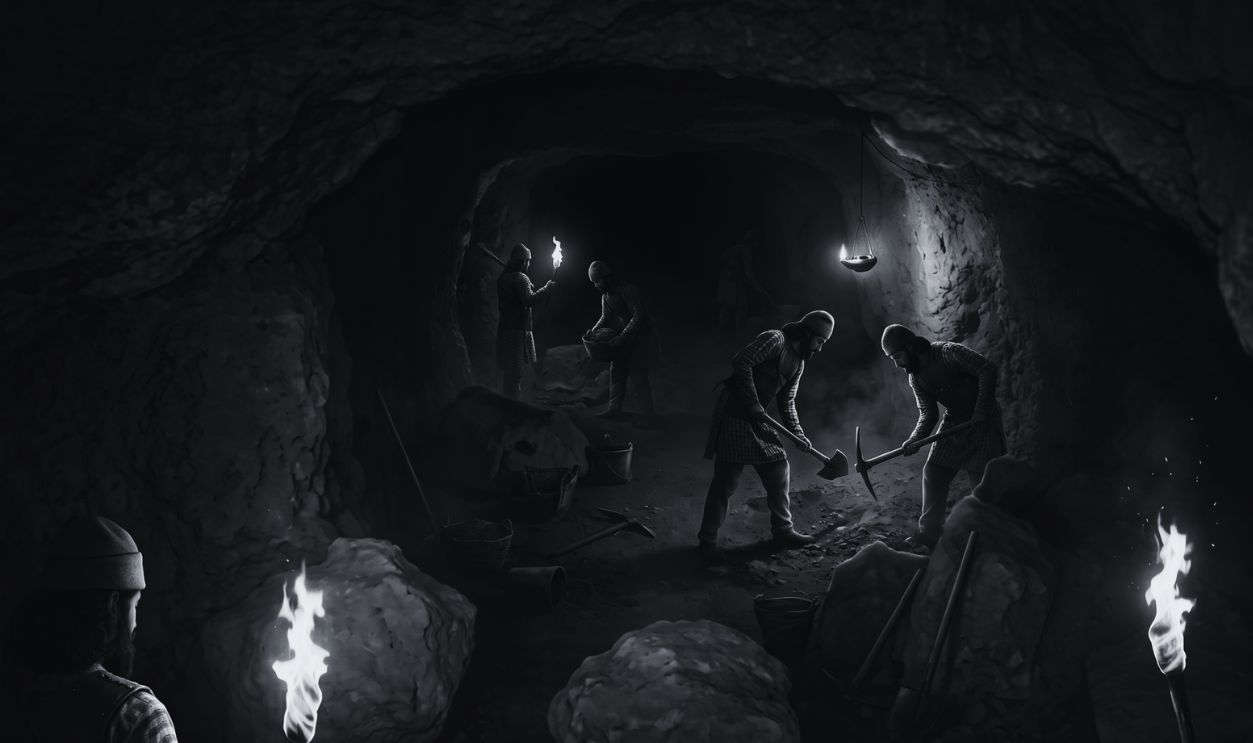
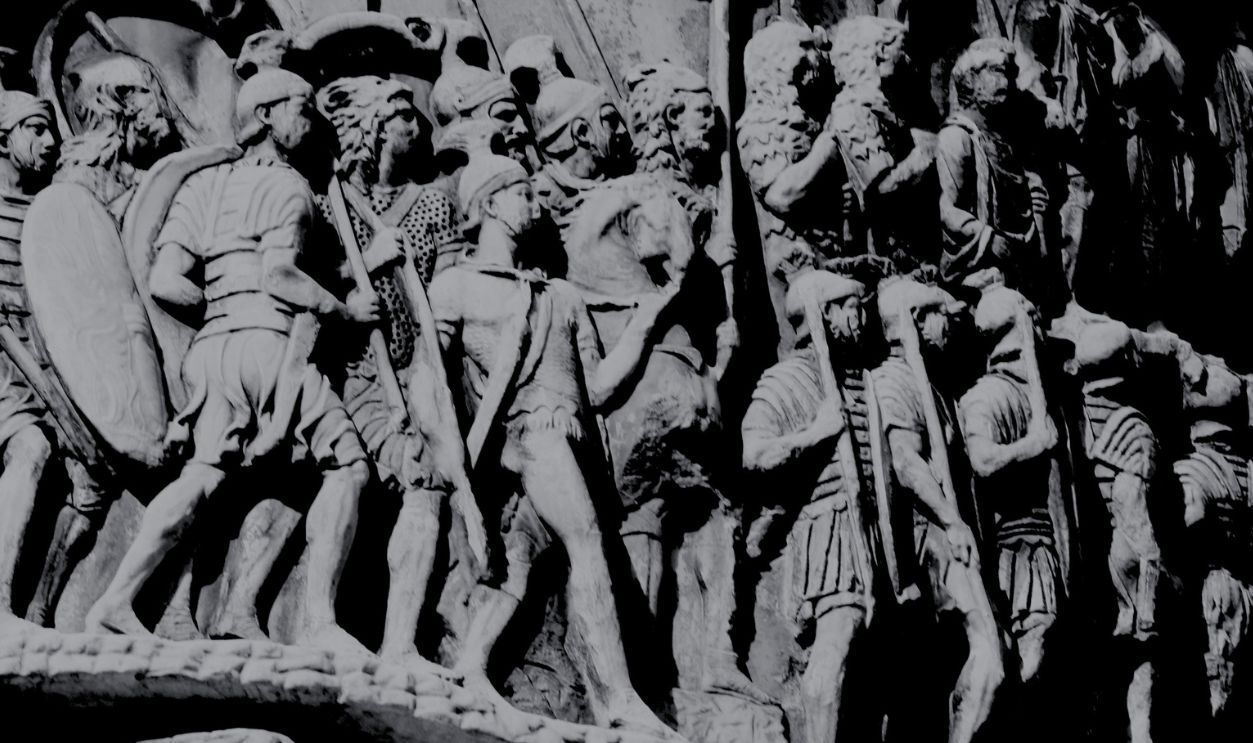
The Roman defenders realized what was happening and began digging their own tunnels to intercept the Persians underground. Imagine hearing enemy soldiers digging toward you through solid rock with nothing but torchlight around you. Absolutely not relaxing.
 Barosaurus Lentus, Wikimedia Commons
A Battle Beneath the Earth
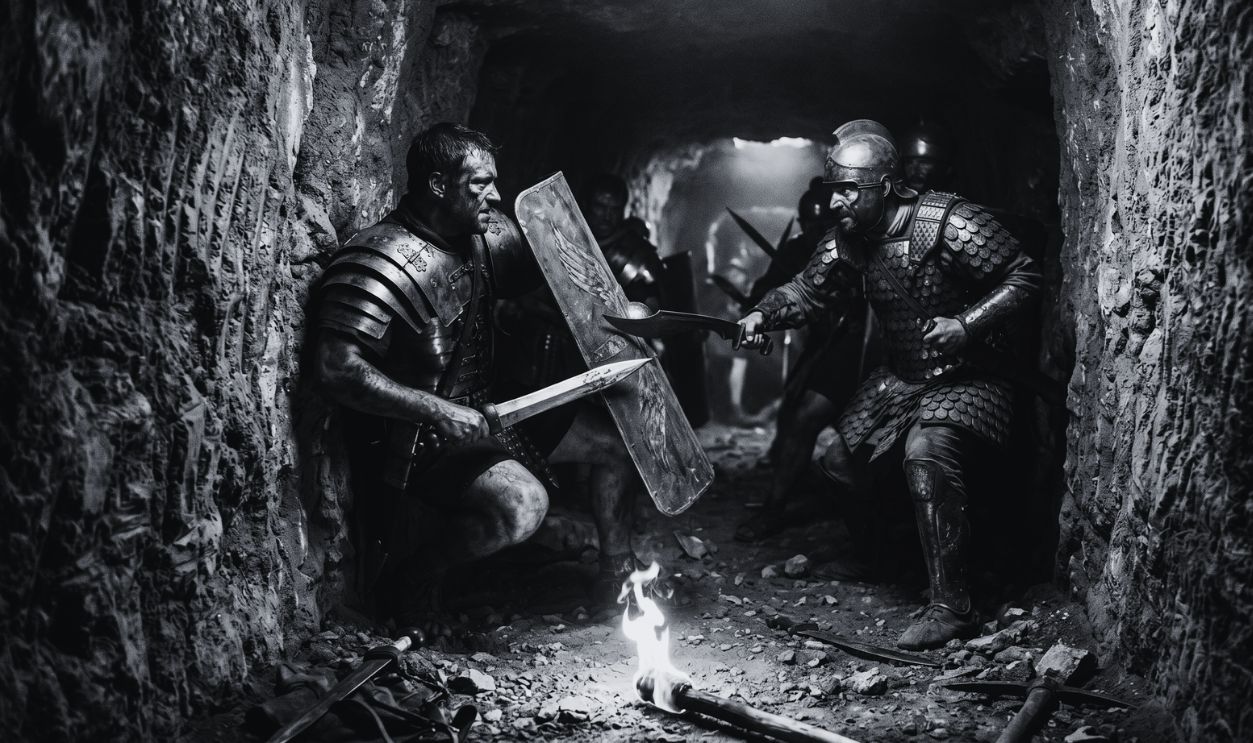
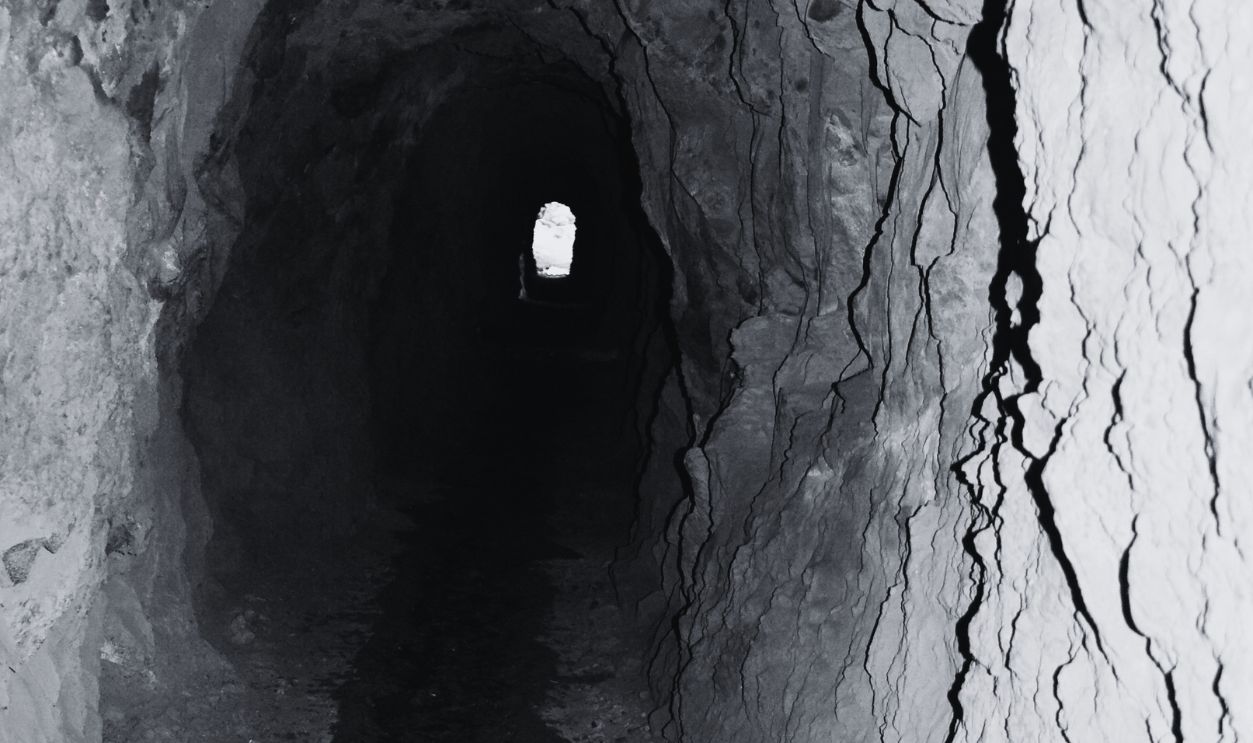
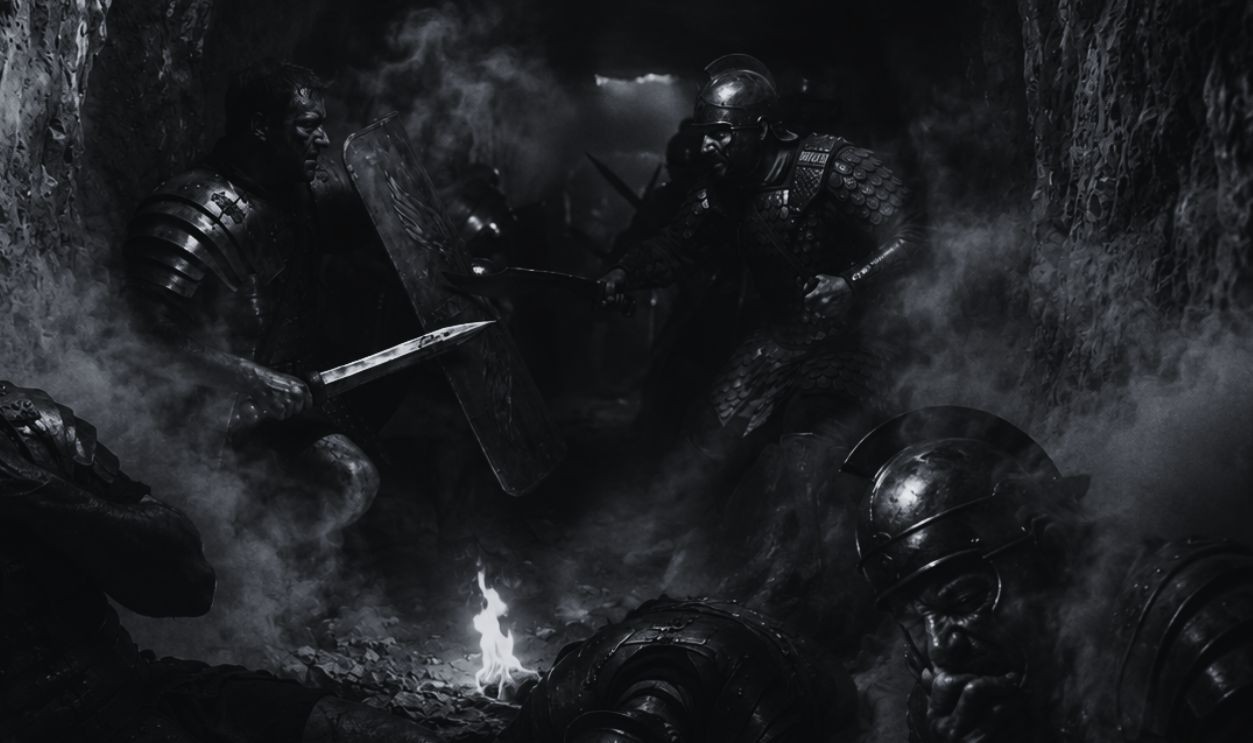
Deep underground, Roman and Persian soldiers were now fighting in cramped, dark tunnels barely wide enough to stand in. There was almost no room to swing weapons, and escape routes were limited.
Twenty Bodies in One Tunnel
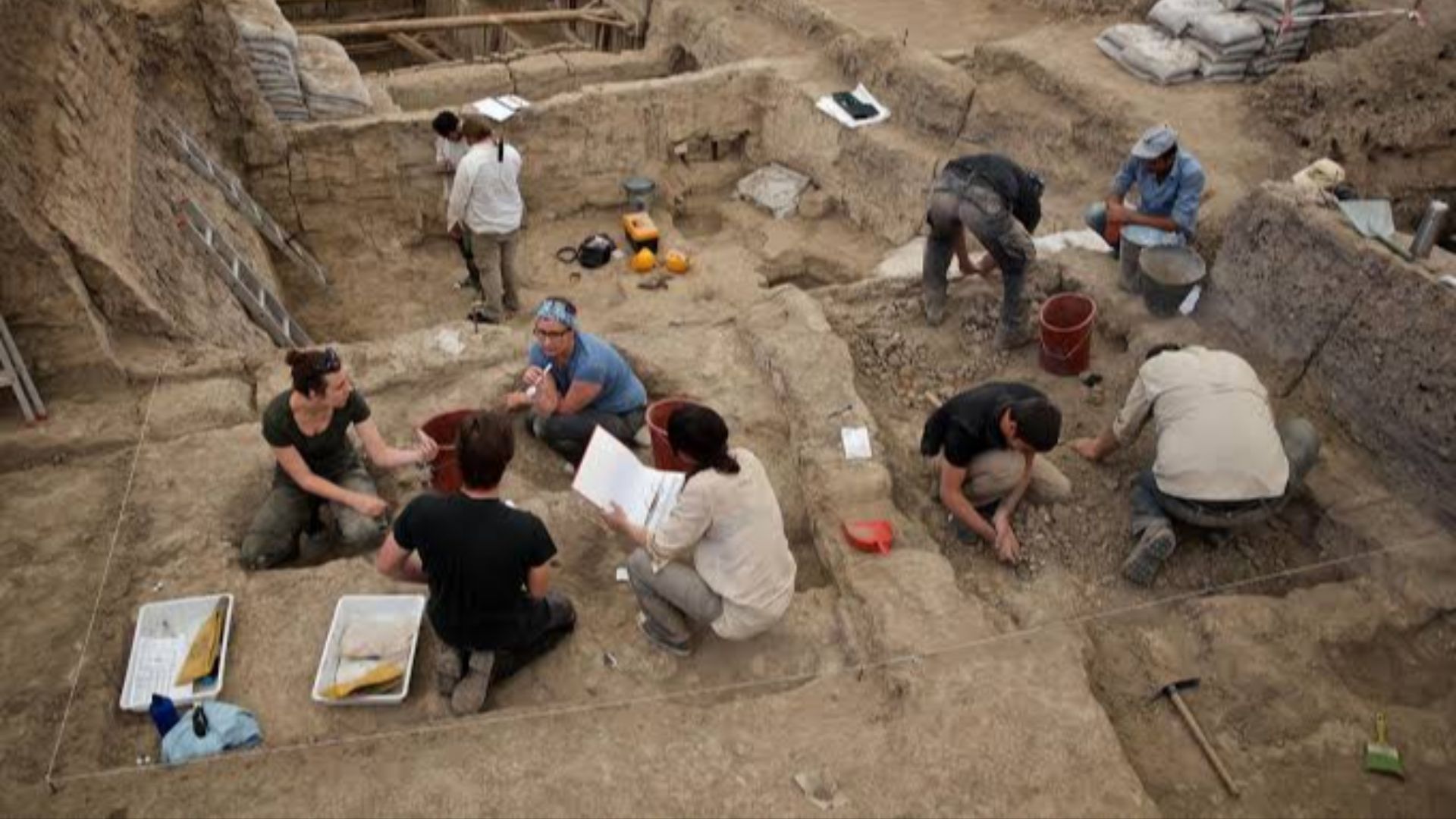
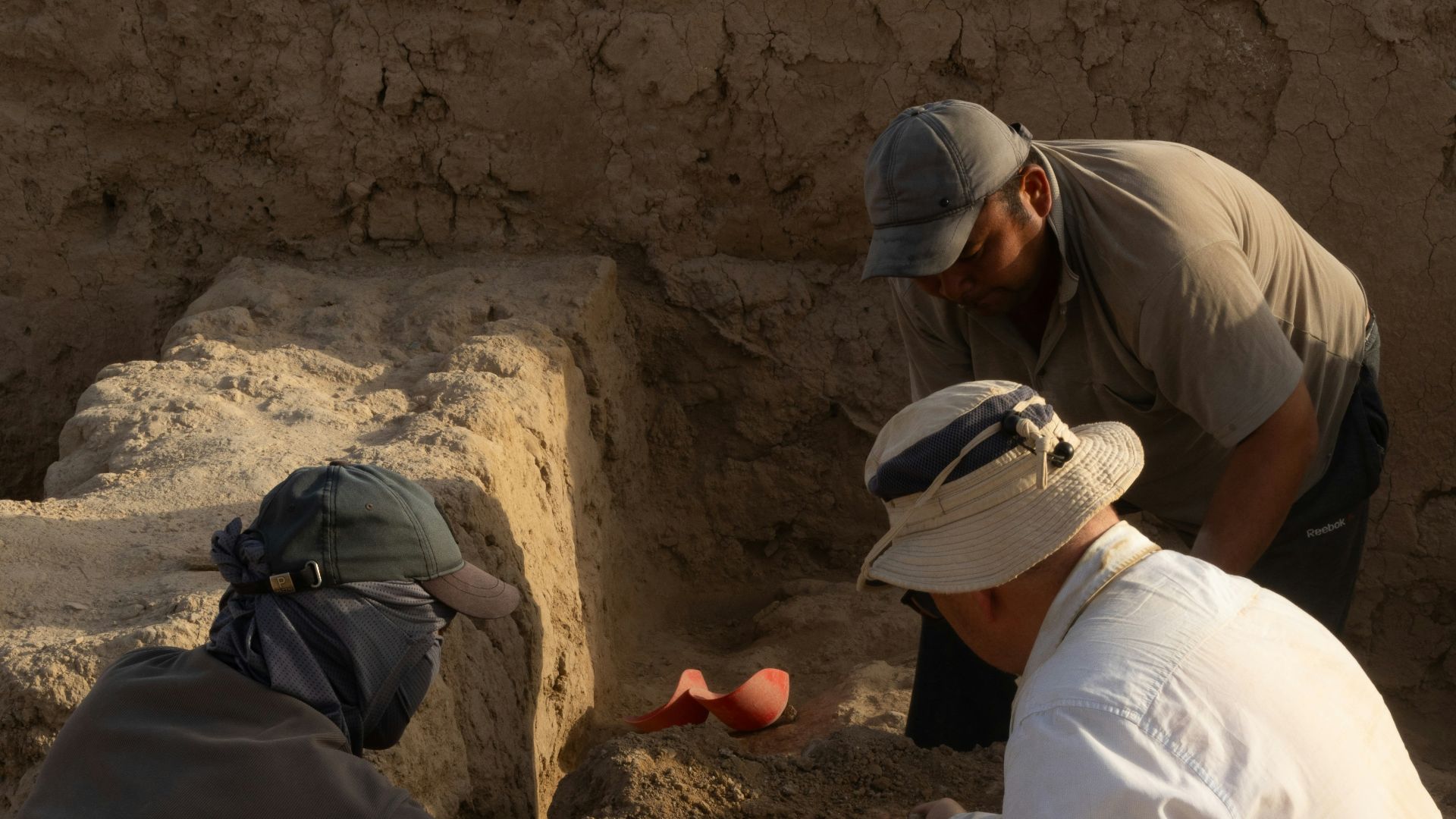
When archaeologists excavated the site in the 1920s and later studied it more closely in 2009, they found something shocking. The remains of around 20 Roman soldiers were piled together inside one of the tunnels.
Something Didn’t Make Sense
At first glance, researchers assumed the Romans had died in hand-to-hand combat. But there was a problem. The bodies showed very little evidence of sword wounds or violent injuries.
 National Cancer Institute, Unsplash
No Signs of a Normal Battle
The soldiers appeared to have collapsed where they stood. Some bodies were stacked awkwardly on top of one another, almost as if the men had died suddenly while trying to escape the tunnel.
Archaeologists Start Asking Questions
Historian and archaeologist Simon James from the University of Leicester took a closer look at the evidence. The strange positioning of the skeletons suggested the Romans may have died from something other than weapons.
 Aleksander Stypczynski, Unsplash
The Persians Had a Plan
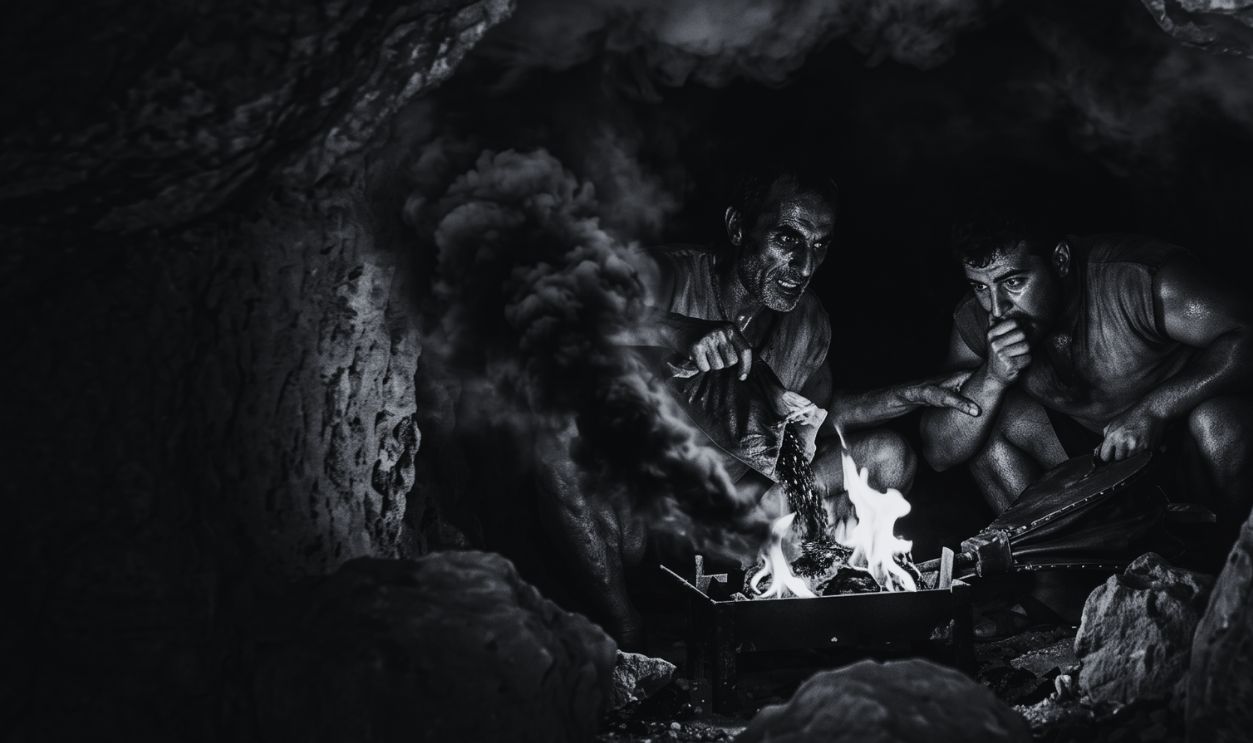
James proposed a theory that sounded disturbingly modern. He believed the Persian attackers may have deliberately created a toxic gas inside the tunnel to kill the Roman soldiers trapped underground.
The Ingredients Were Already There
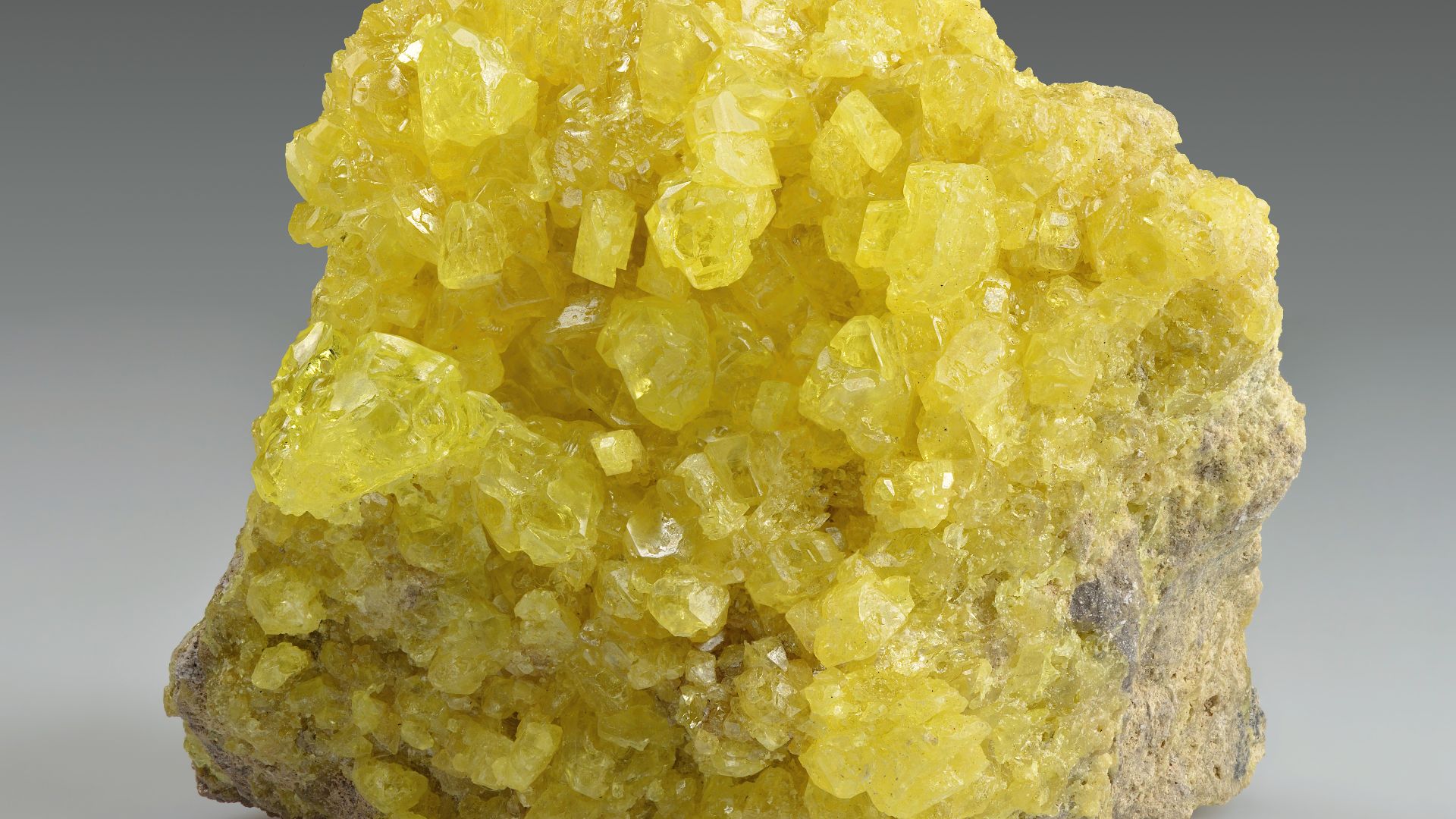
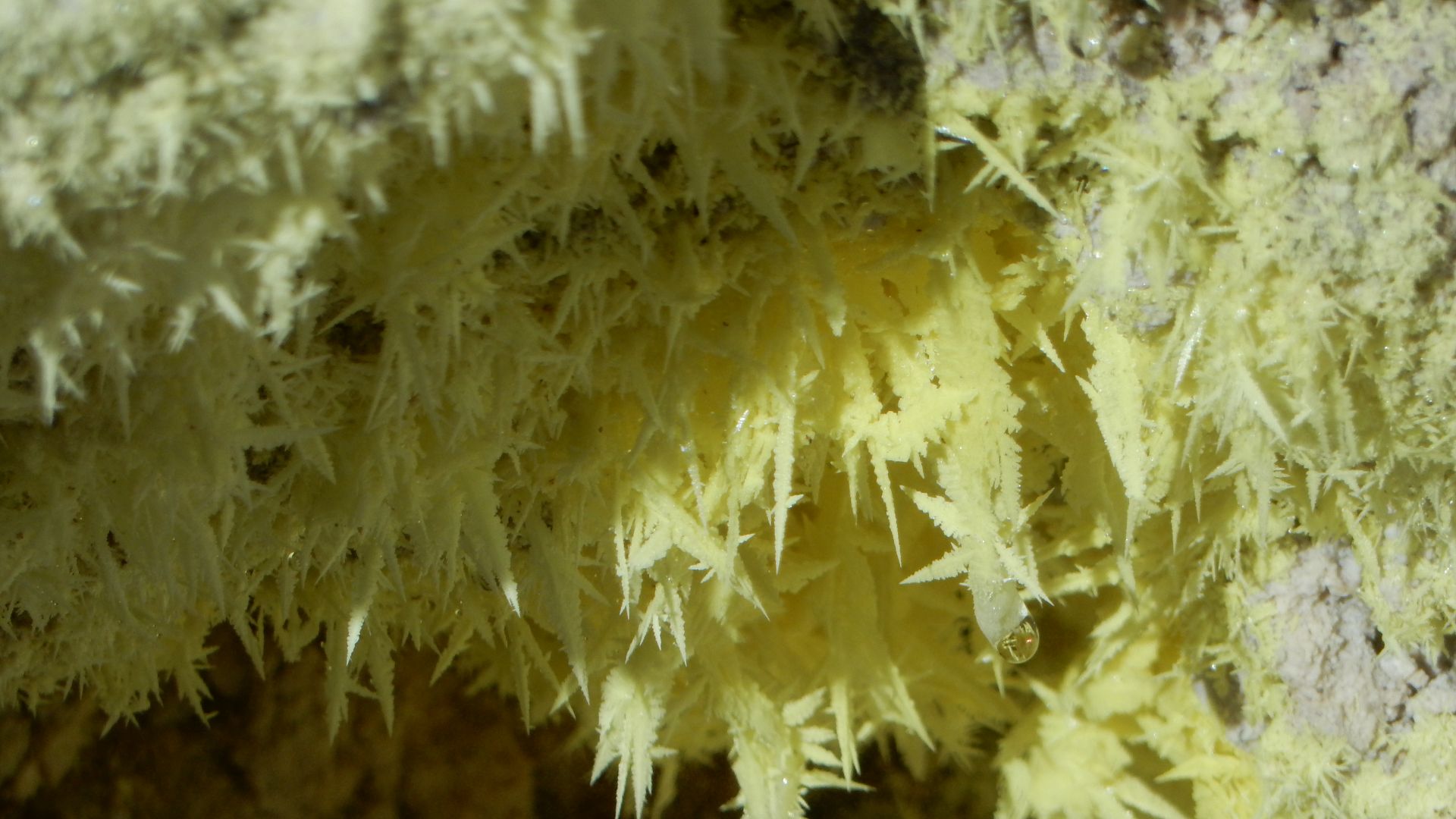
Archaeologists discovered traces of sulfur crystals and bitumen, a tar-like substance sometimes called pitch, near the tunnel. On their own, these materials might not seem unusual. Together, though, they become deadly.
 Ivar Leidus, Wikimedia Commons
A Lethal Chemical Reaction
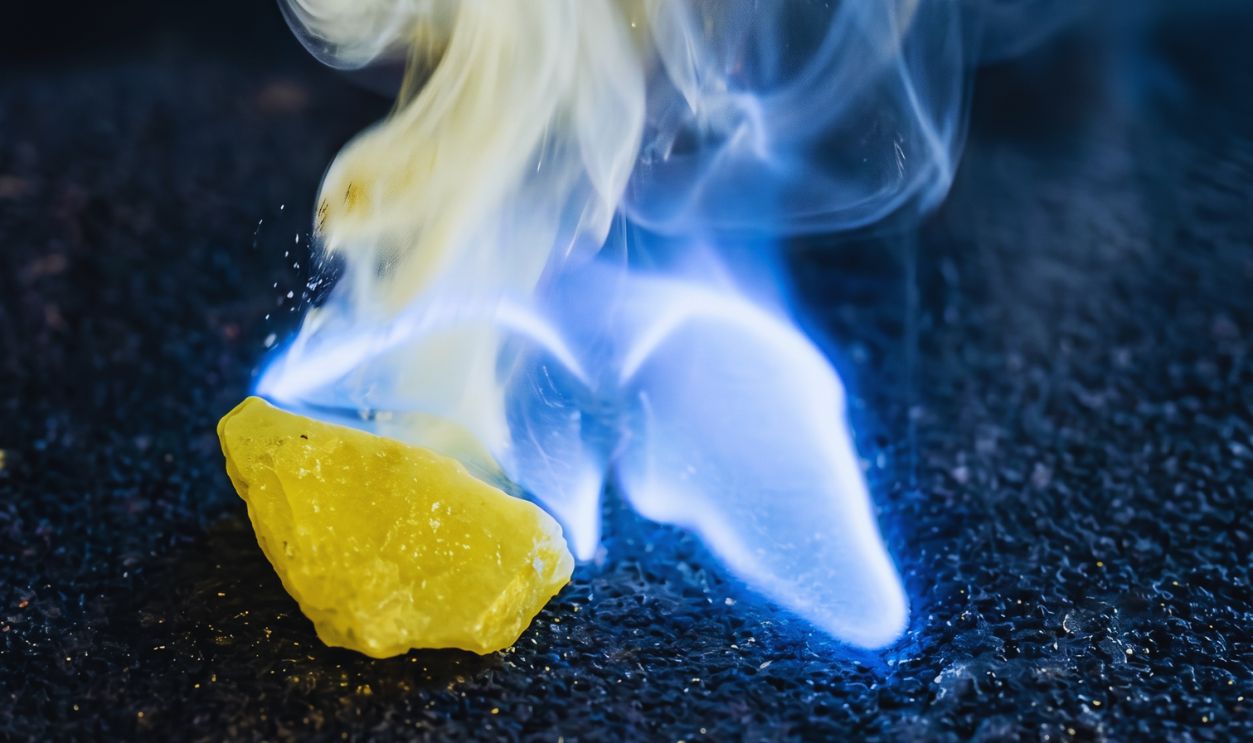
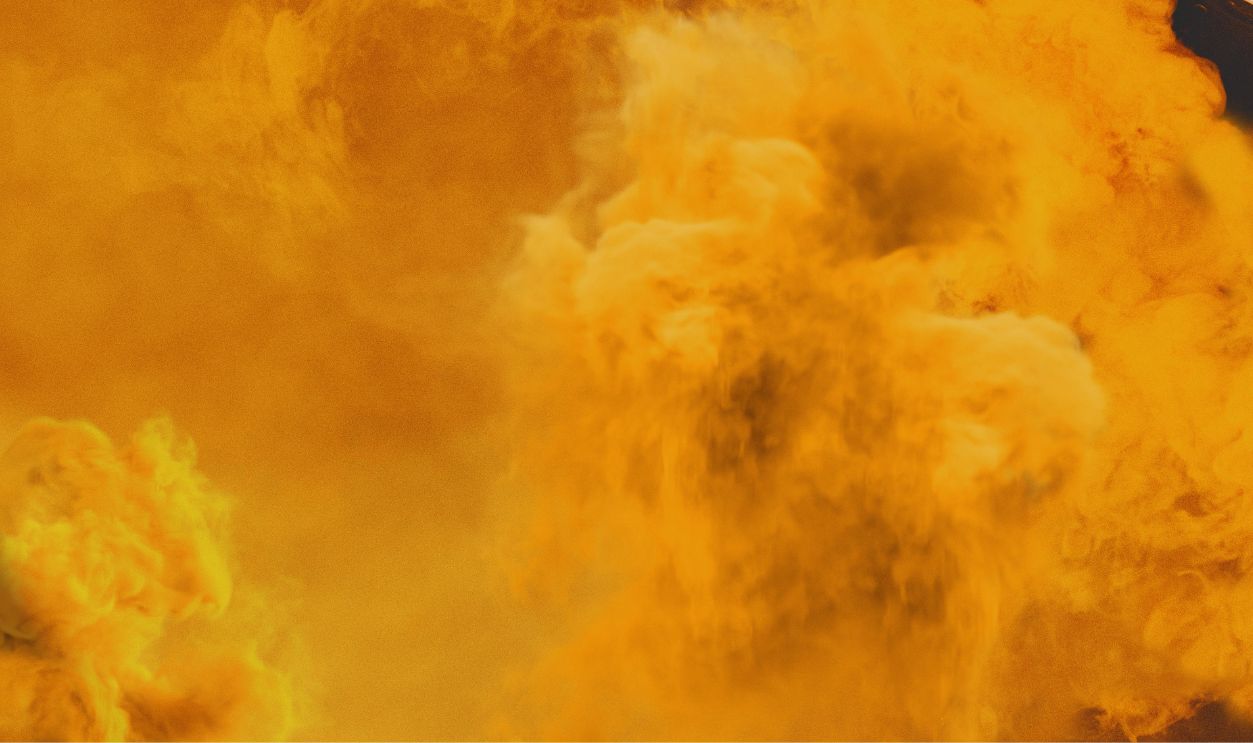
According to researchers, the Persians likely ignited sulfur and pitch inside the confined tunnel space. The fire would have produced thick clouds of choking sulfur dioxide gas.
 I, Johannes 'volty' Hemmerlein, Wikimedia Commons
The Tunnel Became a Gas Chamber
Inside the narrow underground passage, the toxic smoke would have had nowhere to escape. The Roman soldiers likely inhaled huge amounts of gas within seconds.
 Irving Joaquin Gutierrez, Pexels
What Happened Inside Their Lungs
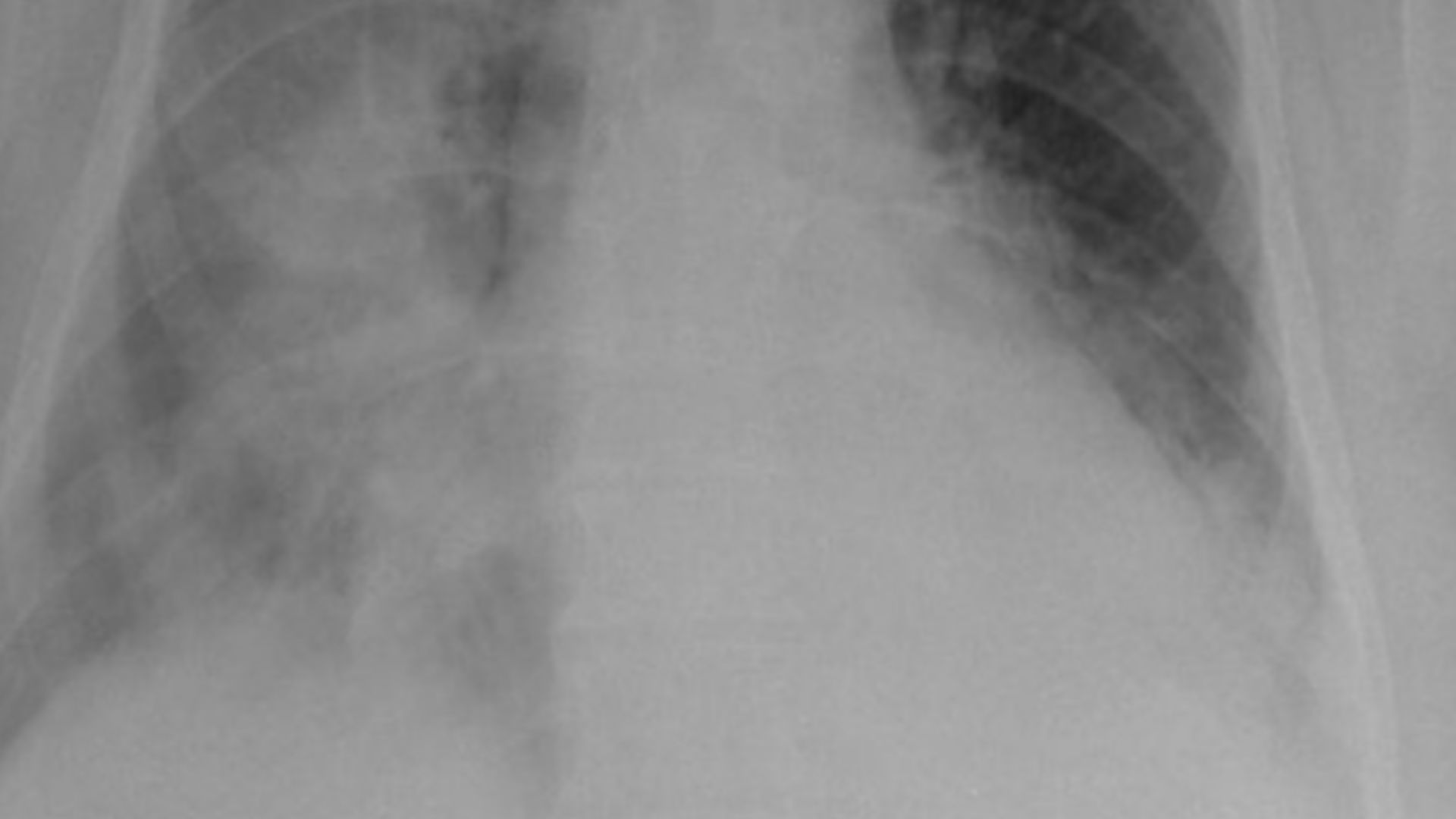
Once inhaled, sulfur dioxide reacts with moisture in the lungs to form acid. In simple terms, the soldiers may have essentially suffocated while their lungs chemically burned from the inside. Ancient warfare somehow found a way to become even worse.
 Malvinder S Parmar (BMC Infectious Diseases 2005, 5:30), Wikimedia Commons
Dead Before They Could Fight
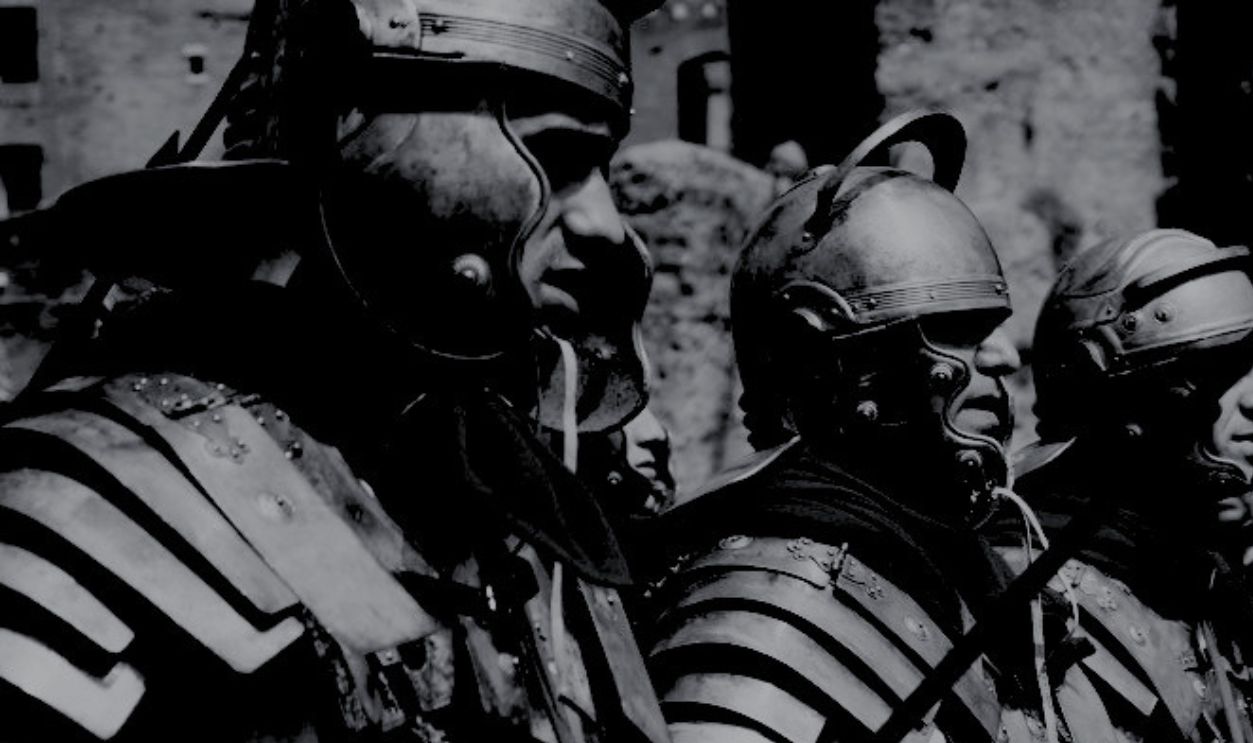
Researchers believe the Romans may have died so quickly they barely had time to defend themselves. This would explain why so few combat injuries appeared on the skeletons.
 Modern portrayal of Roman soldiers (legionaries), Wikimedia Commons
A Carefully Planned Trap
The evidence suggests the Persians may have intentionally waited for the Romans to break into the tunnel before igniting the chemical mixture. If true, this was not an accident—it was a planned underground ambush.
 Margaret W. Carruthers, Wikimedia Commons
One of History’s Earliest Chemical Attacks
Simon James described the discovery as one of the earliest known examples of chemical warfare ever identified in archaeology. The Persians may have weaponized toxic smoke nearly 1,800 years before modern chemical weapons became infamous.
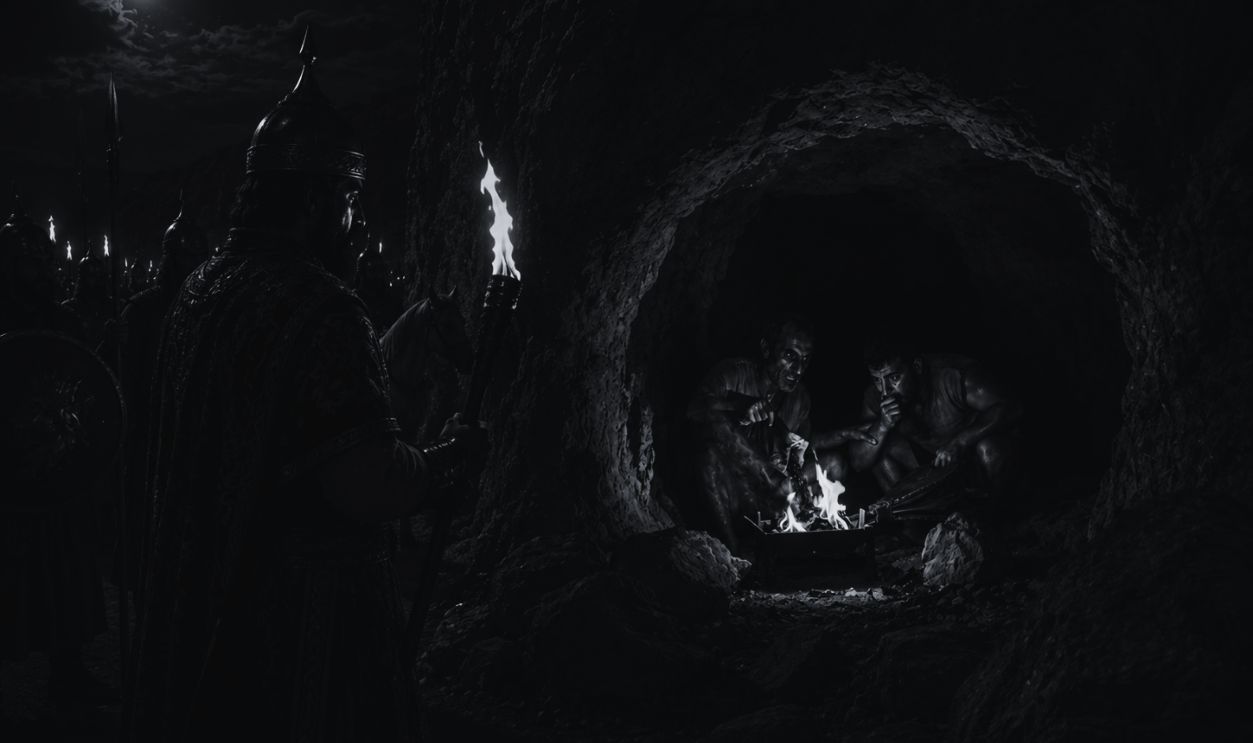
Ancient Armies Were More Creative Than Expected
People often imagine ancient warfare as simple battles with swords and shields. But discoveries like this show ancient armies could be surprisingly sophisticated—and disturbingly inventive.
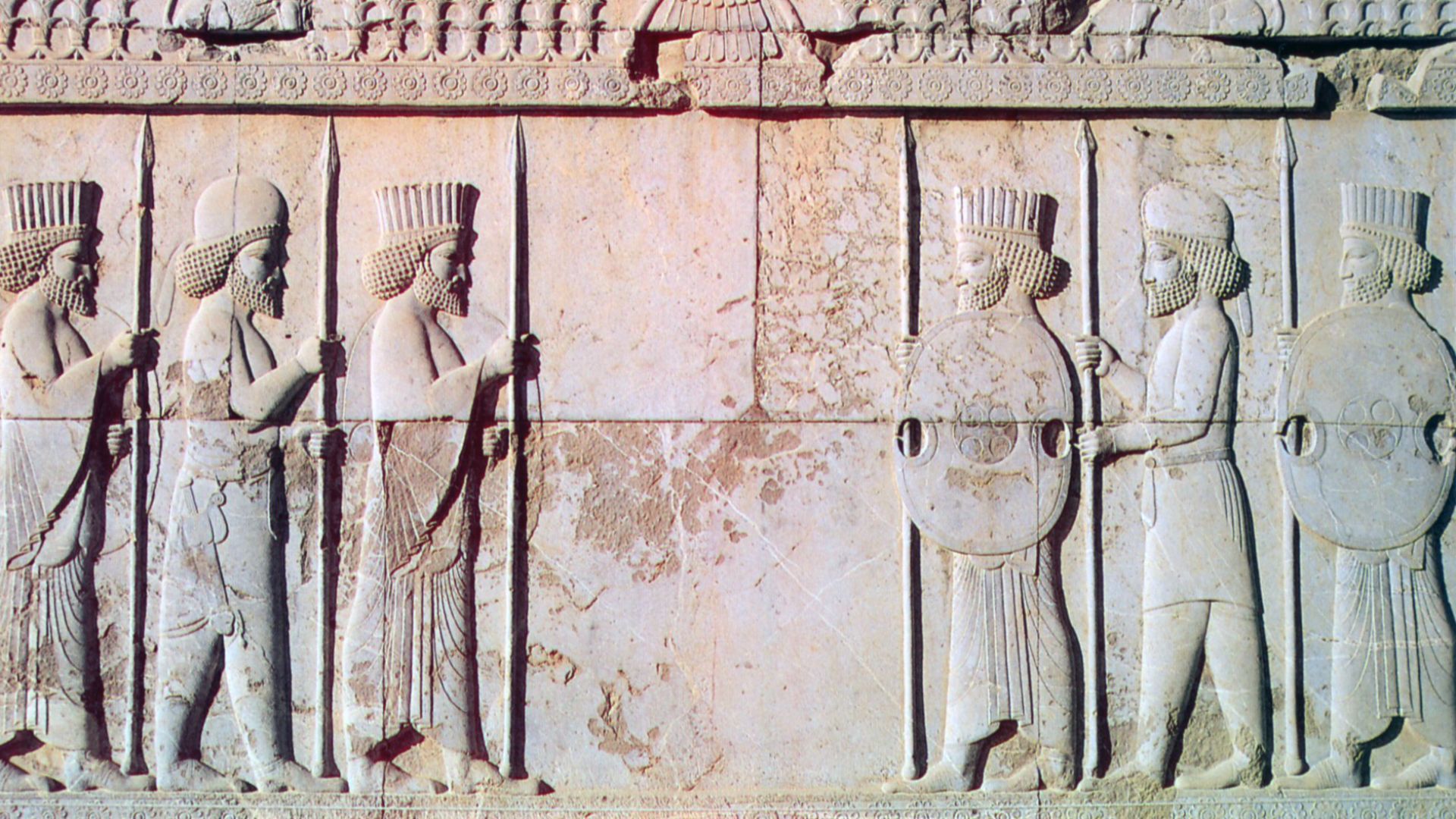
The City Eventually Fell
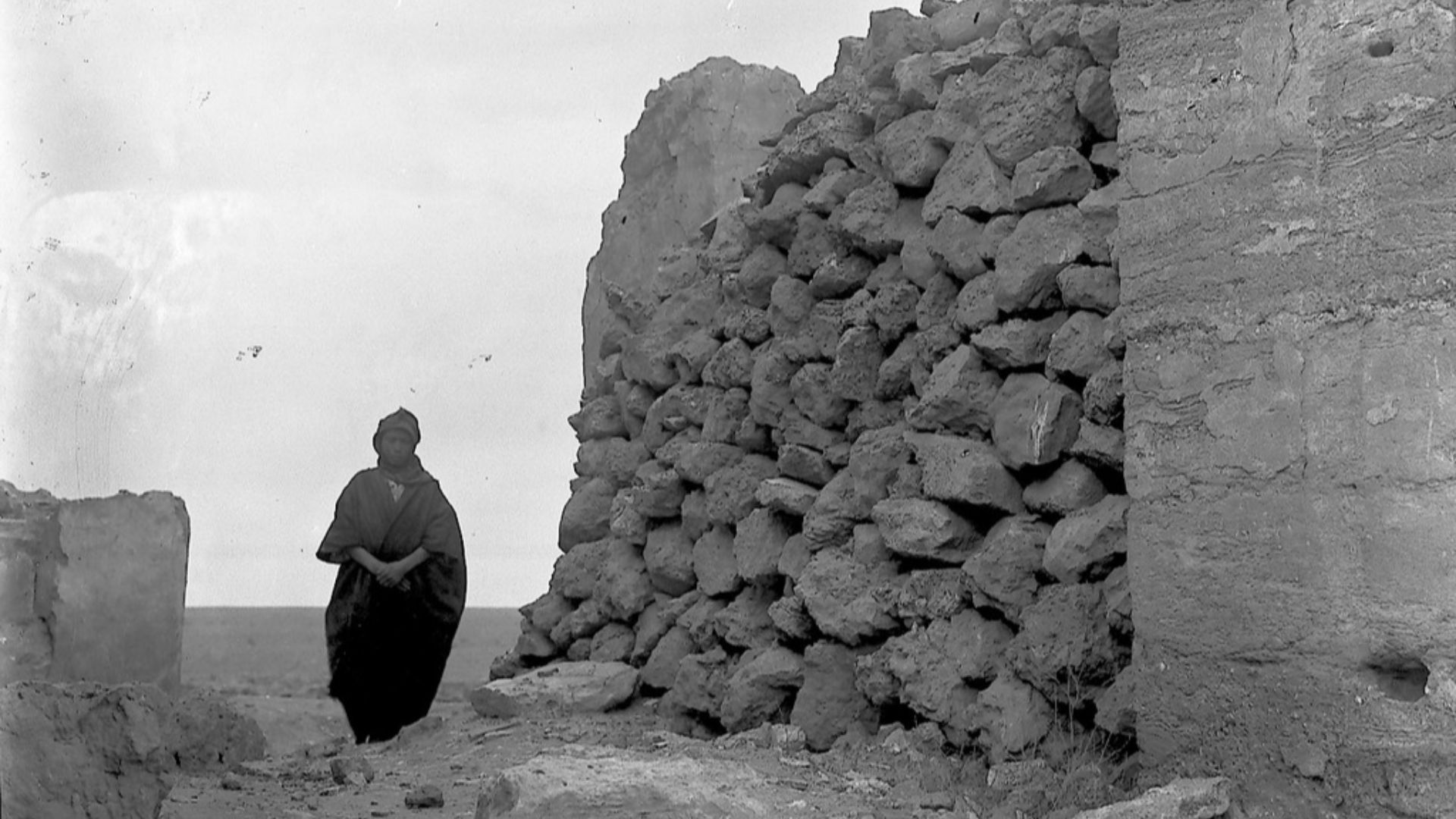
Despite the Romans’ efforts, Dura-Europos eventually fell to the Persian forces. After the siege, the city was abandoned and slowly buried beneath desert sand, preserving the tunnels for centuries.
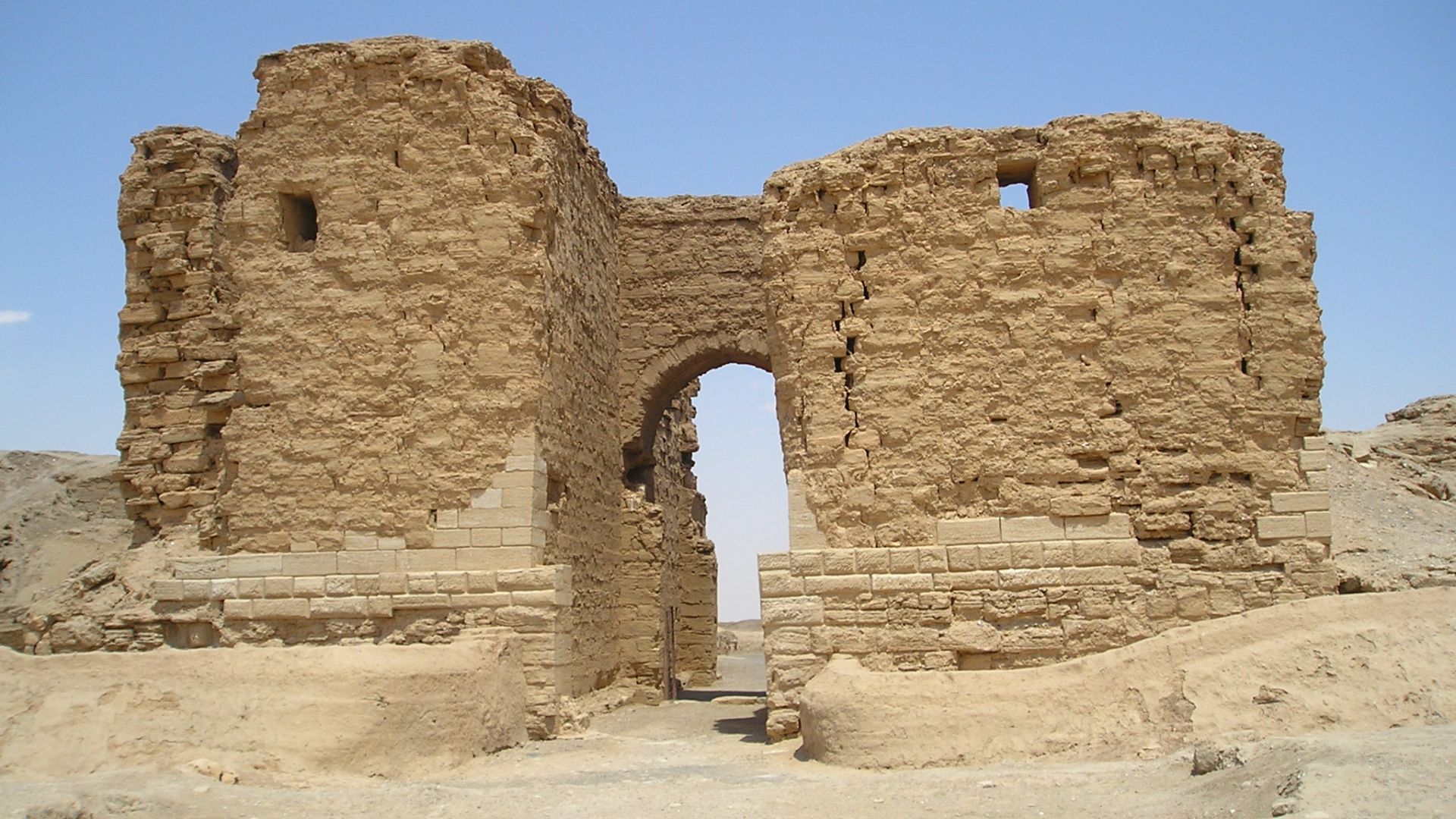
Hidden Underground for Nearly 2,000 Years
The collapsed tunnels acted almost like a time capsule. The bodies, weapons, and chemical traces remained sealed underground until archaeologists finally uncovered them many centuries later.
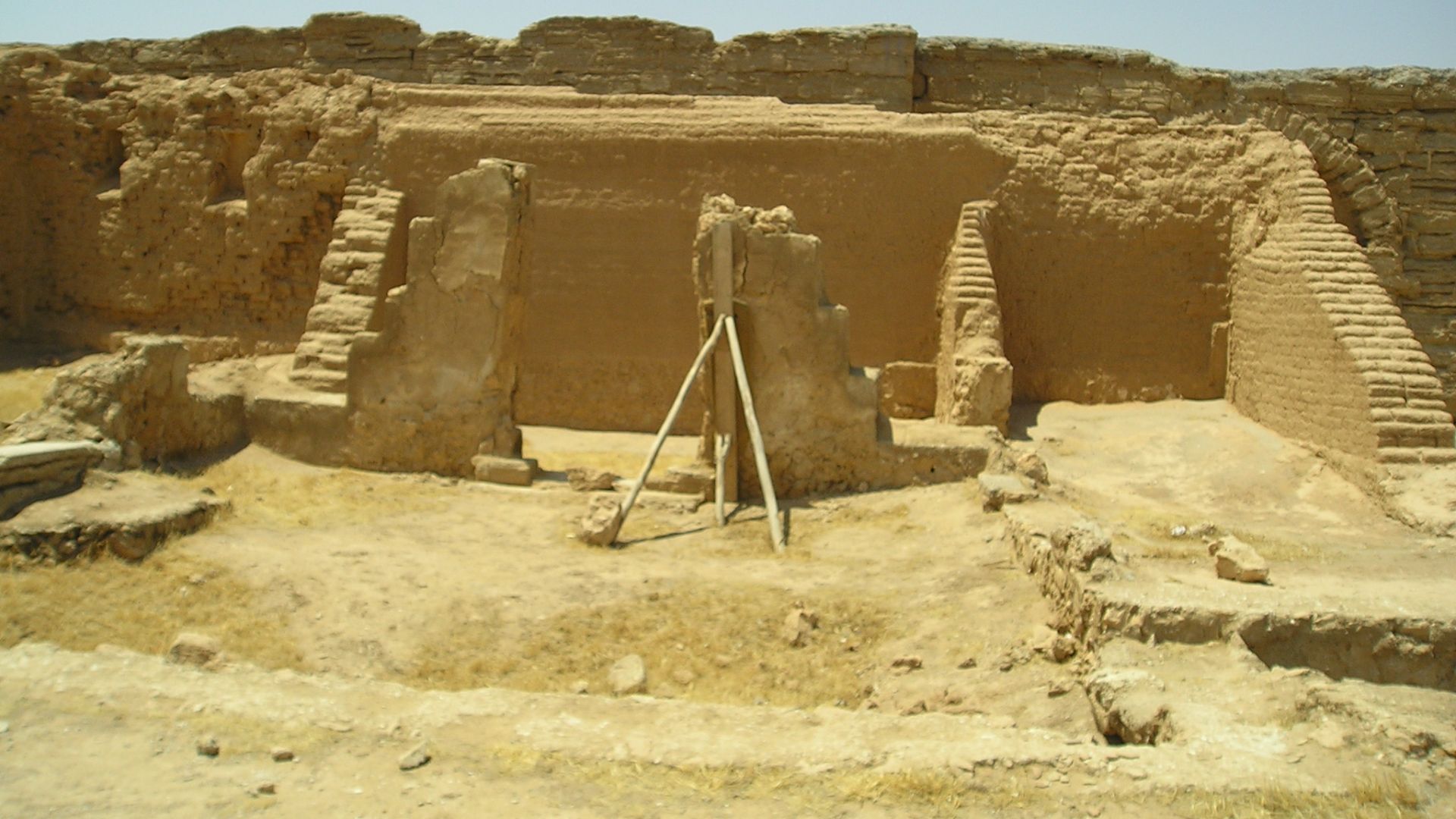
The Discovery Changed Ancient Military History
Before this research, historians rarely considered the possibility of ancient chemical warfare on this scale. The findings forced experts to rethink how advanced some ancient military tactics may have been.
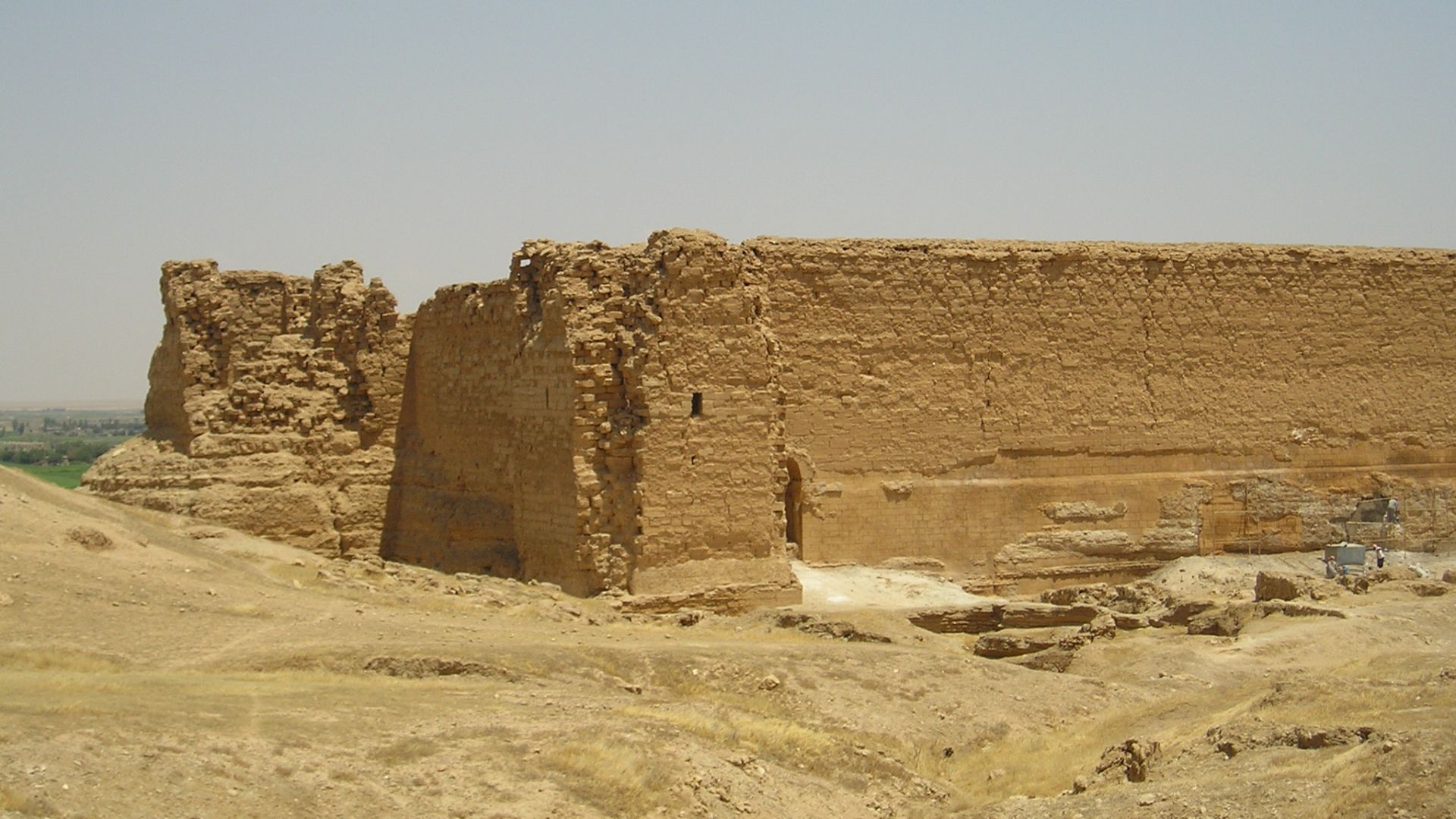 No machine-readable author provided. Heretiq assumed (based on copyright claims)., Wikimedia Commons
The Most Terrifying Part
The creepiest detail is how calculated the attack may have been. Roman soldiers entered the tunnel expecting a fight with swords and spears. Instead, they may have walked directly into a carefully engineered poisonous cloud.
Warfare Has Always Been Dark
Today, Dura-Europos remains one of the most haunting archaeological discoveries connected to ancient warfare. Because hidden beneath the ruins of a forgotten Roman city was proof that humans figured out how to weaponize toxic chemicals a very, very long time ago.
 Yale University Art Gallery (YUAG), Wikimedia Commons
You May Also Like: