A Quick Warning Before We Start
Every single country has at least one odd, outdated, or surprising rule still “on the books,” even if it's rarely used. These are real, verifiable laws and legal rules across the world that might not make a lot of sense, but I wouldn't push my luck if I were you.

Singapore’s Longstanding Gum Crackdown
Chewing gum is illegal in Singapore. Yes really. The law traces back to the early 1990s, when the government moved to stop vandalism and transit disruptions linked to discarded gum. The Control of Manufacture Act officially banned the import and sale of chewing gum, with limited exceptions such as therapeutic nicotine gum.
Switzerland’s Quiet Hours Are A Legal Reality
In Switzerland, “quiet hours” are a longstanding cultural etiquette, but these noise limits can actually be enforced through local and cantonal regulations. Many municipalities restrict loud activities at night and on Sundays, and tenants often face strict building rules aligned with local norms. The unusual part is how formalized “being quiet” can be, especially for newcomers who don't realize how seriously the Swiss take it.
Japan’s “Metabo Law” Targets Waistlines
Japan’s 2008 health policy popularly called the “Metabo Law” sounds like an American's worst nightmare: Every year, adults aged 40-74 must have their waistline measured against a benchmark; 85cm for men and 90cm for women. You aren't fined for going over or anything, but employers and local governments can face real financial consequences if they do not meet health program targets.
Sounds humiliating, but you can't argue with the results: 42% of Americans are listed as "obese." In Japan it's 4.5%.

France Can Reject Your Baby Name
For many years, the Government of France only allowed parents to select a name from an approved list, and until 2005, babies legally had to take the father's surname. The law around first names was greatly softened in 1993, but even today the state can still reject of a name if they consider it to be: "contrary to a child’s interests."
So you probably won't meet any little "X Æ A-12s" in France.

Italy’s Cultural Heritage Rules Can Block Simple Renovations
Italy’s cultural heritage laws are particularly strict about what owners can do with historically protected buildings, even for basic changes. Oversight sits within a long-established heritage protection system now organized under the Ministry of Culture and the Cultural Heritage and Landscape Code.
For travelers, it helps explain why some gorgeous old towns look untouched, because the law makes “keeping it old” mandatory.
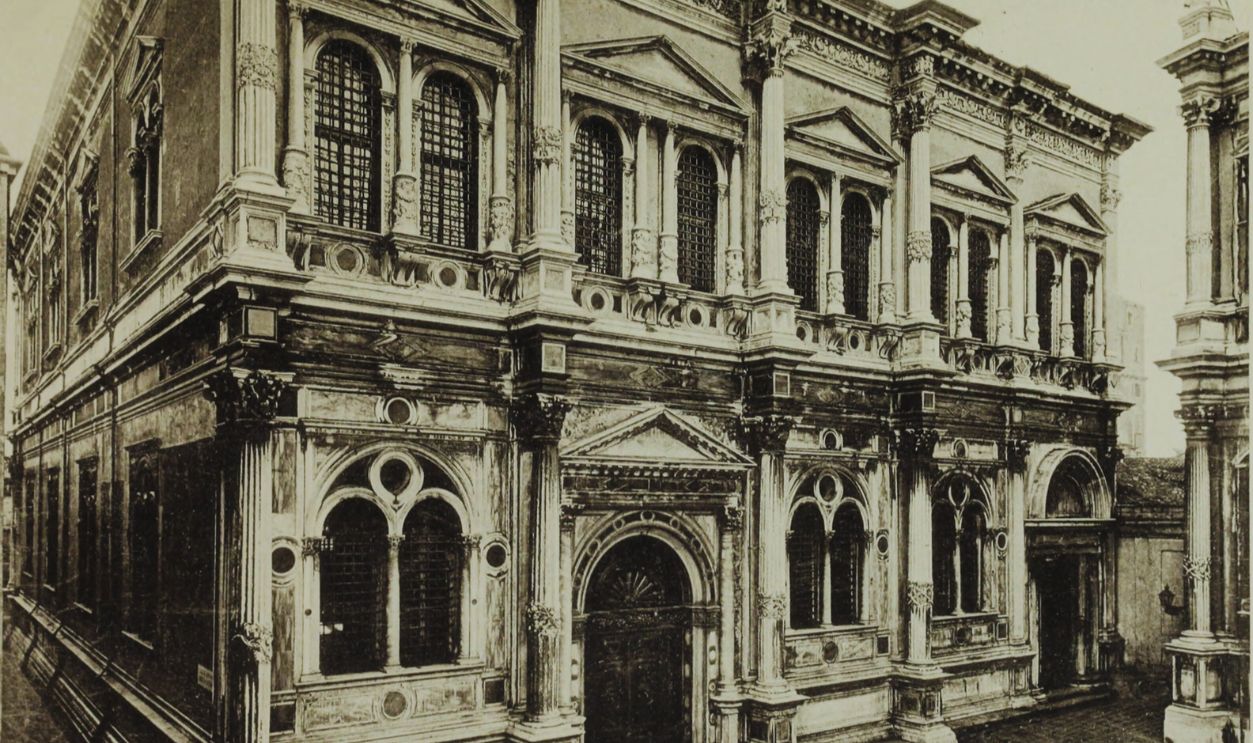 Anderson, William J. (William James), 1864-1900, Wikimedia Commons
United Kingdom’s 700-Year-Old Treason Law
The United Kingdom still has the Treason Act 1351, which detailed which specific acts were considered treasonous. The language reflects a very different era, but the legal idea of treason remains current. This same ancient law is also the basis for Article III of the American constitution, which still defines treason in the United States today.
 HM Government, Wikimedia Commons
United States Has Federal Laws On Flag Desecration Attempts, But Free Speech Wins
The United States has a long history of attempts to criminalize flag desecration, but the Supreme Court has ruled that burning a flag can be protected speech. Major decisions include Texas v. Johnson (1989) and United States v. Eichman (1990). American lawmakers haven't stopped trying, but constitutional rulings have thus far kept the bans from sticking.
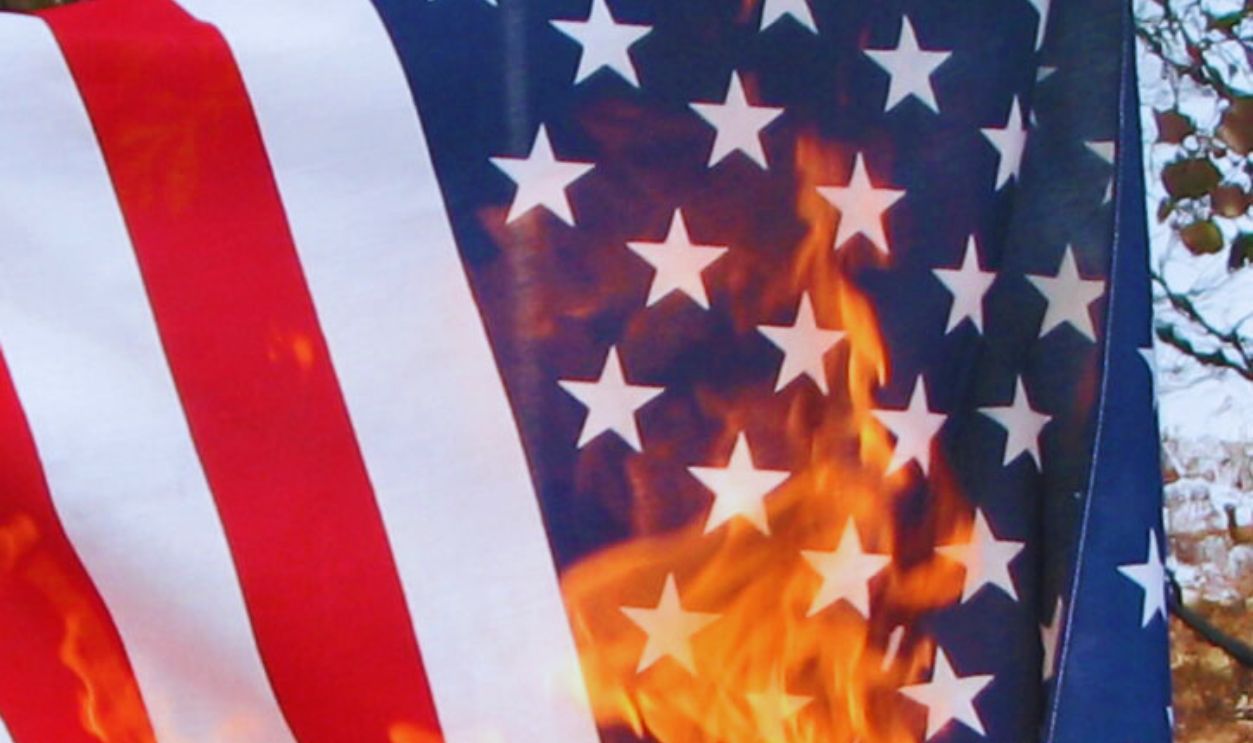 Jennifer Parr, Wikimedia Commons
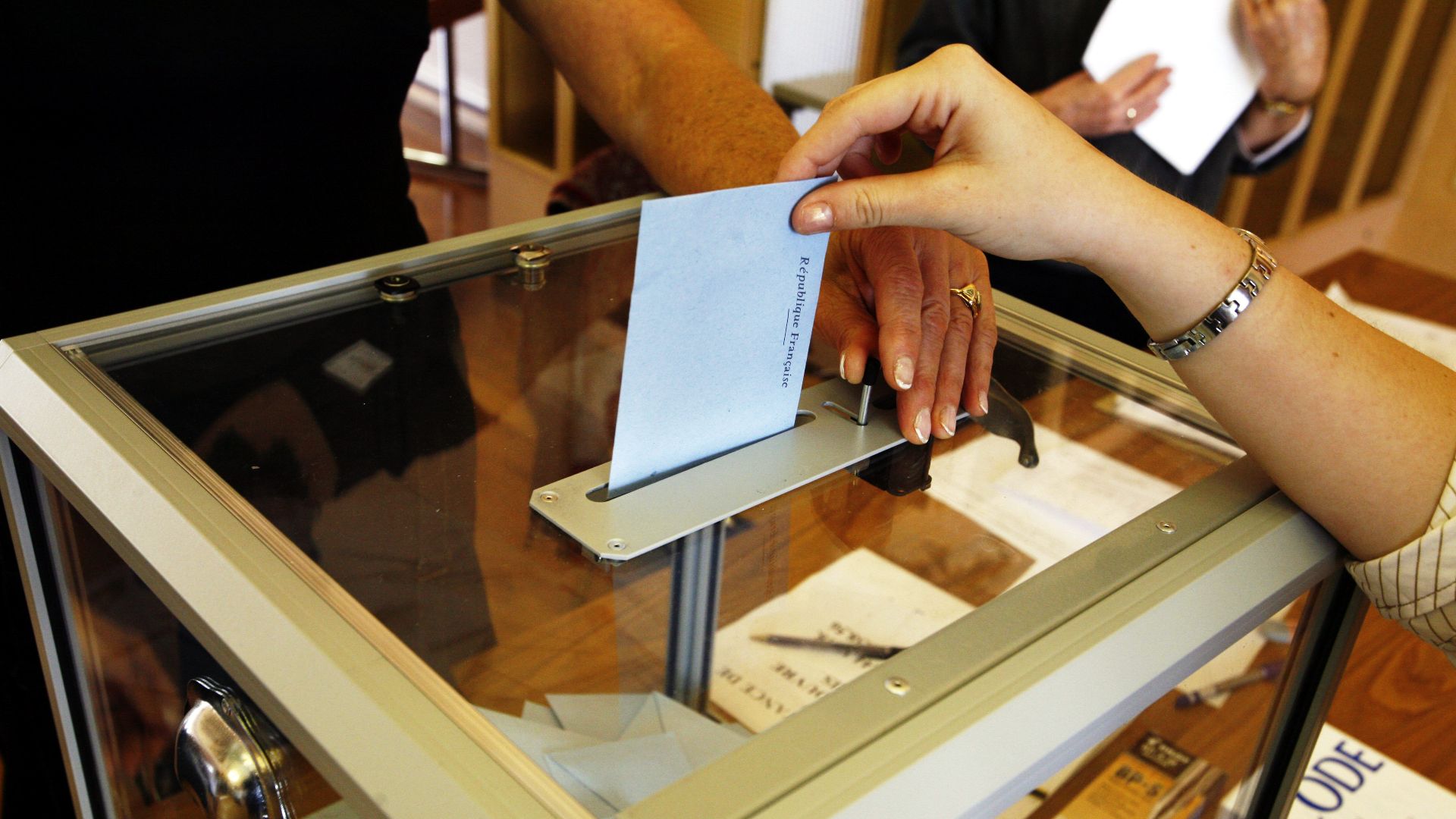
Australia’s Compulsory Voting Is Not Optional
Australia requires all eligible citizens to vote in federal elections, and nonvoters actually receive fined. First introduced 1924, it immediately brought national voting numbers up to 91%. By 1942, every Australian state had passed their own compulsory voter laws as well. Such enforcement is very unusual globally, but it is normal civic life in Australia.
New Zealand Regulates “Offensive” Speeches In Some Public Contexts
New Zealand law includes restrictions on certain kinds of threatening or offensive public communications, including in specific protected contexts. The most surprising part for visitors is that speech issues can be treated as public order or safety questions rather than just social disputes. Enforcement depends on circumstances, but the legal tools are real.

Germany’s “Insult” Rules Can Become Criminal Cases
Germany can treat some forms of insult as criminal matters under its criminal code, especially when they are severe or targeted. Cases can and do happen, and the law is not just theoretical. It stands out to many travelers because insults are often seen as purely civil or personal issues elsewhere.

Spain’s “Siesta Stereotype” Hides A Real Noise And Business Hours Patchwork
Spain does not have a single national “siesta law,” but many cities and regions regulate noise and business hours in ways that shape daily rhythms. These local ordinances can restrict loud activity and set closing times in residential zones. The unusual part is how strongly local rules can influence what feels like a cultural habit.
Belgium Once Had A Stronger “Insult The King” Rule
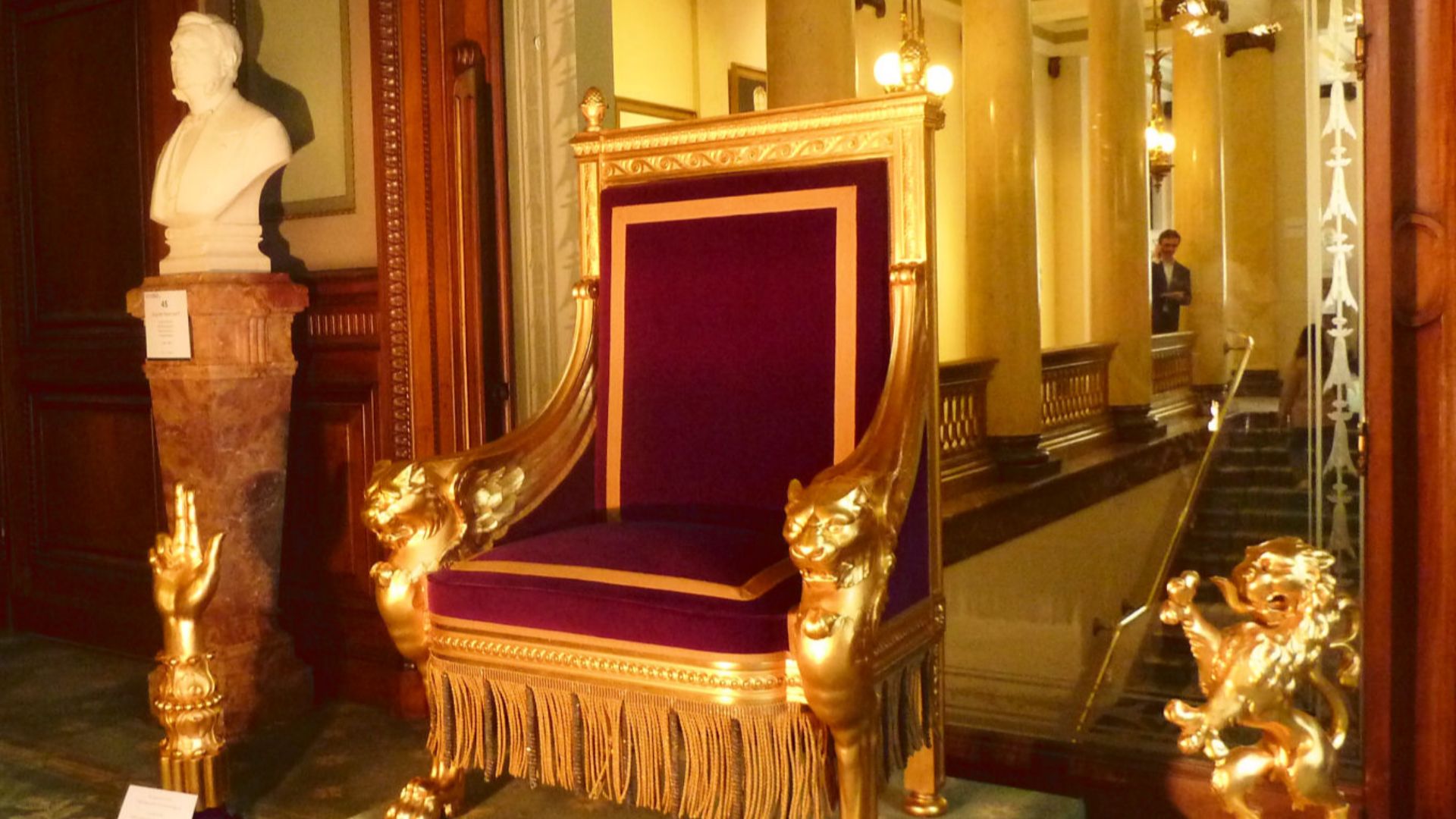
Belgium long maintained laws around insulting the monarch, which drew attention because they sat awkwardly beside modern free expression. In recent years, the country moved to reform and modernize these kinds of provisions. The interesting angle is how monarchies update old protections without ditching them entirely.
Austria Regulates Certain Historic Symbols
Austria restricts the public display of certain extremist symbols under long-standing postwar laws. These rules are part of how the country legally manages memory and public safety. The unusual part is how visible the law becomes in everyday life, from rallies to souvenirs.
Sweden’s Freedom Of Information Tradition Is Centuries Old
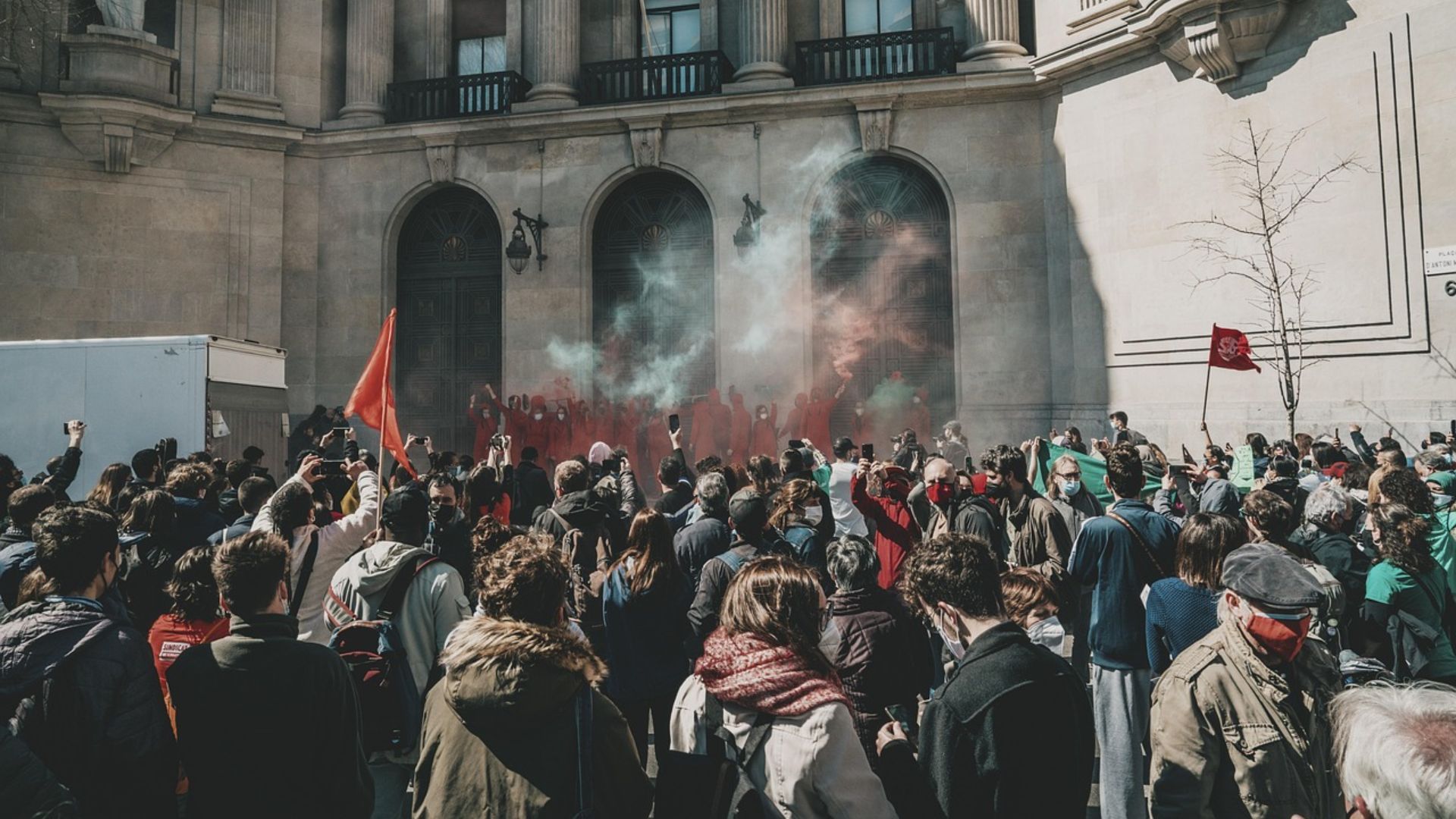
Sweden is famous for one of the world’s oldest freedom of information frameworks, rooted in the 1766 Freedom of the Press Act. That tradition means many public records are accessible in ways that surprise visitors from more secretive systems. These laws may seem normal today, but Sweden had it on the books before America was even a country.

Norway Has A Right To Roam, And It Is Protected
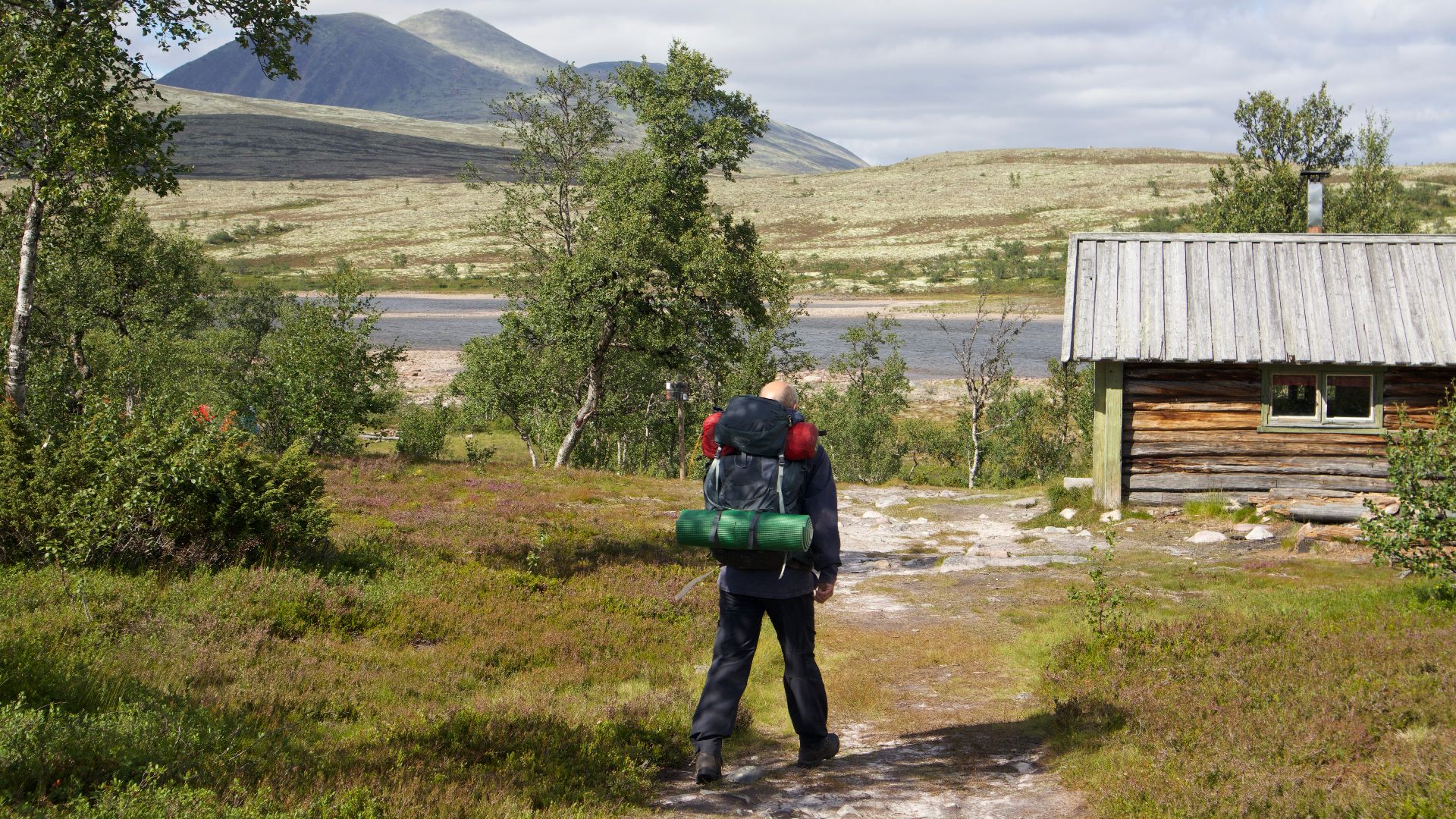
Norway’s “right to roam” allows public access to uncultivated land, with responsibilities attached. The tradition is protected through outdoor recreation law, and it shapes how Norwegians hike, camp, and move through nature. For American travelers, it can feel like a superpower, albeit with rules.
Denmark Makes It Illegal To Wear A Mask In Public In Many Situations
Since 2000, Denmark has had a general ban on face coverings that "prevent identification" in public demonstrations, with some exceptions. The law drew attention because it intersected with questions of religion, identity, and security.

Finland’s “Everyman’s Right” Also Shapes Travel
Finland has something called Jokaisenoikeudet, or "Everyman’s Rights" enshrined in their laws. These rights allow people to freely hike, ski, cycle, boat, camp, and forage on all public and private land, as long as they respect rules and do not cause harm. It is not unlimited, but it is much more permissive than many visitors expect. So for any foragers looking for a vacation destination, Finland is the place to be!

Poland Is Serious About Their National Symbols
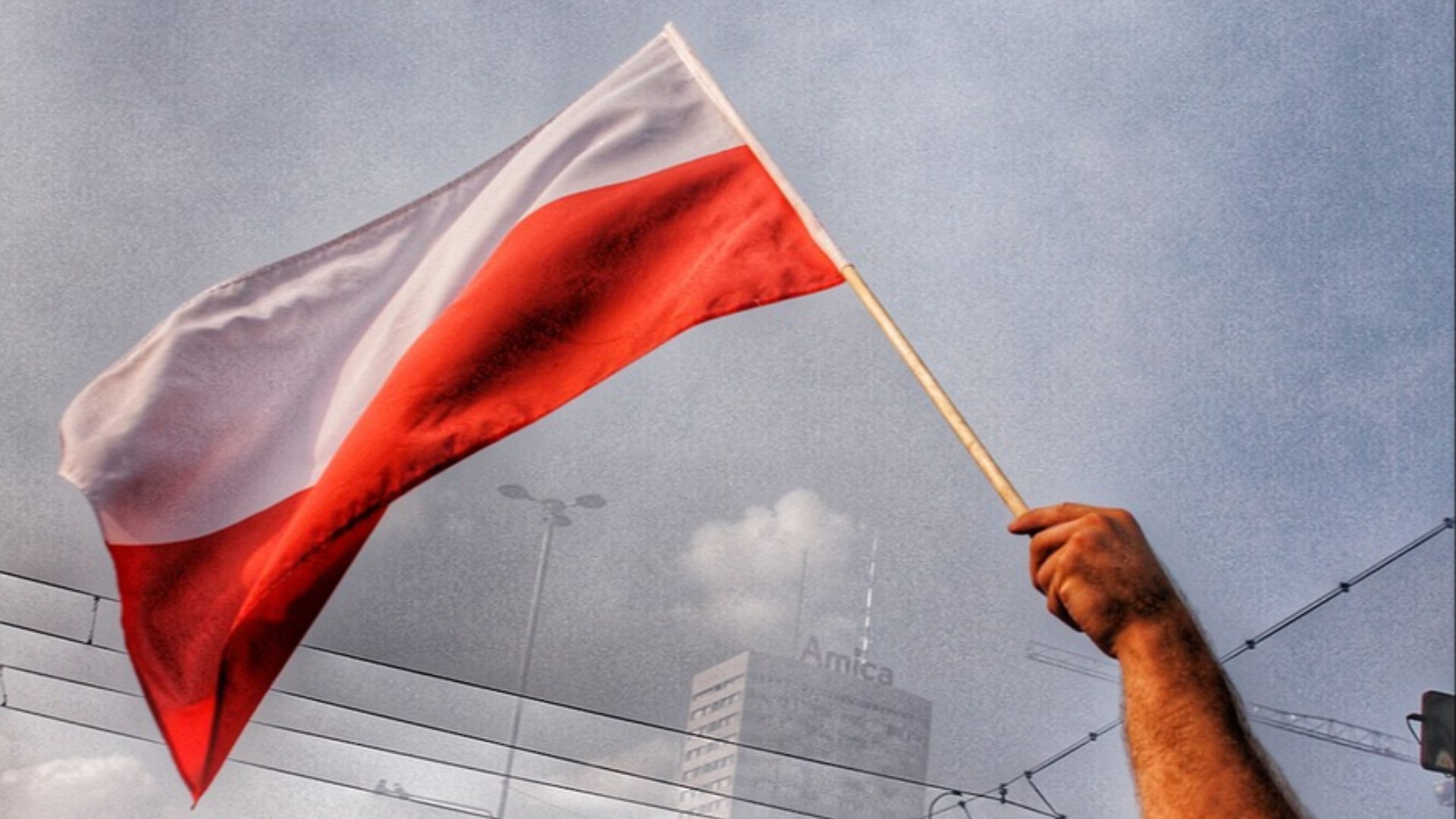
Article 137 of Polish criminal law protects national symbols such as the flag from insult, destruction, damage, or removal. Many countries have these laws, but in Poland they can carry serious consequences. A fine is getting off easy—offenders can also face the restriction of freedom or up to a year behind bars.
Greece Can Restrict High Heels At Some Historic Sites
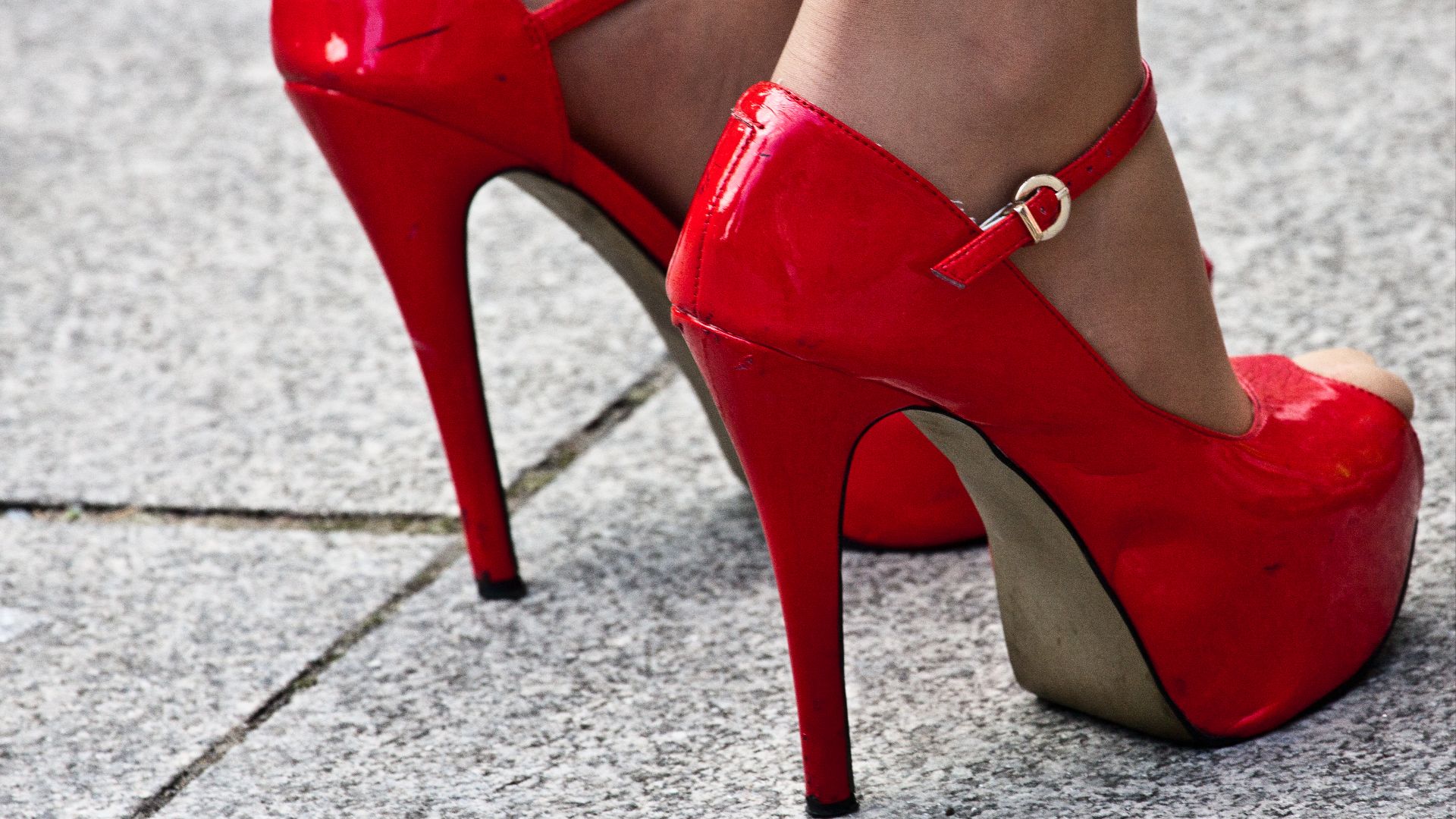
Greece introduced regulations in 2009 that prohibit high heels at certain ancient monuments to prevent damage. These protections tie into the country’s heritage management and the real wear caused by narrow heels on old stone. So if you bring your stilettos to the Acropolis, you're facing a fine of over $1,000.
 William Murphy, Wikimedia Commons
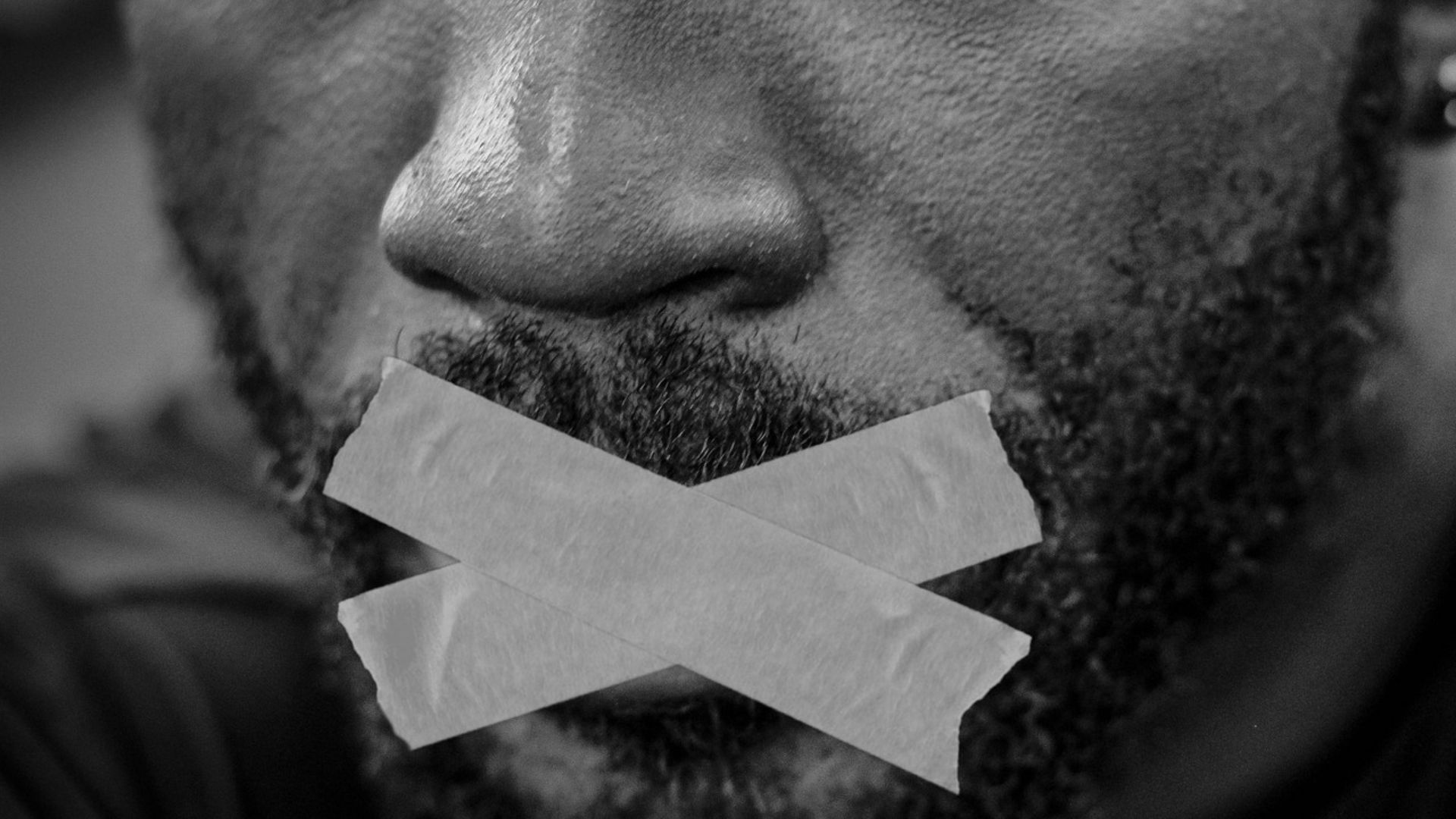
Turkey Has A Crime Of “Insulting The President”
Turkey’s penal code includes an offense for insulting the president, which has been widely reported and prosecuted in the modern era. In fact, it seems to be catching on.
In India, "Go Fly A Kite" Has Provisions
In parts of India, local authorities restricted kite strings made with glass or metal coatings, called "Fighter Kites," after a series of fatalities and serious injuries. These measures show up in city rules and policing, especially around festivals when kite flying spikes. You won't find "kite laws" on the books in many other countries.

China’s Curfews And Playtime Limits For Minors Have Been Formal Policy
China has issued nationwide rules limiting online gaming time for minors, with major restrictions announced in 2021. The policy was issued by regulators and requires real-name systems and time caps. I can think of a few kids I know in America who could use these laws...

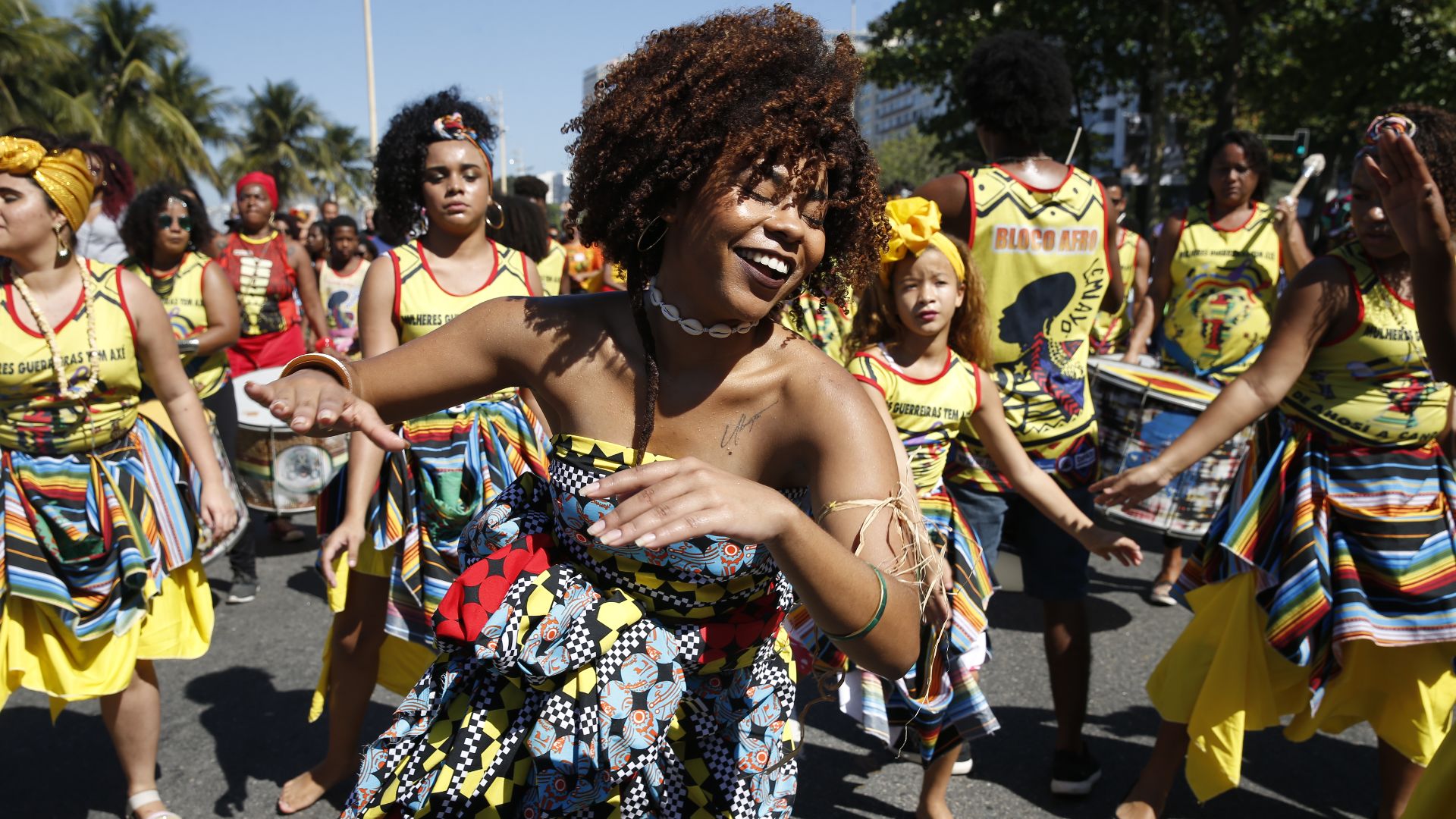
Brazil Has A “Right To Be Naked” Myth, But Public Decency Rules Are Real
Brazil is often misrepresented online as having blanket legality for public nudity, but that is not accurate. What is real is that enforcement of public decency and “indecent exposure” varies by context, local norms, and policing. The unusual part is how fast a travel myth spreads when the law is more nuanced.
 Agência Brasil, Wikimedia Commons
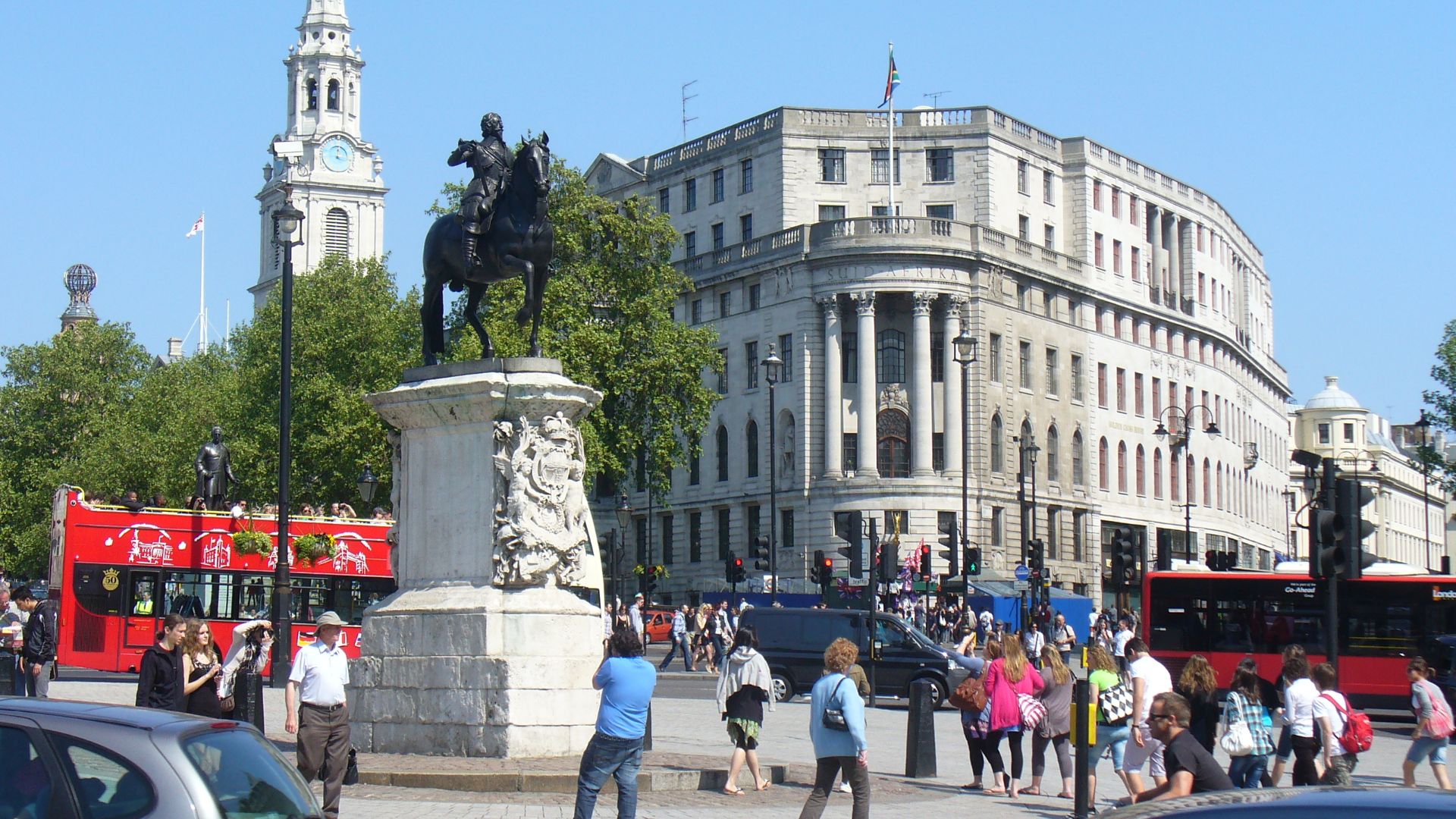
South Africa Has Strict Rules On “Key Points” And Security Areas
South Africa has had laws and regulations around strategic sites and security-sensitive areas that can restrict photography or access. The controversial “National Key Points” concept has long been criticized for secrecy, but it has also been part of real security practice. For travelers, the unusual part is that a building can quietly carry extra legal protection.
 Colin Smith , Wikimedia Commons
In Mexico, You Get One Shot To Be President
Mexicans calls their six-year presidential term a Sexenio, because that's all you get. The principle is tied to the history of the Mexican Revolution and the politics of the early 20th century. The concept is deeply ingrained in both Mexican law and cultural, and in fact President Claudia Sheinbaum has introduced a reform that will place the same limits on all federal and municipal lawmakers.
What These Laws Really Tell You
The strangest laws are rarely about tourists doing something silly. They are usually about a country solving a specific problem, then keeping the solution on the books for decades or centuries. If you travel enough, you learn the real trick is not guessing what is “normal,” but checking what is actually written down.