
The Surprise Rule In The Kitchen
You arrive at your vacation rental, unpack your groceries, and then spot a house rule that was never mentioned in the listing: no cooking fish. It is oddly specific, and it raises a fair question. How much can a host control once you have already checked in?

What Travelers Usually Expect
Most guests treat the listing as the main deal. If a rental says it has a full kitchen, people usually expect they can use it to cook normal meals. That is not unlimited, though, because house rules can be part of the booking agreement if they were clearly disclosed before the reservation was made.
 Point3D Commercial Imaging Ltd., Unsplash
The Key Question Is Timing
The biggest issue is not whether a host hates the smell of salmon or shrimp. It is when the rule was disclosed. If a no-fish rule shows up only after booking or only inside the property, a guest has a much stronger case that it was never part of the agreement.

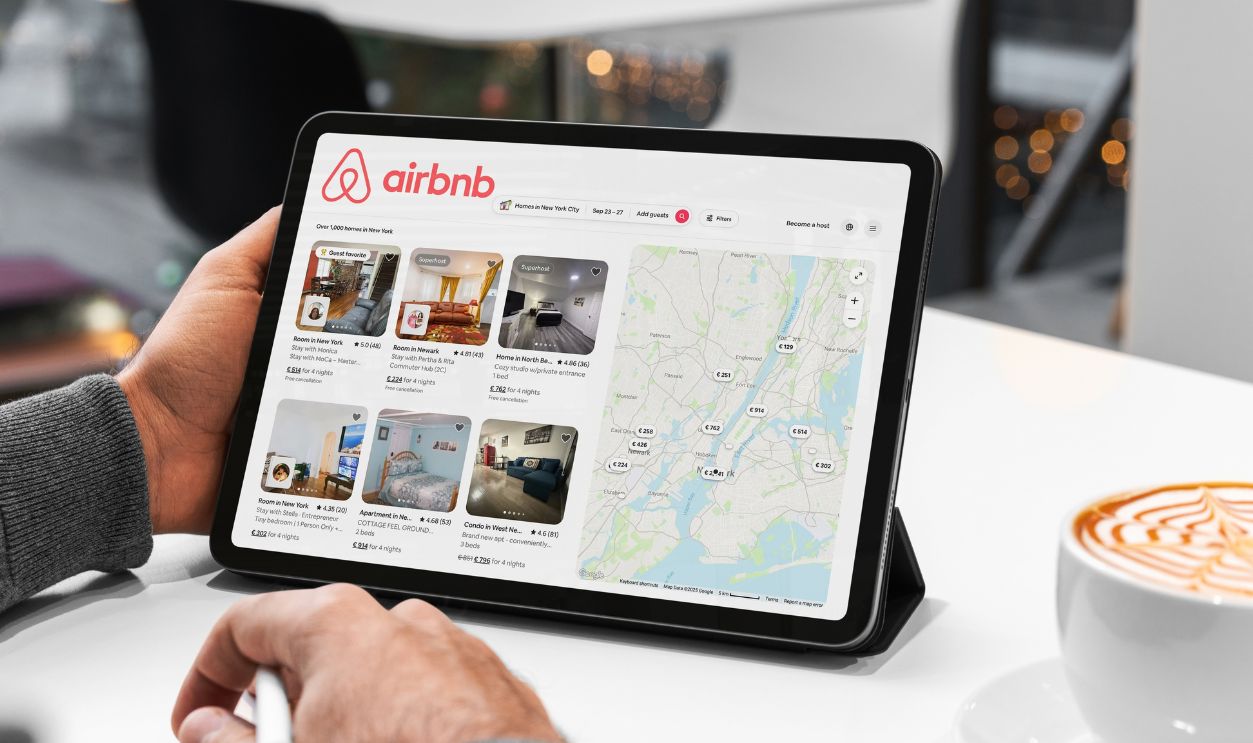
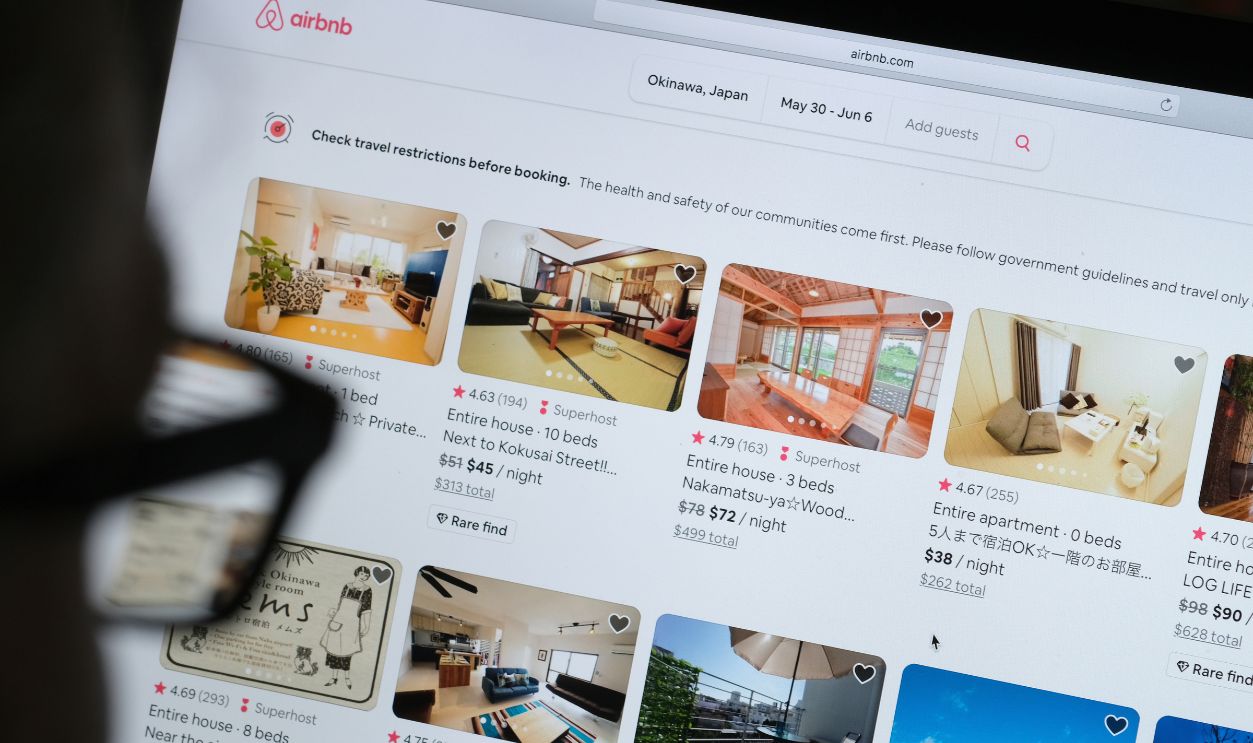
Airbnb Puts The Listing Front And Center
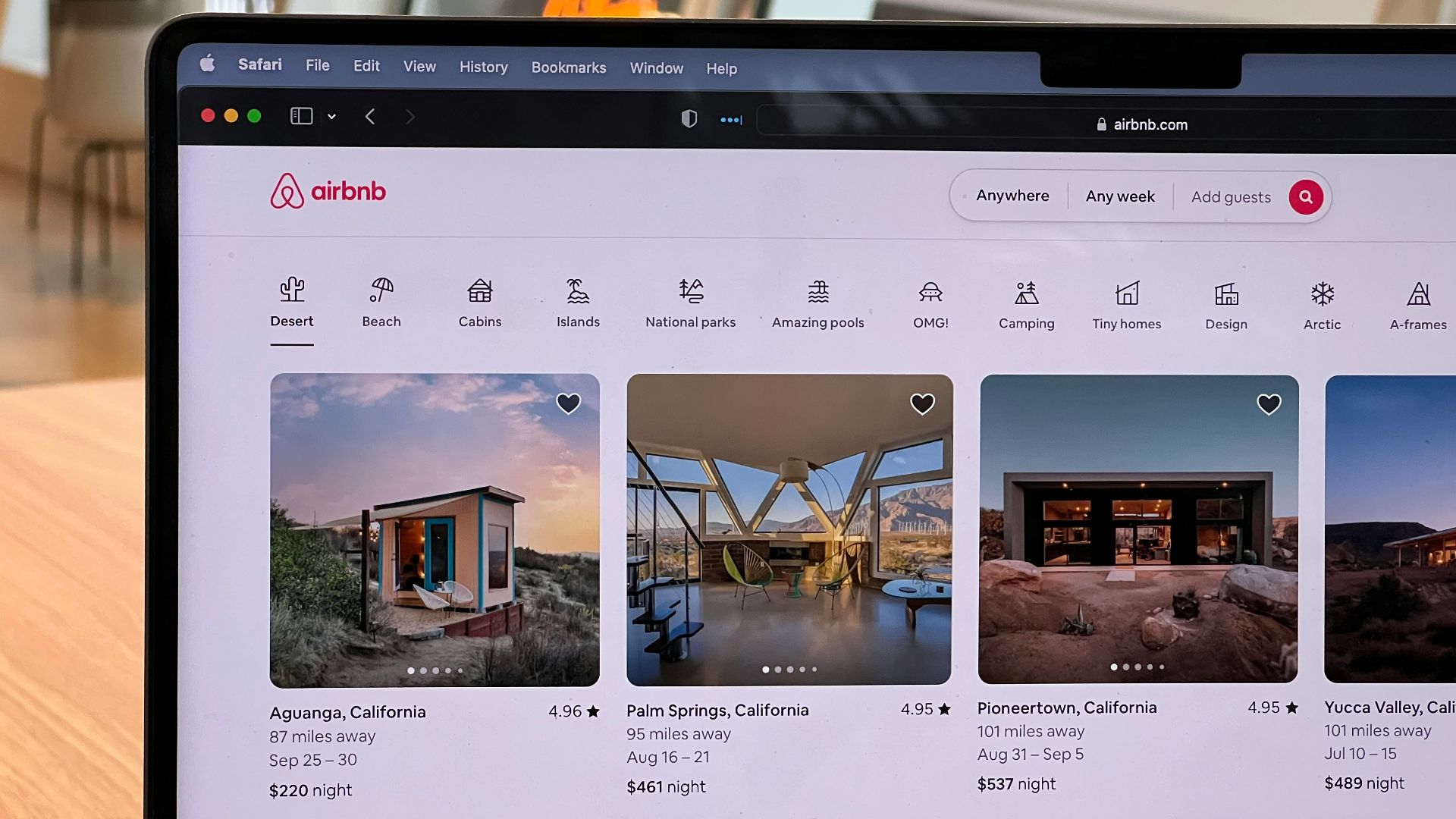
Airbnb tells hosts to clearly disclose house rules on the listing page. The company also says guests are expected to follow those rules, but only if they can see them before booking. In real terms, an undisclosed ban on cooking fish is on much weaker footing than one posted in the listing from the start.
Vrbo Takes A Similar Approach
Vrbo works much the same way. Hosts can set house rules, and guests are expected to follow them. But the basic idea is simple: rules work best when travelers can see them before they commit their money.
Why Hosts Create Food Rules
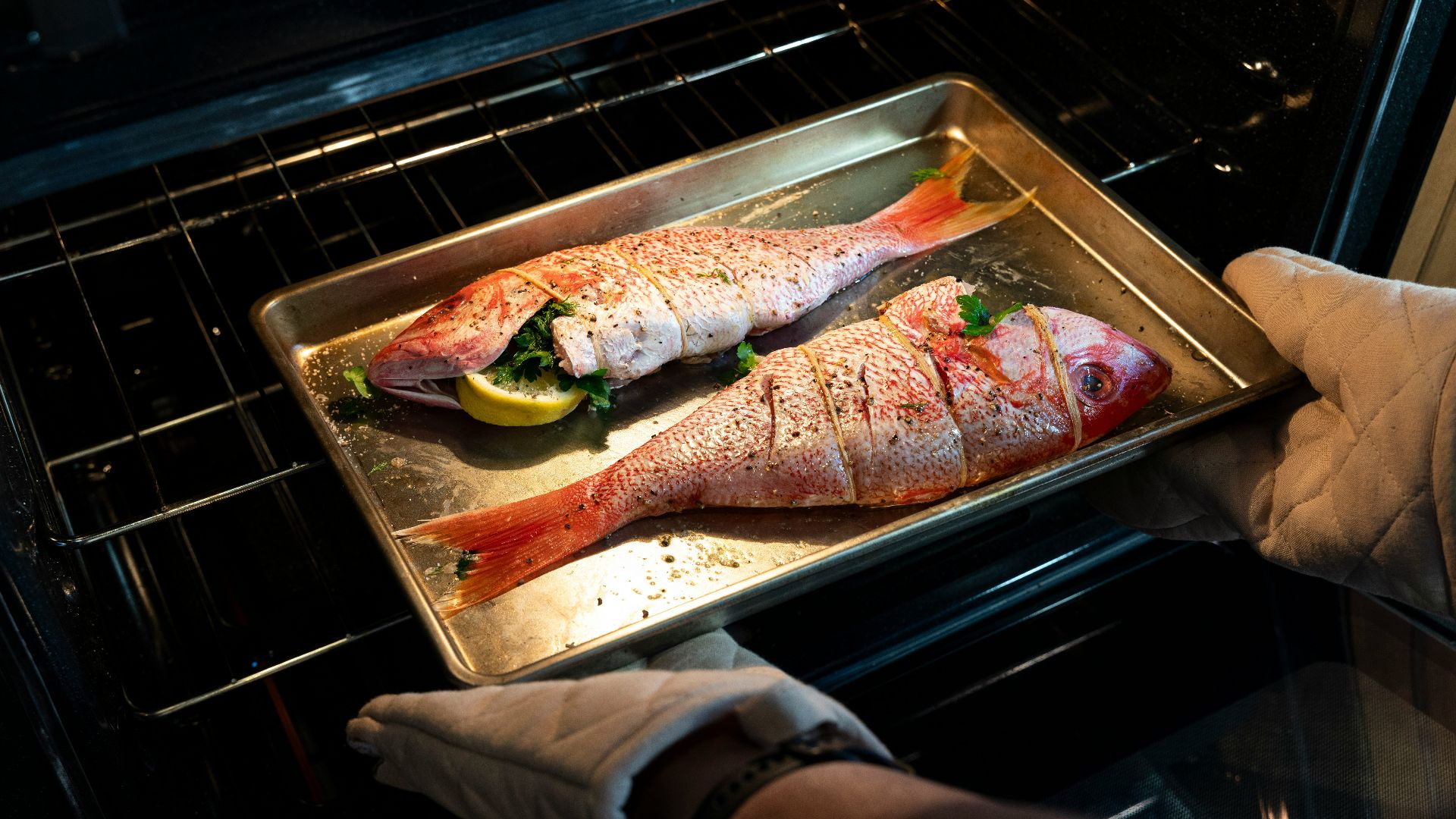
Hosts usually do not make kitchen rules for no reason. Strong food smells can linger in couches, curtains, and shared ventilation, especially in condos or tightly packed buildings. Fish comes up a lot because the smell can stick around and lead to complaints from neighbors or the next guests.
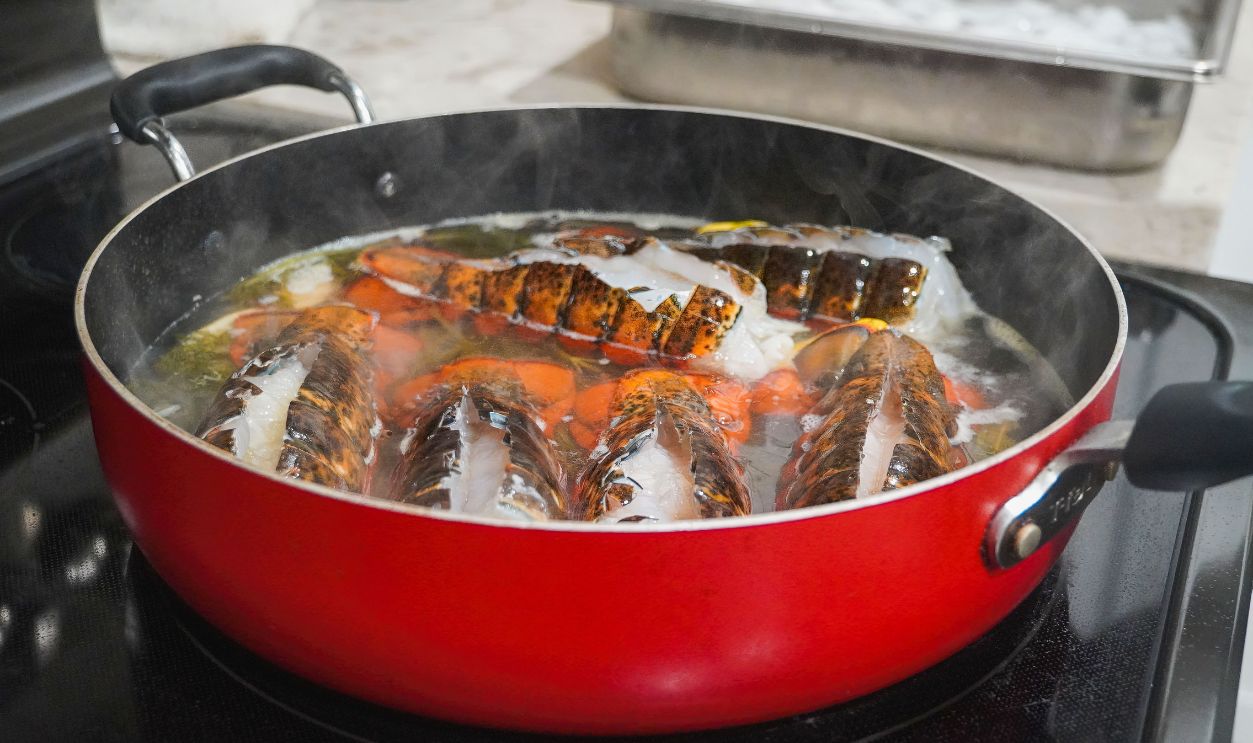
Smells Can Become A Real Business Problem
For hosts, odor complaints can get expensive fast. One lingering smell can lead to refund requests, bad reviews, or extra cleaning costs. That does not automatically make a late-added fish ban enforceable, but it helps explain why some owners try to limit what gets cooked indoors.

Can A Host Actually Control Dinner
Yes, within limits. A host can usually set reasonable rules for how a private property is used, including kitchen restrictions, if those rules are disclosed before booking and do not break platform policies or local law. The problem for the host starts when the rule was never properly disclosed in the first place.
If The Rule Was Not In The Listing
If the no-fish rule was missing from the listing, screenshots matter. Save the original listing, your booking confirmation, and any messages from the host. Those records can be key if you need to show that the restriction was added after the fact.

What Airbnb Says About Accuracy
Airbnb requires listings to be accurate and not misleading. If a major restriction was left out, that can matter in a customer service dispute. A kitchen advertised without clear notice of an unusual food ban may not match what a guest could reasonably expect.
What Counts As An Unusual Restriction
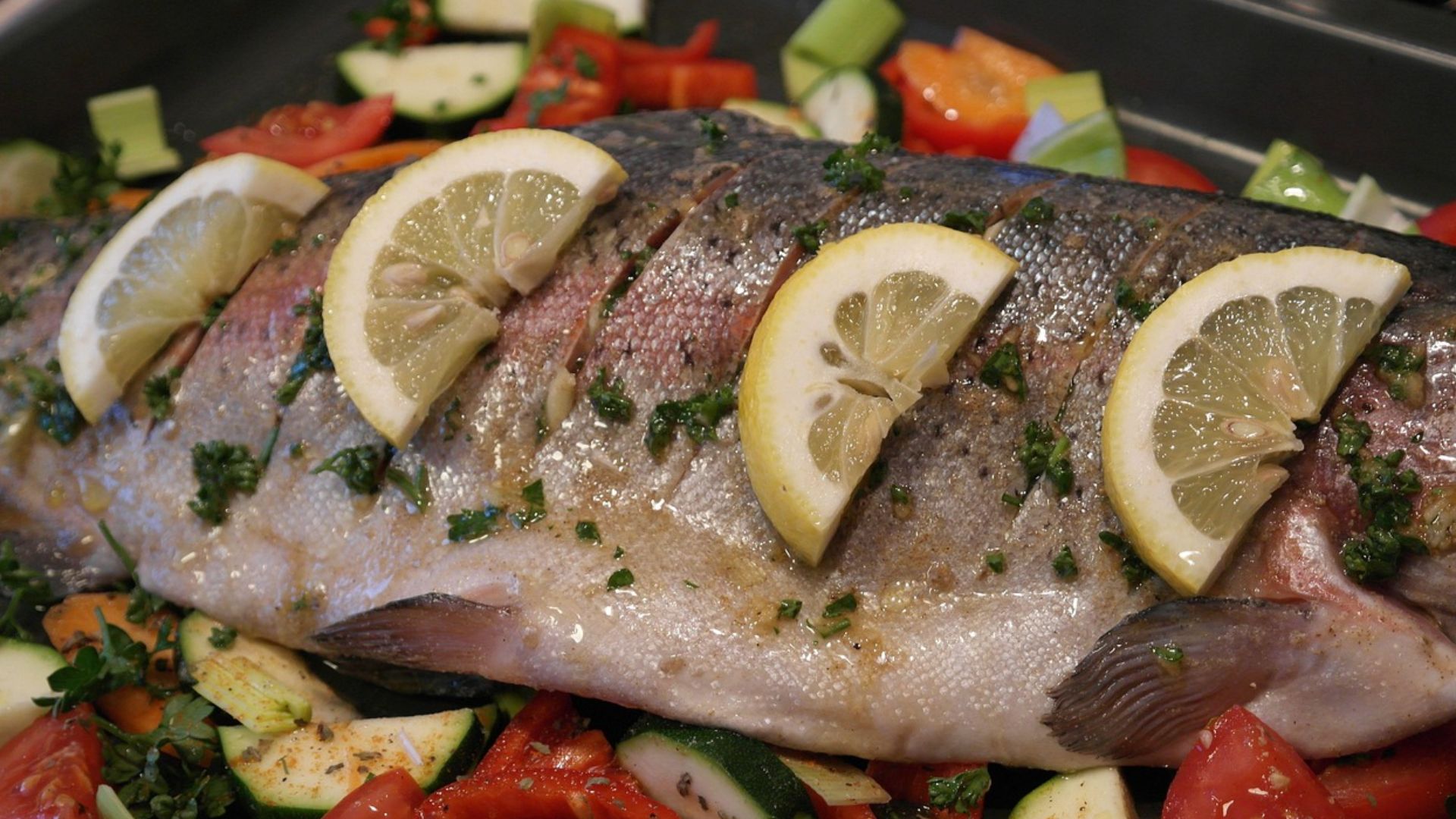
A no-smoking rule is standard. A no-party rule is standard too. A no-cooking-fish rule is much less common, which makes advance disclosure more important. Travelers may be planning meals around local seafood, family traditions, or dietary needs.
First Step: Contact The Host Calmly
The smartest first move is usually a polite message through the booking platform. Ask when the rule was posted and note that you did not see it in the listing before booking. Keeping the conversation on-platform creates a record and often works better than a tense face-to-face argument.

Ask For A Practical Solution
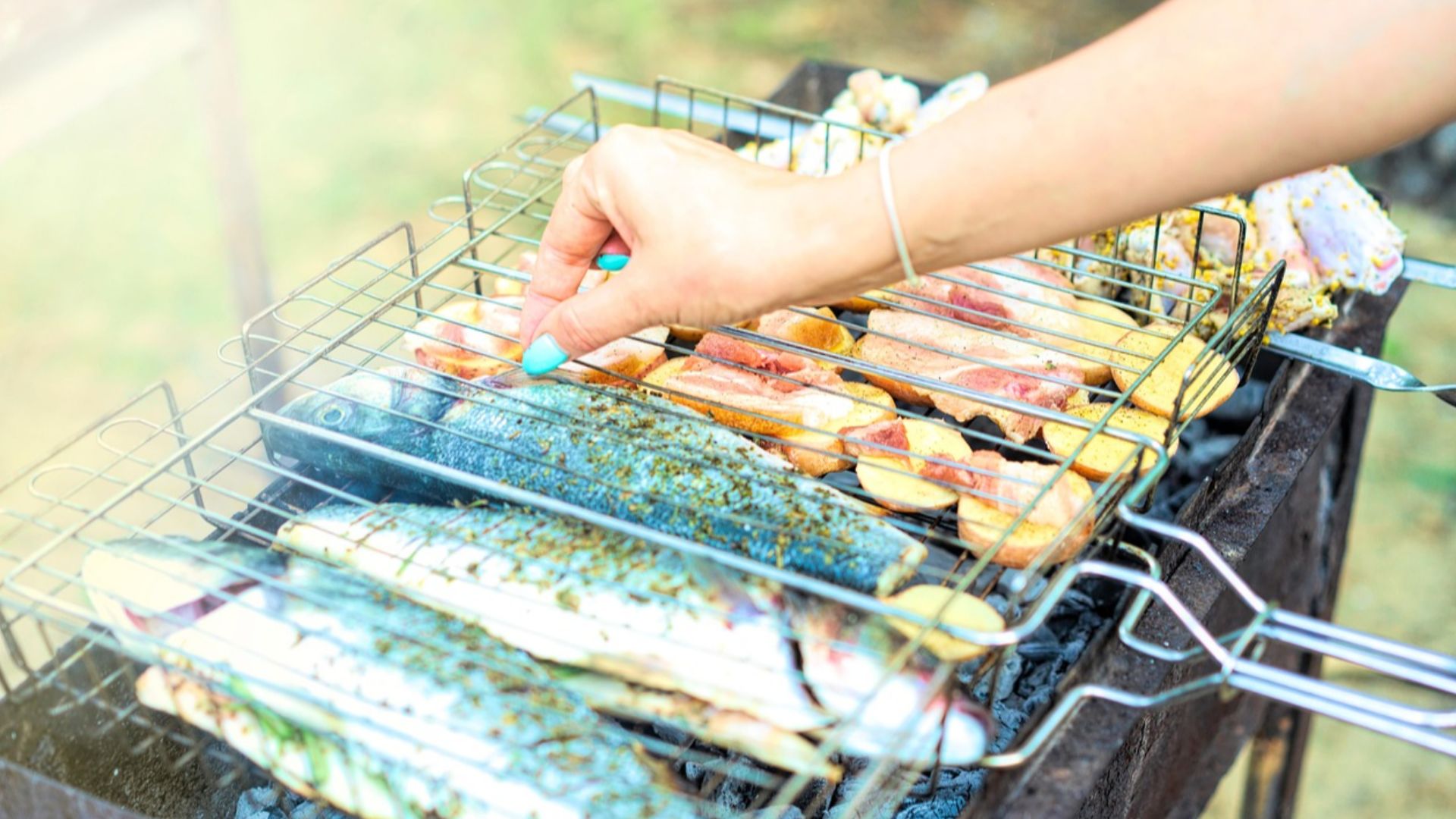
If cooking fish was part of your plan, try a compromise. Ask whether outdoor grilling is allowed, whether the rule applies only to strong-smelling frying, or whether extra ventilation and cleanup would solve the problem. A middle ground can save the trip and keep it from turning into a formal dispute.
When Customer Support Becomes Necessary
If the host insists on a rule that was never disclosed, it may be time to contact Airbnb or Vrbo support. Explain that the restriction was not in the listing when you booked and share your screenshots. The platform will usually look at the listing terms, the message history, and whether the property was described accurately.

Refunds Are Not Automatic
Even if the guest has a strong complaint, a full refund is not guaranteed. Platforms usually look at the details, including whether the issue seriously affects the stay and whether the host offered a fix. That is why good documentation and quick reporting matter so much.

The Clock Matters On Complaints
Do not wait until checkout to raise the issue. Airbnb's support guidance stresses reporting problems promptly, which gives the company a chance to step in while the reservation is still active. If a surprise rule wrecks your meal plans, report it early.

Local Law Can Matter Too
Short-term rentals are private accommodations, but they still fall under contract and consumer protection rules that vary by place. In some areas, misleading or incomplete disclosures can give guests stronger rights. That does not mean every fish dispute turns into a legal fight, but local law can shape the outcome.

Shared Buildings Add Another Layer
If the rental is in a condo or apartment building, the host may be reacting to building bylaws or neighbor complaints. Some buildings have strict nuisance rules tied to odors, smoke, or ventilation. Guests still should have seen any meaningful restriction before booking, but the host may be dealing with a real outside limit.

Private Homes Are Different From Hotels
A vacation rental is not the same as a full-service hotel. Hosts may live nearby, clean the place themselves, or manage only one unit, so their house rules can be more detailed. That flexibility is part of the appeal of home-sharing, but it also makes clear disclosure even more important.

Dietary Needs Complicate The Picture
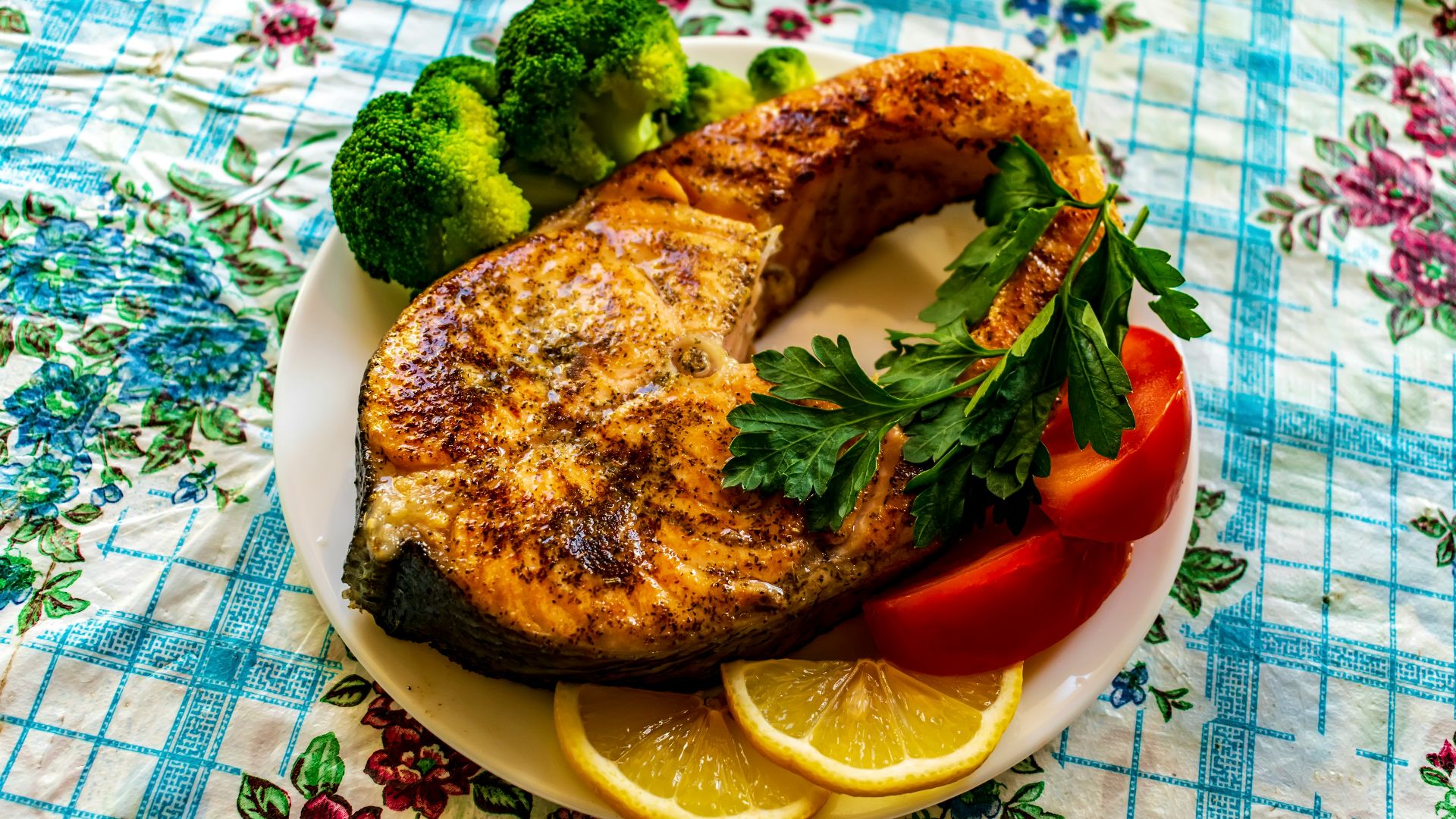
For some travelers, fish is not a special treat. It is a regular part of their diet. If a guest booked a kitchen specifically to prepare certain foods, a surprise ban can be more than annoying. It can affect health routines, family meal planning, and the basic usefulness of the rental.
 Kostiantyn Vierkieiev, Unsplash
What Guests Should Look For Before Booking
Do not stop at the photos and nightly rate. Read the house rules, amenity details, and cancellation policy carefully, and check whether the kitchen description mentions any cooking limits. If anything seems unclear, message the host before you book and ask directly about food restrictions.

What Hosts Should Learn From This
If you are a host, this is not the kind of rule to bury in a welcome binder. Put it in the listing, include it in the house rules, and mention it again in pre-arrival messages. Clear disclosure is not just polite. It is your best protection if a guest pushes back.
 Oberon Copeland @veryinformed.com, Unsplash
How To Phrase A Complaint Effectively
Keep your message short and factual. Say the no-fish rule was not visible in the listing when you booked, explain how it affects your stay, and ask for a specific solution. Customer support usually responds better to organized evidence than to anger.

Avoid Creating A Bigger Problem
Even if the host seems unreasonable, sneaking around the rule can backfire. Strong odors, neighbor complaints, or a documented rule violation could lead to extra fees or a bigger fight over house rules. It is better to challenge an undisclosed policy through the platform than to hope you get away with it.
So Can The Host Control What You Cook
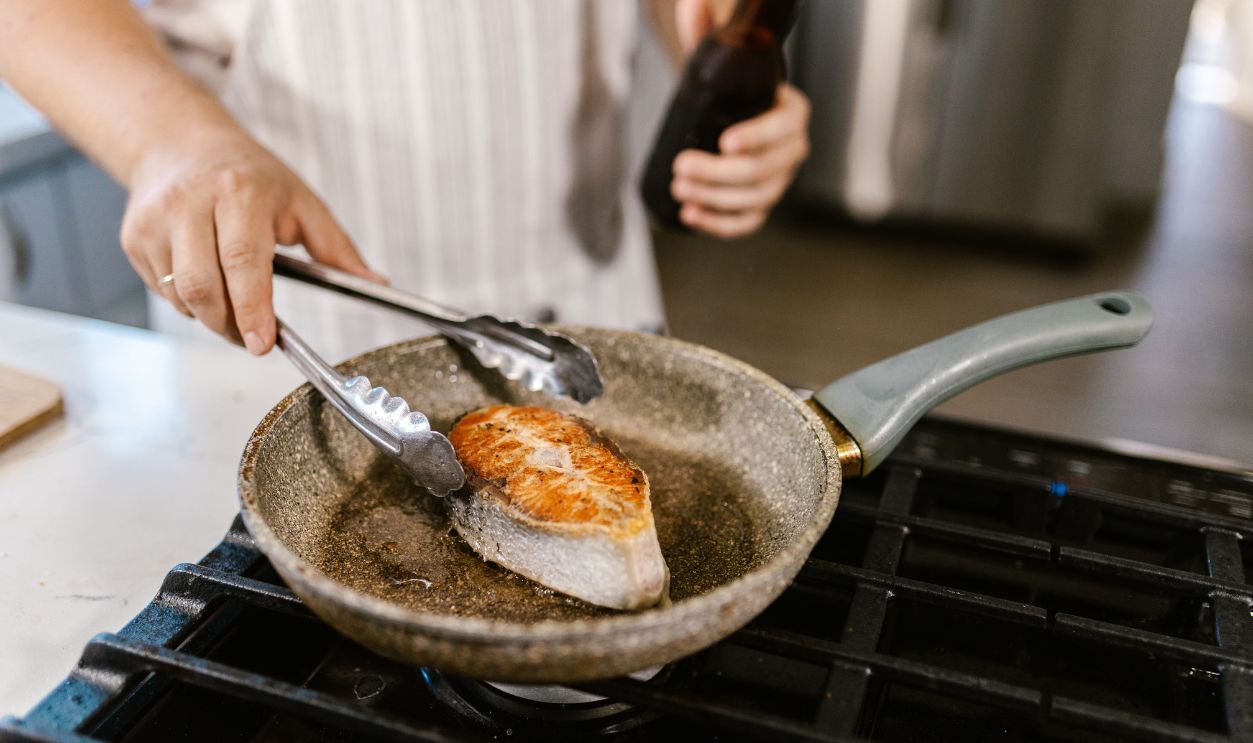
The short answer is yes, a host can place limits on kitchen use in a private property. But those limits are much more likely to hold up if they were clearly disclosed before booking. If the no-cooking-fish rule appeared only after you arrived, the host is on shakier ground.

The Best Travel Takeaway
A vacation rental kitchen can feel like freedom until a surprise rule shows up on the counter. The safest move is to check for unusual restrictions before booking and document everything if one appears later. When dinner plans collide with a hidden fish ban, the key issue is usually disclosure.
 Lotus Design N Print, Unsplash