The Word Private Can Make Or Break A Booking
Your Airbnb was sold on its secluded backyard patio, and the listing describes it as "private" more than once. Then you arrive and realize the yard is shared with other guests and neighbors, and it's constantly in use. That's not what you paid for. But is misleading use of the word "private" in a listing enough to get a refund? In many case, the answer is yes.

So Is That Misleading Enough For A Refund
If a listing repeatedly described the property as “private” and a key outdoor space turned out to be shared, that can amount to a material inaccuracy under major vacation rental platform rules. Whether you actually get money back usually depends on how the listing was worded, how quickly you complained, and what proof you saved.

What Airbnb Says About Listing Accuracy
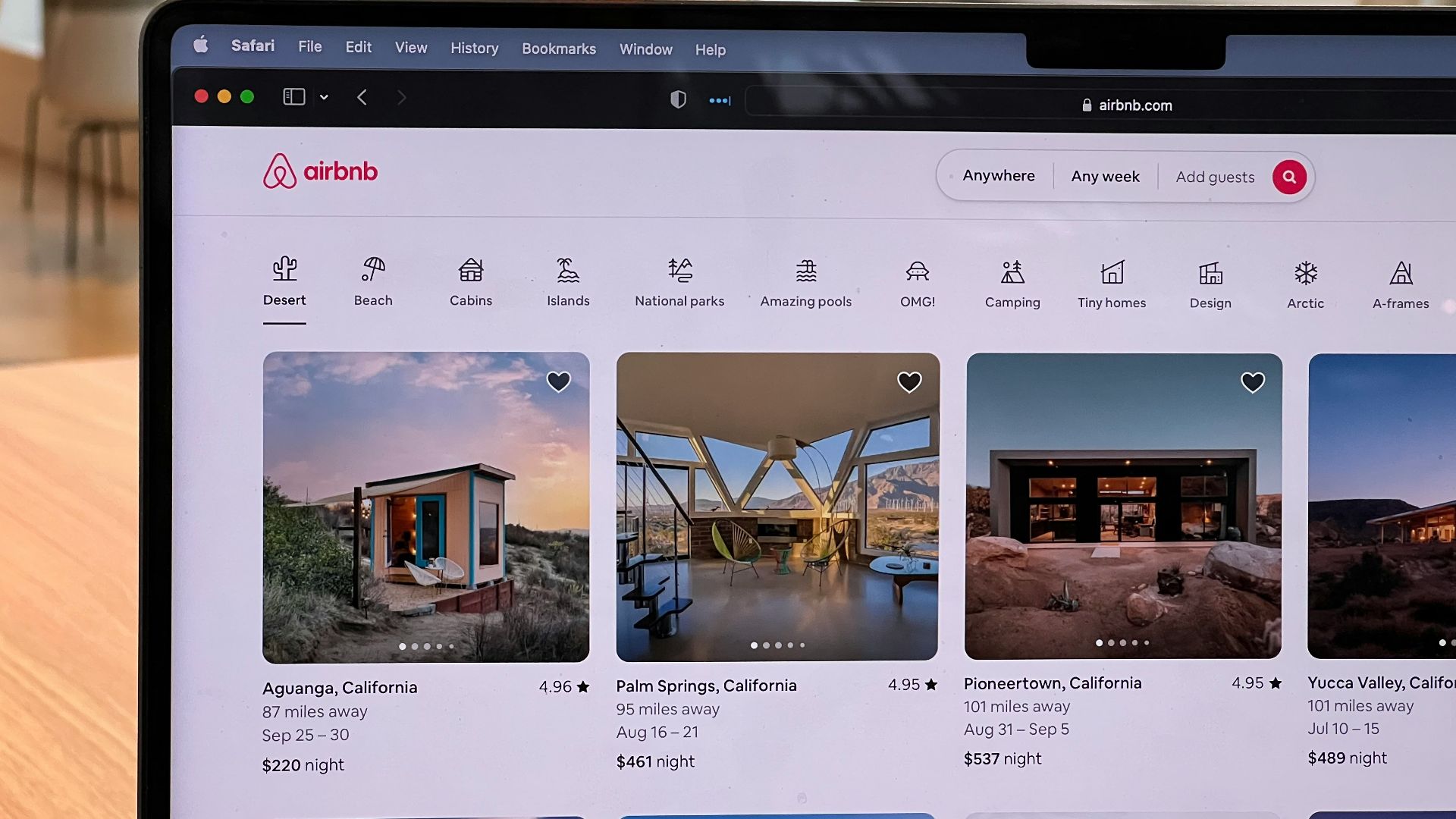
Airbnb’s policy requires hosts to provide accurate information and says listings should not be fraudulent, misleading, or deceptive. The company’s Rebooking and Refund Policy also covers situations in which accommodations are materially different from what was advertised. If an amenity or feature you relied on was misrepresented, that can trigger support review.
 Oberon Copeland @veryinformed.com, Unsplash
What Vrbo Says About Misrepresentation
Vrbo’s marketplace standards also require property owners and managers to provide accurate, not misleading descriptions. The platform says listings must clearly disclose material details about a property. If outdoor space is shared, failing to say so while calling it private could be important in a refund dispute.

Private Property Is Not The Same As Private Yard
This is where many disputes turn. A host may argue the rental unit itself was private, meaning not a shared room or shared home. But if the listing language, photos, or captions suggested the backyard was for your exclusive use, a traveler can reasonably argue that the representation went further than the host now claims.

The Exact Words In The Listing Are Crucial
Screenshots matter because refund cases often come down to wording. “Private home,” “private entrance,” and “private backyard” do not mean the same thing. If the listing repeatedly used broad language like “enjoy the private property” next to photos of the yard, that is stronger evidence than a single vague reference.

Photos Can Strengthen Your Case Fast
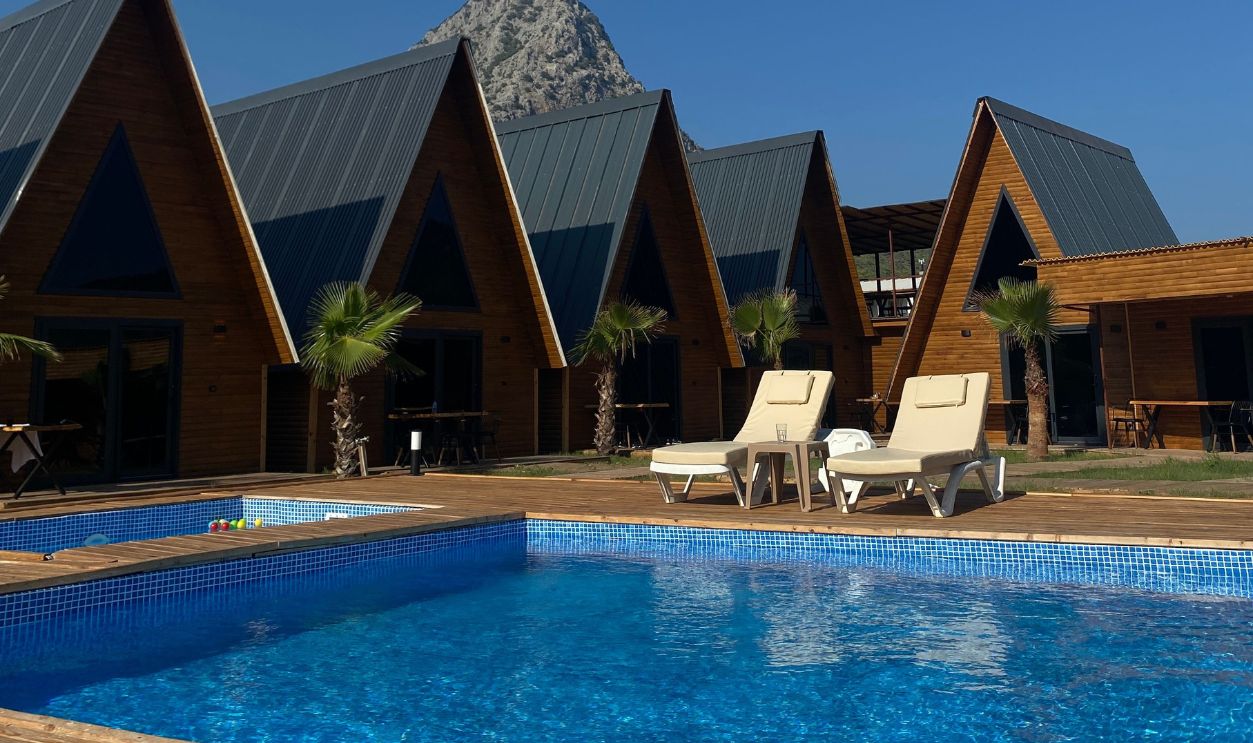
Pictures can imply exclusivity even when text is slippery. If listing photos framed the yard like a secluded amenity but left out gates, neighboring doors, or signs of shared use, that can support your complaint. Take your own photos immediately after arrival to show the actual setup.

Timing Can Decide Whether You Get Relief
On Airbnb, guests generally need to report a travel issue within 72 hours of discovery to preserve refund options under the company’s process. Waiting until the trip ends can weaken your leverage. If you spot the problem on arrival day, report it right away in the app and in writing.
Document First, Debate Later
Your first move should be evidence, not a heated argument at the front door. Save screenshots of the listing, especially any uses of the word “private,” then photograph the shared backyard, shared access points, and any interactions that show other people using the space. Keep everything inside the platform’s message system when possible.

Ask One Simple Question In Writing
Message the host and ask whether the backyard is shared and where that was disclosed in the listing. That question does two useful things. It may produce an admission, and it creates a clean written record for customer support.

Material Difference Is The Magic Phrase
Support teams often look for whether the rental was materially different from the listing. A shared backyard can qualify if privacy was central to the booking decision. Say plainly that you booked because the listing repeatedly represented the property as private and that the shared yard changed the value of the stay.

Refunds Are Rarely All Or Nothing
A full refund is possible, but partial refunds are common when the issue affects enjoyment without making the unit uninhabitable. The result often depends on whether you stayed, whether you accepted a host’s proposed fix, and whether comparable replacement lodging was available. If you leave immediately because of the discrepancy, document why.

If You Stay, Your Case Is Not Automatically Dead
Many travelers worry that remaining at the rental means they have waived their complaint. That is not always true. You may still argue that you accepted the best available option under the circumstances while seeking a partial refund for the loss of a promised amenity.

Hosts May Offer A Semantic Defense
Some hosts respond by saying the listing never promised an exclusive yard, only a private dwelling. That is why specific words, captions, and photos matter so much. If “private” was repeatedly used without clarifying that the backyard was shared, the ambiguity may cut against the host rather than in their favor.

Consumer Protection Law Can Also Matter
Beyond platform policy, state consumer protection laws generally prohibit deceptive or misleading advertising. The Federal Trade Commission also says advertising must be truthful and not misleading to consumers. That does not guarantee a payout, but it gives travelers a framework if a listing’s claims were likely to affect a booking decision.
What The FTC Standard Means In Plain English
The FTC’s approach looks at the net impression an ad gives a reasonable consumer. In a vacation rental context, that means support may consider not just one sentence, but the full presentation of the listing. If the overall impression was exclusive privacy and the reality was a shared yard, your argument gets stronger.
How To Build A Better Refund Request
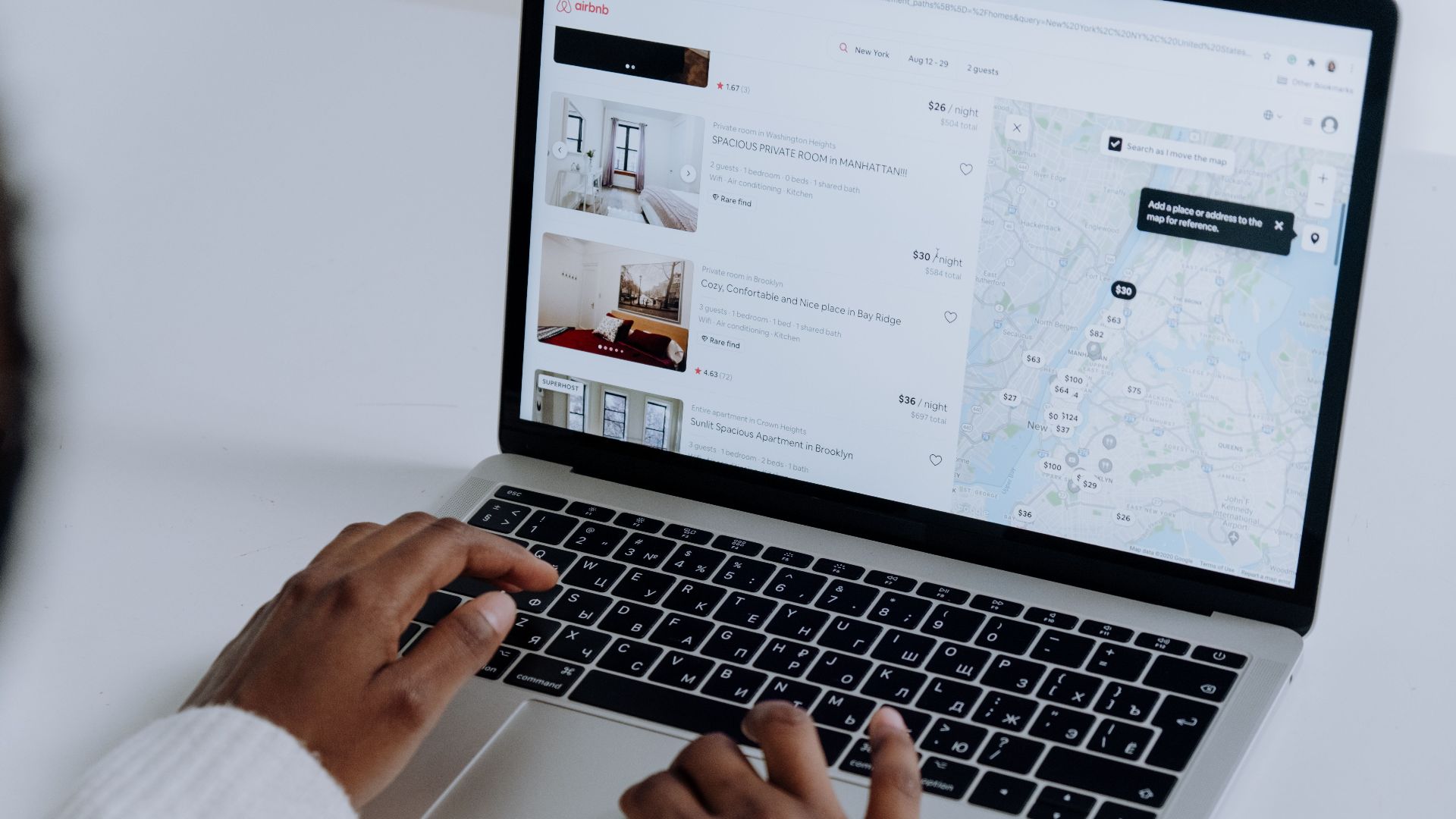
Be calm, specific, and brief. State that the listing repeatedly described the property as private, explain that the backyard is shared, attach screenshots and photos, and say this was material to your booking choice. Then request a concrete remedy, such as a partial refund or rebooking assistance.

What A Strong Message To Support Looks Like
You do not need legal drama. A simple note can say that you discovered on arrival that the backyard is shared with others despite repeated representations that the property was private, and that this was not disclosed in the listing. Add that you are reporting the issue immediately and want resolution under the platform’s refund policy.

When Rebooking May Be Smarter Than Fighting
If privacy was the whole reason you picked the place, a new property may be worth more than a partial refund battle. Airbnb’s policy specifically references rebooking support in some travel issue situations. If the shared yard makes the stay unusable for your needs, ask for relocation early.

Credit Card Protections Can Be A Backup
If the platform rejects your claim and the listing was clearly misrepresented, a card dispute may be a fallback option. Keep in mind that card issuers usually want detailed proof, including screenshots and correspondence. Try the platform process first, because chargebacks can complicate your account status.

Review The Property Carefully After The Trip
A factual review helps future travelers and can pressure hosts to clarify listings. Stick to verifiable statements, such as that the backyard was shared with another unit or adjacent occupants and that the listing used the word “private.” Avoid insults and keep the focus on accuracy.

How To Spot This Problem Before You Book
Look for clues in the photos like multiple patio sets, several entry doors facing one yard, or fences that divide space awkwardly. Read every caption and amenity note, not just the headline description. If privacy matters, ask directly whether the backyard, pool, patio, or driveway is exclusively for your use.

Questions Smart Travelers Ask Up Front
Ask whether any outdoor areas are shared with other guests, owners, tenants, or neighbors. Ask whether anyone else can access the yard during your stay. Those simple questions can force a clear answer before you pay.

The Bottom Line On Misleading Listings
If a vacation rental repeatedly called the property “private” but the backyard was shared, that can absolutely be misleading enough to support a refund request. The strongest cases involve repeated wording, photos that imply exclusivity, prompt reporting, and clear evidence. In short, if privacy was sold and sharing was delivered, you have a real argument.
Your Best Next Move If This Happens To You
Take screenshots, photograph the shared space, message the host in writing, and contact the platform immediately. Ask for either rebooking or a partial or full refund based on the severity of the mismatch. The sooner you act, the better your odds of turning a frustrating arrival into a fair outcome.