
That “We’re Family” Excuse Does Not Hold Up
If your sister keeps using your travel rewards account and brushing it off with “we’re family,” this is not some tiny manners issue from your annoying sibling. Points and miles can pay for flights, hotel nights, upgrades, gift cards, and more. Once they're gone, you may have to spend real money to replace what they could have covered. You should do something.

Travel Points Are Not Fake Money
Airlines, hotels, and banks all build their loyalty programs around things with clear value. The IRS said in a 2002 announcement that it would not assert tax liability when promotional frequent flyer miles are used for personal travel, which only makes sense because those benefits have real value. Big rewards programs also spell out exactly how points can be redeemed for travel, cash back, gift cards, shopping, and partner transfers.
 everythingforall, Shutterstock
The Real Question Is What They Were Worth To You
The clearest way to look at it is not whether points are literally cash in your hand. It is whether they work enough like money that using them without permission causes a real loss. If your sister burns 50,000 points that could have paid for a flight or hotel stay, the damage is easy to understand.

What The Banks Say Matters
Rewards programs run on terms and conditions, and those rules matter more than family logic. Chase says Ultimate Rewards points can be used for cash back, travel, gift cards, Apple purchases, and transfers to participating loyalty programs. American Express also lets cardmembers use Membership Rewards points for travel, gift cards, eligible charges, and transfers to travel partners.

Airlines Treat Miles Like Something Valuable
United says MileagePlus miles can be redeemed for award travel, seat upgrades, hotel stays, car rentals, gift cards, and more. Delta says SkyMiles can be used for flights, upgrades, Delta Vacations, and other rewards. These are not just little digital badges. They unlock things people usually have to pay for.
 Global Residence Index, Unsplash
Hotels Do The Same Thing
Hilton Honors lets members redeem points for free nights, experiences, Amazon purchases, and more. Marriott Bonvoy members can use points for hotel stays, room upgrades, flights, car rentals, and shopping. If someone drains those points without asking, they are taking something you could have used for a real purchase.

Unauthorized Use Is Still Unauthorized Use
The messy part in family disputes is that people blur the line between having access and having permission. Knowing your login or being an authorized user on a credit card does not automatically mean someone can spend your rewards whenever they want. The account holder usually controls the rewards balance unless the program says otherwise.

Being An Authorized User Is Not The Same As Owning The Points
Some rewards accounts let points build up through spending by authorized users, but that does not mean those users own the rewards. With Chase Ultimate Rewards, for example, points are tied to the primary card account, and redemption flows through that setup. In plain English, helping earn the points is not the same as having the right to spend them.

The Family Argument Falls Apart Fast
“We’re family” might explain why someone felt comfortable asking. It does not explain skipping the asking part. If a relative used your debit card to buy a plane ticket and then claimed it was fine because you are related, most people would see the problem right away.

Is It Legally The Same As Taking Cash
Not always, at least not in a clean one-to-one way. Points are controlled by private program contracts, and loyalty terms often say the program owns the currency and gives members limited rights to use it. That can make a fight over stolen or misused points more complicated than a simple cash theft case.

But The Damage Can Feel A Lot Like Cash Loss
Even if points are not technically cash, they often work like stored value. Banks and travel companies market them that way every day by showing exactly what they can buy. If your sister empties your balance before a trip, replacing those flights or hotel nights could cost hundreds or even thousands of dollars.

Point Values Help Show The Loss
Rewards experts often talk about points in cents-per-point terms to compare redemptions. The value can change depending on the program and how you use the points, but that actually helps make the case. It shows the loss can be translated into a dollar amount when you need to explain what was taken.

Programs Tell Members To Protect Their Accounts
Loyalty accounts are not supposed to be free-for-all shared spaces unless the program clearly offers a household or pooling feature. Airlines and hotels often tell members to protect passwords and report suspicious activity. If a family member uses your account without permission, the company may see it as an account security issue as much as a family fight.

Sharing Features Are Not A Blank Check
Some programs do allow limited sharing. Hilton Honors lets members transfer points and pool them with family and friends, and Marriott Bonvoy allows point transfers under certain rules. Those tools are useful, but they prove the bigger point. Programs create official sharing features because the default rule is not that any relative can take whatever they want.

When It Turns Into An Account Security Problem
If your sister logs in as you and redeems points without permission, that can also become an unauthorized access issue. Companies may freeze accounts, reverse transactions, or force password resets when suspicious redemptions show up. The exact fix depends on the program, but quick action gives you the best shot.

Start With The Paper Trail
Before this turns into a full family blowup, gather the facts. Check redemption confirmations, dates, destination details, account activity, and any email alerts tied to the redemption. If you need help from customer service later, details will matter more than anger.

Contact The Loyalty Program Quickly
Ask whether the redemption can be reversed, whether travel has already been ticketed, and whether the account should be locked. Some companies are more willing to help before a booking is used. If unauthorized access is involved, they may ask you to verify your identity and reset your password right away.

Change Your Password And Tighten Security
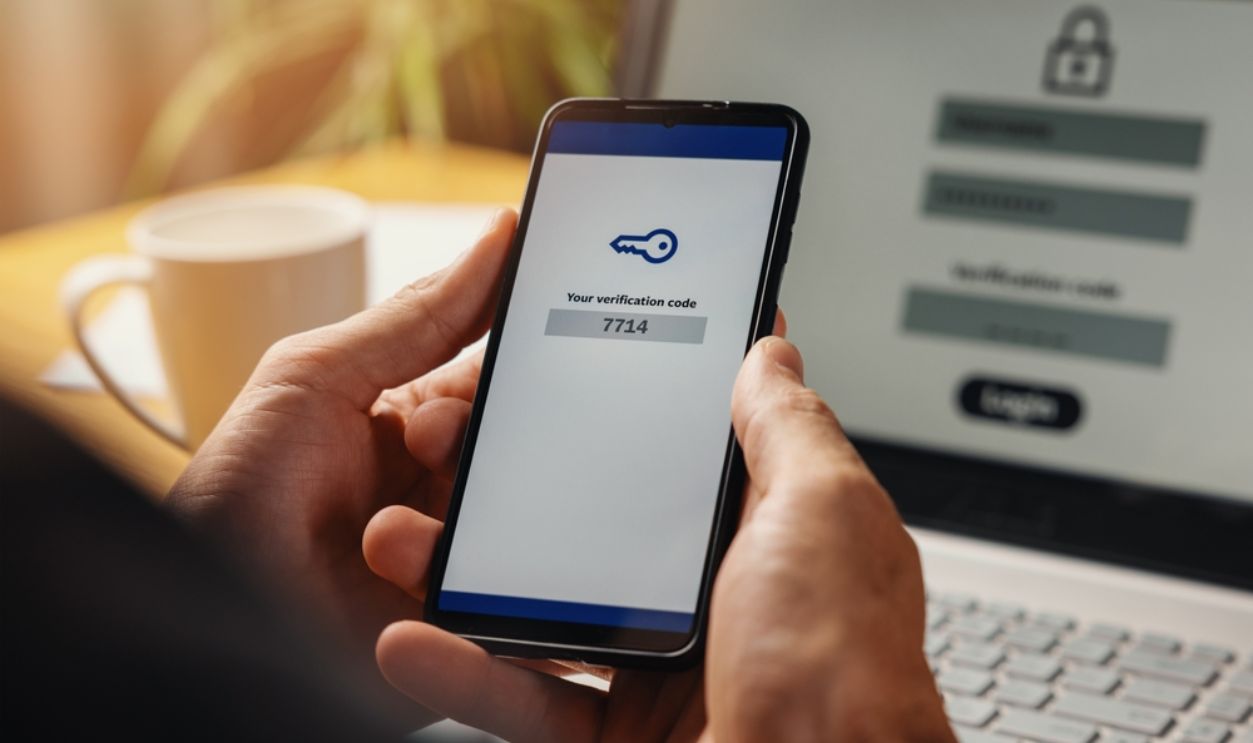
This is basic, but it matters. Use a unique password, turn on two-factor authentication if the program offers it, and sign out of old devices when possible. If your email account could be used to reset the password, lock that down too.
Check Your Credit Card Accounts Too
If your rewards came from a card issuer like Chase or American Express, look over the card account for any other strange activity. Rewards misuse can show up alongside bigger problems like saved card numbers, linked digital wallets, or unauthorized spending by an authorized user. Catching it early can save you a bigger headache later.

Be Specific About The Dollar Impact
If you confront your sister, skip the vague talk. Explain what the points would have paid for and what it will now cost you to replace that booking. A line like “those 60,000 points were my flight to Denver, and now I have to pay $540” is much harder to brush off.

Repayment Is A Fair Ask
If she used the points, asking for cash repayment is reasonable. Another option is having her transfer back an equal number of points if the program allows it, though transfer fees and restrictions may apply. Either way, expecting repayment for something with real value is not overreacting.

Do Not Ignore The Program Rules
Each loyalty program has its own rules on transfers, pooling, account access, and reversals. United, Delta, Hilton, Marriott, Chase, and American Express all publish pages explaining what points and miles can buy and how accounts work. If the dispute gets more serious, those rules become your best factual support.

The IRS Has Already Recognized The Basic Reality
The IRS did not say miles were worthless in Announcement 2002-18. It simply said it would not pursue tax enforcement on personal use of promotional miles because valuation and administration were tricky. Even so, the announcement still points to a basic truth: miles and points are valuable benefits, even if the tax treatment is limited.

Why Family Disputes Like This Feel So Ugly
People often excuse behavior from relatives that they would never accept from a friend or coworker. Travel rewards make that worse because they can feel abstract until you try to book a trip and realize the balance is gone. At that point, the loss is not just financial. It is also about trust.

How To Set Better Boundaries Next Time
Tell relatives clearly that your points and miles are not shared property unless you say so ahead of time. Remove saved passwords from shared devices, stop forwarding redemption emails, and do not leave accounts logged in. If you want to help family with travel, handle it case by case instead of giving open-ended access.

If You Want To Share, Use The Official Tools
There is a safer way to be generous. Use formal transfer features, pooling systems, or book the trip yourself for them after talking it through first. That keeps you in control and helps avoid the surprise of finding out your rewards balance was treated like a household jar of spare change.

The Bottom Line On Cash Versus Points
No, travel rewards points are not always legally identical to cash in your wallet. But in everyday life, they can be close enough that unauthorized use causes the same kind of loss. If your sister redeems them without asking, you are right to treat it as more than a harmless misunderstanding.

What To Do Right Now
Check your balances, secure your passwords, review recent redemptions, and save any confirmation emails. Then decide whether you want a reversal, repayment, or both. Family or not, rewards points are valuable travel assets, and you do not have to act like it is no big deal when someone spends them as if they were theirs.