
A Beach Vacation Surprise Nobody Wants
You get to a sunny resort, head for the beach, and run into an extra charge you were not expecting. The hotel wants more money for a shade umbrella, even though the beach barely has any natural shade. That kind of fee can turn a relaxing trip into a budget problem fast.

Why This Fee Gets Under People's Skin
On a hot beach, shade does not feel like some fancy extra. For families with kids, older travelers, and anyone trying to avoid too much sun, it can feel pretty basic. That is why an umbrella fee often lands less like a perk and more like a penalty.

What Travelers Usually Mean By Resort Fee
In the hotel world, resort fees are mandatory charges added on top of the room rate. Hotels usually say they cover things like Wi-Fi, gym access, pool towels, or beach chairs. The key difference is that a real resort fee is mandatory, while optional beach gear charges are usually listed separately.

What Regulators Started Watching
Hidden hotel fees have been on federal regulators' radar for years. In 2012, the Federal Trade Commission sent warning letters to 22 hotel operators over online pricing that could mislead consumers by leaving mandatory charges out of advertised room rates. That move helped lay the groundwork for later crackdowns on so-called junk fees.

The FTC Drew A Clear Line On Price Transparency
On December 17, 2024, the FTC announced its final Rule on Unfair or Deceptive Fees. The agency said businesses covered by the rule must clearly and plainly show the total price, including mandatory fees, more prominently than other pricing information. For travelers, the big issue is often not just the fee itself, but whether it was disclosed up front.

Mandatory And Optional Are Different Things
If a resort makes every guest pay a daily resort fee, that fee should be built into the total advertised price under the FTC rule. If umbrellas are optional and only rented by guests who want them, that is a different situation. Put simply, a resort can usually charge extra for optional gear, but it should not hide mandatory costs or make something sound optional when it really is not.

What The FTC Rule Does Not Automatically Settle
The FTC rule does not say every separate charge is illegal. It is aimed at deceptive pricing and hidden mandatory fees, not at creating one master list of what hotels must include for free. So whether an umbrella fee is legitimate often depends on disclosure, local law, the booking terms, and whether the umbrella was presented as included or extra.

Hotels Have Faced Growing Pressure Over Drip Pricing
The Biden administration made junk fees a major consumer issue across several industries, including lodging. The White House repeatedly pointed to the frustration of surprise charges that show up late in the booking process. That broader push matters here because umbrella fees can feel especially frustrating when they appear after a traveler thought the price was already set.

California Made A Big Move In 2024
California's SB 478, often called the Honest Pricing Law, took effect on July 1, 2024. The law generally requires businesses to include mandatory fees in the advertised price. For California hotel stays, that leaves less room to separate unavoidable charges from the headline rate shown to shoppers.
 Sharon Hahn Darlin, Wikimedia Commons
Why California Matters Beyond California
Big hotel brands do not love using a different pricing playbook in every state if they can avoid it. A strict disclosure standard in a huge travel market can shape how prices are shown more broadly. It also gives travelers a stronger basis for asking whether a charge is truly optional or just being sliced out of the room rate.
 Tongpool Piasupun, Shutterstock
So Is An Umbrella Fee Legitimate
Often, yes, if the umbrella is truly optional and the hotel disclosed the charge clearly before you booked or before you used it. Plenty of resorts charge separately for premium beach setups, cabanas, or reserved loungers. The real problem starts when the fee is mandatory, hidden, or wrapped in a confusing setup that makes basic beach use tough without paying more.

When There Is No Natural Shade, The Issue Feels Bigger
A beach with no trees, cliffs, or covered areas can make a paid umbrella feel less optional in real life. That does not automatically make the charge unlawful, but it can strengthen a guest's argument that the resort is charging for something close to a basic need. It is one reason travelers should pay close attention to how the beach is described in listings and reviews.

Sun Safety Is Not A Small Issue
The Centers for Disease Control and Prevention advises using shade as part of sun protection, along with clothing, hats, and sunscreen. The CDC specifically recommends seeking shade, especially during midday hours. That helps explain why many guests do not see umbrellas as silly extras.

What Resorts Usually Say
Hotels and resorts often treat beach umbrellas as rentable equipment, not as an automatic part of the room. Their argument is that setup, storage, staffing, and maintenance all cost money, especially on private or managed beachfronts. They may also say some guests never use the beach, so charging only the people who use the umbrellas is fairer than building the cost into every room.

What Guests Usually Say
Travelers often see it differently when the property heavily sells its beach access. If the beach is one of the main reasons people book and shade is hard to find, many guests feel a basic umbrella should be part of the stay, much like pool seating often is. That argument gets even stronger if the resort already charges a mandatory resort fee for beach-related amenities.

Read The Amenity List Closely
The fine print matters more than the glossy photos. If the resort fee description says it includes beach chairs but says nothing about umbrellas, the hotel may rely on that difference later. If the booking page vaguely promises beach amenities without details, save screenshots before you travel.

Private Beach Does Not Mean A Resort Can Do Anything
Some resorts operate on private beaches or on concession-managed parts of public beaches, but that does not wipe out consumer protection rules. The legal question usually is not just who owns the sand. It is how the charge was presented, whether it was optional, and whether the guest was misled.
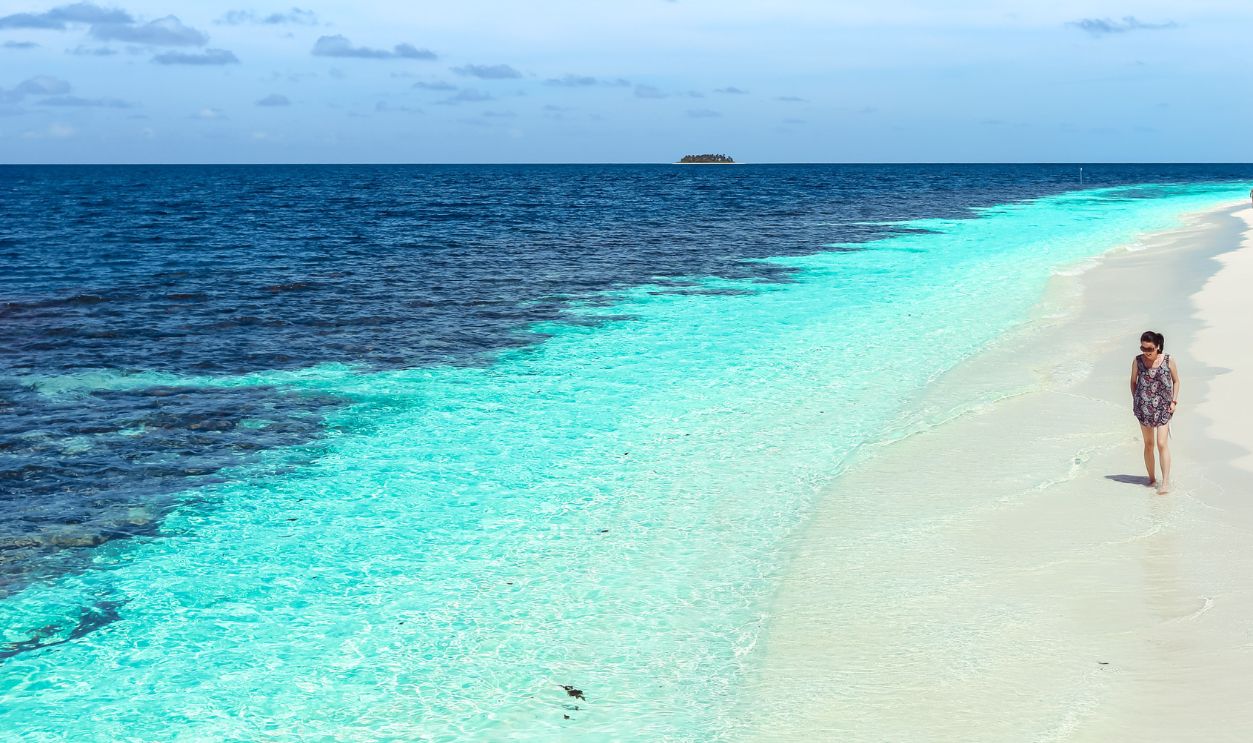
Pay Attention To The Wording At Booking
Phrases like included beach access, complimentary beach service, or full beach setup can shape what a reasonable guest expects. If umbrellas are excluded, a resort should say so clearly. A lot of disputes start in that gray area.

Reviews Can Show The Real Pattern
One complaint could be a misunderstanding, but repeated reports can reveal a pattern. Look for recent reviews that mention daily umbrella rates, limited free seating, or pressure to pay more for shaded spots. Those details often tell you more than the official property listing does.

Ask Before You Book, Not At Check-In
If beach time is the whole point of your trip, contact the property before you reserve. Ask whether umbrellas are included, whether there is any free shaded area, and whether fees are charged per day, per person, or per setup. Getting the answer in writing can save a lot of arguing later.
 https://kaboompics.com/, Pexels
What To Do If You Feel Misled
Start by politely asking the front desk to show where the charge was disclosed. If the answer is fuzzy, ask for a manager and point to the exact wording in your confirmation or booking page. Calm, specific complaints usually get further than general frustration.

When A Credit Card Dispute Could Make Sense
If a resort charged you for something you reasonably believed was included, document everything first. Save receipts, screenshots, emails, and photos of posted beach prices. A credit card dispute may be worth considering if the charge was not properly disclosed, though the outcome depends on the evidence and your card issuer's rules.

There Are Government Complaint Options
In the United States, travelers can report deceptive fee practices to the FTC and to their state attorney general's office. These complaints do not guarantee a refund, but they can help regulators spot repeat behavior. State consumer protection agencies may matter even more if the stay happened in a state with tougher pricing laws.

International Trips Can Be More Complicated
Outside the United States, the rules can vary a lot by country and even by region. In some places, separate beach service charges are common, especially where beach clubs control seating and shade. For an international booking, the safest move is to confirm what is included before you pay a deposit.

The Practical Test For Travelers
Ask yourself three simple questions. Was the umbrella fee clearly disclosed before booking or before use. Was it truly optional. Did the beach setup make the charge feel basically unavoidable.

If The Answers Do Not Look Good
If the charge was hidden, mandatory, or at odds with the property's marketing, you probably have a strong complaint. If it was clearly disclosed and truly optional, it is probably legitimate even if it still feels annoying. In other words, irritating does not always mean improper, but surprise fees are worth a closer look.
 Hryshchyshen Serhii, Shutterstock
How To Protect Yourself On Your Next Beach Trip
Book directly or use a platform that clearly shows full pricing. Read the resort fee description line by line, check recent guest reviews, and confirm beach equipment policies in writing. A little homework before you leave can keep your beach day from coming with sticker shock.

The Bottom Line On Paying For Shade
A resort charging extra for a beach umbrella on a shore with no natural shade can be legitimate, but only under the right conditions. The charge should be optional, honestly described, and not left out of the total price if it is mandatory. When sun, sand, and sea are the whole pitch, travelers have every right to expect clear answers before they ever lay down a towel.