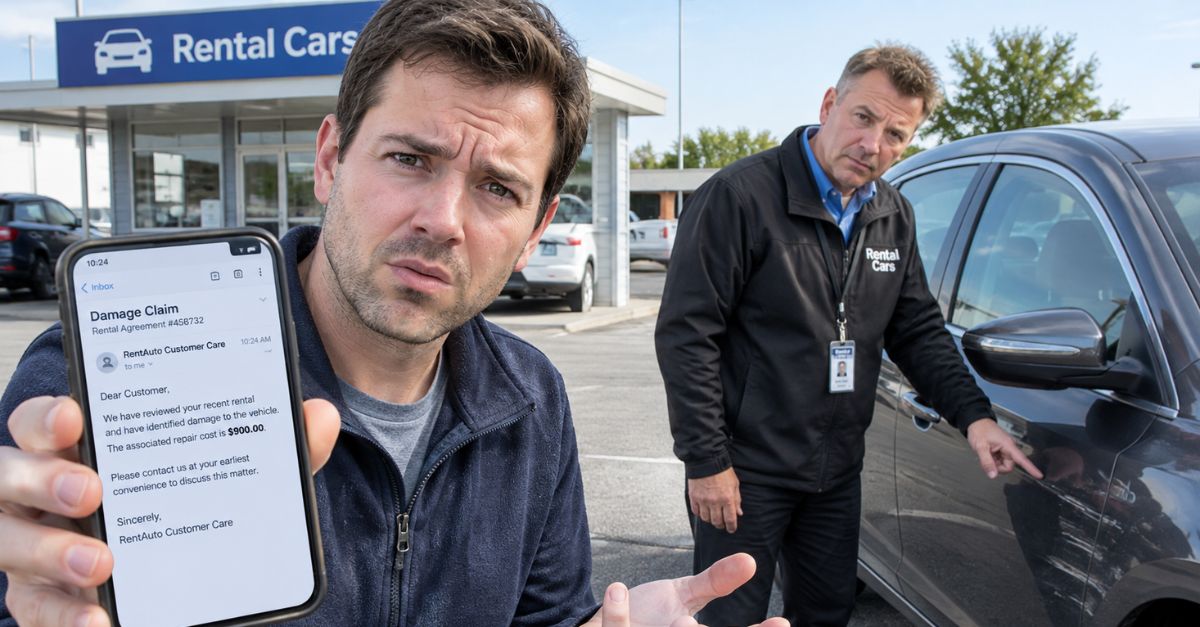
That $900 Bill Hits Hard
You return a rental car, head to the airport, and think the trip is done. Then an email shows up with a $900 damage claim, even though you photographed the scratch before you ever left the lot. The good news is that photos, timestamps, and the company’s own records can give you a solid way to fight it.
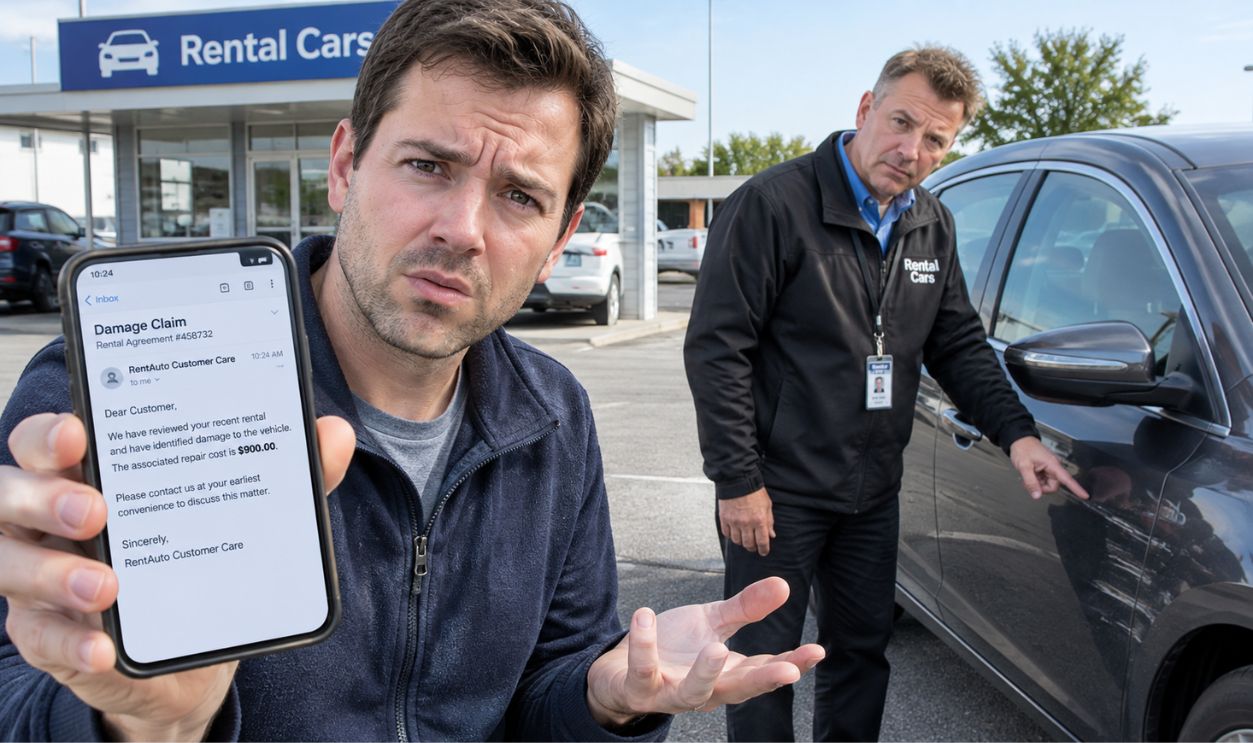
Start With The Key Fact
If the scratch was already on the car when you picked it up, the rental company should not charge you for it. Your job is to show that the damage was there before your rental started. That means proving when the scratch existed, what records the company had at pickup, and whether it followed its own inspection process.
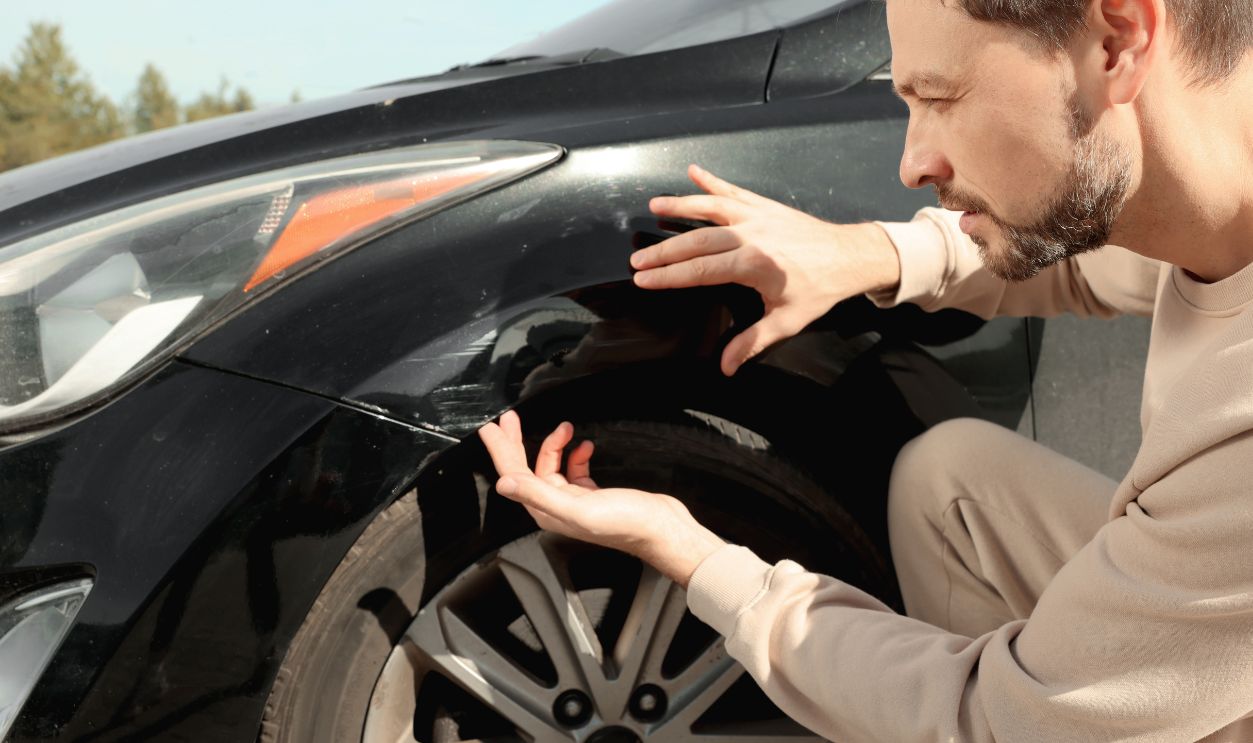
Your Photos Can Carry The Whole Case
A photo taken before you drove off can be strong evidence, especially if it has a visible timestamp or metadata showing the date and time. Wide shots of the side of the car, the license plate, and a close-up of the scratch are especially helpful. If the file still has its original metadata, keep it that way and do not edit it.

Check The Timestamp Right Away
Open the original photo files and confirm the creation date matches the day and rough time of pickup. If your phone saves location data, that can help show where the photo was taken. Back up the originals so you do not lose them while the dispute is still going on.

The Rental Agreement Locks In The Timeline
Your rental contract helps pin down the exact start of the rental period. Compare that with the timestamp on your photos to show the scratch was already there before you drove away. Even if the images were taken a few minutes after pickup, they can still help if the car had not left the lot yet.

Look For The Check-Out Form
Many rental companies use a check-out or condition report that marks existing damage with diagrams or codes. If the scratch is listed there, your case gets much easier. If it is not, that does not end the matter, but your photos and any witness evidence become even more important.

Ask For Their Damage File Right Away
Do not argue in general terms. Ask for the full damage file, including move-in and move-out inspection reports, photos, repair estimates, invoices, and the date the damage was first documented. Paper trails often show gaps, missing inspections, or photos taken after other renters used the car.

What Federal Rules Say About Billing Errors
The Consumer Financial Protection Bureau says consumers have the right to dispute billing errors on credit accounts under the Fair Credit Billing Act. That matters if the rental company charged your credit card and you believe the charge is wrong. Timing matters, so act fast and keep every record before any deadline passes.

Why A Credit Card Dispute Can Matter
If the $900 was charged to your credit card, you may be able to dispute it directly with the card issuer. The CFPB says you should send a written dispute to the address for billing questions and include supporting documents. Your pre-departure photos, rental paperwork, and emails with the rental company can make that filing much stronger.

The FTC’s Advice Fits This Situation Exactly
The Federal Trade Commission tells consumers to inspect rental cars carefully before leaving the lot and document any existing damage. That matches what you did by taking photos early. If you followed that basic step, you already have the kind of evidence regulators tell travelers to gather.
Do Not Leave It To Phone Calls
Phone calls are fine for getting information, but they are weak evidence later. After every call, send an email that sums up what was said, including the date, time, the agent’s name, and the documents you asked for. That written trail can become very important if the dispute gets more serious.

Ask One Question That Can Shift The Whole Case
Ask the rental company when, exactly, it says the damage happened. If it cannot show that the scratch appeared during your rental period, its claim gets much weaker. At that point, the focus turns to the company’s inspection records and whether it can prove the car was undamaged at checkout.

The Return Inspection Can Decide A Lot
Some disputes come down to whether an employee inspected the car when you returned it and whether you were there. If no damage was mentioned at return and the claim showed up later, ask why. Delayed claims are not automatically invalid, but they deserve a close look because other drivers or lot activity may have been involved.

These Claims Happen Often Enough To Worry Regulators
Federal consumer guidance has long stressed documenting a rental car’s condition before leaving and again at return. That is because travelers do sometimes get blamed for pre-existing damage or damage noticed later. Your photos lock down the timeline in a way memory never can.

Metadata Can Quietly Do Heavy Lifting
Metadata is the hidden file information attached to many photos, including the time and date they were created. If the rental company challenges your images, that original metadata may help show they were taken at pickup. Keep the originals and, if needed, send copies instead of altered screenshots.

Witnesses Can Back Up Your Timeline
If a friend, spouse, or travel companion saw the scratch at pickup, ask them to write a short statement with the date and what they saw. If a rental employee pointed out the damage, write down that person’s name and location. Witnesses are not as strong as photos, but they can help support your case.

Airport Cameras Might Help, But Time Matters
Some rental lots and airport facilities have surveillance cameras, though video may not be kept for long. If footage might show the car’s condition before you left, ask in writing right away that it be preserved. You may not always get the video, but moving fast can keep it from being erased.

Ask For The Repair Bill, Not Just An Estimate
A repair estimate is not the same as proof that you owe $900. Ask whether the repair was actually done, how the amount was calculated, and whether the company added administrative or loss-of-use fees. The National Consumer Law Center has noted that extra fees can matter in consumer disputes, so it is worth asking for the full breakdown.

Compare The Claim To The Company’s Own Rules
Rental companies often have internal standards for what counts as billable damage, such as size limits or exceptions for normal wear. Ask for the policy that applied on your rental date. A small scratch that falls under normal wear should not be billed like major body damage.

Your Insurance Might Still Help
If you used a credit card with rental-car coverage or have personal auto insurance, notify those providers quickly. They may help with the dispute even if you believe you are not responsible. Coverage rules vary a lot, so ask plainly whether they will help challenge a pre-existing damage claim.

Send A Formal Dispute Letter
Once you have your photos and records together, send a short written dispute to the rental company. State that the scratch existed before departure, attach timestamped photos, and ask that the charge be removed. Request written confirmation and give a reasonable deadline for a response.

Keep The Argument Tight
Do not bury the company in emotion or guesswork. Lead with the timeline, the photos, the contract time, and any check-out records. A short, fact-based case is easier for a claims reviewer, card issuer, or regulator to understand.

If They Already Charged Your Card, Use Two Tracks
You can dispute the charge with the rental company and with your card issuer at the same time if it has already posted. The CFPB explains that credit billing disputes come with formal procedures and deadlines, so do not wait through endless customer-service back-and-forth. Parallel complaints can add pressure and speed up review.

File A Complaint If They Ignore You
If the company will not engage or brushes off your evidence, you can file a complaint with the CFPB if the issue involves a credit card billing dispute. You can also report the matter to your state attorney general or state consumer protection office. Those complaints do not guarantee a refund, but they create a record and can trigger a response.

Small Claims Court May Be The Practical Last Step
If the amount is serious and your evidence is strong, small claims court may be worth considering. Bring the photos, metadata, rental agreement, inspection forms, email trail, and any witness statements. The core of the case is a clear timeline showing the scratch was there before you left the lot.

The Best Defense Starts At Pickup
The FTC’s advice is simple and smart. Walk around the car before leaving and photograph every panel, the roofline if you can, the wheels, the windshield, the fuel level, and the odometer. Then do it again at return so there is no mystery about the car’s condition.
 PixelsMD Production, Shutterstock
What To Put In Your First Email
Keep it direct. Include the rental agreement number, the date and time of pickup, and a note that your attached original photos show the scratch before departure. Then ask the company to withdraw the $900 charge and send copies of all inspection records and supporting evidence if it disagrees.

The Bottom Line
A pre-departure photo of the exact scratch is not a small detail. It is often the best proof you have. Pair that image with timestamps, rental records, and a quick written dispute, and you give yourself the strongest shot at knocking down a damage bill that should never have landed in your inbox.