When An “Upgrade” Feels Like A Downgrade
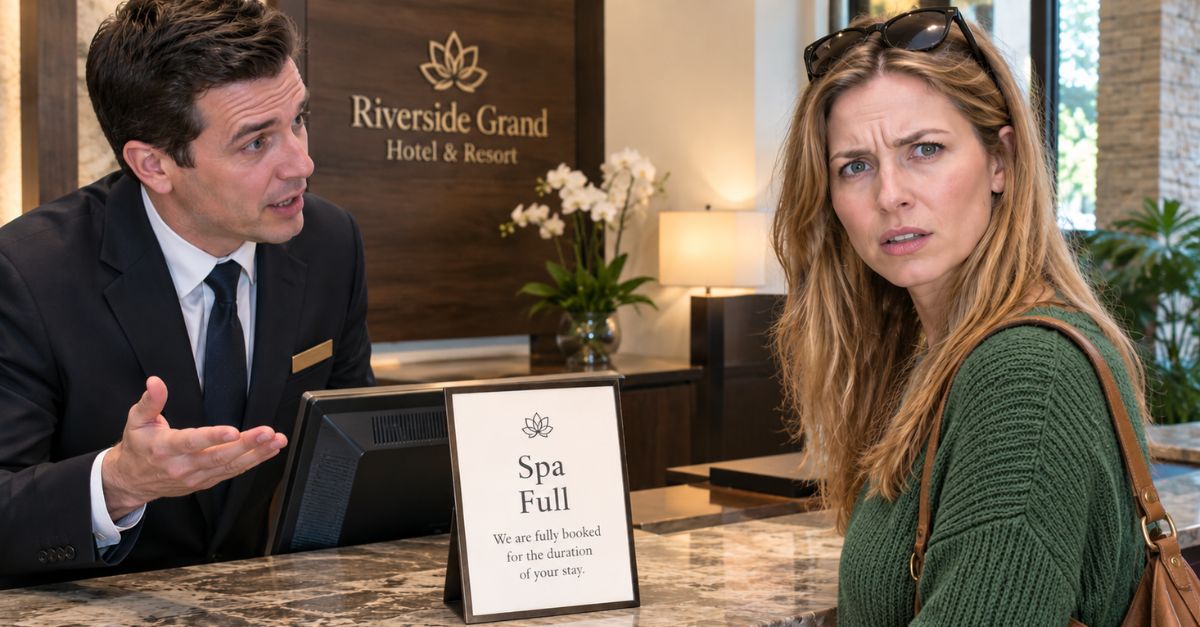
It's one thing to be annoyed when the hotel doesn't give you the room you've been promised, but for them to call a worse room an "upgrade" is too much for anyone to take. Maybe the new room is smaller, louder, missing the view you paid for, or has fewer beds or features. That is frustrating, especially when the front desk says the equivalent of, "Too bad, so sad."
The good news is that you actually may have options, depending on how you booked, what was promised, and how the hotel handles it.

What A Hotel Usually Owes You
In most cases, a hotel is supposed to give you the room it confirmed, or something close to it in a real, practical way. The exact rules can change by state, country, and the booking terms, but the basic idea is simple: if you paid for a certain room type, the hotel should try to honor it. Hotels often say room types are subject to availability, but that does not automatically mean they can hand you a clearly worse room and do nothing about it.

Why Hotels Sometimes Do This
Hotels overbook, rooms go out of service, and maintenance problems come up at the last minute. Sometimes another guest stays longer than planned, or a room category becomes unavailable because of cleaning or repairs. In those cases, staff may move guests around quickly and call it an upgrade to make the switch sound better. That may explain what happened, but it does not mean the result is fair if you got less than what you paid for.

Not Every Room Change Is Really An Upgrade
Hotels may define upgrades by their own room categories, but guests care about what the room is actually like. A room might be higher on the hotel’s chart but still be worse for you if it has no balcony, a bad location, less space, or fewer useful features. If you booked two queen beds and got one king, a lot of travelers would see that as a downgrade no matter what the hotel calls it. What matters is whether the replacement room is truly close to what you booked.
 Anastasia Ilina-Makarova, Pexels
Start By Checking Your Confirmation
Your confirmation email is one of your best pieces of proof. Check the exact room type, bed setup, view, size, included perks, and rate terms. Screenshots of the room description from the hotel website or booking site can also help if the listing changes later. The more specific the confirmation is, the easier it is to show that the room you got was not the one you agreed to buy.

Booking Direct Or Through A Third Party Matters
Your path to a fix may depend on where you booked. If you booked directly with the hotel, your issue is usually with the hotel or the brand. If you used an online travel site, that company’s customer service may also need to step in because it handled the reservation and payment terms. Either way, the hotel still controls the room assignment, so it usually makes sense to bring it up at the front desk first and then go higher if needed.

Speak Up Right Away
If the room is not close to what you booked, say something as soon as you notice. It is much easier to fix on arrival than after you stay the night and check out. Ask the front desk to note your complaint on the reservation and explain exactly what is missing or worse. Staying calm, clear, and quick gives you the best shot at getting moved, refunded, or compensated.

Use Specific Language, Not Just “This Room Is Bad”
Vague complaints are easier for a hotel to brush off. Specific ones are harder to ignore. Say something like, “I booked a room with two queen beds and a city view, and this room has one king and faces the parking lot.” If the room is smaller, louder, or missing promised accessibility features, say that plainly. Clear side-by-side comparisons make it easier for a manager to see that this is not just a matter of taste.

Ask For A Comparable Room First
Your first request should usually be simple: ask for the room type you reserved or the closest match available. If nothing is ready right away, ask whether they can move you later that day or the next morning. You can also ask whether another nearby hotel in the same brand has the right room type. A practical fix often works better than starting with a demand for money.

If They Truly Have Nothing Left, Ask For Options
When a hotel says it is sold out, the focus shifts to a fair remedy. Ask whether they can lower the nightly rate to match the worse room, waive resort or parking fees, give meal credits, or offer loyalty points. If the difference is big, ask whether they will move you to another hotel at their expense. The best fix depends on how much worse the room is and how much trouble it causes you.

A Rate Reduction Is A Fair Ask
If you got a room that is clearly worth less than the one you booked, asking for a partial refund or lower nightly rate is reasonable. This is especially true if the cheaper room is listed for less on the hotel’s own website. Save screenshots showing the price gap if you can. That gives your request something solid behind it.

Document Everything While It’s Happening
Take photos of the room, the view, and anything that is missing from what was promised. Keep screenshots of your reservation, the room description, and any messages with the hotel or booking site. If you speak with staff, write down names, times, and what they said. Good records can make a big difference if you later complain to the brand, the booking site, or your credit card company.

Brand Standards Can Help
If the hotel is part of a major chain, the brand may have customer service channels and service standards the property is supposed to follow. Big hotel groups often care about guest satisfaction, especially when you can show that the hotel did not provide the room type you reserved. Reaching out to the brand after talking to the front desk can sometimes lead to points, refunds, or follow-up with management. Independent hotels do not have the same corporate backup, but they still care about their reputation.

Loyalty Status May Improve Your Chances
Elite status does not guarantee a fix, but it can help. Many hotel loyalty programs promise upgrades when available, though those perks usually depend on availability and do not change the basics of your original booking. If you have status, mention it politely and ask for a manager’s help. Hotels are often more willing to work out a problem when they know it affects a repeat guest.

Third-Party Bookings Add Another Layer
Online travel sites often say that room requests, including bed type or location, are not guaranteed unless specifically confirmed. That can make disputes harder, but not impossible, when the room you got is clearly different from the one sold. If the listing promised certain features, save that page and contact the travel site while you are still at the hotel. These companies can sometimes help get a refund or credit when the hotel will not.

When A Chargeback Might Be An Option
If you paid by credit card and the hotel or booking site refuses to deal with a clear mismatch, you may want to dispute part of the charge. The Fair Credit Billing Act gives consumers rights in some billing disputes, though chargebacks are not automatic wins and work best when you have strong proof. Card issuers usually want to see that you first tried to work it out directly. A chargeback is usually better as a last step, not your opening move.
 Vodafone x Rankin everyone.connected, Pexels
Small Claims Court Is Possible, But Usually Last
If the amount of money is large and the hotel refuses a fair fix, small claims court may be an option depending on where you live and what the contract says. This works best when you have clear proof of what was promised, what you got, and the value difference between the two. Some disputes may be limited by arbitration clauses or rules about where claims must be filed. For most travelers, though, customer service escalation is faster and cheaper than going to court.

Don’t Forget About Accessibility Issues
If the room change affects accessibility, the problem can be much more serious than a normal inconvenience. The Department of Justice says reservations for accessible guest rooms must let people with disabilities reserve the specific accessible room type they need during the same hours and in the same way as other guests. If a hotel moves you into a room that does not have the accessibility features you booked, raise that right away and be very clear. That kind of switch is not just annoying. It can affect safe and equal access.
Timing Can Affect Your Remedy
The sooner you complain, the stronger your position usually is. If you stay the whole trip without saying anything, the hotel may argue that you accepted the substitute room. That does not always end your claim, but it can make a refund harder to get. Quick notice gives the hotel a chance to fix the issue and helps create a better record if it does not.

Online Reviews Can Help, But Be Careful
A truthful review can be useful if you explain exactly what booking mismatch happened and how the hotel handled it. Keep it factual, avoid over-the-top wording, and do not threaten a bad review to get compensation. Some platforms and companies do not look kindly on that kind of pressure. Reviews are usually best after the issue is over, not as your first move.

What You Should Ask For In Real Life
A simple script can make this easier. You could say, “I understand things change, but this room is not comparable to the one I reserved. If you can’t move me, I’d like a rate adjustment or another fair fix.” That keeps the issue calm and clear and gives staff room to solve it. The more reasonable and specific you are, the better your chances of getting a useful result.

The Bottom Line On Your Recourse
Yes, you may have recourse if a hotel “upgrades” you to a worse room and says that is all it has left. Your best options are to complain right away, document the mismatch, ask for a comparable room or a lower rate, and escalate to the brand or booking site if needed. If the difference is major and the hotel will not help, a credit card dispute may be worth thinking about. The key is to focus on what was promised, what you actually got, and what would fairly make up the difference.