
The Front Desk Request That Feels A Little Too Personal
You arrive tired, hand over your ID and credit card, and then the clerk points a phone or copier at both. For a lot of travelers, that's when things start to feel off. Is a hotel really supposed to keep copies of your identification and payment card, or is that a warning sign?

The Short Answer
Hotels commonly ask to see a government-issued ID and a credit card at check-in. What is not always standard is photocopying or photographing both and saving those copies. Whether that is appropriate depends on local law, payment industry rules, and the hotel’s own privacy practices.
 Hryshchyshen Serhii, Shutterstock
Why Hotels Ask For ID In The First Place
Hotels usually check ID to match the reservation, cut down on fraud, and follow local guest registration rules. In some places, they may be legally required to record certain guest details. But that does not automatically mean they need to keep a full image of your ID.

Why Hotels Want Your Credit Card
The card is usually used to confirm payment and place an incidental hold for room charges, minibar items, or damage. That is standard across much of the hotel industry. Still, standard check-in practice does not automatically mean a hotel should keep a photo of the full card.

The Big Security Problem With Copies
A copied ID can expose your full name, date of birth, document number, and home address. A copied credit card can expose the card number, expiration date, and sometimes even more than a hotel actually needs. If those images are stored carelessly, they become an easy target for fraud and identity theft.

Payment Industry Rules Matter Here
The Payment Card Industry Data Security Standard, or PCI DSS, sets security rules for businesses that handle card data. PCI guidance says sensitive authentication data must not be stored after authorization, and cardholder data storage should be limited and protected. A hotel that casually photographs payment cards may be creating compliance problems unless it has a specific, secure, and lawful reason.

What The Major Card Networks Say
Visa’s merchant guidance warns businesses not to keep card verification values like the three-digit or four-digit security code after authorization. American Express also tells merchants to protect cardmember data and limit what is stored. In plain terms, a front desk should not be treating your card image like something to hang onto.
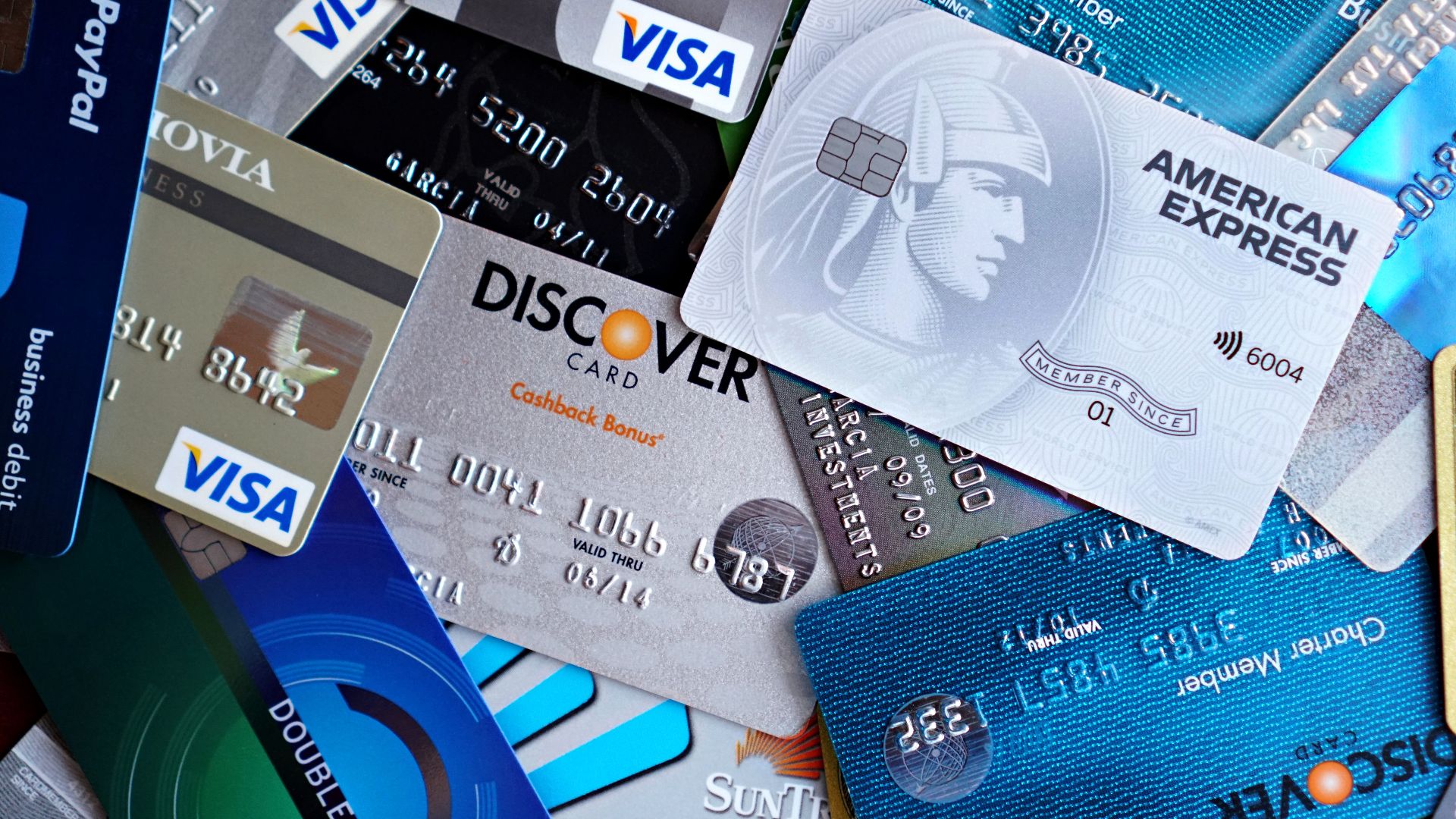
A Full Card Photo Can Be Especially Risky
If a photo captures the front and back of the card, it may include data that criminals can misuse. Even if a hotel means well, storing those images on a phone, in an email inbox, or on a local drive creates risk that did not need to exist. The less card data a business keeps, the less there is to steal.
 Dmitry Kalinovsky, Shutterstock
ID Rules Are More Complicated Than Card Rules
Hotels in some countries are required to collect and report guest identity information to police or tourism authorities. In Spain, for example, accommodation providers must gather specified traveler data under national security rules that have drawn public attention in recent years. But even where reporting is required, the exact retention and handling rules still matter.
 LightField Studios, Shutterstock
Europe Has Privacy Limits Too
In the European Union, the General Data Protection Regulation requires organizations to collect only the data needed for a specific purpose and to secure it properly. That principle is called data minimization. A hotel may have a lawful reason to inspect your ID, but keeping a complete copy still needs a valid justification.
 Wanwajee Weeraphukdee, Shutterstock
The UK Privacy Watchdog Has Addressed ID Copies
The UK Information Commissioner’s Office has published guidance on identity document scanning and copying. The regulator says organizations should be clear about why they need a copy and whether there is a less intrusive way to do the same job. In other words, convenience alone may not be enough.

In The US, There Is No Single Nationwide Rule
The United States does not have one national privacy law that clearly answers this for every hotel in every state. Instead, a mix of state laws, payment rules, and company policies shapes what happens at check-in. That is why travelers can see very different practices from one property to the next.
 Ikonoklast Fotografie, Shutterstock
State Laws Can Affect What Businesses Can Record
Some states limit how businesses collect or use personal identification information in retail settings, though the details vary and hotel operations do not always fit neatly into those rules. Separate data breach laws also push businesses to think twice before storing unnecessary personal information. The practical point is simple: once a hotel keeps a copy, it takes on more legal and security responsibility.
 Tongpool Piasupun, Shutterstock
What Reputable Hotels Usually Do
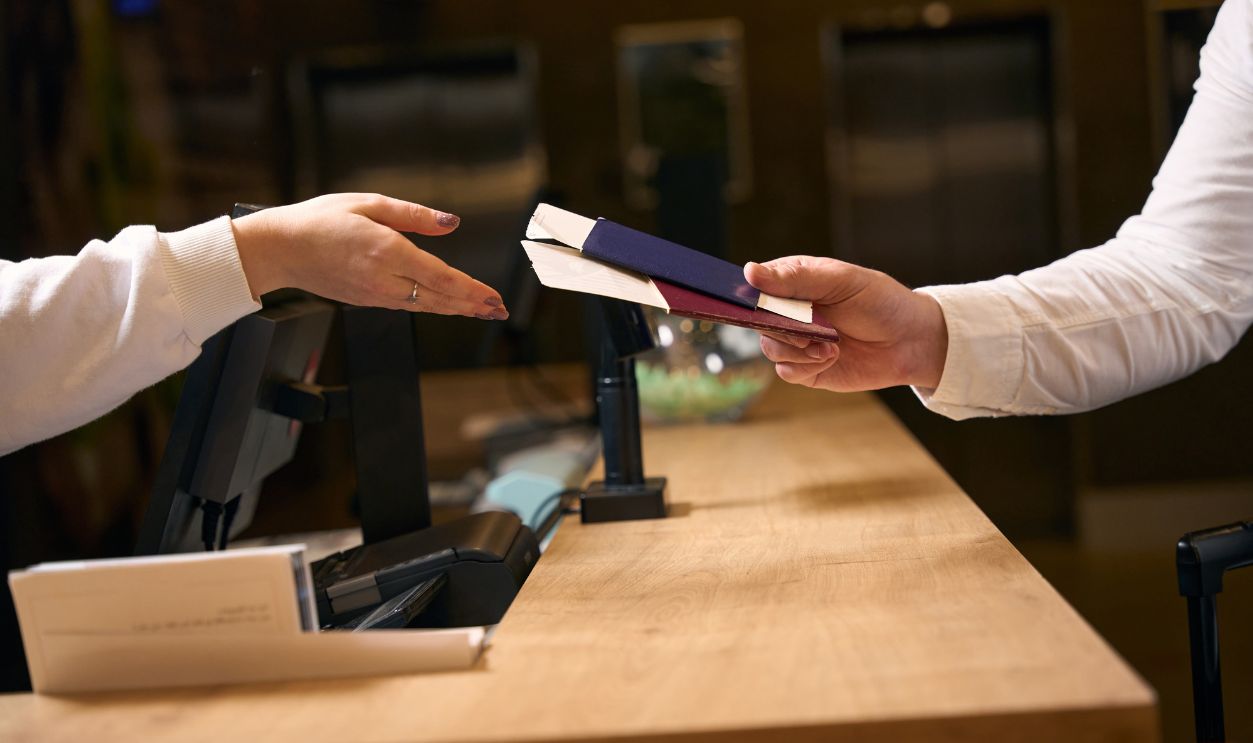
Many hotels visually inspect your ID, match the name to the reservation, and swipe or insert the card for authorization without keeping a photocopy. Some may note the last four digits of the card or enter ID details directly into a secure property management system. That is usually less risky than storing images of the originals.
 YAKOBCHUK VIACHESLAV, Shutterstock
When A Hotel Might Claim It Needs Copies
A property may say copies are required for local registration, chargeback disputes, third-party bookings, or fraud prevention. Those reasons are not automatically invalid, but they should come with a clear explanation of what is being copied, why, how long it will be kept, and how it will be protected. If staff cannot answer those questions, that tells you something.

The Moment To Ask Questions
If a hotel employee starts photographing your documents, ask politely whether this is policy, law, or just a front-desk habit. Ask what exactly is being stored and for how long. You can also ask whether the hotel can verify the information visually instead of making a copy.

You Can Ask Them To Mask Unneeded Data
If the hotel insists on a copy, ask whether they can block out information they do not need. For a credit card, that could mean showing only the last four digits and your name. For an ID, it could mean covering the document number or address if those details are not required by law.

Never Let Anyone Copy The Security Code
The card security code, called CVV, CVC, or CID depending on the issuer, should not be kept after authorization under card industry rules. If a clerk wants a clear photo of the back of your card, that is a strong reason to push back. You can ask to cover the code physically while the card is being checked.

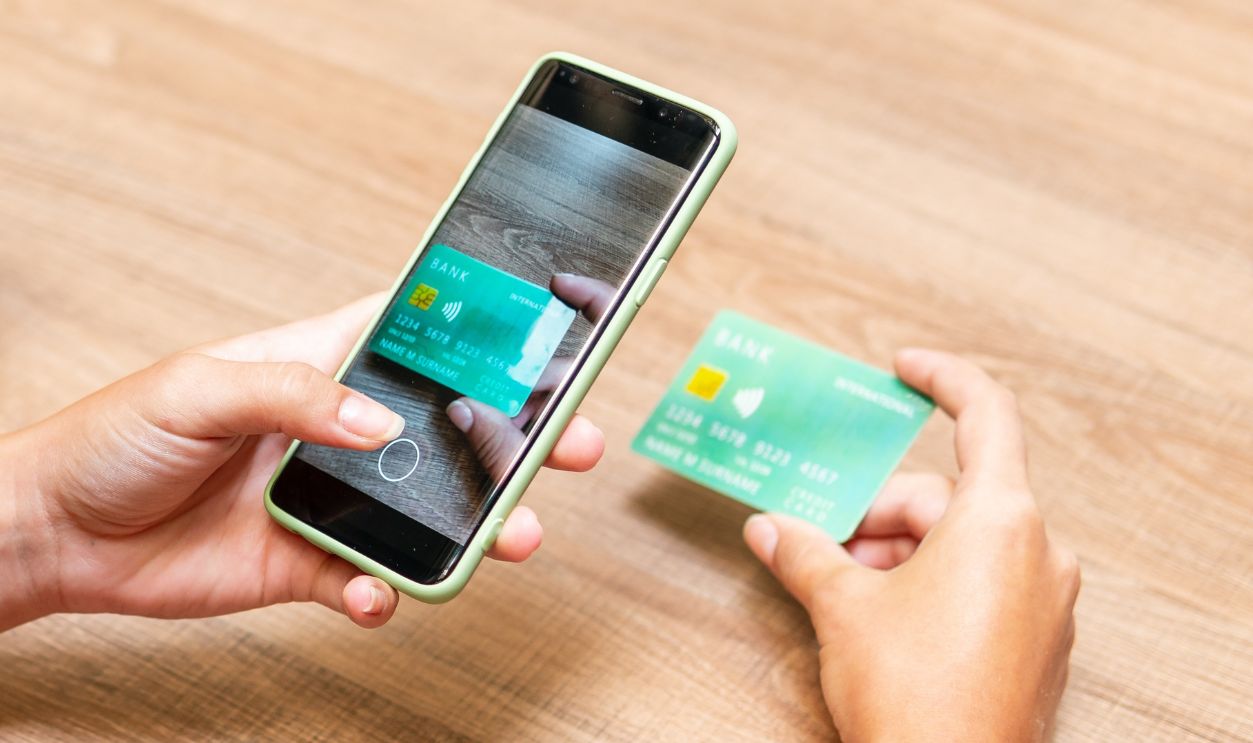
Be Extra Careful With Phone Photos
A dedicated encrypted scanner tied to a secure registration system is one thing. A quick snap on a personal phone or an unmarked device is something else entirely. If it looks casual or improvised, ask for a manager and request a safer option.
 Vergani Fotografia, Shutterstock
Third-Party Bookings Can Create Confusion
Reservations made through online travel agencies, corporate portals, or someone else’s card often trigger extra verification. The hotel may want proof that the payer approved the transaction. Even then, a proper card authorization form is usually a better fit than an on-the-spot photo of a full payment card.
 Nataliya Pylayeva, Shutterstock
What To Do If You Feel Uncomfortable
You can ask whether another form of deposit is accepted, such as a chip card authorization without copying, a cash deposit where allowed, or a different payment method. If the property refuses and the practice feels excessive, decide whether you are comfortable staying there. Before booking, it is worth checking the hotel’s privacy policy and calling ahead.

If You Already Let Them Keep Copies
Watch your payment card statements closely for unauthorized charges. Consider replacing the card if a full image, including the security code, was stored. You can also email the hotel, ask for its retention policy, and request deletion if the copy is not legally required.
How To Spot A Better-Run Property
Well-run hotels can explain their process clearly and calmly. They usually have a written privacy policy, a real business reason, and a secure system rather than a random camera roll. Staff who say, “We always do this,” but cannot explain why are not offering much reassurance.

The Best Question To Ask Before You Book
Ask, “Do you copy or photograph guest IDs or payment cards at check-in, and if so, what do you keep?” That one sentence can tell you a lot about a property’s professionalism. It is especially smart for boutique hotels, vacation rentals with reception desks, and overseas stays where the rules may be different.

So, Is It Normal
Showing your ID and card at check-in is normal. Keeping full photographic copies of both is not something travelers should treat as harmless or universally standard. Sometimes there is a legitimate reason, but you are well within your rights to ask questions and expect a straight answer.
The Bottom Line For Travelers
Hotels need enough information to verify identity, process payment, and follow the law. They do not automatically need permanent copies of every sensitive document you carry. When in doubt, push for the least invasive option, protect your card security code, and choose properties that treat your data as carefully as they treat your reservation.