
The Room Switch That Can Derail a Trip
If you booked an accessible hotel room and the hotel later moves you to a standard room, a shower chair usually is not an equal replacement. Accessible rooms are built around a set of features that work together, not just one extra item for bathing. Under U.S. disability rules, a hotel generally must hold the accessible room type you reserved and provide the accessibility features it promised.

Why This Matters
For many travelers, this is not a minor hassle. It can decide whether someone can bathe safely, transfer to the toilet, move around the bed, or even get into the bathroom. A room change that sounds simple on paper can turn a usable trip into one that is unsafe or flat-out impossible.

What the ADA Requires
The main federal rule here comes from the Americans with Disabilities Act, which covers hotels as places of public accommodation. The U.S. Department of Justice says hotels that return accessible rooms to general inventory before other rooms are sold must reserve and hold them for people who need them. In other words, an accessible reservation is not supposed to be treated like just any room assignment.

Reservations Are Supposed to Be Clear
The DOJ's ADA reservation rule says hotels must let guests reserve accessible rooms during the same hours and in the same way as other rooms. Hotels also have to identify and describe accessibility features clearly enough for travelers to decide whether a room works for them. That matters because "accessible" can mean very different things depending on the guest's needs.

A Shower Chair Does Not Replace a Roll-In Shower
A shower chair can help, but it does not turn a standard bathroom into an accessible one. A real accessible bathing setup may include a roll-in shower, transfer shower, grab bars, clear floor space, reachable controls, and a handheld shower spray. If those features are missing, the chair is not doing the same job.
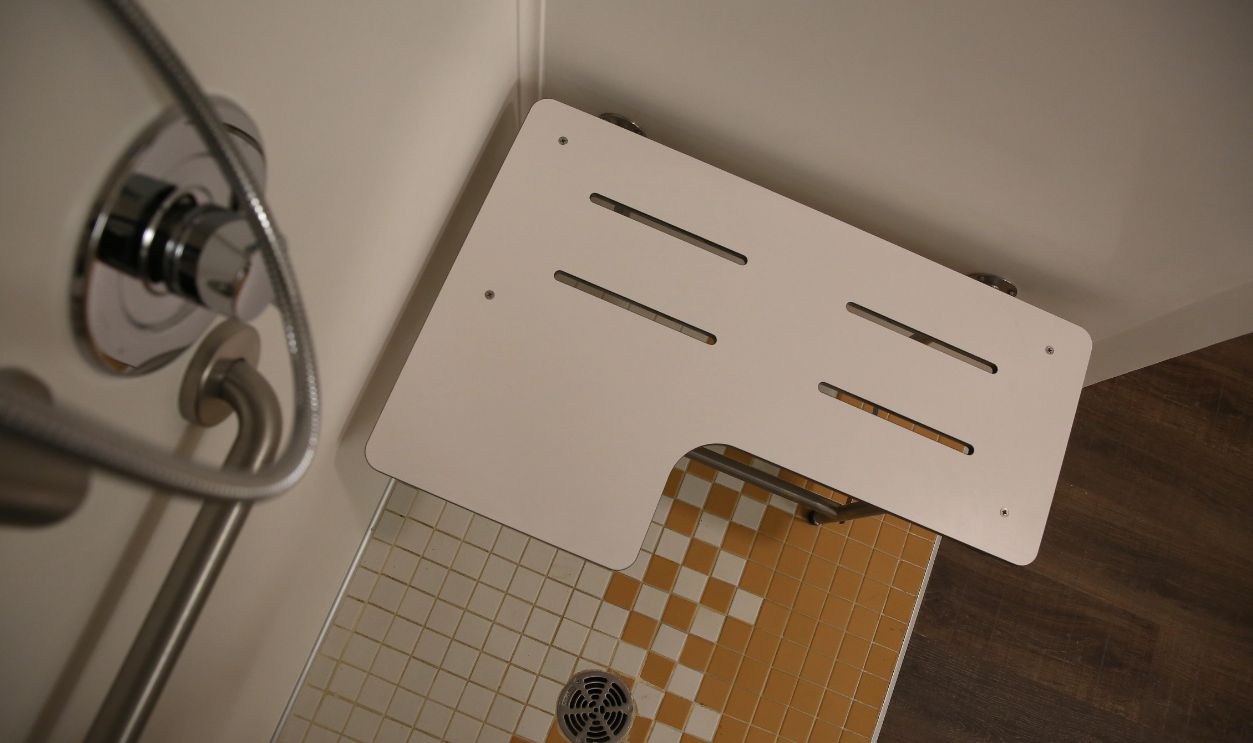 San Francisco Chronicle/Hearst Newspapers, Getty Images
Accessible Means More Than the Bathroom
Hotels often focus on the shower because it is the most obvious issue, but accessible rooms involve much more. The 2010 ADA Standards for Accessible Design cover maneuvering space, paths to the bed, door hardware, toilet placement, sink clearance, and reachable room features. Lose the accessible room, and the whole stay can stop working.

The DOJ Has Been Clear About This
The ADA rules were updated in 2010, and the reservation rules for lodging took effect in stages after that. The Department of Justice has repeatedly said hotels should return accessible rooms to inventory only after other rooms of that type are sold out. In plain terms, those rooms are supposed to be protected for travelers who need them.

An "Equivalent" Substitute Has to Do a Lot
Sometimes travelers hear, "We can accommodate you another way," and think the law allows broad substitutes. It does not work that way. An alternative only matters if it provides similar accessibility for the guest's real needs. A loose shower chair in a standard tub-shower setup usually falls well short.

This Is Also a Safety Issue
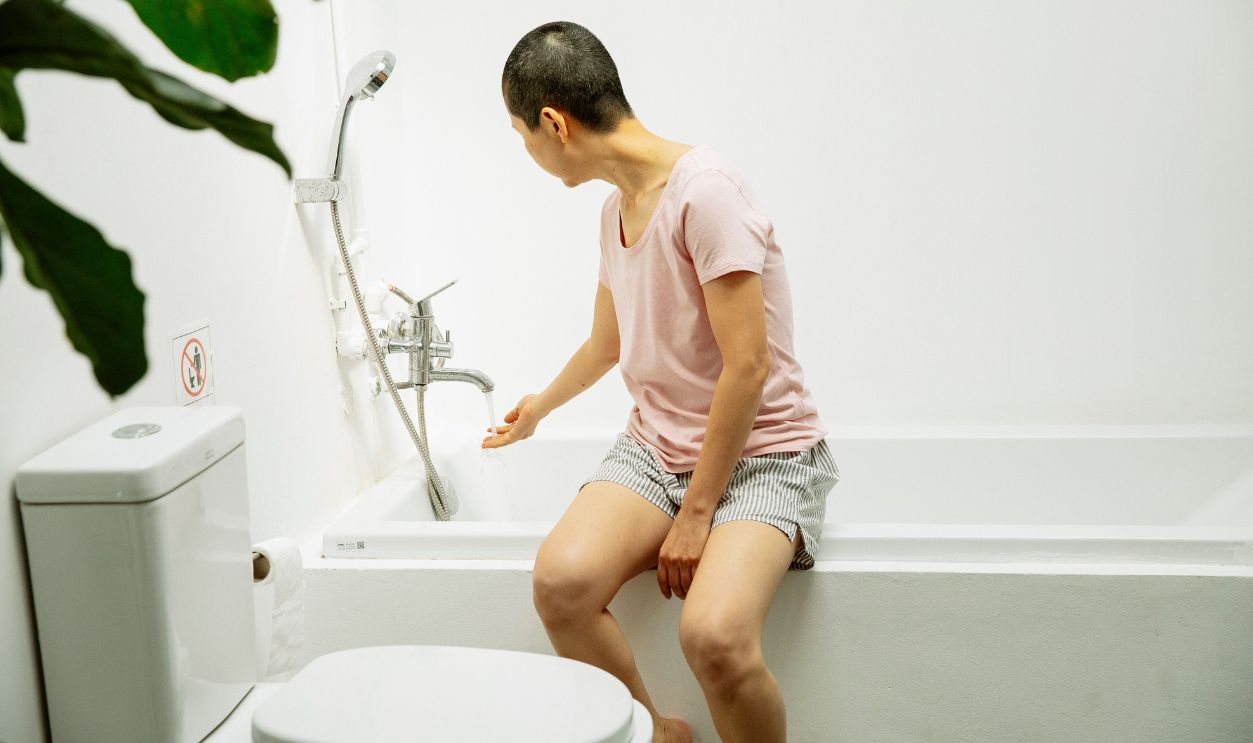
This is not just about comfort. The Centers for Disease Control and Prevention notes that falls are a major injury risk, especially in bathrooms and on slippery surfaces. If a guest booked an accessible room because they need built-in features for safe transfers and bathing, moving them to a standard room can create real health and safety risks.
What Hotels Should Tell You Before You Arrive
The ADA requires hotels to give enough detail during booking for travelers to judge on their own whether a room fits their needs. A hotel should not just label a room "accessible" without saying whether it has a roll-in shower, an accessible tub, hearing-access features, or mobility features. Those details matter because they decide whether any substitute is actually usable.

Equipment Does Not Erase the Problem
Portable equipment can help in some situations, but it does not wipe away a hotel's duty to provide the accessible room that was booked. The U.S. Access Board and ADA design standards focus on fixed features and built-in clearances, not just removable items. A chair may add to accessibility, but it usually cannot replace structural accessibility.

The Difference Between a Preference and a Need
If a guest simply likes a larger bathroom, a room change may be annoying but manageable. If a guest needs grab bars, transfer space, lower fixtures, and a shower without a high tub wall, those are access needs. Once an accessible room has been reserved, hotels are expected to understand that difference.

What the Hotel Should Do First
If the hotel knows before check-in that it cannot honor the accessible room, it should act fast and be upfront about it. The best move is to contact the guest, explain the problem clearly, and try to secure a truly accessible equivalent, even if that means moving the guest to another property. Waiting until the guest is standing at the front desk usually makes a bad situation worse.

Ask This Question Right Away
If the hotel offers a standard room plus a shower chair, ask them to list every accessibility feature in that room and bathroom. Ask about grab bars, shower type, bathroom turning space, bed clearance, entry door width, and toilet height and placement. The answers will usually show pretty quickly whether the substitute is actually comparable.

Get the Room Change in Writing
Try to get the room change and substitute offer in writing by email, app message, or text. A written record matters if you later ask for a refund, reimbursement, or file a complaint. It also helps prevent confusion when hotel staff change shifts.

Take Photos if the Room Is Wrong
If you check in and find that the room is not what you reserved, take photos of the bathroom layout and any missing features. Capture the shower setup, toilet area, sink clearance, and the path into the room. Those images can help show why a shower chair was not enough.

Escalate Calmly at the Hotel
Start with the front desk, but ask for the manager on duty if the response goes nowhere. Be specific about which accessibility features are missing and why that affects your ability to use the room safely. Clear facts usually work better than saying only that the room is "not accessible enough."

Brand Rules Can Matter Too
If the hotel is part of a major chain, contact brand customer care while you are still on site. Big hotel brands often have their own accessibility policies and guest recovery steps on top of federal law. Sometimes a corporate team can approve a better fix faster than the local staff can.

Sometimes Another Hotel Is the Best Fix
If the property truly cannot provide the accessible features you reserved, moving hotels may be the safest option. In that case, ask the hotel to arrange and pay for a comparable accessible room elsewhere if the problem was on its side. Also ask about transportation costs if switching hotels creates extra expense.

A Refund May Not Be Enough
A refund for the room difference may not fully cover the harm if the stay became unusable. Depending on the facts, travelers may also seek reimbursement for added costs tied to the problem. The strongest cases usually involve a clearly booked accessible room that the hotel did not honor.

You Can File a Complaint After the Trip
Travelers who believe a hotel violated the ADA can file a complaint with the U.S. Department of Justice Civil Rights Division. The DOJ offers an online path for ADA complaints involving public accommodations, including hotels. State or local civil rights agencies may also have their own complaint process.

The Details That Often Get Missed
Many travelers focus first on the shower, but standard rooms can also fail on basic space and layout. A tight path between the bed and wall, a heavy bathroom door, or a sink without knee clearance can each make the room unusable. That is why an "equivalent" substitute has to be judged as a whole, not by one piece of equipment.
Not All Accessible Rooms Are Alike
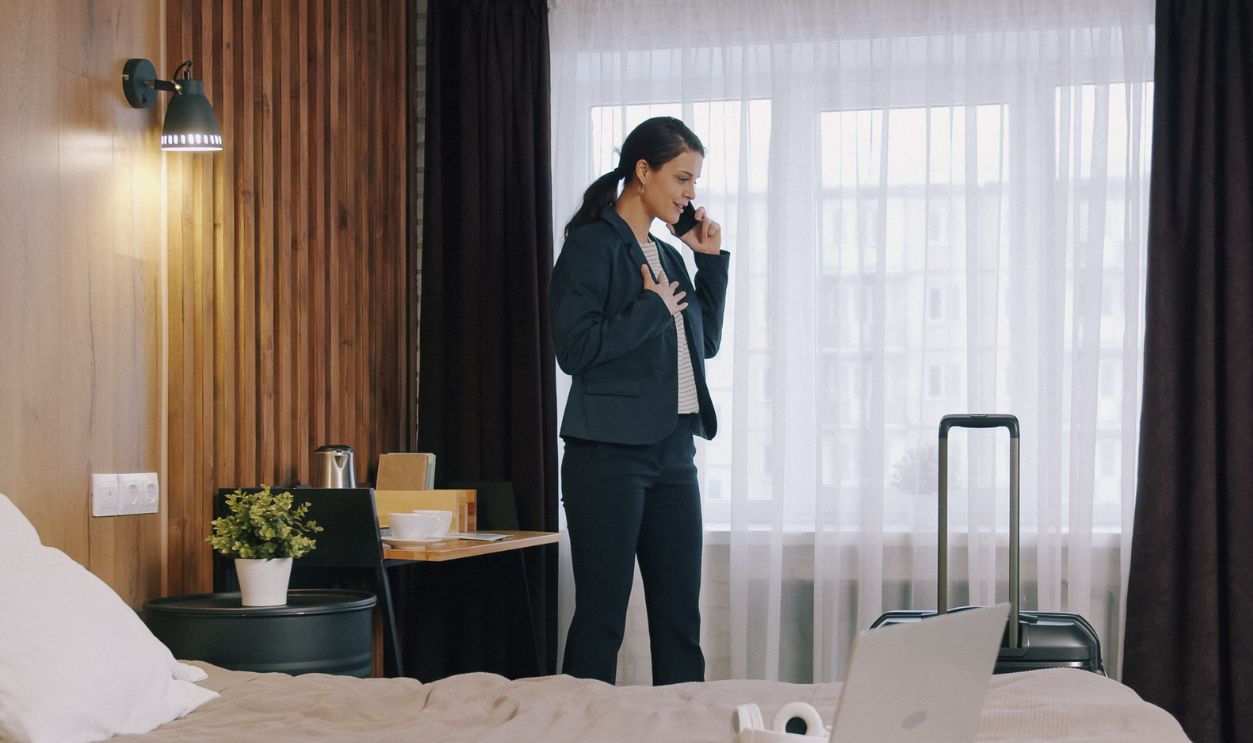
Even accessible rooms can be very different from one another. Some are built for mobility access, some for hearing access, and some combine both. Bathing setups can also vary between roll-in showers and accessible tubs. That is another reason a hotel cannot assume a generic standard room plus a chair solves the problem.
 Anastasia Ilina-Makarova, Pexels
Your Reservation Confirmation Matters
Save the confirmation page and any room description shown when you booked. If the hotel listed a mobility-accessible room with a roll-in shower, that wording is important proof of what was promised. Screenshots are especially useful because booking pages can change later.

What to Say at the Desk
A simple script can help. Tell the hotel: "I reserved an accessible room because I need specific accessibility features, and a standard room with a shower chair does not provide the same access or safety." Then ask them to provide the reserved room, move you to a comparable accessible room, or confirm in writing that they cannot do so.

The Bottom Line
In most cases, no, a standard room with a shower chair is not an equal substitute for an accessible room. The real legal and practical question is whether the replacement room provides the accessibility features the guest actually needs, and often it does not. If this happens, act quickly, document everything, and push for a real accessible solution instead of a partial workaround.

Why It Helps to Check Before Check-In
A quick call a day or two before arrival can sometimes head off a mess at the front desk. Ask the hotel to confirm the exact accessible room type and its key features, especially the bathing setup. It is not a perfect safeguard, but it can reveal problems while there is still time to fix them.