The Cozy Hotel Feature With a Catch
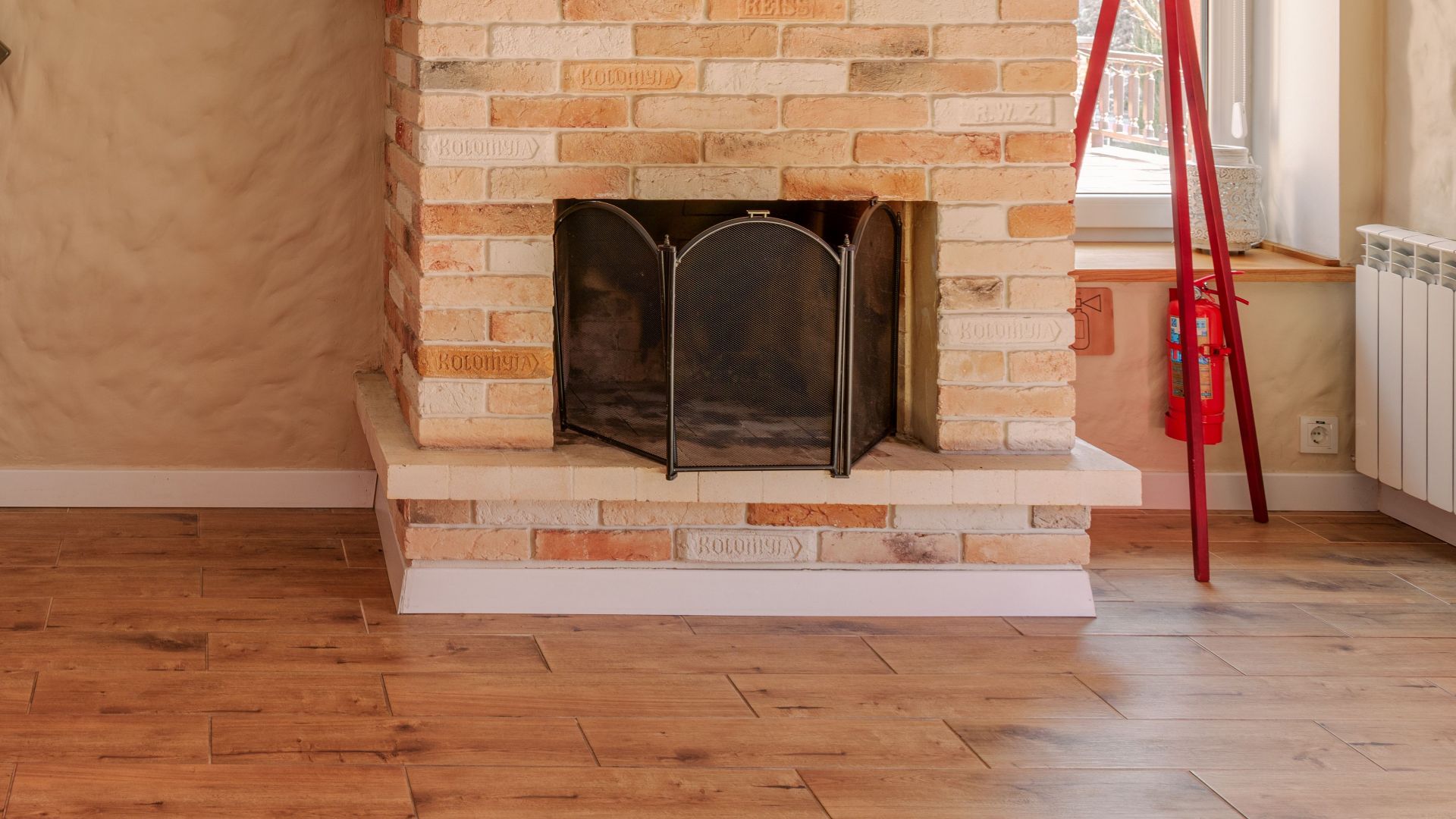
A fireplace in a hotel room sells a very clear idea: a warm glow, a crackling fire, and a quiet night in. But when a hotel advertises a fireplace and then tells guests they cannot use it, the obvious question is whether that crosses into misleading marketing.

Why This Keeps Coming Up
Hotels do not just sell square footage. They sell mood and experience. A fireplace, maybe even more than a balcony or soaking tub, suggests a certain kind of stay. That is why the difference between a decorative fireplace and a usable one matters so much.

What the FTC Says About Advertising
The Federal Trade Commission says ads must be truthful and not misleading. It also says advertisers need support for objective claims, and that ads can mislead people by leaving out important information. That matters here because a hotel amenity can create a strong expectation even if the wording is technically accurate.

Leaving Out Key Details Can Still Mislead
The FTC does not only go after statements that are flat-out false. Its guidance also says an ad can be deceptive if it leaves out information that matters to consumers and that omission is likely to affect a buying decision. For many travelers, whether a fireplace can actually be used is exactly that kind of detail.

A Fireplace Does Not Always Mean a Working One
In hotel and real estate listings, the word fireplace can refer to a built-in feature without promising that guests can light it. Some are decorative. Some are sealed. Some are disabled because of safety rules, insurance issues, or local code requirements. The legal question is usually not whether the fireplace exists, but whether the listing gave a reasonable impression that guests could use it.
What a Reasonable Guest Might Expect
If a listing simply says "room with fireplace," many adults would probably assume it works unless told otherwise. That is especially true if the hotel shows the fireplace as the focal point of the room or pairs it with phrases about romance, warmth, or cozy nights. The stronger the sales pitch, the stronger the case for clear disclosure before booking.

Photos Matter Just as Much as Words
The FTC has warned that what matters is the overall impression of an ad, not just one line of text. In real life, a polished photo of a lit fireplace may say more than an amenity list ever could. If a hotel leans on that image but fails to mention that guests cannot light it, the photo itself may help create a misleading impression.

There Is No Automatic Rule That Makes It Illegal
That does not mean every unusable fireplace is automatically deceptive. Context matters, and so does disclosure. A hotel that clearly says "decorative fireplace" or explains in the room description that the unit is not operational is on much safer ground.

State Law Can Matter Too
Federal standards are only part of the picture. State consumer protection laws often ban unfair or deceptive acts or practices too. The details vary by state, but many of these laws are broad enough to cover a hotel amenity marketed in a way that could mislead a reasonable customer. So the answer can depend in part on where the hotel is and where the booking happened.

Booking Sites Add Another Layer
Many travelers do not book directly with hotels. They use online travel agencies and listing platforms, which often show simple amenity icons with little explanation. If a booking site displays a fireplace icon but leaves out limits on use, a guest may not learn the truth until arrival unless they dig through fine print.

Hotels Often Point to Safety and Code Rules
There are real reasons a hotel may ban guest use of a fireplace. Local fire codes, ventilation problems, maintenance issues, air-quality rules, and insurance requirements can all make guest use unrealistic. Those reasons may be valid, but they do not remove the need for clear disclosure when the feature is used to help sell the room.

California Offers a Good Real-World Example
Sometimes the reason has nothing to do with one hotel at all. In parts of California, local air districts run "Check Before You Burn" programs that can limit wood burning on certain days because of air quality. The South Coast Air Quality Management District and the San Joaquin Valley Air Pollution Control District both publish these rules, showing how outside regulations can affect whether a fireplace is actually usable.
 Quintin Soloviev, Wikimedia Commons
Air-Quality Rules Can Change the Stay
Those burn limits matter because they can make a fireplace only available some of the time. A hotel could have a fully working fireplace and still ban use during no-burn periods. If that is the case, a fair listing should say so instead of letting guests assume they can use it every night.

Gas Fireplaces Can Be Limited Too
Guests often assume gas fireplaces are simpler, but they can still come with restrictions. Building rules, inspection schedules, shutoff requirements, and hotel policy may keep guests from operating them even if a staff member technically could. That gap between existing and guest-usable is where confusion starts.

What Makes a Listing More Likely to Mislead
The risk goes up when the fireplace is used as a major selling point. That can happen when the room costs more because of it, when the amenity appears in the headline, or when the listing uses it to sell a romantic or upscale experience. In those cases, failing to say that guests cannot light it is harder to defend.

What Makes a Listing Less Likely to Mislead
A listing is on firmer ground when the limit is obvious before booking. Clear phrases like "decorative only," "not operational," or "view-only fireplace" can cut down confusion fast. A hotel also helps itself by putting that disclosure next to the amenity instead of hiding it in house rules sent after payment.

Timing Matters More Than Hotels May Think
Disclosure after check-in is often too late to mean much. The FTC's standard focuses on the consumer's decision-making, which usually happens before payment. If the no-fire rule only appears on a placard in the room, guests may have a stronger argument that an important detail was withheld at the key moment.

So Is It Misleading
Often, yes. If a reasonable traveler would take "fireplace" to mean a feature they can use, and the hotel does not clearly say otherwise before booking, the ad could be misleading under general consumer protection rules. But if the hotel clearly says the fireplace is decorative or subject to limits, the answer is more likely no.

What to Do Before You Book
If the fireplace is a deciding factor, do not rely on one photo or a small amenity icon. Read the full room description, check the property policies, and message or call the hotel directly. Ask a simple question in writing: "Can guests light and use the fireplace in this room during my stay dates?"
 https://kaboompics.com/, Pexels
Why Getting It in Writing Helps
A written reply gives you something solid if there is a dispute later. It can also expose vague wording before you spend money on a nonrefundable rate. If the hotel dodges the question, that tells you something too.

What to Do If You Already Checked In
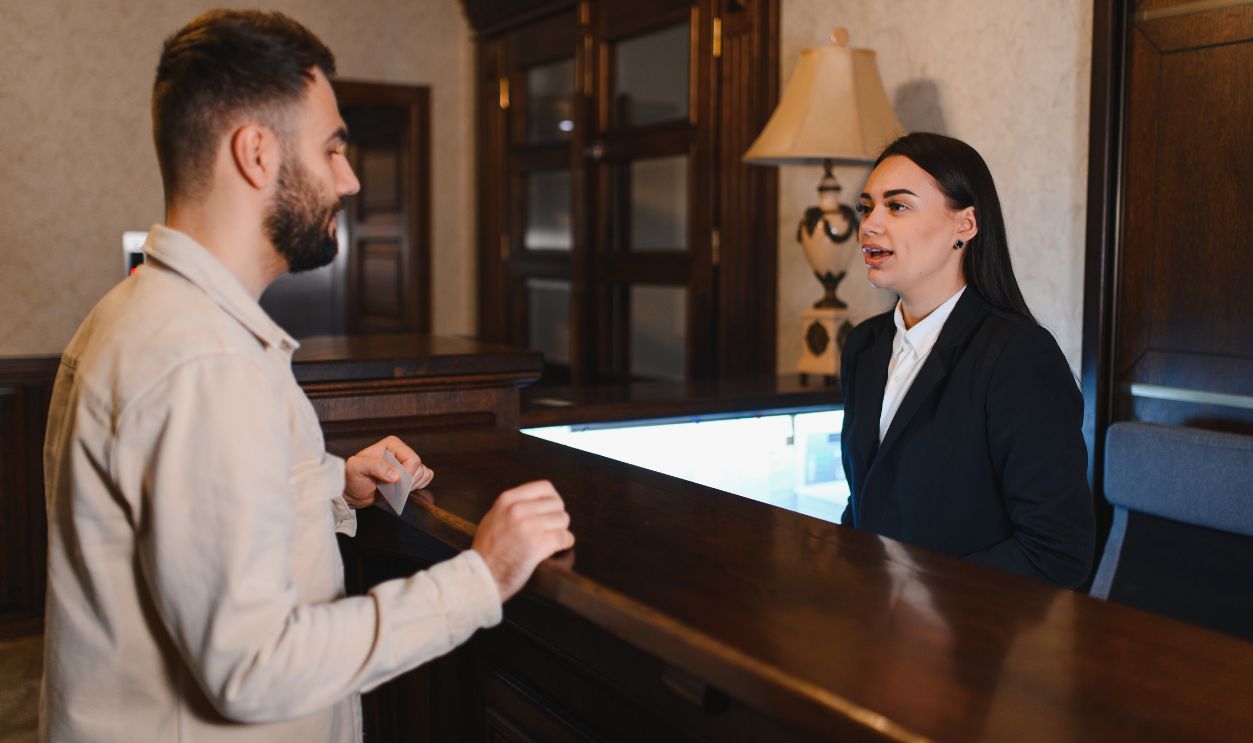
Start at the front desk and calmly ask whether another room has a usable fireplace or whether staff can operate it if that is the policy. If the feature mattered to your booking, ask for a partial refund or a rate adjustment. Keep screenshots of the listing, the photos, and any messages you exchanged before arrival.
 Hryshchyshen Serhii, Shutterstock
How Credit Card Protections May Help
If the hotel will not fix a clearly misleading listing, a credit card dispute may be worth considering. Card issuers usually want proof of what was promised and what was actually delivered. That is one more reason screenshots and written confirmations matter.

Booking Through a Platform Changes the Complaint Path
If you booked through an online travel agency, report the issue through the platform as well as to the hotel. Many booking sites have processes for content accuracy and may contact the property or update the listing. The sooner you raise the issue, the better the odds of a practical fix.

Better Hotel Wording Would Prevent Most of This
This problem is easy to avoid. Hotels can say "decorative fireplace," "seasonal use only," "staff-operated only," or "subject to local burn restrictions." A few extra words can spare guests a letdown and spare hotels complaints that the room was sold on a false impression.

Travelers Are Really Buying the Experience
That is why this issue feels bigger than one room feature. People do not book a fireplace room because they need an opening in the wall. They book it for the mood, the comfort, and the kind of night they imagine having there. A decorative fireplace does not deliver the same thing.

The Bottom Line for Guests
Yes, advertising a fireplace that guests are not allowed to light can be misleading if the hotel does not clearly disclose that limit before booking. The key issue is the impression the ad creates for a reasonable traveler, not just whether a fireplace physically exists in the room. If the fire matters to your stay, ask before you pay.