
That Surprise Charge Has A Name
If a hotel adds a “destination fee,” “resort fee,” or a similar mandatory charge at checkout, you’re not imagining it. These fees are real, and travelers have complained about them for years. Hotels often say the fee covers things like Wi-Fi, gym access, bottled water, or local calls. The main problem is that people do not always see the full cost clearly when they book. But can you get out of it? That's a more complicated problem.

Destination Fee And Resort Fee Usually Mean The Same Thing
Hotels use different labels, but the basic idea is the same. A destination fee is usually a mandatory nightly charge added on top of the room rate, even at city hotels that are not resorts in the usual sense. Resort fee is the older term, but many hotels now use “destination fee” instead. What matters most is whether the fee is mandatory, not what the hotel calls it.

Can They Do That? Sometimes, But There’s A Catch
A hotel usually can charge mandatory fees if those fees were properly disclosed before you booked. The key issue is not just whether the fee exists, but whether the hotel made the total price clear early enough in the booking process. If the charge showed up only at checkout and was not disclosed when you made the reservation, that raises consumer-protection concerns. Put simply, hidden mandatory fees are much harder to defend than clearly disclosed ones.

Federal Regulators Have Been Watching This For Years
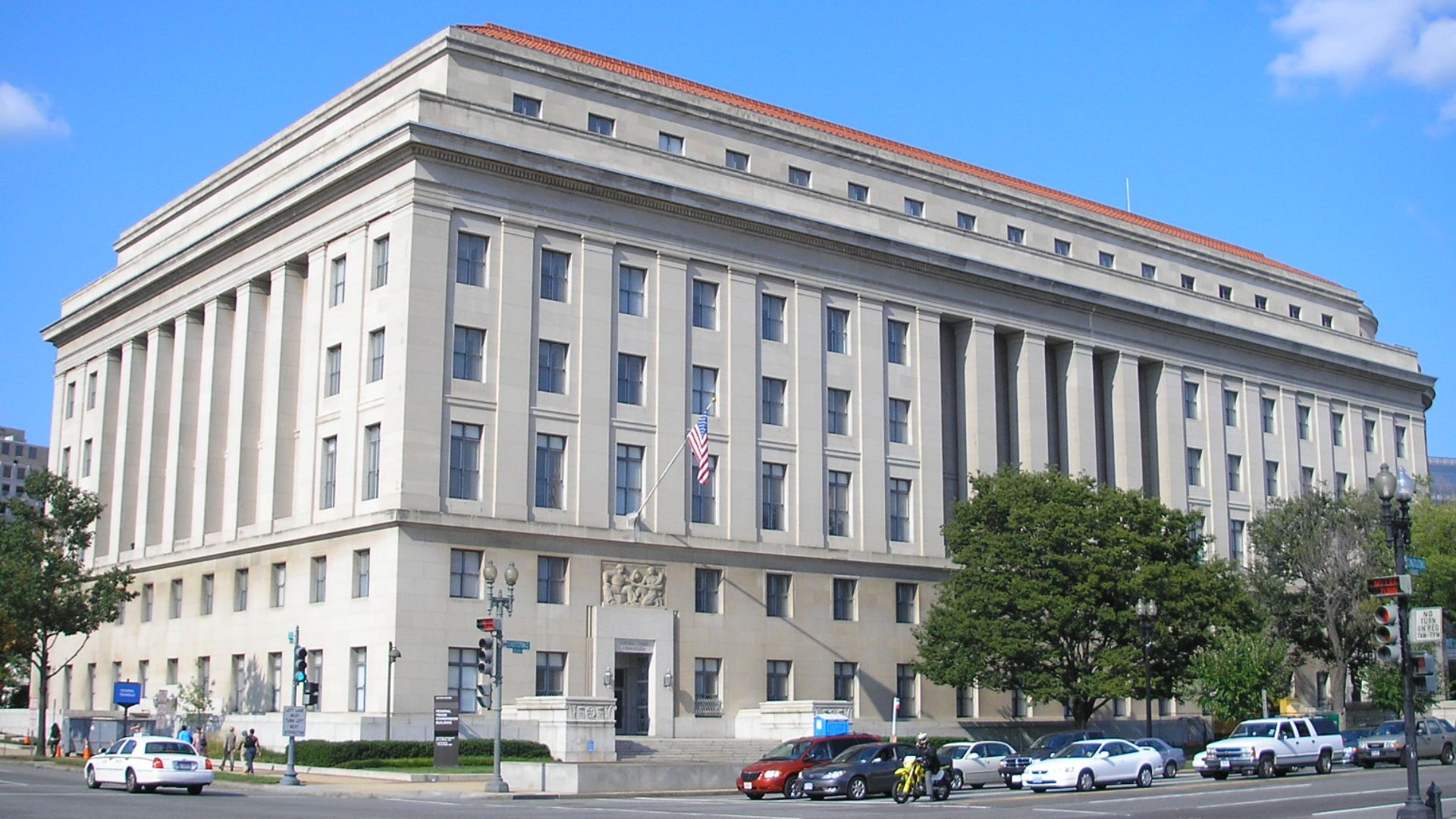
The Federal Trade Commission has warned for years that hidden hotel fees can mislead consumers. The agency has criticized “drip pricing,” where part of the price is shown upfront and mandatory charges show up later. In 2024, the FTC announced a final rule aimed at unfair or deceptive fees, including hidden mandatory charges in short-term lodging. The goal is to make total prices easier to understand.
The FTC’s Pricing Rule Changed The Conversation
Under the FTC’s Rule on Unfair or Deceptive Fees, businesses offering short-term lodging generally must clearly disclose the total price, excluding only taxes and certain government fees, before people pay. That means mandatory destination or resort fees should not be hidden until the end. Hotels still may be able to charge legitimate mandatory fees in some cases, but they generally cannot hide them. If the fee was truly a surprise at checkout, that is the kind of practice regulators have been trying to stop.

States Have Been Cracking Down Too
State attorneys general have also gone after hidden hotel fees under state consumer-protection laws. Pennsylvania reached a settlement with Marriott in 2021 over resort fees and required clearer price disclosures. Nebraska reached a similar settlement with Hilton in 2024 over mandatory hotel fees and advertising practices. These actions do not mean every surprise fee is automatically illegal, but they do show that regulators expect clearer pricing.

Online Travel Sites Matter Here
If you booked through an online travel site, the disclosure may depend on what that site showed during the booking process. Expedia, Booking.com, Priceline, and similar sites often display taxes and fees separately, but not always with the same clarity. Sometimes a hotel blames the booking site, while the booking site points back to the hotel. For travelers, the main question is simple: was the mandatory fee clearly disclosed before you clicked “book”?
Screenshot Evidence Can Save You A Headache
If you still have your booking confirmation, screenshots, or email receipt, check them closely. Look for any mention of a destination fee, resort fee, facility fee, amenity fee, or urban fee. If the fee appears in the fine print before booking, your chances of getting it removed are lower, even if the disclosure was easy to miss. If there is no mention of it at all, your argument gets much stronger.

What Counts As Proper Disclosure?
There is not always one magic phrase that makes a fee lawful. Regulators usually care about whether the charge was shown clearly, noticeably, and before purchase, not buried in tiny text or sprung on you at the last minute. A mandatory fee that changes the real total price in a meaningful way should be part of the total price people see when comparing options. If the hotel only revealed it when giving you the final bill, that is a red flag.

Mandatory Means You Usually Can’t Decline It
Hotels sometimes say the fee covers amenities you may not even use, like gym access or upgraded Wi-Fi. If the fee is mandatory, the hotel usually will not remove it just because you did not use those perks. That can be frustrating, but the bigger legal issue is still whether the hotel disclosed it properly beforehand. A fee for optional services is different from a flat charge automatically added for every guest.

Some Hotels Will Remove The Fee If You Push Back
Even when a hotel says the fee is standard, front-desk staff may waive it as a courtesy if you can show it was not disclosed. This is more likely if you stay calm, have documents, and point to the missing fee on your confirmation. Managers often have more flexibility than regular staff, so it helps to ask politely for a supervisor. You may not always win, but many travelers do get a partial or full refund this way.

Start By Asking For A Specific Explanation
When you see the charge, ask the hotel to explain what it is, whether it is mandatory, and where it was disclosed during booking. Ask staff to show you the exact language in your reservation details. If they cannot find it, that immediately helps your side. Keep notes, names, and times in case you need to escalate the dispute later.

If You Booked Direct, Take It Up With The Brand
If you booked on the hotel’s own website, call or email the hotel brand’s customer-service department after speaking with the property. Big chains often have internal complaint systems and may take hidden-fee complaints seriously. Send your confirmation and a copy of the final bill showing the added charge. Be clear that your complaint is about lack of disclosure, not just that you do not like the fee.

If You Used A Third-Party Site, Complain There Too
If the booking went through an online travel site, contact that company as well as the hotel. Ask the site to review whether the mandatory fee was shown before checkout and whether the listing matched the final bill. Some platforms will step in or offer credits if the listing was misleading. It helps to include screenshots of the booking page, especially if the total price shown did not include the fee.

Credit Card Disputes Are Possible, But Not Guaranteed
You may be able to dispute the charge with your credit card issuer if you believe it was not properly disclosed. Fair Credit Billing Act rights can apply to billing disputes, but issuers often want proof that you first tried to resolve the issue with the merchant. A card dispute is usually stronger when the charge was not authorized as presented or the billed amount differs from what you agreed to. If the hotel can show prior disclosure, the issuer may side with the hotel.

Government Complaint Channels Exist For A Reason
If the hotel refuses to fix it, you can file a complaint with the FTC, your state attorney general, or your state consumer-protection office. The FTC does not resolve every individual complaint, but complaint data helps regulators spot patterns. State agencies may be especially interested if a hotel seems to be regularly hiding mandatory fees. You can also report the issue to the Better Business Bureau, though it is not a government agency.
 ajay_suresh, Wikimedia Commons
The Fine Print Is Still Important
Unfortunately, fights over hidden fees often come down to what appeared in the booking path and confirmation email. Hotels sometimes disclose destination fees in expandable sections, side panels, or terms links that many travelers never open. That may still count as disclosure depending on how clear and noticeable it was, though regulators increasingly expect more upfront pricing. The more buried the wording was, the better your argument that the disclosure was not good enough.

Comparison Shopping Gets Distorted By These Fees
One reason regulators dislike destination fees is that they can make one hotel look cheaper than another even when the final cost is about the same or higher. A room advertised at $199 plus a $40 destination fee is not really a $199 room for comparison purposes. That kind of pricing makes it harder to compare options fairly. Travelers cannot make smart choices if mandatory charges appear too late.

Business Travelers And Loyalty Members Get Hit Too
This is not just a vacation issue. City business hotels, conference properties, and upscale brands also use destination fees. Even frequent guests and loyalty members can be caught off guard, especially when fee policies vary from one property to another. Elite perks may cover some things included in the fee, but they do not automatically erase the charge.
International Bookings Can Be Even Murkier
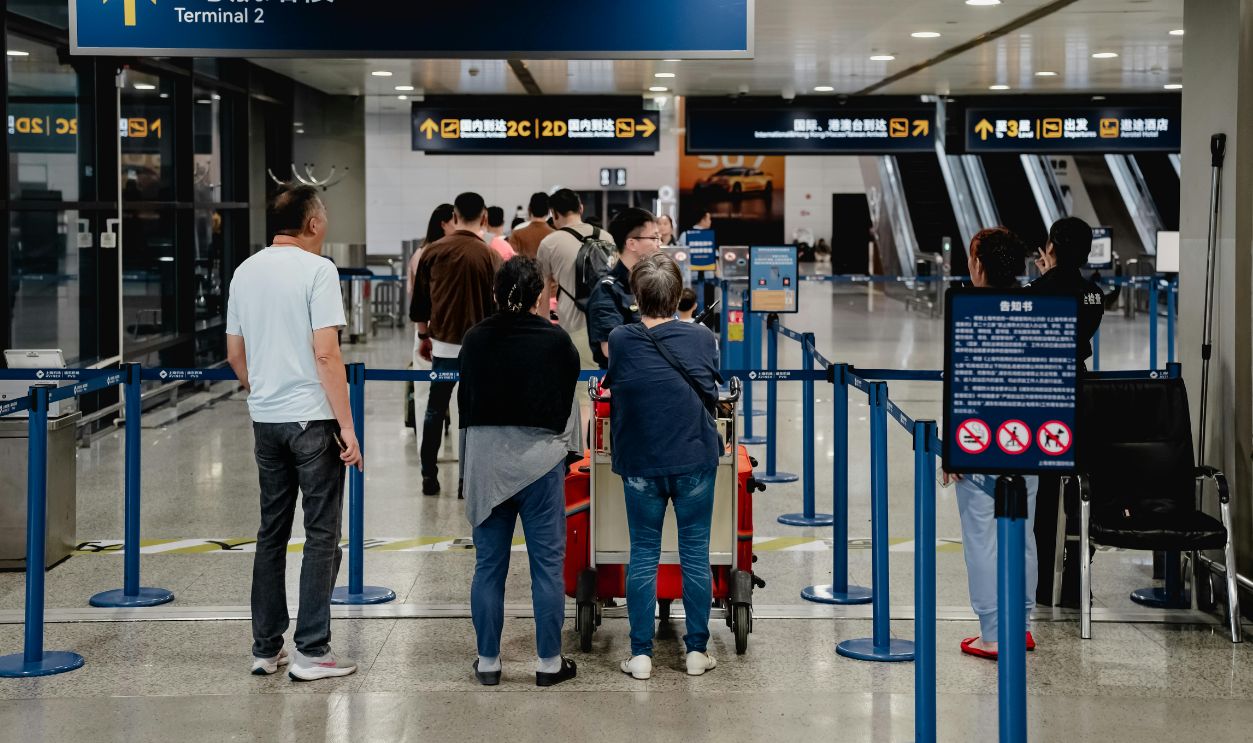
If you booked a hotel outside the United States, local consumer laws may be different. Some countries have stricter total-price rules, while others allow separate mandatory fees if they are disclosed in certain ways. Currency conversion and tax treatment can make the final bill even more confusing. Still, the same basic rule applies: if a mandatory fee was not shown before booking, you should question it.

What To Say At The Front Desk
A short, calm script usually works better than a long argument. Try saying: “I’m disputing this destination fee because it was not disclosed in my booking confirmation or in the price shown when I reserved the room. Please remove it or show me where I agreed to it.” That keeps the focus on disclosure, which is usually the strongest point. If the staff member cannot help, ask for a manager and follow up in writing.

How To Protect Yourself Next Time
Before you book, look for the full price on the final booking page and read the fee details carefully. Search the hotel name along with “destination fee” or “resort fee” to see whether other travelers have flagged it. Take screenshots of the room rate, total price, and checkout page before paying. Those few extra seconds can make a big difference if a surprise charge shows up later.

The Bottom Line On Surprise Destination Fees
Yes, hotels can charge destination fees if they are mandatory and properly disclosed before booking. No, they should not add a previously undisclosed mandatory fee only at checkout and expect you to accept it. If that happened, ask for proof of disclosure, escalate to the brand or booking site, and consider a card dispute or consumer complaint if needed. Hidden fees are getting more attention, and travelers have more leverage when they document the problem clearly.