
The One-Suitcase Plan Sounds Smart Until It Doesn’t
Sharing one checked bag can seem like a slick way to cut airline fees. It can also turn a simple trip into a slow-building argument before you even leave for the airport. If your friend wants everyone to use one suitcase, you are not being difficult for wanting your own bag.

Baggage Fees Are A Real Reason People Try This
Bag fees are now a normal part of flying, especially in the United States. The U.S. Bureau of Transportation Statistics tracks baggage fee revenue reported by airlines, and the total reaches into the billions of dollars year after year. That is exactly why people start pitching ideas like one giant shared suitcase.

The Savings Can Be Real But They Are Not The Whole Story
On paper, checking one bag instead of two or three can save real money. Many airlines charge for the first checked bag and even more for extra bags, while carry-on rules can also depend on the fare. The problem is that the cheapest plan is not always the easiest one.
Airline Rules Vary More Than People Expect
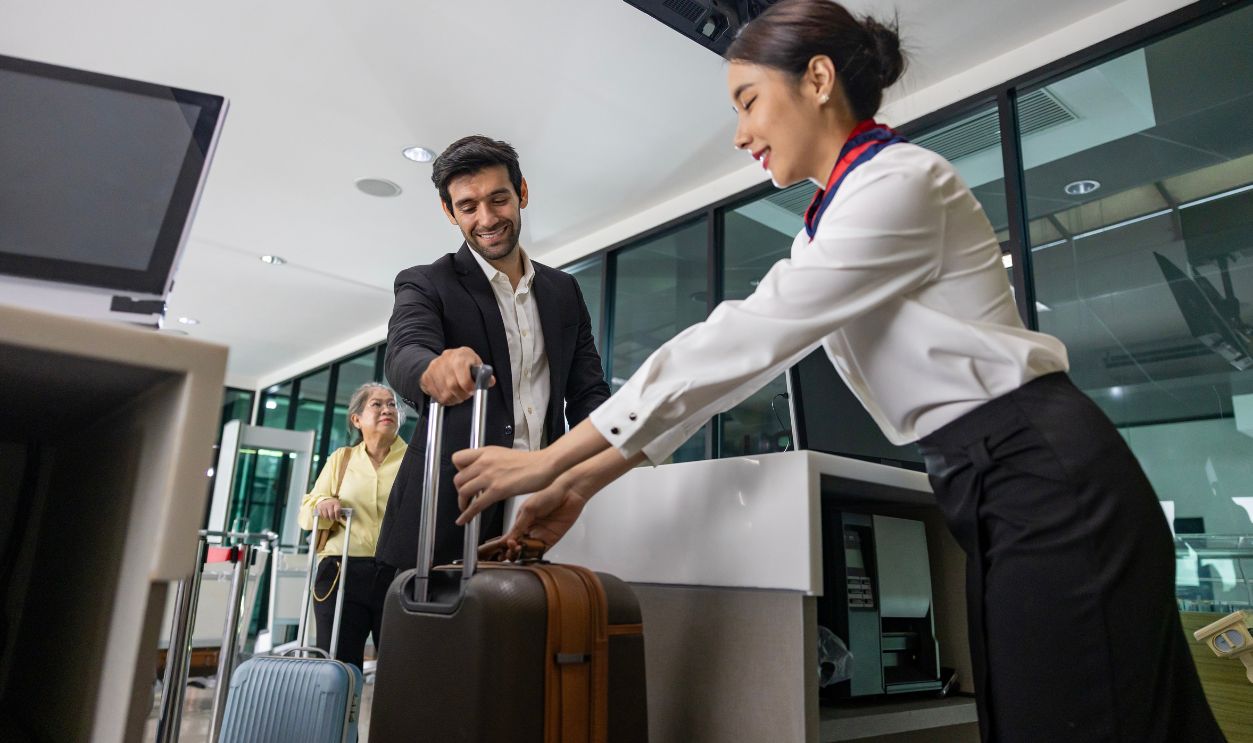
Before anyone agrees to share a bag, check the airline’s baggage rules and the exact fare that was booked. Some tickets include a carry-on, some only allow a personal item, and checked bag prices can change depending on whether you pay online or at the airport. Size and weight limits can also blow up a shared-bag plan fast.
 Frame Stock Footage, Shutterstock
Weight Limits Are Where The Trouble Often Starts
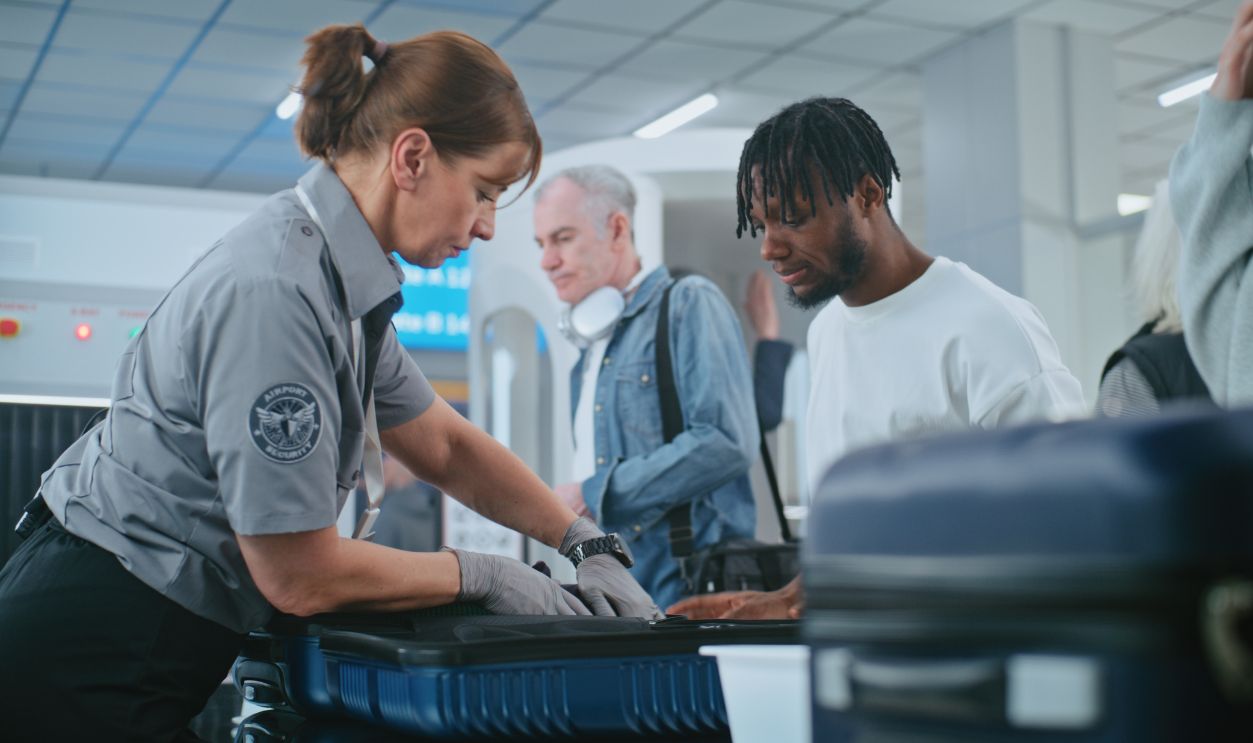
One big suitcase gets heavy in a hurry when it is packed with more than one person’s clothes, shoes, and toiletries. Major carriers like Delta and United set the standard checked bag limit at 50 pounds for most economy travelers, and heavier bags usually mean extra fees. One shared suitcase can easily end up costing more than two lighter ones.
Overweight Fees Can Erase The Savings
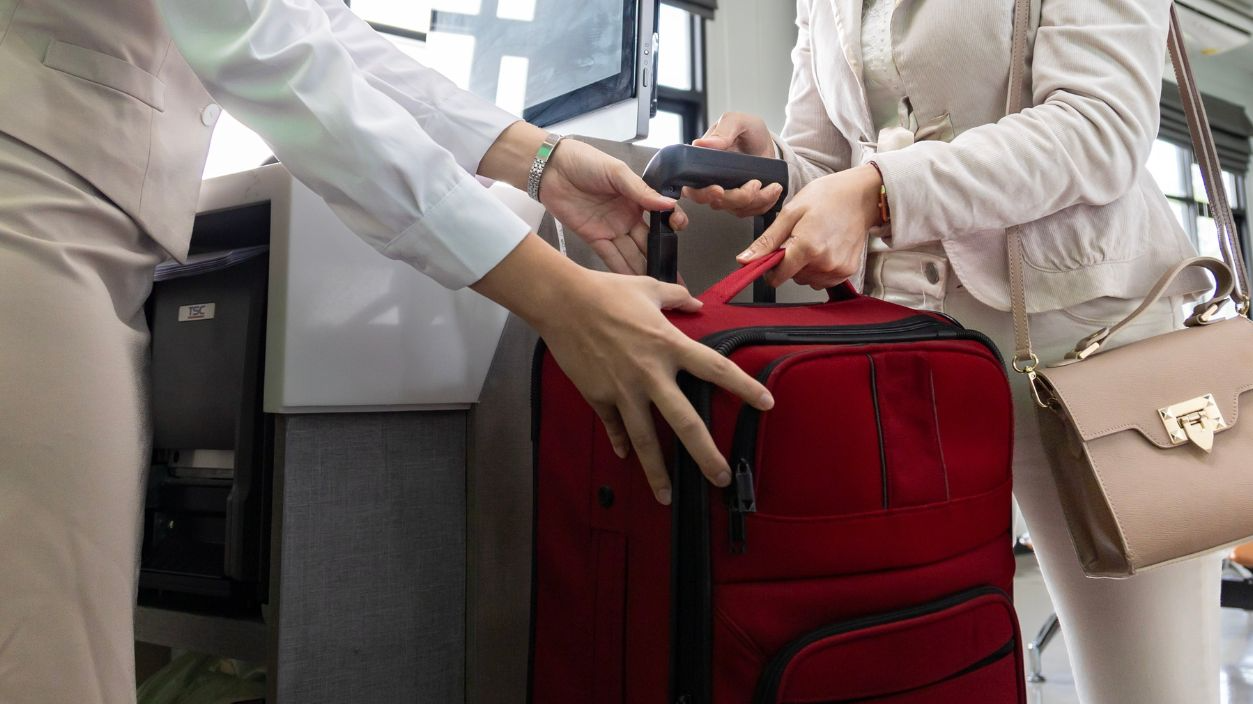
Airlines do not shrug off overweight bags. Delta and United both warn that bags over the usual limits can trigger added charges, and very heavy bags may not be accepted on some trips. Once a shared suitcase creeps past 50 pounds, the money-saving idea can fall apart fast.
Lost Luggage Hits Harder When It Belongs To Everyone
When one traveler’s bag goes missing, it is a headache. When the group’s only checked bag disappears, everyone loses their stuff at once. The U.S. Department of Transportation says airlines must compensate passengers for lost, damaged, or delayed baggage within legal limits, but that does not replace clothes and basics on the first night of a trip.
 Monkey Business Images, Shutterstock
Delayed Bags Are More Common Than Travelers Like To Think
The Department of Transportation’s Air Travel Consumer Reports track mishandled baggage reports from U.S. airlines. Most bags arrive just fine, but delayed or mishandled luggage happens often enough that smart travelers plan for it. Putting everyone’s things in one suitcase stacks the risk in the worst way.
 mimagephotography, Shutterstock
Medication And Valuables Should Not Be In Shared Checked Bags
The Transportation Security Administration advises travelers to keep medication in carry-on bags. Airlines also generally warn against checking valuables, important documents, and fragile items. If a friend wants everyone to put their essentials into one checked suitcase, that is a practical warning sign.
Privacy Matters More Than People Admit
Adults traveling together do not always want shared access to underwear, medication, grooming products, or other personal items. That does not make anyone picky. It just means people have boundaries, even on vacation.
Packing Styles Are Rarely Compatible
One person may pack light while another wants extra outfit choices, gym clothes, or dressy options. One person may roll everything, while another uses packing cubes or keeps clean and dirty clothes separate. Sharing a suitcase takes more coordination than many friends actually want once packing starts.

Trips Get Messy Fast When Plans Diverge
Shared luggage gets even more annoying if travelers are on different flights. It also creates friction when one person wants to sleep in and another needs the suitcase at sunrise. Having your own bag means your schedule stays your own.
One Bag Can Slow Everyone Down At Security And On Arrival
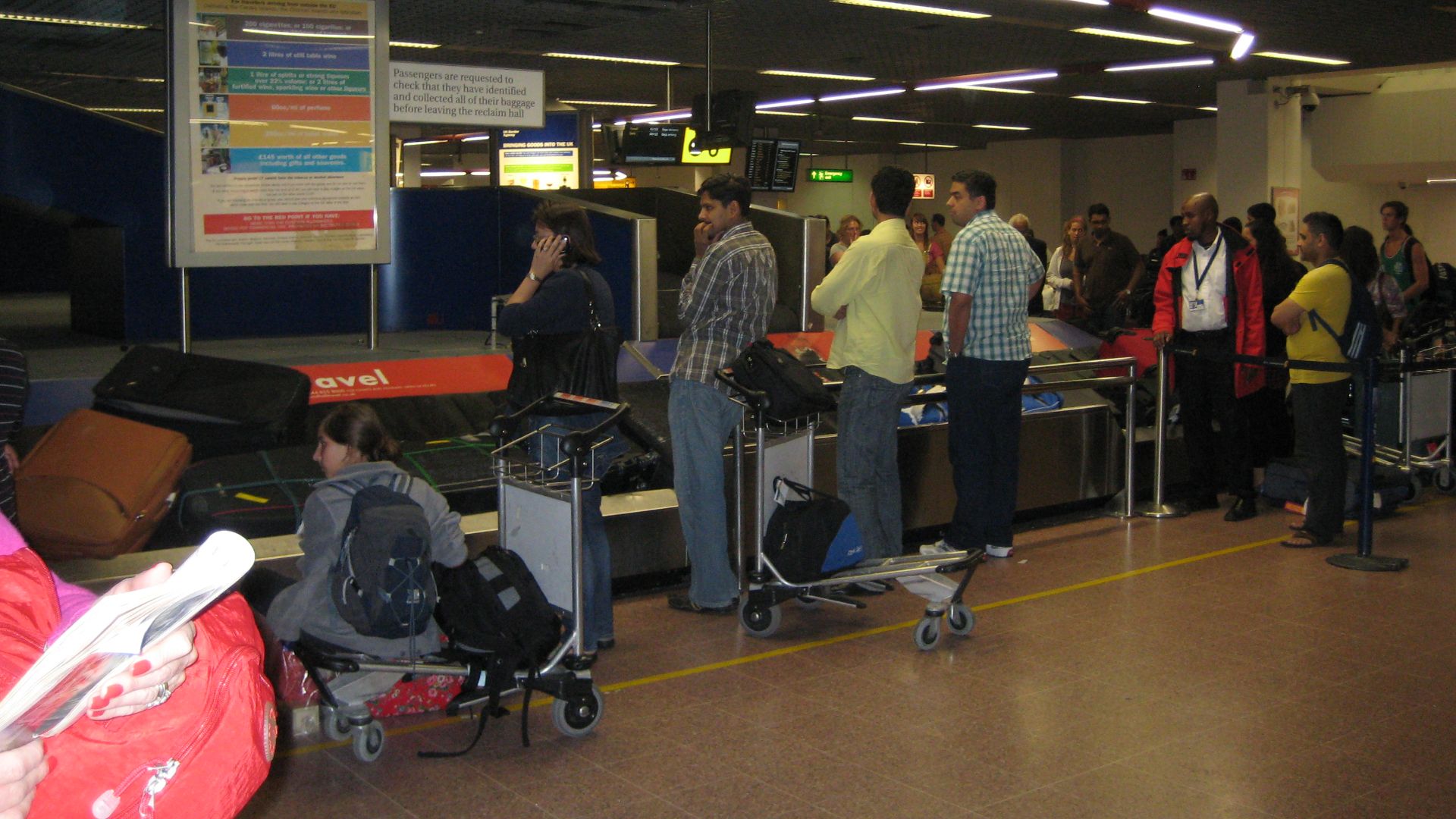
A shared checked suitcase may save one fee, but it can still drag the trip down. People have to decide who carries what, who keeps the important items, and how to divide new purchases on the way home. At baggage claim, everyone is stuck waiting on the same bag.
 Facial expression, Wikimedia Commons
The Return Trip Is Usually Harder
Souvenirs, snacks, gifts, and dirty laundry have a way of taking up more space than expected. A suitcase that barely worked on the way out can become a problem on the way back. That is when arguments about room, weight, and fairness tend to start.

The Money Question Deserves A Clear Answer Up Front
If one shared bag is the plan, who pays if it goes overweight. Who pays if someone has to check another bag on the way home. These questions are easy enough to ask before the trip, but they get awkward fast when they come up at the check-in desk.

AirTags And Bag Tracking Help But They Do Not Solve Everything
Some travelers use tracking devices or airline app tools for peace of mind. Apple’s AirTag is a popular option for tracking checked luggage, and several major airlines now offer digital baggage tracking in their apps. Those tools can help, but they do not fix the basic problem of keeping all the group’s stuff in one place.

Wanting Your Own Luggage Is A Reasonable Boundary
This is the real issue. Wanting your own bag is not diva behavior, stubbornness, or a refusal to be flexible. It is a practical choice that protects your belongings, your privacy, and your independence during the trip.
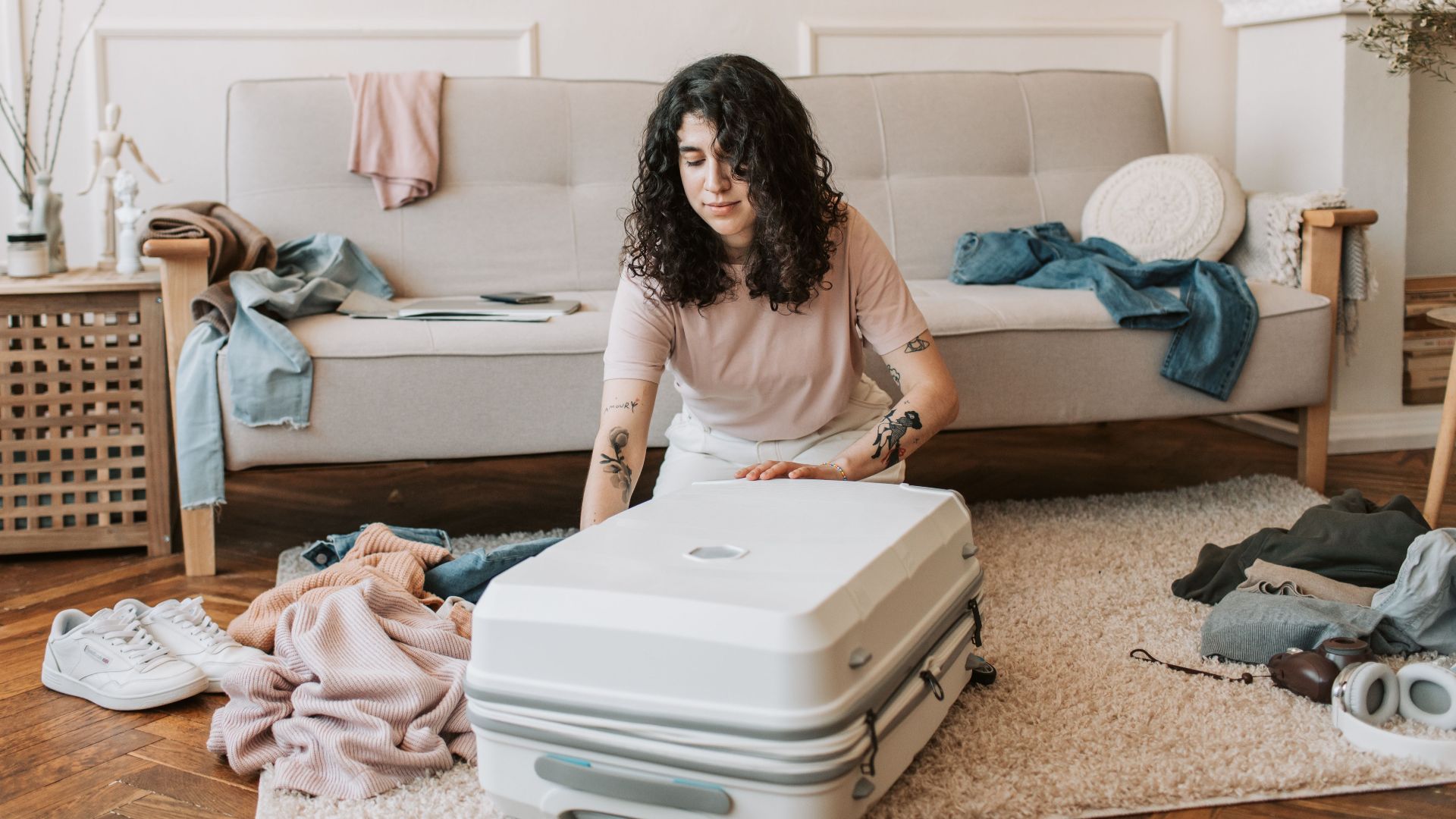
There Is A Difference Between Frugal And Fragile
A solid travel plan can handle a delay, a spill, an overweight fee, or a last-minute schedule change. A one-suitcase strategy often works only when everything goes right. That makes it a fragile plan, even if it is a cheap one.

If You Want To Compromise, There Are Better Ways
You do not have to give up on saving money. Friends can split airport rides, share accommodations, bring laundry sheets, rewear basics, or compare fare bundles that include bags. Those moves cut costs without tying everyone’s essentials to one suitcase.

Carry-On Only Can Work Better Than One Shared Checked Bag
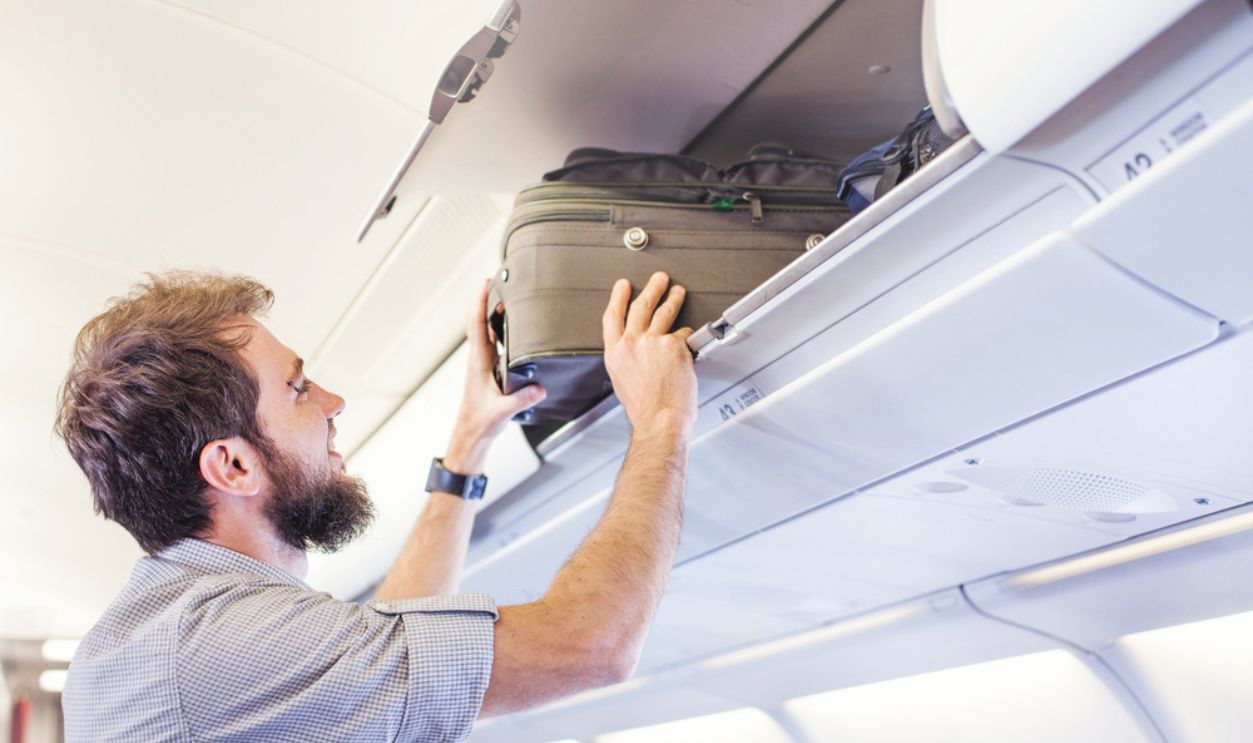
If the group really wants to save on baggage fees, going carry-on only may be the cleaner option. That only works if the fare includes the right allowance and everyone can pack light within the airline’s size rules. Unlike one shared checked bag, it lets each traveler stay in control of their own stuff.
 Mila Supinskaya Glashchenko, Shutterstock
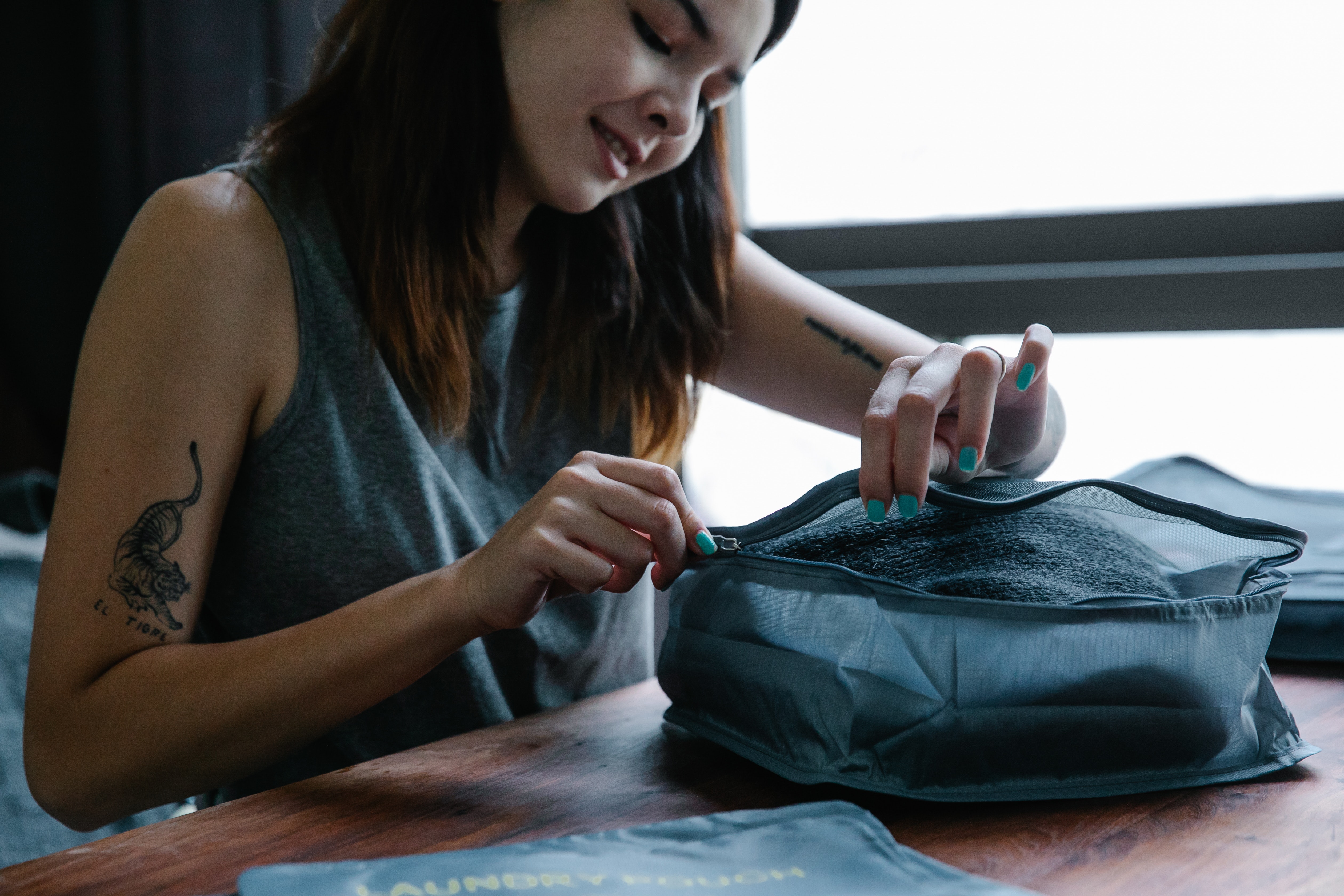
Packing Cubes Can Make Individual Bags More Efficient
Small tools can make a big difference and cut the urge for extreme sharing plans. Compression packing cubes, travel-size toiletries, and a realistic capsule wardrobe often free up more space than people expect. The result can be a cheaper, calmer trip without forcing everyone into one suitcase.
If You Do Share, Keep Essentials Separate
If you do decide to split some items, each person should still keep one change of clothes, medication, chargers, and valuables in their own carry-on or personal item. The TSA’s guidance on medication makes this especially important. That way one luggage issue does not become everyone’s issue.

It Helps To Frame The Conversation Around Logistics
If your friend is focused on saving money, lead with the practical downsides instead of making it emotional. Point to baggage weight limits, the risk of delays, and the hassle of sharing access to one suitcase. That keeps the conversation grounded and makes it less likely to feel personal.

A Simple Script Can Defuse The Tension
You do not need a big speech. Try something like, “I get wanting to save on bag fees, but I travel better with my own luggage and I’d rather pay my share to keep my stuff separate.” It is polite, clear, and hard to argue with.

The Best Travel Friendships Respect Autonomy
Good travel companions do more than split costs well. They also respect different comfort levels, habits, and boundaries. If having your own luggage helps you enjoy the trip, that is useful information for the group, not a flaw.

The Bottom Line Before You Zip Anything Up
Sharing one suitcase can work in very specific cases, especially on short trips with flexible travelers who pack light. But for most adults, wanting your own bag is a normal and sensible choice. If avoiding baggage fees means giving up privacy, convenience, and backup options when things go wrong, the savings may not be worth the stress.