
The Fee May Be Challengeable
A restaurant can generally charge a mandatory large-party or service fee, but whether you must accept a surprise charge depends heavily on how and when it was disclosed. The reservation agreement, event contract, menu, confirmation emails, and local consumer-protection rules all matter. Start by gathering the paperwork before deciding whether to pay or dispute it.
A Mandatory Fee Is Not A Tip
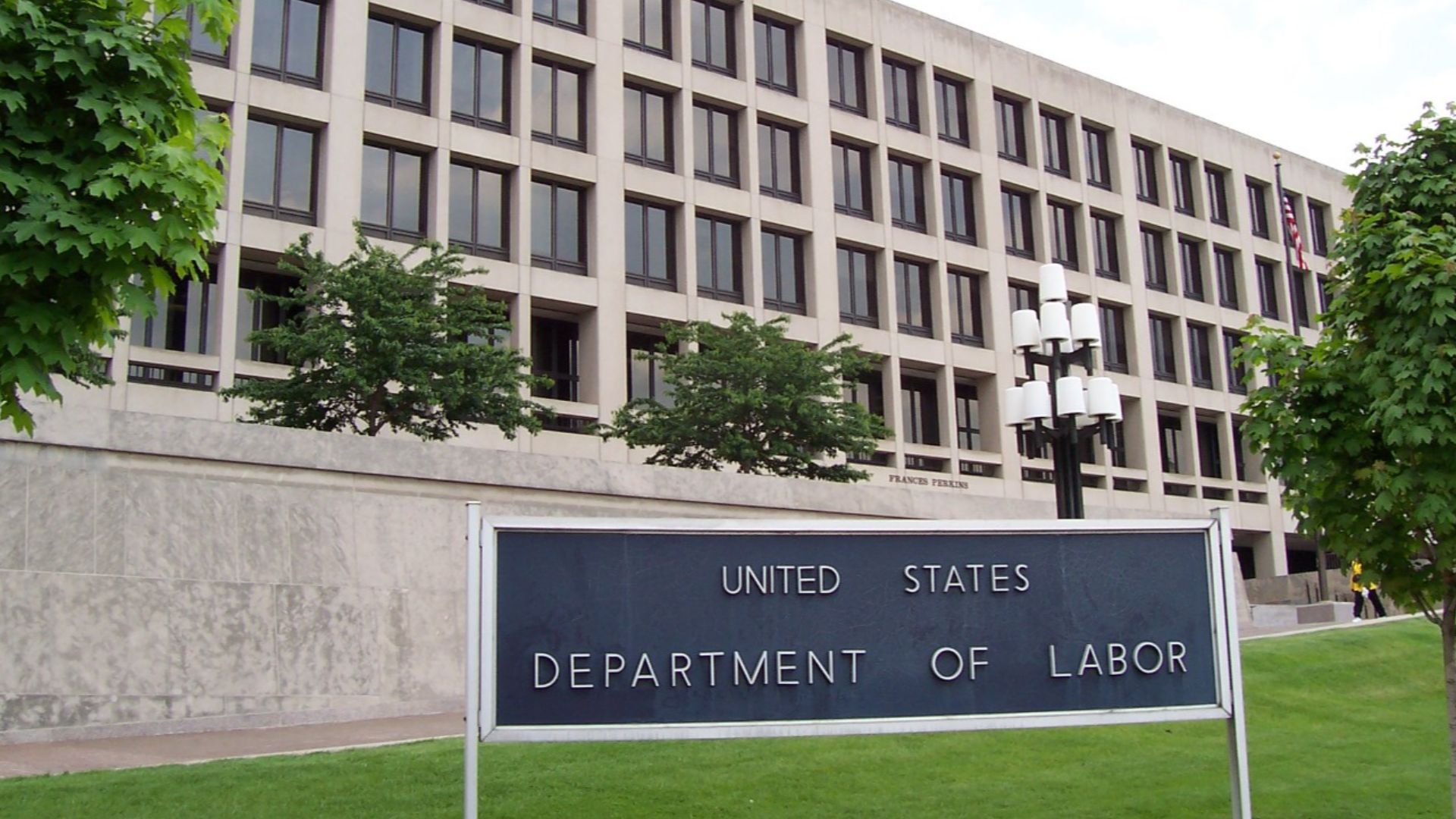
The IRS treats automatic large-party gratuities and banquet-event fees as service charges rather than voluntary tips. The Department of Labor likewise says a compulsory percentage added to a bill is not considered a tip under federal wage law. That distinction matters because the restaurant may control how the money is distributed.
The Name Does Not Decide Everything
A charge might be labeled a gratuity, service fee, administrative fee, event fee, or large-party fee. What matters is whether payment was mandatory and whether you had the freedom to choose the amount. The IRS specifically identifies automatic charges for large dining parties as service charges.

Disclosure Is The Central Issue
The strongest question is not simply whether restaurants may impose large-party fees. It is whether this restaurant disclosed the fee before your family committed to the reservation or ordered the meal. A fee revealed only on the final bill is much easier to challenge than one clearly printed in a signed agreement.
Read The Reservation Confirmation
Search the original email, text message, reservation page, and online booking account. Look for language about service charges, administrative fees, gratuities, minimum spending, room rental, cancellation costs, and taxes. Take screenshots because online terms may later change.

Examine Every Contract Page
Private dining rooms often involve banquet or event agreements rather than ordinary table reservations. Review every page, attachment, pricing sheet, and incorporated policy. The restaurant may argue that the person who booked the room accepted the fee electronically or in writing.

Check The Menu You Received
Look at the private-event menu as well as the regular restaurant menu. In some jurisdictions, mandatory restaurant fees must be clearly disclosed before customers order. New York City, for example, permits certain bona fide service charges, including mandatory gratuities for parties of eight or more, but requires disclosure before the food is ordered.
State And City Rules Differ
There is no single nationwide restaurant-fee rule that resolves every dispute. State consumer laws, local menu regulations, and the language of your agreement may produce different outcomes. That is why advice based on another city’s rules may not apply to your dinner.

California Requires Clear Disclosure
California’s hidden-fee law generally requires businesses to present required charges transparently. Restaurants received special treatment allowing separately stated mandatory fees, but those charges must be clearly and conspicuously disclosed on menus, advertisements, or qualifying banquet and catering contracts. A surprise fee absent from those materials may raise a legitimate compliance issue.

Federal Rules Are More Limited
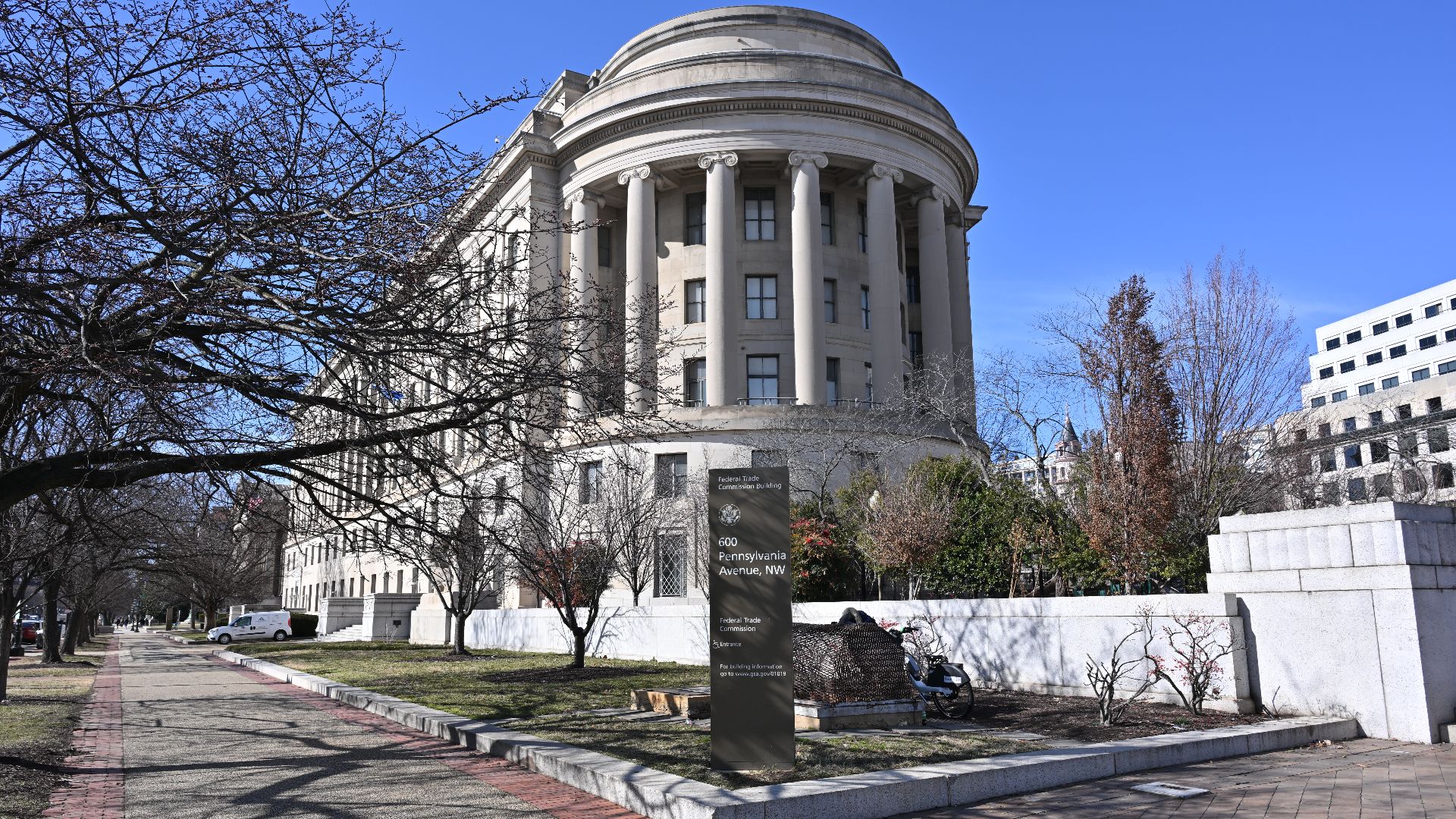
The FTC’s current Rule on Unfair or Deceptive Fees specifically targets live-event tickets and short-term lodging rather than restaurant dining generally. Restaurants are therefore not automatically covered by that rule’s all-in pricing requirement. Broader federal and state prohibitions against deceptive practices may still be relevant when a mandatory charge is hidden or misrepresented.
 G. Edward Johnson, Wikimedia Commons
Ask When The Fee Was Presented
The restaurant may claim that the fee appeared during booking, at the bottom of the menu, or on a sign near the entrance. Ask the manager to show you the exact disclosure that applied on the date you booked. Do not settle for a current policy if it was added after your reservation.

Ask What The Fee Covers
Request a plain-language explanation of the charge. It may cover staffing, room setup, event coordination, benefits, administration, or service. A vague description does not automatically make a fee unlawful, but inconsistent explanations can strengthen your complaint.

Find Out Whether Gratuity Is Included
Do not assume that a service charge goes entirely to the servers. Federal law distinguishes compulsory service charges from voluntary tips, and restaurants may treat distributed service-charge revenue as employee wages. Ask whether an additional tip is expected before leaving more money.

Check The Math Carefully
Confirm the percentage and the amount to which it was applied. A 20% fee calculated on food and beverages is different from one calculated after taxes, room charges, or other fees. Compare the bill against the restaurant’s written policy line by line.

Speak To A Manager First
Stay calm and ask for the manager or private-events coordinator. Explain that your family was not shown the fee before booking or ordering, and ask that it be removed or reduced. A clear factual request usually works better than accusing staff members of fraud.

Bring The Evidence With You
Show the manager your confirmation email, contract, menu, screenshots, and any messages from the event coordinator. Point out where the total price was discussed and where the fee was omitted. Written evidence can turn an emotional disagreement into a straightforward billing correction.

Consider Paying The Undisputed Amount
Do not simply walk out without addressing the bill. Tell the manager that you are prepared to pay the agreed food, beverage, room, and tax charges while disputing the undisclosed fee. Ask for a revised bill and written confirmation of the resolution.

Be Careful With A Credit-Card Dispute
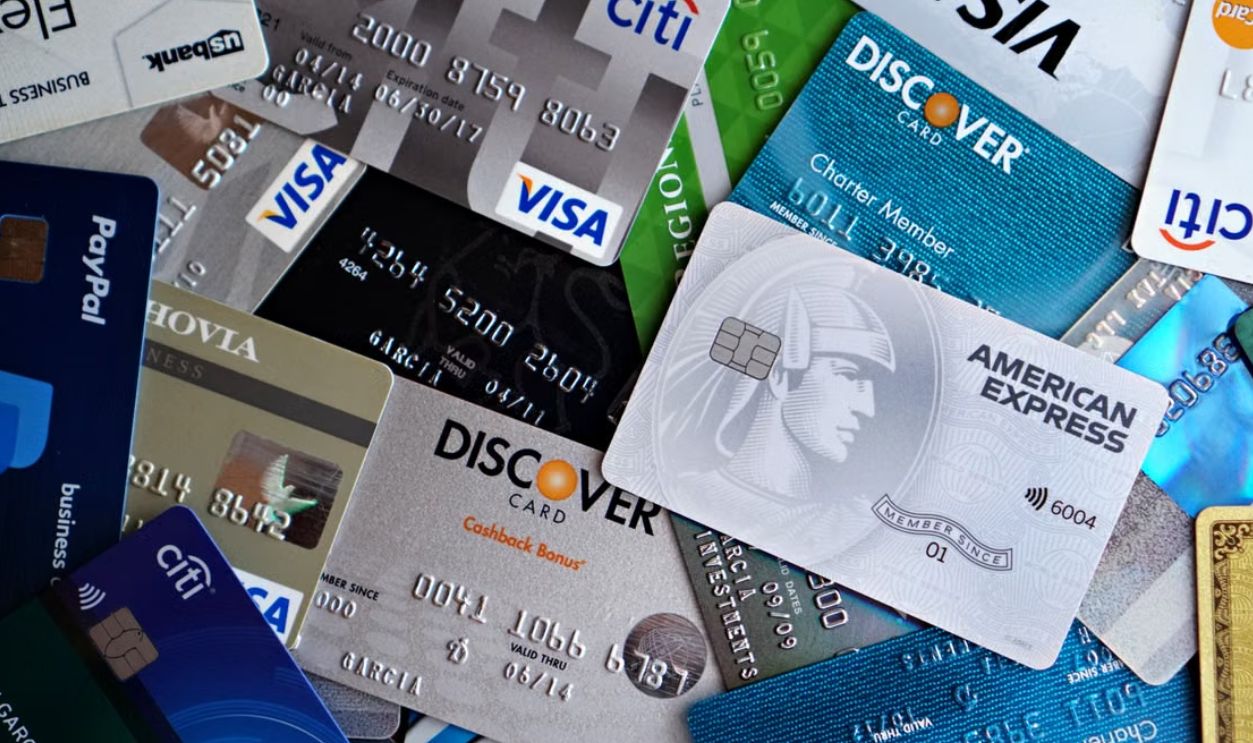
A chargeback is not guaranteed merely because you dislike the fee. Contact the restaurant first and document your attempt to resolve the problem. The CFPB advises consumers to contact their card issuer promptly when disputing an incorrect charge or fee.

Preserve Your Billing Rights
Federal credit-card billing-error rules include procedures and deadlines for written disputes. CFPB guidance recommends calling the issuer immediately and following the required dispute process. Save the receipt, contract, correspondence, and proof that you challenged the restaurant directly.
Debit Cards Can Be Harder
Credit-card protections and chargeback procedures may differ from those applying to debit-card purchases. Contact the bank quickly and ask which dispute rights apply to the transaction. Do not assume that clicking “dispute” in an app preserves every legal right.
File A Consumer Complaint
If the restaurant refuses to address a clearly undisclosed mandatory fee, contact your state or local consumer-protection agency. USAGov provides directories for state consumer offices and attorneys general that handle business complaints. Include copies rather than originals of your evidence.

Small Claims May Be An Option
For a significant fee, small claims court may be available depending on your jurisdiction and the contract’s terms. You would need evidence showing what was offered, what you accepted, what was charged, and how you tried to resolve it. Consider the filing fee and time involved before escalating a relatively small dispute.

The Booker May Hold The Contract
If one relative signed the agreement, that person may be the restaurant’s contracting customer. The family should coordinate through that individual rather than sending conflicting demands. Multiple angry calls can make a valid complaint harder to resolve.

Future Bookings Need One Question
Before reserving another private room, request the complete out-the-door price in writing. Ask about room fees, minimum spending, taxes, service charges, automatic gratuities, administrative costs, deposits, and cancellation penalties. A one-line price summary can prevent a painful argument later.

Your Best Move Is Documented Pushback
You should not automatically accept a mandatory fee that was genuinely hidden until the final bill. Review the contract and menus, request the restaurant’s proof of disclosure, and challenge the charge with management in writing. If the fee was properly disclosed, you will probably have a weaker case, but if it was not, consumer agencies or your card issuer may help you pursue a correction.
 LinkedIn Sales Solutions, Unsplash
You May Also Like:
Avoid These Simple Mistakes That Increase Your Restaurant Bill
20 Side Hustles To Try While Working Full-Time
Most people make these mistakes with their money.
Sources: 1, 2, 3, 4, 5, 6, 7, 8, 9, 10, 11, 12, 13, 14, 15, 16, 17, 18, 19, 20, 21