


The Cabin Switch That Can Throw Off Your Countdown
You book a cruise, pick your cabin, and start picturing sea views and easy access to your favorite spots on the ship. Then an email shows up saying your room has changed, and the cruise line says the new one is equivalent. If that new cabin is on a lower deck, though, many travelers ask the same thing: is it really equivalent?

Why This Gets Under People’s Skin
Cabin location can shape the whole trip. A lower deck can mean more engine vibration, longer elevator rides, or a less handy walk to pools, dining, and shows. So this is not just about square footage or bed setup. It is about what daily life on the ship actually feels like.
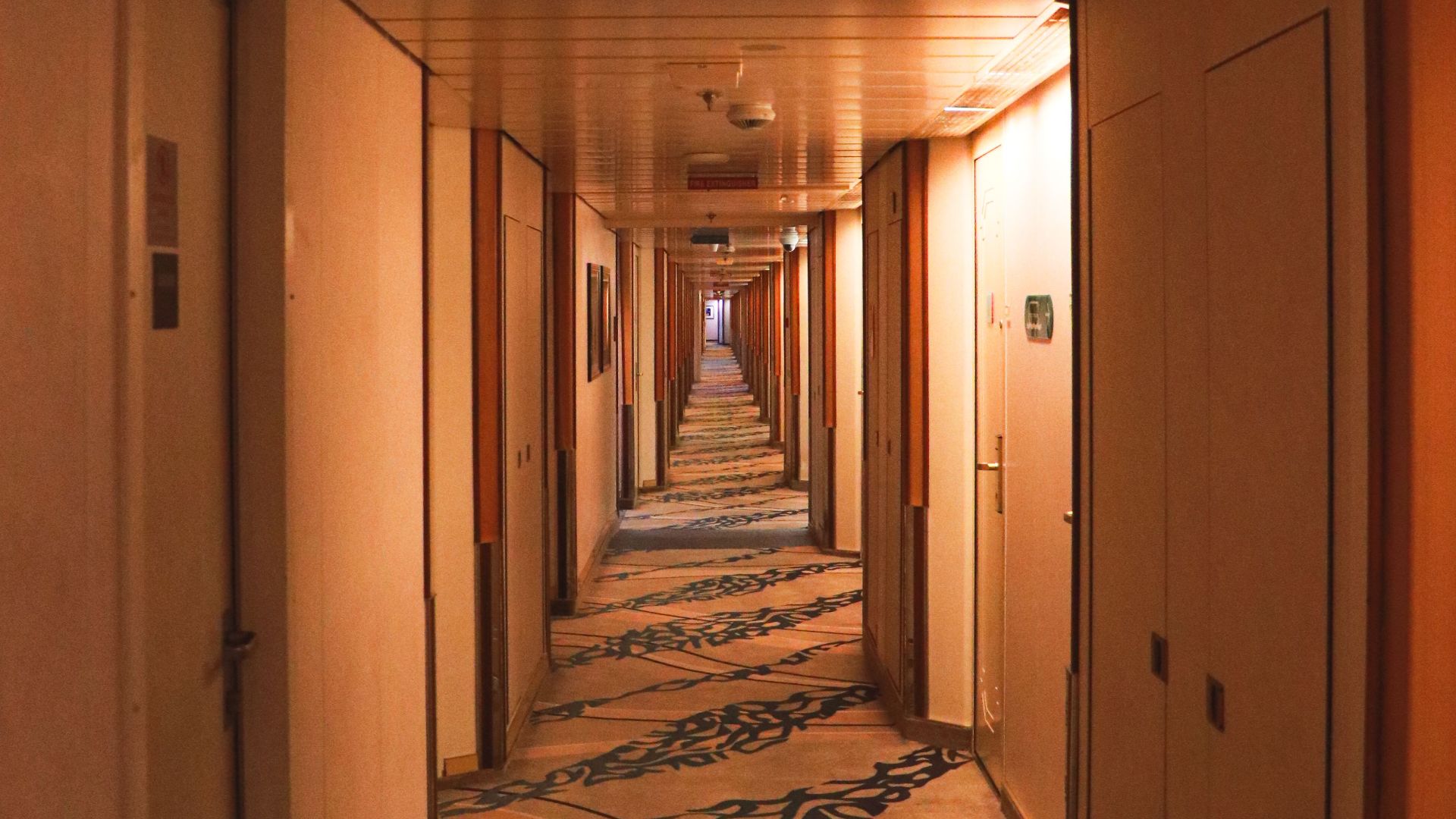
What Cruise Lines Usually Mean By Equivalent
In cruise terms, an equivalent cabin usually means the same category or a similar room grade. That often comes down to whether it is an inside room, ocean view, balcony, or suite, along with occupancy and basic features. It does not always mean the same deck, the same part of the ship, or the same overall experience.
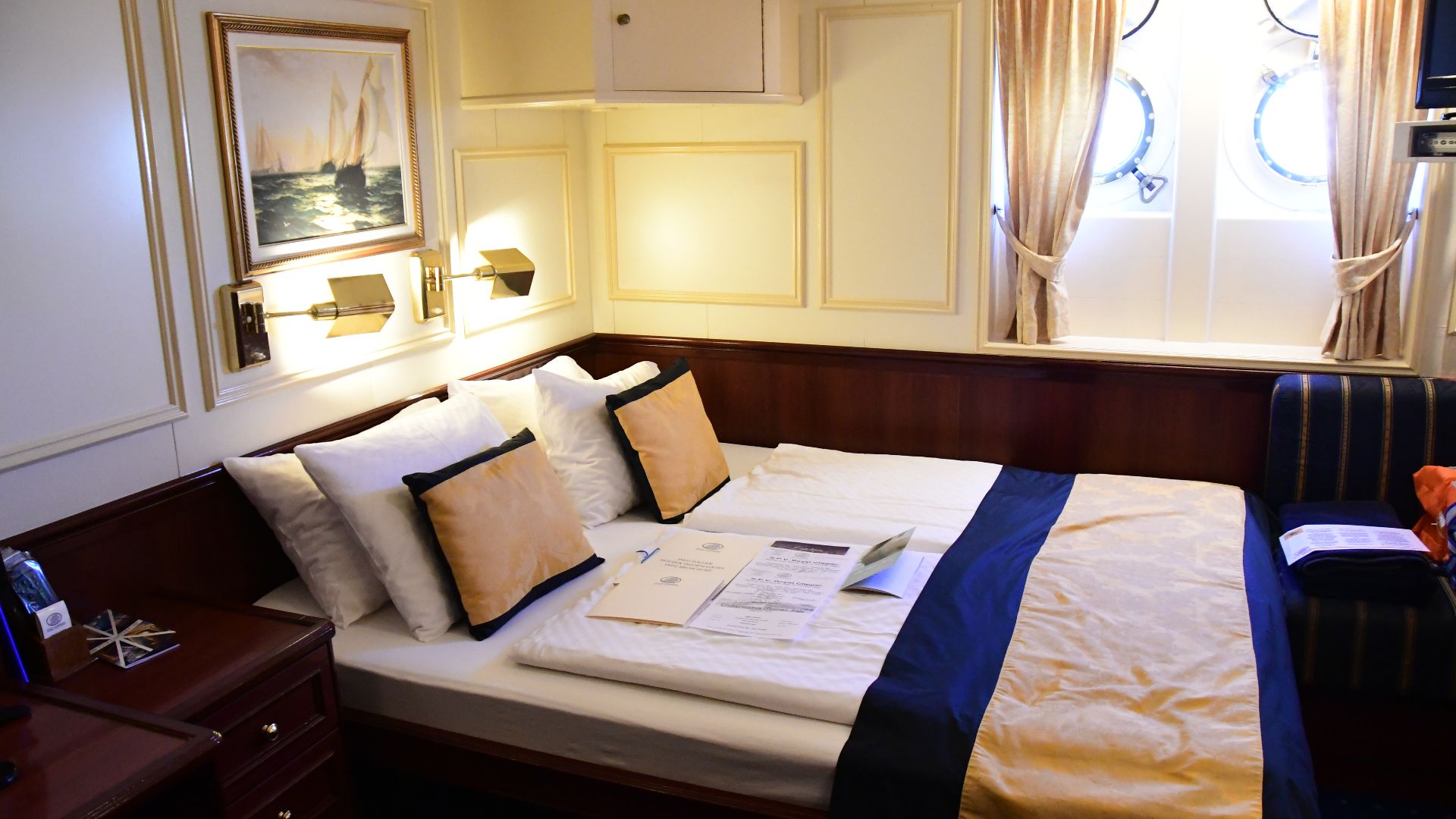 Corvair Owner, Wikimedia Commons
The Fine Print Gives Cruise Lines Room To Move You
Most major cruise lines reserve the right to reassign cabins before sailing. Their ticket contracts usually say they can swap accommodations if needed for operational, safety, or maintenance reasons. That gives them broad flexibility, though it does not mean passengers have to like the replacement.

Royal Caribbean Says So Directly
Royal Caribbean states in its cruise ticket contract that if a guest’s booked stateroom is unavailable, the company may assign a different stateroom or berth. The contract also says the replacement may be of comparable or better value. That matters because comparable value is not the same as the same deck or the same location.
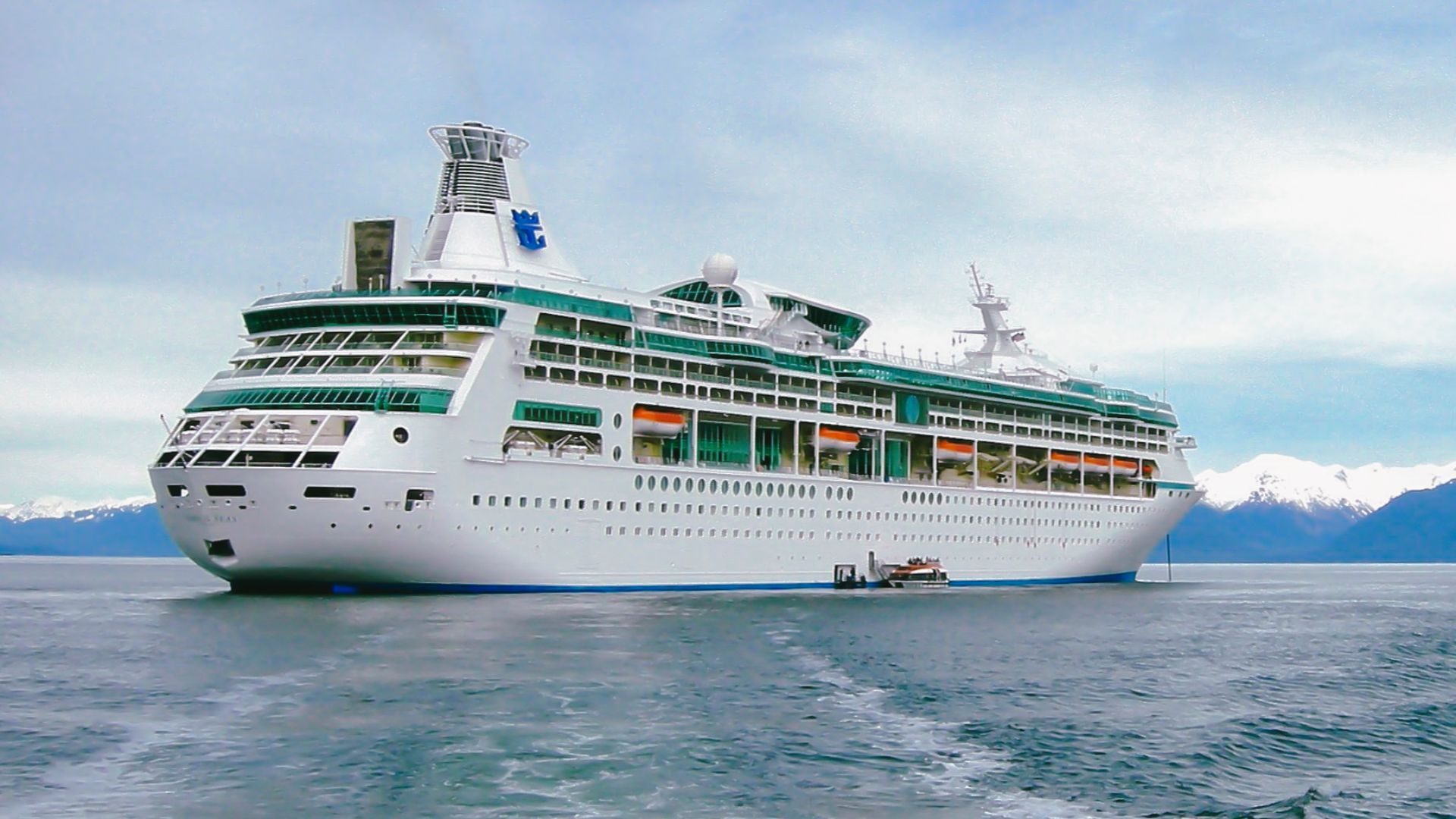 Matthew T Rader, Wikimedia Commons
Norwegian Uses Similar Language
Norwegian Cruise Line takes a similar approach in its guest ticket contract. It says the line can move a guest to other accommodations if the reserved stateroom is unavailable. Again, the focus is on substitute accommodations, not on protecting the exact location the traveler picked.
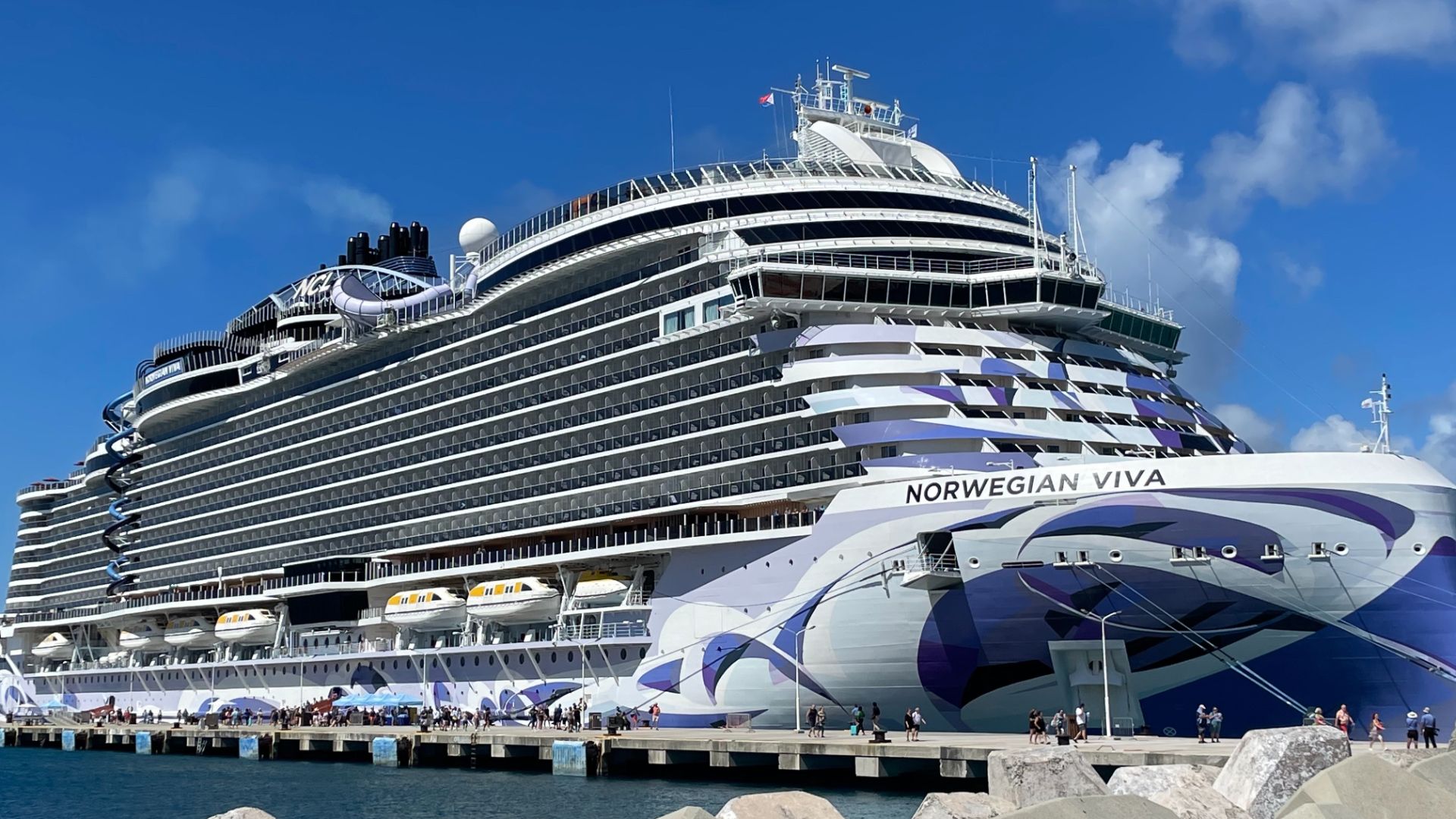 Master0Garfield, Wikimedia Commons
Carnival Gives Itself Similar Flexibility
Carnival’s ticket contract also allows the line to assign alternate accommodations when needed. Like other major operators, the contract is written to protect the company if operational issues force a cabin shuffle. So a passenger may have limited legal leverage if the replacement fits the line’s idea of comparable.
 Port of San Diego from San Diego, Wikimedia Commons
Location Is Not Some Minor Detail
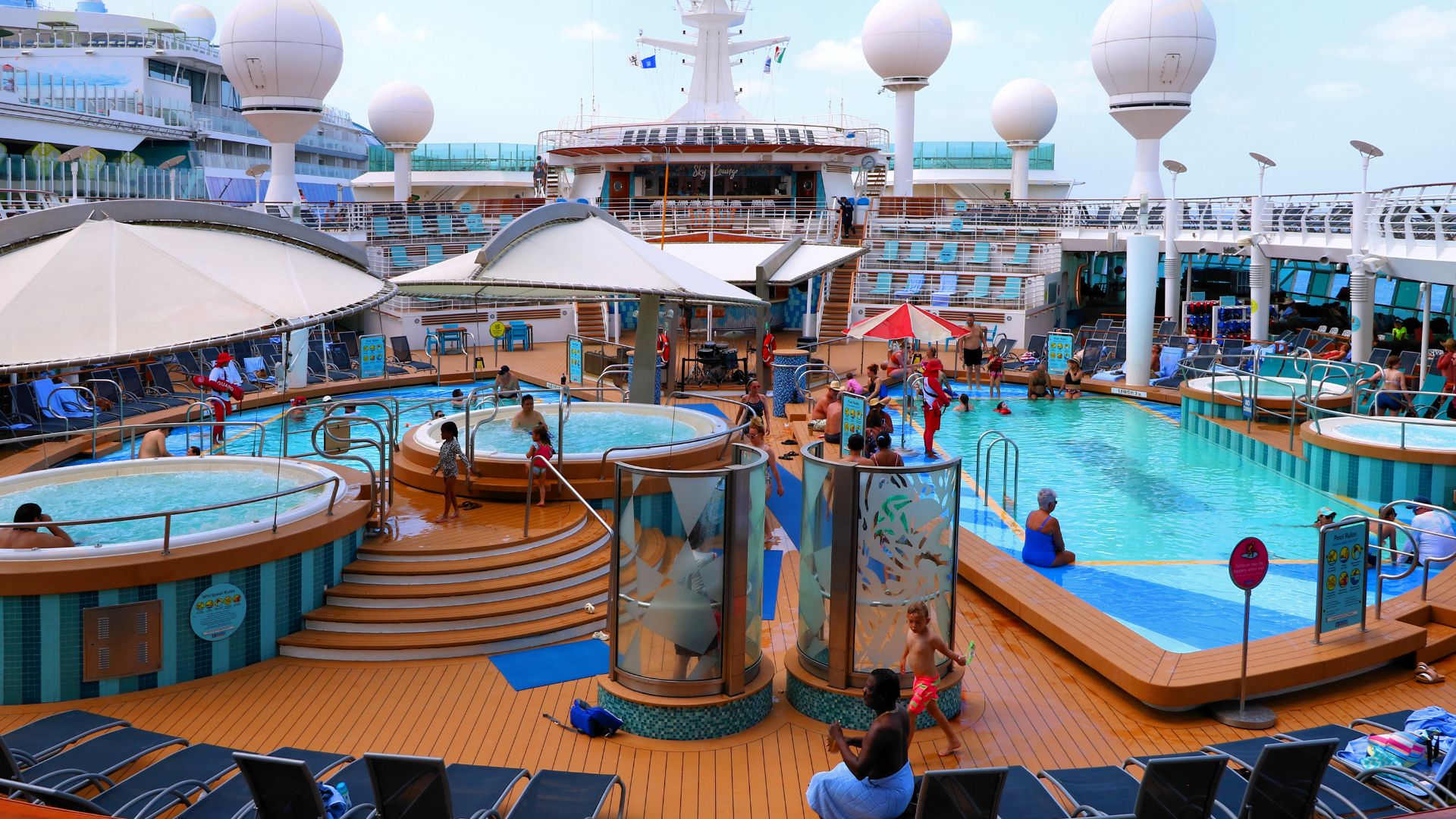
Cruise experts have long pointed out that location matters just as much as cabin type. Cruise Critic’s deck plan and cabin advice often warns about noise under the pool deck, traffic near elevators, and vibration at the aft. Two rooms can match on paper and still feel very different once you are onboard.
 Larry D. Moore, Wikimedia Commons
Why A Lower Deck Can Feel Like A Step Down
For some cruisers, lower decks are completely fine and can even feel steadier in rough seas. But moving from a mid or upper deck to a lower one can make the trip less convenient and change the feel of the vacation. If you paid extra for a preferred spot, that deck change can feel like losing part of what you bought.

Travel Advisors Often See Location As Part Of The Value
Travel advisors regularly tell clients that location is worth paying for. On some sailings, a midship cabin on a popular deck can cost more than a similar room in a less desirable area. That shows location already has real market value, even if a cruise line does not always treat it that way during a reassignment.

Deck Plans Show What The Category Name Does Not
A booking category can hide a lot. Two balcony cabins may carry the same label even if one sits under a nightclub and the other is tucked between quiet cabin decks. That is why experienced cruisers study deck plans before they pay to lock in a room.
Consumer Rights Depend On The Contract And The Details
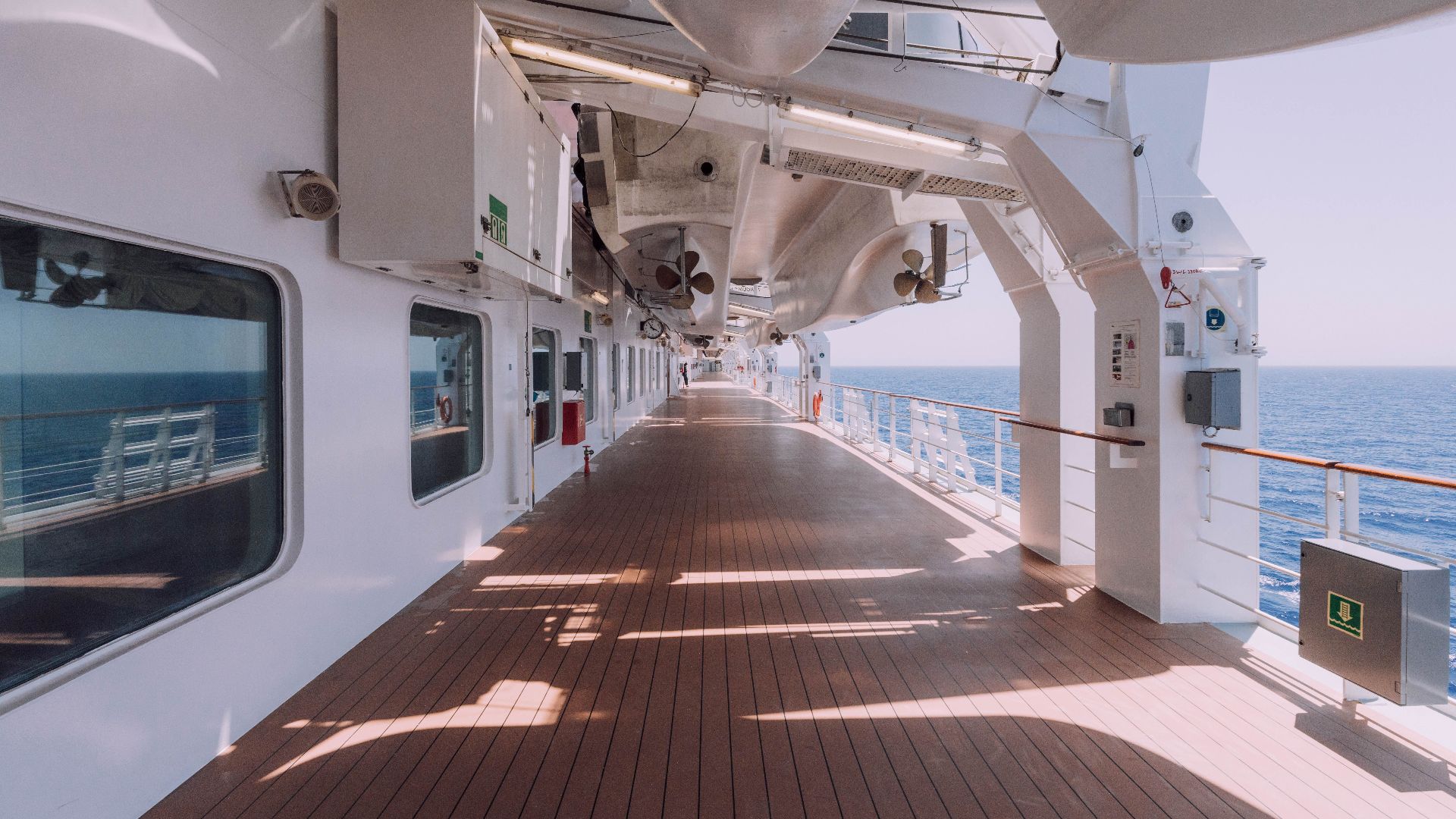
In the United States, there is no broad cruise rule that guarantees the exact cabin location you originally booked. Most disputes come down to the cruise contract, the fare type, and whether the line delivered what it promised. If your confirmation listed a specific stateroom you selected, that may help your case, even if the contract still gives the line a lot of discretion.

Guaranteed Cabins Are Different
If you booked a guaranteed cabin, your position is weaker from the start. Guaranteed fares usually promise only a minimum category, not a specific room number or deck. In that case, a lower deck assignment is often part of the tradeoff for the lower price.

Picked Cabins Create Stronger Expectations
If you paid to choose a specific room, the stakes are different. Some cruise lines charge more for certain locations, and many travelers deliberately book away from busy areas or the ends of the ship. When that chosen location disappears, it is fair to ask whether a refund or onboard credit should come with it.

Timing Matters Too
A cabin change months before departure is annoying, but at least there is time to push back. A switch just days before embarkation can feel much worse because your options are narrower and your airfare or hotel plans may already be locked in. In practice, timing often shapes how much leverage you have.

Sometimes The Reason Is Legitimate
Not every cabin reassignment is careless or done for profit. Rooms can be taken out of service because of maintenance issues, plumbing problems, accessibility needs, or ship balancing concerns. When that happens, the line may truly need to move guests, even if the new room is not what the traveler wanted.

But Equivalent Should Mean More Than Just A Bed
Passengers often hear equivalent and think the line means the full experience. Cruise lines may be talking more narrowly about cabin class, sleeping capacity, and core amenities. That gap is where a lot of the frustration starts, because guests are judging the vacation they expected, not just the furniture in the room.
Noise And Motion Matter
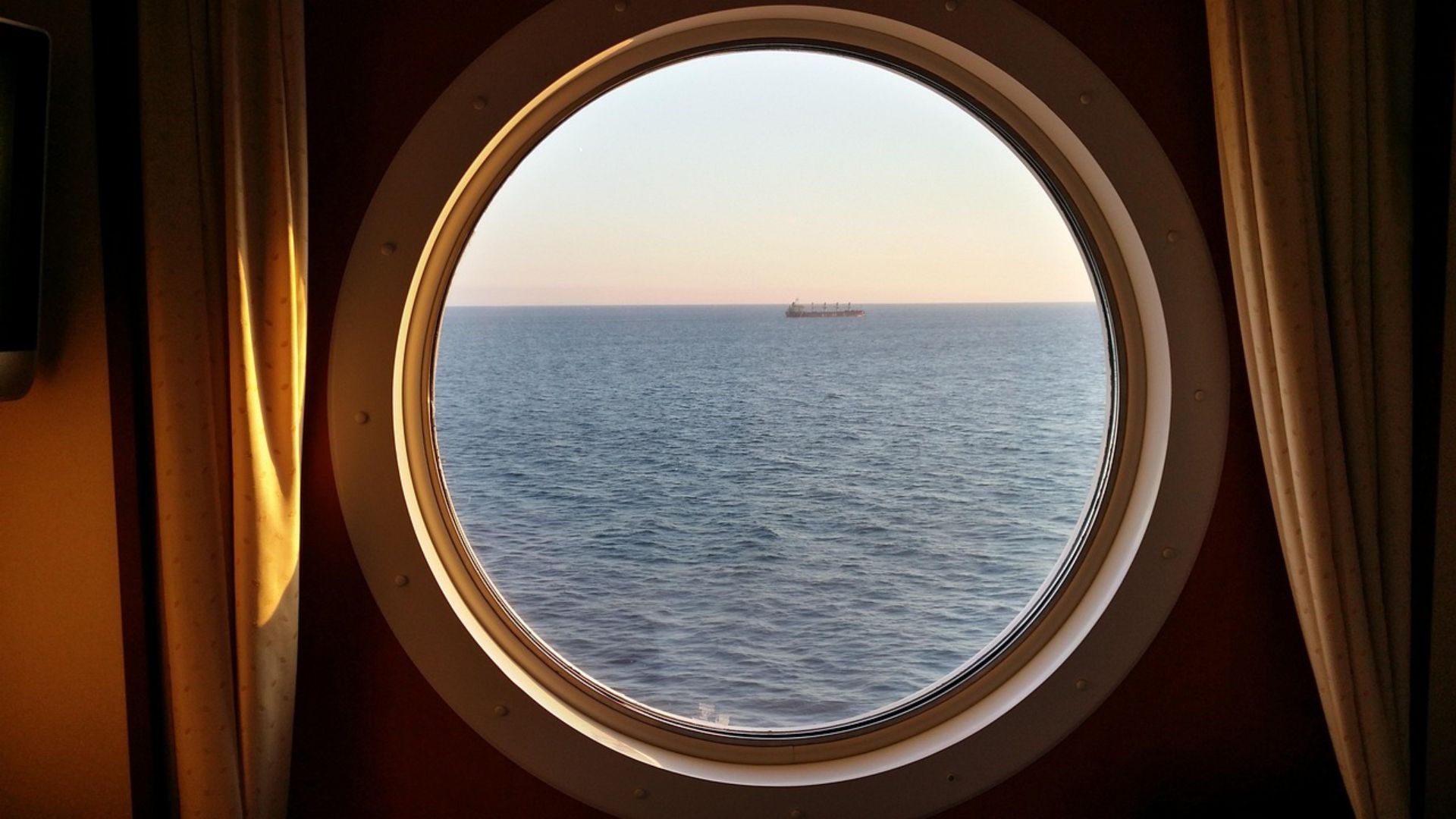
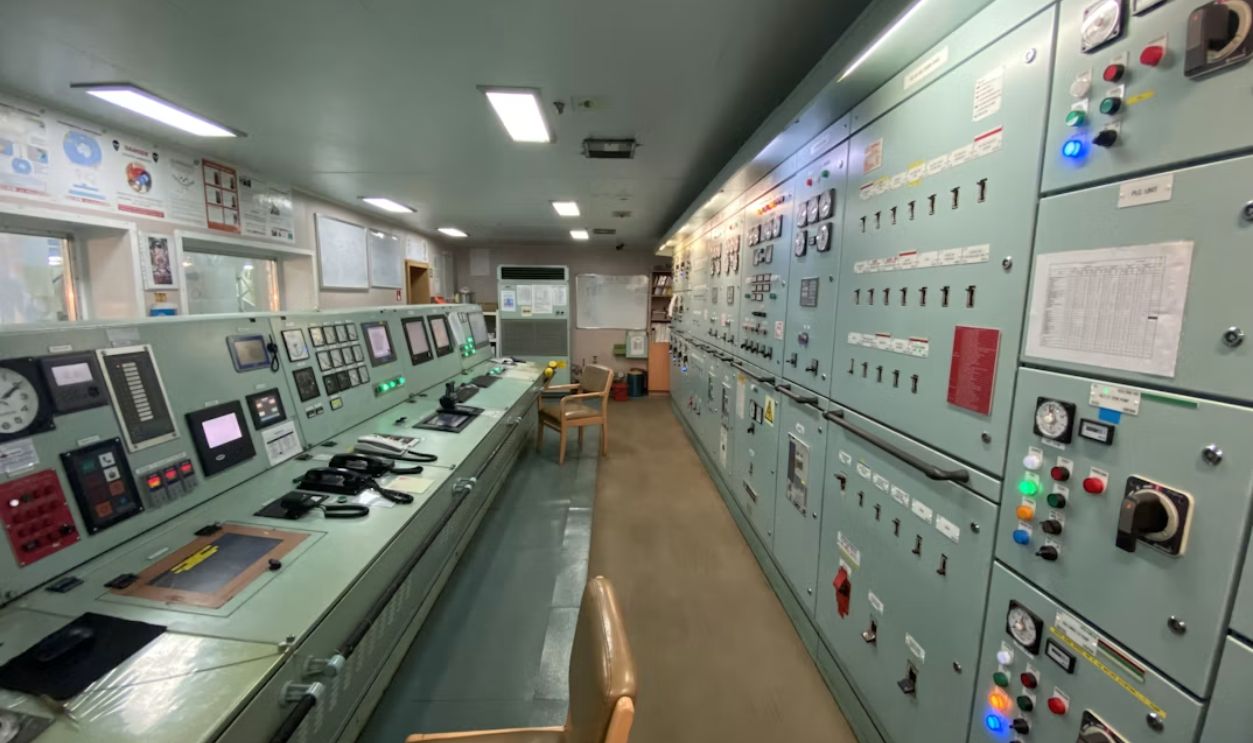
Cruise experts often note that lower decks can come with a different sound and motion profile. Cabins near machinery spaces may pick up more mechanical hum, while some higher decks can sway more in rough weather. The point is not that lower is always worse. It is that a change in location can change day-to-day comfort in ways many travelers care about.
For Some Travelers, Location Is Essential
For some passengers, deck location is not just a preference. It is an access issue. A cabin closer to elevators, dining, or medical facilities can make a big difference for travelers with mobility concerns. In those cases, an allegedly equivalent move may not feel equivalent at all.

What To Do As Soon As You See The Change
Start by pulling up your original booking confirmation and any email that shows the cabin number you selected. Then compare the old and new rooms on the ship’s deck plan and note differences in deck, position, and nearby venues. If you paid a cabin selection fee or a higher fare for that location, gather proof of that too.

How To Push Back In A Way That Works
Contact the cruise line or your travel advisor right away and be specific. Do not just say the new room seems worse. Explain that the original cabin was on a higher or quieter deck, farther from noise, or closer to needed facilities, and ask for a same-deck alternative, compensation, or a refund of any selection fee.

Why A Travel Advisor Can Be Useful
Advisors sometimes have direct contacts and more experience pushing cabin problems up the chain before sailing. They also know when a replacement is truly similar and when it is a weak substitute wrapped in industry language. If you booked through an advisor, ask them to step in quickly.

If The Cruise Line Refuses To Change Course
You can still ask for a written explanation of why the move happened and what standard the line used to decide the new cabin was equivalent. If the line charged for cabin selection, ask for that fee back if the chosen location could not be honored. You can also keep records of the exchange in case you want to seek a credit card dispute or file a complaint after the trip, though the contract will play a big role in how that goes.

What Cruise Experts Usually Say
Cruise advice sites consistently tell travelers to think hard about location before booking, not after a problem appears. Cruise Critic and other travel guidance pages stress checking what is above, below, and beside your cabin. That advice exists for a reason: location can affect value, comfort, and sleep.

Should Location Count As Part Of The Booking
From a traveler’s point of view, yes, especially if you chose and paid for that exact cabin or deck. From a contract point of view, often only partly, because cruise lines usually define equivalence more narrowly than passengers do. That gap between what people expect and what the contract says is at the center of the dispute.

The Practical Bottom Line For Cruisers
If your cabin gets moved to a lower deck, it is reasonable to question whether the replacement is truly equivalent. The strongest cases usually involve a specifically selected cabin, a documented fee for that location, or a clear downside such as noise, distance, or accessibility concerns. Even if the contract favors the cruise line, a quick and well-documented complaint can still lead to a better room, onboard credit, or a refund of the selection fee.

How To Book Smarter Next Time
Before your next cruise, save screenshots of the deck plan, fare terms, and cabin number at the time of booking. If location matters to you, avoid guaranteed cabins and ask whether your fare includes a separate selection charge that could be refunded if the line changes your room. A little prep can turn a nasty surprise into a manageable negotiation.







.jpg)