
You Planned For One Vacation, Then Everything Changed
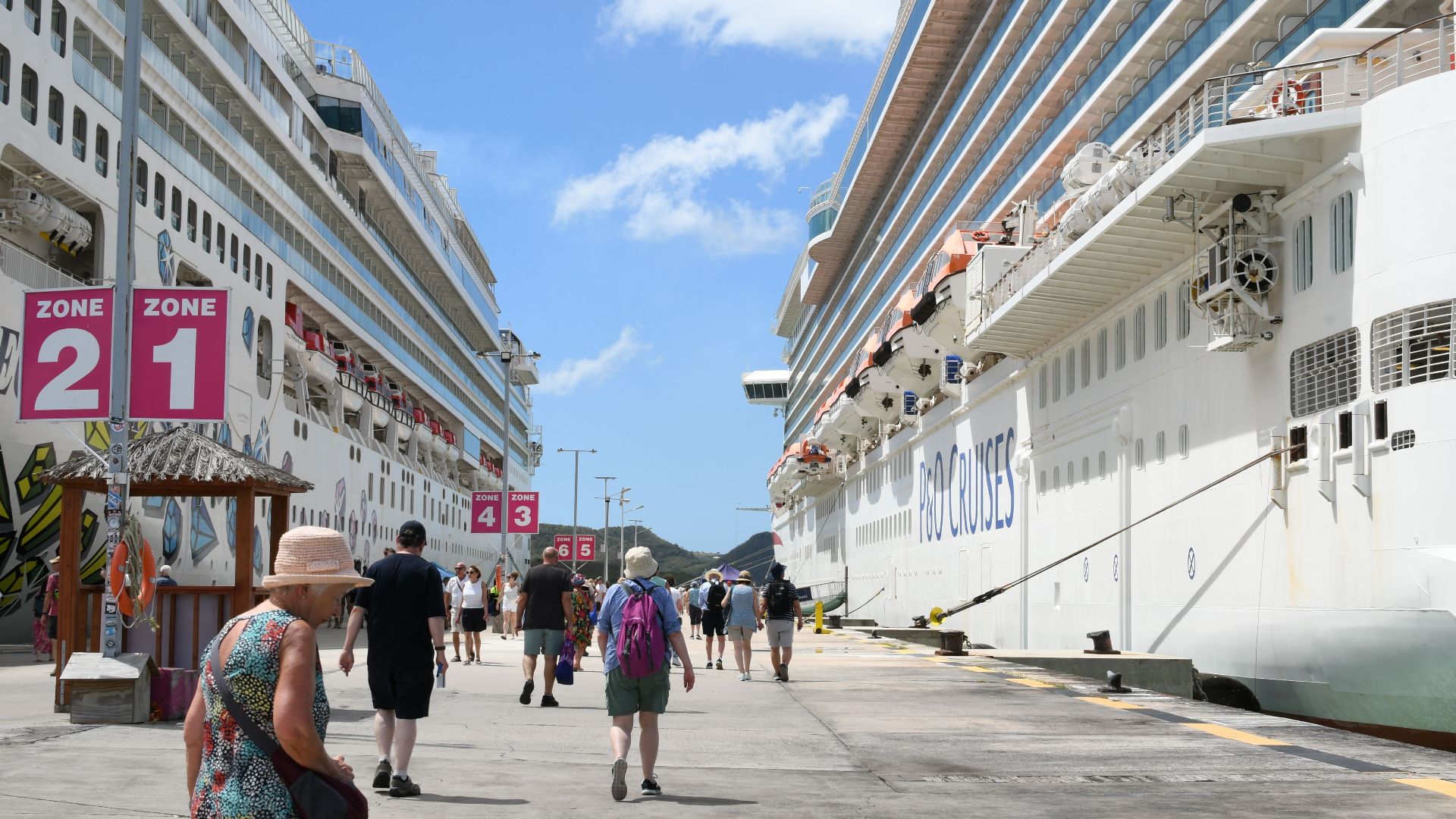
You spent weeks looking forward to strolling through a specific island town or checking a bucket-list destination off your list. Then, just before the ship arrived, the captain announced the itinerary had changed. It's disappointing, but the truth is that cruise itineraries are more flexible than many travelers realize, and there are rules that explain why.

Cruise Itineraries Aren't Set In Stone
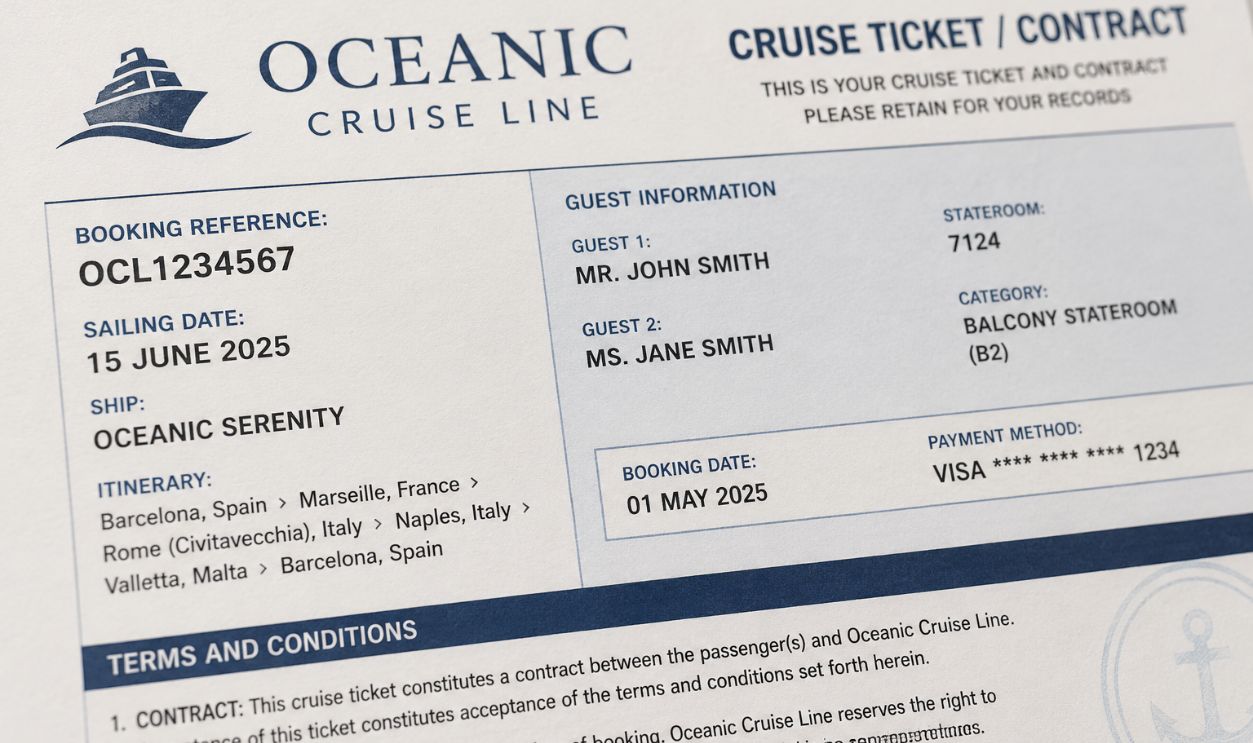
When you book a cruise, you're not actually guaranteed every port listed in the brochure. Cruise lines generally reserve the right to change, replace, or skip ports if circumstances call for it. That language is included in the ticket contract you agree to when you book your trip.

It Happens More Often Than You'd Expect
While it can feel like terrible luck, port changes happen fairly regularly across the cruise industry. Ships sometimes have to adjust their schedules because of weather, crowded ports, mechanical problems, medical emergencies, government restrictions, or security concerns. It's frustrating, but it's also a normal part of cruising.
Your Cruise Ticket Is More Than Just A Boarding Pass
Most people don't spend much time reading the cruise contract, but it's one of the most important documents you'll receive. It explains what the cruise line promises to provide—and just as importantly, what it doesn't. Nearly every major cruise line gives itself the flexibility to change itineraries when necessary.
Missing A Port Doesn't Usually Mean You'll Get Your Money Back
One of the biggest surprises for first-time cruisers is learning that a skipped port doesn't automatically qualify you for a refund. As long as the cruise itself continues, the contract usually allows the cruise line to make itinerary changes without refunding part of your fare. Courts have generally upheld those contract terms.
 Krakenimages.com, Shutterstock
Weather Is Usually The Biggest Reason
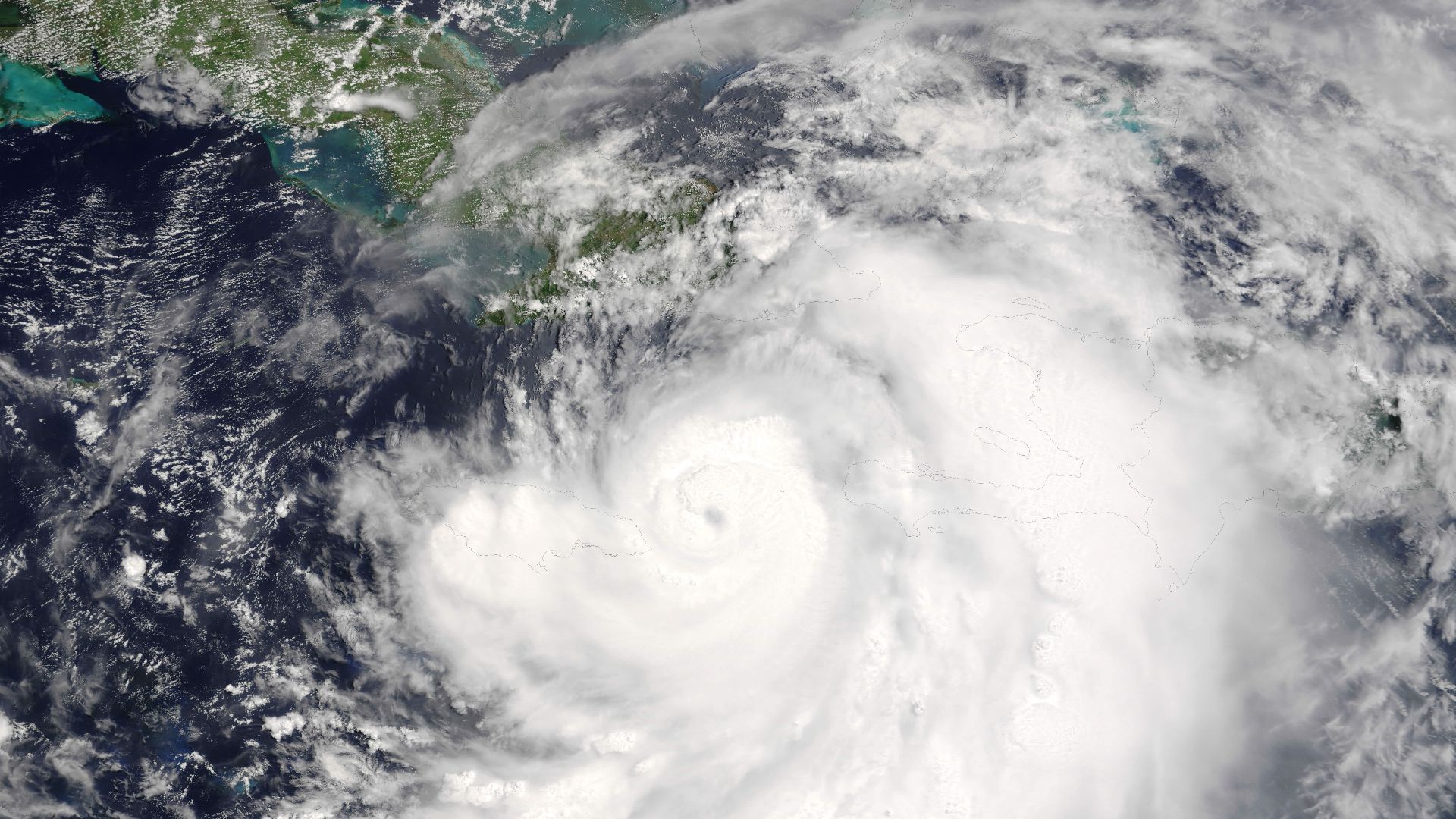
If you've ever cruised during hurricane season or rough winter weather, you've probably seen how quickly conditions can change. High winds, rough seas, heavy rain, or poor visibility can make docking unsafe. In those situations, the captain's job is to protect everyone onboard, even if that means canceling a stop.
 NASA image courtesy Jeff Schmaltz, MODIS Land Rapid Response Team at NASA GSFC, Wikimedia Commons
Sometimes The Ship Itself Is The Problem
Not every itinerary change is caused by Mother Nature. Mechanical issues, engine problems, or other technical repairs can slow a ship down enough that it can't safely keep its original schedule. Rather than canceling the entire cruise, the line may simply skip one or more ports.
World Events Can Change Plans Too
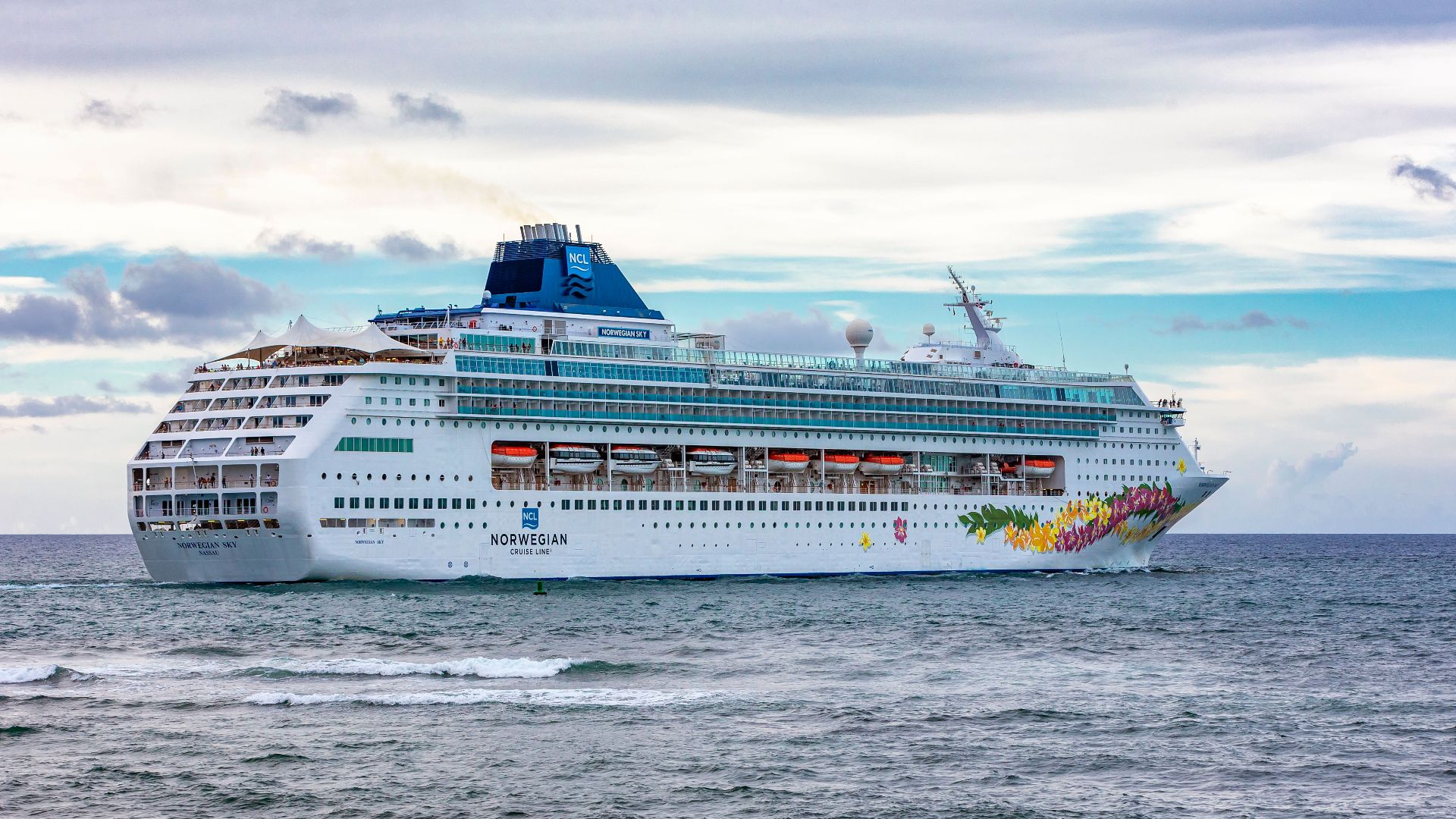
Cruise ships travel all over the world, so they're affected by changing conditions in different countries. Political unrest, government travel restrictions, labor strikes, or security concerns can all lead to last-minute itinerary changes. If a destination is considered unsafe, cruise lines will usually choose a different port instead.

You May Still Get Some Money Back
Even if you don't receive compensation for the missed destination itself, you may still be entitled to a few automatic refunds. Cruise lines often return port fees and taxes for ports they never visit if those charges weren't incurred. Shore excursions booked through the cruise line are also typically refunded if they're canceled.

Some Cruise Lines Offer Goodwill Credits
Even when they aren't required to compensate passengers, cruise lines sometimes offer something as a gesture of goodwill. That might include onboard credit, discounts on a future cruise, complimentary internet, or other perks. These offers vary from one situation to another and aren't guaranteed.

There Is A Cruise Passenger Bill Of Rights
Many of the world's largest cruise companies belong to the Cruise Lines International Association (CLIA), which has a Passenger Bill of Rights. It outlines basic commitments member cruise lines make to passengers, including certain protections if a voyage is canceled because of mechanical problems and access to essential onboard services during disruptions.
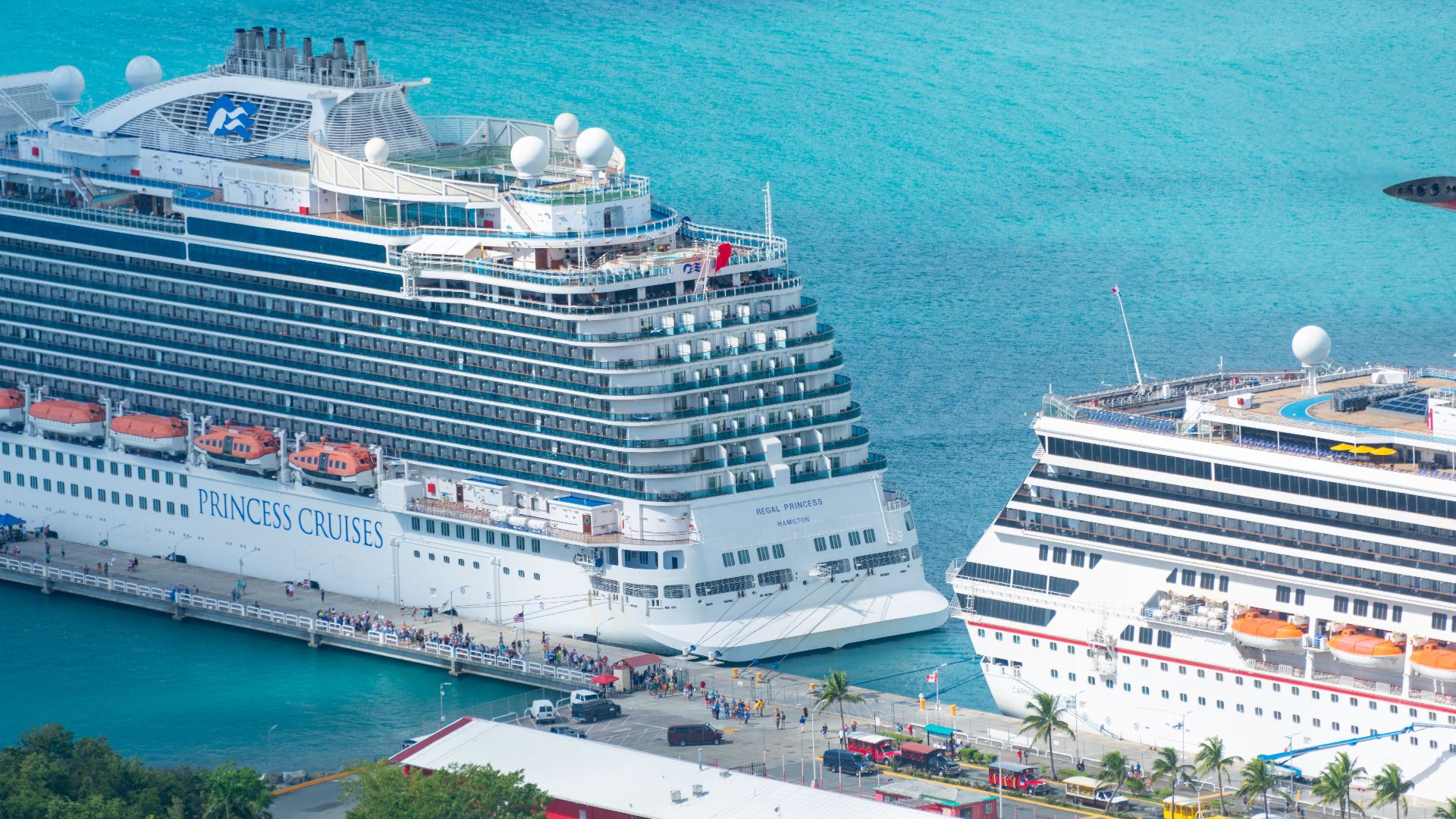
Travel Insurance Can Be A Huge Help
Travel insurance often becomes much more valuable when your vacation doesn't go according to plan. Depending on your policy, it may help cover prepaid hotels, flights, or other travel expenses that are affected by major itinerary changes. Every policy is different, so it's worth reading the fine print before your trip.

But Insurance Doesn't Cover Everything
Many travelers assume travel insurance pays whenever a cruise skips a port, but that's not always true. Standard policies often won't reimburse you simply because your itinerary changed. Some cruise-specific policies offer extra coverage for missed ports, but you have to check what's included before you buy.

Things Change If The Whole Cruise Is Canceled
A canceled cruise is a very different situation than a missed port. If the sailing itself doesn't happen, cruise lines generally provide a refund or another form of compensation described in the ticket contract. CLIA member lines also have commitments covering certain cancellations related to mechanical failures.
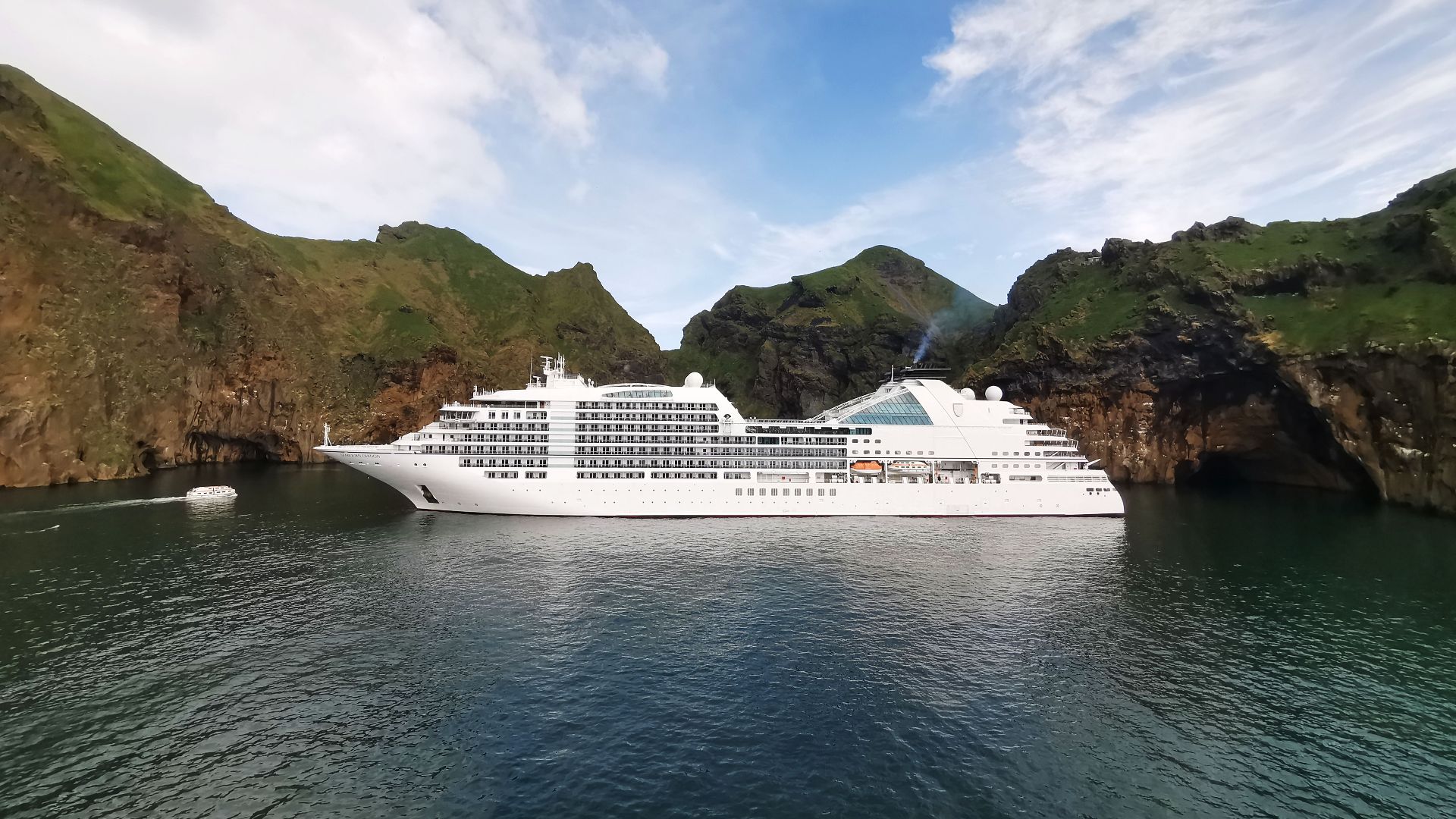
European Cruises May Come With Extra Protections
If your cruise departs from a port in the European Union, you may have additional passenger rights under EU law. Depending on the situation, those protections can include assistance during delays, reimbursement options, or other consumer protections that go beyond what's typically available on cruises departing from the United States.
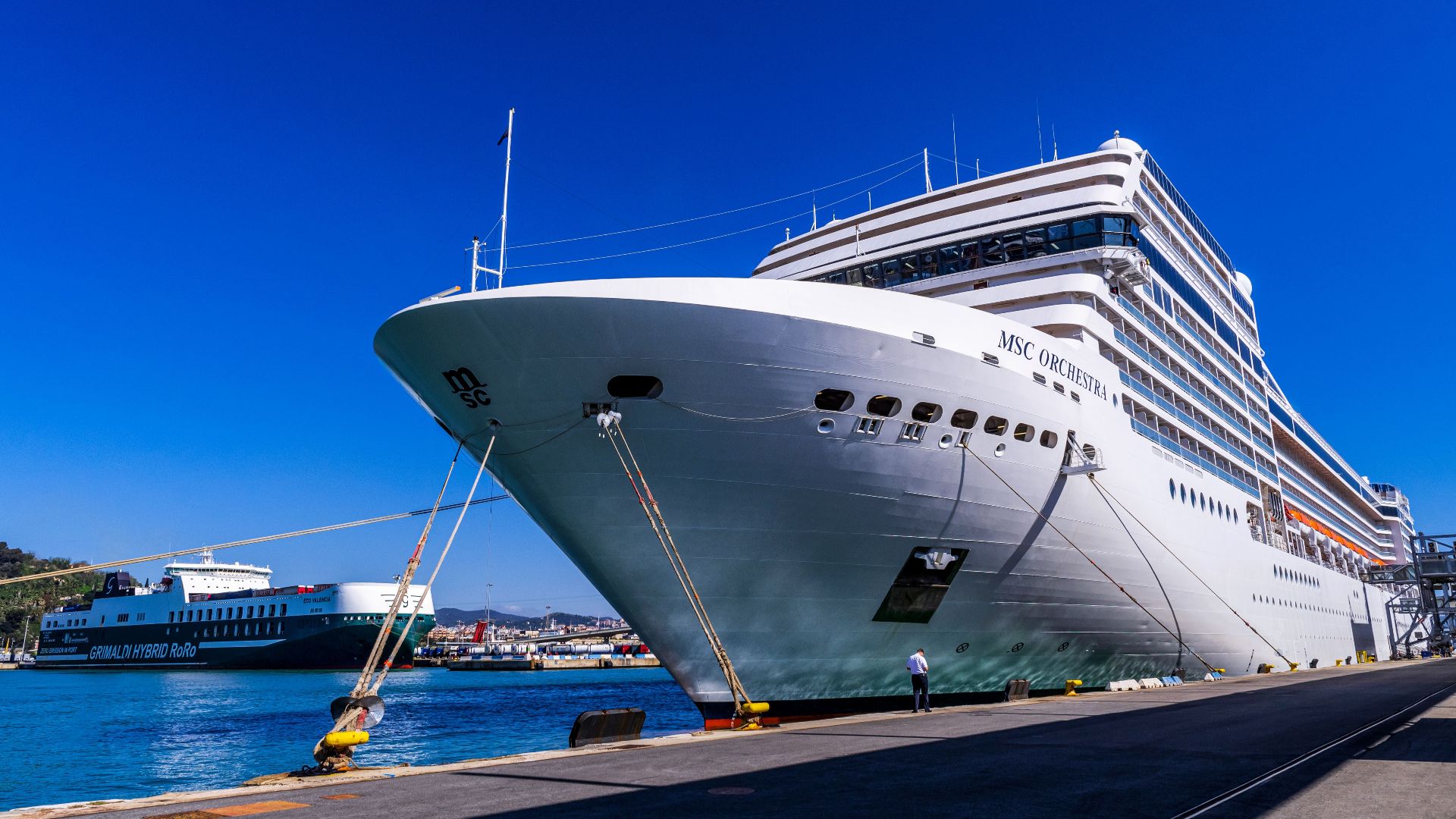
Pay Attention To Cruise Updates
If your itinerary changes, don't ignore the notifications from the cruise line. Updates may arrive through email, text messages, the cruise app, or announcements onboard. Those messages often explain revised schedules, excursion refunds, and any changes to arrival or departure times.

Save Your Receipts Just In Case
If the itinerary change ends up costing you money, keep every receipt. Extra hotel nights, transportation costs, meals, or flight changes may be covered by your travel insurance or could help support a reimbursement request. Good records make the process much easier.

Start With Guest Services
If you're unhappy about how the situation was handled, don't wait until you get home to say something. Visit Guest Services while you're still onboard and explain your concerns calmly. They can document the issue, answer questions, and sometimes offer goodwill compensation before the cruise ends.

You Can Still File A Complaint Later
If you're not satisfied with the response onboard, you can contact the cruise line's customer relations department after your trip. Include your booking information, receipts, photos if they're relevant, and a clear timeline of what happened. A detailed complaint usually has a better chance of receiving a thoughtful response.

There Are Places To Get Additional Help
For cruises departing from U.S. ports, travelers can also reach out to the Federal Maritime Commission's Office of Consumer Affairs and Dispute Resolution Services. While it can't force a cruise line to issue a refund in most itinerary disputes, it can provide guidance and help facilitate voluntary dispute resolution.
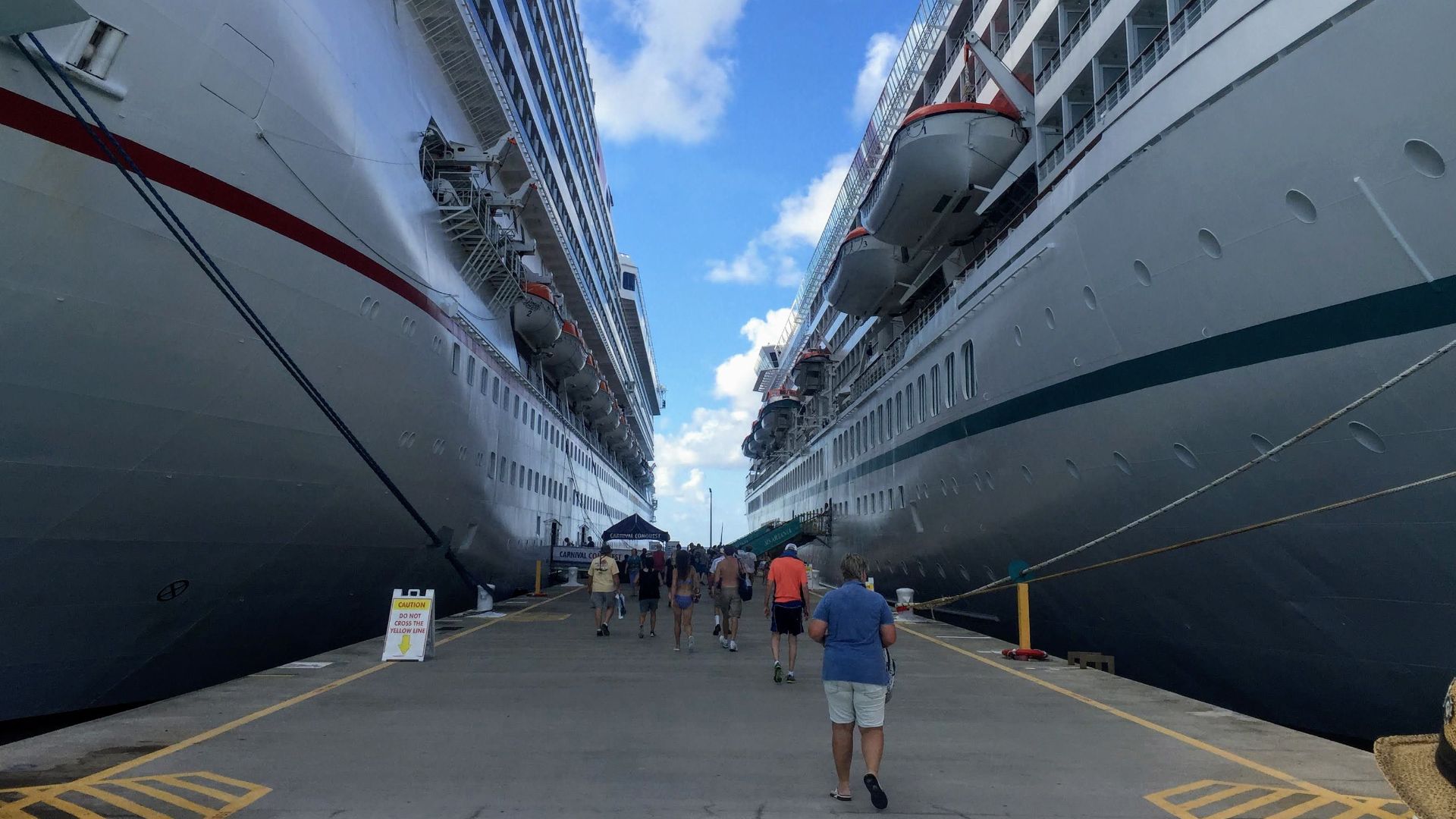
The Bottom Line
Nobody books a cruise hoping to miss their favorite destination, so it's completely understandable to feel disappointed when the itinerary changes. Still, cruise lines generally have broad authority to change ports for safety or operational reasons. Knowing what your ticket contract says, considering travel insurance, and keeping good records if something goes wrong can make the experience a little less stressful if your dream itinerary suddenly changes.
You May Also Like: