A Tiny Lens Can Feel Like A Big Problem
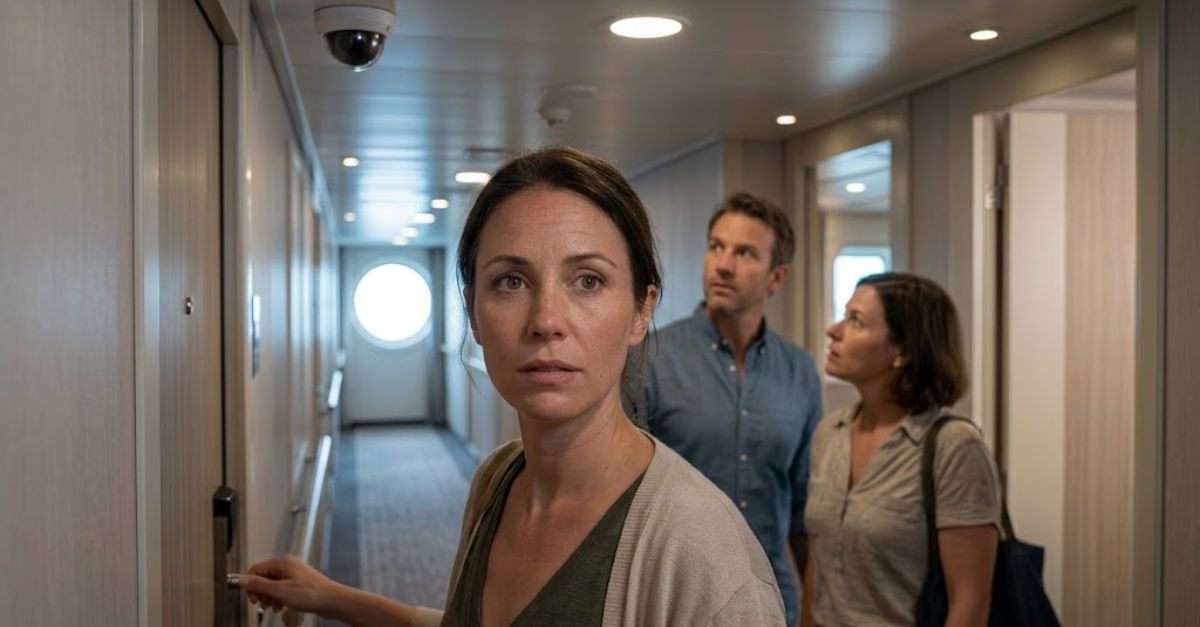
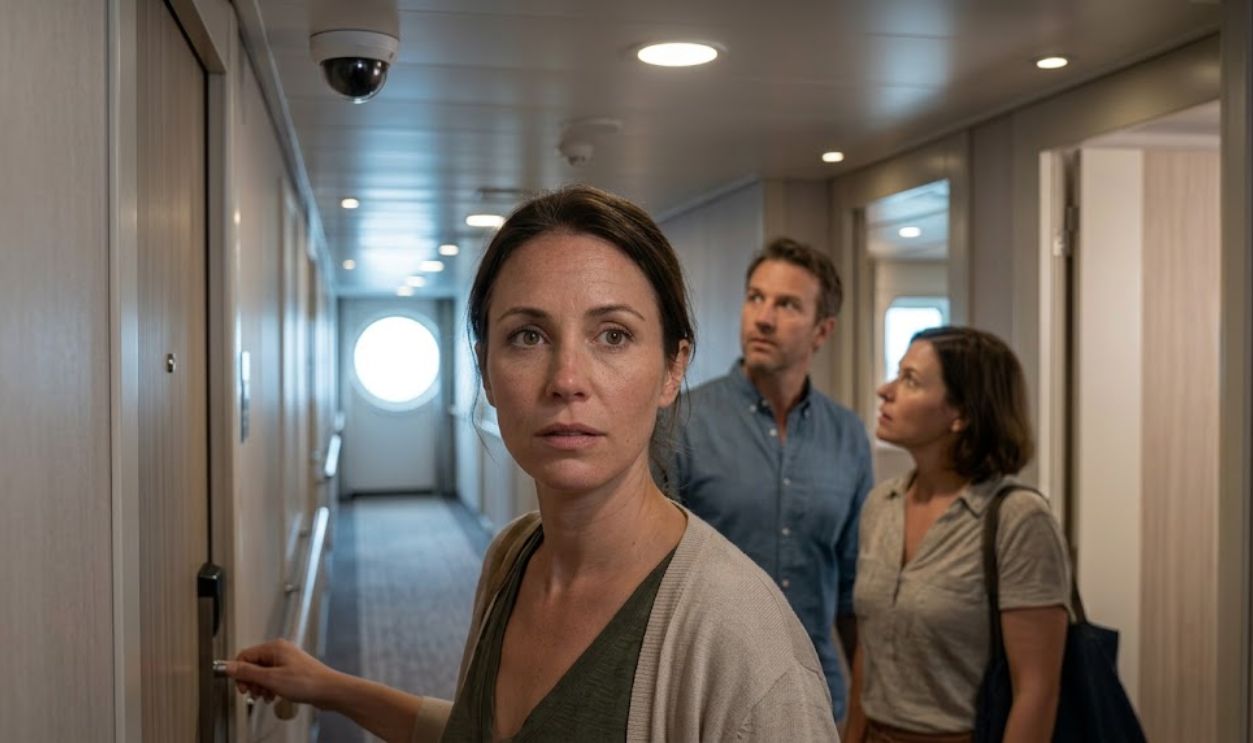
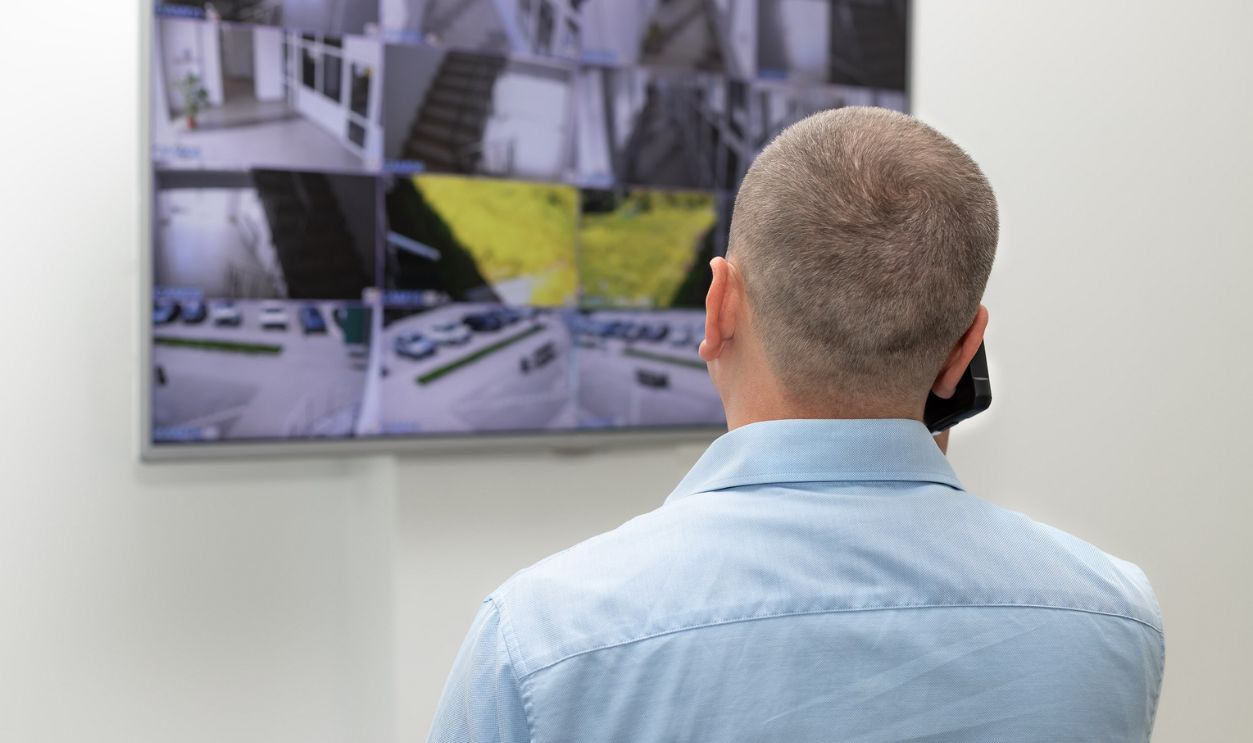
You step out of your cruise cabin and notice a camera in the hallway pointed toward your door. That can feel unsettling fast, especially on a trip where privacy is part of the deal. The short answer is that hallway cameras on cruise ships are usually normal security, but what they capture and how the footage is used still matters.
Why This Question Keeps Coming Up
Cruise passengers often post photos and questions online when they spot cameras outside cabin areas. The concern makes sense. In a narrow corridor, a camera can look like it is aimed at just one or two rooms. But cruise lines usually place cameras in public areas, and cabin hallways are generally treated as public-access parts of the ship, not private space.
Public Hallway, Not Private Cabin
The big difference is between your cabin and the hallway outside it. Your stateroom is private, and cruise lines are not supposed to monitor inside it with hidden cameras. The corridor outside your door is part of the ship’s common area, where surveillance is widely used for safety, security, and reviewing incidents later.

What Cruise Lines Say About Surveillance
Major cruise contracts make it clear that passengers should expect monitoring in public areas. Carnival’s ticket contract says guests may be recorded by closed-circuit television and other surveillance in public areas, including terminals, gangways, and onboard the ship. That broad language backs up the idea that hallway cameras are a normal part of ship security.
Royal Caribbean Uses Similar Language
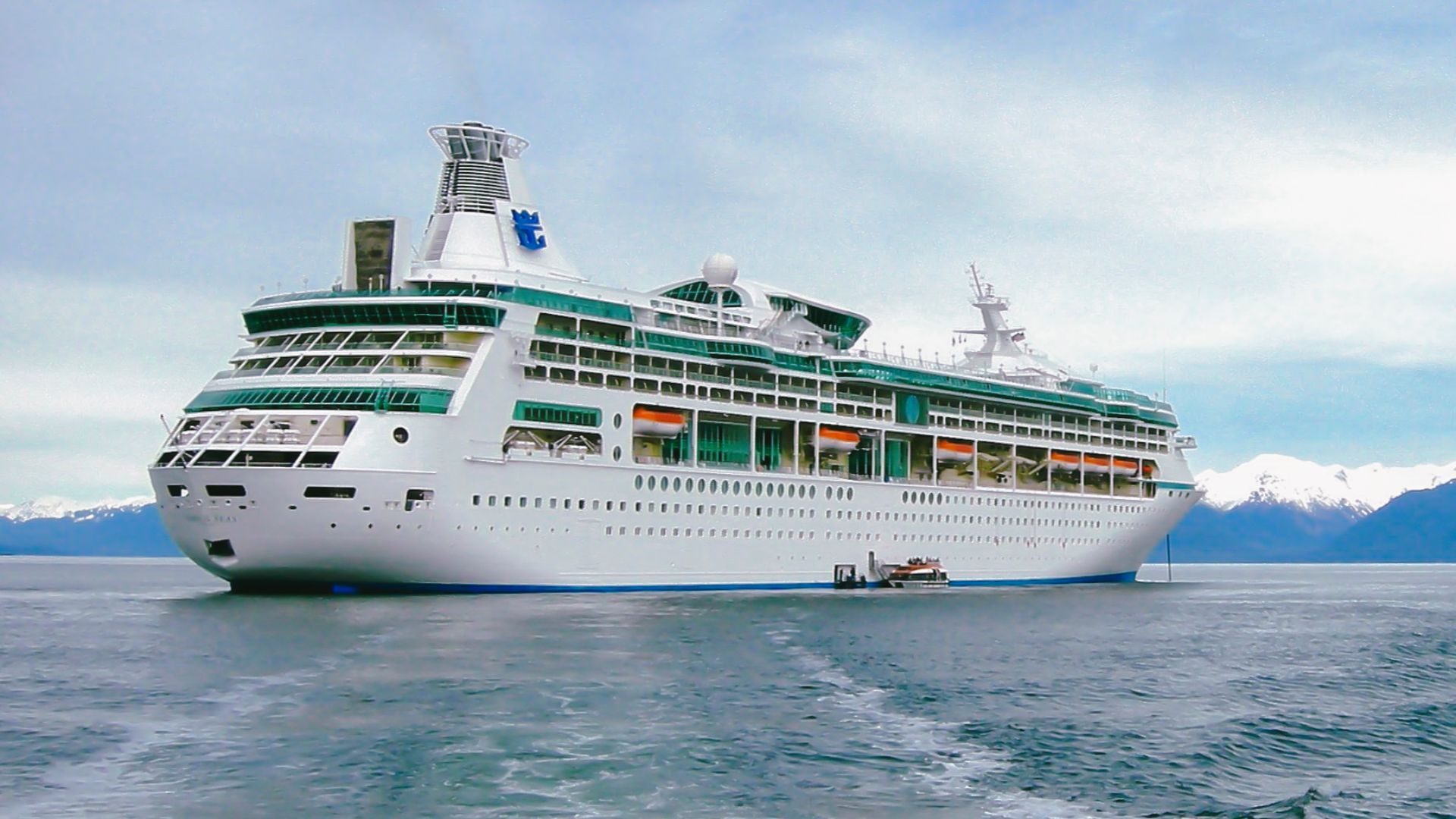
Royal Caribbean’s guest terms also say passengers may be subject to video surveillance in public areas. That matters because it shows this is not a one-line policy. Across the industry, public-area monitoring is usually spelled out in passenger contracts, even if most travelers never read that fine print before sailing.
 Matthew T Rader, Wikimedia Commons
Norwegian Cruise Line Says Much The Same
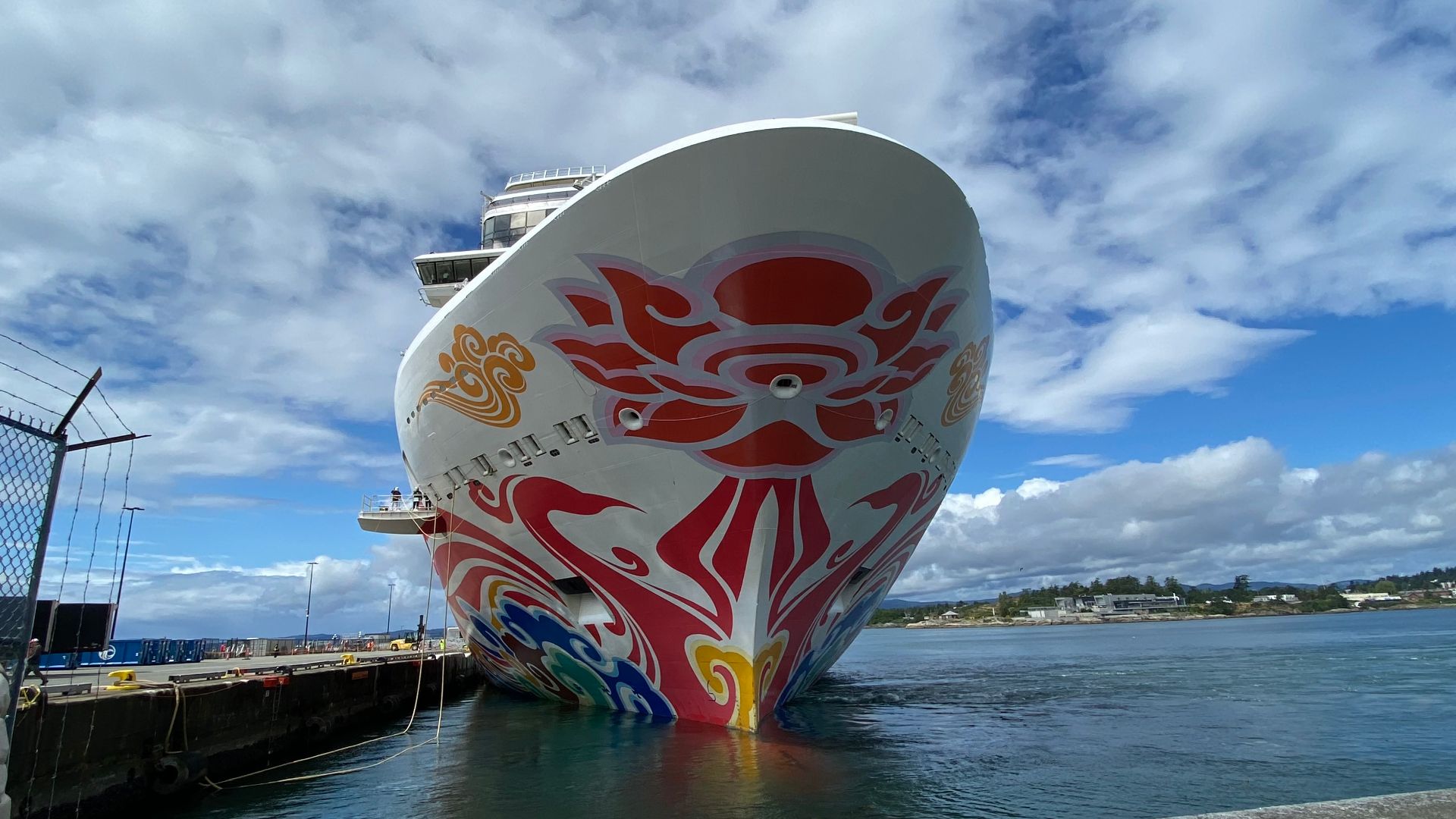
Norwegian Cruise Line’s guest ticket contract says guests may be visually or electronically monitored or recorded in public areas. That wording is there for a reason. It tells passengers they should not expect full privacy in shared parts of the ship such as hallways, elevators, casinos, and pool decks.
 Jack Adamenko, Wikimedia Commons
Why Cruise Lines Want Those Cameras There
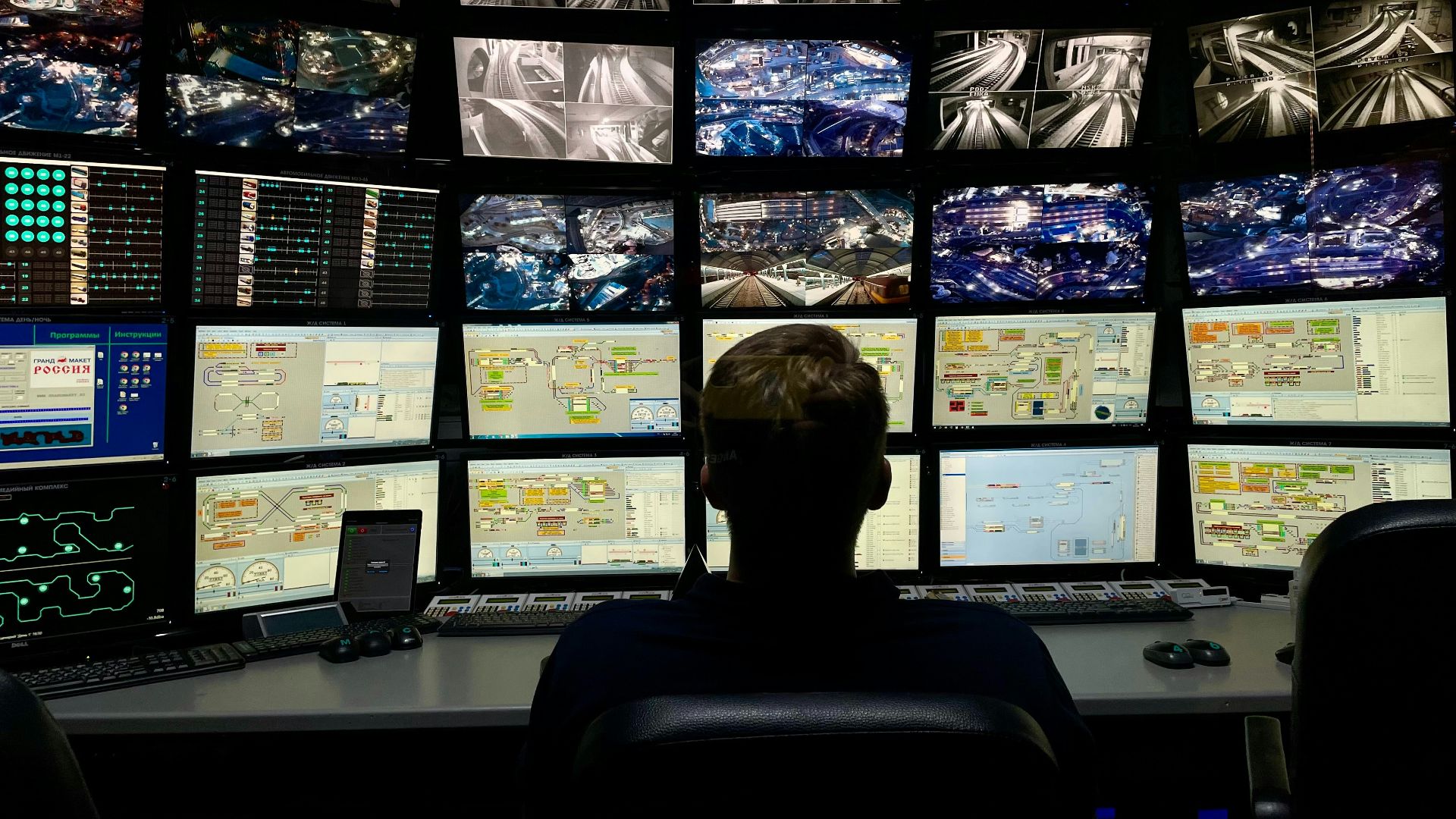
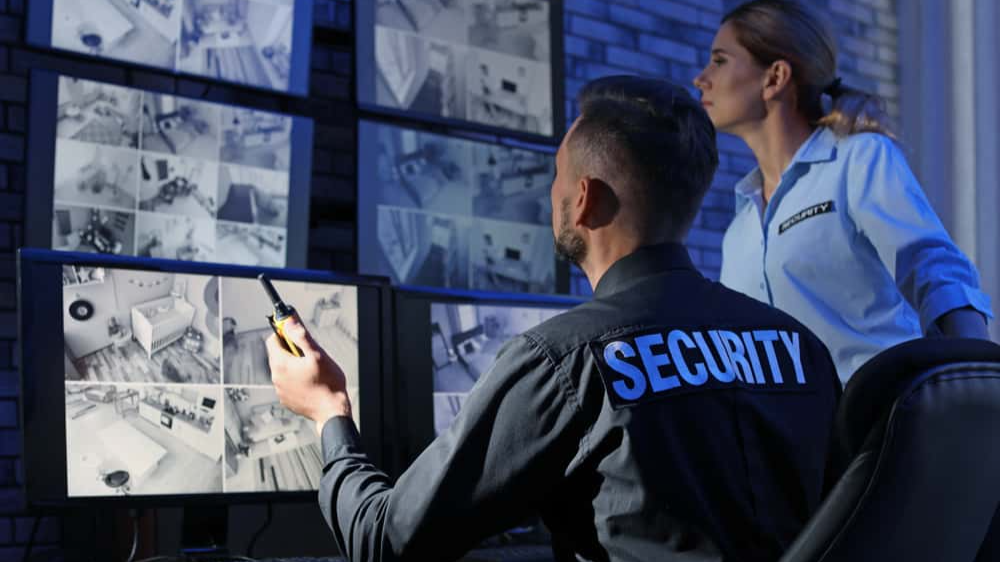
These cameras are not just there to track who walks past cabins. Cruise lines use them to look into theft complaints, assault or harassment reports, medical and safety incidents, and emergency routes. On a ship carrying thousands of people, footage can be one of the few solid records of what happened and when.
The Security Rule That Changed The Conversation
A major turning point came with the Cruise Vessel Security and Safety Act, signed into U.S. law in 2010. The law set standards for cruise vessels that embark or disembark passengers in the United States. Among other things, it required security latches, peepholes, and technology for detecting overboard incidents, while also pushing the industry toward stronger onboard security and crime reporting.
Where The Law Matters Most
The Cruise Vessel Security and Safety Act applies to certain passenger vessels, including cruise ships that call at U.S. ports and carry at least 250 passengers. It does not create a simple rule saying every cabin hallway must have a camera. But it did help lock in the idea that cruise ships need strong systems for documenting incidents in areas passengers use.

The FBI Has A Role Too
When serious crimes are reported on cruise ships connected to the United States, the FBI can have jurisdiction depending on the facts. The FBI also tells cruise passengers that ships may have security cameras in public areas and urges travelers to report crimes quickly. In that sense, hallway footage can be a useful tool if something goes wrong near your cabin.

Not Every Camera Is A Live Close-Up
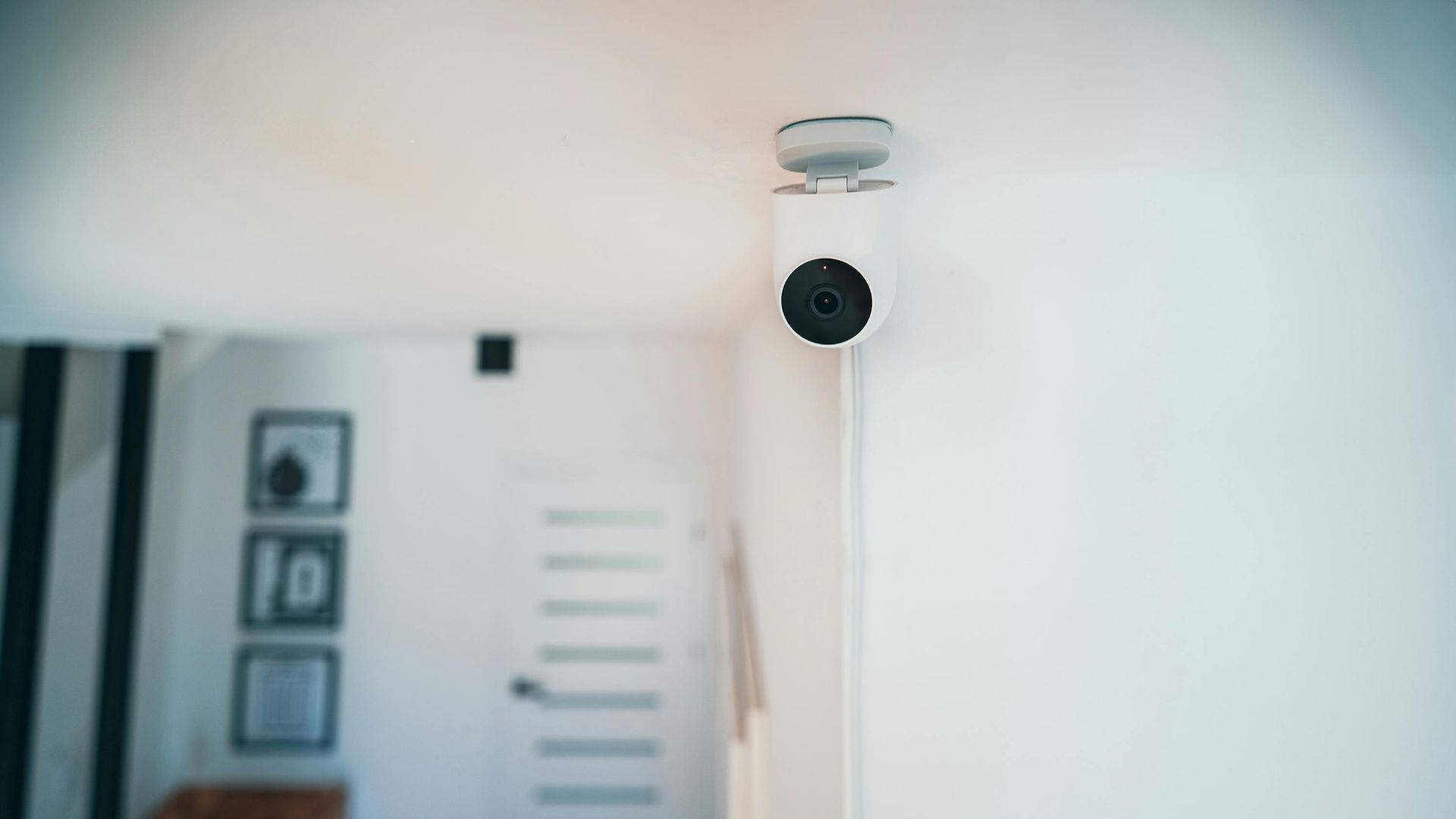
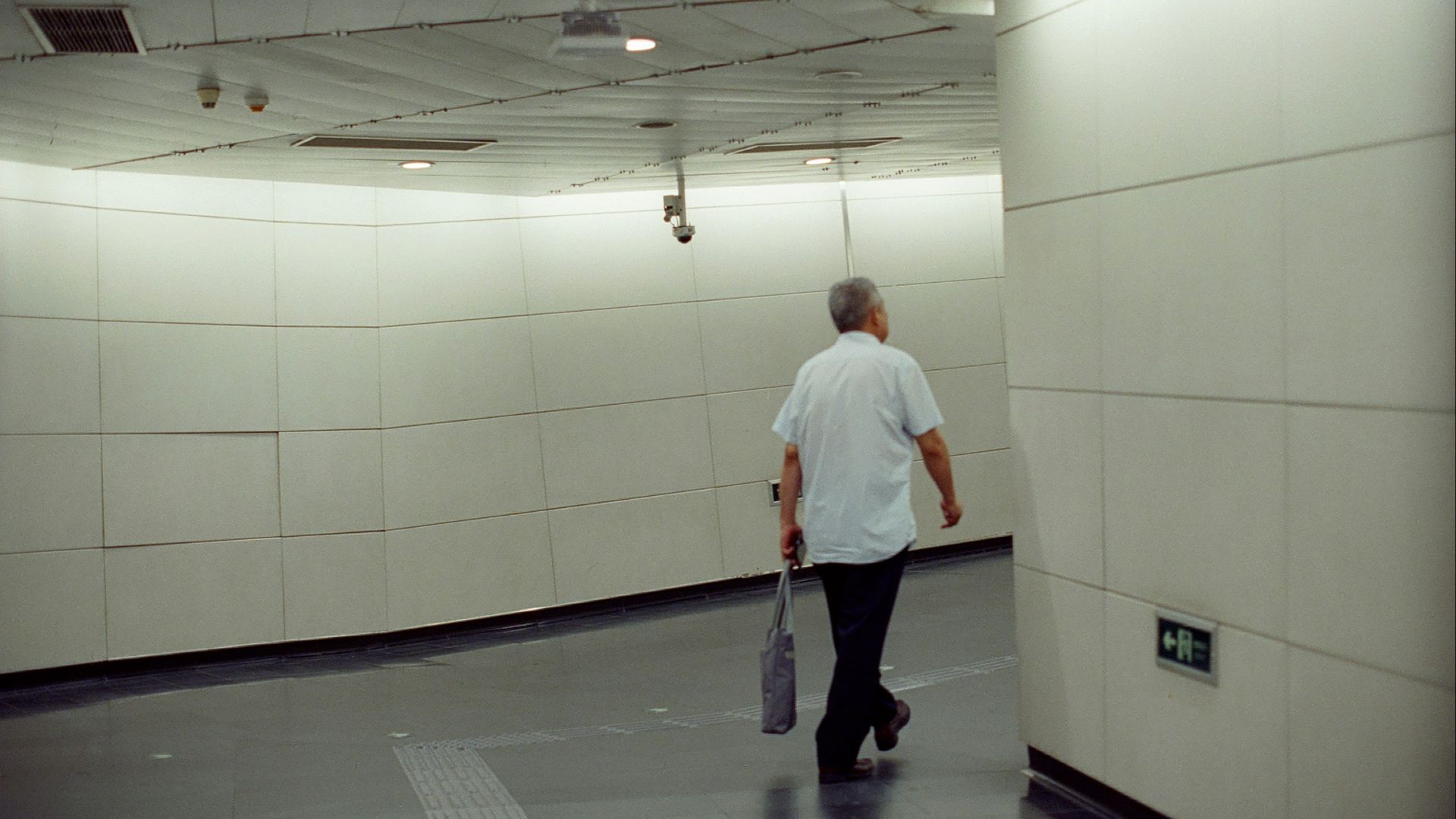
A hallway camera that seems aimed right at your door may actually be set for a wider view of the corridor. Security cameras often use wide-angle lenses, and their housings can make them look more focused than they are. What feels personal may simply be the best spot to capture traffic along part of the deck.
What Cameras Usually Can See
A corridor camera can usually record who approaches a cabin, who leaves, and about when it happened. It might also show whether a door was left open, whether housekeeping carts blocked the hallway, or whether an argument or other incident happened nearby. What it should not capture is activity inside your room once the door is shut, unless the door is open and the camera happens to catch a limited angle through the doorway.
When It Starts To Feel Too Invasive
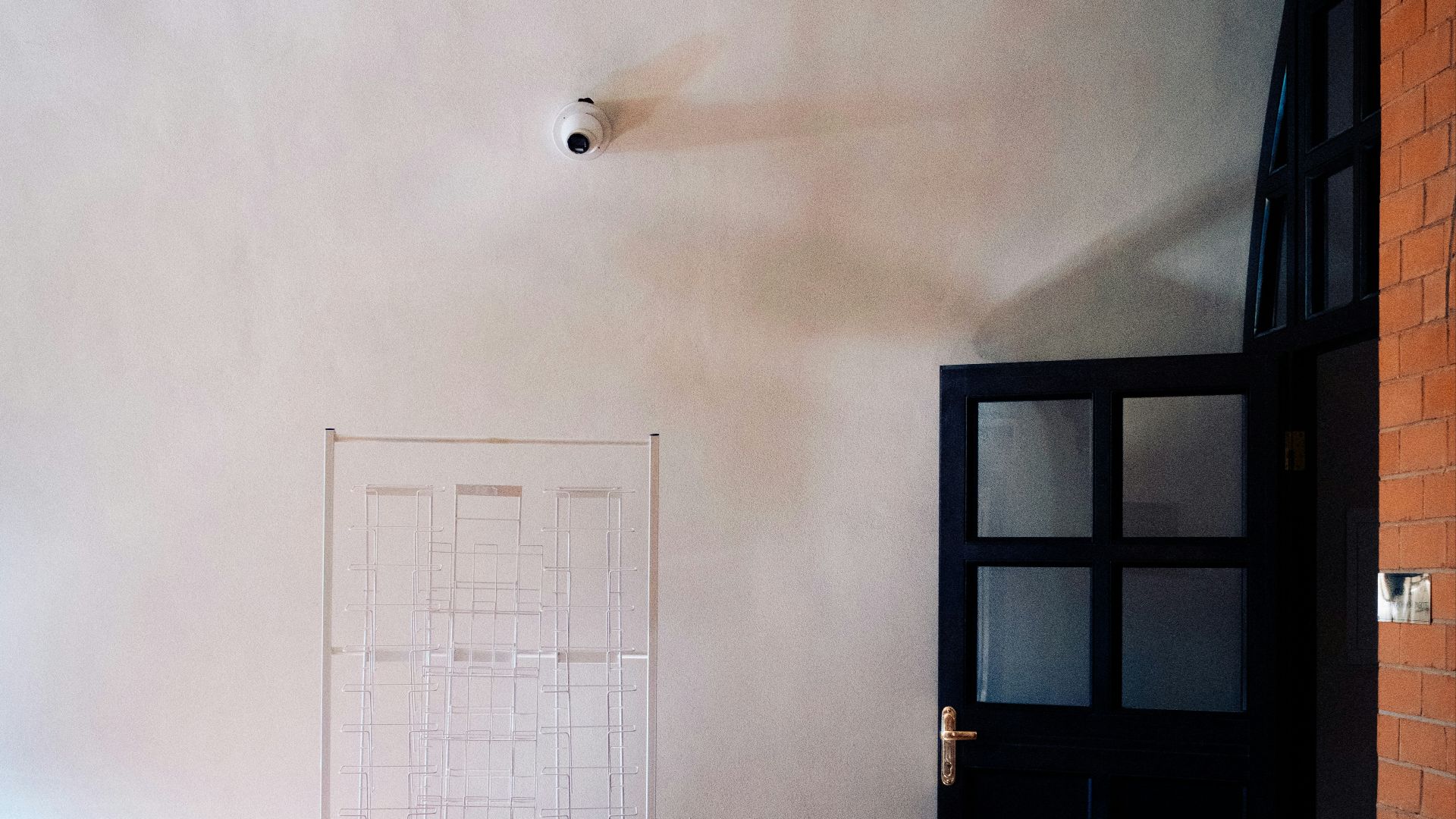
The issue changes if a camera seems positioned to look through a cabin window, directly into a balcony area, or into any space where passengers would reasonably expect privacy. A camera in a regular interior hallway is one thing. A camera that appears meant to watch what you do inside your own room is something else entirely.
There Have Been Real Privacy Scandals At Sea
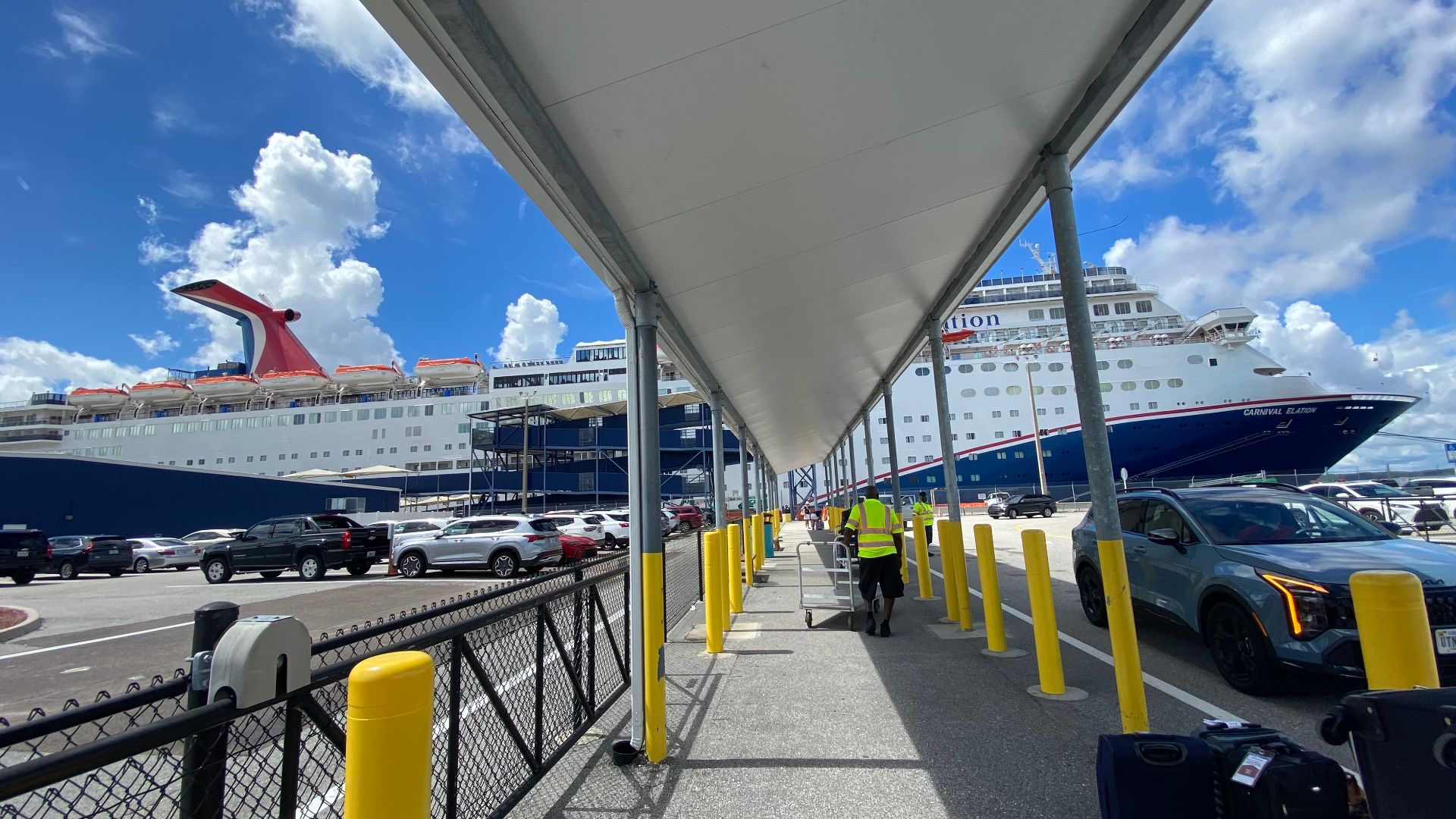
Passengers are right to stay alert because the cruise industry has seen serious privacy breaches. In 2023, former Carnival employee Arvin Joseph Mirasol pleaded guilty in federal court in Miami after secretly placing hidden cameras in guest bathrooms on Carnival Elation, according to the U.S. Department of Justice. That case involved covert recording inside private bathrooms, which is clearly different from disclosed hallway surveillance in a public corridor.
 Jack Adamenko, Wikimedia Commons
Why That Hidden Camera Case Matters Here
The Mirasol case draws a sharp line between legitimate security and criminal voyeurism. Public-area CCTV that is disclosed in ticket terms is standard practice. Secretly putting cameras in places where guests undress or use the bathroom is illegal and not a normal cruise security measure.
How To Tell The Difference Quickly
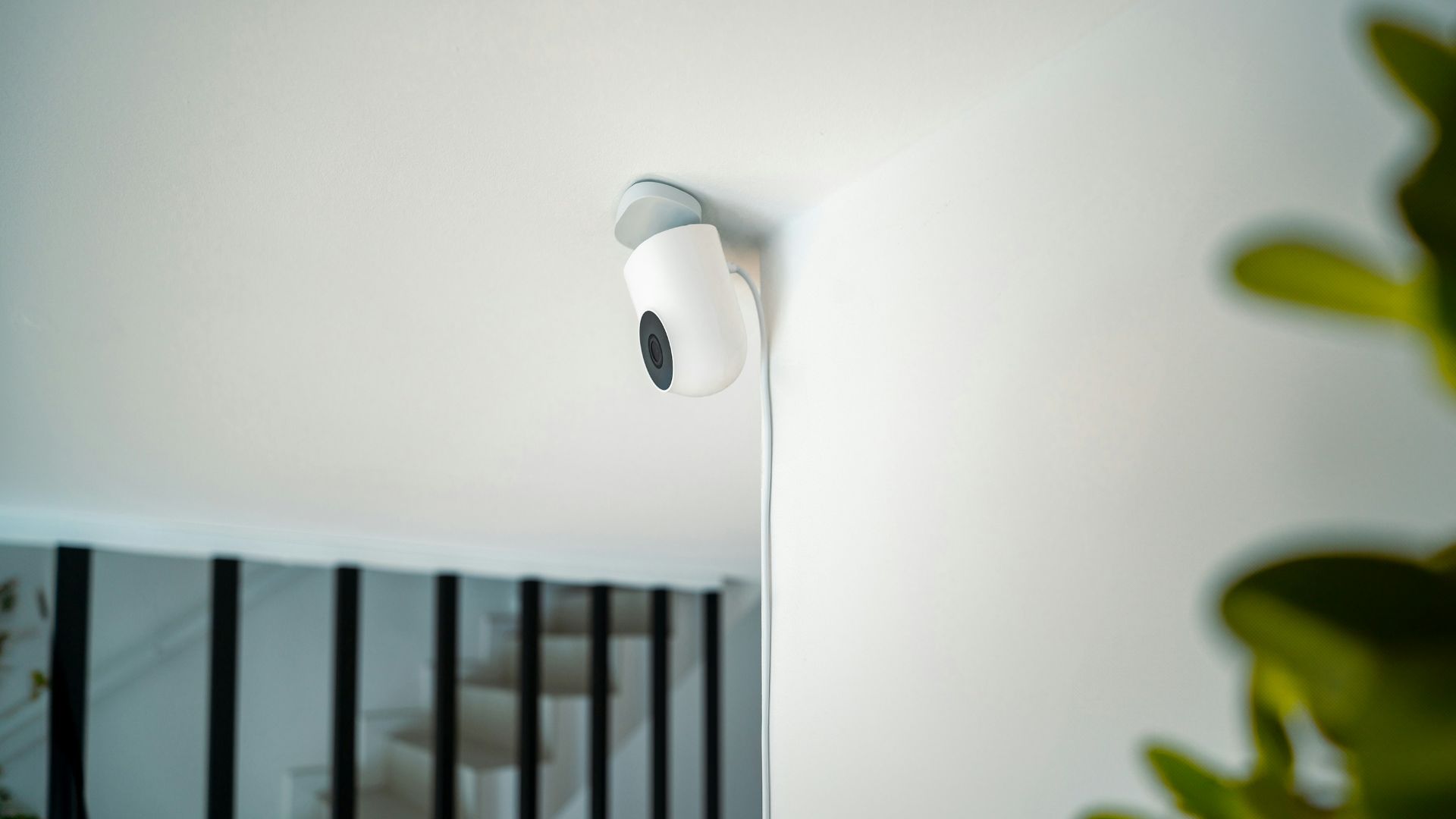
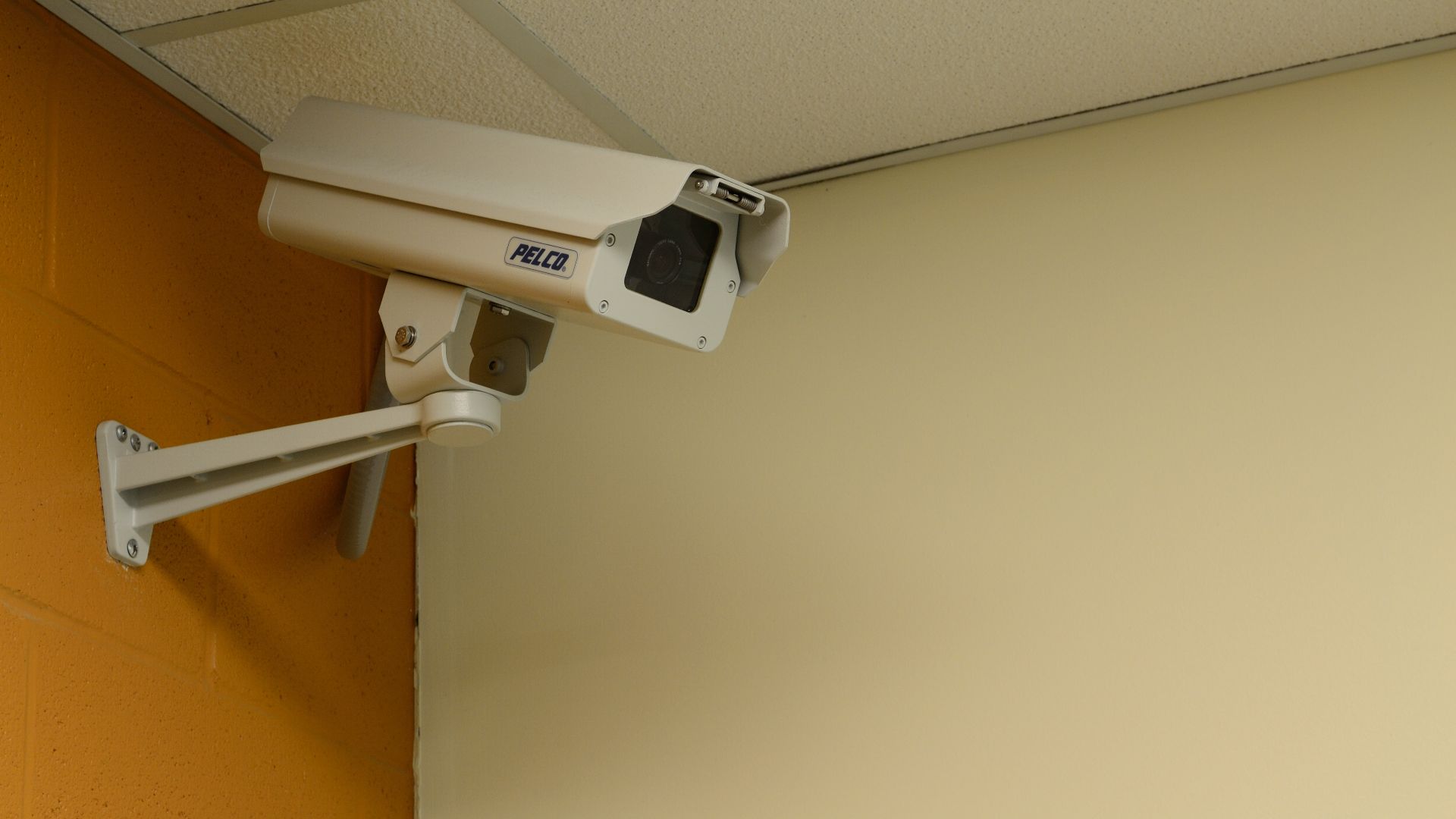
Standard ship security cameras are usually easy to spot. They are mounted in visible housings on ceilings or bulkheads and installed in a consistent way around the vessel. A suspicious device is more likely to look improvised, hidden, out of place, or located in a private area such as a bathroom, cabin mirror, or air vent. If you are looking at a clearly visible hallway camera mounted like others nearby, that usually points to routine ship surveillance.
 Raysonho @ Open Grid Scheduler / Grid Engine, Wikimedia Commons
Passenger Contracts Do Not Mean Unlimited Monitoring
Even though cruise lines disclose public-area surveillance, that does not mean anything goes. Companies still have to follow laws and their own policies on data handling, security, and privacy notices. A visible hallway camera may be normal, but passengers can still ask how footage is stored, who can review it, and how long it is kept.
There Is Also A Safety Case For Hallway Cameras
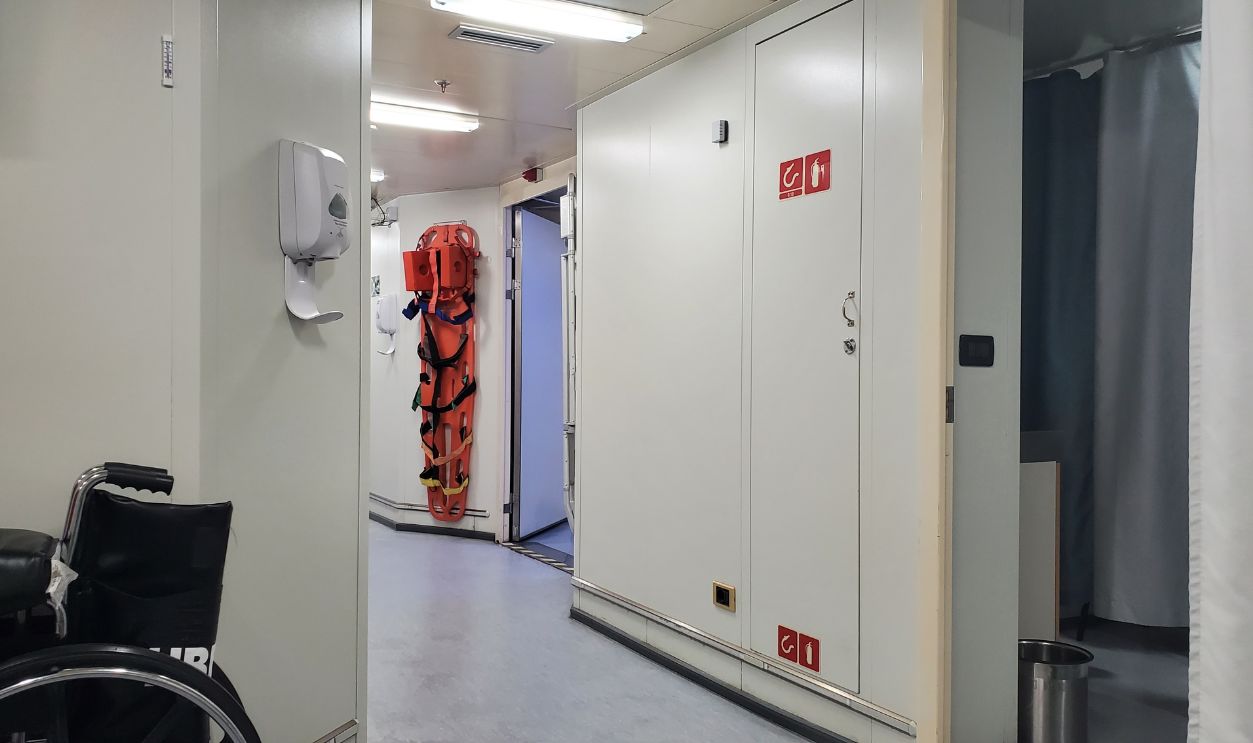
Hallway footage can help during medical emergencies and fires, and it can help confirm timelines in missing-person cases. It may also settle disputes about noise complaints, unauthorized entry, or damaged property near cabin doors. For families traveling with teens or older relatives, that extra layer of documentation can feel reassuring rather than intrusive.
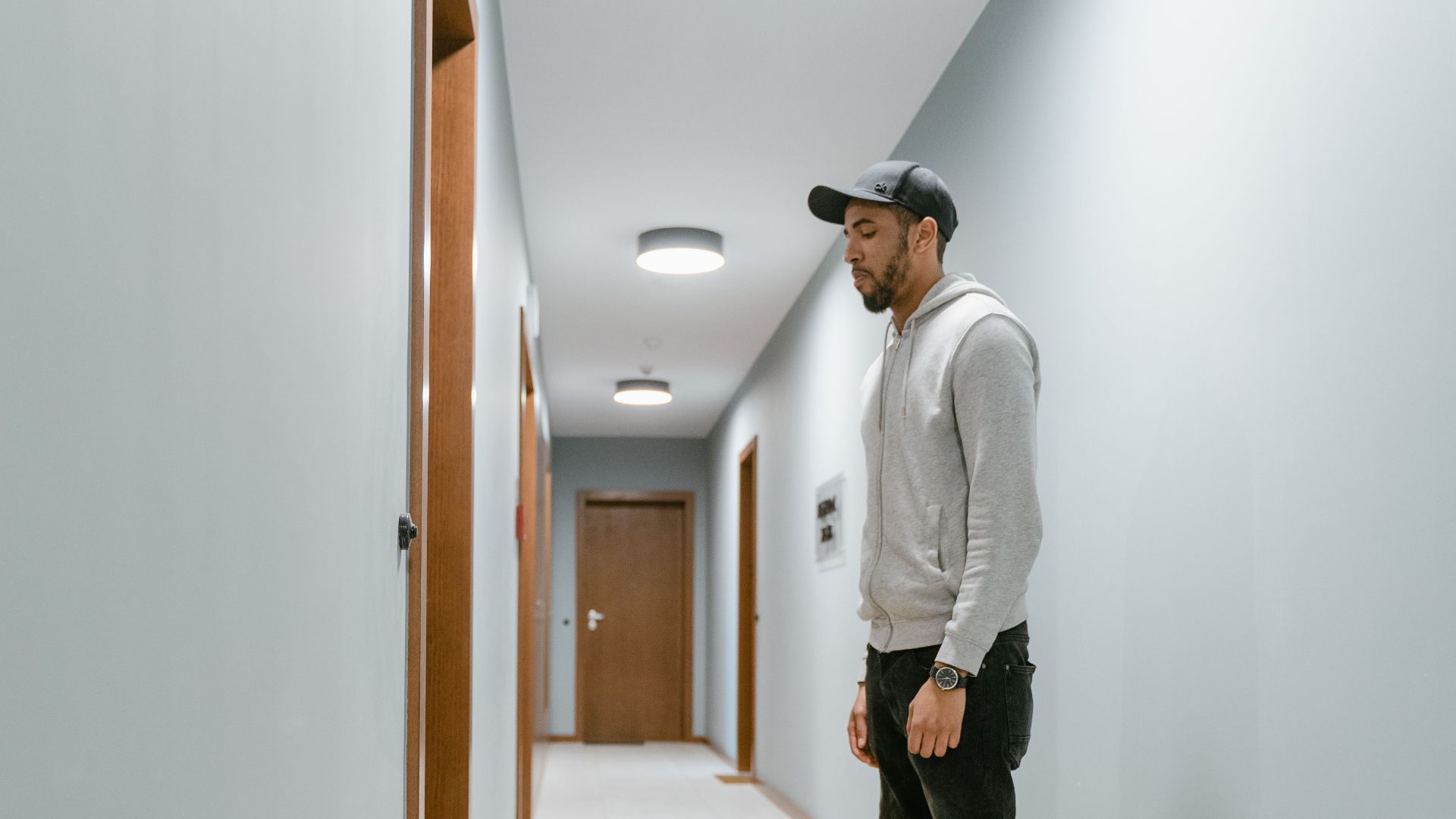
The Doorbell Camera Trend Is A Different Story
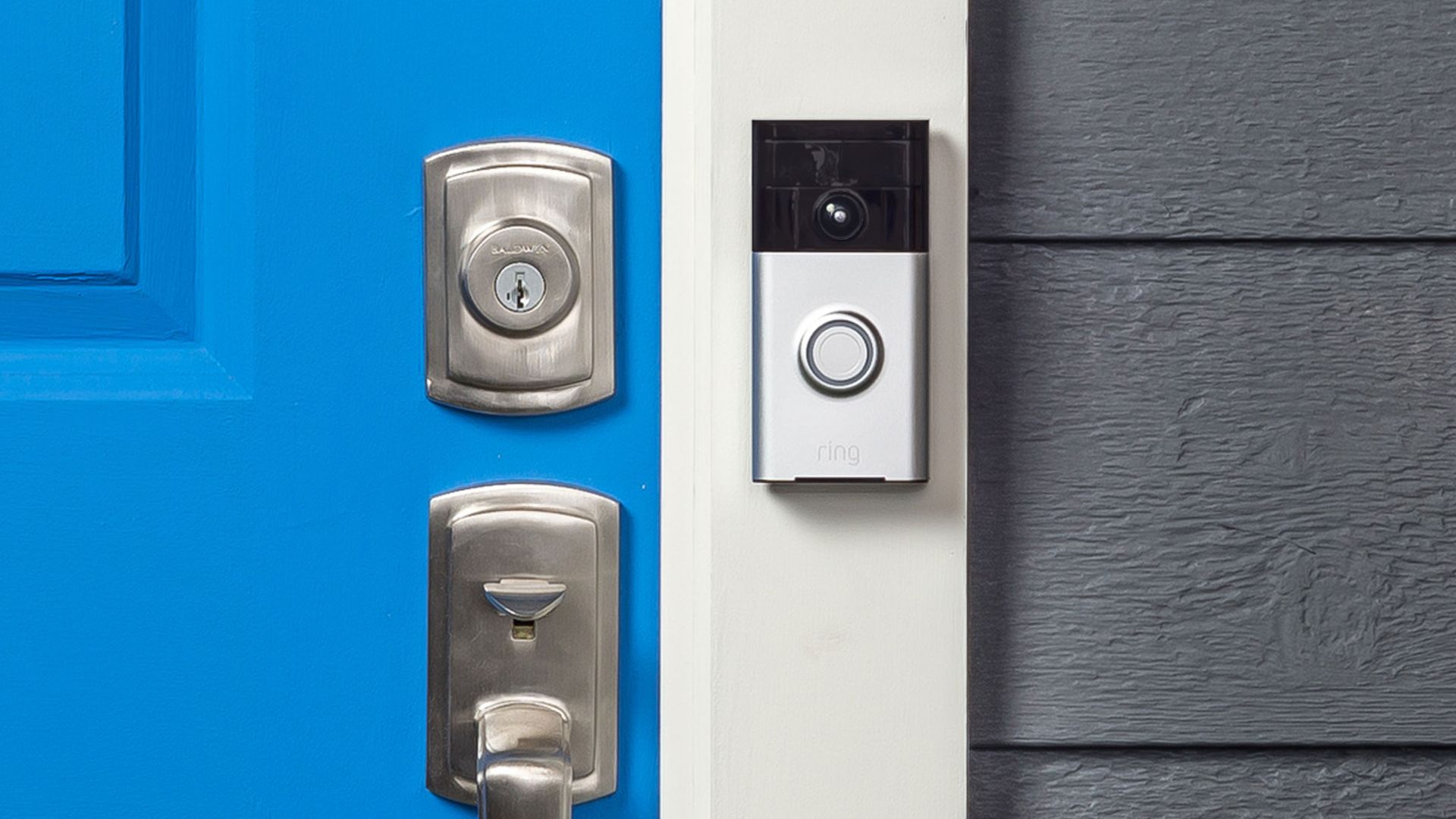
Some passengers have tried bringing personal magnetic cameras or doorbell-style devices for their cabin doors. Cruise lines have increasingly pushed back, especially when those devices use adhesives, batteries, or recording features that can affect other guests’ privacy or ship safety. A camera installed by the cruise line in a public hallway is very different from a passenger setting up private surveillance outside a cabin.
What To Do If You Feel Uncomfortable
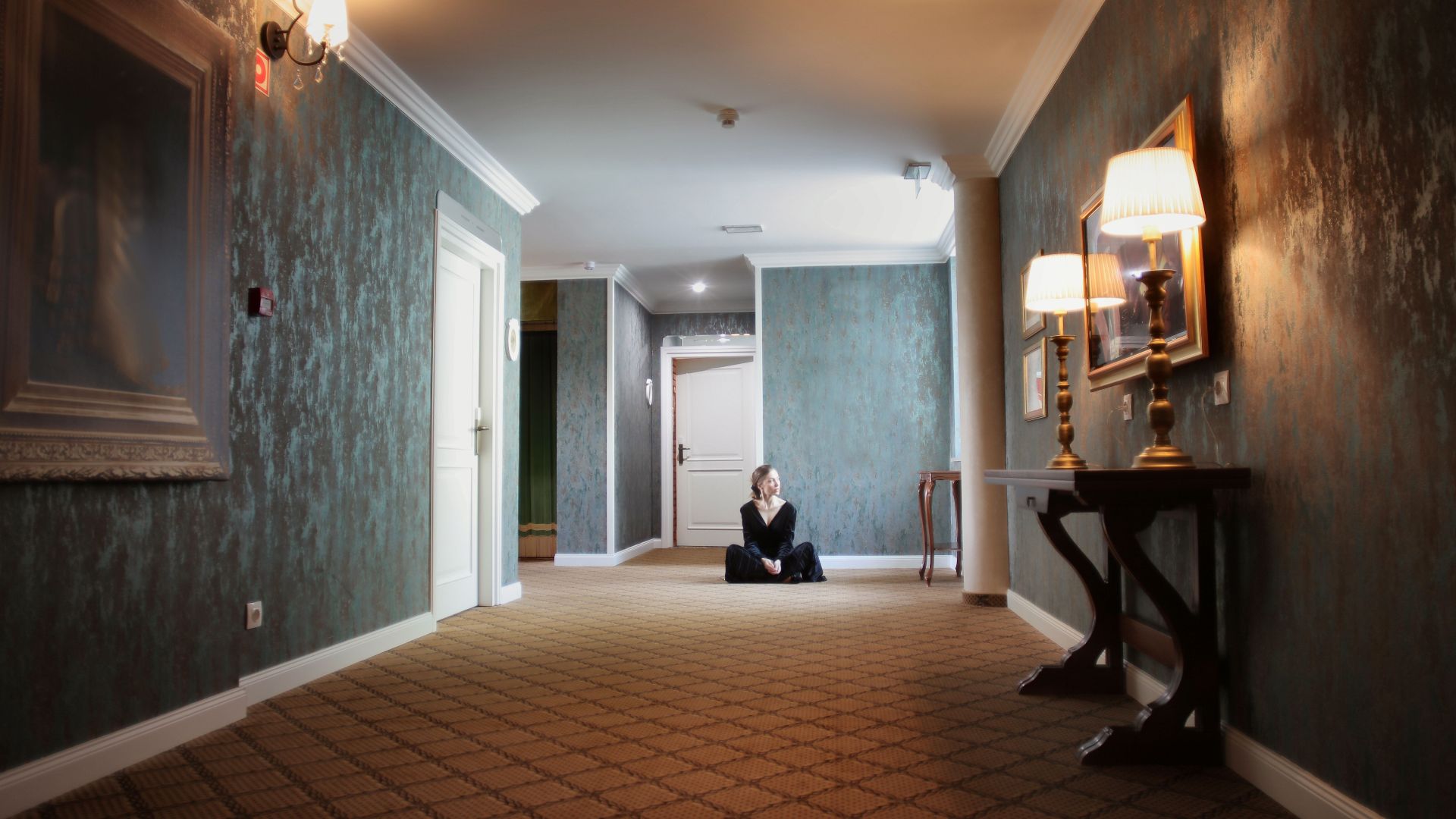
Start by taking a calm look at the camera and the area around it. Then ask Guest Services or ship security what the camera covers and whether it records continuously. You can also ask a security officer to explain the ship’s privacy policy and public-area surveillance practices.
Questions Worth Asking On Board
Ask whether the device is part of the ship’s standard CCTV system and whether the footage is watched live or reviewed only after an incident. You can also ask whether the camera captures only the corridor or whether it has any view through open doorways. A direct answer from the ship is often the fastest way to tell the difference between a normal setup and a real problem.
 Monkey Business Images, Shutterstock
Take Photos If Something Seems Off
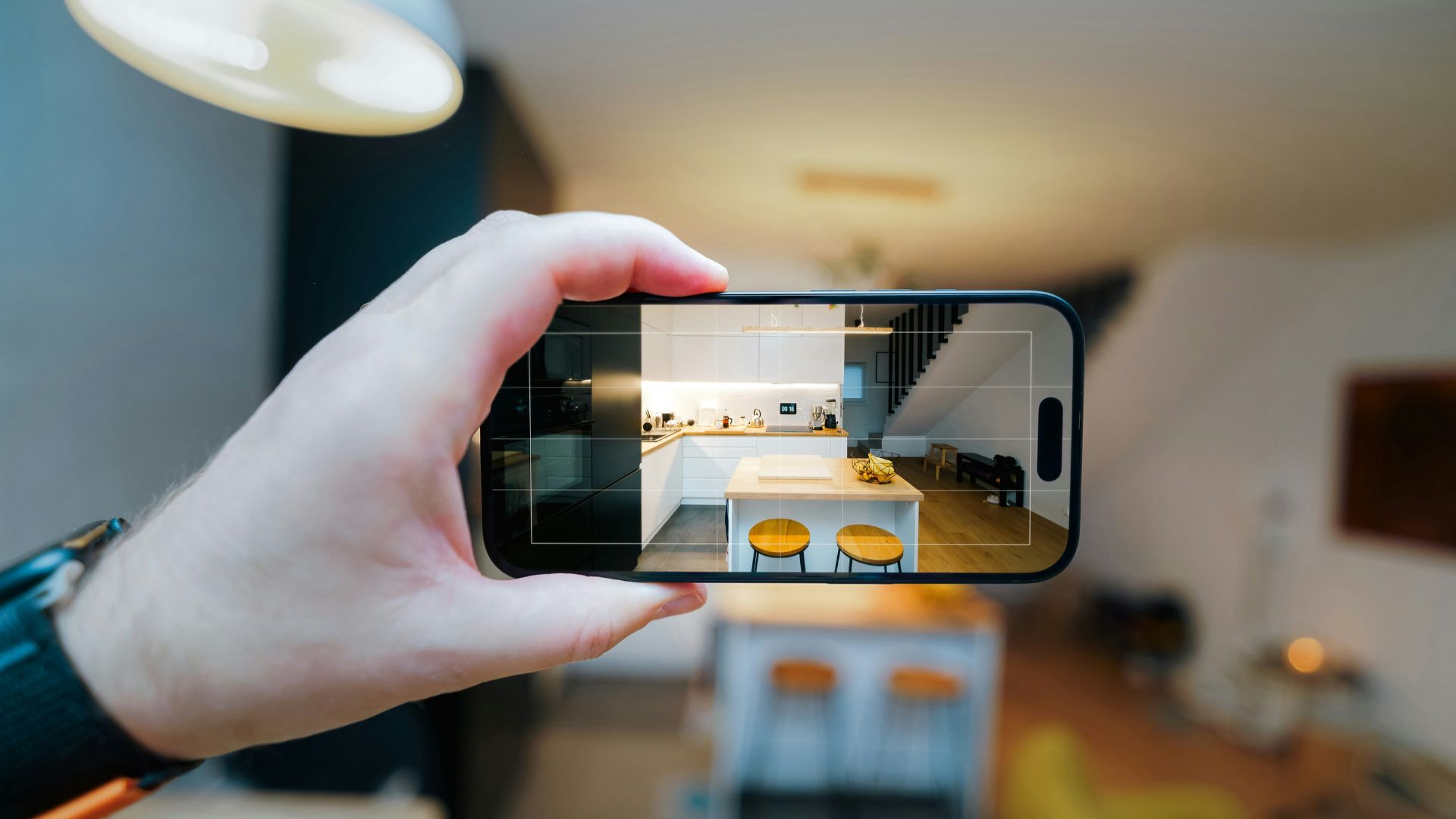
If a device looks unusual, document it before touching anything. Take photos from a few angles, note the deck and cabin number area, and write down the time you noticed it. If needed, that record can help security figure out whether it is legitimate equipment or something that does not belong there.
When To Escalate Immediately
If you find a suspected hidden camera inside your cabin, bathroom, or another private space, report it right away to ship security and ask for a written incident report. You should also preserve evidence, avoid handling the device more than necessary, and consider contacting the FBI if the cruise has a U.S. connection or local law enforcement if directed in port. Recording in a private space is not just a customer-service issue. It may be a crime.

Can You Ask To Change Cabins
If the camera is legitimate but still makes you uneasy, you can ask whether another cabin is available. The answer may depend on occupancy and fare class, and there may be fees unless the line agrees to move you as a courtesy. It is still worth asking, especially if the placement feels unusually direct and is affecting your comfort onboard.
So Is It Normal Or Too Invasive
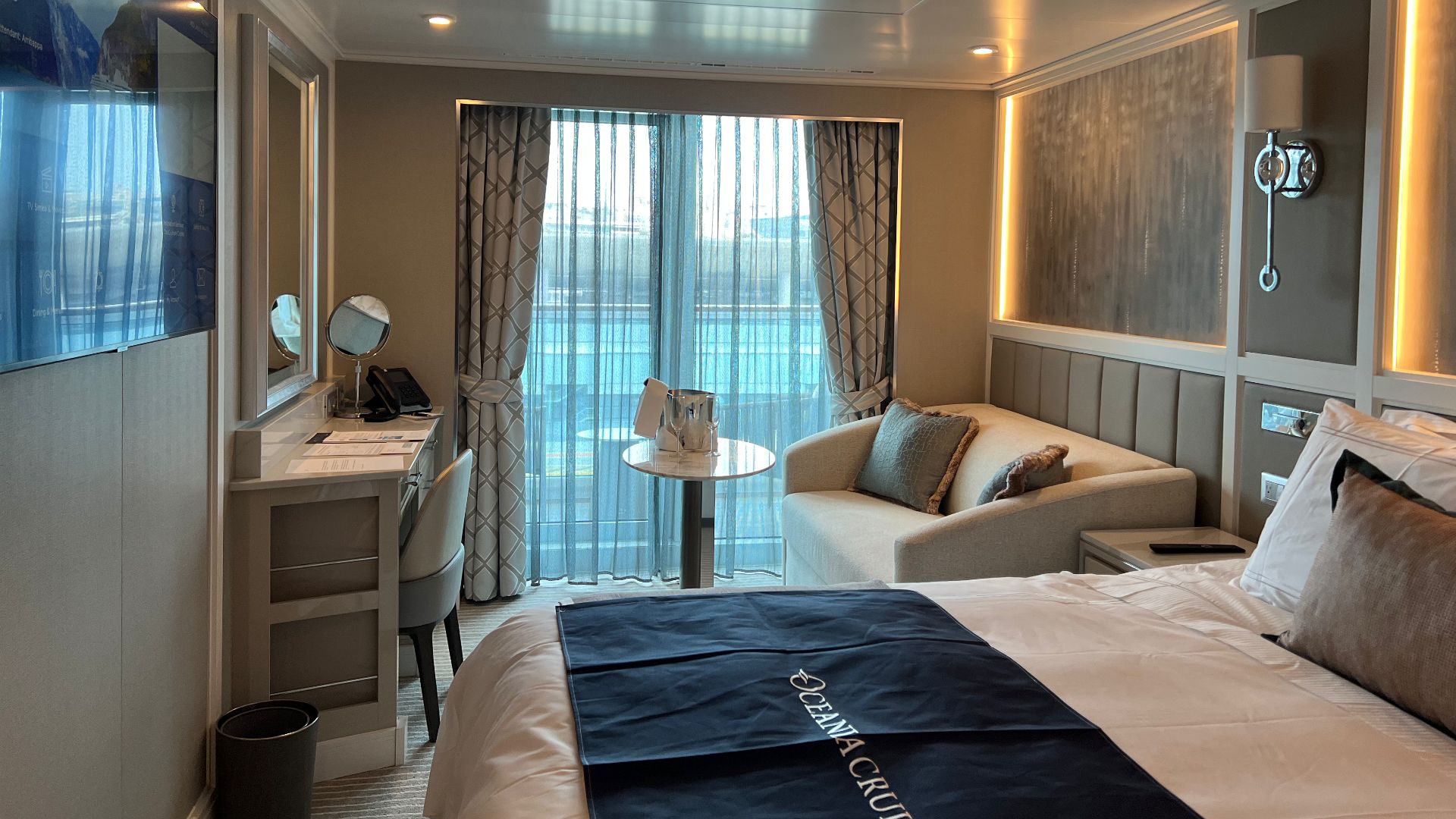
In most cases, a visible camera in a cruise cabin hallway aimed toward your door is normal security, not a sign that the cruise line is spying on you inside your room. Cruise operators disclose public-area surveillance in their terms, and hallways are generally part of that monitored space. It only crosses into invasive territory if recording moves into truly private areas or appears hidden instead of openly installed.
The Practical Bottom Line For Cruisers
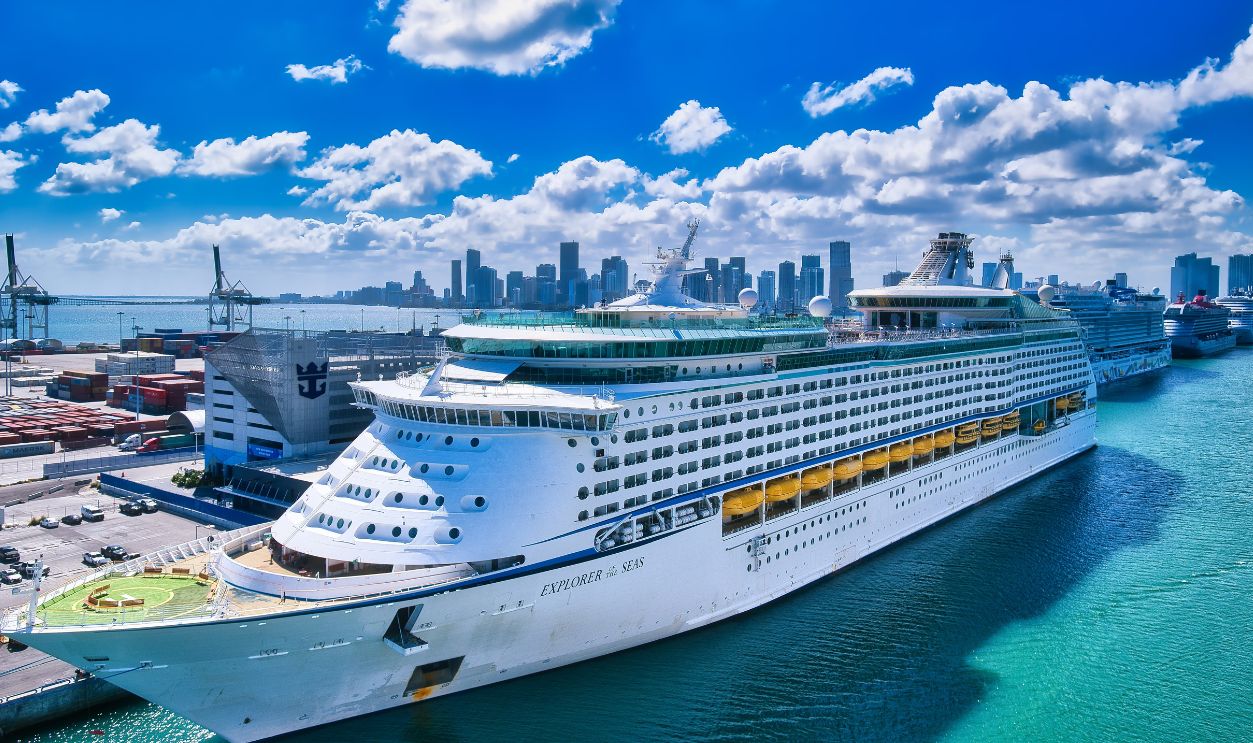
If you spot a hallway camera, do not panic, but do stay alert. Visible corridor surveillance is a common safety feature on modern cruise ships, and it can protect passengers as much as it monitors shared spaces. The key is knowing the difference between public-area security and private-space intrusion, then speaking up quickly if anything looks wrong.