The Carry-On Controversy
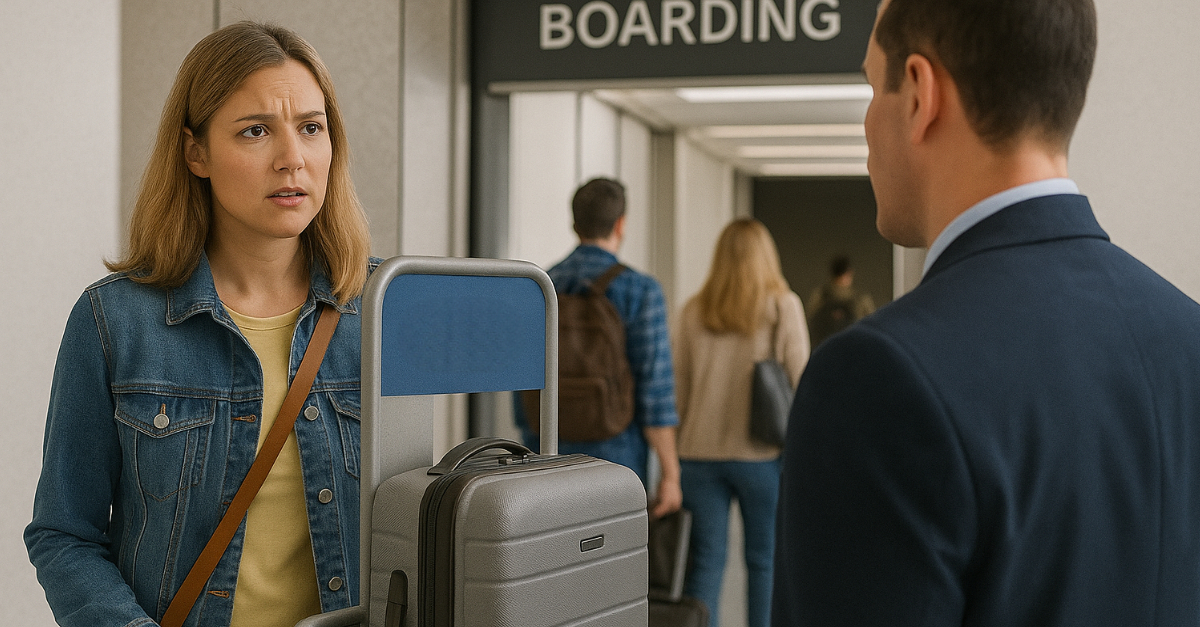
It’s a situation far too many passengers recognize: a bag that fits the official sizer at check-in somehow becomes “too big” at the gate. And when that happens, it seems like there’s really very little to do but hand over a credit card and a sigh. But is that the case? Why is this happening—and what are travelers’ options?
The $75 Shock
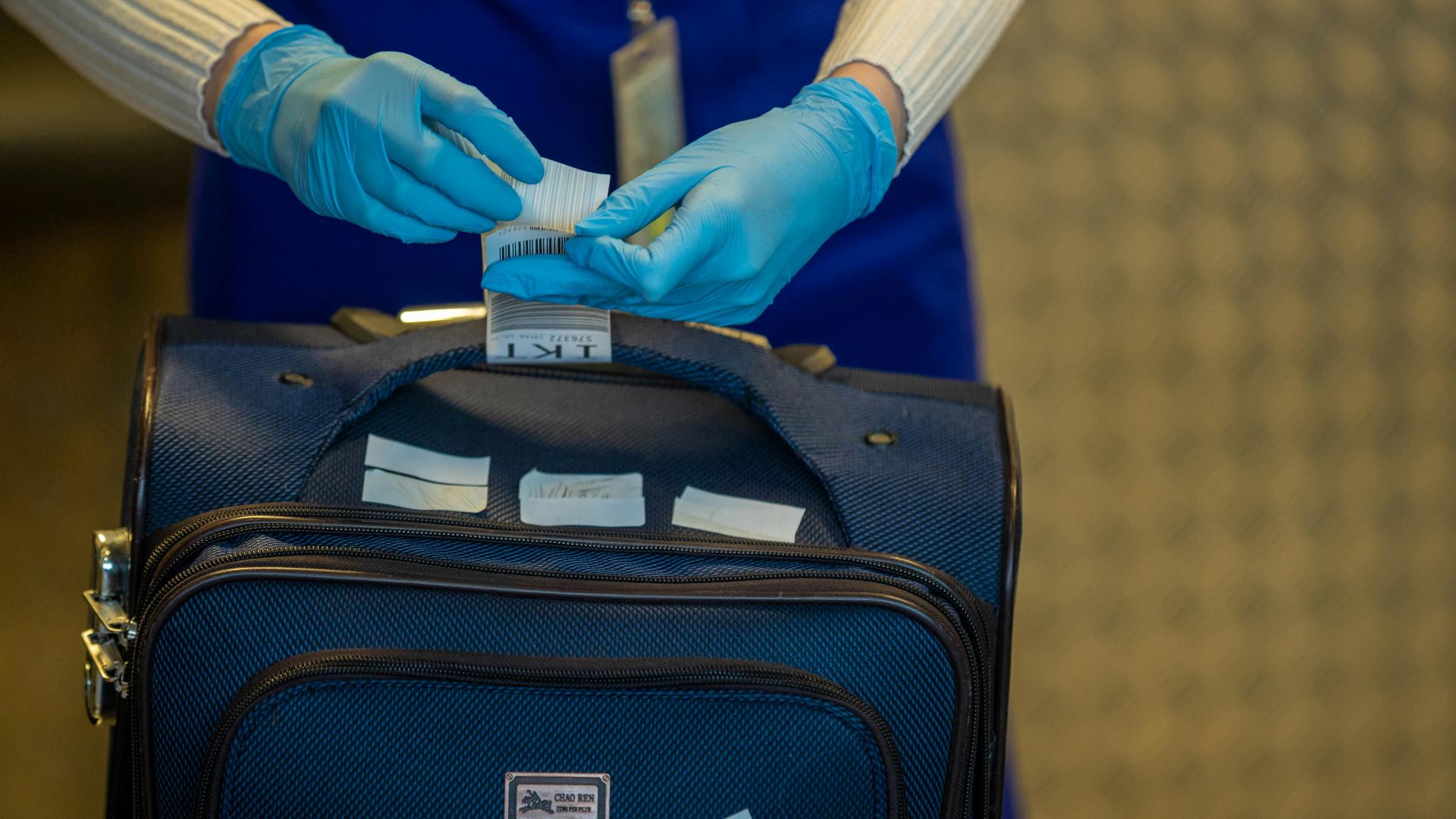
Gate-check fees can hit $75 or more, usually demanded in the final minutes before boarding. Travelers are left fuming—especially when other passengers stroll past with even larger luggage. The inconsistency has turned what should be a clear policy into a guessing game.

When the Rules Don’t Match Reality
Most major U.S. airlines set the same dimensions—22×14×9 inches including handles and wheels. Yet the point of enforcement is a moving target. A bag that breezes through one flight may be flagged as oversized on the next.
How It Became So Random
Experts say enforcement largely depends on timing and staffing. If the plane’s nearly full or boarding is running behind, gate agents are told to “tighten things up.” That can mean more aggressive checks, even for technically compliant bags.
The Bin-Space Excuse
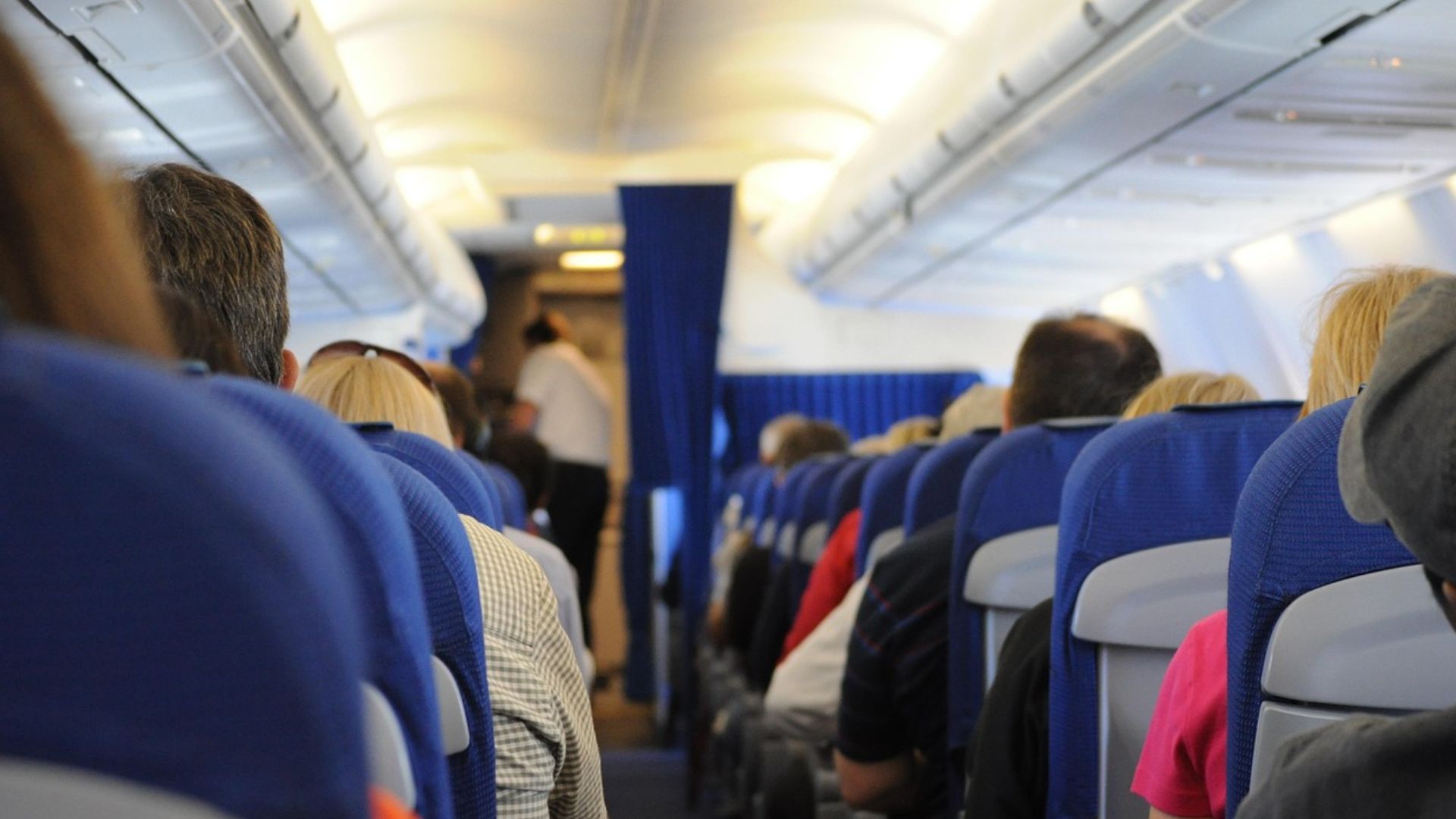
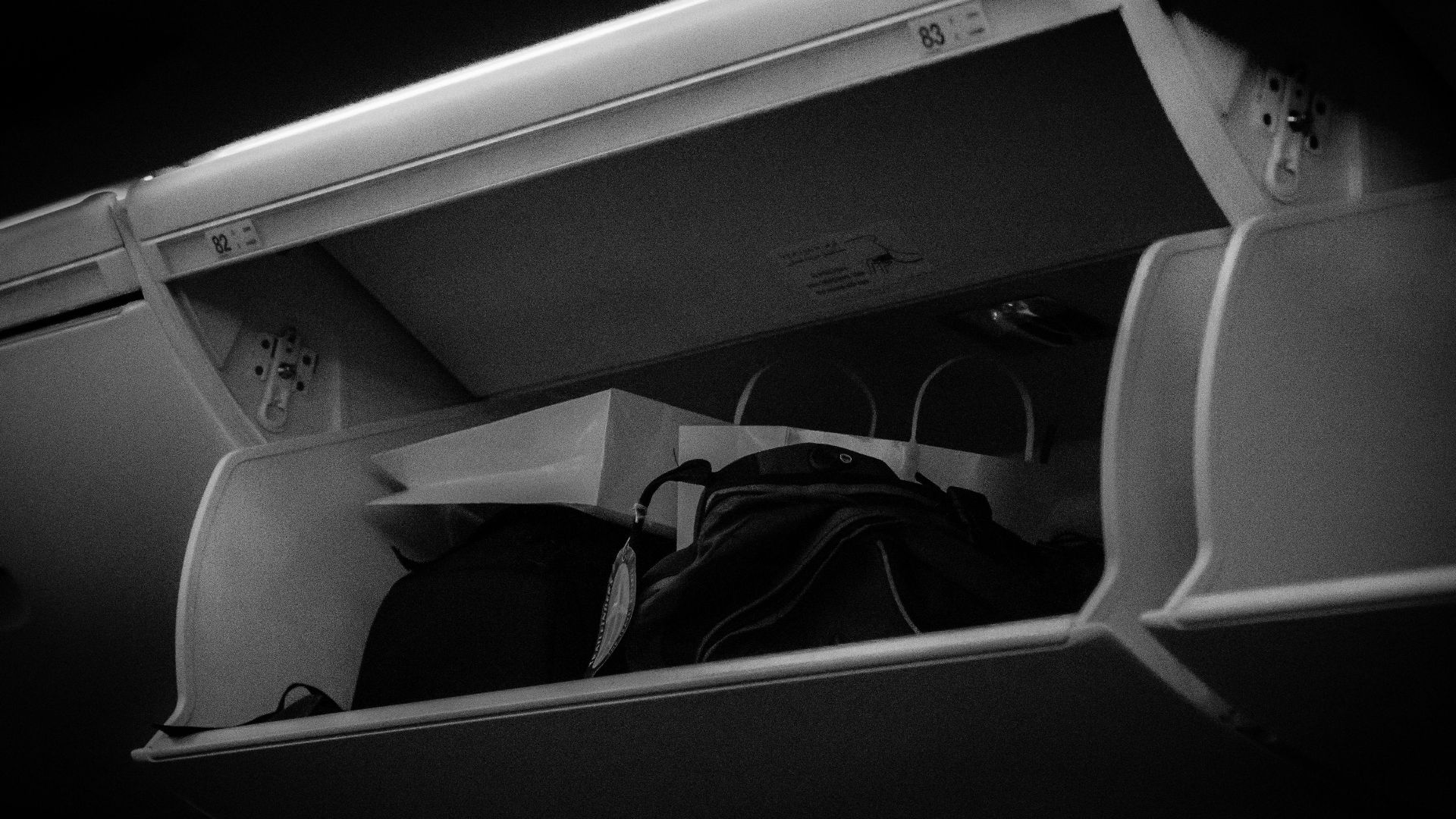
A full overhead bin is the airline’s favorite justification. But passenger-rights group Travelers United says the claim isn’t always true, noting that many passengers are required to gate-check their carry-on despite the plane’s overhead bins having plenty of room.
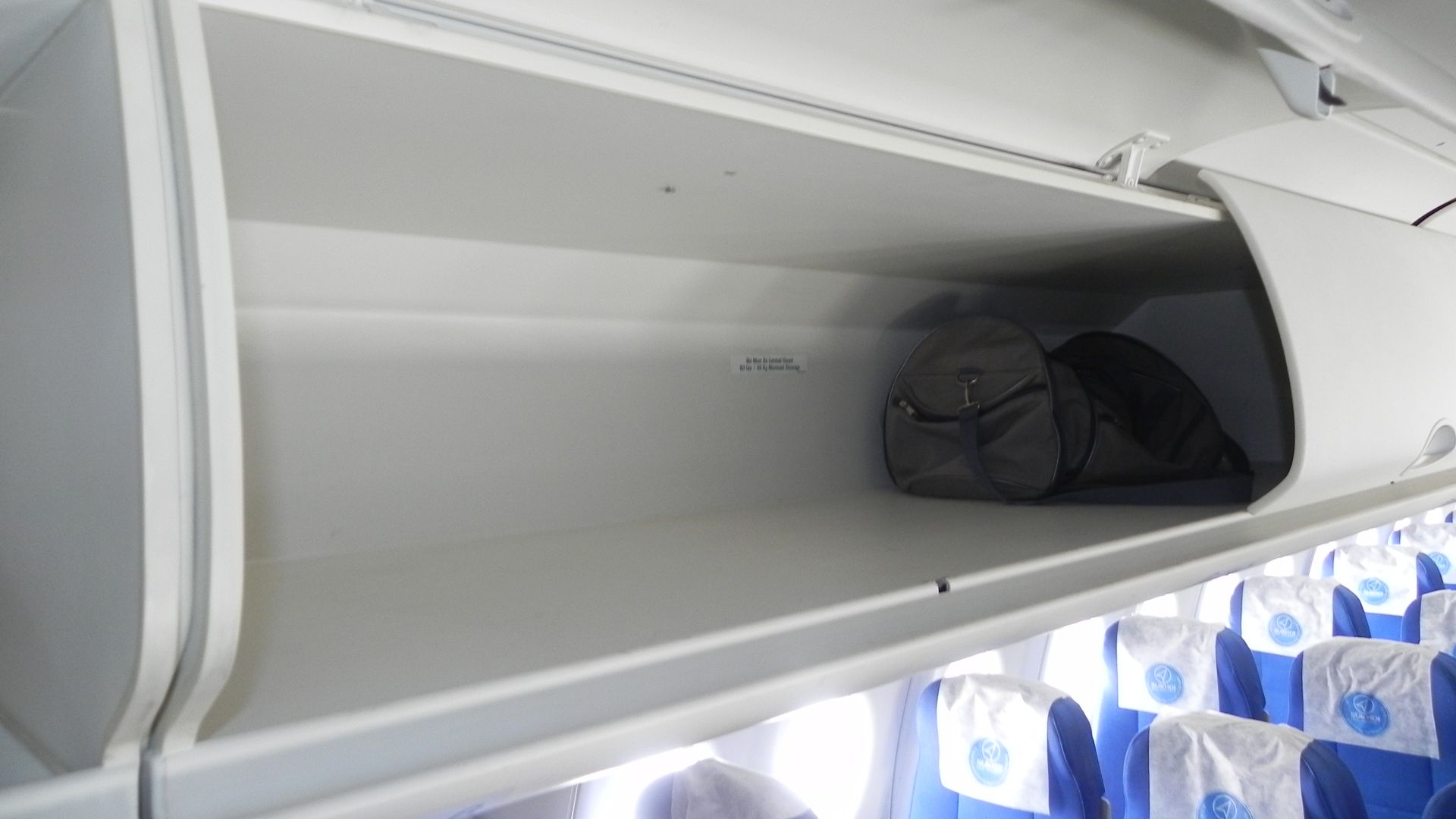 SuperJet International, Wikimedia Commons
Pressure at the Podium
Gate agents have minutes to board a plane full of frustrated people. Their mandate: keep the line moving. When bins fill or time runs short, they often err on the side of checking bags—whether justified or not.
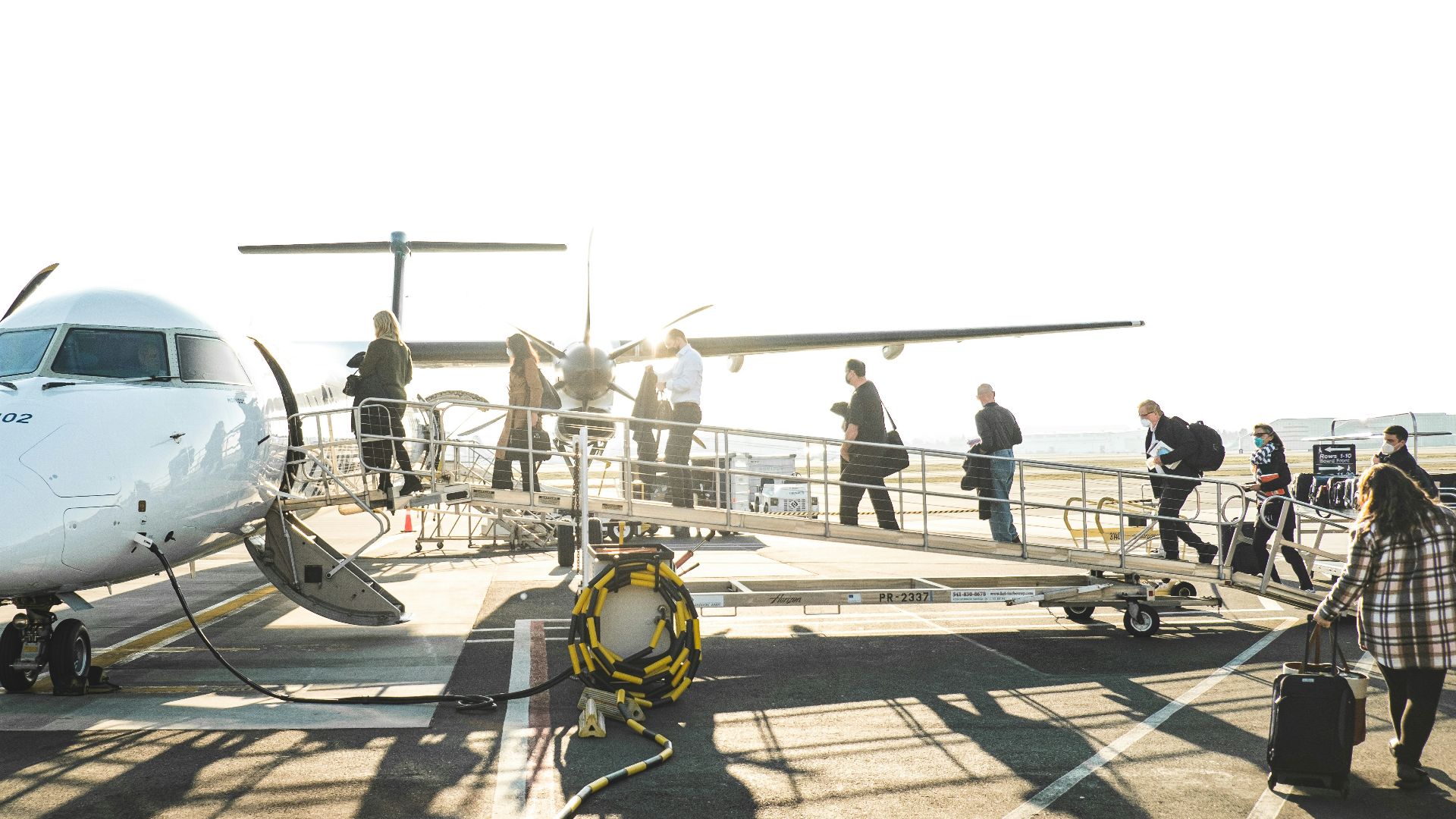 Jo Heubeck & Domi Pfenninger, Unsplash
The Disappearing Sizer Box
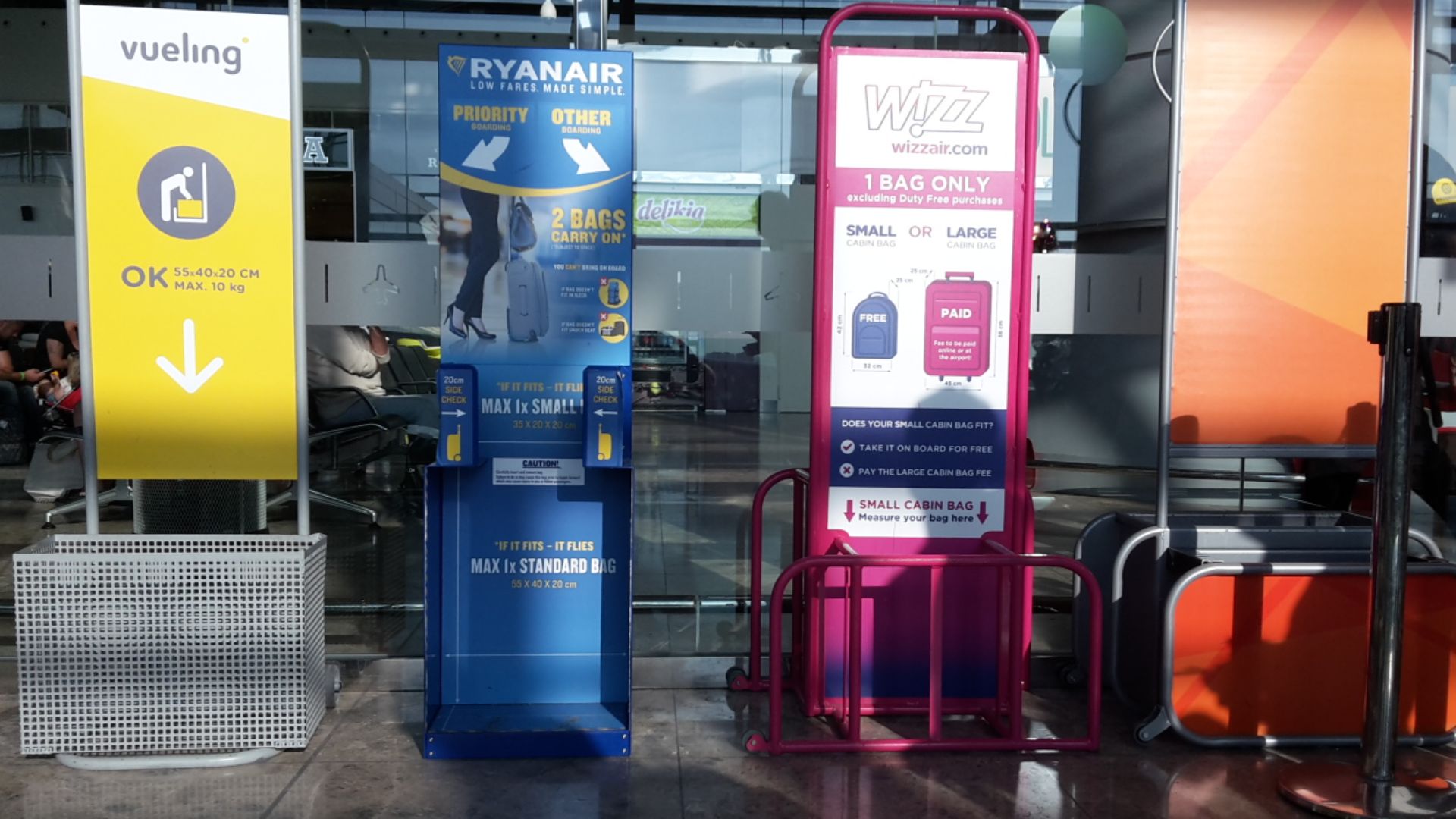
American Airlines recently announced it’s removing metal bag sizers from gates, saying they create “friction and delays.” Without that metal frame, judgment calls replace measurements—and discretion becomes policy.
Discretion Isn’t Fairness
While “agent discretion” sounds flexible, it means results vary wildly. Some staff let borderline bags slide; others enforce limits to the inch. For travelers, that means no reliable way to predict what will happen until they reach the gate.
Frequent-Flyer Frustration
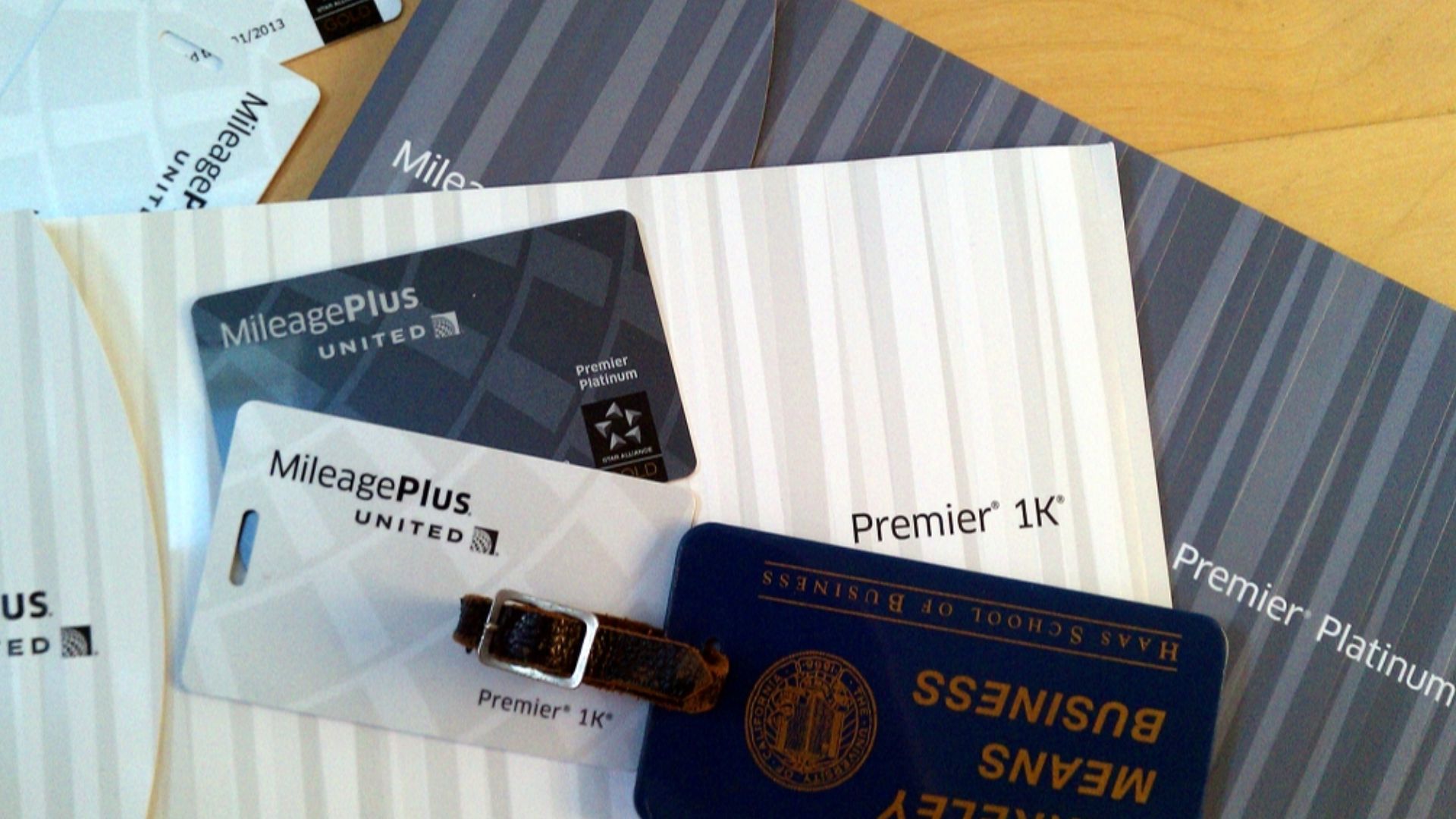
Veteran flyers say enforcement has become inconsistent to the point of absurdity. One blog, Live and Let’s Fly, documented a flight where every bag was forced into the sizer, yet the first passenger boarded with both a large carry-on and a shopping bag. Rules, it seems, depend on who’s holding the tape measure.
 https://www.flickr.com/people/globalx/, Wikimedia Commons
Are Agents Being Encouraged?
Online forums are full of speculation that airlines quietly push more gate-check fees. There’s no confirmed policy—but the perception persists. When dozens of bags are tagged at once, travelers can’t help feeling it’s a revenue tactic disguised as procedure.

When Looks Matter More Than Measurements
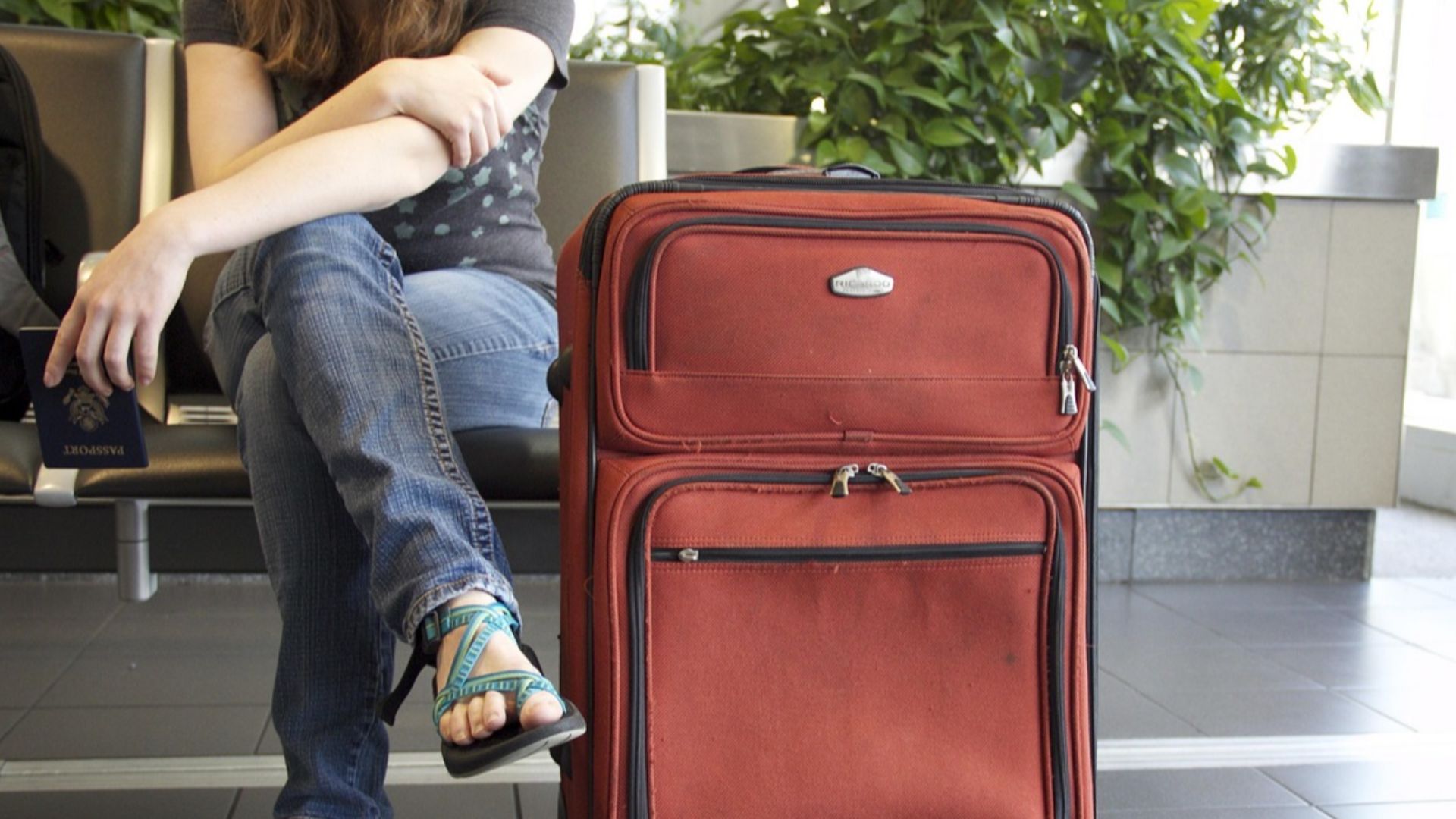
Even bags that technically meet the rules can be denied if they appear bulky or overstuffed. Rounded corners or bulging zippers often get labeled “too large,” even when the bag would slide neatly into the sizer.
Basic Economy, Basic Problems
With “basic economy” fares restricting free checked bags, more passengers rely solely on carry-ons. That surge means tighter space and stricter scrutiny—especially for lower boarding groups that face the bins last.
Boarding Group Bias
Travelers in later boarding groups often get targeted first. Once bins start filling up, the remaining passengers are told to check their bags “for operational reasons,” whether their luggage fits or not. Timing, not compliance, becomes the deciding factor.

The Hidden Fine Print
Airline contracts of carriage give staff sweeping authority to deny carry-ons “for operational or safety reasons.” That language makes it nearly impossible to challenge a gate-check demand, even with photos proving compliance.
The International Comparison
In Europe, carry-on dimensions are usually smaller—but surprise fees are rarer. EU lawmakers have even proposed banning extra charges for compliant hand luggage. Across the Atlantic, however, the U.S. has left it entirely up to each airline.
The TikTok Effect
Social media is now full of passengers filming their carry-ons sliding perfectly into sizers—only to be told “too big.” Millions of views later, the outrage spills into comment sections demanding consistency and refunds.

Public Pressure Pays Off
A few viral posts have led airlines to refund fees or apologize. It shouldn’t take millions of views to get fairness—but visibility has become one of the only tools travelers have to fight arbitrary enforcement.
Airline Responses
When asked, airlines stick to one statement: their agents follow company policy. But because the policy gives them total discretion, it’s a circular defense that doesn’t solve the underlying inconsistency.
What Travelers Can Actually Do
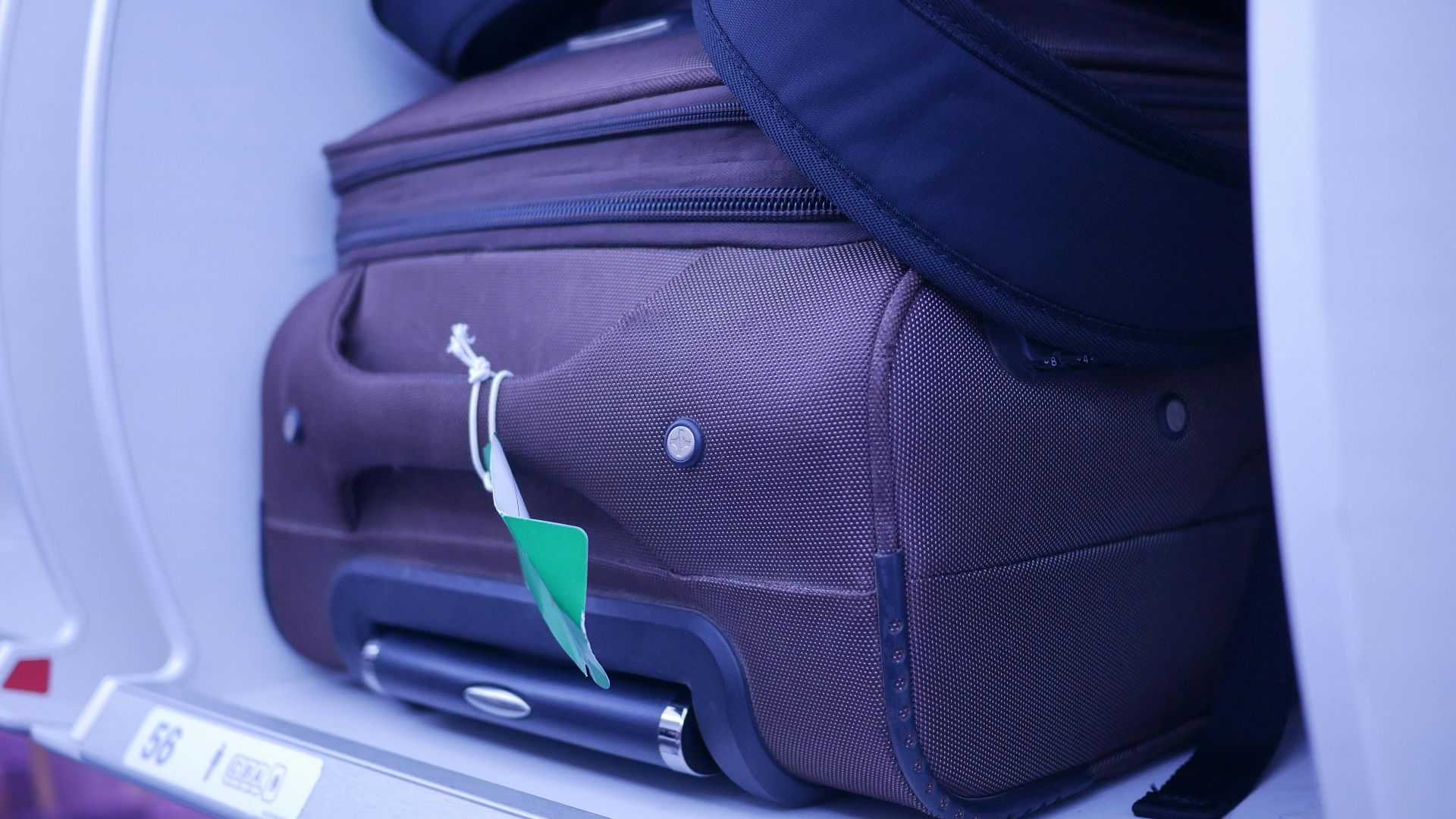
Experts recommend measuring bags including handles and wheels, photographing them in the sizer, and keeping a screenshot of airline size rules. Calmly showing documentation sometimes persuades a supervisor to reverse a fee—but there are no guarantees.
Politeness Still Helps
Gate agents deal with nonstop stress. Polite, non-confrontational travelers occasionally get leniency where others don’t. Losing your temper, however justified, rarely wins an appeal—and may fast-track your bag straight to the cargo hold.
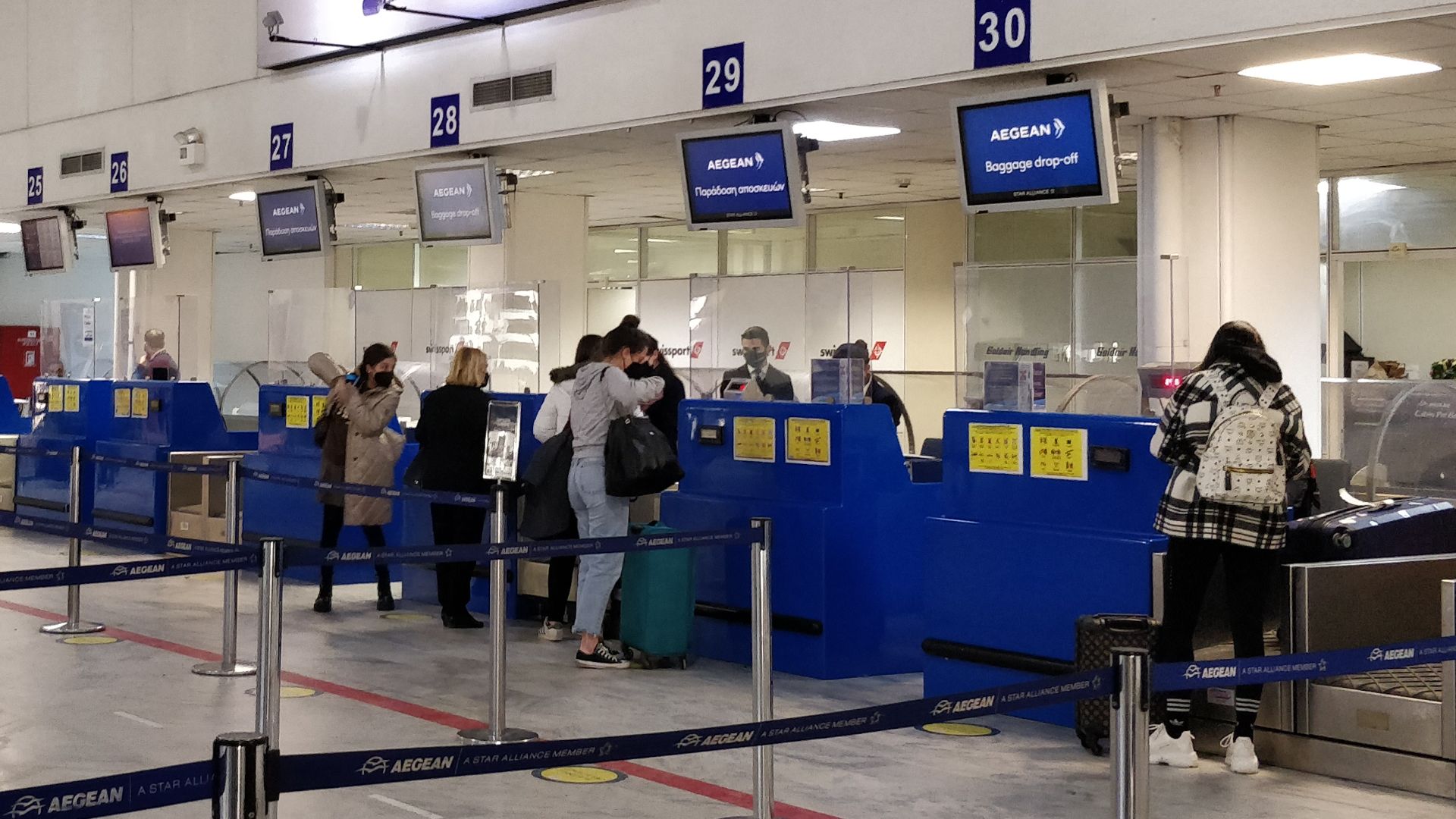
Calls for Clearer Standards
Consumer advocates have urged the Department of Transportation to mandate uniform carry-on dimensions across all U.S. airlines. So far, there’s no federal rule—meaning every carrier can keep its own measurements and enforcement practices.

Why It Matters
For passengers trying to save on checked-bag fees, predictability is everything. When enforcement feels arbitrary, it erodes trust—and turns travel into a lottery of luck, timing, and temperament.

The Industry’s Direction
As overhead bins shrink and ancillary fees rise, airlines are likely to keep squeezing passengers—literally and financially. Gate-check revenue has quietly become a reliable stream, even if it frustrates nearly everyone involved.
Fairness in Theory, Frustration in Practice
On paper, the system looks fair: one size rule for all. In practice, enforcement depends on the person behind the counter. Until airlines bring consistency back to the process, “fits in the sizer” won’t mean much at all.

You Might Also Like:
Airlines Really Do Treat You Differently Based On Your Email Address—Here’s How