When “Weather” Sounds A Little Too Convenient
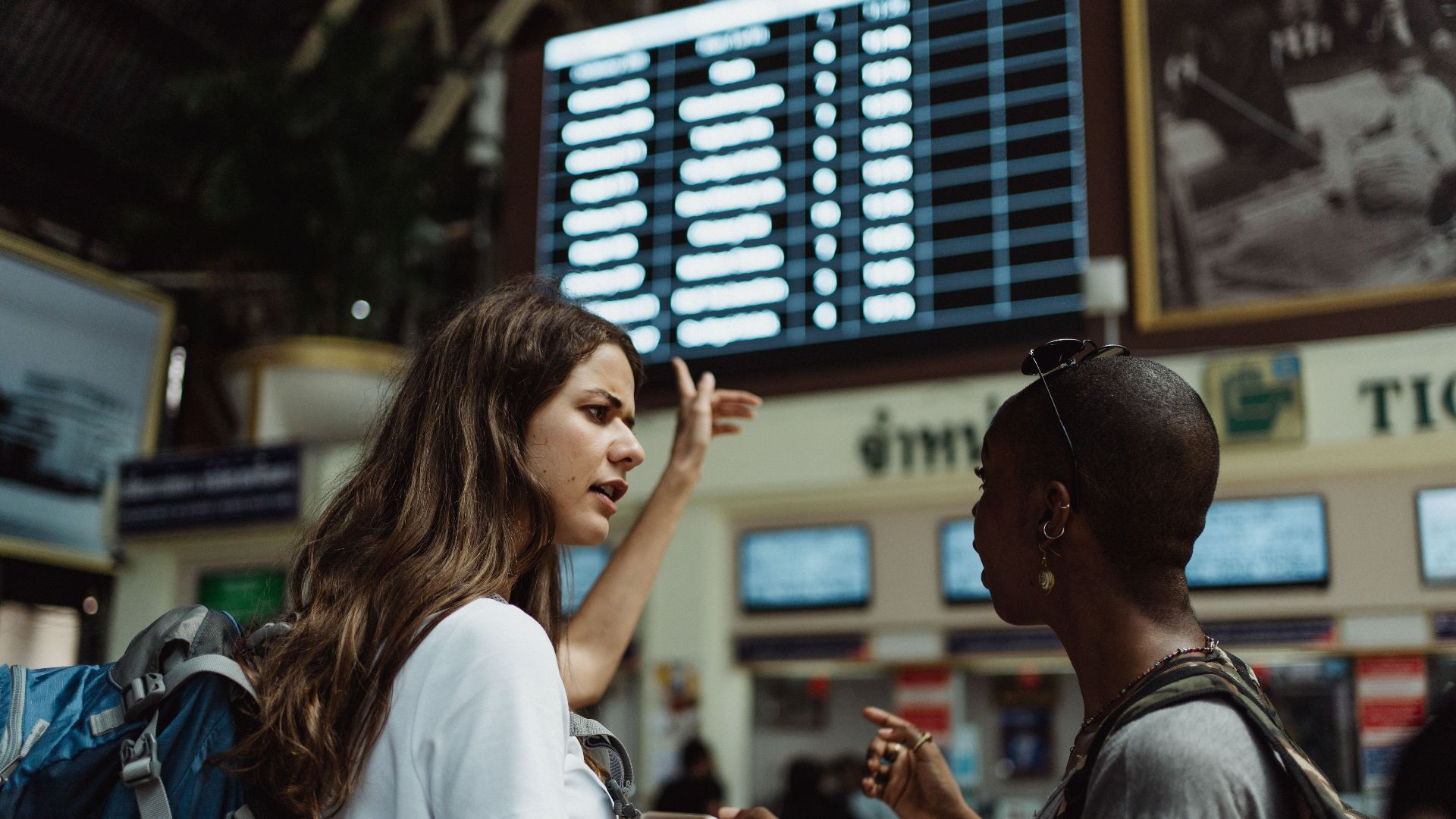
Your flight gets canceled, the airline blames weather, and then you look outside and see planes still taking off. That's when a lot of travelers start wondering whether “weather” is the real reason or just a handy way to avoid compensation and extra costs. There's an answer, of course, but as with everything related to modern air travel: it's complicated.

Why This Question Matters To Travelers
Passengers care for a simple reason. In the United States, whether a cancellation was caused by weather or by something the airline could control can affect hotel vouchers, meal help, and rebooking under the airline’s own policy. In Europe and the United Kingdom, the reason can also affect whether you may be owed cash compensation under EC 261-style rules.
What Airlines Usually Mean By A Weather Cancellation
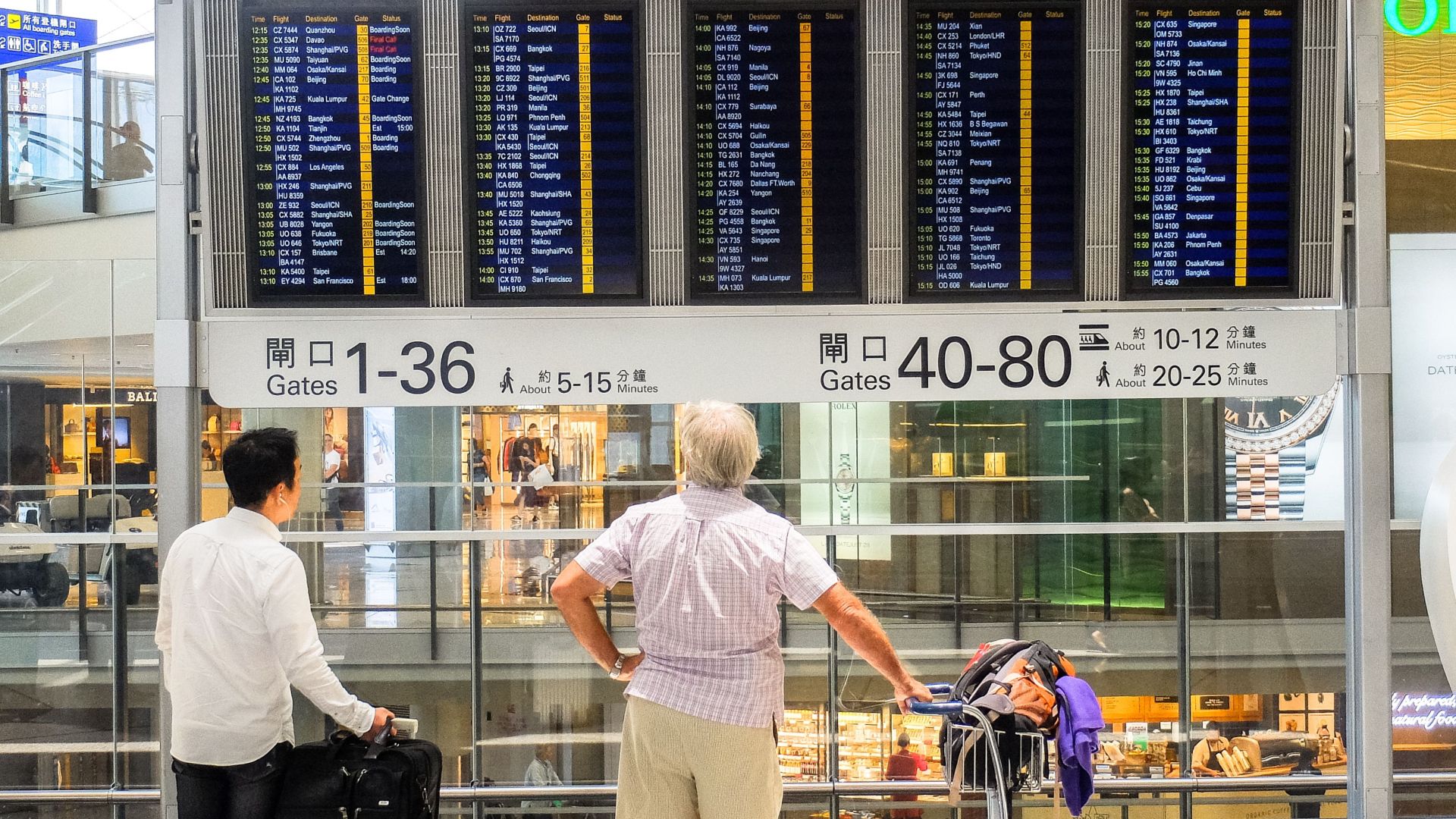
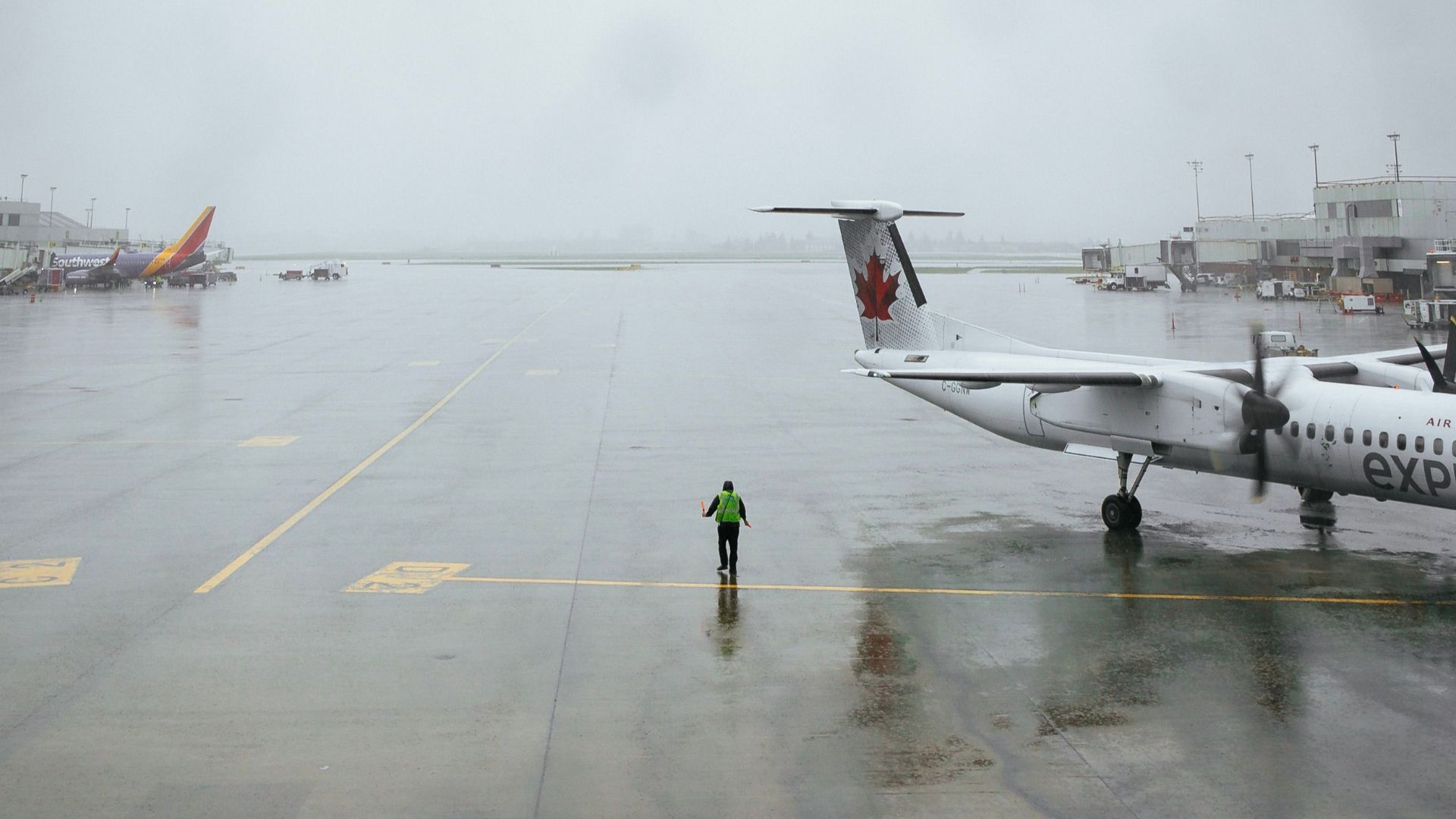
An airline can point to weather that affected your flight even if there was no storm over your gate. Bad weather can disrupt an incoming plane, a crew assignment, air traffic flow, or the destination airport hours earlier. That is why these situations are so frustrating. The ripple effect can be real even when the sky at your airport looks fine.
The DOT Gave Passengers A New Tool In 2024
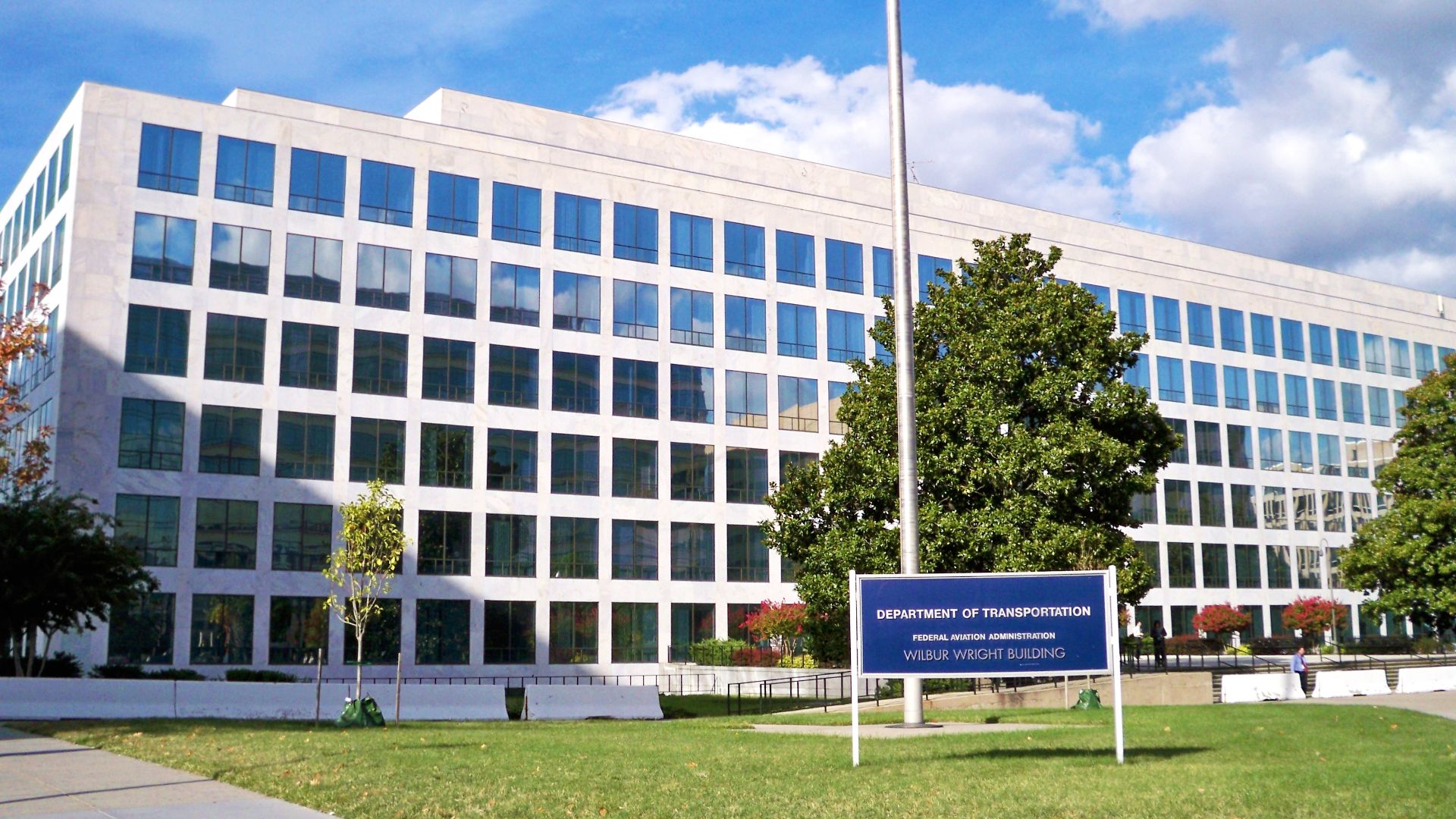
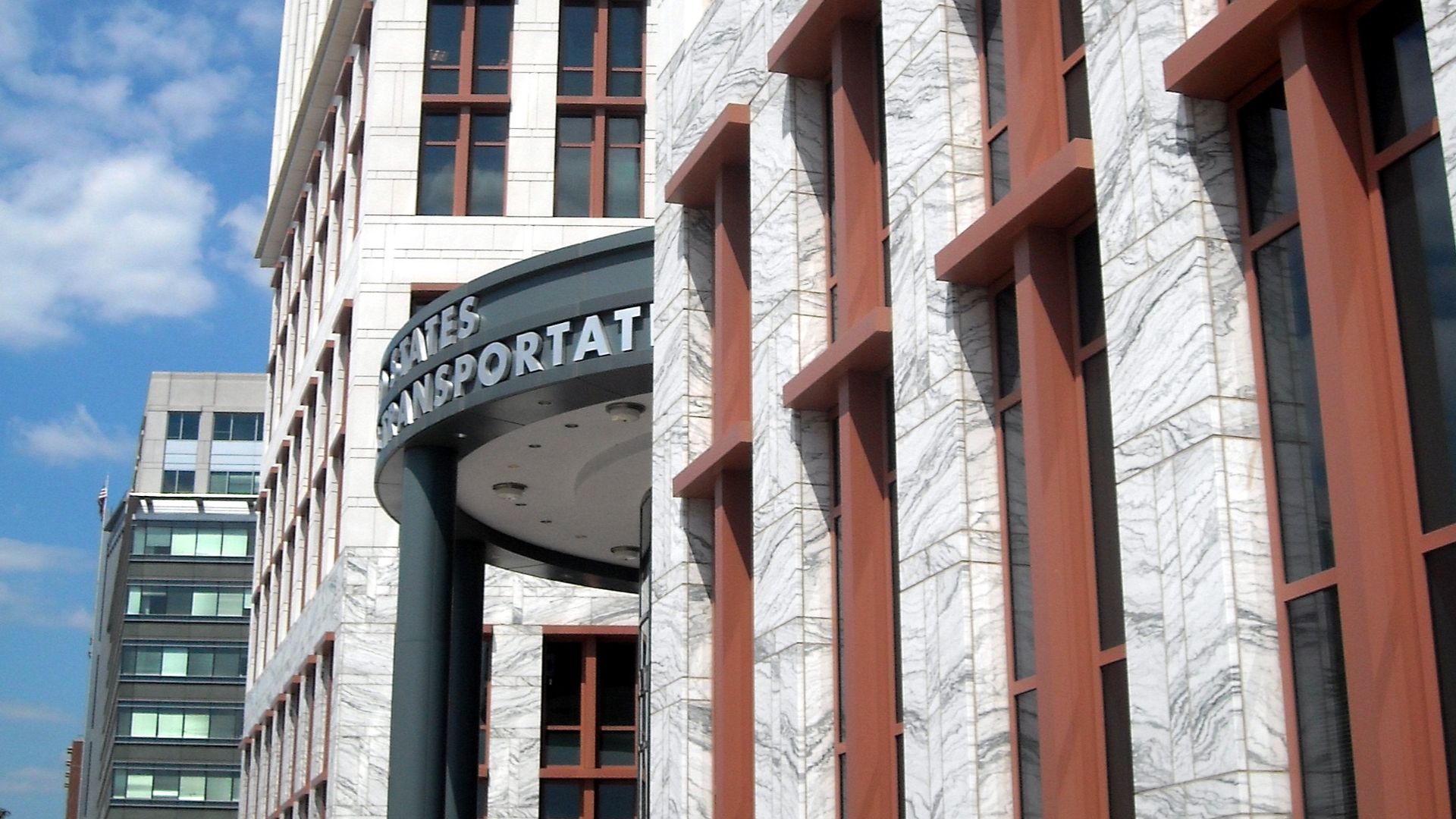
One of the biggest recent changes came from the U.S. Department of Transportation. In April 2024, the DOT launched a dashboard showing what each major U.S. airline promises for controllable delays and cancellations, including rebooking, meals, and hotel accommodations. It does not decide whether your flight was truly canceled because of weather, but it does show what the airline says it will do if the problem was within its control.
 AgnosticPreachersKid, Wikimedia Commons
Start With The Airline’s Own Written Reason
Your first move should be to ask the airline for the reason in writing. Save the app alert, text message, email, airport display, and any customer service chat. If the explanation changes later, those early records can matter a lot.

Look At The FAA’s Big Picture First
If the airline says weather caused broad disruption, check whether the Federal Aviation Administration was reporting delays or ground stops that day. The FAA keeps real-time and historical information through its National Airspace System status pages and airport delay maps. If major restrictions were in place at your departure airport, destination, or along the route, that is a strong sign the airline may be right.
Ground Stops Leave A Public Trail
One of the clearest FAA clues is a ground stop or ground delay program. These are traffic-management tools used when weather, congestion, or other issues cut airport capacity. If your destination was under a ground stop when your flight was canceled, the airline has a real operational reason even if another carrier’s flight to a different city still left nearby.
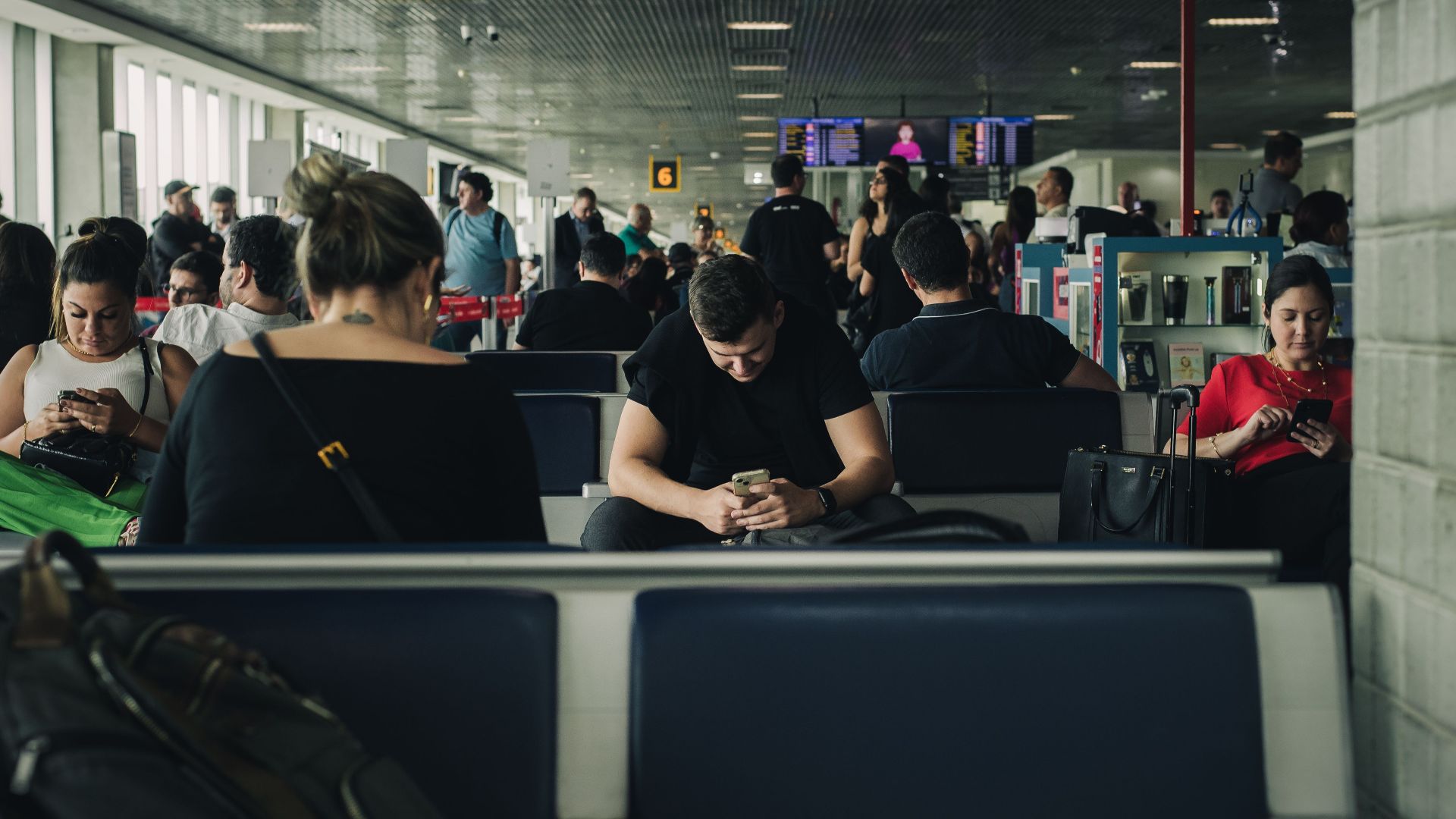
Weather At Your Airport Is Only Part Of The Story
Passengers usually focus on the weather they can see from the terminal. Airlines and regulators look at a much bigger chain of events, including the route, destination, plane rotation, and crew limits. A clear afternoon at your airport does not rule out storms that delayed the incoming aircraft earlier that day.
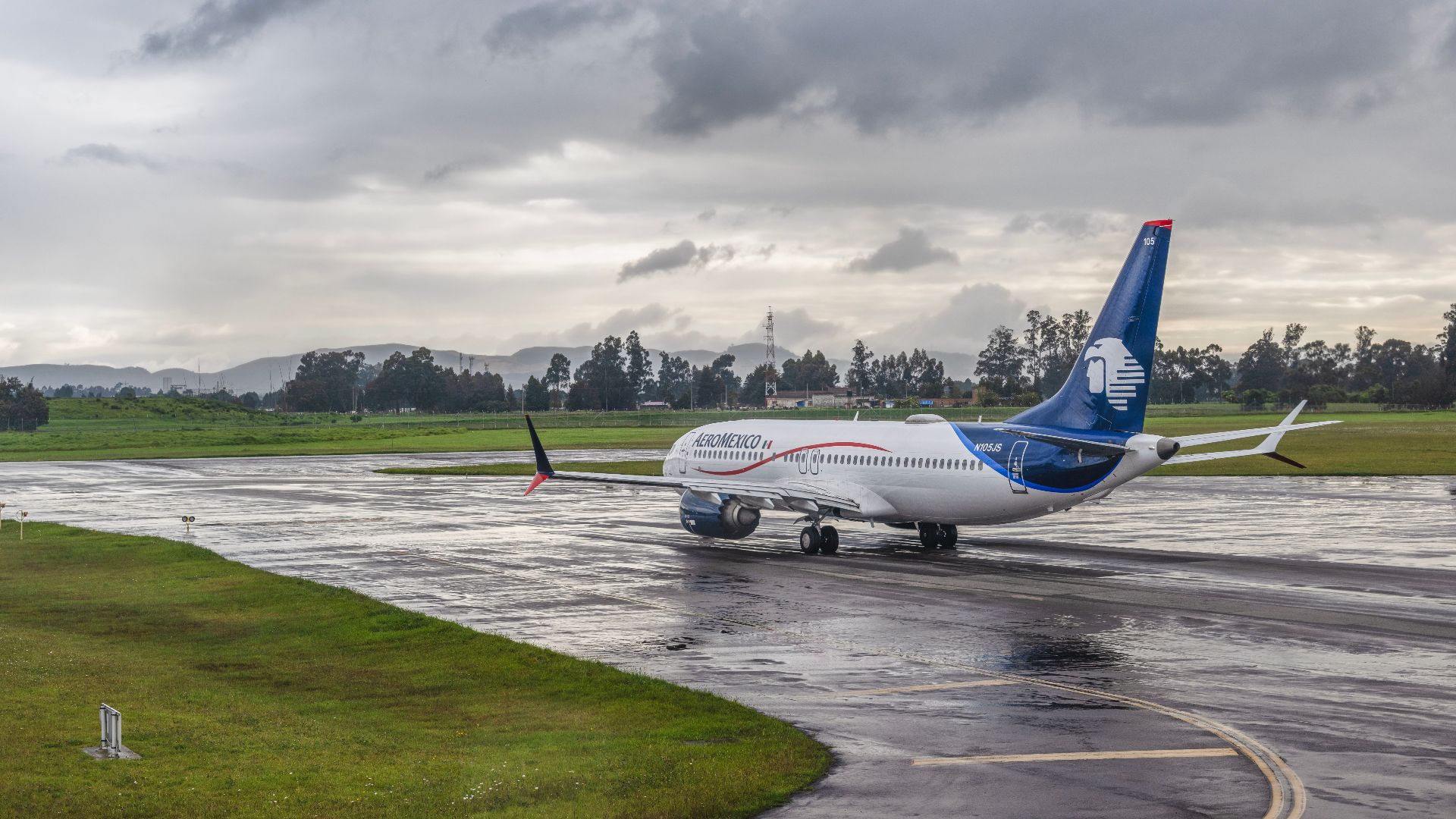
Check Official Weather Reports, Not Just A Forecast App
If you want to verify a weather claim, look up the actual airport weather reports for the right time period. National Weather Service and aviation weather tools provide METARs and TAFs, which are the standard reports pilots and dispatchers use. A regular weather app might show light rain while aviation data shows low visibility, wind shear, or thunderstorms serious enough to disrupt flights.
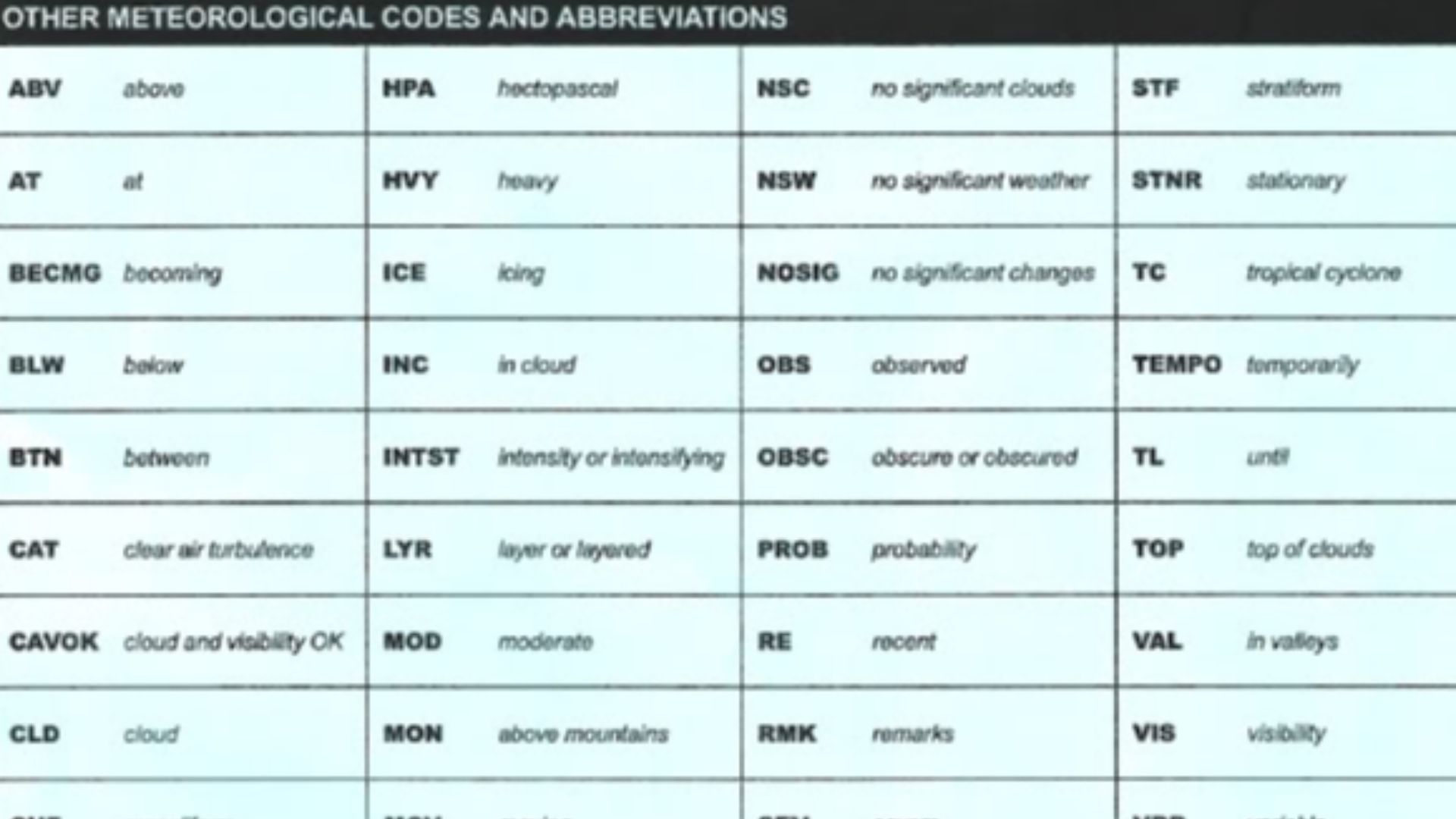 Francesco Papinutti, Wikimedia Commons
METAR And TAF Data Can Be Eye Opening
METAR reports show what conditions were actually observed at the airport, often hour by hour. TAF reports show what forecasters expected during the operating window. If the airline blamed severe weather, those records can help show whether thunderstorms, low ceilings, freezing conditions, or strong crosswinds were in play when the flight was supposed to operate.
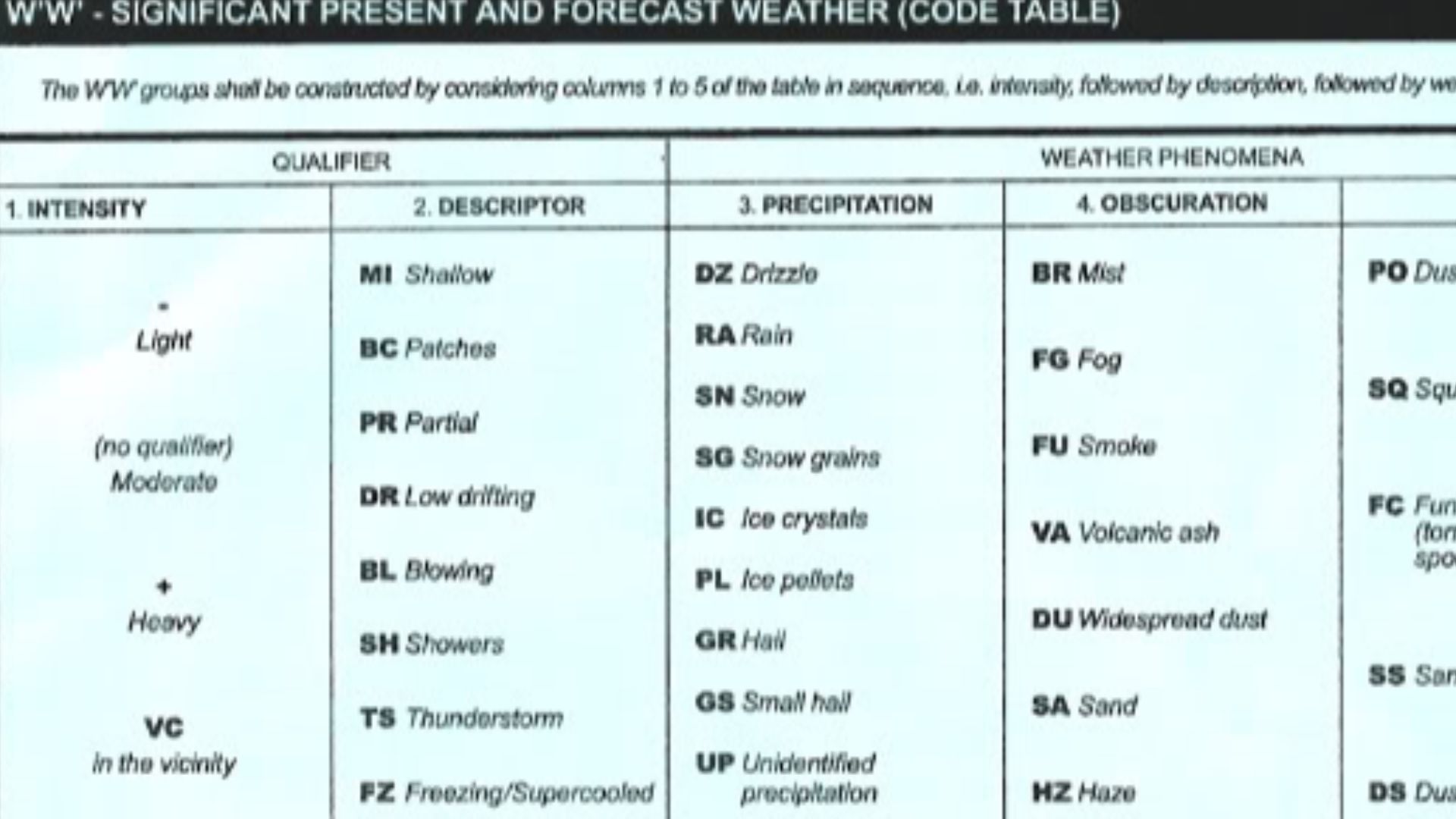 Francesco Papinutti, Wikimedia Commons
Watch The Inbound Aircraft, Not Just Your Flight Number
This is one of the smartest things frequent travelers do. Your canceled flight may have depended on a plane arriving from another city, and if that earlier leg got hit by weather, the problem can snowball. Sites like FlightAware and FlightStats can help you trace the aircraft’s earlier movements and see whether the trouble started somewhere else in the network.
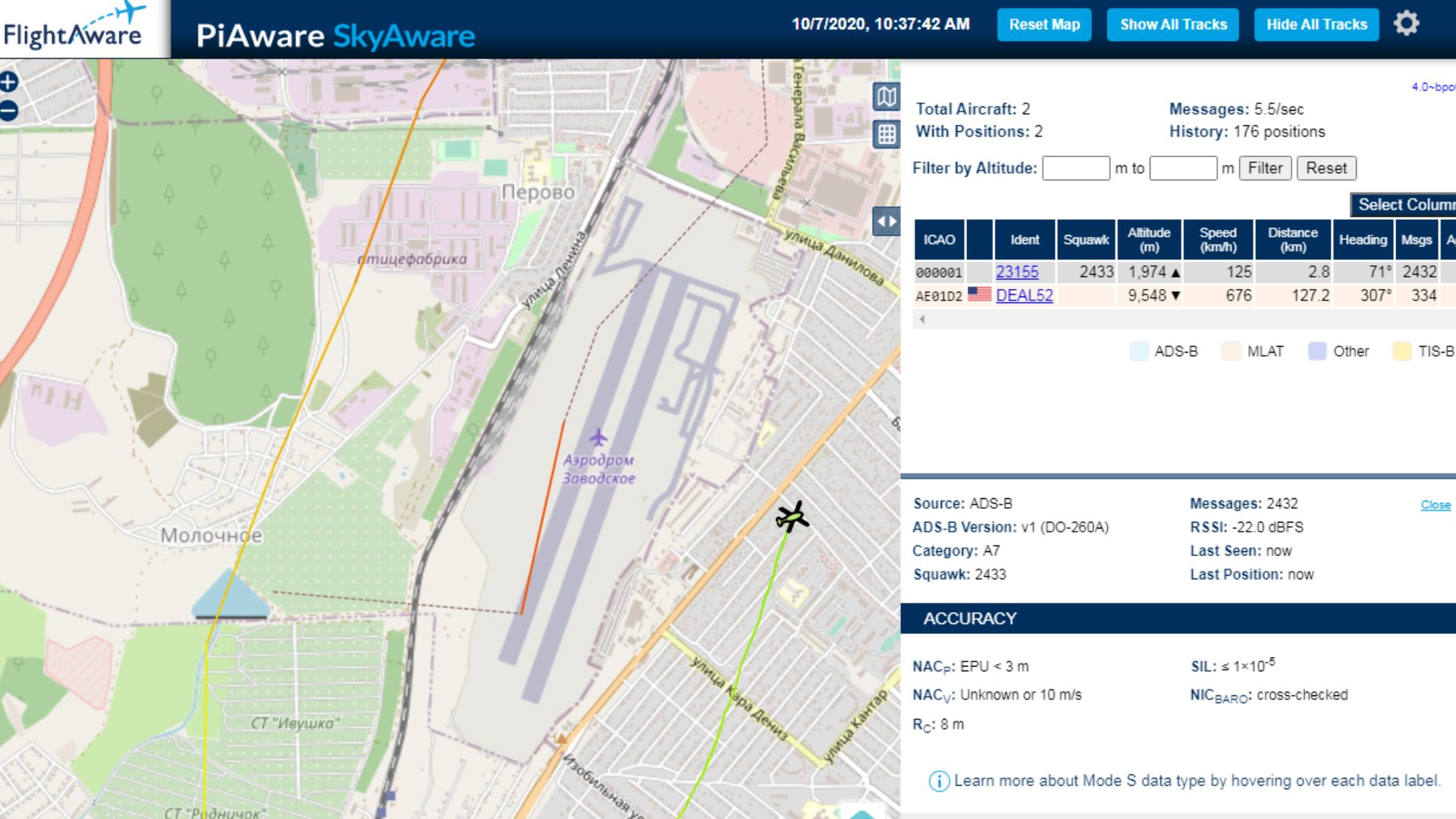 Flightaware, Wikimedia Commons
Other Airlines Flying Does Not Automatically Prove Anything
This surprises a lot of people. Airlines do not all use the same plane types, route networks, crew availability, maintenance buffers, or dispatch decisions. One carrier may have been able to operate because its plane and crew were already in place, while another could not because its assigned aircraft was stuck in a storm somewhere else.
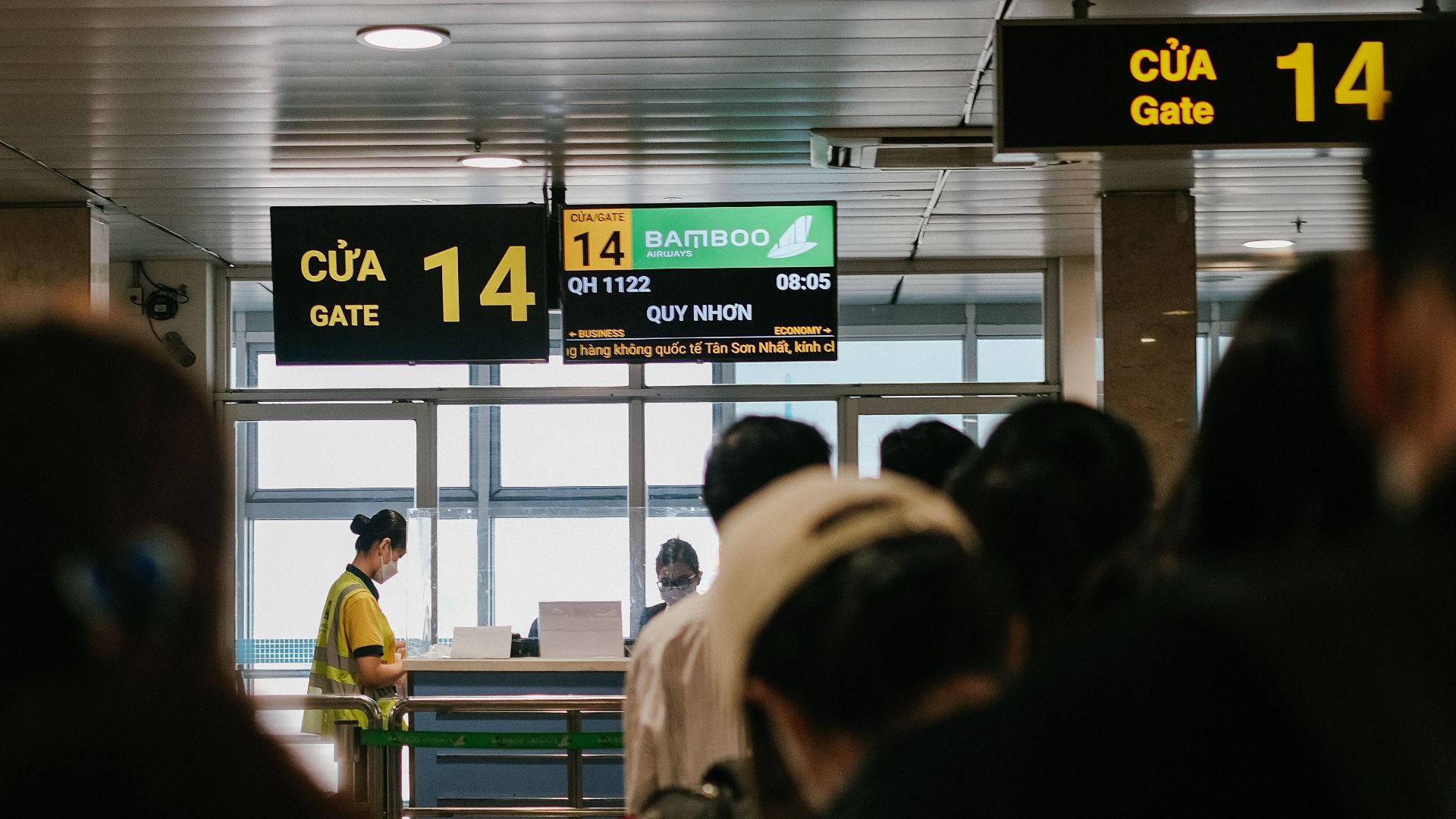
But Comparisons Can Still Be Useful
Even so, comparisons can still tell you something. If several carriers were flying the same route around the same time and only one airline kept canceling while blaming weather, that is a fair reason to ask more questions. Screenshots of nearby departures and arrivals can help, as long as you treat them as clues rather than proof.
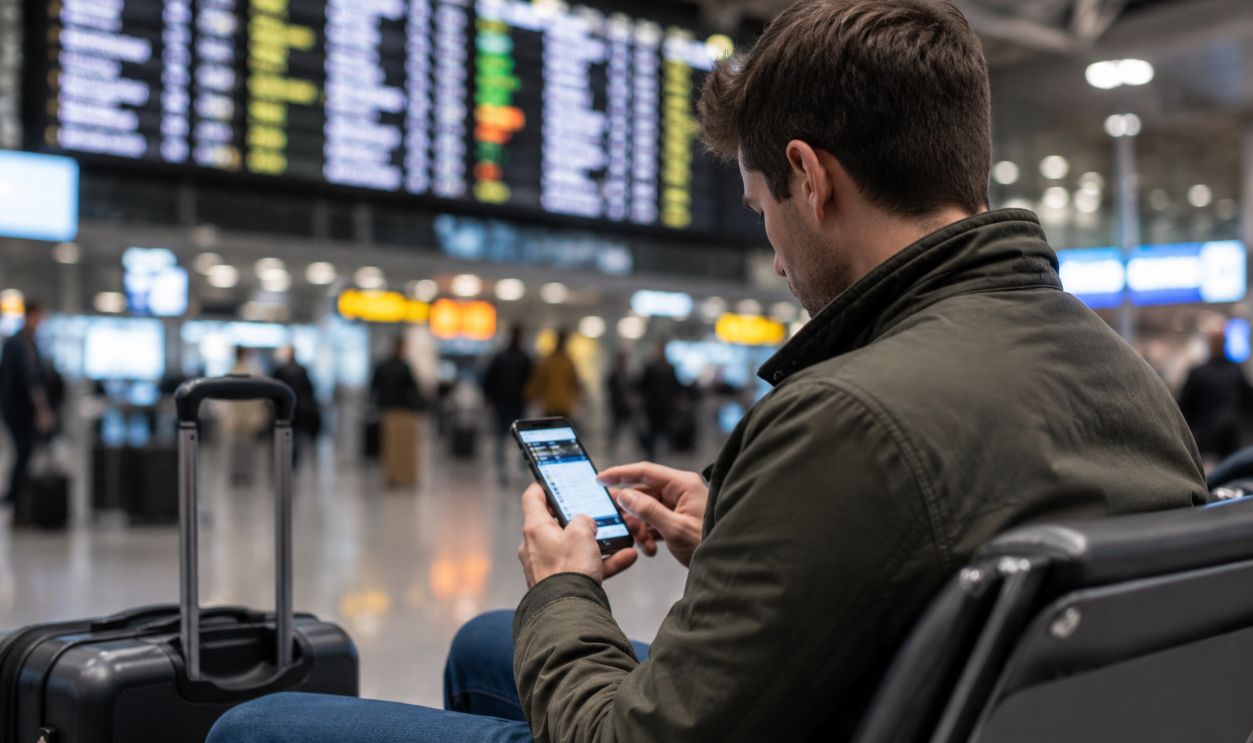
Ask Which Airport Had The Weather Problem
When customer service says “weather,” ask the next question. Was the issue at your departure airport, your destination, a connecting hub, or with the inbound plane? A specific answer gives you something you can actually check through FAA notices, airport weather reports, and flight-tracking records.
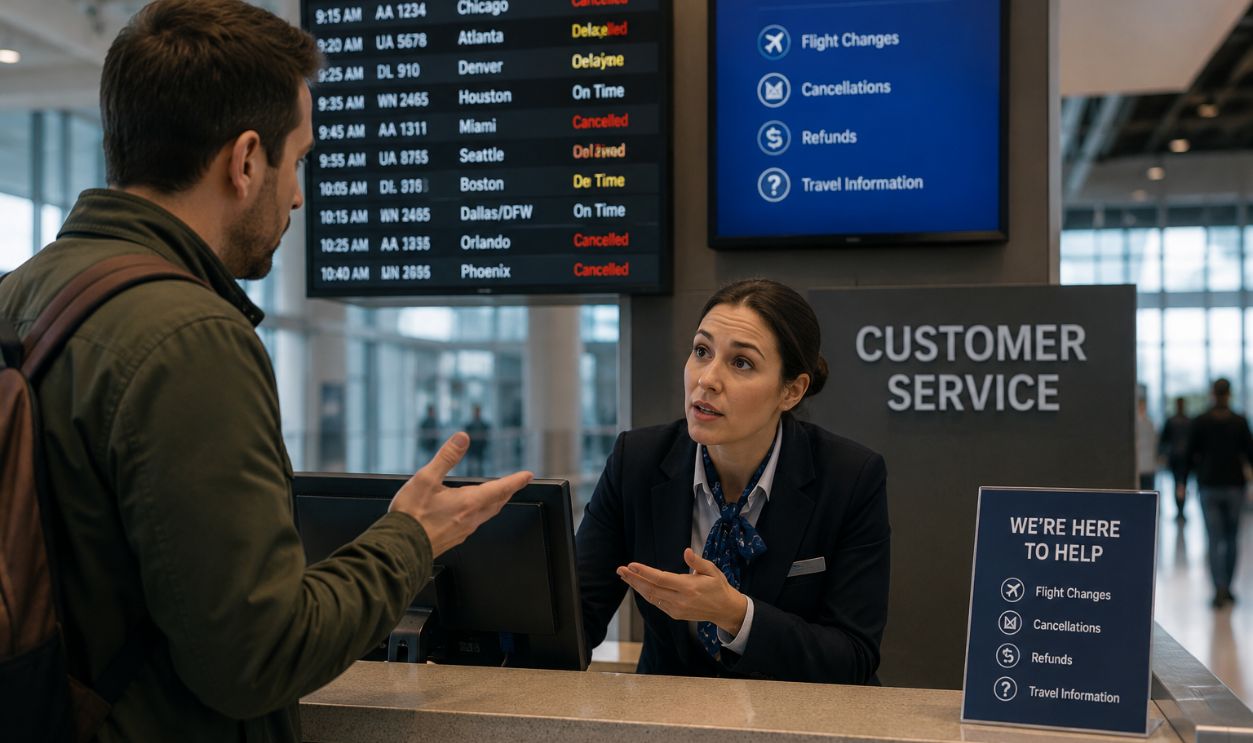
FAA Airport Status Pages Can Confirm Delays
The FAA’s airport status pages can show average delays, affected traffic, and the reason for restrictions. If your destination airport was dealing with major arrival delays because of thunderstorms, that supports the airline’s explanation. If there were no listed restrictions at either end, it may be worth digging deeper.
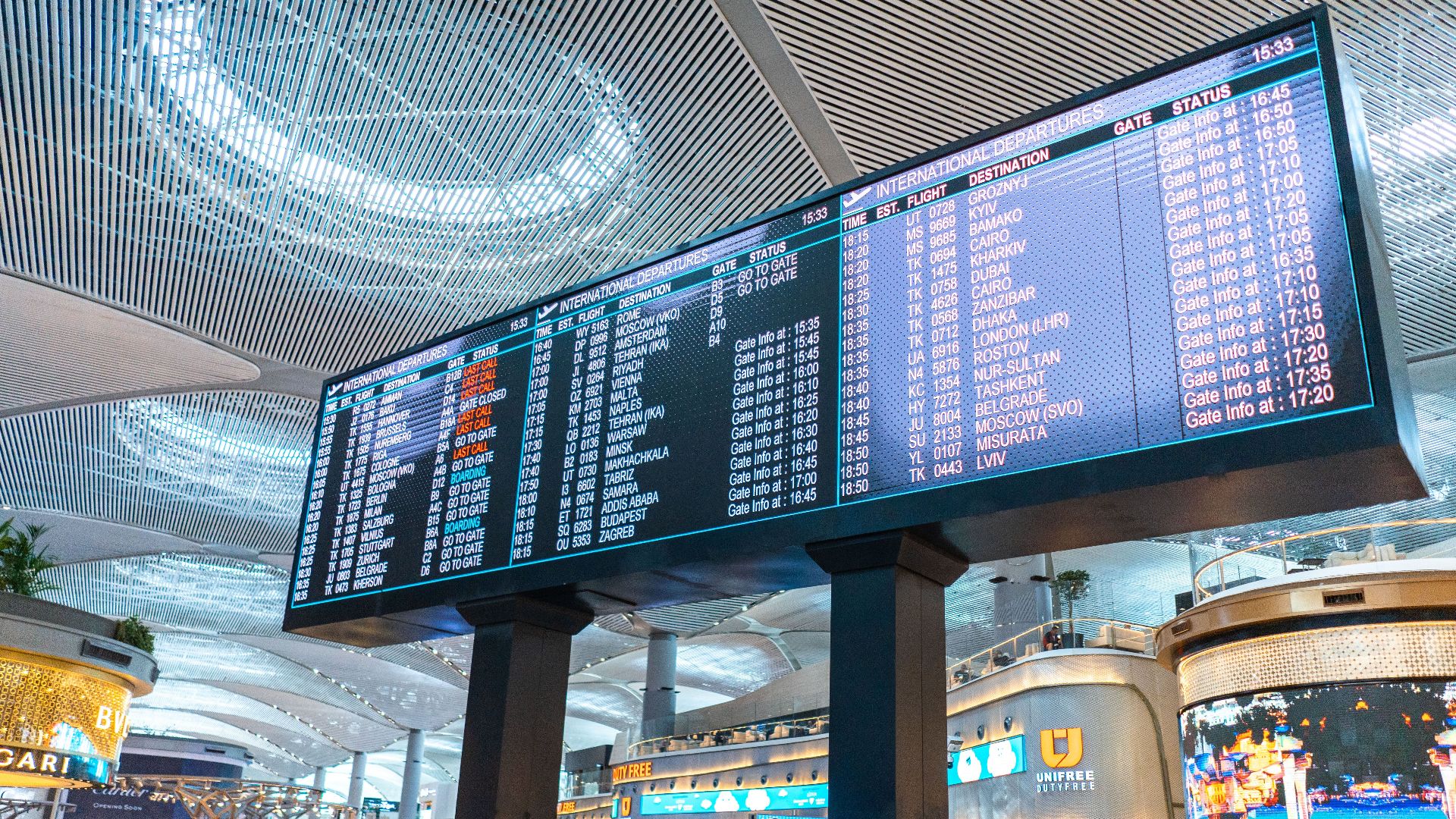
Know The Difference Between Weather And Airline Choice
Weather can knock over the first domino, but the airline’s later choices can still matter. Once operations start slipping, staffing, spare aircraft, and network planning all affect what gets canceled and what gets saved. That gray area is why these disputes get messy. The original cause and the final cancellation decision are not always the same thing.
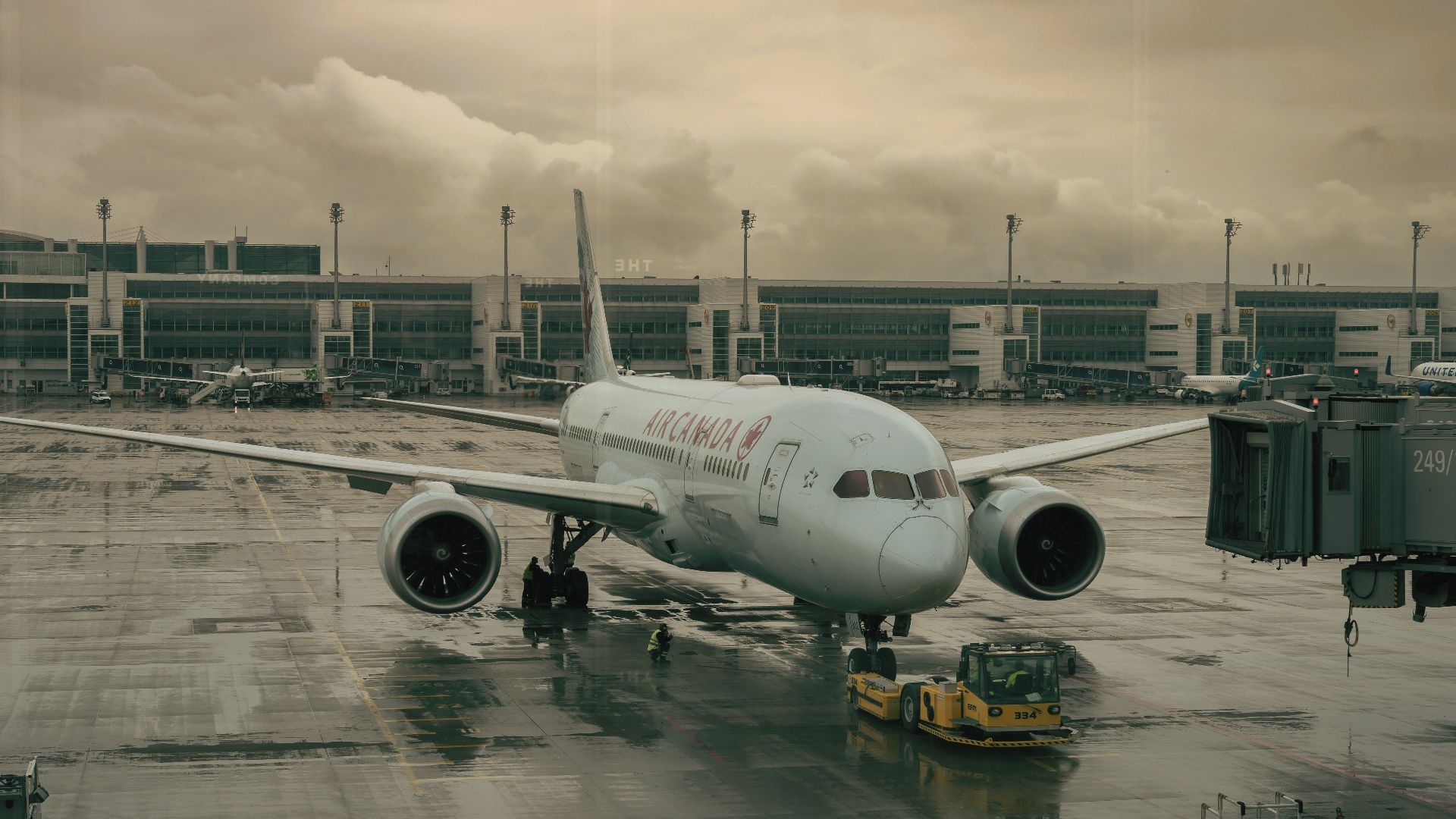
The DOT’s Airline Dashboard Helps After The Fact
If you think the disruption was controllable, the DOT dashboard is worth checking before you ask for help. It lists what each airline says it will provide for a controllable cancellation or major delay, such as meals, hotel lodging, or ground transportation to a hotel. It is useful because it puts those promises in one place instead of making you search each airline’s website.

Europe And The UK Take A Harder Line On Compensation
In the European Union and the United Kingdom, weather often counts as an extraordinary circumstance that can excuse an airline from paying compensation. But carriers still have to care for stranded passengers with rebooking and assistance in many cases. If the airline cites weather there, checking the facts matters because the difference between extreme weather and an internal airline problem can mean hundreds in compensation.

Keep Every Receipt If You Get Stranded
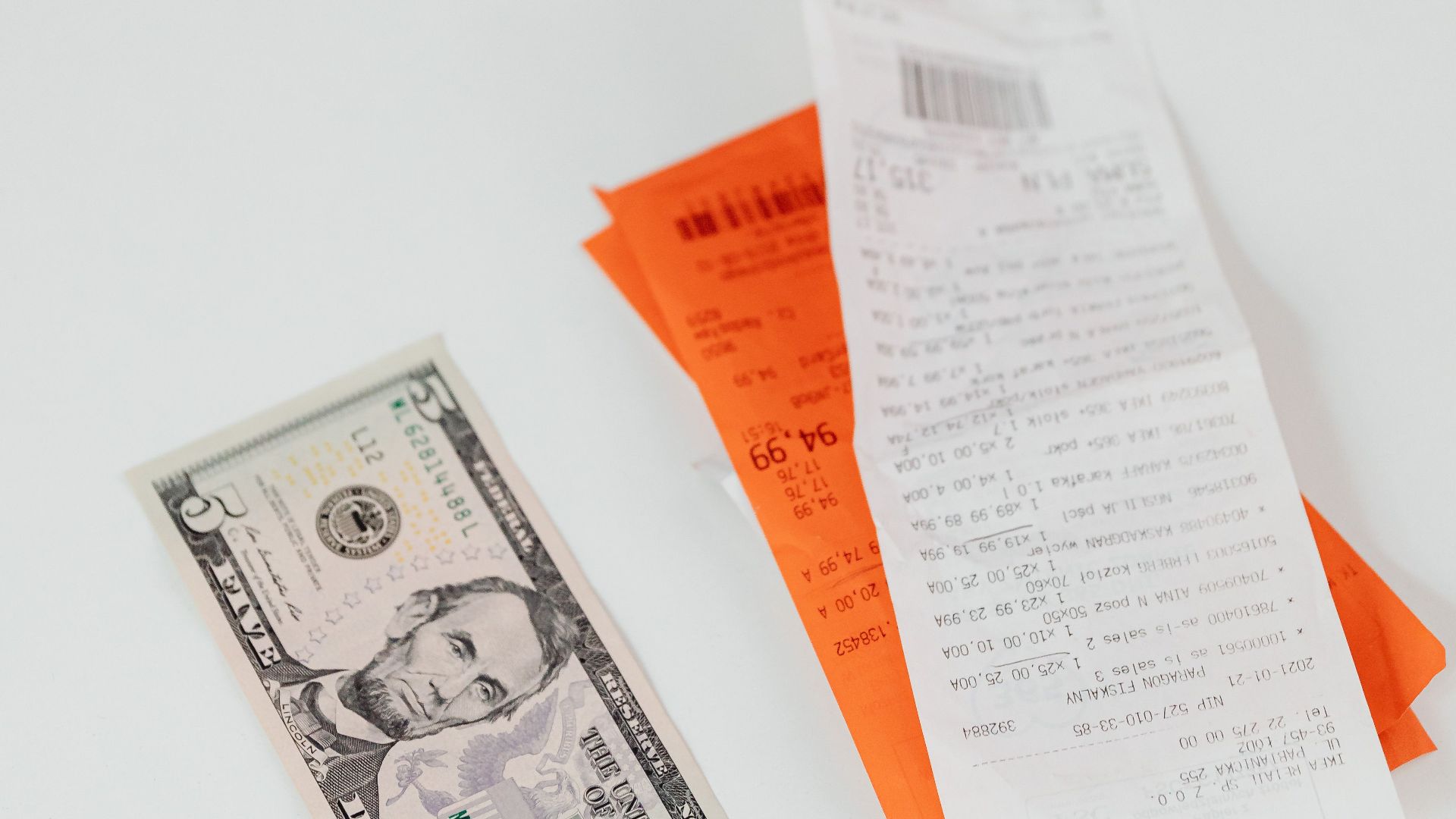
No matter what caused the cancellation, save receipts for meals, transportation, lodging, and basic necessities. Even if the airline says no at first, good records give you a stronger claim later. They also help if you decide to escalate through a regulator, credit card travel protections, or travel insurance.
Ask For Rebooking Options Across Partners
Verifying the reason matters, but so does getting where you need to go. Ask whether the airline can rebook you on a partner carrier or through another airport, especially if the next flight on the same airline is far off. Even when a disruption is labeled as weather, there may still be room for a better rebooking option if you ask clearly and politely.
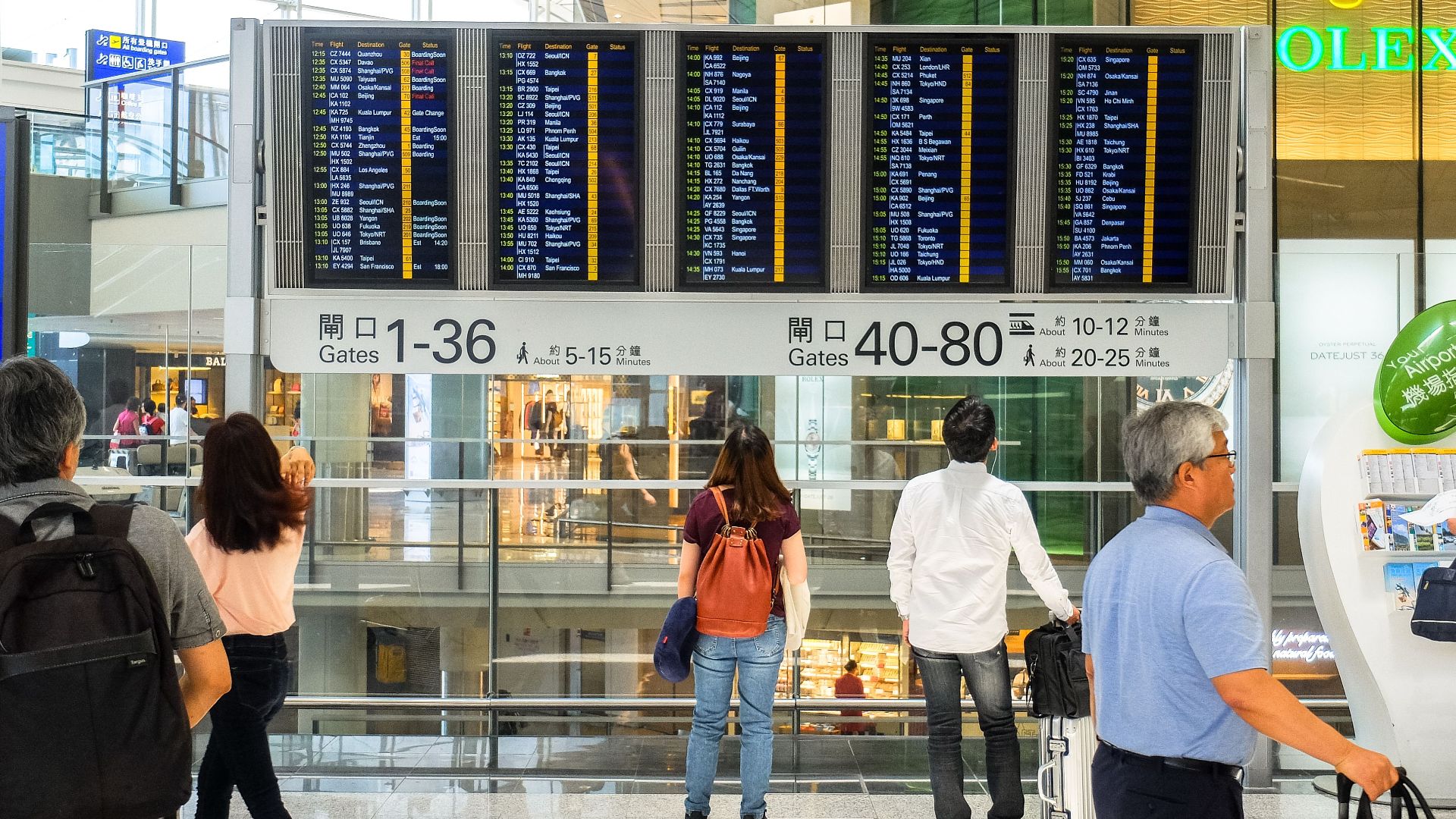
Flight Tracking Sites Can Expose The Sequence
FlightAware’s MiseryMap and airport boards can show whether cancellations were isolated or spread across the system. If your airline was canceling dozens of flights while others were mostly delayed, that suggests a broader operational issue may have been part of the problem. It is not final proof, but it adds useful context if you challenge the explanation.
Social Media Posts Are Not Enough
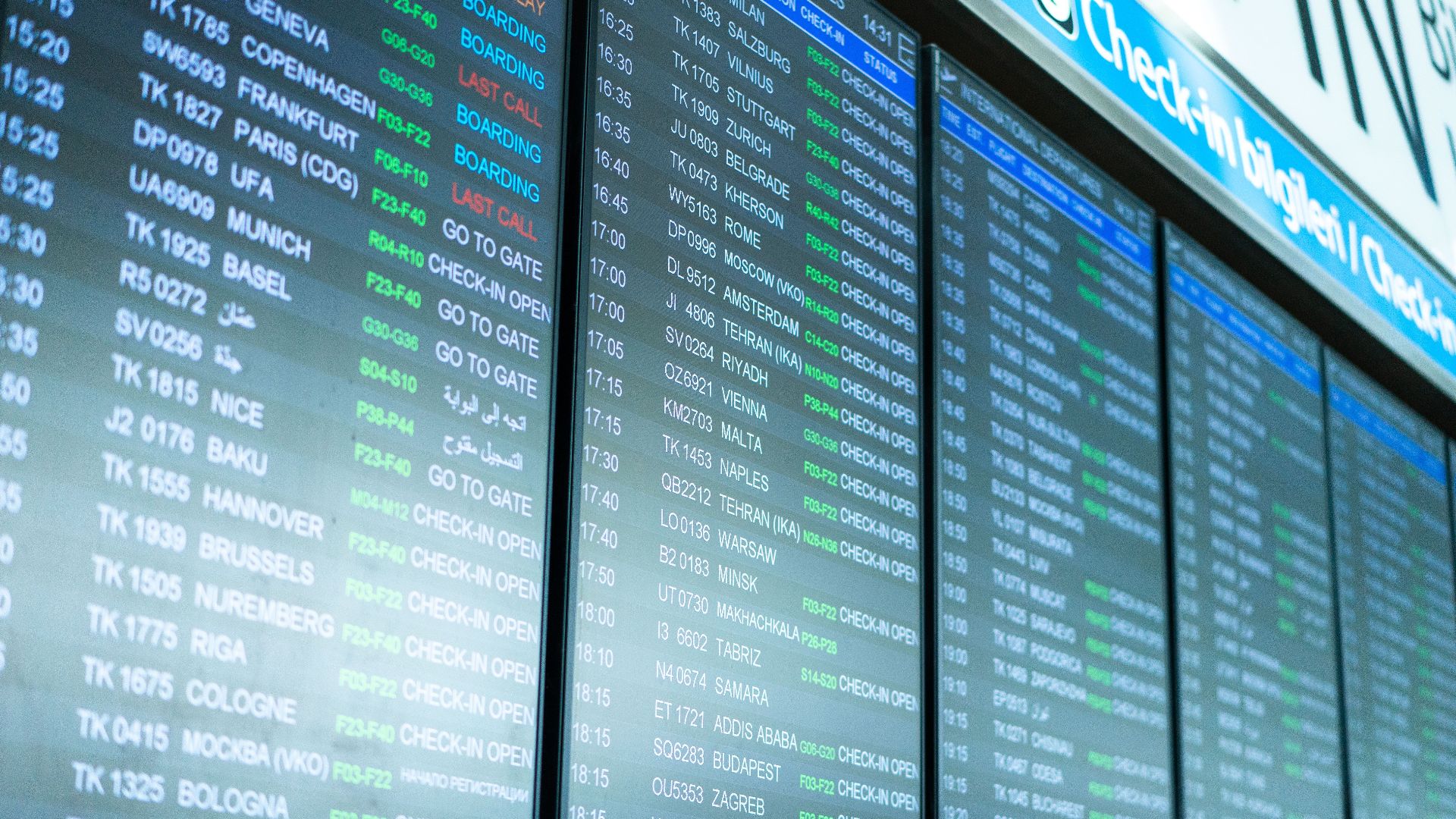
A viral post showing blue skies at the gate might feel convincing, but it usually proves very little. Aviation disruptions are often caused by conditions somewhere else in the chain or by traffic-management decisions passengers cannot see. Public records and official data are much more useful than a sunny video from the terminal.

Consumer Advocates Have Warned About Vague Explanations
Travel advocates have long pushed passengers to ask for specific explanations instead of broad labels. That is part of why the DOT has put more pressure on airlines to be clearer about service commitments and disruption policies. The more specific the airline gets, the easier it is to check whether the story lines up with the public record.
When To File A Complaint
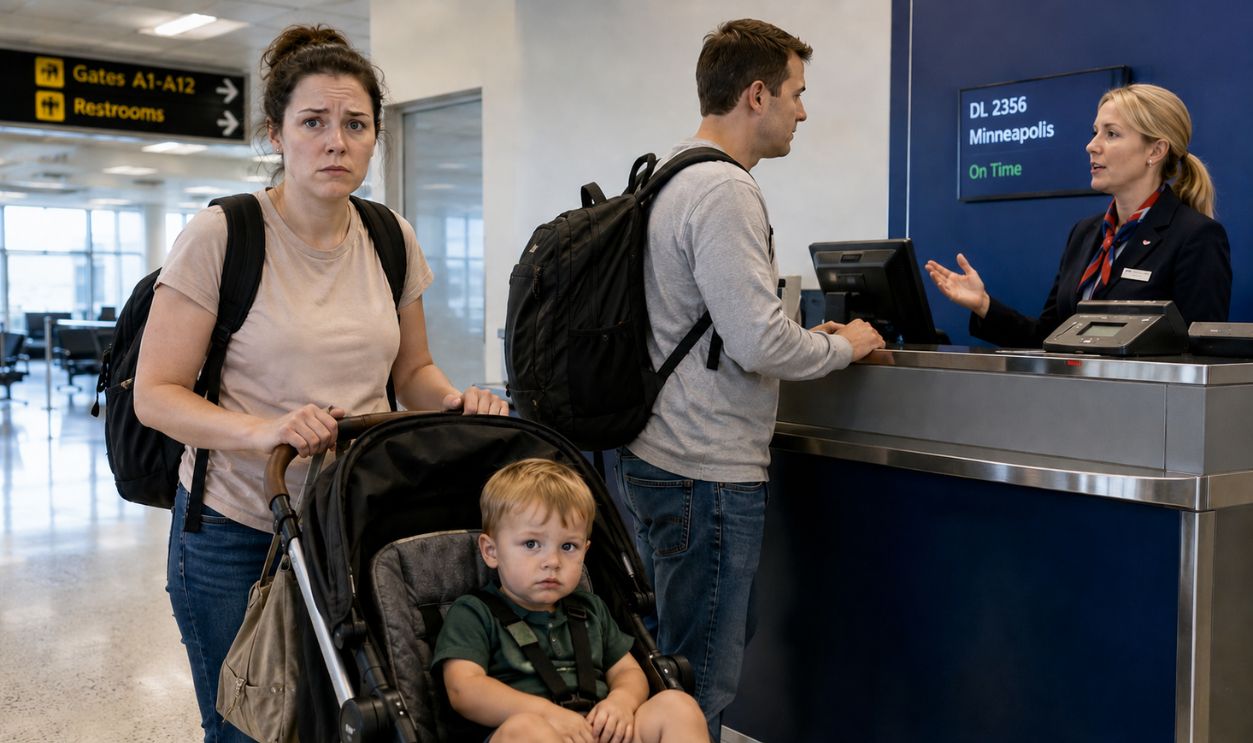
If the airline refuses help, changes its explanation, or you think it misclassified the cancellation, consider filing a complaint with the U.S. Department of Transportation. A DOT complaint does not guarantee money, but it creates a formal record and requires an airline response. In the EU or UK, complaints may also go to the relevant national enforcement body or an alternative dispute resolution program, depending on the airline and route.
 AgnosticPreachersKid, Wikimedia Commons
What To Put In Your Complaint
Include the flight number, date, airports, and the exact reason the airline gave you. Add screenshots of the cancellation notice, FAA status pages, weather reports, inbound aircraft history, and receipts for what you had to spend. A calm, organized timeline is much more persuasive than simply saying that other airlines were still flying.
The Most Important Reality Check
Sometimes the airline is telling the truth even when the explanation sounds suspicious. Weather disruptions can spread in unpredictable ways through aircraft rotations and crew schedules, and passengers usually see only one small piece of that picture. Still, vague answers are not good enough when your trip has fallen apart and your money is on the line.

How Smart Travelers Verify A Weather Claim
Start with the written explanation, then check FAA airport status, ground stops, and delay programs. Pull official weather data for the airports involved, and trace the inbound aircraft if you can. Then compare what happened with the airline’s compensation commitments and escalate with evidence if the explanation does not hold up.
 Guilherme Stecanella, Unsplash
The Bottom Line For Canceled Passengers
If an airline says weather caused your cancellation while everyone else seems to be flying, do not just assume that is true and do not let it go without checking. Use FAA data, official airport weather reports, flight tracking, and the DOT’s airline dashboard to test the claim. A little digging can tell you whether you were caught in real bad weather or in an airline problem hiding behind a familiar excuse.