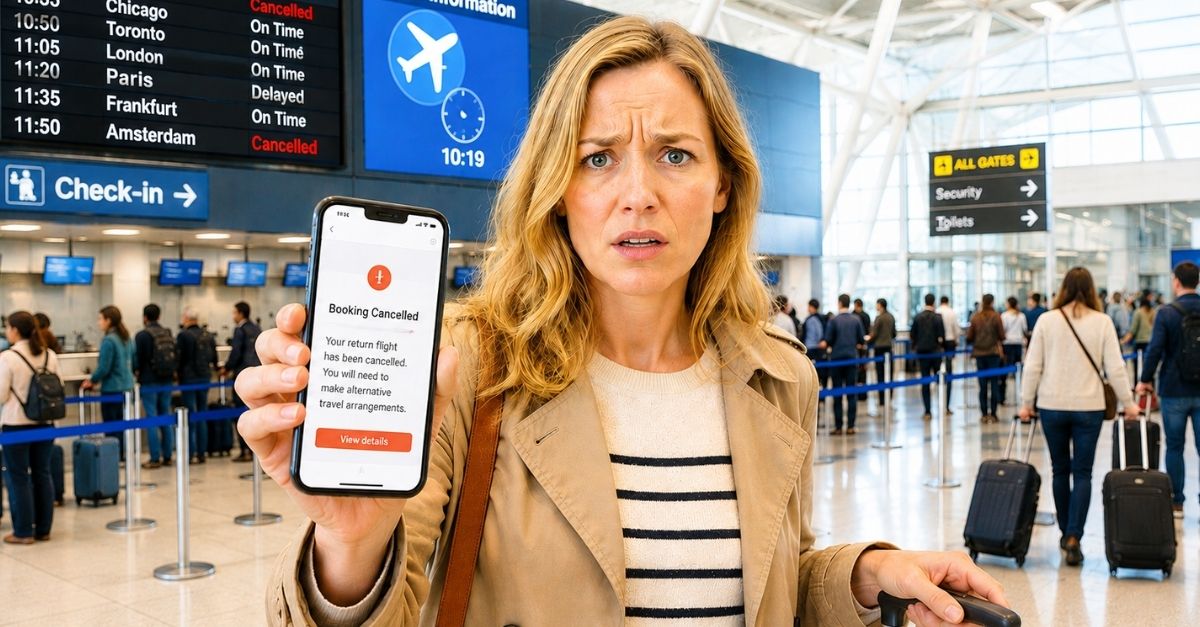
The Shock After A No Show
Miss the first flight on your itinerary, check your app later, and your return ticket may be gone. It feels random, but airlines often treat a skipped first leg as a break in the fare rules tied to the whole booking. In many cases, that missed segment triggers cancellation of the rest of the trip.
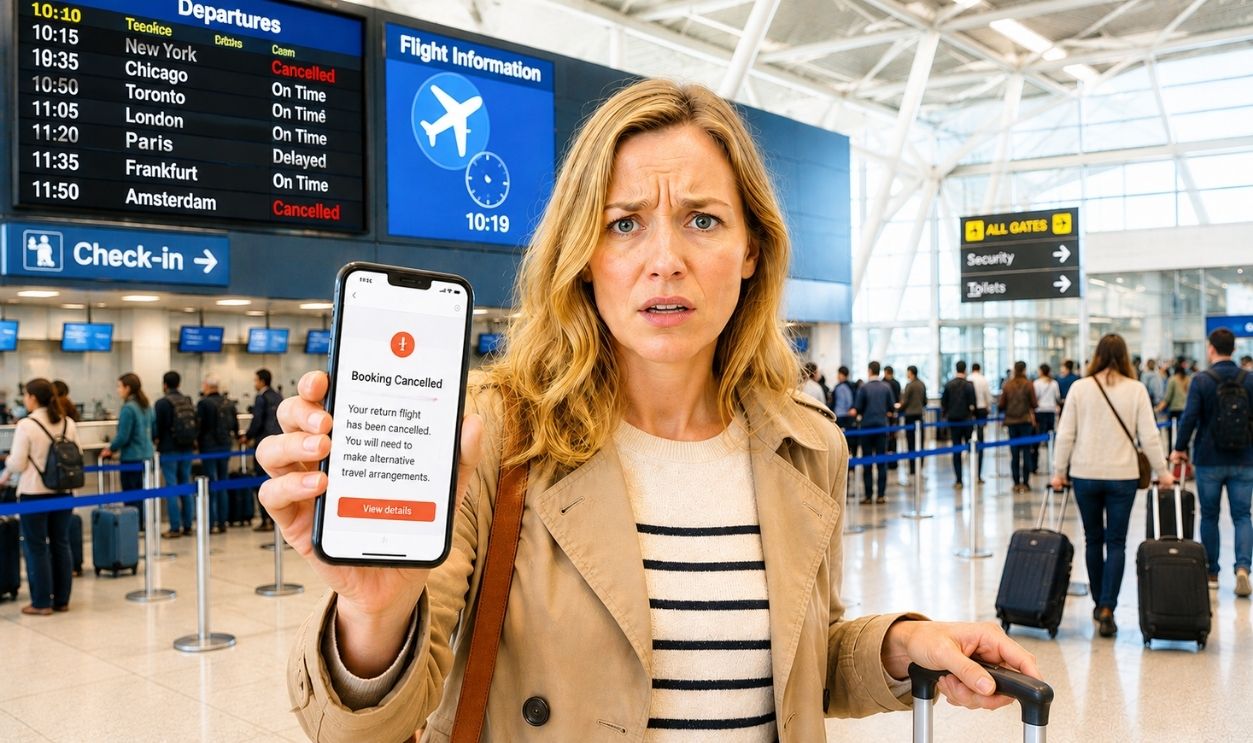
Why It Feels So Unfair
Most travelers see each flight as a separate ride they already paid for. Airlines usually do not. When flights are booked on one ticket, the itinerary is sold as a package that has to be flown in order.
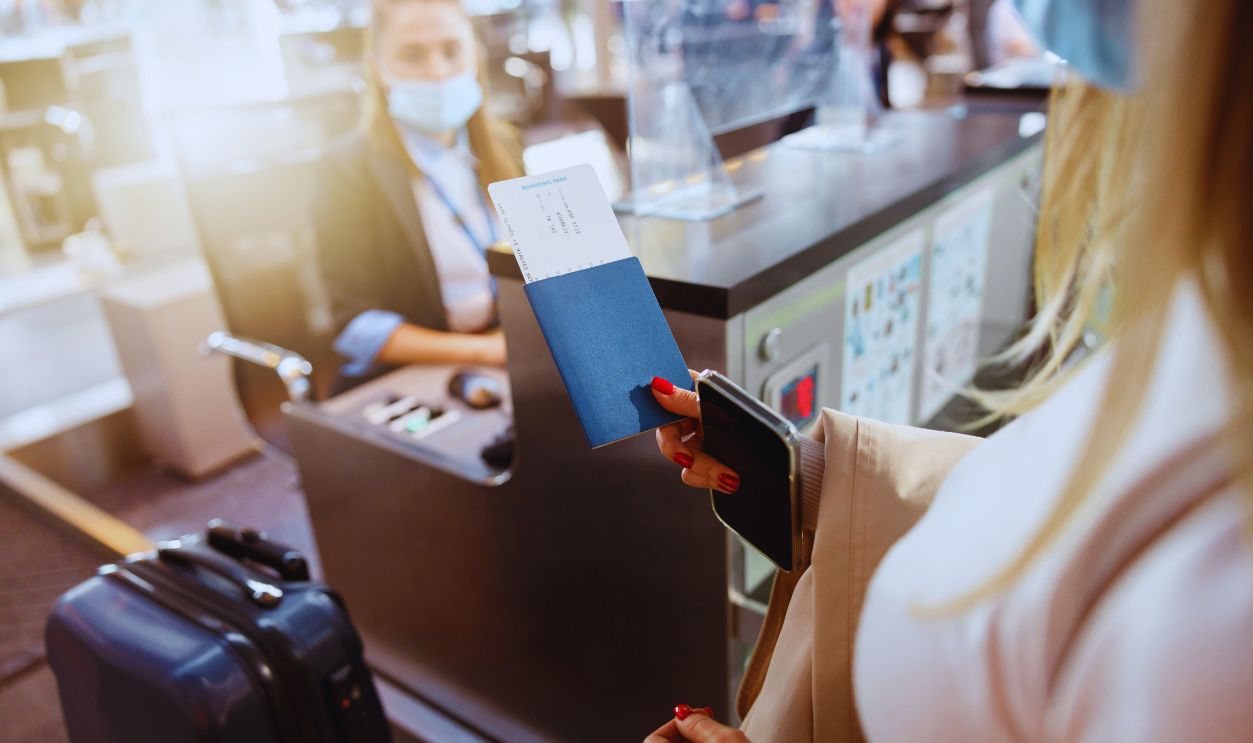
The Rule Has A Name
Airlines often call this a sequence rule or coupon rule. It means every flight coupon on the ticket must be used in order, from the first segment to the last. If one coupon is not used, the rest can become invalid unless the airline decides to restore them.

What Airlines Say In Black And White
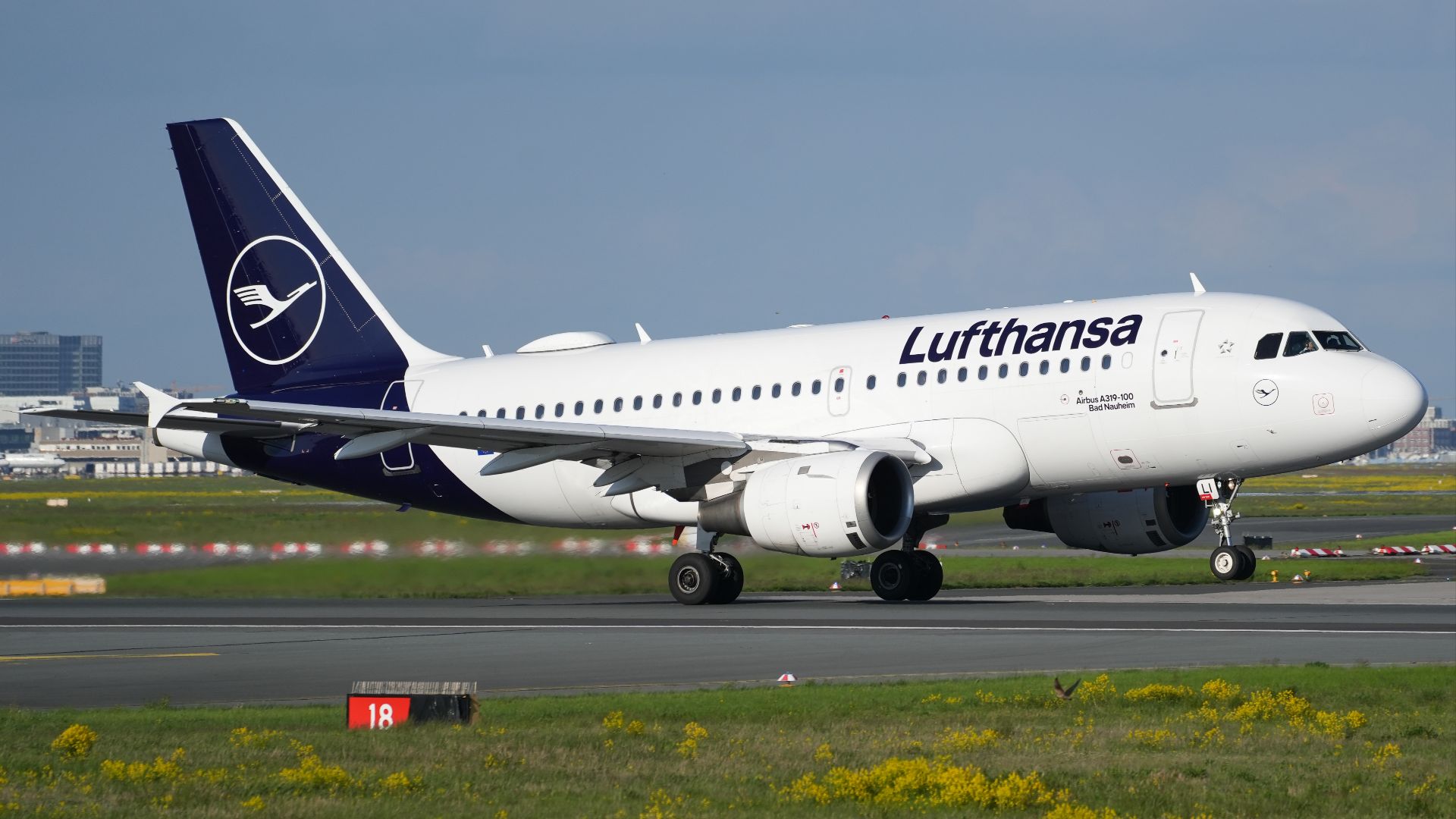
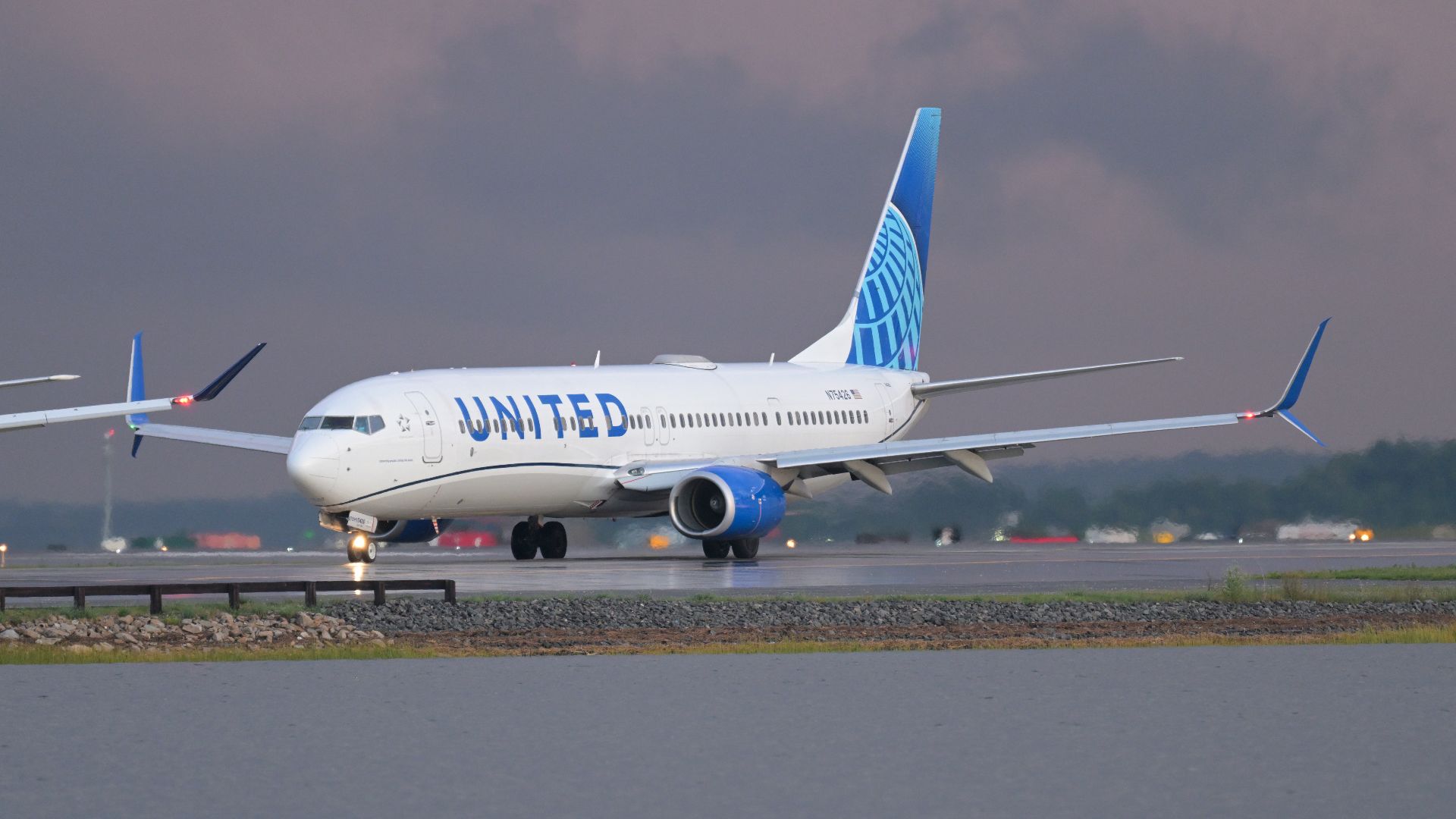
American Airlines says in its conditions of carriage that if you do not fly a segment without notifying the airline, onward or return reservations may be canceled. United Airlines uses similar wording in its contract of carriage and says tickets are valid only if all flight coupons are used in sequence. Lufthansa’s conditions also say a ticket loses validity if coupons are not used in the order listed.
This Is Not A New Rule
This has been part of airline fare rules for years. More people noticed it once online booking made fare differences easier to spot and more travelers started skipping legs they did not want. Complaints followed because many people only learn about the rule after something goes wrong.
 Frame Stock Footage, Shutterstock
Why Airlines Price Trips This Way
Airfares are not priced like bus tickets or movie seats. Airlines use revenue systems that price the full itinerary based on demand, competition, connection traffic, and market strategy. That is why a connecting trip can sometimes cost less than a nonstop or even less than a shorter part of the same route.

The Hidden City Connection
This rule often comes up when people talk about hidden city ticketing. That is when someone books a cheaper connecting itinerary but plans to get off at the connection point and skip the final leg. Skiplagged became well known for pointing out these fare quirks, and airlines have pushed back hard.

Courts Have Seen This Fight Before
In 2014, United Airlines and Orbitz sued Skiplagged founder Aktarer Zaman, arguing that the site promoted banned ticketing practices. The case got attention because it showed how often airline fare rules clash with what travelers think they bought. The dispute did not end with a broad court ruling against hidden city travelers, but it made one thing clear: airlines take these rules seriously.
 4300streetcar, Wikimedia Commons
Europe Has Challenged The Logic
One of the biggest consumer wins came in Spain. In 2018, Spain’s Supreme Court ruled against Iberia in a case involving a passenger who skipped a leg and later faced demands tied to the ticket terms. The court found the clause abusive under Spanish consumer law, showing that local law can sometimes push back on airline contract terms.
 Adam Moreira (AEMoreira042281), Wikimedia Commons
But That Does Not Mean The Rule Vanished
The Spanish ruling did not wipe out sequence rules around the world. Airline contracts still generally include them, and enforcement remains common in the United States and many other places. What changed is that travelers now have a clear example of a court questioning whether the practice is always fair.
Regulators Know Travelers Are Confused
The U.S. Department of Transportation requires airlines to make contract terms available, but that does not mean regular passengers read them or understand them. Consumer advocates have long argued that fare rules are too dense and too buried in the booking process. The result is a nasty surprise when a no show wipes out the rest of a trip.

A Missed Flight And A Skipped Flight Are Not Always The Same
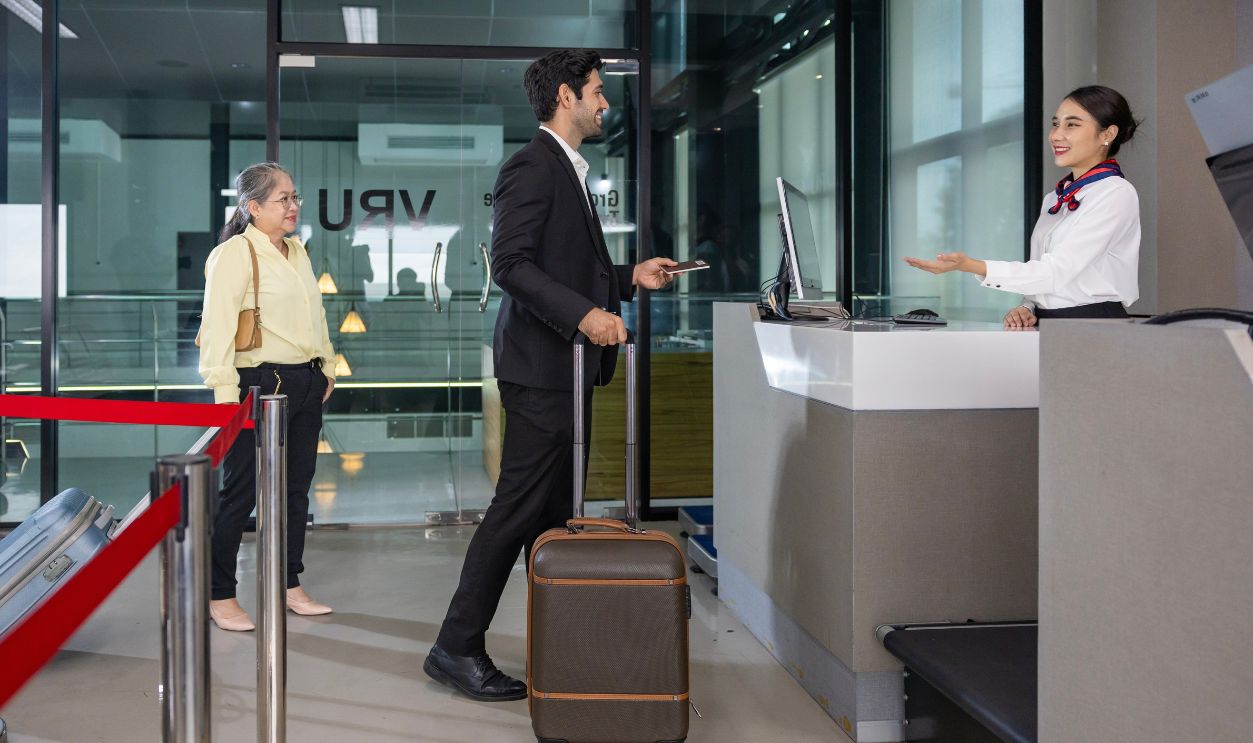
Intent matters less than people expect. If you intentionally skip the first leg, the system often treats you as a no show and cancels the rest automatically. If you miss the first leg because of traffic, illness, or a delay on a separately booked flight, the result can still be the same unless you alert the airline before departure.

The Fastest Way To Save The Return
If you know you will miss a flight, contact the airline before departure if you can. An agent may be able to protect the rest of the itinerary, rebook you, or note the reason so the return is not canceled. Once the no show is processed after departure, getting the remaining flights back can be harder and more expensive.

Separate Tickets Change The Picture
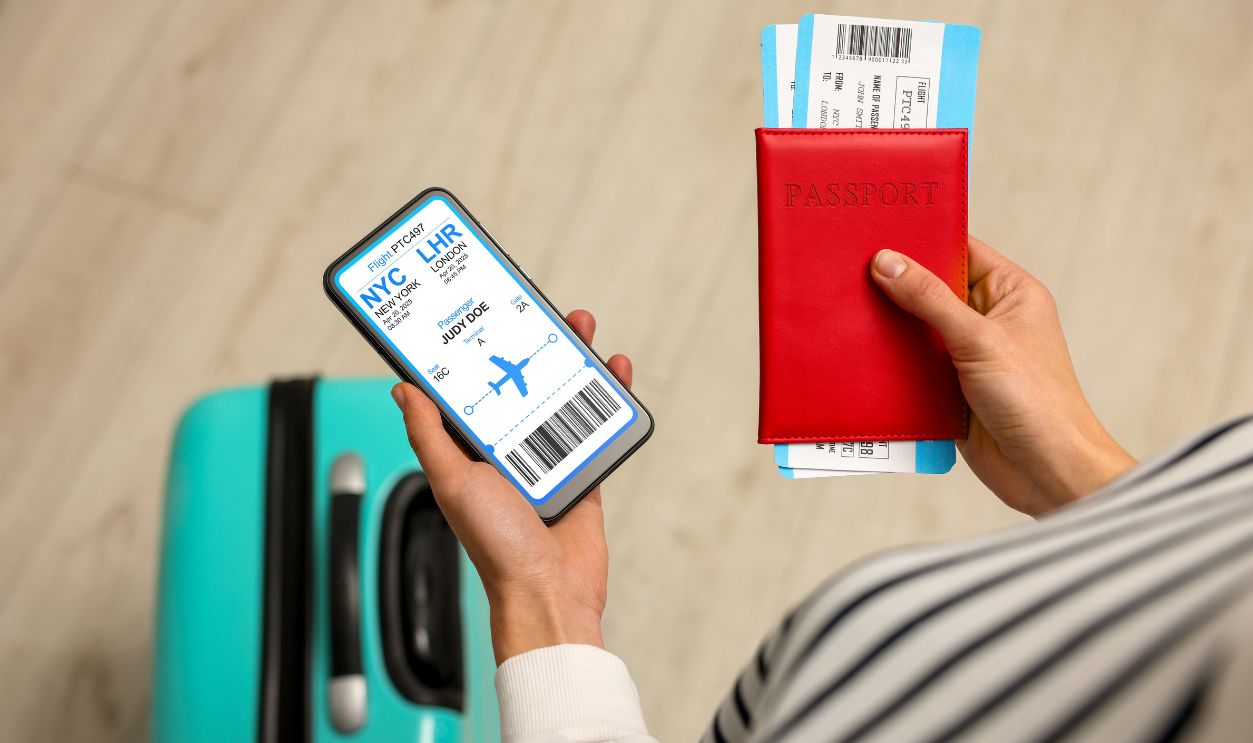
If your outbound and return are on two completely separate tickets, skipping one usually does not cancel the other. The key is whether the flights are tied to one ticket number or reservation with shared fare rules. Travelers often assume separate bookings in one account are independent, but that is not always true, so it is worth checking the ticket details.
Basic Economy Can Be Even Stricter
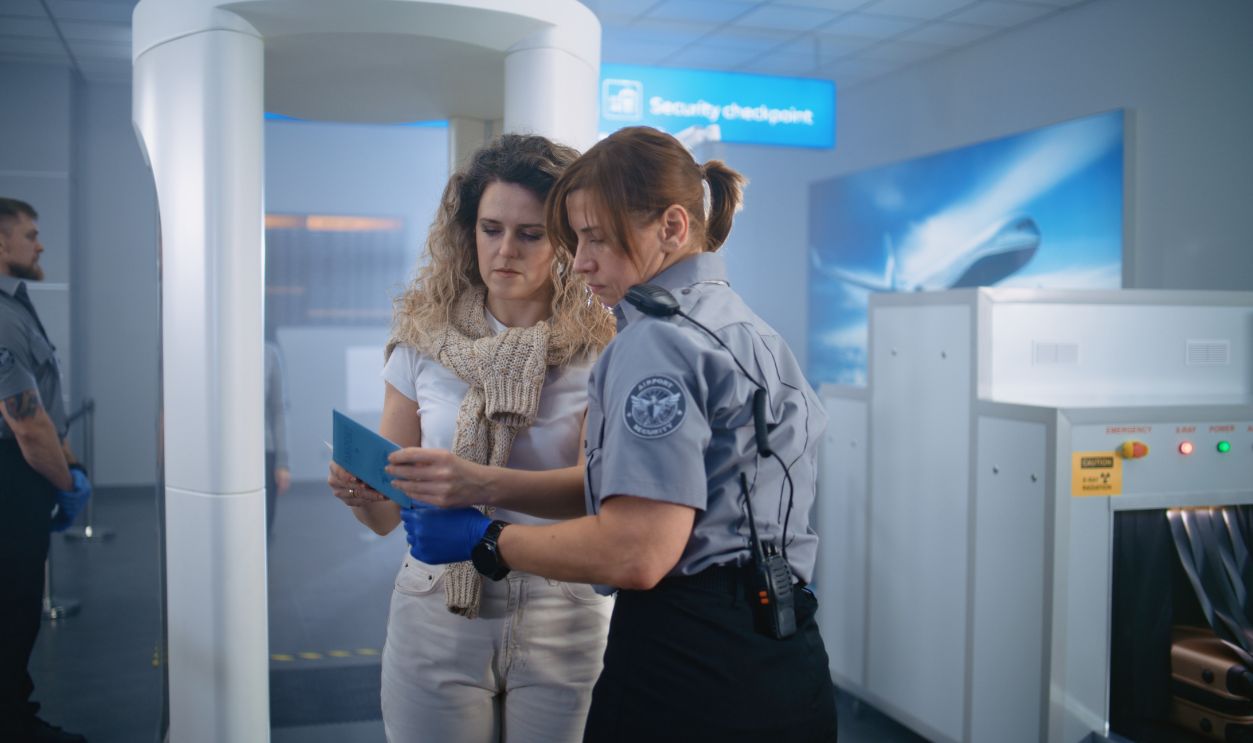
Lower fares often come with tougher rules. Basic economy tickets may offer less flexibility for changes, refunds, or exceptions after a no show. That does not create the sequence rule, but it can leave you with fewer ways to fix the problem once it happens.
 Frame Stock Footage, Shutterstock
Airlines Also Worry About Abuse
From the airline’s point of view, sequence rules help stop fare gaming. If travelers could freely toss out unwanted segments while keeping lower through fares, pricing would become harder to manage and some markets could get distorted. Airlines argue that this would undercut how they assign seats and set fares across their networks.

Consumer Advocates See It Differently
Groups like Elliott Advocacy have documented years of passenger frustration over canceled returns after missed outbound legs. Their basic point is simple: if a traveler paid for the seat, airlines should not be able to erase later flights without clearer warnings and fairer solutions.

One Common Trigger Is A Cheaper Fare From Another City
Sometimes travelers find that a round trip from a nearby city is much cheaper than starting from their real home airport. They plan to skip the first hop and start at the connecting airport instead. That is exactly the kind of move most likely to trigger automatic cancellation of the rest of the itinerary.

Checked Bags Make Hidden City Plans Riskier
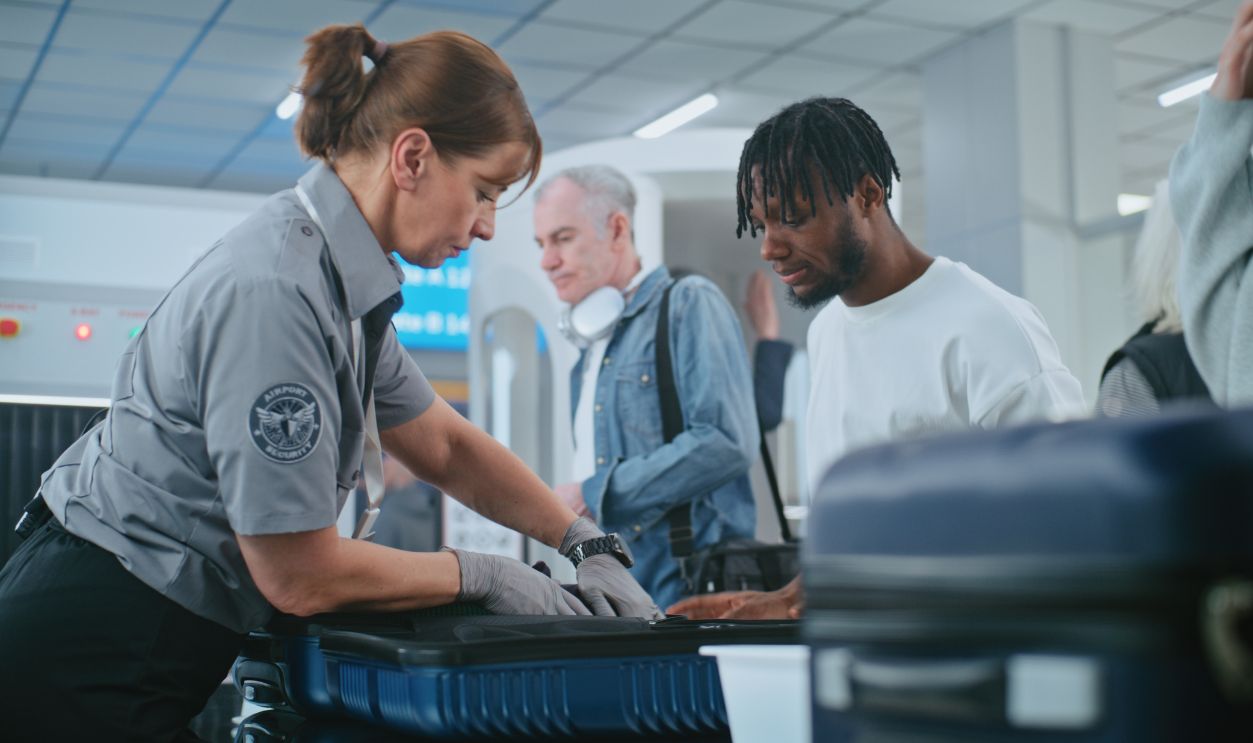
Even if someone plans to skip a segment on purpose, checked luggage can wreck the plan. Bags are usually tagged to the final ticketed destination, not to the connection point where the passenger wants to stop. On international trips, baggage and customs rules can vary, but counting on a bag to stop where you want is a gamble.
 Frame Stock Footage, Shutterstock
Frequent Flyer Accounts Can Be A Clue
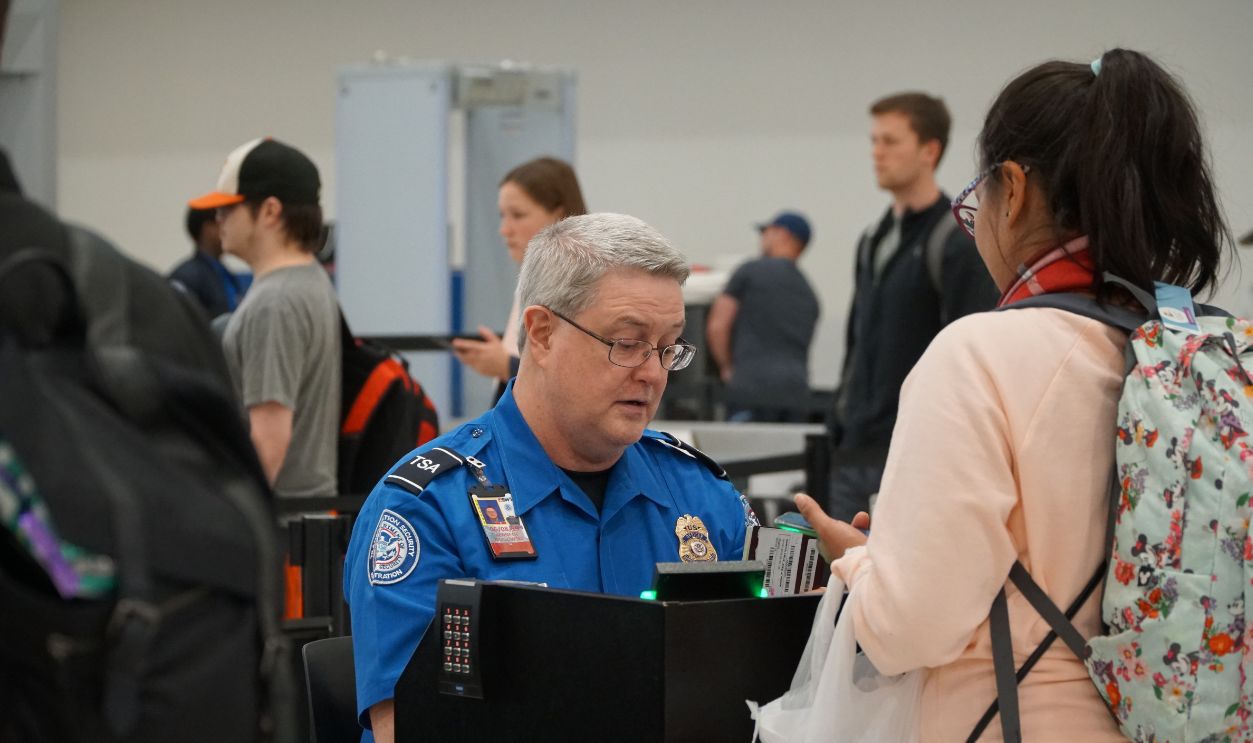
Airlines can spot repeated hidden city behavior through reservation history and loyalty accounts. Travel experts often warn that repeated abuse may lead to account review, loss of miles, or other penalties under airline rules. An occasional accidental no show is very different from a pattern that looks deliberate.
 everythingforall, Shutterstock
International Trips Add More Complications
On international tickets, skipping the first leg can create problems beyond the airline contract. Fare recalculations, visa timing, and immigration paperwork can all get more complicated when the trip no longer matches what was ticketed. That is one reason consumer advisers usually tell travelers not to test sequence rules on big international trips.

What To Do At The Airport If It Already Happened
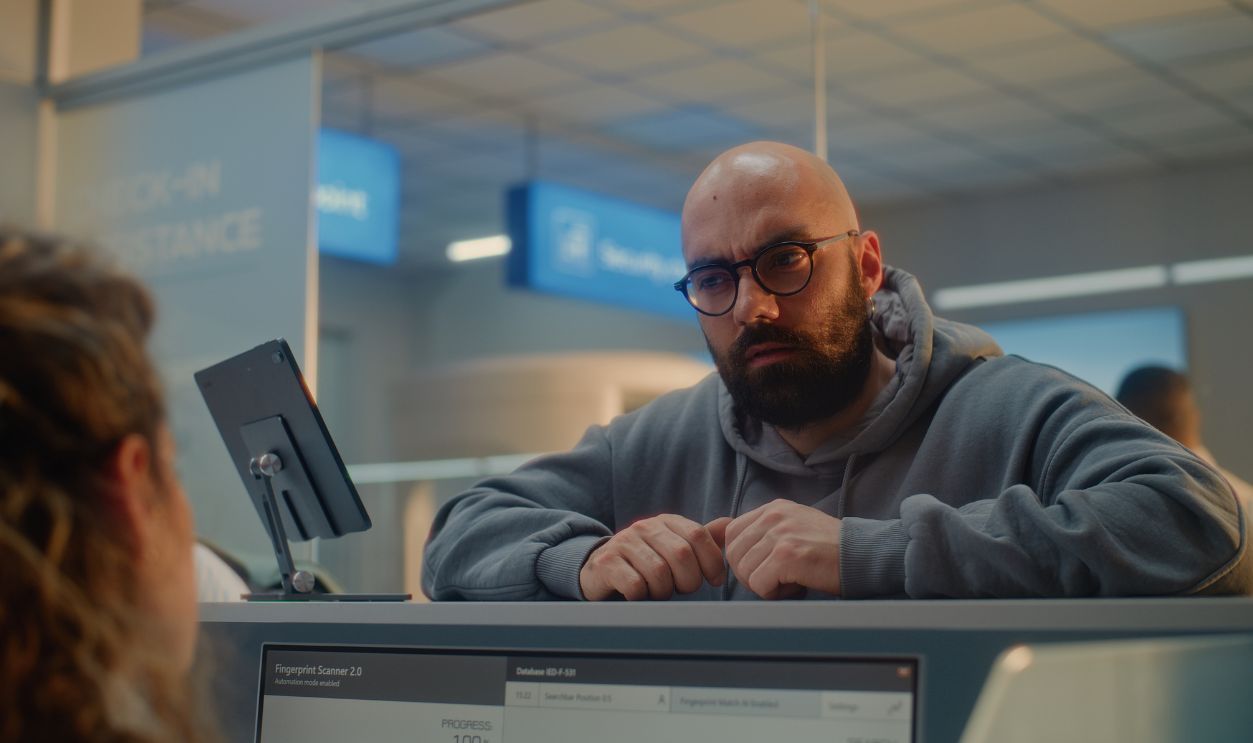
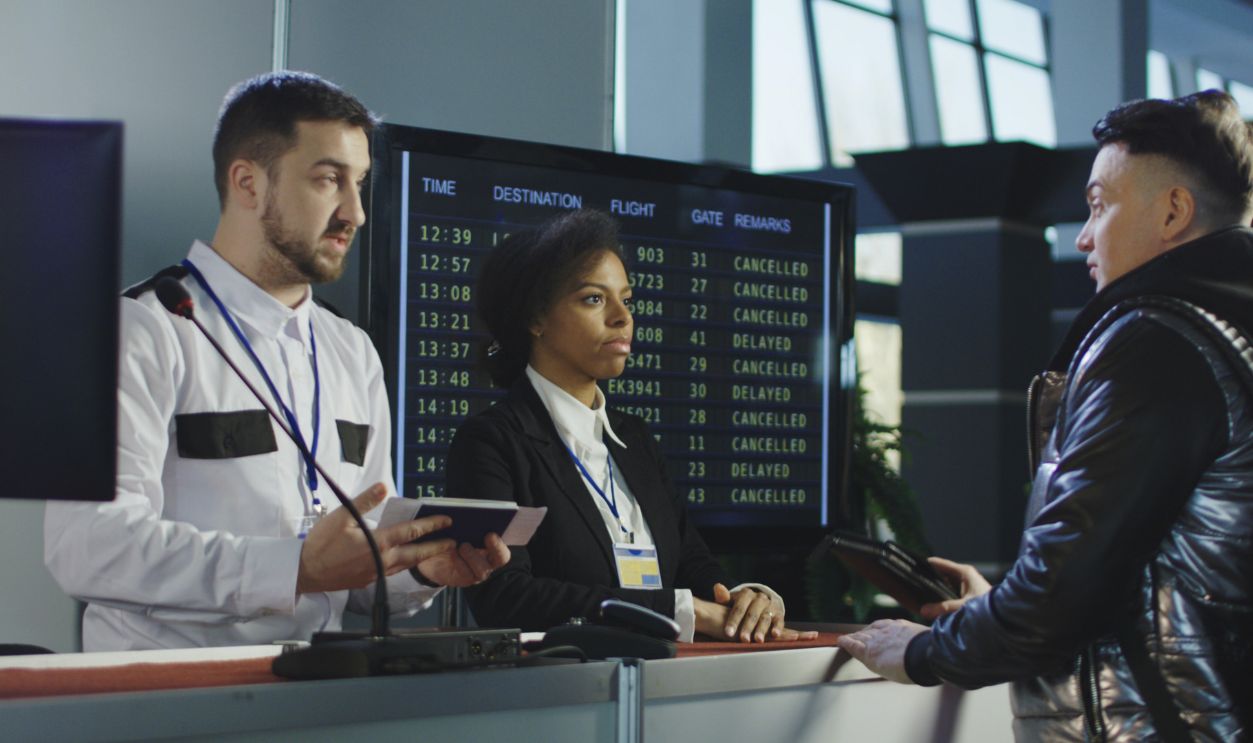
If your remaining flights have already been canceled, go to the airline desk or call reservations right away. Stay calm and focus first on the practical fix by asking whether the return can be reinstated, reticketed, or split from the missed segment. If the missed flight was outside your control, politely ask for a supervisor and note the exact time you first asked for help.

Documentation Can Matter
Keep screenshots of your booking, cancellation notices, and any chat or email with the airline. If you missed the first leg because of a medical issue, road closure, or delay on another carrier, gather records that back up your explanation. Those details can help if you later ask for a refund, fare adjustment, or goodwill review.

Travel Insurance Usually Has Limits Here
Many travelers hope insurance will solve everything, but policies vary a lot. Some trip interruption benefits may help with costs tied to a covered reason for missing the outbound flight, while others will not cover losses caused by a voluntary skipped segment. Read the policy terms carefully before assuming you are covered.

The Best Prevention Is Surprisingly Simple
Do not assume silence is harmless. If you are going to miss the first leg, tell the airline before departure and ask directly whether your remaining flights will stay active. That one question can save you from one of the worst surprises in air travel.

When A Complaint Is Worth Filing
If the airline refused to help despite clear evidence that the missed flight was outside your control, you can file a complaint with the U.S. Department of Transportation or the relevant national authority. A complaint does not guarantee a refund, but it can trigger a closer review and help regulators spot repeat problems. If the amount at stake is large, local consumer law or small claims court may also be worth a look.

The Bottom Line For Travelers
One missed flight can cancel everything because many airline tickets are sold as a sequence of coupons that must be used in order. The rule is common, legally tested, and often enforced automatically, even though many passengers find it baffling. The safest move is to contact the airline before you become a no show and never assume your return will survive a skipped first leg.
 Frame Stock Footage, Shutterstock