When Vacation Plans Go Sideways
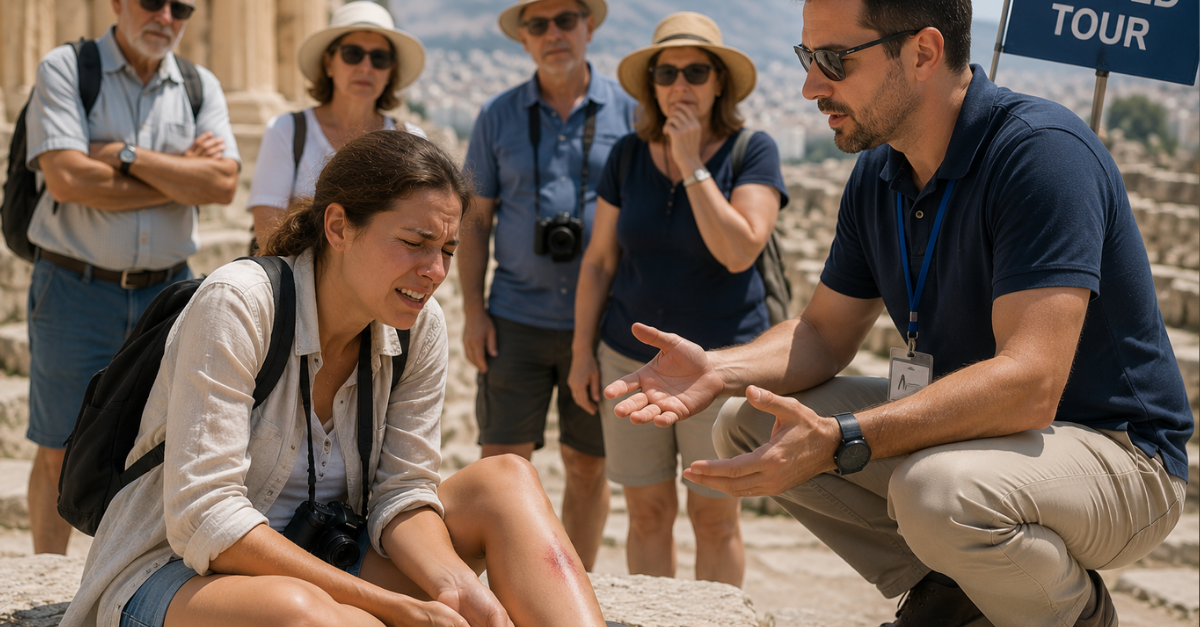
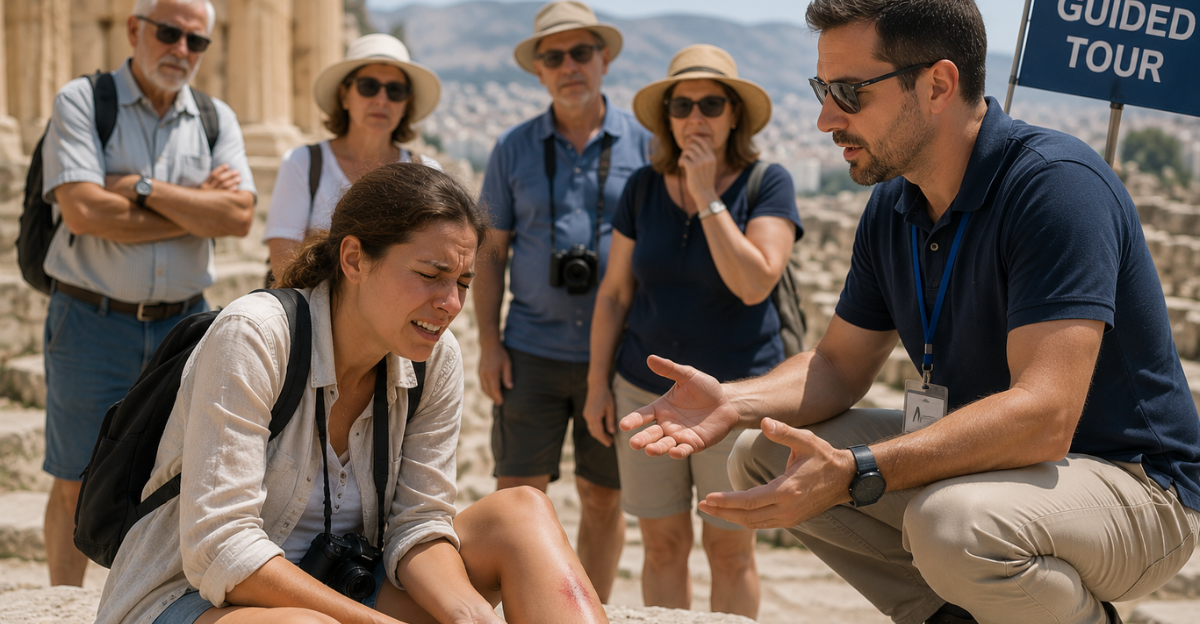
Booking a guided tour is supposed to make travel easier. Someone else handles the planning, transportation, and local knowledge while you enjoy the experience. But if you get hurt during the tour, things can get complicated fast. Figuring out who is responsible often depends on how the tour was booked, who was running it, and what exactly caused the accident.
How You Booked The Tour Matters
One of the first things investigators and lawyers usually look at is how the tour was purchased. Was it included in a vacation package, or did you book it separately after arriving? That distinction can affect which company may be responsible and what protections might apply.

Tour Companies Aren't Off The Hook
Many travelers assume that once a local company takes over, the larger tour operator has no responsibility. That is not always the case. Companies that sell tours are often expected to take reasonable steps to make sure the services they offer are safe and properly managed.
Local Operators Can Be Liable Too
In many cases, the company actually running the tour may bear responsibility if something goes wrong. If equipment was poorly maintained, staff were inadequately trained, or safety procedures were ignored, the local operator could end up facing liability.
Tour Guides Have Safety Responsibilities
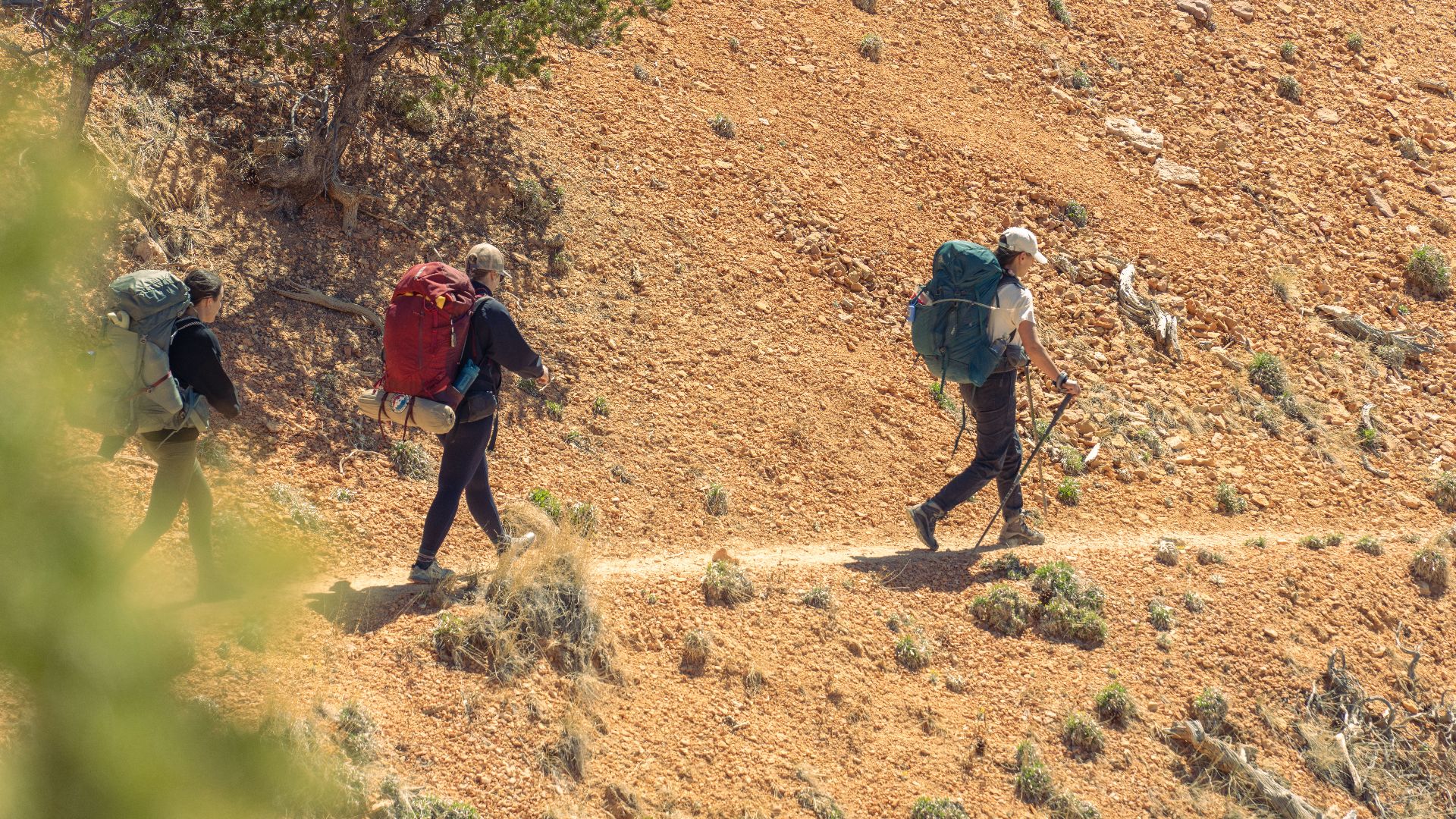
A tour guide's job is about more than pointing out landmarks and sharing interesting stories. Guides are often expected to provide safety instructions, warn guests about hazards, and supervise activities when necessary. Ignoring those responsibilities can become a serious issue after an accident.

Not Every Injury Means Someone Was Negligent
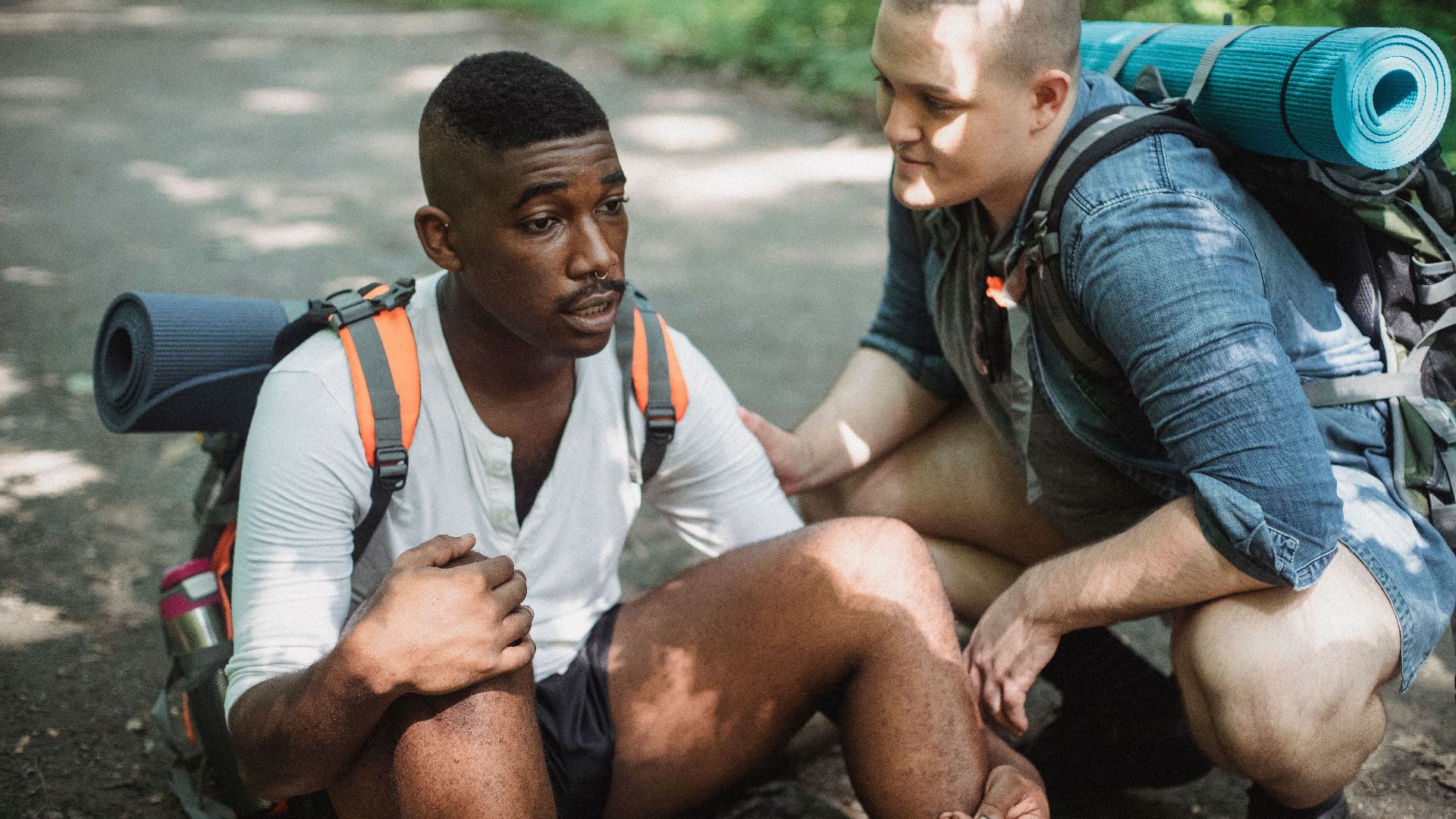
Accidents happen, even during well-run tours. The key question is usually whether someone failed to act reasonably. Simply getting hurt does not automatically mean another party is legally responsible.
Faulty Equipment Can Create Problems
Broken helmets, damaged bicycles, defective life jackets, and worn-out safety gear have all been involved in tour-related injury claims. When equipment fails because it was not properly inspected or maintained, that can point toward negligence.

Transportation Can Complicate Things
Many guided tours involve buses, boats, vans, trains, or other forms of transportation. If an injury happens during a vehicle accident, the transportation provider may end up sharing responsibility with other parties involved in the tour.

Sometimes The Venue Is At Fault
Not every injury happens because of something a guide did. A traveler could slip on a poorly maintained walkway, fall down damaged stairs, or get hurt because of unsafe conditions at an attraction. In those cases, the property owner might be partly responsible.
Adventure Tours Come With Extra Risks
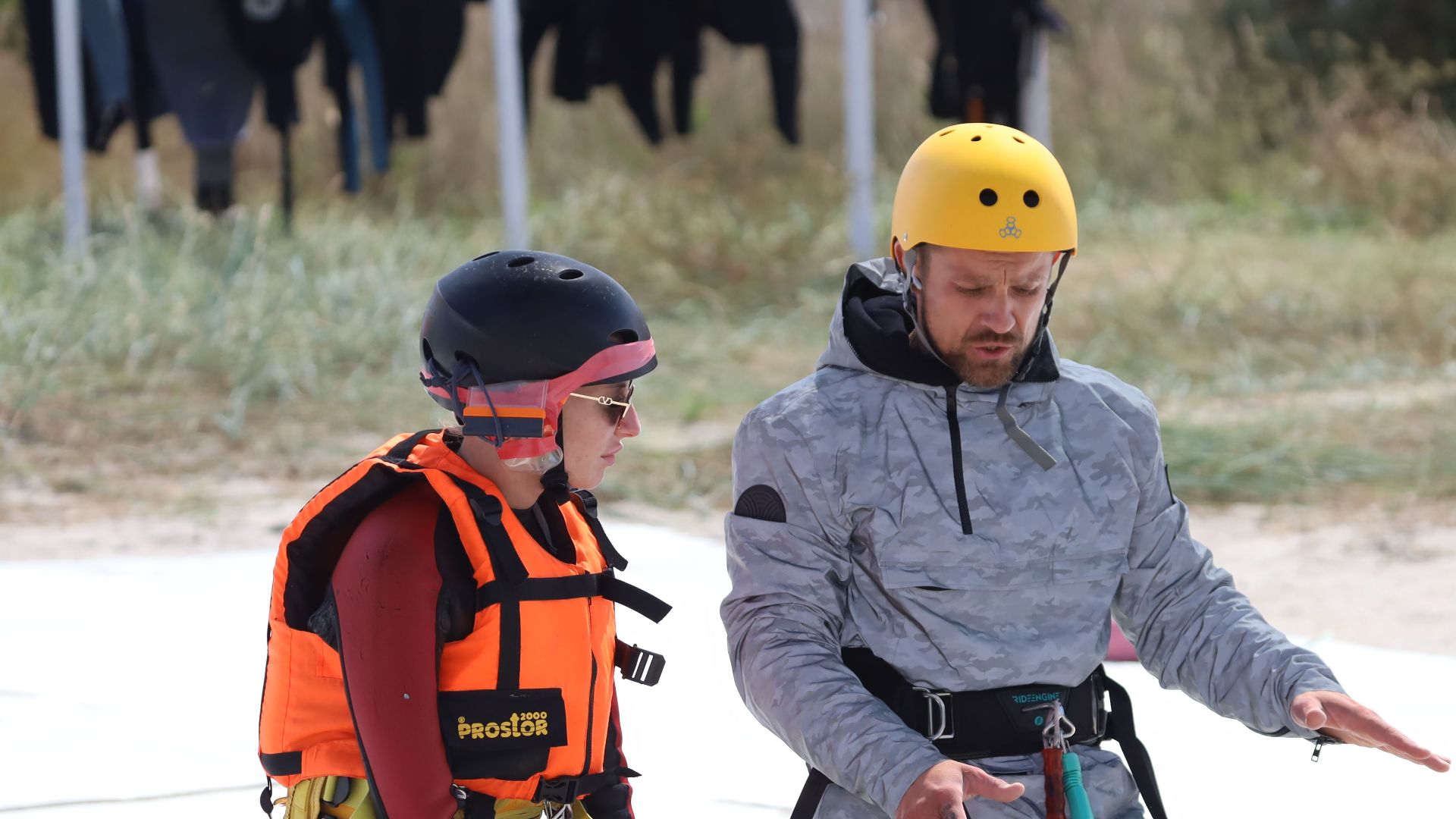
Activities like ziplining, whitewater rafting, scuba diving, mountain climbing, and off-road excursions naturally involve more risk than a standard sightseeing tour. Because of that, operators are generally expected to provide proper training, equipment, and safety briefings.

Signing A Waiver Doesn't End The Story
Lots of travelers sign liability waivers without reading them closely. While waivers can help protect tour operators in some situations, they do not necessarily shield a company from claims involving negligence or serious safety failures.

Package Vacation Rules May Offer Protection
If your tour was part of a larger vacation package, you may have additional protections depending on where you purchased the trip. In some cases, travelers can pursue claims against the company that sold the package instead of dealing directly with a foreign operator.

Good Documentation Is Your Friend
If you're injured, start gathering information as soon as possible. Photos, videos, witness names, medical records, and copies of incident reports can all become valuable evidence later.

Report The Accident Right Away
It can be tempting to brush off an injury and keep enjoying your vacation. However, reporting the incident immediately creates an official record and makes it harder for anyone to dispute what happened later.

Don't Delay Medical Treatment
Even if an injury seems minor, getting checked by a medical professional is usually a smart move. Medical records can help document the severity of the injury and establish when it occurred.

Travel Insurance May Help
Many travelers buy insurance and then forget what it covers. Depending on the policy, travel insurance may assist with medical bills, emergency transportation, and other expenses related to injuries abroad.

The Rules Change From Country To Country
One thing that surprises many travelers is how different systems can be. Safety regulations, compensation rules, and legal procedures vary widely around the world, which can make overseas injury cases more challenging.
Where A Lawsuit Happens Can Be Complicated
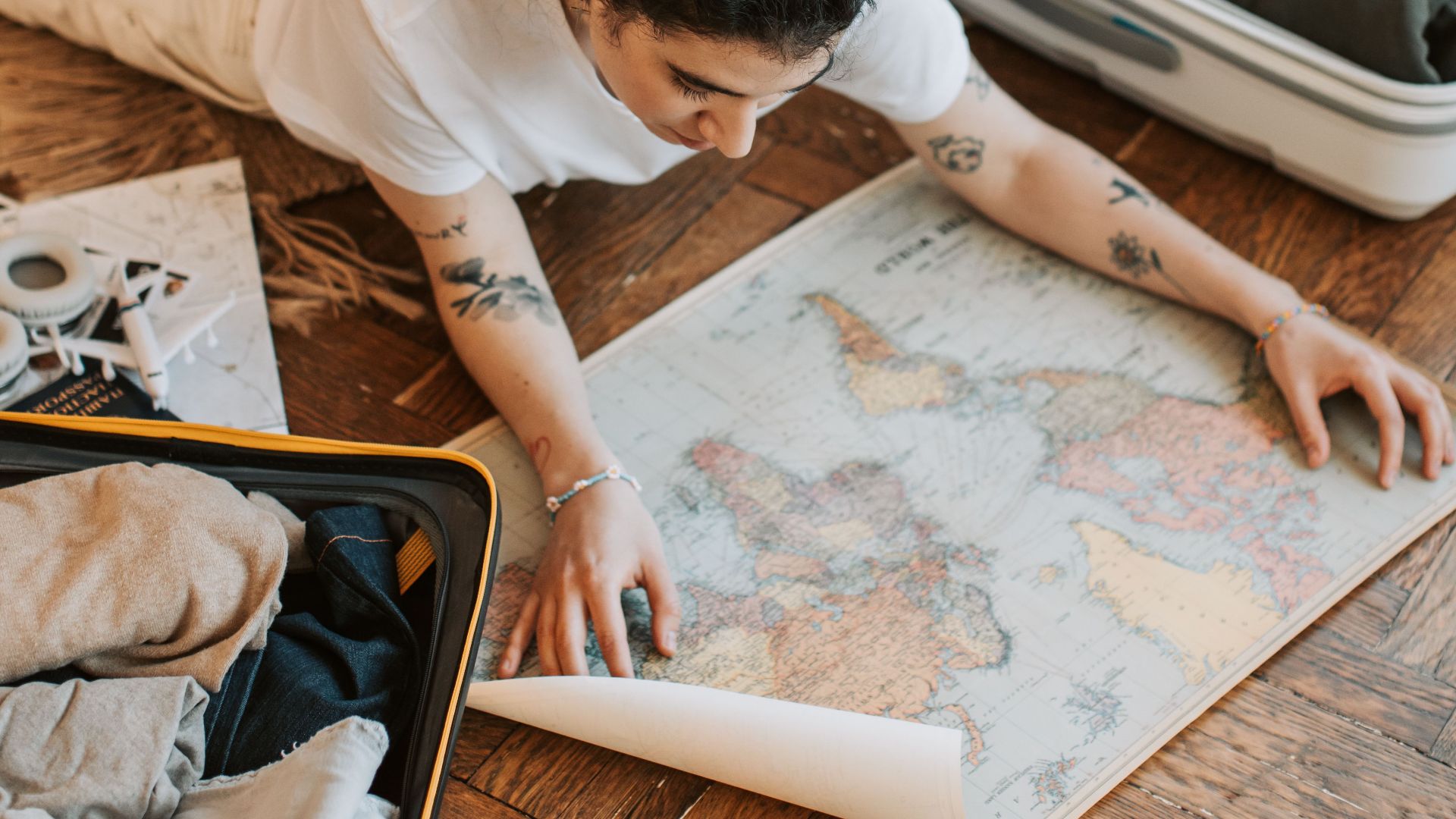
An injury abroad often raises a tricky question: where should the claim actually be filed? Depending on the circumstances, court action could potentially take place in the country where the injury occurred, where the tour company is based, or another location specified in a contract.
More Than One Party Can Share The Blame
Not every case has a single responsible party. A tour operator, local guide, transportation provider, and attraction owner could all play a role in creating the conditions that led to an injury.
Independent Bookings Usually Mean Fewer Protections
When travelers book directly with a small local operator, they may have fewer options than someone who purchased a package vacation through a larger company. That does not mean compensation is impossible, but it can make the process more complicated.

Safety Procedures Often Become The Focus
After an accident, investigators typically examine what safety measures were in place. Did the company provide instructions? Were warnings clearly communicated? Was proper supervision available? Those details often play a major role in determining responsibility.
Every Situation Is Different
There is no single answer to who is responsible when someone gets injured during a guided tour abroad. The outcome usually depends on the specific facts, including how the tour was organized, what caused the injury, and whether anyone failed to meet their safety obligations. Sometimes responsibility falls on one party, and sometimes it is shared among several. That is why documenting what happened and understanding your rights can be so important.

You May Also Like:
My Airbnb host asked us to leave a positive review before we even checked in. Is that a red flag?