

Missed connections frustrate travelers, yet the cause matters more than the outcome. Airline delays, weather disruptions, and mechanical issues fall within a carrier’s responsibility. However, delays due to government procedures do not. Customs and immigration operate independently, and random inspections can delay passengers without warning. When that delay causes a missed flight, confusion often follows. Responsibility depends on control. Airlines are judged by whether they caused the delay or had the authority to control it. That distinction determines rebooking options and compensation. Understanding this difference also helps travelers set realistic expectations before approaching airline staff or paying unexpected costs. After all, preparation before travel reduces shock and misplaced assumptions.
Airline Policies and Passenger Rights
Airlines operate under contracts of carriage, legally binding agreements that define obligations to passengers. These contracts require carriers to assist when delays stem from internal causes such as aircraft issues, crew availability, or overbooking. In contrast, however, delays caused by customs, immigration, or security agencies fall outside the airline's authority. Because carriers cannot influence government actions, they are not legally required to rebook passengers for free in those situations. Some airlines choose to help anyway, yet such assistance remains voluntary. Knowing this boundary clarifies why similar delays can lead to very different outcomes at the gate. Planning ahead prevents confusion later on.
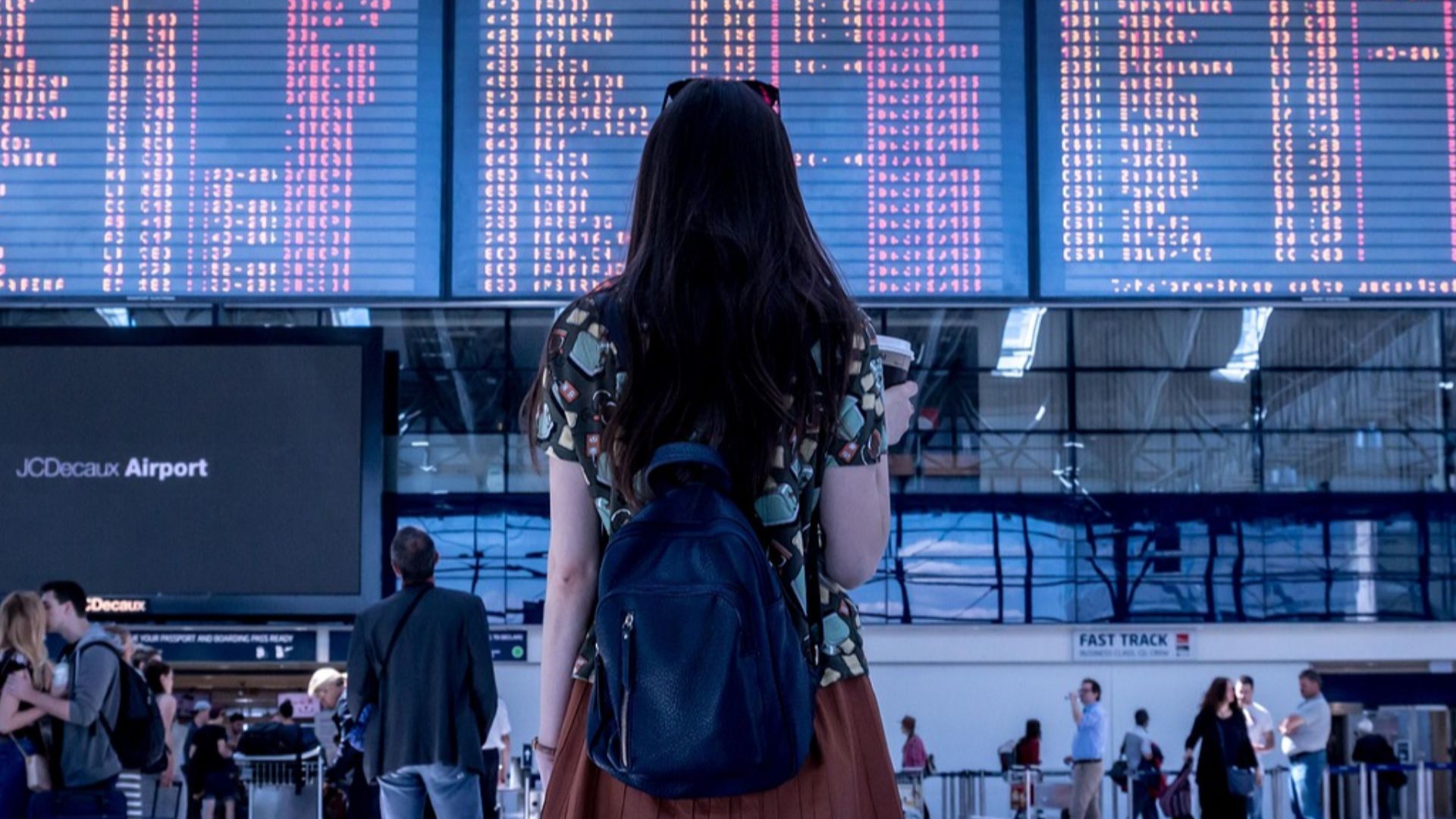
What Happens If Customs Causes the delay?
When customs holds a passenger and a flight is missed, airlines often treat the situation as a passenger no-show rather than a delay they caused, though single-ticket protections may lead to courtesy rebooking without fees. That classification matters. Fare rules often require purchasing a new ticket or paying a change fee, especially on discounted fares with limited flexibility. Refunds are also rare. Courtesy adjustments may occur, but outcomes depend heavily on airline policy and staff discretion. Clear explanations can help, yet expectations should remain realistic. Airlines prioritize consistency, and exceptions depend on internal rules rather than inconvenience alone. Awareness here saves money, time, and emotional energy later during disrupted travel plans.
Financial responsibility often shifts away from airlines once government delays are involved. Travel insurance policies rarely cover missed connections caused by customs delays, as these are often excluded unless explicitly stated in the terms. Certain credit cards may reimburse expenses like lodging for trip delays, but customs delays often do not qualify unless tied to a covered common carrier issue. Documentation strengthens these claims. Proof of detention, time records, or written confirmation can support reimbursement requests. Without evidence, insurers may deny compensation. Preparation before travel matters far more than arguing later, since reimbursement depends on policy language rather than sympathy. Plus, organized records reduce stress during claims and improve chances of approval from insurers after costly disruptions occur abroad unexpectedly during busy travel seasons.
Practical Steps for Travelers
International connections require careful planning. Customs and immigration lines fluctuate unpredictably, especially at major hubs during peak travel periods. Longer layovers reduce stress and provide buffer time for inspections or secondary screening. Tight connections may look efficient on paper, but leave little margin for delay. Reviewing airline missed connection policies before departure also helps set expectations. Many carriers publish guidelines explaining how different delays are handled. Familiarity with those terms prevents confusion when problems arise. Knowledge empowers calm responses during tense airport moments, later on crowded travel days worldwide today, often without warning signs appearing suddenly during processing times abroad.

Where Responsibility Ultimately Falls
Customs delays remain outside airline control, and carrier policies reflect that boundary. Free rebooking is not guaranteed, regardless of frustration or inconvenience. Some airlines offer goodwill assistance, but travelers should not depend on it. Responsibility typically returns to the passenger once government agencies intervene. Awareness changes outcomes. Longer layovers, insurance coverage, and policy knowledge offer practical protection. Travel always involves uncertainty. Managing it starts with understanding accountability instead of expecting flexibility that rules do not require. Preparation builds confidence and reduces regret after missed flights caused by external controls beyond airline influence during international arrivals or departures worldwide today.