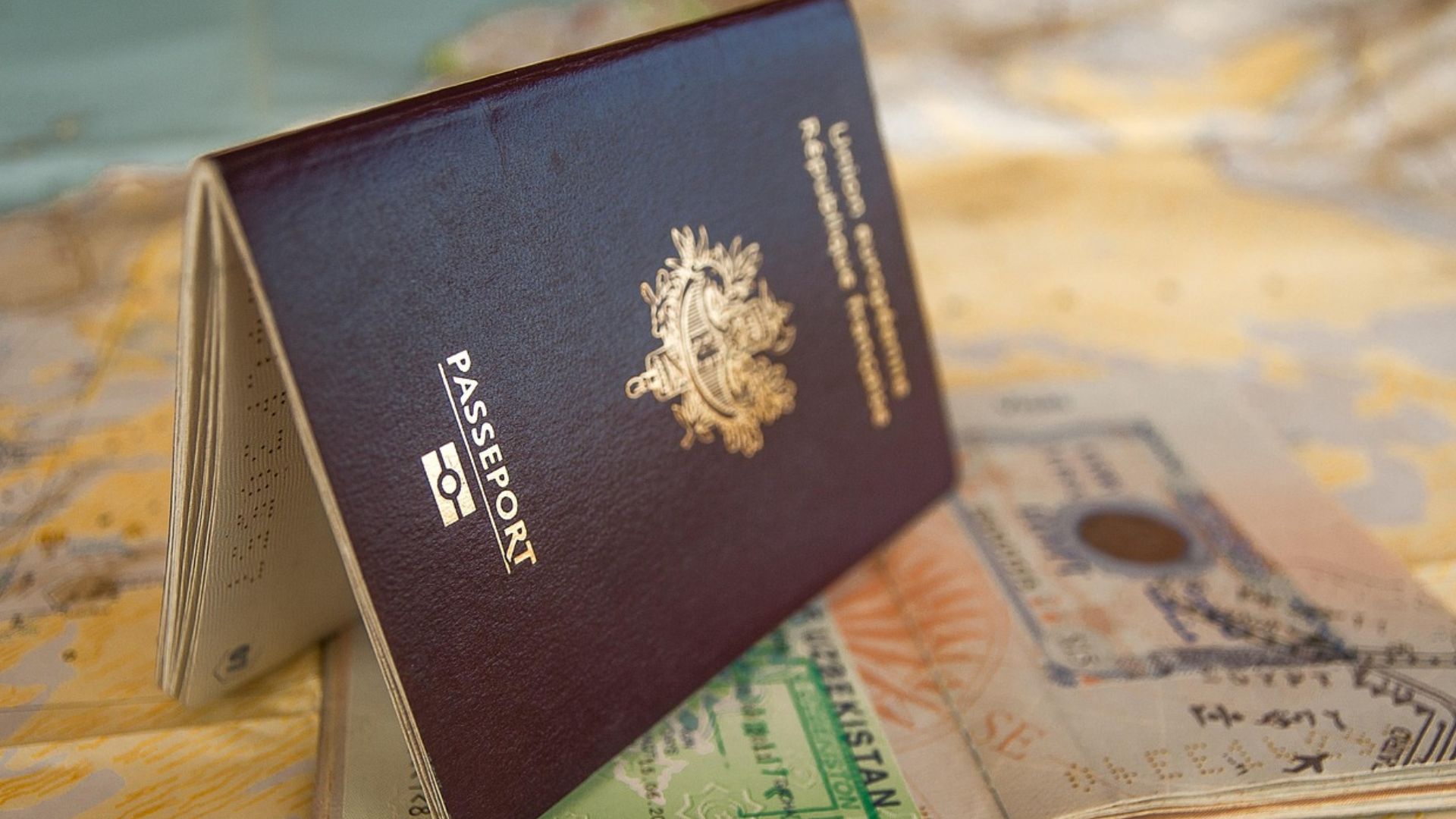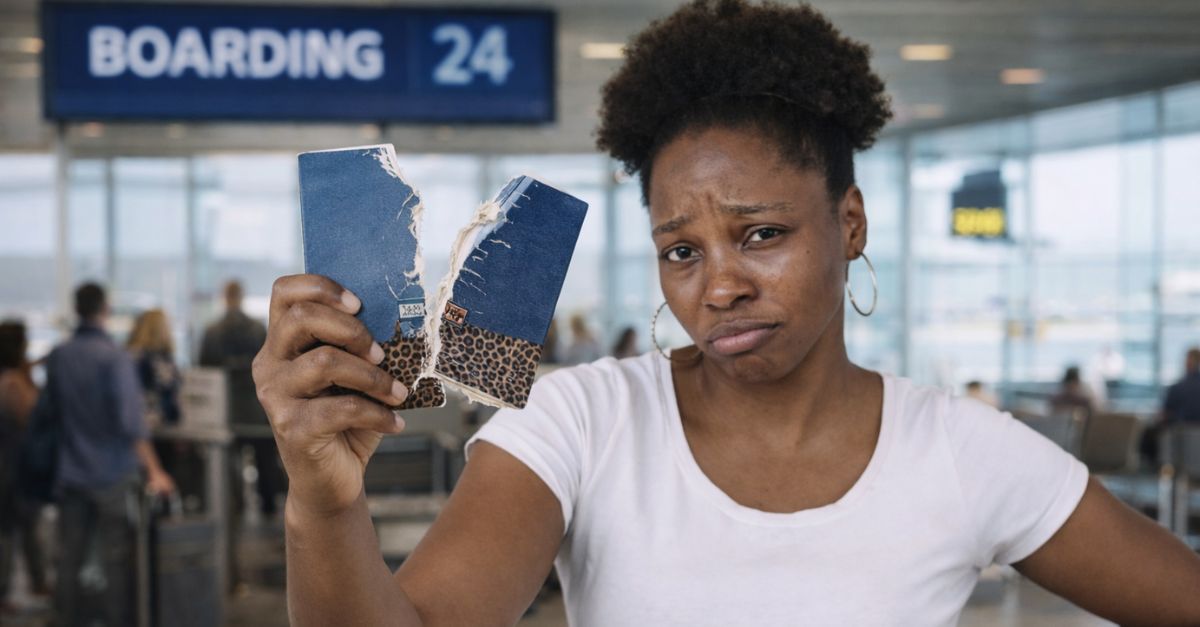
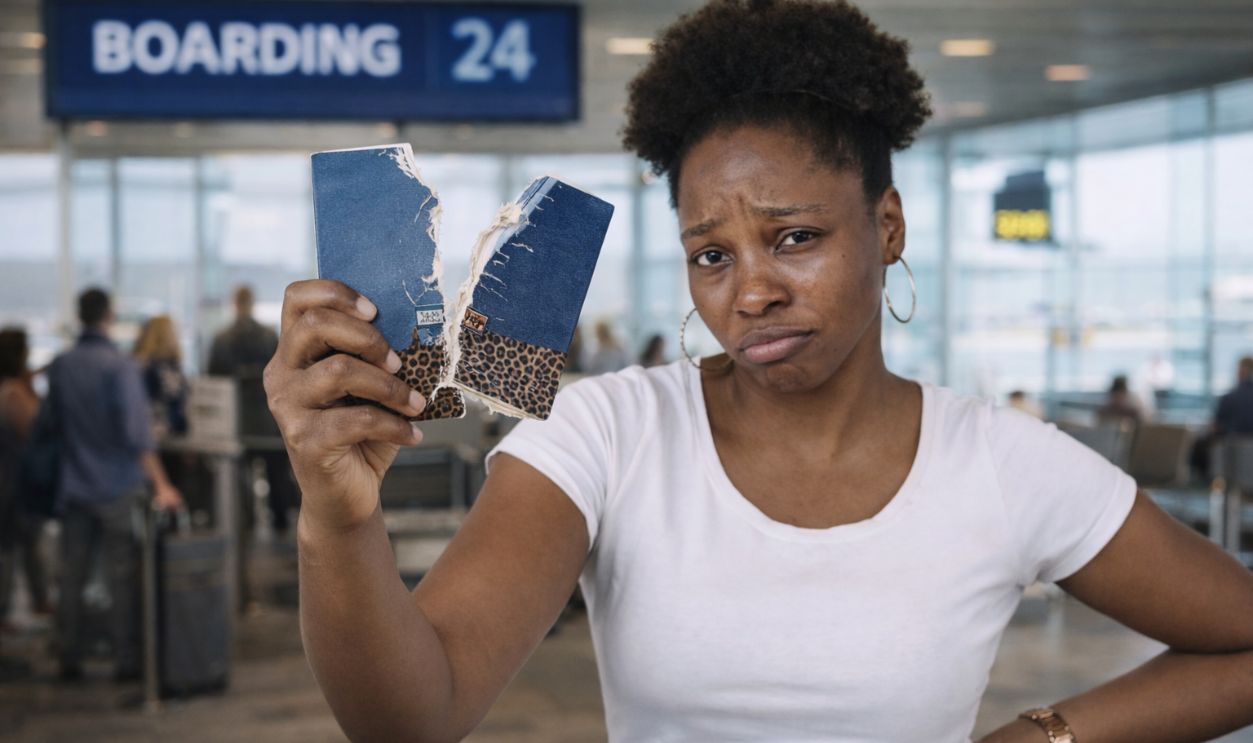
 Gustavo Fring, Pexels, Modified
Most boarding denials involve fake or expired passports. Being turned away because a document shows only age is far less common, which is why it catches travelers off guard. A passport may still be valid, readable, and previously accepted, yet airlines can refuse boarding if its condition raises concerns. That decision often surprises experienced flyers who assume prior use guarantees acceptance. In reality, airlines assess risk before departure to avoid penalties if immigration authorities later reject a traveler. Understanding how document condition factors into those decisions matters more than many travelers realize.
Why Airlines Judge Your Passport Before Border Control Ever Does
Airlines act as the first checkpoint because governments require it. Under international aviation rules, carriers face fines and return costs when transporting travelers who immigration officials later reject. Those penalties often exceed several thousand dollars per passenger and include hotel, escort, and rebooking expenses. To limit exposure, airlines train gate agents to flag passports that border authorities might refuse. That authority exists even before a plane leaves the ground. If a document appears damaged or unreadable, the airline can deny boarding outright. From their perspective, that refusal prevents a costly enforcement problem later.
That approach explains why judgment happens quickly and feels final at the gate. Airlines follow guidance from the International Air Transport Association, which sets global standards for acceptable travel documents. A passport does not need to be torn in half to fail inspection. If the data page bends, laminate peels, security markings blur, or embedded chips appear compromised, the document risks rejection overseas. Airlines default to the strictest interpretation because they absorb the financial consequences if immigration authorities refuse entry. For you, the denial feels personal and abrupt. For the carrier, it functions as procedural protection against fines, forced returns, and regulatory penalties.
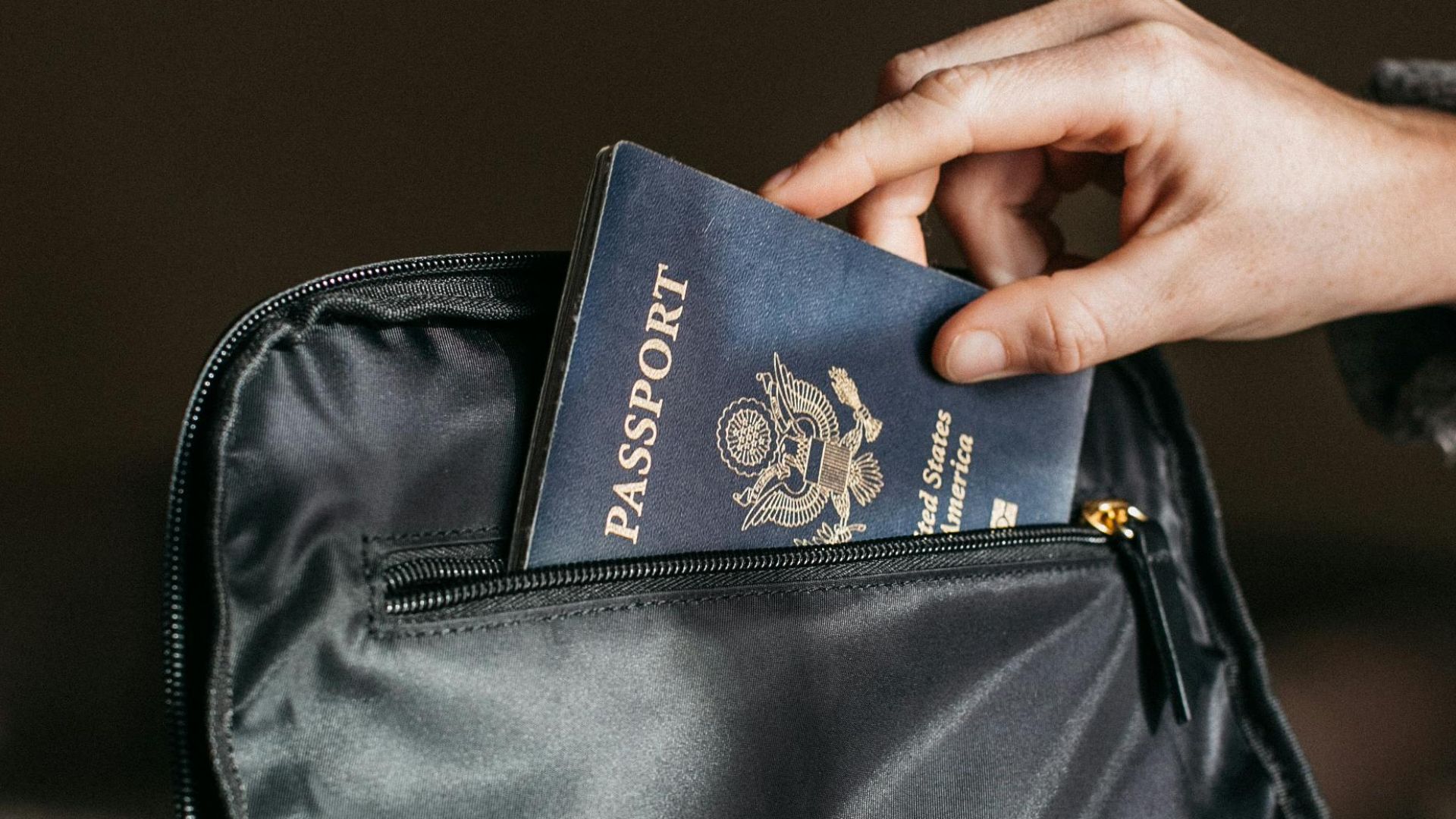 Vinta Supply Co. | NYC, Pexels
“Normal Wear” Means Less Than Most Travelers Expect
Many travelers believe cosmetic aging tells a harmless story. Border agencies see potential security risk instead. Modern passports rely on machine-readable zones, embedded digital chips, and intact printing to verify identity quickly. A warped page or water stain can interfere with scanners or force manual inspection. Once automated checks fail, outcomes become far less predictable for both traveler and airline. Some countries deny entry immediately when documents cannot be read electronically, regardless of expiration dates. Airlines understand that risk and choose caution over chance, refusing boarding rather than facing penalties tied to immigration rejection later.
Standards also vary widely by destination, which adds another layer of uncertainty for travelers. Several countries in Asia, the Middle East, and parts of Africa enforce strict rules around passport conditions, not just validity dates. US embassies regularly issue warnings that passports with loose pages, water damage, cracked spines, or separating covers may be denied entry even when unexpired. That variation explains why a passport may work without issue on one trip but fail on the next. Airlines factor in those stricter interpretations and assume the toughest enforcement possible to avoid fines, forced returns, and regulatory penalties.
How To Protect Your Trip Before And After A Denial
Prevention starts long before airport security becomes a factor. The US State Department recommends replacing passports that show damage beyond light bending or surface wear. Warning signs include peeling laminate on the photo page, blurred or faded text, cracks near the spine, loose stitching, or pages beginning to separate. Standard replacement processing usually takes four to six weeks, while expedited service can reduce that timeline significantly for an added fee. Simple habits also help extend document life. Using a protective cover, keeping the passport out of back pockets, and storing it away from moisture reduces wear, especially for frequent international travelers who rely on consistent border acceptance.
If denial happens, options narrow but do not disappear entirely. Airlines usually classify document-related refusals as passenger responsibility, which limits refunds or compensation. Even so, some carriers allow rebooking after passport replacement with reduced change fees rather than full forfeiture. Ask for written documentation at the gate explaining the refusal, and keep all receipts and confirmations. That paper trail matters later. Certain travel insurance policies include coverage for document-related disruptions, though terms vary widely. The broader takeaway stays simple and practical. A passport functions as security equipment, not a keepsake. Treat it with care, inspect it before every international trip, and replace it before expiration early to avoid costly, preventable travel setbacks.