“Walkable” Can Be Misleading.
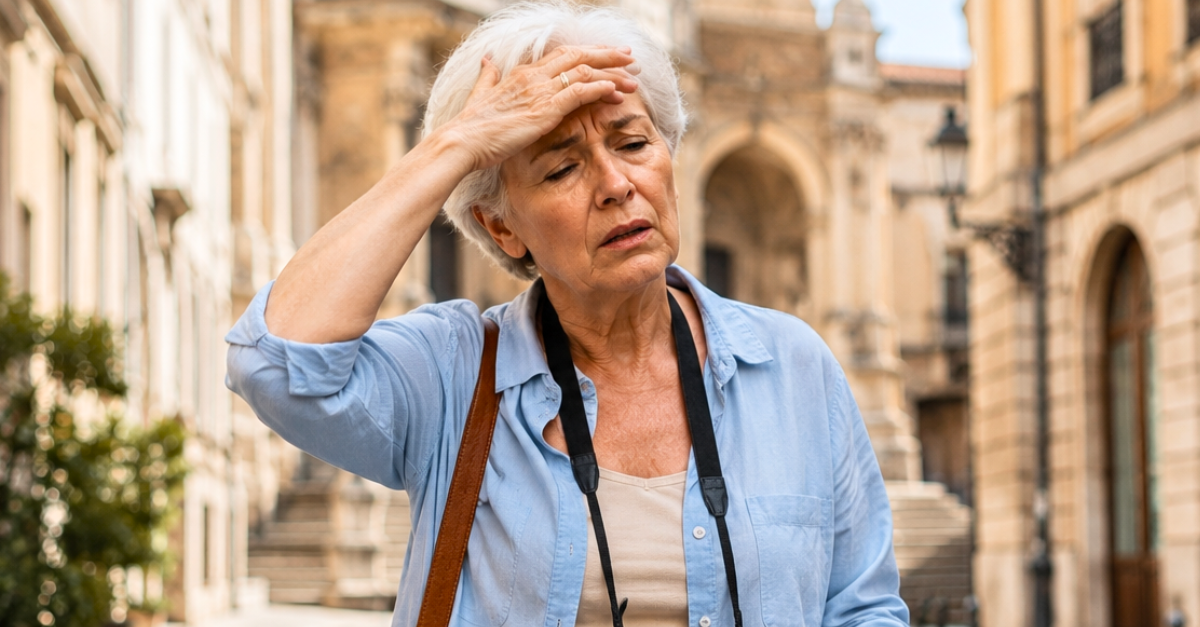
A city may have compact neighborhoods, nearby attractions, and excellent pedestrian connections while still exhausting older visitors after a few hours. The problem is that most rankings measure access to destinations, not whether every traveler can comfortably complete the journey.
The Label Sounded Reassuring
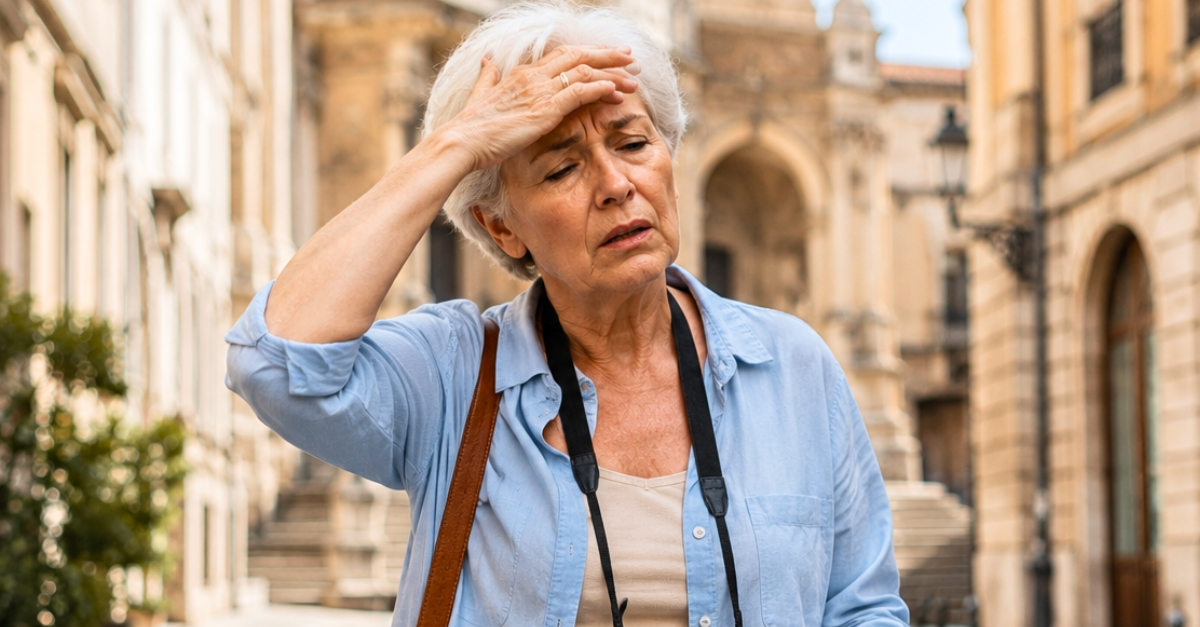
Calling a destination walkable creates an appealing picture of cafés, landmarks, and hotels sitting conveniently close together. My family assumed that meant we could explore without much planning or transportation. Once we arrived, the supposedly easy sightseeing days became long stretches of pavement with few opportunities to rest.
Walkable Does Not Mean Effortless
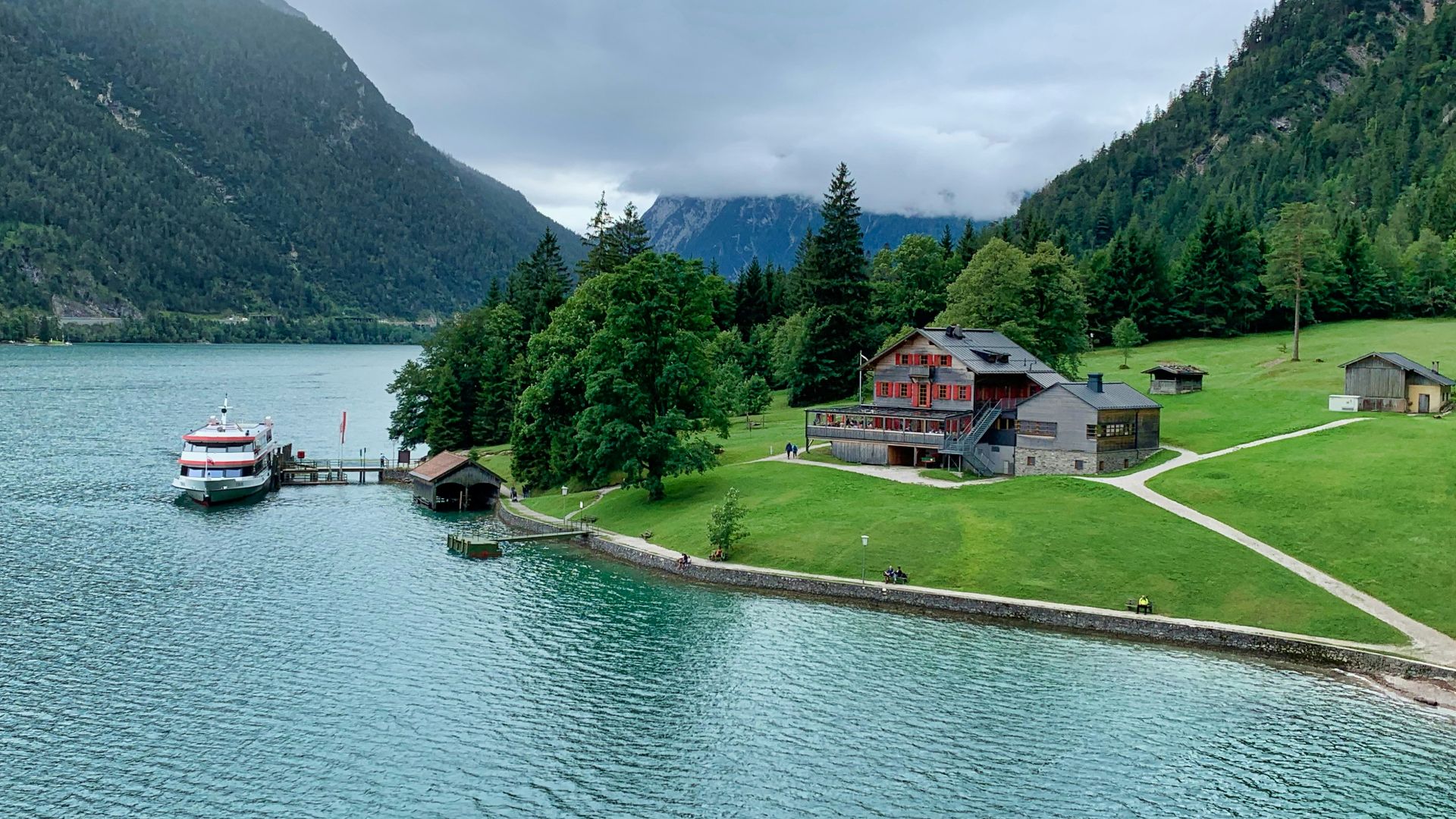
Walkability usually describes whether useful destinations can be reached on foot and whether the street network supports pedestrian travel. It does not promise flat terrain, smooth sidewalks, comfortable temperatures, available benches, or short touring days. A city can therefore score well as an urban environment while remaining physically demanding for some visitors.

The Scores Measure The Neighborhood
Walk Score examines walking routes to nearby amenities and gives the greatest credit to destinations located within roughly a five-minute walk. It also considers factors such as block length, intersection density, and population density. The system was created to evaluate locations and neighborhoods, not to assess one traveler’s stamina, balance, pain, or mobility needs.

Government Indexes Have Limits Too
The Environmental Protection Agency’s National Walkability Index measures features associated with the likelihood of walking. Its methodology uses intersection density, land-use diversity, and proximity to transit. The EPA acknowledges that many factors influence walking, but nationwide indexes must rely on variables that are consistently available across the country.

A Short Route Can Become A Long Day
A guide may accurately say that the museum is a 15-minute walk from the hotel. It may not mention the additional walk to breakfast, the distance through the museum, the search for lunch, or the route back after dinner. Several manageable trips can quietly become hours of standing and walking when combined.

Tourist Maps Shrink Reality
Printed maps often compress entire historic districts into a neat collection of icons. Large parks, museum campuses, plazas, waterfronts, and transit stations can occupy much more ground than the illustration suggests. Travelers should examine the actual route between entrances rather than assuming that neighboring symbols represent neighboring doorways.

Older Travelers Are Not One Group
Age alone does not determine how far someone can walk. The World Health Organization emphasizes that older adults have widely different capacities, circumstances, needs, and preferences. A healthy 75-year-old accustomed to daily walks may cover more ground than a much younger traveler managing arthritis, heart disease, balance problems, or a recent injury.
Fitness Advice Is Not A Touring Standard
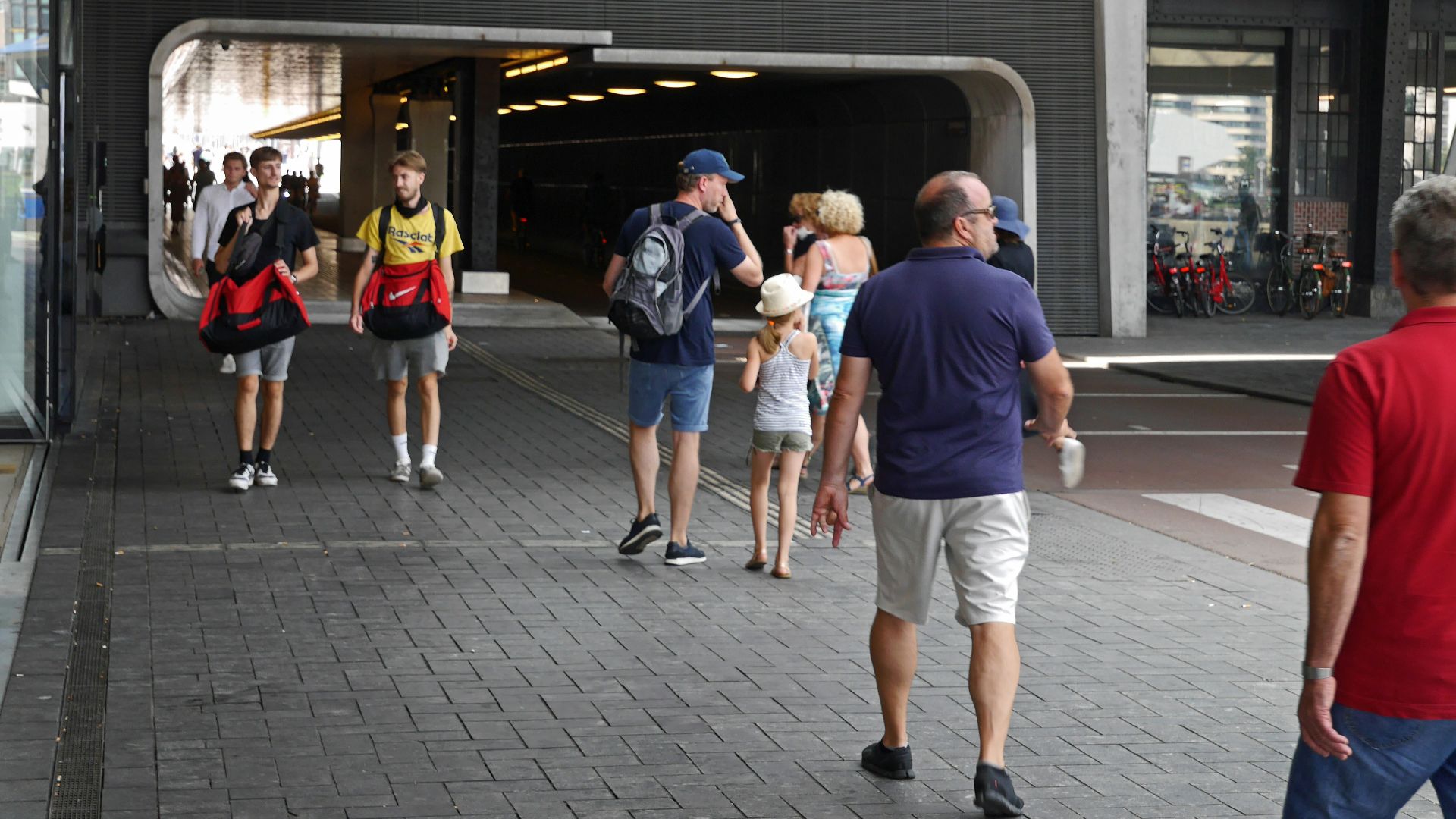
The CDC recommends regular physical activity for adults 65 and older, including aerobic, strengthening, and balance activities. Those recommendations describe weekly health goals, not the amount of sightseeing every older visitor should complete in one day. A vacation itinerary that demands several continuous hours on foot can exceed someone’s normal routine even when that person is generally active.

Hills Change Everything
Distance shown on a map rarely communicates how the route feels underfoot. A steep ascent can raise the effort dramatically, while the return journey downhill may challenge knees, balance, and braking control. The Justice Department notes that the slope of a walkway or curb ramp can determine whether people using wheelchairs, walkers, or other mobility devices can use it safely.

Gentle Slopes Add Up
A route does not need to resemble a mountain climb to become tiring. Repeated inclines, sloping sidewalks, pedestrian bridges, and underground passages can slowly drain energy throughout the day. Federal accessibility guidance treats grade as an important part of a pedestrian route because even modest slopes affect how safely and comfortably people move.

Historic Charm Can Be Hard Work
Cobblestones, brick streets, uneven paving, and narrow medieval lanes look wonderful in photographs. They can also create instability for people using canes, walkers, wheelchairs, or shoes with limited support. The National Park Service warns visitors at some historic districts about cobblestone streets and buildings constructed before modern accessibility standards.

Sidewalks Are Not Always Accessible
The existence of a sidewalk does not guarantee a clear, level route. Cracks, construction, missing curb ramps, street furniture, parked vehicles, and steep cross slopes can create serious obstacles. U.S. accessibility guidelines address sidewalks, crosswalks, curb ramps, pedestrian signals, parking, and alternate routes because each element affects whether a trip is genuinely usable.
Crossings Can Feel Rushed
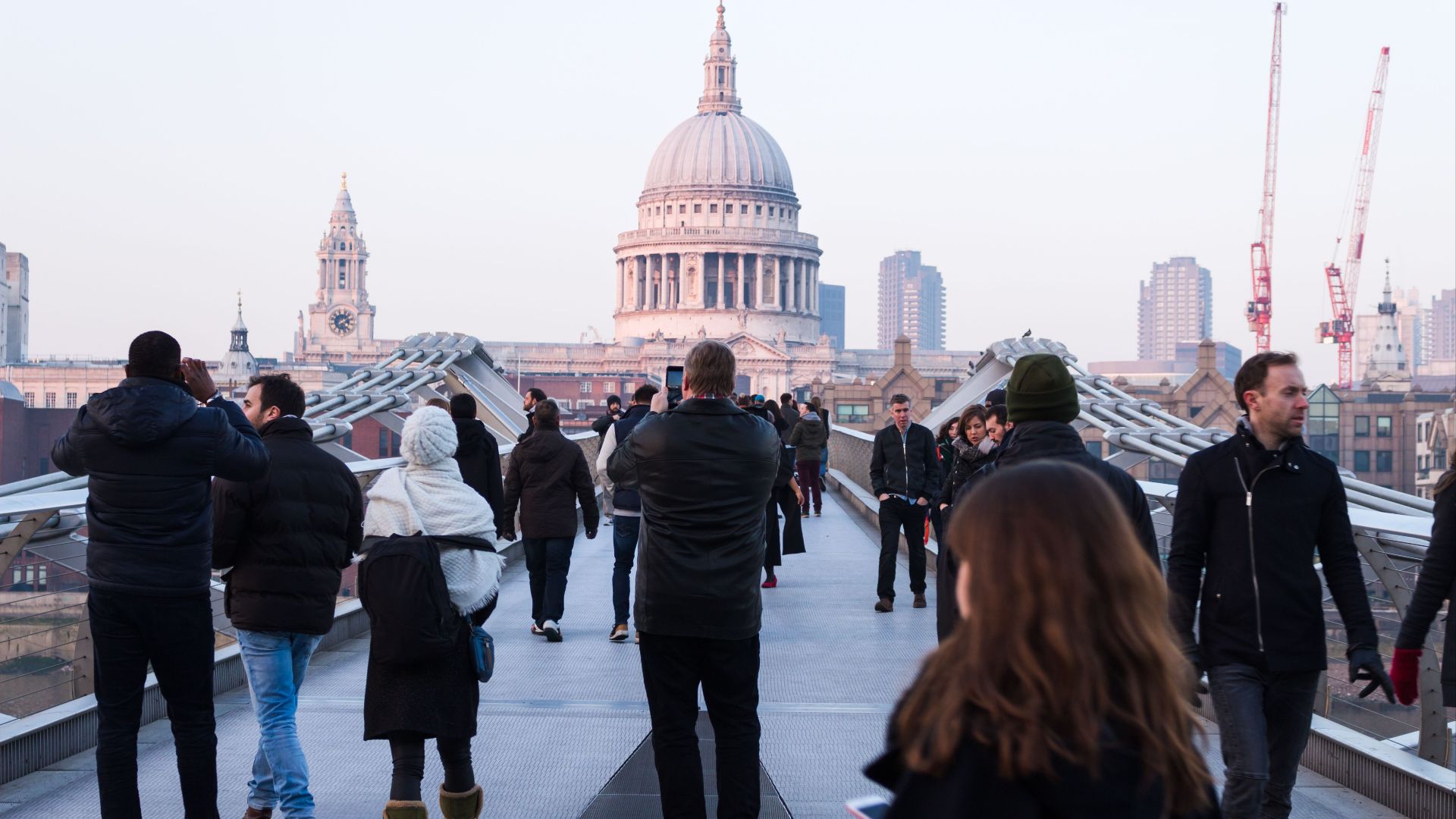
Wide intersections may require pedestrians to cover considerable distance during one signal cycle. Someone who walks slowly may feel pressured even when the overall neighborhood is considered pedestrian-friendly. Accessible street design therefore involves more than placing destinations close together; it also requires safe and usable crossings.
Standing Is Part Of The Distance
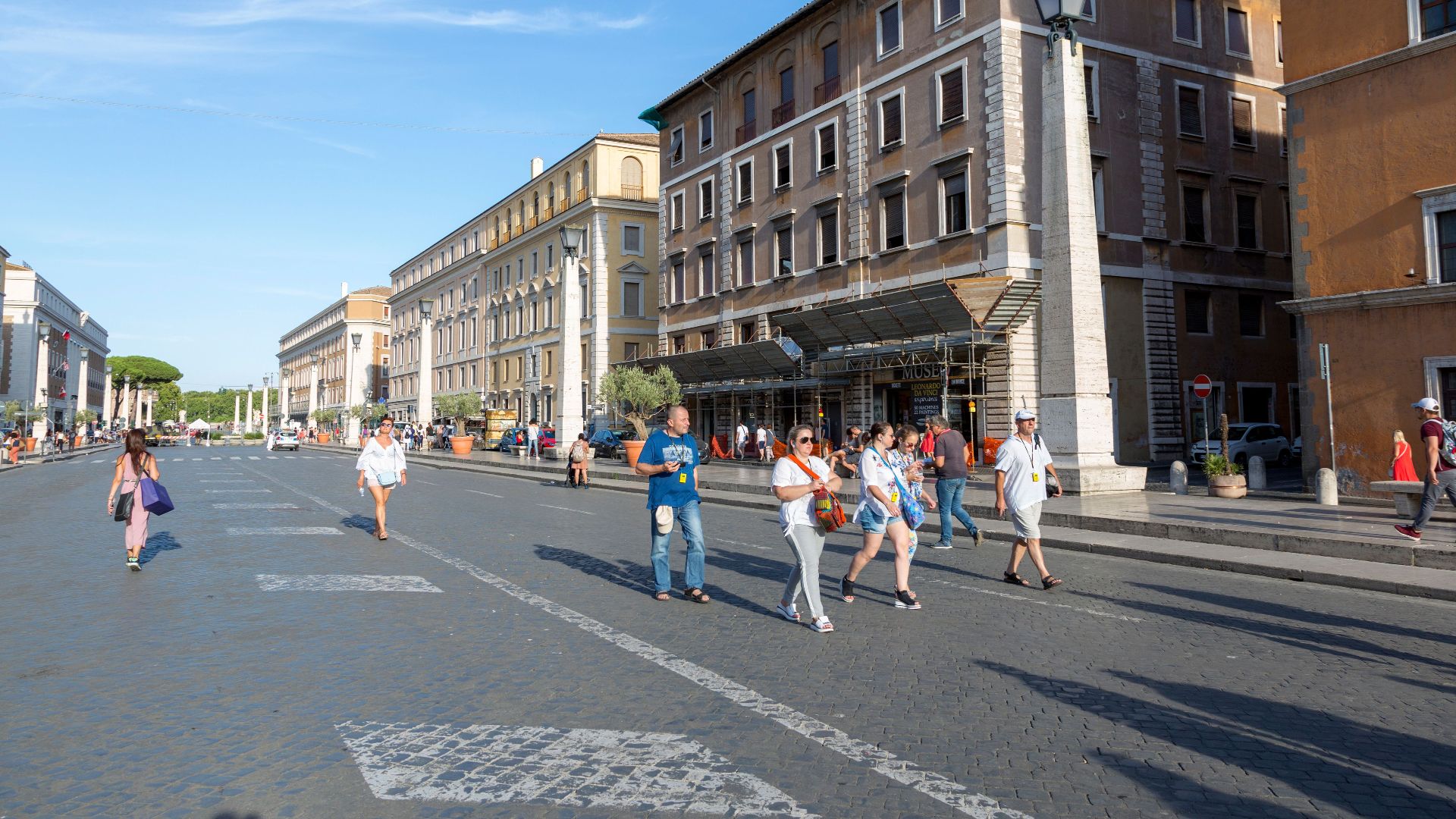
Travelers often track steps while overlooking the fatigue created by standing. Museum lines, security checks, crowded trains, restaurant waits, and guided tours can keep someone upright long after the walking ends. A day with moderate mileage can still feel punishing when there are few chances to sit.

Benches Are Essential Infrastructure
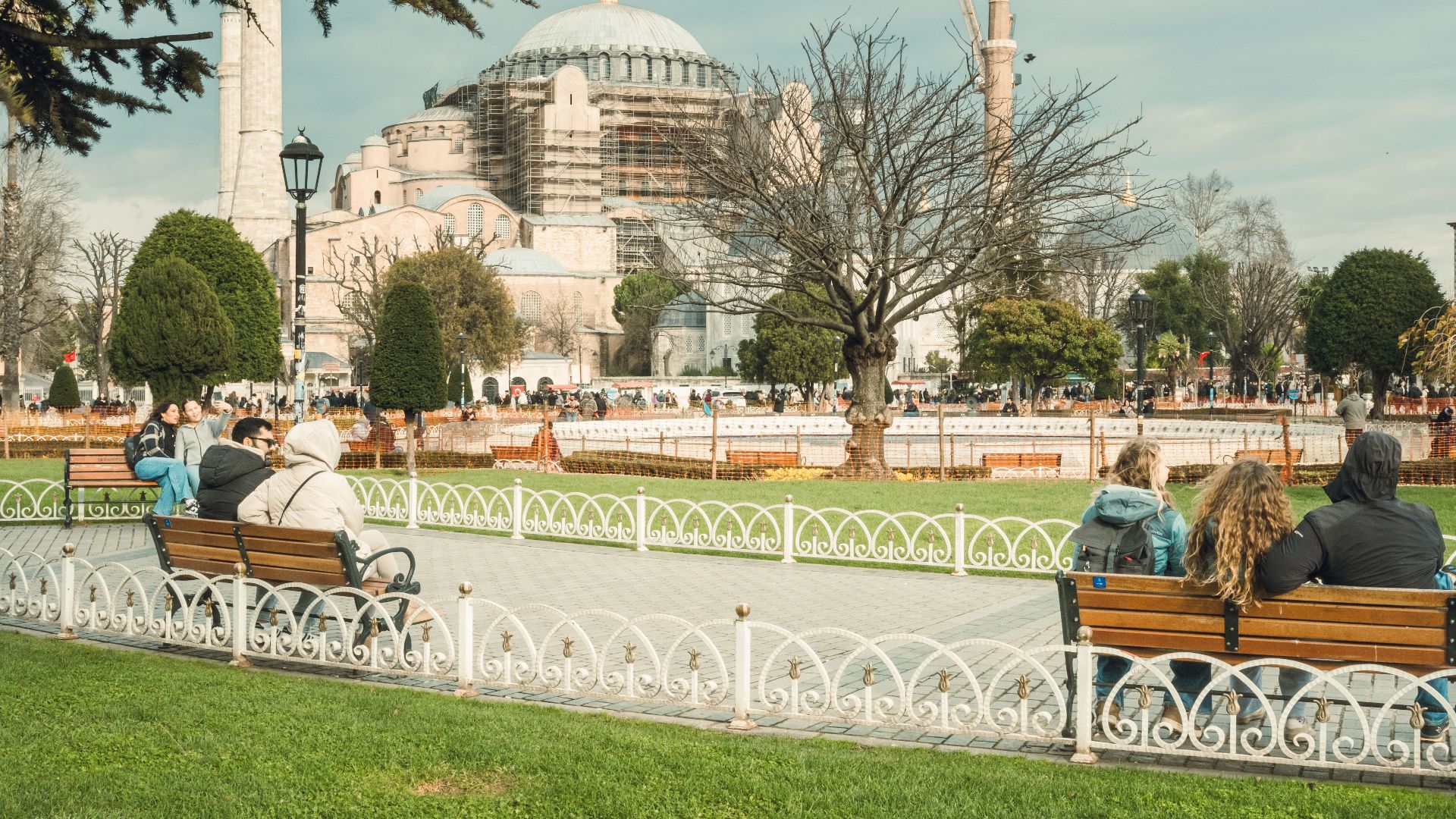
The World Health Organization identifies ample resting places as an important feature of age-friendly outdoor environments. Benches allow travelers to divide a long route into manageable sections and recover before symptoms become severe. Yet many destination guides describe attractions and restaurants without explaining whether seating exists along the way.
Restrooms Shape The Itinerary
A route can look convenient until someone needs a restroom urgently. Older adults, families, and people managing medical conditions may need reliable facilities more frequently than a standard guide anticipates. Planning breaks around museums, libraries, cafés, department stores, and staffed attractions can make a walking day considerably less stressful.

Heat Makes The Same Walk Harder
Temperature can transform an easy spring route into a difficult summer journey. The CDC states that adults aged 65 and older are more prone to heat-related health problems and advises them to remain cool and hydrated. Shade, humidity, sun exposure, and access to air conditioning therefore matter just as much as mileage.

Cold And Rain Create Different Barriers
Wet paving can become slippery, while snow and ice may block curb ramps or narrow the usable sidewalk. Cold weather can also make outdoor waits for buses or taxis feel much longer. A city’s reputation for walkability usually represents its built form, not the conditions travelers will encounter on one particular day.

Transit Does Not Remove All Walking
A destination with excellent public transportation may still require long station corridors, stairs, platform changes, and walks at both ends of the ride. Transit Score, like other indexes, primarily evaluates the usefulness and frequency of nearby routes. Travelers must separately investigate station layouts, elevator access, transfer distances, and the walk from the stop to the attraction.

Not Every Station Is Fully Accessible
Some older rail systems still contain stations without modern elevators or other accessibility improvements. The Federal Transit Administration funds upgrades such as elevators, ramps, improved signage, handrails, fare gates, and reduced platform gaps at older stations. That investment exists because a strong transit network is not automatically an accessible one.
A Broken Elevator Can Ruin The Plan
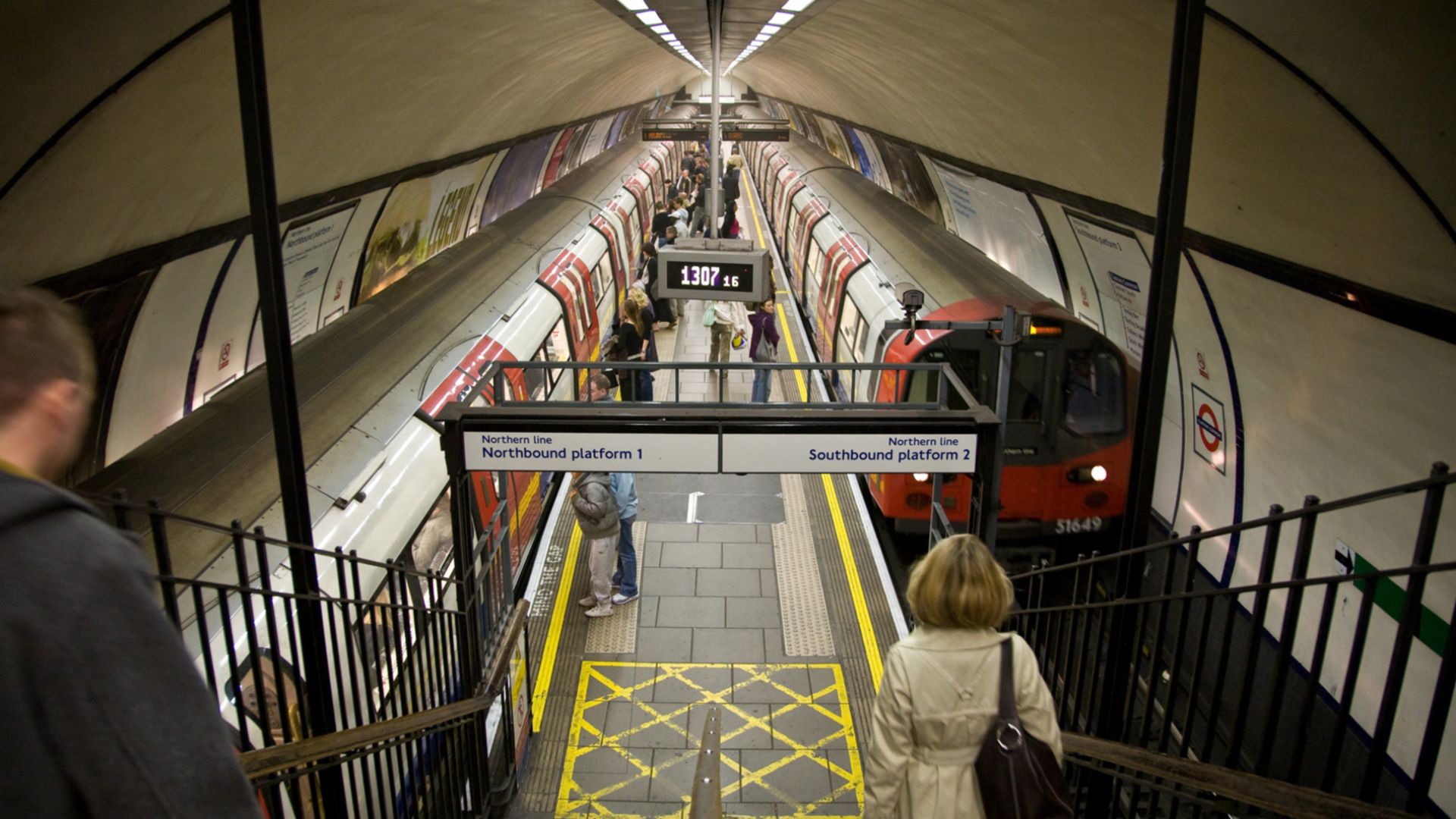
Even a normally accessible route can fail when an elevator is out of service. The alternative may involve several flights of stairs, a different station, or a lengthy detour. Travelers relying on step-free access should check the transit operator’s current elevator status before beginning each journey.
 MSLONAG BOAKS TEN, Wikimedia Commons
Hotels Often Describe The Wrong Distance
A hotel may advertise that it sits half a mile from the historic center or major attraction. That figure may measure a straight line, a neighborhood boundary, or the nearest edge of a large complex rather than the entrance guests actually need. Asking the hotel for the easiest walking route can be more useful than relying on the promotional distance alone.

Guides Write For An Imaginary Average
Travel writing often assumes a visitor who can walk at a steady pace, climb stairs, stand in lines, and continue for most of the day. That imagined traveler excludes many older adults and people with temporary or permanent mobility limitations. The CDC notes that adults with disabilities encounter more environmental barriers to walking than adults without disabilities.

Accessible Does Not Mean Comfortable
A route may technically comply with accessibility requirements while still being tiring, crowded, exposed, or inconvenient. Minimum standards are designed to establish access, not to guarantee a pleasant day of tourism for every person. Comfort depends on the whole experience, including rest opportunities, noise, weather, distance, and the traveler’s own condition.

Build The Day Around Energy
Begin with the attraction that matters most and treat everything else as optional. Alternate seated activities with walking, schedule a long lunch, and avoid crossing the same district repeatedly. The CDC also suggests arranging activity for periods when an older adult has more energy, which can make a morning-focused itinerary more successful than an exhausting full day.

Use Transportation Before It Is Urgent
A taxi, bus, tram, or rideshare should not be viewed as evidence that the trip failed. Using transportation for one direction can preserve enough energy to enjoy the destination after arrival. Waiting until someone is already exhausted makes every remaining decision harder.

Guides Need Better Language
Instead of simply calling a city walkable, guides could describe typical daily distances, hills, paving, stair use, benches, public restrooms, shade, and step-free transit. They could distinguish a compact city from an easy city and identify routes suitable for slower walkers. That information would help older travelers without diminishing the value of walkable urban design.
 John (Giannis) Tekeridis, Pexels
The Better Question To Ask
Do not ask only whether a city is walkable. Ask whether the specific itinerary is manageable for the people taking the trip. A destination becomes more enjoyable when the plan respects real bodies, real weather, and real limits rather than a score on a travel website.
You May Also Like:
America’s Best Historic Downtowns According To Europeans
The Most Walkable Cities In America In 2026, According To Data
The 50 Most Walkable Cities In North America
Sources: 1, 2, 3, 4, 5, 6, 7, 8, 9, 10, 11, 12, 13, 14, 15, 16, 17, 18