
 fizkes, Shutterstock, Modified
You're standing at the baggage carousel after a long flight, tired and eager to head to your hotel. You paid extra for priority baggage, expecting your suitcase to arrive quickly so you could beat the crowd and get on with your day. But as minutes turn into half an hour, you watch nearly every other bag slide down the chute before yours finally appears. The frustration sets in—what was the point of paying that fee? It's a scenario many travelers across the United States have encountered or could face on their next trip. This article will help you understand whether you can demand a refund when priority baggage doesn't deliver, what your actual rights are as a passenger, and how to navigate disputes with airlines over these kinds of service failures.
What Priority Baggage Really Means
When airlines sell priority baggage as an add-on service, they market it as a way to get your luggage off the plane and onto the carousel ahead of standard checked bags. Your suitcase receives a special tag indicating it should be unloaded first and processed quickly through the baggage handling system. However, this service comes with important limitations that many travelers don't realize when they purchase it. Airlines typically include disclaimers in their terms and conditions stating that priority baggage is a "best effort" service rather than an absolute guarantee. Operational issues such as understaffing, airport equipment malfunctions, security screenings, or simply human error can all cause delays that push your bag further back in line. From a regulatory standpoint, the US Department of Transportation focuses primarily on lost, significantly delayed baggage—defined as 12 hours for domestic flights or 15–30 hours for international flights, depending on duration. Its oversight also covers damaged baggage, but it does not enforce refunds for priority service failures.
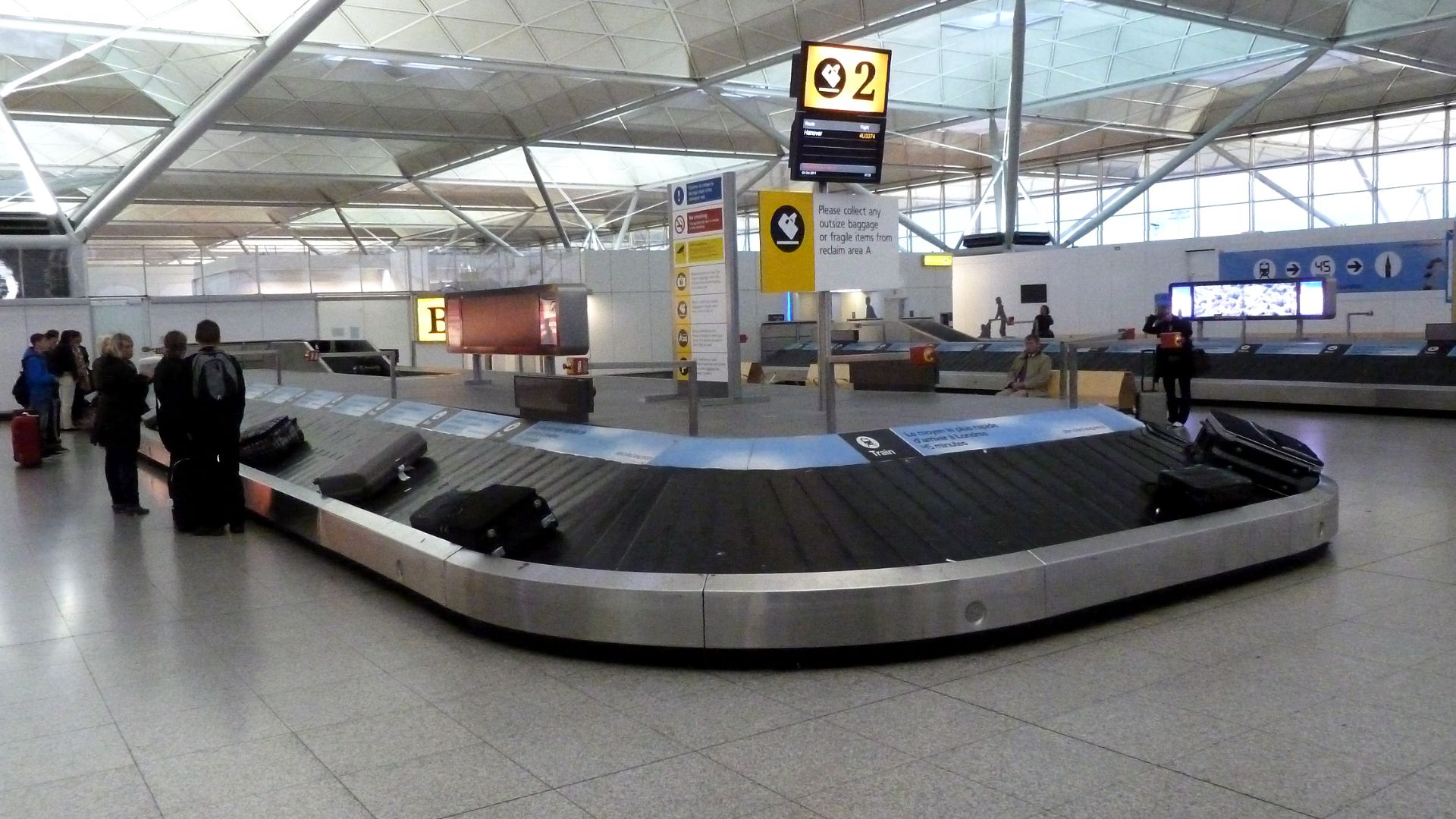 Oxfordian Kissuth, Wikimedia Commons
Can You Demand A Refund?
Whether you can successfully demand a refund depends largely on the specific airline's contract of carriage and its internal customer service policies. Most major US airlines do not automatically issue refunds for priority baggage fees simply because your bag arrived later than expected, especially if it still arrived safely on the same flight within the set timeline. That said, you absolutely have the right to raise a formal issue with the airline’s customer service, clearly explaining that you paid for a service that was not delivered as advertised. In some cases, travelers have reported partial credits or vouchers being offered as goodwill gestures, even when strict refund rules apply.
When you contact them, include all relevant documentation: your receipt or booking confirmation showing the priority baggage fee, the time your bag actually arrived at the carousel, and any other evidence that demonstrates the service failure. If the airline denies your refund request outright, you can escalate the issue to the Department of Transportation's Aviation Consumer Protection Division, which tracks complaints and may investigate patterns of poor service to encourage airline improvements. While refunds are far from guaranteed in these situations, being persistent and well-documented significantly improves your chances of recovering at least part of what you paid.
How To Protect Yourself In The Future
Before purchasing priority baggage on your next trip, take a moment to consider whether the fee is truly worth it for your circumstances. On short domestic flights where baggage claim tends to move quickly anyway, the benefit may be minimal compared to the cost. Whenever possible, traveling with only carry-on luggage eliminates the baggage claim uncertainty entirely and saves you both time and money. If you do decide to pay for priority service, read the airline's specific terms and conditions beforehand so you know exactly what you're entitled to and what exceptions apply. At the check-in counter, ask the agent how priority baggage is typically handled at that particular airport, as procedures can vary significantly between hubs.
Another smart strategy is to use credit cards that offer travel protections—some premium cards provide baggage delay insurance. They reimburse essentials (up to $100 per day for 3–5 days) if your bag is delayed more than 6–12 hours, though not always for minor priority lapses. Plus, always report issues to the airline, even if you don't receive an immediate refund, because consistent passenger feedback creates accountability and can lead to policy improvements over time. In the meantime, consider your options carefully. And remember: priority baggage can certainly be convenient when it works as intended, but it's not foolproof. Weighing the cost against the realistic likelihood of benefit will help you make smarter travel decisions going forward.