
The $45 Surprise That Shows Up At Check-In
You book a room, you see a price, and you assume that is what you will pay. Makes sense. Then the front desk adds a $45 nightly “resort fee” that never appeared in the booking total. Before you pay it, there is one key question that decides almost everything. Was the fee disclosed to you before you clicked “Book”?

What A “Resort Fee” Actually Is
A resort fee is a mandatory daily charge hotels add on top of the room rate. Hotels often say it covers things like Wi‑Fi, pool access, a gym, beach chairs, or local calls. The problem is that you might not want those things, and the fee can still be required. That is why resort fees have become a major consumer complaint.

Are They Allowed To Add It Later?
In the U.S., a hotel generally should not be adding mandatory fees “later” if they were not clearly disclosed before purchase. Federal and state consumer protection laws can treat hidden mandatory fees as deceptive. Whether it is “allowed” often comes down to what was shown in the booking path and what you agreed to in the terms. The details of your confirmation page can be the difference between “annoying but permitted” and “potentially illegal.”

The FTC Has Been Targeting Junk Fees
The Federal Trade Commission has said hidden fees can be unfair or deceptive, and it has taken action against companies over misleading pricing. The agency has also moved to address “junk fees” more broadly, including practices where mandatory charges are not clearly advertised up front. This matters because resort fees often function like unavoidable parts of the real price. If the fee was buried or not shown until the end, that is exactly the kind of issue regulators focus on.
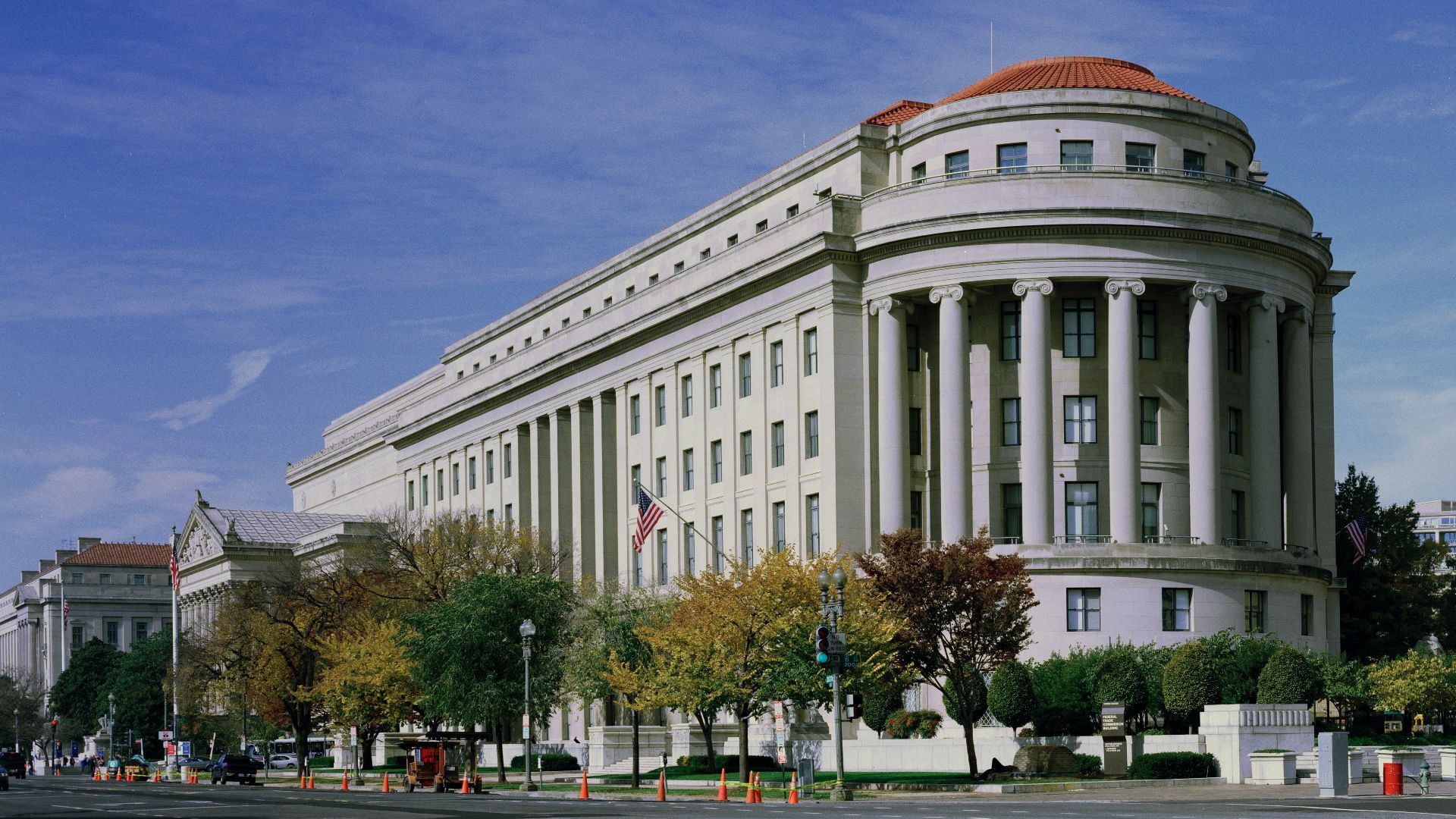 Carol M. Highsmith (born 1946), Wikimedia Commons
There Is A Major Rule Shift You Should Know About
In late 2024, the FTC announced a final rule aimed at banning hidden and misleading fees by requiring businesses to include total price in advertising and disclose fees clearly. The rule is designed to stop pricing tricks that hide mandatory charges until later in the process. Implementation timing and legal challenges can affect how and when rules apply, but the direction is clear. If your booking happened during a period when hidden fees were common, you are not alone.

States Can Be Even Tougher Than Federal Rules
Many states have “UDAP” laws, which stands for Unfair and Deceptive Acts and Practices. These laws can give state attorneys general power to sue over misleading pricing. Some states also let consumers sue under certain circumstances. If you booked in a state with aggressive consumer protection enforcement, your leverage may be stronger than you think.

California Has Been A Hot Spot For Fee Disputes
California has long had strict consumer protection rules, and the state has pursued cases involving drip pricing and undisclosed mandatory fees. Hotels operating in California are often cautious about how fees are displayed, but problems still happen. If you stayed there and the fee truly was not disclosed, it is worth pushing back. Your complaint may carry more weight than it would elsewhere.

New York Has Also Cracked Down On Hidden Fees
New York has taken enforcement actions tied to misleading pricing and mandatory fees. The state has also passed broader consumer protection measures that can impact how businesses present prices. If your hotel stay was in New York, look carefully at what the booking page showed. One screenshot can change the whole conversation.

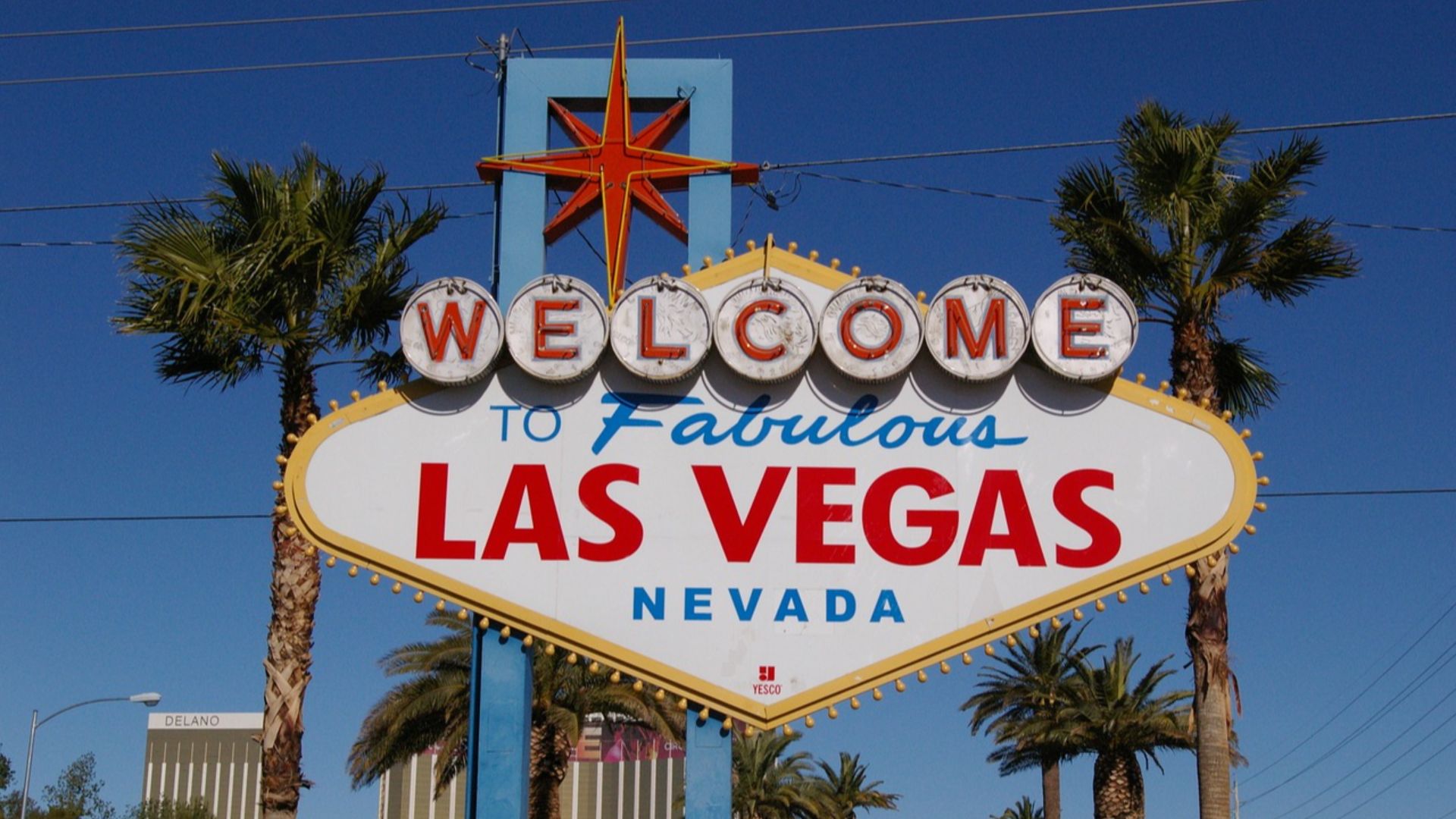
Las Vegas Is The Resort Fee Capital For A Reason
Las Vegas popularized resort fees, and many travelers now expect them there. But “common” does not automatically mean “properly disclosed.” Some booking sites make the fees more obvious than others. If the fee was missing from the price display, you still have a legitimate complaint even in a market where fees are everywhere.
Start With The Receipt: Was It A Mandatory Fee Or A Hold?
First, confirm you are looking at a mandatory nightly resort fee and not an incidental deposit hold. Holds are temporary authorizations that can look like extra charges at first. A resort fee is usually listed as a line item per night, often plus tax. If you see it multiplied by the number of nights, that is your signal.

Your Confirmation Email Is The Evidence That Matters
Pull up your confirmation email and look for any mention of “resort fee,” “destination fee,” or “facility fee.” Some sites list it under “Taxes and fees,” while others tuck it into fine print. If it is not there, that strengthens your position. Save a PDF version before anything disappears behind a login wall.

Check The Booking Page Price Breakdown If You Can
If you booked through an online travel agency, open the itinerary and look for the price breakdown. Some platforms show a subtotal, then add a “pay at property” line item for resort fees. Others show an “includes taxes and fees” label that excludes the resort fee, which is where people get burned. If the fee was not shown until after purchase, that is the core issue.

“Included” Amenities Do Not Automatically Justify The Fee
Hotels often defend resort fees by listing amenities. But if the fee is mandatory, it functions like part of the room price for most travelers. Regulators and consumer advocates focus on whether the total unavoidable price was clearly disclosed. A long list of perks does not fix a disclosure problem. It only explains what the hotel wants you to believe you are buying.

Ask One Question That Forces A Straight Answer
Ask the front desk, “Where was this fee disclosed before I booked?” Keep it calm and specific. If they point to a website, ask them to show you the exact spot in the booking flow. If they cannot, you have a stronger argument for removal or a partial refund.

Try The “Same Day Courtesy Waiver” Approach
Some hotels will waive fees for goodwill, especially if you are polite and the disclosure was unclear. Ask for a manager and explain that you booked based on the shown total. Say you would have chosen a different hotel if the fee had appeared during booking. Then pause and let them respond, because silence can be effective.

If You Booked With Points, You Still Might Get Hit
Even award stays can come with resort fees, depending on the hotel brand and location. Some loyalty programs waive resort fees on certain award bookings, but policies vary by chain and by property. The important part is disclosure, not whether you paid cash or points. If the fee was mandatory, it should have been clearly presented.

Third-Party Bookings Add A Twist
When you book through a third-party site, the hotel may claim the platform controls what is shown. The platform may claim the hotel supplies the fee details. That finger-pointing is common, and it is why documentation matters. You want proof of what you saw when you paid.

Be Careful With “Taxes And Fees” Labels
Some booking pages use labels like “taxes and fees” in a way that sounds final. But the fine print may say some fees are collected at the property. If the headline price implies a full total but excludes an unavoidable charge, that can be misleading. The fight is often about what a reasonable traveler would think the price meant.

What To Do If You Are Already Home
After the trip, email the hotel and keep it short. Attach your confirmation showing no resort fee disclosure, and ask for a refund of the resort fee charges. If you paid by card, you can also ask your card issuer about disputing the portion you believe was not properly disclosed. The outcome depends heavily on the evidence you can provide.

Credit Card Disputes Are Not A Magic Button
Card disputes can work when you can show the charge was not authorized as presented. But issuers often require proof and may side with the merchant if terms disclosed the fee. If you dispute, be accurate and attach your booking confirmation and screenshots. If the fee was truly hidden, your case is stronger.

File A Complaint If The Hotel Refuses
You can file a complaint with the FTC about deceptive pricing practices. You can also complain to your state attorney general’s consumer protection office. If you booked through a platform, complain there too, because they track properties that cause charge disputes. Complaints help regulators spot patterns, which is what drives enforcement.

Small Claims Court Is Real Leverage In Some Cases
If the fee is large enough and disclosure was truly missing, small claims court can be an option. This is especially true when you have clean documentation and a straightforward story. Laws vary by state, and you should check local rules before filing. Many cases settle once a business sees you are serious.

How To Avoid This Next Time In 60 Seconds
Before booking, search the page for “resort fee” and “destination fee.” Then check the final checkout screen for anything labeled “due at property.” If the hotel site is vague, call and ask for the all-in nightly total including mandatory fees and taxes. If they will not give a clear number, that is your cue to keep shopping.

Use The Filter That Most People Forget
Some booking sites let you filter for properties with no resort fees, but the feature can be hidden. Look in the filters for “fees,” “property charges,” or “total price.” Then click into the price breakdown anyway, because filters are not perfect. This is one of the easiest ways to dodge surprise add-ons.

The Bottom Line On That $45 Nightly Fee
If the resort fee was clearly disclosed before you booked, hotels often can charge it, even if you dislike it. If it was not disclosed until after purchase or at check-in, you have a solid basis to challenge it as misleading. Your best weapon is documentation, not outrage. The next step is simple, and it starts with one screenshot you may already have.

What To Save Before You Hit “Book” Next Time
Take screenshots of the room rate, the total price, and the final checkout page. Save the confirmation email and the receipt showing all line items. If a resort fee appears later, you can point to what you actually agreed to. That paper trail can turn a frustrating argument into a quick refund.