
When Your Travel Plans Get Rewritten Without You
There’s nothing quite like booking a flight, feeling organized for once, and then—bam—the airline casually moves your trip to a completely different day like it’s no big deal. No heads-up, no approval, just a quiet email that throws your entire itinerary into chaos. So what now? Are you stuck accepting it, or does the airline actually owe you something for the inconvenience?

What Counts As A “Flight Change” Anyway?
Not all changes are created equal. Airlines tweak schedules all the time—sometimes by a few minutes, sometimes by an entire day. The key difference comes down to how significant the change is. A small shift of 30 minutes might barely register, but if your flight gets pushed to the next day, rerouted, or completely rescheduled, that’s considered a major change—and that’s where your rights start to matter.
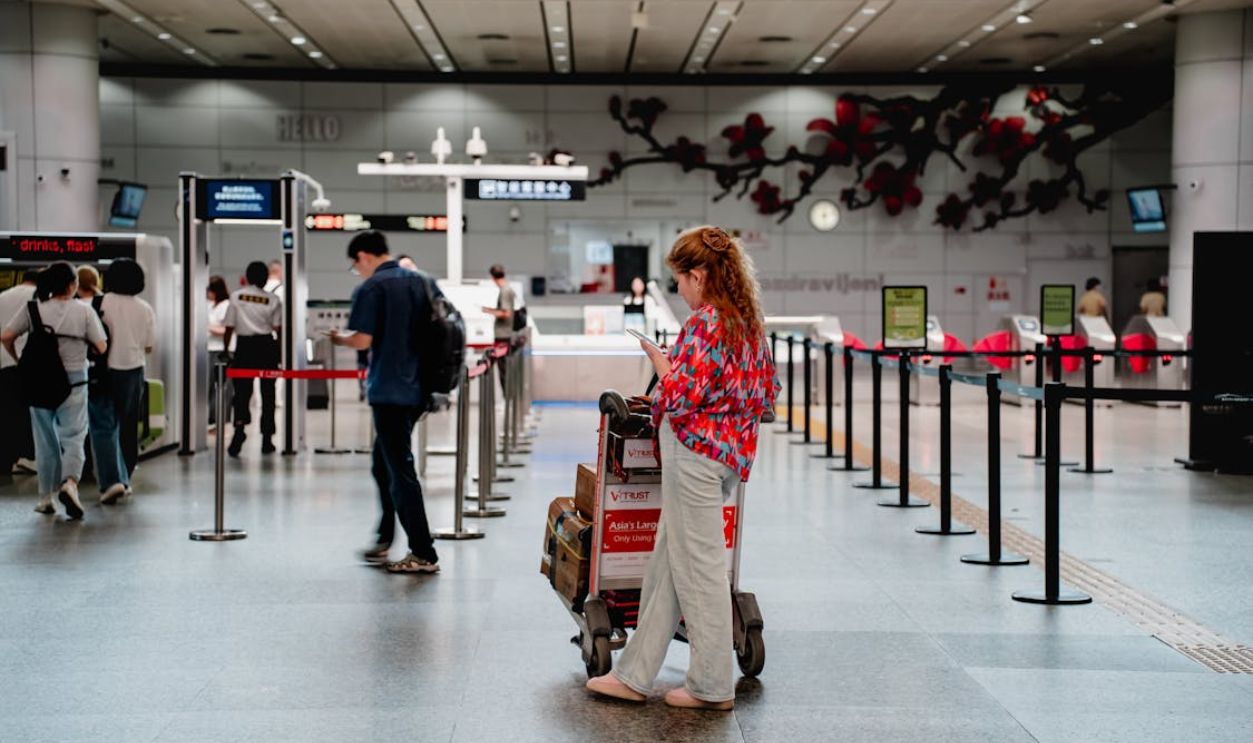
 Vodafone x Rankin everyone.connected, Pexels
Why Airlines Change Flights In The First Place
Airlines don’t randomly spin a wheel to decide your new departure time. Most changes happen due to operational reasons—like aircraft swaps, staffing issues, or route adjustments. Sometimes it’s seasonal demand, and other times it’s cost-cutting, but either way, the airline sees it as a business decision while you’re left rearranging your plans.

The Difference Between A Minor And Major Schedule Change
Airlines usually define their own thresholds, which is…convenient for them. A minor change might be anything under a few hours, while a major change could mean a totally different day or itinerary. The bigger the disruption, the more options you typically have, and once your trip crosses into “major change” territory, you gain leverage.

You Don’t Have To Accept The New Flight
Here’s the part airlines don’t always highlight: you are not obligated to accept the new itinerary. If the new flight doesn’t work for you—wrong day, bad timing, awkward layover—you can push back and request alternatives. In many cases, the airline will let you choose a different flight at no extra cost.

Rebooking Options Can Be Surprisingly Flexible
If your schedule gets changed significantly, airlines often allow you to switch to a different flight entirely—even on a different day. Depending on availability, you might even be able to adjust your departure airport or routing. It’s one of those rare moments where airline flexibility actually works in your favor.

When You’re Entitled To A Refund Instead
If the new flight simply doesn’t work, you can usually request a full refund instead of rebooking. This is especially true if the airline moved your flight by several hours or to a different day. Even nonrefundable tickets can become refundable under these circumstances, which is a loophole worth remembering.

Cash Refund Vs. Travel Credit—Know The Difference
Airlines love offering travel credits, but you should love asking for cash instead. If you’re eligible for a refund due to a major schedule change, you can typically request your money back to your original form of payment. Vouchers can be useful, but they often come with restrictions and expiration dates.

Compensation Isn’t Always Guaranteed
Here’s where things get less satisfying: just because your flight changed doesn’t automatically mean you get compensation. In the US, airlines are not legally required to pay you for schedule changes alone. You may get a refund or rebooking, but extra money for inconvenience is usually off the table.

Europe Plays By Different Rules
If your flight falls under EU regulations, things get a lot more interesting. Under EU261 rules, passengers may be entitled to compensation if a change is significant and within the airline’s control. That can mean real money—sometimes hundreds of dollars—on top of a refund or rebooking.

Timing Matters More Than You Think
When the airline notifies you makes a big difference in what you’re entitled to. If you’re told weeks in advance, your chances of extra compensation drop significantly. But if the change happens last minute or close to departure, you may have stronger claims, especially in regions with stricter passenger protection laws.
What If The Change Forces An Overnight Stay?
If your new flight requires you to stay overnight, the airline might step in—but don’t assume they will. In the US, airlines aren’t always required to cover hotels or meals for schedule changes. Some will offer assistance as a courtesy, but it’s not guaranteed unless specific policies apply.

Missed Connections Can Complicate Everything
If your schedule change causes you to miss a connection, the airline is typically responsible for getting you to your final destination. However, compensation beyond rebooking depends heavily on where you’re flying and why the change happened. It’s one of those situations where the details really matter.
Basic Economy Tickets Aren’t Completely Hopeless
Basic economy usually comes with strict rules, but even those tickets have some protection here. If the airline changes your flight significantly, you can often still rebook or request a refund despite the usual restrictions. It’s one of the few times those tickets become more flexible.

Airlines Define “Significant” Differently
There’s no universal definition of a “significant change,” which can be frustrating for travelers. One airline might consider a two-hour shift minor, while another treats it as a major disruption. This gray area is where knowing your rights—and being willing to push back—can make a real difference.

You Can Sometimes Switch To A Better Flight
Oddly enough, a schedule change can work in your favor if you play it right. If your original flight gets altered, you may be able to move to a more convenient time, a nonstop route, or even a better itinerary without paying extra. It’s a rare win in an otherwise annoying situation.

Don’t Wait Too Long To Respond
When you get notified of a change, timing is everything. Seats on alternative flights fill up quickly, especially if multiple passengers are affected. The sooner you reach out to the airline, the more options you’ll have to choose from.
Third-Party Bookings Add Another Layer
If you booked through an online travel agency, things can get more complicated. You may need to go through the third party instead of the airline to make changes or request refunds. This extra step can slow things down, so patience—and persistence—go a long way.

Documentation Is Your Best Friend
Save everything related to your flight change, including emails, notifications, and timestamps. If you end up disputing a refund or filing a claim, having a clear paper trail will make the process much smoother. It also strengthens your case if things escalate.

Policies Vary More Than You’d Expect
Every airline has its own rules when it comes to schedule changes. Some are generous with rebooking options and refunds, while others are far more restrictive. It’s always worth checking your airline’s specific policy rather than assuming they all operate the same way.

The Bottom Line On Compensation
If your flight gets moved to a different day, you’re almost always entitled to a refund or free rebooking. However, actual compensation—extra money for the inconvenience—depends on where you’re flying and which laws apply. In the US, it’s unlikely, but in places like Europe, you may have a stronger case.
At the end of the day, the most important thing to remember is that you do have options—even if the airline doesn’t go out of its way to tell you.

You May Also Like: