
The Surprise Fee at Checkout
You book a room, set your budget, and think the price is locked in. Makes sense, right? But then checkout comes and there’s multiple new charges on the bill. But you may be in luck: If these fees was mandatory and never clearly disclosed before you agreed to the stay, that is the kind of pricing practice regulators have been cracking down on.

Why This Has Been Such a Big Issue
Hidden hotel charges have frustrated travelers for years, especially resort, destination, and amenity fees. Hotels often separate these charges from the advertised nightly rate, which can make a room look cheaper than it really is. Regulators have increasingly said that can mislead people.
The FTC Finally Drew a Line
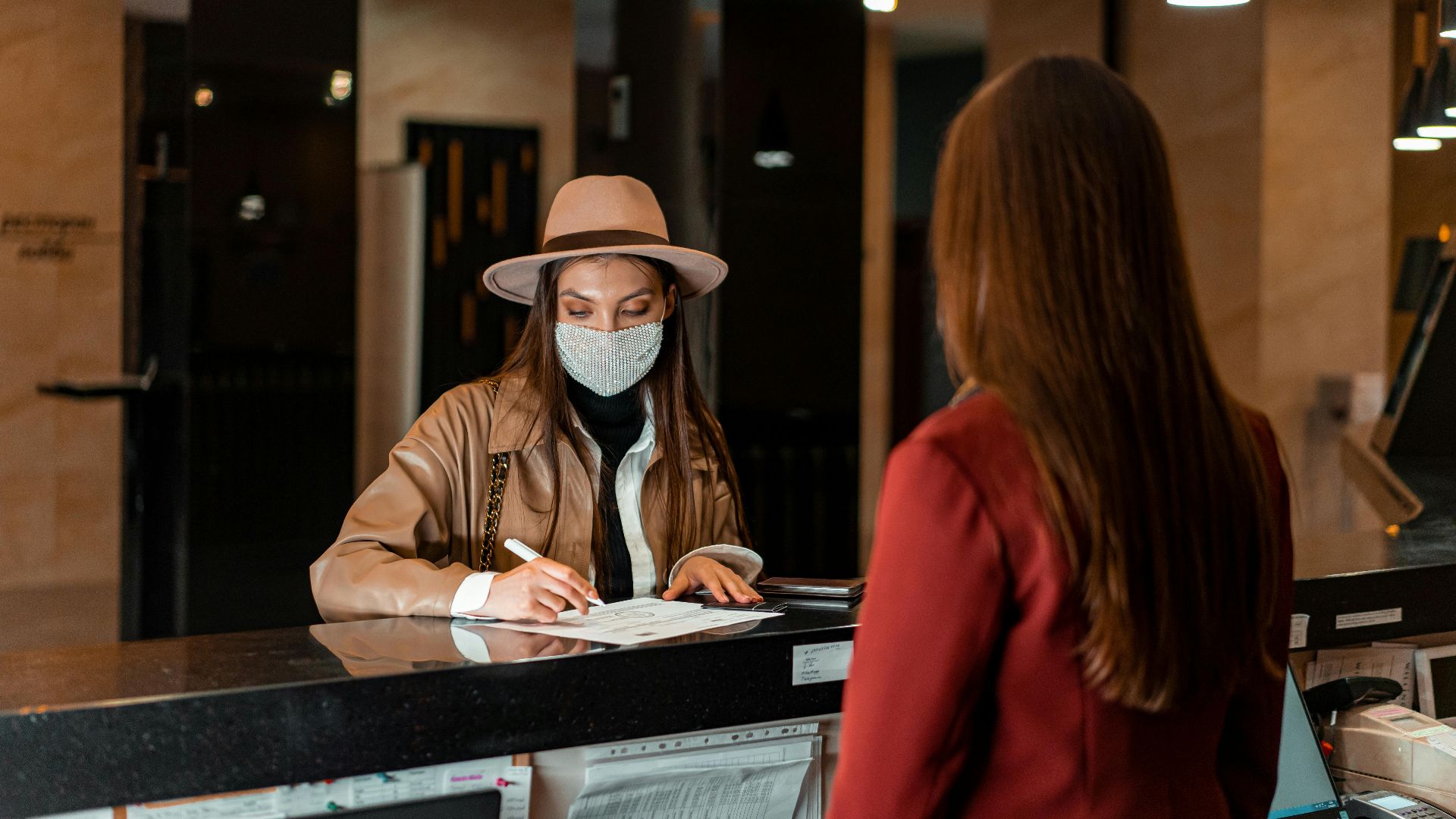
On December 17, 2024, the Federal Trade Commission announced a final rule aimed at unfair or deceptive fees, often called the Junk Fees Rule. It bans bait-and-switch pricing and requires businesses in certain industries to clearly show the total price upfront in many live-event ticketing and short-term lodging transactions. For hotel guests, the key point is that short-term lodging is covered.
What the Rule Says
Under the FTC’s final rule, businesses must show the total price more clearly than most other pricing details. For lodging, that total has to include mandatory charges the business knows about and can calculate ahead of time. Taxes and some government fees can still be left out of the total, as long as they are disclosed before payment.

When It Became Official
The FTC voted 4-1 to issue the final rule in December 2024. The agency said the rule would save consumers billions of dollars and tens of millions of hours otherwise wasted comparison shopping. It was set to take effect 120 days after publication in the Federal Register, putting compliance in 2025.

This Had Been Building for Years
None of this came out of nowhere. Back in 2012, the FTC sent warning letters to 22 hotel operators, saying that leaving mandatory resort fees out of advertised rates could mislead consumers under the FTC Act. Regulators had been watching this issue for more than a decade.

The White House Kept the Pressure On
The Biden administration repeatedly pointed to hidden resort fees as an example of junk fees. In October 2023, President Joe Biden called for more rules and enforcement aimed at surprise charges across several industries, including lodging. That kept hotel fees in the spotlight.
Texas Took a Big Swing
One of the biggest state actions came from Texas. In 2024, Texas Attorney General Ken Paxton sued Hyatt, accusing the company of deceptively advertising room rates that did not include mandatory fees. Hyatt said at the time that it disagreed with the claims, but the lawsuit showed how seriously states were treating fee transparency.
Marriott Faced Federal Action
In 2024, the FTC announced an action against Marriott over allegedly deceptive hidden resort fees and total pricing practices. Arizona joined with a parallel state action. According to the agency, Marriott advertised low nightly rates and then added mandatory fees later in the booking process.
Hilton Was Targeted Too
The FTC also took action against Hilton in 2024 over similar claims involving hidden resort fees and other mandatory charges. The agency said Hilton’s pricing practices could leave consumers paying more than the rate first shown. Hilton said it had been transparent about fees and disagreed with parts of the FTC’s description.
So Can a Hotel Add a Fee at Checkout?
If the fee is mandatory and was not disclosed anywhere before you booked or before you stayed, that is exactly the kind of charge regulators have been targeting. A hotel can still charge for optional services you choose, like parking, minibar purchases, or room service, if those were not part of the room price. The real problem is a mandatory fee that shows up too late for you to make an informed choice.

Mandatory Fees and Optional Extras Are Different
That distinction matters. A mandatory destination fee, service fee, or amenity fee should generally be disclosed in advance as part of the total price or clearly before payment. Optional extras can be added later because you decide whether to buy them.

What Clear Disclosure Really Means
Clear disclosure usually means you can see the real cost before booking or before you become obligated to pay. If a fee is buried in fine print, hard to find, or only appears near checkout, that can raise red flags. Regulators have said the total price should be easy to see, not hidden behind extra clicks or a last-minute reveal.

It’s Not Just Hotel Websites
This issue is not limited to hotel brand sites. Online travel agencies and third-party booking platforms have also faced scrutiny over price displays that leave out mandatory charges until late in the process. The FTC’s junk fees rule applies broadly to covered short-term lodging offers, not just direct bookings.

State Law Can Matter Too
Federal rules are a big deal, but state consumer protection laws can also help. Attorneys general in states including Texas and Arizona have taken action over hotel pricing they say is deceptive. Depending on where the hotel is located and where you booked, state law may give you extra options.

What If the Fee Was Hidden in the Fine Print?
If the charge was disclosed somewhere during booking, even if you did not notice it, the hotel may argue that it gave notice. Whether that disclosure was legally enough can depend on how visible and understandable it was. Regulators have increasingly focused on whether consumers were given a fair chance to see the real total.

International Bookings Can Be Different
If you booked a hotel outside the United States, the rules may be different. Some countries have stricter all-in pricing rules, while others handle hotel surcharges in other ways. Your protections may depend on the law where the hotel operates, the booking platform’s terms, and your credit card protections.

Start With an Itemized Bill
If you see a surprise fee at checkout, ask the front desk for a fully itemized statement. You want the exact name of the charge, the amount, and when the hotel says it was disclosed. That can quickly tell you whether it is a mandatory nightly fee, a tax, or an optional charge posted by mistake.

Save Your Proof
If you can, pull up your booking confirmation, the original listing, and any emails or app messages from the hotel. Take screenshots showing the advertised rate and the total amount you expected to pay. That record can be useful if you later challenge the charge with the hotel, a regulator, or your card issuer.

Push Back Calmly and Clearly
The strongest complaint is usually a simple factual one. Tell the hotel the fee was not disclosed before booking or before payment, and ask for it to be removed. If you have screenshots or confirmation emails that support your position, bring them up right away.

Go Beyond the Front Desk if You Have To
If the desk agent cannot fix it, ask for a manager or billing supervisor. Chain hotels often have corporate customer service channels that can review charges after the stay. Independent hotels may also reconsider once they see you have clear documentation.

Your Credit Card Might Back You Up
If the charge was truly undisclosed and the hotel refuses to remove it, you may be able to dispute it with your credit card issuer. Card companies often ask for the booking confirmation, the folio, and any messages with the hotel. The better your paper trail, the stronger your case.
File a Complaint in the Right Place
Consumers can report deceptive pricing to the FTC and to their state attorney general’s office. If you booked through a third-party platform, that company may also have a complaint or refund process. A complaint does not guarantee a refund, but it can add pressure and help regulators spot repeat offenders.

What Hotels Can Still Charge Legally
Hotels can still bill for taxes, government assessments, and optional services that are not part of the base room price. They can also place a security deposit or authorization hold for incidentals if that was disclosed in advance. The issue is not every extra charge after booking. The issue is mandatory charges that were never properly disclosed.

This Fight Is Bigger Than One Hotel Stay
Consumer advocates have argued for years that drip pricing distorts competition by making one hotel look cheaper than another even when the final bill is higher. Regulators now agree strongly enough to issue rules and file enforcement actions. Travelers have more support than they used to when they challenge surprise mandatory fees.
What to Check Before You Book
Look for the full price before you click purchase, not just the nightly rate. Check whether the hotel mentions a resort, destination, amenity, or service fee in the room details or checkout page. If the site does not show a clear total, take that as a warning sign.

The Bottom Line
If your hotel added a mandatory fee at checkout that was not listed anywhere beforehand, you do not have to treat that as normal. Recent FTC action, state lawsuits, and years of regulatory warnings all point the same way: the real price should be shown before you are locked in. Surprise mandatory hotel fees are on shakier legal ground than they used to be.