

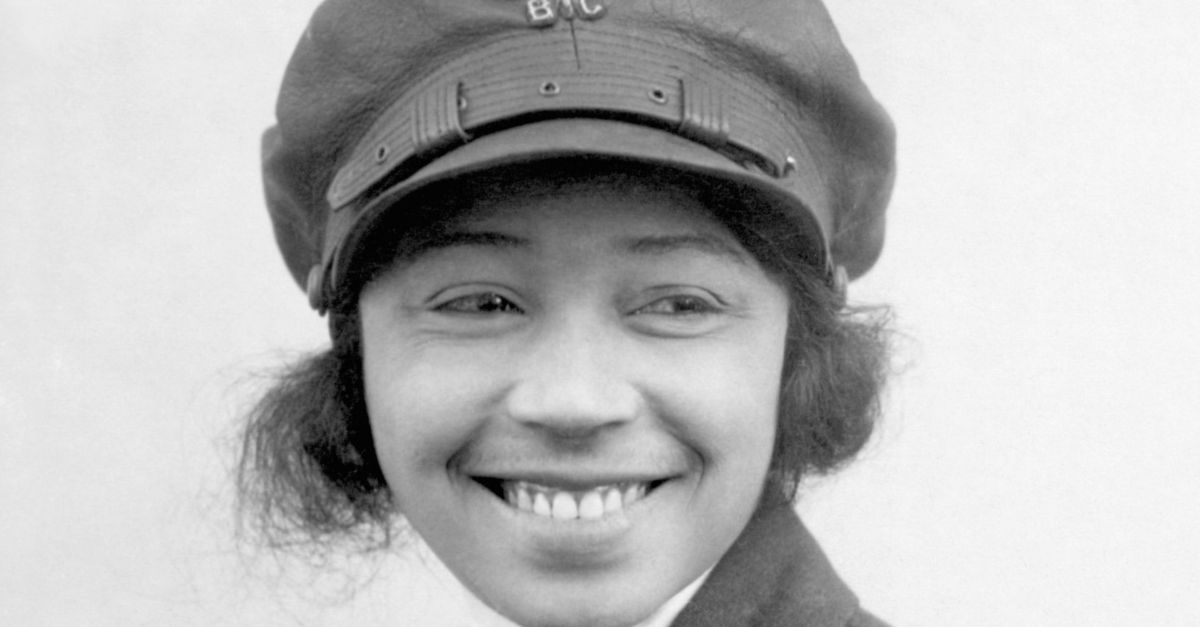
The Legend Who Paved The Way
By refusing to be held back by discrimination, both for her gender and her race, Bessie Coleman took aviation to new heights in its early days – did her utmost to ensure that other people of colour could follow in her footsteps.
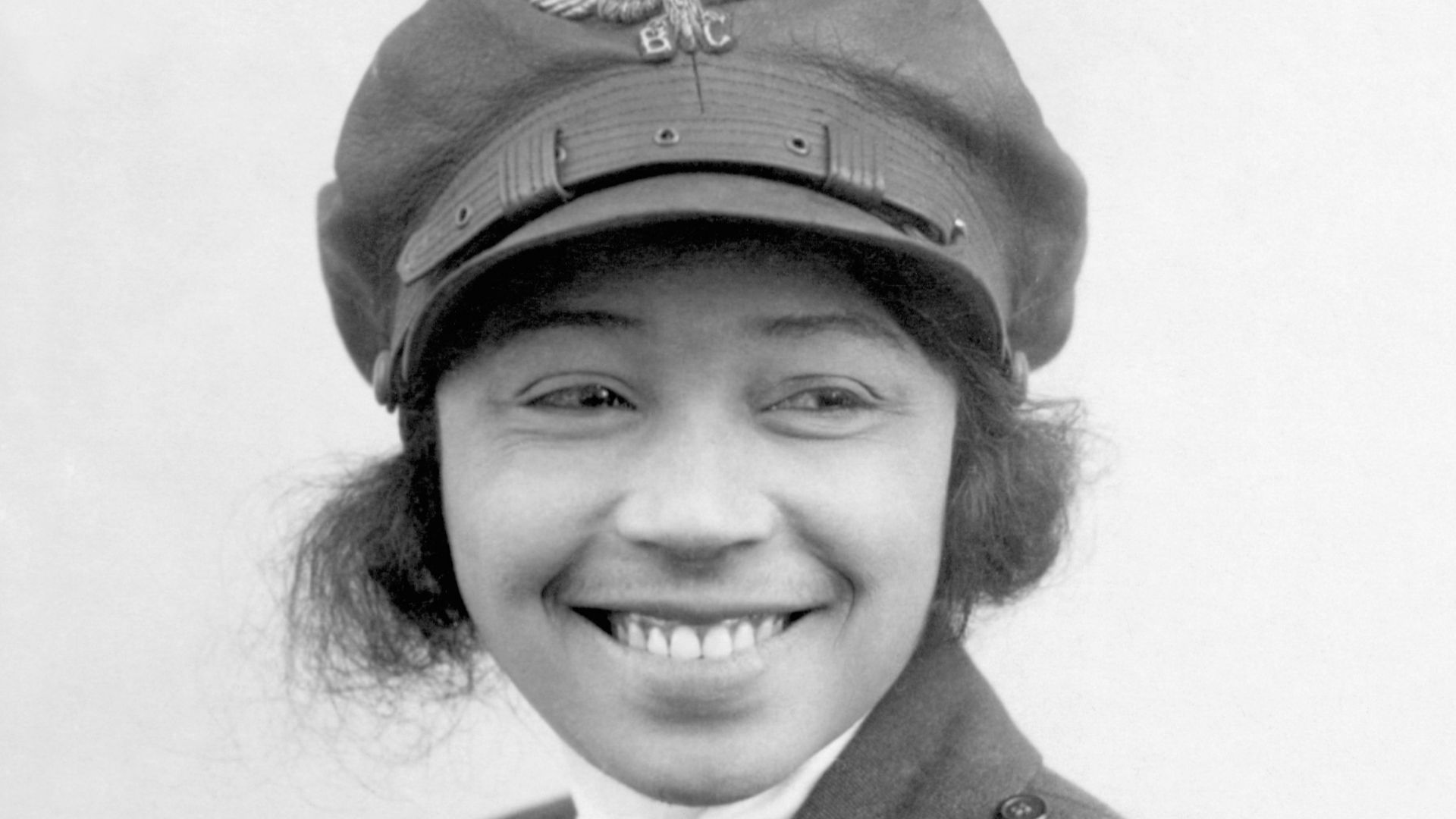 George Rinhart/Corbis, Getty Images
It Started With A Bold Choice
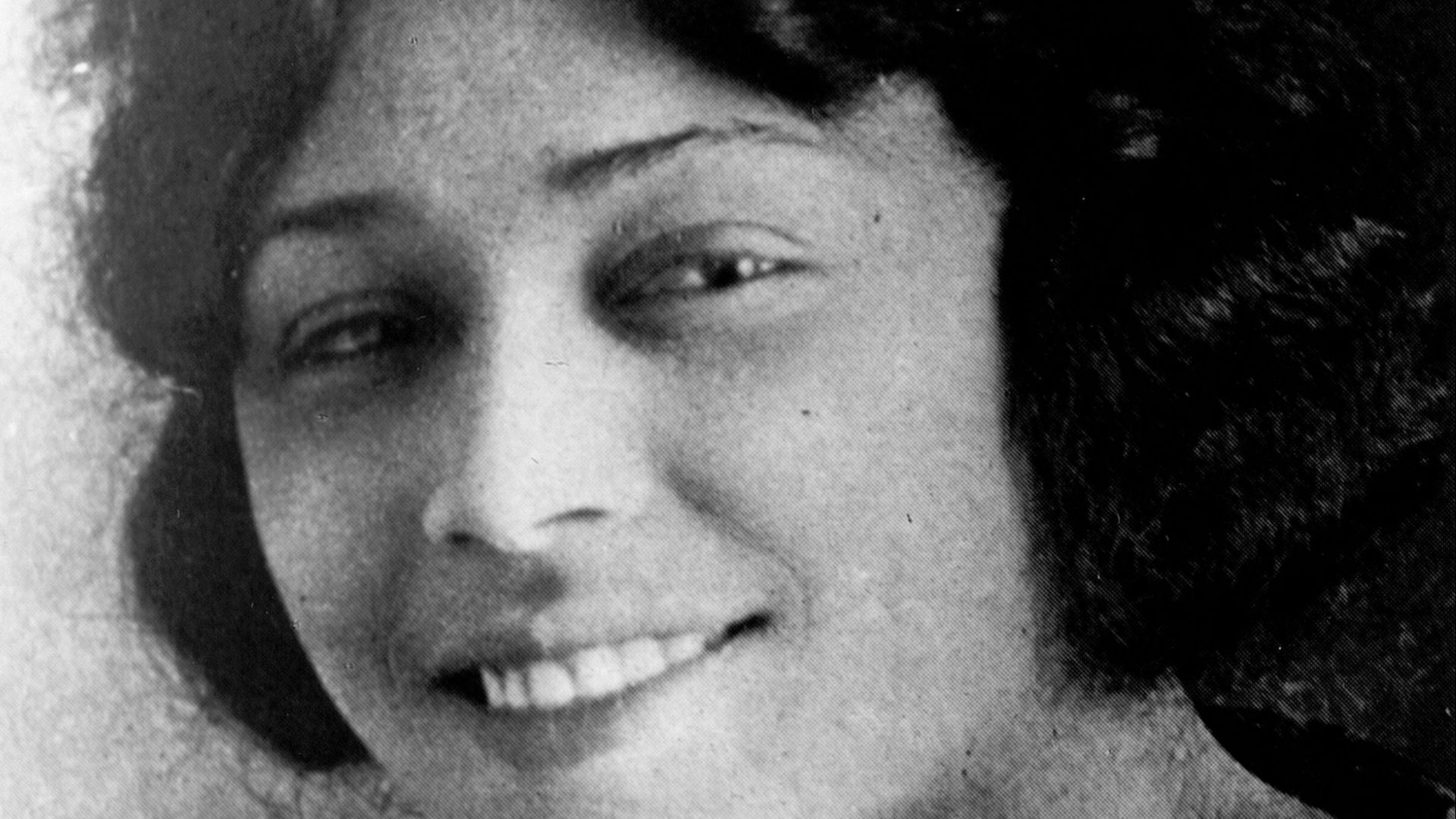
While working as a manicurist in Chicago in 1919, twenty-something Bessie Coleman decided what she wanted to do with her life: fly. She had heard about heroic World War I aces and death defying aviators wowing crowds with their aerobatic antics, and desperately wanted to be part of it.
 Unknown authorUnknown author, Wikimedia Commons
Chances Were Slim
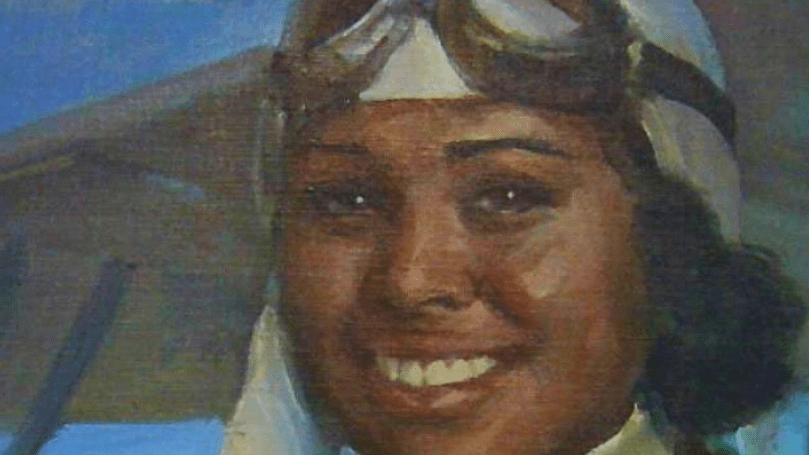
The chances of her taking to the skies were extremely slim. For one thing, she was a woman; for another, she was black. But when her brother teased her by saying a black woman would never fly, Coleman’s mind was made up. “That’s it! You just called it for me!”
 TradingCardsNPS, CC BY 2.0, Wikimedia Commons
She Had No Money But She Didn't Give Up
All she had was an insatiable motivation – she certainly didn’t have money. Elizabeth Coleman was born, on 26 January 1892, into an impoverished family in Texas, the 10th of 13 children to African-American mother Susan and father George, who was part-Cherokee. They worked as sharecroppers and labourers, and a young ‘Bessie’ had to help pick cotton and walk for miles just to attend a one-room school. Although naturally bright and inquisitive, she could only afford one semester at university.
 SDASM Archives, Wikimedia Commons
The Great Migration
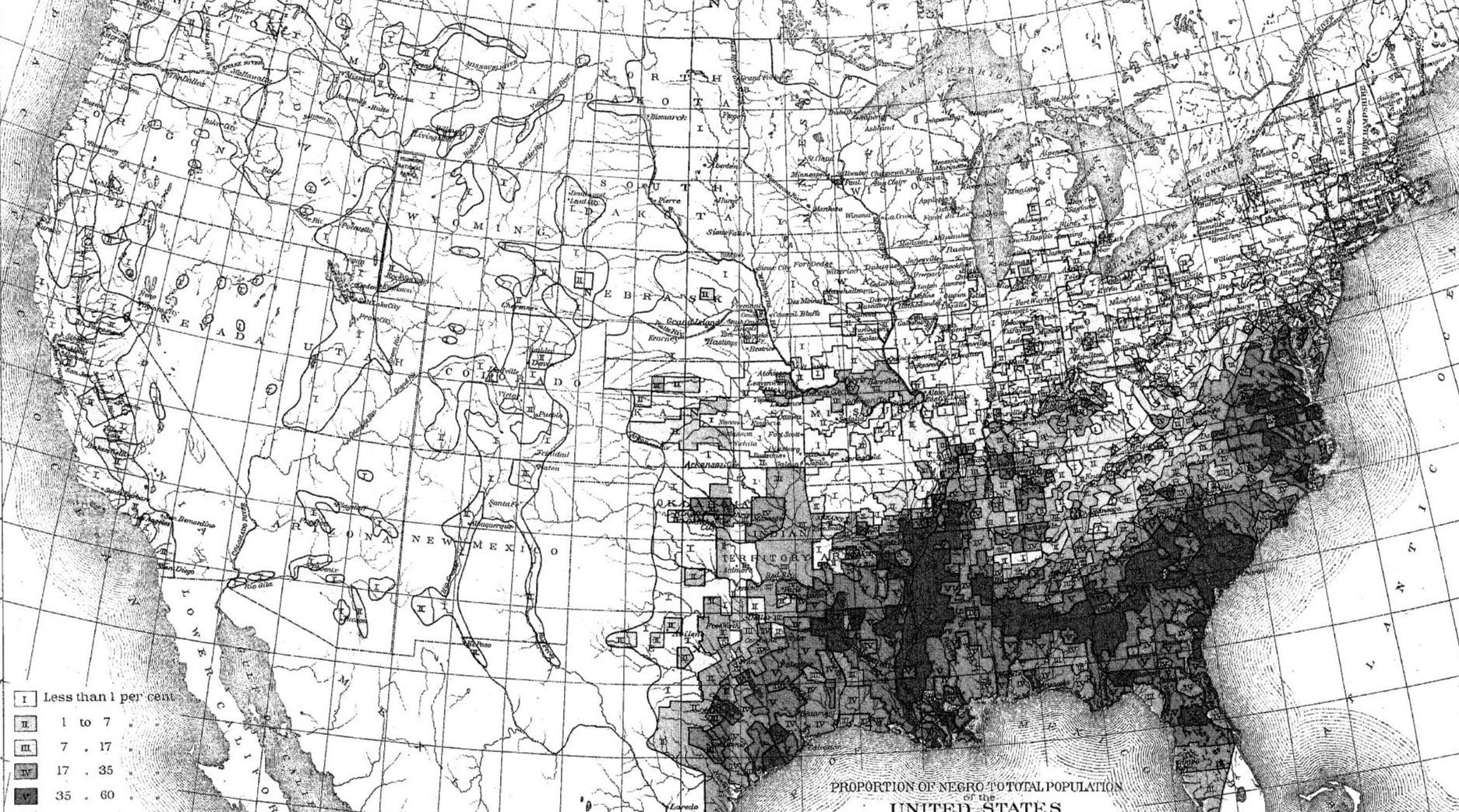
Her move from Waxahachie, Texas, to Chicago came in the early stages of the Great Migration – when African-Americans left the South in their millions to find greater opportunities in the North – but racial prejudice in the US could not so easily be escaped. In 1919, the city erupted into race riots.
 United States Bureau of the Census., Wikimedia Commons
How Did Bessie Coleman Become A Pilot?
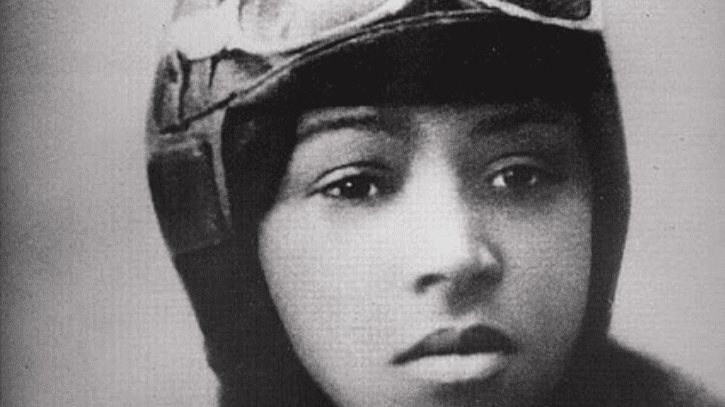
Yet that same year, Coleman found hope in tales of aviation, especially of the female pilots in France that her brother saw while fighting in the war. It quickly became clear that he wasn’t entirely wrong for thinking a black woman would never fly, given that his sister’s many applications to flight schools were instantly dismissed.
“I refused to take no for an answer,” became Coleman’s mantra.
She Prepared For A Big Move
If she could not learn in the US, she would head to France where the aviation scene was highly renowned, and more welcoming. To pay for the trip, she scrimped and saved from various jobs before securing the support of Robert Abbott, owner of the African American newspaper the Chicago Defender. At night, she taught herself French.
 Deseronto Archives, Wikimedia Commons
Arrival In France
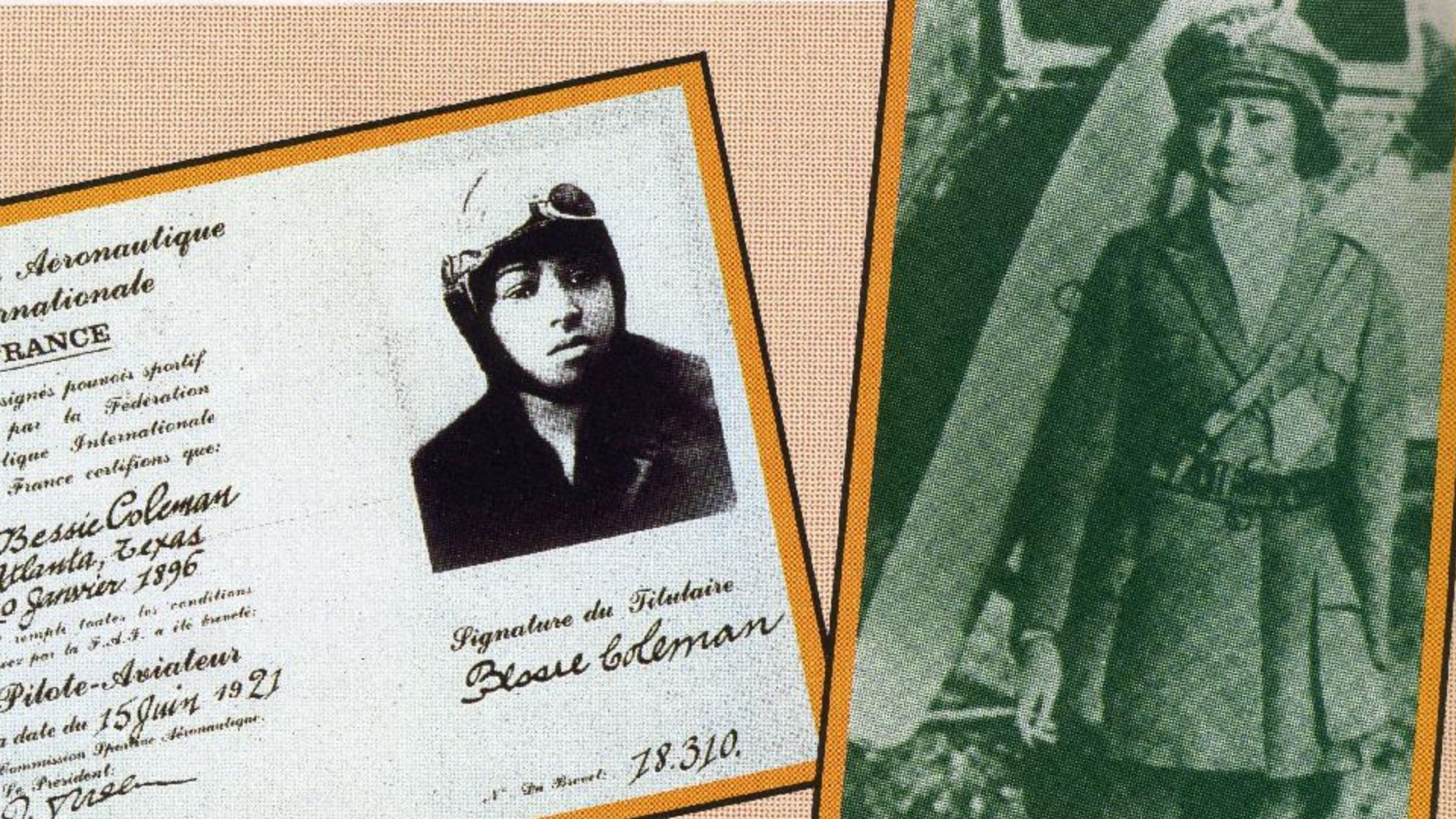
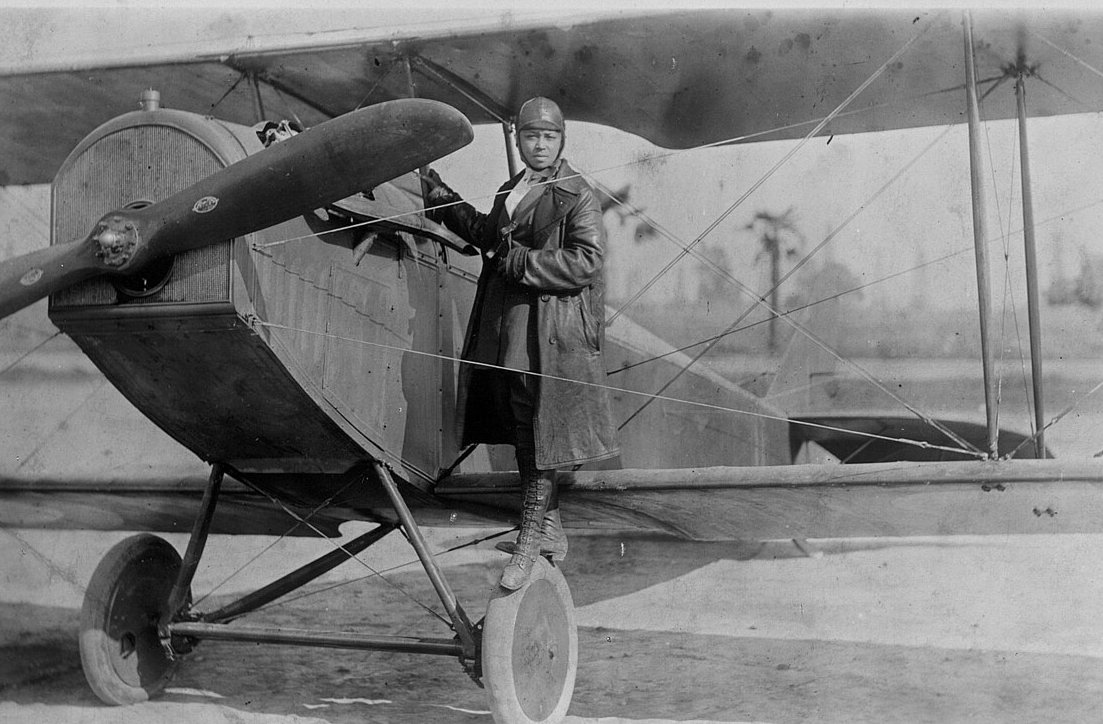
In 1920, Coleman travelled to France and started training at the Caudron Brothers’ School of Aviation in Le Crotoy. For seven months, she flew a Nieuport 82 biplane that didn’t even have brakes, so on each landing she relied on a metal bar underneath hooking the ground. But she had found her calling, and on 15 June 1921, Coleman became the first woman of black, and Native American, heritage to earn an international pilot’s licence.
 Unknown Author, Wikimedia Commons, Modified
Her Journey Back Home
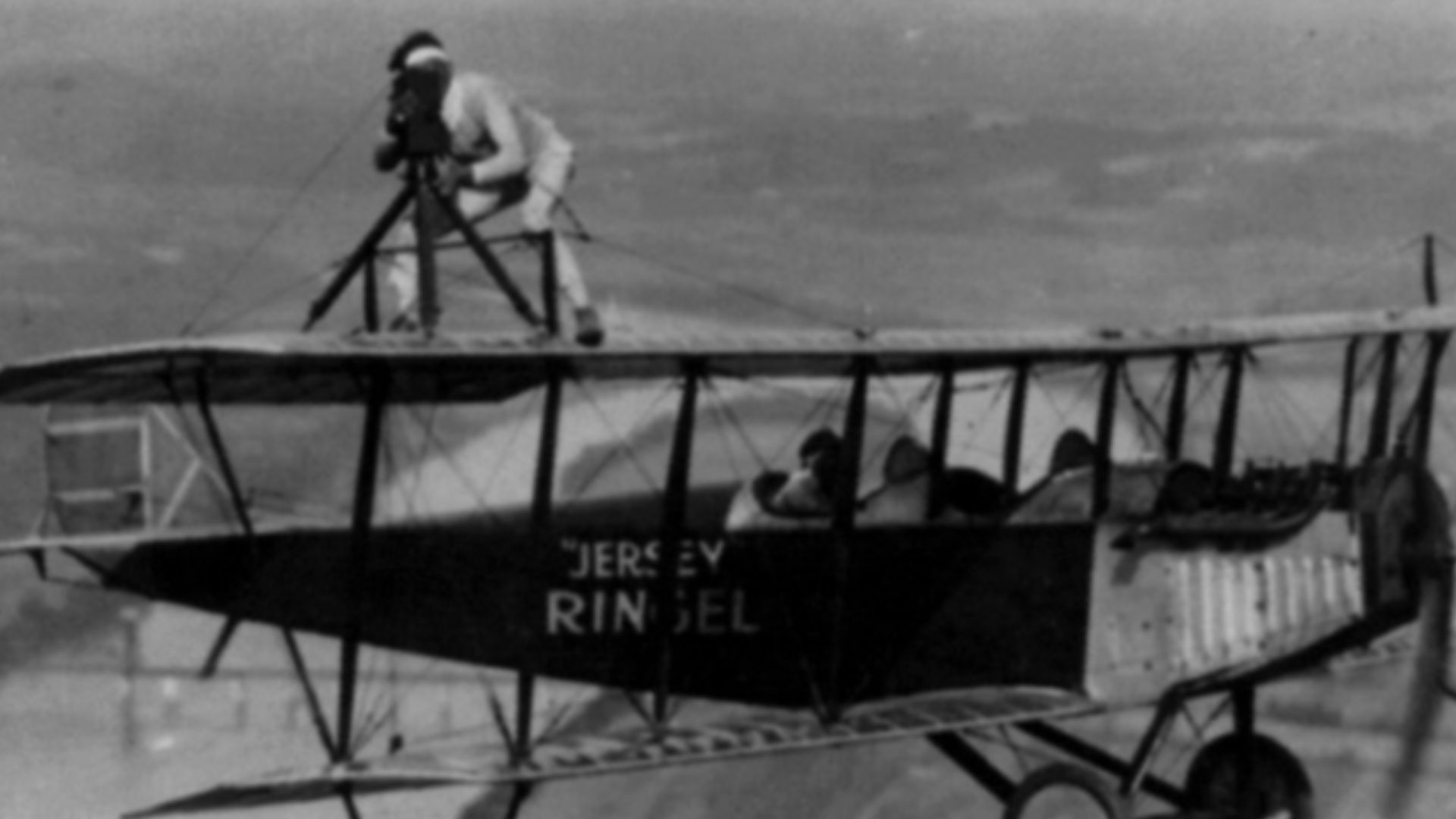
This allowed her to return to the US and – after a hasty jaunt back to Europe for some extra aerobatics training – take up barnstorming. A popular form of entertainment in the 1920s, pilots would perform all manner of tricks and stunts, from loops and tailspins to walking on the wings and parachuting back to Earth. From her debut flight in September 1922, and in borrowed planes as she didn’t have her own, Coleman became a headline-grabbing barnstormer, earning nicknames like ‘Queen Bess’ and ‘Brave Bessie’.
 Underwood & Underwood, Wikimedia Commons
An Inspiration To Many
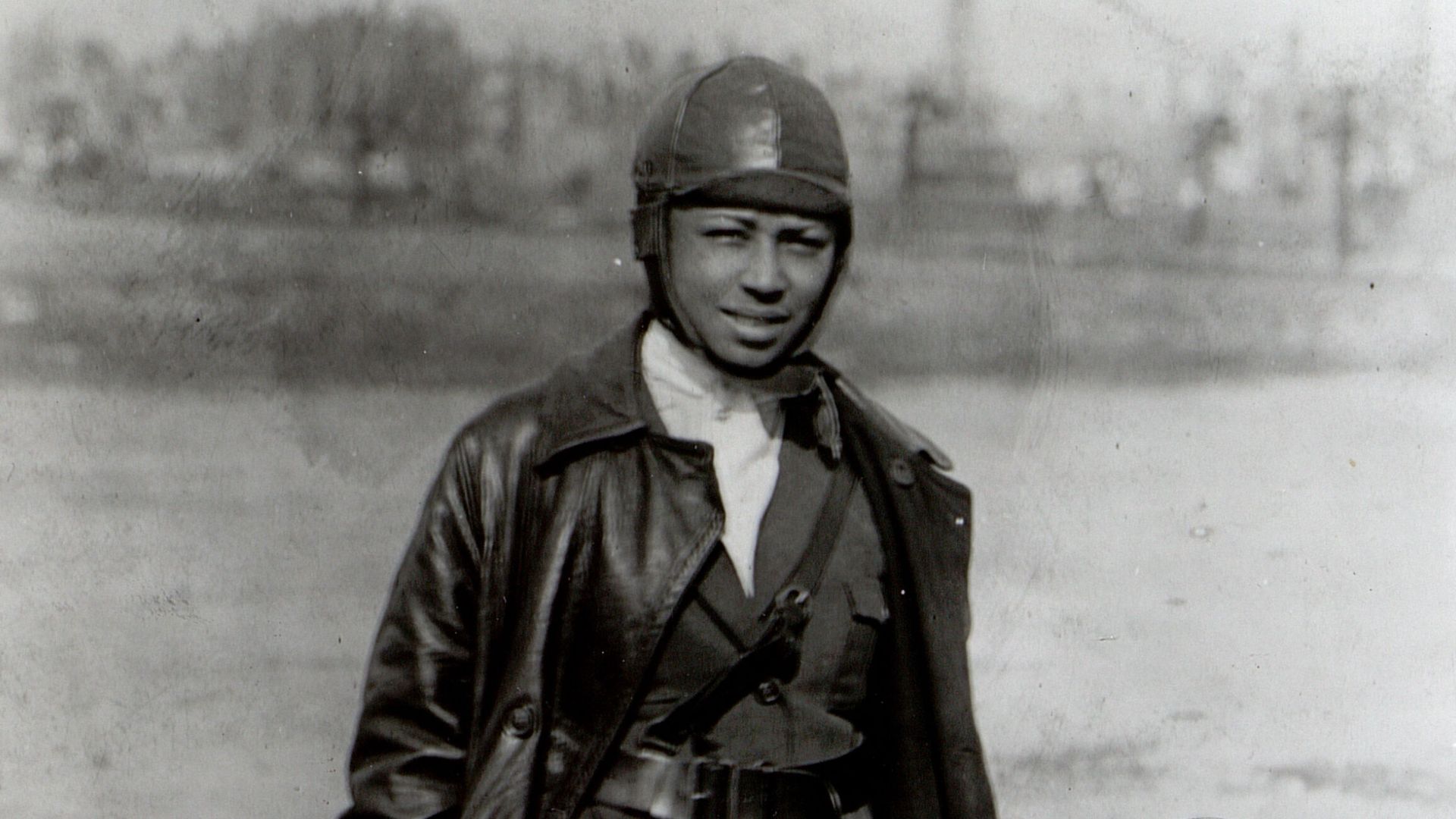
More than an entertainer, Coleman wanted to inspire people of colour to take up aviation, especially women. “The air is the only place free of prejudice,” she said.
She gave talks about her flights and performed across the country, refusing to participate in air shows with segregated entrances. And when offered the lead role in a film, Coleman turned it down because it would have required dressing in rags, which she saw as a demeaning representation of poor black people. Her greatest ambition was to set up her own flight school.
 Dove & Porter, Wikimedia Commons
Bessie Coleman's First Crash
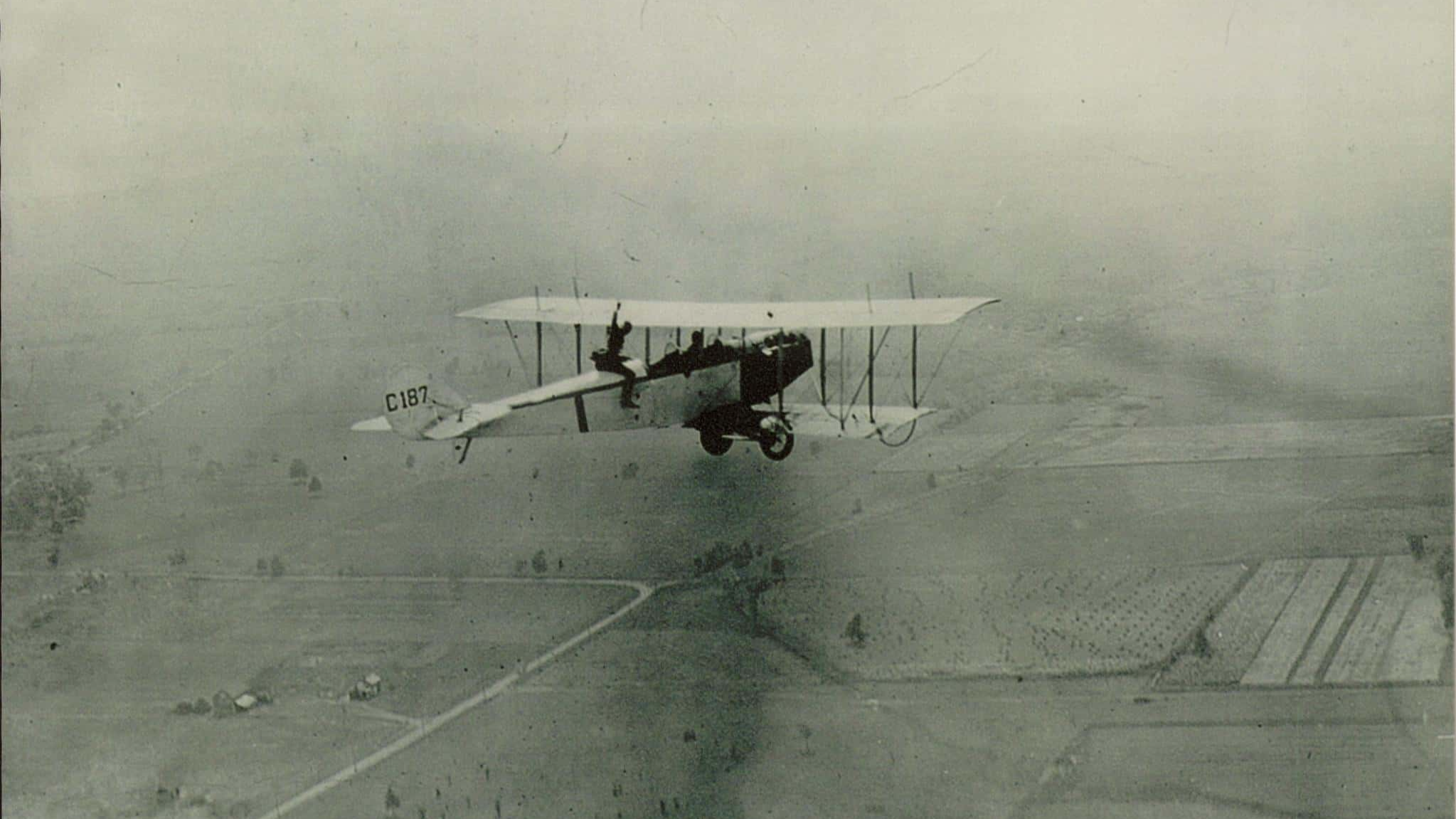
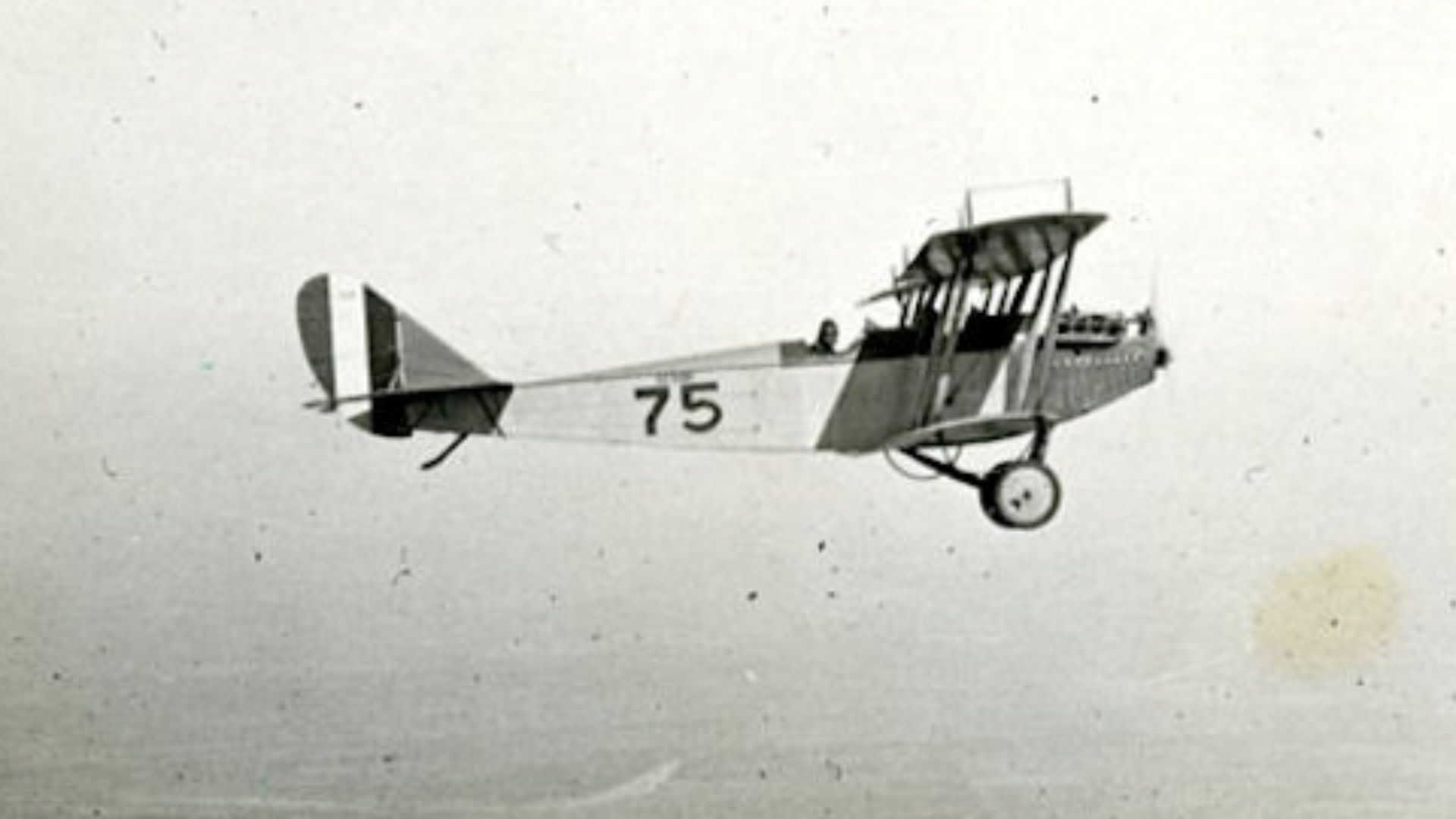
Just a few months into her barnstorming, however, Coleman suffered a crash – and in her first plane, a Curtiss JN-4 ‘Jenny’. After the engines stalled, she nosedived 300 feet and broke several ribs and one of her legs. Although absolutely determined to return to the skies as soon as she recovered, it would take a couple of years before Coleman was properly flying again. Still, she bought herself a second Jenny.
 Air Service, United States Army, Wikimedia Commons
Her Tragic Death
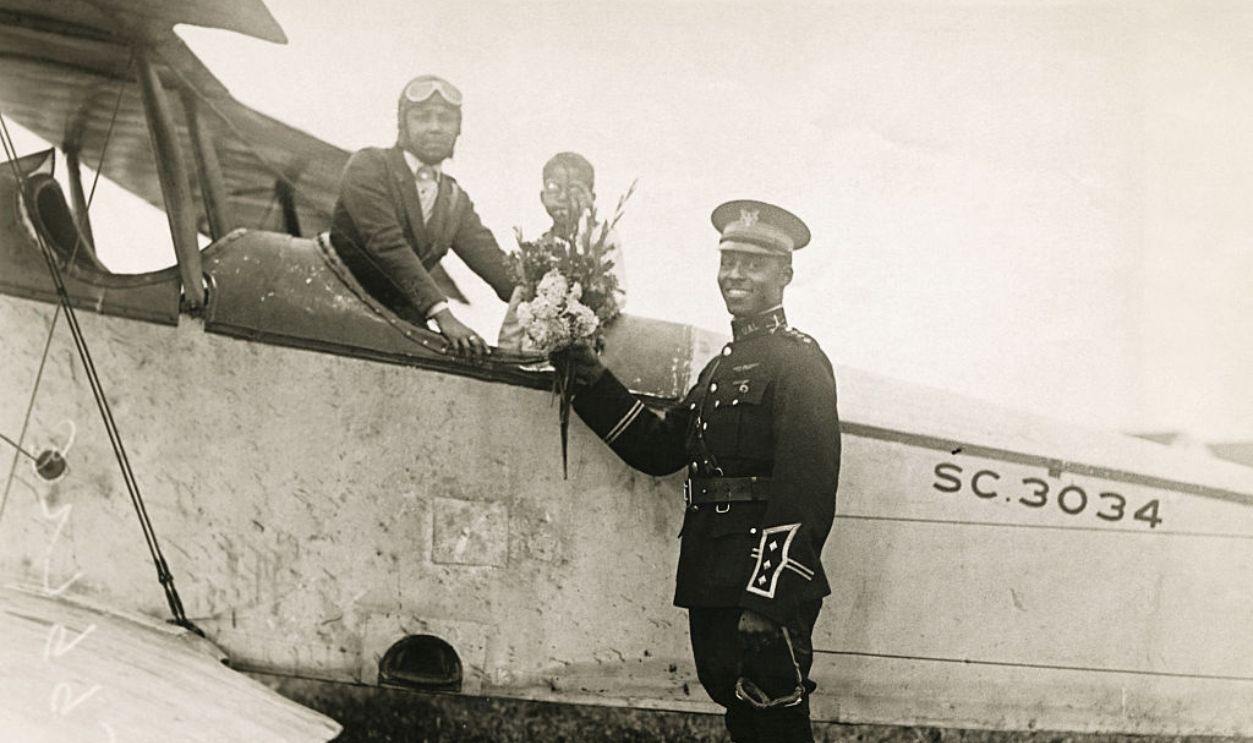
But on 30 April 1926, while preparing for a show in Jacksonville, Florida, her plane span out of control and Coleman was thrown from the open cockpit at around 2,000 feet, plummeting to her death. Mechanic William Wills, who was flying the Jenny, also died in the crash.
Short But Impactful
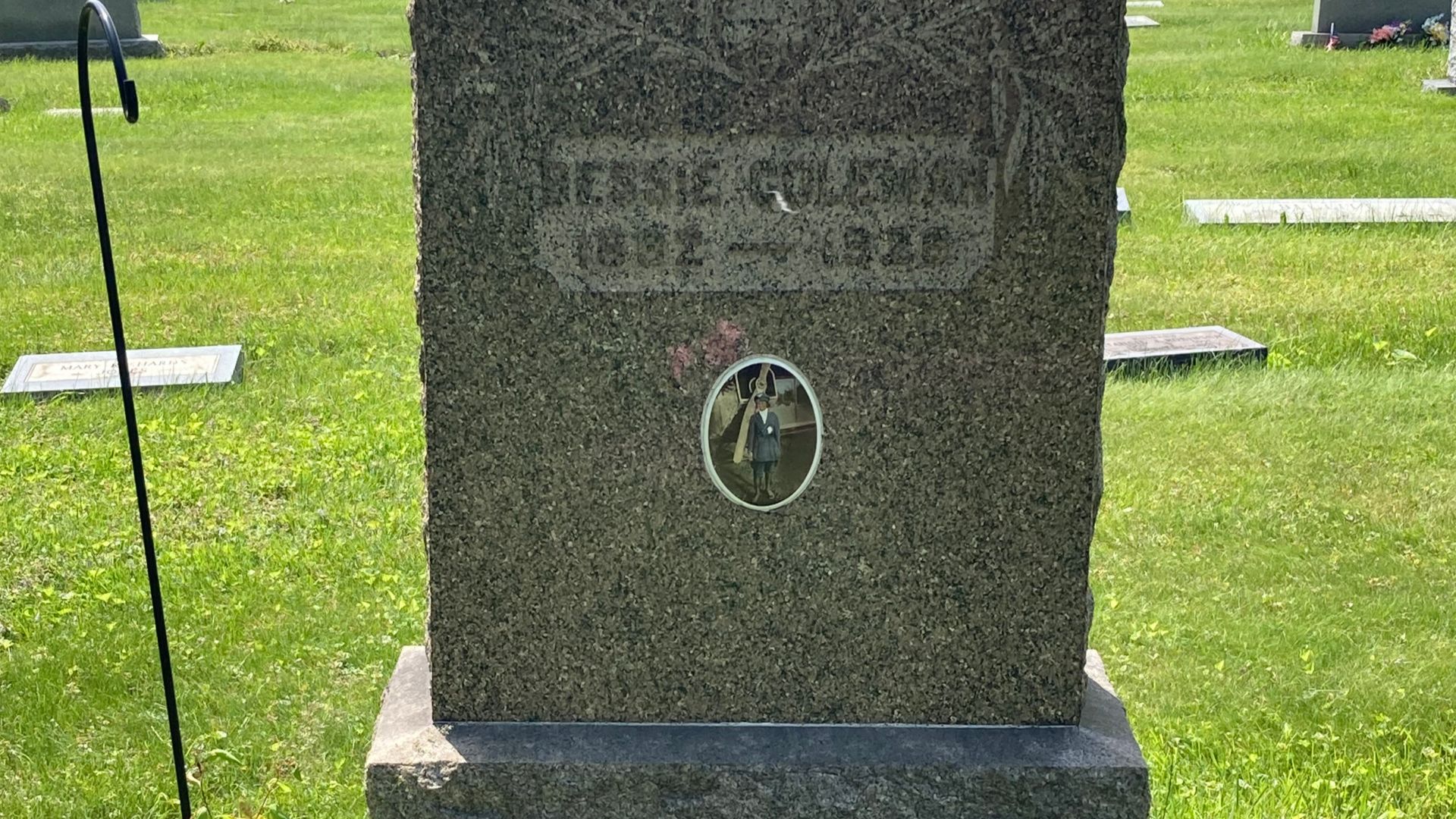
Coleman’s flying career was short, but long enough for her to become a heroine in the African-American community. Thousands attended her funeral, and her eulogy was read by co-founder of the National Association for the Advancement of Colored People (NAACP), Ida B Wells. Coleman’s fate was that of many early aviators, but she was nothing like them. She broke through the limitations placed on her for both her race and gender, and earned the respect of the flying community.
 Nick Number, Wikimedia Commons
Her Legacy Lives On
William Powell, who founded the Bessie Coleman Aero Club a few years after her death, wrote that thanks to her, “We have overcome that which was worse than racial barriers. We have overcome the barriers within ourselves and dared to dream.”
This content was created in partnership with HistoryExtra.


.jpg)


