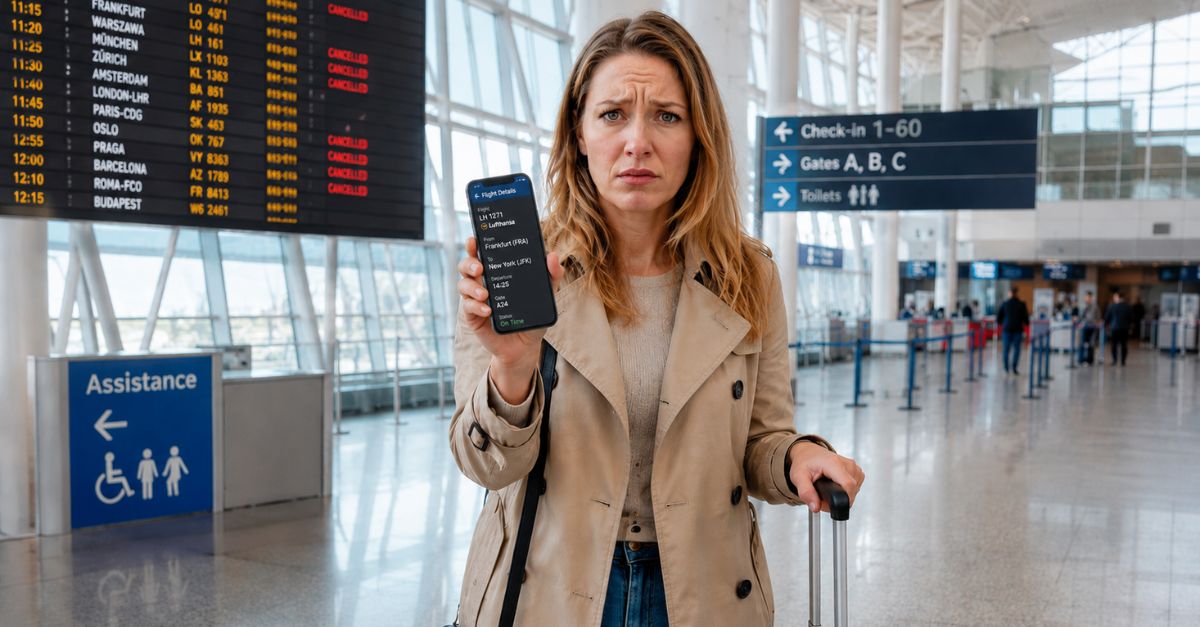
That Rebooking Shock Is Real
Flights change, anyone who flies regularly has gotten used to this. But there's a difference between a two-hour delay and sending you to a whole new airport in a different city. For many customers, it can feel like a bait and switch, especially when it throws your hotel, ground transportation, or pickup plans into chaos.
The short answer is yes: Airlines can and do do this. But whether they can keep you on that new itinerary without giving you other options depends on the situation and the rules that apply.
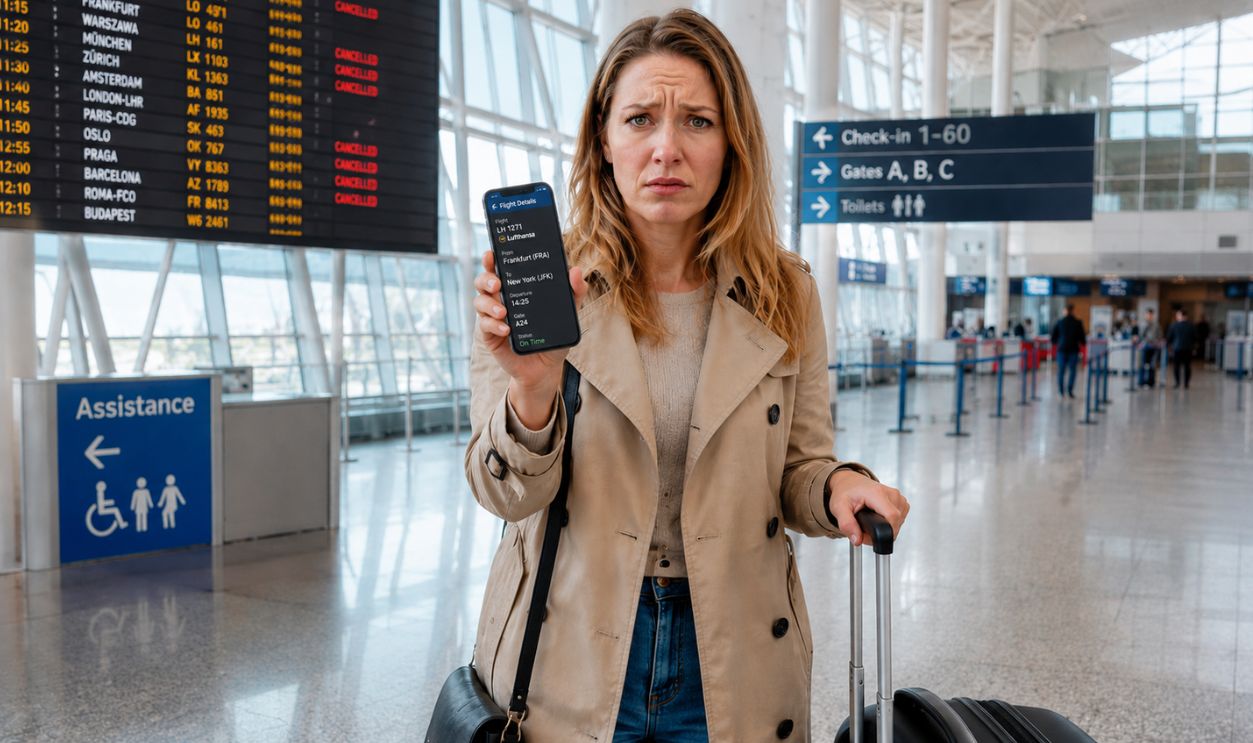
Why This Happens In The First Place
Airport swaps usually happen after schedule changes, flight cancellations, or broader route reshuffles. Airlines often try to save the trip by moving you to what their system sees as a nearby or workable alternative. What looks close on a map, though, can feel a whole lot farther when you are the one trying to get where you actually planned to go.
The Department Of Transportation Has Weighed In
The clearest recent federal guidance came from the U.S. Department of Transportation’s final airline refund rule issued in April 2024. That rule says a significant change can include a change in the departure or arrival airport. If that airport change increases the number of connections, changes the class of service, adds accessibility-related connections, or uses a less accessible airport for a passenger with a disability, the passenger is entitled to a refund if they do not accept the new transportation.
 AgnosticPreachersKid, Wikimedia Commons
What Counts As A Significant Change
The DOT’s April 2024 rule did not say that every airport change automatically triggers a refund. Instead, it laid out specific situations that count as significant changes for refund purposes. So the real question is not just whether the airport changed. It is whether the change meets one of the rule’s refund-triggering conditions.
 Gustavo Fring, Pexels, Modified
Refund Rights Got Stronger In 2024
Before the April 2024 final rule, many travelers had to argue over whether a schedule or airport change was serious enough to justify a refund. The DOT said the new rule was meant to make automatic refunds more consistent and easier to understand. That matters because it gives passengers firmer ground when an airline changes a trip in a way that no longer works.
If The Airline Cancels Or Significantly Changes Your Flight
The DOT has long said that if an airline cancels a flight or makes a significant change and the passenger chooses not to travel, the passenger is entitled to a refund. The agency repeated that position in its Aviation Consumer Protection guidance. That matters a lot when the airline rebooks you onto an itinerary that lands at an airport you never agreed to use.

Different Airport, Different Practical Problem
An airport change can look minor on paper but turn into a costly mess in real life. Think of a New York trip moved from JFK to Philadelphia, or a Southern California arrival changed from Orange County to Los Angeles. Even if the airline still gets you “close,” the cost in time, train fare, rideshare fees, or missed plans can be real.

Airlines Often Build Flexibility Into Their Contracts
Most major airlines write broad schedule flexibility into their contracts of carriage. Those contracts usually say schedules are not guaranteed and that airlines may substitute aircraft, change times, or alter operations. That does not wipe out refund rights, but it does help explain why airlines often make big rebookings first and sort out complaints later.

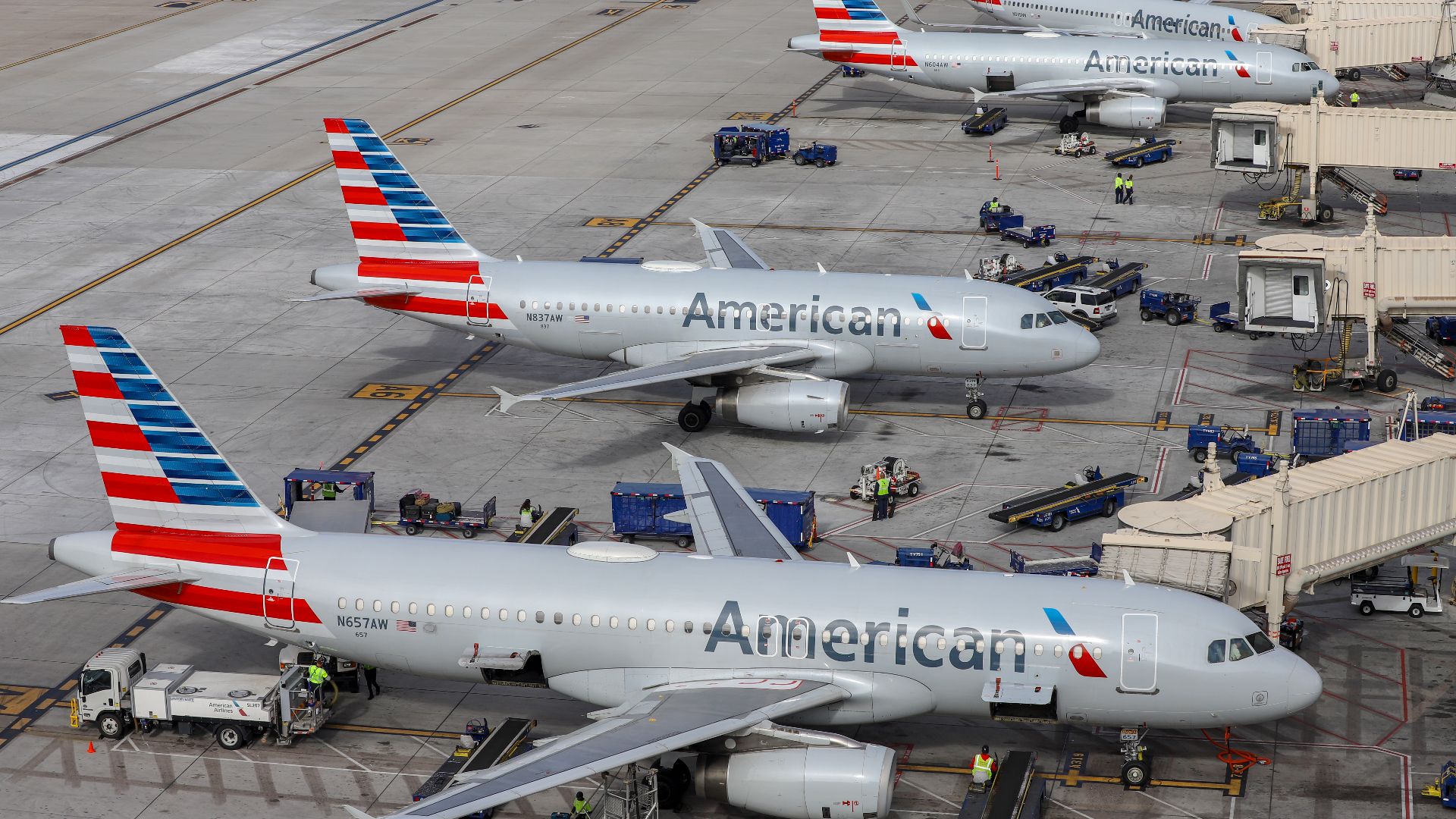
American Airlines Gives A Useful Example
American Airlines’ Conditions of Carriage say schedules are subject to change without notice and that the times shown in schedules or tickets are not guaranteed. The document also says that if American cannot provide previously confirmed space, the airline will transport the passenger on another scheduled service with available space at no extra charge. That gives the airline a lot of room to rearrange travel, even though federal refund rules may still apply if the new itinerary no longer works for the passenger.
 Quintin Soloviev, Wikimedia Commons
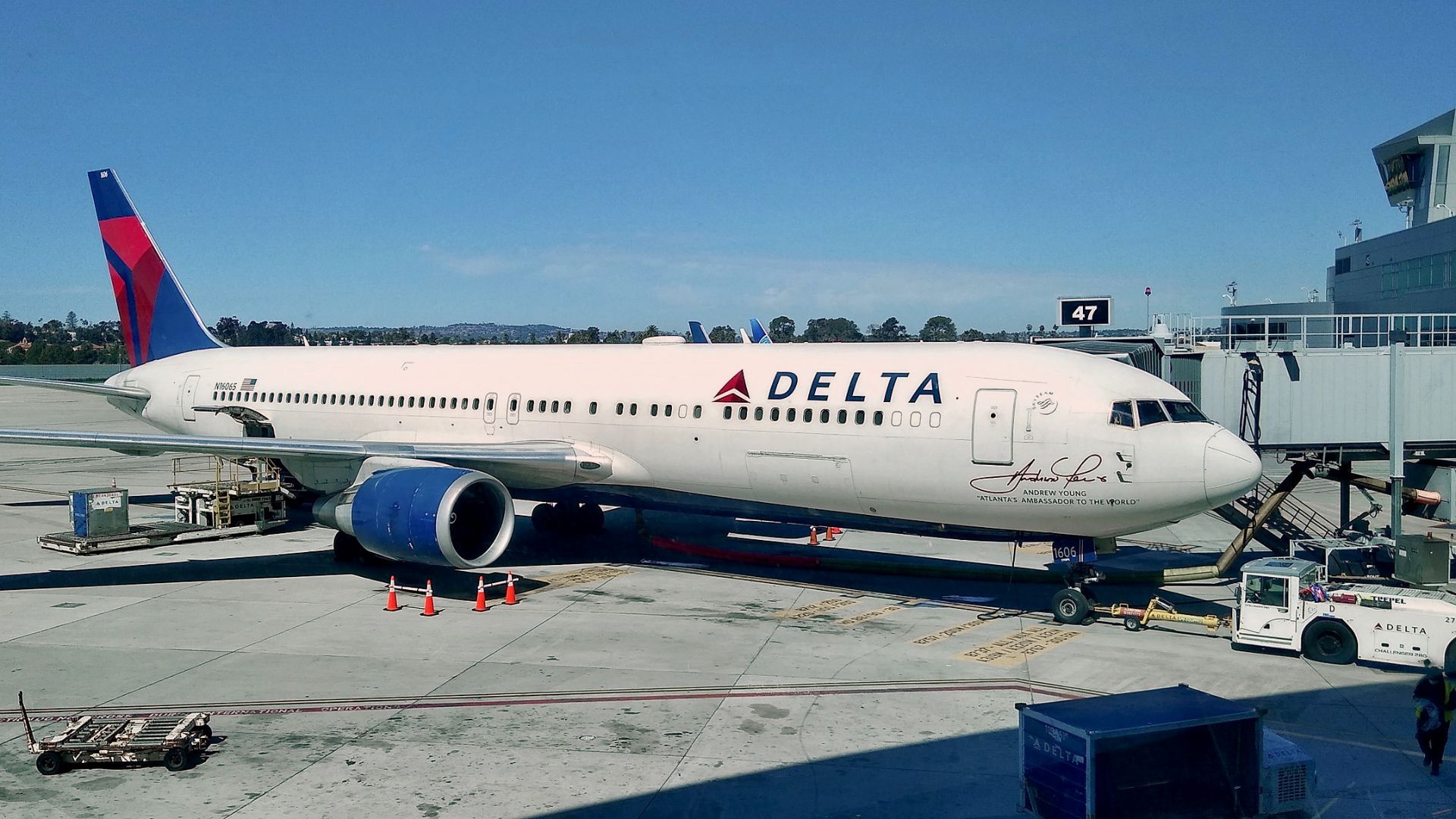
Delta’s Contract Tells A Similar Story
Delta’s Contract of Carriage says published schedules are not guaranteed and are not part of the contract. It also says Delta may, without notice, substitute alternate carriers or aircraft and may alter or skip stopping places shown on the ticket when necessary. In plain English, airlines reserve the right to move things around, but passengers can still reject some changes and seek a refund when the law allows it.
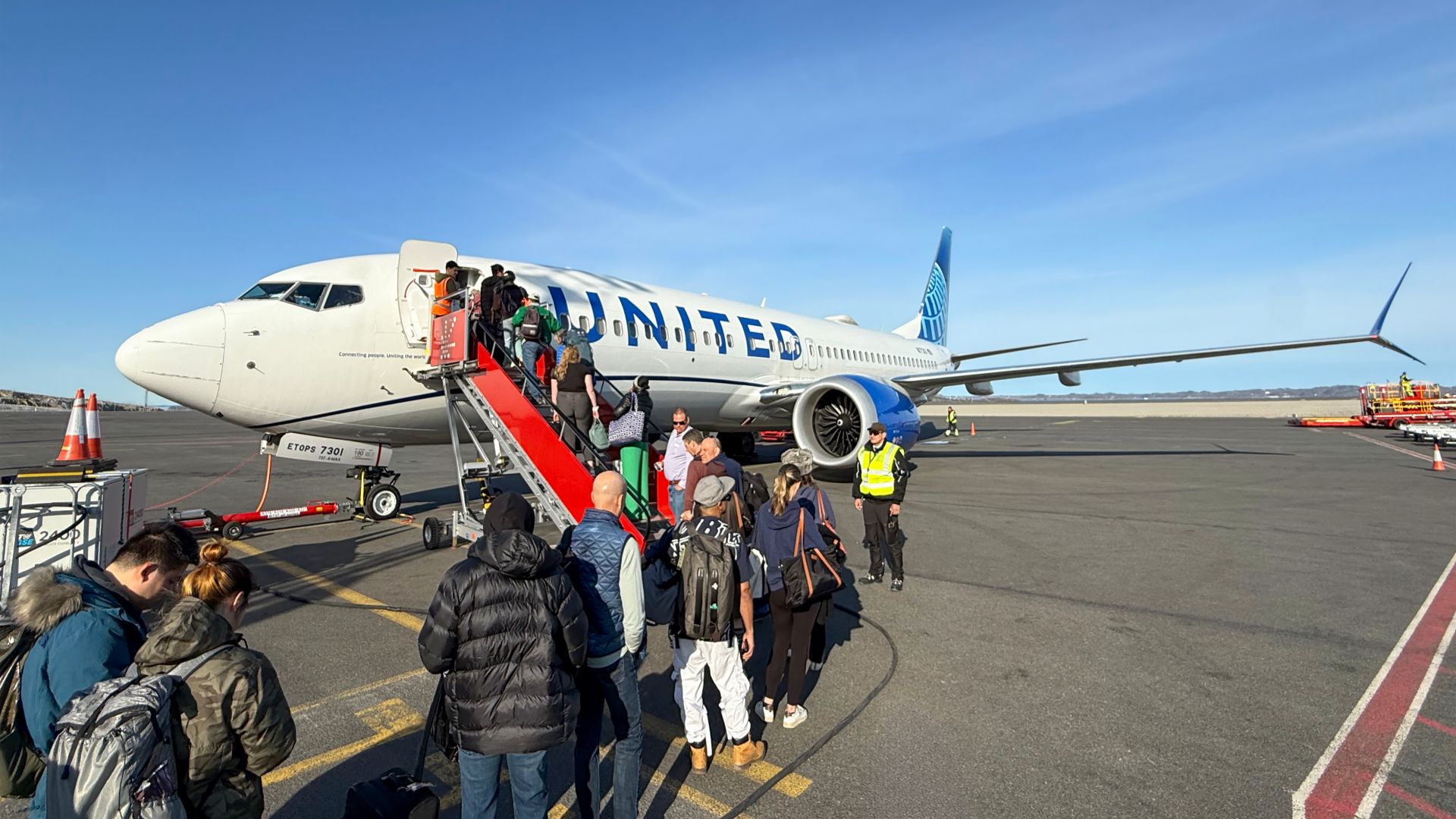
United Uses Broad Operational Language Too
United’s Contract of Carriage says schedules are subject to change without notice and that United assumes no responsibility for making connections. It also says the carrier may substitute alternate carriers or aircraft and alter or skip stopping places when needed for operations. That is another reminder that a ticket is not a promise that every listed airport and time will stay the same.
 Quintin Soloviev, Wikimedia Commons
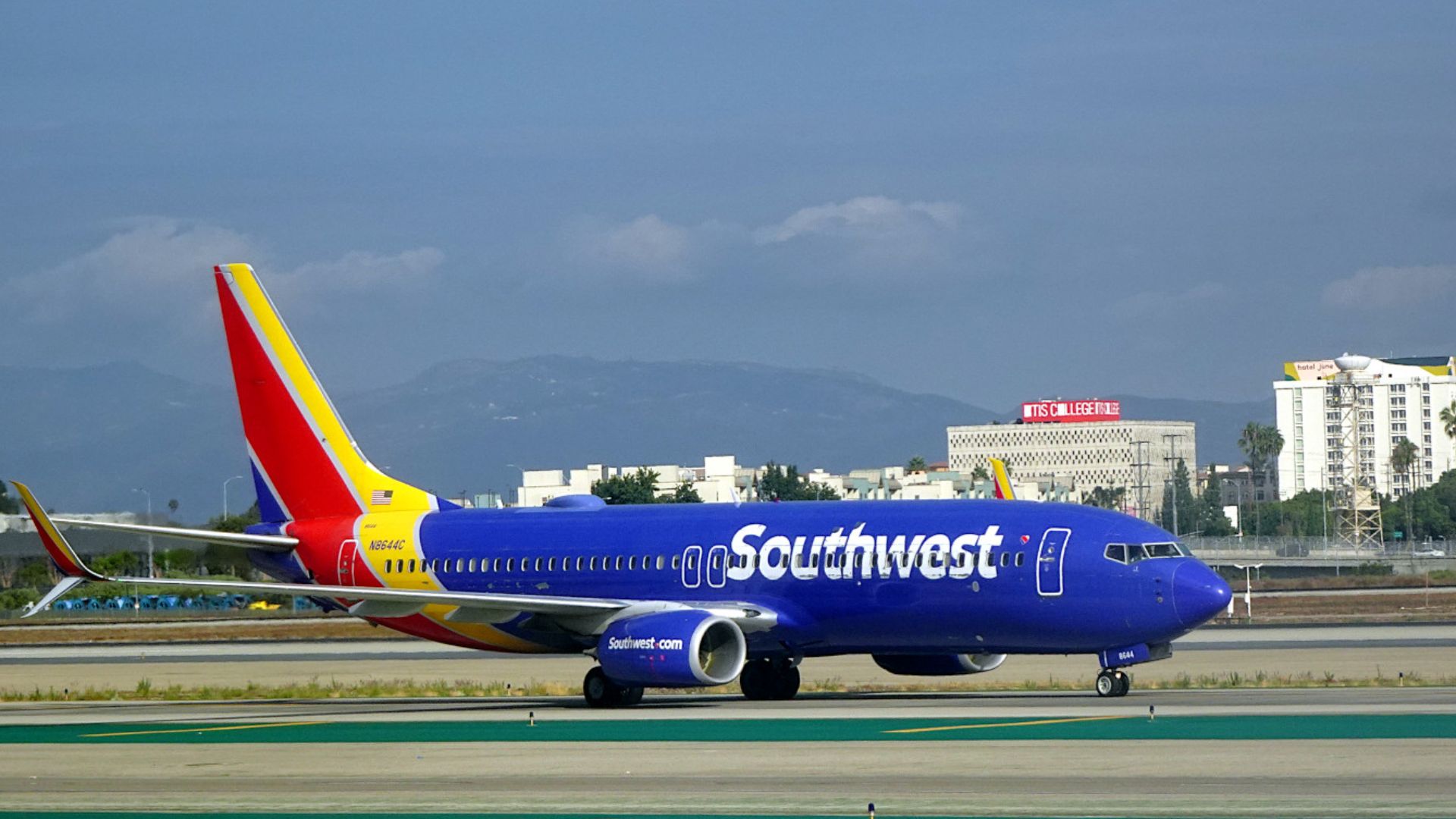
Southwest Also Reserves Schedule Change Power
Southwest’s Contract of Carriage says schedules are subject to change without notice. It states that the airline is not liable for failing to operate flights according to schedule or for changing the schedule of any flight. Again, that does not mean a passenger has no rights. It does mean the airline has protected itself against the expectation that everything will happen exactly as originally booked.
 David Aughinbaugh II, Wikimedia Commons
So Can They Really Change It That Much
Yes, airlines can rebook you onto a different airport, sometimes even one in another city, especially after disruptions or schedule changes. The more important issue is what happens if you do not want that replacement. In many cases, you can refuse it and ask for a refund or another routing, especially if the change is significant under DOT standards.
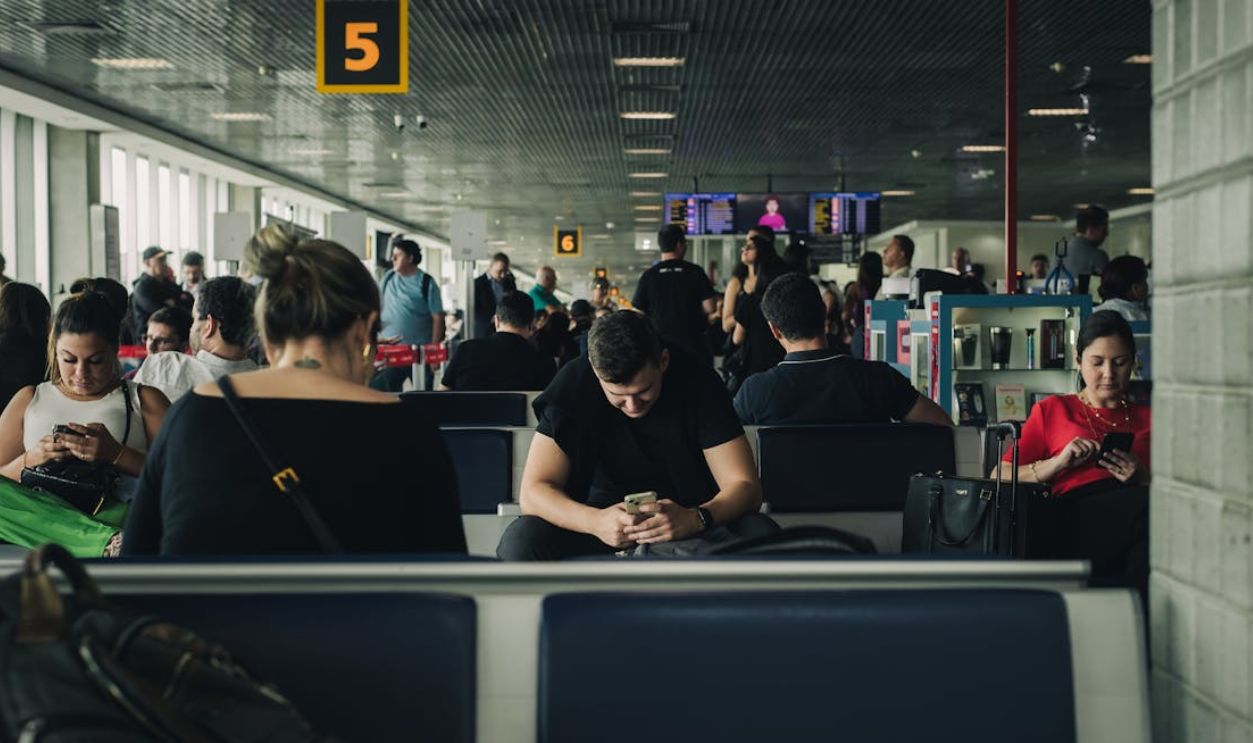
Refund Versus Rebooking Is The Big Fork In The Road
If the airline changes your trip, you usually have two basic choices. You can accept the new itinerary, or you can decline it and ask what else the airline can do. If the change is significant and you choose not to travel, federal rules may entitle you to your money back instead of a voucher.
 Everythingforall, Shutterstock
What The DOT Dashboard Can Tell You
The DOT’s Airline Customer Service Dashboard is useful because it shows what major U.S. airlines say they will do during controllable disruptions. These are commitments around meals, hotels, and rebooking help. It is not the same as a law requiring every airport-change accommodation, but it gives travelers a practical snapshot of what each airline has promised.

Nearby Is Not A Legal Magic Word
Airlines and booking systems sometimes treat airports in the same region as interchangeable, especially in metro areas with multiple airports. But “nearby” only goes so far when the replacement makes your trip meaningfully worse. If the airport swap adds connections, longer travel time, accessibility problems, or major extra cost, refund and rebooking questions become much more serious.
 Nicoleta Ionescu, Shutterstock
Accessibility Can Change The Equation Fast
The DOT’s April 2024 refund rule specifically addresses passengers with disabilities. If an airport change results in a less accessible airport or adds accessibility-related connecting airports, that can count as a significant change. That is an important detail in the new rule because an airport is not just a point on a map when accessibility needs are involved.

If You Booked Through An Online Travel Agency
Things can get more complicated if you booked through a third-party seller instead of directly with the airline. The DOT’s 2024 refund rule also covers ticket agents, which means refund obligations do not vanish just because a middleman handled the sale. Even so, travelers often save time by contacting both the airline and the booking platform right away and keeping records of every response.

What To Do The Moment You See The Change
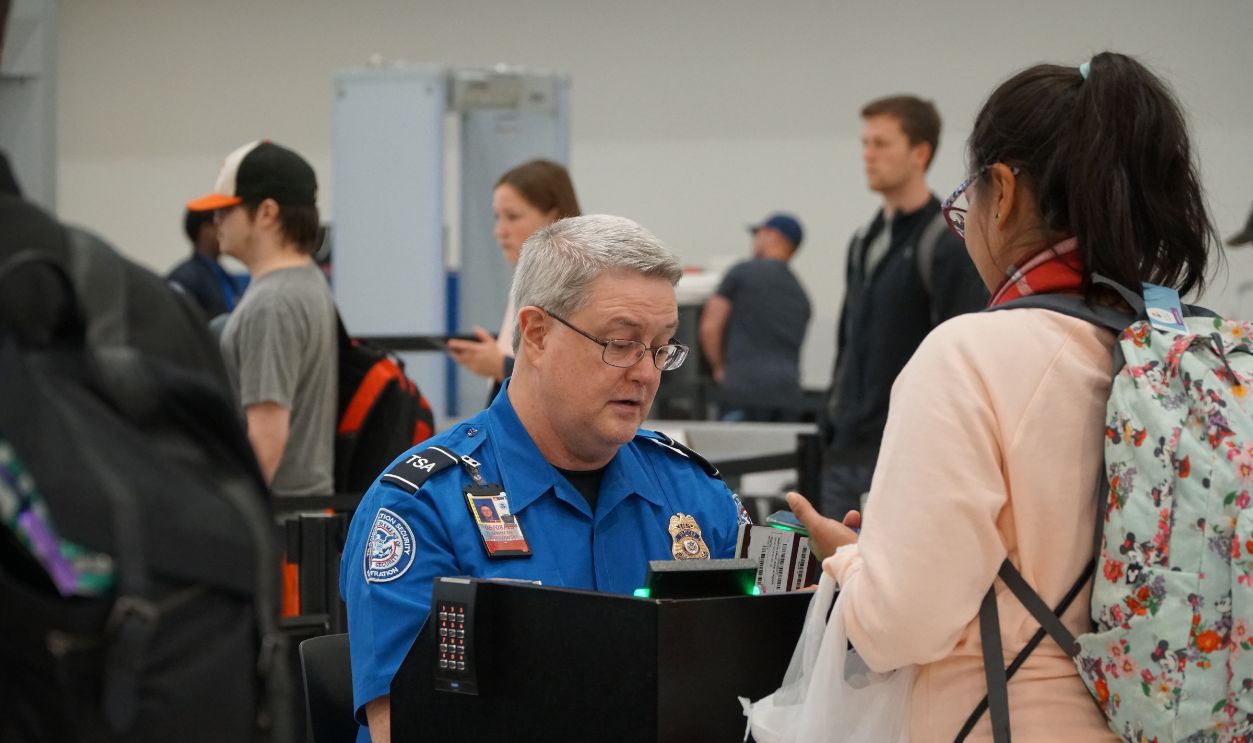
Start by taking screenshots of your original itinerary and the new one. Note the airports, times, number of connections, and any new ground transportation problem. Then call or chat with the airline and ask, clearly and politely, for either a routing to your original airport or a refund if the change no longer works for you.

Ask For Specific Solutions
Do not just say the new plan is inconvenient. Ask whether the airline can move you to another flight that uses the original airport, even on a nearby day if your schedule allows. If that is not acceptable and the airport change is significant, ask the representative to process a refund under the DOT’s cancellation and significant change guidance.

Get Everything In Writing
Phone calls help, but records matter more. Use the airline’s chat if possible, or follow up by email so you have a written trail showing what changed and what was offered. If you need to escalate the case later, those screenshots and timestamps can make a big difference.

Watch For Extra Costs The Airline May Not Cover
Even if the airline gets you to a replacement airport, it may not automatically pay for your train, bus, rental car, or rideshare to the place you originally expected to reach. Contracts of carriage and customer service commitments vary, and they often do not promise reimbursement for every extra expense. That is why many travelers push for rerouting or a refund instead of accepting a far-off airport swap.
Credit Card Travel Protections Might Help
If the airline refuses to fix the problem, check whether the credit card used for the booking includes trip delay, interruption, or travel insurance benefits. Coverage varies a lot and often depends on why the disruption happened. Still, it may help with meals, lodging, or transportation costs that the airline will not reimburse.

When A Complaint Makes Sense
If you believe the airline ignored your refund rights, you can file a complaint with the U.S. Department of Transportation. The DOT collects those complaints and sends them to the carrier for a response. It is not an instant fix, but it can be a useful next step when normal customer service goes nowhere.

International Trips Can Add Another Layer
If your trip touches Europe, the United Kingdom, or another place with separate passenger-rights rules, you may have protections beyond U.S. law. Those rights can depend on where the flight departs, which airline operates it, and why the disruption happened. It is worth checking the rules tied to the operating carrier and the departure country before giving up.
The Bottom Line For Travelers
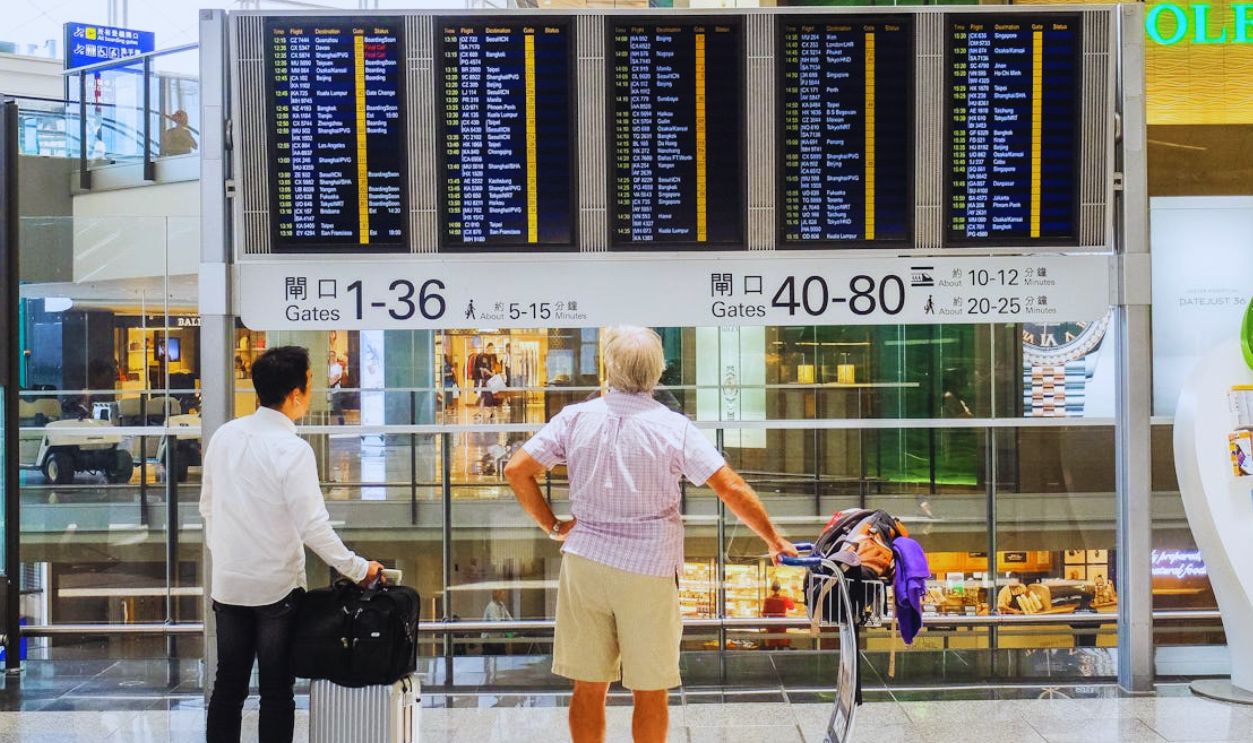
Airlines can and do switch passengers to different airports, sometimes with surprisingly big geographic changes. But that does not mean you have to accept whatever suddenly appears in your app. Since the DOT’s April 2024 refund rule, travelers have clearer grounds to reject certain airport changes and ask for their money back when the new itinerary is a significant downgrade.

Your Best Strategy Is Fast, Calm, And Documented
The best move is usually to act as soon as the itinerary changes. Be specific about why the replacement airport does not work, ask for rerouting to the original airport, and if needed request a refund based on the DOT’s significant change standards. Calm persistence, plus a paper trail, often makes the difference between getting stuck and getting a real answer.