
When “Out Of Their Control” Doesn’t End The Argument
That rejection email can sound final, but it often is not. Airlines regularly say a delay was outside their control or caused by “extraordinary circumstances” when turning down compensation claims. The real issue is whether the disruption truly fits that legal category, or whether it was really an airline problem with a better label slapped on it.

Start With The Rule That Usually Matters Most
For many travelers, the key protection is UK261 or EU261, depending on the route and the airline. These rules can require airlines to pay fixed compensation for long delays, cancellations, and some denied boarding cases. Whether you qualify depends on where you were flying, which airline operated the flight, how late you arrived, and what caused the disruption.
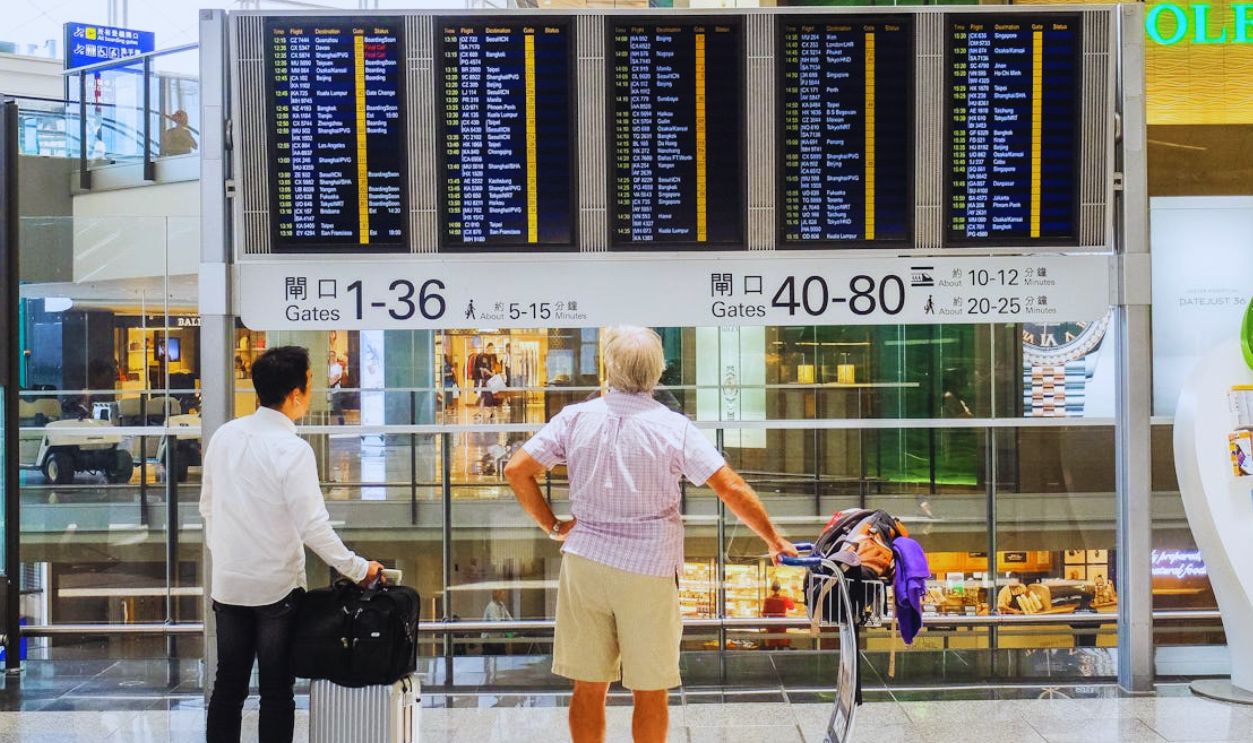
What Compensation Under UK261 And EU261 Looks Like
According to the UK Civil Aviation Authority, compensation may be owed when you arrive more than three hours late and the airline was at fault. The amount is based on distance and delay length, not the price of your ticket. So even a cheap fare can still lead to a worthwhile payout if the airline cannot show the delay was caused by extraordinary circumstances.

Why Airlines Rely So Much On “Extraordinary Circumstances”
This phrase often decides the whole claim. Guidance from both the UK Civil Aviation Authority and the European Commission says airlines do not have to pay compensation if they can prove the delay was caused by extraordinary circumstances that could not have been avoided even if all reasonable measures had been taken. In simple terms, the airline has to show more than bad luck. It has to show the event was both outside normal operations and not reasonably avoidable.

Bad Weather Can Count, But Not Automatically
Weather is one of the most common reasons airlines give, and sometimes it is valid. If severe weather made it unsafe to operate, that can qualify as an extraordinary circumstance. But if the weather had already cleared and your aircraft or crew was still out of place because of earlier airline decisions, the airline’s case can get much weaker.
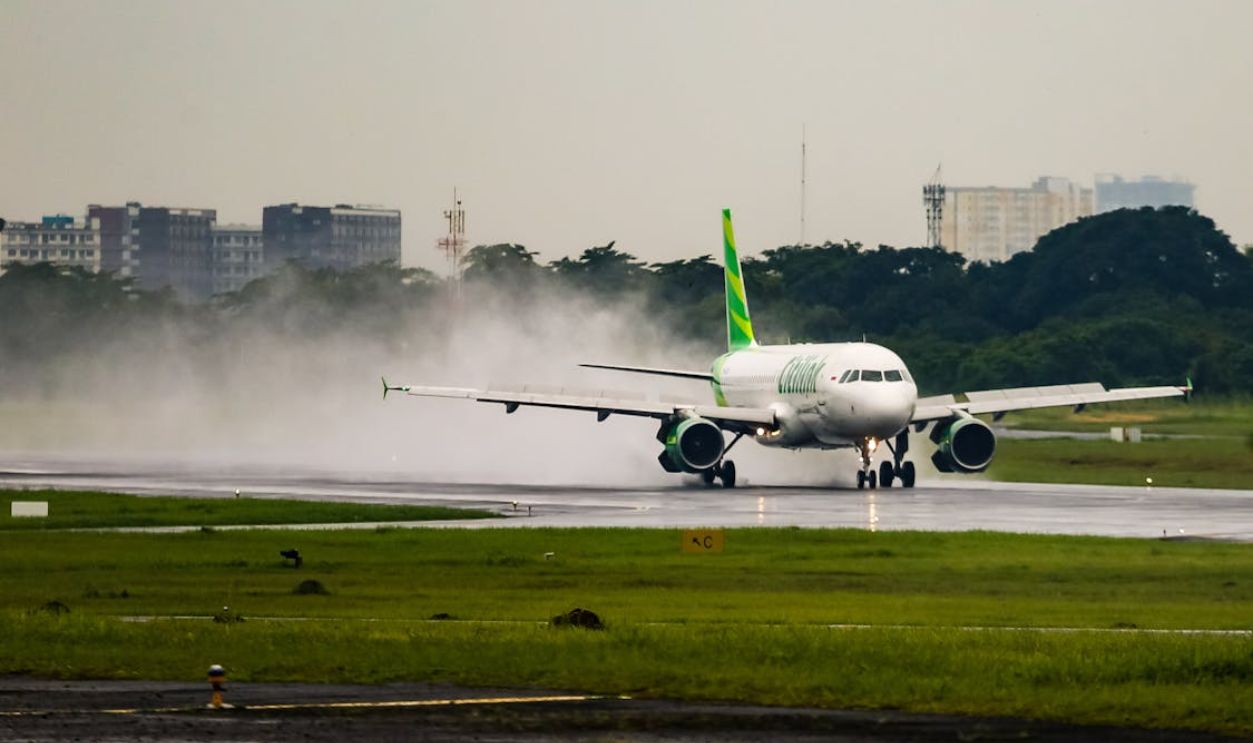
Air Traffic Control Problems Are Often Outside The Airline’s Hands
Air traffic management decisions, airspace closures, and certain airport restrictions are classic examples of events airlines can often rely on. Both European Commission guidance and UK CAA guidance recognize that these can be extraordinary circumstances. Even so, the airline should explain exactly what happened and how it affected your flight, rather than hiding behind a vague phrase.
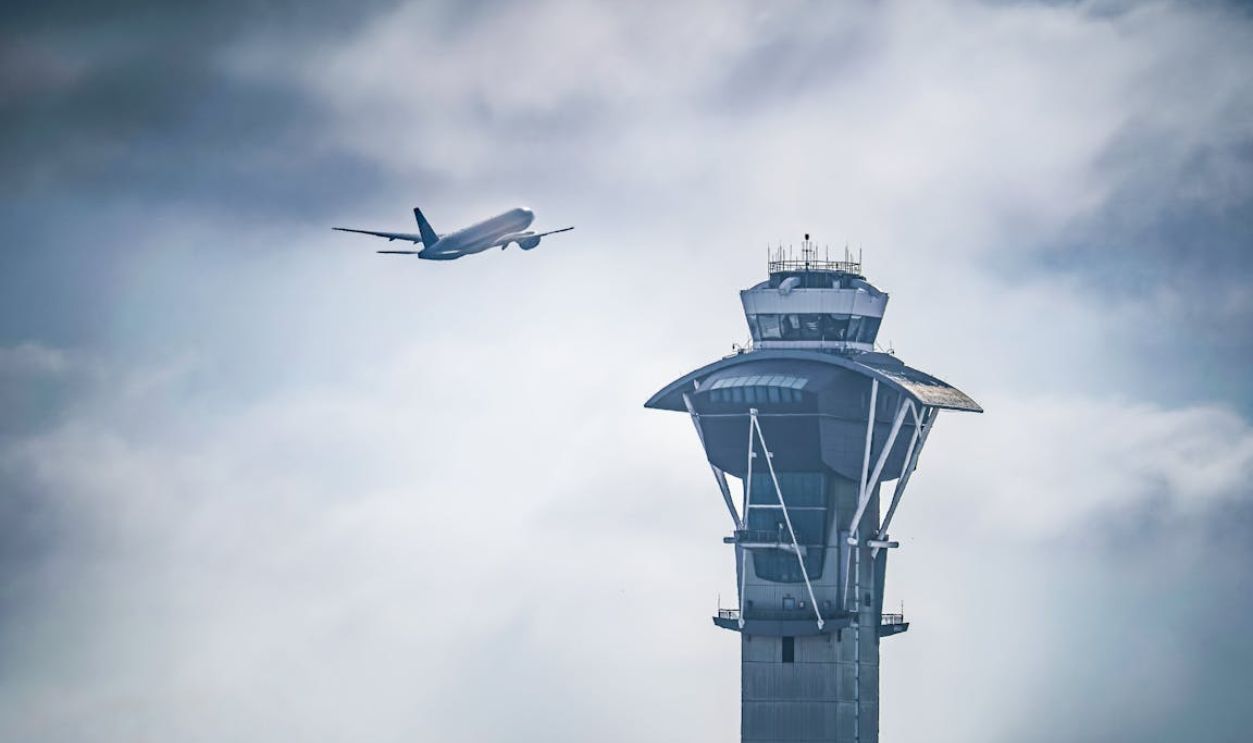
Technical Faults Are Where A Lot Of Claims Turn
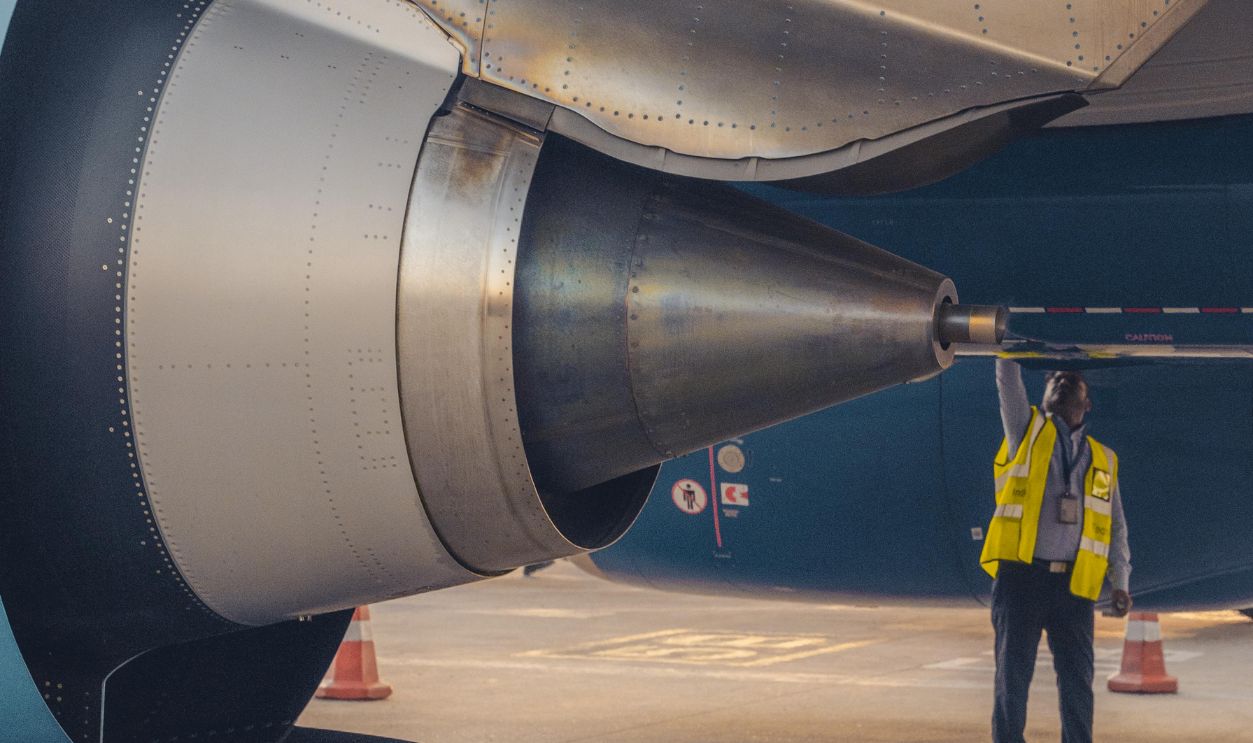
This is where passengers often have strong grounds to push back. In 2008, the Court of Justice of the European Union ruled in Wallentin-Hermann v Alitalia that technical problems are not automatically extraordinary just because they were unexpected. Faults that come from normal aircraft maintenance or everyday wear and tear are usually part of running an airline.
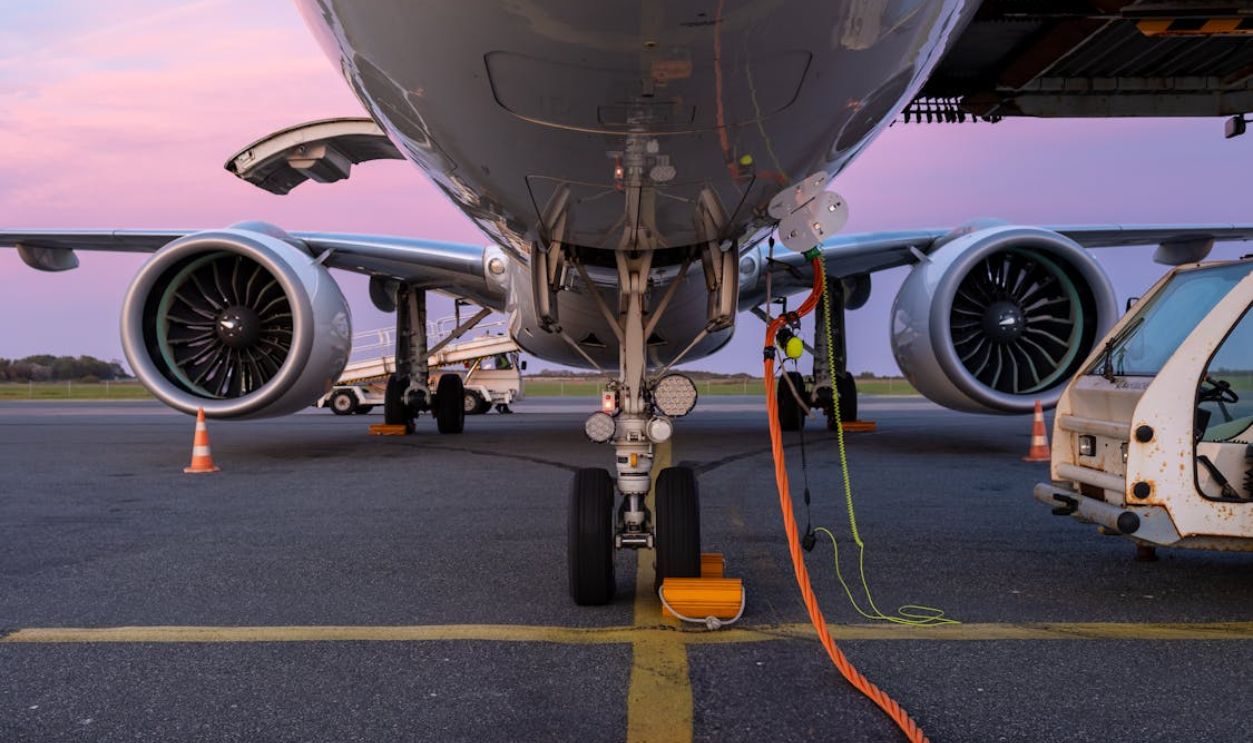
The 2008 Wallentin-Hermann Ruling Still Matters
In Wallentin-Hermann, the court said a technical problem is extraordinary only if it comes from events that are not part of the normal exercise of the airline’s activity and are beyond its actual control. That wording still matters today. Routine component failure usually does not meet that test. So if the airline only said there was an “unexpected technical issue,” that may not be enough.
Wildcat Strikes Can Also Lead To Compensation
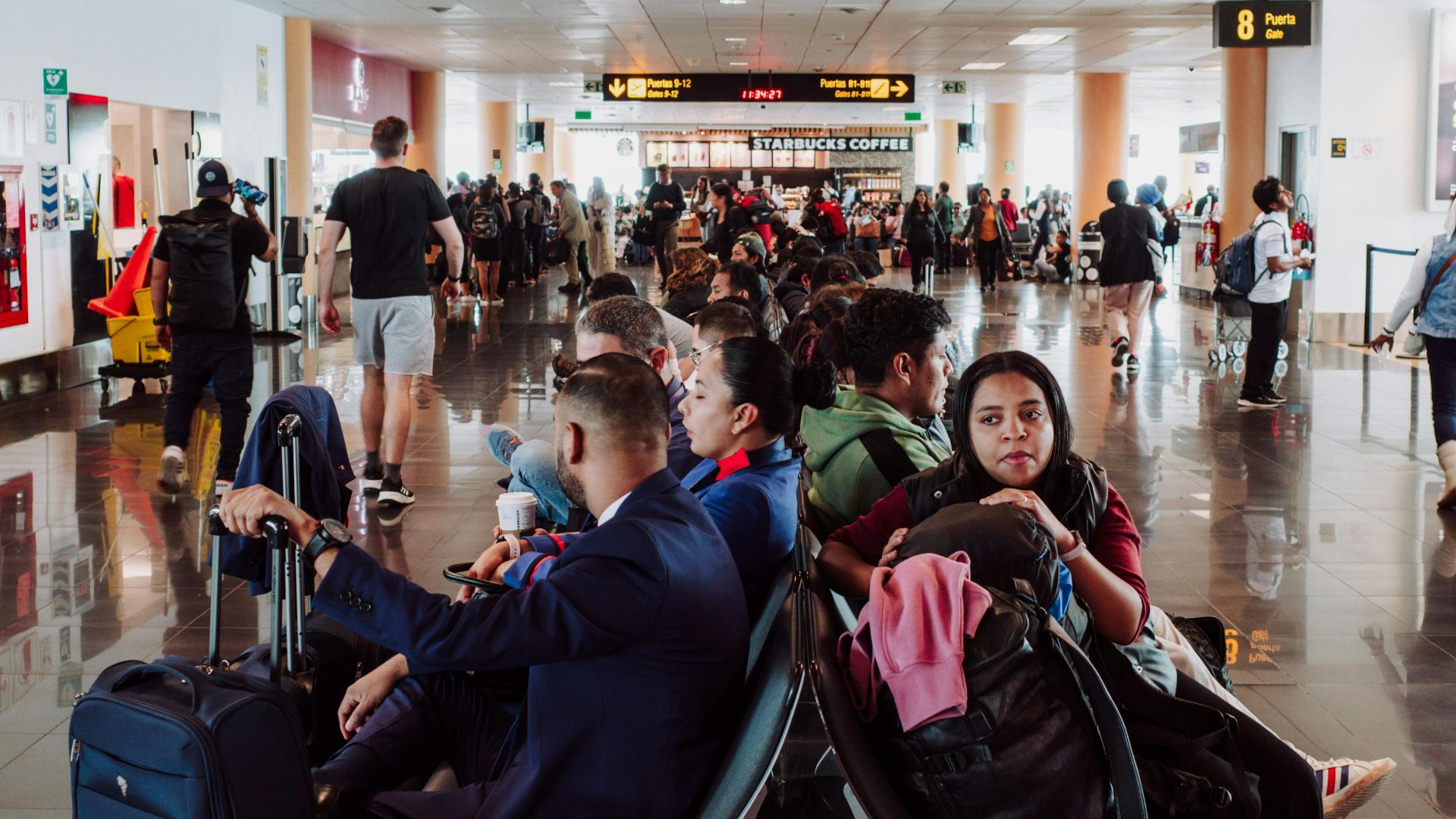
Another important ruling came in 2018 in the Krüsemann case involving TUIfly. The CJEU found that a so-called wildcat strike by staff, triggered by a surprise restructuring announcement, was not an extraordinary circumstance. The court’s view was that management decisions inside the airline are part of running the business, even when things spiral afterward.
But Some Strikes Really Are Extraordinary
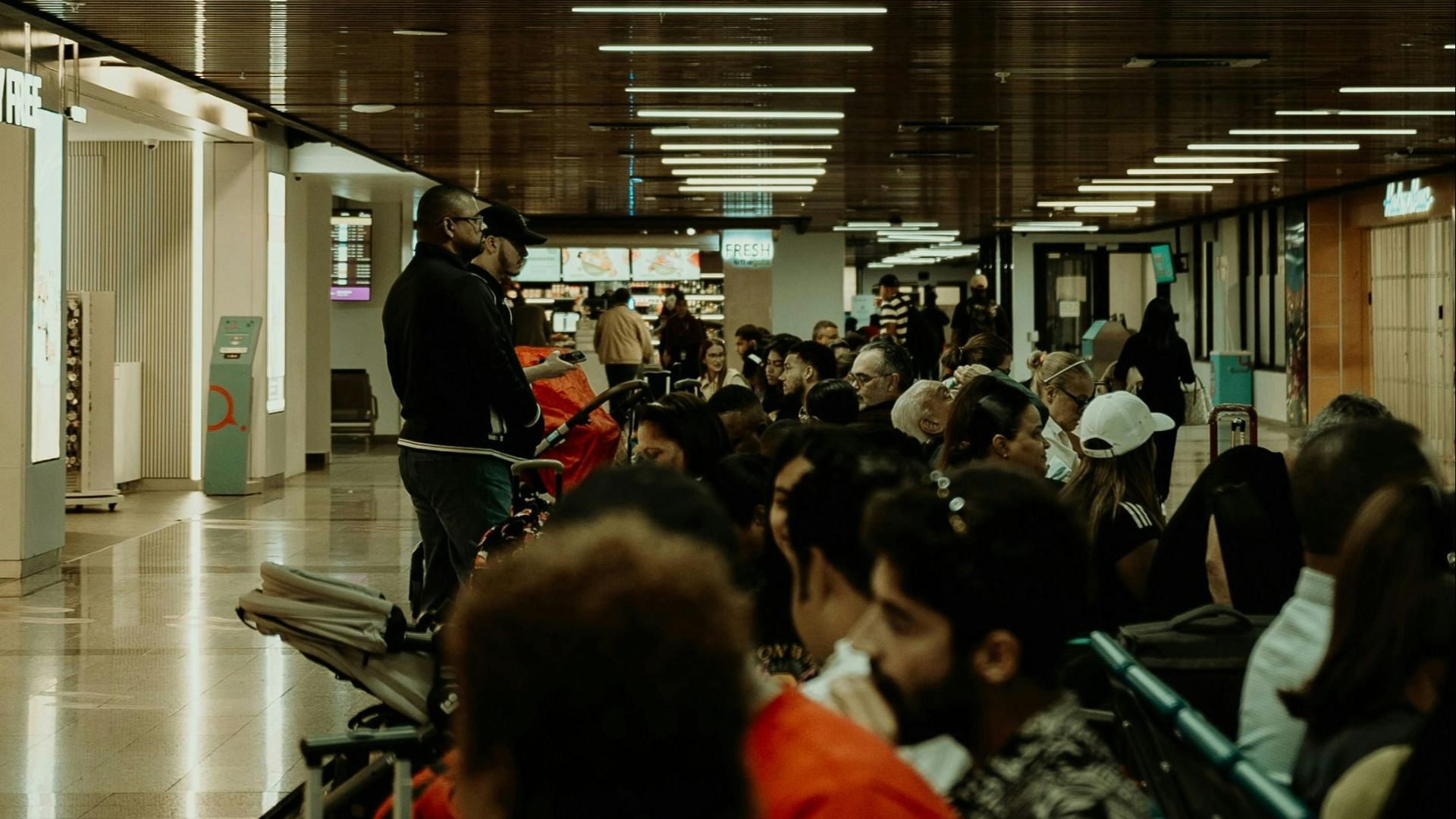
Not every strike means compensation is due. European Commission guidance makes clear that strikes by air traffic control or airport staff outside the airline can count as extraordinary circumstances. The practical takeaway is simple: find out who was on strike, why they were on strike, and whether the disruption came from the airline’s own operation or from somewhere else.
Bird Strikes Fall Into A Different Bucket
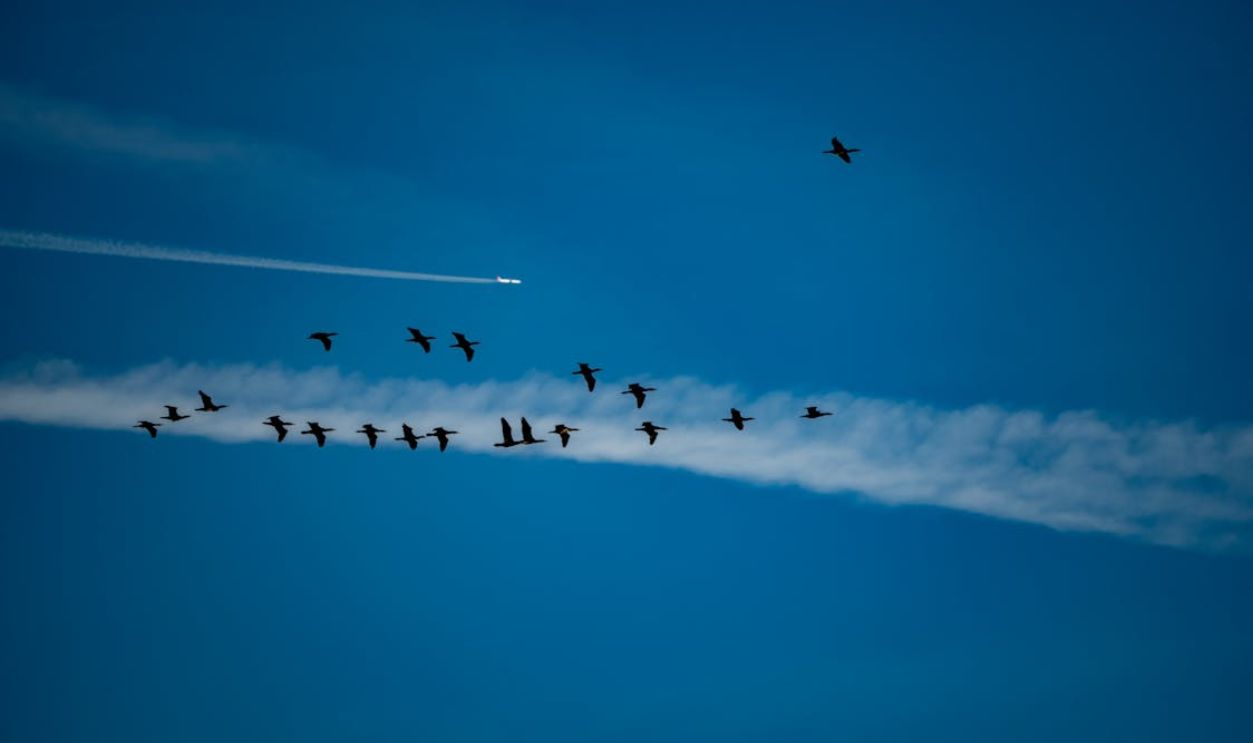
In 2017, the CJEU held in Pešková and Peška v Travel Service that a bird collision can amount to an extraordinary circumstance. The court treated bird strikes as outside events that are not part of an airline’s normal activity. Even then, the airline may still need to prove it took reasonable steps afterward to limit the delay.
The Airline Needs More Than A Buzzword
One of the most useful things for passengers to know is that the airline does not get to win just by using the right phrase. It should be able to explain what happened, when it happened, and why the delay could not have been avoided even with reasonable measures. A generic line about operational issues or matters outside its control is usually weak on its own.
Ask For The Exact Cause Of The Delay
If your claim was rejected, ask the airline to identify the specific reason for the disruption. Ask when the incident happened, whether it affected the inbound aircraft, and what steps were taken to avoid or reduce the delay. That forces the airline to move away from canned wording and onto facts you can actually check.
Gather Your Own Evidence Early
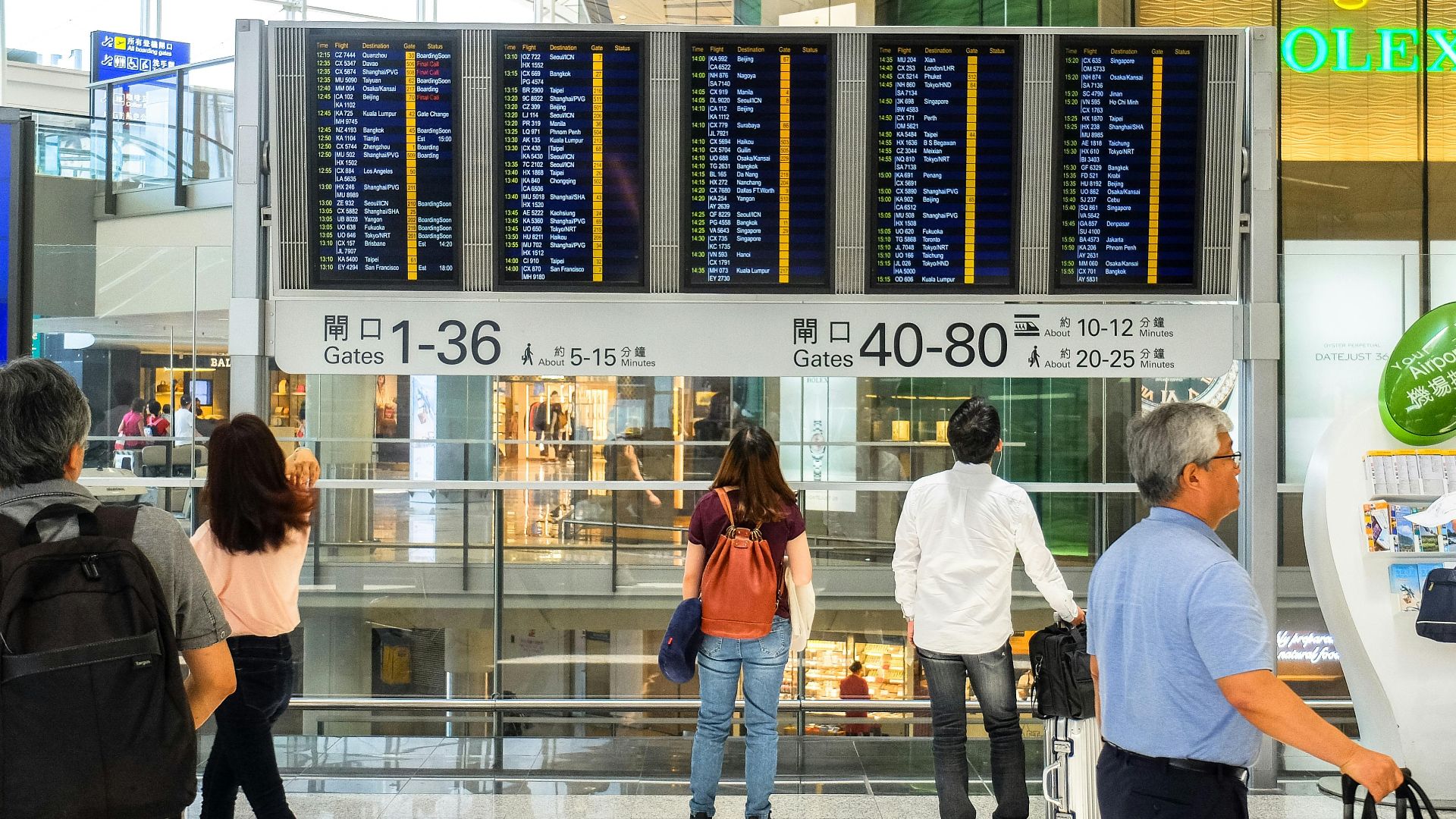
Keep your booking confirmation, boarding pass, emails, text alerts, and screenshots of departure boards. Write down the arrival time at the gate because, under EU and UK case law, arrival time usually means when at least one aircraft door opens and passengers are allowed to leave. If cabin crew or gate staff gave a reason at the airport, note the wording and the time.

Check What The Airport And Flight Trackers Show
Independent evidence can make a big difference. Airport status pages, weather reports, and flight tracking services may show whether your aircraft had earlier delays, diverted, or came in late from another airport. That can help you test whether the airline’s explanation actually fits what happened.
Pay Attention To Knock-On Delays
Airlines sometimes blame an earlier problem involving the same aircraft. That does not automatically kill your claim. If the original problem was an ordinary technical fault or another issue within the airline’s control, the later knock-on delay may still qualify for compensation.
Reasonable Measures Matter More Than Most People Realize
Even if the first event was extraordinary, the airline may still owe compensation if it did not take reasonable measures to avoid the long delay. The law and official guidance both stress this second step. Depending on the situation, the airline may need to show it looked at rerouting, replacement aircraft, or other practical ways to cut the delay.
 WestportWiki, Wikimedia Commons
Push Back On Vague Phrases Like “Operational Reasons”
“Operational reasons” is often too fuzzy to settle anything. It could mean a crew shortage, a late incoming aircraft, paperwork trouble, baggage issues, maintenance, or something else entirely. Ask the airline to turn broad wording into a clear event with real details behind it.
 CBP Photography, Wikimedia Commons
Crew Shortages Can Be A Warning Sign
If the real problem was a missing crew member, an out-of-hours issue, or a rostering failure, that is often part of the airline’s normal business. European Commission guidance suggests that many staffing and rotation problems are not extraordinary circumstances. That makes crew-related excuses worth looking at closely.
Write A Focused Challenge, Not An Angry One
Your follow-up should be calm, direct, and based on facts. Include your flight number, date, route, scheduled and actual arrival times, and the compensation amount you believe is due under UK261 or EU261. Then ask the airline to state the exact extraordinary circumstance it relies on and the reasonable measures it says it took.

Use The Key Legal Principles
You do not need to sound like a lawyer, but a few solid references can sharpen your case. You can point to UK Civil Aviation Authority guidance or European Commission guidance, along with major court rulings such as Wallentin-Hermann on technical faults, Krüsemann on wildcat strikes, or Pešková on bird strikes if they fit your case. That shows you are arguing from the law and the facts, not just frustration.
If The Airline Ignores You, Escalate
In the UK, the next step may be an approved alternative dispute resolution body if the airline belongs to one, or the Civil Aviation Authority’s complaint guidance if it does not. The CAA explains that it does not usually decide every individual compensation dispute, but it does tell passengers what to do next. In the EU, national enforcement bodies and local complaint channels may apply depending on the route and country involved.

Credit Card And Travel Insurance Usually Are Not The Main Route
For statutory delay compensation, your main route is usually a claim against the airline under UK261 or EU261, not a claim through your insurer. Travel insurance may help with separate delay benefits, missed connections, meals, or hotel costs depending on the policy. That can still be useful, but it does not replace your legal right to compensation if the airline was responsible.

Keep Duty Of Care Separate From Compensation
Even when extraordinary circumstances do apply, airlines may still owe care and assistance during the disruption. Official guidance says that can include meals, refreshments, hotel accommodation when needed, and communication options. So even if compensation is refused, you may still be able to recover reasonable expenses if the airline failed to provide support.

Small Claims Court Can Be The Last Push
If the amount is large enough and the airline still refuses after complaints or ADR, some passengers go to small claims court or the local equivalent. Court is not for everyone, but airlines sometimes settle when they see a well-documented claim backed by law and evidence. Before filing, make sure your timeline, paperwork, and legal argument are tidy and consistent.

Be Careful With Claim Firms Taking A Big Cut
Claims companies can be useful if you do not want the hassle, but their fees can eat into a large share of any payout. If your case is straightforward and your evidence is solid, you can often handle it yourself through the airline’s claims portal and the relevant regulator’s guidance. The better your paper trail, the harder it is for the airline to hide behind vague wording.
The Smartest Question To Ask Next
Do not just ask the airline to “review” your case. Ask it to identify the exact event it relies on, explain why that event was extraordinary within the meaning of UK261 or EU261, and show what reasonable measures were taken to stop your delay from going beyond three hours. That single question often reveals whether the rejection was based on real facts or standard boilerplate.

Bottom Line: “Out Of Their Control” Is A Starting Point, Not The Final Word
Airlines are entitled to reject claims when the law is on their side, but they do not get to win with a vague phrase and no proof. The key developments came from regulators and court rulings over the years, especially the 2008 Wallentin-Hermann judgment, the 2017 Pešková bird strike ruling, and the 2018 Krüsemann strike decision. If you line up your own evidence with those principles, you give yourself a much better chance of turning a flat no into compensation.