
The $40 Burger Fight
A vacation argument over a hamburger might sound small, but resort food prices can blow up a budget fast. When one spouse sees a $40 burger as absurd and the other sees it as part of the vacation, the fight is usually about more than lunch. There are real numbers behind why this kind of argument happens.

Why This Hits A Nerve
Food is one of the easiest ways travel spending gets out of hand. Unlike airfare or the hotel bill, meal costs keep showing up all trip long, often several times a day. That is why one overpriced lunch can feel like proof that the whole vacation budget is slipping away.

Resort Prices Are Not In Your Head
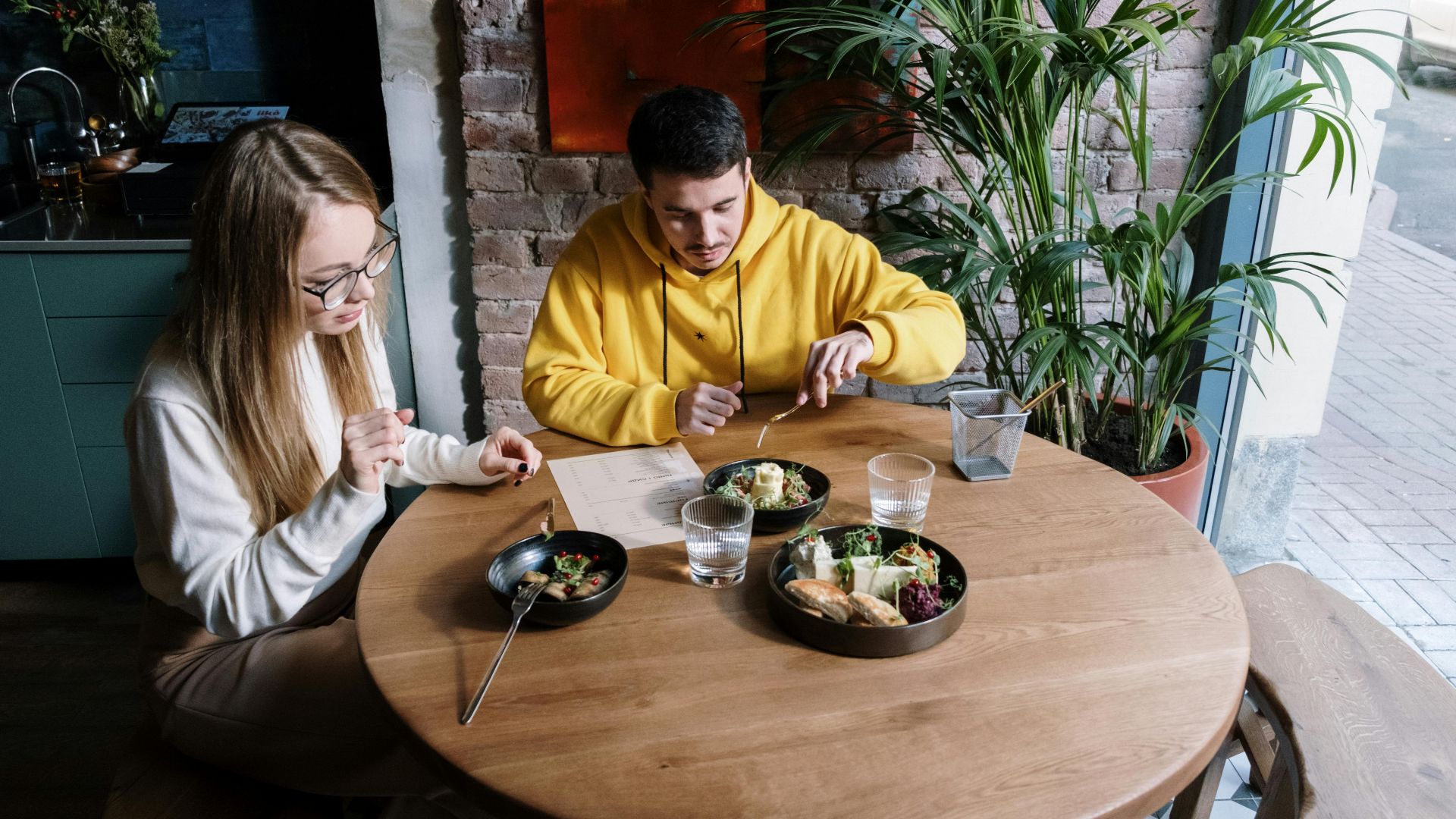
Travelers complain about resort restaurant prices for a reason. Hotels know dining is a major money maker. A 2024 CBRE report on U.S. hotels found that resorts brought in far more food and beverage revenue per occupied room than many other types of hotels. In simple terms, resorts expect guests to spend a lot once they are on site.
Hotels Make Serious Money From Food And Drinks
CBRE reported that resort hotels in 2023 averaged $310.24 in food and beverage revenue per occupied room. Across all U.S. hotels, the average was $127.22. If your burger feels wildly overpriced, it may be because the property is set up to make money after you check in.

The Burger Is Not Just A Burger
At a resort, you are paying for more than meat and a bun. The price can reflect labor, location, service, high operating costs, and the premium attached to convenience. That does not mean the price is fair, but it does explain why the same meal can cost much more than it would outside the resort.
Menu Prices Have Climbed Everywhere
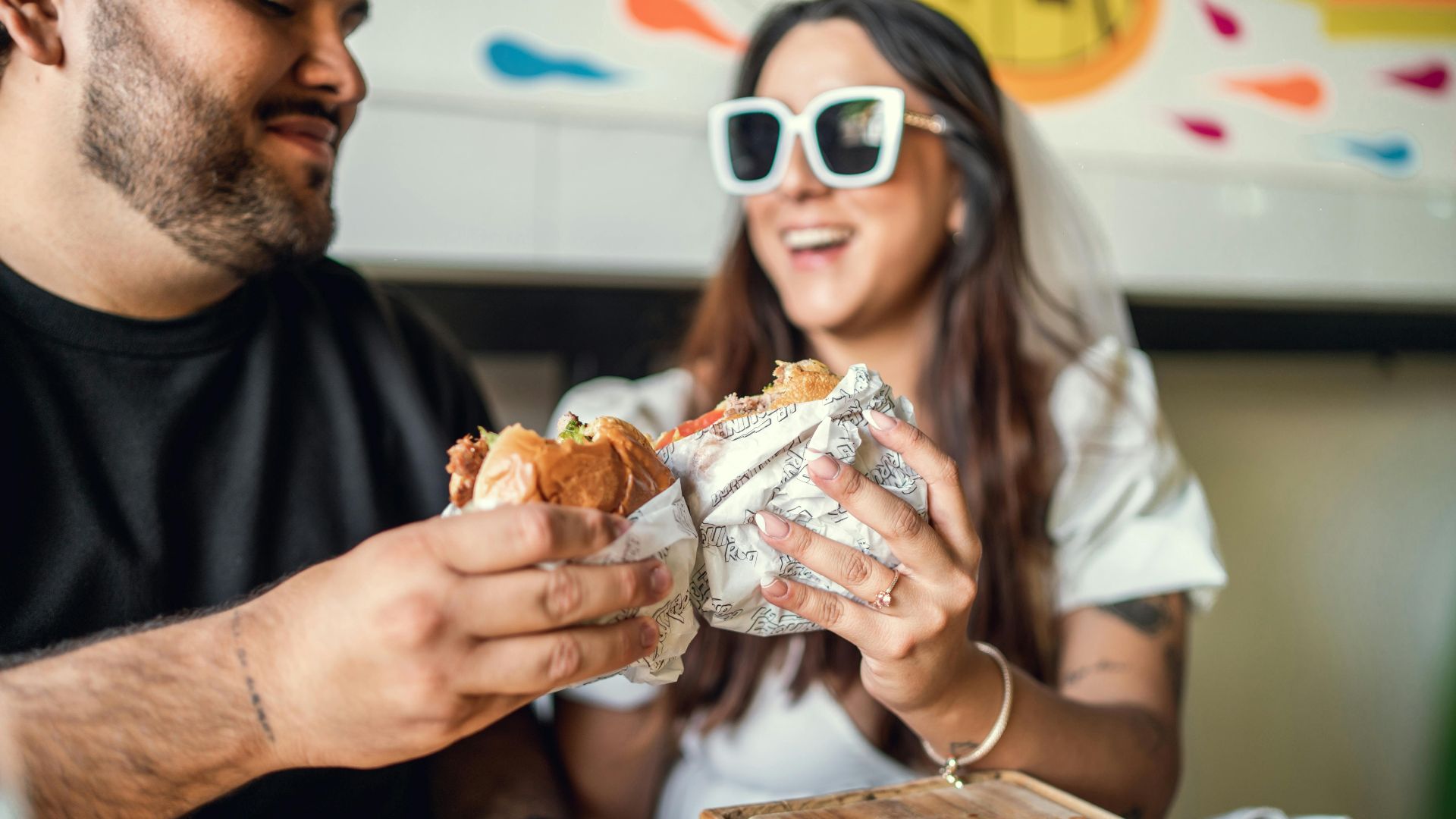
This is not just a resort issue. The U.S. Bureau of Labor Statistics tracks inflation for food away from home, and restaurant prices have jumped in recent years. Even before a resort adds its markup, eating out costs more than many travelers expect.

Restaurant Inflation Is Still Part Of The Story
BLS data show that food away from home rose 4.1% over the 12 months ending in April 2025. That was slower than earlier spikes, but it still hit household budgets. Resort menus hurt, but regular restaurant prices have been rising too.

Vacation Brain Changes The Math
People often spend differently on vacation because the whole trip feels like a treat. Travel experts and behavior researchers have long noted that people are more willing to splurge when they want to relax, avoid hassle, or make the most of limited time. That can leave one partner feeling carefree and the other feeling trapped into bad value.

The All-Inclusive Illusion
One reason resort food prices sting so much is that you see them one meal at a time. At an all-inclusive property, much of that cost is wrapped into the upfront room rate. A $40 burger can feel more offensive than a higher nightly rate, even if the final trip cost ends up being similar.
Resorts Know Convenience Usually Wins
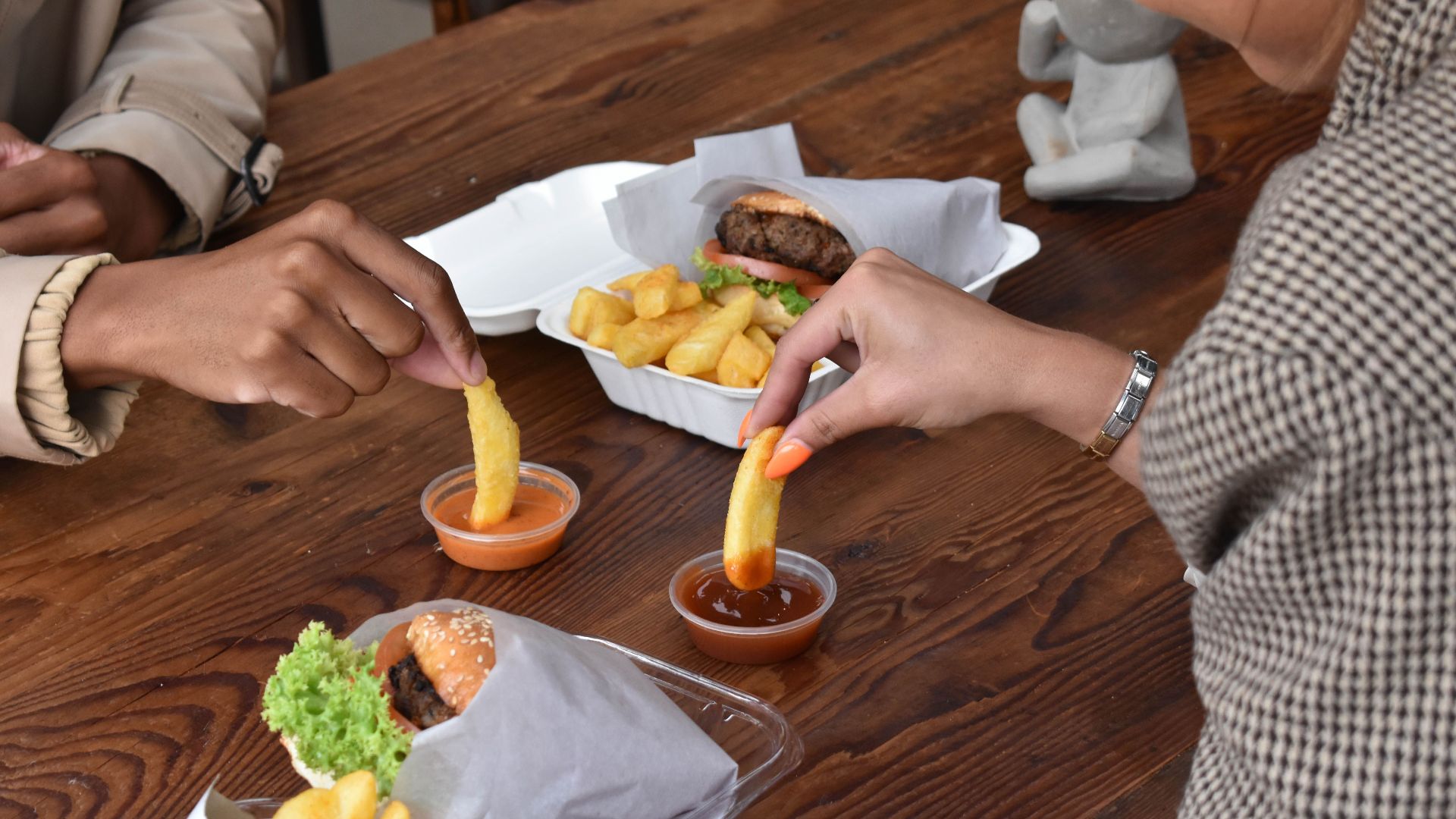
The Federal Trade Commission has spent years looking at hidden or misleading travel fees because consumers often do not see the full cost until late in the booking process. Menu prices are not the same as junk fees, but the psychology is similar. Once you are already there, convenience usually beats comparison shopping.

There Is A Captive Audience Problem
A resort on a remote beach or inside a gated property has a huge advantage when it comes to pricing. Guests may need a car, shuttle, or rideshare just to leave for a meal. That hassle helps explain why on-site restaurants can charge so much without losing all their customers.

Your Wife May Be Paying For Ease
For some travelers, the resort burger is not about getting a good deal. It is about staying by the pool, skipping a trip into town, and not turning lunch into a project. If that is her view, she may not think you are cheap so much as killing the vacation mood.

You May Be Reacting To Sticker Shock
On the other hand, being annoyed by a $40 burger is not irrational. Consumer advocates often warn travelers to budget carefully for on-site food because it can add hundreds or even thousands of dollars to a stay. If you were trying to keep the trip affordable, speaking up was not necessarily cheap. It may have just been realistic.

What Counts As Cheap
Cheap usually means refusing normal costs while still wanting the same experience. Realistic means noticing when a price is extreme and adjusting. A $40 hamburger is exactly the kind of price that many ordinary travelers would question.
Context Matters More Than The Price
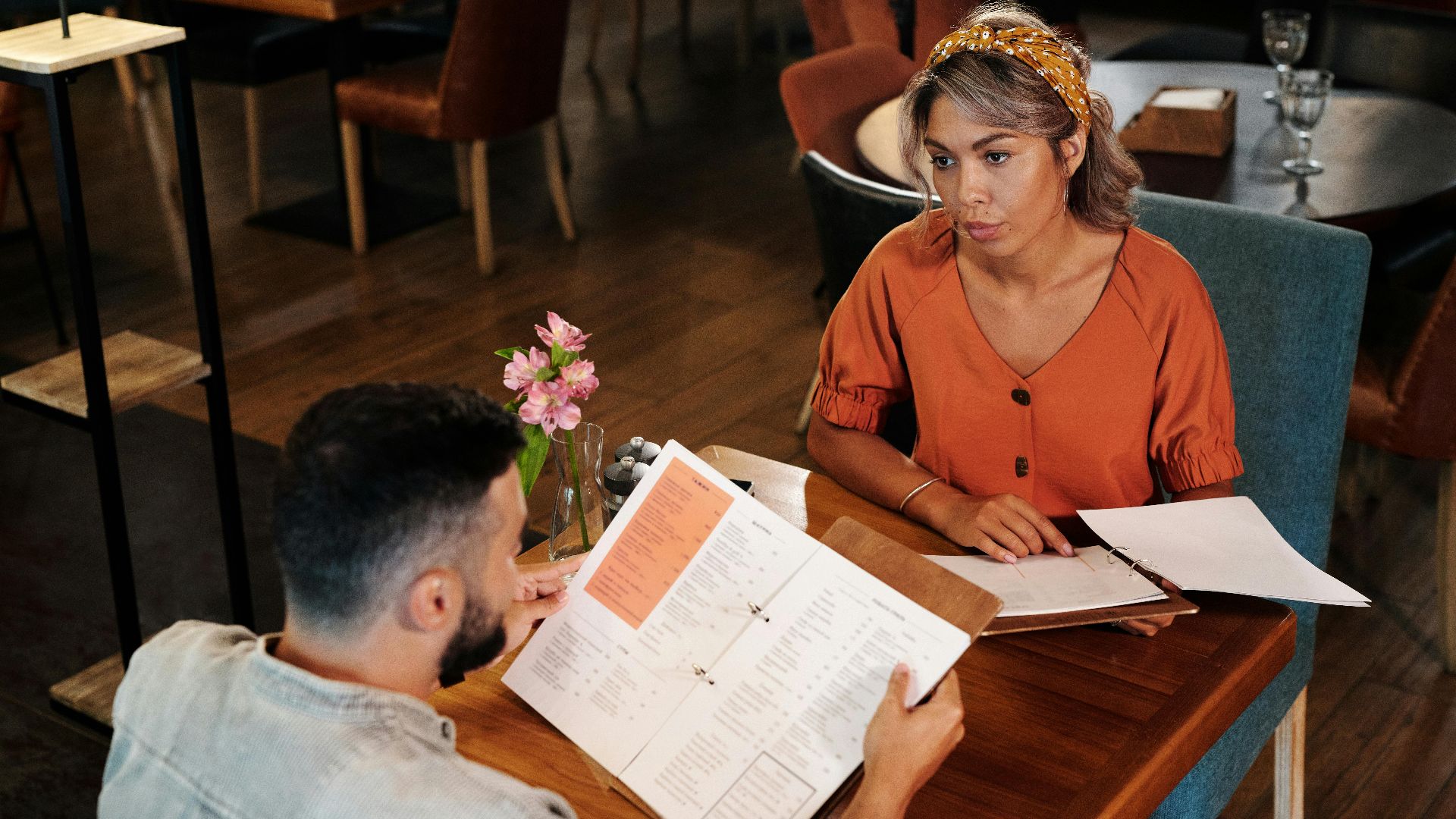
If the burger came with no warning, no easy alternatives, and extra taxes and service charges, your frustration makes sense. If the two of you had already agreed to splurge and you complained in the moment, it is easier to see why your wife got annoyed. The same lunch can feel either reasonable or ridiculous depending on what expectations were set before the trip.

Resort Fees Have Made Travelers Wary
Many travelers already feel like hotels nickel-and-dime them. In late 2024, the FTC announced a final rule targeting unfair or deceptive junk fees, including in short-term lodging and live-event tickets. That broader frustration over fees makes expensive resort food feel even worse.

One Lunch Can Snowball Fast
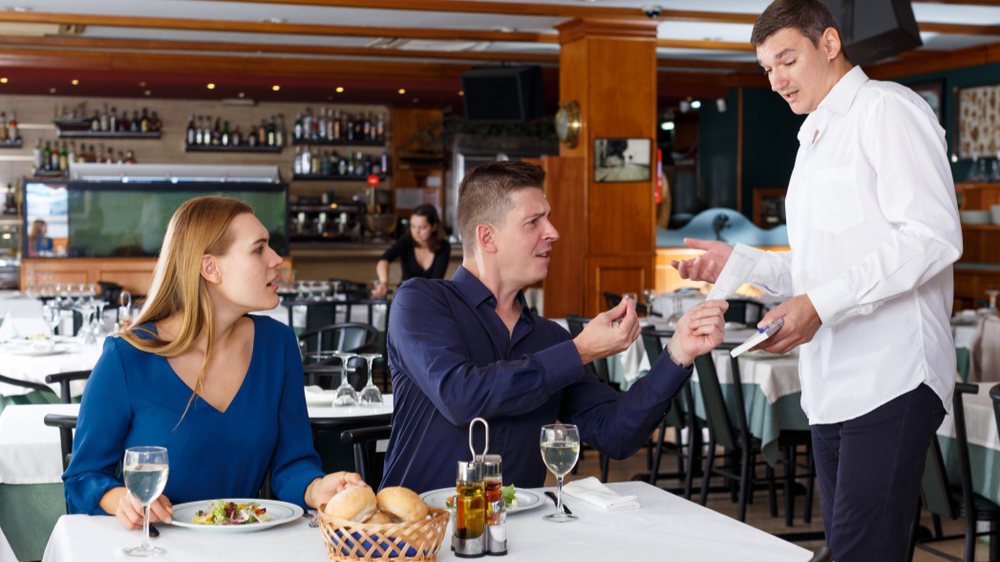
If two adults each order a burger that costs about $40, then add drinks, tax, and tip, lunch can easily climb toward or past $100. Do that several times over a five-night stay and the total changes the cost of the trip in a real way.
This Is Why Pre-Trip Budgeting Matters
Travel advisers often suggest checking sample menus before booking a resort, especially in remote destinations. Many hotels post restaurant menus or dining details online. A few minutes of research can prevent the kind of fight that starts with one burger and ends with a long, silent walk back to the room.

Check Menus Before You Book
This is the easiest takeaway. If a resort lists its restaurants online, scan the prices and multiply them by the number of travelers and meals. If the numbers make you flinch at home, they will not feel any better once you are sitting poolside.

Compare The Full Cost Of The Trip
A lower room rate can be misleading if the food on site is wildly expensive. Sometimes a hotel with a higher nightly rate but included breakfast, a kitchenette, or easy access to outside restaurants is the better value. Smart travelers compare the total cost of the trip, not just the room price.

Look For Resorts With Kitchens Or Breakfast Included
Properties with kitchenettes, villas, or condo-style rooms can save a lot of money. Even making a few breakfasts, snacks, or simple lunches yourself can cut down on overpriced impulse meals. Free breakfast helps too, since it lowers your spending before the day even gets going.

Use The Grocery Stop Trick
Many experienced travelers make a grocery run right after they land. Water, fruit, snacks, and a few easy meal items can keep hunger from forcing a pricey resort purchase. This works especially well for families and for anyone staying somewhere remote.

Split Splurges From Everyday Meals
One of the best compromises is to choose your splurges on purpose. Maybe dinner at the signature restaurant is worth it, but lunch can be off-site or made in the room. That keeps some of the fun without turning every meal into a luxury purchase.

Talk About Money Before The Trip Starts
Vacation budgets are emotional because they touch comfort, status, and ideas about what a trip should feel like. A quick talk before departure about meal limits, splurge nights, and must-do experiences can stop a lot of resentment before it starts. It is not glamorous, but it beats letting one burger ruin the whole vacation.
 Vodafone x Rankin everyone.connected, Pexels
So Were You Cheap Or Realistic
Based on how resort pricing works, complaining about a $40 hamburger is a realistic reaction. Resort food is often intentionally expensive, and broader restaurant inflation has made it worse. But if the complaint came out in a way that spoiled the day, your wife may have been reacting more to the delivery than the math.

The Fair Verdict
You were probably not cheap for noticing the price. You were reacting to a real travel cost problem that catches plenty of people off guard. The better move is to treat expensive resort meals as a planning issue, not a surprise worth fighting over once you are already there.