
The Trip Is Still Booked But Your Friend Is Gone
This has to be one of the worst pre-vacation surprises. Your travel companion backs out, and suddenly that fun getaway starts looking like a money pit. The good news is you may still have options, but the answer depends on what you booked, when you booked it, and whose name is on the reservation.
 Andrea Piacquadio, Pexels, Modified
Start With The Cancellation Rules
Your first stop should be the booking terms for flights, hotels, vacation rentals, tours, and cruises. The U.S. Department of Transportation requires airlines to clearly disclose fees and fare rules, and those details often decide whether you can cancel, change, or get a credit. If your reservation says nonrefundable, that does not always mean you are stuck, but it does mean you need to move fast and read the fine print.

Airline Tickets Are Usually Individual
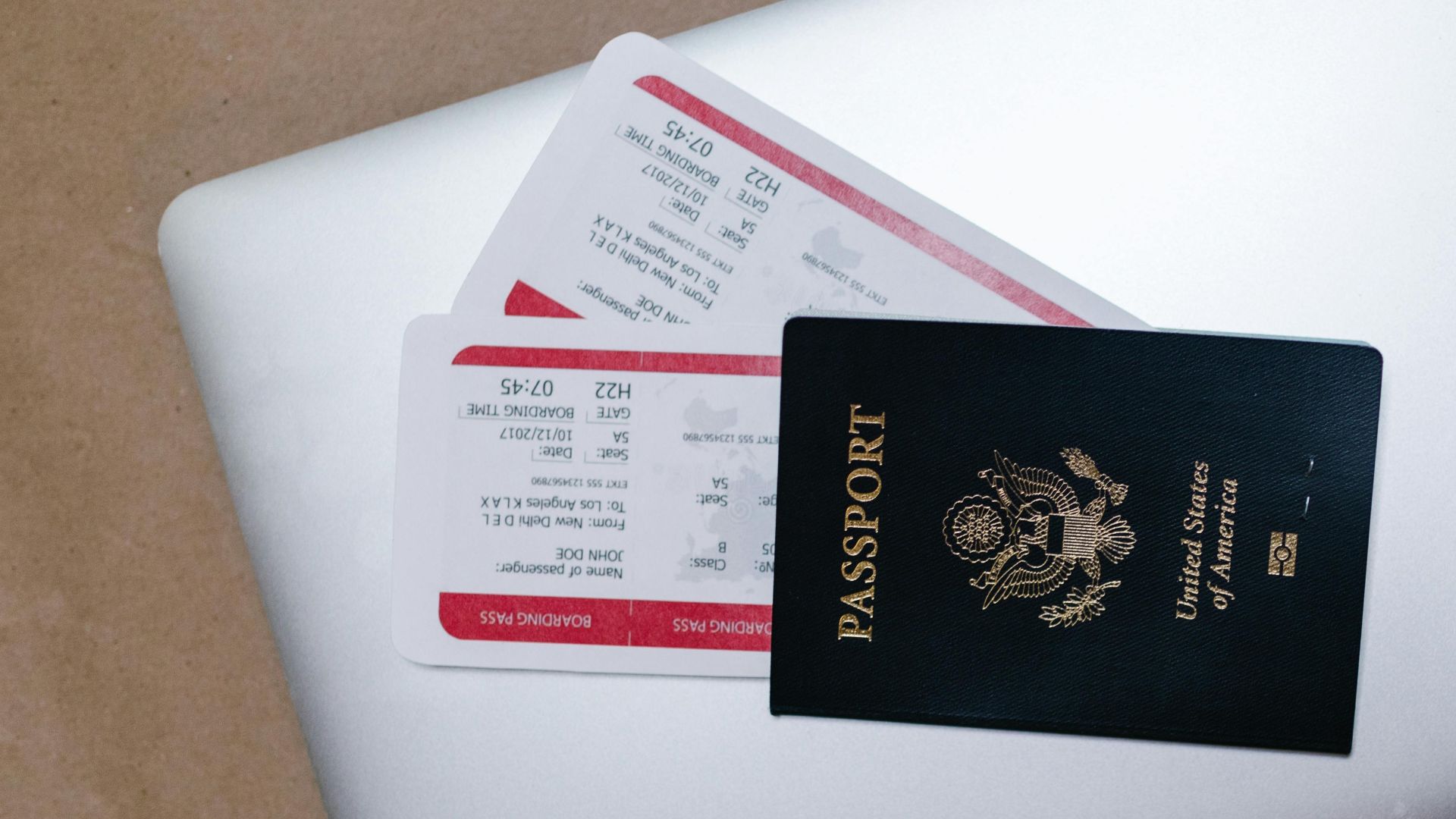
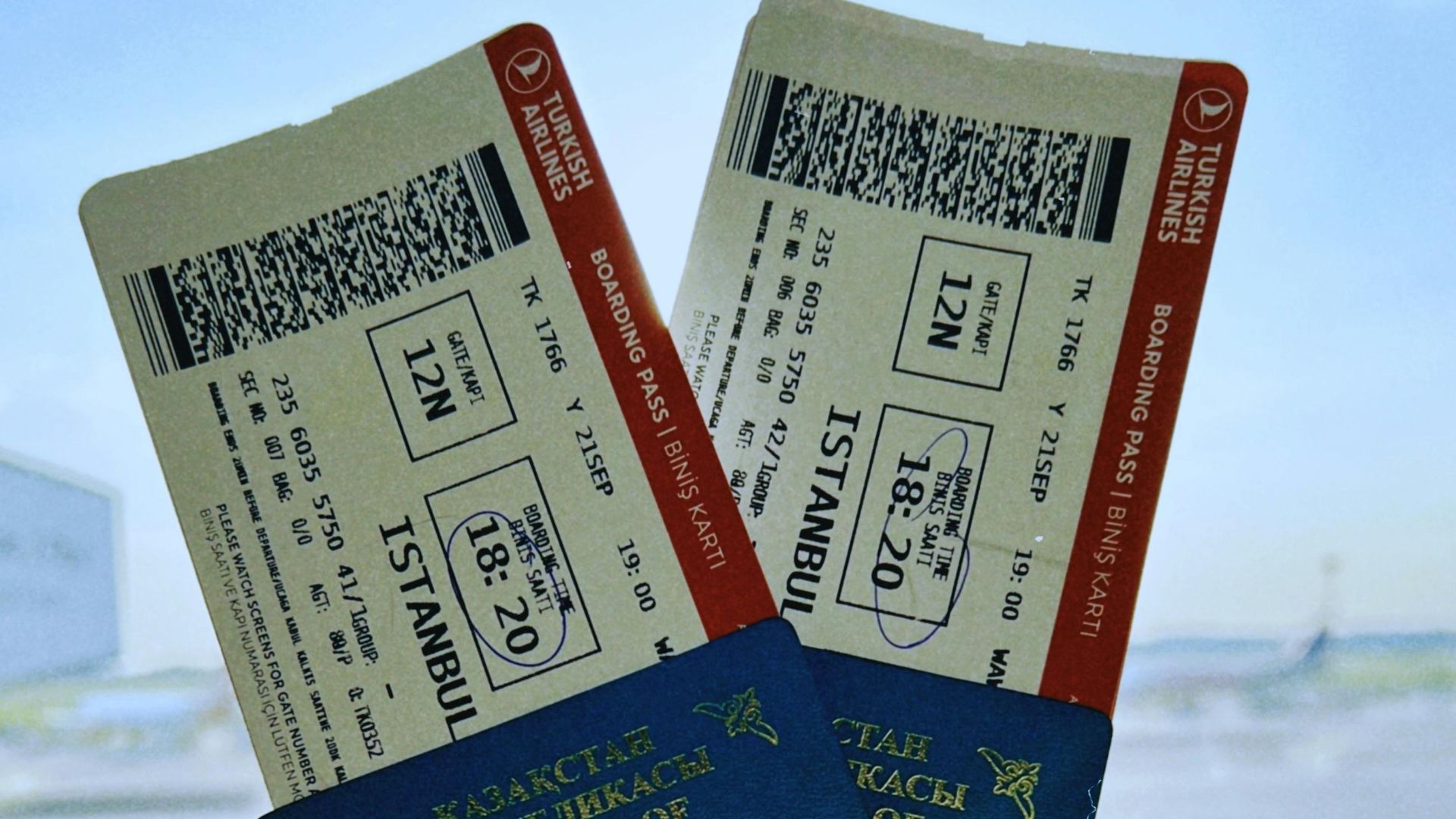
For many trips, airfare is the easiest piece to untangle because airline tickets are usually issued per passenger. If your companion paid for their own ticket, their cancellation may not raise your cost at all. If you paid for both, you may be able to cancel one for a credit or pay a change fee, depending on the fare rules and the airline’s current policy.
The Airline Name On The Ticket Matters
The DOT says airline ticket refunds are owed when a carrier cancels or significantly changes a flight and the passenger chooses not to travel. That rule does not automatically apply when your companion simply changes their mind. In that situation, whether you can get money back often comes down to whether the fare is refundable, whether the airline offers eCredits, and whether basic economy rules block changes.
Hotels Can Be The Real Budget Killer
Hotels are where a shared trip can suddenly get a lot more expensive. If you planned to split one room and your friend backs out, the room rate often stays the same whether one person or two show up. That leaves you with a choice: pay the full amount alone or cancel and deal with any penalties.

Check Whether The Hotel Charges By Room Or By Person
Most U.S. hotels charge by the room, not by the number of guests, though some resorts and all-inclusive properties price per person. That difference matters a lot. If the rate was based on double occupancy, losing one traveler can mean a new price that leaves the remaining guest paying much more.

Vacation Rentals Need Extra Attention
If you booked an Airbnb or Vrbo, the cancellation policy may be strict, firm, moderate, or flexible depending on the listing. Airbnb says refunds depend on the host’s chosen cancellation terms and the timing of the cancellation. Vrbo also says each property has its own cancellation policy, so the booking confirmation matters more than assumptions.

Do Not Assume Your Travel Insurance Will Save You
Travel insurance sounds like the obvious rescue plan, but it usually works only for specific events. According to Allianz Travel Insurance, standard trip cancellation coverage typically applies to listed reasons such as illness, injury, severe weather, or other covered problems. A companion simply changing their mind usually is not enough by itself.

Covered Reasons Are Usually Narrow
Policies often define a covered traveling companion issue very carefully. For example, if your companion gets seriously ill, is injured, or runs into another covered emergency, you may be able to claim trip cancellation or interruption benefits. If they just decide they cannot afford the trip anymore or no longer want to go, that usually is not covered.

Read The Definition Of Traveling Companion
Insurance policies often use the phrase traveling companion, and that wording matters. It usually means someone whose name appears with yours on the trip arrangements and who is scheduled to travel with you. If your setup was informal and only one traveler appears on the bookings, your insurance claim may be harder to prove.

Cancel For Any Reason Is Different
Some insurers sell Cancel For Any Reason upgrades, often called CFAR. These plans usually cost more, must often be purchased soon after the initial trip deposit, and may reimburse only part of your prepaid nonrefundable costs. If you did not buy CFAR near the start of planning, it is usually too late once your companion backs out.

Cruises Often Create The Biggest Surprise Bills
Cruise lines are known for turning a canceled travel buddy into a bigger bill for the person still going. That is because cruise fares are often based on double occupancy. If one person cancels, the remaining passenger may face what the industry calls a single supplement, along with cancellation penalties for the missing guest.

Single Supplement Is The Phrase To Watch
Norwegian Cruise Line explains that single occupancy can cost more because fares are generally built around two people in a stateroom. Other major cruise lines use similar pricing setups. In plain English, you can end up paying your friend’s share indirectly because the cabin price gets recalculated for one traveler.

Tours And Packages May Reprice The Whole Booking
Escorted tours and bundled vacation packages can bring the same problem as cruises. If the price assumed twin sharing and one traveler drops out, the operator may add a single room supplement or reprice the whole package. That is why package terms are worth a close look before you cancel anything.

If You Booked Through A Travel Advisor Call Them First
A travel advisor can sometimes spot fixes that are easy to miss. They may be able to move you into a smaller room, find a window to replace the missing traveler, or help get a credit. Advisors also know which suppliers tend to bend and which ones stick hard to the contract.

Ask About Name Changes Right Away
In some cases, the cleanest fix is to replace your canceled companion with someone else. Airlines usually do not allow casual name swaps on tickets once they are issued, but hotels, vacation rentals, tours, and cruises may allow changes under certain rules. The sooner you ask, the better your odds, because some providers stop allowing edits close to departure.

Credit Card Protections Are Limited
It is tempting to think a credit card dispute will solve everything, but that is rarely true when the charge matches the contract you accepted. The Federal Trade Commission advises consumers to dispute billing errors and unauthorized charges, but a valid nonrefundable travel charge is not automatically a billing error. If the supplier delivered exactly what the terms promised, a chargeback may go nowhere.
Still Use Your Card Benefits Checklist
Some travel credit cards include trip cancellation or interruption insurance as a cardholder benefit. Those benefits come with their own covered reasons and paperwork rules, and they are not guaranteed to cover a companion who simply backs out. Even so, it is worth checking your card’s guide to benefits before you give up on reimbursement.

Small Claims Court Is Not Your First Move
If your friend agreed to split costs and then disappeared, you may wonder whether legal action makes sense. In many cases, the answer depends on whether you have proof of the agreement, such as texts, emails, booking records, or payment screenshots. A clear written record puts you in a much stronger position than a vague verbal plan.

Get The Agreement In Writing Before Every Group Trip
This advice may come a little late for the current mess, but it can save your next vacation. Before booking, spell out who is paying deposits, whether payments are refundable, and what happens if someone cancels. Even a short text thread confirming the plan can make a huge difference later.

Try The Friendly Route Before The Nuclear Route
Start by asking your companion to cover the nonrefundable costs they agreed to share. Keep the message factual, calm, and specific about amounts and deadlines. A polite but firm request often works better than an angry text storm that makes everyone dig in.

If They Cannot Pay All At Once Suggest A Payment Plan
If your travel buddy is not refusing outright but honestly cannot pay right away, suggest installments. That may help you recover more money than a total stalemate. Put the plan in writing and keep records of every payment.

Look For Ways To Shrink The Remaining Trip Cost
If you still want to go, damage control becomes the priority. Ask the hotel if there is a cheaper room category, contact the airline about credits on the unused ticket, and check whether any prebooked activities can be canceled without penalty. A few small breaks can take a lot of sting out of the final bill.

Travel Solo Might Still Be Worth It
There is a hidden upside here. If most of your costs are already sunk, taking the trip alone may be cheaper than canceling everything and losing the prepaid money. Solo travel also means no compromises on your schedule, meals, or sightseeing plans.

Act Fast Because Time Usually Works Against You
Many travel policies get harsher as departure gets closer. Vacation rental deadlines tighten, cruise penalties climb, and some tour operators go from partial refunds to none at all. The sooner you contact each provider, the more choices you are likely to have.

Keep Notes On Every Call And Email
Write down the date, time, representative name, and what they told you. Save screenshots of cancellation terms and confirmation emails in case the rules later change or you need to file a claim. Good records can make the difference between a dead end and a successful refund request.

Know When You Are Truly Out Of Options
Sometimes the hard truth is that a nonrefundable booking is exactly that. If no covered insurance reason applies, no supplier flexibility exists, and your companion refuses to reimburse you, you may be left eating some of the cost. It is frustrating, but realizing that early helps you focus on cutting losses instead of chasing false hope.

The Best Protection Starts Before You Book
For future trips, book flexible rates when you can, avoid fronting large costs for unreliable companions, and consider insurance if a cancellation would hit hard financially. Ask direct questions about single supplements, name changes, and cancellation windows before paying deposits. Those boring details are often what separate a smooth trip from an expensive mess.

The Bottom Line On A Backed Out Travel Buddy
You are not automatically stuck paying everything, but you are not automatically protected either. Your best chances usually come down to contract terms, speed, documentation, and whether a supplier or insurer has a valid reason to help. Check every booking one by one, ask about alternatives, and do not let embarrassment stop you from pushing for the fairest outcome.