The Airbnb Vs. Hotel Safety Debate Is More Complicated Than It Sounds
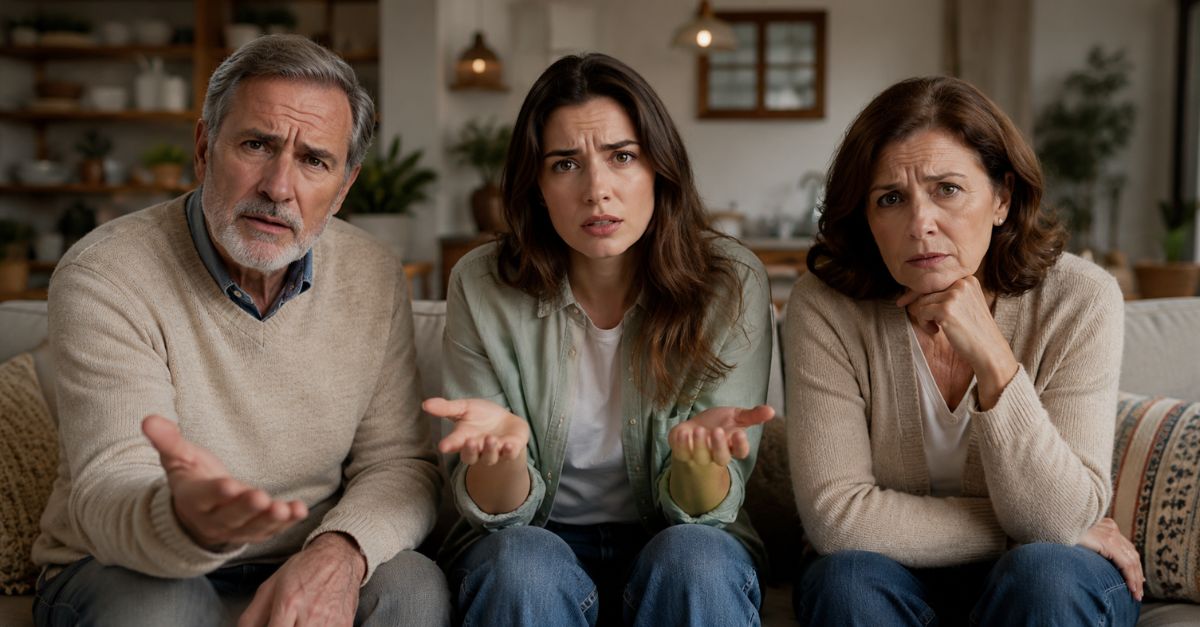
If your parents think Airbnbs are creepy because a stranger owns them, they're definitely not the only ones. The feeling makes sense. Short-term rentals can seem more personal, less standardized, and harder to judge than a hotel with a front desk and familiar routines. But unsafe? That really depends more on practical things like fire protections, locks, camera rules, neighborhood conditions, and what happens when something goes wrong.
Hotels Feel Familiar For A Reason
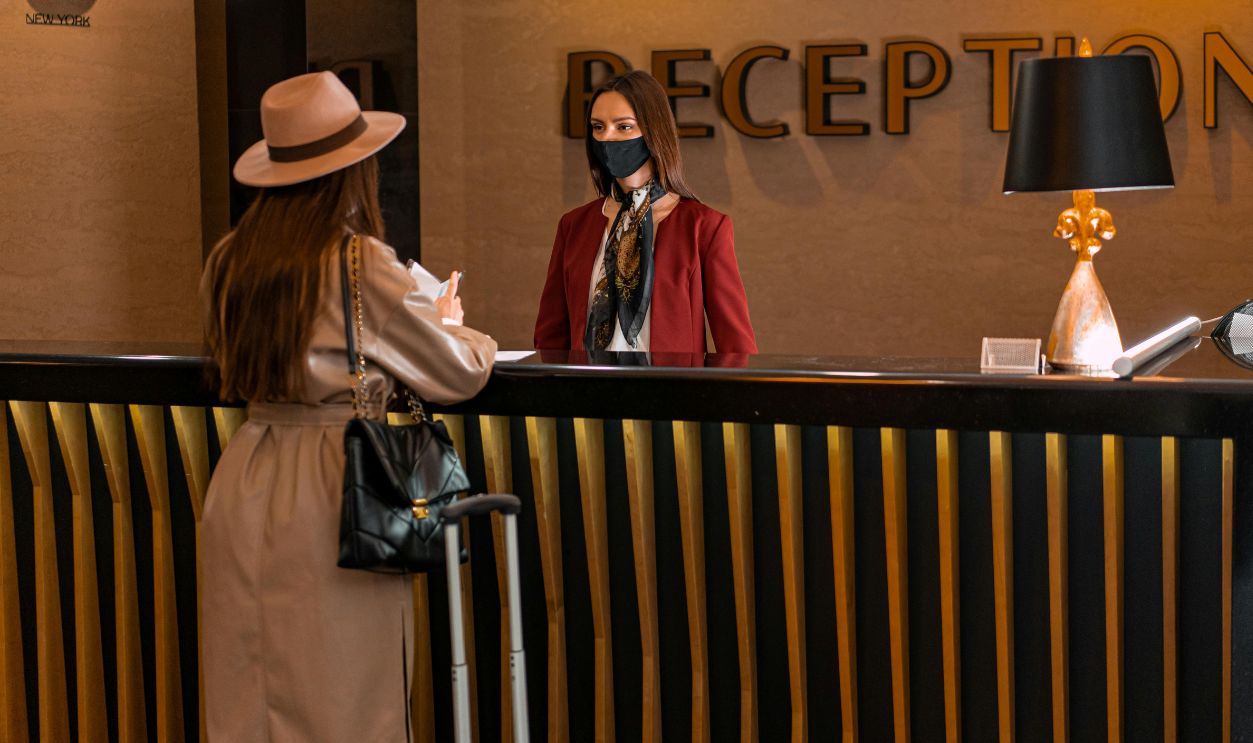
Hotels are built around predictability. Many have staffed reception desks, standardized rooms, key-card systems, commercial fire rules, and visible security measures that can put travelers at ease. That does not make every hotel safe, but it does mean the industry usually works within a more consistent system than most vacation rentals.
Airbnbs Can Feel More Personal, And That Can Be Unsettling
An Airbnb is usually someone else’s property, and that can create a very specific kind of discomfort. Guests may wonder who has keys, whether there are cameras, or whether the house rules come from an owner’s personal habits instead of a hospitality company’s policies. That concern is real, but a weird feeling by itself does not prove a place is more dangerous.
Airbnb Says Most Stays End Without Serious Problems
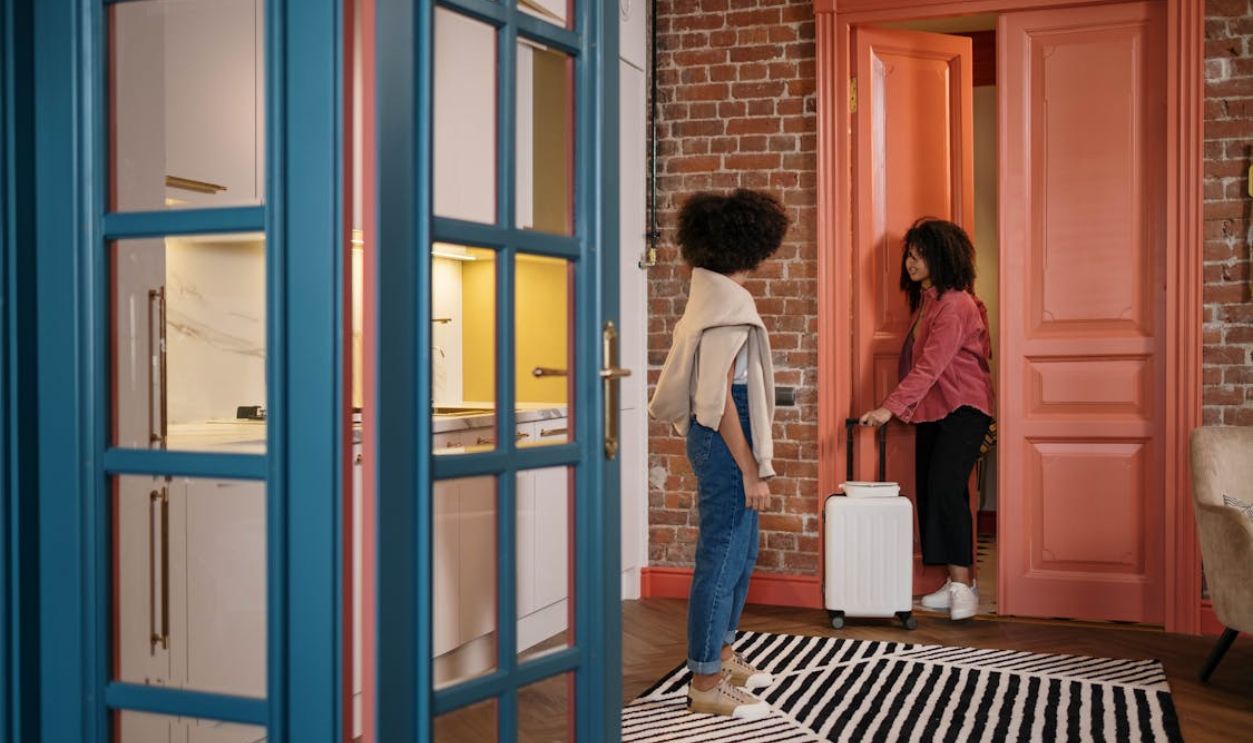
Airbnb has repeatedly said serious safety incidents are rare compared with the number of stays booked on its platform. In its 2021 U.S. Safety Report, the company said 0.1 percent of stays involved a safety-related issue reported to Airbnb, and 99.9 percent did not. That figure is useful context, but it comes from Airbnb itself, so it should be treated as one piece of the picture, not the whole story.
The Company Also Tightened Its Rules On Hidden Cameras
In March 2024, Airbnb announced a global ban on indoor security cameras in listings, replacing an older policy that had allowed some disclosed cameras in common areas. The company said the update was meant to simplify the rules and make them clearer for both hosts and guests. That matters because camera fears have become one of the biggest flashpoints in the Airbnb safety debate.
 Sebastian Scholz (Nuki), Unsplash
Hotels Have Had Hidden Camera Incidents Too
It is easy to assume hidden surveillance is only a short-term rental problem, but the record does not support that. News reports over the years have documented cases involving hotels, motels, and vacation rentals. The lesson is not that every room is suspicious. It is that travelers should do a quick privacy check no matter where they stay.
One Of The Biggest Safety Differences Is Regulation
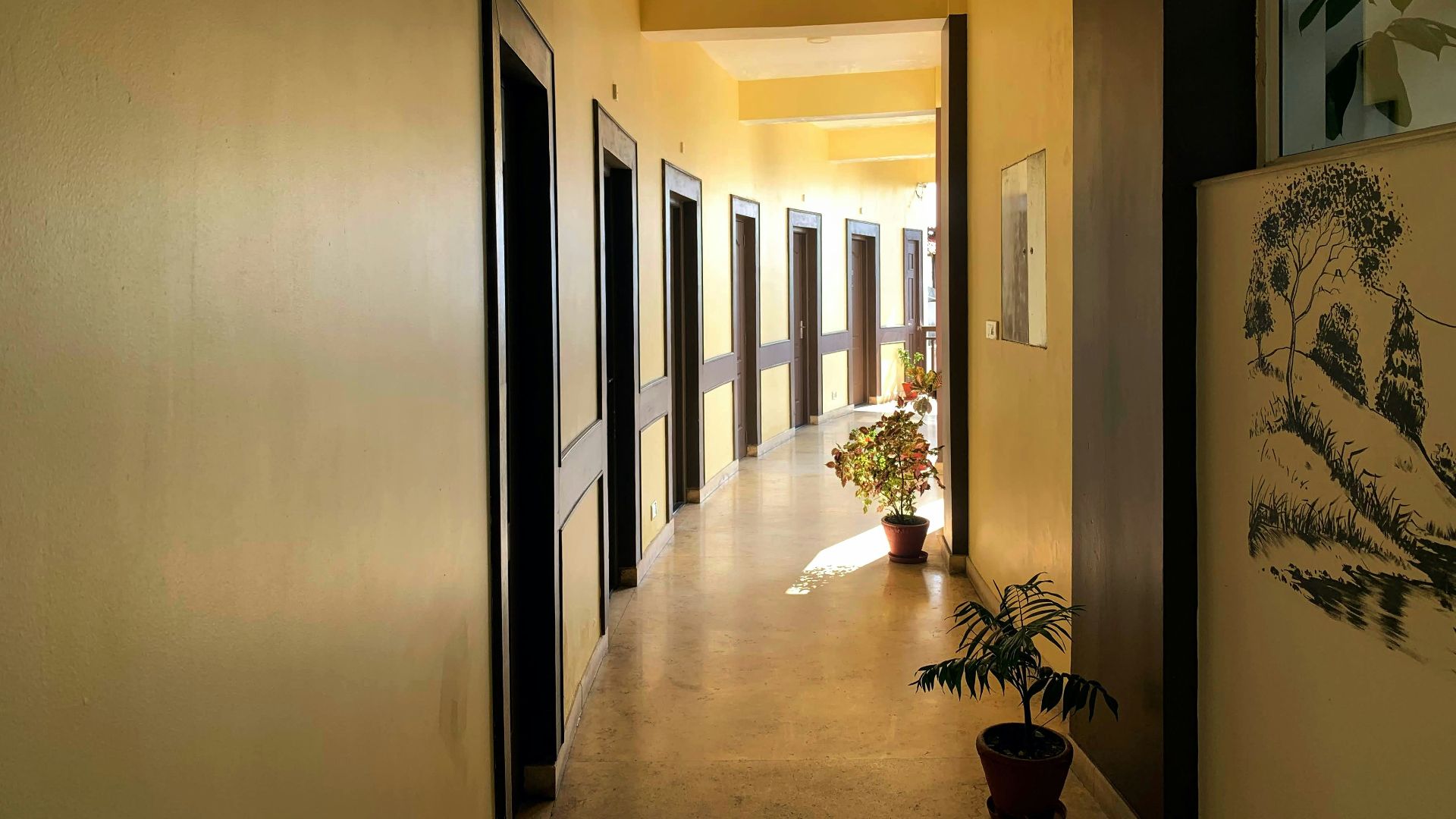
Hotels are generally subject to commercial building rules, inspections, and operating requirements that are more standardized than the patchwork that governs short-term rentals. Vacation rentals may be regulated by states, cities, counties, homeowners associations, and booking platforms, sometimes all at once. That means two Airbnbs in different cities can offer very different levels of safety, even if the photos look equally polished.
Fire Safety Is A Major Part Of The Equation
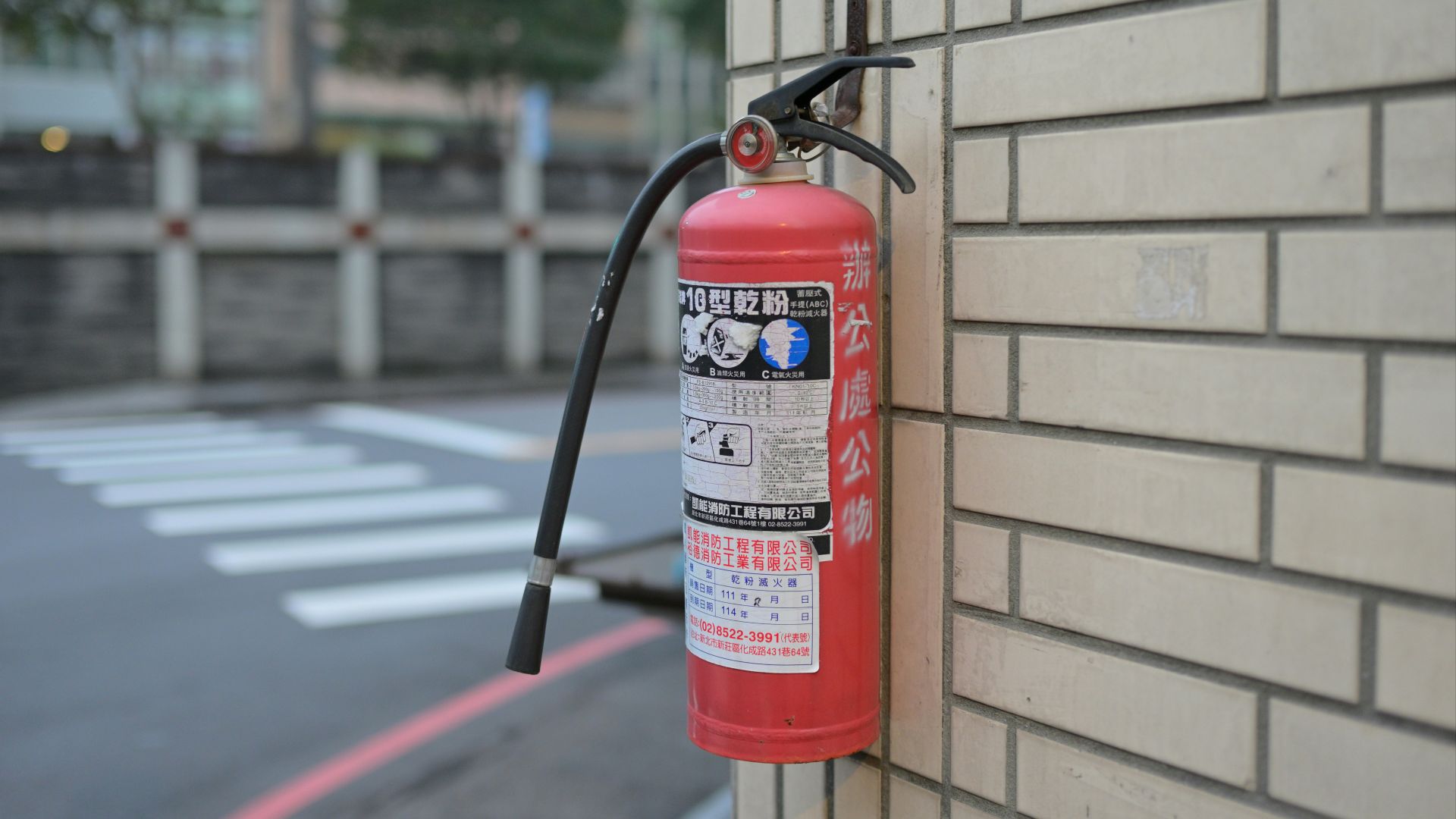
The National Fire Protection Association has long advised travelers to check for smoke alarms, review exit routes, and choose places with basic fire protections. Hotels often have features such as marked exits, fire doors, and sprinkler systems because of commercial code requirements, though standards can vary by building age and location. In a short-term rental, those protections may be harder to spot, so guests need to check before booking and again after they arrive.
Airbnb Does Require Some Basic Safety Information From Hosts
Airbnb asks hosts to confirm certain safety details, including whether the property has smoke alarms or carbon monoxide alarms when required. It also gives hosts a section on listing pages to disclose safety devices and possible hazards. Still, a disclosure box is not the same as a physical inspection, so it is a starting point, not a guarantee.
Hotels Usually Have Staff Nearby, And That Can Matter In A Crisis
If something goes wrong at a hotel, there is often a front desk worker, maintenance employee, security staffer, or manager on site or on call. That can make a real difference during lockouts, medical emergencies, noise disputes, suspicious activity, or fire alarms in the middle of the night. In a vacation rental, help may depend on how quickly a host answers the phone.
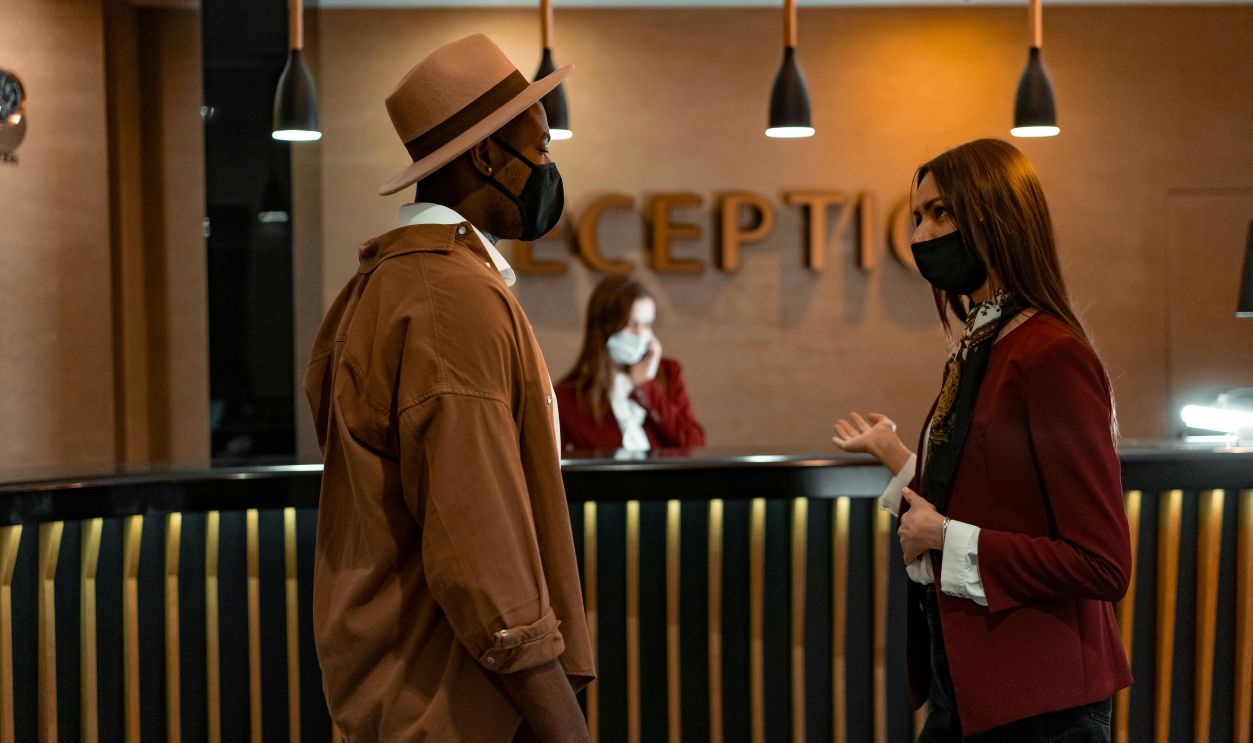
But Hotels Also Put More Strangers In One Place
A hotel may have hundreds of guests, outside visitors, delivery workers, contractors, and staff moving through shared spaces every day. Elevators, hallways, bars, parking garages, and lobbies create more contact with people you do not know. A standalone rental can cut down on that exposure, which some travelers prefer, especially families or solo travelers who want a private entrance.
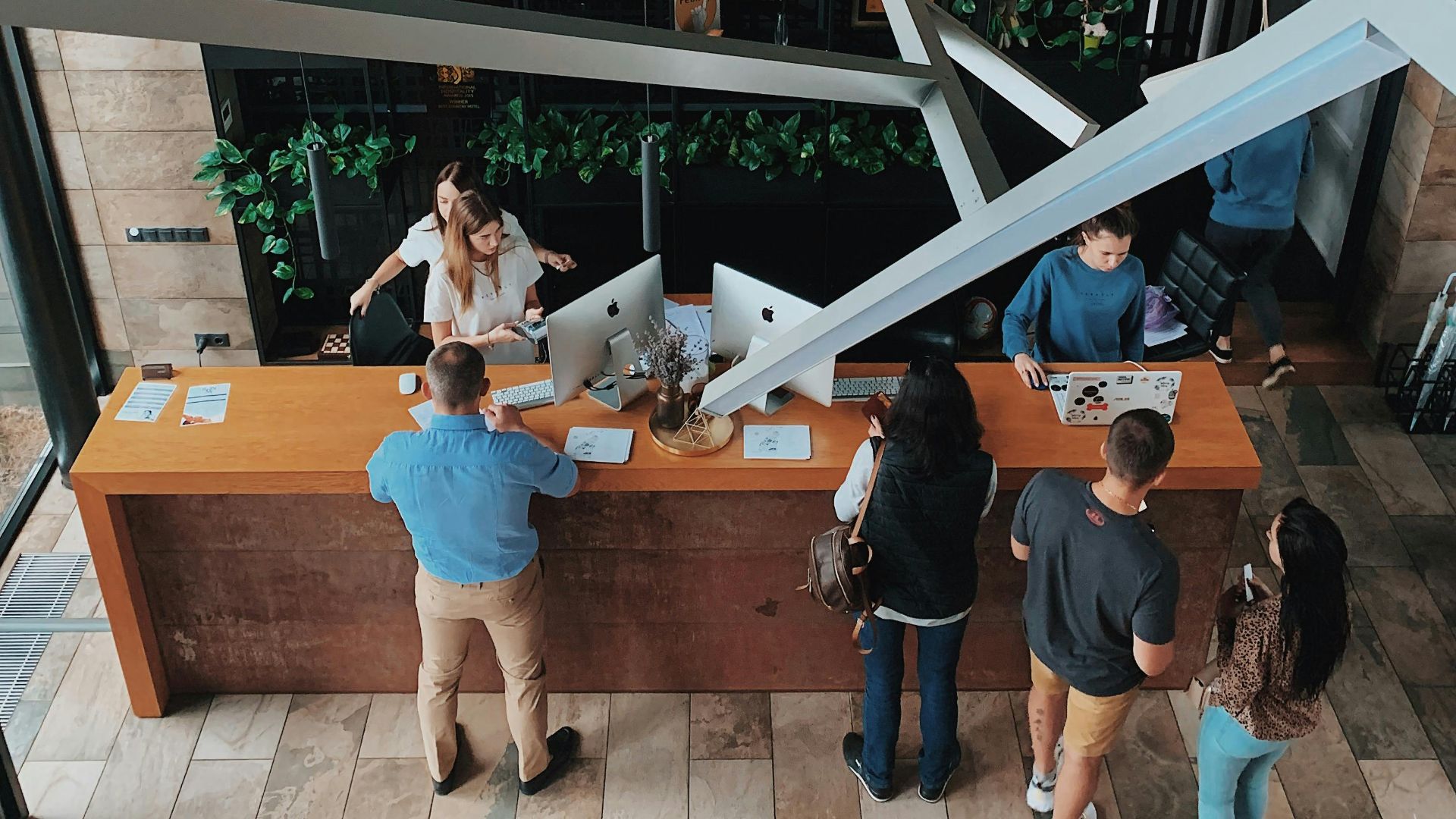
Privacy Can Cut Both Ways
One reason people love vacation rentals is privacy. No one is knocking for housekeeping, fewer people know your room number, and there may be no shared hallway outside your door. But that same privacy can feel isolating if something seems off, especially in a remote property with no nearby staff or neighbors.
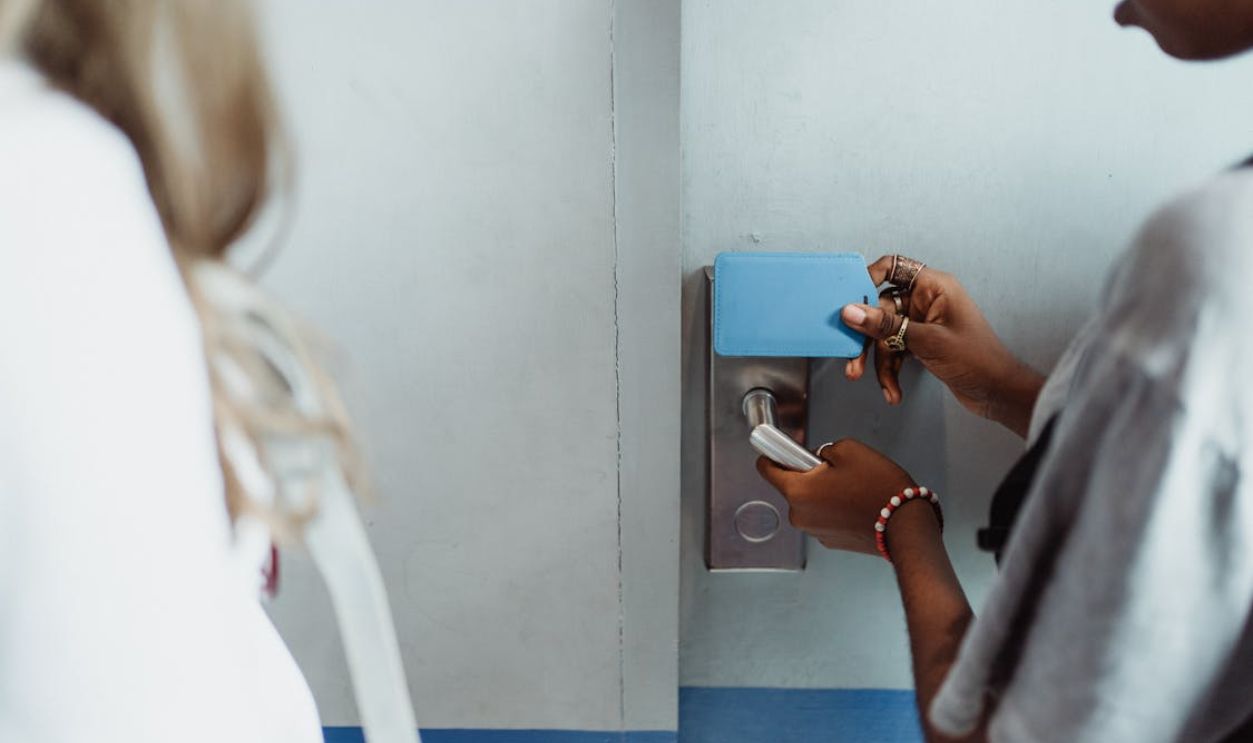
Locks And Entry Systems Matter More Than Branding
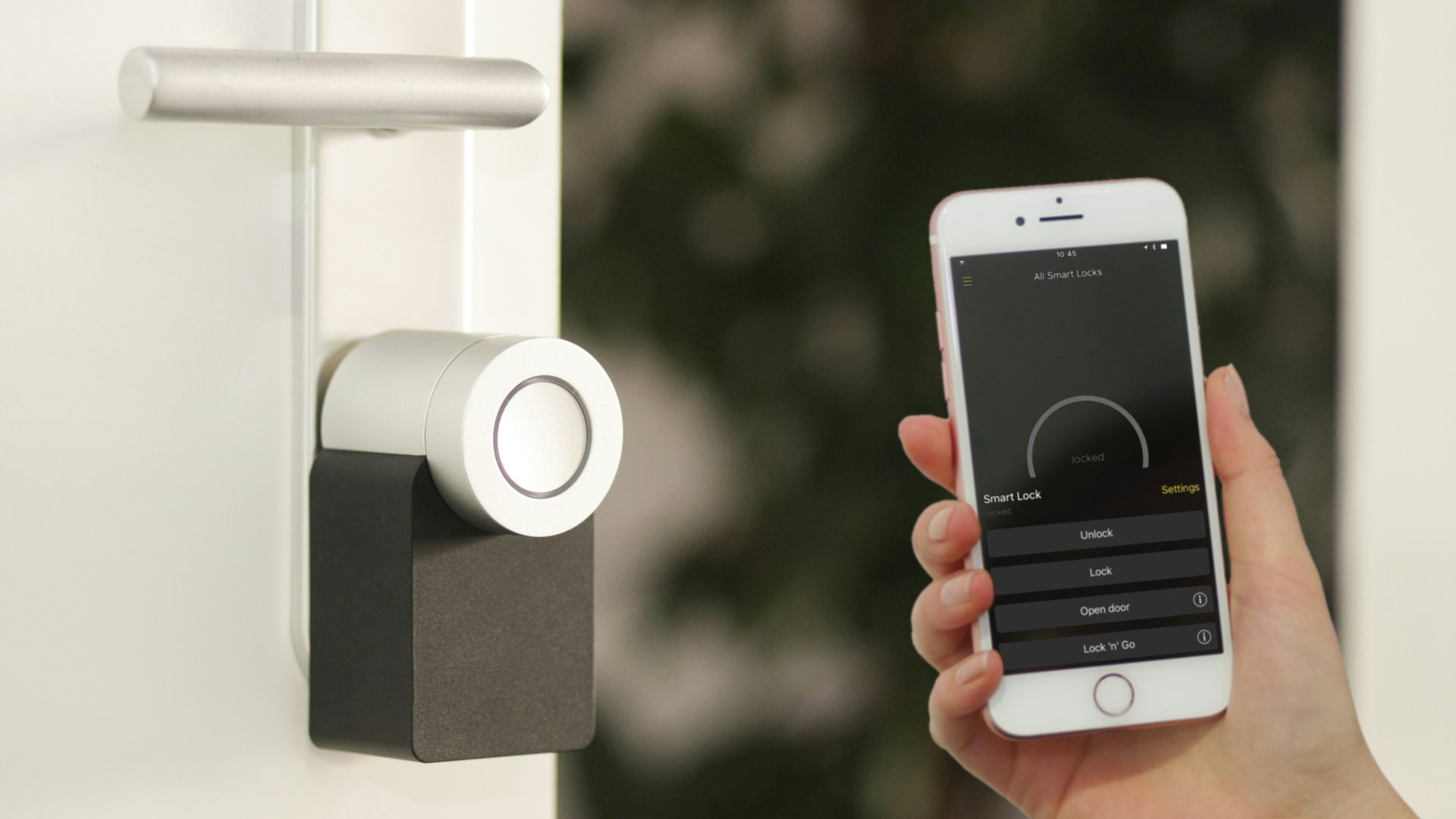
The key question is often not hotel or Airbnb, but how the property controls access. Does the rental use a unique smart-lock code for every stay, or a physical key that could have been copied years ago? Does the hotel use modern key cards and secure side entrances, or are exterior doors propped open and room deadbolts worn out?
Neighborhood Safety Often Matters More Than The Building Type
A well-run rental in a safe, busy neighborhood may be a better choice than a badly maintained hotel in an isolated area, and the reverse is true too. Travelers should check the exact area using recent reviews, street views, transit access, lighting, and local crime information when available. A polished listing photo tells you almost nothing about how that block feels after dark.
Reviews Can Help, But They Have Limits
Reviews are one of the biggest advantages of booking platforms, and they can reveal patterns like broken locks, strange host behavior, missing smoke detectors, or noisy surroundings. At the same time, reviews usually focus more on comfort and cleanliness than on serious safety checks. Look for specific details, not just star ratings.
Airbnb Added Reservation Screening After Party Concerns
Airbnb has spent years trying to reduce high-risk bookings tied to unauthorized parties and neighborhood problems. In 2020, it introduced a global party ban, and in 2022 it said that ban would become permanent. Those changes were not just about noise. Parties can bring property damage, violence risks, and unsafe conditions for guests and neighbors.
Hotels Have Their Own Security Problems
Hotels deal with theft, assault, unauthorized room access, and crimes in parking lots or common spaces just like other kinds of lodging do. Security experts often note that travelers let their guard down in hotels because the setting feels official and familiar. A brand name can create a false sense of safety if guests stop paying attention to basic warning signs.
Solo Travelers Should Think About Arrival Logistics
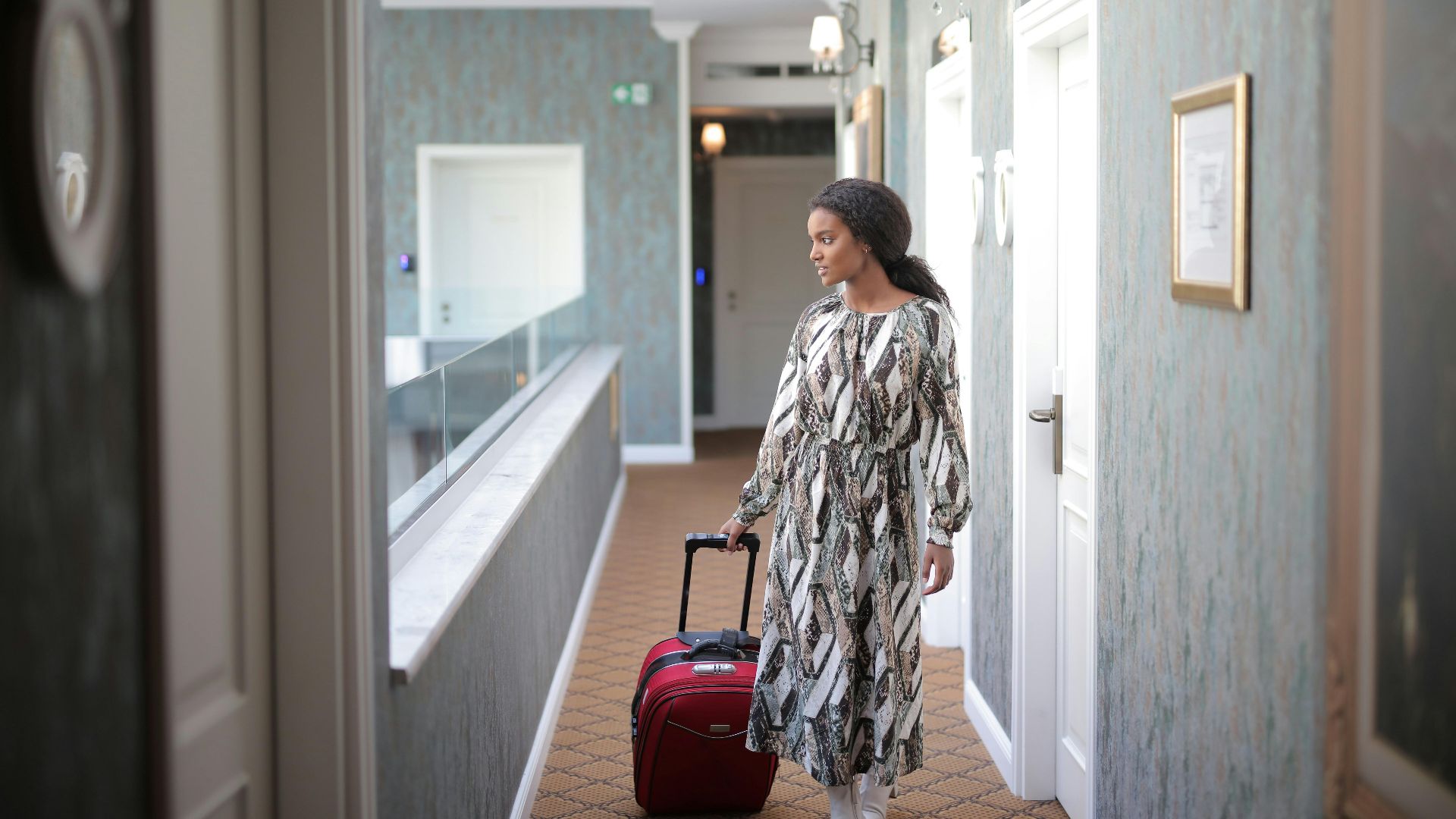
A hotel usually offers an easier late-night arrival, a lit entrance, and someone to talk to if check-in goes wrong. A short-term rental may require finding a lockbox on a dark street, entering through a side gate, or locating a detached unit with little signage. None of that makes rentals unsafe by default, but it can raise stress and make a traveler feel more exposed in the first moments of a stay.
Families May Focus On Different Risks
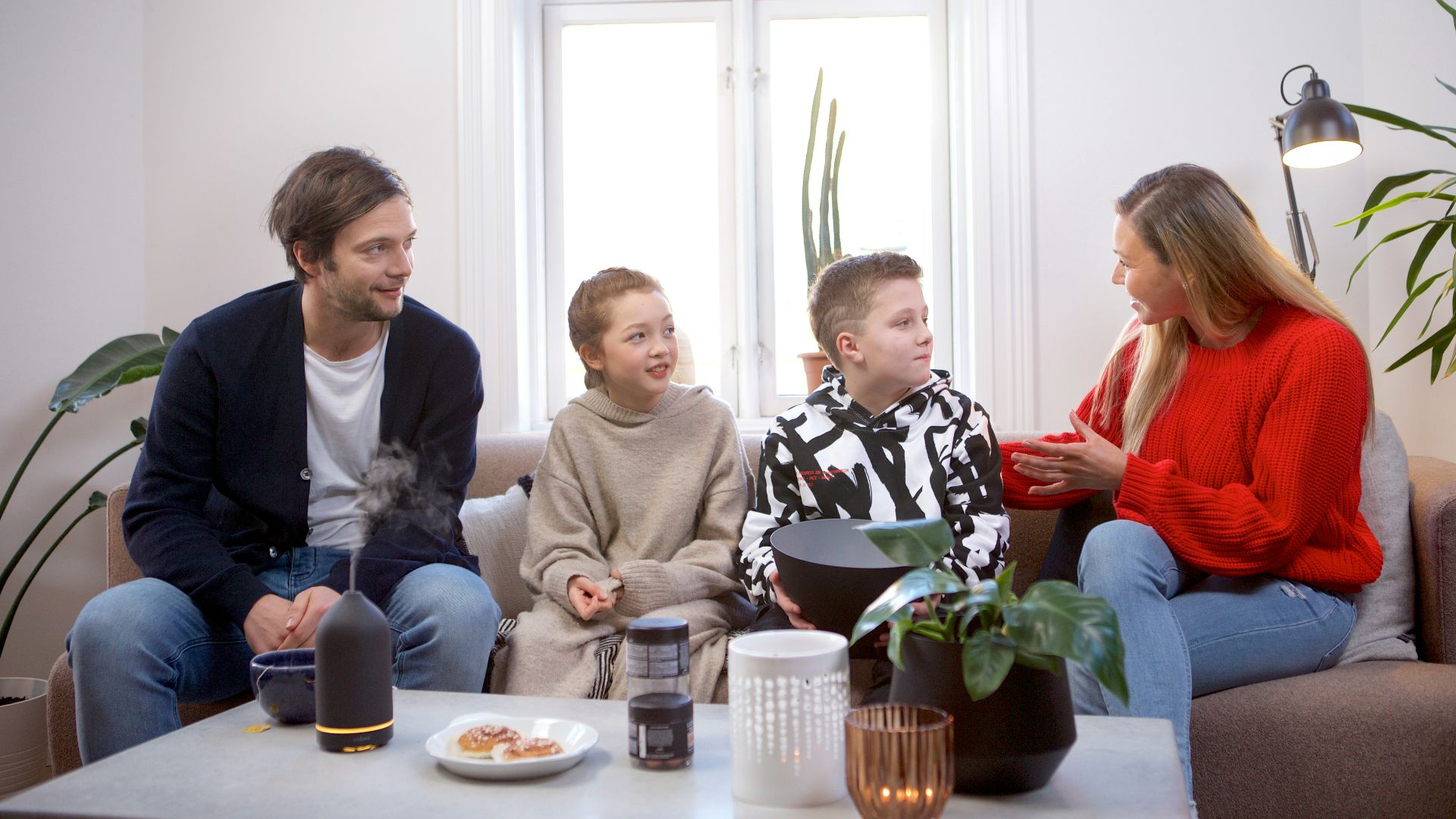
Parents often like rentals because they offer kitchens, extra bedrooms, laundry, and room for kids to spread out. But families should pay close attention to stairs, pools, balconies, cleaning supplies, window guards, and whether the property is truly child-friendly rather than just looking that way in photos. A hotel may have fewer home hazards, but it can bring its own issues, such as busy hallways, elevators, and unsecured connecting doors.
Business Travelers May Prefer The Safety Net Of Standardization
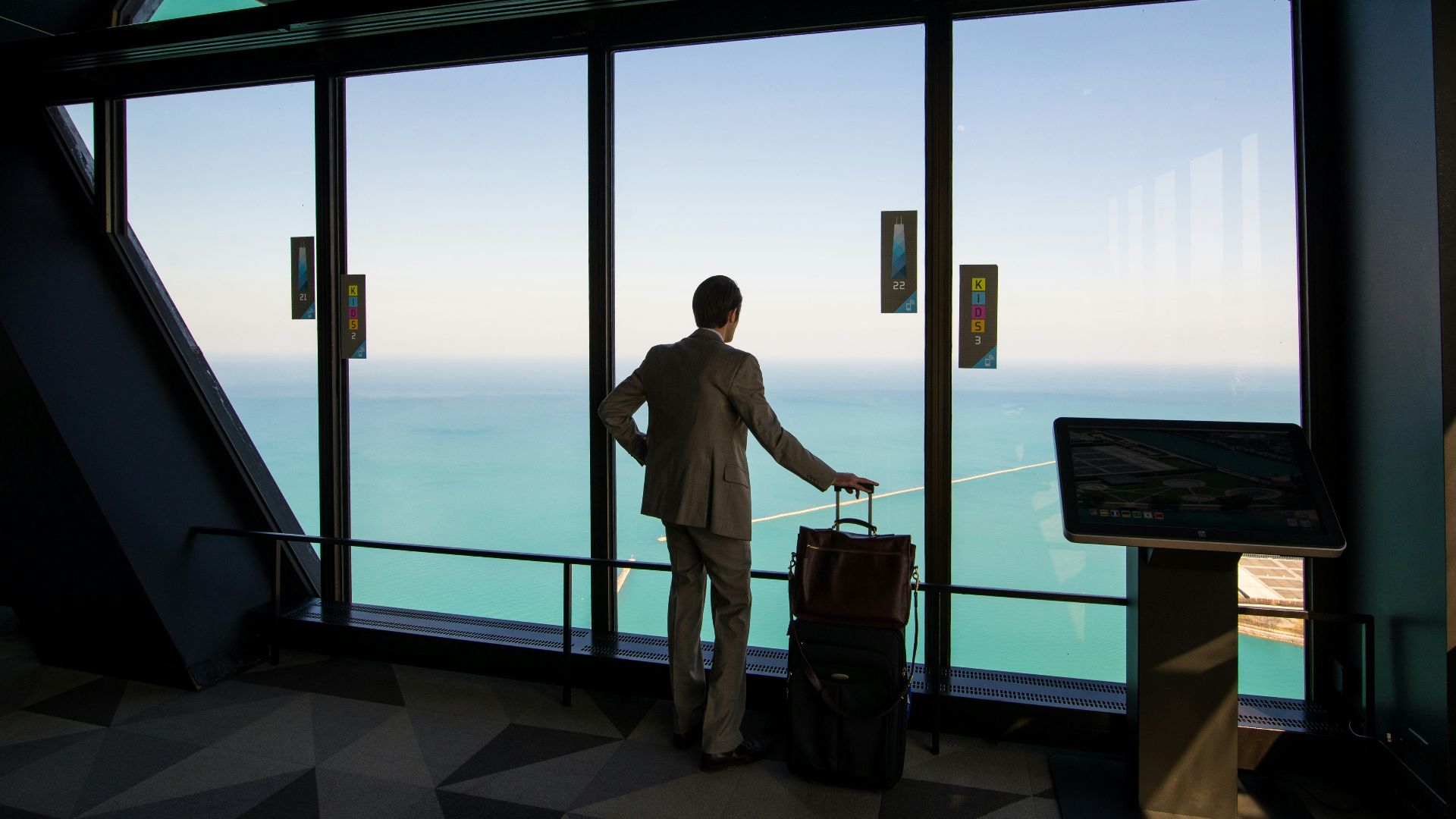
For people arriving tired, late, or on expense accounts, hotels often win because the process is consistent. There is usually a published address, check-in support, luggage storage, and a clear plan if the room is not acceptable. In a rental, a last-minute cancellation or access problem can leave a traveler scrambling in an unfamiliar city.
Accessibility Is A Safety Issue Too
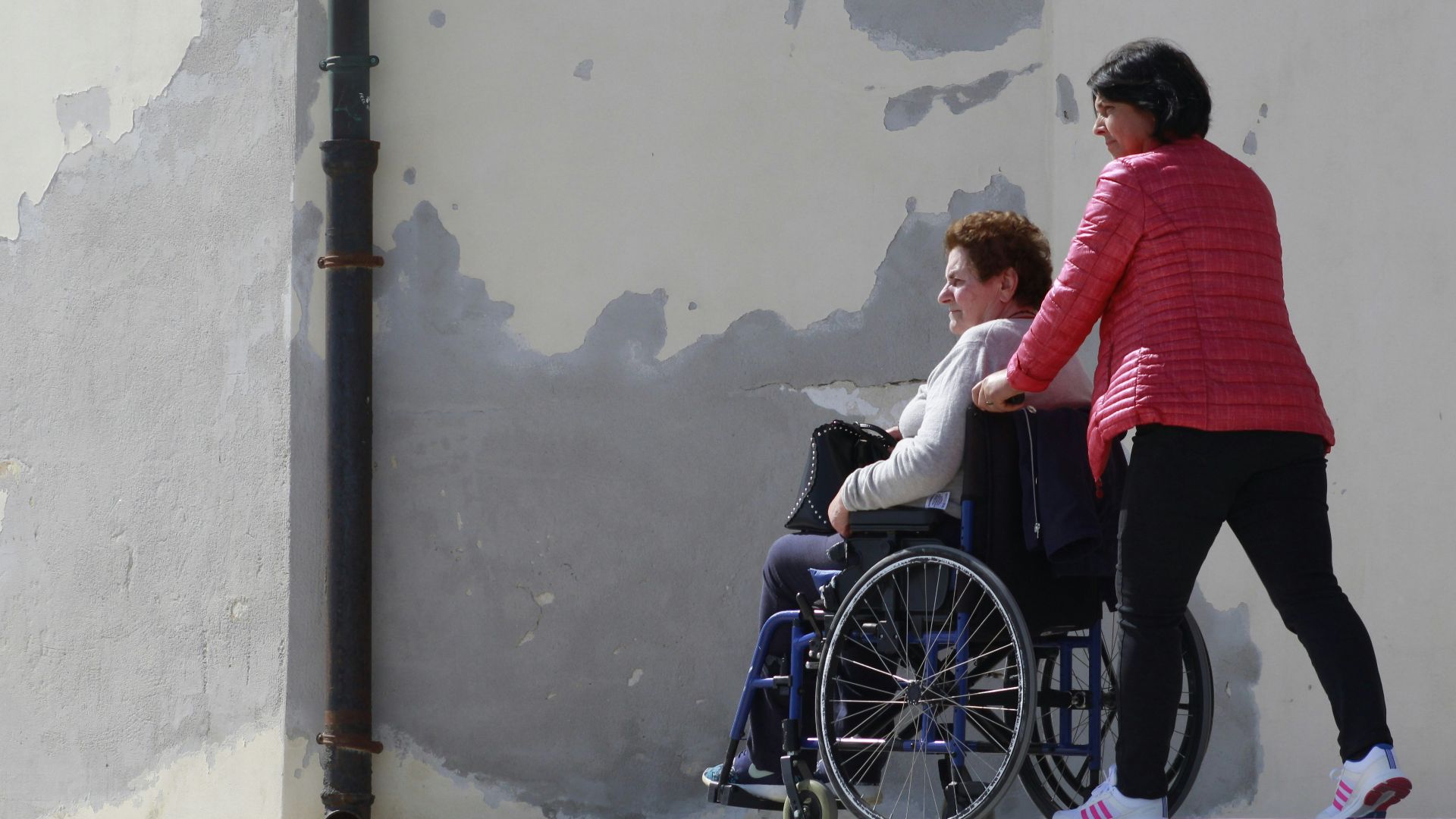
Accessibility features can be critical for travelers with mobility, vision, hearing, or medical needs. Hotels are often easier to evaluate because they usually provide more standardized information about elevators, accessible rooms, and emergency procedures. In short-term rentals, accessibility details can be thinner, so guests may need to ask direct questions and get the answers in writing before booking.
What Experts Usually Recommend Is A Property-By-Property Approach
Consumer safety advice usually focuses on practical checks rather than broad claims that one type of lodging is always safer. Look for smoke and carbon monoxide alarms, solid locks, exterior lighting, clear exits, responsive management, and recent reviews that mention safety or maintenance. If those basics are missing, that place should drop down your list fast.
Questions To Ask Before Booking A Rental
Ask whether the entrance is private, how access codes are changed between stays, whether anyone else can enter the unit, and where cameras are located outside the property. Confirm that there are smoke alarms, carbon monoxide alarms, and more than one way to get out. If a host gives vague or slippery answers, that tells you something too.
Questions To Ask Yourself Before Booking A Hotel
Check whether the property has interior hallways or exterior room doors, whether the front desk is staffed 24 hours, and whether recent reviews mention break-ins, loitering, or poor lighting. Look at the parking setup and how easy it is for non-guests to reach guest-room floors. A cheap rate can hide expensive risks.
What To Do The Moment You Arrive
Whether you are in a hotel or rental, test the door locks right away and identify at least two exit routes if possible. Check for smoke alarms and carbon monoxide alarms, and do a quick scan for anything that seems out of place in sleeping areas and bathrooms. If something feels wrong, report it immediately and be willing to leave.
The Psychological Side Of Safety Matters Too
Feeling uneasy can affect your decisions, your sleep, and your ability to enjoy a trip. If an isolated rental is going to keep you on edge all weekend, the lower nightly rate may not be worth it. On the other hand, if a busy hotel makes you feel exposed or overstimulated, a private rental may be the better fit.
So Are Hotels Actually Safer
On average, hotels may offer more standardized protections, more on-site support, and clearer operating rules, which can give them an edge in some situations. But that does not mean every hotel is safer than every Airbnb, because the real risks depend on the specific property and how well it is run. The smartest answer for worried parents is simple: hotels often feel safer for solid reasons, but a carefully checked rental can also be a very safe choice.
The Best Rule Is To Book Like A Skeptic, Not A Romantic
Do not let charming decor, a famous hotel brand, or a host’s friendly message make the decision for you. Safety usually comes down to boring details like alarms, locks, lighting, exits, reviews, and how quickly someone can help if things go sideways. It may not be glamorous, but that kind of realism usually leads to a much better trip.