A Small Fee That Can Feel Ridiculous
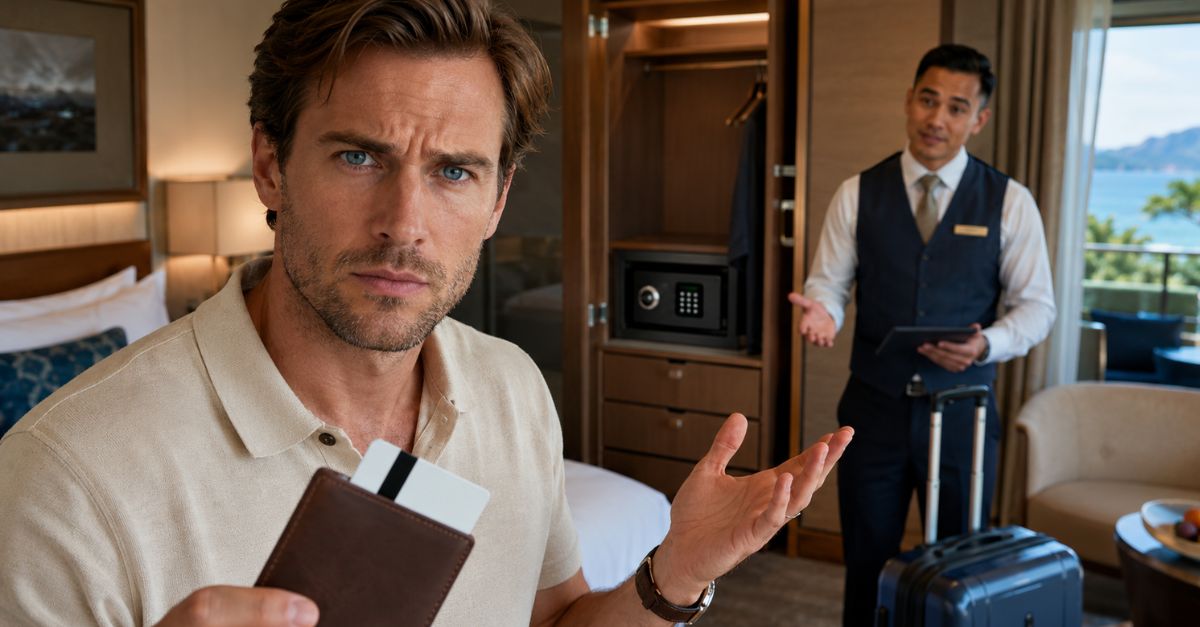
Maybe you've experienced this recently: You check into a hotel, spot the safe in the closet, and assume it comes with the room. Then the bill shows a charge for every day that you used it. For many travelers, paying extra to lock up a passport, cash, medicine, or a laptop feels like being charged for basic peace of mind. Is that really where trends are taking us?

Why This Bothers So Many Guests
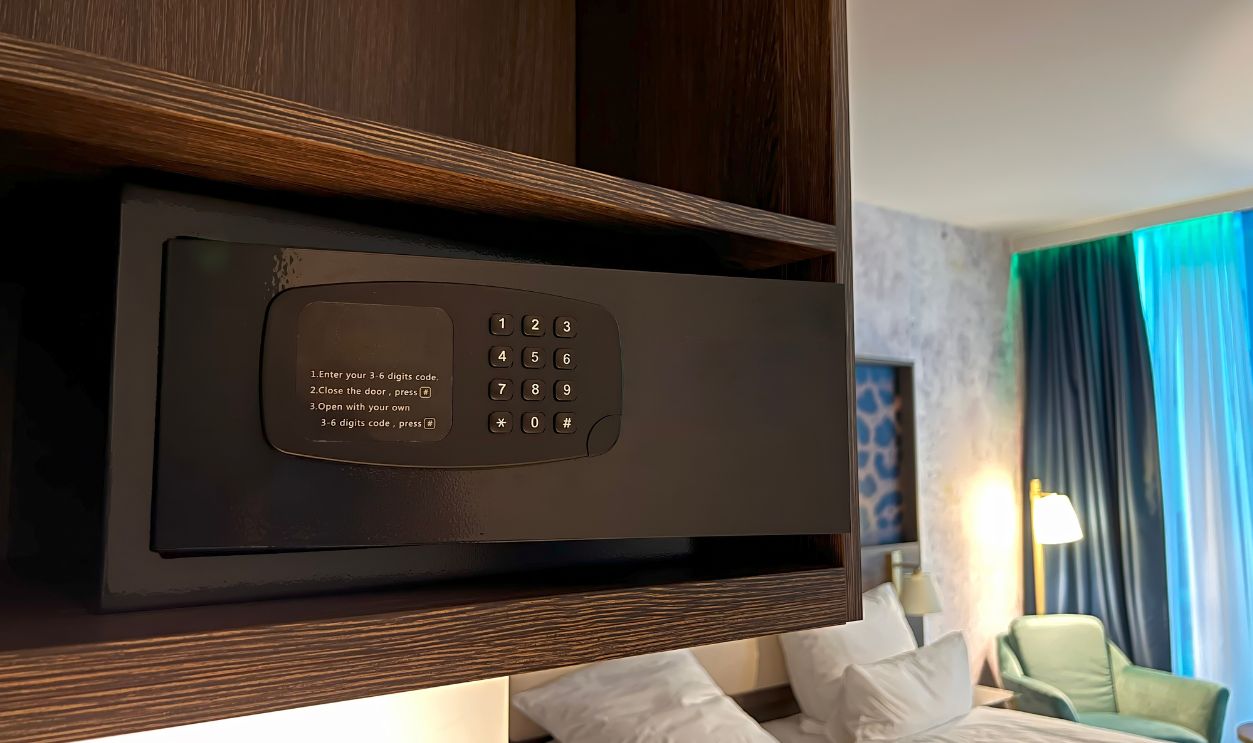
A room safe does not feel like a luxury perk. Most people see it as part of a normal hotel stay, especially when they are traveling with valuables. That is why a separate fee can hit a nerve. It feels less like paying for an upgrade and more like paying to make the room you already rented feel secure.
 alexgo.photography, Shutterstock
Yes, Hotels Really Do Charge For Safes
This is not just a travel myth. Travelers have reported safe fees in places like Las Vegas and in parts of Europe, and some hotel booking pages include them in the fine print as property charges or optional extras. It is not standard everywhere, but it is real.
How This Fits The Bigger Fee Trend
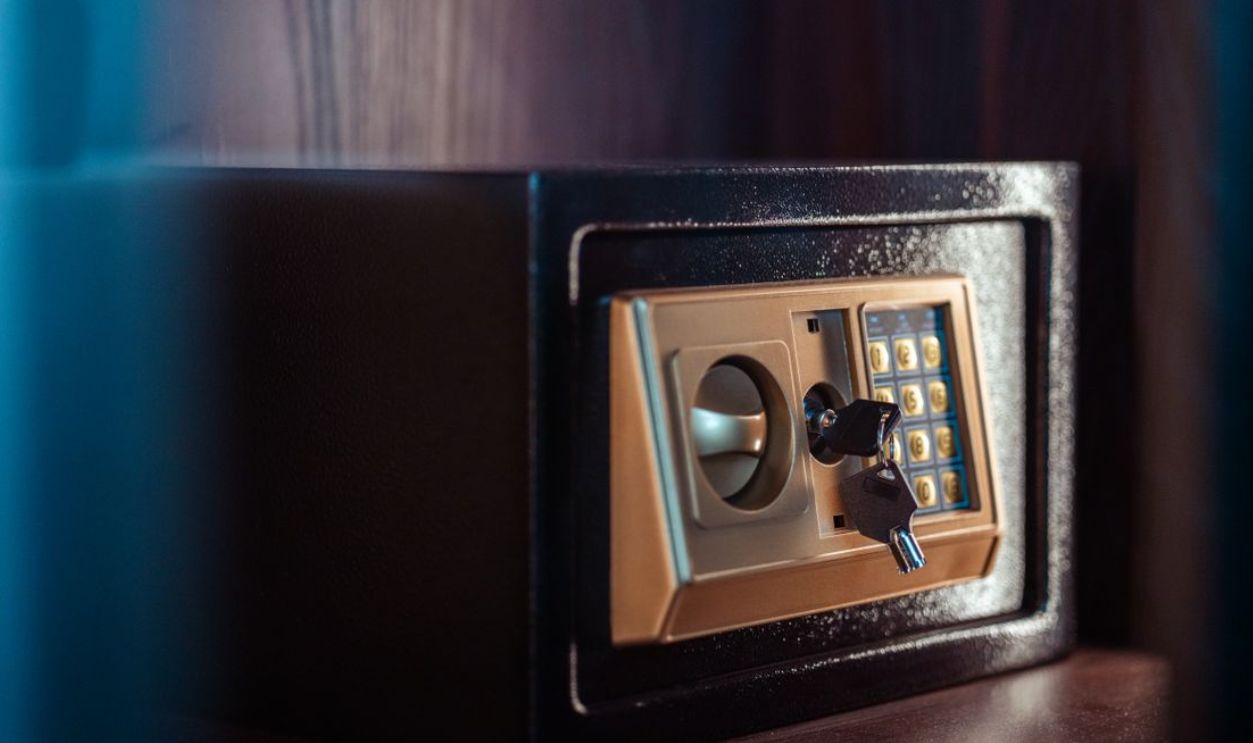
Safe charges are part of a much bigger hotel habit: breaking the price into more and more add-on fees. In the United States, resort fees and destination fees have become a major complaint because they can make the advertised room rate look lower than the actual total. A safe fee may be smaller, but it comes from the same playbook.
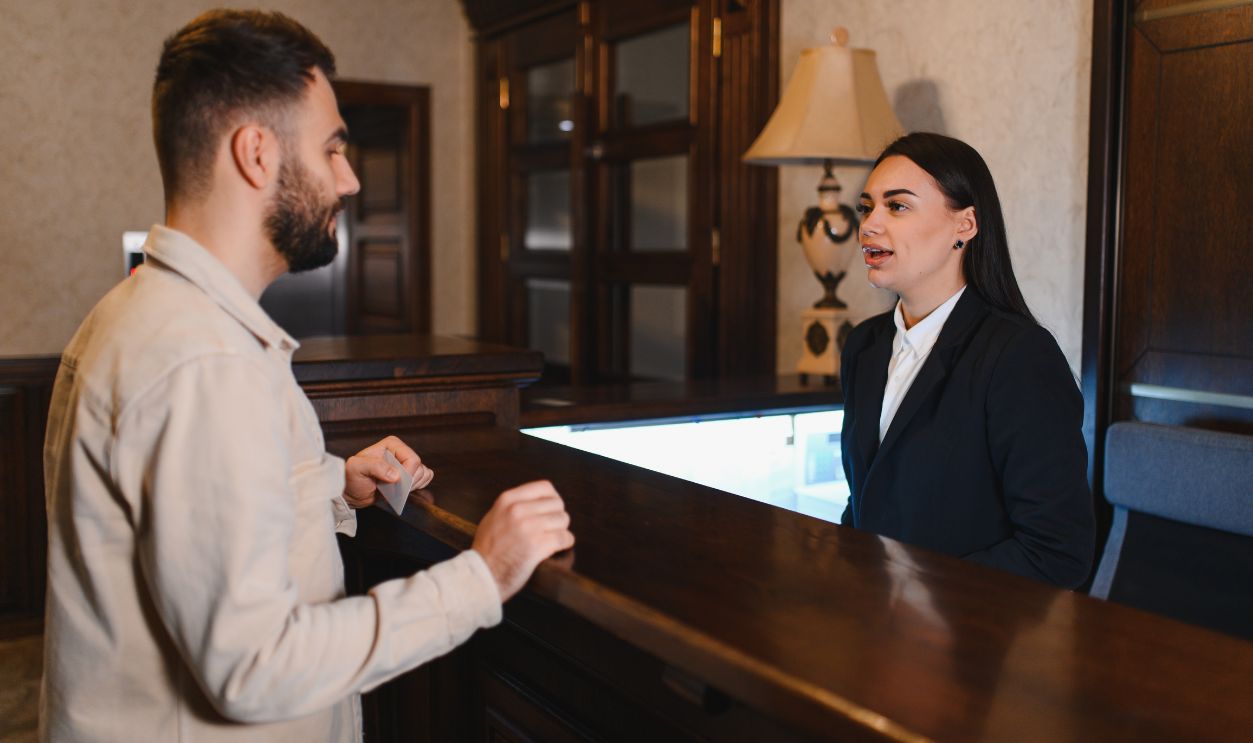 Hryshchyshen Serhii, Shutterstock
The FTC Has Cracked Down On Hidden Hotel Fees
On December 17, 2024, the Federal Trade Commission announced a final Rule on Unfair or Deceptive Fees covering live-event ticketing and short-term lodging. The rule says businesses must clearly show the total price upfront and cannot hide mandatory charges until later in the booking process. It does not ban every extra fee, but it does make surprise mandatory hotel charges harder to bury.
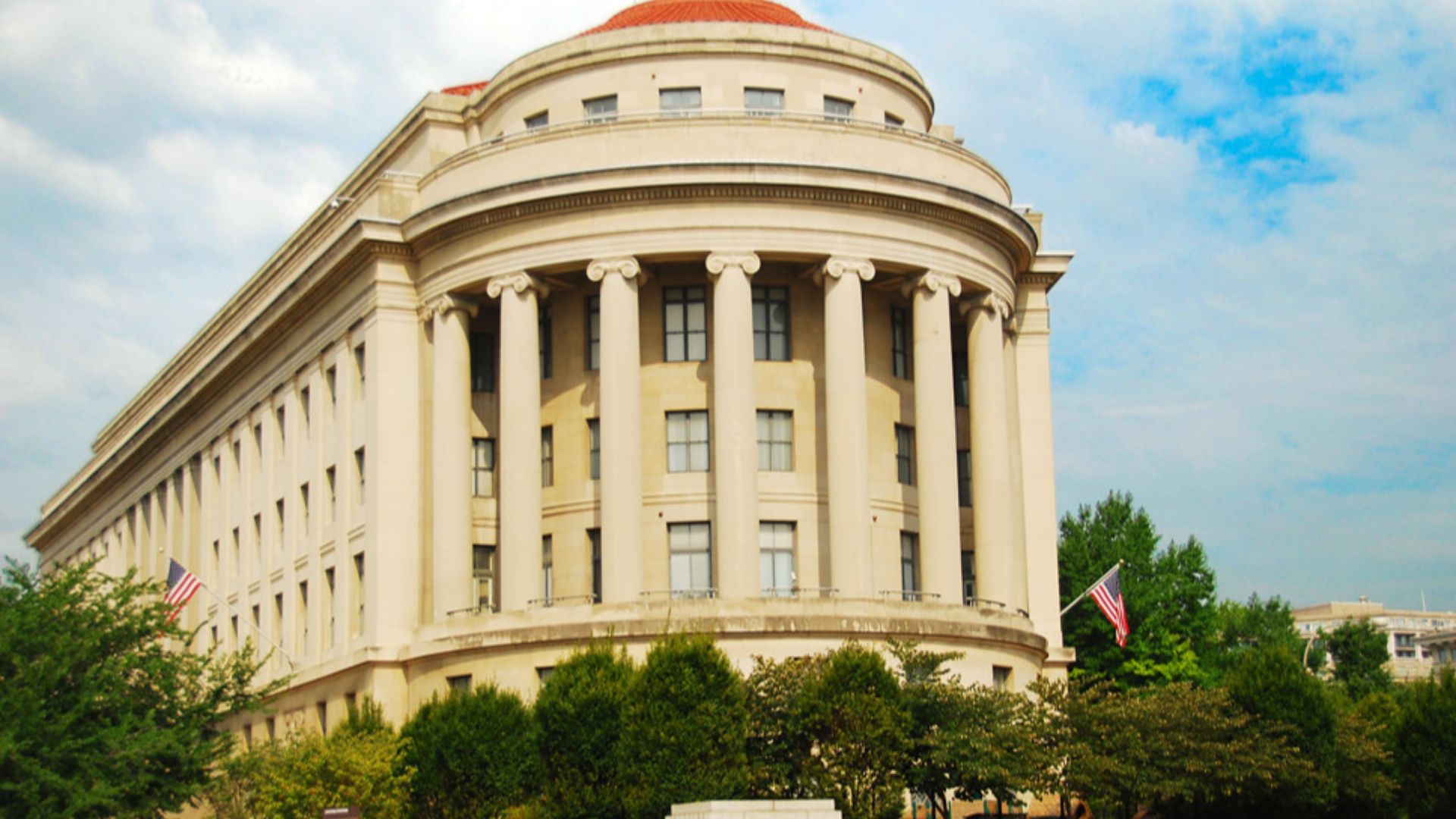
Mandatory And Optional Are Not The Same
That distinction matters. If a safe fee is mandatory, it should be included in the total price shown before you book. If it is optional, a hotel can still offer it as an add-on, but it should be presented clearly enough for guests to make a real choice. Too often, travelers do not realize there is a charge until check-in or checkout.
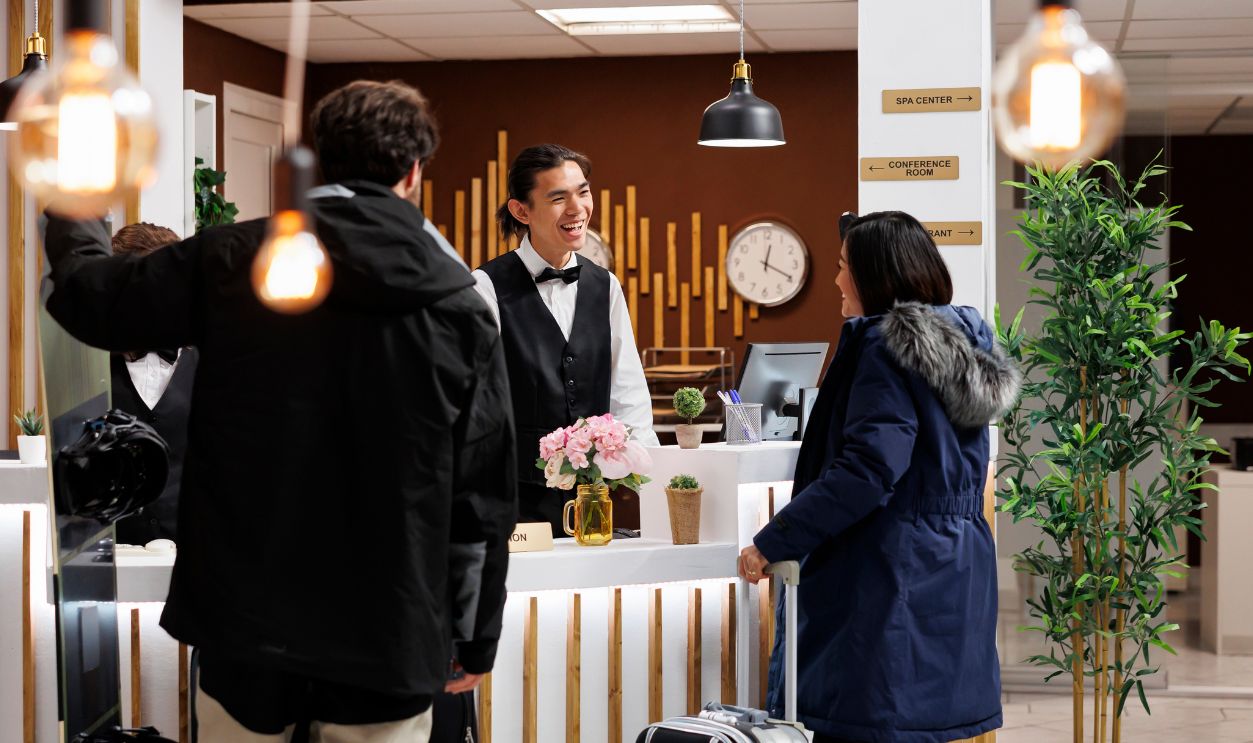
Europe Has Seen These Charges For Years
Safe fees are not a brand-new idea. Travel and consumer sites have reported hotels in Spain and other European destinations charging by the day or by the stay for in-room safes for years. Even so, many guests still react the same way when they see it for the first time: disbelief.
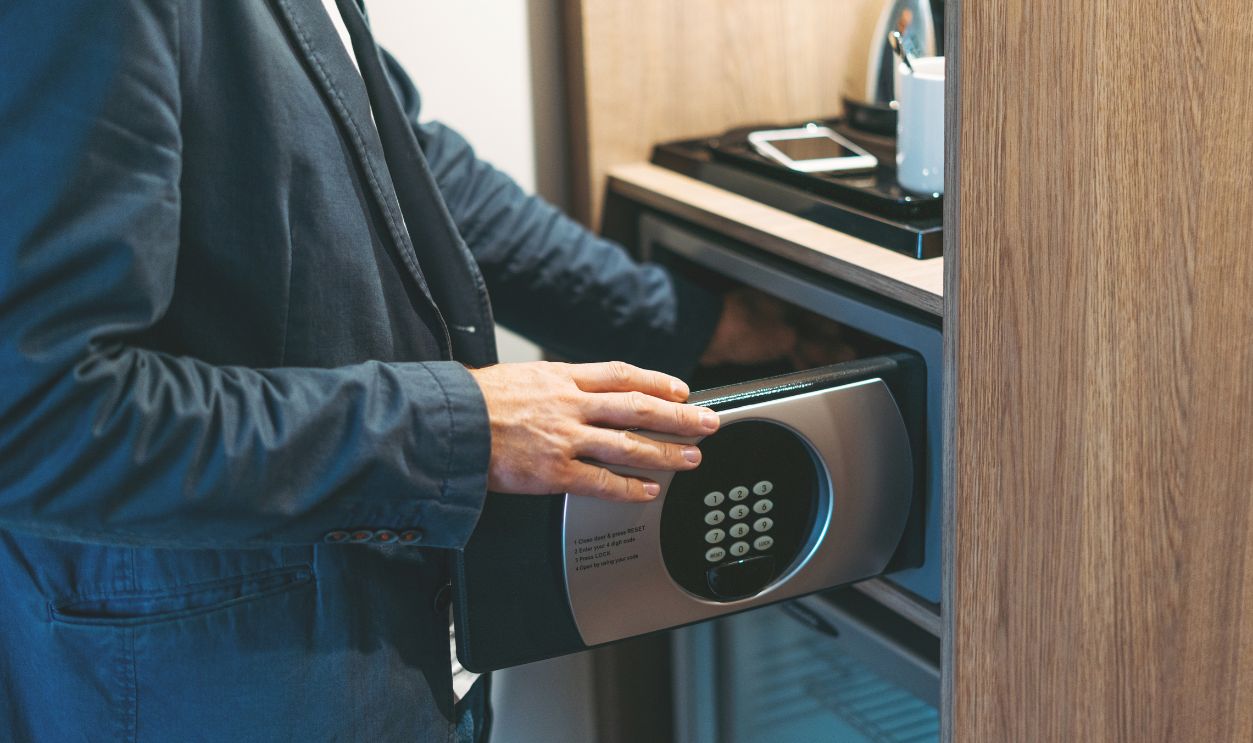 Galina Zhigalova, Shutterstock
Why Hotels Say They Charge For It
Hotels that add these fees usually treat safes like any other optional amenity, similar to parking or premium internet. Some also point to maintenance, replacement, and liability issues. That argument can still feel off, because a safe is tied much more closely to security than convenience.
 LightField Studios, Shutterstock
Is A Room Safe A Basic Feature
For plenty of travelers, yes. Hotels regularly advertise in-room safes as normal room features, especially in busy tourist areas where guests carry passports, electronics, jewelry, and cash. Once something becomes common enough to expect, charging extra for it starts to feel like a downgrade dressed up as a choice.
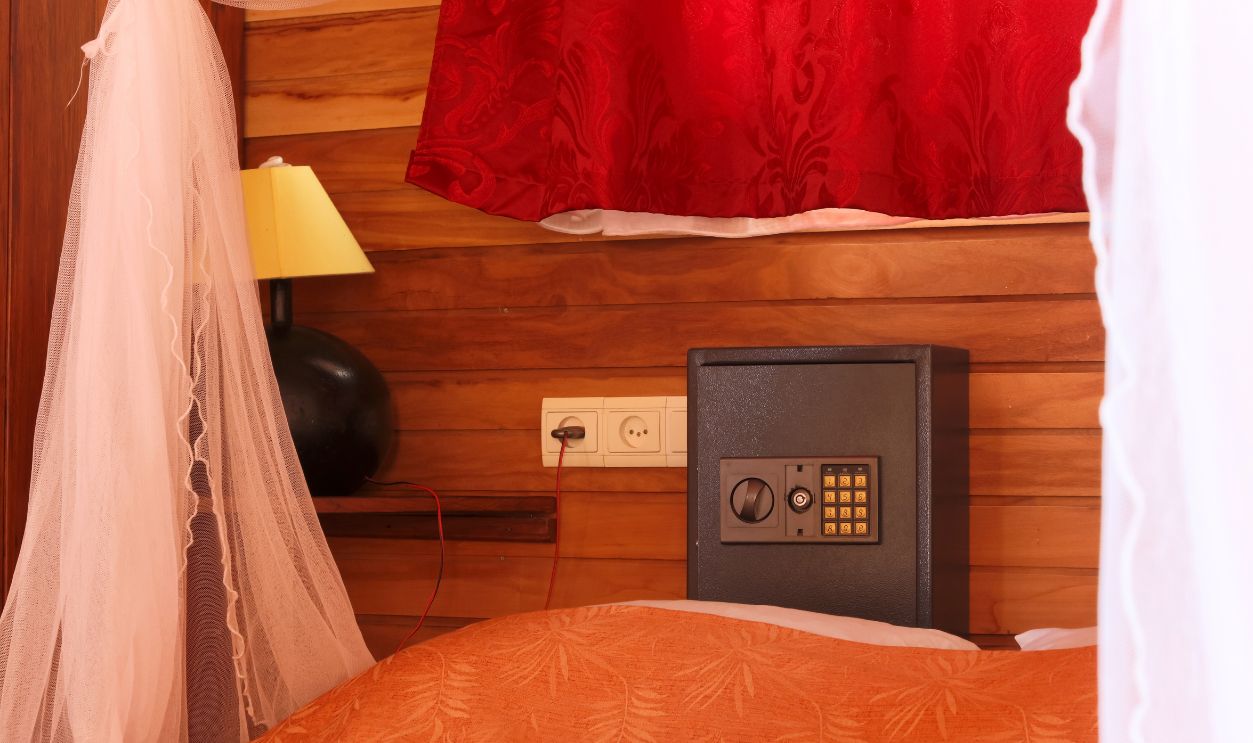 MyImages - Micha, Shutterstock
What Hotels Are Actually Liable For
A hotel is not automatically on the hook for every valuable a guest brings into the room. Liability rules vary by state and by country, and they can depend on whether the hotel offered a secure place for valuables and properly posted its policies. That is one reason safes matter so much, even if the exact legal rules differ from place to place.

Why Fees Matter To The Industry
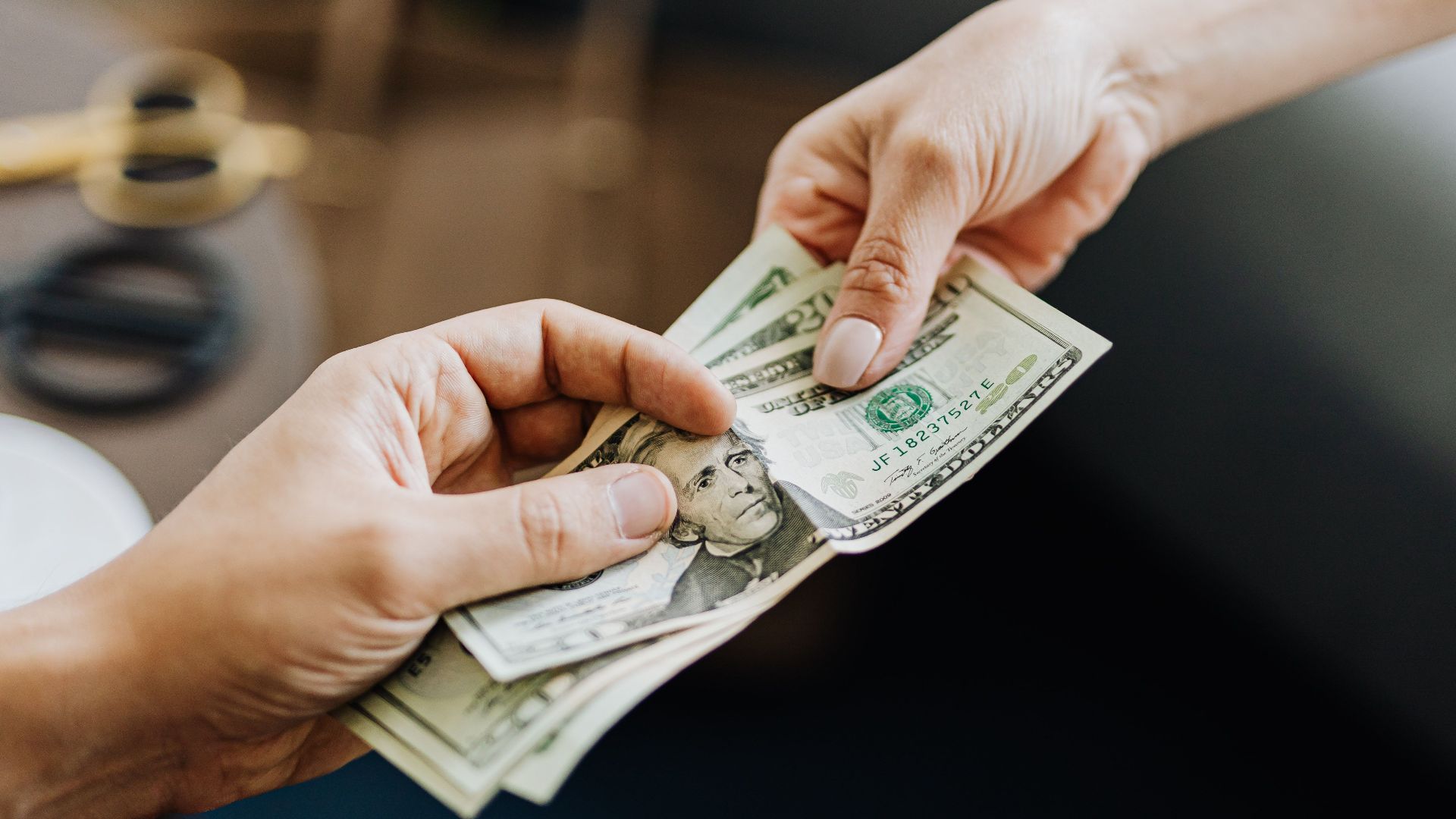
Extra fees have become a real source of revenue in the lodging business. Industry groups like the American Hotel & Lodging Association have long discussed ancillary revenue, while consumer advocates have criticized the growing list of added charges. A safe fee may seem minor on its own, but it fits a larger shift toward itemized hotel pricing.
The Las Vegas Effect
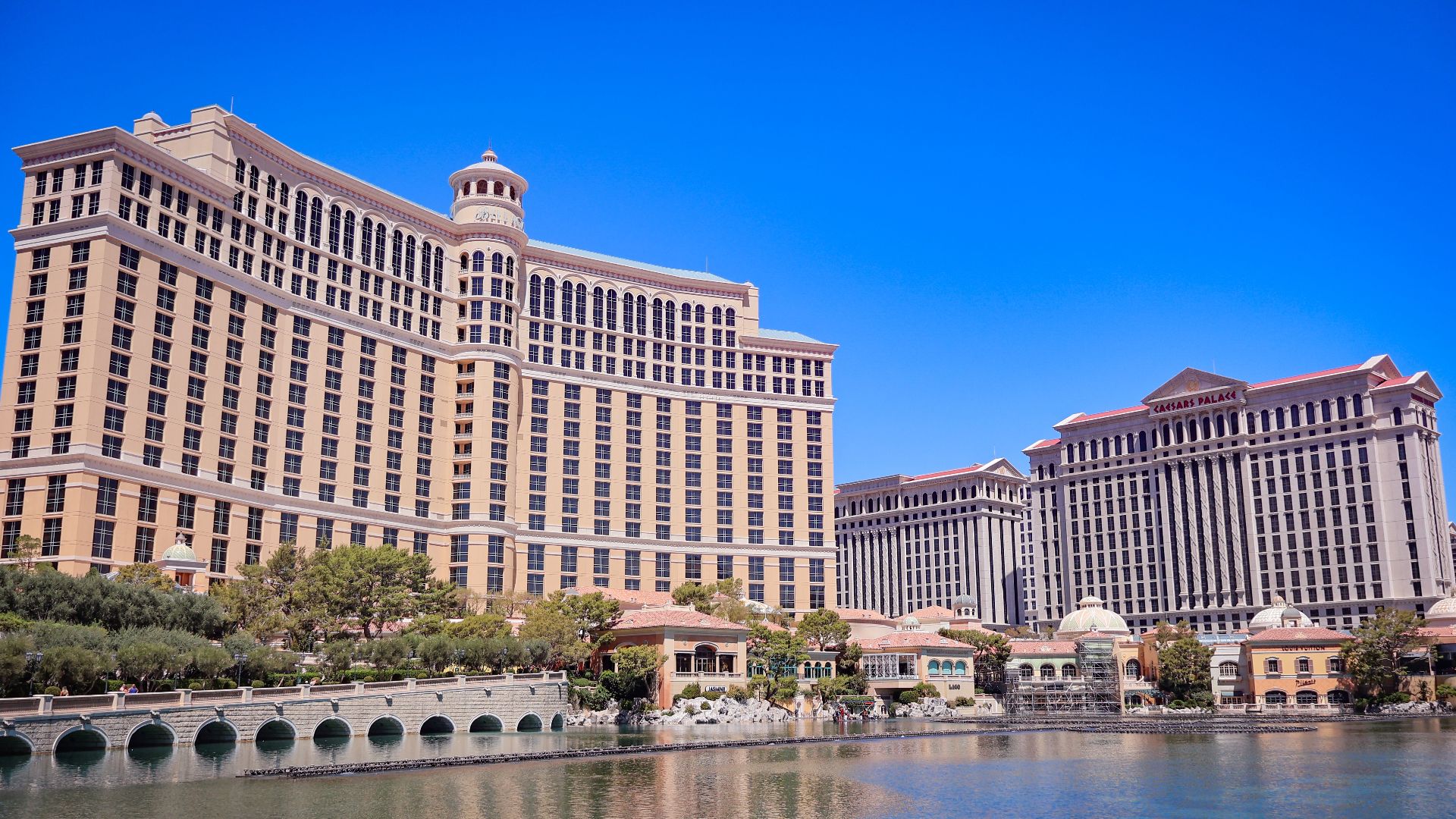
Las Vegas helped train travelers to inspect hotel bills line by line. Resort fees there became so common that they changed how people think about hotel pricing across the country. Once guests got used to seeing daily charges for Wi-Fi, gym access, and other extras, a fee for the room safe no longer seemed impossible.
These Fees Are Not Always Hidden The Same Way
Sometimes a safe fee appears in booking terms after several clicks. Sometimes it is mentioned at check-in, printed on a room notice, or buried in a hotel directory few people read. And sometimes it only shows up on the final bill. That is exactly why regulators and consumer groups keep pushing for clearer upfront pricing.

Consumer Watchdogs Have Been On This For A While
Groups like Travelers United have argued for years that drip pricing makes it harder for people to compare hotels fairly. Their basic point is simple: if a charge is unavoidable or closely tied to the stay, it should be part of the advertised price. Safe fees tap right into that frustration.

Why The Issue Is Bigger Than A Few Dollars
For some guests, the fee might be only a few dollars or euros a day. The bigger issue is trust. Travelers want to know the real cost before they book, and they do not like feeling nickel-and-dimed for something connected to protecting their valuables.
What Feels Like A Fair Extra Charge
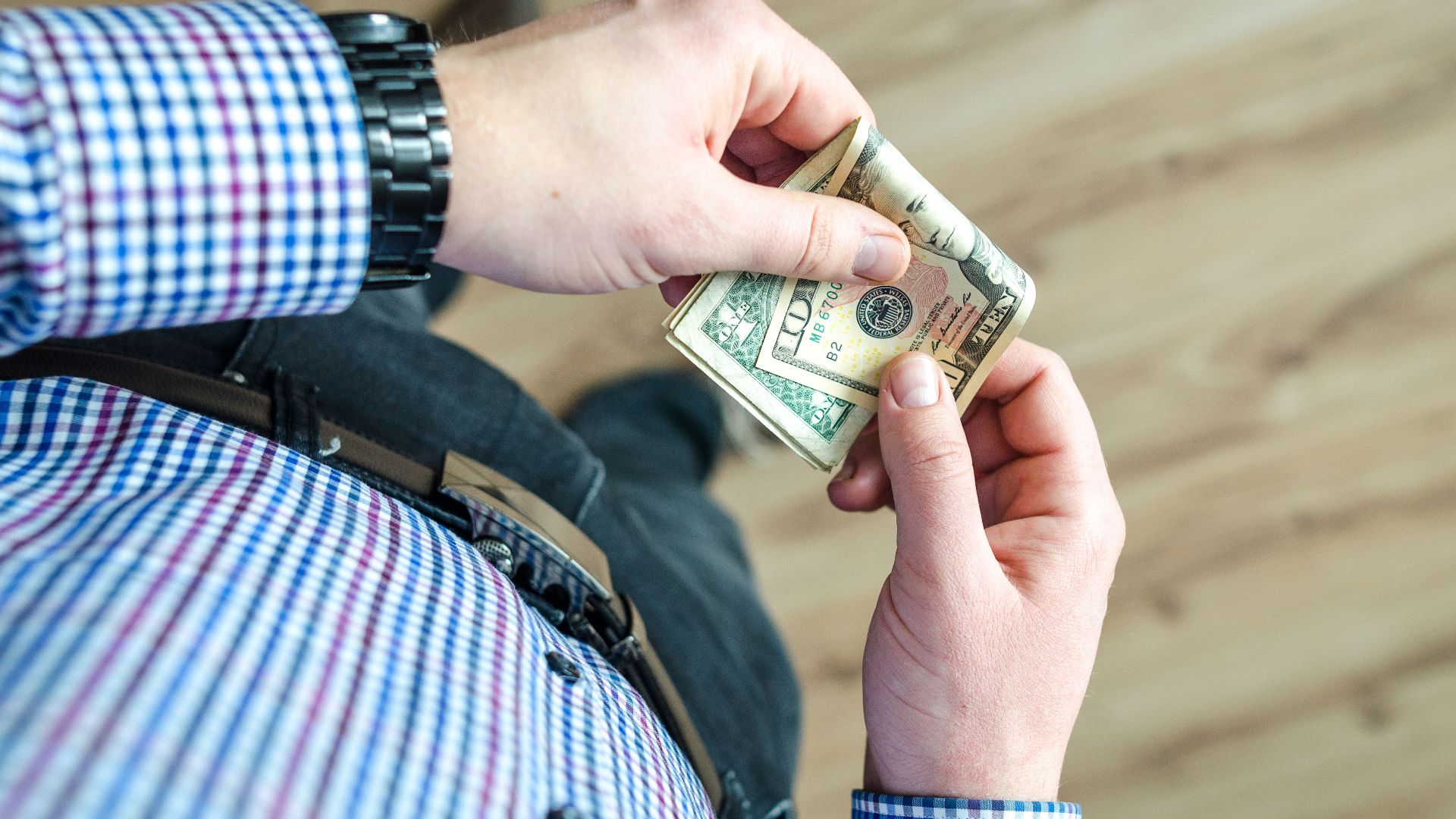
Most travelers understand paying more for clear upgrades. Valet parking, room service, and late checkout are easy to recognize as optional extras. A safe fee lands differently because it does not feel like a treat or a bonus. It feels like part of the room.
How To Catch A Safe Fee Before You Book
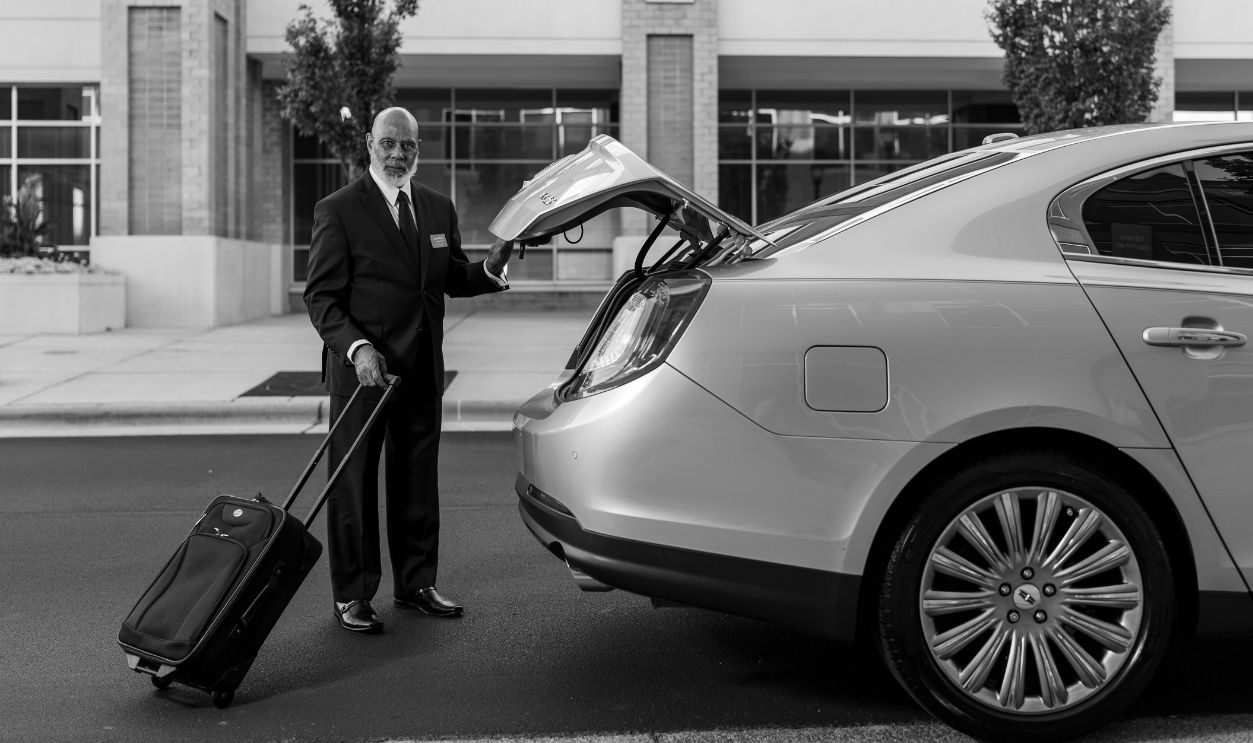
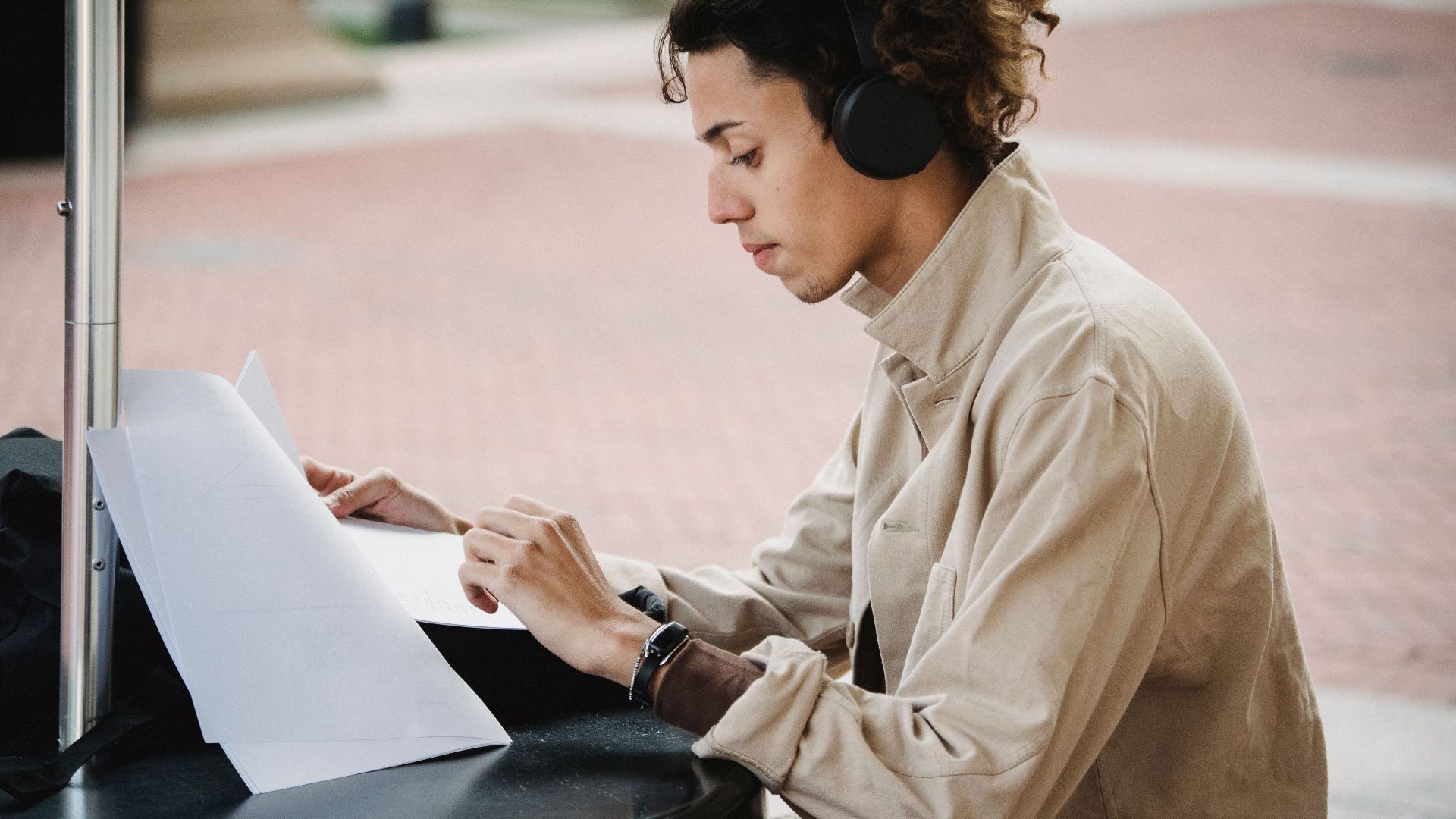
Read the rate details, property fee section, and fine print before you confirm a reservation. On some booking sites, the charge may appear under optional amenities or local fees instead of the main nightly rate. If the wording is vague, contact the hotel and ask whether the in-room safe is free, optional, or charged by the day.
The Best Question To Ask At Check-In
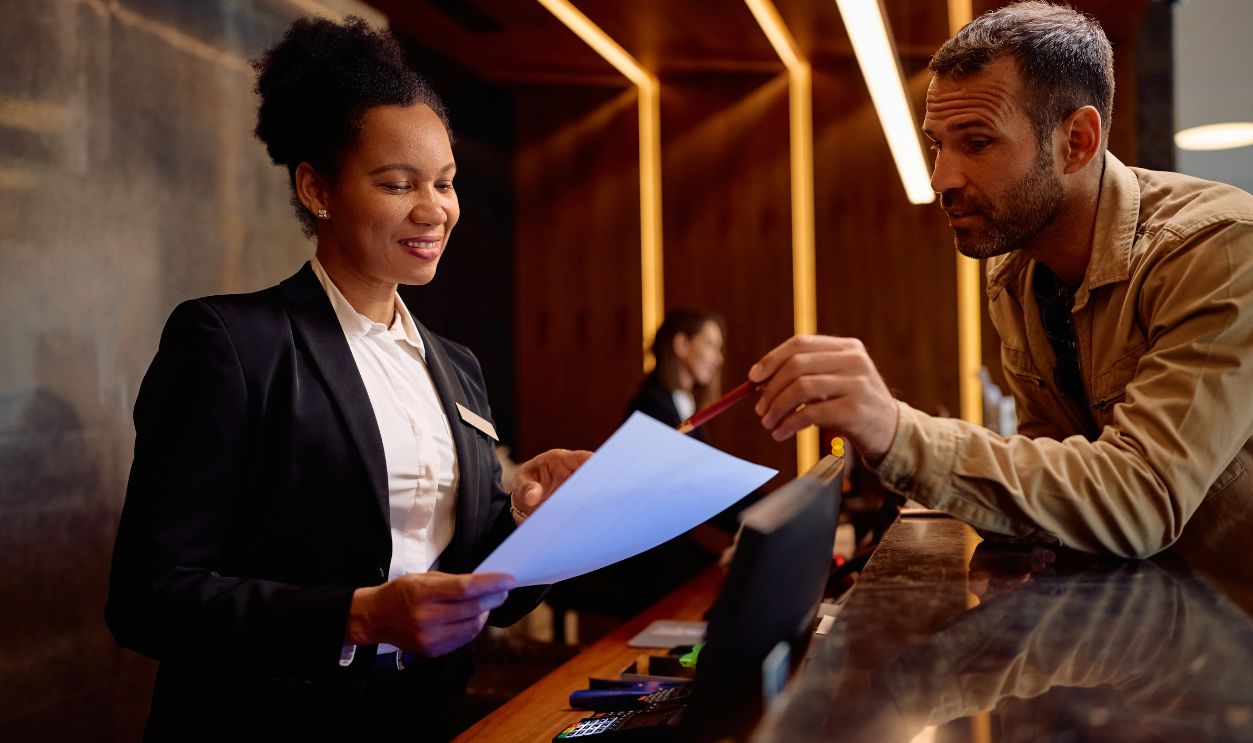
If you still are not sure, ask the front desk right away whether using the safe triggers a charge and whether it is billed per day or per stay. Asking early gives you time to decide and helps you avoid an ugly surprise at checkout.
If You Were Not Told, Push Back Calmly
If a safe fee appears without clear notice, challenge it politely and directly. Pull up your booking confirmation and ask where the charge was disclosed. Guests often get better results by focusing on the lack of notice than by arguing only that the fee feels unfair.
Save Proof In Case You Need It
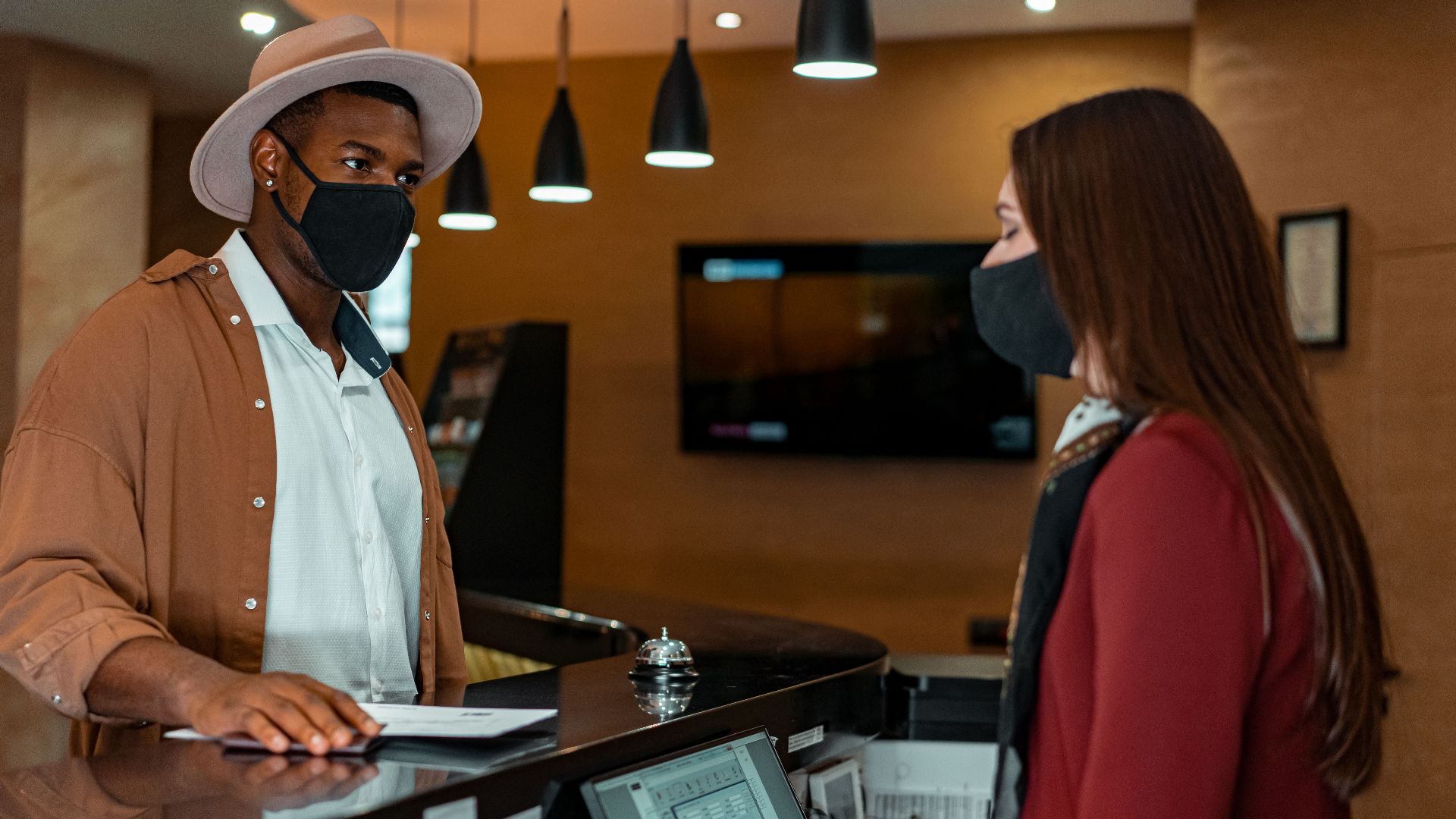
Take screenshots of the booking page, keep your confirmation email, and photograph any in-room notices if necessary. Disputes over hotel charges often come down to what the guest was shown before booking. Good records can make a quick fix much more likely.

Your Credit Card May Offer Backup
If the hotel refuses to remove a charge that was not clearly disclosed, you may be able to dispute it with your card issuer. There is no guarantee, but documentation helps. This can matter most when the charge was mandatory and missing from the quoted total price.

Should You Pay For The Safe Anyway
That depends on what you are carrying and what other options you have. A few extra dollars a day may still be worth it if the safe is the most practical place for passports, emergency cash, or small electronics. If the fee bothers you, ask whether the hotel has a secure front-desk deposit box at no extra cost.
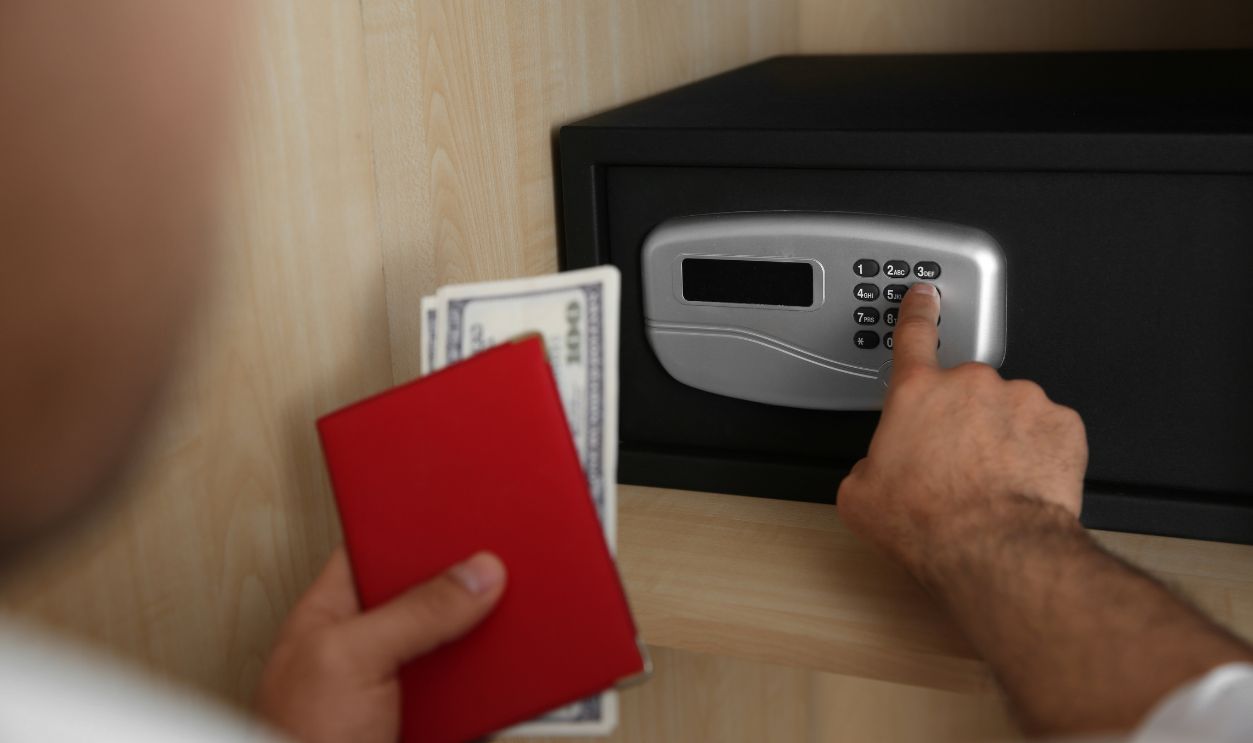
Even Free Safes Have Limits
A room safe, charged or not, is not perfect protection. Hotels and security experts often advise travelers not to leave very high-value items in the room unless they have to, and to keep a record of what they brought. The goal is not perfect safety. It is lowering risk with common sense.
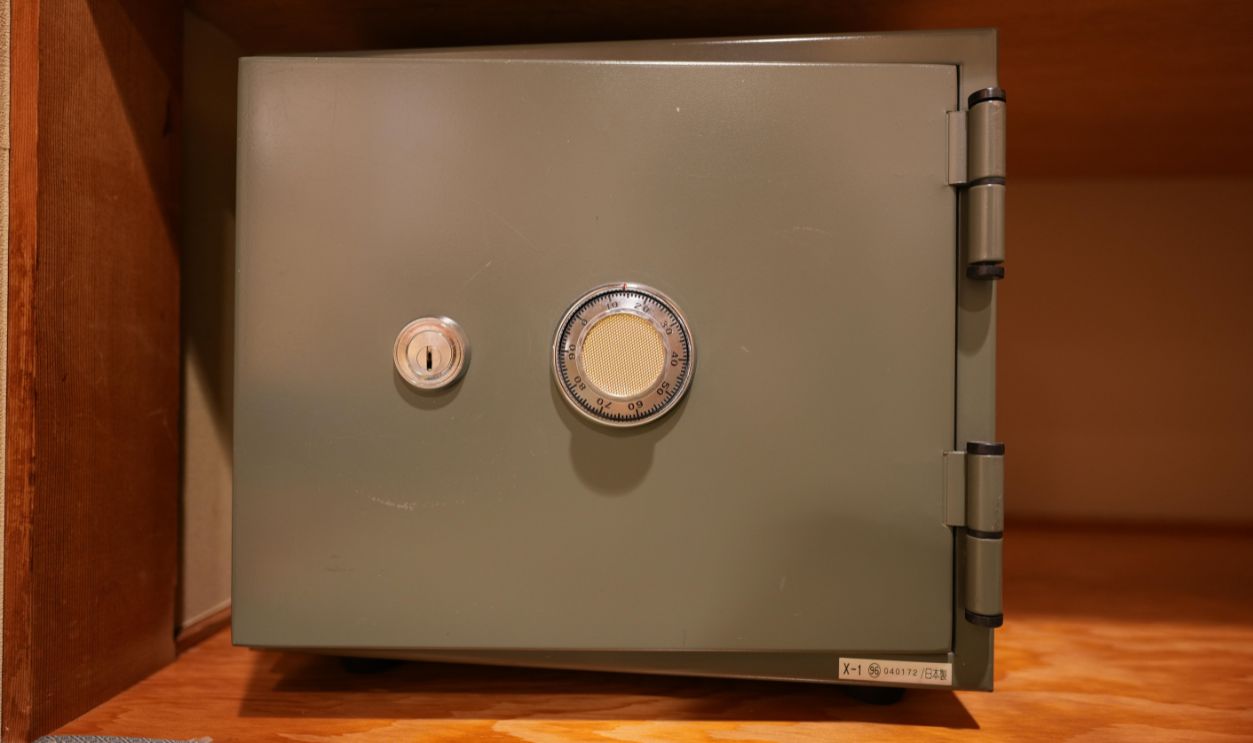
Is This Becoming Normal
It is not standard everywhere, but the thinking behind it is becoming more familiar. As hotels look for more ancillary revenue, almost any room feature can be split off, labeled optional, and turned into a fee. Safe charges are best understood as part of the same pricing culture that created resort fees, not as a universal hotel rule.
The Real Test Is Transparency
The biggest question is not just whether a hotel can charge for a safe. It is whether the hotel told you clearly and early enough for you to compare the real price with other options. In the post-FTC-rule landscape, that kind of transparency matters more than ever.
How Travelers Can Respond
If a fee feels unreasonable, factor it into your review and your next booking choice. Hotels notice patterns, especially when guests call out surprise charges in public reviews. A property can still charge for a safe, but guests are more likely to accept it when the total price and the disclosure are honest.

The Bottom Line
Charging extra for a room safe is real, and many travelers see it as charging for peace of mind. It is not universal, but it fits a broader move toward fee-heavy hotel pricing that regulators are now watching more closely. The best defense is still simple: read the fine print, ask direct questions, and give every hotel bill one last careful look.