That Awkward Boarding Pass Moment
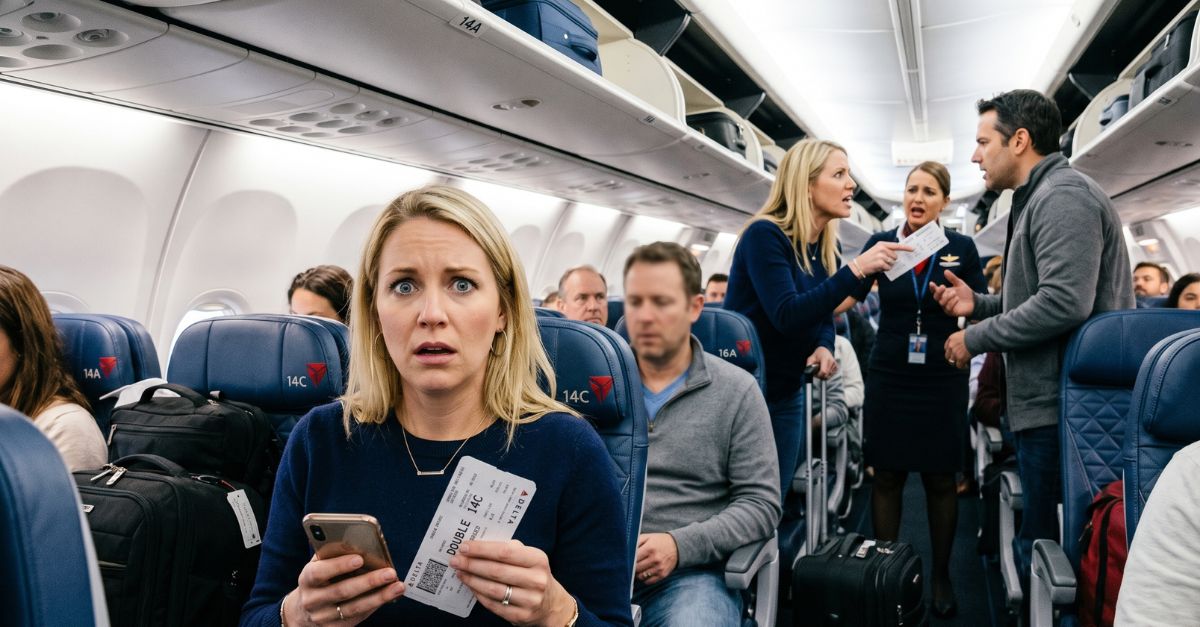
The airport's exhausting as it is, so the last think you want to see when you board is somebody already in your seat. Then to make matters worse, the crew member tells you to sort it out with the other passenger—and neither of you want to switch seats. It's annoying and ridiculous, but it does happen, and the reason usually has more to do with airline systems and seat assignments than with an airline literally selling the exact same seat twice.
Yes, It Really Happens
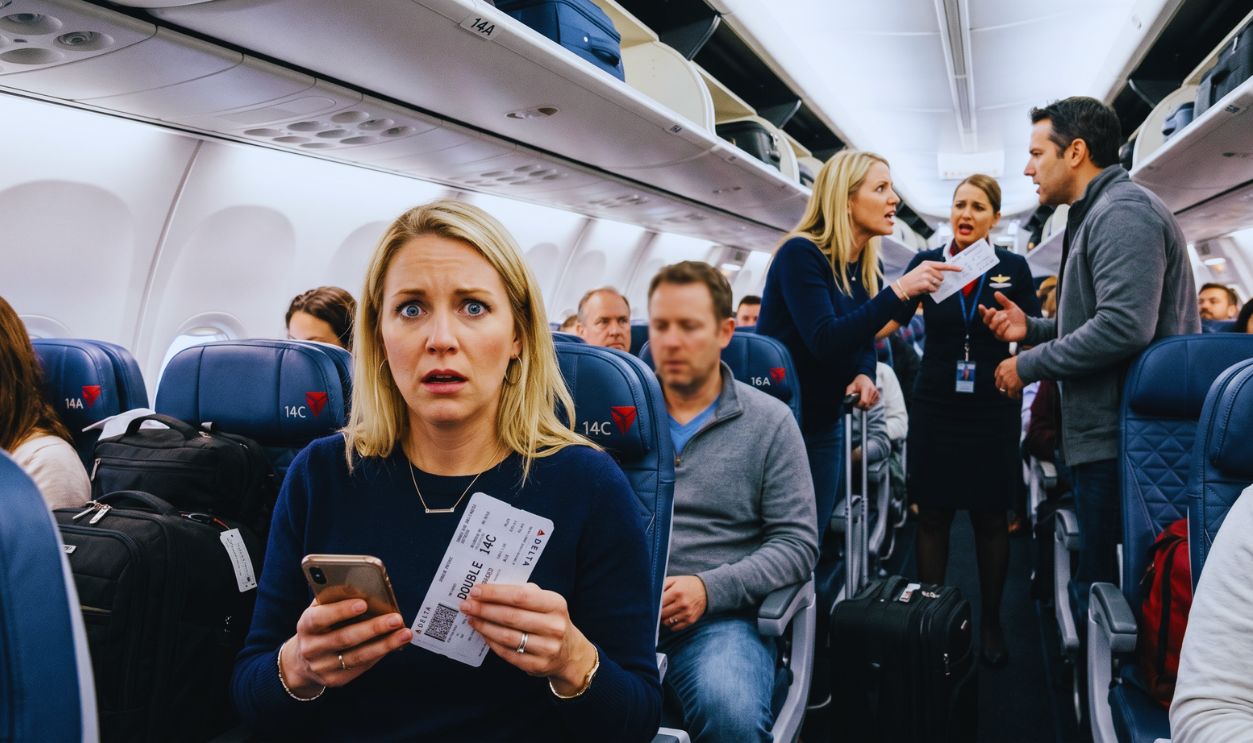
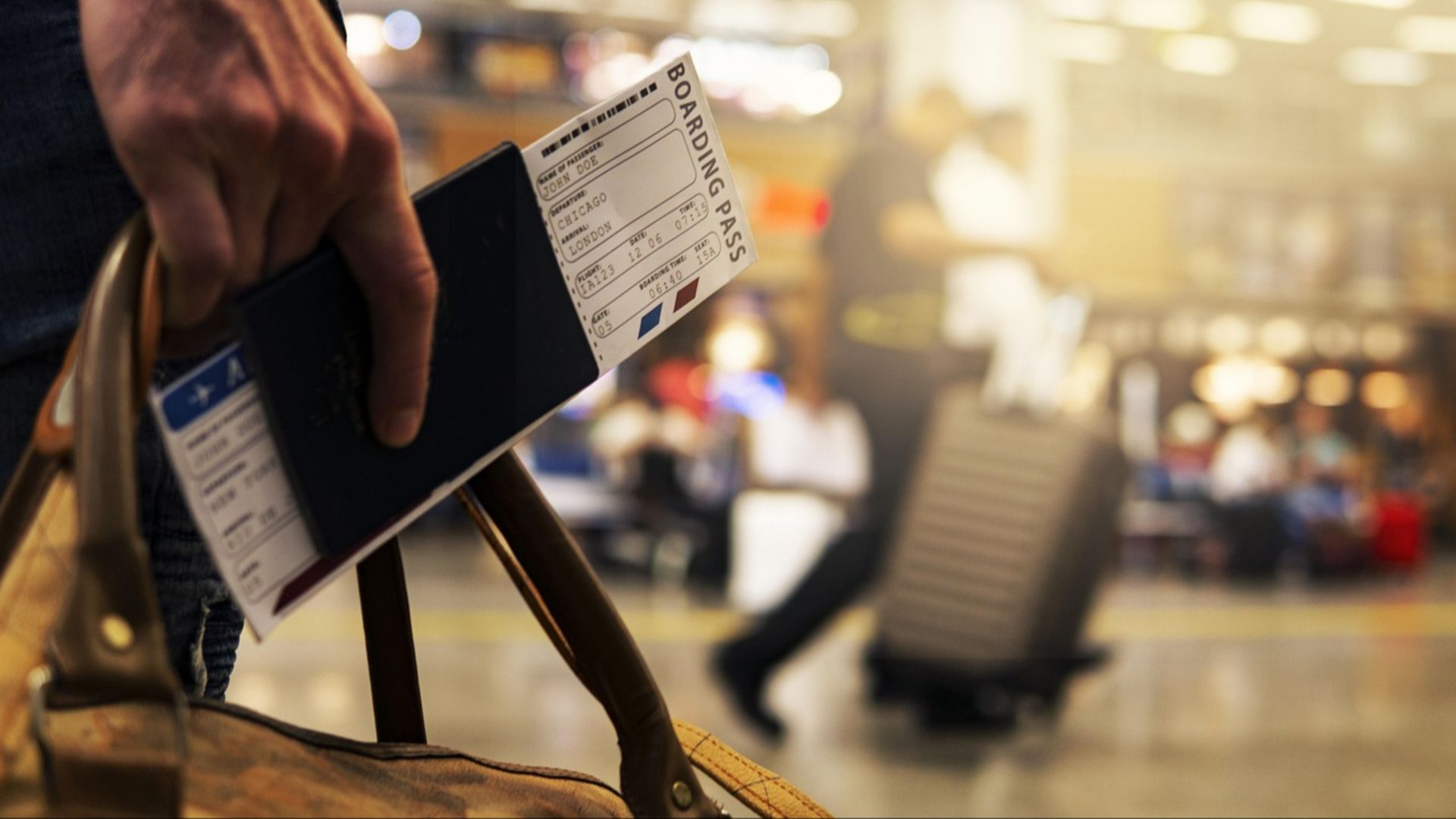
Two people can end up with boarding passes for the same seat, or one person can have a boarding pass while someone else has that seat assigned in the airline’s system. That does not always mean the airline knowingly sold one seat to two people. More often, it is tied to plane swaps, last-minute rebooking, airport reprints, or systems that do not update at the same time.
Why Travelers Keep Running Into This
Airlines regularly oversell flights, and in the United States that is legal. The U.S. Department of Transportation says airlines do it because some passengers usually do not show up, so carriers sell extra tickets to avoid flying with empty seats. When everyone does show up, the fallout can include denied boarding, gate-area chaos, and sometimes seat assignment problems.
 Global Residence Index, Unsplash
Oversold Flight Is Not The Same As A Double-Booked Seat
People often lump these together, but they are not the same thing. Overselling means the airline sold more tickets than there are seats on the plane. A double-booked seat means two passengers appear to have the same exact seat assignment, and that can happen even if the flight itself is not oversold.
What The Government Says About Oversales
The DOT is clear that oversales are not illegal, and it has rules for what airlines owe passengers who are involuntarily bumped. Airlines are supposed to ask for volunteers first before denying boarding against someone’s will. If you are bumped involuntarily, compensation depends on how late you arrive and whether the airline arranged another flight for you.
What Airlines Actually Promise About Your Seat
Most major U.S. airlines do not promise that a specific seat will stay yours no matter what. American Airlines says seat assignments are not guaranteed and can change without notice for operational, safety, or security reasons, even after boarding. United and Delta publish similar language, which helps explain how a seat can look settled right up until the gate or even after you are on the plane.
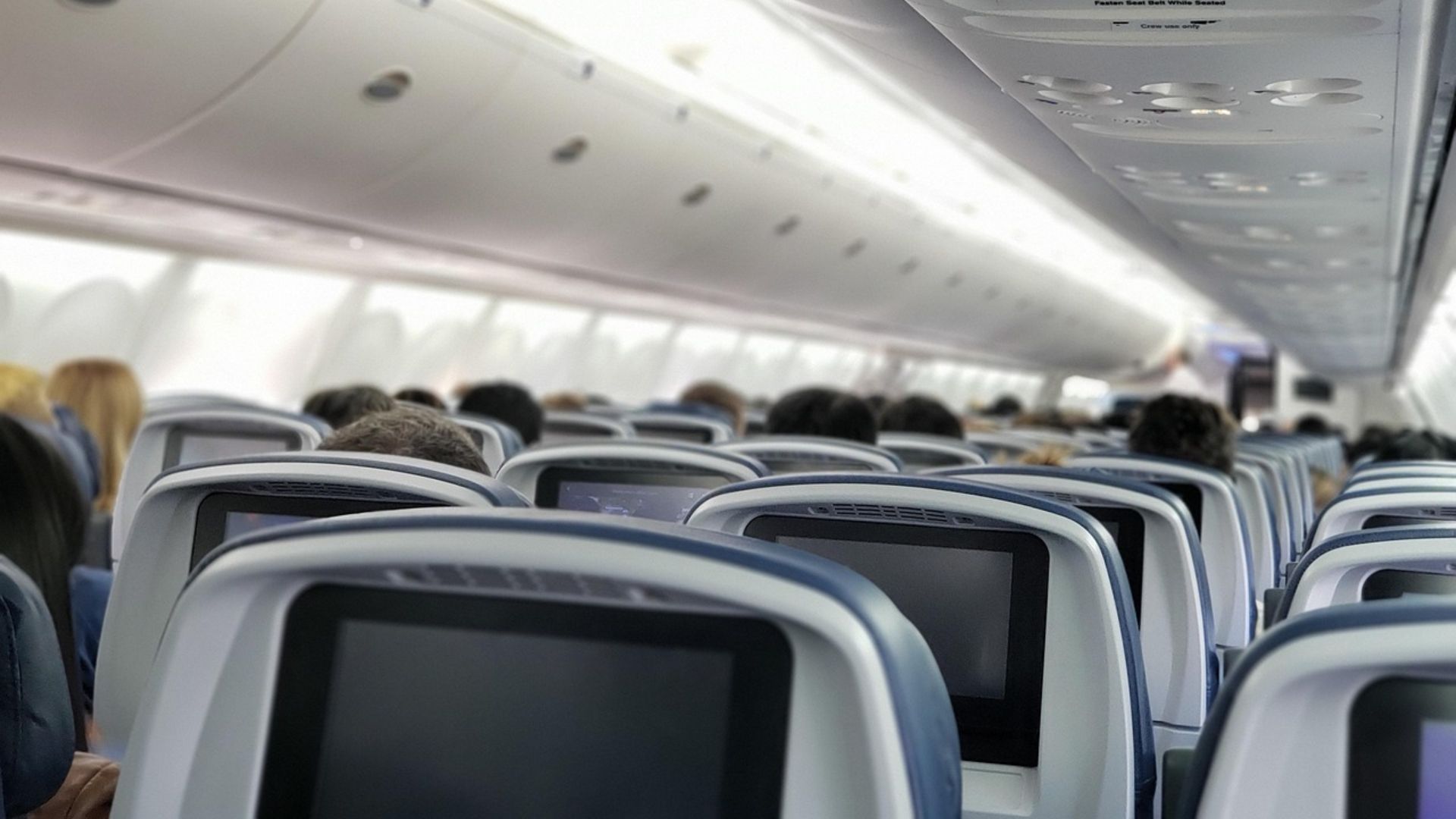
American Says Seat Assignments Can Change
American Airlines says in its Conditions of Carriage that it does not guarantee any particular seat and may assign or reassign seats at any time, including after boarding the aircraft. That gives the airline a lot of room to make changes when operations go sideways.
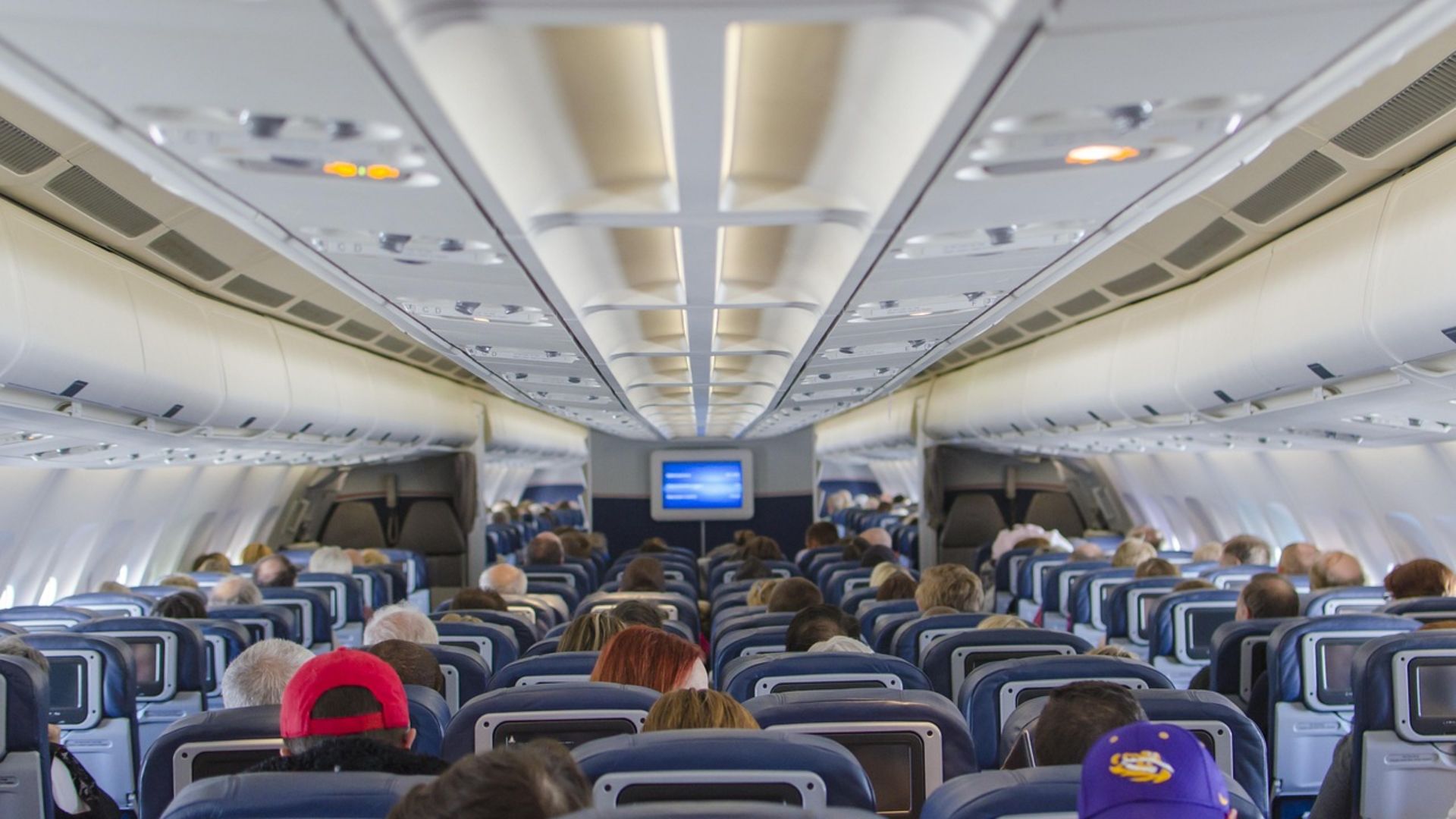
United Uses Similar Fine Print
United Airlines says much the same thing in its Contract of Carriage. The airline says it does not guarantee any specific seat and may need to change assignments for operational, safety, or security reasons. So if two people both think they have a right to 21C, the airline’s paperwork usually gives it the power to move either one.
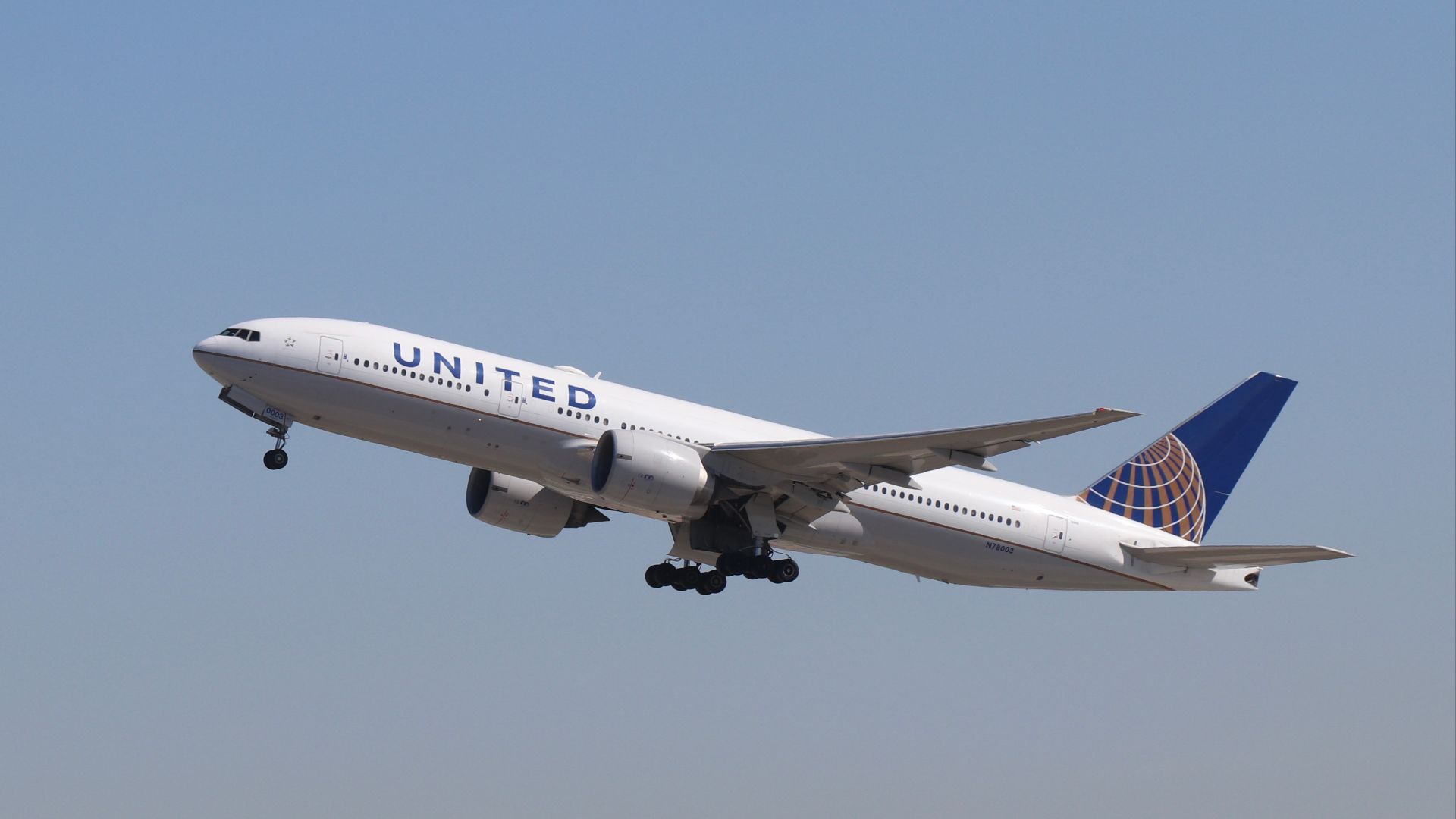 Timothy Powaleny, Wikimedia Commons
Delta Leaves Itself Room Too
Delta’s Contract of Carriage also says ticketed reservations and seat assignments can change without notice. Delta says it may swap aircraft, cancel or end reserved space, or change seating if needed. That does not make the situation any less frustrating, but it does show that this flexibility is built into airline policy.
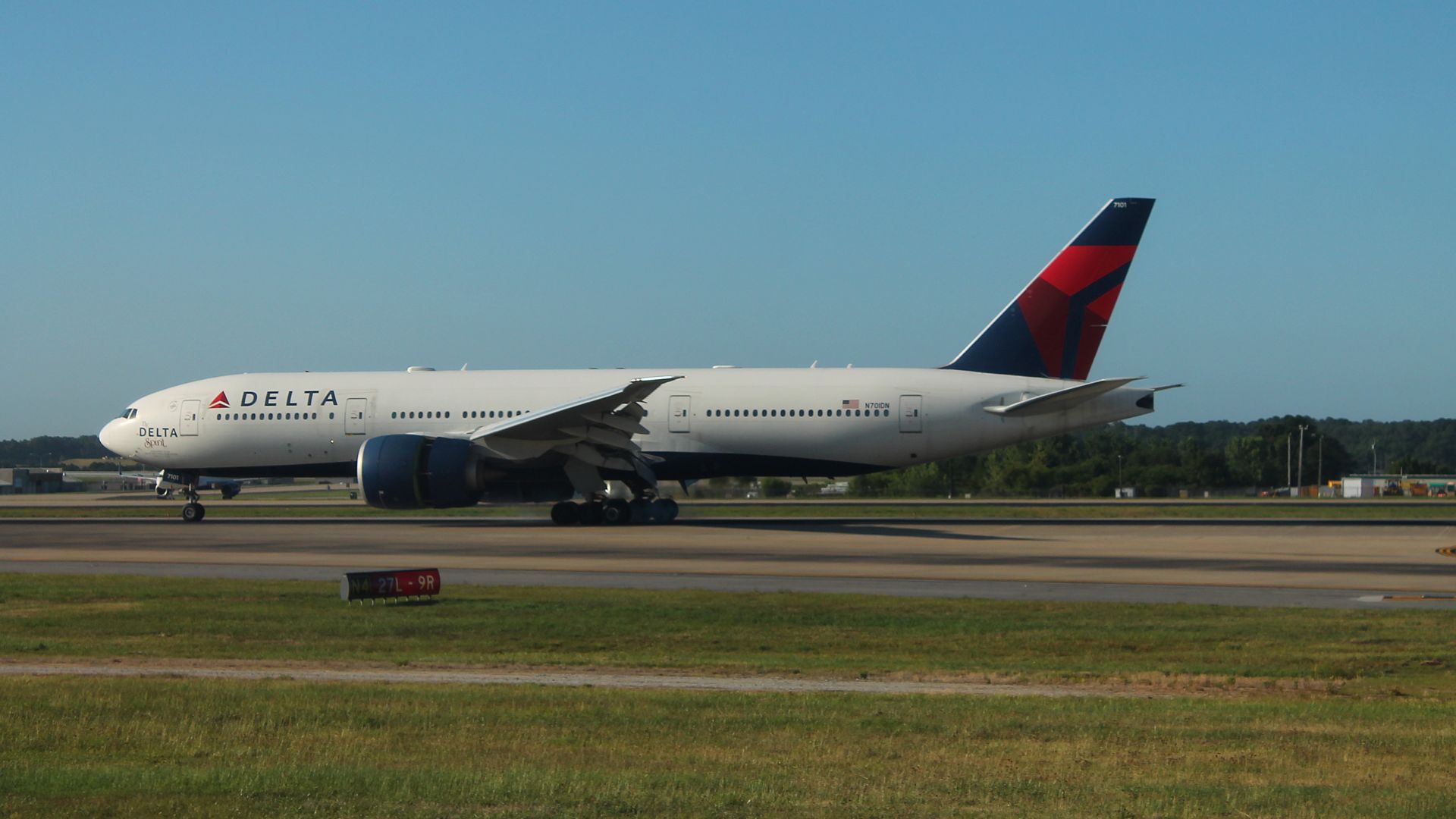 formulanone from Huntsville, United States, Wikimedia Commons
How Two People End Up With One Seat
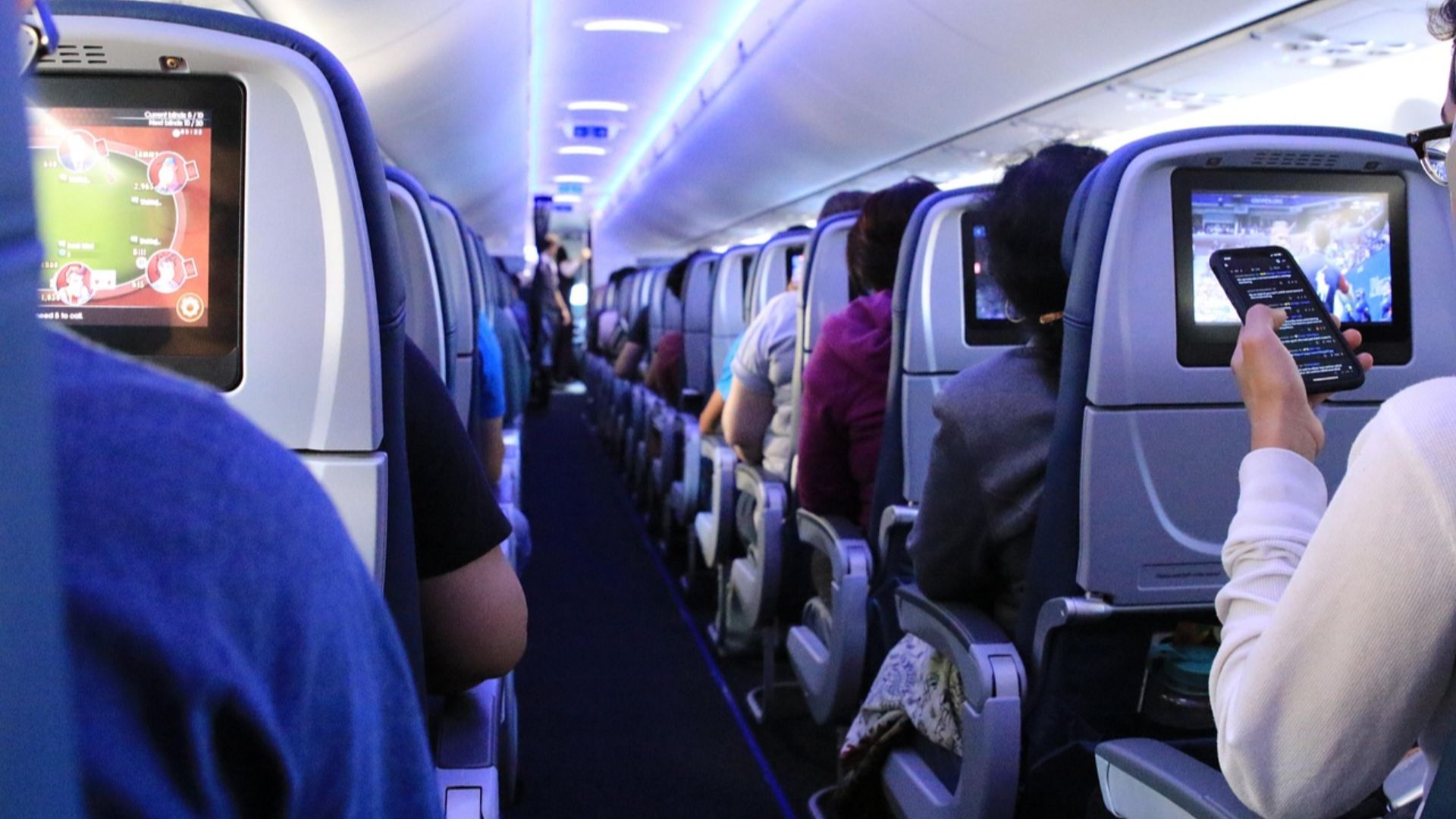
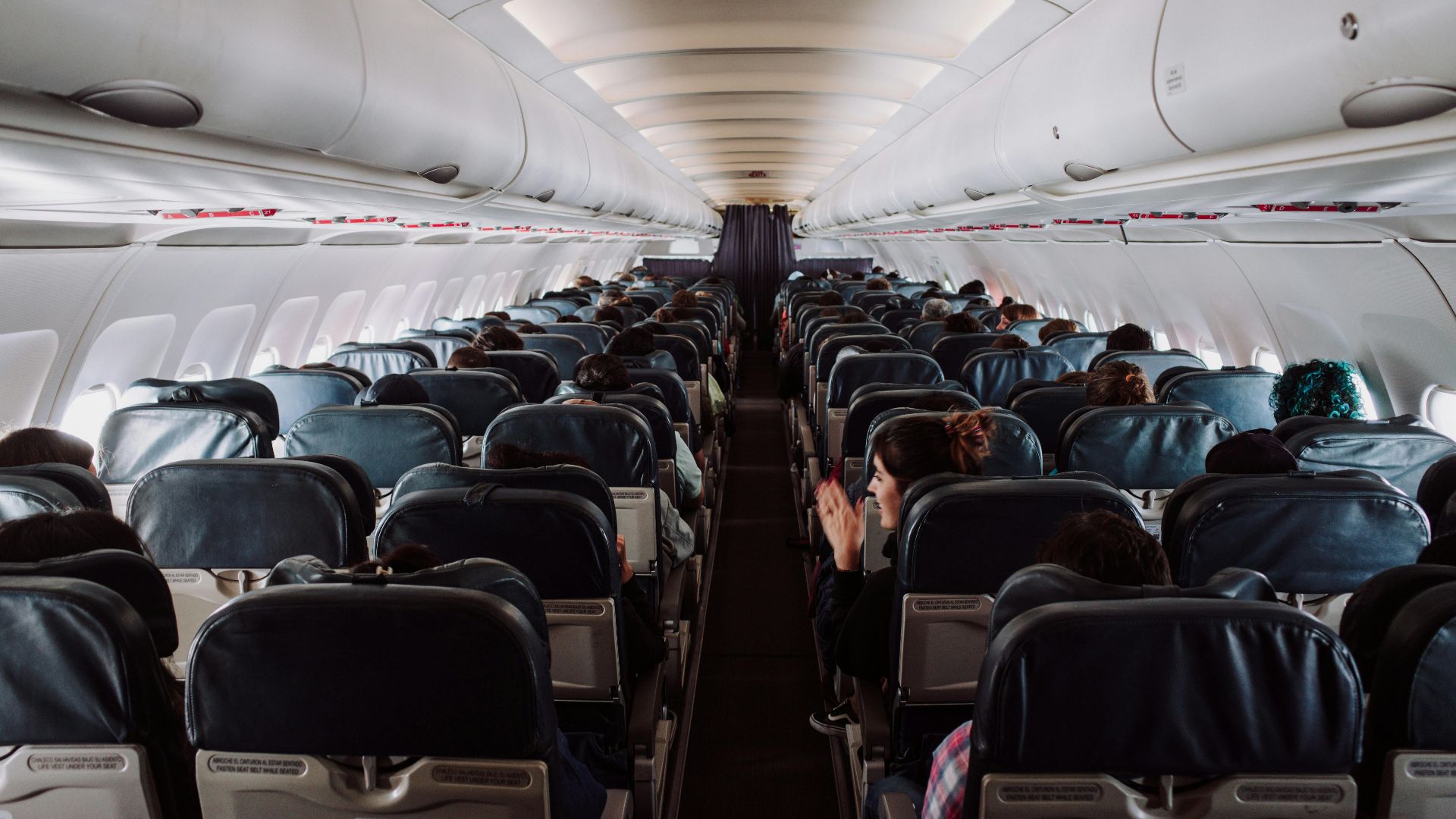
One common cause is an aircraft swap. If the airline changes from one plane type to another, the seat map can shift fast, and a seat assignment may no longer exist in the same way. In that scramble, gate agents, airport kiosks, and mobile apps can briefly show conflicting information.
Irregular Operations Cause A Lot Of These Problems
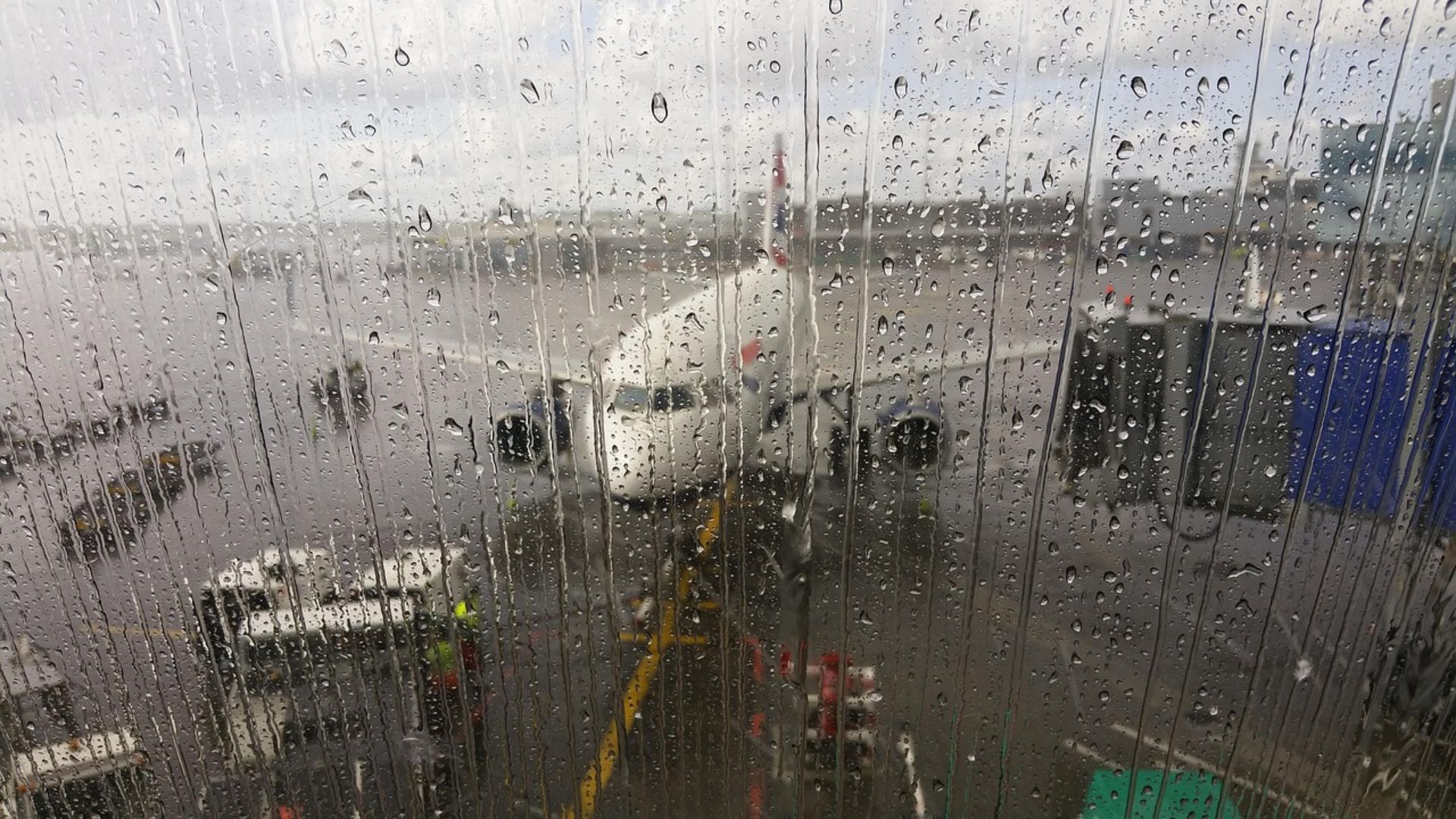
Weather delays, missed connections, and last-minute rebookings are perfect conditions for seat conflicts. One passenger may get moved to save a connection while another is still holding a printed boarding pass for that same seat. Often the people in the row find the problem before the airline’s systems fully catch up.
Printed Boarding Passes Can Make It Worse
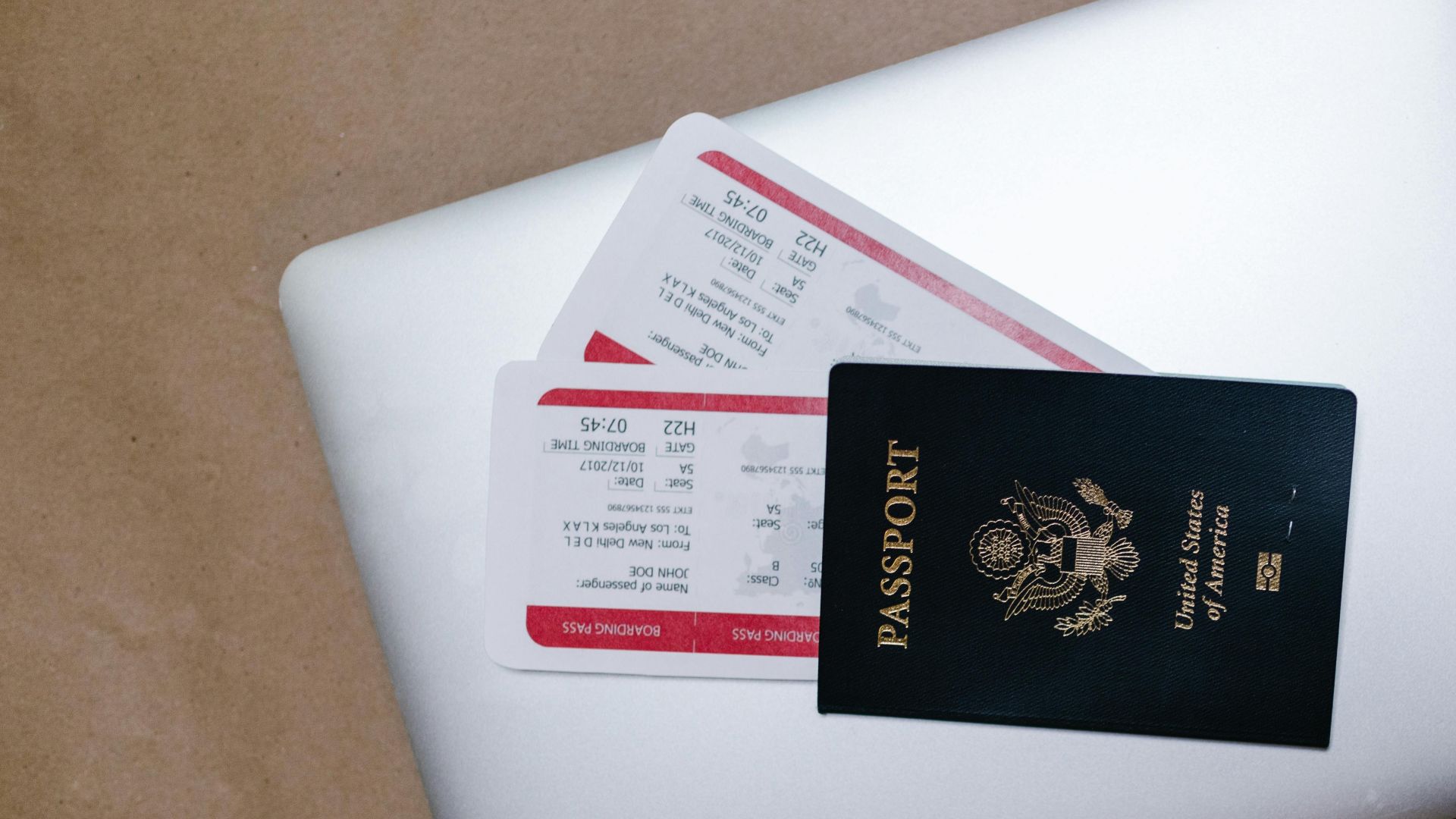
A paper boarding pass is only a snapshot of your reservation at the moment it was printed. If the airline changes your seat later, the paper pass may instantly be out of date while the app shows something else. That mismatch can make it look like the airline duplicated a seat when the current system record says otherwise.
Gate Agents Usually Have The Real Answer
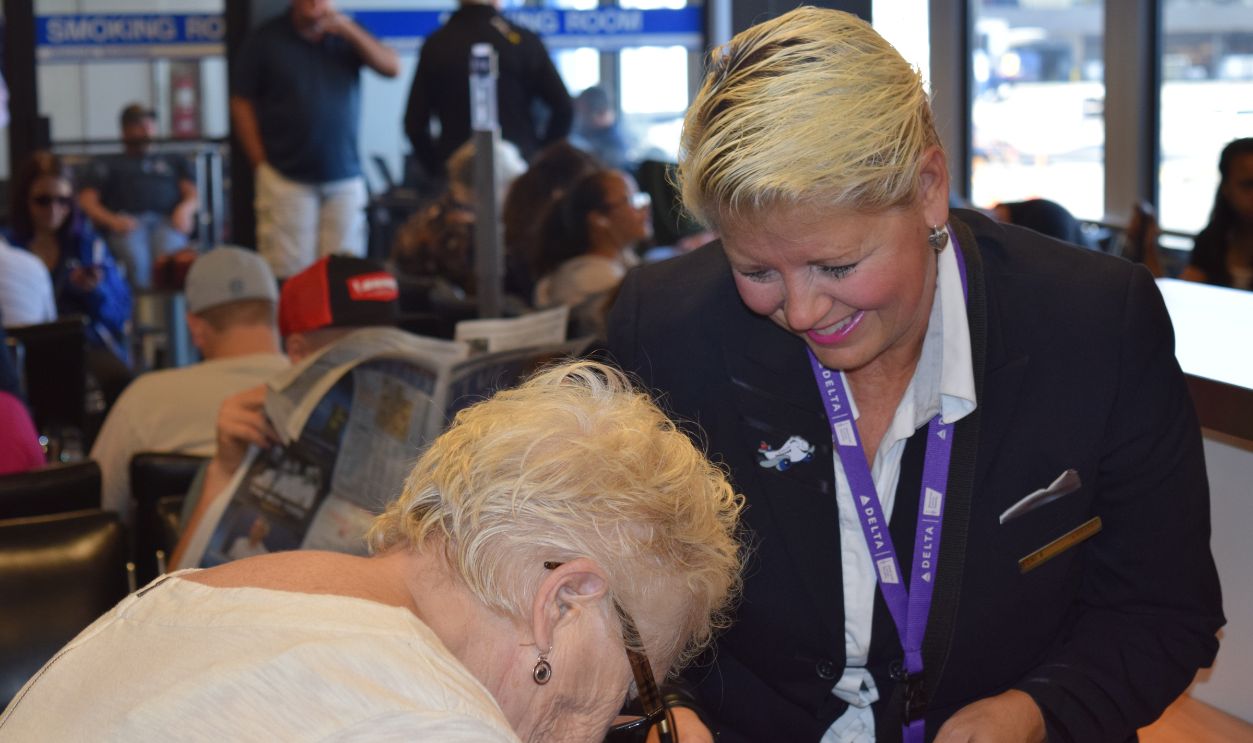
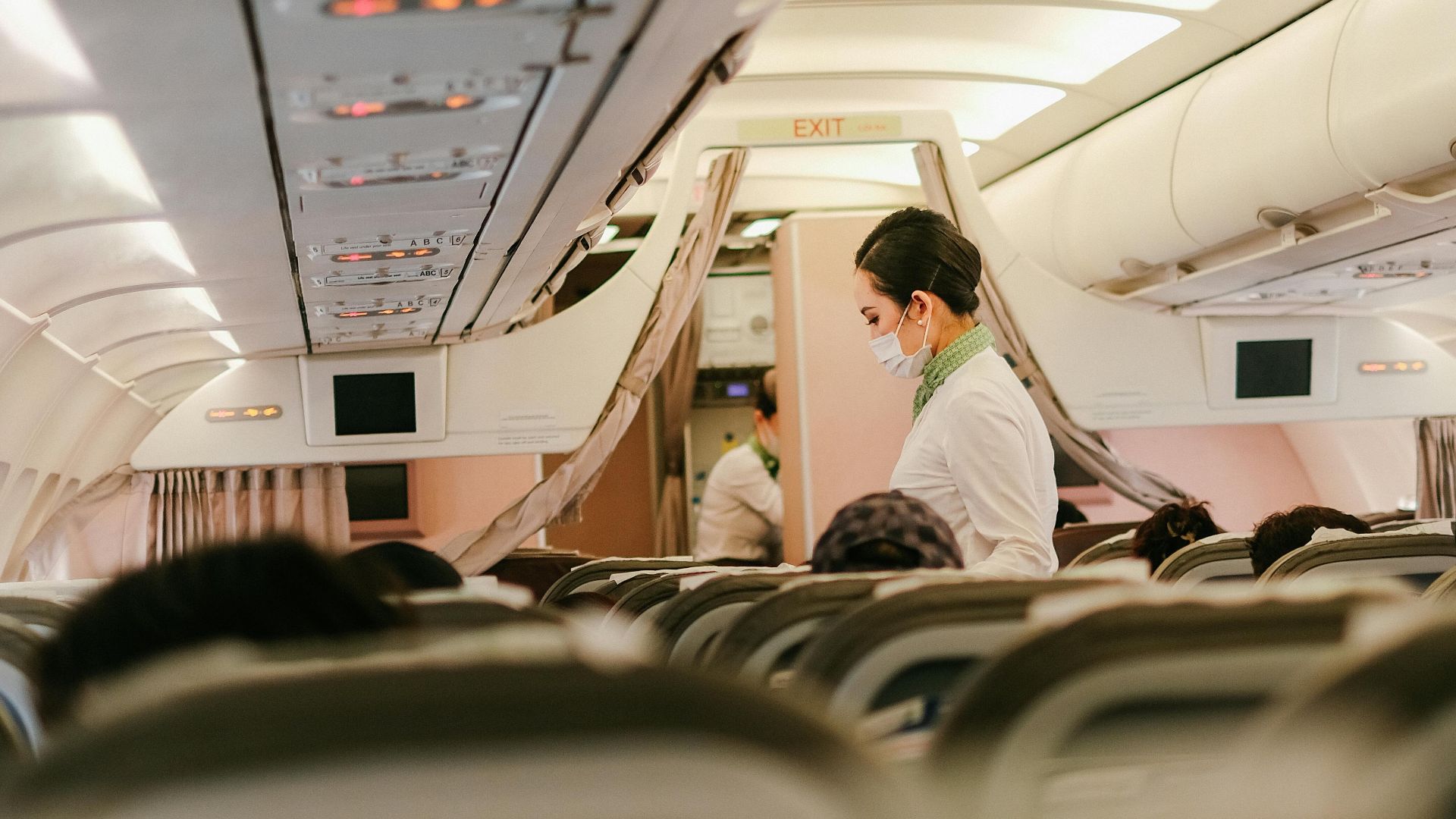
The most reliable seat record is usually the airline’s live departure control system, which gate agents can access. Flight attendants can help calm things down, but they often need the gate’s system or the operations desk to confirm who actually sits where. That is why telling passengers to work it out themselves is such a bad answer, even if it sometimes happens during hectic boarding.
 Delta News Hub, CC BY 2.0, Wikimedia Commons
Should Crew Tell You To Sort It Out Yourself
No. From a customer-service standpoint, that is not a good way to handle it. Airlines are responsible for assigning seats and fixing conflicts caused by their own systems or operational changes. DOT guidance on oversales and denied boarding focuses on airline obligations, not on making passengers negotiate with each other in the aisle.
The Catch With Boarding Versus Denied Boarding
If you are already on the plane dealing with a duplicate seat assignment, that is different from being denied boarding at the gate. DOT bumping compensation rules apply to involuntary denied boarding. A seat reassignment on board may feel unfair, but it does not automatically trigger the same compensation rights.
What If The Airline Moves You To A Worse Seat
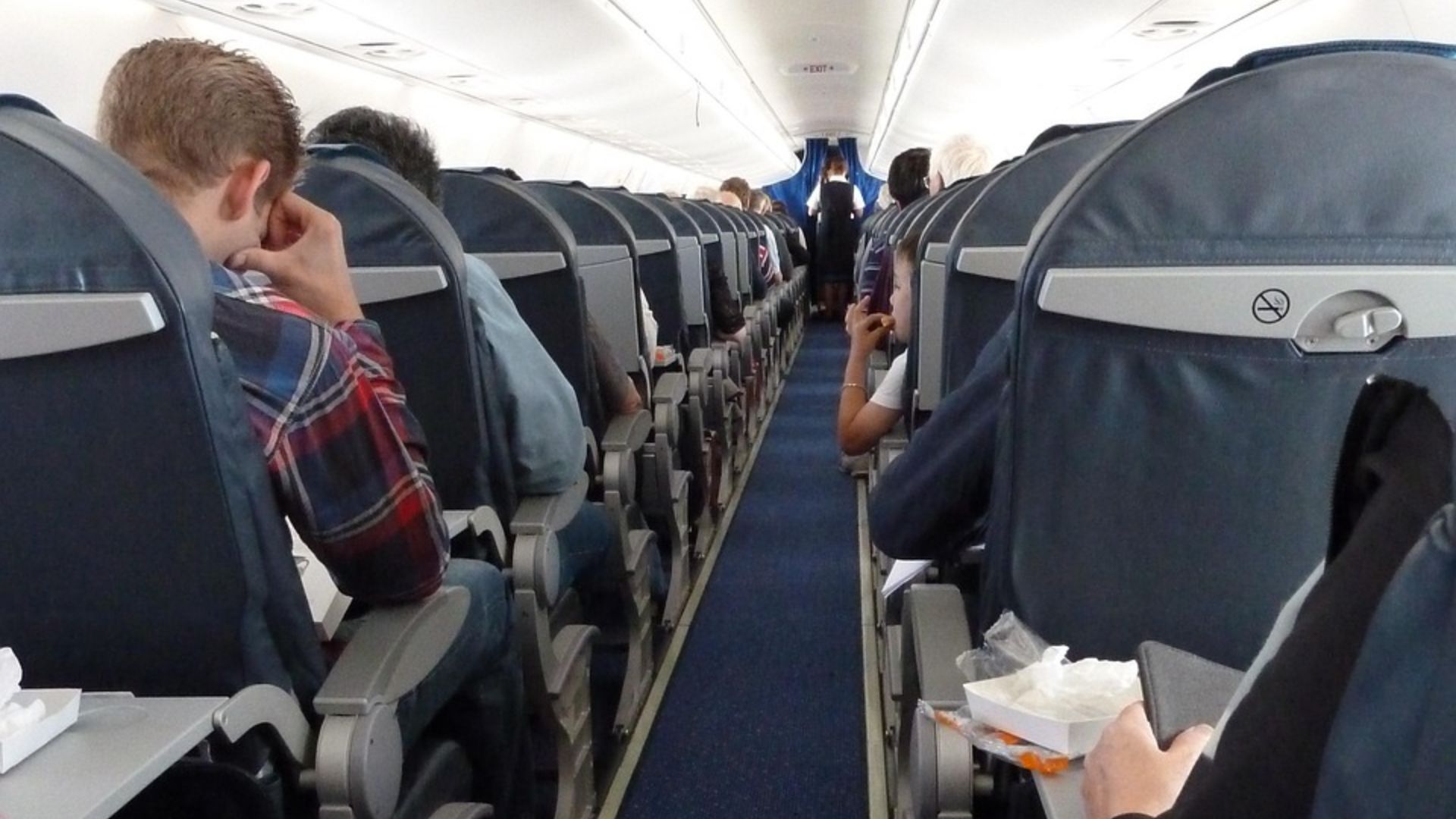
If you paid extra for a preferred seat, extra legroom, or another specific seat product and did not get it, you may be owed a refund of that optional fee. The DOT’s airline customer service dashboard and refund guidance say fees for services not provided are generally refundable. That can include seat-selection charges if the airline failed to give you the seat product you bought.
Families Face A Special Kind Of Stress
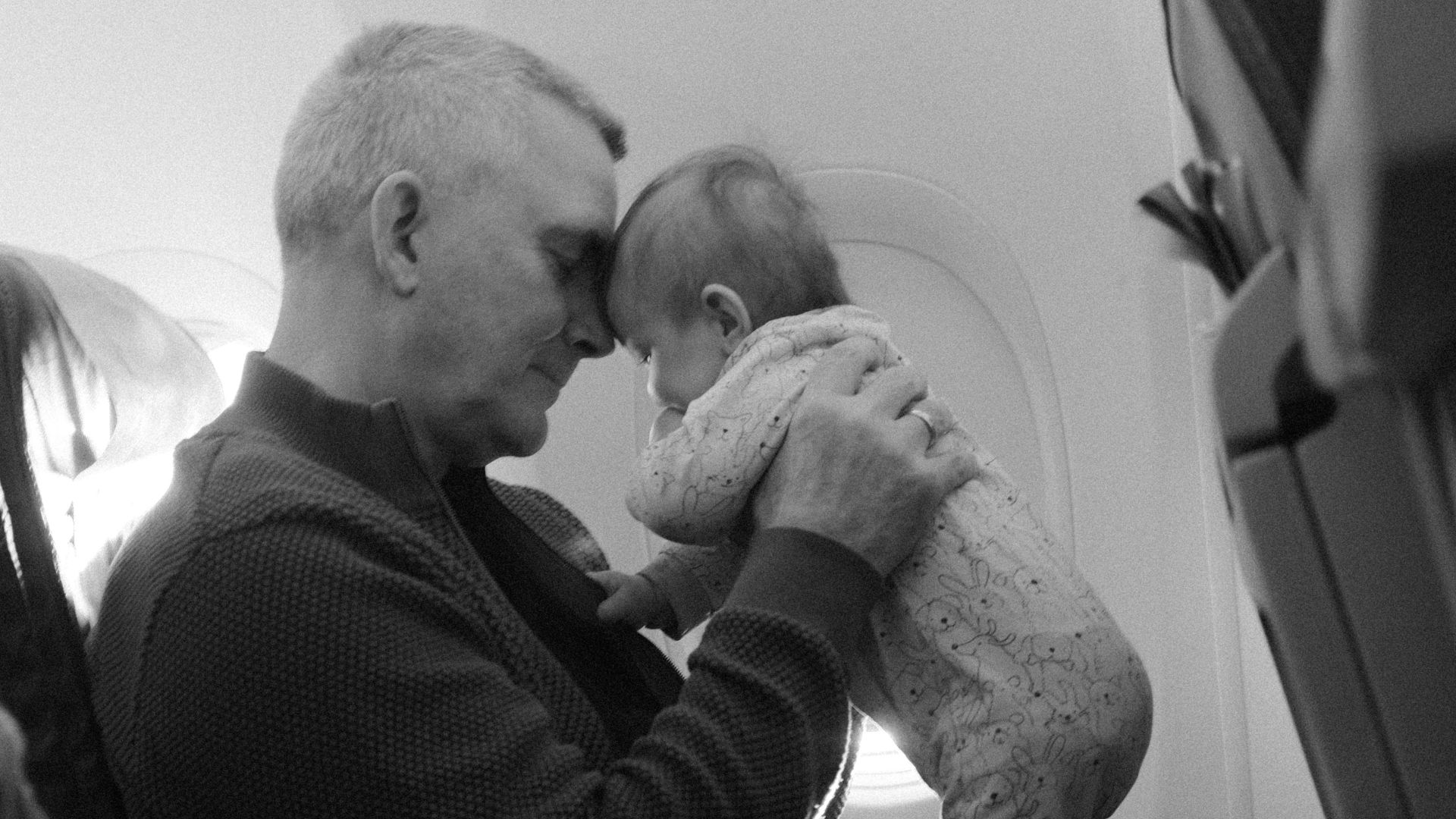
Seat problems get even more tense when parents and young children are split up. In 2024, the DOT announced a final rule requiring airlines to provide fee-free family seating for children age 13 or younger next to an accompanying adult when certain conditions are met. That rule does not erase every seating problem, but it puts more pressure on airlines to avoid messy last-minute changes involving families.
What To Do Right Away If Your Seat Is Taken
Stay calm and compare boarding passes politely with the other passenger. Then call a flight attendant and ask them to verify the current seat assignment in the airline’s system. Do not agree to a worse seat or split up from your travel group until the airline clearly explains your options.
Get Evidence Before The Door Closes
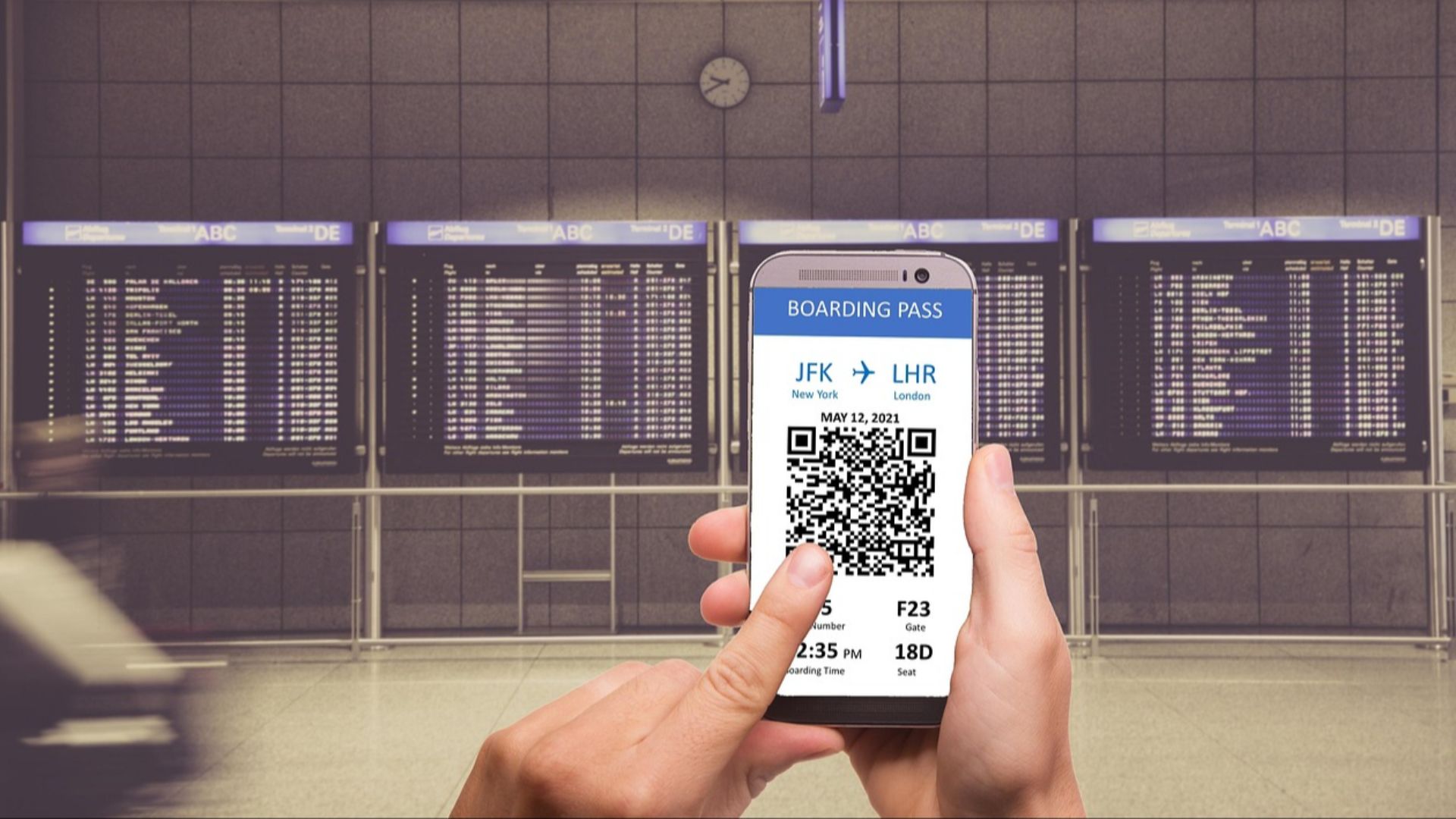
Take screenshots of your app showing the original seat and save a photo of your boarding pass. If the airline changes your seat, ask for the new assignment in writing or get a reprinted pass. Those records can matter later if you ask for a refund for a paid seat or file a complaint.
Ask The Right Questions
Ask whether the problem was caused by a system error, an aircraft swap, or an oversold flight. Ask whether any seat fee you paid will be refunded if you are moved to a worse seat. If the agent is vague, ask for a supervisor or a customer service desk before the flight leaves.

Do Not Fight With The Other Passenger
The person in your assigned seat may be just as confused as you are. Arguing in the aisle can spiral fast and could get both travelers flagged for disruptive behavior. Let airline staff sort it out, because only they can see the live booking record and issue a valid reassignment.

If You Are Asked To Volunteer, Know The Difference
On an oversold flight, airlines usually ask for volunteers before bumping anyone involuntarily. Volunteers can negotiate compensation, often in vouchers or travel credits, and sometimes more if the flight is packed. Involuntary denied boarding is different, and DOT rules may require cash compensation depending on the delay.
When Compensation Is Actually Owed
If the airline involuntarily denies you boarding on an oversold flight and gets you to your destination more than a certain amount of time late, DOT rules set compensation limits based on your one-way fare and the length of the delay. But if you still fly and only lose your original seat, the compensation picture is less clear. In that situation, the strongest claim is often a refund of any seat fee or a complaint about how the airline handled it.
Why This Feels More Common Than Before
Travel is now more app-driven, more fee-based, and more tightly scheduled. Airlines charge more often for seat selection, swap aircraft when needed, and run quick turnarounds, leaving less room for clean fixes when something goes wrong. That does not prove seat conflicts are happening more often overall, but it does help explain why so many travelers keep posting stories like this.
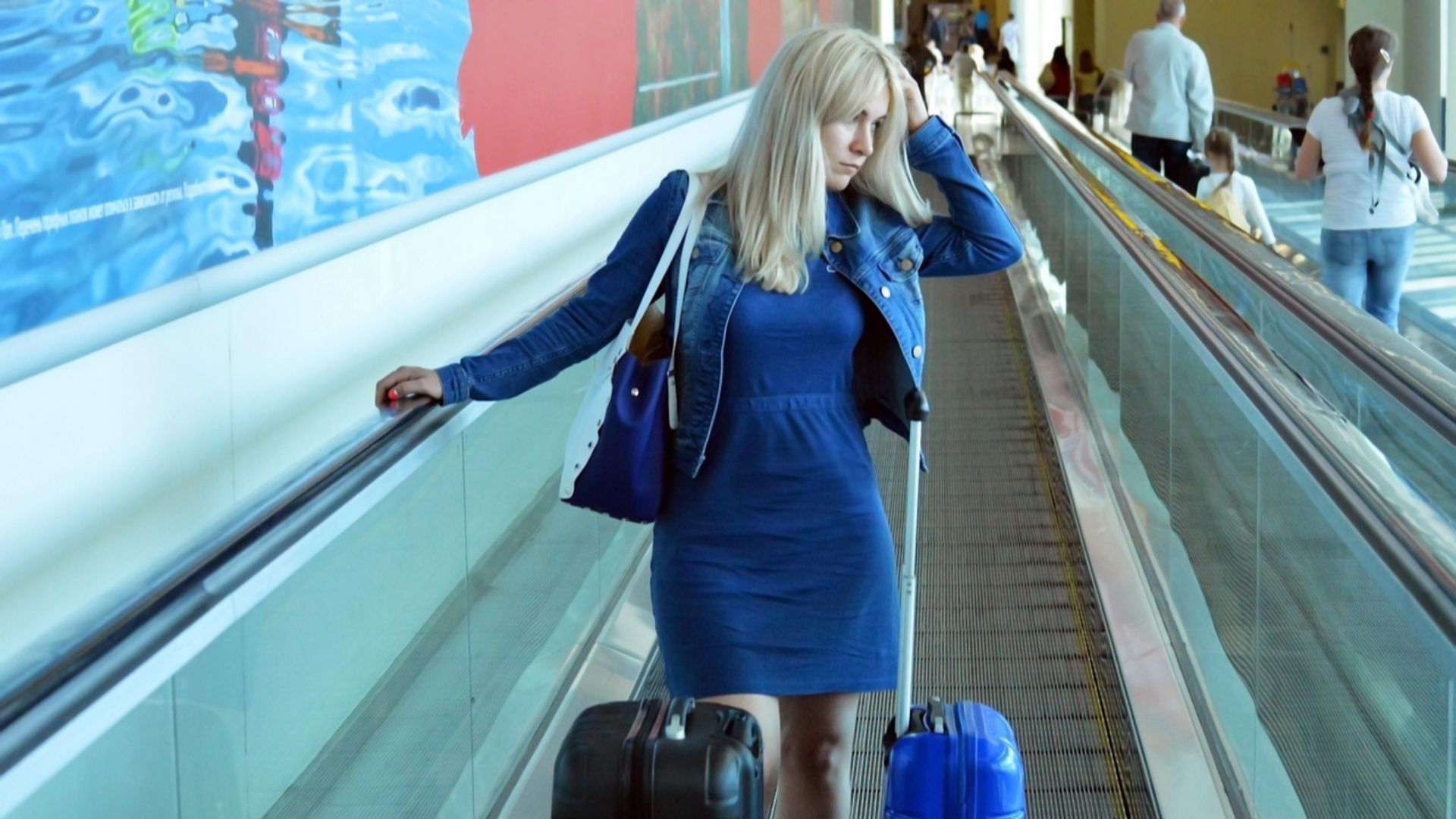
The Fine Print Is Not Really On Your Side
This is the part many travelers do not realize until it happens to them. Buying a ticket usually gets you transportation from one place to another, not a permanent right to 14A. The contracts published by major airlines consistently reserve the right to change seats, sometimes even after you are already sitting down.
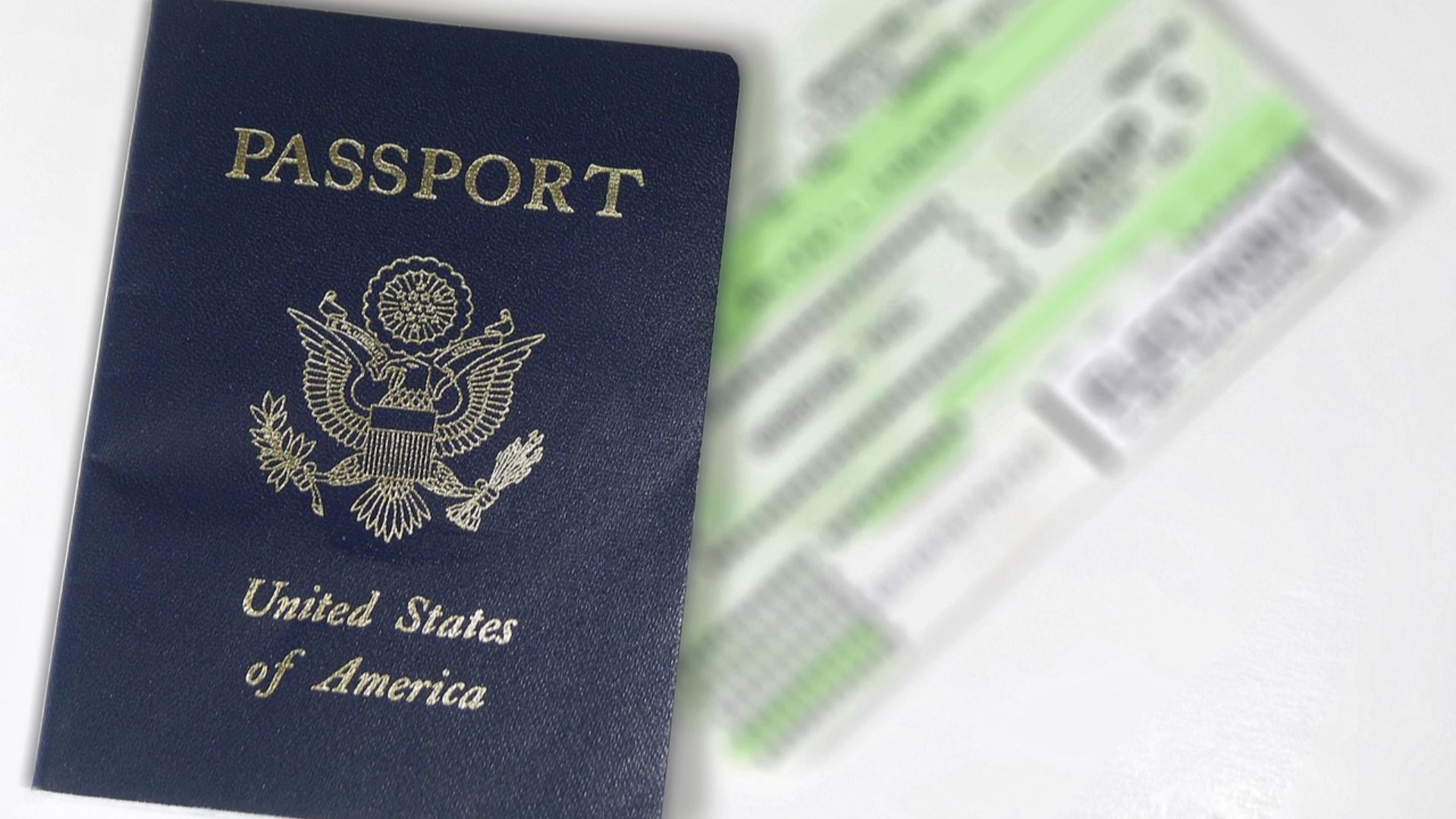
Still, Airlines Cannot Just Shrug
Even with that fine print, airlines are still expected to handle seating problems professionally. Telling passengers to figure it out among themselves is a service failure, not something anyone should treat as normal. The right response is to verify the assignment, reassign seats if needed, and offer refund or complaint options when the airline caused the downgrade.
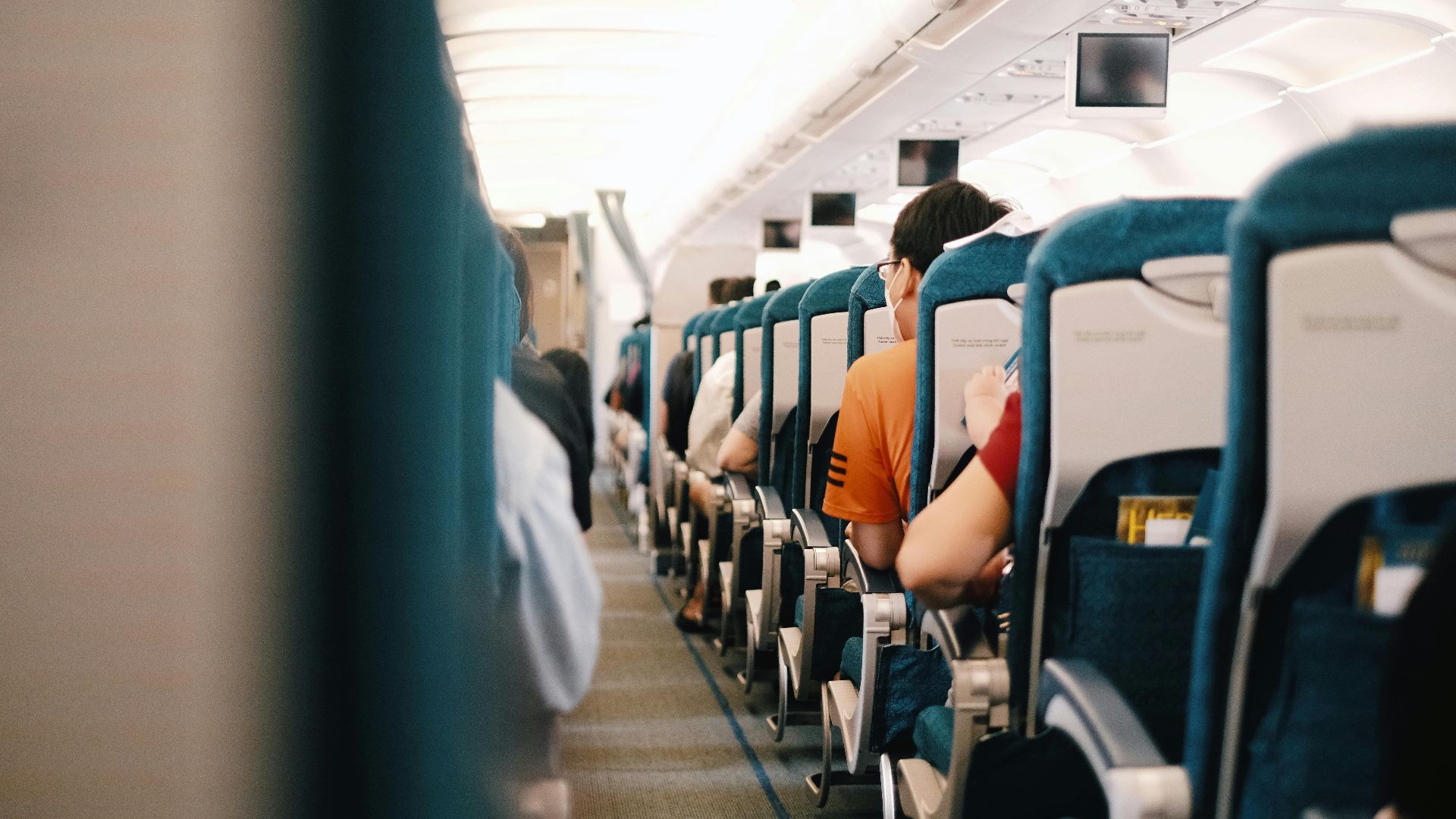
Your Best Practical Move
If this happens to you, stay polite, document everything, and push the airline to take responsibility. Ask for the current assignment, ask for any fee refund in writing, and follow up with customer relations if airport staff brushes you off. The situation is real, but it is not something you should be left to solve on your own.