

Answers From The Abyss
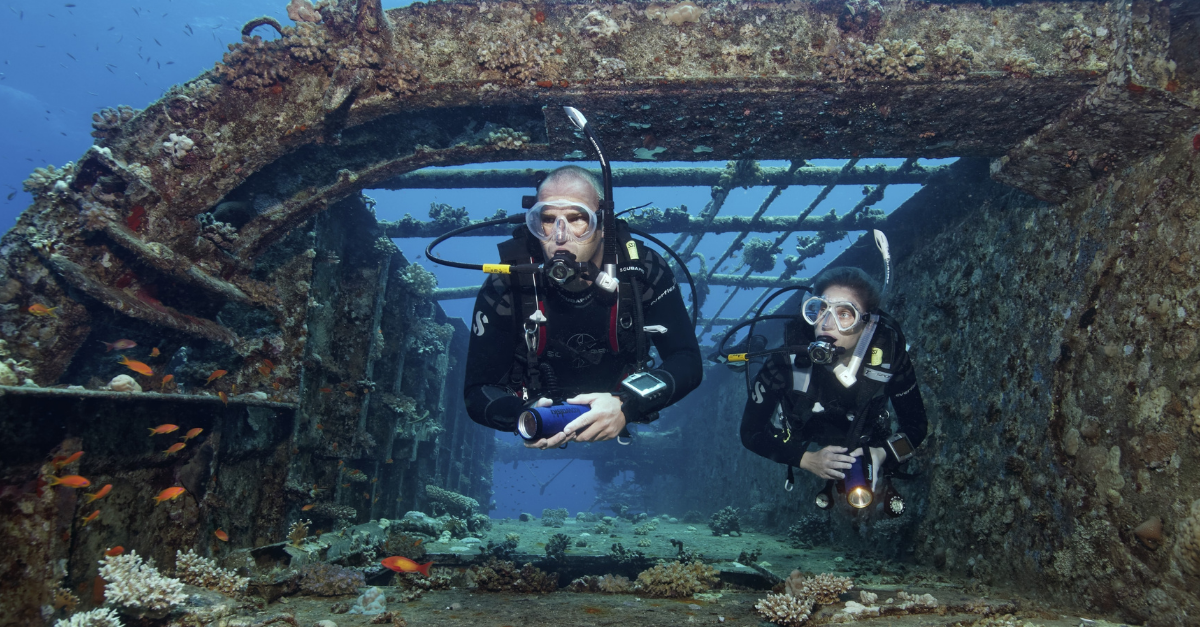
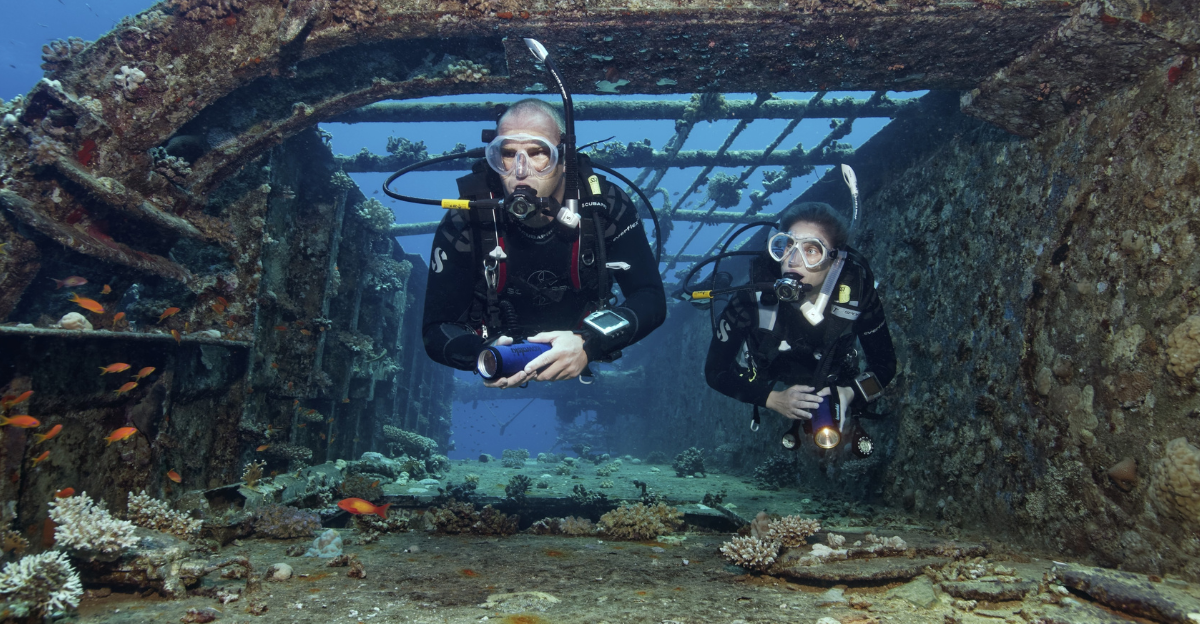
In 1900, a group of Greek sponge divers found themselves waiting out rough seas near the small island of Antikythera. To pass the time, they descended to the seafloor—and stumbled upon something extraordinary. Resting beneath the waves was an ancient shipwreck packed with statues, treasures, and artifacts. What began as a routine dive soon became one of the most important archaeological discoveries in history, opening an unexpected window into the ancient world.
 imageBROKER.com, Shutterstock Images
An Eerie First Dive
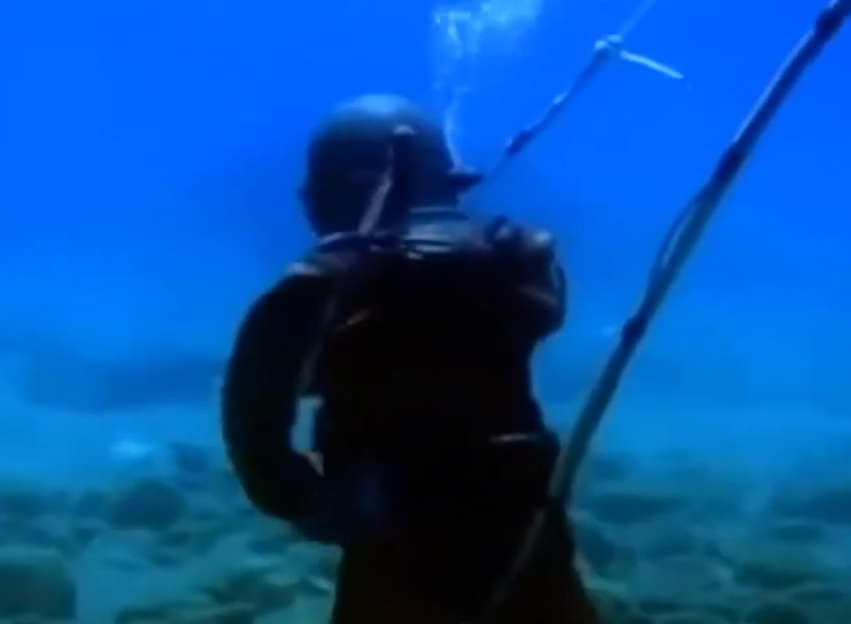
Diver Elias Stadiatis was the first to descend and surfaced in shock. He described a chilling scene of bodies and horses scattered across the ocean floor. At first, his crewmates thought he was delirious from the dive.
 History, Ancient Computer (2003)
The Bronze Arm That Started It All
Captain Kondos didn’t believe Stadiatis until he dove down himself. When he resurfaced holding the arm of a bronze statue, the crew realized the diver’s claims were true. Their stopover had turned into a historic moment.
 History, Ancient Computer (2003)
The Greek Navy Steps In
News of the find reached Athens within weeks. In response, the Hellenic Navy dispatched ships to aid in recovering the wreck’s contents. This marked the beginning of one of the first major underwater excavations in history.
 Unknown Author, Wikimedia Commons
Sculptures Beneath The Sea
Divers began pulling marble and bronze statues from the seabed, one after another. Gods, heroes, and horses emerged from the depths, many broken or worn by the sea. Despite the damage, their artistry was unmistakable.
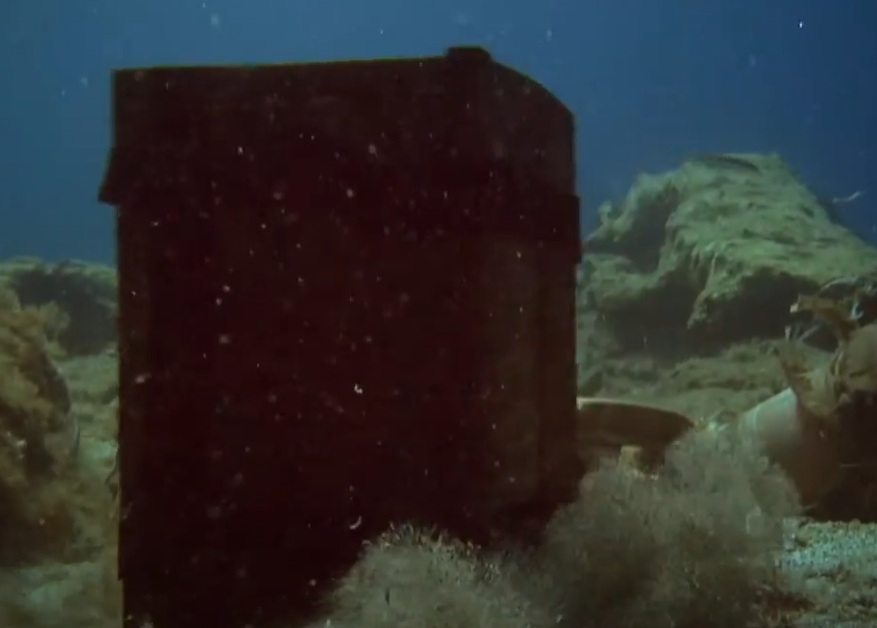 History, Ancient Computer (2003)
The Antikythera Youth Stuns Experts
Among the most striking finds was a bronze statue now known as the Antikythera Youth. Standing nearly two meters tall, the figure embodied the grace of classical sculpture. Its age and condition made it an instant icon.
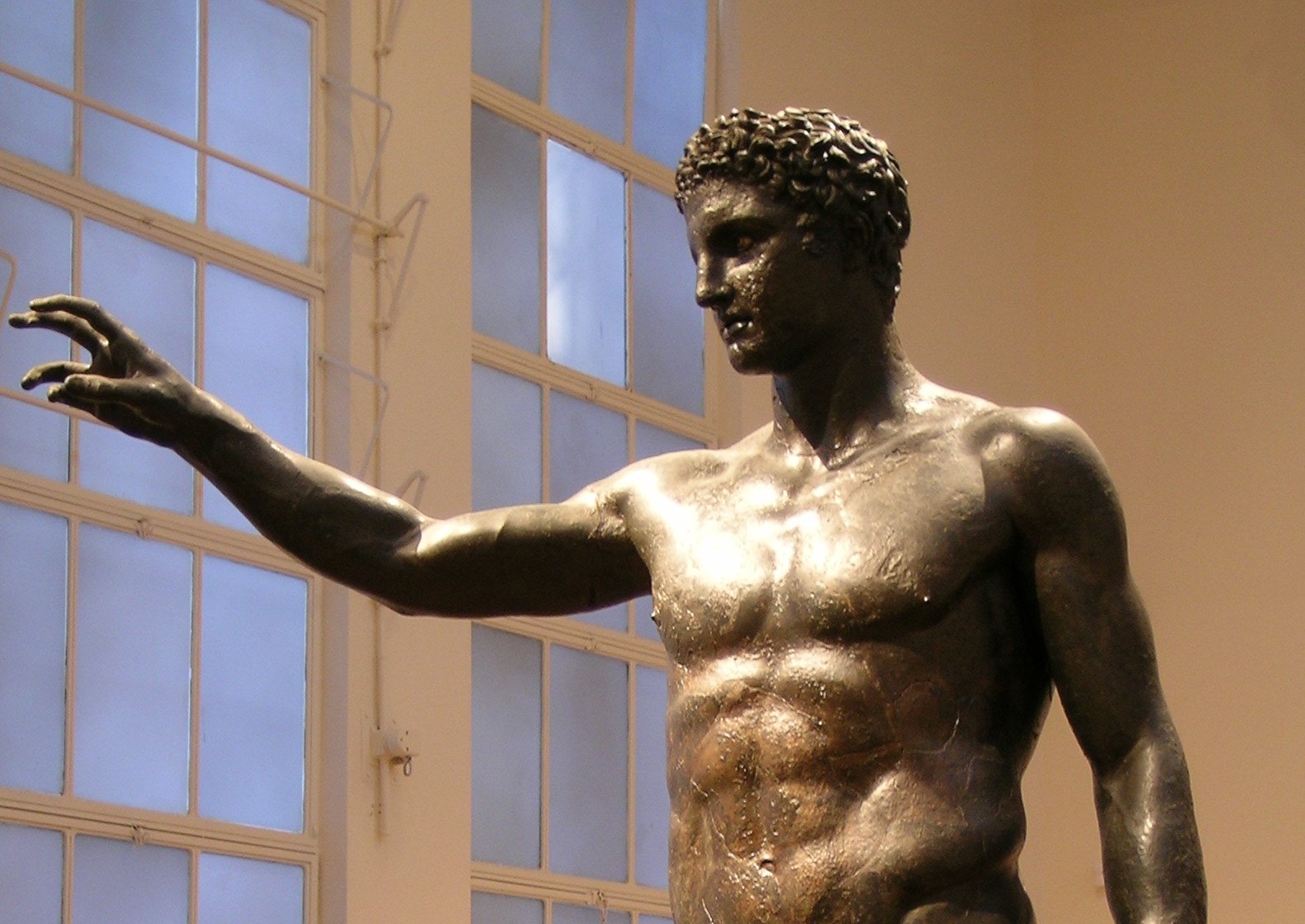 Ishkabibble, CC BY-SA 3.0, Wikimedia Commons
A Haunting Philosopher Emerges
One sculpture featured a bearded man with wild hair and a furrowed brow. Scholars believe it may represent the philosopher Philitas of Cos or another prominent figure.
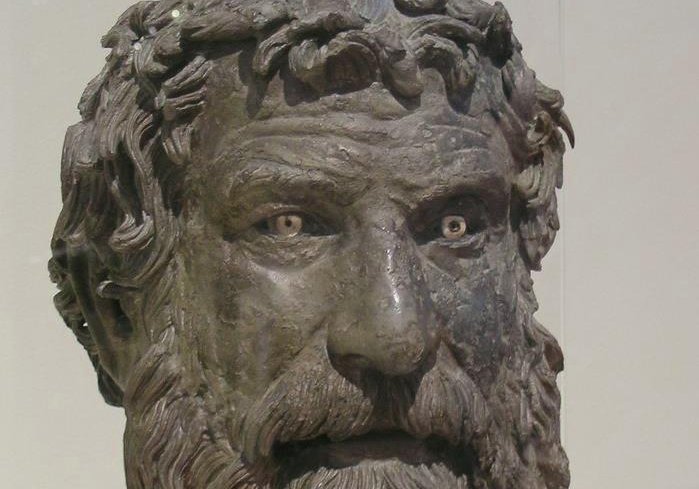 Ishkabibble, CC BY-SA 3.0, Wikimedia Commons
Lost In The Lift
Not every treasure recovered from the Antikythera shipwreck made it safely to the surface. During the salvage operation, a marble horse statue slipped free from the ropes lifting it from the depths and vanished back into the sea. Despite more than a century of interest in the wreck, the statue has never been found again, leaving one piece of the ship's remarkable cargo still resting on the seafloor.
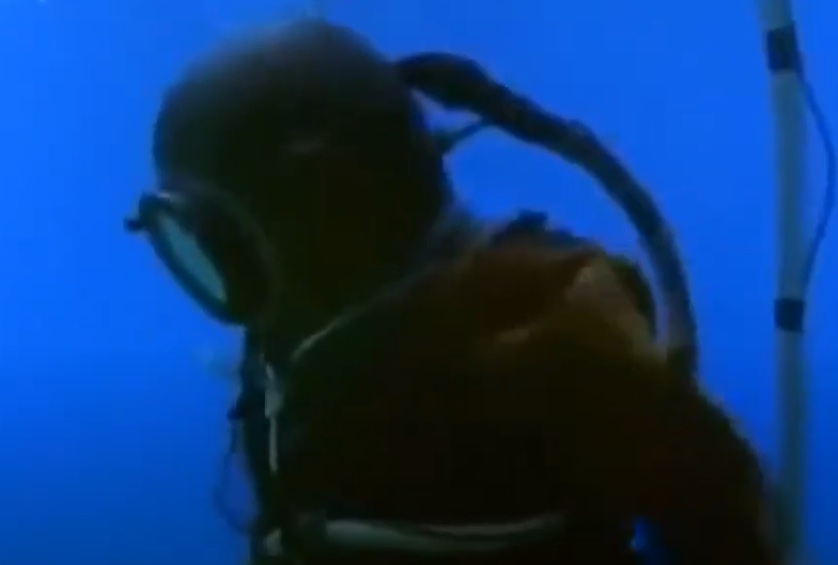 History, Ancient Computer (2003)
Tools Of The Trade Found
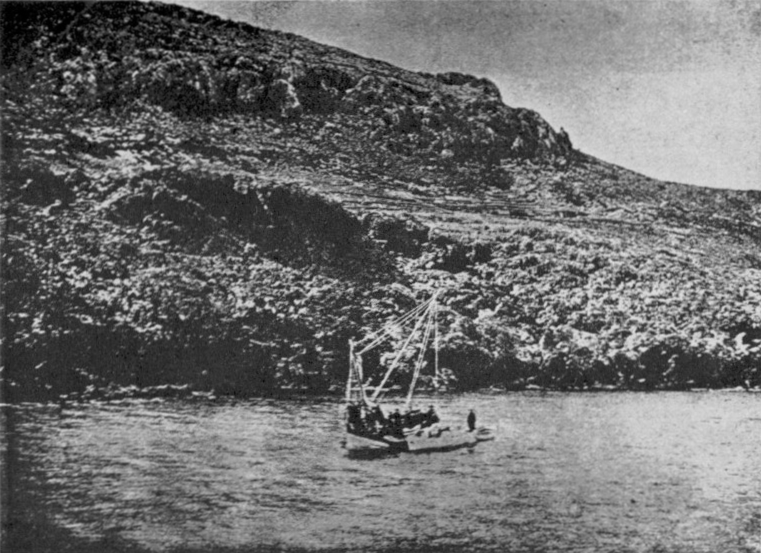
The team also uncovered ship equipment like lead scupper pipes and sounding weights. These tools provide insight into ancient maritime technology and navigation. Their presence helps archaeologists piece together how the vessel functioned.
 Unknown Author, Wikimedia Commons
The Operation
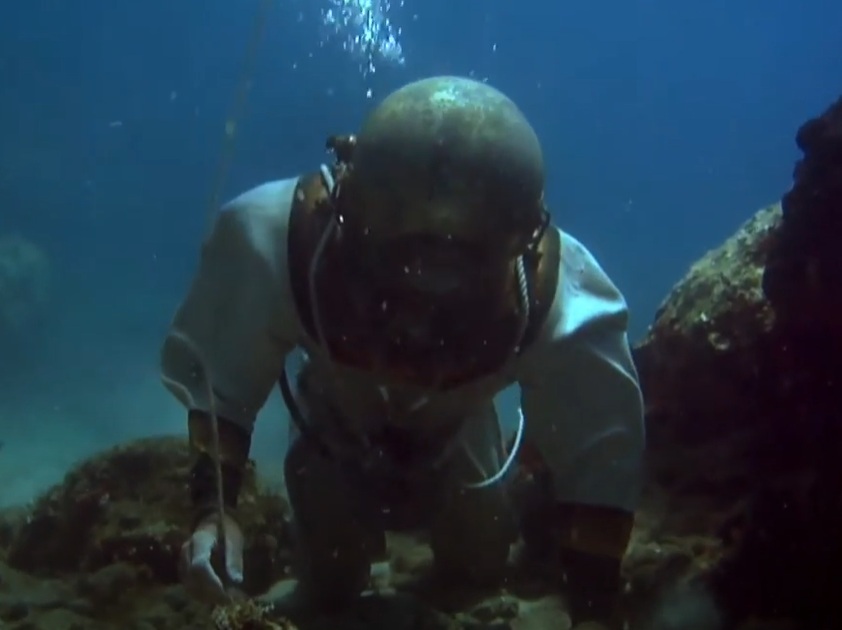
Tragically, the mission came with a human cost. One diver perished from decompression sickness, while two others were left paralyzed. These dangers eventually brought the first salvage effort to a halt.
 BBC, Unlocking the secrets of the world's oldest computer (2022)
A Gear Hidden In Bronze
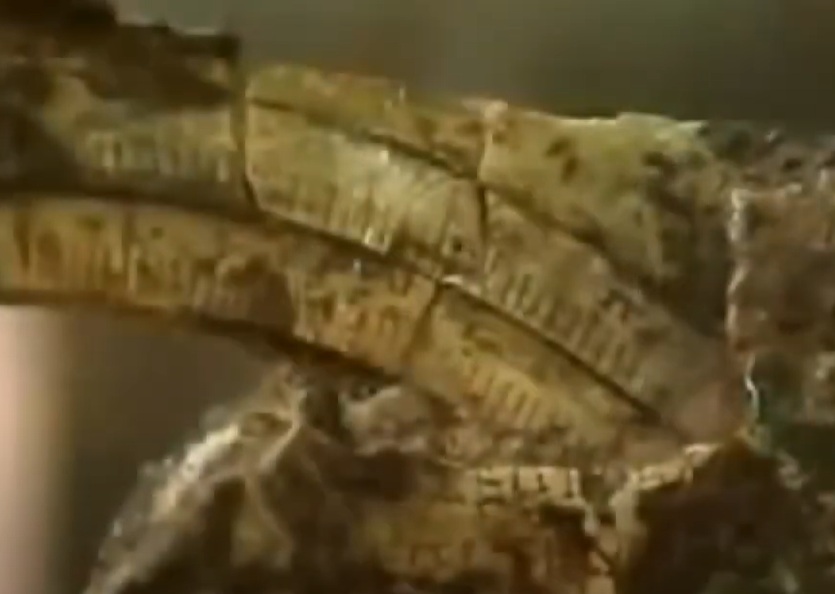
In 1902, archaeologist Valerios Stais noticed a curious gear embedded in a corroded lump of bronze. It wasn’t just decorative, it was mechanical. That object would become the most famous artifact of the wreck.
 History, Ancient Computer (2003)
Birth Of The Antikythera Mechanism
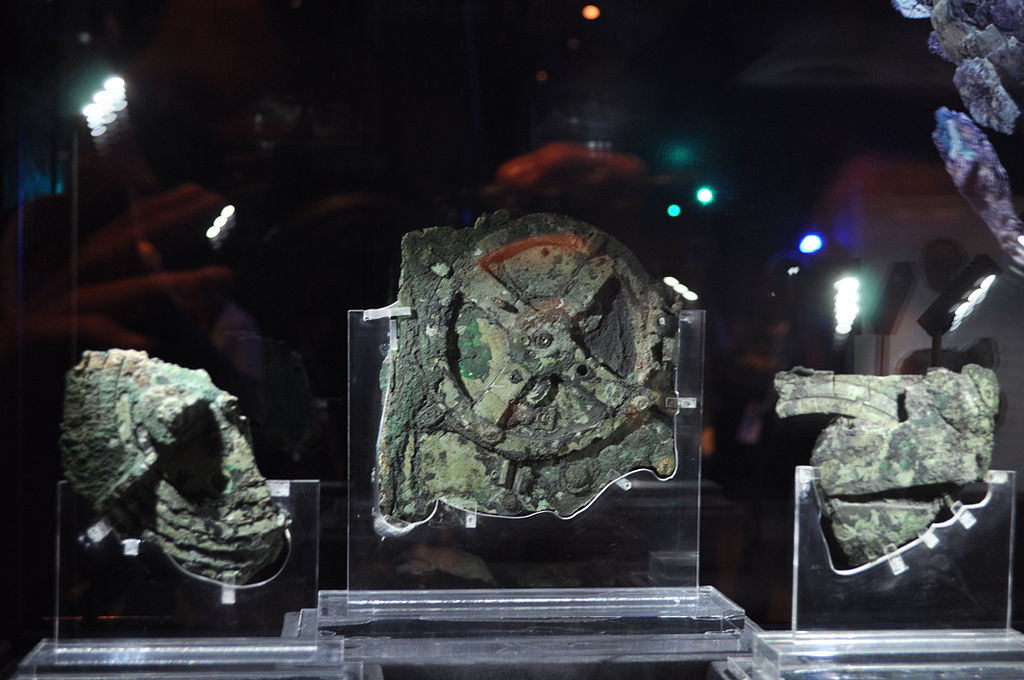
The strange bronze object turned out to be a complex astronomical device. Called the Antikythera Mechanism, it could track celestial movements, eclipses, and calendars. Historians say it’s the world’s first known analog computer.
 Juanxi, CC BY-SA 3.0, Wikimedia Commons
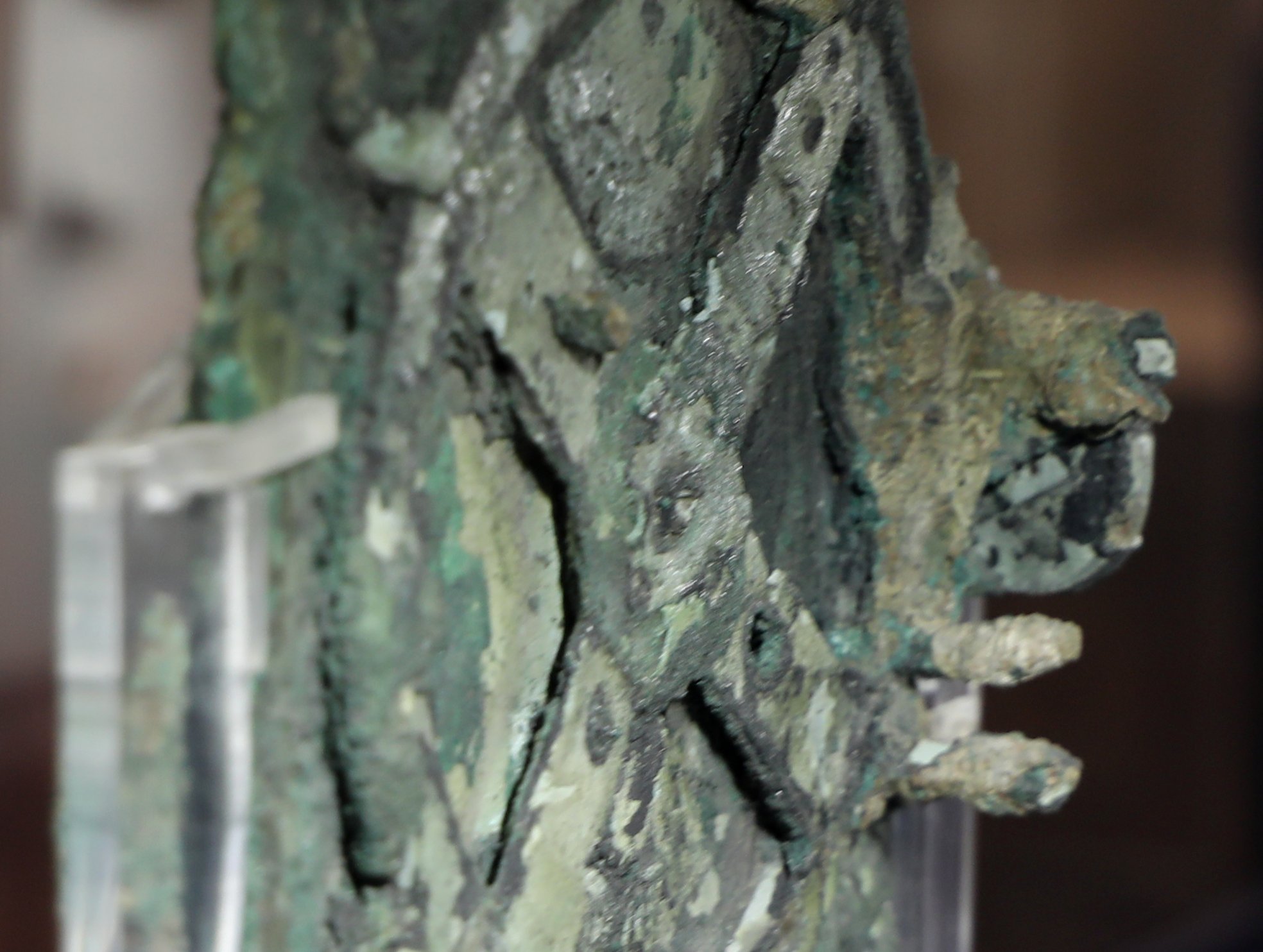
Left Untouched For Decades
After the initial recovery in 1901, the wreck remained largely undisturbed. It wasn’t until 1953 that Jacques Cousteau briefly revisited the site. Serious exploration wouldn’t resume for over 20 years.
 Francesco Bini, CC BY-SA 4.0, Wikimedia Commons
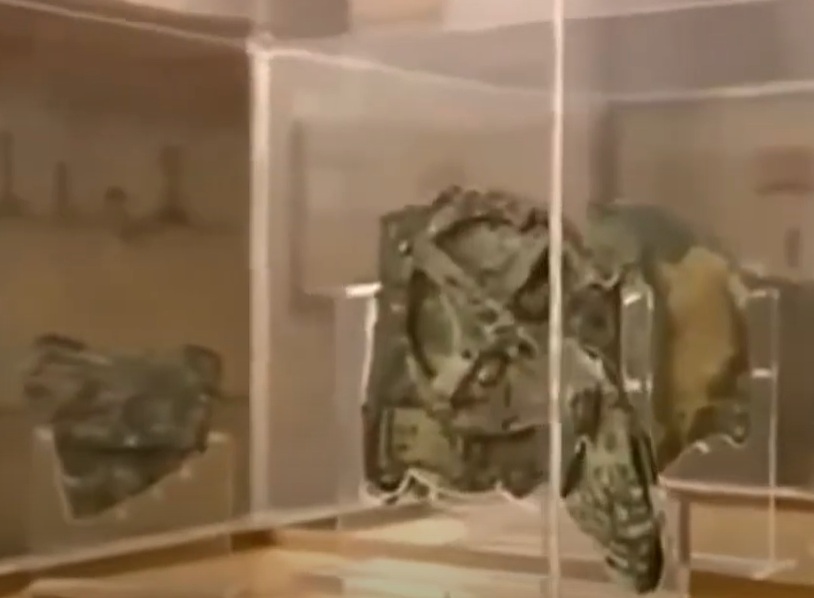
Cousteau’s Return To Antikythera
In 1976, Cousteau launched a full expedition at the invitation of the Greek government. His team retrieved nearly 300 artifacts from the depths. The finds included coins, sculptures, and human remains.
 History, Ancient Computer (2003)
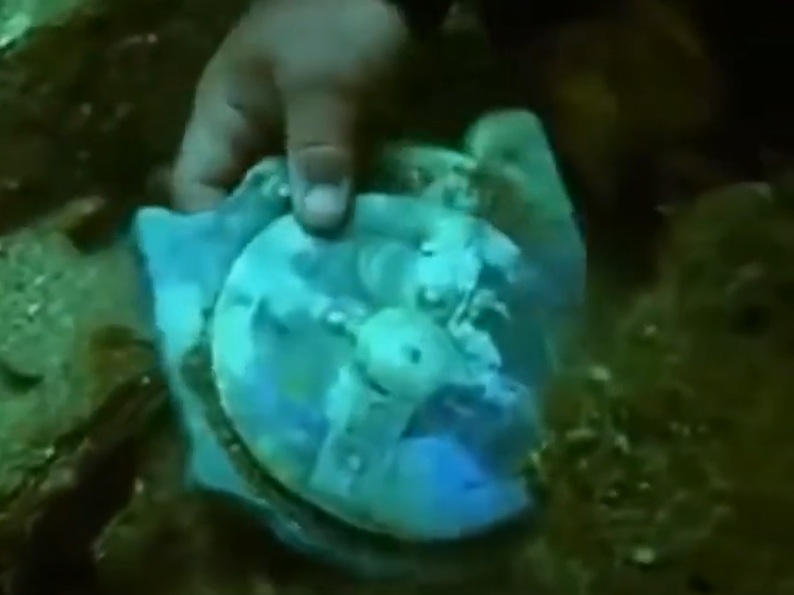
Bronze And Gold From The Deep
When Jacques Cousteau and his team returned to the Antikythera wreck in the 1970s, they recovered an array of luxury goods, including gold jewelry, finely crafted glassware, and bronze statuettes. These weren't everyday items destined for ordinary markets—they were the kinds of possessions associated with wealth and status. The discoveries reinforced the idea that the ship was transporting an exceptionally valuable cargo, likely intended for some of the most influential and affluent people in the Roman world.
 History, Ancient Computer (2003)
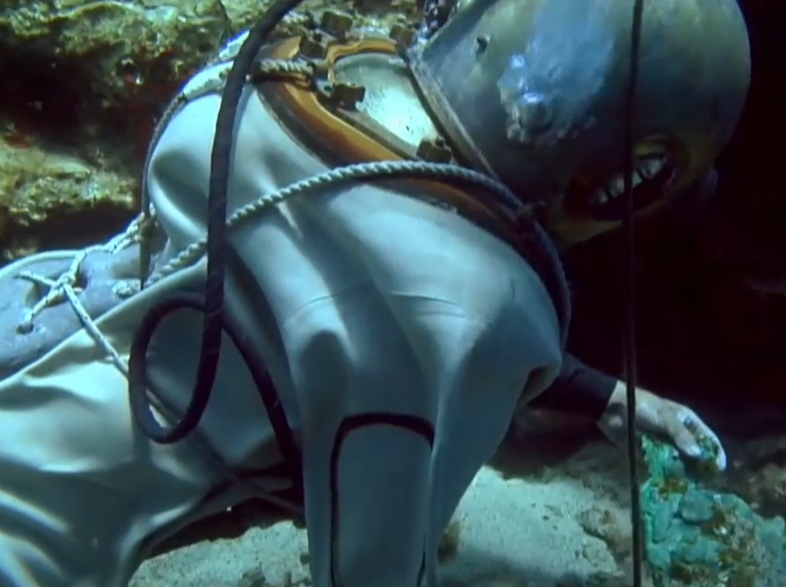
A Second Shipwreck Nearby
While surveying the area in 2012, divers discovered a second ancient shipwreck. It lay only a few hundred meters from the first. This raised new questions about the shipping routes around Antikythera.
 BBC, Unlocking the secrets of the world's oldest computer (2022)
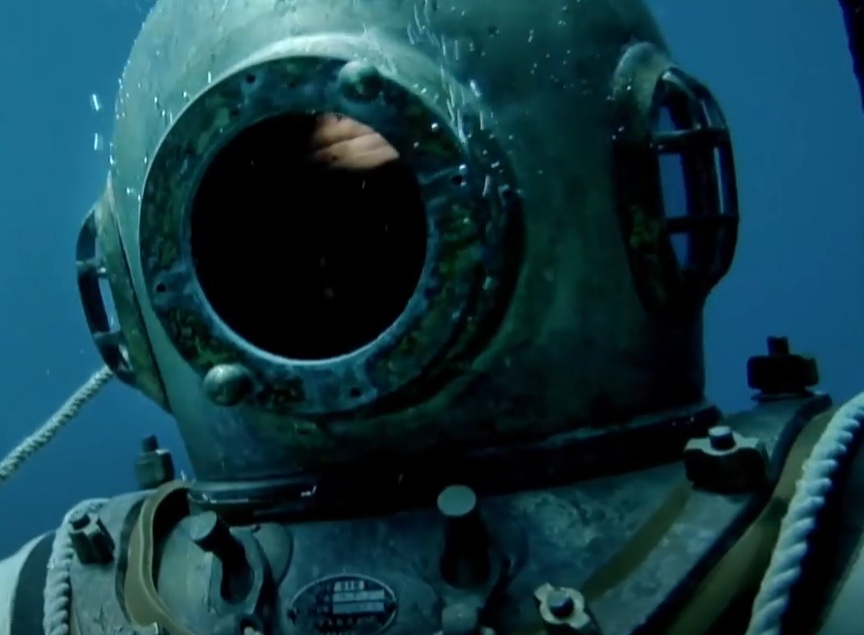
Mapping The Wreck With Robots
Starting in 2014, robotic surveys helped map the site in high detail. These tools uncovered buried objects and ship features invisible to divers. Advanced tech changed the game for underwater archaeology.
 BBC, Unlocking the secrets of the world's oldest computer (2022)
A Deadly Weapon Resurfaces
One surprising artifact was a war “dolphin”, a 100-kilogram lead weight tipped with iron. It was designed to puncture enemy ships from above. No other example of this weapon has ever been found.
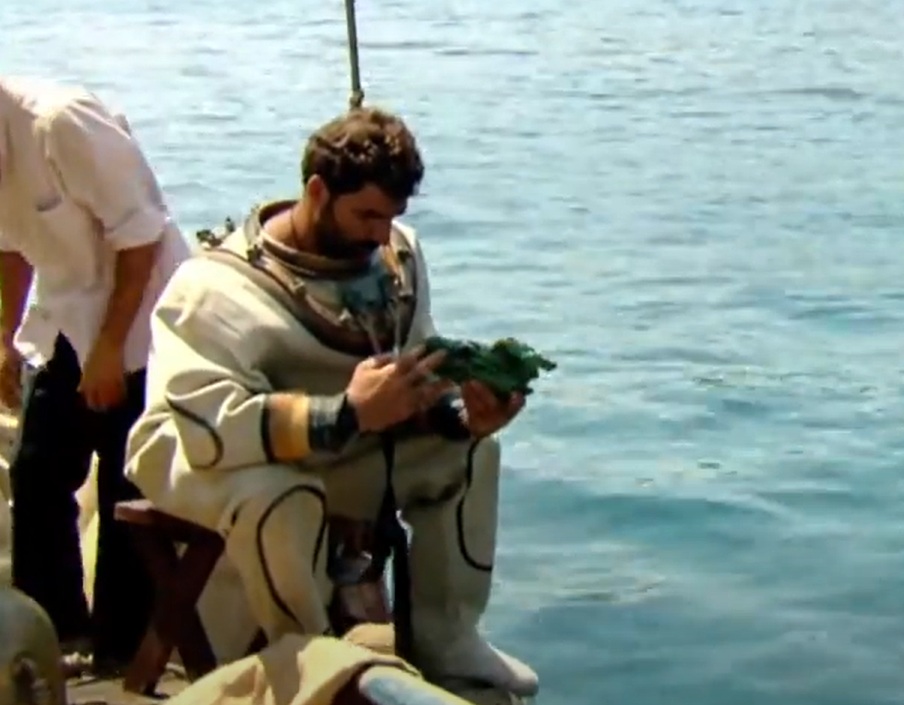 Image First, The World's First Computer (2012)
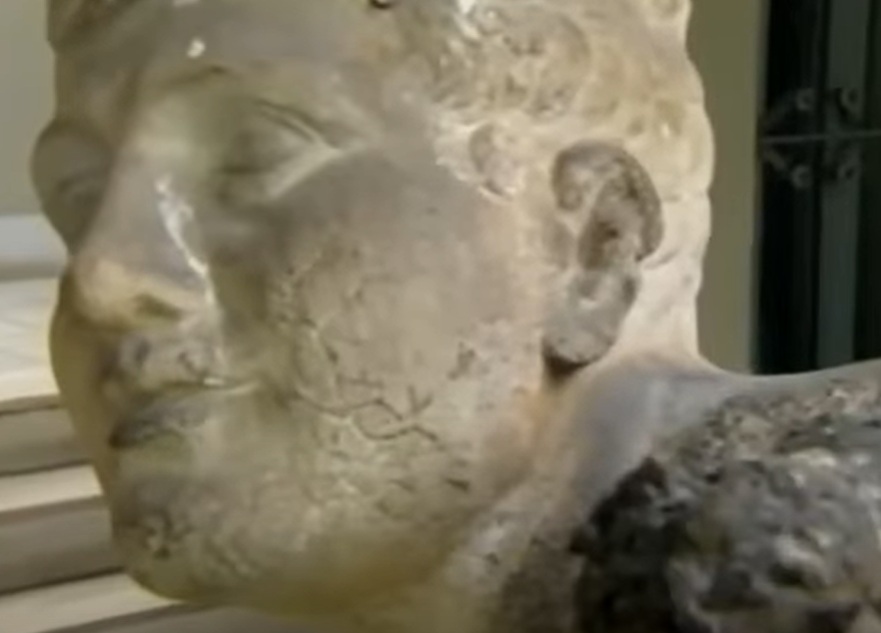
Skeleton Named Pamphilos
In 2016, archaeologists uncovered a 2,000-year-old human skeleton. Nicknamed “Pamphilos,” the remains could offer clues about the people aboard. Researchers hope DNA analysis will shed light on his origin.
 National Geographic, Star Clock (2011)
Boulders Blocked The Past
For years, massive boulders had hidden parts of the wreck. In 2022, teams successfully moved the 8.5-ton obstacles. New discoveries, including teeth, were found beneath them.
 National Geographic, Star Clock (2011)
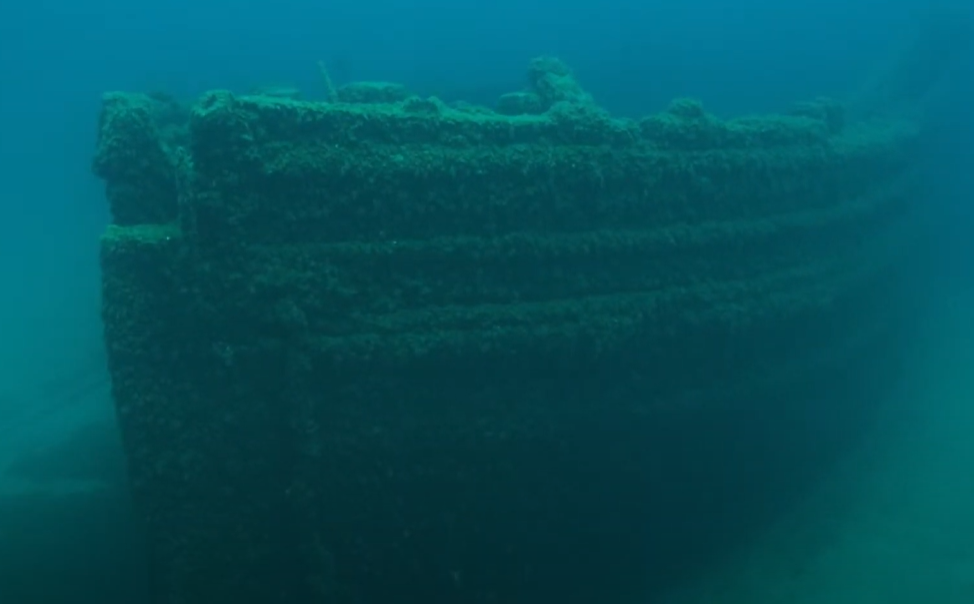
A Massive Freighter
The ship was no small vessel. Experts estimate it could carry 300 tons of cargo. Its wooden planks were reinforced with lead to withstand long voyages and sea pests.
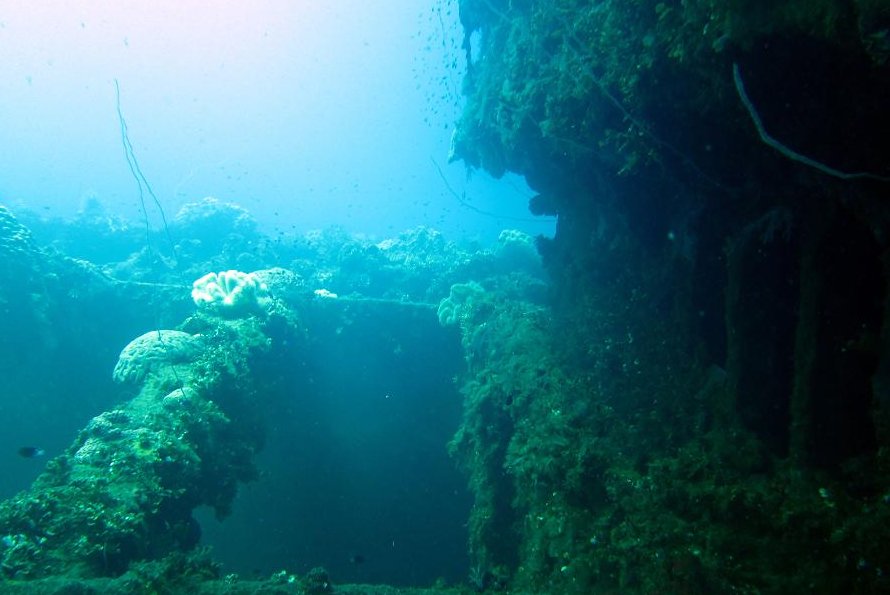
A Mediterranean Shopping List
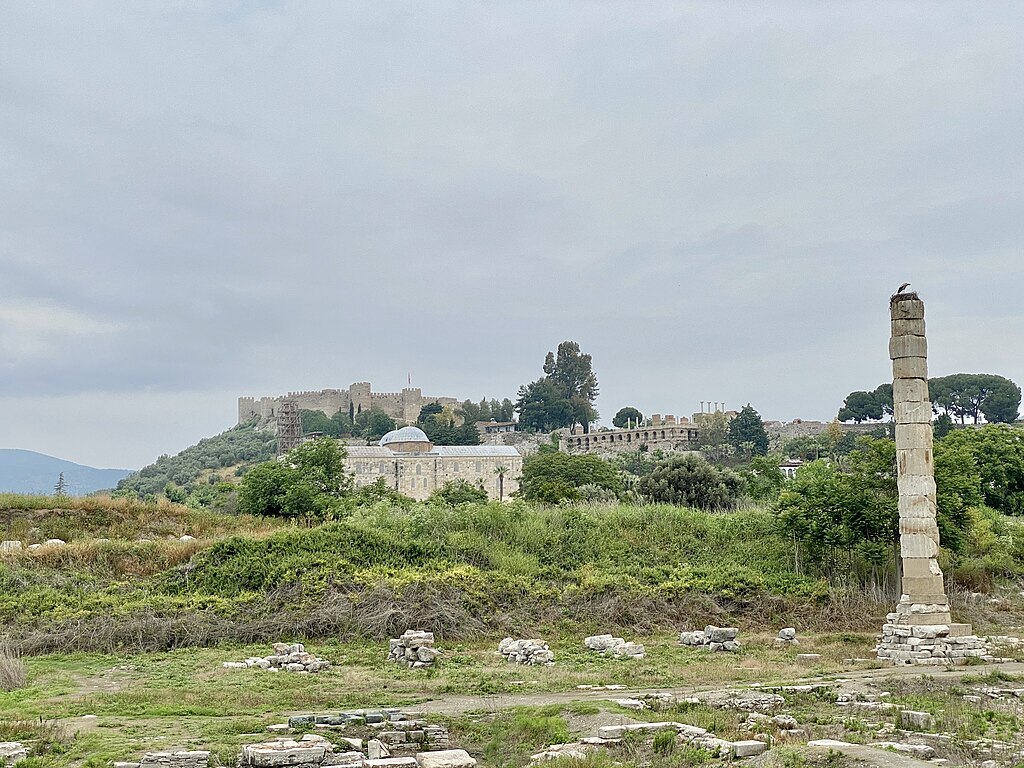
Artifacts recovered from the wreck traced the ship's journey through some of the ancient world's busiest trade centers, including Alexandria, Ephesus, and ports along the Syrian coast. The diverse origins of the cargo suggest it wasn't loaded in a single stop, but gathered from multiple markets across the Eastern Mediterranean. Before setting sail on its final voyage, the valuable collection was likely assembled at a major commercial hub, creating a floating showcase of the region's wealth and trade connections.
 Warren LeMay, CC BY-SA 2.0, Wikimedia Commons
Bound For Roman Shores
Evidence points to an intended destination in Italy. Scholars believe it was heading toward Puteoli, near modern Naples. The port was a hub for luxury imports during the Roman Republic.
 Johann Joachim Faber, Wikimedia Commons
Art Loot Or Legal Cargo?
Some believe the ship carried spoils from Roman military campaigns. Others argue the goods were purchased by wealthy patrons. Either way, they reflected Rome’s hunger for Greek culture.
 Thunder Bay Shipwrecks: E.B. Allen, Thunder Bay National Marine Sanctuary
Amphorae As Time Capsules
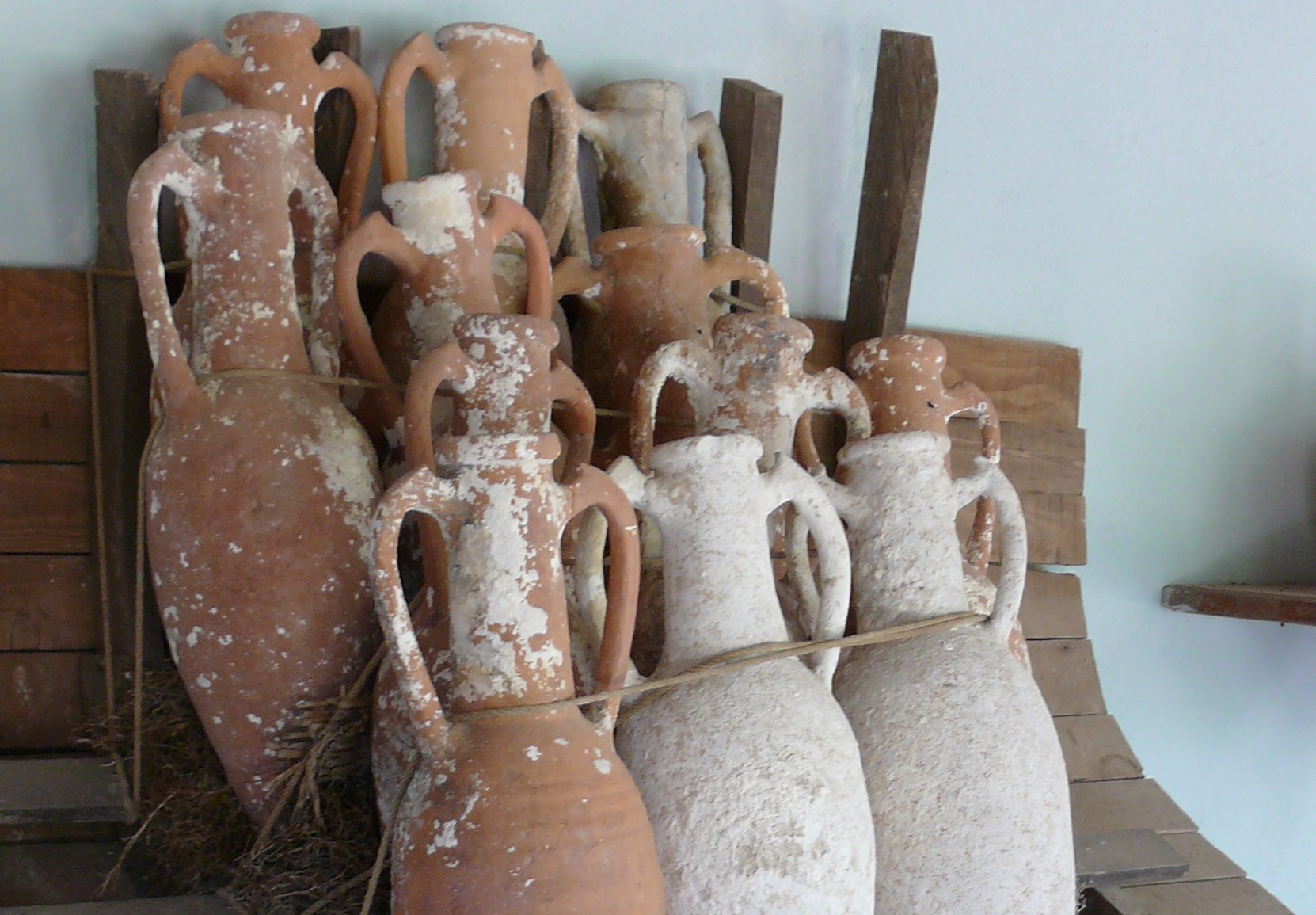
Ceramic amphorae found at the site helped date the wreck. Most were used for storing wine or oil and came from known 1st-century BCE styles. Their presence was key to estimating the ship’s final journey.
 Ad Meskens, CC BY-SA 3.0, Wikimedia Commons
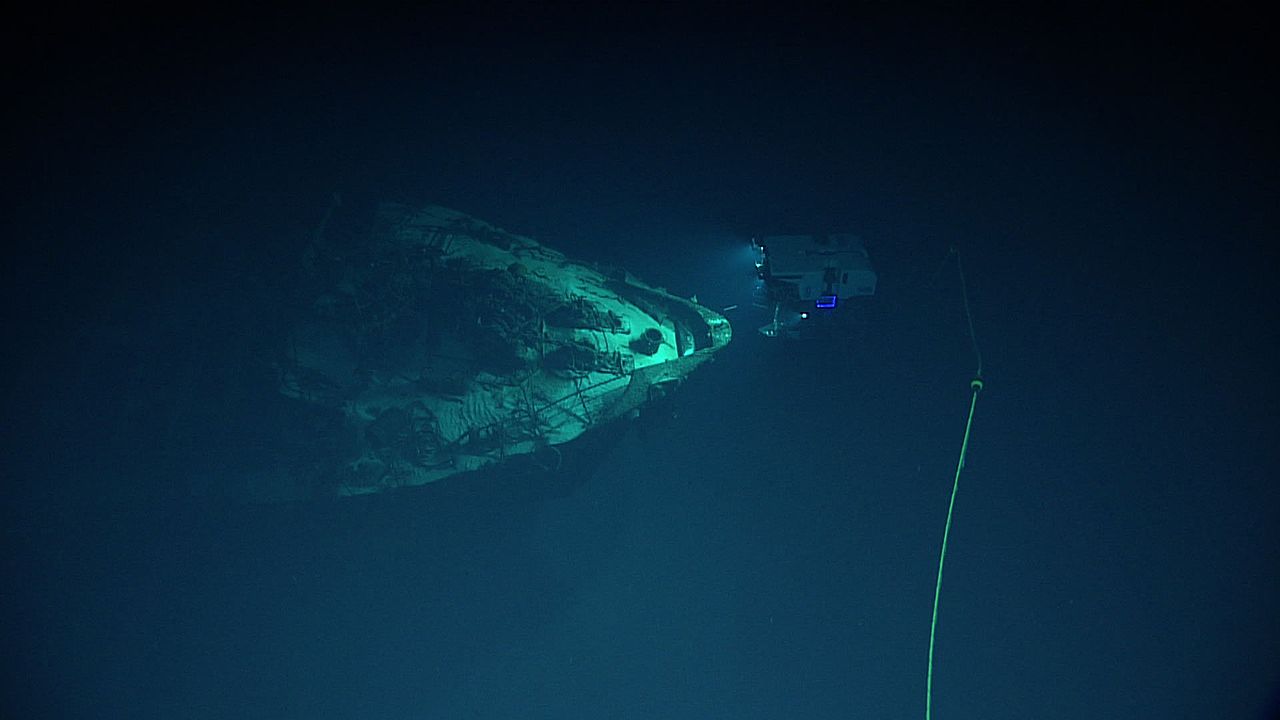
A Confusing Carbon Date
A hull plank yielded a radiocarbon date from 220 BCE. This conflicted with the other finds, which suggested a later timeline. Researchers concluded the wood likely came from an old tree.
 NOAA Ocean Explorer, CC BY-SA 2.0, Wikimedia Commons
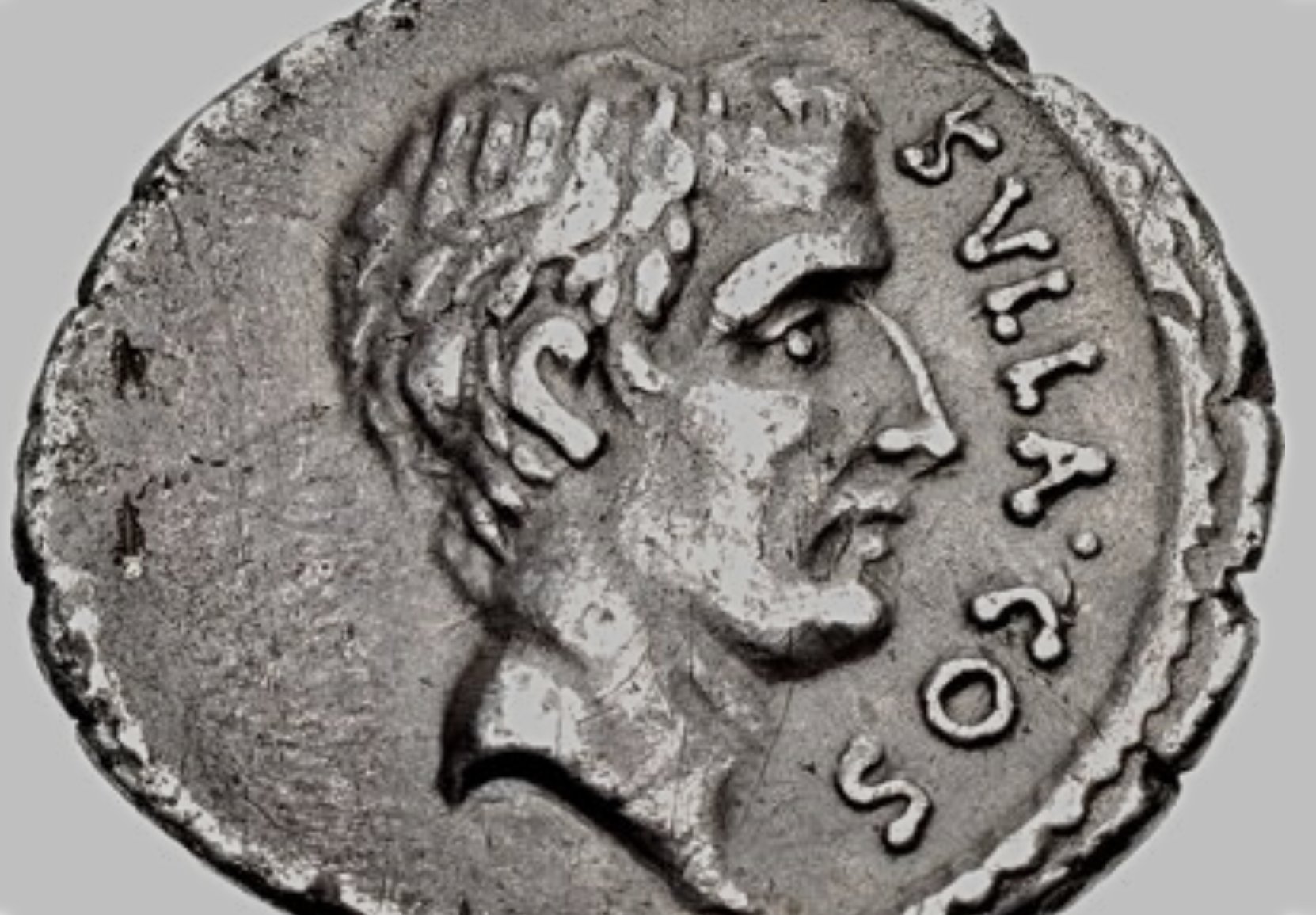
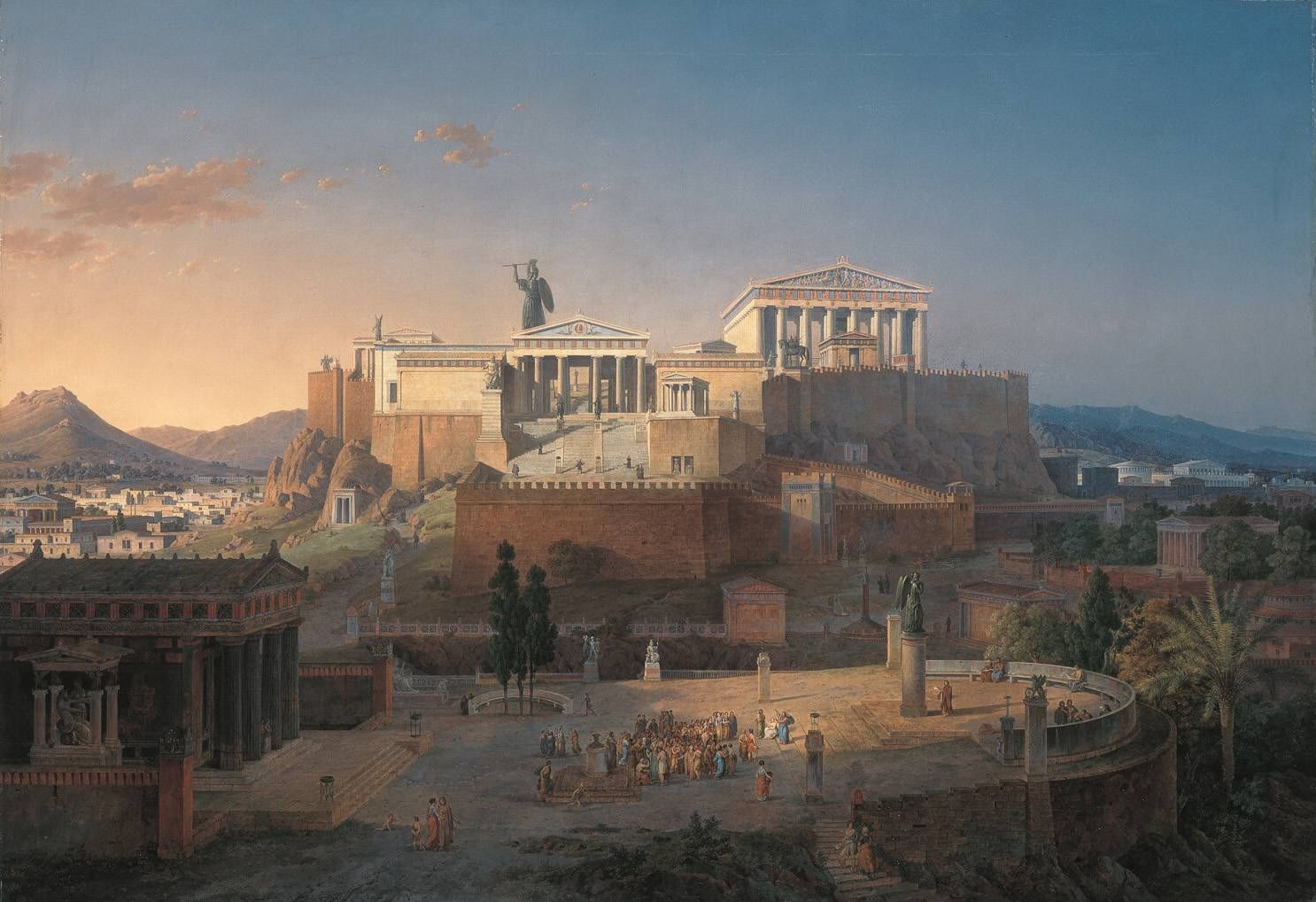
The Sulla Theory Debunked
For years, some linked the ship to Roman general Sulla and his looting of Athens. But coins minted after his death disprove that connection. The ship’s true owner remains a mystery.
 Classical Numismatic Group, Inc. http://www.cngcoins.com, CC BY-SA 2.5, Wikimedia Commons
Daily Life On Display
Artifacts included dishes, cooking pots, and musical instruments. These personal items offer rare insight into life aboard an ancient ship. They humanize a wreck otherwise dominated by grand statues.
 Leo von Klenze, Wikimedia Commons
Gold Earrings From Distant Lands
Among the recovered items were gold earrings inlaid with pearls and gems. The materials came from across the ancient world. Their design reflects the global reach of Hellenistic trade.
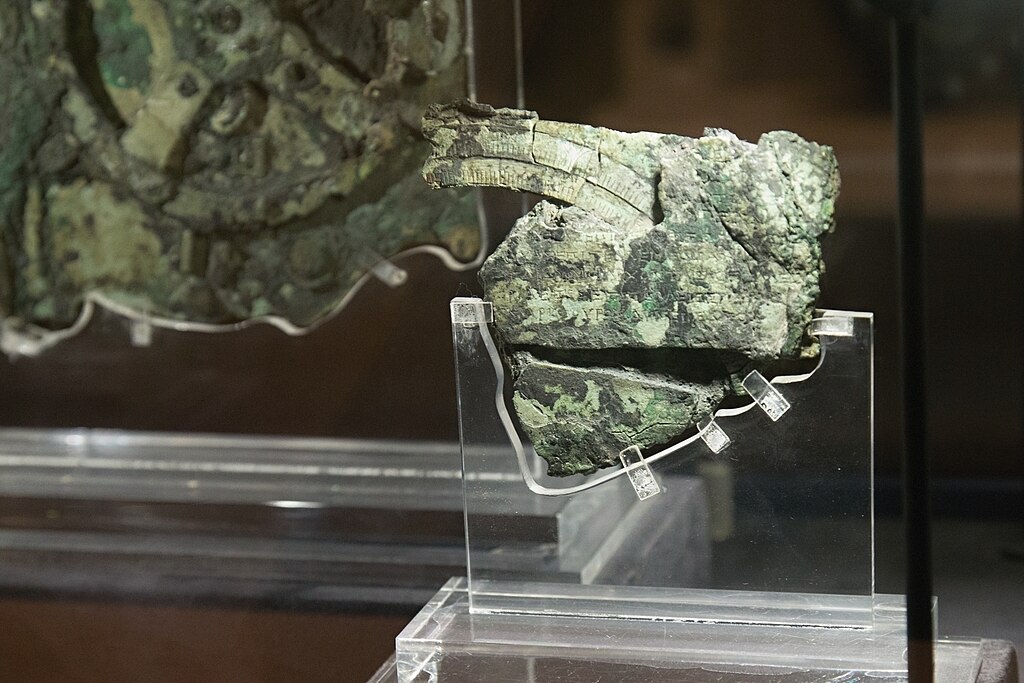
Ancient Automaton
Among the ship's cargo was a remarkable statuette that could be set in motion using a crank mechanism hidden within its base. More than a simple decorative object, it showcased the ingenuity of ancient craftsmen, blending artistic beauty with mechanical innovation. The figure likely served as both entertainment and a conversation piece, offering a glimpse into a world where engineering and art were often inseparable.
 Zde, CC BY-SA 4.0, Wikimedia Commons
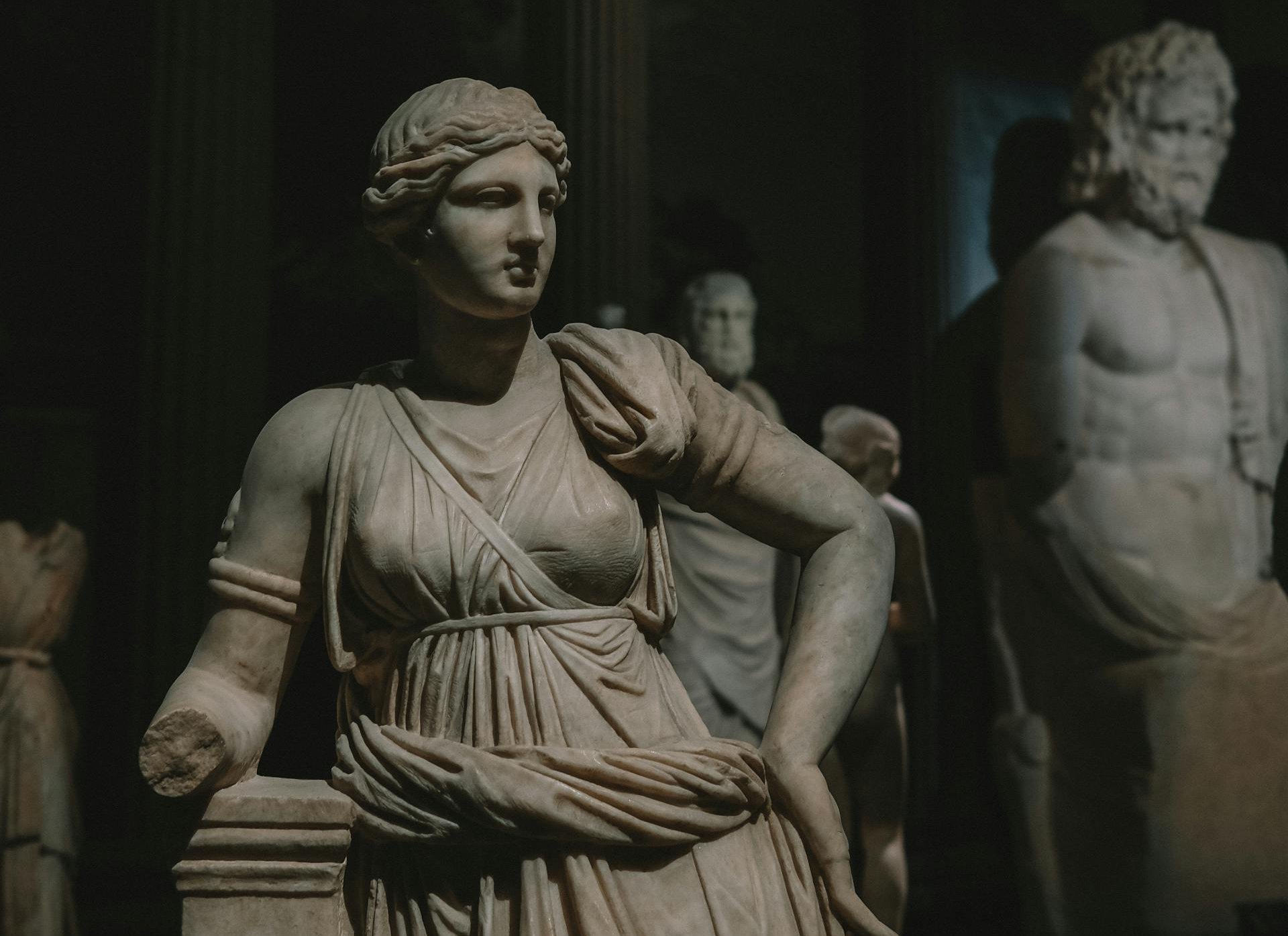
Romans Loved Greek Art
Roman elites adored Greek sculptures and imported them in huge numbers. Some preferred original pieces, while others commissioned faithful reproductions. Owning such art was a status symbol.
Tableware That Tells Time
Red-slipped ceramics from the ship date to around 60–50 BCE. Their distinctive glaze and style were popular at the time. These fragile items helped narrow down the ship’s date.
 Exekias, CC BY-SA 3.0, Wikimedia Commons
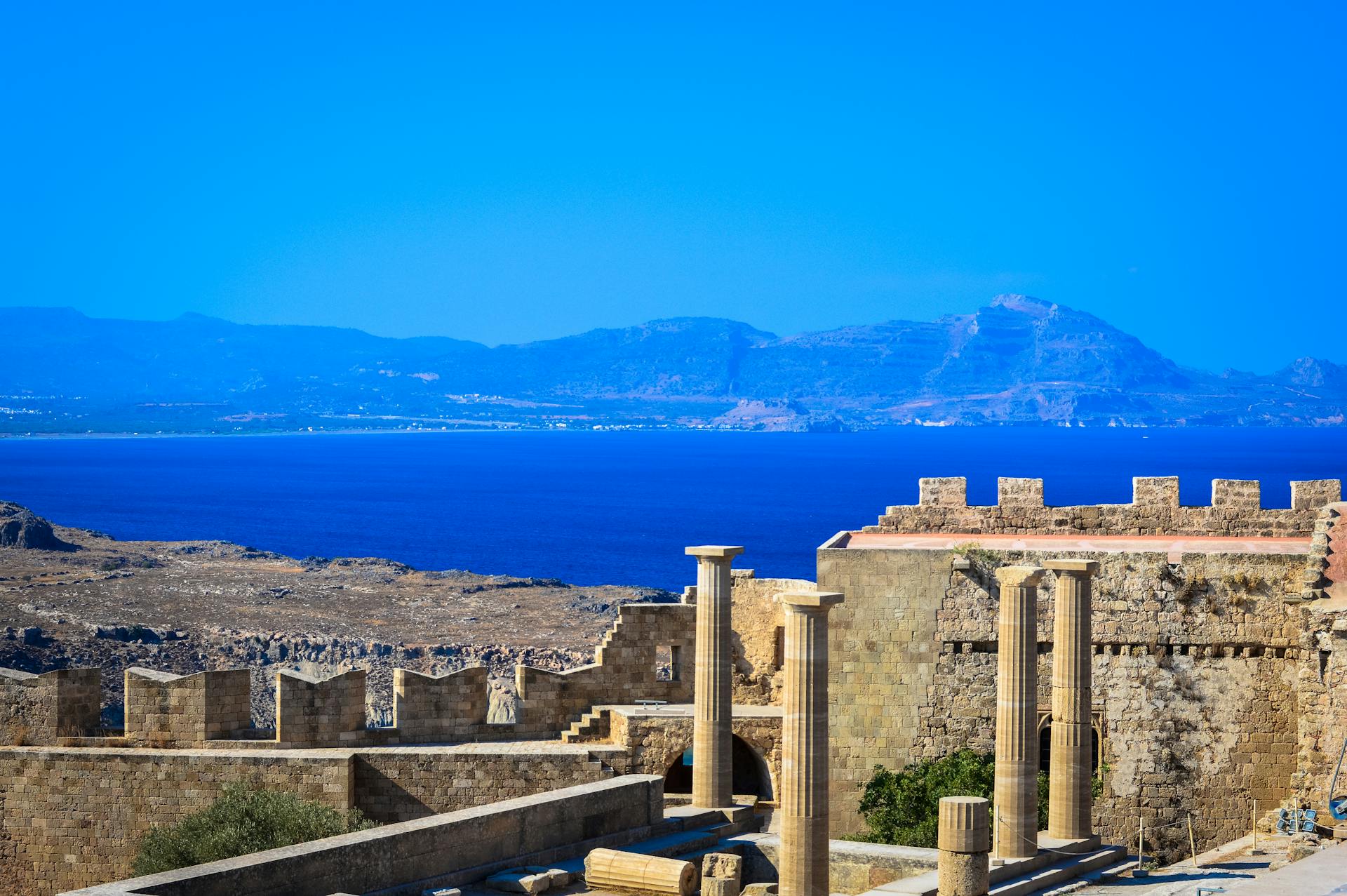
Trade Routes Were Packed
The Mediterranean was buzzing with maritime traffic. Ships carried everything from food and wine to luxury goods and statues. The Antikythera wreck was just one of countless vessels on the sea.
The Birth Of Underwater Archaeology
The 1900 expedition launched a brand-new field of study. Before this, no one had systematically excavated an ancient shipwreck. Today, underwater archaeology is a cornerstone of classical research.

Storms Still Sink Ships
Researchers believe the Antikythera vessel was caught in a violent storm. The region is known for sudden, dangerous weather changes. Nature, as always, had the final word.
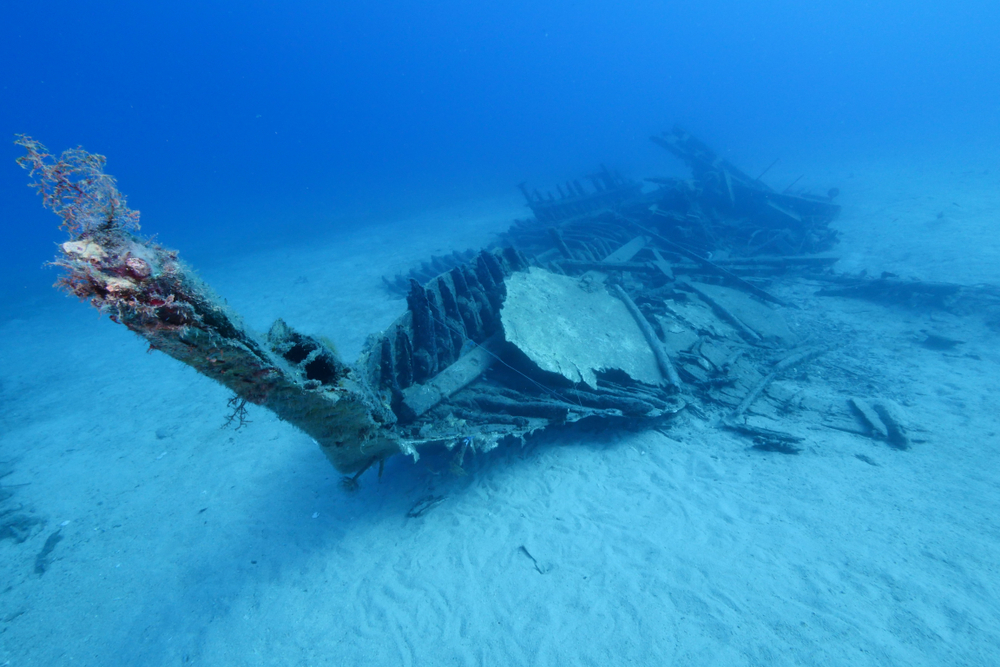
An Ancient Computer
The Antikythera Mechanism that was found in the wreck used interlocking gears to track astronomical movements. It could predict eclipses and track calendars with shocking precision. No other ancient device matches its complexity.
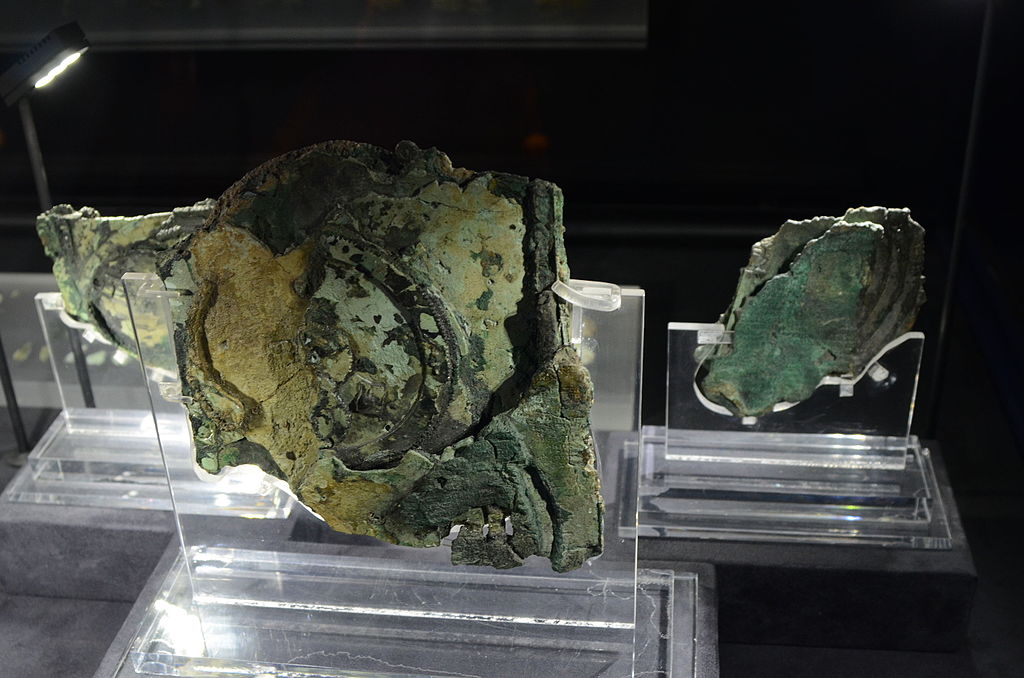 Peulle, CC BY-SA 4.0, Wikimedia Commons
Hidden Gears And Secrets
More than 30 gears were packed into the mechanism’s compact body. Its bronze dials displayed lunar phases, planetary motion, and festival dates. Only modern imaging revealed the full internal layout.
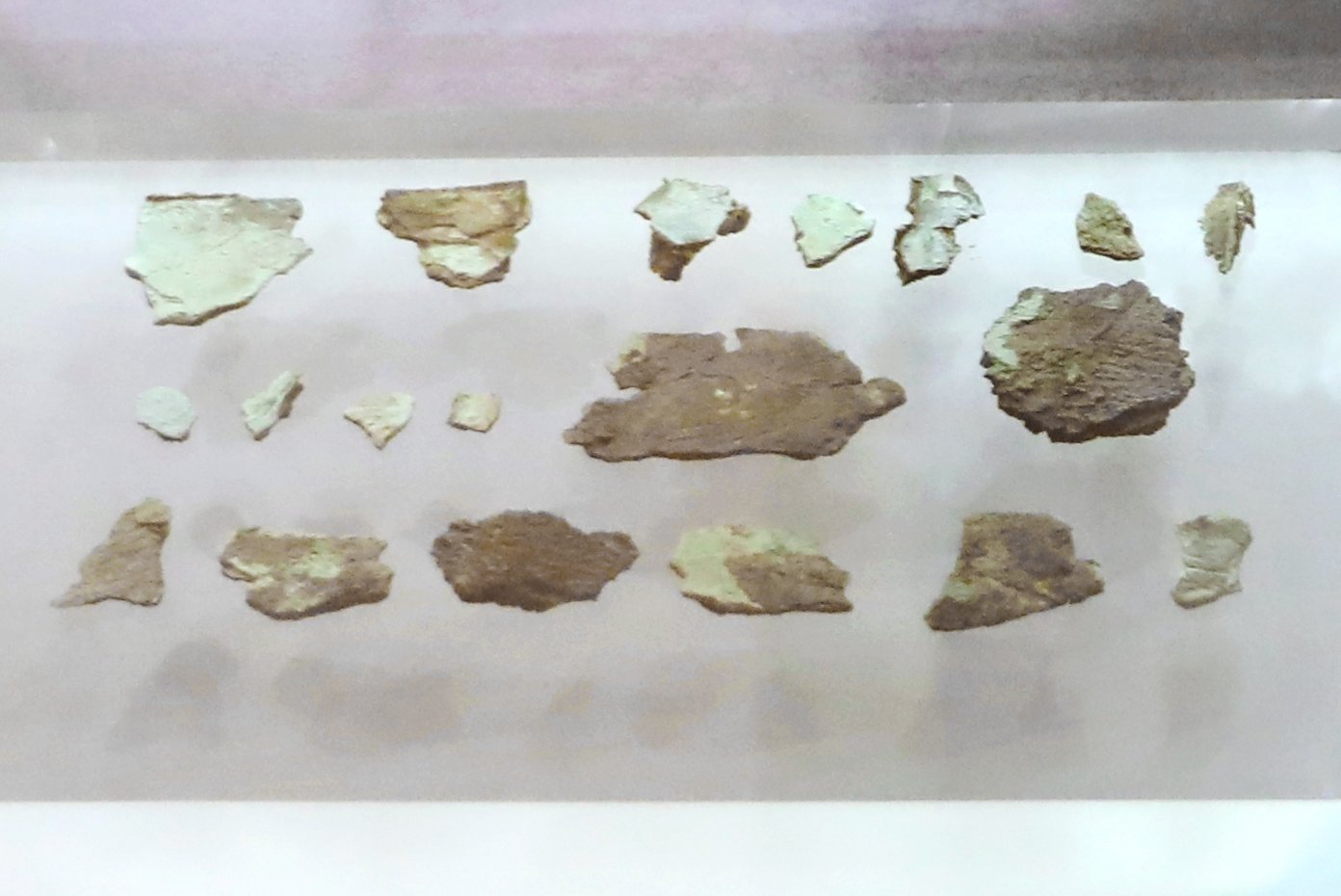 Francesco Bini, CC BY-SA 4.0 Wikimedia Commons
Greek Genius On Display
Scholars suspect the device came from a workshop influenced by Archimedes or Hipparchus. Inscriptions on the mechanism suggest it was made in a Greek-speaking region. The level of math and astronomy involved is astonishing.
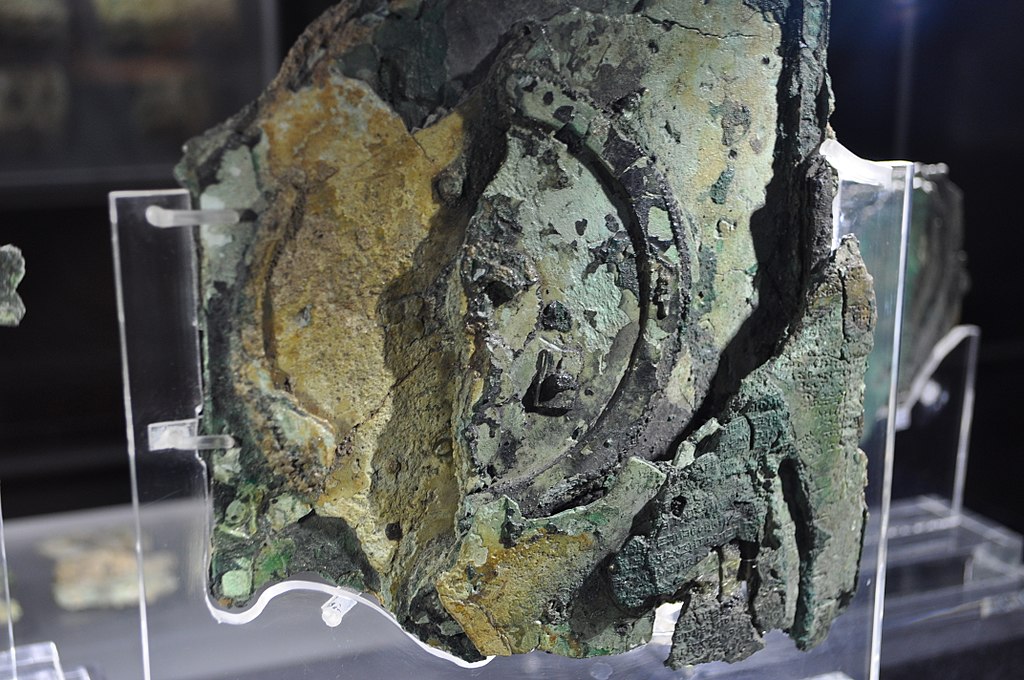 Juanxi, CC BY-SA 3.0, Wikimedia Commons
The Wreck That Keeps Giving
Over a century later, the Antikythera site continues to yield discoveries. New tech, deeper dives, and better imaging unlock more secrets each year. It’s an ancient story still being written.
You May Also Like:
The World’s Eeriest Shipwrecks
10 Lost Treasures That Are Still Missing Today
The Antikythera Mechanism Might Be The First Computer—But It Doesn't Make Sense




.jpg)


.jpg)


.jpg)


